
In an era saturated with high-definition color, the most profound visual statements are often those stripped of it entirely. A masterful piece of black and white photography doesn’t merely capture a moment; it distills an emotion, offering a depth of narrative that color sometimes obscures. You likely recognize that a single, well-placed monochrome print carries more intellectual weight than a dozen vibrant, generic posters. It’s the reason why this medium remains the definitive choice for those seeking to anchor their living spaces in a sense of history and quiet prestige.
This guide helps you move beyond the overwhelming world of low-quality reproductions to curate a collection of museum-quality works that define your home with elegance. We’ll explore the emotional resonance of the medium, the technical nuances of archival prints from the Slim Aarons or Terry O’Neill archives, and the framework for selecting iconic imagery. You’ll gain the confidence to invest in high-end framed pieces, understanding how bespoke craftsmanship and historical provenance transform a simple wall into a gallery of timeless significance. From the tactile quality of estate-approved prints to the art of mixing monochrome with existing decor, we invite you to discover how these archives serve as a bridge to a bygone era of sophistication.
Key Takeaways
- Learn how monochrome serves as a deliberate artistic choice that distills the texture and soul of a subject rather than acting as a historical limitation.
- Discover the transition of black and white photography from documentary record to aspirational fine art through the iconic lenses of masters like Terry O’Neill and Slim Aarons.
- Understand how to utilize monochrome as a sophisticated neutral that anchors modern interiors and adds narrative depth to vibrant color palettes.
- Master the technical checklist for identifying museum-quality prints, focusing on archival-grade paper and the necessity of bespoke, artisanal framing.
- Explore how to build a lasting visual legacy in your home by acquiring exclusive, limited-edition pieces from world-renowned photographic archives.
The Enduring Aesthetic of Black and White Photography
To view black and white photography as a mere precursor to color is to fundamentally misunderstand the medium. For the discerning collector, monochrome is a deliberate subtraction that reveals a hidden architecture. By removing the literal information of hue, a photographer forces the eye to engage with the structural soul of the subject. It’s a choice that shifts the viewer’s focus from “what” is being seen to “how” it feels. This sense of permanence is what makes monochrome the pinnacle of fine art. While a color photograph is often anchored to the specific decade of its creation by the palette of the era, a black and white image exists in a state of suspended time. We call this “curatorial silence.” It is the intentional power of what is left out, allowing the viewer’s own perspective to inhabit the shadows.
The aesthetic power of monochrome relies on several key pillars:
- Structural Integrity: The focus on lines, shapes, and geometry.
- Tonal Narrative: The story told through the transition from shadow to highlight.
- Emotional Essentialism: The removal of distractions to reach the heart of the subject.
The Psychology of Monochrome
Visual noise vanishes when the spectrum is reduced to silver and soot. This reduction creates a direct conduit to emotion. Without the distraction of a bright red dress or a piercing blue sky, the viewer is left with the raw intimacy of a gaze or the stark geometry of a landscape. There is a profound psychological link here to the Golden Era of Hollywood, a period where the silver screen defined our collective sense of glamour. It’s why black and white photography remains the undisputed standard for high-end portraiture. It doesn’t just record a face; it documents a legacy. By stripping away the mundane reality of color, the artist elevates the subject into the realm of the archetypal.
Contrast, Texture, and Light
In the world of the serious collector, light is not just a tool; it’s the primary subject. This focus was perfected through the Zone System, a technical framework popularized by Ansel Adams that divided an image into eleven distinct tones from absolute black to pure white. For a gallery-grade print, the mastery of these zones is essential. Deep, velvety blacks provide a foundation of luxury, while brilliant, crisp whites offer a sense of clarity and breath. When light hits a textured surface in a monochrome composition, it creates a tactile quality that color simply cannot replicate. The interplay of shadow and highlights becomes a narrative in itself, inviting the viewer to linger on the subtle gradations of a Terry O’Neill portrait or the architectural precision of a vintage cityscape. This tonal range creates a physical presence on the wall, turning a flat image into a three-dimensional experience.
Masters of the Lens: From Terry O’Neill to the Slim Aarons Collection
The evolution of black and white photography mirrors a broader shift in how we perceive the visual image. Once regarded as a purely documentary tool, monochrome transitioned into a medium for high-end aspirational art during the mid-20th century. This shift was led by photographers who didn’t just record events but curated a specific mood of exclusivity and intimacy. By stripping away the distractions of the literal world, these masters moved the medium from the newsroom to the gallery wall, creating a legacy of imagery that remains the gold standard for serious collectors.
Terry O’Neill: Capturing the Icons
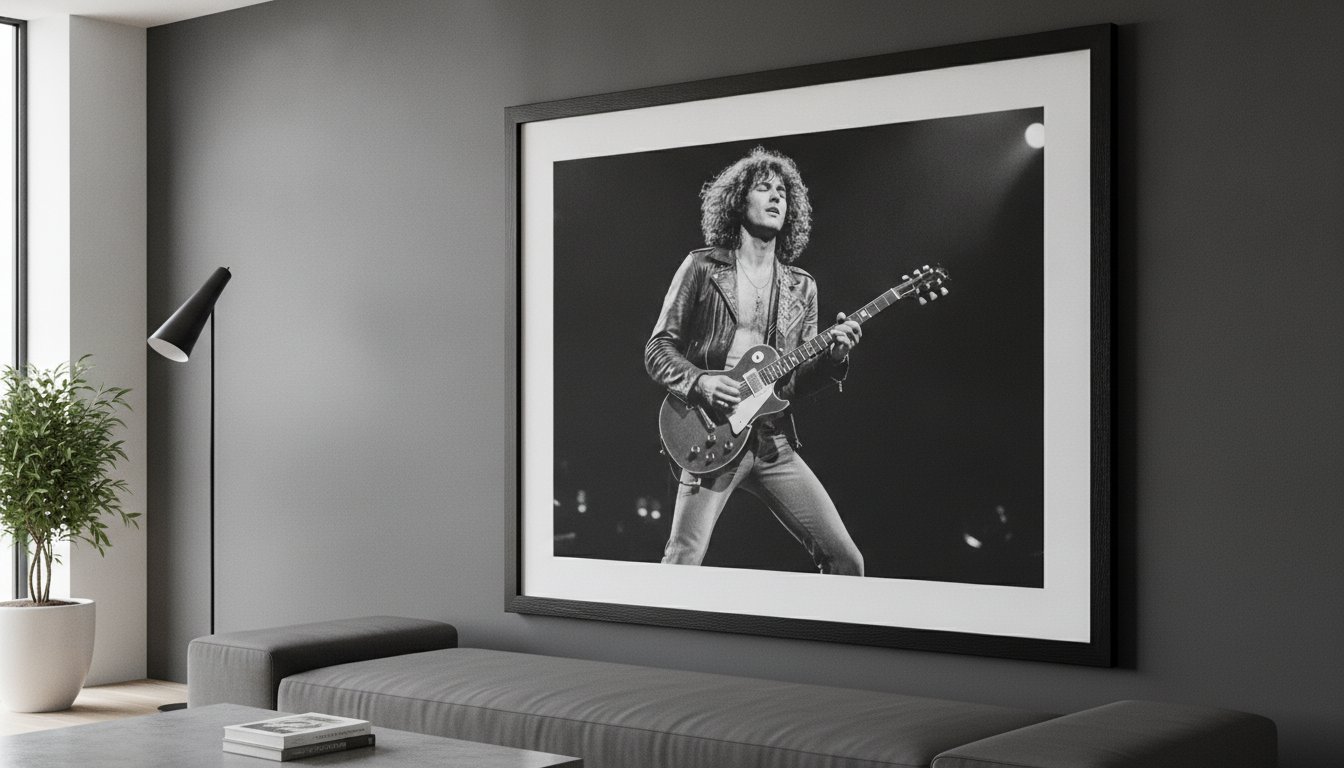
Terry O’Neill was the definitive architect of this transition. His lens provided a bridge to the otherwise inaccessible world of the 1960s elite, capturing the raw charisma of the era’s most guarded figures. O’Neill’s significance lies in his candid approach; his portraits of Frank Sinatra and Brigitte Bardot aren’t staged publicity shots but intimate records of a “Swinging Sixties” reality. These works have become staples in luxury interior design because they offer a sense of historical weight. They don’t just decorate a room; they anchor it in a bygone era of sophistication. His ability to capture a star in a moment of quiet reflection is what separates a mere photograph from a piece of fine art.
The Archive as a Window into History
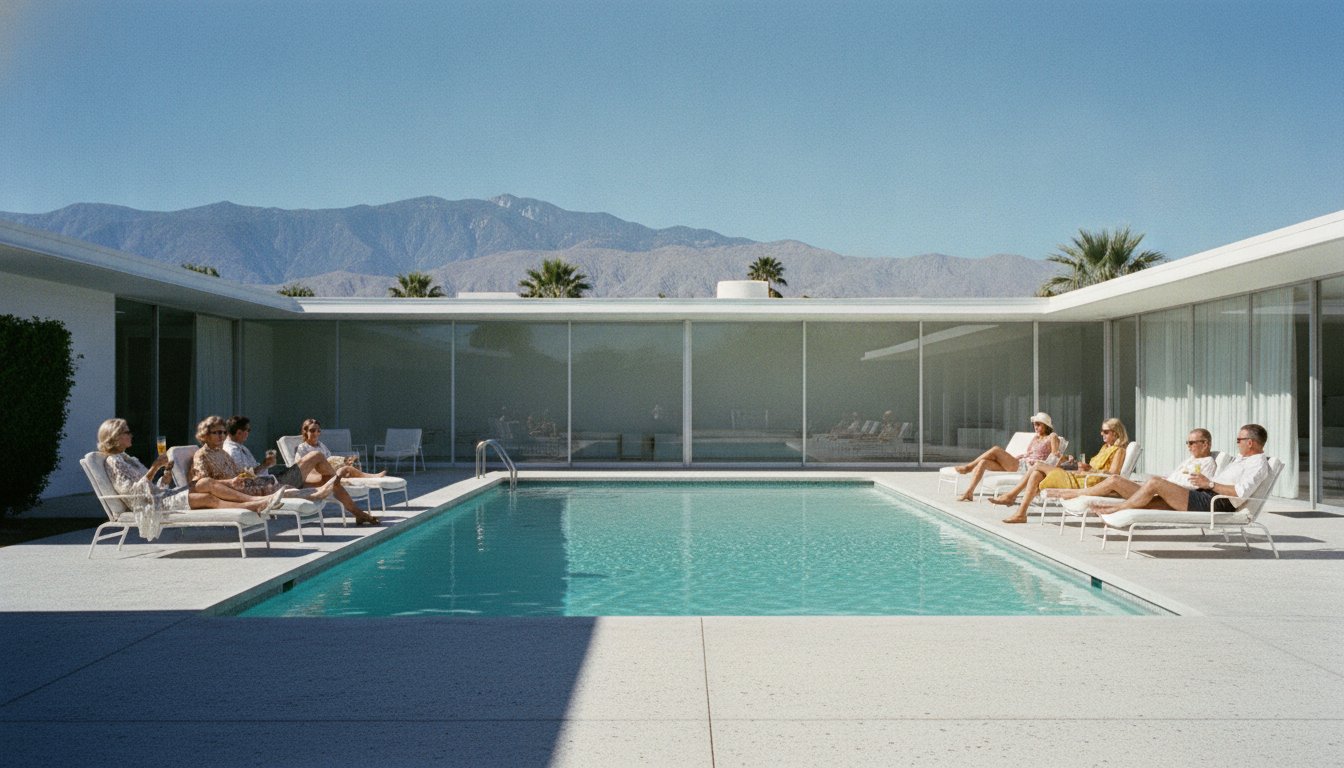
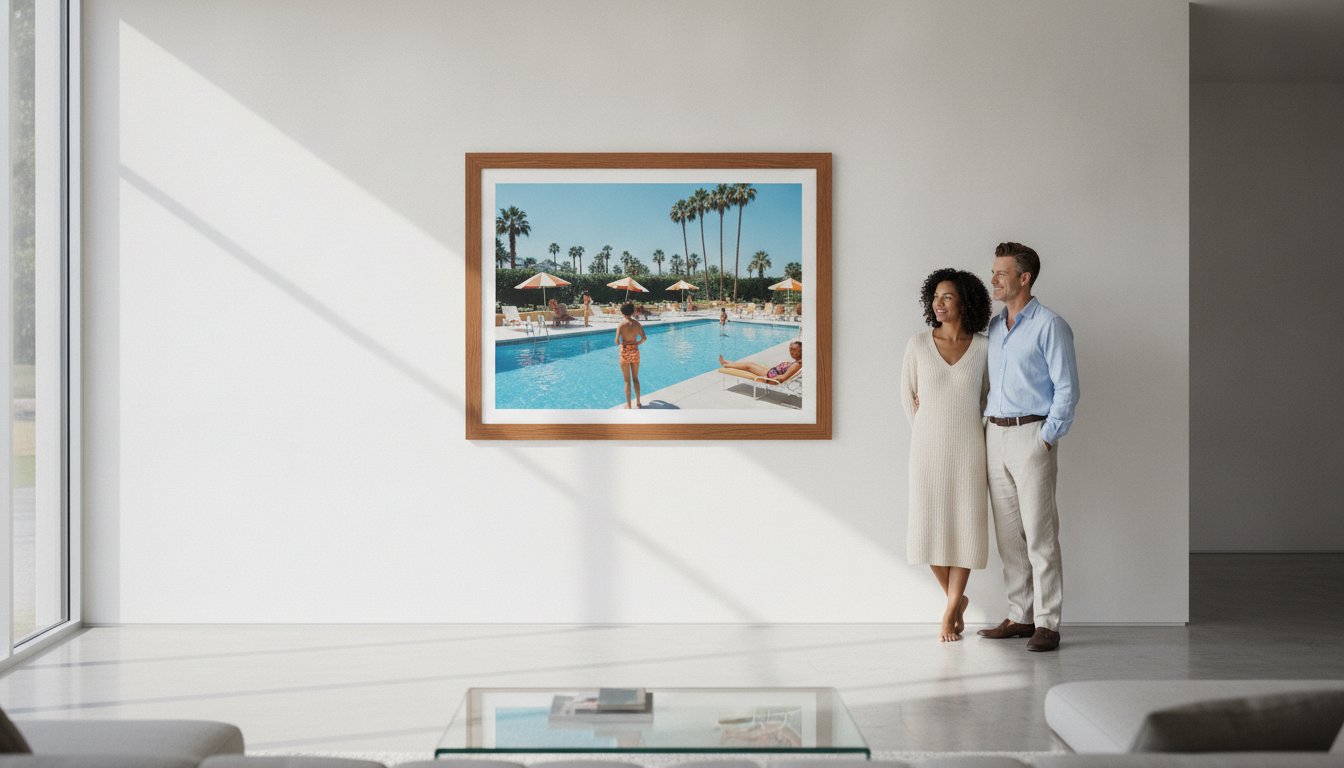
While many enthusiasts associate the Slim Aarons collection with the vibrant blues of Mediterranean pools, his rare black and white works offer a more nuanced perspective on his “attractive people in attractive places” mantra. These monochrome pieces strip luxury down to its essential geometry, revealing the architectural elegance of mid-century design. The rarity of these specific archival prints increases their value, positioning them as significant assets for any private collection.
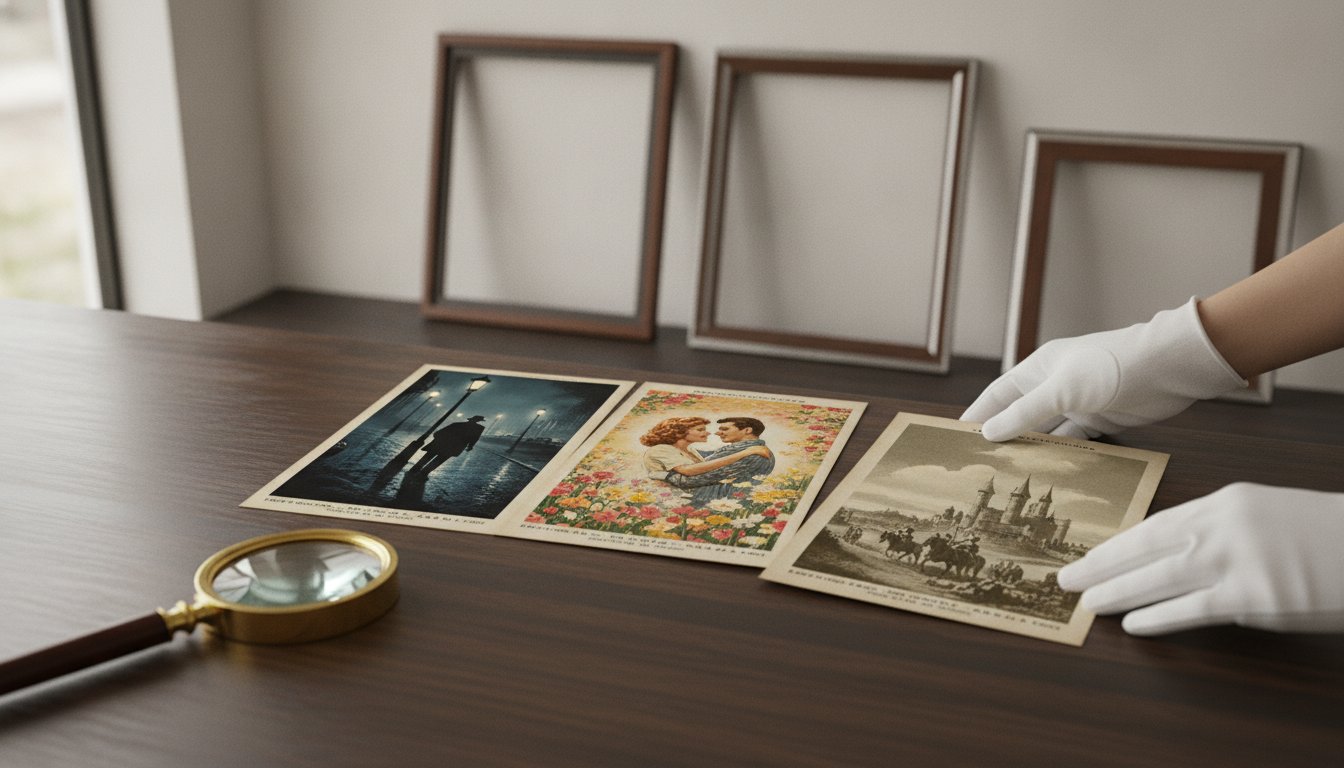
Preserving this heritage requires the stewardship of official archives and estates, which act as guardians of our visual history. Beyond traditional prints, cinema lobby cards provide a fascinating sub-genre for collectors, capturing the essence of film history in a format originally designed for public intrigue. The archival value of a print is defined by the integrity of its source material and the pedigree of the estate from which it was struck. As you look to build your own visual legacy, exploring the Terry O’Neill photography archives offers a rare chance to own a piece of this guarded history.
- Historical Provenance: Direct access to estate-stamped archives ensures authenticity.
- Aspirational Narrative: Images that tell a story of status, culture, and timeless style.
- Investment Potential: Limited edition prints from masters like O’Neill often appreciate as the archives become more exclusive.
Decorating with Contrast: B&W Photography in Modern Interiors
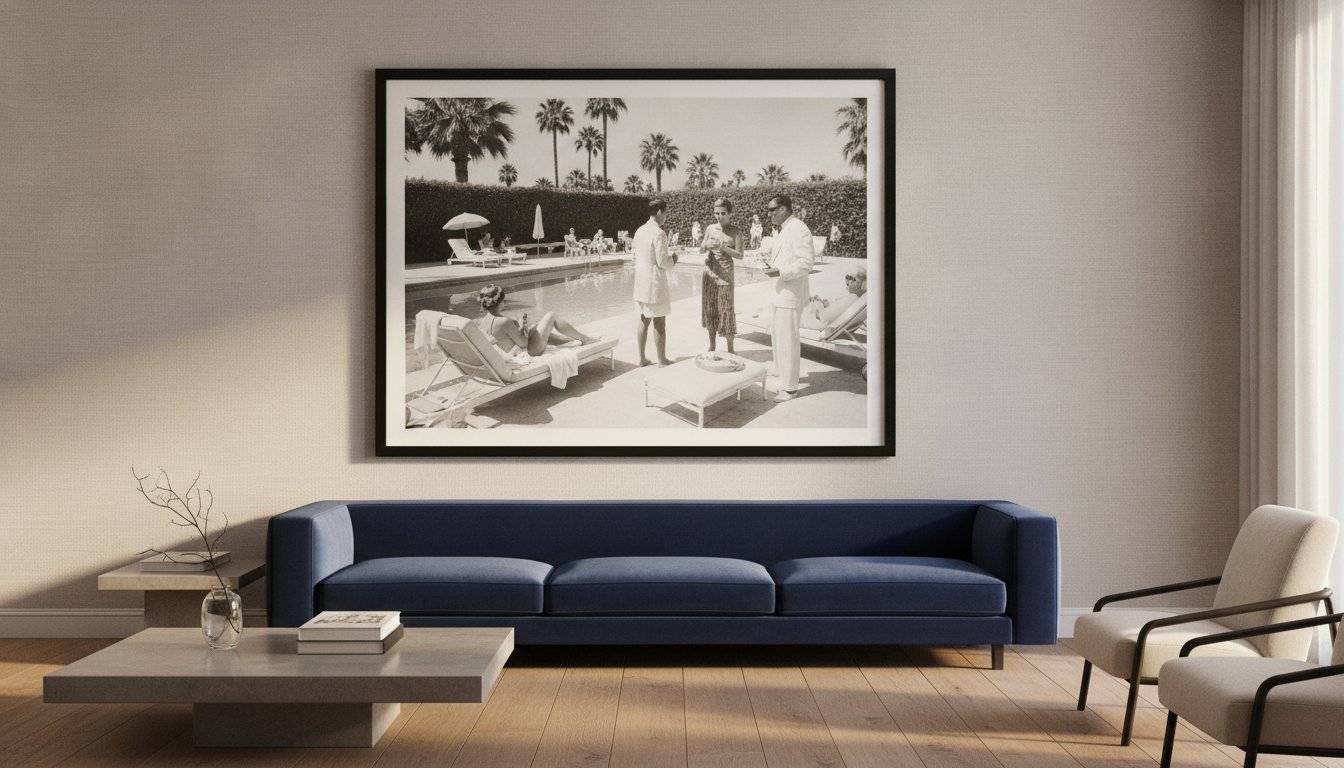
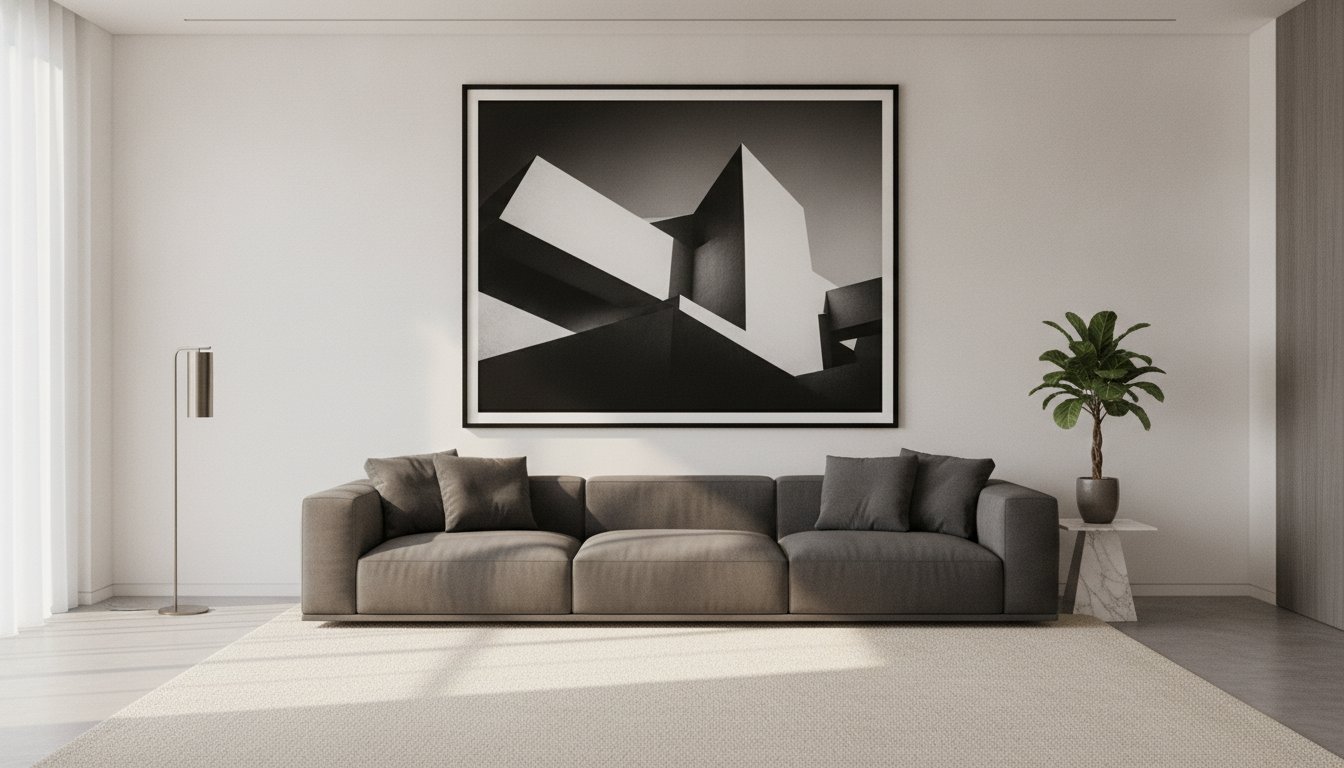
In the architectural composition of a room, black and white photography acts as the quiet intellectual. It doesn’t compete with a vibrant velvet sofa or a bold wall color; instead, it provides the necessary visual pause that allows those colors to breathe. This medium serves as a structural neutral, adding a layer of sophisticated depth that color prints can sometimes crowd. When you place a historical archive print within a minimalist space, you create a compelling dialogue between the past and the present. An oversized statement piece commands the room, offering a window into another world that feels both grounded and aspirational. Conversely, a curated set of smaller prints can lead the eye through a space, creating an intimate, rhythmic narrative that invites closer inspection.
Balancing contemporary furniture with vintage imagery requires a discerning eye for friction. A Terry O’Neill portrait of a guarded icon placed above a sleek, low-profile sideboard creates a sophisticated tension. The sharp, modern lines of the furniture ground the image, while the historical weight of the photograph softens the austerity of the design. It’s about moving beyond simply filling a void on a wall; it’s about anchoring the room in a sense of permanence and stability.
Creating a Sophisticated Gallery Wall
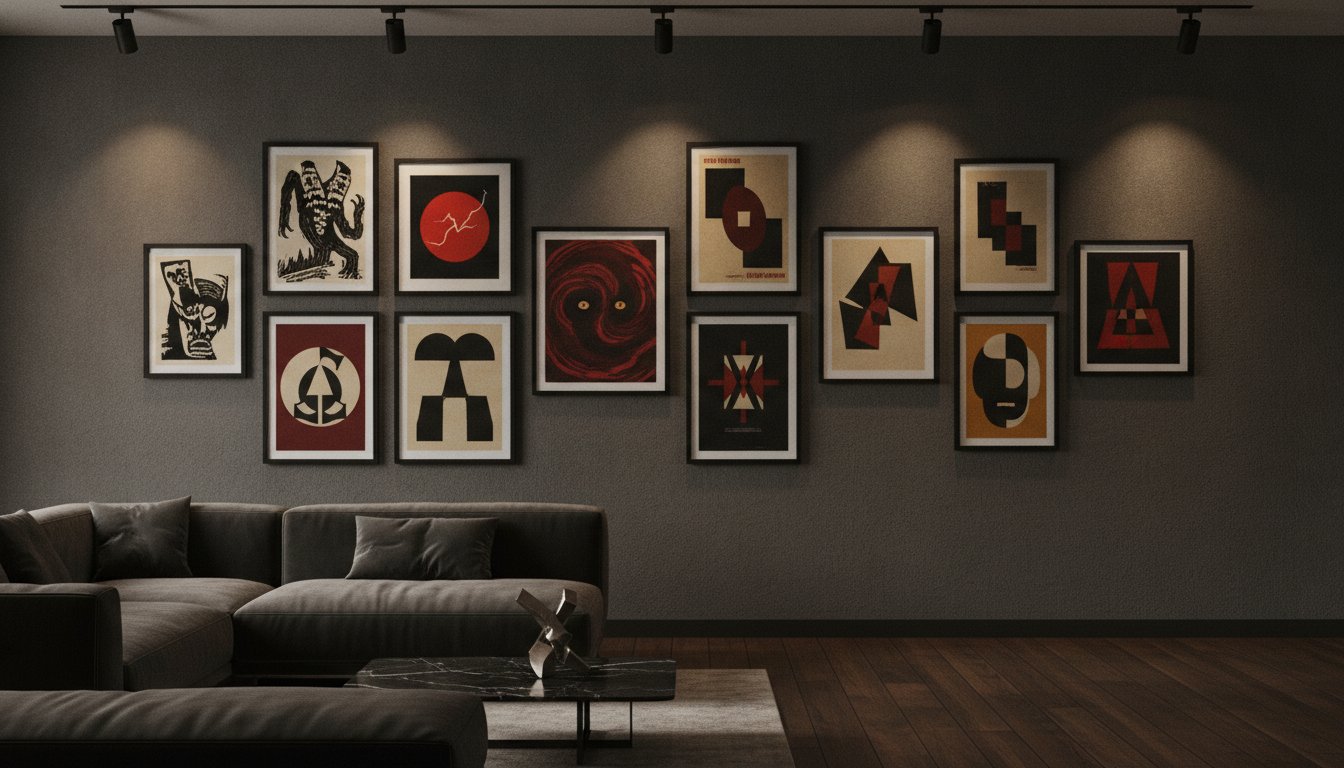
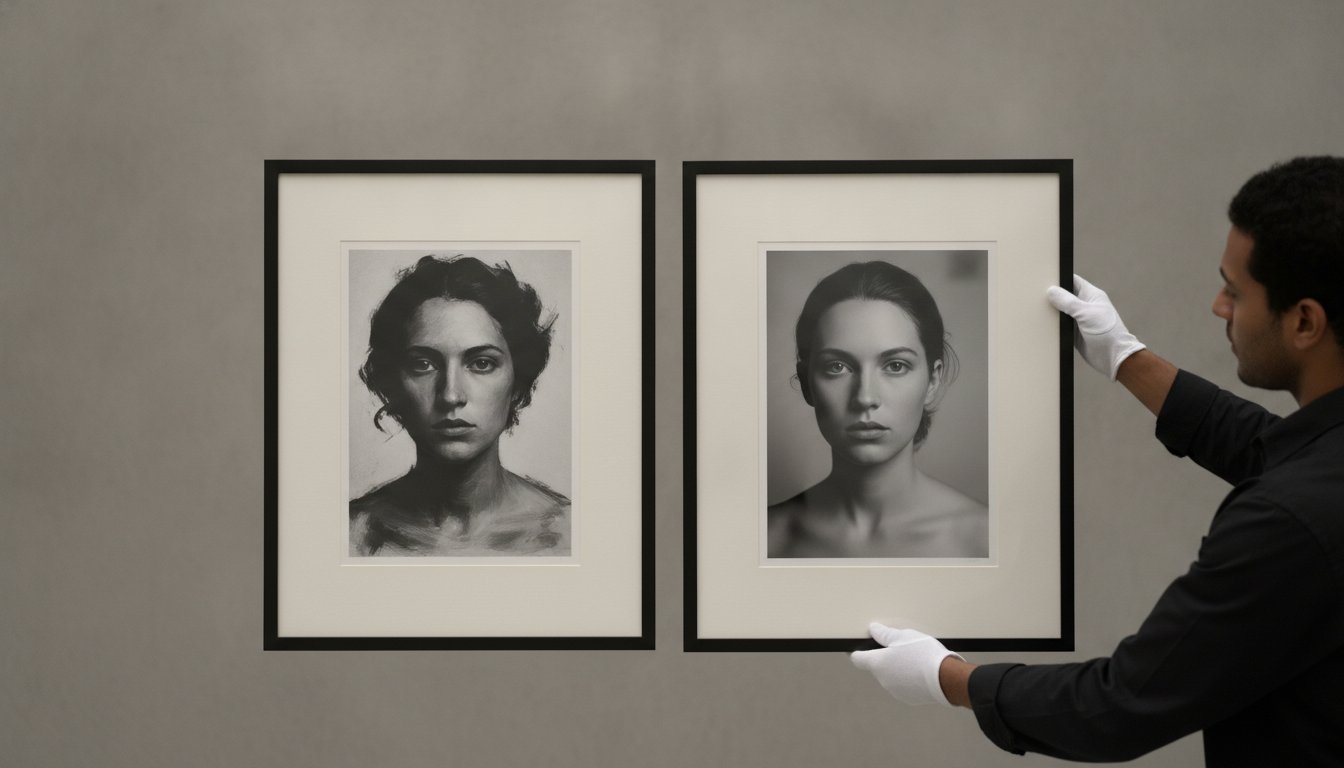
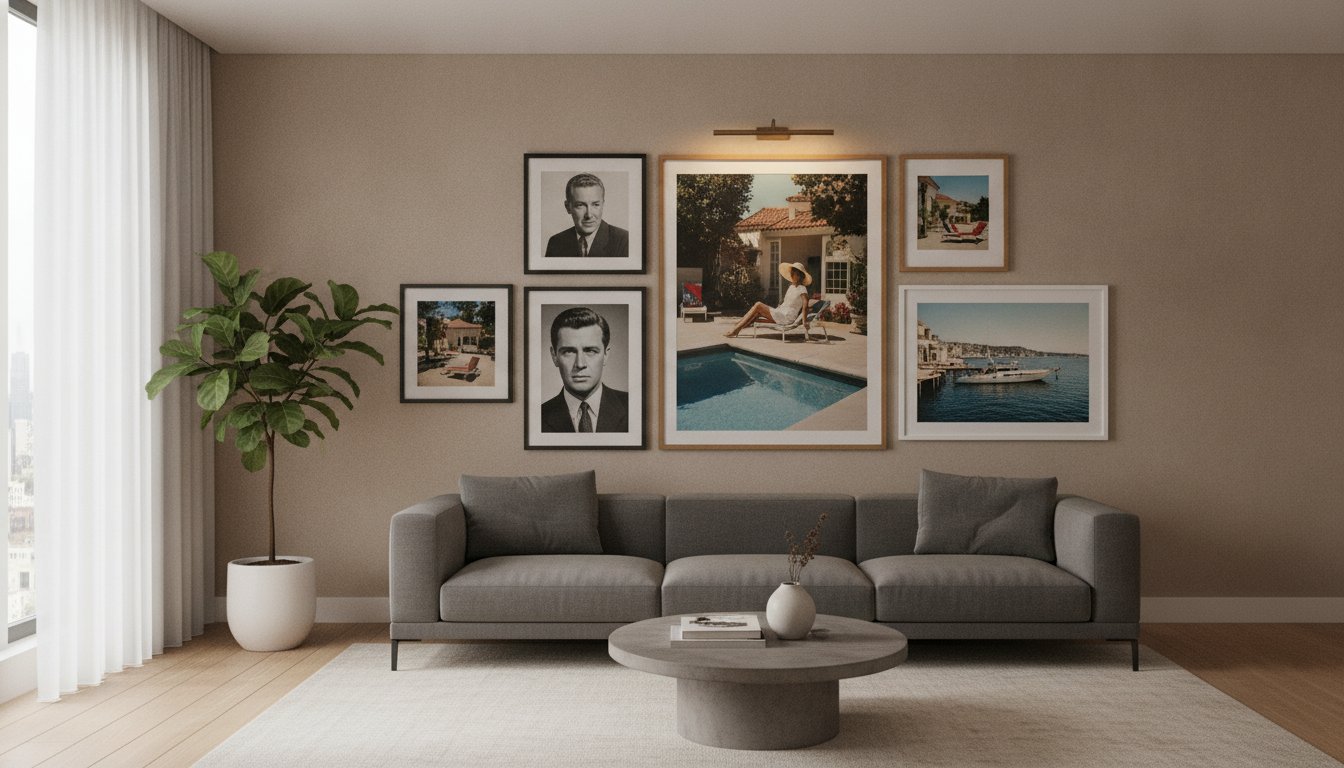
The secret to a gallery wall that feels curated rather than cluttered lies in the tension between the subjects. Mixing different eras, perhaps a 1920s architectural study alongside a 1960s celebrity portrait, suggests a collection built with discernment over decades. This approach avoids the “instant decor” feel of mass-produced sets, favoring a more layered, worldly persona. To unify these disparate moments, use a consistent, bespoke framing style. This architectural boundary allows the individual stories within the fine art photography to shine while maintaining a cohesive aesthetic. It’s an opportunity to build a visual autobiography on your walls, where each piece reflects a facet of your own taste and heritage.
Lighting Your Monochrome Collection
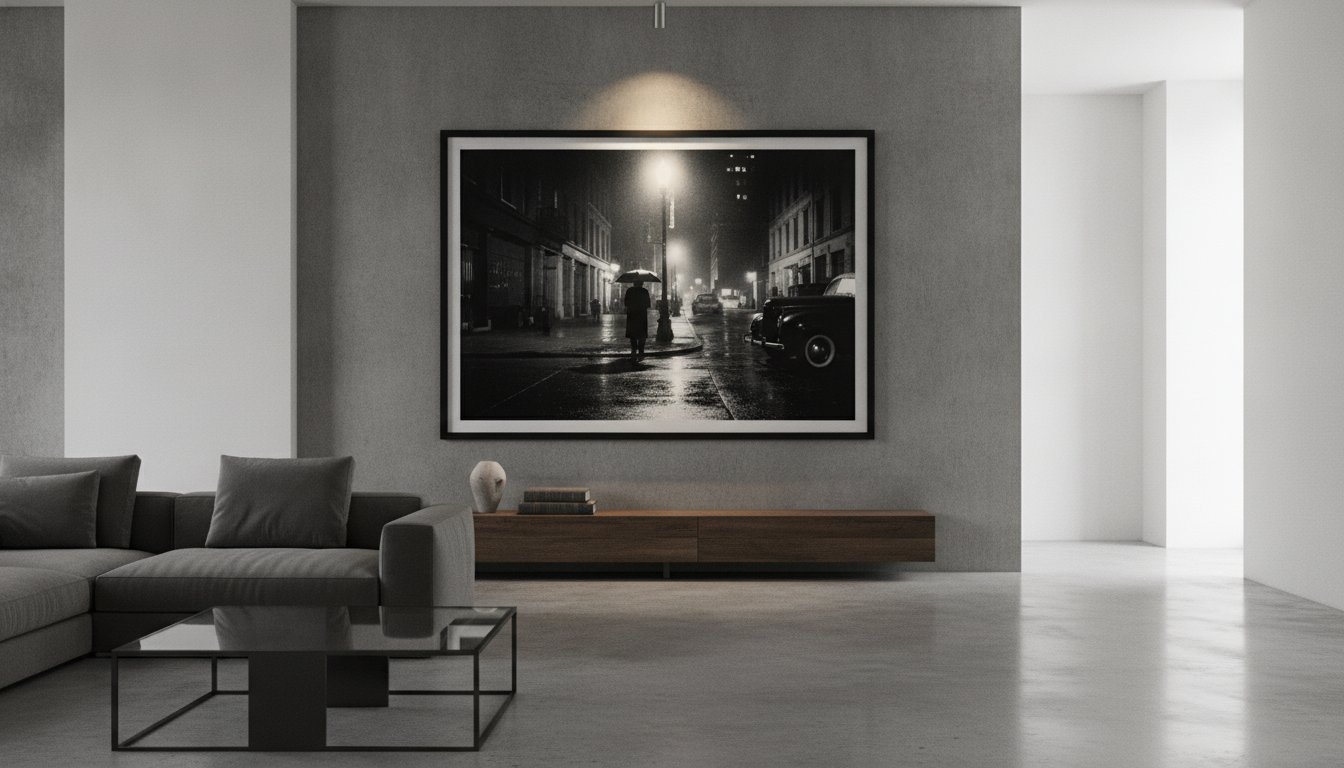
Lighting is the final, essential layer of curation. Because black and white photography relies so heavily on tonal range, the way light interacts with the paper is paramount. Directional spotlighting can deepen the velvety blacks of a museum-quality print, lending it a three-dimensional presence that draws the viewer in. However, collectors must be wary of glare. High-gloss finishes require careful placement away from direct window light to prevent the image from washing out. In darker corners of a home, a high-contrast print with dominant white space can actually act as a subtle light source, drawing the eye and lifting the mood of the entire area. The interplay between the light and the depth of the print is where the artisanal craftsmanship of the production process truly becomes visible.
The Collector’s Checklist: Quality, Paper, and Bespoke Framing
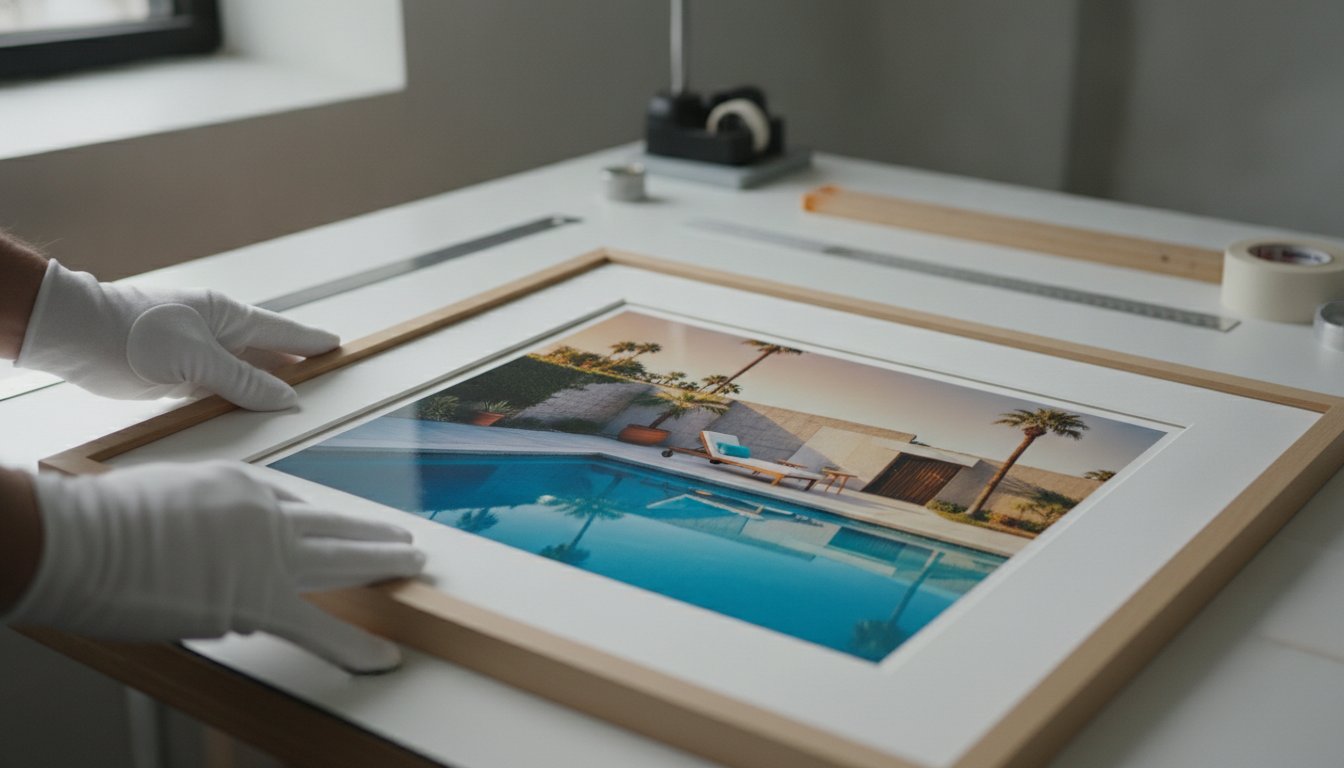
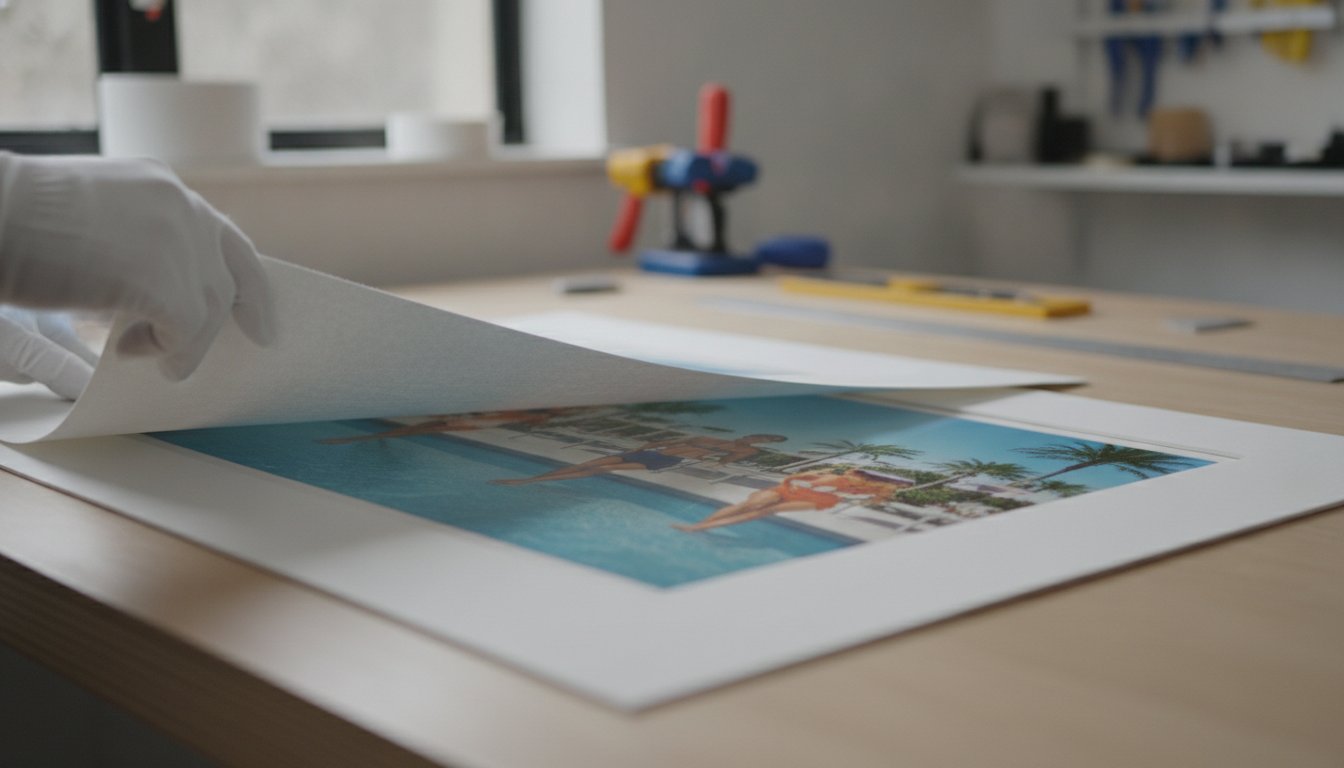
A true investment in black and white photography is defined by its physical integrity as much as its visual narrative. While a common poster is a fleeting reproduction on thin, acidic paper, a fine art print is a meticulously crafted artifact designed to endure for generations. The distinction lies in the substrate and the chemistry. Collectors should look for heavyweight, acid-free, museum-quality paper, often made from 100% cotton rag. This material ensures the print doesn’t yellow or become brittle over time, preserving the deep blacks and crisp whites that define the medium’s soul. Providing the artwork with “breathing room” through a professional mount, or matting, is equally vital. This acid-free border prevents the print from touching the glass, protecting the emulsion from moisture and temperature fluctuations while focusing the viewer’s eye on the composition’s heart.
Understanding Archival Standards
The technical pedigree of a print determines its longevity. While traditional silver gelatin processes remain a gold standard for their chemical depth, modern Giclée printing has revolutionized the field. By utilizing high-resolution pigment-based inks rather than fugitive dyes, Giclée prints offer a staggering resistance to fading, even when exposed to ambient light. For the serious collector, archival-quality serves as the ultimate benchmark. It represents a commitment to materials that remain chemically stable and visually unchanged for over a century under museum conditions. This permanence is what transforms a simple image into a lasting piece of history.
The Art of Bespoke Framing
Framing is never a mere afterthought; it’s the final act of curation. A bespoke frame acts as both a protective sanctuary and an aesthetic amplifier. The choice of style can radically alter the mood of a photograph. A sleek, matte black wood frame might emphasize the modernism of a mid-century architectural shot, while a more substantial, hand-finished molding can lend a sense of classical authority to a celebrity portrait. Beyond aesthetics, professional mounting is a technical necessity. It prevents “rippling,” a common issue where large prints sag or wave due to humidity. Every piece we handle is treated with localized, artisanal craftsmanship, ensuring that the work is physically secured against the elements of time. To ensure your collection receives this level of protection, we invite you to explore our bespoke framing service.
Curating Your Legacy with Galerie Prints
Galerie Prints operates as a dedicated guardian of photographic heritage, acting as a bridge between the exclusive archives of the past and the sophisticated interiors of today. We believe that selecting a piece of black and white photography should be an experience that mirrors the prestige of the artwork itself. Our collections are not merely decorative; they are curated selections of cultural significance, ranging from the intimate celebrity portraits of Terry O’Neill to the rare, limited-edition Star Wars prints that capture the cinematic imagination. When you acquire a piece from our gallery, you aren’t just buying a print. You are securing a lasting piece of history that defines your space with an air of quiet authority and historical depth.
A World-Class Curation
The breadth of our archives reflects a deep reverence for the icons of music, film, and fashion. Under the visionary direction of Stuart Möller, who brings his own perspective as both a director and an artist to the gallery’s vision, we have assembled a collection that spans the “Golden Era” to the modern day. This stewardship ensures that every collector, whether beginning their journey with a single print or designing a complete home gallery, has access to works of genuine provenance. Our music archives and vintage movie posters offer a specialized look into the sub-cultures that shaped the 20th century, providing a level of exclusivity that mass-market retailers cannot replicate. We support the collector’s journey by providing the context and narrative depth necessary to build a collection of substance.
From the Gallery to Your Wall
We have refined the digital experience to ensure that the transition from our gallery to your wall is seamless and reassuring. Choosing the right size and bespoke framing style is handled with gallery-level expertise, allowing you to select pieces that perfectly complement your architectural environment. Every order arrives ready-to-hang, supported by professional logistics that prioritize the safety of the archival materials. This commitment to localized, artisanal quality ensures that your investment in black and white pictures is protected from the moment it leaves our hands.
Investing in black and white photography is a commitment to a specific, aspirational lifestyle. It’s a choice that favors the permanent over the ephemeral. We invite you to explore our latest arrivals and discover the imagery that resonates with your personal narrative. By choosing a piece that speaks to your own sense of elegance and wonder, you are not just decorating a wall; you are curating a legacy for your home.
Building a Visual Legacy for Your Home
The journey into black and white photography is one of refinement. It’s a path that moves from mere decoration toward the intentional curation of a lasting visual heritage. You’ve seen how monochrome distills the architectural soul of a subject, stripping away the ephemeral to reveal the permanent. By prioritizing archival-grade materials and the precision of bespoke, handcrafted framing, you ensure that these moments of historical significance remain preserved for future generations. This isn’t just about filling a space; it’s about anchoring your home in a sense of stability and prestige.
As official partners of the Slim Aarons and Terry O’Neill archives, we are dedicated to providing access to these guarded windows into history. Every print is produced to museum standards and arrives in secure, art-specialist packaging, ready to redefine your space through our worldwide shipping service. Whether you’re drawn to the candid intimacy of the 1960s or the geometric elegance of mid-century design, your collection acts as a bridge to a bygone era of sophistication. We invite you to Explore the Curated Black and White Collection at Galerie Prints and begin selecting the pieces that will define your home’s narrative with elegance and historical depth.
Frequently Asked Questions
What makes black and white photography different from color photography?
Black and white photography differs from color by stripping away literal information to reveal the underlying architecture of an image. While color records a specific moment in time, monochrome distills the emotion, focusing the viewer on form, light, and shadow. It’s a deliberate artistic choice that invites a more intellectual engagement with the subject. By removing the distraction of hue, the photographer emphasizes the raw soul and timelessness of the composition.
How do I choose the right size black and white print for my room?
Selecting the appropriate scale depends on the architectural intent of your space. A large, statement-sized print acts as a focal point, anchoring a room with a sense of permanence. For more intimate areas, a curated set of smaller prints creates a rhythmic, narrative experience. We recommend measuring the available wall space and considering the viewing distance; a piece should feel grounded by your furniture rather than floating aimlessly in a void.
Is black and white photography more expensive than color?
The value of a photographic print is determined by its archival pedigree and rarity rather than the presence of color. Limited edition works from prestigious estates command a premium due to their historical significance and the exclusivity of the source material. Whether monochrome or color, the investment reflects the technical excellence of the production process and the artisanal craftsmanship of the bespoke framing that protects the work over time.
Can I mix black and white photos with color art in the same room?
You can certainly mix monochrome imagery with color art to create a sophisticated visual dialogue. Black and white photography acts as a structural neutral, providing a necessary pause that allows vibrant colors in other pieces to resonate more deeply. This contrast adds layers of narrative depth to an interior, blending historical weight with modern aesthetics. Consistency in framing can help unify disparate mediums, ensuring the collection feels intentional.
What is the best type of paper for black and white photography prints?
The definitive choice for high-end monochrome prints is heavyweight, acid-free, 100% cotton rag paper. This museum-quality substrate provides the chemical stability required for longevity, ensuring the deep blacks and crisp whites remain unchanged for decades. Unlike standard papers, cotton rag is a tactile material that resists yellowing and brittleness. It’s the essential foundation for any black and white photography work intended to be a lasting piece of history.
How do I care for and clean my framed photography prints?
Proper care involves protecting the print from environmental stressors such as direct sunlight and high humidity. To clean the frame, use a soft, lint-free microfiber cloth to gently remove dust from the glass. Never spray cleaning agents directly onto the frame, as moisture can seep behind the mount and damage the archival paper. Our bespoke framing service includes protective matting to ensure the print never touches the glass, maintaining its integrity.
Why are some black and white prints “limited edition”?
Limited edition prints are restricted to a specific number of copies, which preserves their rarity and investment value. Once the edition is sold out, no further prints are authorized from that specific archive or estate. This scarcity is a hallmark of the fine art world, signifying that the owner possesses a guarded piece of photographic heritage. These editions are often estate-stamped, providing a verified link to the artist’s original vision.
What is the difference between a silver gelatin print and a Giclée print?
A silver gelatin print is a traditional chemical process where light-sensitive silver salts create the image within a gelatin layer. It’s prized for its deep, velvety blacks. A Giclée print utilizes high-resolution, pigment-based inks on archival paper. While silver gelatin offers historical authenticity, modern Giclée printing provides exceptional resistance to fading and a wider tonal range. Both methods meet museum standards when executed with the artisanal craftsmanship we apply to every piece.