Long before film noir became a Hollywood staple, Arthur Fellig was already capturing its dark, rain-slicked soul on the midnight streets of Manhattan. You likely recognize the high-contrast drama of his work, that stark interplay of shadow and flash that defines an era of urban mystery. It’s a style that feels both timeless and dangerously immediate, yet many collectors find it difficult to source authentic Galerie Prints that preserve this raw, mid-century energy while meeting the rigorous archival standards required for a private collection.
We understand that the challenge lies not just in finding the image, but in visualizing how such gritty, visceral photography fits within the refined atmosphere of a luxury home. This article explores how the man known as Weegee transformed the stark reality of New York into a definitive cinematic aesthetic that remains the gold standard for historical photography today. We’ll provide a curated framework for decorating with high-contrast noir art and explain how bespoke framing ensures these museum-quality pieces become lasting heirlooms. By the end, you’ll possess the expert knowledge needed to select and display a piece of New York’s photographic heritage with confidence and poise.
Key Takeaways
- Understand how Arthur Fellig evolved from a freelance night owl into Weegee, the definitive chronicler of mid-century New York’s cinematic soul.
- Discover the visual hallmarks of the “Naked City” aesthetic, where harsh flash and deep shadows focus as much on the emotional reactions of the crowd as on the events themselves.
- Learn how the technical limitations of the Speed Graphic camera created the signature high-contrast look now meticulously preserved in museum-grade getty images gallery prints.
- Master the art of integrating gritty noir photography into sophisticated interiors by using statement pieces to anchor industrial or minimalist rooms.
- Recognize the importance of archival paper and bespoke framing in preserving the deep tonal range and historical integrity of these iconic photographic works.
The Legend of Weegee: From Tabloid Press to Getty Images Gallery Icon
New York in the 1930s was a city of stark contrasts, a place where the glittering lights of Broadway sat just blocks away from the shadow-drenched alleys of the Lower East Side. Arthur Fellig, the man who’d eventually become Weegee, didn’t just inhabit this world; he owned its darkest hours. As a freelance night owl, he spent his nights in a Chevrolet Coupe equipped with a police radio and a portable darkroom. This relentless pursuit of the city’s pulse transformed him into a cultural icon. His work eventually transcended the ephemeral nature of the daily newspaper, culminating in the landmark 1943 exhibition at the Museum of Modern Art. This event was pivotal. It validated raw, gritty press photography as a legitimate form of high art. Today, getty images gallery prints of his work serve as the definitive visual record of this tumultuous, cinematic era.
The Birth of a Pseudonym
The transition from Usher Fellig to the moniker “Weegee” is steeped in both practical necessity and clever self-promotion. While some suggest the name originated from his early days as a “squeegee boy” in a darkroom, Fellig preferred the more mystical explanation. He claimed it was a phonetic play on “Ouija,” a nod to his seemingly psychic ability to arrive at crime scenes before the authorities. You can explore his full biographical timeline via Weegee’s official Wikipedia entry. To cement his legacy, he began marking his work with a bold, proprietary stamp: “Weegee the Famous.” This wasn’t just a signature; it was a brand that signaled a unique perspective on the human condition, one that collectors still seek out in authentic getty images gallery prints.
A Bridge Between Two Worlds
Weegee navigated the delicate boundary between raw tabloid reportage and fine art photography with unparalleled finesse. His 1945 book, Naked City, stripped away the artifice of the metropolis, revealing a world of sleeping children on fire escapes and bewildered socialites. This publication had an enduring cultural impact, influencing the visual language of film noir for decades. Modern collectors often view his work with the same reverence reserved for masters like Terry O’Neill, recognizing that both photographers shared a rare ability to capture the essence of their subjects with unflinching honesty. His images don’t just document events. They curate a specific, haunting atmosphere that remains as potent today as it was eighty years ago.
Naked City: Defining the Film Noir Aesthetic
Weegee’s lens didn’t just record events; it sculpted them into a visual grammar that we now define as film noir. His signature style, characterized by the blinding pop of a flashbulb against the impenetrable New York night, created a world of high-contrast drama. These shadows weren’t just absences of light; they were active participants in the narrative, suggesting secrets lurking just beyond the frame. This aesthetic provided a blueprint for the classic Hollywood crime films of the 1940s, where directors sought to replicate the raw, claustrophobic energy found in his photographs. This was a world of stark urban isolation, where every figure seemed to be operating under a lonely, unforgiving spotlight. For the modern collector, getty images gallery prints of these works offer more than a historical record. They provide a window into a stylized reality where the city itself becomes a brooding, breathing character.
The Psychology of the Crowd
While his peers focused on the grisly details of a crime scene, Weegee often turned his back to the action. He was fascinated by the “Bystander Effect,” capturing the raw, unvarnished reactions of those watching from the sidelines. In his frames, you see a spectrum of human emotion: the ghoulish glee of a child, the stoic indifference of a beat cop, or the shattered grief of a relative. This voyeuristic quality gives his work a profound psychological depth, capturing the social hierarchy and grit of the era with startling clarity. As documented in the International Center of Photography’s Weegee archive, his ability to humanize the urban spectacle was unparalleled. Authentic getty images gallery prints allow the collector to appreciate the minute details of these expressions, from the sweat on a brow to the texture of a wool coat, making the viewer a silent participant in the scene.
Mastering the Black and White Aesthetic
The power of Weegee’s work lies in the timeless allure of black and white pictures. Without the distraction of color, the viewer is forced to confront the structural elements of the composition: the grit of the pavement, the glint of a badge, and the deep, velvety blacks that define his tonal range. This monochromatic focus enhances the dramatic narrative, stripping the city down to its essential truths. Preserving this tonal range is vital, as the subtle gradations of grey are what prevent the image from feeling flat or clinical. When integrated into a home, these prints provide a sense of permanence and architectural stability. They anchor a room, offering a sophisticated counterpoint to modern minimalist decor or industrial textures. If you’re looking to start your own collection of historical masterworks, you might consider exploring the curated selections at Galerie Prints to find a piece that resonates with your personal aesthetic.
The Technique Behind the Grit: Speed Graphics and Police Radios
Weegee’s creative process was as much about logistics as it was about aesthetics. His 1938 Chevrolet Coupe served as a mobile command center, uniquely equipped with a police radio that was the first of its kind authorized for a civilian. This wasn’t merely a convenience; it was a radical technological edge that allowed him to arrive at scenes before the sirens had even faded. Inside the trunk, a portable darkroom allowed him to develop film on the fly, ensuring his visceral records of the night reached the morning editions with startling speed. This relentless, mechanical approach to photography is explored in detail within this Weegee biography, which highlights how his technical setup birthed a new genre of urban reportage. His ability to illuminate the city’s hidden corners relied on a combination of brute force technology and a pioneer’s intuition.
Chasing the Siren
The life of a mid-century “night owl” was one of constant adrenaline and ethical complexity. By monitoring police frequencies, Weegee circumvented the traditional news cycle, often reaching a fire or a crime scene while the embers were still hot. This competitive edge didn’t just serve the tabloids; it allowed him to capture the city in its most unguarded states. He operated within a press circuit that valued the “scoop” above all else, yet he managed to infuse these fleeting moments with a sense of permanence that moved his work from the newsstand to the gallery wall.
The Signature High-Contrast Look
Technically, Weegee adhered to the “f/8 and be there” philosophy, a shorthand for prioritizing presence and focus over complex adjustments. This approach, combined with the intense pop of his flashbulbs, resulted in a stark, monochromatic palette where the subjects are thrust forward against a void of deep, velvety black. The preservation of these getty images gallery prints depends heavily on the use of premium archival photo paper. This material is essential for maintaining the extreme tonal range of his exposures, ensuring that the dramatic shadows remain rich and the highlights stay crisp. This artisanal attention to the printing process is what allows a press photograph from 1940 to function as a sophisticated piece of contemporary art.
Integrating Noir: How to Decorate with Weegee’s Getty Images Gallery Prints
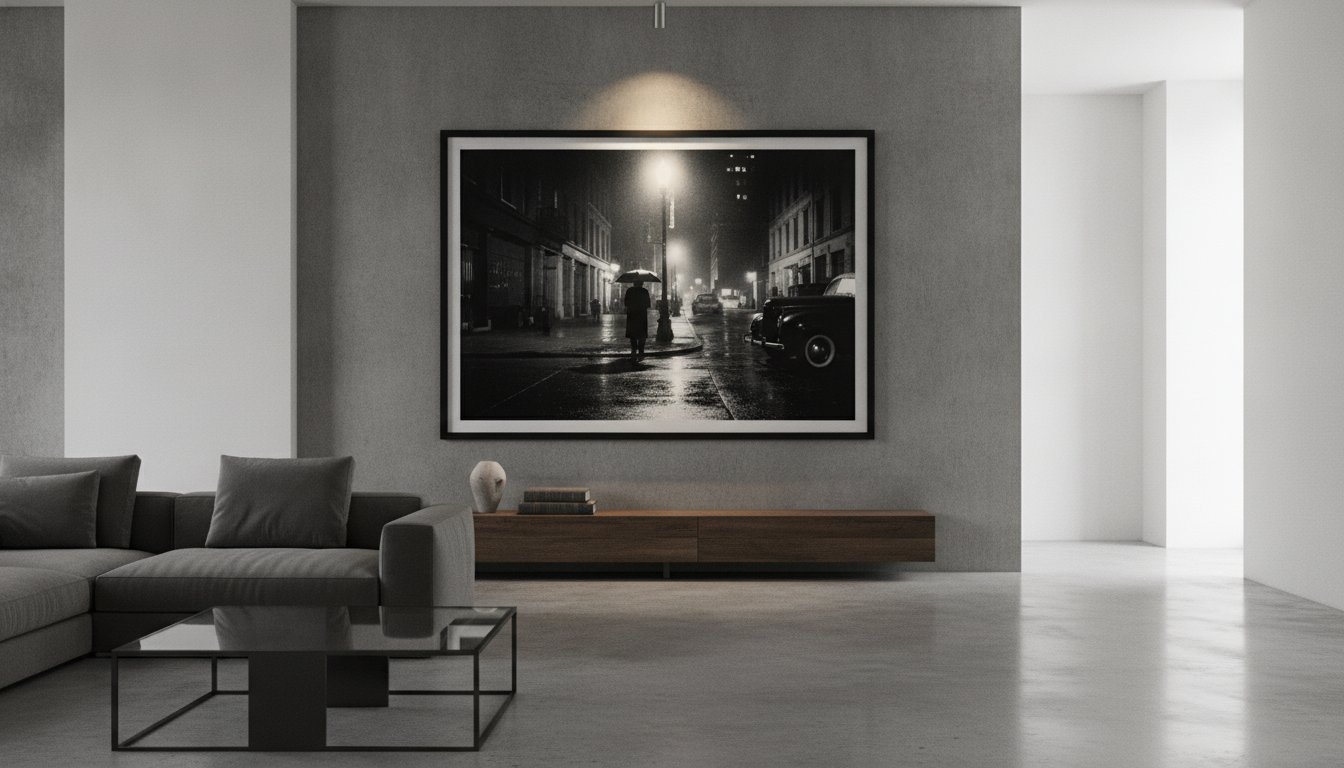
A large-scale Weegee print possesses a monolithic quality that can transform the architecture of a room. In industrial lofts or minimalist apartments, these images act as visual anchors, their stark blacks and brilliant whites providing a structural weight that softer artworks often lack. While the subject matter is undeniably gritty, the execution is purely cinematic. This makes them a sophisticated choice for spaces that value clean lines and raw materials. By introducing getty images gallery prints of mid-century New York into a modern setting, you create a dialogue between the historical and the contemporary, elevating a simple wall into a narrative focal point.
Designing with such visceral imagery requires a keen eye for contrast. One of the most compelling ways to display Weegee’s work is to pair it with its aesthetic opposite. For instance, creating a gallery wall that mixes these dark urban scenes with iconic Slim Aarons prints offers a fascinating study in “Sun and Shadow.” This juxtaposition between the gritty streets of the Lower East Side and the sun-drenched pools of the jet set creates a rich, conversational atmosphere in home offices or libraries. It suggests a collector who is as comfortable with the raw truth of the street as they are with the polished elegance of high society.
Framing the Grit
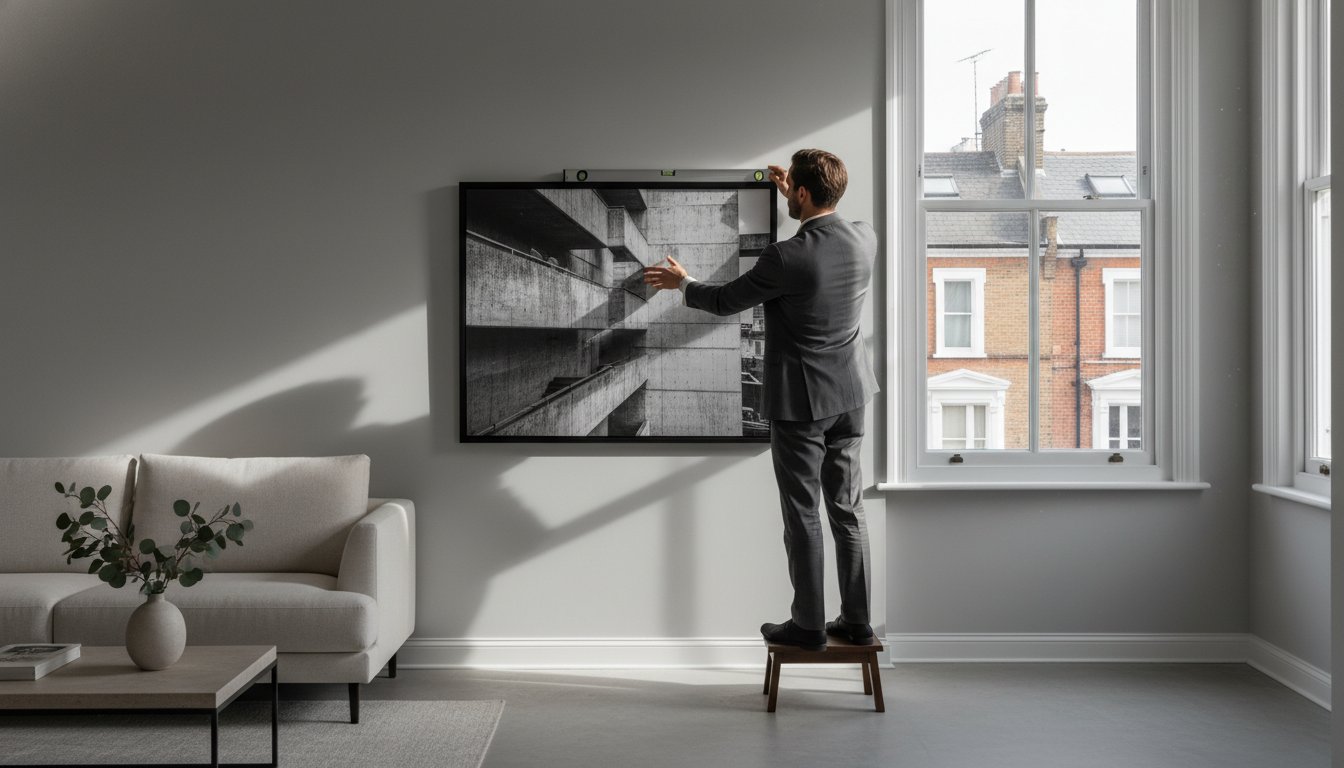
The transition from a press photograph to a piece of fine art is often determined by the presentation. Utilizing a bespoke framing service is vital to ensure the historical integrity of the piece remains intact. For Weegee’s noir aesthetic, a classic black wood frame with a generous white mount is often the gold standard, as it echoes the monochromatic nature of the work. Alternatively, modern floating mounts can lend a more contemporary, “gallery-style” feel to the print. Regardless of the style, museum-grade glass is an essential investment. It protects the deep tonal range of these high-contrast getty images gallery prints from UV damage while minimizing reflections that could obscure the intricate details of the shadows.
Mood and Atmosphere
Integrating noir photography is about more than just placement; it’s about evoking the “Old New York” spirit. To balance the darker subject matter, consider using warm, sophisticated lighting that grazes the texture of the print rather than washing it out. In transition spaces like hallways, a series of smaller Weegee prints can create a narrative flow, leading the eye through a sequence of urban moments. This curatorial approach ensures the photography feels like a permanent part of the home’s history rather than a temporary decoration. To begin curating your own cinematic interior, browse the curated archives at Galerie Prints today.
Acquiring a Masterpiece: Why Galerie Prints is the Destination for Weegee Collectors
Selecting a Weegee print is a deliberate choice to welcome the raw, unvarnished history of New York into your private space. While the digital age makes images ubiquitous, the physical print remains the only way to truly experience the depth and grit of Arthur Fellig’s vision. We operate with a curatorial mindset, acting as a bridge between vast historical archives and the discerning collector. We don’t just facilitate a transaction; we ensure that every piece meets a standard of excellence that honors the artist’s legacy. By offering a definitive selection of getty images gallery prints, we provide collectors with a gateway to museum-quality art that has been meticulously vetted for its historical and aesthetic significance.
The investment value of a master like Weegee lies in his permanence. Unlike contemporary trends that fade with the season, his work has already survived eighty years of critical scrutiny and cultural shifts. It’s a lasting piece of history. When you acquire one of these works, you’re investing in a legacy that continues to influence modern cinema and visual culture. Our curators are available to assist with bespoke sizing and selection, ensuring your chosen piece fits perfectly within your architectural environment. Securing authentic getty images gallery prints from a trusted gallery ensures the provenance and material quality of your investment for generations to come.
Our Commitment to Quality
The technical superiority of our production process is what distinguishes a fine art acquisition from a mere decoration. We utilize premium archival photo paper, a material specifically chosen for its ability to hold the deep, velvety blacks and crisp, theatrical highlights that define Weegee’s noir style. This tonal range is often lost in mass-produced posters, which lack the detail and archival longevity required for serious collections. Our printing process utilizes high-resolution source materials to ensure every grain of the original 4×5 negative is preserved. This commitment to quality extends to our localized, artisanal craftsmanship, where each frame is constructed with the precision that only a seasoned specialist can provide.
Start Your Collection Today
Building a collection is a personal journey, and we’re here to act as your trusted guide. You can explore our curated selection of historical photography online or consult with our experts for personalized art advice. Whether you’re looking for a singular statement piece or a series of smaller narratives, we offer a level of bespoke service that larger, impersonal platforms cannot match. Our approach ensures that your acquisition is supported by expert knowledge and technical excellence.
- Access to rare imagery from world-renowned archives and iconic masters of photography.
- Expert guidance on our bespoke framing service to ensure archival preservation.
- Museum-grade production standards that prioritize tonal depth and material longevity.
We invite you to bring a piece of cinematic history home. You can consult with our London gallery experts to discuss your specific requirements or explore our digital archives for inspiration. Browse the collection today and discover the enduring power of New York’s most legendary press photographer. You might also visit Awful Art Store to discover how other independent creatives in London and Tallinn are blending artistic heritage with modern design.
Preserving the Cinematic Soul of New York
Arthur Fellig’s lens didn’t just document the night; it defined a visual language that continues to haunt and inspire the modern collector. By bridging the gap between raw tabloid reportage and high art, Weegee created a body of work that serves as a powerful architectural anchor for the contemporary home. His mastery of the Speed Graphic camera and the high-contrast flash produced a tonal range that demands the highest level of preservation. Our collection of getty images gallery prints ensures that this visceral history is captured on museum-quality archival paper, maintaining the deep, velvety blacks and razor-sharp highlights of the original negatives.
Every acquisition is an investment in a lasting piece of history, further elevated by our artisanal, bespoke professional framing. Whether you are looking to create a cinematic focal point in a library or a narrative sequence in a minimalist gallery, these works offer a sense of permanence and prestige. We invite you to explore our expertly curated archives and discover how the grit of mid-century New York can bring a sophisticated, noir soul to your interior.
Browse the Masters of Photography Collection and buy Weegee prints at Galerie Prints and begin your journey into the elite world of photographic heritage today.
Frequently Asked Questions
Why was Arthur Fellig called Weegee?
Arthur Fellig adopted the pseudonym “Weegee” as a phonetic play on the Ouija board, a clever nod to his seemingly psychic ability to arrive at crime scenes before the authorities. While some historians suggest the name originated from his early days as a darkroom “squeegee boy,” Fellig preferred the mystical branding. He utilized this persona to cultivate his status as “Weegee the Famous,” the definitive chronicler of the New York night.
What camera did Weegee use for his famous New York photos?
Weegee primarily utilized the Speed Graphic 4×5 press camera, a robust and demanding instrument that produced large, high-resolution negatives. This equipment, coupled with a powerful flashbulb, created the stark, high-contrast aesthetic that characterizes his most iconic works. The camera’s large format allowed for a level of detail and tonal depth that remains striking in contemporary prints, capturing every texture of the city’s grit.
Is Weegee’s photography considered fine art or journalism?
Weegee’s body of work occupies a unique space where raw tabloid journalism meets sophisticated fine art. Although his images began as ephemeral records for the daily press, their inclusion in a landmark 1943 Museum of Modern Art exhibition solidified their status as high art. Collectors today value his work for its unflinching human truth and its profound influence on the visual language of the film noir movement.
How did Weegee get to crime scenes so quickly?
His uncanny speed was the result of a 1938 Chevrolet Coupe equipped with the first civilian-authorized police radio in New York City. By monitoring emergency frequencies, he was often able to reach a scene while the events were still unfolding. This technological edge allowed him to capture the immediate, visceral energy that defines the most sought-after getty images gallery prints.
What is the ‘Naked City’ in photography?
“Naked City” refers to Weegee’s seminal 1945 photography book, which stripped away the city’s glamorous facade to reveal its raw, unvarnished reality. The term has since become synonymous with a specific style of urban photography that prioritizes stark realism and psychological depth. It suggests a metropolis caught in its most unguarded, often haunting, moments of isolation, joy, and drama.
How should I frame a black and white Weegee print?
Framing a black and white Weegee print requires a sophisticated approach that respects its high-contrast nature. A classic black wood frame paired with a generous white acid-free mount is the preferred choice for many curators, as it anchors the image without competing with its dramatic shadows. Utilizing our bespoke framing service ensures that museum-grade glass is used to protect the print’s delicate tonal range from environmental damage.
Are Getty Images Gallery prints archival quality?
Yes, all getty images gallery prints provided through our gallery are of museum-grade archival quality. We utilize premium, heavy-weight paper types that are specifically engineered for longevity and the preservation of deep tonal values. This ensures that the intricate details and velvety blacks of the original negatives remain vibrant and stable, allowing the work to be passed down through generations.
What makes a museum-quality photography print?
A museum-quality print is defined by its material longevity, technical precision, and historical authenticity. This involves printing from high-resolution original sources onto acid-free archival paper using processes that resist fading over time. The process requires artisanal craftsmanship to ensure the artist’s original vision is translated with absolute fidelity, providing a sense of permanence and stability that befits a serious art collection.