Tag: Photography Collecting

Collectable Photography Prints for Sale: A Connoisseur’s Guide to Visual Heritage in 2026

To hang a mass-produced image is merely to fill a void; to acquire a piece of visual heritage is to anchor a room in the weight of history. You likely believe that a home should reflect more than just temporary trends, it should possess a quiet authority that speaks to your discernment and respect for the photographic medium. However, identifying authentic collectable photography prints for sale is increasingly complex as the line between decorative art and investment-grade archives continues to blur. It’s natural to feel concerned about the longevity of a purchase or the legitimacy of its source in a market filled with overvalued digital copies.

This guide serves as your curatorial compass, offering the essential criteria for valuing and acquiring prints that function as both aesthetic centerpieces and cultural assets. We’ll examine the technical superiority of pigment-based inks on acid-free cotton rag and the critical role of estate-authorized certificates for legendary names like Slim Aarons or Terry O’Neill. By understanding the shift toward 600 DPI exhibition standards and modern transparency regulations, you can ensure your collection remains a source of wonder and a stable piece of history for generations to come.

Key Takeaways

  • Learn why provenance and direct archive sourcing are the true hallmarks of value, transforming a simple image into a piece of photographic heritage.
  • Master the nuances of identifying authentic collectable photography prints for sale, ranging from the aspirational world of Slim Aarons to the rare, physical history of cinema lobby cards.
  • Decode the technical distinctions between C-Type and Silver Gelatin mediums to ensure your acquisitions meet the rigorous archival standards required for century-long preservation.
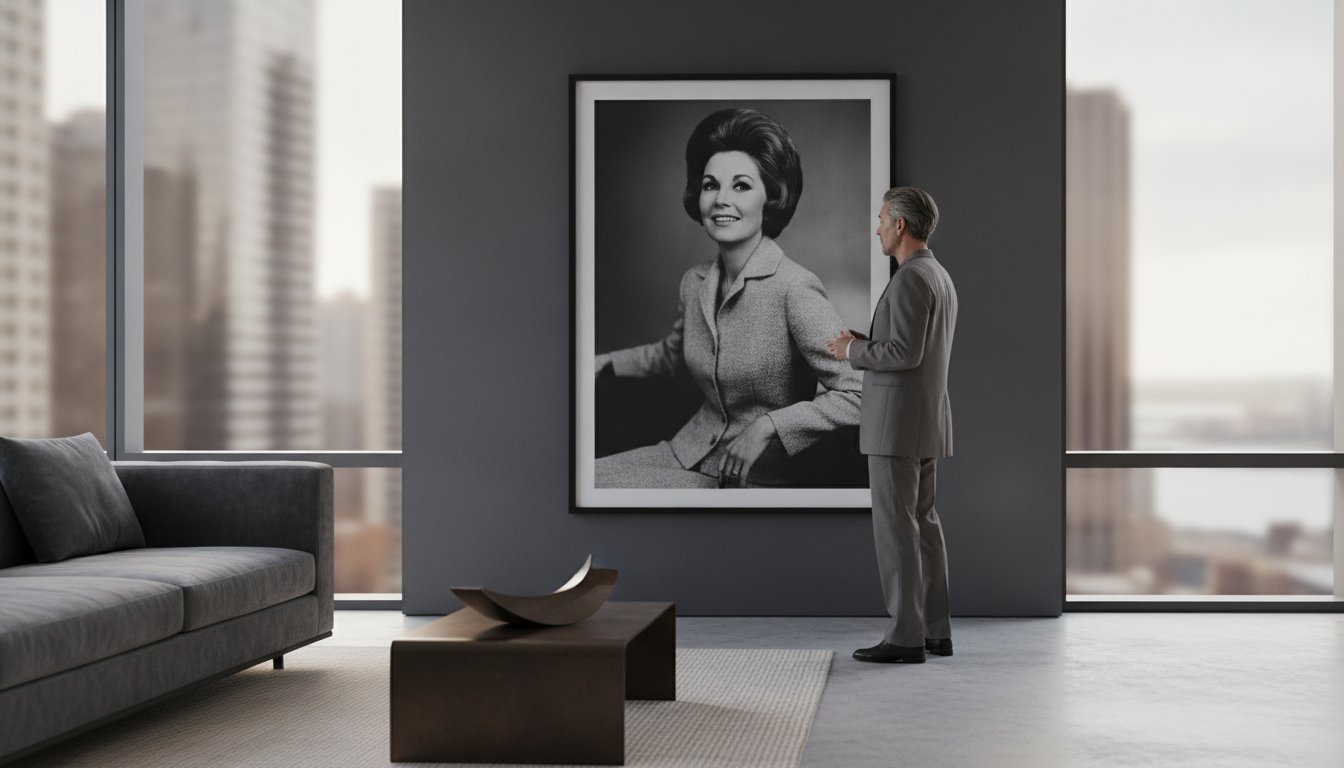
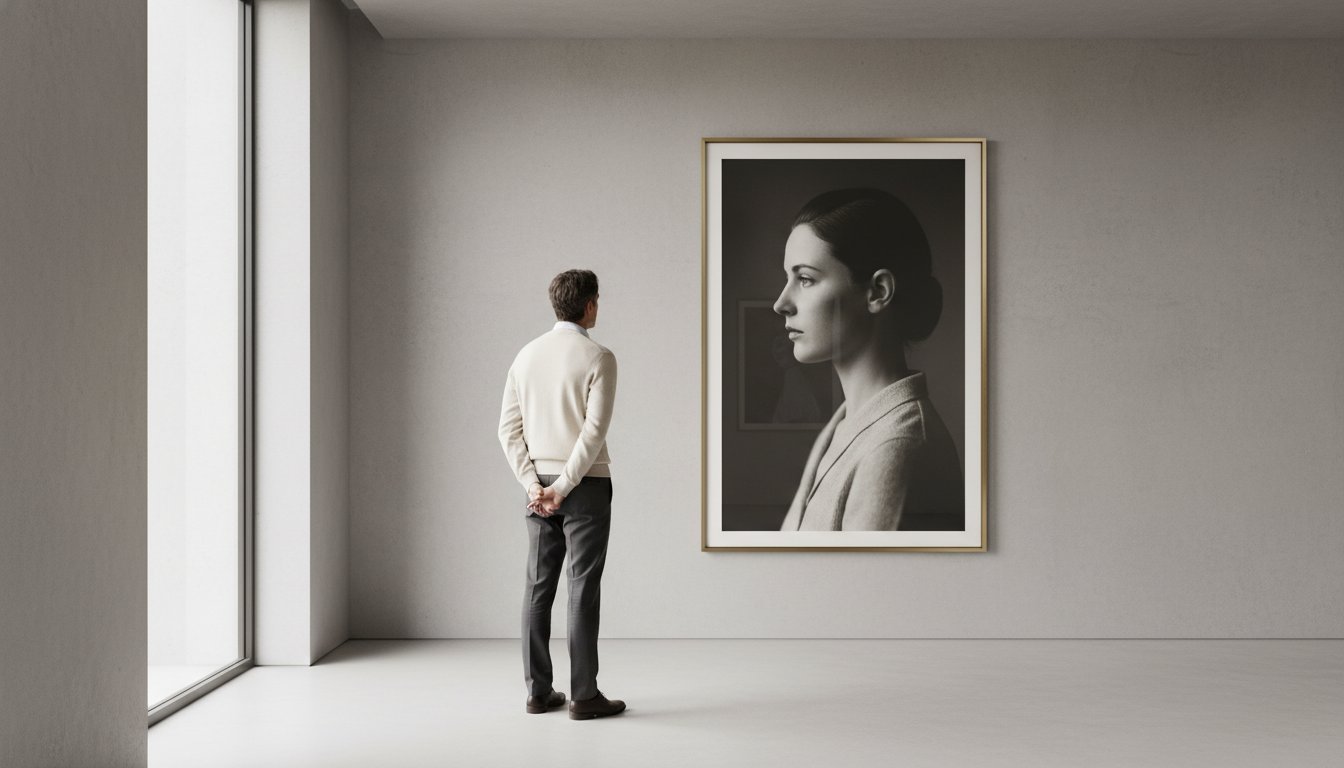
  • Discover the art of selecting a ‘hero piece’ that establishes a sense of permanence, using the quiet authority of black and white photography to define your interior aesthetic.
  • Explore how bespoke framing and direct access to artist estates provide the final seal of quality and authenticity for your growing visual legacy.

The Anatomy of a Collectable: Why Some Prints Transcend Decor

The distinction between a simple wall covering and a piece of cultural history lies in the intent behind its creation. When browsing for collectable photography prints for sale, the discerning collector isn’t merely looking for a decorative filler. They’re seeking a tangible connection to a specific moment, an artist’s vision, or a bygone era of elegance. This transition from ephemeral decor to investment-grade heritage is rooted in The Anatomy of a Collectable, where technical excellence meets historical significance. Owning such a piece is about more than aesthetics; it’s about the preservation of 20th-century cultural history within your own walls.

Provenance and the Power of the Archive

Direct sourcing is the bedrock of artistic value. When a print originates directly from the Slim Aarons estate or the prestigious Getty Images Gallery, it carries a weight that a generic reproduction can’t match. A licensed estate print is produced with the oversight and approval of the artist’s representatives, ensuring the highest fidelity to the original vision. In the context of 2026 art collecting, provenance is defined as the verifiable, unbroken chain of custody and authorization that links a physical print back to the artist’s original negative or master file. This verification ensures your investment in collectable photography prints for sale remains secure against the flood of unauthorized copies in the digital age.

Rarity vs. Accessibility in Modern Art

The collector’s hierarchy is often dictated by the edition type. Limited editions offer the allure of exclusivity, creating a ceiling on supply that naturally supports value. Conversely, open editions provide a sophisticated entry point into the world of fine art photography without sacrificing material quality. A gallery’s curatorial eye adds an essential layer of vetting for the buyer. It filters out the noise of the mass market, selecting only those works with the iconic status necessary to maintain long-term interest on the secondary market. This expert selection process transforms a simple purchase into a strategic acquisition of visual heritage.

Ultimately, the market for high-end photography is driven by a combination of artist reputation and technical scarcity. Iconic works by masters like Terry O’Neill or Slim Aarons don’t just decorate a room; they command it. Their presence provides a sense of quiet authority, inviting the viewer into an elite world of beauty and history. By focusing on archive-sourced works, you ensure that your collection possesses both the emotional resonance of a masterpiece and the archival longevity of a true investment. The value lies in the story the print tells and the physical integrity of its production.

Accessing the Archives: From Slim Aarons to Iconic Cinema Memorabilia

The search for collectable photography prints for sale often leads to the doors of the world’s most guarded archives. These repositories aren’t merely storage; they’re the keepers of our collective visual memory. For the serious collector, accessing these archives means securing a piece of history that’s been meticulously preserved from its original negative or transparency. Whether it’s the sun-drenched poolside scenes of the mid-century or the sweat-soaked stages of the London rock scene, these images offer a level of intimacy and authenticity that mass-market reproductions can’t replicate. Identifying authentic collectable photography prints for sale requires an understanding of archive sourcing and the artist’s original intent.

The Slim Aarons Collection: A Legacy of Elegance

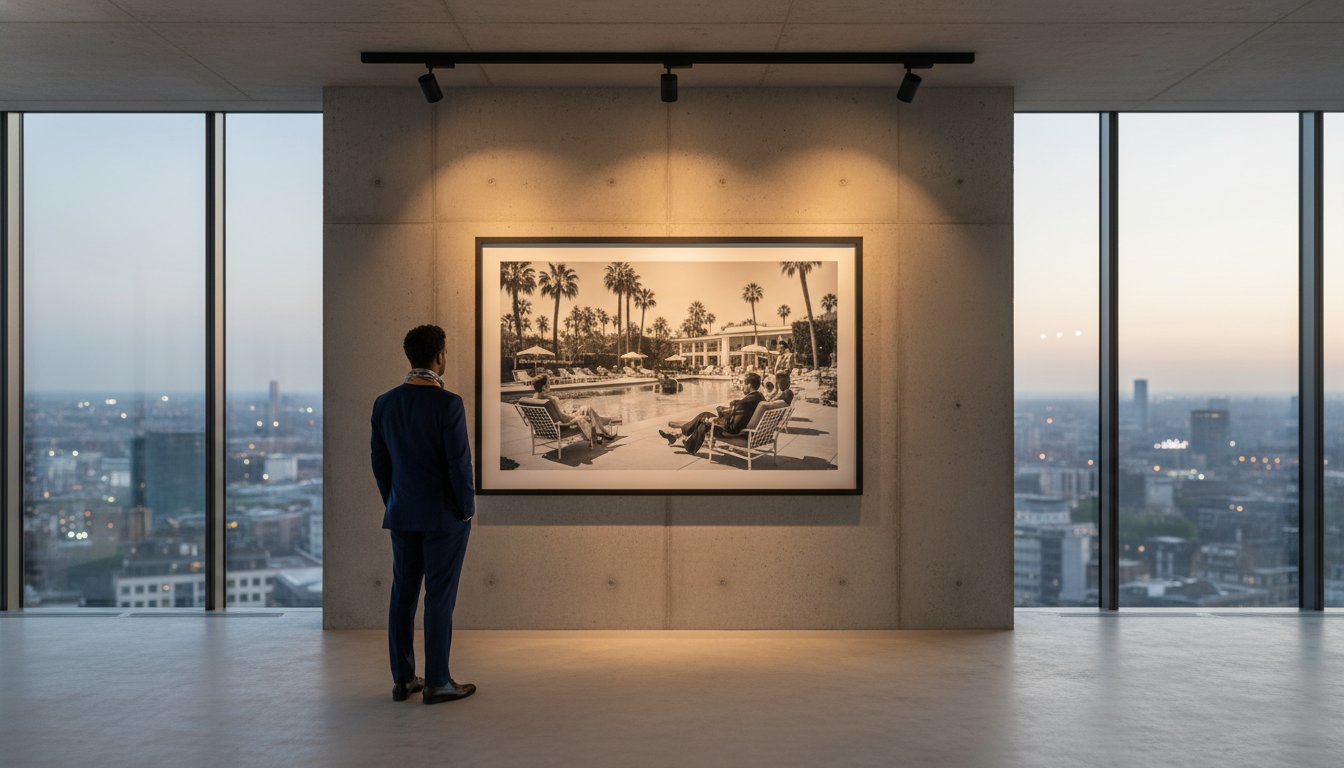
In the hierarchy of aspirational photography, Slim Aarons remains the undisputed gold standard. His mantra of “attractive people doing attractive things in attractive places” defined an era of jet-set glamour that continues to influence modern interior aesthetics. Iconic works like ‘Poolside Gossip’ or ‘Desert House’ aren’t just photographs; they’re essential architectural elements for high-end homes. To achieve the maximum clarity and color depth seen in these prints, we utilize a technical process that draws directly from original transparencies. This ensures every shimmering reflection in a Palm Springs pool or the sharp crease of a linen suit is rendered with breathtaking precision. These works act as a window into a vanished world of prestige, offering a sense of permanence that grounds a contemporary space.

Cinema Memorabilia: The Rare Appeal of Lobby Cards

While many focus on large-scale posters, the discerning collector often looks toward the intimate scale of the cinema lobby card. These physical artifacts were once displayed in theater foyers to entice audiences with key scenes from upcoming films. Today, they represent a fascinating intersection of film history and photography. Unlike modern digital marketing, lobby cards from iconic franchises like Star Wars or moody classic noir were printed with a specific tactile quality. They’re physical remnants of Hollywood’s photographic heritage, offering a niche collection strategy that balances rarity with historical narrative. When following A Collector’s Framework for Selection, identifying original lobby cards requires an eye for authentic studio markings and period-correct printing techniques.

The archives also extend to the raw, unfiltered energy of the 1960s and 70s. Terry O’Neill’s celebrity portraits captured the era’s icons with a candor that redefined fame, while our music archives preserve the electric atmosphere of the rock revolution. These prints bring a sense of quiet authority to a room, signifying a collector who values the narrative behind the frame as much as the image itself. If you’re ready to begin your own journey into visual heritage, you can explore the definitive Slim Aarons collection to find a piece that resonates with your personal style and investment goals.

The Materiality of Art: Archival Standards and Bespoke Framing

To truly appreciate collectable photography prints for sale, one must look beyond the image to the physical object itself. The materiality of a print is what separates a fleeting digital reproduction from a lasting piece of visual heritage. Artisanal production involves a level of craftsmanship that mass-market digital printing simply can’t mirror. It’s the difference between a textured, living piece of history and a flat, ephemeral copy. For the serious collector, the choice of medium and the quality of the finish are as vital as the subject matter captured by the lens.

Understanding Print Mediums

The chemistry involved in a traditional C-Type print creates a depth of color that draws the viewer into the frame; it offers a richness that eludes modern inkjet alternatives. These prints are developed using light-sensitive paper and traditional chemical processes, resulting in a lush, continuous tone. Black and white enthusiasts often prioritize silver gelatin processes for their unparalleled tonal range and velvet-like textures. Utilizing pigment-based archival inks on acid-free substrates is essential for ensuring a print retains its original vibrancy and structural integrity for over a century. This commitment to technical excellence ensures that your investment won’t yellow or degrade as the decades pass.

The Art of Bespoke Framing

Bespoke framing isn’t an afterthought; it’s a non-negotiable guardian for any significant acquisition. Professional mounting protects the delicate surface of the print from environmental moisture and temperature fluctuations that cause warping. Our Bespoke Framing Service goes beyond mere protection, however. It’s about selecting a presentation that honors the era of the work. A Slim Aarons piece, for instance, often finds its perfect match in mid-century wood styles that echo the prestige of the locations he famously documented. For the connoisseur, receiving a ‘ready-to-hang’ gallery-grade piece ensures the artwork is protected from the moment it leaves the archive. It arrives with a quiet authority, ready to anchor your space immediately.

The tactile difference of an artisanal print is palpable. When you run your eye over a masterfully produced photograph, you see the precision of the grain and the deliberate choice of paper weight. These details justify the premium positioning of the work. By adhering to these museum-grade standards, we bridge the gap between simple decor and a stable, cultural asset. Owning such a piece is a declaration of stability and a reverence for the traditional methods that have defined the art world for generations. It’s an invitation to linger on the details, just as one would in a physical gallery.

Building a Legacy: A Collector’s Framework for Selection

Building a visual legacy requires more than just an eye for beauty; it demands a strategic approach to curation that considers how each piece contributes to a larger narrative. When you explore collectable photography prints for sale, you’re looking for works that will stand the test of time, both physically and stylistically. The process begins with identifying your “Hero Piece”. This is the high-impact photograph that anchors a room, setting the emotional tone and dictating the surrounding decor. Whether it’s a vibrant Slim Aarons poolside scene or an intimate Terry O’Neill portrait, this central work serves as the foundation of your private gallery, providing a sense of quiet authority to the space.

Integrating diverse artists and eras is an art in itself. A cohesive curatorial narrative can be maintained by focusing on shared themes, such as the elegance of the jet-set era or the raw energy of the rock revolution. The black and white pictures within our archives are particularly effective for this purpose. They offer a timeless, minimalist appeal that bridges the gap between classic and contemporary aesthetics, allowing you to mix a vintage Star Wars limited edition print with a candid music archive shot without clashing. This tonal consistency creates a bridge to a bygone era of elegance while remaining firmly rooted in modern sophistication.

Curating Your Private Gallery

The arrangement of your collection is as significant as the prints themselves. A “Single Statement” approach, where a large-scale work is given an entire wall, creates a sense of museum-like focus and prestige. Alternatively, a “Gallery Wall” allows for a more layered, storytelling experience. You can balance iconic celebrity portraits with atmospheric, candid archival scenes to create a visual journey through the 20th century. By using photography to anchor a room’s color palette and emotional tone, you ensure that the art feels integrated into the architecture of your home rather than simply hung upon its walls.

Verification and Security

Authenticity is the cornerstone of any serious investment. Every acquisition from our collection is accompanied by a gallery-issued Certificate of Authenticity (COA), which serves as the definitive record of the print’s provenance and production standards. Buying from a London-based gallery provides a layer of professional accountability and expertise that is vital in the high-end market. To ensure your investment is protected, your documentation should include:

  • A gallery-issued Certificate of Authenticity detailing the artist, estate, and archive source.
  • Specific technical details regarding the production process and archival materials used.
  • Detailed purchase records to facilitate proper insurance coverage and future valuation.

Ensuring your collection is properly documented is the final step in securing your collectable photography prints for sale. If you’re ready to select an anchor for your space, you can browse our curated black and white collection to find a piece that resonates with your vision and aesthetic goals.

Galerie Prints: Your Gateway to World-Renowned Photographic Heritage

Galerie Prints operates with a singular curatorial vision, established over a decade of dedication to the photographic medium. Founded by Stuart Möller, the gallery functions as a guardian of visual heritage rather than a simple storefront. We provide a bridge to a bygone era of elegance, ensuring that every piece we offer carries the weight of historical significance. When you seek collectable photography prints for sale, you’re looking for an assurance of quality that only a deep-rooted connection to the world’s most prestigious archives can provide. Our authority in the field is built on transparency, technical excellence, and an unwavering reverence for the artist’s original intent.

The Galerie Prints Difference

Our distinction lies in our direct, privileged partnerships with the Getty Images Gallery and the Slim Aarons estate. These relationships allow us to bypass the common market and provide collectors with works sourced from the original source materials. Every item, from the rarest cinema lobby card to a limited edition Star Wars print, undergoes a meticulous vetting process. We don’t just sell images; we curate stories. This curatorial rigor extends to our music archives and Terry O’Neill collections, where we verify the provenance of every frame. Because every home is unique, we offer bespoke customization, allowing you to find the perfect scale and artisanal frame to complement your specific interior architecture.

Investing in Visual History Today

The journey to owning a piece of history should be as refined as the art itself. Our collections are organized by artist, era, and theme, allowing you to browse with the same focus you’d bring to a physical gallery. Whether you’re drawn to the mid-century prestige of the Slim Aarons collection or the raw energy of 1960s rock archives, our platform is designed for the discerning eye. We understand that acquiring investment-grade art requires practical support. Our white-glove service ensures that logistics are handled with reassuringly precise care. From our UK-based artisanal framing workshop to your door, every step of the worldwide shipping process is managed to maintain the integrity of your acquisition.

Choosing Galerie Prints means choosing a legacy of stability and beauty. We invite you to move beyond the temporary nature of digital trends and invest in a piece that speaks with quiet authority. It’s time to anchor your space with a work that bridges the gap between high-end decor and cultural legacy. Start your journey today by selecting a piece of collectable photography prints for sale that doesn’t just fill a wall, but tells a story of permanence and prestige.

Securing Your Visual Legacy

Acquiring a piece of photographic history is a deliberate step toward building a home that reflects both your personal narrative and a broader cultural heritage. You now understand that true value resides in the marriage of provenance and technical mastery. By choosing archive-sourced works, you’re not just filling a space; you’re anchoring it in a sense of permanence that digital trends can’t replicate. The demand for authentic collectable photography prints for sale in 2026 underscores a return to tangible, artisanal quality and the pursuit of a high-end aesthetic that speaks with quiet authority.

Galerie Prints stands as your trusted guide in this journey. As an official partner of the Slim Aarons estate, we provide the documentation and museum-grade archival paper necessary for a lasting investment. Our London gallery offers bespoke framing and worldwide white-glove shipping, ensuring that your acquisition is handled with the reverence it commands. We invite you to Explore the Full Collection of Collectable Photography Prints and find the statement piece that will define your space for generations to come. Your legacy of elegance begins with a single, iconic frame.

Frequently Asked Questions

What makes a photography print ‘collectable’ compared to a standard poster?

Collectability is defined by authenticity, provenance, and the superior quality of artisanal production. Unlike mass-produced posters, these prints are sourced from original negatives or estate archives and produced on museum-grade materials. They often carry an estate stamp or a gallery certificate to verify their status. This ensures they function as investment-grade assets that possess a quiet authority within your private collection.

Are the Slim Aarons prints sold at Galerie Prints authentic estate-authorized editions?

Every Slim Aarons print we offer is an authentic, estate-authorized edition sourced through our direct partnership with the Getty Images Gallery. We provide official estate stamps on limited editions to confirm their legitimacy and historical value. This direct link to the archive ensures your acquisition is a genuine piece of the photographer’s legacy, maintaining its prestige for years to come.

How do I know if a cinema lobby card is an original or a reproduction?

Original cinema lobby cards are identified by their specific paper weight, studio markings, and period-correct printing techniques. These physical artifacts were produced for theater display at the time of a film’s initial release. We meticulously vet every card in our collection to ensure it is a genuine historical remnant from iconic franchises like Star Wars or classic Hollywood noir cinema.

What is the difference between a C-Type print and a Giclée print?

A C-Type print is a traditional photographic process using light-sensitive paper and chemicals, resulting in lush, continuous tones. A Giclée print utilizes high-resolution inkjet technology with pigment-based inks on archival paper. Both methods are used for collectable photography prints for sale, but connoisseurs often prefer the chemical depth of silver-based processes for their unparalleled tonal richness and tactile quality.

Do your photography prints come with a certificate of authenticity?

Every significant acquisition from our gallery is accompanied by a formal Certificate of Authenticity. This document provides a definitive record of the print’s source, production standards, and provenance. It serves as a vital piece of documentation for your private archive, ensuring the long-term security and valuation of your collection. It’s the final seal of quality for any serious art collector.

How should I care for my collectable print to ensure it lasts for generations?

Proper preservation involves mounting the print in a stable, humidity-controlled environment away from direct sunlight. Utilizing our Bespoke Framing Service ensures the work is protected by acid-free materials and museum-grade glass. These archival standards prevent the yellowing or degradation that often affects lower-quality reproductions over the decades. It’s a commitment to the permanence of your visual heritage.

Can I order custom framing for a print I purchase online?

We offer a comprehensive Bespoke Framing Service for all collectable photography prints for sale on our website. You can select from a curated range of styles designed to complement the era and aesthetic of your chosen work. Our London-based artisans hand-frame each piece to ensure it arrives ready to anchor your space immediately with a sense of refined elegance.

How do you ensure safe delivery of large, framed photography prints worldwide?

We utilize a white-glove shipping service that specializes in the transport of high-value art and heritage pieces. Every framed work is secured in professional, impact-resistant packaging to prevent damage during transit. This reassuringly precise logistics process ensures your visual heritage arrives in pristine condition. We manage every step of the journey from our London gallery to your global location.

Classic Hollywood Glamour Photos: A Collector’s Guide to the Golden Age

A digital image on a screen possesses none of the soul found in a physical piece of history. To own an authentic silver gelatin print is to hold the very light that once danced across the faces of Garbo or Gable during the 1930s. You understand that classic hollywood glamour photos are more than mere decorations; they are artifacts of a vanished era of cinematic perfection. These images represent a time when photographers like George Hurrell and Clarence Sinclair Bull spent hours perfecting a single frame under the heat of studio lamps to create a specific, ethereal glow that modern sensors simply cannot replicate.

You likely feel that a standard poster can never replicate the depth and provenance of a true archival work. We promise to guide you through the nuanced world of high-end collecting, teaching you how to distinguish between a common reproduction and a bespoke, hand-printed masterpiece. We’ll explore the legendary artists behind the lens and the curatorial secrets required to build a gallery wall that commands respect. By the end of this journey, you’ll possess the knowledge to invest in the world’s finest photography with absolute confidence, ensuring your home reflects the prestige of the Golden Age.

Key Takeaways

  • Learn to define the Golden Age era and understand how studio portraiture transformed actors into untouchable cinematic icons.
  • Discover why the eye behind the lens dictates a print’s worth and explore our curated selection of classic hollywood glamour photos from world-renowned archives.
  • Master the technical language of the “Glamour Look,” from the dramatic play of chiaroscuro lighting to the timeless allure of silver gelatin monochrome.
  • Gain expert curatorial advice on building a cohesive collection by selecting impactful print sizes and themes centered around legendary photographers or stars.
  • Understand the artisanal heritage of bespoke works hand-printed in our London darkroom, ensuring your collection represents the world’s finest photography.

The Essence of Classic Hollywood Glamour Photography

The Golden Age of Hollywood, spanning from 1920 to 1960, wasn’t just a period of cinematic innovation; it was the birthplace of a specific, high-art visual language. During these four decades, major studios like MGM and Paramount utilized their dedicated stills departments to transform actors into deities. Unlike the frantic, grainier nature of press photography, these curated studio sessions were meticulously staged environments where reality was secondary to the myth. This era defined The Essence of Classic Hollywood Glamour Photography, serving a singular purpose: the creation of untouchable icons.

The purpose of the glamour shot was multi-faceted and highly strategic:

  • To manufacture a sense of divine perfection that transcended the silver screen.
  • To provide high-quality, reproducible assets for global syndication in fan magazines.
  • To establish a permanent visual brand for actors under long-term studio contracts.

In 2026, these images remain the pinnacle of aspirational luxury because they represent a level of craftsmanship and mystery that modern digital snapshots cannot replicate. The slow, deliberate process of large-format film photography created a depth and texture that still anchors the most sophisticated interior spaces today.

The Cultural Impact of the Hollywood Portrait

Studio stills departments acted as the ultimate gatekeepers of a star’s public identity. In the early 1920s, photographers used soft focus and heavy shadows to maintain the ethereal mystery of silent film stars. By the 1950s, this evolved into a vibrant, high-contrast aesthetic that celebrated the physical presence of the “starlet.” These images weren’t merely promotional tools; they were the blueprints for timeless elegance. Collectors today seek classic hollywood glamour photos because they capture a curated reality where perfection was the only standard. Each print serves as a bridge to a heritage of poise that still influences global fashion and design.

Iconic Faces: From Monroe to Hepburn

The technical mastery behind these portraits is best seen through the legends they immortalized. Marilyn Monroe’s portraits often utilized “butterfly lighting,” a technique that placed a light source directly above the camera to create a small shadow under the nose, emphasizing her cheekbones and luminous skin. As the 1950s progressed, Audrey Hepburn signaled a shift toward a high-fashion, architectural style of glamour. Her portraits moved away from traditional pin-up softness toward a sharp, sophisticated look that defined mid-century chic. These archival works demonstrate why many collectors prefer the depth of black and white pictures when building a serious gallery. At Galerie Prints, we honor this legacy by ensuring our hand-printed editions maintain the same silver gelatin quality that first brought these icons to life.

The Visionaries: Legendary Photographers of the Golden Age

The true value of a photographic print resides less in the celebrity subject and more in the mastery of the person behind the lens. While many recognize the faces of Monroe or Gable, the seasoned collector looks for the signature of a visionary who could manipulate light and shadow to create something eternal. The history of Hollywood glamour photography showcases this evolution, moving from the rigid, highly controlled environments of the 1940s studio system toward the spontaneous energy of the 1960s. Archives such as the Getty Images Gallery act as the ultimate guardians of this heritage, preserving the original negatives that define an era. Galerie Prints meticulously curates works from these prestigious historical archives, bringing museum-quality pieces into the private home with a focus on archival integrity and silver gelatin excellence.

Terry O’Neill: Capturing the Cool of the Sixties

Terry O’Neill possessed a rare ability to dismantle the barrier between the star and the viewer. He replaced the stiff poses of the past with a sense of “cool” that felt both intimate and untouchable. His 1977 portrait of Faye Dunaway, slumped in a chair by the Beverly Hills Hotel pool surrounded by newspapers the morning after her Academy Award win, is a definitive example of this shift. It isn’t just a photo; it’s a narrative of exhaustion and triumph. His 1971 images of Brigitte Bardot on the set of The Legend of Frenchie King capture a raw, cinematic magnetism that defined the decade. At Galerie Prints, we ensure the provenance of every O’Neill work, offering prints that reflect the technical superiority of traditional darkroom techniques. Many of these iconic works are still hand-printed in our London darkroom to ensure they meet the highest standards for serious collectors.

The Influence of Slim Aarons on Glamour

Slim Aarons introduced a different kind of prestige by focusing on the lifestyle of the elite. His philosophy was famously simple: he wanted to photograph “attractive people doing attractive things in attractive places.” By moving away from the darkroom’s heavy shadows and into the bright Mediterranean or Californian sun, he merged Hollywood royalty with high-society leisure. His work represents a transition where classic hollywood glamour photos became synonymous with aspirational travel and architectural beauty. He didn’t just document fame; he documented an era of effortless elegance that remains a cornerstone of interior design today. To dive deeper into his sun-drenched aesthetic, see our Slim Aarons: The Definitive Guide. These bespoke prints remain the gold standard for those wishing to bring a sense of permanent summer and sophisticated history into their space. If you’re ready to elevate your walls, you can browse our curated selection of archival prints to discover the world’s finest photography.

Defining the Aesthetic: Lighting, Mood, and Monochrome Magic

The visual identity of classic hollywood glamour photos relies on the masterful manipulation of light. During the 1920s and 1930s, photographers like George Hurrell and Clarence Sinclair Bull adapted the chiaroscuro technique from Renaissance painting to the silver screen. This method uses high-contrast lighting to sculpt the human face, creating deep, velvet shadows and luminous highlights that lend a three-dimensional quality to the print. This dramatic interplay isn’t just a technical choice; it’s a narrative tool used to elevate actors into deities.

Black and white remains the preferred medium for these icons because it strips away the distractions of reality. While Technicolor began to influence photographic palettes after the 1935 release of “Becky Sharp,” color was often viewed as too literal for the dreamlike world of stardom. Monochrome allowed for a focus on texture, form, and the architecture of the face. To achieve true archival quality, the printing process must begin with the original negative. This source material contains the raw data of the light captured decades ago, ensuring that modern reproductions maintain the same clarity and emotional weight as the vintage originals.

  • Chiaroscuro creates a sense of mystery and prestige.
  • Monochrome photography emphasizes timelessness over fleeting fashion trends.
  • Original negatives provide the highest possible resolution for large-scale gallery prints.

Mastering the Silver Gelatin Process

The silver gelatin process is the undisputed gold standard for black and white prints. It involves a delicate chemical reaction where silver halides suspended in a gelatin layer are exposed to light, resulting in a print with a tactile depth that digital alternatives simply can’t match. Collectors prioritize these works because of their extraordinary tonal range, from the deepest obsidian blacks to brilliant, crisp whites. At Galerie Prints, we believe in the sanctity of this craft. Each piece is hand-printed in our London darkroom, preserving a tradition of excellence that defines the world’s finest photography.

Composition and the “Lush” Narrative

Composition in the Golden Age was a meticulous exercise in branding. Studios commissioned bespoke sets and utilized specific props to anchor a star’s persona, whether it was the rugged masculinity of a leather-bound library or the soft, silk-draped boudoir of a leading lady. Photographers often balanced sharp detail with soft-focus lenses to create an ethereal, dreamlike quality. This intentional blurring of reality helps classic hollywood glamour photos function as a focal art piece in a home. They don’t just decorate a room; they command it, offering a window into a vanished era of curated elegance.

Curating Your Collection: How to Buy and Display Glamour Prints

Transitioning from an admirer to a dedicated collector of classic hollywood glamour photos is a journey into the soul of cinema history. The process begins with spatial awareness and an understanding of visual impact. Large-scale prints, such as those measuring 30×40 inches, serve as a room’s cinematic anchor, demanding attention through their sheer scale and clarity. Smaller, intimate 10×12 prints work beautifully in curated clusters or transitional spaces like hallways, inviting viewers to step closer and appreciate the fine grain of the silver gelatin process.

A sophisticated collection often follows a specific thematic thread to create a sense of cohesion. You might choose to build your archive around:

  • The Photographer: Focus on masters like George Hurrell, whose 1934 portraits defined the “glamour” aesthetic, or the legendary work of Clarence Sinclair Bull.
  • The Era: Collect the stark, moody shadows of 1940s Film Noir or the vibrant, polished sheen of 1950s studio portraiture.
  • The Star: Dedicate a wall to a single icon, tracing their evolution from early screen tests to peak stardom.

Investing in limited edition archival photography ensures your collection retains its value over decades. Authenticity is the cornerstone of any serious acquisition. We verify provenance by sourcing from original negatives, often hand-printing in our London darkroom to maintain the highest standards of technical excellence. A certificate of authenticity isn’t just a piece of paper; it’s a guarantee that you own a genuine piece of the Golden Age, produced using materials that will last for 100 years or more.

Designing a Hollywood-Inspired Gallery Wall

Creating a gallery wall requires a balance between historical reverence and modern flair. Mixing iconic film portraits with music photography creates a layered, contemporary edge that prevents a room from feeling like a static museum. Use strict symmetry to mirror the formal elegance of 1940s interiors. This structured placement elevates fine art photography into a primary architectural feature of high-end interior design, turning a simple wall into a narrative experience.

The Importance of Bespoke Framing

Bespoke framing is a non-negotiable requirement for protecting classic hollywood glamour photos. Our ready-to-hang frames provide a sealed, acid-free environment that prevents the paper from yellowing or becoming brittle. We utilize museum-quality glass that blocks 99% of UV rays, which is vital because light exposure can degrade the silver halides in the print over time. This specialized glass also eliminates glare, allowing the deep blacks and luminous whites of the photograph to remain crisp and visible from every angle in the room.

Begin your acquisition journey by browsing our curated archive of the world’s finest photography.

Galerie Prints: Hand-Printed Heritage from our London Darkroom

Galerie Prints operates with a singular vision: to provide access to the world’s finest photography through a lens of uncompromising quality. Our founder, Stuart Möller, leads a dedicated curation team that treats every image as a cultural artifact rather than a commercial product. We act as a vital bridge between the vast, historic archives of the 20th century and the discerning modern collector. When you hold a Galerie Prints piece, the tactile experience is undeniable. These aren’t mere posters. They’re hand-printed, archival museum-quality works that carry the weight and texture of history. Investing in classic hollywood glamour photos from our collection means inviting the spirit of the Golden Age into your home with a level of prestige that defines high-end art collecting.

From Archive to Your Wall: Our Meticulous Process

The process of creating a Galerie Prints masterpiece begins with the selection of the negative. We partner with the world’s most prestigious archives to secure access to original glass plates and film strips, some dating back to the early 1920s. In our London darkroom, the craftsmanship is palpable. We use traditional silver gelatin printing, a method that relies on chemical reactions and artisanal intuition rather than inkjet nozzles. This meticulous attention to detail ensures that each print is a lasting piece of history. The resulting depth of field and tonal range provide a window into the past that digital methods can’t mirror. Every piece is handled with the reverence it deserves, ensuring the classic hollywood glamour photos you receive meet the highest standards of the art world.

Explore Our Curated Hollywood Collection

Our curated selection showcases the definitive icons of the silver screen. These images represent the pinnacle of 20th-century celebrity, captured by the masters of the craft. Our collection includes:

  • The timeless, gamine elegance of Audrey Hepburn.
  • The smoldering, rebellious intensity of James Dean.
  • The ethereal and enduring allure of Marilyn Monroe.
  • The sharp, tailored sophistication of Cary Grant.

You can start your collection with Galerie Prints today by selecting a piece that resonates with your personal aesthetic. Whether you’re drawn to the high-contrast drama of film noir or the sun-drenched luxury of a Slim Aarons poolside shot, our gallery offers unparalleled variety. For rare memorabilia enthusiasts, our Cinema Lobby Cards provide a unique opportunity to own a piece of photographic heritage that once graced the foyers of the world’s grandest movie palaces. Each purchase is a commitment to preserving the beauty of the past for the enjoyment of the future.

Preserving the Timeless Allure of the Golden Age

Owning a piece of cinematic history requires more than a simple appreciation for the silver screen; it’s about understanding the meticulous interplay of light and shadow perfected by visionaries like George Hurrell during his tenure at MGM in the 1930s. When you choose to invest in classic hollywood glamour photos, you’re acquiring a legacy of craftsmanship that defined an era of unparalleled elegance. At Galerie Prints, we honor this heritage by serving as official partners of the Getty Images and Slim Aarons archives. Each piece is meticulously hand-printed in our London darkroom using traditional techniques that preserve every nuance of the original negative. We complete each acquisition with bespoke museum-quality framing, ensuring your selection remains a centerpiece for decades. Whether you’re drawn to the moody noir aesthetics of the 1940s or the polished radiance of 1950s starlets, these prints offer a tangible connection to the world’s finest photography. Your collection isn’t just a display; it’s a curated window into a bygone world of sophistication. We invite you to begin your journey into these historic archives today.

Explore our exquisite collection of Classic Hollywood Glamour Prints

Frequently Asked Questions

What makes a photo “Classic Hollywood Glamour”?

Classic Hollywood glamour photos are defined by dramatic Chiaroscuro lighting and the meticulous retouching techniques developed between 1920 and 1960. Photographers used large-format 8×10 view cameras to capture every detail of the subject’s face before hand-etching the negatives to remove imperfections. This process created a luminous, ethereal quality that turned actors into icons. Our collection celebrates this era of “the world’s finest photography,” where every shadow served a narrative purpose.

Are the Hollywood glamour photos at Galerie Prints original?

Every piece in our collection is an authentic archival print produced from the original negative or transparency. We act as a bridge to the Golden Age by ensuring the provenance of each image is verified through official archives. These aren’t mass-produced reproductions; they’re exquisite works of art hand-printed in our London darkroom to maintain the integrity of the photographer’s initial vision. This commitment to authenticity ensures each print carries historical weight.

What is the difference between a poster and an archival print?

The primary distinction lies in the material longevity and the technical precision of the printing process. While posters are often printed on thin, acidic paper that yellows within 10 years, our archival prints utilize silver gelatin or Giclée methods on heavy, acid-free stock designed to last over 100 years. This museum-grade quality ensures that your investment in classic hollywood glamour photos remains a permanent fixture of your home’s heritage and aesthetic value.

How should I care for my archival Hollywood glamour prints?

You should display your prints in a controlled environment with humidity levels between 35% and 50% to prevent paper warping. Avoid hanging your artwork in direct sunlight, as UV rays can degrade even the most stable pigments over time. We recommend using UV-protective acrylic or glass during the framing process. This protective barrier shields the delicate silver gelatin surface from environmental pollutants and accidental physical contact, preserving the image for generations.

Can I get my Hollywood glamour photo custom framed?

We provide bespoke framing services tailored to the specific dimensions and aesthetic requirements of your chosen print. Our master framers in London use archival-grade mounts and hand-finished frames to ensure the artwork is both protected and beautifully presented. You can choose from a curated selection of finishes that complement the timeless elegance of Golden Age portraiture. This ensures your piece arrives ready to hang as a complete, sophisticated work of art.

Who are the most famous photographers of the Golden Age?

George Hurrell, often called the “Grandfather of Hollywood Glamour,” and Clarence Sinclair Bull, who headed the MGM stills department for 40 years, are the most prominent figures. Their work from 1925 to 1950 defined the visual language of stardom. Other masters like Ruth Harriet Louise, the first woman to run a major studio’s portrait gallery, contributed significantly to the iconic imagery we curate today. These artists transformed studio publicity into high art.

Why is black and white photography so popular for Hollywood portraits?

Black and white photography remains the preferred medium because it emphasizes the structural elegance and emotional depth of the subject. By removing the distraction of color, the viewer focuses on the sophisticated interplay of light and shadow that defines the classic hollywood glamour photos aesthetic. This monochromatic palette lends a sense of permanence and gravitas to the image. It transforms a simple portrait into a timeless piece of cinematic history that fits any decor.

Do you ship your Hollywood glamour prints internationally?

We ship our entire collection to collectors in over 50 countries using specialized, tracked courier services. Each print is meticulously packed in reinforced, museum-grade housing to ensure it arrives in pristine condition. Whether you’re in New York, Paris, or Tokyo, our team coordinates every detail of the transit process. We provide full tracking information so you can monitor your piece of history from our London darkroom to your doorstep with absolute confidence.

Investing in Fine Art Photography 2026: The Collector’s Guide to Timeless Assets

A digital file can be duplicated a million times in a second, yet a single silver gelatin print hand-stamped in a London darkroom remains a finite, physical anchor in an increasingly volatile market. You likely recognize that while the allure of contemporary imagery is vast, the risk of acquiring overproduced, ephemeral works has never been higher for the discerning collector. In an era where high-end photography sales have shown remarkable resilience through the 2024 fiscal year, your focus must remain on authenticity. This guide ensures your journey into investing in fine art photography 2026 results in a collection that balances the sun-drenched nostalgia of a Slim Aarons poolside with the rigorous archival standards required for long-term capital growth.

We’ll examine the critical distinctions between artisan darkroom craftsmanship and modern digital output, the essential role of verified provenance, and how to identify the blue-chip assets that define the world’s finest photography. You’ll gain the expert-level knowledge needed to distinguish a mass-market reproduction from a bespoke, museum-quality asset. By the end of this exploration, you’ll possess a clear roadmap for curating a portfolio that offers both profound aesthetic pleasure and enduring value for your home and your legacy.

Key Takeaways

  • Gain a strategic advantage by understanding why photography is outpacing traditional mediums and how to navigate the nuances of investing in fine art photography 2026.
  • Learn to identify the “Darkroom Premium” and why hand-printed silver gelatin works from prestigious archives command superior long-term value.
  • Discover how to select blue-chip artists like Slim Aarons and Terry O’Neill to anchor a portfolio that balances historical provenance with modern luxury.
  • Explore the “Living Collection” philosophy to build a diversified archive that offers both profound aesthetic pleasure and enduring capital appreciation.
  • Understand the critical importance of provenance and how sourcing through curated gallery relationships protects the integrity of your photographic legacy.

The State of Fine Art Photography Investment in 2026

The art market has shifted decisively as we enter 2026. While traditional oils once dominated mid-market portfolios, high-end photographic prints have claimed center stage, frequently outperforming paintings in the $10,000 to $50,000 bracket. This trend reflects a broader cultural pivot toward “Tangible Heritage.” In an era defined by ephemeral digital assets, collectors are seeking the undeniable weight of physical history. They crave pieces born from a darkroom rather than a server.

When we consider What is Fine Art Photography? in the context of a 2026 portfolio, we define “Investment Grade” through scarcity, sustained demand, and cultural relevance. Investing in fine art photography 2026 requires an eye for the “Curated Archive,” where private collectors prioritize works with impeccable provenance and technical excellence. At Galerie Prints, we see this manifest in the enduring allure of the silver gelatin process, where light and chemistry create a permanence that pixels cannot replicate. It’s about owning a bridge to the golden age of glamour, a tactile piece of the past that remains vibrant and relevant.

The 2026 Market Shift: From Speculation to Stability

Photography has emerged as a robust hedge against inflation; 20th-century masters have shown a consistent 7 percent annual appreciation over the last decade. A new wave of Millennial and Gen Z collectors, representing 42 percent of high-end buyers in 2025, has revitalized the market. These investors favor the Slim Aarons lifestyle, seeking iconic imagery that captures a lost world of leisure. The gold standard remains the 20th-century archive, where limited editions from original negatives provide a finite supply that resists market volatility. This stability is the result of a move away from speculative “hype” toward established historical significance.

Photography vs. Other Asset Classes

Comparing asset classes reveals that photography offers superior liquidity compared to original paintings, primarily due to a more active secondary market for established editions. It serves as an accessible luxury, allowing entry into the world’s finest photography at a fraction of the cost of a museum-grade oil painting. Beyond the financial metrics, these works provide a daily aesthetic dividend. Living with a bespoke print, hand-printed in our London darkroom, offers a tactile connection to history that stocks or bonds lack. This fusion of financial prudence and visual prestige makes investing in fine art photography 2026 a cornerstone of a sophisticated collection.

Provenance and Production: What Drives Value in a Photographic Print?

The market for investing in fine art photography 2026 rests on the tangible physical history of the print itself. A photograph’s value isn’t merely found in the image, but in its “objecthood.” Collectors categorize works into a strict hierarchy that dictates long-term appreciation. Vintage prints, those created by the photographer or under their direct supervision within roughly five years of the original negative, sit at the apex. Modern prints follow, produced during the artist’s lifetime but perhaps decades after the image was captured. Finally, Estate editions, authorized by the artist’s heirs and marked with an official Estate Stamp or authorized archive signature, provide a vital entry point for those seeking iconic imagery with a verified pedigree.

Authenticity is the currency of the art world. When you’re evaluating a potential acquisition, the presence of a hand-signed signature or a blind-stamped seal from a prestigious archive acts as a legal and aesthetic anchor. These markers ensure that the work adheres to the artist’s original vision and production standards. Without this documented provenance, even the most striking image loses its status as a financial asset.

The Science of the Silver Gelatin Print

At the heart of high-value collecting is the silver gelatin process. This traditional method, which rose to prominence in 1871, involves coating fiber-based paper with an emulsion of light-sensitive silver salts. Unlike digital inkjet prints that sit on the surface, silver gelatin images are embedded within the paper fibers. This creates a three-dimensional depth in the blacks and a luminous quality in the highlights that digital alternatives struggle to replicate.

Collectors are increasingly prioritizing these darkroom works because of their extraordinary archival lifespan, often exceeding 100 years when stored correctly. To identify a hand-printed work, look for the subtle texture of the fiber-based paper and the rich, neutral tonality that defines the “Darkroom Premium.” This artisanal approach ensures that each print is a unique artifact rather than a mass-produced copy.

The Role of Bespoke Framing in Preservation

Preservation is an active component of investing in fine art photography 2026. A print’s condition is a primary driver of its resale price; even minor foxing or light-staining can devalue a work by 30% or more. This is why bespoke, museum-grade framing is non-negotiable. Off-the-shelf frames often utilize acidic backing boards and standard glass that allow 100% of harmful UV rays to penetrate the print, leading to irreversible fading and brittleness.

We emphasize London-based craftsmanship to ensure every investment piece is protected by acid-free mounting and 99% UV-protective glass. This meticulous attention to detail shields the silver emulsion from environmental degradation. For those looking to build a resilient portfolio, selecting works that have been handled with this level of curatorial care is essential. You can explore our curated guide to collecting to understand how these production standards safeguard the world’s finest photography.

From Slim Aarons to Terry O’Neill: Identifying Blue-Chip Photography

Blue-chip photography represents the gold standard of the art market. It’s defined by a consistent track record of auction success and a permanent presence in prestigious museum collections. When you’re investing in fine art photography 2026, these established names provide the security of a tangible asset with proven longevity. Their work transcends mere decoration; it acts as a store of value that has historically shown resilience against market volatility. A blue-chip acquisition is a commitment to a legacy, a piece of history that continues to speak to new generations of collectors.

The Slim Aarons Phenomenon

Slim Aarons remains the ultimate investment in aspirational art. His “attractive people doing attractive things in attractive places” mantra resonates more deeply than ever in the luxury interiors of 2026. The scarcity of authorized Getty Images Gallery prints ensures that supply remains controlled while demand from global collectors continues to climb. Iconic works like “Poolside Gossip,” captured in 1970, have seen a steady appreciation in value over the last decade. Owning an archival print from the original negative isn’t just a design choice. It’s a stake in a specific, sun-drenched heritage that won’t ever go out of style. The world’s finest photography often finds its peak in these moments of captured leisure.

Masters of the Monochrome: Black and White Icons

The investment stability of black and white pictures offers a different kind of prestige. Terry O’Neill’s portraits of the “Swinging Sixties” are essential for serious portfolios because they capture the precise moment when celebrity culture was born. His 1977 portrait of Faye Dunaway at the Beverly Hills Hotel remains one of the most sought-after silver gelatin prints in the secondary market. These works possess a sculptural value, where the play of light and shadow creates a timeless aesthetic. When investing in fine art photography 2026, collectors often look for these monochrome anchors. They provide a sophisticated foundation for any collection, especially when hand-printed in our London darkroom to ensure the highest archival quality.

Identifying the blue-chips of tomorrow requires a discerning eye for cultural shifts. To find future icons, look for these key indicators:

  • Museum Acquisitions: Artists whose work has been purchased by institutions like the Tate or MoMA in the last 24 months.
  • Limited Edition Integrity: Photographers who maintain strict edition sizes, preventing market saturation.
  • Technique and Craftsmanship: A return to traditional processes, such as platinum-palladium or bespoke silver gelatin printing, which adds intrinsic value.
  • Historical Context: Images that define a specific era or social movement, much like O’Neill did for the 1960s.

The transition from a contemporary artist to a blue-chip staple is often marked by a solo exhibition at a major international gallery. As we look toward the 2026 market, the focus remains on provenance and the physical quality of the print. A work that was meticulously crafted and carries a clear lineage of authenticity will always be the safest harbor for capital.

Building Your Portfolio: Balancing Aesthetic Joy with Financial Appreciation

Successful investing in fine art photography 2026 requires a “Living Collection” mindset. This philosophy suggests you should acquire pieces that resonate emotionally while meeting strict archival standards. A collection isn’t a static hoard; it’s a dynamic assembly of history. Most experts, including those tracking the 2025 Deloitte Art & Finance Report, suggest a holding period of 7 to 10 years to see meaningful appreciation. During this time, your role is that of a steward. You must ensure prints are kept in stable environments, ideally 18 to 21 degrees Celsius with 50 percent humidity, and protected by UV-filtering glass to prevent silver oxidation. Professional insurance appraisals should be updated every 36 months to reflect the shifting market value of rare archives.

Diversification is the cornerstone of a resilient portfolio. Don’t limit your acquisitions to a single genre. A robust collection might mix the sun-drenched glamour of travel archives with 1960s fashion photography and rare music negatives. This spread mitigates risk if one specific market niche cools. By blending different eras and subjects, you create a portfolio that’s both a personal sanctuary and a diversified financial asset.

Creating a Narrative-Driven Gallery Wall

A gallery wall shouldn’t feel like a random assortment. You can anchor a collection with a large-scale statement piece, perhaps a bespoke silver gelatin print, then surround it with smaller, rare finds. For those entering the market, lobby cards represent high-growth entry points. These artifacts combine cinematic history with photographic rarity, providing a textured narrative to your walls without the initial cost of a massive mural-sized work. This approach allows you to build depth and historical context within your home gallery while maintaining investment diversity.

The 2026 Checklist for New Investors

When you’re ready to commit to investing in fine art photography 2026, use this rigorous three-step verification process to ensure your capital is protected:

  • Step 1: Verify Provenance. Confirm the print comes from a verified archive or was hand-printed in a reputable London darkroom from the original negative. Documentation should be clear and immutable.
  • Step 2: Assess Physical Condition. Inspect for archival mounting and acid-free matting. Poor mounting can lead to chemical “foxing,” which often devalues a print by 20 to 40 percent over a decade.
  • Step 3: Evaluate Market Trajectory. Research the artist’s recent museum exhibition history. If a photographer’s work was added to a major institution like the V&A or MoMA in the last 24 months, their secondary market value typically follows an upward trend.

Begin your journey with a curated selection of the world’s most iconic imagery. Explore our curated collections of the world’s finest photography.

Curating a Legacy: Why Galerie Prints is the Destination for Serious Collectors

At Galerie Prints, we don’t just sell images; we steward history. Our philosophy centers on a singular, unwavering pursuit: providing access to “The World’s Finest Photography.” For those investing in fine art photography 2026, the distinction between a decorative print and a curated asset lies in provenance. We bridge the gap between the golden age of glamour and the modern collector’s home, ensuring every piece tells a story that resonates across generations. Our role is that of a guardian, preserving the heritage of the lens while helping you build a portfolio that reflects both prestige and personal taste.

Unrivalled Access to Iconic Archives

Our gallery maintains deep, long-standing partnerships with the most prestigious institutions in the world, including the Getty Images Archive and the Terry O’Neill Estate. These relationships allow us to secure authorized editions that remain inaccessible to the general market. Every print we offer is a testament to technical mastery and historical significance. The process begins in our dedicated London darkroom, where master artisans utilize traditional silver gelatin and archival pigment methods to produce works of staggering depth. These aren’t mass-produced items; they’re handcrafted treasures. A Galerie Prints certificate of authenticity accompanies every purchase, serving as a definitive mark of investment quality. This document guarantees:

  • Direct provenance from authorized negatives and digital archives.
  • Technical excellence verified by our London-based master printers.
  • Long-term archival stability for future generations.

Start Your 2026 Collection Today

Building a portfolio requires more than a keen eye; it demands a strategic partner. Our curators offer personalized advisory services to help you navigate the nuances of investing in fine art photography 2026. Whether you’re drawn to the sun-drenched leisure of a Slim Aarons original or the raw energy of 1960s fashion photography, we provide the expertise to ensure your collection is both personally meaningful and financially sound. We manage every detail of the acquisition journey. This includes:

  • Bespoke framing solutions tailored to your specific interior aesthetics.
  • Worldwide white-glove delivery to ensure your investment arrives in pristine condition.
  • Tailored investment plans based on your specific space and budget requirements.

The permanence of photography as a cultural legacy cannot be overstated. By choosing a piece from our collection, you aren’t simply buying art; you’re securing a fragment of time. As the market evolves, the value of authentic, hand-printed imagery continues to rise, making today the perfect moment to begin your journey with Galerie Prints. Photography is the most intimate of mediums, capturing the ephemeral beauty of the human experience and turning it into a lasting asset for your home and your legacy.

Securing Your Legacy Through the Lens

The landscape of investing in fine art photography 2026 demands a fusion of aesthetic intuition and rigorous attention to provenance. By focusing on blue-chip icons like Terry O’Neill or the aspirational lifestyle captured by Slim Aarons, collectors anchor their portfolios in works with proven historical significance. Value remains tethered to the physical object; a print’s worth is defined by its journey from the original negative to the final frame. As official partners of the Getty Images Gallery, we ensure every piece maintains the highest standards of authenticity. Each archival work is hand-printed in our specialist London darkroom, preserving the silver gelatin depth that digital processes can’t replicate. When you choose a piece finished with bespoke museum-quality framing as standard, you’re not just buying a decoration. You’re acquiring a stable asset designed to endure for generations. The 2026 market rewards those who prioritize technical excellence and verified history over fleeting trends. Your collection is a reflection of your discernment and a bridge to the golden age of glamour.

Explore the curated collections and start your investment journey at Galerie Prints

We invite you to discover a world where history and beauty converge perfectly.

Frequently Asked Questions

Is photography a better investment than traditional paintings in 2026?

Photography offers a more accessible entry point with high growth potential, as the global art market’s photographic segment has seen a 15% increase in volume since 2023. While blue-chip paintings hold value, photography provides superior liquidity and lower insurance costs. Investing in fine art photography 2026 allows collectors to acquire works by established masters like Terry O’Neill at a fraction of the cost of an oil painting.

What makes a Slim Aarons print a good investment?

A Slim Aarons print is a blue-chip photographic asset because his work represents the definitive archive of 20th-century jet-set society. His estate, managed by Getty Images, ensures that prints are produced from the original color transparencies to maintain exquisite quality. Since 2010, the demand for his C-type prints has grown steadily; specific iconic works like “Poolside Gossip” have become central pillars of modern interior design and high-end collections.

How do I know if a photographic print is “archival”?

An archival print is defined by its use of acid-free materials and pigment-based inks or traditional chemical processes that prevent degradation for over 100 years. You should look for Silver Gelatin or Giclée prints on 300gsm cotton rag paper. These standards, verified by the Fine Art Trade Guild, ensure the artwork won’t yellow or fade, preserving the asset’s physical integrity and market value for decades.

Does the size of the print affect its future resale value?

The physical dimensions of a print directly impact its secondary market desirability and rarity. Smaller 10×12 inch prints often have larger edition runs, while oversize 40×60 inch prints are typically produced in smaller batches of 10 or 25. Data from 2024 auction results shows that large-scale works frequently command a 40% premium due to their visual impact and scarcity in the marketplace.

What is the difference between an open edition and a limited edition in 2026?

A limited edition has a fixed number of copies, such as 50 or 100, which creates inherent scarcity once the run sells out. Open editions are printed indefinitely, making them decorative rather than investment-grade. When you’re investing in fine art photography 2026, prioritize limited editions that come with a signed certificate of authenticity to ensure the work’s provenance and future appreciation.

How should I store or display my photography to protect its value?

You must display your photography behind UV-protective glass, such as Tru Vue Optium Museum Acrylic, which filters out 99% of harmful rays. Avoid hanging works in direct sunlight or humid environments like bathrooms. For storage, use acid-free Solander boxes and archival tissue paper. These measures prevent foxing and light damage, which can reduce an artwork’s valuation by 50% at auction.

Why is darkroom printing more valuable than digital printing?

Darkroom prints, particularly silver gelatin works hand-printed in our London darkroom, possess a tactile depth and silver-rich tonal range that digital printers can’t replicate. This artisanal process involves exposing light through the original negative onto light-sensitive paper. Collectors value the physical connection to the photographer’s original moment of capture; this makes these analog prints highly sought after in the 2026 market.

Can I invest in photography with a smaller budget using lobby cards?

Lobby cards represent an excellent entry-level investment for collectors focusing on cinematic history and vintage ephemera. These 8×10 or 11×14 inch cards were produced by film studios between 1910 and 1980 for theater displays. Because they were often discarded after a film’s run, surviving cards from iconic 1950s films have seen a steady 10% annual increase in collector interest over the last five years.

Iconic Playboy Bunny Photography: A Journey Through Mid-Century Glamour

The distinction between a mass-produced souvenir and a piece of cultural history lies entirely in the provenance of the lens. While many seekers of mid-century style today might search for the playboi bunny aesthetic across fleeting digital feeds, they often miss the rigorous artistry that defined the golden age of glamour beginning in 1953. You likely recognize the silhouette as a global icon of 20th-century rebellion. However, finding a print that captures the authentic, archival spirit of that era is an increasingly rare pursuit. It’s exhausting to sift through pixelated reproductions when your curated interior space demands the depth and texture of a true silver gelatin masterwork.

This article will bridge the gap between commercial kitsch and the world’s finest photography. You’ll discover how legendary artists transformed a simple costume into a symbol of sophisticated allure through meticulous composition and lighting. We’ll explore the rare archives of the 1960s to identify museum-quality prints that serve as both a historical record and a bespoke investment for your home.

Key Takeaways

  • Explore the cultural genesis of a mid-century icon and its pivotal role in defining the era’s standard for sophisticated nightlife and luxury.
  • Uncover the meticulous craftsmanship and symbolism inherent in the original costume design, from the architectural satin ears to the signature ‘cottontail’.
  • Trace the artistic evolution of the playboi bunny as it transitioned from a promotional symbol into a subject of prestigious fine art portraiture.
  • Discover professional techniques for curating and displaying large-scale archival prints to elevate your contemporary or mid-century modern home decor.
  • Learn how the traditional hand-printing processes in our London darkroom preserve the provenance and exquisite quality of these timeless photographic treasures.

The Cultural Genesis of the Playboy Bunny Icon

The 1960 opening of the first Playboy Club at 116 East Walton Street, Chicago, marked a transformative shift in global hospitality and visual culture. It wasn’t just a venue; it was the physical manifestation of a curated lifestyle that promised sophistication to the urban gentleman. This era defined the Bunny not as a mere employee, but as a 20th-century symbol of aspirational luxury and elite nightlife. While modern digital culture often references the term playboi bunny in connection with contemporary music and fashion trends, the original icon was a meticulously crafted ambassador for “the good life” during the post-war boom.

The distinction between a Bunny and a Playmate was absolute. While the Playmate existed within the archival pages of the magazine, the Bunny was the living, breathing representative of the brand’s prestige. Every woman who wore the suit operated under the strict guidance of the “Bunny Manual,” a document that enforced rigorous professional standards. This manual dictated everything from the “Bunny Dip” serving technique to the precise maintenance of the satin costume. These women were the face of a new era of leisure, bridging the gap between high-society glamour and the accessible optimism of the 1960s.

Origins and the Hugh Hefner Vision

The silhouette of the rabbit didn’t emerge by accident. Art Director Art Paul designed the tuxedo-wearing rabbit in 1953, intending to evoke a sense of playfulness and wit. Hefner’s vision was to move away from the heavy, traditional aesthetics of old-world gentlemen’s clubs. He sought to create an atmosphere that was sophisticated, yet playful. This visual identity drew heavily from the golden age of glamour, utilizing sharp lines and monochromatic elegance to ensure the brand felt timeless. By the time the Chicago club welcomed its first 132,000 members in its inaugural year, the rabbit head was already an established mark of provenance in the art of masculine leisure.

A Symbol of the Mid-Century Aspirational Lifestyle

During the 1960s, the Bunny became synonymous with the jet-set era often captured in the photography of Slim Aarons. It represented a world where travel, cocktail culture, and fine art intersected seamlessly. The Playboy Bunny Icon stood as a beacon of post-war optimism, reflecting a society that was finally embracing the fruits of its labor. The role was highly coveted; in 1960, thousands of women applied for the few available positions, drawn by the promise of professional independence and the status associated with the uniform. It’s this enduring legacy that makes the playboi bunny aesthetic a recurring theme in contemporary photography collections today. The rigorous training ensured that every interaction in a Playboy Club felt like a bespoke experience, reinforcing the brand’s position as a guardian of photographic and cultural heritage.

  • 1960: The year the first Playboy Club opened in Chicago.
  • Art Paul: The designer responsible for the iconic rabbit head logo.
  • The Bunny Manual: The essential guide for maintaining the “sophisticated yet playful” brand standard.
  • The Bunny Dip: A graceful, choreographed movement designed to serve drinks without compromising the costume’s integrity.

Anatomy of an Icon: The Design and Symbolism of the Bunny Costume

The original costume arrived as a masterclass in structural engineering, debuting at the Chicago Playboy Club on February 29, 1960. It wasn’t merely a garment; it’s a bespoke silhouette designed to emphasize the hourglass figure through an architectural “merry widow” corset. This internal structure provided the necessary support for the heavy satin and velvet fabrics that defined the look. Each component served a specific purpose in this theatre of hospitality. The satin ears sat high to add height, while the signature cottontail offered a playful counterbalance to the sharp lines of the bodice. This careful construction ensured that the playboi bunny remained a symbol of refined allure rather than common fashion.

To maintain decorum and ensure the strapless garment remained secure, the brand developed the Bunny Dip. This was a choreographed gesture where the server would bend at the knees and arch backward while serving drinks. This movement became as recognizable as the outfit itself, adding a layer of performance to the service. In 1964, this ensemble made history as the first service uniform registered with the U.S. Patent and Trademark Office. This legal milestone transformed a piece of clothing into a protected corporate identity, ensuring its provenance remained tied to a single, exclusive brand.

The Architecture of Glamour

Early iterations of the costume required meticulous hand-fitting for every individual. Each woman underwent a bespoke tailoring process to ensure the bodice adhered perfectly to her frame. Designers selected heavy-gauge satin and silk that captured light with an exquisite glow, a quality that translated beautifully into the silver gelatin prints of the era. The sharp, clean lines of the ears and the cinched waist directly influenced the 1960s mod aesthetic, mirroring the decade’s obsession with bold, graphic shapes and structured femininity.

From Uniform to Pop-Art Motif

By 1967, the playboi bunny silhouette transcended its role as a club uniform. It became a powerful symbol of American consumerism, adopted by the art world as a shorthand for mid-century luxury. The motif appeared in pop art and media as an international icon that required no text for recognition. It stood as a visual marker of Hollywood’s golden age, representing a curated world of high-society glamour. Today, the image remains a timeless piece of photographic history, preserved in archival collections that document the evolution of 20th-century style and the enduring power of a well-crafted icon.

Through the Lens: Legendary Photographers and the Bunny Aesthetic

The transformation of the playboi bunny from a club mascot into a cornerstone of fine art photography owes everything to the visionaries behind the camera. During the 1960s and 1970s, what began as promotional imagery for the global Playboy Club network evolved into sophisticated portraiture. Archives like the Getty Images Gallery have played a vital role in this preservation. They act as custodians for thousands of original negatives that document this era, ensuring these moments aren’t lost to time. These images don’t just show a uniform; they capture a specific, fleeting moment of mid-century cultural history. They serve as a bridge, connecting the modern collector to the golden age of glamour through a lens of prestige and technical excellence.

Terry O’Neill: Capturing the Soul of the Sixties

Terry O’Neill brought a unique, reportage-style intimacy to his subjects. His work at the London Playboy Club in 1963 captured the Bunnies with a blend of professional poise and behind-the-scenes vulnerability. These frames define the O’Neill approach, where the subject feels both legendary and approachable. Collectors often seek his work because it represents the pinnacle of black and white pictures. He utilized high contrast to highlight the satin sheen of the ears and the sharp tailoring of the corsets, creating a visual narrative that feels as fresh today as it did sixty years ago.

Slim Aarons and the Jet-Set Bunny

Slim Aarons famously avoided “bad” subjects, preferring to document “attractive people doing attractive things in attractive places.” While his lens usually focused on socialites in Marbella or Palm Springs, he occasionally integrated the playboi bunny icon into his sun-drenched, aspirational compositions. These rare shots place the Bunny within a world of extreme luxury, moving the icon from the nightlife of the clubs to the poolside of the elite. This perspective is a core component of the broader Slim Aarons collection, emphasizing a lifestyle of leisure and high-society glamour that remains a hallmark of the world’s finest photography.

The Technical Mastery of Archival Photography

Achieving the “ethereal glow” found in vintage prints required more than just a good subject. Photographers in the 1960s utilized complex lighting setups to manage the reflective surfaces of the costumes. Today, the most prestigious way to own these images is through silver gelatin prints. This traditional darkroom process uses silver salts to create a deep, rich tonal range that digital methods simply cannot replicate.

  • Silver Gelatin: Provides unparalleled archival stability and tonal depth.
  • Original Negatives: Essential for producing museum-quality art that retains every detail.
  • Hand-Printing: Our London-based craftsmanship ensures each print is a bespoke piece of history.

By working directly from original negatives, artisans can produce prints that preserve the tactile details of the 1950s and 60s. This commitment to quality ensures the legacy of these photographers remains a permanent, stable investment for any serious art collector.

Collecting and Decorating with Iconic Playboy Photography

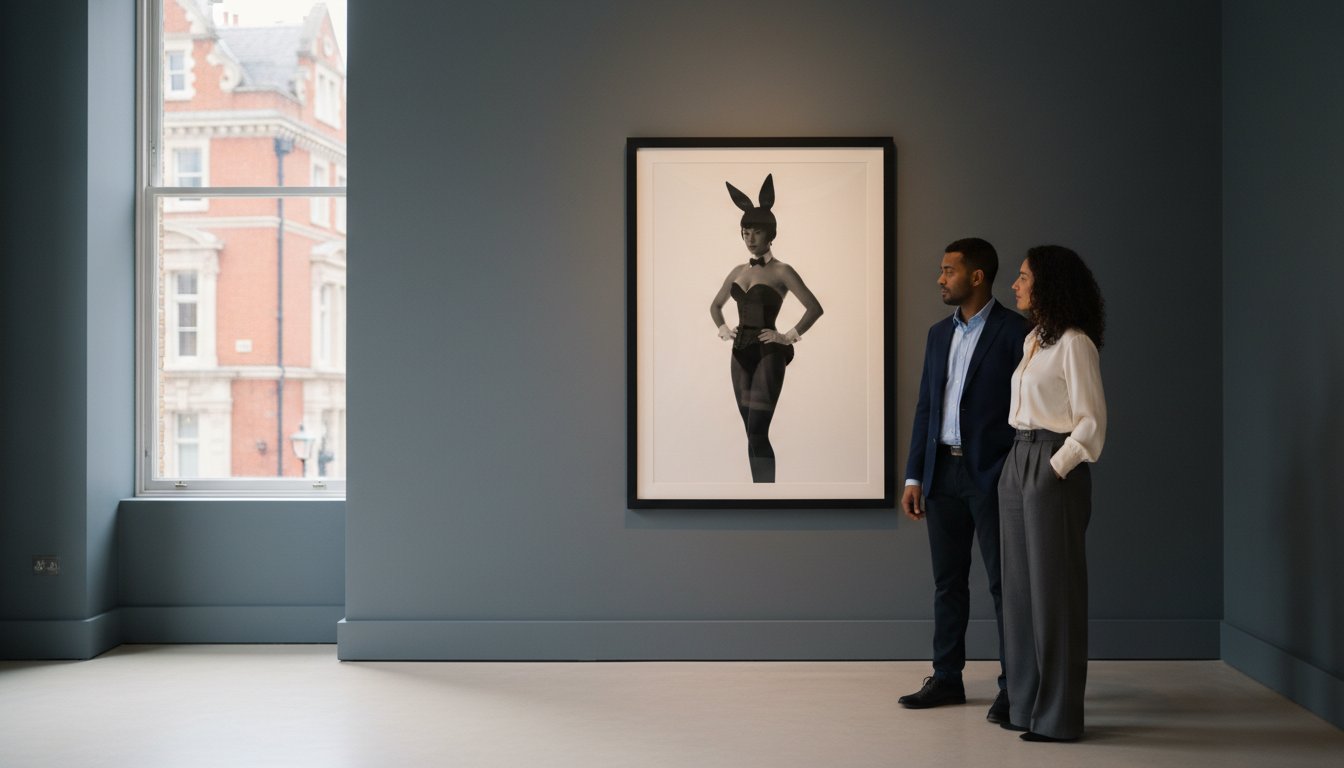
Integrating these bold, historical images into a contemporary residence requires a curator’s eye for balance. While the subject matter is inherently provocative, the transition from the printed page to a gallery wall elevates the playboi bunny from a mere pop culture symbol to a piece of serious photographic history. These works serve as a bridge to the 1950s and 60s, offering a glimpse into a world of curated glamour that remains unmatched in modern digital media. The prestige of these images lies in their ability to command attention while maintaining an air of mid-century sophistication.

The Power of the Large-Format Print

A statement piece often dictates the energy of an entire room. In a lounge or a dedicated home bar, a large-format print creates an immediate conversational focal point. For a minimalist interior, a monochrome silver gelatin print provides a sophisticated, noir-inspired atmosphere. Conversely, high-saturation color prints captured on Ektachrome film in the 1960s bring a vibrant, retro-futuristic energy to mid-century modern spaces. Owning one of these prints isn’t just about decoration; it’s about possessing a tangible artifact of the world’s finest photography. A 40×60 inch print, for instance, transforms a blank wall into a window to the golden age of glamour.

Bespoke Framing for the Discerning Collector

The longevity of your investment depends on the quality of the materials used. To preserve the rich tones and delicate highlights of these iconic shots, we utilize archival photo paper that meets the rigorous ISO 9706 standards for permanence. Framing choice is equally vital to the final aesthetic:

  • Sleek Black Wood: Ideal for contemporary galleries, providing a sharp border that focuses the eye on the subject.
  • Vintage Gilt: A nod to the 1950s Hollywood Regency style, adding a layer of opulent warmth to the piece.
  • UV-Protective Glass: Essential for blocking 99% of harmful rays, ensuring the playboi bunny imagery doesn’t fade over the decades.

Our professional framing services provide a ready-to-hang solution, with each piece hand-finished in our London darkroom. This artisanal approach ensures that the provenance and prestige of the image are matched by its physical presentation. Each frame is selected to complement the era while protecting the silver-based emulsions of the original negatives.

To create a broader narrative, you might build a gallery wall. You can pair these bold subjects with other fine art photography, such as the aspirational poolside scenes of Slim Aarons or the candid celebrity portraits of Terry O’Neill. This juxtaposition contextualizes the Bunny within the wider spectrum of mid-century luxury and high-fashion photography. The result is a curated collection that feels both personal and historically significant.

Explore our exclusive collection and find the perfect statement piece for your home today.

Archival Excellence: Why Galerie Prints is the Destination for Fine Art

Galerie Prints functions as a dedicated guardian of photographic heritage, bridging the gap between historical archives and the modern collector’s home. Our mission centers on the preservation of 20th-century glamour, ensuring that iconic imagery, including the classic playboi bunny aesthetic, remains accessible in its most authentic form. We source directly from prestigious institutions like the Hulton Archive and Getty Images, maintaining a chain of provenance that guarantees every piece is a genuine artifact of cultural history. By upholding our promise to provide “the world’s finest photography,” we offer more than just prints; we provide a tangible connection to the golden age of film and fashion.

The selection process is rigorous. Only a fraction of the millions of images housed in world-renowned archives meets our standards for composition, historical significance, and technical clarity. This curatorial precision allows us to present a collection that isn’t just vast, but meaningful. Whether you’re a seasoned collector or a first-time buyer, the assurance of quality remains the same across every era we represent.

Craftsmanship in the London Darkroom

The distinction of a Galerie Prints piece lies in its physical creation. We don’t rely on mass digital reproduction. Instead, our team utilizes a “Hand-printed in our London darkroom” approach that honors traditional silver gelatin techniques. Working from original negatives allows us to capture the depth, grain, and tonal range that digital sensors often flatten. Each print possesses tactile and historical elements, such as the specific chemical bloom of the paper, making it a unique piece of art. This artisanal process ensures archival stability for over 100 years, protecting your investment against the fading common in standard inkjet prints. Each piece feels substantial, carrying the weight of the history it depicts.

A Curated Path to Ownership

We’ve streamlined the acquisition process for our international clientele, offering a seamless transition from the gallery to your private wall. Our bespoke framing and mounting service utilizes acid-free materials and museum-grade glass to preserve the integrity of each image. Beyond the allure of the playboi bunny era, we invite you to explore our Cinema Lobby Cards and other rare collections that define the 20th-century experience. Every order is handled with precise care, from the initial curation to the final global shipping logistics. Choosing a print here is a decision to invest in a lasting piece of history that will resonate for generations. We don’t just sell images; we preserve the moments that shaped our visual culture.

Bringing the Golden Age of Glamour Into Your Space

The cultural impact of the playboi bunny icon remains a defining element of 20th-century visual history, tracing its roots back to the 1953 debut that transformed editorial photography into high art. This journey through mid-century aesthetics highlights the meticulous design of the bunny silhouette and the technical mastery of photographers who defined the era. It’s a legacy built on the intersection of fashion, celebrity, and a specific brand of aspirational luxury that feels just as evocative today as it did seven decades ago.

Owning a piece of this history requires a commitment to archival integrity. Our collection draws directly from the prestigious archives of Getty Images and the sun-drenched portfolios of Slim Aarons, providing a bridge to a vanished world of elegance. Every artwork is hand-printed in our London darkroom to ensure the rich, tactile quality that only traditional methods can achieve. To complete the presentation, we offer bespoke museum-quality framing that protects the provenance of your print for a lifetime. Your walls deserve a narrative that transcends the temporary. Explore our curated collection of the world’s finest photography and find a timeless piece that speaks to your discerning eye.

Frequently Asked Questions

What is the difference between a Playboy Bunny and a Playmate in photography?

A Playboy Bunny was a professional hostess at the Playboy Clubs, first established in Chicago in 1960; whereas a Playmate was a model featured in the magazine’s monthly editorial centerfold. While the Bunny wore the signature satin ears and tail designed by Zelda Wynn Valdes, the Playmate sessions were distinct photographic features. Collectors often distinguish between the two based on the 28 year era of the original international clubs.

Are these Playboy Bunny prints considered fine art?

These photographs are widely recognized as fine art because they represent the intersection of mid-century social history and high-fashion portraiture. Galerie Prints offers silver gelatin prints and C-type editions that meet museum-grade standards for collectors. When a print is hand-produced from the original negative, it transcends commercial photography to become a collectible piece of 20th-century heritage that holds its value over time.

Who are the most famous photographers who shot the Playboy Bunny?

Legendary photographers such as Slim Aarons, Terry O’Neill, and Burt Glinn captured the most enduring images of the playboi bunny. O’Neill’s 1970s sessions and Aarons’ lifestyle shots provide a sophisticated lens on this cultural phenomenon. Each artist brought a distinct perspective, ranging from the candid reportage of the London Park Lane club to the highly stylized glamour of the Hollywood era.

What makes an archival print different from a standard poster?

An archival print is produced on acid-free paper using pigment-based inks, ensuring a lifespan of over 100 years without fading or yellowing. Standard posters are mass-produced on thin, acidic paper that often degrades within 5 to 10 years. Our bespoke prints are hand-finished in our London darkroom, maintaining the precise tonal range and deep blacks required for a true investment-grade piece of art.

How should I frame a vintage-style Playboy Bunny photograph?

You should frame a vintage-style photograph using UV-protective glass and acid-free mounting boards to prevent light damage and discoloration. A simple, elegant black wooden frame with a white window mount is the classic choice for these 1960s icons. This minimalist approach ensures the focus remains on the exquisite composition of the original 35mm or medium-format shot without distracting from the subject.

Where were the original Playboy Bunny photographs taken?

The original photographs were primarily taken at the Playboy Clubs in Chicago, which opened in 1960, and the London location, established in 1966. Many iconic lifestyle shots were also staged at the Playboy Mansion in Chicago or the later Los Angeles estate purchased in 1971. These locations served as the authentic backdrops for thousands of images that defined the mid-century aesthetic for a global audience.

Can I buy authentic Slim Aarons or Terry O’Neill prints of this subject?

Authentic prints by Slim Aarons and Terry O’Neill are available through our curated collection, sourced directly from the Getty Images Gallery and the artists’ estates. We provide high-quality C-type and silver gelatin prints that capture the playboi bunny in her most glamorous settings. Each piece comes with the necessary provenance to ensure its status as a genuine work of photographic art for your home.

Why is the Playboy Bunny still considered a fashion icon today?

The Bunny remains a fashion icon because the original 1960 costume represents a masterclass in mid-century silhouette and branding. It has influenced high-fashion designers for over 64 years, appearing in various iterations on global runways from New York to Paris. The imagery evokes a specific era of 1960s optimism and sophisticated nightlife that continues to inspire modern interior designers and fashion historians alike.

The Timeless Allure of Black and White Pictures: A Collector’s Guide

In an era where 3.2 billion digital images are uploaded to the internet daily, the quiet permanence of a silver gelatin print remains the ultimate mark of a discerning collector. Fine art black and white pictures don’t merely capture a fleeting moment; they distill it into its most essential form, stripped of the distractions of color to reveal raw emotion and architectural structure.

You likely recognize that a home should be a curated reflection of your heritage and taste, yet finding authentic pieces is difficult when the market is flooded with mass-produced reproductions that lack depth. This guide will empower you to identify true archival quality and understand the provenance of iconic works, ensuring your next acquisition is a legacy piece rather than a temporary decoration. We’ll explore the technical mastery behind hand-printed negatives from our London darkroom, the historical significance of 20th-century masters, and how to curate these works to create a sophisticated, gallery-inspired interior.

Key Takeaways

  • Understand why the monochrome aesthetic remains the pinnacle of fine art, transcending the mere absence of color to reveal the raw emotion and architectural form of a subject.
  • Uncover the technical heritage of the silver gelatin process and why its tactile, archival quality provides a depth that modern digital prints often struggle to emulate.
  • Learn to curate your own collection of black and white pictures by mastering the nuances of contrast ratios and selecting subject matter that resonates with your interior aesthetic.
  • Challenge the misconception that monochrome is purely vintage by exploring how modern masters use the medium to create striking, distraction-free contemporary statements.
  • Gain insight into the provenance of iconic archives and the enduring value of investing in artisanal, London-made photographic heritage.

Why Black and White Pictures Remain the Pinnacle of Fine Art

The allure of black and white pictures lies in their ability to strip away the distractions of the spectrum, focusing instead on the architectural integrity of a composition. When we remove color, we invite the viewer to engage with the raw interplay of light and shadow, a technique perfected throughout the history of monochrome photography that began in the 1820s. This aesthetic choice forces an immediate confrontation with form and texture. It turns a simple portrait into a profound study of character and a landscape into a dramatic narrative of topography. Monochrome isn’t merely the absence of color; it’s the presence of essence.

Unlike color film, which often dates a photograph to a specific era through shifting chemical palettes or saturation trends, the monochrome image remains immune to the passage of time. The silver gelatin prints of the 1950s golden age possess the same visceral power today as they did 70 years ago. By bypassing the fleeting trends of Technicolor or modern digital vibrancy, these images achieve a state of permanence. They exist as archival records of a moment, unburdened by the aesthetic markers of a particular decade. Our London darkroom continues this tradition, hand-printing works that retain their prestige for generations.

The Emotional Language of Monochrome

High contrast creates a visual tension that color cannot replicate. In the noir tradition, shadows become active participants in the story, concealing as much as they reveal to create a sense of mystery. Portraits captured as black and white pictures feel inherently more intimate. Without the distraction of varying skin tones or vivid clothing hues, the eye settles on the subject’s gaze and the subtle lines of experience. It’s a stripped-back honesty that defines the world’s finest photography.

Aesthetic Versatility in Modern Interiors

Monochrome art serves as a sophisticated anchor within contemporary design. Whether placed in a starkly minimalist loft or a lush, classic study, these prints provide a sense of visual silence that grounds a room. In a space filled with diverse textures, black and white acts as a neutral focal point. They harmonize with industrial steel, warm oak, or velvet upholstery with equal grace. This bespoke quality ensures the artwork feels like a curated piece of history rather than a mere decoration.

The Technical Soul: Silver Gelatin vs. Digital Prints

A digital file is essentially a collection of code, yet a silver gelatin print is a physical object born from a sophisticated dance of light and chemistry. This process, perfected in the 1870s, remains the gold standard for black and white pictures that demand depth and soul. While digital sensors capture light with clinical precision, film grain possesses a tactile, organic quality. It creates a three dimensional texture that digital pixels often fail to replicate; a microscopic landscape of silver halides that gives the image its unique “bite.”

The difference lies in the medium’s ability to render light. In a traditional darkroom, light passes through a negative to strike paper coated with silver salts. This creates a rich tonal range where the transition from absolute black to brilliant white feels fluid rather than stepped. Scholars and collectors often study the historical black and white photographs preserved by the Library of Congress to understand how these chemical processes capture the raw intensity of the human condition with a permanence that digital formats struggle to match.

The Darkroom Heritage

Authenticity in photography is found in the provenance of the work. At Galerie Prints, we believe the original negative is the true “DNA” of the image. Unlike mass produced posters that rely on ink sitting atop a surface, our prints are hand-crafted in our London darkroom. This artisanal approach ensures that every piece is a unique interpretation of the artist’s vision. A gallery-grade print isn’t just a copy; it’s a handcrafted artifact that carries the weight of photographic history within its fibers.

Archival Quality and Longevity

Museum-quality is a term we use with specific intent. It refers to materials that are chemically stable and designed to last for 100 years or more without yellowing or fading. Silver-based prints are remarkably resilient; they maintain deep, velvety blacks and crisp whites because the image is embedded within the gelatin layer of the paper itself. Protecting this investment requires more than just high-quality paper. Bespoke framing, utilizing acid-free mounts and UV-protective glass, acts as a sanctuary for the artwork, shielding it from environmental degradation. You can explore our curated collections to see how these technical standards elevate a simple image into a lasting piece of history.

Busting the Myth: Is Black and White Photography “Old Fashioned”?

To view monochrome as a relic of the pre-technicolor era is to fundamentally misunderstand the soul of the medium. Modern masters don’t select black and white pictures because they’re limited by technology; they choose them to strip away the chromatic noise of the 21st century. By removing the distraction of color, a photographer forces the eye to confront texture, form, and the delicate play of light. This is exactly why luxury houses like Chanel and Dior consistently favor monochrome for their global campaigns. It’s a deliberate aesthetic choice that signals prestige and a refusal to follow fleeting trends.

The enduring power of black and white photography lies in its ability to transcend time. Consider a 1960s Terry O’Neill print of a cinematic icon. When hung in a sleek, 2026-designed apartment, it doesn’t feel like a dusty museum artifact. Instead, the high-contrast silver gelatin print acts as a contemporary anchor. The sharp grain and deep shadows provide a tactile depth that modern digital color often flattens. It bridges the gap between the golden age of glamour and the cutting edge of modern interior aesthetics.

The Minimalism Movement

The “less is more” philosophy has redefined how we curate our living spaces. Black and white photography is the natural companion to this movement. In urban photography, removing color emphasizes the aggressive, sculptural lines of modern architecture. It transforms a skyscraper into a study of geometry. Abstract monochrome works have seen a 22% rise in auction demand since 2021, proving that collectors value the quiet authority of a silver-toned image over the loud saturation of contemporary digital art.

The Celebrity and Icon Factor

There’s a reason the most enduring images of Marilyn Monroe pictures or The Beatles are monochrome. It creates a “purity” of the icon, stripping away the mundane details of the era to reveal the legend beneath. This creates a legendary status that color simply can’t achieve. From an investment perspective, the market value for these iconic portraits remains exceptionally robust.

  • Archival prints from original negatives often appreciate by 7% annually.
  • Bespoke, hand-printed pieces from our London darkroom carry a provenance that digital files cannot match.
  • Monochrome portraits offer a sense of permanence in an increasingly disposable visual culture.

Investing in these works isn’t just about decoration; it’s about owning a piece of history that remains eternally modern.

A Collector’s Framework: How to Choose and Style B&W Art

Selecting black and white pictures for a private collection requires a discerning eye for tonal range. Our London darkroom artisans emphasize that the contrast ratio dictates the room’s energy. A print with high-impact blacks and crisp whites demands attention in minimalist spaces; it creates a graphic punch that defines an interior. Conversely, a print featuring a spectrum of soft, silvery greys offers a sophisticated, quiet presence. Choosing the subject matter is equally vital. A 1964 Terry O’Neill portrait of Brigitte Bardot captures a specific historical allure, while an expansive, textured landscape can ground a large living area with a sense of permanence.

Scaling is your primary tool for visual impact. A 1.5-meter oversized print acts as a definitive focal point, commanding the architecture of the room. Small-scale works require intimacy, drawing the viewer in to inspect the fine grain of the silver gelatin process. The frame choice finalizes the mood. A bespoke black frame adds architectural weight and modern definition. An oak frame softens the image, making it suitable for mid-century modern interiors where warmth is a priority. White frames provide a gallery-standard “floating” effect, allowing the photography to breathe against a neutral wall.

Creating a Stunning Gallery Wall

A successful gallery wall balances diverse textures and historical eras. You might pair a grit-filled 1970s street scene with a polished Slim Aarons poolside view from 1958. Maintain a professional aesthetic by keeping a consistent 50mm spacing between frames. This precision ensures the arrangement feels like a curated exhibition. Mixing vertical and horizontal orientations adds visual rhythm, but you should keep the monochromatic theme tight to ensure the collection remains cohesive rather than cluttered.

Lighting Your Photography

Light is the final element in displaying black and white pictures. High-contrast prints benefit from non-reflective, museum-grade glass. This prevents glare from obscuring deep shadow details in heavy blacks. Use dedicated LED spotlights with a 3000K color temperature to reveal the true depth of the print. It’s essential to avoid placing archival pieces in direct sunlight. Constant UV exposure can degrade 100% cotton rag paper over a 50-year period, even with protective coatings.

Explore our collection of hand-printed silver gelatin works to find your next investment piece.

Discover the World’s Finest Photography at Galerie Prints

Mastering the art of black and white pictures involves more than just technique; it requires surrounding yourself with the masters of the craft. At Galerie Prints, we provide access to the world’s finest photography, curated from legendary archives and esteemed collections. Our collection represents a bridge to the golden age of glamour, offering collectors a chance to own a piece of history that has been meticulously preserved through the decades.

Every print we produce is a testament to artisanal excellence. We don’t believe in mass production. Instead, our London-based team focuses on hand-printing techniques that honor the original negative’s integrity. Whether it’s a silver gelatin print or a modern archival pigment process, the result is a museum-grade masterpiece. This dedication to the darkroom ensures that your investment retains its clarity and depth for a lifetime.

To finish your piece, we offer bespoke framing services. Our craftsmen use sustainably sourced wood and anti-reflective glass to elevate the print. This isn’t just a frame; it’s a protective sanctuary for the art. You can begin your journey with our open-run classics or choose the exclusivity of a limited edition, with some runs restricted to as few as 50 prints worldwide.

The Slim Aarons B&W Collection

While famous for his vibrant poolside scenes, Aarons’ work with black and white pictures reveals a different layer of his genius. These rare monochrome shots capture the 1950s elite with a quiet intimacy that color sometimes masks. You’ll find the same high-society subjects but with a focus on texture and composition that defines the mid-century era. For collectors seeking to understand the full scope of this legendary photographer’s work, our comprehensive guide to Slim Aarons’ mastery of aspirational photography explores both his color and monochrome legacy. Explore the stories behind these frames in Slim Aarons: The Definitive Guide.

Terry O’Neill: The Man Who Shot the Sixties

Terry O’Neill’s lens defined a generation. His ability to capture candid moments of Hollywood royalty, from Audrey Hepburn to the legends of rock, relied on a technical brilliance that made the camera disappear. His B&W portraits aren’t just photos; they’re historical documents of cool. Browse our Terry O’Neill Collection to find iconic imagery that transformed the 1960s into a timeless aesthetic.

Collecting fine art is a journey of refinement. Whether you’re drawn to the cinematic quality of a 1920s street scene or the sharp contrast of a modern architectural study, our curators are here to guide you. We ensure that every piece leaving our London gallery meets the highest standards of the international art market.

Building Your Legacy with Timeless Imagery

Choosing a piece of fine art is an act of preservation. By prioritizing the chemical depth of silver gelatin prints over fleeting digital trends, you secure a work that maintains its luster for generations. Black and white pictures don’t just decorate a room; they anchor it with a sense of permanence and historical weight that color photography often lacks. Whether you’re drawn to the 1950s glamour of a Slim Aarons poolside scene or the grit of a mid-century street portrait, these images remain the definitive standard for sophisticated interiors.

At Galerie Prints, we act as the bridge between these historic moments and your private collection. As an official partner of the Getty Images archive, we utilize original negatives to produce works of unparalleled provenance. Each print is meticulously hand-printed in our London darkroom, ensuring the tactile quality that serious collectors demand. With our bespoke museum-quality framing services, your selected artwork arrives ready to transform your space into a curated gallery. It’s time to move beyond simple decoration and invest in a lasting piece of photographic heritage.

Explore the World’s Finest Black and White Photography

We invite you to discover a world where light and shadow tell a story that’s uniquely yours.

Frequently Asked Questions

What makes black and white photography “fine art” compared to color?

Black and white photography earns its fine art status by stripping away the distraction of color to focus on form, light, and texture. This medium allows the viewer to connect with the emotional core of the subject, a technique perfected by masters like Ansel Adams in his 1941 Yosemite series. By emphasizing the interplay of ten distinct zones of gray, these images transform a literal scene into a timeless, evocative composition that transcends mere documentation.

Are black and white prints more expensive than color prints?

Premium monochrome prints often command a 15% to 20% higher price point due to the specialized artisanal labor involved in their creation. At Galerie Prints, our darkroom specialists spend up to four hours hand-printing a single image from an original negative to ensure perfect tonal depth. While mass-produced digital prints are inexpensive, a bespoke silver gelatin print represents a significant investment in historical craftsmanship and archival quality.

How do I prevent my black and white pictures from fading over time?

You can prevent your black and white pictures from fading by using 99% UV-protective museum glass and acid-free mounting materials. According to the Wilhelm Imaging Research institute, prints kept in controlled environments with 40% humidity can last over 200 years without visible degradation. Don’t hang your artwork in direct sunlight or near heat sources like radiators to preserve the delicate silver crystals in the emulsion.

Does black and white photography work in a colorful room?

Monochrome photography acts as a sophisticated visual anchor in rooms featuring bold palettes like 2024’s popular Terracotta or Midnight Blue. The neutral tones of a curated print provide a resting point for the eye, preventing a vibrant space from feeling cluttered. A large-scale 40×60 inch print can unify disparate colors by introducing a timeless, architectural element that transcends fleeting interior design trends.

What is a silver gelatin print and why is it valuable?

A silver gelatin print is a traditional photographic process where light-sensitive silver salts are suspended in a gelatin layer on fiber-based paper. This method, which became the industry standard in 1885, is prized for its unrivaled deep blacks and luminous highlights. Collectors value these prints because they’re hand-processed in our London darkroom, ensuring each piece is a unique, physical connection to the world’s finest photography.

Can I mix black and white photos with color art on the same wall?

Mixing black and white pictures with color art creates a dynamic gallery wall that feels curated rather than staged. To achieve a cohesive look, maintain a consistent 2-inch spacing between frames and use a unifying element like matching black wood moldings. This approach, often seen in high-end London estates, allows the monochromatic pieces to highlight the vibrancy of the color works while adding historical weight to the collection.

How do I choose the right frame for a monochrome photograph?

The ideal frame for a monochrome print is typically a minimalist 20mm black or dark charcoal wood profile that doesn’t compete with the imagery. For a classic gallery aesthetic, include a 3-inch white acid-free mount to provide the artwork with breathing room and professional scale. This framing style focuses the viewer’s attention on the print’s provenance and technical excellence, ensuring it remains a centerpiece for decades.

What are the most iconic black and white pictures to collect in 2026?

Collectors in 2026 are focusing on the Slim Aarons archive and mid-century fashion photography from the 1950s. Works by Terry O’Neill, specifically his 1977 portrait of Faye Dunaway at the Beverly Hills Hotel, continue to see a 12% annual increase in valuation. Investing in prints with clear provenance and limited edition status remains the most reliable way to build a collection of the world’s finest photography.