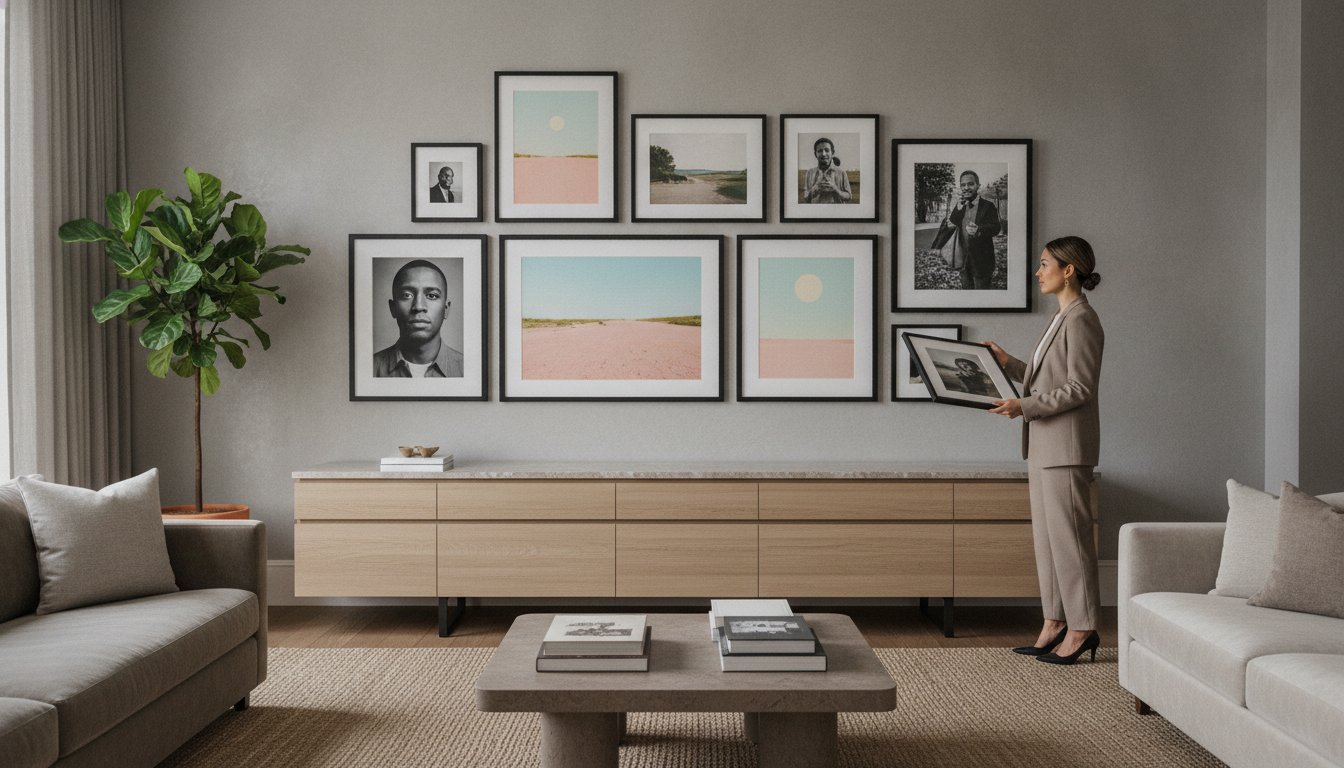
A truly sophisticated home is not merely a residence; it’s a living dialogue between the inhabitant and the history they choose to preserve. While many approach the task of curating a photography collection at home as a simple exercise in interior design, the most discerning collectors understand that it’s an act of guardianship and storytelling. You want your living space to reflect a refined, personal narrative, but the uncertainty of mixing different eras or the fear of a cluttered, unpolished aesthetic can be paralyzing. It’s a common hesitation for those who value the quiet authority of a well-composed room.
We believe that your walls should serve as a private gallery that honors the heritage of the lens. This guide provides the practical knowledge you need to invest in premium prints with confidence, focusing on the technical superiority of archival standards and the art of narrative display. You’ll discover how to blend the timeless elegance of a Slim Aarons poolside scene with the raw energy of Terry O’Neill’s portraits, ensuring every piece meets the 600 DPI resolution and 100-year archival guarantees that define museum-grade quality. We’ll show you how to move beyond mere decoration to build a lasting visual legacy.
Key Takeaways
- Learn to distinguish between mere decoration and the intentional act of curation to create a home that speaks with quiet authority.
- Discover how curating a photography collection at home allows you to weave a cohesive narrative through the lens of historical prestige and thematic selection.
- Understand the technical standards of museum-quality prints, including the importance of Giclée processes and archival materials for long-term preservation.
- Master spatial arrangement techniques that transform your living area into a private gallery by using focal points and careful layout planning.
- Gain access to the world’s most iconic archives, from the sun-drenched elegance of Slim Aarons to the legendary portraiture of Terry O’Neill.
What Does It Mean to Curate a Photography Collection at Home?
To curate is to choose with profound purpose. It’s the essential difference between a house that’s merely furnished and a home that’s thoughtfully composed. When you begin curating a photography collection at home, you step away from the transient nature of modern “decor” and move toward the creation of a personal legacy. Decoration often seeks only to fill a void on a wall or match a specific textile pattern. Curation, however, is the intentional assembly of images that speak to one another, creating a silent but powerful dialogue within your living space. It’s an intellectual and aesthetic pursuit that transforms a room into a narrative experience.
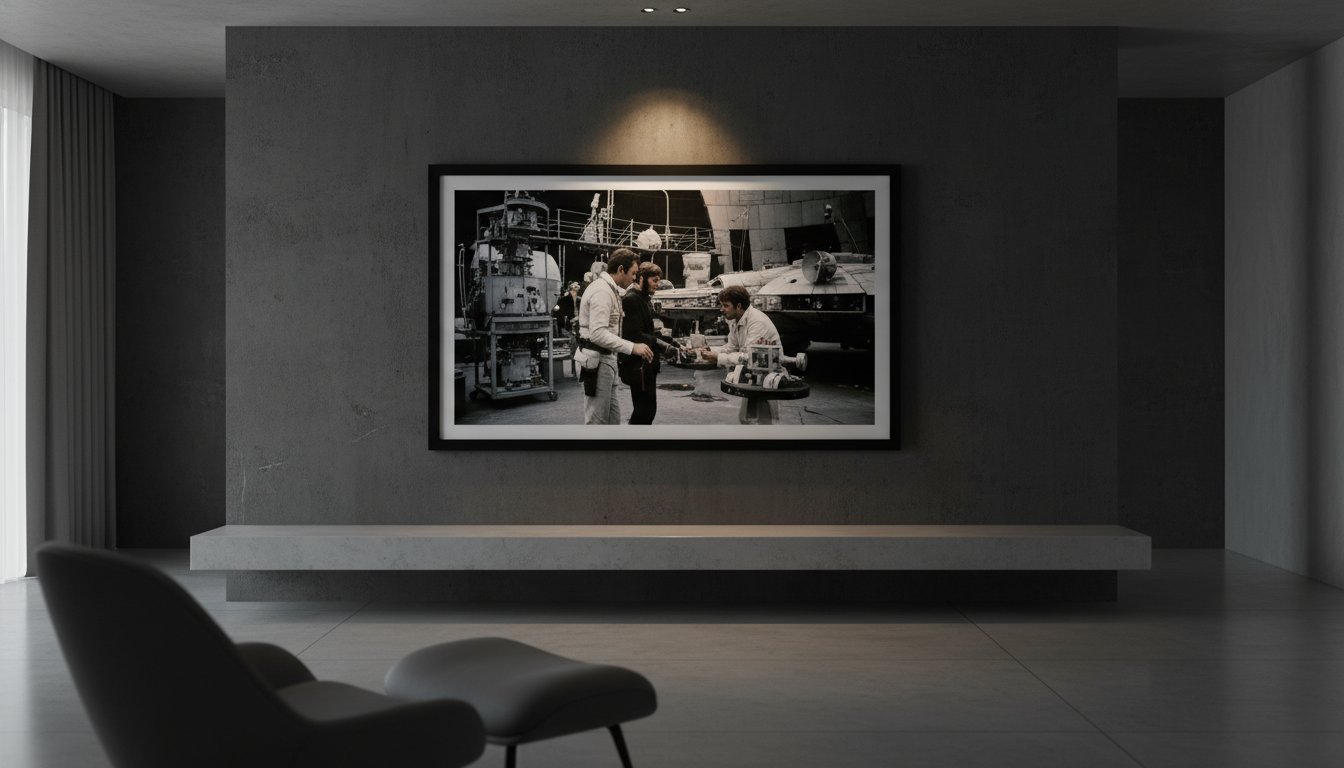
By assembling a private collection, you act as a guardian of photographic history. You aren’t just buying a print; you’re preserving a specific cultural heartbeat. Living with iconic imagery from world-renowned archives offers an emotional resonance that mass-produced art cannot replicate. This role requires a discerning eye and a respect for the technical craftsmanship involved in the original capture. Whether you’re drawn to the cinematic depth of Star Wars Limited Edition Prints or the rhythmic energy of Music Archives, you’re celebrating the artistry of the archive. The collector becomes a bridge between a bygone era and the modern interior.
The Shift from Personal Snapshots to Fine Art
We live in an age of digital surplus where most images are ephemeral, trapped behind glass screens and lost to endless scrolling. Fine art photography offers a deliberate return to a bygone era of elegance. Investing in prints from established archives like Getty Images ensures that the work possesses a pedigree of authenticity. These aren’t just pictures; they’re historical documents captured by masters of the craft. A curated collection acts as a physical anchor in a modern home, offering a sense of permanence. It’s a lasting piece of history that gains character and significance as the years pass.
Defining Your Personal Curatorial Vision
Every great collection starts with an emotional anchor. You must identify the mood you wish to evoke, whether it’s the sun-drenched nostalgia of the Mediterranean or the gritty, high-contrast energy of 1970s London. Your vision doesn’t require every photo to feature the same subject. Instead, look for consistency in tone and spirit. A Slim Aarons poolside scene can live beautifully alongside a minimalist architectural study if they share a certain aspirational rhythm. Start with a single “hero” piece. This large-scale, evocative work sets the tempo for the entire room, serving as the standard for all future acquisitions. Mastering this vision is the first step in successfully curating a photography collection at home that feels both professional and deeply personal.
Developing a Thematic Strategy for Your Collection
A collection without a theme is merely a gallery of isolated moments. When you begin curating a photography collection at home, your strategy should transcend literal subject matter. Instead of grouping images by category, consider the emotional temperature they radiate. Aspirational photography serves as a powerful tool for setting a room’s atmosphere. It invites the viewer into a world of leisure and sophistication, acting as a window to a more refined reality. By selecting prints that share a common spirit, you create a cohesive environment where different artists and eras can coexist in harmony.
Mixing black and white photography with vibrant color prints adds layers of visual depth to your walls. Monochromatic works provide a sense of timelessness and structural clarity, while color photography can inject warmth and modern vitality. This interplay prevents the collection from feeling static or one-dimensional. Historical context also plays a vital role. A piece that captures a pivotal cultural moment becomes an immediate conversation starter. As noted in this guide to Art Collecting 101, understanding the narrative behind a print is as important as its visual appeal. It allows you to speak with authority about the provenance and significance of each acquisition.
The Slim Aarons Aesthetic: A Case Study in Glamour
Few photographers have captured the essence of high society as effectively as Slim Aarons. This Slim Aarons photography guide illustrates how his work defines the “Poolside Gossip” and “Palm Springs” lifestyles. His mantra of “attractive people doing attractive things in attractive places” provides a perfect thematic anchor for luxury interiors. Curating around this theme allows you to bring a sense of effortless glamour into mid-century modern or contemporary spaces. His saturated blues and crisp whites create a rhythmic vitality that feels both vintage and eternally fresh.
Iconic Portraits and Music Archives
For a collection with a more rebellious or soulful edge, building around cultural icons is an evocative choice. Works by Terry O’Neill, featuring legends like David Bowie or Brigitte Bardot, offer a proximity to fame that feels intimate and rare. Similarly, exploring music photography adds a layer of “soul and sound” to your home. These archives capture the raw energy of performance and the quiet moments of the creative process. You might also consider the unique charm of Cinema Lobby Cards, which offer a nostalgic, niche entry point for film enthusiasts. If you’re ready to find your next anchor piece, you can explore our curated archives to see these stories come to life.
Ensuring Technical Excellence: Prints, Paper, and Framing
The transition from digital appreciation to physical ownership is marked by a commitment to material excellence. When curating a photography collection at home, the quality of the print serves as the ultimate seal of authenticity. It’s the difference between a temporary decoration and a gallery-grade investment. Professional collectors prioritize the physical medium because the tactile nature of a print conveys the soul of the original work. High-end curation requires a shift in perspective, moving away from the “disposable” culture of standard commercial prints toward the permanence of artisanal craftsmanship.
Museum-quality reproduction relies heavily on the Giclée printing process. Unlike standard inkjets, Giclée utilizes specialized pigment-based inks that offer a depth and tonal range unattainable by common commercial methods. Modern professional standards have shifted to a 600 DPI resolution, which is a significant leap from the previous 300 DPI benchmark. This technical superiority ensures that every nuance of the original negative, from the grain of a vintage film to the sharpest edge of a modern digital capture, is preserved. The choice of paper is equally vital. Archival fiber-based papers possess a weight and texture that standard photo paper lacks, providing a matte finish that absorbs light and invites the viewer to linger on the details.
The Importance of Archival Standards
Longevity is the cornerstone of any serious collection. The term “archival” represents a technical promise that the work will endure without fading or yellowing. Many professional labs now offer 100-year archival guarantees on their prints, a standard that protects the historical integrity of your investment. This preservation is achieved through a combination of acid-free mounting and UV-protective glass. These elements act as a shield against environmental degradation, ensuring that the vibrant blues of a Slim Aarons scene or the deep blacks of a Terry O’Neill portrait remain unchanged for decades. Traditional production methods are essential for maintaining this photographic heritage.
Bespoke Framing as a Curatorial Tool
A frame is much more than a protective border; it’s a curatorial statement that completes the narrative of the work. Utilizing a bespoke framing service ensures that the presentation respects the specific era and style of the photograph. A Star Wars Limited Edition Print might demand a sleek, contemporary profile, while a vintage movie poster feels most at home in a more classic arrangement. Professional framing provides the “ready-to-hang” precision required for a sophisticated gallery look. Subtle choices, such as the width of the mount or the specific hue of the matboard, can dramatically alter how a viewer perceives the focal point of the image.
Designing the Display: Layout and Spatial Narrative
Designing the spatial narrative of your home requires more than a hammer and a steady hand. When curating a photography collection at home, you must treat your walls as a dynamic stage where each print plays a specific role. The process begins with meticulous planning. Before a single nail touches the plaster, map your wall space using paper templates. This allows you to visualize the cadence of the collection without the risk of unnecessary damage. Once the boundaries are defined, establish a focal point. This should be your most evocative or largest piece, positioned to anchor the room’s energy and dictate the placement of surrounding works.
Visual weight is the secret to a professional display. Balance is achieved by mixing different print sizes and frame thicknesses. A heavy, dark frame can be offset by a cluster of smaller, lighter pieces, creating a sense of equilibrium that feels organic rather than rigid. Lighting is your final curatorial tool. As we noted regarding archival standards, direct sunlight is the enemy of preservation. Instead, utilize dedicated picture lights to create a warm, focused glow that highlights the texture of the fiber-based paper. Always leave sufficient breathing room between frames. This negative space is essential; it allows the viewer’s eye to rest and ensures each piece can speak with its own voice.
Creating a Dynamic Gallery Wall
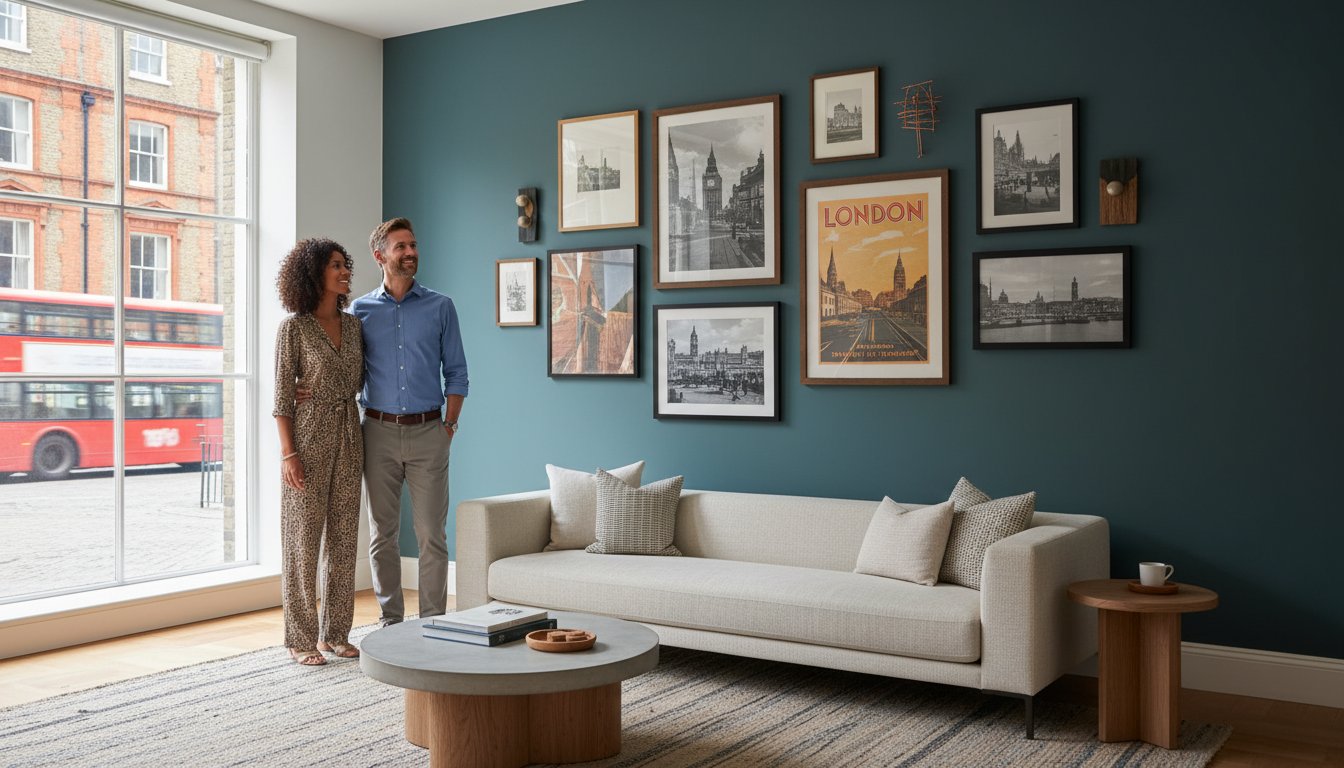
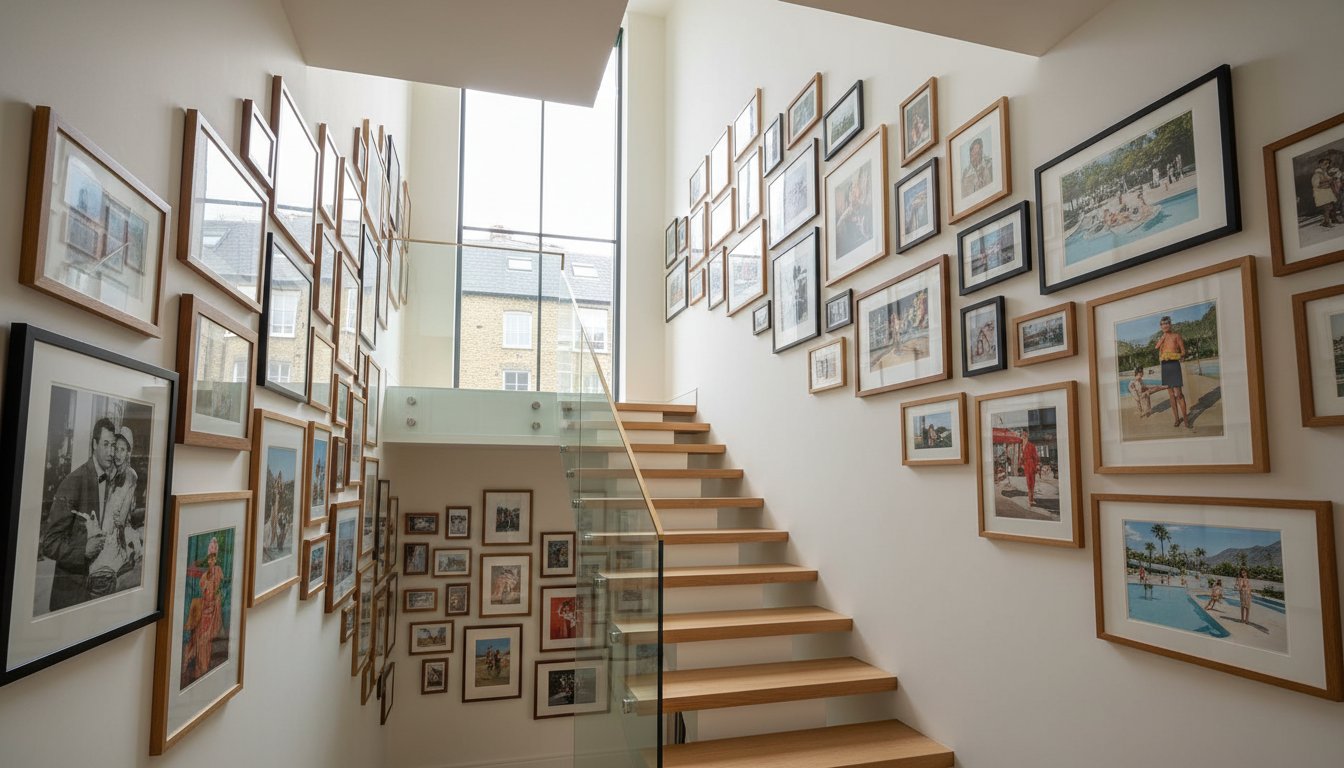
A gallery wall offers two distinct paths: the formal precision of a grid or the eclectic charm of a salon hang. A grid layout suggests order and quiet authority, ideal for a series of related architectural studies or portraits. Conversely, a salon hang allows for a more personal, evolving narrative. The secret to a cohesive salon wall lies in its anchors. Using black and white pictures provides a neutral structural foundation that allows more vibrant color works to shine without creating visual chaos. This approach maintains a sophisticated rhythm across disparate subjects.
The Power of the Solo Statement
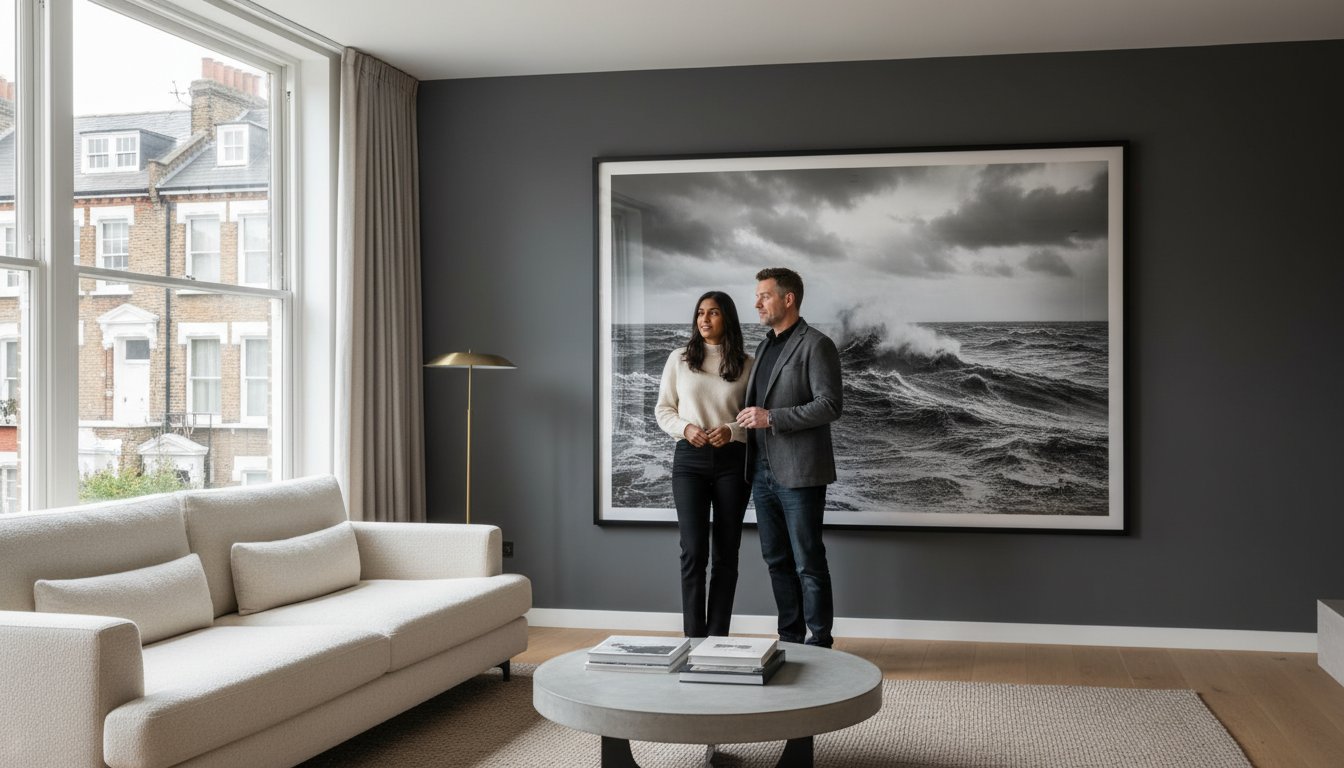
Sometimes, silence is the most powerful statement. A single, large-format print can dominate a room with unparalleled grace. This approach is most effective when the piece is placed for maximum reveal impact, such as the wall directly opposite a room’s entrance. Dedicated lighting transforms a solo piece from a static image into a living presence, pulling the viewer into the historical narrative of the creator. If you’re ready to begin your spatial transformation, you can view our exclusive collections to find your next statement piece and elevate your home’s aesthetic.
Building Your Legacy with Galerie Prints
The journey of curating a photography collection at home reaches its most rewarding phase when you select a partner capable of translating your vision into a physical reality. At Galerie Prints, we don’t merely provide images; we offer a gateway to the world’s most prestigious archives. Our deep relationships with the Slim Aarons Collection, the Terry O’Neill Photography archive, and the Getty Images Gallery allow us to bring museum-grade masterworks directly to your walls. Each piece is treated with a sense of measured luxury, ensuring that the transition from the archive to your home preserves the historical integrity of the original capture.
Our commitment to artisanal craftsmanship is reflected in every stage of the production process. We understand that a collector’s needs are as unique as their narrative, which is why we provide bespoke options that go beyond the standard. Whether you require custom dimensions to fit a specific spatial requirement or professional framing tailored to a particular interior aesthetic, our team operates with the precision of a seasoned curator. We position ourselves as your trusted partner, offering the expert guidance necessary to navigate the nuances of high-caliber art with confidence and discernment.
A Bridge to a Bygone Era
Our curated collections invite you into an elite world of beauty and history, offering a tangible connection to moments that shaped our cultural consciousness. While digital trends are often fleeting and ephemeral, the stability of a physical print provides a lasting anchor. We believe that a purchase should be more than a decoration; it’s a lasting piece of history. By investing in archival-quality works from our Music Archives or Cinema Lobby Cards, you’re ensuring that your collection remains a source of wonder and nostalgia for generations to come.
Starting Your Collection Today
Building a legacy begins with a single, decisive choice. We encourage you to browse our most iconic collections to find the anchor piece that will set the rhythm for your entire home. Our team is available to consult on everything from spatial planning to the technical specifications of our Bespoke Framing Service, ensuring your journey is as seamless as it is intellectually stimulating. The art of curation is a lifelong pursuit, and there’s no better moment to begin than now. Explore the Slim Aarons Collection and begin your curatorial journey today.
Your Path to a Sophisticated Private Gallery
The journey from a blank wall to a professional collection is defined by a commitment to both thematic vision and technical excellence. We’ve explored how intentional selection creates a dialogue between eras and why museum-grade archival standards are non-negotiable for the serious collector. By focusing on the spatial narrative of your home, you ensure that every piece, whether it’s a vibrant Slim Aarons poolside scene or a soulful Music Archive print, commands the attention it deserves. Mastering the nuances of curating a photography collection at home is not just an aesthetic choice; it’s a way to preserve a cultural heartbeat within your own four walls.
As an official Getty Images Gallery partner, we offer exclusive access to the legendary archives of Slim Aarons and Terry O’Neill. Every acquisition is supported by our Red Dot-level artisanal framing, ensuring your investment is protected by the highest standards of the art world. You’re now equipped with the knowledge to build a legacy that reflects your personal journey and refined taste. It’s time to transform your environment into a sanctuary of historical prestige and timeless elegance.
Discover our curated collections and begin your private gallery today
Frequently Asked Questions
How do I start a photography collection on a budget?
You can begin your journey by focusing on smaller, high-quality entries such as Cinema Lobby Cards or vintage movie posters. While high-end masterworks are a significant investment, the growing market for authentic art priced under $2,000 makes it possible to begin curating a photography collection at home with focused, smaller acquisitions. This approach allows you to build narrative depth and value without the immediate pressure of acquiring large-format pieces.
What is the best way to arrange a gallery wall without it looking cluttered?
The secret to a sophisticated gallery wall lies in the disciplined use of “breathing room” and a singular central anchor piece. By maintaining a consistent distance of approximately two to three inches between frames and using paper templates to plan the layout, you avoid the trap of visual chaos. A structured grid offers a sense of formal authority, while a more eclectic salon hang requires a shared tonal element to ensure the arrangement feels intentional rather than random.
Does the frame matter as much as the photograph itself?
A frame is much more than a protective border; it’s a curatorial tool that bridges the gap between the artwork and your home’s architecture. Utilizing a bespoke framing service provides the professional precision required to elevate a print from a simple image to a gallery-grade investment. It ensures the materials used, including acid-free matting and specialized glass, protect the work while the aesthetic choice of the frame respects the historical era of the image.
How can I tell if a photography print is “archival quality”?
True archival quality is defined by the use of pigment-based inks and acid-free, fiber-based papers that offer 100-year fade resistance. You should look for Giclée prints produced at a 600 DPI resolution, which is the current professional standard for museum-quality reproduction. These technical specifications ensure that the tactile and visual integrity of the work remains unchanged by environmental factors, providing the permanence that defines a serious collection.
Can I mix black and white photography with colour prints in the same room?
Mixing monochromatic and color works is an excellent way to add visual depth and prevents your collection from feeling static. When curating a photography collection at home, use black and white pieces as structural anchors to provide a timeless, graphic clarity. This foundation allows vibrant color prints, such as a sun-drenched Slim Aarons scene, to shine with modern vitality without overwhelming the room’s sophisticated rhythm.
What are the most collectable photography archives to invest in for 2026?
The archives of Slim Aarons and Terry O’Neill remain the premier choices for collectors seeking historical prestige and a connection to a bygone era of elegance. Additionally, the Music Archives and Star Wars Limited Edition Prints are seeing increased demand as high-net-worth collectors seek authentic, human-made works as an alternative to AI-generated imagery. These collections offer a sense of permanence and cultural significance that outlasts fleeting digital trends.
How do I protect my photography collection from fading over time?
Protection begins with the use of UV-protective glass and careful spatial placement to avoid the reach of direct sunlight. High-quality framing must utilize acid-free mounting and matboard to prevent chemical degradation of the paper over decades. By insisting on museum-standard materials and avoiding harsh environmental exposure, you act as a guardian of the work, ensuring the vibrant soul of the photograph remains preserved for future generations.