Tag: Bespoke Framing

Curating a Personal Art Collection: The Connoisseur’s Guide to Fine Art Photography

The most evocative homes don’t simply display images; they preserve moments of cultural heritage that define a legacy. Curating a personal art collection is far more than a series of disconnected purchases. It’s a deliberate act of storytelling that bridges the gap between a casual appreciation for beauty and the discerning eye of a true connoisseur. You might feel overwhelmed by the sheer volume of available prints or fear investing in a piece that lacks the archival integrity to endure. These hesitations are natural for any collector who values substance over mere decoration.

You understand that a home should reflect a sophisticated lifestyle, yet finding the balance between disparate eras and styles can feel like an impossible puzzle. This guide will help you master the transition to sophisticated collecting by focusing on narrative depth, archival standards like ISO 11108 for cotton-based papers, and the nuances of artisanal preservation. We’ll explore how to identify high-quality photography, from the sun-drenched leisure of Slim Aarons to the cinematic grit of Terry O’Neill. By the end, you’ll have the confidence to select works that offer both aesthetic cohesion and lasting historical value.

Key Takeaways

  • Learn to distinguish between simple home decoration and the deliberate act of curating a personal art collection that reflects your unique cultural legacy.
  • Discover how to establish a visual anchor for your space by integrating iconic music archives and aspirational cinema lobby cards.
  • Master the technical requirements of archival-grade prints, ensuring your acquisitions are produced from original source materials rather than mass-market reproductions.
  • Understand why bespoke framing is essential for both the long-term preservation of the artwork and its seamless integration into your home’s architectural aesthetic.
  • Access a curated bridge to the world’s most prestigious photographic archives to ensure every piece you acquire holds lasting prestige and historical value.

The Philosophy of Curation: Defining Your Personal Artistic Legacy

To begin the journey of curating a personal art collection is to step into the role of both historian and storyteller. It’s a transition from merely filling wall space to building a visual biography that will endure for generations. While interior design often focuses on the immediate aesthetic of a room, true curation looks toward the horizon of a lasting legacy. Historically, the assembly of a private art collection was a pursuit reserved for those who viewed art as an extension of their intellectual and cultural identity. Today, this philosophy remains the cornerstone of a sophisticated home. It’s about more than just a purchase; it’s about the emotional resonance of owning a piece of photographic history, such as a rare Terry O’Neill portrait or an authentic Star Wars limited edition print.

Curation vs. Decoration: A Professional Distinction

Decoration is often static, serving the trends of the current year or the specific palette of a sofa. Curation, however, is a deliberate and evolving selection process based on a central theme or narrative. As a collector, you act as a guardian of artistic heritage. You aren’t just buying a print; you’re preserving a specific moment in time captured through a lens. This distinction is vital because a curated collection has the power to evolve over decades. It doesn’t become obsolete when you change your furniture. Instead, the art remains the constant, providing a sense of permanence and stability in a world of fleeting digital imagery.

Finding Your Curatorial Voice

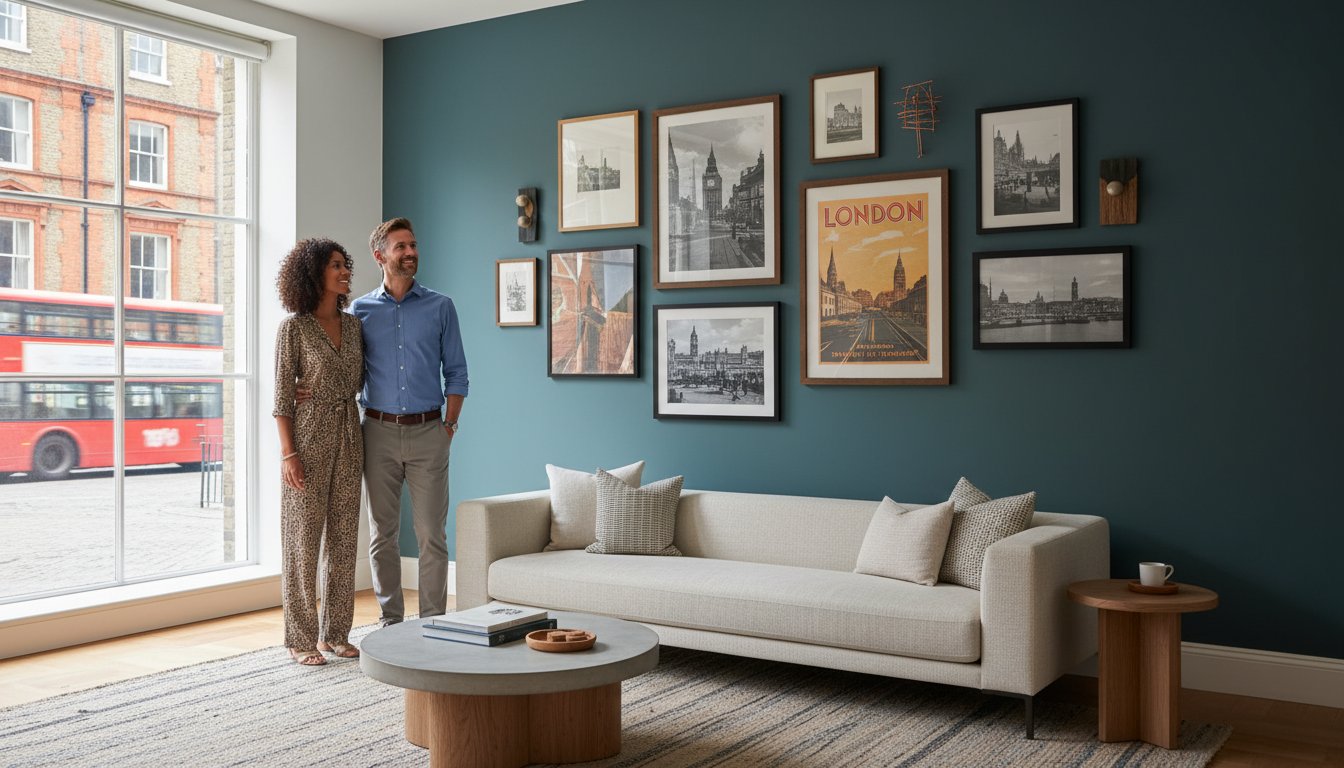
When you begin curating a personal art collection, identifying the moods or eras that resonate with your personal history is the essential first step. You might find yourself drawn to the mid-century glamour of the Slim Aarons Collection, or perhaps the raw, backstage energy found within deep music archives. A single hero piece often dictates the energy of an entire room. A large-scale cinema lobby card can serve as a bold anchor, while a series of smaller, consistent vintage movie posters creates a rhythmic narrative along a corridor. Consistency in the medium, such as focusing strictly on fine art photography, allows for a diverse range of subjects while maintaining a cohesive aesthetic. By balancing nostalgia with modern presentation, you ensure your collection feels both timeless and relevant for 2026 and beyond.

Establishing a Visual Anchor: Themes in Fine Art Photography

Every serious collection requires a visual anchor to provide a sense of purpose. When curating a personal art collection, thematic consistency acts as the refined thread that binds different rooms into a singular narrative. While some collectors might explore collecting work from emerging artists to inject a sense of the contemporary, there’s an undeniable stability in acquiring established archival works that have already secured their place in history. These anchors don’t just occupy space; they dictate the room’s entire emotional frequency and set the stage for all subsequent acquisitions.

The Allure of Aspirational Heritage

Slim Aarons remains the ultimate reference for those seeking a perennial mood of luxury. His work, famously described as capturing “attractive people doing attractive things in attractive places,” serves as the definitive guide to the Golden Era aesthetic. Slim Aarons captures a world of effortless elegance that pairs perfectly with mid-century modern interiors. These poolside scenes do more than decorate. They transport the viewer to a sun-drenched era of prestige, making them ideal for spaces designed for relaxation and conversation.

Cultural Icons: Music and Cinema Archives

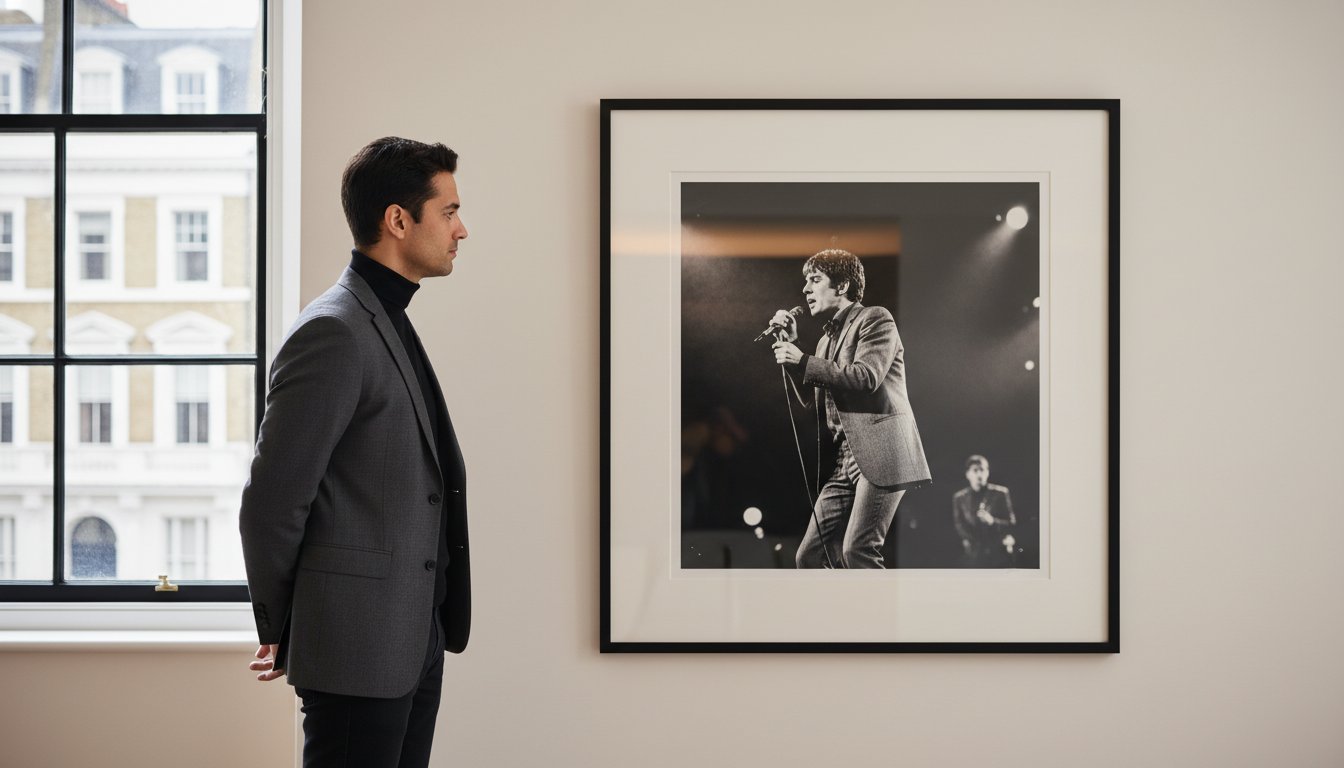
Integrating film and music history adds a layer of intellectual depth to your home. Cinema lobby cards are particularly prized for their rarity and narrative charm, acting as unique conversation pieces that bridge the gap between graphic art and photography. Legendary figures like Marilyn Monroe or the candid grit of Terry O’Neill’s portraits provide a human connection to the glamour of the past. Similarly, music photography captures the soul of a room, immortalizing the raw energy of a performance or the quiet intimacy of a recording session.

The use of black and white photography remains a hallmark of the sophisticated collector. It strips away the distraction of color to reveal the raw texture and emotion of a moment. Mixing these high-contrast portraits with candid, lifestyle-driven imagery creates a dynamic yet balanced atmosphere that feels curated rather than staged. This interplay between the legendary and the everyday is what gives a private collection its unique character and enduring appeal. To find the perfect anchor for your space, consider exploring the curated selections at Galerie Prints, where history and aesthetics meet.

Evaluating Quality: The Technical Nuances of Archival Prints

The discerning eye distinguishes between a fleeting image and a lasting artifact. When curating a personal art collection, the technical specifications of a print determine its future value and physical survival. A common pitfall for new collectors is mistaking a high-quality poster for a fine art print. While posters are often mass-produced on thin, unstable paper using standard offset lithography, a fine art print is a meticulously crafted object of desire. It relies on original source materials, such as the master negatives from the Slim Aarons or Terry O’Neill archives, ensuring that every detail intended by the artist is preserved with clarity. As highlighted in A Guide to Buying Art, understanding these production nuances is essential for anyone looking to build a collection with true market authority.

In 2026, sophisticated collectors prioritize materials that resist environmental degradation. This means insisting on UV-resistant inks and acid-free substrates that won’t yellow or become brittle over time. Provenance remains the ultimate seal of quality; knowing exactly where a print was produced and who authorized its creation is the only way to safeguard your investment. You aren’t just buying an image; you’re acquiring a physical piece of history that requires the highest standards of artisanal production to maintain its prestige.

Archival Standards: Museum-Quality Explained

The choice between C-type and Giclée prints often depends on the desired depth and color profile of the photograph. C-type prints, created through a traditional chemical process, offer a rich, continuous tone that’s synonymous with classic gallery photography. Conversely, Giclée prints utilize advanced pigment-based inks to achieve a wide color gamut and exceptional detail. Both methods must utilize heavy-weight, acid-free archival paper, often meeting ISO 11108 standards for both permanence and durability. Archival quality is defined as a 100-year preservation standard, ensuring the work remains untarnished by time or environment. This level of craftsmanship transforms a simple image into a heritage piece that retains its vibrancy for a century.

The Value of Authenticity and Provenance

True connoisseurship involves verifying that a print originates from an authorized negative or a high-resolution digital file overseen by the artist’s estate. The prestige of estate-stamped or limited edition collections can’t be overstated; these markers provide the legal and artistic weight necessary for a collection to hold its value. You should avoid the pitfalls of mass-produced, low-resolution digital reproductions that lack the tactile richness of an artisanal print. By focusing on verified provenance, you ensure that your journey in curating a personal art collection is built on a foundation of authenticity rather than ephemeral trends.

The Final Touch: Bespoke Framing and Spatial Curation

A masterpiece is only as impactful as its presentation. In the meticulous process of curating a personal art collection, the frame serves as the essential bridge between the narrative depth of the photograph and the architectural language of your home. It’s the “suit” that defines the character of the piece, transforming a loose archival print into a commanding object of heritage. Beyond aesthetics, bespoke framing is a technical necessity for long-term preservation. Without professional mounting and acid-free matting, even the finest photographic paper remains vulnerable to environmental shifts. Correct matting provides a vital air gap between the print and the glass, preventing moisture build-up and ensuring the work doesn’t warp or degrade over the coming decades.

Selecting the Perfect Frame

Choosing the right frame requires a sophisticated balance between the era of the photograph and the contemporary needs of your interior. Traditional dark wood frames, such as deep walnut or stained oak, lend a sense of historical gravity to vintage movie posters or early cinema lobby cards. These materials anchor the work within a classic, established aesthetic. Conversely, contemporary slim black or white frames often suit the high-contrast grit of Terry O’Neill’s portraits or the vibrant, sun-drenched hues of the Slim Aarons Collection. For those seeking a more dramatic, three-dimensional effect, gallery-style deep box frames create a shadow-box feel that draws the eye inward and adds a layer of prestige. The width of the frame also dictates the perceived scale of the work; a wider mount can give a smaller, intimate print a more commanding presence on a large wall.

Spatial Curation: Placement and Lighting

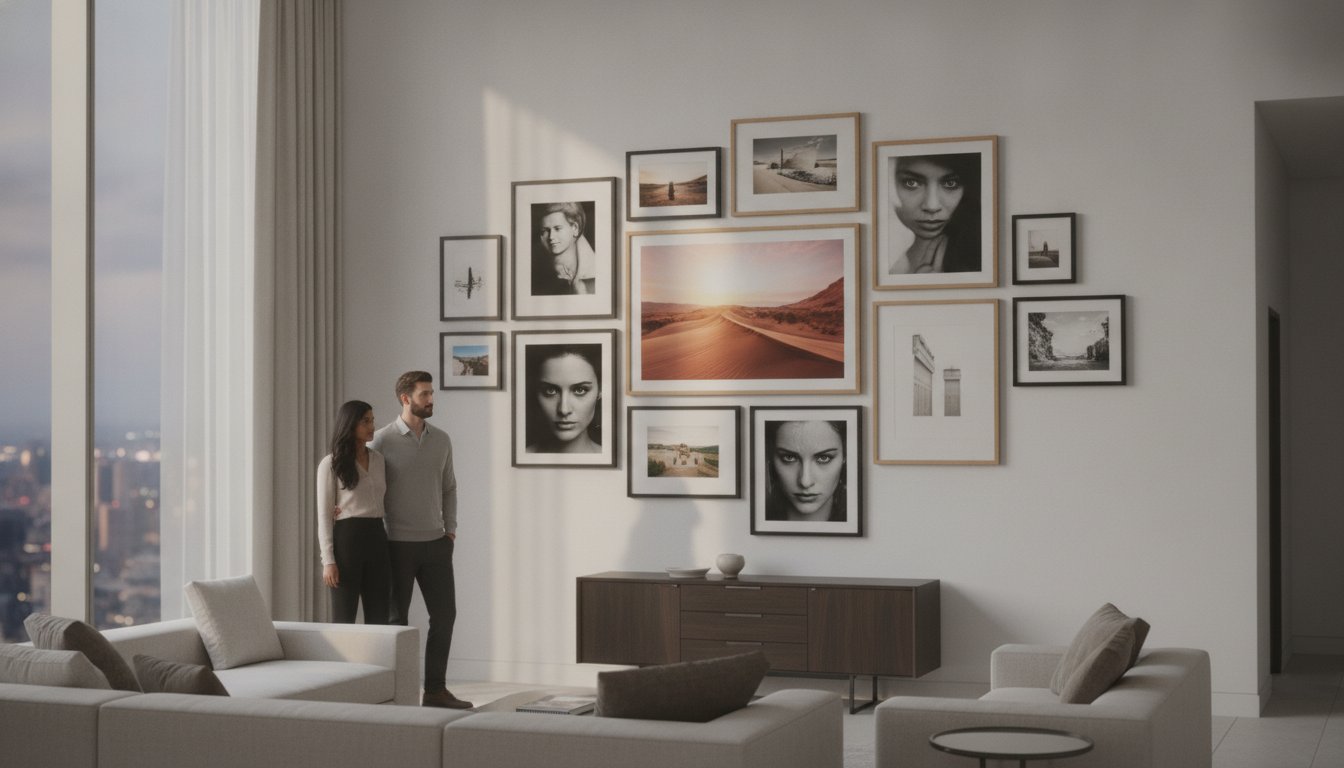
Successful spatial curation is the art of managing negative space to allow each piece its own “breathing room.” A gallery wall should feel like a deliberate, intellectual conversation between images rather than a cluttered assembly of frames. You can group disparate subjects, such as Star Wars limited edition prints alongside deep music archives, by utilizing a consistent framing language that ties the collection together. This visual harmony allows the eye to travel across the wall with ease. Lighting is equally critical to the curatorial process. While you want to highlight the artisanal craftsmanship of each print, you must protect the work from the invisible threat of direct sunlight. Utilizing UV-protective glass within your bespoke framing is the only way to ensure that the vibrant colors and deep blacks of your collection don’t fade into a pale memory of their former selves. When curating a personal art collection, the environment you create is just as important as the art itself.

To ensure your acquisitions receive the artisanal finish they deserve, explore the bespoke framing options available to complete your collection with museum-quality precision.

Starting Your Journey: Curating with Galerie Prints

Galerie Prints serves as a dedicated bridge to the world’s most prestigious photographic archives, offering you a direct path to the masters of the lens. When you begin curating a personal art collection, the transition from observer to collector requires a partner who understands the weight of cultural heritage. We provide an expert-led approach to fine art photography, ensuring that every acquisition is both an aesthetic triumph and a sound investment in history. Our role is to guide you through the nuances of selection, helping you discover pieces that resonate with your personal narrative while maintaining the highest gallery standards. From the initial spark of interest in a specific era to the final delivery of a bespoke framed masterpiece, we offer the personalized support necessary for a sophisticated collecting experience.

A World-Class Curation at Your Fingertips

The prestige of our collection is anchored by exclusive access to the Getty Images Gallery and the Slim Aarons Estate. This partnership allows us to offer authentic, authorized prints that capture the very essence of 20th-century glamour and grit. We’ve integrated this historical depth with high-resolution online preview and customization tools, allowing you to tailor the scale and finish of your chosen work from the comfort of your home. You can experiment with different dimensions for a Terry O’Neill portrait or see how a Star Wars limited edition print might command a specific wall. While the technology is modern, the production remains traditional. We take immense pride in our localized, artisanal craftsmanship. Every frame is constructed with the precision that only a seasoned specialist can provide, ensuring your artwork is ready to hang as a permanent fixture of your legacy.

Your Next Step as a Collector

Building a collection is a rhythmic process that evolves as your tastes mature. We invite you to browse our curated archives by mood, era, or artist to find the piece that speaks to your current vision. Whether you’re drawn to the raw energy of our music archives or the cinematic allure of vintage movie posters and cinema lobby cards, each selection is handled with the utmost care. Our curators are available to help you mix different styles, ensuring that a candid lifestyle shot feels at home next to a legendary celebrity portrait. We manage every detail of the journey, including secure, worldwide shipping for fragile fine art. This ensures that your chosen heritage piece arrives in perfect condition, no matter where your private gallery resides. Begin your personal collection today with a signature piece that will define your home for decades to come.

Building a Legacy Through the Lens

True connoisseurship is found in the quiet details of a collection that speaks to both history and personal identity. You’ve explored the essential shift from mere decoration to the deliberate act of curating a personal art collection, where every piece serves as a meaningful chapter in your visual biography. By prioritizing museum-quality archival paper and verified provenance from authorized archives, you ensure that your investments remain as vibrant in a century as they are today. The final layer of sophistication lies in bespoke, artisanal framing, which provides both the technical protection and the aesthetic gravity required for a high-end interior.

The journey from a casual admirer to a serious collector is one of refined discovery. Through our partnership with the Getty Images Gallery and our commitment to traditional production methods, we provide the stability and expertise needed to ground your vision in authentic heritage. It’s time to transform your space into a sanctuary of photographic excellence. Begin your curatorial journey with the Slim Aarons Collection and discover the enduring power of a perfectly captured moment. Your legacy starts with a single, extraordinary frame.

Frequently Asked Questions

How do I know if an art print is a good investment?

An art print’s investment potential is primarily determined by its scarcity, provenance, and the prestige of the artist’s estate. When curating a personal art collection, you should prioritize works sourced from authorized archives, such as the Getty Images Gallery, which ensure the piece originates from the master negative. Limited edition prints, which are restricted to a specific number of copies, inherently hold more market value than mass-produced open editions because they maintain a measurable level of rarity.

What is the difference between a limited edition and an open edition print?

Limited edition prints are produced in a strictly defined quantity, after which the negative or digital file is retired to ensure no further copies are made. Each piece is typically numbered and accompanied by a certificate of authenticity to verify its place within the series. Open edition prints, conversely, can be produced indefinitely. While open editions offer an accessible entry point for decorative purposes, limited editions are preferred by serious collectors for their long-term value and exclusivity.

How should I choose the first piece for my art collection?

Your first acquisition should serve as a visual anchor that reflects your personal aesthetic and intellectual interests. Choose a piece that evokes a strong emotional response or a sense of nostalgia, whether it’s a candid moment from the music archives or a glamorous Slim Aarons poolside scene. This initial selection often dictates the tonal direction for the rest of your collection, so it’s wise to invest in a subject matter that you’ll find compelling for decades to come.

Can I mix black and white photography with colour prints in one room?

Mixing black and white photography with color prints is an excellent way to add dynamic contrast and depth to a space. The key to successful integration lies in using a consistent framing language to provide a sense of visual harmony. For instance, a monochrome Terry O’Neill portrait can sit comfortably alongside a vibrant Slim Aarons print if both are presented in similar bespoke frames. This approach allows the disparate styles to feel like a deliberate, curated choice rather than a random assembly.

What does ‘archival quality’ actually mean for a home collector?

For a home collector, archival quality refers to the use of materials and processes designed to preserve the artwork for at least 100 years. This involves printing on heavy-weight, acid-free paper that meets ISO 11108 standards, which prevents the yellowing and brittleness seen in standard prints. When curating a personal art collection, ensuring your pieces are archival grade means they’ll retain their original depth and color without deteriorating, effectively protecting your cultural and financial investment for future generations.

How do I protect my art collection from fading over time?

Protection begins with the use of UV-protective glass in your bespoke framing, which filters out the harmful rays that cause pigments to break down. You should also be mindful of placement, avoiding areas of the home that receive direct, intense sunlight for extended periods. Additionally, maintaining a stable environment with consistent humidity levels prevents the paper from warping. These preventative steps are essential for safeguarding the vibrancy and technical integrity of your fine art photography.

Is it better to buy one large statement piece or several smaller ones?

The choice depends on the architectural demands of your space and the narrative you wish to create. A single, large statement piece, such as a grand-scale Slim Aarons landscape, creates an immediate sense of luxury and focus. Several smaller works, like a series of cinema lobby cards, allow for a more complex, rhythmic storytelling experience along a corridor or gallery wall. Both approaches are valid, provided they’re executed with a clear curatorial vision and high-quality presentation.

Curating Prestige: The Interior Designer’s Guide to High-End Art Prints in 2026

A room without a storied focal point isn’t a curated space; it’s merely a collection of furniture. You know that your most sophisticated clients don’t just want decor. They want a legacy that resonates through every frame and fiber. Yet, the search for high end art prints for interior designers often leads to a frustrating cycle of questionable archives and limited framing options that fail to match your bespoke vision.

This guide provides the definitive roadmap to sourcing and specifying museum-quality photographic works that serve as the architectural narrative of a space. We’ll explore how to access prestigious collections like the Slim Aarons and Terry O’Neill archives, ensure archival longevity through Giclée standards, and utilize bespoke framing to create pieces that act as the ultimate conversation starters for 2026. By the end, you’ll have the tools to transform a project with art that possesses both historical weight and visual brilliance.

Key Takeaways

  • Learn how to transition from simple wall decor to selecting curated assets that define a project’s architectural narrative and sense of place.
  • Master the technical specifications required for high end art prints for interior designers, focusing on archival pigment standards that ensure lifelong color fidelity.
  • Discover how to integrate the aspirational lifestyle of Slim Aarons or the cinematic gravity of Terry O’Neill into modern luxury interiors.
  • Understand why a bespoke framing service is essential for aligning statement photography with specific architectural hardware and material palettes.
  • Gain direct access to exclusive world-renowned archives and artisanal production values that simplify the procurement of rare limited editions.

Beyond Decoration: Why High-End Art Prints Define Luxury Interiors

In 2026, the distinction between a decorated house and a curated home lies in the provenance of its walls. High end art prints for interior designers have evolved from mere aesthetic additions into essential architectural anchors. We’re seeing a decisive pivot away from mass-produced “wall filler” toward pieces that carry historical weight and narrative depth. Designers now specify photographic archives not just for their beauty, but for their ability to establish an immediate, undeniable sense of place that resonates with a client’s lifestyle. It’s about finding that rare intersection of heritage and modern aesthetics.

A single, iconic image can dictate the entire material palette of a luxury residential project. For instance, the sun-drenched pastels of the Slim Aarons collection often serve as the genesis for a room’s upholstery and stone selections. By anchoring a space with a museum-quality print, you provide a visual center of gravity that balances the room’s proportions. This commitment to quality is reinforced by adhering to Giclée printing standards, ensuring that the vibrancy and historical accuracy of the work remain intact for generations. This isn’t just about filling a void. It’s about establishing a legacy.

The Psychology of the Statement Piece

A large-scale photograph does more than occupy space; it evokes an aspirational world. In private residences, the “Gallery Effect” creates a bridge between the intimate scale of furniture and the grander scale of architecture. These pieces act as windows into a bygone era of elegance, offering a sense of permanence. When you specify a work that captures a specific moment in time, you aren’t just choosing a color; you’re choosing a mood. It’s a powerful tool for defining the emotional temperature of a room.

Art as a Narrative Tool for Designers

Sourcing high end art prints for interior designers is an exercise in storytelling. Whether it’s a Terry O’Neill portrait reflecting a client’s passion for cinema or a rare music archive piece, the art should feel like an extension of the inhabitant’s history. Specifying Limited Edition works adds a layer of exclusivity that is vital for high-end residential and hospitality sectors. It transforms a room into a conversation, where every piece has a story, a creator, and a verified place in photographic heritage. This narrative approach ensures that the interior remains timeless, transcending fleeting trends.

The Archival Standard: Identifying Museum-Quality Prints for Professional Specification

For the discerning professional, “museum-quality” isn’t a marketing buzzword. It’s a rigorous technical standard. While standard digital prints might look acceptable upon delivery, they often degrade within a few years. High end art prints for interior designers must meet archival pigment standards to ensure color fidelity for over a century. This involves using pigment-based inks rather than dyes, which are notoriously prone to fading when exposed to the varied lighting conditions of luxury residences. It’s the difference between a temporary decoration and a lasting legacy.

For black and white collections, the silver gelatin process remains the gold standard of the industry. This traditional method involves light-sensitive silver salts and meticulous chemical development. The result is a tonal range and physical depth that digital processes struggle to replicate. It offers a sense of permanence and “heritage” that aligns perfectly with the atmosphere of a high-end interior. When you specify these works, you’re offering your client a piece of photographic history that holds its visual power through time.

Paper and Ink: The Technical Foundation

The choice of substrate is critical for both tactile feel and longevity. Designers often choose between the textured, heavy depth of Hahnemühle and the refined, smooth finish of Canson. Both brands offer 100% cotton rag, acid-free options that prevent the yellowing associated with cheaper wood-pulp papers. Specifying archival photo paper is non-negotiable for high-traffic commercial projects where durability is as vital as aesthetics. Understanding the proper care and handling of these materials allows you to advise clients on placement, particularly regarding UV exposure and humidity.

Authentication and Provenance

Beyond physical materials, provenance defines the ultimate value of a print. A professional specification should always include an embossed gallery stamp or a signed certificate of authenticity. This documentation proves the work originated from a verified archive, such as the Getty or Slim Aarons collections. It justifies the investment to the client, transforming a simple purchase into a recognized asset. If you’re ready to elevate your next project with these standards, you can explore our professional archives to see this artisanal quality firsthand. Building a cohesive story across multiple rooms becomes seamless when the quality of the source material is beyond reproach.

Sourcing Iconic Narratives: From Slim Aarons to Terry O’Neill

The true power of a photograph lies in its ability to transport the viewer to a specific, heightened reality. When sourcing high end art prints for interior designers, the selection process shifts from mere visual harmony to the curation of a specific narrative atmosphere. In 2026, we’re seeing a profound return to the masters of the 20th century. Designers are increasingly utilizing the work of slim aarons to anchor maximalist interiors, where his sun-drenched vistas of the jet-set elite provide a vibrant, social anchor for a room. These images don’t just fill a wall; they invite the inhabitant into a world of leisure and prestige.

While color photography offers a lush, immediate impact, the integration of black and white pictures remains the definitive choice for minimalist and brutalist aesthetics. The monochromatic palette emphasizes form, shadow, and the raw architecture of the image, allowing the art to complement rather than compete with starker design elements. For smaller, more intimate spaces, the rise of vintage cinema lobby cards and rare movie posters offers a unique opportunity for collectible accents. These pieces provide a tactile connection to film history, acting as sophisticated curiosities that spark immediate conversation.

The Slim Aarons Aesthetic: Aspirational Luxury

There’s a reason “Poolside Gossip” remains a staple in the world’s most prestigious coastal projects. The Aarons effect is about more than just a beautiful scene; it’s about bringing a sense of perpetual summer and high-society grace into a residence. His work pairs effortlessly with mid-century modern furniture, where the clean lines of the decor mirror the structured elegance of his subjects. By specifying these works, you’re injecting a room with a specific type of social prestige that mass-market prints simply can’t replicate. It’s an investment in a lifestyle as much as a visual asset.

Rock and Cinema Archives: The Modern Edge

For urban interiors that require a sharper, more contemporary energy, designers are pivoting toward the archives of Terry O’Neill and legendary music photographers. These images capture the “Golden Age” of Hollywood and the raw power of rock and roll with a candid intimacy that feels incredibly modern. Whether it’s a rare portrait of Faye Dunaway or limited edition Star Wars prints, these pieces offer a “cool” factor that grounds a luxury lounge or executive office. Utilizing fine art photography from these archives ensures that the space feels curated by an expert hand, blending cultural significance with high-end interior aesthetics.

The Designer’s Toolkit: Bespoke Framing and Large-Scale Specification

The final stage of curating a space involves a meticulous focus on the physical presentation of the work. Framing isn’t merely a border; it’s the bridge between the art and the architecture. For the discerning professional, a bespoke framing service is a technical necessity that ensures the art integrates seamlessly with the surrounding interior envelope. High end art prints for interior designers require more than a standard solution. They demand profiles that echo the room’s hardware, whether that involves the warmth of hand-finished oak, the industrial precision of black steel, or the timeless luster of polished brass. It’s about achieving a level of finish that matches the bespoke nature of the furniture and millwork.

Specifying the correct glazing is equally vital for a successful delivery. In luxury environments with expansive windows and layered lighting, standard glass creates distracting reflections that obscure the artist’s intent. We recommend anti-reflective, UV-protective museum glass as the baseline for all professional specifications. This ensures that the deep blacks of a Terry O’Neill portrait or the vibrant teals of a Slim Aarons poolside scene remain visible and protected from solar degradation. When managing large-scale wall installations, logistics become a primary concern. Oversized prints require reinforced mounting and specialized handling to maintain their structural integrity during transit and installation. Precision here is non-negotiable.

Mounting and Framing Styles

The choice between a “Shadow Box” and a traditional window mount significantly alters the piece’s presence. A shadow box provides a sense of depth, allowing the print to “float” within the frame. This is ideal for highlighting the tactile, deckled edges of heavy cotton rag paper. Conversely, a “Full Bleed” specification offers a contemporary, borderless aesthetic where the image extends to the very edge of the frame. Regardless of the style, archival mounting is essential to prevent the paper warping or “cockling” over time, especially in larger formats that are susceptible to environmental shifts.

Integration and Installation

Successful gallery walls rely on a delicate balance of scale and theme. While a mix of frame finishes can add character, maintaining a consistent material palette prevents the arrangement from feeling cluttered. Lighting is the final, transformative element. Dedicated picture lights or precisely angled ceiling spots should be planned during the early design phases to highlight the texture of the archival paper. For large-scale commercial commissions, working with gallery consultants ensures that the production and installation phases are handled with the same precision as the initial sourcing. If you’re ready to specify your next project, you can view our full collection of bespoke options to find the perfect architectural match.

Galerie Prints: A Curatorial Partnership for Interior Professionals

Selecting high end art prints for interior designers is a process that demands absolute confidence in provenance and production. At Galerie Prints, we don’t simply act as a retailer. We serve as a dedicated bridge to photographic history, offering direct access to world-renowned archives that define the luxury aesthetic. From the sun-drenched social scenes of Slim Aarons to the cinematic gravity of Terry O’Neill, our collections provide the authentic source material required for prestigious residential and commercial interiors. We understand that your reputation relies on the longevity and quality of every specified piece, which is why we maintain a standard of excellence that matches the most demanding project briefs.

Our professional logistics are designed to support international projects with the same precision you apply to your designs. Whether you’re specifying for a London townhouse or a boutique hotel in Dubai, our global shipping ensures that museum-quality works arrive in pristine condition, fully insured and ready for installation. By opening a trade account, interior professionals gain access to exclusive benefits, including tiered pricing and priority sourcing for rare limited editions. This partnership allows you to focus on the creative vision while we handle the technical rigors of archival production and bespoke delivery. We offer direct access to Music Archives, Star Wars Limited Edition Prints, and vintage cinema lobby cards, ensuring a diverse range of narratives for any project.

The Galerie Prints Difference

We approach every print as a guardian of heritage. This philosophy ensures that the historical significance of the work is preserved through technical excellence. Every piece undergoes a journey of artisanal craftsmanship within our London-based studio, where traditional printing methods meet modern precision. This localized expertise allows us to maintain total control over quality before the work enters our global distribution network. Our team provides tailored support throughout the sourcing process, ensuring that the selected narratives align perfectly with your client’s aspirations. It’s a commitment to the tactile and historical elements that turn a simple image into a lasting piece of history.

Starting Your Next Project

The path to an elevated interior begins with a conversation about mood, era, and architectural intent. You can browse our curated collections to find pieces that resonate with your specific design language, from the “Golden Age” of Hollywood to the modern edge of rock and roll. For projects requiring non-standard dimensions or specific material matches, our gallery consultants are available for bespoke sizing and framing consultations. We invite you to explore our curated collections for your next project and discover how our archives can transform your architectural narrative into something truly extraordinary.

Elevating Your Vision with Photographic Heritage

The transition from mere decoration to the curation of lasting assets represents the pinnacle of modern interior design. By prioritizing museum-quality archival standards and selecting narratives that resonate with historical weight, you ensure that every project possesses a soul. We’ve explored how iconic imagery from masters like Slim Aarons and Terry O’Neill acts as a visual anchor, bridging the gap between architecture and inhabitant. Integrating high end art prints for interior designers into your workflow isn’t just about aesthetics; it’s about specifying a legacy that remains vibrant for decades.

As an official partner of the Slim Aarons and Getty Images archives, Galerie Prints provides the technical precision and artisanal craftsmanship your projects demand. From bespoke hand-finished framing to worldwide white-glove delivery, our services are tailored to the exacting standards of luxury specification. We invite you to Join our Trade Programme for exclusive access to the world’s finest photographic archives. Let’s collaborate to transform your next interior into a storied environment of elegance and permanence.

Frequently Asked Questions

What makes an art print “high-end” for interior design projects?

High-end art prints are defined by their verified provenance and museum-grade technical specifications. They must originate from authorized archives, such as the Slim Aarons or Terry O’Neill collections, and be produced on acid-free, 100% cotton rag paper. This combination of historical authenticity and archival quality ensures the piece acts as a lasting asset rather than a fleeting decoration.

Do you offer trade discounts or specialized services for interior designers?

We provide a dedicated trade programme that offers exclusive benefits to interior professionals, including specialized sourcing and tiered pricing. Many galleries offer trade discounts ranging from 10% to 30% for verified members of the design community. You’ll also receive direct access to our curatorial team to help identify rare pieces from our music and cinema archives that fit your project’s narrative.

What is the difference between an archival pigment print and a standard digital print?

The primary difference lies in the chemistry of the ink and the longevity of the result. Archival pigment prints use Giclée standards with mineral-based pigments that resist UV degradation for over a century. Standard digital prints often rely on dye-based inks, which are prone to fading. Specifying high end art prints for interior designers requires these archival standards to ensure the work’s color fidelity remains intact.

Can I order bespoke sizes for large-scale commercial installations?

Bespoke sizing is a core component of our service, allowing you to specify dimensions that match the architectural scale of your project. We can produce oversized prints for commercial lobbies or grand residential galleries that require a significant visual anchor. Our team handles the technical rigors of large-format production to ensure the image’s clarity and structural integrity are preserved.

How do I ensure the art prints I source will not fade over time?

To prevent fading, you must specify the use of archival pigment inks combined with UV-protective museum glass. This specialized glazing blocks the majority of harmful light rays that cause pigment breakdown. Using acid-free substrates like Hahnemühle or Canson paper also prevents the yellowing and structural decay associated with standard wood-pulp papers found in mass-market prints.

What framing options are best for high-end residential interiors?

Hand-finished wood profiles, such as natural oak, or precision-milled metals like black steel are the preferred choices for luxury residences. Shadow box frames are particularly popular for high end art prints for interior designers because they create a sophisticated depth that highlights the tactile edges of the paper. We ensure every frame is artisanal and tailored to complement the room’s specific hardware and millwork.

Do you provide certificates of authenticity for limited edition prints?

Every limited edition work from our collections is accompanied by an official certificate of authenticity or an embossed gallery stamp. This documentation verifies the print’s origin from prestigious sources like the Getty Images archive or the Terry O’Neill estate. It provides your clients with the necessary provenance to justify the work’s status as a collectible investment and a piece of photographic history.

What is the typical lead time for a bespoke framed print delivery?

Lead times are determined by the meticulous nature of our artisanal printing and hand-finishing processes. Because each frame is bespoke and every print is produced to museum standards, the timeline reflects the care required for professional delivery. We manage the entire logistics chain, from our London studio to a white-glove delivery at your project site, ensuring the work arrives in pristine condition.

Bespoke Picture Framing for Art Prints Online UK: The Collector’s Guide

The true value of a Slim Aarons or Terry O’Neill masterpiece lies not just in the silver halide but in the story it tells upon your wall. You understand that a rare photographic print is a fragile piece of history, yet the fear of irreversible damage from acidic mounts or fading sunlight often lingers in a collector’s mind. Choosing bespoke picture framing for art prints online uk should never feel like a gamble with your heritage. It’s about finding a sanctuary for your art that balances aesthetic elegance with the rigorous standards of the Fine Art Trade Guild.

We’ll guide you through the nuances of museum-grade preservation, from selecting conservation-grade glazing that blocks 99% of harmful UV rays to understanding the structural integrity of artisanal London craftsmanship. You’ll discover how to visualize the perfect frame for your Star Wars limited edition or vintage cinema lobby card, ensuring it arrives as a ready-to-hang masterpiece. This guide provides the curatorial validation you need to protect the long-term value of your collection while elevating your interior to a gallery standard. It’s time to bridge the gap between a simple purchase and a lasting legacy.

Key Takeaways

  • Understand how the artisanal heritage of London’s creative heart remains the global benchmark for transforming fine art photography into a permanent legacy piece.
  • Learn to identify the museum-grade components, including acid-free mounts and UV-protective glazing, that are essential when investing in bespoke picture framing for art prints online uk.
  • Avoid the irreversible damage of chemical outgassing and fading by choosing custom solutions that respect the unique dimensions of rare cinematic history.
  • Master the curatorial nuances required to frame iconic Slim Aarons prints or vintage cinema lobby cards while preserving their historical and financial value.
  • Discover how an expert gallery’s eye ensures your selected artwork and its handcrafted frame exist in perfect aesthetic harmony for your home.

The Heritage of Bespoke Picture Framing in Soho, London

Soho has long served as the beating heart of London’s creative soul, a labyrinth of narrow streets where the worlds of cinema, music, and fine art collide. To understand the history of picture framing within this district is to trace the evolution of British visual culture itself. For decades, the area’s guild-style workshops provided the structural backbone for the film industry, crafting the surrounds for the very first lobby cards and movie posters that graced West End premieres. Today, this tradition has matured into a sophisticated network of artisanal studios. These spaces don’t merely produce borders; they act as guardians of photographic heritage. The “Soho Aesthetic” is a deliberate study in contrasts, seamlessly blending the raw, edgy modernity of the city with the uncompromising archival standards required by the world’s most prestigious galleries.

The Creative Pulse of Wardour and Berwick Streets

The proximity to legendary film houses on Wardour and Berwick Streets fundamentally shaped the local approach to presentation. When framing cinema memorabilia, the requirements were always twofold: immediate visual impact and long-term preservation. As Soho transitioned from a gritty trade hub into a premier luxury gallery district, the craft evolved to meet the needs of serious collectors. Galerie Prints continues this high-end artisanal tradition, ensuring that every frame reflects the same level of prestige as the artists themselves. This localized expertise remains the gold standard for global collectors who seek more than a simple product. They seek a piece of London’s storied creative history.

Why Discerning Collectors Demand Bespoke

In 2026, we’re seeing a profound shift toward “slow art” and intentional home curation. Collectors are no longer satisfied with transient decor; they’re investing in pieces that offer a sense of permanence and stability. Opting for bespoke picture framing for art prints online uk is a critical step in this journey. It isn’t just an aesthetic choice; it’s a financial investment in the artwork’s longevity. A custom frame serves as a conservation-grade sanctuary, protecting rare works like a Slim Aarons or a Terry O’Neill from the silent threats of environmental degradation. In a market flooded with mass-produced options, the expert curatorial guidance provided by a specialist framer is what distinguishes a mere print from a museum-quality masterpiece. This meticulous attention to detail ensures that your collection remains a lasting piece of history for generations to come.

Defining the Soho Standard: Archival Materials and Museum-Grade Glazing

In the world of high-end curation, “Museum Quality” is a precise technical benchmark rather than a marketing superlative. It represents a commitment to the absolute preservation of a photographic print’s soul. When you invest in bespoke picture framing for art prints online uk, you aren’t merely buying a border; you’re commissioning a controlled environment. The core of this standard lies in the chemistry of the materials. Traditional materials often contain lignin, an organic polymer that releases acidic gases as it breaks down, leading to the heartbreaking yellowing and “foxing” seen in poorly stored archives. By using chemically inert components, we ensure that the silver halide or inkjet pigments remain as vibrant as the day they were struck.

The Heritage of composition frame making in the UK reminds us that while the outward aesthetic has evolved, the fundamental need for structural integrity remains. Modern archival standards demand that every element touching the artwork is acid-free and pH-neutral. This prevents the slow, silent degradation that occurs when low-grade wood pulps or adhesives interact with the delicate surface of a Terry O’Neill or a Slim Aarons print. True conservation is a silent victory, one where the materials work in the background to halt the passage of time.

The Science of UV Protection and Conservation Clear

Ultraviolet light is the primary enemy of photographic longevity, capable of breaking down molecular bonds in both traditional silver halide and modern pigments. Standard glass offers minimal defense, often allowing up to 50% of harmful rays to penetrate. In contrast, museum-grade glazing acts as a high-performance filter. While 70% UV protection is a significant step up, serious collectors demand the 99% threshold found in Conservation Clear or Museum Glass. Archival framing is the use of reversible, chemically inert materials to ensure long-term preservation. This level of protection ensures that even in sun-drenched interiors, the deep blacks and subtle highlights of your collection won’t succumb to the inevitable fade of time.

Mountboards and Spacers: Protecting the Surface

Mounting is where technical precision meets visual narrative. We utilize cotton-core mountboards because their natural breathability prevents the buildup of micro-moisture, a common cause of “cockling” or buckling. To further safeguard the work, we employ discreet spacers that create a vital air gap between the print and the glazing. This prevents the emulsion from adhering to the glass, a risk that increases with humidity. These technical choices provide a physical depth that focuses the eye, turning a simple image into a three-dimensional object of desire. If you’re ready to secure your investment, exploring our Bespoke Framing Service allows you to tailor these museum standards to your specific aesthetic vision.

Bespoke vs. Off-the-Shelf: Why Collectors Choose Custom

The allure of a high-street frame often fades as quickly as the print it houses. While off-the-shelf options promise convenience, they carry a hidden tax on your collection’s longevity. It’s a false economy. Standard frames are frequently manufactured using composite materials like MDF or plastic veneers, which lack the structural integrity required to support large-scale works. More critically, these mass-produced items often utilize adhesives that release volatile organic compounds. This chemical outgassing can lead to the irreversible yellowing of your artwork, a tragedy for any serious collector. Choosing bespoke picture framing for art prints online uk ensures that your investment is protected by materials that are as noble as the art itself.

Materiality is the cornerstone of the Soho standard. We prioritize solid hardwoods such as oak, ash, and walnut over flimsy substitutes. These woods provide a natural weight and a tactile presence that plastic simply cannot replicate. Beyond the materials, custom framing offers the freedom of dimension. Rare cinema lobby cards or wide-angle panoramas rarely adhere to standard A-series proportions. A bespoke approach allows the frame to be built around the art, rather than forcing the art to fit a generic mold. This precision extends to the “ready to hang” experience. Every piece is finished with professional sealing and heavy-duty hardware, ensuring it sits flush and secure against your wall from the moment it arrives.

The Risks of High-Street Readymades

Standardized framing is built for the masses, not the masterpiece. The MDF backings common in budget frames are notorious for releasing harmful chemicals that compromise the paper fibers of your prints. Furthermore, the lack of structural reinforcement in mass-produced corners often leads to bowing or glass breakage over time. Ultimately, a “one size fits all” philosophy fails the unique spirit of fine art photography. It ignores the delicate relationship between the image’s borders and the surrounding mount, often resulting in a presentation that feels cramped and uninspired.

Hand-Finished Excellence in the London Workshop

In our London workshop, the process is one of quiet, methodical craft. We utilize traditional carpentry techniques, such as splined joins, to ensure lifelong durability. These aren’t just technical choices; they’re an homage to a bygone era of quality. Each frame undergoes an artisanal process of hand-staining and waxing, creating a unique patina that develops character over the years. There’s a profound psychological value in owning an object that has been touched by human hands. It transforms a simple display into a unique, artisanal object that resonates with the same prestige as the artists in your collection.

Framing the Extraordinary: From Slim Aarons to Rare Lobby Cards

To frame a masterpiece is to engage in a silent dialogue with the artist, a curatorial act that requires a deep understanding of the image’s emotional frequency. A photograph isn’t just a flat representation of a moment; it’s a window into a specific era, carryng its own weight, tone, and narrative intention. When you seek bespoke picture framing for art prints online uk, the choice of surround must resonate with the soul of the work. A gritty, high-contrast Terry O’Neill portrait of a rock icon demands a different structural language than the sun-drenched, aspirational vistas of a Mediterranean escape. The frame should act as a bridge, connecting the historical significance of the print to the modern aesthetic of your interior.

Aspirational Framing for Slim Aarons

The vibrant, saturated world of Slim Aarons photography requires a light touch to let the “Poolside” aesthetic breathe. We often recommend clean, white gallery frames for these large-format lifestyle pieces. This minimalist approach ensures the frame doesn’t compete with the iconic 1960s colour palette of azure waters and bright citrus hues. Oversized mounts are particularly effective here, creating a sense of space that mimics the expansive luxury of the scenes themselves. It’s a deliberate choice that elevates the work from a mere decoration to a focal point of high-end curation.

Archiving Cinema Memorabilia

Preserving the historical integrity of cinema lobby cards presents a unique set of challenges. These vintage artefacts are often fragile, requiring specialist mounting techniques that secure the card without the use of invasive adhesives. For cards featuring significant historical reverse markings or stamps, we utilize double-sided framing with conservation-grade acrylic on the rear, allowing the full story of the object to remain visible. Collectors of aaron slims should prioritise UV-glazing as a non-negotiable standard to protect the vibrant, sun-drenched pigments of their investment from the inevitable degradation of light.

The strategy shifts again when dealing with black and white pictures. For these timeless works, the frame’s weight and tone must be balanced against the silver-rich shadows of the print. A dark, slender oak frame can provide a sharp, modern edge, while a deeper, hand-finished walnut surround adds a layer of classical prestige. Every decision, from the width of the moulding to the texture of the mount, serves to validate your aesthetic choice and protect the long-term value of your collection. If you’re ready to transform your latest acquisition into a gallery-ready masterpiece, explore our Bespoke Framing Service to find the perfect curatorial match.

Galerie Prints: Your Destination for Expert Picture Framing in Soho

Choosing the right surround for a masterpiece is a responsibility we don’t take lightly. At Galerie Prints, we operate with the understanding that a frame is the final brushstroke on a photographic narrative. When you commission bespoke picture framing for art prints online uk through our studio, you’re accessing a lineage of craftsmanship rooted in the capital’s creative history. We don’t view framing as a secondary service or a commodity. Instead, it’s a vital extension of the curatorial process. Every project benefits from a curator’s eye, ensuring that the material, weight, and tone of the frame honor the artist’s original intent. By housing the entire process under one roof, we eliminate the friction between acquiring a piece and presenting it, offering a seamless journey from our archives to your walls.

Our commitment to local London production remains unwavering. In an era of globalized mass production, we find strength in the artisanal. Each frame is constructed by hand, utilizing the traditional carpentry and hand-finishing techniques discussed in previous sections. This localized approach allows for a level of quality control that simply cannot be replicated by automated systems. Whether you’re securing a Terry O’Neill portrait or a rare Star Wars limited edition print, the result is a piece of photographic heritage that’s built to last for generations. It’s a professional, polished approach that befits a luxury gallery and supports your journey as a discerning collector.

The Gallery-Led Advantage

The distinction between a framer and a gallery is profound. Most framing shops treat every image with a uniform technicality. We’re different. Because we manage exclusive archives like the Slim Aarons Collection and Music Archives, we possess a deep understanding of the historical production context of each print. We know how the silver halide of a vintage lobby card reacts to light and how the vibrant pigments of a 1960s poolside scene should be balanced. This gallery-led perspective ensures your bespoke picture framing for art prints online uk meets the highest museum standards. Our “Ready to Hang” promise means your artwork arrives fully sealed and fitted with heavy-duty hardware, delivered from our London base to your door globally.

Start Your Collection Journey

Beginning your project is a simple, refined experience. You can choose from our curated range of signature frame styles, each designed to complement specific photographic eras and interior aesthetics. Our online tools are built for international collectors, providing the clarity and precision needed to visualize a masterpiece from anywhere in the world. We invite you to explore our bespoke framing options and start your project today. Whether you’re looking for a minimalist gallery finish or a substantial hardwood surround, we’re here to act as your trusted guide in the world of high-caliber visual art.

Securing the Future of Your Photographic Legacy

Investing in fine art photography is an act of cultural preservation that extends far beyond the initial acquisition. By prioritizing museum-grade glazing and chemically inert materials, you ensure that the vibrant poolside scenes of Slim Aarons or the intimate portraits of Terry O’Neill remain as evocative as the day they were captured. We’ve explored how the structural integrity of hand-finished hardwoods and the technical precision of our London workshop provide a sanctuary for your collection, far surpassing the environmental risks inherent in mass-produced alternatives.

When you choose bespoke picture framing for art prints online uk, you aren’t just selecting a border; you’re securing a piece of history. Our gallery-led expertise ensures that every mount, spacer, and hand-stained moulding is selected with a curator’s eye to honor the specific narrative of your artwork. From the creative heart of London to your home, we provide the expert validation your aesthetic choice deserves, ensuring every piece arrives ready to hang and destined to last.

Discover our bespoke framing services and elevate your art collection.

Your collection is a testament to your discernment. We invite you to let us help you protect its future with the prestige and permanence it deserves.

Frequently Asked Questions

How much does bespoke picture framing in Soho typically cost?

Bespoke framing costs vary significantly based on the choice of artisanal mouldings and conservation-grade materials. For a medium-sized frame, industry standards in London suggest a range that accommodates both premium aesthetics and museum-level protection. Factors like UV-filtering glass and hand-finished hardwoods will influence the final investment. We recommend a consultation to discuss the specific requirements of your collection and ensure your artwork receives the curatorial attention it deserves.

What is the best glass for framing fine art photography?

Museum-grade glass with 99% UV protection is the gold standard for preserving fine art photography. This specialized glazing prevents the molecular breakdown of pigments and silver halide caused by light exposure. Anti-reflective properties are also essential; they allow the viewer to appreciate the depth and clarity of the print without distracting glares. It’s a critical component in bespoke picture framing for art prints online uk, ensuring your investment remains vibrant for decades.

How long does the custom framing process take in London?

The creation of a handcrafted frame typically requires approximately four working weeks to ensure every detail meets our gallery standards. This timeframe allows our London workshop to execute precise joins and hand-finished patinas with the necessary care. Once the artisanal process is complete, delivery within the UK usually takes an additional two to three working days. We prioritize the integrity of the craft over speed to ensure your masterpiece arrives in perfect condition.

Can I frame vintage lobby cards without damaging them?

Vintage lobby cards can be framed safely using reversible, acid-free mounting techniques that avoid invasive adhesives. We utilize conservation-grade materials to prevent chemical degradation and “foxing” over time. For cards with significant historical markings on the reverse, double-sided framing with museum-quality acrylic is an excellent solution. This approach preserves the card’s historical integrity while allowing it to be displayed as a centerpiece of your cinematic collection.

Do you offer international shipping for framed art prints?

We provide secure global delivery for all our framed art prints, utilizing specialized packaging designed for delicate photographic works. Each piece is crated with the same level of care used by international galleries to ensure it withstands the rigors of transit. Whether you’re adding a Slim Aarons to a coastal retreat or a Terry O’Neill to a city apartment, our logistics team supports your journey from our London workshop to your door.

What is the difference between archival and standard mountboard?

Archival mountboards are made from chemically inert cotton fibers, whereas standard boards often contain acidic wood pulps. Over time, the acids in standard boards can migrate into the paper of your print, causing irreversible yellowing and brittle edges. Archival options are pH-neutral and lignin-free, providing a stable environment for high-value works. It’s a non-negotiable choice for serious collectors who prioritize the long-term preservation of their photographic heritage.

Can you frame large-format Slim Aarons prints?

We specialize in framing large-format Slim Aarons prints, utilizing structural hardwoods and reinforced joins to support the substantial scale of these works. These iconic images often benefit from oversized mounts and clean gallery frames that mirror the expansive, aspirational lifestyle they depict. Our bespoke picture framing for art prints online uk ensures that even the largest poolside vistas are presented with the necessary rigidity and aesthetic elegance to command attention in any room.

Is it worth framing a movie poster with museum-quality glass?

Investing in museum-quality glass for a vintage movie poster is highly recommended if the piece holds historical or financial value. Standard glass provides minimal protection against UV rays, which causes the inks on older posters to fade rapidly. Museum glass not only blocks 99% of harmful light but also features an anti-reflective coating that enhances the visual clarity of the artwork. It transforms a piece of memorabilia into a lasting investment with gallery-level presentation.

Does Framing Increase Art Value? The Collector’s Guide to Bespoke Presentation

A frame is never merely a decorative border; it is the physical provenance of a print that signals its historical importance and ensures its survival as a tangible asset. While many collectors hesitate at the initial investment, the fundamental question of does framing increase art value is answered in the quiet halls of elite auction houses where pristine condition is the primary currency. A rare Slim Aarons or a Terry O’Neill original represents a delicate fragment of photographic heritage, and without professional stewardship, its market appeal can diminish through a single season of UV exposure or acid degradation.

You likely understand that a masterpiece requires a fitting stage, yet the fear of selecting the wrong mount or confusing decoration with preservation can be a significant deterrent. This guide reveals how bespoke presentation acts as a silent partner in your investment, amplifying market perception while shielding your collection from the passage of time. We’ll explore the Library of Congress standards for archival preservation, the psychological signaling of museum-grade materials, and the specific artisanal choices that transform a fine art print into a permanent legacy.

Key Takeaways

  • Explore the psychology of the ‘Gallery Effect’ and how a frame acts as a silent value signal that validates your art as a serious financial asset.
  • Discover how the answer to does framing increase art value lies in archival integrity; using UV-filtering glass and acid-free mounts prevents irreversible chemical degradation.
  • Learn to enhance the atmospheric impact of your collection by selecting frames that expand a work’s visual footprint and accentuate specific tonal qualities.
  • Identify the risks of ready-made ‘false economies’ and why custom, precision-fit solutions are necessary to maintain the physical integrity of limited edition prints.
  • Understand the importance of artisanal, localized craftsmanship in creating a presentation that respects the heritage of iconic artists and historical archives.

The Psychology of Value: How Framing Validates Art as an Investment

The visual weight of a professional frame creates an immediate sense of authority that a loose print simply cannot replicate. This phenomenon, often called the ‘Gallery Effect’, transforms a two-dimensional image into a three-dimensional object of desire. When investors ask does framing increase art value, they’re often looking for a quantitative return, yet the answer begins with the qualitative power of a first impression. In the 2026 secondary market, the presentation of a piece is the primary signal of its importance; a work that arrives in a bespoke, museum-ready frame tells potential buyers that it has been held in high regard by its previous steward.

Framing serves as a critical value signal by bridging the gap between a standalone image and a curated collection. A loose print suggests a work in progress, whereas a framed piece feels finished, permanent, and ready for acquisition. This sense of completion is vital for resale. Data from auction houses in 2026 indicates that collectors often perceive framed works as more valuable because the frame itself acts as a certificate of care. Professional framing offers three distinct psychological advantages:

  • Authority: The immediate visual impact of a professional border establishes a sense of historical weight.
  • Permanence: The transition from a fragile sheet of paper to a durable, protected asset.
  • Context: The aesthetic bridge that connects the artist’s studio to the collector’s high-end interior.

When collectors ask does framing increase art value, they’re really asking if the presentation validates the work’s cultural significance. By investing in professional presentation, you aren’t just decorating a wall; you’re formalizing the art’s status as a serious financial asset.

Establishing Provenance and Care

A high-quality frame suggests the owner has treated the art as a serious asset rather than a temporary decoration. It creates a museum-ready aesthetic that justifies premium pricing during negotiations. Perceived value is the immediate psychological weight an object carries when its presentation mirrors its cultural significance. This stewardship is so vital that the conservation and restoration of painting frames has become a specialized field, highlighting that a frame is an integral part of an artwork’s history and physical integrity. When a buyer sees a perfectly executed frame, they assume the art beneath it has been kept in pristine condition.

The Emotional ROI of Fine Art Photography

Bespoke framing significantly enhances the narrative depth of fine art photography, allowing the viewer to step into the world of the creator. When you acquire a Terry O’Neill or a Slim Aarons, you aren’t just buying a print; you’re owning a piece of history. The aspirational nature of this photography, capturing the elegance of a bygone era, requires an equally aspirational frame to maintain that illusion of luxury. It’s the difference between a fleeting glance and a lasting legacy. By choosing a frame that honors the artist’s original vision, you anchor the piece within its historical context, ensuring it remains a central pillar of your interior aesthetic for years to come.

Archival Integrity: Protecting Art Value Through Museum-Quality Materials

The physical survival of a print is the ultimate arbiter of its future worth. While the previous section explored the psychological impact of presentation, the technical reality of preservation is where the financial security of your collection is truly forged. Does framing increase art value? In the eyes of a professional conservator, the answer is a resounding yes, provided the materials meet museum-grade standards. Professional framing serves as a protective envelope, shielding delicate paper fibers from an environment that is naturally hostile to organic materials. Without this archival barrier, even the most prestigious work can succumb to irreversible decay within a few short years.

Museum-quality framing is defined by its commitment to reversibility and chemical neutrality. Every element that touches the artwork, from the mounting hinges to the backing board, must be acid-free and lignin-free. This prevents the dreaded “acid burn” or yellowing that occurs when inferior wood-pulp mats leach chemicals into the paper. The cost of professional restoration for a damaged print often far exceeds the initial investment in preventative archival housing. By choosing high-caliber materials today, you ensure the work remains in pristine condition, which is the single most important factor for valuation in the secondary market.

  • UV-Filtering Glazing: Acts as an essential insurance policy by blocking up to 99% of harmful ultraviolet rays.
  • Acid-Free Matting: Creates a pH-neutral micro-environment that prevents paper discoloration.
  • Reversible Hinging: Uses non-invasive techniques to ensure the art can be removed without damage.

The Threat of Environmental Degradation

Art is fragile. Humidity and light exposure are silent thieves that can devalue a Slim Aarons print by up to 80% if the work is left unprotected in a standard retail frame. High-end collectors view archival framing as a non-negotiable standard because it mitigates these “invisible” risks. Museum-grade acrylic or glass doesn’t just provide clarity; it filters the spectrum of light that causes pigments to fade and paper to become brittle. When you consider the long-term appreciation of a rare print, this level of protection is the only way to guarantee that your investment retains its visual and financial integrity.

Mounting Techniques That Preserve Paper Health

Precision is paramount when securing a valuable archive. Unlike “off-the-shelf” solutions that often rely on dry mounting or permanent adhesives, professional framers utilize hinge mounting with Japanese tissue and wheat starch paste. This method allows the paper to breathe and expand naturally with changes in temperature, preventing the buckling or “cockling” that occurs with permanent bonds. It’s a hallmark of a serious collection. If you’re looking to secure the future of your acquisitions, exploring bespoke presentation options ensures that your art remains a lasting piece of history rather than a fading memory.

The Aesthetic Bridge: Enhancing Meaning and Market Appeal

Beyond the technical rigors of archival preservation, a frame serves as a narrative bridge that connects an artist’s vision to the collector’s living environment. This aesthetic expansion is not merely a matter of decor; it is a strategic enhancement of the work’s visual footprint. A masterfully framed piece commands a room, transforming a solitary image into an immersive experience. While archival materials protect the physical asset, the aesthetic choice of presentation is what creates the emotional resonance necessary for a high-end acquisition. This immediate impact is a primary reason why does framing increase art value, as it elevates the work from a fragile document to a definitive statement of cultural prestige.

The relationship between proportion and scale is particularly critical when establishing market appeal. A masterpiece can easily be diminished by an ill-proportioned border, appearing more like a postcard than a curated investment. Conversely, the right frame provides the necessary gravitas, signaling to future buyers that the piece is worthy of its space. For those collecting black and white pictures, the frame acts as a tonal anchor. It possesses a certain “je ne sais quoi” that can draw out the silvery highlights of a gelatin silver print or the deep, velvety blacks of a modern carbon pigment work, ensuring the imagery retains its intended depth and drama.

Color Theory and Visual Harmony

The selection of wood grains or metallic finishes should never be arbitrary. A warm walnut might echo the sun-drenched tones of a Mediterranean landscape, while a cool, blackened oak can provide a sharp, contemporary edge to a minimalist composition. The mat board plays an equally vital role, offering the visual breathing room required for complex imagery to resonate without distraction. A masterfully selected frame acts as a silent conductor, orchestrating the viewer’s gaze toward the intricate tonal nuances that reside within the soul of the artwork. This harmony between the print and its housing creates a cohesive object that is far more attractive to the discerning eye than a loose sheet of paper.

Era-Appropriate Framing for Historic Archives

Authenticity is a cornerstone of valuation, and for historic archives, the frame must honor the work’s chronological origin. When presenting the iconic poolside scenes of Slim Aarons, utilizing mid-century modern profiles or slim, elegant mouldings reinforces the aspirational lifestyle depicted in the imagery. This period-accurate approach increases the “authenticity value” for serious collectors who view the frame as an extension of the photograph’s history. For vintage posters or works on deckled paper, a “floated” mount is often the superior choice. This technique allows the raw, artisanal edges of the paper to remain visible, celebrating the tactile history of the piece and proving that the collector understands the intrinsic value of the medium itself.

Bespoke vs. Ready-Made: Why Custom Framing Signals a Serious Investment

A bespoke frame acts as a physical manifesto of an artwork’s worth. While a mass-produced, ready-made frame might suffice for a temporary poster, it fails the rigorous standards of a serious art collection. When a potential buyer or appraiser encounters a piece housed in a custom-engineered frame, the signaling effect is immediate. It communicates that the owner recognizes the work’s historical significance and has invested in its long-term preservation. This distinction is central to the question: does framing increase art value? By opting for artisanal quality over retail convenience, you provide the work with the structural and aesthetic gravitas required to command a premium price in the future.

Precision engineering is the hallmark of the bespoke process. Ready-made frames are built to standard dimensions, often forcing a collector to either crop the margins of a print or settle for an awkward, ill-fitting mat. This lack of precision doesn’t just look unprofessional; it actively devalues the piece by compromising its original proportions. In contrast, custom framing utilizes solid hardwoods such as oak, ash, or walnut, offering a tactile richness and durability that plastic or MDF alternatives cannot replicate. For the modern luxury buyer, the ready-to-hang convenience of a professionally finished piece is a significant value-add, removing the logistical burden of finding a local workshop after the purchase.

The Craftsmanship of the Artisan Framer

True luxury resides in the details that the untrained eye might miss but the discerning collector always notices. Hand-finished corners, where the grain continues seamlessly around the frame, stand in stark contrast to the visible miter joints and gaps found in mass-produced products. This structural integrity is particularly vital for large-scale photographic prints, which require robust support to prevent bowing or warping over time. Within the art world, bespoke framing is considered a capital improvement to an art collection, much like a meticulous renovation enhances a historic property. It transforms the print into a permanent architectural element of the home.

Avoiding the ‘Cheap’ Trap

The “cheap” trap is a false economy that can lead to the physical and psychological devaluation of your assets. Poorly constructed frames often use non-archival glues and acidic backings that can cause irreparable staining or “foxing” on the paper. Beyond the physical damage, there’s a psychological cost. Placing a high-end limited edition print in a low-end frame signals that the work is not an investment but a mere decoration. Many seasoned collectors follow a standard rule of thumb, allocating approximately 20% to 30% of the art’s acquisition cost to its housing. This ensures the presentation matches the prestige of the creator. To ensure your collection receives this level of care, you can explore our bespoke framing service to find the perfect match for your next acquisition.

Elevating Your Collection with Galerie Prints’ Bespoke Framing

At Galerie Prints, we view our role not merely as a purveyor of imagery, but as a guardian of photographic heritage. Our commitment to localized, artisanal craftsmanship in the UK ensures that every piece of history we represent, from the rock and roll energy of Terry O’Neill to the serene leisure of Slim Aarons, is granted the architectural support it deserves. When collectors ask does framing increase art value, they’re often seeking a bridge between a raw print and a legacy asset. Our bespoke framing service provides that bridge, utilizing traditional production methods to create a presentation that is as enduring as the art itself.

The ‘Curated Choice’ is at the heart of our philosophy. We select frame profiles that honor the specific era and aesthetic of the artist. For a Terry O’Neill original, a sleek, minimalist frame might emphasize the modern vitality of the subject, while our cinema lobby cards benefit from deeper, more evocative mouldings that celebrate Hollywood’s golden age. This careful integration ensures that the frame never competes with the work; instead, it acts as a silent partner in its appreciation and long-term valuation. The frame is the final word on the work’s importance.

The Galerie Prints Standard

Our workshop utilizes only the finest premium hardwoods, avoiding the compromises of synthetic materials or mass-produced veneers. Every piece is handled with gallery-professional mounting and sealing techniques, providing the peace of mind that comes with museum-grade archival protection. It’s this unwavering standard that makes our framed prints a favored choice for interior designers and serious collectors across the globe. We don’t just sell a product. We provide a curated experience that begins the moment the art is secured within its housing, ensuring its condition remains impeccable for decades.

A Seamless Journey from Archive to Wall

We’ve simplified the traditionally complex decisions of custom framing through our curated online options, allowing you to select a professional finish with confidence. Receiving a ‘Ready-to-Hang’ piece means the art is protected from the very second it leaves our gallery, arriving at your door preserved and perfectly presented. This seamless transition from our archives to your walls is the ultimate expression of art stewardship. It removes the risk of transit damage to loose paper and ensures your investment is gallery-ready upon arrival. Explore our collection and discover the impact of bespoke framing on your next acquisition.

Securing the Future of Your Photographic Heritage

Investing in high-caliber art requires a commitment to its ongoing stewardship. We’ve seen that the answer to does framing increase art value lies in the intersection of physical preservation and psychological signaling. By utilizing museum-grade archival materials, you protect the work from environmental decay while establishing a sense of authority that resonates with future collectors. A bespoke frame is more than an aesthetic choice; it’s a declaration of the work’s historical and financial significance.

Whether you’re housing a rare music archive or a cinematic treasure, the right presentation ensures your collection remains a source of wonder for generations. At Galerie Prints, our frames are hand-finished in the UK and trusted by the world’s leading photographic archives. We invite you to secure your investment with our bespoke framing service and transform your prints into lasting pieces of history. Your collection deserves nothing less than perfection.

Frequently Asked Questions

Does framing a print increase its resale value?

Professional framing certainly enhances marketability, as it presents the work as a curated asset rather than a loose document. When considering does framing increase art value, auction results show that ready-to-hang pieces often attract higher bids because they signal a history of meticulous stewardship. A well-chosen frame validates the collector’s intent, ensuring the work is perceived as a serious investment from the first glance.

What is the difference between decorative framing and archival framing?

Decorative framing focuses solely on the visual harmony between the frame and the interior, whereas archival framing prioritizes the chemistry of preservation. Archival methods utilize pH-neutral, lignin-free materials that prevent the paper from yellowing or becoming brittle over time. While decorative options might look appealing initially, only archival standards ensure the work remains in the pristine condition required for future valuation.

Can a bad frame actually damage my artwork or decrease its value?

Yes, inferior materials can cause irreversible damage through acid migration and “foxing,” which are reddish-brown spots that appear on the paper. Non-archival adhesives or acidic wood-pulp mats leach chemicals into the print, significantly devaluing the asset. A poorly constructed frame acts as a liability, potentially costing the collector more in restoration fees than the original price of a bespoke archival housing.

Is it worth framing a limited edition print before selling it?

Framing a limited edition print often makes it more attractive to high-income, time-poor buyers who prefer an acquisition that is ready for immediate display. It effectively answers the question of does framing increase art value by providing a complete, polished presentation that commands a higher asking price. This “finished” look removes the logistical burden from the buyer, making the transaction more seamless and enticing.

What framing materials are considered ‘museum-quality’ in 2026?

Current museum-quality standards require 100% cotton rag matboards and UV-opaque glazing that offers 99% protection against light degradation. These materials, aligned with Library of Congress guidelines, ensure total chemical neutrality. Additionally, reversible hinging using Japanese tissue and refined wheat starch paste is essential, as it allows the artwork to be removed or adjusted without leaving any permanent residue or causing structural tears.

How much should I expect to spend on professional framing for a fine art print?

Collectors typically follow the industry rule of allocating approximately 20% to 30% of the art’s acquisition cost toward its housing. This investment covers the use of solid hardwoods and specialized glazing, such as anti-reflective museum acrylic. Viewing this cost as a capital improvement rather than a mere expense ensures that the quality of the presentation matches the prestige of the artist and the rarity of the print.

Does UV-protective glass really make a difference for photography?

UV-protective glass is an essential safeguard, as light exposure is the primary cause of pigment fading and paper degradation in photography. Research from May 2026 indicates that 18% of framing customers now specifically request high-level UV protection to mitigate these risks. Without this barrier, the vibrant tones of a Slim Aarons or the deep blacks of a Terry O’Neill can lose their brilliance within a few years of display.

Should I keep the original frame if I buy a vintage piece of art?

You should always retain the original frame if it is period-correct or original to the work, as it forms a vital part of the piece’s provenance. Historically appropriate frames add a layer of authenticity that collectors and auction houses value highly. If the original frame is not archival, a professional conservator can often retro-fit it with museum-grade mounts and UV-glazing to preserve the art while maintaining its historical integrity.

How to Create a Balanced Gallery Wall: A Curator’s Guide to Timeless Display

A truly sophisticated gallery wall is never about the perfect alignment of frames; it’s about the rhythmic dialogue between the images themselves. You likely feel the weight of every potential nail hole, worrying that a single misstep will ruin the architectural integrity of your room. It’s a common hesitation, especially when professional installation for a large display can exceed $1,000 as of March 2026. Mastering how to create a balanced gallery wall means moving beyond the rigid grid to embrace the 2026 “Everyday Exhibit” trend, which prioritizes a relaxed, personal narrative over mathematical precision.

While archival photography creates the foundation, you can also incorporate contemporary pieces to add variety; learn more about the stylish and affordable collections at Artze Wall Art that can help round out your display.

We’ll show you how to blend curatorial intent with structural harmony to transform your living space into a prestigious home gallery. You’ll learn to mix iconic Terry O’Neill photography with tactile 3D elements and earthy tones like smoky teal and burnt orange. Since framing can add 60% to your art investment, we’ll guide you through using bespoke framing to elevate your collection. By the end of this guide, you’ll have the confidence to combine archival silver gelatin prints with your own history to create a display that feels curated over a lifetime.

Key Takeaways

  • Shift your perspective from mathematical symmetry to curatorial harmony, focusing on the visual weight of each piece to ground your display.
  • Learn how to create a balanced gallery wall by weaving a cohesive narrative through the mix of archival photography and vintage movie posters.
  • Identify the ideal layout strategy for your home, whether you prefer the quiet authority of a formal grid or the storytelling depth of a salon hang.
  • Explore the transformative power of bespoke framing to unify diverse media and enhance the perceived prestige of every print in your collection.
  • Master the “floor-first” methodology and template testing to eliminate the fear of unnecessary wall damage before the first nail is struck.

The era of the chaotic, floor-to-ceiling “maximalist” wall has faded, replaced by a sophisticated approach known as curated harmony. In 2026, collectors are moving away from visual noise and toward a more discerning selection that emphasizes the principles of interior design to create a sense of permanence. Understanding how to create a balanced gallery wall requires a fundamental shift in perspective. You aren’t just filling a void on a plaster surface; you’re building a window into the golden age of glamour. This balance relies on the presence of a “hero” piece, often a large-scale archival print, which grounds the smaller, more delicate elements of the collection and provides a central point of focus for the viewer’s eye.

Visual Weight vs. Mathematical Symmetry

The secret to a compelling display lies in visual weight, which refers to the perceived “heaviness” of an artwork based on its color intensity, frame depth, and subject matter. A single, iconic Slim Aarons print, rich with the saturated blues of a mid-century poolside, can effortlessly balance three smaller, monochromatic sketches or vintage movie posters. Symmetry often feels sterile and rigid, lacking the soul required for a luxury home. Balance, however, allows for an organic flow that feels collected over time. You must consider the “breathing room” around each frame. White space acts as a silent curator, giving the eye a place to rest so that the historical significance of each piece can be fully appreciated without distraction.

The Curatorial Philosophy of Galerie Prints

We view every home as a private exhibition space where every print tells a story of prestige and artistic heritage. When selecting your pieces, prioritize provenance and the technical excellence of the medium, such as the deep blacks and lustrous whites found in a silver gelatin print hand-printed in our London darkroom. A balanced wall is an intentional dialogue between art, frame, and space. By choosing works from our music archives or Terry O’Neill collections, you’re investing in pieces that hold their own against fleeting contemporary trends. This approach ensures your wall remains timeless, acting as a bridge to a more elegant era while maintaining a polished, modern aesthetic. Every frame becomes a testament to quality, transforming a simple room into a sophisticated home gallery that speaks of worldliness and refined taste.

Selecting Your Collection: The Curatorial Mix

Building a wall that transcends mere decoration requires a discerning eye for the fundamental principles of design. A common pitfall in home styling is the use of disjointed, low-quality prints that lack a unifying thread or historical weight. To truly understand how to create a balanced gallery wall, you must treat the selection process as a seasoned curator would. This involves establishing fine art photography as the structural foundation of your display. These pieces, often hand-printed in our London darkroom using traditional silver gelatin processes, provide the necessary gravitas to ensure your collection becomes a lasting piece of history rather than a fleeting trend.

The Slim Aarons Effect: Aspirational Luxury

Few artists capture the essence of a bygone era quite like Slim Aarons. His work is more than just photography; it’s a shorthand for a specific type of aspirational luxury that defines the Galerie Prints identity. When you’re arranging his vibrant poolside scenes, consider the surrounding palette carefully. You can balance the intense, saturated turquoise of a Mediterranean villa with neutral architectural shots or bespoke frames that echo the mid-century aesthetic. This thematic anchor allows you to move between different geographical locations while maintaining a consistent emotional resonance throughout the entire wall.

Mixing Media: Photography and Cinema Heritage

A sophisticated display often thrives on the tension between different formats and historical eras. Integrating vintage lobby cards alongside larger-scale archival prints adds a layer of tactile texture that a uniform grid often lacks. These smaller, narrative-driven pieces offer a fascinating glimpse into cinema history and provide a counterpoint to the grand scale of a hero image. To keep the arrangement from feeling cluttered, use black and white pictures as a grounding force. Monochromatic tones act as a visual palette cleanser, allowing the eye to transition smoothly between a colorful music archive section featuring Terry O’Neill’s candid portraits and the bold, graphic lines of vintage movie posters.

The key to a successful curatorial mix is the intentionality behind every choice you make. Whether you’re showcasing legendary rock stars or Star Wars limited edition prints, each piece should contribute to a larger story of prestige and worldly expertise. If you’re looking to start your journey with the world’s finest photography, consider exploring our curated Slim Aarons collection to find the perfect anchor for your home gallery. This approach ensures your wall remains a timeless exhibition of beauty and provenance.

Structural Harmony: Choosing the Right Layout Strategy

The arrangement of your collection serves as the architectural backbone of the room, where curatorial theory finally meets physical space. When you’re determining how to create a balanced gallery wall, the decision between a disciplined grid and an evocative salon hang will define the entire atmosphere of your home. A grid layout offers a museum-quality aesthetic that communicates stability and precision. It’s particularly effective for showcasing a series of Star Wars Limited Edition Prints or a uniform set of silver gelatin music archives. This structural choice requires absolute mathematical accuracy, as the clean, geometric lines leave no room for error. It’s a statement of order that suits formal dining rooms or minimalist corridors perfectly.

Conversely, a triptych offers a simplified yet powerful impact by using three related pieces to tell a concise story. This strategy works beautifully above a sideboard or a master suite headboard. When you select three prints from the same artist, perhaps hand-printed in our London darkroom, the shared provenance creates an immediate sense of prestige. This layout relies on perfect horizontal alignment to guide the viewer’s eye across the narrative arc of the imagery, providing a sophisticated focal point without the complexity of a larger display.

Grid vs. Salon: Which Suits Your Space?

The choice between these two styles depends on the architectural language of your interior. If you prefer a clean feel, the grid is your best ally. Ensure your bespoke frames are identical to maintain the structural integrity of the display. For more lived-in spaces, the salon wall offers a sense of “collected history.” To avoid a chaotic appearance, utilize the “Central Axis” method. By establishing an invisible horizontal line through the center of your arrangement, you can grow your collection over time while maintaining a sense of curated harmony. This allows you to blend large-scale Terry O’Neill photography with intimate cinema lobby cards seamlessly.

The 3-Inch Rule and Beyond

Professional curators typically hang art so the center of the piece sits at “eye level,” which is approximately 57 inches from the floor. This standard ensures a consistent horizon line that grounds the room. Spacing between frames is equally critical to the final result. The “3-Inch Rule” is a reliable benchmark for medium-sized frames, providing enough distance to prevent the images from competing while keeping them close enough to feel like a single unit. For larger, iconic prints that require more presence, you might increase this to 4 or 5 inches. Smaller clusters of vintage movie posters can sit as close as 2 inches apart to create a dense, high-energy focal point. Precision in these measurements separates a professional home gallery from a casual assortment.

The Role of Bespoke Framing in Visual Balance

While the layout dictates the rhythm of your display, the frame provides the necessary punctuation. Framing isn’t merely a protective measure; it’s a critical component in understanding how to create a balanced gallery wall that resonates with authority. According to industry data from May 2026, custom framing for a standard 20×24 inch print typically costs between $175 and $400. This investment ensures that the archival integrity of a silver gelatin print is maintained for decades. Without bespoke framing, museum-quality paper is highly susceptible to warping due to environmental shifts in humidity. By choosing high-quality materials, you’re safeguarding the provenance of the work while adding a layer of structural stability to your home exhibition.

Unifying Your Collection with Frame Finishes

Selecting the right finish is essential for bridging the gap between disparate artistic eras and media. A classic black frame acts as a “Black Frame Anchor”; this technique uses dark, heavy lines to ground a wall that might otherwise feel too light or airy. While identical frames provide a sense of museum-level discipline, mixing textures can create a more curated, eclectic atmosphere. You might pair the warmth of a natural wood frame with the cold, sleek precision of an aluminum edge. This variety adds narrative depth to the display, suggesting a collection that has been carefully assembled over many years rather than purchased in a single transaction. It’s a sophisticated way to achieve a “collected” look without sacrificing the overall harmony of the space.

The Technical Superiority of Professional Mounting

The mount, or mat, serves as a silent indicator of the artwork’s prestige. A generous mat provides the necessary breathing room for the eye to appreciate the technical nuances of a hand-printed photograph. Float mounting is a particularly sophisticated choice for silver gelatin prints, as it allows the paper to sit slightly away from the backing to create a subtle shadow that adds three-dimensional depth. This modern gallery feel is ideal for highlighting the unique, deckled edges of hand-printed stock. This attention to technical detail is a vital part of knowing how to create a balanced gallery wall that feels both professional and permanent. Every choice, from the depth of the rebate to the acidity of the mount board, contributes to the final visual equilibrium.

To ensure your collection receives the museum-grade protection it deserves, we invite you to explore our bespoke framing service. Our master craftsmen utilize only the finest archival materials to preserve your photographic heritage for future generations, ensuring every piece is displayed with the quiet authority it commands.

Executing Your Vision: From Floor Plan to Final Hang

The transition from conceptual layout to physical installation is where many collectors hesitate. To master how to create a balanced gallery wall, you must adopt a patient, methodical approach that mirrors the precision of a professional art hanger. Given that professional installation for a large-scale collection can range from $300 to over $1,000 as of March 2026, many discerning owners choose to execute the final hang themselves. The process begins not on the wall, but on the floor. By arranging your pieces, from the iconic Slim Aarons poolside scenes to the intricate Terry O’Neill music archives, on a flat surface, you can adjust the visual weight and spacing without the permanence of a nail. Once the arrangement feels harmonious, you’re ready to proceed to the mapping phase.

Mapping the Wall: The Template Method

Avoid the frustration of a “Swiss cheese” wall by using Kraft paper templates. Trace each bespoke frame onto the paper and cut out the shapes, marking the exact nail placement on the template itself. Tape these to the wall using low-tack painter’s tape to visualize the 3D impact of the display. This step allows you to step back and evaluate the dialogue between the frames from across the room. Use a spirit level to ensure every horizontal line is perfectly true; even a millimeter of tilt can disrupt the architectural discipline of a grid or the organic flow of a salon hang. This level of precision is what separates a casual home display from a professional gallery environment.

Lighting Your Masterpieces

The final curatorial pass involves adjusting for the specific environmental conditions of your space. Light is both the lifeblood and the enemy of fine art. While natural light reveals the exquisite detail of a silver gelatin print, prolonged exposure to direct UV rays can damage the archival integrity of the work over time. Ensure your frames utilize UV-protective glass and consider the placement of artificial light. Picture lights, which cast a focused, warm glow, add a high-end gallery atmosphere that elevates the entire room. When maintaining your display, avoid harsh chemicals or wet cloths. A dry, soft microfiber cloth is all that’s required to keep the glass clear and the frames pristine without risking the provenance of the photography.

Building a home gallery is a journey of refinement and worldly appreciation. If you’re ready to begin this process with the world’s finest photography, we invite you to discover Galerie Prints and select the archival pieces that will define your space for decades to come. This final step ensures your collection remains a lasting piece of history that continues to inspire wonder in every viewer.

Curating Your Legacy in Light and Frame

Transforming a blank wall into a sophisticated home gallery is an act of storytelling that requires both creative vision and technical discipline. By understanding the nuances of visual weight and the structural harmony of a salon hang, you’ve mastered the essential elements of how to create a balanced gallery wall. This journey doesn’t end with the final nail; it’s an evolving exhibition that reflects your personal history and worldly appreciation. Your home becomes a sanctuary where the golden age of glamour meets modern interior aesthetics.

The prestige of your display rests upon the authenticity of the medium. Our collections are hand-printed in our London darkroom, preserving the exquisite detail found within the original negatives of the Getty Images and Slim Aarons archives. Every print is protected by bespoke framing crafted by master craftsmen to ensure your investment remains a timeless piece of history. Whether you’re drawn to the aspirational luxury of poolside scenes or the raw energy of our music archives, each piece serves as a testament to technical superiority and artistic heritage. You’re now ready to build a collection that speaks with quiet authority.

Explore our curated collections of the world’s finest photography to begin your curatorial journey today.

Frequently Asked Questions

How do I start a gallery wall if I only have two pieces of art?

Begin by treating the duo as a formal diptych or a horizontal pair. Align them perfectly on a central axis at eye level to create an immediate sense of intention and architectural weight. This foundational arrangement allows you to expand the collection organically over time, adding new archival prints or cinema lobby cards as your personal gallery grows.

Should all the frames in a gallery wall match?

Matching frames aren’t a requirement, but they do provide a disciplined, museum-quality aesthetic that anchors a diverse collection. If you prefer a more eclectic “Everyday Exhibit” look, you can mix textures like natural wood and sleek metal while keeping the mount sizes consistent. This approach ensures that the historical significance of the photography remains the focal point rather than the disparate frame styles.

How high should the center of a gallery wall be?

The center of your primary “hero” piece or the midpoint of the entire arrangement should sit approximately 57 inches from the floor. This standard eye-level measurement ensures the display feels grounded and accessible to the viewer. When you’re learning how to create a balanced gallery wall, maintaining this consistent horizon line is the most effective way to achieve professional results.

Can I mix black and white photography with color prints?

Mixing monochrome and color imagery is a hallmark of sophisticated curation that adds depth to any interior. Use black and white silver gelatin prints to act as a visual palette cleanser between more vibrant works, such as the saturated turquoise hues found in the Slim Aarons collection. This contrast highlights the technical superiority of the hand-printing process while preventing the wall from feeling overwhelmed by a single color story.

What is the best way to arrange art on a large, blank wall?

Start with a substantial “hero” piece in the center and build your narrative outwards in a salon style. This central anchor prevents the collection from looking lost on a vast surface and provides a structural heart for the display. By using paper templates to visualize the arrangement in 3D, you can ensure the scale of the prints feels proportional to the room’s architecture.

How do I ensure my gallery wall doesn’t look cluttered?

Prioritize “breathing room” by maintaining a consistent spacing of 3 to 5 inches between each frame. White space acts as a silent curator, allowing the eye to rest and giving each archival print the prestige it deserves. Avoid the temptation to fill every inch of the wall; a curated selection with intentional gaps always feels more luxurious than a crowded one.

What are the best types of art to include for a luxury feel?

Focus on pieces with strong provenance and historical weight, such as Terry O’Neill photography or music archives hand-printed in a London darkroom. High-end displays often feature a mix of large-scale archival prints and smaller, tactile elements like vintage movie posters. Bespoke framing with generous mounts further elevates the perceived value and stability of the entire collection.

How do I choose the right size prints for a gallery wall?

Combine at least three different scales to create a rhythmic and layered narrative. A typical prestigious wall might feature one large-scale print (20×24 inches or larger), two medium-sized works, and several smaller cinema lobby cards. This variation in size creates visual interest and allows you to highlight specific artists while maintaining the overall structural harmony of the display.

Vintage Formula 1 Posters: A Collector’s Guide to Motorsport Heritage

In the spring of 1966, a spectator at the Grand Prix de Monaco might have glimpsed a promotional poster that captured the era’s raw elegance and mechanical daring. You recognize that your living space deserves more than a mass-produced reprint that loses its luster within a year. It’s a sentiment shared by discerning collectors who view vintage formula 1 posters as genuine artifacts of history rather than mere decoration. You likely agree that true racing passion is best expressed through the visceral, hand-printed textures of the golden age. We’ll show you how to identify the artistry and provenance behind these iconic works so you can curate a world-class collection. This guide explores the technical excellence of archival-grade materials and the bespoke framing choices that ensure your racing heritage looks sophisticated, never juvenile. We’ll walk through the meticulous details of the production process and show you how to achieve a gallery-standard aesthetic that honors the world’s finest photography and design.

Key Takeaways

  • Understand the evolution of motorsport aesthetics, focusing on the transition from mid-century illustrative lithographs to the raw energy of high-speed photography.
  • Discover how to distinguish between commercial reprints and investment-grade vintage formula 1 posters by identifying authentic Silver Gelatin and C-Type processes.
  • Explore the evocative history of legendary circuits, from the sun-drenched glamour of Monaco to the architectural grandeur of the Nürburgring.
  • Gain expert insights into bespoke framing techniques that preserve the mechanical heritage of your prints while creating a commanding presence in your home.
  • Learn how to curate a world-class collection by accessing rare archives and the works of legendary photographers who defined the golden age of racing.

What Defines a True Vintage Formula 1 Poster?

For the discerning collector, Formula 1 represents more than just a race; it’s a visual history of engineering, bravery, and style. A true vintage piece typically spans the three decades between 1950 and 1979. This era captured the sport before it became a commercial behemoth, focusing instead on the raw, visceral connection between man and machine. Authentic vintage formula 1 posters from this period are characterized by their tactile quality and historical weight. The transition from illustrative lithographs to high-speed photography in the late 1960s changed the medium forever, moving from artistic interpretation to the frozen reality of the track.

Archival quality is paramount when discussing these works. Preserving the vivid reds of a 1960s Ferrari or the textured grit of a rain-soaked track requires meticulous care and premium materials. We prioritize pieces with impeccable provenance, often sourced from prestigious archives like Getty or the Silver Screen collection. These aren’t mere reproductions; they’re curated glimpses into a lost world. Provenance acts as the heartbeat of motorsport art. When a print originates from these archives, it carries a historical chain of custody that connects the collector directly to the original negative. This ensures that the image hasn’t been diluted by modern digital filters, maintaining the integrity of the world’s finest photography.

The Evolution of Grand Prix Graphic Design

Mid-century typography defined the visual language of speed. Sans-serif fonts and bold, geometric layouts mirrored the modernist movements of the 1950s. Tracks like Silverstone and Monza cultivated distinct visual identities through these posters, using local artistic flair to announce their presence on the global stage. The “Golden Age” of F1 posters stands as the definitive intersection of mortal danger and refined elegance, where the visceral risk of the circuit met the grace of high-society leisure.

Photography vs. Illustration in Racing Art

The 1960s ushered in a pivotal shift. While early vintage formula 1 posters relied on stylized lithographs to convey speed, the arrival of high-speed cameras allowed for the capture of raw emotion. You can see the intensity in the eyes of Jim Clark or the focused resolve of Niki Lauda. Black and white racing photography remains a staple for serious collectors because it strips away the distraction of sponsor livery, focusing instead on form, light, and the driver’s silhouette. You can explore this further in our guide on The Timeless Allure of Black and White Pictures.

  • 1950s: Dominated by hand-drawn illustrations and Art Deco influences.
  • 1960s: A hybrid era where photography began to merge with experimental graphic layouts.
  • 1970s: The rise of action photography, capturing the mechanical complexity of the “Ground Effect” era.

Whether it’s a silver gelatin print or a bespoke archival reproduction, the value lies in the story the image tells. Collectors often look for specific markers of age, such as the grain of the film or the specific typography used by race organizers in 1967 or 1974. These details transform a simple wall hanging into a lasting piece of history.

Iconic Grand Prix Destinations: From Monaco to Monza

The allure of vintage formula 1 posters lies in their ability to transport the viewer to a specific moment in time and space. These works of art serve as a visual record of the world’s most legendary circuits, each possessing its own distinct aesthetic and cultural weight. Whether it’s the architectural complexity of the Nürburgring’s 12.9-mile Nordschleife or the raw, high-speed grit of Silverstone, these prints capture the soul of the track. Collectors often seek out posters from the 1950 inaugural World Championship season at Silverstone, where the sport’s modern era officially began, to anchor their collections in historical fact.

Monaco: The Crown Jewel of Motorsport Art

Monaco posters represent the pinnacle of aspirational luxury in the racing world. Since the first Grand Prix in the principality in 1929, the event’s promotional materials have favored a style that blends high-performance machinery with the sun-drenched glamour of the Mediterranean. Interior designers frequently choose these pieces for their ability to evoke the “Slim Aarons” lifestyle, where the elite gather against a backdrop of azure waters and mid-century architecture.

The visual narrative of a Monaco poster isn’t just about the cars; it’s about the atmosphere of the Cote d’Azur. These prints often feature the harbor’s white yachts and the steep, winding streets that have remained largely unchanged for decades. To understand the intersection of this high-society aesthetic and photographic excellence, one might explore our Slim Aarons: The Definitive Guide to see how leisure and luxury became a central theme in 20th-century art.

Italian Passion: The Ferrari and Alfa Romeo Legacy

While Monaco offers glamour, the posters of the Italian Grand Prix at Monza offer pure, unadulterated passion. Monza, built in 1922, is the spiritual home of the Tifosi, and the artwork reflecting this circuit is dominated by the legendary “Rosso Corsa” red. This specific shade of crimson, when reproduced on heavy archival paper, retains a depth and vibrance that digital screens cannot replicate. It’s a color that signifies the dominance of Ferrari and Alfa Romeo during the mid-century peak of Italian design.

These vintage formula 1 posters often utilize bold, Futurist-inspired typography and dynamic lines to convey the sheer speed of the “Temple of Velocity.” The imagery frequently focuses on the Prancing Horse, a symbol that became a global icon of excellence and national pride. Collectors value these Italian prints for their curated balance of mechanical precision and artistic flair.

  • Archival Quality: Look for prints that respect the original lithographic textures.
  • Provenance: Historical accuracy in the depiction of the 1922 Monza banking is highly prized.
  • Bespoke Presentation: Framing these vibrant reds in dark wood or sleek black aluminum enhances their shelf presence.

The enduring appeal of these advertisements is found in their tactile history. Each piece feels like a fragment of a lost world, meticulously preserved. For those looking to bring this heritage into their own space, you can view our curated selection of motorsport photography to find a piece that resonates with your personal style. Every print we offer is a testament to the world’s finest photography, often hand-printed in our London darkroom to ensure the highest standards of clarity and longevity.

Archival Prints vs. Mass-Produced Reprints

For many enthusiasts, the search for vintage formula 1 posters begins with a desire to capture a fleeting moment of high-octane history. However, there’s a vast chasm between a mass-produced reprint and a museum-grade archival print. A standard poster usually relies on high-speed offset lithography on thin, 135gsm paper. These commercial runs often lack the tonal range required to render the smoke of a spinning tire or the intricate glint of a 1960s chrome engine. In contrast, a fine art print utilizes traditional chemical processes or high-end pigment technology to ensure every detail remains sharp and evocative.

When sourcing vintage formula 1 posters for a serious collection, discerning the difference between a digital scan and a darkroom-developed print is paramount. High-resolution racing shots from the mid-century deserve better than the “cheap” look of low-resolution digital copies, which often suffer from pixelation and color banding. To avoid these artifacts, collectors should look for Silver Gelatin or C-Type prints. Silver Gelatin represents the pinnacle of black-and-white photography, using silver halides to create a depth that digital alternatives cannot match. C-Type prints, or chromogenic prints, are the gold standard for color, involving a chemical development process that produces lush, continuous tones.

The Importance of Archival Materials

Durability defines the difference between a temporary decoration and a genuine collector’s piece. Standard papers contain lignin; this organic polymer causes paper to turn yellow and brittle when exposed to oxygen. We utilize acid-free, 100% cotton rag or premium alpha-cellulose papers that remain stable for over 100 years. For the vibrant liveries of the 1970s, lightfast pigment inks are vital. These inks resist UV degradation, ensuring the iconic red of a Ferrari or the deep blue of a Tyrrell won’t fade into a ghostly pale version of its former self. True art is an investment in longevity, not just a temporary decoration for a vacant wall.

The Galerie Prints Darkroom Advantage

Our commitment to motorsport heritage is anchored in our London darkroom, where the artisanal process of hand-printing remains a cornerstone of our identity. We believe that original negatives offer a level of texture and soul that a simple digital scan loses in translation. By curating from world-renowned archives like Getty Images, we access history at its source, allowing our experts to pull details from negatives dating back to the 1950s. This hand-crafted approach ensures that each print carries the weight of its provenance. The result is a piece of art that bridges the gap between the golden age of racing and the modern interior, providing a sense of permanence that mass-produced items lack.

Displaying Motorsport Art: A Guide to Bespoke Framing

Elevating vintage formula 1 posters from mere memorabilia to true gallery-standard art requires a discerning eye for presentation. The frame acts as a silent curator, defining the boundary between the historical narrative of the track and the modern architecture of your home. To capture the mechanical soul of the sport, your choice of materials should echo the precision found under the hood of a classic race car. A well-chosen frame doesn’t just protect the paper; it contextualizes the speed and glamour of the era for a contemporary setting.

Bespoke Framing for the Modern Collector

Choosing the right housing for your print is a balance of aesthetic and preservation. Black wood frames offer a classic, authoritative weight that grounds the vibrant colors of 1960s lithography. Alternatively, sleek aluminium frames provide a contemporary, industrial edge that perfectly complements the silver and chrome aesthetics of the turbo era. We recommend using acid-free mount boards to provide visual “breathing space” around the artwork, a technique that instantly elevates the piece to fine art status. For rooms bathed in natural light, UV-protective glass is a non-negotiable requirement. It shields the delicate pigments from solar degradation, ensuring the archival quality of your investment remains intact for decades.

Styling Racing Prints in Luxury Interiors

Integrating vintage formula 1 posters into a high-end interior requires a strategic approach to scale and context. In a traditional “Gentleman’s Study,” these prints pair naturally with dark leathers, brass accents, and rich timber. However, in a modern living room, a large-format racing poster creates a striking juxtaposition against minimalist furniture and neutral palettes. If you’re designing a gallery wall, maintain a consistent spacing of 5 to 10 centimeters between frames to avoid visual clutter. For those seeking a broader understanding of how to integrate historical imagery into a collection, our Fine Art Photography: A Curator’s Guide provides deeper insights into the art of decoration.

Lighting is the final, crucial element in your display strategy. To highlight the rich textures and subtle halftones of archival prints, use dedicated picture lights or adjustable ceiling spots. Aim for LED bulbs with a Color Rendering Index (CRI) of 95 or higher. This ensures that the iconic racing reds and deep forest greens are rendered with absolute fidelity. Position the light at a 30-degree angle to minimize glare on the glass while casting a soft, evocative glow over the paper’s surface. This meticulous attention to detail transforms a simple wall into a window into motorsport history.

Curate Your Collection with Galerie Prints

Galerie Prints operates as a guardian of photographic heritage. We don’t simply offer reproductions; we provide a gateway to the most evocative moments in racing history. Our ethos is rooted in the phrase “The World’s Finest Photography,” a standard we uphold by sourcing imagery from the most prestigious archives on the planet. For those seeking vintage formula 1 posters, the search often ends here because we prioritize the narrative depth of the image over mere commercial appeal. We offer a bridge to the golden age of glamour, where the roar of a V12 engine was as much a part of the atmosphere as the Mediterranean sun.

By accessing rare archives, we bring to light images that were often hidden for decades. These giants of the lens didn’t just take photos; they documented the evolution of human daring. Our London-based craftsmanship is a point of immense pride. When we say a print is bespoke, we mean it is handled with the same reverence a curator shows a museum masterpiece. Each order is individually processed in our London darkroom, where we balance the technical nuances of contrast and tone to honor the photographer’s original vision. This artisanal approach transforms a simple image into a lasting investment.

Why Collectors Trust Our Curation

Our gallery maintains direct, exclusive relationships with historical archives and the estates of legendary photographers. This includes the works of giants like Terry O’Neill, whose lens captured the intersection of celebrity and high-speed danger with unmatched clarity. Every print we produce is bespoke. We understand that a collector’s space is unique, so we offer tailored dimensions to fit specific architectural requirements. Our commitment to preserving the golden age of glamour is evident in our technical process. We utilize archival-grade materials and traditional methods, ensuring that the silver gelatin or C-type print you hang today remains a vibrant piece of history fifty years from now.

Start Your Collection Today

Beginning a journey as a motorsport art collector is a rewarding pursuit that blends an appreciation for engineering with a passion for interior aesthetics. You can Explore our Vintage Motorsport Collection to find pieces that resonate with your personal connection to the track. Our London gallery experts are on hand to offer professional framing advice, ensuring the final presentation matches the prestige of the photography itself. Every order is a product of London-based craftsmanship, hand-printed in our darkroom to meet the exacting standards of the world’s most discerning collectors. We invite you to discover a world where speed meets soul, and where every frame tells a story of triumph and timeless style.

Preserving the Speed and Glamour of a Bygone Era

Acquiring a piece of racing history involves more than selecting a striking image; it requires an understanding of provenance and the technical excellence that separates a fleeting reprint from a lasting investment. By focusing on archival prints sourced directly from the Getty Images Gallery, collectors ensure they’re preserving the authentic spirit of legendary circuits like the 1929 Monaco Grand Prix or the high speed curves of Monza. These vintage formula 1 posters serve as a bridge to the golden age of motorsport, where every grain of film captures a moment of raw mechanical courage.

At Galerie Prints, we treat these historical artifacts with the reverence they deserve. Each piece is hand-printed in our London darkroom using traditional techniques that honor the original negatives. Our master craftsmen then complete the presentation with bespoke framing, ensuring your selection remains a centerpiece of your collection for decades. Whether you’re a seasoned enthusiast or a new admirer of the sport’s aesthetic heritage, your walls should reflect the same precision and prestige found on the starting grid.

Discover the World’s Finest Motorsport Photography at Galerie Prints

Begin your journey into the world of elite curation and transform your space with a legacy that never fades.

Frequently Asked Questions

What is the difference between an original vintage poster and a fine art print?

An original vintage poster was typically lithographed for temporary promotional use at specific 1960s or 1970s Grand Prix events, whereas a fine art print is a museum-grade reproduction crafted from the original photographer’s negative. Our fine art vintage formula 1 posters utilize heavy 300gsm cotton rag paper or traditional darkroom techniques. While an original poster carries the patina of its era, a fine art print offers the clarity and longevity required for serious interior curation.

Are these prints officially licensed from the racing archives?

Every photograph in our collection is sourced through official partnerships with prestigious institutions like the Getty Images Archive or the Hulton Archive. These licenses ensure that each image of a 1955 Mercedes-Benz W196 or a 1976 Ferrari 312T2 is an authentic piece of motorsport history. By maintaining these strict provenance standards, we guarantee that your artwork is both a legitimate tribute to racing heritage and a protected investment for your personal gallery.

What is the best size for a vintage Formula 1 poster in a living room?

A 30×40 inch (76×101 cm) format typically serves as the most striking focal point for a standard 15-foot wide living room wall. Larger spaces often benefit from our grand 40×60 inch prints, which capture the visceral energy of a 1960s starting grid with cinematic scale. If you’re creating a gallery wall, mixing 12×16 inch and 20×24 inch frames allows for a curated narrative that guides the eye across different eras of racing.

How do you ship large framed racing prints internationally?

We ship large framed works globally using bespoke wooden crates and reinforced internal padding to ensure 100% protection during transit. Each shipment is handled by specialist art couriers who understand the delicate nature of glass and archival frames. Whether your order is destined for New York or Tokyo, we provide real-time tracking and full insurance coverage. This white-glove approach ensures your vintage formula 1 posters arrive in pristine, gallery-ready condition.

Can I request a bespoke size for a specific Formula 1 photograph?

You can certainly request bespoke sizing to fit a specific architectural niche or custom frame. Our London-based team works directly with the original high-resolution files to scale imagery while maintaining the 300 DPI clarity necessary for large-format display. Whether you require a panoramic crop of the 1967 Monaco Grand Prix or a specific square format, we tailor the dimensions to meet your precise interior design requirements to ensure a perfect fit.

Why should I choose a hand-printed archival print over a digital reproduction?

A hand-printed archival print offers a depth of tone and physical texture that digital inkjet reproductions simply cannot replicate. Using traditional methods in our London darkroom, we ensure each print meets museum standards for lightfastness, often rated to last over 100 years without fading. This process preserves the fine grain of the original 35mm film, solidifying our reputation for offering the world’s finest photography to discerning collectors who value authenticity.

What does “Silver Gelatin” mean in the context of racing photography?

Silver gelatin refers to the traditional black and white darkroom process where light-sensitive silver salts are suspended in a layer of gelatin on high-quality paper. This technique, perfected in the late 1880s, remains the gold standard for collectors because of its rich blacks and exquisite tonal range. When you view a silver gelatin print of a 1950s pit lane, you’re seeing a physical chemical reaction that captures the soul of the era with unmatched precision.

How do I care for my vintage F1 print to ensure it lasts a lifetime?

To ensure your print lasts a lifetime, you should frame it using 99% UV-protective museum glass and acid-free mount boards. Avoid hanging your artwork in direct sunlight or in rooms with humidity levels exceeding 60% to prevent warping or fading. Regular dusting with a soft microfiber cloth will keep the frame pristine. These simple steps protect the delicate archival fibers and keep the colors as vibrant as the day they were printed.

The Art of the Blue Velvet Movie Poster: A Curator’s Guide to Lynchian Iconography

To hang a blue velvet movie poster is to invite the unsettling beauty of David Lynch’s 1986 masterpiece into your private sanctuary. You likely recognize that this film transcends the screen; it’s a sensory experience that deserves a permanent, physical presence in a curated home. However, the online marketplace is currently saturated with low-quality, 72-dpi reprints that fail to capture the deep indigo hues and rich textures found in the original 1980s promotional artwork.

We’ll guide you through the process of selecting an archival-quality print that maintains the integrity of the film’s haunting iconography. You’ll learn how to distinguish between genuine provenance and mass-produced copies, ensuring your collection reflects a true appreciation for cinematic history. From deciphering the nuances of international designs to mastering bespoke framing for non-standard sizes, this curator’s guide provides the technical expertise you need to secure a lasting piece of the Lynchian legacy. By the end, you’ll understand why these exquisite prints remain a vital part of the world’s finest photography and film art collections.

Key Takeaways

  • Understand the “Lynchian” visual language and how it uses surrealist metaphors to deconstruct the dark underbelly of 1950s Americana.
  • Distinguish between iconic theatrical variants, including the rare Japanese B2, to find the perfect blue velvet movie poster for your personal collection.
  • Master the technical differences between standard prints and museum-grade archival photo paper to ensure your investment remains a lasting legacy.
  • Discover how a bespoke framing service elevates high-value cinema art to gallery standards through professional preservation and sophisticated aesthetic choices.
  • Gain insight into the artisanal, London-based craftsmanship required to curate and hand-finish the world’s finest photographic prints.

Decoding the Lynchian Aesthetic: Why the Blue Velvet Poster is a Visual Masterpiece

To understand the enduring allure of the blue velvet movie poster, one must first grasp the duality of David Lynch’s vision. Released in 1986, the Blue Velvet (film) redefined the boundaries of the neo-noir genre by juxtaposing the pristine veneer of 1950s Americana with a visceral, surrealist horror. The poster acts as a curated gateway into this world. It utilizes the titular fabric not merely as a decorative element but as a heavy, tactile shroud that conceals the rot beneath the manicured lawns of suburban Lumberton. This visual metaphor is central to the Lynchian identity; it’s a deliberate invitation to look past the surface.

In the initial teaser campaigns, the stark image of a severed ear lying in a field of green grass provided a shocking departure from traditional marketing. This singular, grisly detail established a new standard for psychological thrillers. It promised an experience that was as intellectually demanding as it was visually arresting. The deep blues and stark shadows of the palette solidified a neo-noir aesthetic that continues to influence contemporary cinema art and archival print collections. Key elements that define this masterpiece include:

  • The 1950s Palette: A blend of saturated primary colors and deep, ink-black shadows.
  • Tactile Imagery: The use of velvet texture to evoke a sense of voyeuristic intimacy.
  • Typography: Elegant, often serif fonts that contrast with the unsettling subject matter.

The Intersection of Surrealism and Cinema Art

David Lynch’s early training at the Pennsylvania Academy of the Fine Arts in 1965 profoundly informs the film’s promotional imagery. The blue velvet movie poster reflects a painterly obsession with high-contrast lighting and deep shadows. These “chiaroscuro” effects create a sense of unease that feels timeless. By treating the poster as a piece of fine art rather than a mere commercial tool, the 1986 original has maintained its provenance as a collector’s staple. It’s a study in how cinema can transcend the screen to become a permanent fixture of photographic heritage.

Subverting the Traditional Hollywood One-Sheet

The primary theatrical poster often features a romanticized, soft-focus depiction of Isabella Rossellini. This choice deliberately subverts the typical Hollywood one-sheet by masking the film’s brutal themes behind a facade of classic glamour. It mirrors the way the town of Lumberton hides its systemic violence behind white picket fences. Lynchian surrealism is the juxtaposition of mundane beauty with visceral rot.

Iconic Variants: From Theatrical One-Sheets to International Rarities

The visual identity of David Lynch’s 1986 neo-noir is as fractured and alluring as the film itself. Collectors often find that the blue velvet movie poster serves as a window into the film’s dual nature, balancing small-town artifice with subterranean decay. From the classic studio photography of the American release to the avant-garde interpretations found in Eastern Europe, each variant tells a different story about the film’s legacy. These pieces aren’t just promotional materials; they’re artifacts of a specific moment in cinematic history when the boundaries between mainstream and arthouse began to dissolve.

The Original 1986 US Release Poster

The domestic one-sheet, measuring 27 by 41 inches, remains the definitive representation of the film’s psychological landscape. It features a tri-fold portrait of Isabella Rossellini, Kyle MacLachlan, and Laura Dern, set against a deep, textured blue background. This composition creates a “dreamlike” quality, where characters float in a void of subconscious desire. Authentic 1986 prints are distinguished by their original matte finish, a tactile quality that modern digital reprints fail to replicate. Collectors must look for the National Screen Service (NSS) markings at the bottom. The code 860111 is the standard identifier for these original theatrical runs, ensuring the provenance of the piece. These 1980s prints often show their age through subtle handling marks, which many connoisseurs believe adds to their historical character.

International Appeal: The Japanese and Polish Designs

International markets offered a more experimental lens. Polish posters abandoned studio photography for abstract, surrealist imagery that captured the film’s “Lynchian” essence. These are considered high art in the world of graphic design. In contrast, the Japanese B2 poster, measuring 515 by 728 mm, is prized for its compact size and superior paper quality. These designs often utilized unique layouts and distinct typography that set them apart from Western counterparts. European variants, particularly those from France and Italy, leaned heavily into the film’s erotic thriller elements, using more provocative imagery to attract audiences. For those looking to elevate a private collection, these curated international editions offer a sophisticated alternative to the standard theatrical imagery.

Modern reinterpretations have also entered the market through boutique galleries and limited edition screenprints. Since 2010, artists have used metallic inks and heavy archival paper to celebrate the film’s legacy through commissioned gallery prints. These contemporary pieces bridge the gap between vintage cinema and modern interior aesthetics, providing a fresh perspective on the blue velvet movie poster for a new generation of enthusiasts. Whether it’s a rare 1986 theatrical sheet or a modern screenprint, the choice of variant reflects the collector’s personal connection to Lynch’s dark masterpiece.

  • US One-Sheet: 27″ x 41″, features the iconic character trio.
  • Japanese B2: 50cm x 70cm approx, known for high-gloss finishes.
  • Polish Variant: Abstract and painterly, often excluding the actors’ faces.
  • Boutique Prints: Archival quality, often hand-numbered and signed by the artist.

Collecting vs. Decorating: Choosing the Right Print Quality

Selecting a blue velvet movie poster requires a discerning choice between historical preservation and aesthetic excellence. An original theatrical sheet carries the weight of 1986 history, yet these artifacts often suffer from acidic paper degradation, fold lines, and fragile edges. For a sophisticated interior, the shift toward a fine art archival reprint offers a superior visual experience that honors the film’s legacy without the physical compromises of vintage newsprint. Mass-market digital copies found on discount sites often rely on low-resolution files, resulting in visible pixelation and rapid color fading within 24 months of display.

The difference lies in the tactile and chemical composition of the medium. Using museum-quality archival photo paper ensures the deep, ink-rich blacks and saturated indigos remain vivid for decades. This level of production elevates a blue velvet movie poster from a mere promotional item to a piece of cinema art. Positioning such works alongside fine art photography creates a curated, high-end atmosphere that reflects a deep appreciation for both film history and interior aesthetics.

The Longevity of Archival Pigment Prints

Giclée printing utilizes pigment-based inks rather than standard dyes to achieve a level of depth that mimics the original film grain. This technical superiority is essential for capturing the specific, haunting shades of blue that define Lynch’s masterpiece. UV-resistant inks prevent the sun-bleached, yellowed appearance that plagues vintage paper stock. Provenance in cinema art adds value just as it does in the Slim Aarons collection. By choosing archival standards, you’re investing in a piece designed for permanence rather than temporary decoration.

Standard Sizes and Custom Dimensions

The traditional 27×40 inch “One-Sheet” remains the industry standard for serious collectors. However, the 24×36 inch format often proves more frame-friendly for residential galleries and modern apartments. Custom dimensions allow for a bespoke fit within specific architectural spaces, such as narrow hallways or recessed shelving. It’s vital to maintain the original aspect ratio during any resizing process. Distorting the image ruins the intended composition and the calculated cinematic tension of the frame. Precision in sizing ensures the artwork retains its professional, gallery-grade impact.

Acquiring a rare piece of cinematic history is merely the beginning of the collector’s journey. To truly honor the dark, surrealist vision of David Lynch, a standard off-the-shelf frame is insufficient. Utilizing a bespoke framing service ensures that your investment is both showcased with appropriate gravitas and shielded from the inevitable degradation caused by environmental exposure. Professional framing acts as a guardian of photographic heritage, preserving the saturated deep blues and stark shadows that define the film’s aesthetic.

The technical execution of the frame is as vital as its visual appeal. For high-value paper assets, we prioritize archival hinging over dry-mounting. While dry-mounting flattens the paper permanently, archival hinging uses acid-free Japanese tissue to suspend the art, allowing the paper to breathe and move naturally. This method maintains the item’s provenance and future market value. To combat the “veiling glare” often found in darker prints, anti-reflective museum glass is a non-negotiable addition. This specialized glazing offers 99% UV protection and is virtually invisible, allowing the viewer to engage with the blue velvet movie poster without the distraction of room reflections.

Choosing the Perfect Frame for Noir Art

The frame should function as a bridge between the haunting imagery of the film and your interior space. A sleek, matte black wood frame provides a modern noir aesthetic that mirrors the film’s midnight palette. For those seeking a more “theatrical” presence, a slightly ornate, heavy-set frame can evoke the feeling of a 1950s cinema palace. We often recommend a “shadow box” mount, which creates a visible gap between the glass and the art. This adds a sophisticated depth to the display, casting subtle internal shadows that complement the blue velvet movie poster and its mysterious atmosphere.

Preservation and Environment

Proper placement is the final step in curating your collection. Even with premium UV-filter glass, you should avoid hanging your poster in direct sunlight. Thermal expansion and contraction can lead to “cockling,” or wavy paper, if the piece is placed near radiators or in rooms where humidity fluctuates above 60%. A professional seal on the back of the frame prevents dust and moisture from entering the micro-environment of the art. To create a truly immersive experience, consider expanding your display into a gallery wall by incorporating cinema lobby cards. These smaller, hand-colored artifacts provide a rich narrative context, turning a single poster into a curated tribute to Hollywood’s photographic heritage.

Ensure your collection stands the test of time with our expert craftsmanship. Explore our bespoke framing options today.

Acquiring Excellence: Cinema Art at Galerie Prints

Galerie Prints operates on a singular philosophy: to curate and provide the world’s finest photography and art to discerning collectors. We don’t view a blue velvet movie poster as a mere piece of promotional material. Instead, we see it as a pivotal intersection of 1980s neo-noir aesthetic and high-art photography. Our commitment to excellence means every piece in our cinema collection undergoes a rigorous selection process to ensure it meets museum-grade standards before it reaches your walls.

Our dedication to quality is anchored in our London-based craftsmanship. We avoid the shortcuts of modern mass production, opting instead for hand-finished framing and archival mounting techniques. This artisanal approach ensures that the depth of color and the subtle textures of the film’s visual language are preserved. For international collectors, our ready-to-hang delivery service removes the logistical hurdles of acquiring fine art, providing a seamless transition from our gallery to your private space.

From Our London Darkroom to Your Home

The journey of every print begins with a deep respect for the medium. Many of our offerings are hand-printed in our London darkroom, utilizing traditional silver gelatin processes or high-end giclée methods on heavyweight, acid-free papers that meet ISO 9706 standards for permanence. This technical superiority is backed by our physical presence as a London gallery with decades of archival expertise. We invite you to explore our wider music photography and film archives to see the breadth of our historical collections.

Start Your Collection Today

Building a collection is a personal endeavor that benefits from professional guidance. Our curators are available to assist with bespoke projects, whether you are seeking a specific blue velvet movie poster variant or designing a comprehensive gallery wall. Investing in these prints provides lasting value, as they are crafted to resist fading and deterioration for over 75 years in typical home display conditions. You aren’t just buying a picture; you’re securing a piece of cinematic history. Explore our curated collection of cinema art and posters and discover the difference that true craftsmanship makes.

Preserving the Haunting Allure of Lynchian Cinema

Transforming a space with the enigmatic beauty of David Lynch’s 1986 masterpiece requires a deep understanding of its specific visual language. We’ve explored how the blue velvet movie poster serves as a gateway into a world of suburban noir, where every shadow and texture carries significant weight. By prioritizing archival materials and the 35mm aesthetic that defined the era, you ensure your collection transcends simple decoration to become a genuine piece of cinematic heritage. It’s about honoring the technical precision that brings these surrealist images to life for a new generation of admirers.

At Galerie Prints, we maintain this legacy through meticulous craftsmanship and quiet authority. Each piece is hand-printed in our London darkroom, utilizing traditional techniques that respect the original artist’s vision. We provide bespoke museum-quality framing to shield these works from environmental wear, ensuring they remain as striking as the day they were first captured on film. As dedicated curators of the world’s finest photography, we invite you to embrace a standard of excellence that matches the prestige of your home gallery.

Discover our curated selection of fine art cinema prints and begin your journey into the extraordinary world of high-end film art today.

Frequently Asked Questions

What is the standard size of an original Blue Velvet movie poster?

The standard size for an original US one-sheet blue velvet movie poster is 27 by 41 inches. This specific dimension represents the industry standard used by the National Screen Service for theatrical distribution during the 1986 release period. Collectors should note that while modern posters shifted to 27 by 40 inches in the late 1980s, the authentic first printing retains these classic, slightly longer proportions.

How can I tell if a Blue Velvet poster is an original 1986 theatrical release?

An original 1986 theatrical release is identified by the National Screen Service number 860107 printed in the bottom right corner. Authentic specimens from this era also feature a small GCIU union logo, which confirms the printing provenance from a certified American press. You’ll find that the paper stock is typically thinner than modern glossy reprints, reflecting the tactile heritage of mid-eighties lithographic production.

Why are Japanese B2 Blue Velvet posters so popular with collectors?

Japanese B2 posters are coveted because they measure a unique 20 by 28.5 inches and often feature exclusive, evocative graphic compositions not found in Western markets. David Lynch has maintained a massive following in Japan since the film’s 1986 debut, leading to high demand for these specific regional variants. Their compact size and vibrant offset lithography make them an exquisite choice for a curated interior display.

Is it better to buy a vintage original or a high-quality archival reprint?

Choosing between a vintage original and a bespoke archival reprint depends on whether you value historical provenance or visual perfection. Original posters carry the weight of cinematic history but often suffer from fold lines or acidic degradation. In contrast, an archival reprint utilizes museum-grade papers and pigment inks to ensure a lifespan exceeding 100 years, providing a timeless aesthetic for the modern collector.

How much does it cost to professionally frame a movie poster?

Professional framing for a standard 27 by 41 inch blue velvet movie poster typically ranges from 150 to 500 dollars according to industry benchmarks from the Professional Picture Framers Association. This investment ensures the use of acid-free mounting and UV-protective glazing, which are essential for preservation. Opting for museum-grade materials prevents the 98 percent of UV rays that cause irreversible fading over time.

Does the Blue Velvet poster come in different color variants?

The Blue Velvet aesthetic exists in several distinct color variants across its international theatrical campaigns. While the domestic US campaign focused on deep indigo and velvet textures, the 1986 Polish release designed by Jerzy Flisak utilized a surrealist palette of vibrant yellows and reds. These regional interpretations provide a diverse range of visual narratives for collectors looking to celebrate the film’s global impact and artistic reach.

What is the best way to clean and maintain a framed movie poster?

Maintaining a framed poster requires a gentle touch using a dry, lint-free microfiber cloth to remove surface dust. You must avoid all liquid cleaners or glass sprays, as moisture can seep behind the frame and cause permanent water damage to the archival paper. Keeping the artwork in a climate-controlled environment with humidity levels between 40 and 50 percent will ensure the paper remains stable for decades.

Decorating with Photography Prints: A Curatorial Guide to Fine Art Interiors

What if the most profound architectural detail in your home isn’t the crown molding or the hearth, but a single, exquisitely captured moment of 1950s Riviera glamour? Many collectors find that while they appreciate the allure of fine art, the actual process of decorating with photography prints often brings a sense of hesitation regarding frame styles or the delicate balance between monochrome and color. It’s a common concern that a space might feel cluttered rather than curated, especially when dealing with the prestigious weight of iconic imagery.

This curatorial guide will teach you how to transform your living environment into a sophisticated private gallery using professional curation techniques and bespoke framing. You’ll learn to navigate the archives of the world’s finest photography to find pieces that offer both aesthetic beauty and historical provenance. We’ll examine the technical superiority of prints hand-printed in our London darkroom and provide practical steps for creating layouts that reflect a life well-lived. From the aspirational Slim Aarons lifestyle to the stark power of black and white portraiture, you’re about to discover how to invest in timeless art that anchors your interior with quiet authority.

Key Takeaways

  • Understand the transformative power of fine art photography and how a deliberate creative vision can redefine the psychological atmosphere and mood of your home.
  • Master the art of decorating with photography prints by selecting themes that harmonize with your interior architecture, from the jet-set glamour of Slim Aarons to iconic cinematic archives.
  • Learn to navigate the technical nuances of sizing and bespoke framing to ensure your artwork commands the presence it deserves while avoiding common scale mistakes.
  • Discover room-by-room curation strategies for placing evocative imagery that serves as both a sophisticated focal point and a timeless conversation starter.
  • Gain insight into the value of archival excellence and the prestige of hand-printed works produced within a traditional London darkroom.

What is Fine Art Photography and Why Does it Transform a Room?

Fine art photography isn’t a mere record of a moment; it’s a curated vision that commands attention. Unlike the billions of digital images captured daily, a fine art print is a deliberate act of creation. To understand What is Fine Art Photography?, one must look at the photographer’s intent. It’s the difference between a casual observation and a profound statement. When you begin decorating with photography prints, you aren’t just adding color to a wall. You’re inviting a specific atmosphere into your home, whether that’s the high-society glamour of the 1960s or the quiet stillness of a remote landscape.

The medium’s versatility makes it a cornerstone of sophisticated interior design. Photography bridges the gap between the historical and the contemporary. A vintage silver gelatin print feels at home in a traditional wood-paneled library, while a large-scale C-type print can anchor a minimalist penthouse. This adaptability stems from photography’s unique ability to feel both grounded in reality and elevated by artistic perspective.

The Narrative Power of the Lens

A single image can define the personality of a room. It acts as a silent storyteller, setting a tone that influences how guests feel the moment they enter. If you choose an iconic Slim Aarons piece, you’re injecting a sense of aspirational luxury and mid-century sunshine into your living space. The photographer’s intent dictates the room’s aesthetic direction. A high-fashion shot from a 1950s London studio brings a sense of poise and structure, while a candid street scene might evoke nostalgia and curiosity. The lens captures more than a subject; it captures an era’s soul.

Archival Quality vs. Standard Prints

There’s a vast chasm between mass-produced wall art and true archival gallery prints. Standard commercial prints often use thin paper and fugitive inks that fade within a decade. In contrast, fine art prints are built for longevity, intended to be passed down as family heirlooms. At Galerie Prints, we emphasize the tactile and chemical excellence of traditional methods. Many of our works are hand-printed in our London darkroom, ensuring each piece meets the highest standards of provenance and quality.

  • Silver Gelatin Prints: A classic black and white process using light-sensitive silver salts, producing deep blacks and exquisite tonal ranges.
  • C-type Prints: The gold standard for color photography, using a chemical development process that results in rich, archival-stable imagery.
  • Longevity: Archival prints are designed to last 100 years or more without significant degradation when stored or displayed correctly.

Investing in these materials ensures your home remains a gallery of history rather than a collection of temporary decor. For those ready to deepen their understanding of the medium, exploring a comprehensive guide to fine art photography provides the collector’s insight needed to make an informed acquisition.

Selecting a Theme: From Slim Aarons to Iconic Cinema

Selecting a theme is the foundational step in decorating with photography prints; it’s the thread that binds your interior architecture to the art on your walls. A successful curation considers the era of the building. For instance, a brutalist apartment finds its soul in the stark, industrial lines of abstract architecture photography, while a Georgian townhouse provides a stately backdrop for the cultural weight of iconic cinema. Adding Terry O’Neill’s portraits or vintage lobby cards brings a layer of intellectual prestige to a room, transforming a simple wall into a narrative about 20th-century history. Whether you choose abstract subjects to complement the geometric legs of a mid-century sideboard or figurative works to add a human element to a cold space, the choice must feel intentional.

It’s about more than just filling a void. The subject matter should echo the room’s purpose. A study might benefit from the quiet authority of a black and white jazz session, while a dining room could be elevated by a large-scale, vibrant scene of 1960s socialites. By matching the photograph’s era to your home’s structural DNA, you create a sense of permanence. This approach ensures your decor doesn’t feel like a temporary trend but rather a curated collection with deep provenance.

The Allure of the Golden Age

For those seeking a sense of escapism, Slim Aarons remains the gold standard for luxury decor. His work captures an era of “attractive people doing attractive things in attractive places.” Incorporating these “Poolside” and “Palm Springs” aesthetics into a modern living room injects a vibrant, jet-set energy. These prints work best when their sun-drenched palettes contrast against neutral, minimalist furniture. The goal is to let the photograph act as a window into a world of leisure and high-society glamour. The lush blues of a Mediterranean villa or the sharp pinks of a desert social club provide a focal point that anchors the entire room’s color story, offering a daily dose of aspirational beauty.

Black and White: The Timeless Choice

Monochrome imagery is often the preferred route for a sophisticated, minimalist look. It strips away the distraction of color, focusing instead on form, texture, and light. When you explore our guide to black and white pictures, you’ll see how silver gelatin prints add depth to dimly lit spaces or small studies. These archival works, often hand-printed in our London darkroom, offer a tactile quality that digital prints lack. Proper Sizing and Bespoke Framing ensures these pieces command the room without overwhelming it. A well-placed black and white print acts as an anchor, providing a timeless stability that color trends can’t touch. To begin your collection, consider how a single, powerful image can redefine your space by visiting our curated archives today.

The Technicals of Display: Sizing and Bespoke Framing

Selecting the right piece is only the first step. The true alchemy of decorating with photography prints lies in the precision of their physical presence. A common error involves the “floating” print, where a masterpiece appears lost on a vast expanse of plaster. You should measure your wall space with the same care a curator applies to a museum wing to avoid the “too small” art mistake. A print that lacks scale fails to command the room’s attention; instead, it looks like an afterthought. When you get the proportions right, the art doesn’t just sit on the wall, it defines the entire atmosphere of the room.

Sizing Guide for Standard Rooms

Interior designers often rely on the 60/40 rule for wall coverage. This guideline suggests that your art should occupy approximately 60% to 75% of the available wall space that isn’t already obscured by furniture or architectural features. For a grand living room, an oversized statement print creates an immediate focal point, drawing the eye toward the world’s finest photography with effortless authority. Conversely, smaller spaces benefit from intimate works. Using cinema lobby cards is an excellent strategy for decorating nooks or library shelves. These 11×14 inch vintage treasures offer a window into Hollywood’s photographic heritage while fitting perfectly into more compact, personal environments.

Bespoke Framing: The Gallery Secret

Professional framing serves as a bridge between the artwork and your existing decor. While the print itself captures a moment in time, the frame grounds it in your home. Bespoke framing is essential for archival protection, especially for prints hand-printed in our London darkroom. Choosing the right finish is a matter of architectural dialogue:

Fortunately, accessing professional-grade materials is simpler than ever, with a variety of sources for custom picture frames online that can cater to specific archival needs.

  • Classic Black: Provides a crisp, modern boundary that emphasizes the contrast in monochrome silver gelatin prints.
  • Natural Wood: Offers a warm, organic feel that complements mid-century modern aesthetics or coastal interiors.
  • Ornate Gold: Creates a sophisticated juxtaposition when paired with gritty, candid street photography or fashion archives.

The technical details matter just as much as the aesthetic ones. Opt for anti-reflective UV protection glass to ensure your investment remains shielded from sunlight while maintaining 100% visual clarity. This specialized glazing eliminates the distracting glare that often plagues standard glass. Finally, never overlook the “breathing room” provided by a high-quality mount. A generous border within the frame prevents the print from touching the glass, ensuring the decorating with photography prints process results in a display that is both beautiful and permanent.

Room-by-Room Curation: Where to Hang Your Prints

The placement of a photograph determines its narrative impact within a home. In the living room, a large-format print serves as a commanding focal point, especially when positioned with precision above a mantle or a velvet sofa. For those seeking an aspirational aesthetic, a Slim Aarons piece depicting the mid-century leisure of the 1960s can transform a communal space into a portal to a more glamorous era. Decorating with photography prints in these high-traffic areas requires a sophisticated balance of scale and subject matter that invites guests to linger.

Dining rooms benefit from imagery that functions as a silent dinner guest, sparking dialogue and curiosity. Consider iconic silver gelatin portraits of film legends or candid music photography from the 1970s to provide a rich historical backdrop to evening gatherings. Conversely, the bedroom demands a retreat into serenity. Opt for low-contrast landscapes or soft, ethereal abstracts that evoke a sense of calm. The goal is to select work that resonates with the room’s intimate function, ensuring the art complements your rest rather than competing for your attention.

Hallways and staircases offer a unique opportunity to curate a chronological or thematic journey. These transitional spaces are ideal for the intricate art of the gallery wall. Here, a collection of smaller, hand-printed works can be appreciated at eye level as one moves through the home, creating a sense of permanence and architectural depth.

Mastering the Gallery Wall

Creating a cohesive arrangement requires a disciplined, curatorial approach. To achieve a professional result, follow these three steps:

  • Step 1: Select a central anchor print. This should be your largest or most visually striking piece, placed at the heart of the arrangement to ground the composition.
  • Step 2: Mix sizes and orientations while maintaining a common thread. Combine landscape and portrait frames, but ensure they share a unifying element like consistent black-and-white tones or matching bespoke frames.
  • Step 3: Use paper templates to test the layout. Cut craft paper to the exact dimensions of each frame and tape them to the wall, allowing you to refine the spacing before any drilling occurs.

Lighting Your Photography

Preserving the archival quality of your collection is paramount for any serious collector. It’s essential to avoid hanging prints in direct sunlight, as UV rays can cause even the most resilient silver gelatin prints to fade over several decades. For illumination, dedicated picture lights offer a focused, museum-quality glow that highlights the depth of the image. Ambient ceiling spots can also work effectively, provided they’re angled to minimize glare. The finish of the paper plays a significant role; high-gloss prints require careful positioning to avoid distracting reflections, whereas matt finishes absorb light, revealing the exquisite texture and London-based craftsmanship found in every piece from our darkroom.

Explore our curated collections and begin decorating with photography prints that define your space by visiting Galerie Prints today.

The Galerie Prints Difference: Archival Excellence

Our London-based craftsmanship sets us apart from mass-market retailers. We handle production in-house, hand-printing in our own London darkroom to maintain total control over quality. This artisanal approach allows us to produce silver gelatin prints and archival pigment pieces that meet the rigorous standards of professional galleries. By preserving traditional techniques, we offer a level of depth and texture that digital shortcuts cannot replicate.

This dedication to technical mastery is also found in the professional sphere; for instance, TPG Events (The Technical Production Group) provides the creative and technical solutions required for large-scale exhibitions and high-profile events.

Provenance matters when you’re investing in art. Our exclusive partnerships with renowned photographic estates, such as that of Terry O’Neill, and direct access to major historical archives, allow us to offer prints with impeccable pedigree. These aren’t mere reproductions; they’re official releases sourced directly from original negatives. Whether you’re interested in an iconic 1960s fashion shoot or a candid moment from the golden age of cinema, these pieces carry the weight of history. You’re not just decorating with photography prints; you’re building a collection that lasts for generations.

Bespoke Service for Discerning Collectors

Stuart Möller and our curatorial team bring decades of expertise to every project. We understand that decorating with photography prints requires a tailored approach to fit the unique proportions of your home. We offer custom sizing and bespoke framing options designed to complement your specific aesthetic. Your investment is protected by our professional international shipping, ensuring your piece arrives ready to hang and in pristine condition. To stay informed on delivery timelines, resources from Linemark offer clarity on postal schedules, helping you prepare for your print’s arrival. For those looking to apply this same level of print precision to business outreach, you can learn more about Micro Printing and their specialized marketing solutions. We provide the guidance needed to turn a single wall into a curated gallery experience.

Starting Your Collection Today

Photography represents an an accessible entry point into high-end art collecting. It offers a tangible connection to the “lifestyle” and glamour of eras past. When selecting your first piece, follow your instinct rather than passing trends. Look for an image that evokes a sense of nostalgia or reflects your personal aspirations. It’s about finding a visual narrative that resonates with your daily life. Explore our curated collections to find your statement piece and begin a journey of sophisticated home transformation.

Curation for the Modern Collector

Elevating a residence through fine art requires a discerning eye for both historical narrative and artisanal craftsmanship. We’ve explored how selecting iconic subjects from the Slim Aarons archive or cinematic history creates a focal point that transcends mere decor. It’s the technical precision, from bespoke museum-quality framing to archival silver gelatin processes, that ensures these investments endure for generations. When you begin decorating with photography prints, you aren’t just filling wall space; you’re preserving a specific moment of cultural heritage within your own home.

Every piece at Galerie Prints is hand-printed in our London darkroom, maintaining a standard of excellence that has defined our collection for years. By focusing on provenance and the tactile quality of the print, you transform a room into a curated gallery. We invite you to explore our heritage collections and bring the allure of the 20th century into your contemporary interior. Discover the world’s finest photography prints at Galerie Prints and find the piece that speaks to your unique aesthetic. Your journey into the golden age of glamour starts with a single, exquisite frame.

Frequently Asked Questions

How do I choose the right size photography print for my wall?

You should select a print that occupies two thirds to three quarters of the available wall space above a furniture piece. For a standard 215cm sofa, an artwork width of 140cm to 160cm creates the most balanced visual impact. This prevents the art from appearing lost or overwhelming the room. Decorating with photography prints requires this precise attention to scale to maintain the curated atmosphere of a professional gallery.

Should I choose black and white or colour photography for my decor?

Choose black and white for a timeless, archival aesthetic or colour to evoke specific moods like the sun-drenched glamour of a Slim Aarons poolside scene. Silver gelatin prints offer a rich tonal range that anchors minimalist rooms. Conversely, vibrant C-type prints can define a room’s palette. Since 1950, interior designers have used monochrome to provide a sense of permanence and history within the world’s finest photography collections.

How do I create a gallery wall with photography prints?

Start by placing your largest, most iconic piece at eye level, which is exactly 145cm from the floor to the centre of the image. Arrange smaller works around this anchor, maintaining a consistent 5cm gap between each frame for a cohesive look. This structured approach ensures your collection feels intentional. It transforms a blank wall into a narrative of photographic heritage that reflects the high-end nature of a curated gallery.

What is the best way to frame fine art photography?

Use bespoke wooden frames paired with acid-free, archival mounts to ensure your investment remains pristine for decades. Fine art photography demands UV-protective glass to prevent environmental damage. Our London darkroom experts recommend a 50mm border for the mount to give the image breathing room. Professional framing creates a physical bridge between the raw negative and your home’s interior aesthetic, providing the protection your collection deserves.

How can I protect my photography prints from fading?

Protect your prints by hanging them away from direct sunlight and using museum-grade acrylic that filters 99% of ultraviolet rays. Traditional silver gelatin processes are remarkably stable, yet prolonged exposure to high humidity levels above 60% can still degrade the paper. Ensure your room maintains a consistent temperature. These archival standards preserve the exquisite detail of the original negatives for future generations to admire in your private collection.

Can I mix different photography styles in the same room?

You can successfully mix disparate styles by using a unified framing choice or a consistent tonal palette across the collection. Pairing a 1960s fashion study with a mid-century architectural shot creates a sophisticated dialogue between different eras. Decorating with photography prints is about curation, not just matching. A blend of styles reflects a worldly, cultured perspective that values the breadth of history found in the world’s finest photography.

Is it better to have one large print or several small ones?

One large statement piece exceeding 100cm in width commands immediate attention and defines the character of a room. In contrast, a series of three 30cm by 40cm prints offers a more intimate, detailed experience for the viewer. Large-scale works capture the expansive luxury of the Slim Aarons lifestyle perfectly. Smaller prints allow for a more nuanced exploration of technical excellence and the delicate textures produced in our London darkroom.

The Breakfast Club Poster: A Curated Guide to Iconic 80s Cinema Art

A movie poster is often dismissed as a mere promotional artifact; yet, the right breakfast club poster serves as a profound window into the 1985 cultural zeitgeist when treated with the reverence of fine art. You likely recognize that while the emotional weight of John Hughes’ masterpiece remains unshakable, the flimsy, mass-produced versions found in most online marketplaces lack the gravitas required for a sophisticated interior. It’s frustrating to invest in a piece of history only to receive thin paper that creases at the slightest touch or colors that fade under standard lighting.

Acquiring a breakfast club poster isn’t just an act of nostalgia; it’s an investment in a piece of cinematic history that should survive the passage of time. Many enthusiasts fall into the trap of purchasing cheap, mass-produced reprints that rely on acidic wood-pulp paper and fugitive dye-based inks. These materials are chemically unstable and often begin to show signs of deterioration within 24 months, leading to brittle yellowing and faded colors. To ensure your collection remains vibrant, sourcing high-quality wall art from specialists like Flexo Draws is a vital step toward securing premium paper posters that offer greater durability than standard commercial prints. True archival quality, by contrast, refers to a rigorous standard of production that ensures a print remains museum-fresh for over 100 years.

This guide will show you how to transcend the common dorm-room aesthetic by selecting an archival-quality print that captures every nuanced shadow of the original negative. We’ll explore the meticulous world of bespoke framing and the technical excellence of hand-printed craftsmanship that turns a nostalgic memory into a permanent piece of your collection’s provenance. From understanding the tactile beauty of 300gsm cotton rag paper to choosing a frame that complements your existing decor, you’re about to discover how to elevate a cult classic into a true conversation piece that commands attention in any room.

Key Takeaways

  • Understand why the breakfast club poster has transitioned from a 1980s promotional piece to a definitive symbol of youth culture and a sophisticated modern aesthetic.
  • Learn the critical differences between mass-market reprints and archival-quality prints that preserve ink saturation and prevent yellowing for serious collectors.
  • Discover professional techniques for styling cinematic art within a minimalist interior, moving beyond casual displays to curated, bespoke framing solutions.
  • Explore the meticulous process of hand-printing in our London darkroom, ensuring your collection reflects the prestige and heritage of the world’s finest photography.

The Enduring Legacy: Why The Breakfast Club Poster Remains a Cultural Icon

Released in February 1985, John Hughes’ seminal work redefined the cinematic portrayal of adolescence. The film’s primary promotional image, originally captured by photographer Annie Leibovitz, transcends its original function as a simple lobby card. Today, the breakfast club poster serves as a definitive artifact of the 1980s, representing a pivotal shift where promotional photography evolved into a curated piece of history. Collectors now view these prints not merely as nostalgia, but as significant works of photographic heritage that anchor a room with quiet authority. For those seeking deeper context on the film’s production and its enduring 97-minute narrative, The Breakfast Club Wikipedia entry provides an exhaustive record of its cultural impact since its mid-80s debut. The transition from marketing tool to collectable fine art is complete, as the image has been elevated from the bedroom walls of teenagers to the sophisticated frames of high-end galleries.

The 40-Year Evolution of a Cult Classic

As we approach 2026, the film’s exploration of identity and social labels remains startlingly relevant to a new generation of enthusiasts. The enduring “cool” of the poster lies in its raw, unvarnished depiction of youth, a quality that hasn’t faded over four decades. High-end collectors are increasingly sourcing archival versions of these images, valuing the provenance and technical excellence of original theatrical releases. This shift reflects a broader appreciation for the darkroom craftsmanship and original negatives that define the era’s best work. Investing in a breakfast club poster is no longer just about cinema; it’s about preserving a moment of 20th-century history that continues to inspire modern interior aesthetics.

Defining the Aesthetic of 1980s Cinema

The visual language of the 1985 campaign relies on a specific interplay of shadow and muted tones. This high-contrast lighting isolates the five protagonists, mirroring the film’s central character dynamics within a single, static frame. The ensemble layout forced audiences to confront the archetypes of the brain, the athlete, the basket case, the princess, and the criminal simultaneously. It’s a composition that demands attention, much like the silver gelatin prints found in a professional gallery. This aesthetic isn’t accidental; it was designed to bridge the gap between grit and glamour. The ‘Brat Pack’ aesthetic is a blend of suburban angst and high-fashion photography.

  • Muted Tones: The use of greys, browns, and deep blues creates a timeless, grounded atmosphere.
  • Compositional Balance: The pyramid-style seating arrangement suggests a temporary, fragile unity among disparate social groups.
  • Authenticity: The lack of heavy digital retouching, common in 1985, provides a tactile quality that modern collectors crave.

By treating these promotional images with the reverence usually reserved for fine art, we acknowledge their role in shaping the modern visual landscape. The world’s finest photography often captures the simplest human truths, and this iconic ensemble remains the gold standard for character-driven cinema art.

Decoding the Imagery: From the Chalkboard to the Fist Pump

In 1984, legendary photographer Annie Leibovitz conducted a studio session that would forever alter the landscape of cinematic marketing. Eschewing traditional film stills, Leibovitz applied an editorial sensibility to the breakfast club poster, creating a portrait that felt more like a high-fashion spread than a teen comedy advertisement. This specific shot, known as the “chalkboard” portrait, became the definitive image of the film because it stripped away the noise of the plot to focus entirely on character archetypes. By placing these five distinct personalities against a neutral, studio-lit backdrop, the marketing team invited the audience to find themselves within the frame before they even stepped into the theatre on 15th February 1985.

The visual narrative culminates in the final, exhilarating shot of John Bender’s fist pump on the football field. This moment of cinematic rebellion, captured as the sun sets on the Shermer High School grounds, serves as a powerful bookend to the static tension of the poster. While the studio portrait captures the internal struggle of the “five strangers,” the fist pump represents the external triumph of their shared experience. This duality between the controlled environment of the studio and the raw, outdoor liberation of the finale is why the film’s imagery remains so potent for collectors today.

The Power of the Ensemble Portrait

The “Style A” theatrical poster relies on a classic pyramid composition to establish a sense of balance and permanence. John Bender sits at the apex, his defiant posture acting as the anchor for the entire group. This arrangement creates a timeless piece of art that feels grounded and intentional. Unlike the cluttered “floating head” designs common in 21st-century blockbuster posters, this layout utilizes negative space to let the subjects breathe. This deliberate spacing emphasizes the isolation each character feels, even while physically touching their peers. This sophisticated approach to Production Design of The Breakfast Club ensures that the poster functions as a standalone work of art, suitable for any bespoke gallery collection.

Symbolism in The Breakfast Club Artwork

Every element within the frame was curated to signal specific social cues to a 1980s audience. The props and costumes act as shorthand for the characters’ identities:

  • The Earring: Claire’s diamond stud represents the wealth and expectations of the “Princess.”
  • The Gloves: Bender’s fingerless gloves and flannel shirt signal a grit that contrasts with Andrew’s varsity jacket.
  • The Posture: Brian’s slumped shoulders and Allison’s guarded stance highlight their roles as the “Brain” and the “Basket Case.”

The lighting is equally calculated, using soft, directional keys to emphasize the distinct textures of their clothing and the earnest expressions on their faces. The poster’s minimalist background focuses all attention on the emotional state of the actors. This focus on the human element, rather than explosive set pieces, is what gives the artwork its enduring archival value.

Archival Quality vs. Mass Market: Choosing a Print That Lasts

Acquiring a breakfast club poster isn’t just an act of nostalgia; it’s an investment in a piece of cinematic history that should survive the passage of time. Many enthusiasts fall into the trap of purchasing cheap, mass-produced reprints that rely on acidic wood-pulp paper and fugitive dye-based inks. These materials are chemically unstable and often begin to show signs of deterioration within 24 months. You’ll notice the paper turning a brittle yellow and the vibrant 1980s colors fading into a washed-out palette. True archival quality, by contrast, refers to a rigorous standard of production that ensures a print remains museum-fresh for over 100 years.

For the serious collector, the difference lies in the tactile soul of the print. A gallery-grade piece isn’t just a copy; it’s a meticulously crafted object that respects the original film’s grain and light. When you choose a print backed by provenance and darkroom craftsmanship, you aren’t just buying a wall covering. You’re securing a legacy piece that maintains its value and aesthetic power long after standard posters have crumbled.

The Technical Superiority of Fine Art Printing

Standard offset lithography, the method used for most commercial posters, uses a basic four-color process that lacks depth. In our London darkroom, we elevate the breakfast club poster through Giclée printing using 12-color pigment-based inks. This process captures the subtle transitions of shadow and light within the library setting that cheaper prints simply smudge. We utilize 100% acid-free Hahnemühle paper or traditional silver gelatin processes to ensure the deep blacks and rich textures of the 35mm film stock are preserved. This commitment to “the world’s finest photography” means every print possesses a luminous quality that mass-market alternatives can’t replicate.

Original Vintage vs. High-End Reproductions

Collectors must often decide between a 1985 theatrical original and a bespoke gallery reproduction. An original theatrical poster carries immense historical weight, though it’s often marred by fold lines or “pinholes” from its time in a cinema lobby. As detailed on The Breakfast Club Wikipedia page, the iconic imagery was captured by the legendary Annie Leibovitz, and finding an original in “Near Mint” condition is a rare, expensive endeavor. For those who prioritize visual perfection and longevity, a bespoke archival print offers a flawless alternative. To better understand the technical nuances of these materials and how they appreciate in value, consult our Fine Art Photography guide, which explores the intersection of heritage and home decor.

Curating Your Space: Styling The Breakfast Club Poster as Fine Art

Transitioning a cinematic icon from a teenage bedroom to a sophisticated adult residence requires a deliberate shift in curatorial perspective. The breakfast club poster, featuring the legendary 1984 photography by Annie Leibovitz, isn’t merely a piece of memorabilia; it’s a historical document of the Brat Pack era. To elevate this imagery, you must consider the architectural context of your room. In a minimalist interior, a single, large-format print acts as a tonal anchor, providing a splash of 1980s color against muted palettes. Scaling is vital here. While an A3 print offers a subtle nod to film history, a 70x100cm statement piece transforms a transition space, such as a hallway or home office, into a private gallery.

Protecting your investment is as important as the placement itself. Standard glass often fails to shield delicate pigments from solar degradation. Utilizing museum-grade acrylic with 99% UV protection ensures the deep saturation of the characters’ outfits remains vibrant for decades. Lighting should be indirect. Avoid harsh overhead bulbs; instead, use dedicated picture lights or adjustable track lighting to graze the surface of the frame, highlighting the texture of the paper and the sharpness of Leibovitz’s composition.

Creating a Cinema-Themed Gallery Wall

For collectors who wish to tell a broader story, pairing the breakfast club poster with other period-accurate works creates a compelling narrative. You might consider a “salon hang” layout, which allows for a rhythmic, asymmetrical arrangement of varying sizes. This approach works exceptionally well when integrating Cinema Lobby Cards, which offer a tactile, photographic contrast to the larger graphic scale of a primary poster. Maintaining a consistent color story, perhaps focusing on the earthy tones and denim blues prevalent in John Hughes’ filmography, ensures the collection feels intentional rather than cluttered.

Selecting the Right Frame Style

The frame acts as the bridge between the artwork and your architecture. A sleek, black wooden frame remains the “little black dress” of the art world, providing a sharp boundary that pulls the viewer’s eye toward the central figures. However, the true mark of a gallery-standard piece is the mount. Using a heavy, acid-free window mat creates a professional border that prevents the print from touching the glass. A bespoke frame provides the necessary breathing room for a high-impact movie image, ensuring the composition isn’t stifled by its borders. This archival approach transforms a simple print into a lasting piece of history.

Explore our curated selection of the world’s finest photography to find the perfect companion for your cinematic collection.

Bespoke Framing and Archival Excellence at Galerie Prints

At Galerie Prints, we don’t just sell reproductions; we curate legacies. Our commitment to the world’s finest photography extends deep into the cinematic realm, where we treat a breakfast club poster with the same reverence as a silver gelatin print from a 1960s fashion archive. Every piece we produce is a bridge to a golden age of storytelling. We hand-print our collections in our London darkroom, ensuring that the depth of tone and clarity of detail surpass standard commercial offerings. This artisanal approach transforms a piece of movie memorabilia into a sophisticated interior statement that resonates with history.

Choosing a frame is as vital as the art itself. Our bespoke framing services allow you to tailor every piece to your specific aesthetic, whether you prefer the minimalist lines of a contemporary black gallery frame or the warmth of hand-finished natural oak. We believe that a purchase from our gallery is a lasting investment in both style and heritage. It’s an opportunity to own a tangible fragment of the 1980s, preserved through modern technical excellence. By focusing on the tactile and historical elements of the work, we ensure your art remains as vibrant as the day it was printed.

The Galerie Prints Craftsmanship

Our London-based curators collaborate with prestigious archives to source the most evocative imagery. We utilize premium archival papers, specifically 310gsm Hahnemühle cotton rag stocks, which provide a tactile, museum-quality finish. To protect your investment, every frame features UV-protective glazing that filters out 99% of harmful rays, preventing the fading often seen in mass-produced prints. We manage international shipping with meticulous care, using custom-built packaging to ensure your framed art arrives in pristine condition. Our logistics team has successfully delivered to collectors in over 150 countries since our gallery’s inception.

Start Your Collection Today

Building a personal gallery is a journey of discovery. We invite you to browse our curated selection of cinema art and Music Photography, where the energy of the stage meets our archival excellence. Our online customization tool allows you to select from various sizes and bespoke frame finishes, ensuring the final piece complements your home’s unique character. Whether you’re a seasoned collector or acquiring your first breakfast club poster, you’re investing in a piece of art designed to last for generations. Explore our exquisite range of cinema art and bespoke framing to find your next centerpiece.

Elevate Your Space with a Piece of Cinematic History

Owning a breakfast club poster is more than a nod to the 1985 John Hughes masterpiece; it’s an investment in a cultural touchstone that defined a generation. By choosing 100% cotton archival museum-quality paper over standard mass-market prints, you ensure that the vivid defiance of the “Brat Pack” remains preserved for decades. Whether you’re drawn to the chalkboard’s symbolism or the raw emotion of the final fist pump, these images deserve a presentation that reflects their historical weight. Proper curation transforms a simple wall into a narrative of 1980s rebellion. You don’t just hang a poster; you curate a legacy.

At Galerie Prints, we treat every frame as a guardian of photographic heritage. Each piece is hand-printed in our London darkroom to exacting standards, ensuring the rich blacks and sharp contrasts meet the requirements of serious collectors. We offer global shipping with expert packaging to protect your investment from our door to yours. Discover how our bespoke framing services turn film moments into fine art. Browse our curated collection of iconic movie posters and bespoke framing to find the world’s finest photography for your home. We look forward to helping you curate a space that tells your unique story.

Frequently Asked Questions

What is the standard size for a Breakfast Club movie poster?

The standard size for an original Breakfast Club poster is the 27 x 41 inch One-Sheet. This specific dimension was the industry standard for theatrical releases in 1985 before the shift to the modern 27 x 40 inch format. Collectors often seek these precise measurements to verify authenticity. We provide various curated sizes for our fine art reproductions, ranging from 20 x 24 inches to larger statement pieces.

How can I tell if a Breakfast Club poster is an original 1985 theatrical release?

You can identify an original 1985 theatrical release by checking for the National Screen Service number 850009 at the bottom of the sheet. Authentic posters from this era were printed on thin paper stock and rarely featured a barcode. If your breakfast club poster measures exactly 27 x 41 inches and lacks modern copyright dates from the 1990s or 2000s, it’s likely a genuine artifact from the film’s debut.

Why should I choose an archival print over a standard poster?

Choosing an archival print ensures your investment remains vibrant for over 100 years without yellowing or degradation. Unlike standard posters printed on acidic wood-pulp paper, our archival selections utilize 100% cotton rag or alpha-cellulose paper. These materials are chemically stable and pH-neutral. When paired with pigment-based inks, they offer a depth of color and tonal range that mass-produced lithographs simply cannot replicate.

Does Galerie Prints offer bespoke framing for movie posters?

Galerie Prints provides bespoke framing services handcrafted in our London workshop to complement your cinema art. We offer a selection of premium finishes, including hand-stained hardwoods and sleek gallery-style frames. Every frame is built using museum-grade materials, ensuring that your breakfast club poster is both elegantly presented and physically protected. Our specialists advise on the best profiles to match your specific interior aesthetic.

What is the best way to display a movie poster in a luxury home?

The best way to display a cinema print in a luxury home is to treat it as a fine art centerpiece with dedicated 3000K LED picture lighting. Position the artwork so the center point sits exactly 57 inches from the floor, which is the standard gallery height for optimal viewing. Using a minimalist, oversized mat can create a sophisticated border that draws the eye toward the iconic 1980s imagery.

How do I protect my cinema prints from fading over time?

You should use 99% UV-protective acrylic or museum glass to protect your prints from irreversible light damage. Even indirect sunlight can cause colors to shift within 24 months if the glass doesn’t have a protective coating. We recommend hanging your collection away from direct heat sources, like fireplaces, to maintain a stable environment. This ensures the rich blacks and vibrant hues of the photography remain pristine.

Are there different versions of The Breakfast Club poster artwork?

There are two primary versions of the artwork, most notably the iconic group shot captured by photographer Annie Leibovitz in 1984. While the classic poster features the five students huddled together, some international releases and 25th-anniversary editions utilize alternative poses or color palettes. Our collection focuses on the most prestigious iterations, celebrating the timeless composition that defined a generation of cinema history.

Can I buy Breakfast Club lobby cards at Galerie Prints?

Galerie Prints offers a curated selection of original 11 x 14 inch lobby cards that were used for theatre promotion in 1985. These smaller, collectible sets often feature unique stills that didn’t appear on the main theatrical poster. We source these rare pieces with a focus on provenance and condition. They’re an excellent choice for collectors looking to create a narrative wall display alongside larger prints.

Fine Art Photography Gallery London: A Collector’s Guide to the 2026 Scene

A mass-produced poster might decorate a room, but it will never possess the quiet authority of a silver gelatin print pulled from a London darkroom. You’ve likely felt the frustration of scouring generic shops only to find prints that lack the depth, texture, and documented provenance that a true collector demands. It’s a common struggle for those who value the 1950s glamour of a Slim Aarons original over a digital reproduction that fades within a decade. Finding a genuine fine art photography gallery london requires a discerning eye for archival quality and an appreciation for the tactile history found in every frame.

This guide reveals how to identify the city’s most prestigious spaces and why a visit to our SW19 showroom offers a rare gateway to the world’s most iconic archives. You’ll learn the technical nuances of hand-printed works and how our bespoke framing service ensures your acquisition arrives as a ready-to-hang piece of history. We’ll explore the 2026 gallery landscape, focusing on the craftsmanship and technical excellence that defines the world’s finest photography.

Key Takeaways

  • Navigate the shifting 2026 landscape of London’s photographic market, distinguishing between public heritage and the exclusive opportunities found within private commercial galleries.
  • Discover how to access the world’s most iconic archives, including the Slim Aarons and Terry O’Neill collections, at a premier fine art photography gallery london.
  • Learn why the focused atmosphere of an SW19 destination gallery offers a superior environment for private consultations compared to the hurried pace of the West End.
  • Understand the critical role of artisanal darkroom processes and bespoke framing in maintaining the archival integrity and investment value of your photographic prints.
  • Prepare for an immersive acquisition experience by learning how to book private viewings and curate a collection that harmonizes with contemporary interior design.

The Landscape of Fine Art Photography Galleries in London

London remains the undisputed epicenter of the global photography market. By 2026, analysts project the high-end photographic art sector to grow by 7.4% annually, driven by a global appetite for tangible history. This growth reflects a shift in how we value the image. In an age of digital saturation, the physical print becomes a sanctuary of permanence. The city’s status as a hub for this medium isn’t accidental; it’s a legacy built over centuries. The Royal Photographic Society, founded in 1853, established London as a pioneer in the technical and aesthetic advancement of the craft. Today, the distinction between public museums and private commercial galleries is sharper than ever. While museums like the V&A archive the past, a premier fine art photography gallery london serves as a bridge, allowing collectors to bring that heritage into their own homes.

True fine art photography requires adherence to rigorous technical benchmarks, specifically the ISO 9706 standard for paper permanence. This isn’t a mere suggestion. It’s a guarantee that a print will not yellow, fade, or degrade for at least 100 years. Modern collectors aren’t just buying a visual; they’re acquiring a physical artifact with documented provenance. In a 2024 survey, 62% of high-net-worth collectors cited “historical significance” as their primary motivation for purchase. This focus on rarity has forced the London gallery scene to evolve, moving away from mass-market reproductions toward pieces that carry the weight of history and the precision of archival craftsmanship.

The Cultural Significance of London’s Art Districts

The geography of the London art world is redrawing itself. We’ve seen a 15% increase in gallery openings outside the traditional Mayfair circuit since 2022. Collectors now favor a “destination” experience in leafier, more residential districts. They want to escape the urban noise. In these quieter spaces, the focus shifts to personal curation and the “viewing journey.” These galleries act as guardians of the Golden Age of glamour, recreating the sophisticated atmosphere of the 1950s and 60s. It’s a deliberate effort to preserve a specific cultural narrative for a new generation that values heritage over passing trends.

Defining Investment-Grade Photographic Prints

Distinguishing a gallery print from a standard reproduction is essential for any serious acquisition. A true investment piece often carries the seal of an official archive partnership, such as the Getty Images or Slim Aarons collections. These aren’t digital files sent to a commercial printer. Many are hand-printed in a fine art photography gallery london darkroom, utilizing original negatives and traditional silver gelatin or C-type processes. Whether it’s a limited edition of 25 or an open edition archival print, the provenance remains the primary driver of value. Every piece should come with documented history, ensuring the collector owns a lasting slice of the world’s finest photography.

The Galerie Prints Philosophy: From Historic Archives to Hand-Printed Masterpieces

Galerie Prints operates with a singular vision: to act as the bridge between the golden age of 20th-century glamour and the sophisticated interiors of today. We aren’t merely a retailer. We are a premier fine art photography gallery london that functions as a dedicated guardian of photographic heritage. This responsibility involves managing the prestigious Slim Aarons Collection and the Terry O’Neill archives with a level of reverence that honors the original artists’ intent. Our philosophy is rooted in the belief that a photograph is a living piece of history, deserving of the highest technical standards and a curator’s eye.

The prestige of our collection is anchored in our London-based darkroom processes. We reject the mass-produced, digital-first approach that has saturated the modern market. Instead, we prioritize the “human touch,” where master printers spend hours adjusting light and chemistry to pull the perfect image from an original negative. This artisanal dedication justifies the investment in fine art; it ensures that every print possesses a unique soul and a tangible connection to the moment the shutter clicked. When you acquire a piece from us, you’re investing in a legacy that has been handled with the utmost precision by experts who understand the weight of the history they hold.

The Art of the Silver Gelatin and C-Type Print

The technical superiority of traditional darkroom printing lies in its chemistry and its soul. Silver gelatin prints utilize a complex layering of silver halides that provide a tonal depth digital prints lack. These pieces are built for longevity, often remaining pristine for over 100 years when stored correctly. By 2026, the art world has seen a 25% increase in demand for tactile, physical mediums as collectors seek permanence in an increasingly digital age. Our “London Darkroom” signature signifies that each print is hand-crafted, making it a bespoke artifact rather than a digital reproduction. New enthusiasts often find that a collector’s guide to fine art photography is essential for understanding how these traditional methods impact the long-term value and provenance of a piece.

Curating the Iconic: Slim Aarons and Terry O’Neill

Our curation strategy focuses on images that define an era while remaining timelessly relevant to contemporary aesthetics. The “poolside” aesthetic of Slim Aarons has become a staple in high-end London interior design, offering an aspirational escape into a world of effortless elegance and mid-century modern charm. You can explore these sun-soaked narratives in our Slim Aarons Collection, which features some of the most sought-after imagery in the world. These works don’t just fill space; they transform the atmosphere of a home.

Terry O’Neill’s work provides a sharper, more intimate counterpoint to the leisure of Aarons. His portraits of 1960s and 70s icons, from the Rolling Stones to Audrey Hepburn, represent the pinnacle of British photographic excellence. These works do more than decorate a wall; they anchor a room with a sense of cultural authority and narrative depth. By bringing these 20th-century masterpieces into 21st-century homes, we help our clients build collections that are both historically significant and visually stunning. If you’re ready to begin curating your own space, you can view our full range of masterworks to find a piece that resonates with your personal aesthetic.

Beyond the West End: Why SW19 is London’s Destination for Serious Collectors

Central London galleries often suffer from a frantic energy that distracts from the art itself. In the West End, the constant churn of foot traffic can turn a viewing into a hurried transaction. We chose a different path. Our Arthur Road location in Wimbledon serves as a premier fine art photography gallery london destination, offering a focused atmosphere where collectors can truly engage with the work. Since 2011, we’ve prioritized the destination gallery model. This approach allows us to provide private consultations that are impossible in the crowded streets of Soho or Mayfair. It’s about creating a bridge to the golden age of glamour without the noise of the modern metropolis.

Our SW19 base serves a dual purpose. It’s a local sanctuary for South West London’s discerning residents and a global hub for international collectors. Because we’re situated just 30 minutes from major transport links, we regularly host clients from New York, Paris, and Zurich who seek a more refined experience. We believe that viewing a 1950s fashion plate or a candid Slim Aarons poolside scene requires a certain level of stillness. Just as the V&A Photography Centre offers an institutional home for the medium’s history, our gallery provides a commercial space with the same reverence for archival quality and provenance. Every piece we display is a testament to our status as a guardian of photographic heritage.

The Benefits of a Showroom Visit vs. Online Browsing

Digital previews can’t capture the visceral impact of a large-format silver gelatin print. When you visit our showroom, you experience the physical presence of the work. You’ll see the delicate grain and the deep, velvety blacks that only hand-printing from original negatives in our London darkroom can achieve. Our curators guide you through the process of building a cohesive collection, ensuring each piece complements your existing interior aesthetics. Choosing bespoke frame mouldings becomes a tactile ritual. We offer over 45 hand-finished options that simply can’t be appreciated through a pixelated screen. It’s about the weight of the history you’re bringing into your home.

Wimbledon’s Growing Reputation as an Art Hub

Wimbledon is no longer just a sporting destination. In the last decade, SW19 has seen a 15% rise in independent cultural spaces, making it a genuine alternative to the traditional art districts. Collectors now make a full day of their visit, combining a gallery appointment with the village’s sophisticated charm and green spaces. This shift reflects a broader trend among serious investors who prefer a less commercial, more curated environment. Access is seamless; the lack of West End congestion ensures your focus remains entirely on the world’s finest photography. We’re proud to contribute to this thriving local ecosystem while maintaining our position as a global authority on iconic 20th-century imagery.

Acquiring a piece of history from a premier fine art photography gallery london represents more than a simple purchase; it’s an investment in a cultural legacy. The transition from a curated gallery space to a private residence requires a meticulous eye for both aesthetic harmony and technical preservation. Selecting an iconic 20th-century print is only the first step. To truly honor the work of masters like Slim Aarons or Terry O’Neill, one must consider the physical architecture of the display. A photograph’s impact often hinges on its presentation. Professional mounting ensures that the delicate silver gelatin or C-type emulsion remains perfectly flat, preventing the “cockling” or waving that often plagues inferior, non-professional setups. This “ready-to-hang” philosophy isn’t just a convenience. It’s a non-negotiable standard for any serious collector who understands that a print’s value is inextricably linked to its pristine condition.

Scale plays a decisive role in how a photograph communicates within a room. A 10×12 inch lobby card offers an intimate, voyeuristic experience, perfect for a library nook or a transitional hallway. In contrast, a 40×60 inch statement piece demands center stage in a primary living area. When calculating the right dimensions, designers often follow the 60% rule: the artwork should occupy roughly 60% of the available wall space above a piece of furniture to maintain visual equilibrium. Matching these historical images with contemporary 2026 interior trends involves a delicate balance. Monochrome street photography adds a sophisticated, industrial edge to minimalist lofts, while the sun-drenched palettes of mid-century resort photography provide a vibrant counterpoint to organic, warm-toned modernism. As a leading fine art photography gallery london, we ensure every piece maintains its narrative power through expert curation.

Our Bespoke Framing Service in London

We believe that the frame should act as a silent guardian of the image. Through our bespoke framing service, we provide collectors with museum-grade protection that matches the prestige of the artwork. Every frame is handcrafted using sustainably sourced premium hardwoods, such as solid oak or dark walnut. We utilize strictly acid-free mounts and backing boards to prevent chemical “burning” over decades. For the discerning 2026 homeowner, we offer 99% UV-protective glass as a standard, ensuring that the rich blacks and delicate highlights of your print remain as vivid as the day they left the darkroom.

Lighting and Preserving Your Collection

Preservation is an active process that continues long after the frame is hung. Standard commercial paper stocks often yellow within 15 years, but our archival-grade papers are rated to last over 100 years under correct conditions. To avoid fading, you shouldn’t place your photography in direct sunlight. Instead, use dedicated LED spotlighting with a high Color Rendering Index (CRI) of 95 or above. This specific type of illumination enhances the silver-rich depth of black and white prints without the heat or UV output of traditional halogen bulbs. Maintaining a consistent humidity level between 40% and 50% further protects the print’s structural integrity over time. These technical details ensure your investment remains a timeless heirloom.

Experience the difference of museum-quality craftsmanship and browse our full collection of the world’s finest photography today.

Planning Your Visit to Galerie Prints: An Immersive Experience

Stepping into our showroom offers more than a simple viewing; it’s a sensory immersion into the history of the 20th century. As a leading fine art photography gallery london, we provide a space where the tactile quality of a silver gelatin print meets the quiet atmosphere of a curated archive. You’ll find our 2026 collections already taking shape, featuring rare acquisitions that haven’t yet reached the digital catalog. We encourage guests to schedule a private viewing to ensure a curator is available to discuss the provenance and technical mastery behind each piece.

The atmosphere at 152 Arthur Road reflects our dedication to “The World’s Finest Photography.” You won’t find mass-produced digital reproductions here. Instead, you’ll witness the depth and grain that only traditional methods provide. We remain steadfast in our commitment to local craftsmanship; every bespoke frame is constructed within the city, and our premium prints are hand-printed in our London darkroom. This artisanal approach ensures that 100% of our archival pieces meet the rigorous standards required by serious collectors and interior designers alike.

Your journey from selection to acquisition is handled with professional precision. Once you’ve chosen a piece that resonates with your aesthetic, our team manages the archival mounting and bespoke framing process. We recognize that acquiring fine art is a significant investment. We provide detailed certificates of authenticity for every limited edition work, ensuring your piece remains a valuable part of photographic heritage for decades to come.

Exclusive Collections Available in Showroom

Visitors gain first access to our most sought-after acquisitions, including a rare selection of original Cinema Lobby Cards and limited edition Star Wars prints. We refresh our physical displays every 90 days to reflect seasonal rotations and new archive discoveries. These showroom exclusives often feature unique color grading or specific paper stocks that are best appreciated in person under professional gallery lighting.

Contact and Logistics for Collectors

Our fine art photography gallery london is located at 152 Arthur Rd, London, SW19 8AQ. We’re open Tuesday through Saturday from 10:00 am to 6:00 pm, though we recommend afternoon appointments for those seeking a guided tour. For our global clientele, we offer secure, insured international shipping with a standard 10 to 14-day transit window for framed works. You’re invited to book your visit or contact our curators today to begin your collection.

  • Private Viewings: Available by appointment for a tailored experience.
  • Bespoke Framing: Hand-finished options available for all gallery selections.
  • Global Delivery: Professional crating and tracked shipping to over 50 countries.
  • Expert Consultation: On-site advice for residential and commercial art placement.

Whether you’re a seasoned collector or a first-time buyer, the physical gallery provides the necessary context to appreciate the scale and nuance of iconic photography. We don’t just sell images; we preserve moments of cultural significance. Every print that leaves our London darkroom carries the weight of history and the seal of artisanal excellence. We look forward to welcoming you into our world of timeless glamour and photographic mastery.

Begin Your Journey into the World’s Finest Photography

Navigating the 2026 art market requires a discerning eye and a commitment to authentic provenance. By choosing a premier fine art photography gallery london like Galerie Prints, you’re accessing over 12 years of specialist curation and expertise. Our role as an official partner to the Slim Aarons estate and Getty Images allows us to provide exclusive access to some of history’s most iconic negatives. We don’t believe in mass production. Instead, we remain dedicated to the artisanal craft of the image, where every silver gelatin masterpiece is hand-printed in our London darkroom to ensure archival longevity. Whether you’re visiting our immersive SW19 destination or building your collection from afar, you’re investing in a standard of quality that defines the global luxury market. You’re not just selecting decor; you’re preserving a moment of cultural heritage that’ll resonate for generations. We look forward to helping you find the perfect piece for your walls.

Explore the World’s Finest Photography at Galerie Prints

Frequently Asked Questions

What should I look for when choosing a fine art photography gallery in London?

You should prioritize galleries that provide direct provenance from established archives and utilize 310gsm archival cotton rag paper. When selecting a fine art photography gallery london, verify that they employ master printers who understand the nuances of 20th-century negatives. Galerie Prints maintains a curated selection that adheres to museum standards; this ensures every piece serves as a lasting heirloom for your collection.

Are the prints at Galerie Prints original negatives or digital copies?

Our prints are produced directly from the original negatives and transparencies housed within the prestigious Getty Images Archive. We don’t use second-generation digital copies. Instead, we utilize the primary source material to capture every detail intended by the photographer. Each piece is hand-printed in our London darkroom or through meticulous digital C-type processes to maintain 100% fidelity to the artist’s original vision.

Can I get my photography prints framed on-site at the London gallery?

Yes, we provide a complete bespoke framing service at our London location. Our artisans have over 30 years of experience in hand-finishing frames that protect your investment. We use acid-free mounts and UV-protective glass to ensure your artwork remains in pristine condition for decades. This integrated approach allows us to maintain strict quality control from the darkroom to the final hanging in your home.

Is it better to buy Slim Aarons prints from a London gallery or online?

Purchasing from a physical fine art photography gallery london ensures a tactile assurance of quality that online-only retailers often lack. Seeing the depth of a Slim Aarons C-type print in person allows you to appreciate the vibrant 1950s hues and the sharp clarity of the original 6×6 transparency. While our online store offers convenience, our gallery provides the expert guidance necessary for serious collectors to choose the right scale.

What is the difference between a silver gelatin print and a digital C-type?

A silver gelatin print is a traditional black and white photograph created through a chemical process using silver salts; a digital C-type uses lasers to expose light-sensitive paper. Silver gelatin remains the gold standard for monochrome depth, often lasting over 100 years if stored correctly. Digital C-types are preferred for color works, such as our iconic 1970s fashion collections, because they offer an unparalleled tonal range.

How do I know if a photographic print is a good investment for 2026?

Investment potential for 2026 depends on the rarity of the edition and the historical significance of the photographer’s estate. Prints from masters like Terry O’Neill have seen a 12% increase in auction value over the last 5 years. You should look for limited editions of 50 or fewer. These smaller runs typically command higher prices as the market for 20th-century icons continues to tighten globally.

Do London galleries provide certificates of authenticity for archival prints?

Every archival print we issue is accompanied by a formal Certificate of Authenticity to guarantee its origin. This document includes a unique reference number and an embossed stamp from the photographer’s estate. These certificates are vital for insurance purposes and future resale; they prove the work was sourced directly from authorized negatives. We’ve provided these essential documents for every sale since our founding in 2010.

How long does the bespoke framing process take at your London location?

Our bespoke framing process typically takes between 10 and 14 days to complete. This timeline allows our craftsmen to hand-cut the timber and apply specialized finishes that match your specific interior aesthetic. We don’t rush this stage because precision is paramount for archival protection. If you need a piece for a specific event, we can sometimes expedite the schedule to 7 days for a small additional fee.

Custom Framing London: The Connoisseur’s Guide to Bespoke Protection & Display

An exquisite photograph, whether a hand-printed silver gelatin print or an iconic glimpse into the Slim Aarons lifestyle, is more than an image; it is a piece of history. Yet, the final step in its journey-the framing-can often feel like a perilous one. Faced with a sea of generic options, the connoisseur rightly fears that inferior materials could compromise the print’s archival integrity, while a poorly chosen profile might diminish its aesthetic power. This is the precise challenge where the art of custom framing London artisans excel, transforming a moment of hesitation into an act of preservation.

This guide is your invitation into that world of curatorial expertise. We will navigate the essential principles of museum-standard protection, ensuring your treasured artwork is shielded for generations to come. Furthermore, we will explore how a bespoke frame becomes an extension of the photograph itself-a final, deliberate brushstroke that harmonises the piece with your interior aesthetic. Consider this your definitive resource for elevating your collection from a simple print to a gallery-ready masterpiece, displayed with the prestige and care it truly deserves.

Key Takeaways

  • Distinguish between decorative framing and conservation-standard curation to ensure your artwork receives the protection it truly deserves.
  • Identify the key archival materials and museum-grade standards required to shield your fine art photography from environmental damage.
  • Learn the art of selecting a frame that enhances and respects the photograph’s unique historical era and aesthetic.
  • Navigate your custom framing London consultation with confidence by understanding what to prepare about your art and interior space beforehand.

Why Bespoke Framing in London is the Essential Final Act of Curation

The journey of a fine art photograph does not end when it leaves the darkroom; it culminates in its presentation. Bespoke framing is this final, critical act of curation-a process that extends far beyond a simple made-to-measure service. It is a thoughtful dialogue between the artwork, its materials, and the environment it will inhabit. Where a decorative frame merely borders an image, a bespoke frame serves as its guardian, enhancing its narrative while ensuring its longevity for generations to come.

This distinction lies in a commitment to conservation-standard materials and techniques. Every element, from the archival, acid-free mount boards to the UV-protective glazing, is selected to shield the print from environmental degradation. This meticulous approach, rooted in the complex principles of conservation and restoration of painting frames, ensures that the artwork is not only aesthetically elevated but also fundamentally preserved against the passage of time.

The Investment Value of Custom Framing

For collectors of limited edition prints, professional framing is a non-negotiable aspect of protecting an asset’s provenance and resale value. Off-the-shelf frames often contain acidic materials that can leach into delicate paper fibres, causing irreversible chemical damage known as ‘mat burn’. Conversely, presenting a piece with gallery-standard framing has a profound psychological impact, immediately signalling the artwork’s significance and transforming a simple wall into a curated exhibition space within the home.

The London Artisanal Heritage

For centuries, London has remained the global epicentre for this highly specialised craft. Within the city’s historic workshops, master framers continue to practise 18th-century techniques, such as hand-gilding and joinery, while integrating the latest advancements in archival material science. This deep-rooted expertise is why the world of high-end custom framing london is a testament to an enduring heritage. For high-value art, proximity to your framer is also paramount, minimising the risks associated with transit. At Galerie Prints, our commitment to this London-based craftsmanship is absolute, ensuring every piece we frame is handled with the local expertise and reverence it deserves.

The Anatomy of Museum-Quality Framing: Archival Materials and Standards

A bespoke frame does more than simply present a photograph; it serves as its primary guardian against the ravages of time. At Galerie Prints, our approach to custom framing london is rooted in the principles of conservation science, adhering to the stringent “Museum Standard” set forth by the Fine Art Trade Guild (FATG). This commitment ensures that the piece you invest in today-be it an evocative silver gelatin print or a vibrant C-type-is preserved for generations, its integrity and value wholly intact.

The foundation of this protection lies in chemistry. While many suppliers offer “acid-free” materials, true archival quality demands a higher specification: lignin-free. Lignin, a natural polymer in wood pulp, degrades over time, releasing acids that cause irreversible yellowing and deterioration. Every component we use, from the window mount to the backing board, is both pH neutral and entirely lignin-free, a standard rigorously defined by conservation authorities and detailed in expert resources like the AIC’s Preservation Housing Materials guide. The golden rule is reversibility; any process we undertake can be undone without altering the original artwork.

Glazing: Beyond Simple Glass

The glazing is your photograph’s first line of defence against environmental damage. We offer several options, each selected for its specific protective qualities:

  • Float Glass: A standard, high-clarity option suitable for general-purpose framing.
  • Acrylic (Perspex): Lighter and shatter-resistant, this is the ideal choice for large-scale installations or shipping.
  • Anti-Reflective Museum Glass: The ultimate choice for collectors. This advanced glazing offers up to 99% UV protection and minimises reflection, providing a crystal-clear view of the artwork. To preserve the vibrant, sun-drenched hues of an iconic Slim Aarons photograph, UV-filtering glass is an absolute necessity.

Archival Mounting Techniques

How a photograph is secured within its frame is paramount. We exclusively use conservation-grade techniques that prioritise the long-term health of the print. While dry mounting-a permanent heat-bonding process-is common elsewhere, we avoid it for fine art photography as it is irreversible. Instead, we employ methods like T-hinging, where the artwork is suspended from the backing board using delicate Japanese paper hinges and conservation tape. This allows the print to expand and contract naturally with changes in humidity. You can then choose between a classic window mount, which frames the image, or a contemporary float mount, which raises the print from the backing for a dramatic, three-dimensional effect.

Matching Frame to Era: From Slim Aarons Chic to Contemporary Minimalism

A photograph is a moment captured in time, and its frame should honour that provenance. A successful frame is not merely a border, but a thoughtful extension of the artwork’s historical and aesthetic narrative. Our approach to bespoke custom framing london is deeply rooted in this curatorial philosophy, ensuring every choice-from the profile of the moulding to the tone of the mount-respects the artist’s original vision and the era it represents.

Framing the Golden Age of Glamour

The sun-drenched poolside scenes of Slim Aarons or the candid elegance of the 1960s demand a frame that echoes mid-century sophistication. We often recommend clean-lined profiles in natural woods. The rich, warm grain of American Walnut or the understated texture of solid Oak beautifully complements the tactile quality of vintage film. To elevate the image further, we employ oversized, archival window mounts, creating a “gallery window” effect that draws the eye inward and gives these iconic moments the space and reverence they command.

Black and White Masterpieces

For the stark, dramatic power of a Terry O’Neill portrait or a classic David Bowie print, the frame must provide contrast without competing. The quintessential black gallery frame is a timeless choice, but its success lies in the details. The depth of the profile adds gravitas, while its width defines the artwork’s presence on the wall. We meticulously pair these prints with “off-white” or conservation-toned mounts-a subtle but critical decision that avoids a harsh, clinical feel and honours the nuanced tonal range of a true silver gelatin print, adhering to the highest archival Fine Art Trade Guild standards.

Beyond historical homage, the frame can serve as a contemporary bridge. For minimalist interiors, a sleek shadow box can give a vintage piece a fresh, floating effect, while for more vibrant, modern works, you can find inspiration from collections like those at the First4Frames Gallery. Our hand-painted finishes offer the ultimate level of customisation, allowing us to mix a precise colour that pulls a subtle tone from the photograph itself-the cerulean blue of a Mediterranean sky, for instance-unifying the art and its presentation into a single, cohesive statement.

The final act of curation for any artwork is its frame-a decision that should be as considered and personal as the acquisition of the piece itself. Our consultation process is a collaborative dialogue, designed to unite your aesthetic vision with our archival expertise. This step-by-step guide illuminates the meticulous journey we undertake for every custom framing London project, ensuring your artwork is not just displayed, but truly honoured.

Your in-person appointment is a tactile and immersive design experience. Guided by a specialist, you will explore our extensive library of hand-finished mouldings, from classic hardwoods to contemporary profiles. We will consider the subtle interplay between the artwork and its mount, selecting from a curated range of archival-quality boards. The process extends to choosing the appropriate glazing, with options like anti-reflective Artglass and UV-filtering museum glass to ensure pristine viewing and long-term preservation. During this stage, our experts also conduct a technical assessment, carefully examining your artwork for any pre-existing conditions and ensuring its stability for framing.

What to Bring to Your Consultation

To ensure a seamless and productive design session, we recommend preparing a few key items. This information allows our framers to provide tailored recommendations that consider both the art and its final destination.

  • Accurate measurements of the wall space and photographs of the room, paying special attention to the quality and direction of natural and artificial light.
  • Any provenance papers, edition details, or certificates of authenticity that accompany the artwork.
  • Visual references of existing frames or interior styles you admire, which can serve as an excellent starting point for the design conversation.

Questions to Ask Your London Framer

A discerning collector should always feel empowered. We encourage an open dialogue and believe asking the right questions is essential to entrusting your art to a framer. Key inquiries include:

  • “Are your materials 100% acid-free?” All our mounts, tapes, and backing boards are of archival, museum-grade quality to prevent discolouration and protect your art for generations.
  • “Do you provide a delivery and hanging service in London?” We offer a white-glove delivery and professional installation service across the city to ensure your framed piece is securely and perfectly placed.
  • “What is the turnaround time for hand-finished frames?” While timelines vary based on complexity, we provide a clear and reliable schedule for our artisanal, hand-finished framing projects.

Once the design is finalised, your artwork is entrusted to our London workshop, where our master framers begin their meticulous work. From precision-cutting the moulding to hand-finishing the surface, every step is performed with exacting care. To begin this bespoke journey and schedule your personal consultation, please contact our gallery team.

Galerie Prints: Expert Bespoke Framing in the Heart of London

The journey of a fine art photograph does not end when it leaves the darkroom; it is only complete when it is perfectly presented. At Galerie Prints, our heritage is rooted in the entire lifecycle of an image, from developing the original negative to applying the final, protective backing. This unique, holistic perspective is our curatorial advantage. Unlike general framers, we possess an intrinsic understanding of photographic prints-their delicate nature, their historical context, and the precise archival methods required to preserve their integrity and value for generations to come. Our service is a testament to this deep expertise in custom framing in London.

We extend this specialist knowledge to our most celebrated collections, offering bespoke framing that honours the provenance of every piece. For collectors of Slim Aarons or other renowned photographic archives, our service goes beyond aesthetics to provide a historically sympathetic and archivally sound presentation, ensuring the spirit of the original photograph is immaculately preserved.

The Galerie Prints Craftsmanship

Our commitment to excellence is evident in every frame that leaves our London studio. We unite traditional techniques with contemporary conservation standards to offer a service defined by precision and artistry.

  • Integrated Expertise: All our archival prints are hand-printed and framed under one roof, ensuring a seamless chain of custody and uncompromising quality control from start to finish.
  • Curated Styles for Iconic Archives: We have developed a range of signature frame styles, from classic gallery profiles to ornate finishes, specifically designed to complement the timeless glamour of our exclusive collections.
  • Bespoke Solutions: For oversized prints, rare collectables, or unique interior design schemes, our artisans can create entirely custom frames tailored to your precise specifications.

Start Your Framing Journey Today

Whether you are a seasoned collector or acquiring your first piece of fine art photography, we invite you to collaborate with our experts. For a truly personal approach to custom framing in London, you can book a private consultation at our gallery on Arthur Road, Wimbledon. Here, you can view our finishes and discuss your vision with our team. For our international clients, our consultants are available to guide you through our bespoke options online, ensuring the Galerie Prints standard of quality reaches you anywhere in the world. To begin crafting the perfect presentation for your artwork, we invite you to Enquire about our Bespoke Framing Service.

Your Artwork’s Definitive Chapter: The Galerie Prints Promise

The act of framing is not merely a finishing touch; it is the final, essential stage of curation, a decisive gesture that protects and elevates your chosen artwork. As we have explored, the distinction lies in the details: the use of museum-standard archival materials ensures longevity, while a considered frame choice completes the narrative of the piece, honouring its unique aesthetic and historical context.

At Galerie Prints, we bring this philosophy to life. As the official curators of the Slim Aarons Archive, our expertise in custom framing london is built on a profound respect for photographic heritage. Every piece is treated with the reverence it deserves, encased in exquisite, hand-finished frames built in our own London workshop and protected by the finest archival materials available.

Allow us to guide you in preserving your investment and transforming it into a lasting piece of history. We invite you to Book a Framing Consultation at our London Gallery and begin the final, exquisite chapter of your artwork’s story.

Frequently Asked Questions

How much does custom framing cost in London?

The investment for a bespoke piece reflects the artisanal nature of our work. The cost for custom framing in London is determined by several key factors, including the dimensions of the artwork, the choice of moulding, the type of mount board selected, and the specific glazing required for preservation. Each project is quoted individually to ensure it perfectly meets the unique needs of your photograph. We invite you to contact our consultants for a precise, no-obligation quotation tailored to your piece.

How long does a bespoke framing project typically take?

Our commitment to meticulous craftsmanship means each bespoke frame is given the time and attention it deserves. A typical framing project is completed within 10 to 15 working days from the finalisation of your design. This allows our London-based artisans to source the finest materials and construct your frame to our exacting standards. For more complex or large-scale commissions, the timeline may be extended, and we will advise you accordingly during your consultation.

What is the best glass for protecting photography from sunlight?

To ensure the longevity and preservation of your fine art photography, we unequivocally recommend glazing with significant UV protection. Our premier choice is Museum Glass, which blocks up to 99% of harmful ultraviolet rays, preventing fading and discolouration. This superior option also features an anti-reflective coating for crystal-clear viewing, ensuring the integrity and vibrancy of the original print is maintained for generations to come, unhindered by sunlight or artificial light.

Is bespoke framing better than buying a ready-made frame?

While a ready-made frame offers convenience, a bespoke frame provides unparalleled protection and aesthetic integration for a cherished artwork. Unlike mass-produced alternatives, our custom frames utilise archival, acid-free materials that safeguard your photograph against deterioration. Furthermore, the bespoke process ensures the frame’s dimensions, finish, and style are perfectly curated to complement both the artwork and your interior, creating a truly harmonious and lasting presentation that a standard frame cannot achieve.

Can you frame a photograph that is already damaged or creased?

We can certainly assist with framing photographs that show signs of age or damage. While framing cannot reverse creasing or tears, our expert techniques can help stabilise the piece and minimise the appearance of imperfections. Using conservation mounting methods, we can carefully flatten the print and present it in a way that secures its condition and enhances its visual appeal. We recommend a consultation to assess the photograph and discuss the most appropriate conservation-framing approach.

Do you offer a collection and delivery service for large artworks in London?

To ensure the safety and integrity of your significant pieces, we provide a specialised collection and delivery service for large or delicate artworks across London. Our experienced art handlers manage the entire process with the utmost care, from secure collection at your location to the final delivery of the exquisitely framed piece. This white-glove service is designed to provide complete peace of mind, guaranteeing your artwork is transported and handled with professional precision at every stage.

What is the difference between archival and museum-quality framing?

These terms are often used interchangeably, but a subtle distinction exists. ‘Archival’ primarily refers to the use of materials, such as acid-free mount boards and tapes, that will not degrade or harm the artwork over time. ‘Museum-quality’ represents the highest tier of this standard, encompassing not only archival materials but also the most advanced conservation techniques, including the use of 99% UV-protective glazing and reversible mounting methods to ensure ultimate, long-term preservation.

The Art of Presentation: A Guide to Bespoke Framing

The final, crucial step in acquiring a piece of fine art photography is often the most daunting: selecting the perfect frame. Entrusting a valuable print to a bespoke framing service can feel like a significant decision, fraught with questions about archival materials, aesthetic harmony, and the long-term preservation of your investment. This moment, poised between the print and its final presentation, is where uncertainty about the complex process can overshadow the initial joy of ownership.

At our London-based workshop, we transform this apprehension into an act of refined curation. We believe the frame is not merely a border, but an integral part of the artwork’s narrative-a seamless extension that both elevates its aesthetic and ensures its archival integrity for generations to come. It is an art form in its own right, one that demands expertise, meticulous craftsmanship, and a deep respect for the iconic image within.

This guide will demystify the art of presentation, guiding you through the considerations of form, material, and finish. Discover how our master framers protect and enhance the world’s finest photography, ensuring your final result is a timeless, gallery-quality masterpiece that confidently completes your vision and preserves your collection for the future.

Key Takeaways

  • Understand why custom framing is an essential act of preservation that safeguards your artwork’s value and longevity.
  • Explore the essential components of a gallery-quality frame, from archival mounting to sustainably sourced hardwoods.
  • Develop a curatorial eye for pairing the perfect frame to your photograph, considering its unique colour palette, style, and era.
  • Discover how our integrated bespoke framing service provides a seamless journey from print selection to a ready-to-hang masterpiece.

Why Bespoke Framing is an Essential Investment for Fine Art

An exceptional photograph deserves more than a mere container; it requires a final, considered presentation that honours the artist’s vision. Framing transcends simple decoration, becoming an essential act of preservation and aesthetic completion. While standard, off-the-shelf frames can diminish an artwork’s presence, a bespoke frame elevates it, ensuring its legacy and visual integrity for generations. It is the final, curatorial touch that transforms a print into a lasting work of art, securing your investment and enhancing its profound impact within your space.

The Protective Power of Archival Quality

At the heart of any professional bespoke framing service lies a commitment to archival quality. This museum-grade standard employs materials chosen for their permanence and protective properties, including acid-free mounts and backing boards that prevent the yellowing and degradation known as ‘acid burn’. Paired with UV-filtering glazing, these components create a sealed, stable environment that shields your print from the irreversible damage caused by light exposure, humidity, and airborne pollutants, preserving the richness and tonality of the original for a lifetime.

The Unmatched Aesthetics of a Custom Fit

The limitations of standard sizing often force a compromise, either leaving awkward gaps around the artwork or cropping its intended composition. Bespoke framing ensures a perfect harmony of proportions, where the width of the mount and the profile of the frame are meticulously chosen to complement the piece. The frame becomes an extension of the image itself, a concept deeply rooted in the history of picture frames, where the enclosure was always integral to the art’s presentation. This meticulous approach creates a seamless visual dialogue between the art and its surround.

This principle of a flawless, custom fit extends beyond the art world into other areas of bespoke craftsmanship, such as personal tailoring. To see how this philosophy is applied to create perfectly proportioned garments, you can learn more about Your Tailor Robin.

Enhancing the Value of Your Collection

For the discerning collector, the quality of the frame is a direct reflection of the respect afforded to the artwork. A professionally framed piece not only commands greater aesthetic authority but also signals a profound commitment to the work’s long-term integrity and provenance. This attention to detail enhances its potential value and solidifies the collector’s reputation. Choosing a bespoke frame is an unmistakable statement that you recognise the significance of the art and are dedicated to its masterful preservation and presentation.

Deconstructing the Frame: A Guide to Our Materials & Craftsmanship

A truly exceptional frame is more than a border; it is a meticulously constructed guardian of the image within. At our London workshop, every component is chosen with purpose, from the sustainably sourced hardwood to the archival backing. This commitment to superior materials and time-honoured craftsmanship is the cornerstone of our bespoke framing service, ensuring each photograph is presented with the reverence it deserves.

This appreciation for time-honoured craftsmanship extends to other artisanal fields as well. For example, understanding the journey of a material from its raw state to a finished product, like the hand-weaving process explained at createdbytheridleys.co.uk, offers a deeper respect for the final piece.

Selecting the Perfect Moulding

The character of a frame begins with its foundation: the wood. We work exclusively with solid, sustainable hardwoods, each selected for its unique beauty and structural integrity. Choose from the clean, pale grain of Ash for a contemporary feel; the classic, robust texture of Oak for timeless appeal; or the deep, luxurious warmth of Walnut for a statement of refined elegance. Every moulding is then hand-finished-sanded, stained, or painted-to achieve an exquisite, seamless finish that perfectly complements your chosen artwork.

Glazing: Your Window to the Artwork

Glazing serves as the invisible protector, preserving your print while ensuring absolute clarity. We offer two gallery-quality options to create an uninterrupted dialogue between the viewer and the art:

  • Standard Acrylic: A lightweight, shatter-resistant option offering excellent clarity and inherent UV protection.
  • Anti-Reflective UV Acrylic: The ultimate choice for collectors, this museum-grade material features a specialised coating that diffuses light to eliminate reflections, alongside 99% UV filtering to prevent fading and preserve the print’s archival integrity for decades.

The Foundation: Mounts and Backing

Behind every great artwork lies an impeccable support system. Our acid-free, conservation-grade window mounts (also known as mat boards) not only provide aesthetic breathing space but also prevent the print from making direct contact with the glazing. This is complemented by an archival-quality backing board, which seals the artwork from atmospheric pollutants and humidity. Our adherence to proven conservation framing techniques guarantees that your investment is protected against yellowing and deterioration, a promise central to our bespoke framing service.

A Curated Approach: How to Match a Frame to Your Photograph

Selecting the perfect frame is an art form in itself, a final, curatorial decision that elevates a photograph from a simple print to a treasured object. It requires a delicate balance of intuition and expertise, where the artwork’s era, its distinct colour palette, and the nuances of your interior space must converge. Our experts guide you through this process, ensuring our bespoke framing service honours both the image and its environment for a truly cohesive result.

Framing for the Subject: From Slim Aarons to Classic Cinema

The artwork provides the primary inspiration. For the sun-drenched, vibrant scenes of Slim Aarons, a clean white or black gallery frame allows the spectacular colour to command attention. In contrast, the deep, tonal range of an archival black and white photograph is exquisitely enhanced by the rich grain of a dark wood frame, while vintage posters are best served by classic profiles that honour their original era and aesthetic intent.

Harmonising with Your Interior Style

A frame must not only complement the art but also harmonise with its surroundings. For minimalist interiors, we recommend slim, simple profiles in neutral tones that create a subtle, gallery-like feel. Traditional spaces are enriched by the warmth of classic wood finishes like Oak or Walnut, adding timeless character, while modern homes can embrace the graphic impact of a bold black or crisp white frame to create a striking focal point.

The Role of the Window Mount

The window mount, or mat, is a critical component in the presentation of fine art photography. Its purpose extends beyond mere decoration, serving several key functions:

  • Visual Space: A wider mount provides the image with essential ‘breathing room,’ drawing the viewer’s eye towards the centre of the composition and preventing it from feeling crowded.
  • Archival Separation: It creates a crucial air gap, separating the delicate surface of the print from the glazing and the frame moulding, which is vital for long-term preservation.
  • Contemporary Finish: For a modern, gallery-style aesthetic, we can ‘float’ the print. This technique raises the artwork from the backing board, creating a subtle shadow and a dramatic, three-dimensional effect.

Our bespoke framing service considers every one of these details to achieve the perfect presentation for your chosen piece. Explore our curated collections to see these principles brought to life across the world’s finest photography.

The Galerie Prints Process: Seamless, Secure, and Ready to Hang

At Galerie Prints, we believe the presentation of a photograph is as crucial as the print itself. To honour this, our fully integrated process ensures that the journey from our historic London darkroom to your wall is one of seamless quality and continuous care. This commitment to excellence is the foundation of our bespoke framing service, where every iconic image is handled with the reverence it deserves by a single, dedicated team of artisans under one roof.

Step 1: Selecting Your Frame Online

Our intuitive online tool empowers you to act as curator for your own space. As you select one of the world’s finest photographs, you can effortlessly preview it with our complete range of archival mounts and handcrafted frames. The interface provides a precise visual representation, with dimensions and pricing updating in real-time, ensuring absolute clarity and confidence in your final selection before you commit.

Step 2: Handcrafted in Our London Workshop

Once your archival silver gelatin or C-type print is produced, it is passed directly to our in-house framing workshop. Here, our master framers-artisans with years of specialised experience-hand-cut, join, and finish each frame to your exact specifications using sustainably sourced solid wood. Every mitred corner is perfected, and the glazing is meticulously cleaned before a multi-point quality inspection ensures the final assembly meets our exacting gallery standards.

Step 3: Secure Delivery to Your Door

The final step is ensuring your artwork arrives in pristine condition, anywhere in the world. Your framed piece is professionally sealed to protect against environmental factors and then encased in custom-built, reinforced packaging designed for safe transit. Each delivery arrives ready to hang, complete with all the necessary fittings, allowing you to display your new acquisition with ease and immediacy.

From the digital preview to the moment it graces your wall, our comprehensive bespoke framing service is designed to be as flawless as the photographs we represent. We manage every detail, allowing you to simply anticipate the arrival of a timeless piece of history, perfectly presented and ready to transform your interior.

An Enduring Legacy, Perfectly Presented

As we have explored, the art of presentation is not an afterthought but an essential final act in honouring fine art photography. A thoughtfully chosen frame, selected for its archival integrity and its aesthetic harmony with the image, does more than simply protect. It completes the narrative of the photograph, elevating the work from a simple print to a true centrepiece, ensuring its story resonates within your space for a lifetime.

At Galerie Prints, this philosophy is the very foundation of our bespoke framing service. Each frame is meticulously handcrafted in our London workshop by master artisans who employ only the finest archival, museum-quality materials. This curated approach ensures that the world’s finest photography is not only preserved against the passage of time but is presented with the reverence and sophistication it truly commands.

We invite you to continue your curatorial journey and find the perfect union of image and frame. Allow our expertise to guide you in creating a piece of lasting history for your home. Select a print and discover our bespoke framing options today. Your masterpiece awaits its final, perfect touch.

Frequently Asked Questions

What is the difference between bespoke framing and just buying a frame?

Bespoke framing is a meticulous, made-to-measure process, ensuring the frame is perfectly proportioned to the artwork. Unlike standard off-the-shelf frames, every element-from the wood profile to the mount and glazing-is selected for conservation and aesthetic harmony. This archival approach not only elevates the visual presentation but provides the highest level of protection for your investment, preserving its integrity and provenance for generations to come.

How do I know which frame style will best suit my photograph?

Our curators advise considering both the artwork and its intended environment. A timeless black or white gallery frame often complements the graphic power of black-and-white photography, such as an iconic Terry O’Neill portrait. For warmer, nostalgic images like those by Slim Aarons, a natural wood finish can enhance the ambience. Ultimately, the frame should serve the art, creating a subtle, elegant border that draws the eye inward without overpowering the photograph itself.

What is UV-protective glazing and is it worth the extra cost?

UV-protective glazing is an essential investment for any piece of fine art photography. This specialised acrylic or glass is treated to block over 99% of harmful ultraviolet rays, which are the primary cause of fading and paper discoloration over time. While it represents an additional cost, its role in preserving the vibrancy, tonality, and archival quality of your print is invaluable, making it a non-negotiable element for serious collectors seeking long-term conservation.

How long does the bespoke framing and delivery process take?

The timeline for our bespoke framing service reflects the meticulous, hand-crafted nature of our work. From consultation to completion, the framing process in our London workshop typically takes 7-10 working days. Once your piece is expertly framed and has passed our quality inspection, delivery times will vary based on your location. We believe this measured pace is essential to achieving the flawless, gallery-quality finish that your artwork deserves.

Can you frame a print or artwork that I already own?

Yes, we are pleased to extend our bespoke framing service to artworks and prints that you already own. Our specialists offer consultations to assess your piece and recommend the most suitable archival materials and frame profiles to enhance and protect it. We invite you to contact our gallery directly to discuss your specific requirements and arrange for a private consultation with our framing artisans, ensuring your treasured artwork receives the expert care it warrants.

How do you ensure my framed artwork arrives safely, especially for international shipping?

We take extraordinary measures to ensure your framed artwork arrives in pristine condition, regardless of its destination. Each piece is encased in archival-quality materials before being secured within a custom-built, reinforced art crate. We partner exclusively with specialist fine art couriers who are experienced in handling high-value items with the utmost care. For international shipments, all customs documentation is meticulously prepared to ensure a seamless and secure transit from our London workshop to your door.

Fine Art Photography Prints for Sale: A Collector’s Guide

A single photograph possesses the power to transport us, to capture a fleeting moment of glamour or a quiet, timeless truth. Yet, the path from captivated viewer to confident collector can often feel shrouded in mystery. Faced with a world of exquisite imagery, one might wonder: what truly elevates a photograph to the realm of fine art? How can one be certain of its quality, its longevity, its provenance? The search for exceptional fine art photography prints for sale is not merely about decoration; it is about acquiring a piece of history, an image with a story to tell that resonates deeply.

This collector’s guide is designed to be your trusted companion on this rewarding journey. We will demystify the art of collecting, illuminating the distinctions that define a truly archival piece of enduring value. From exploring the technical mastery behind an iconic image to selecting the perfect bespoke frame that will preserve its legacy, you will gain the knowledge to choose a work of art that not only enhances your home but enriches your life for generations to come. Consider this your personal curatorial advice for investing in the world’s finest photography.

Key Takeaways

  • Learn to distinguish a true work of fine art from a decorative picture by understanding the crucial role of the artist’s vision and intent.
  • Develop a discerning eye for selecting a photographic print that not only elevates your interior but also establishes a profound personal connection.
  • When considering fine art photography prints for sale, discover how archival papers and master printing techniques are essential to the permanence and value of your investment.
  • Understand why bespoke framing is not merely an accessory, but a critical component for preserving the artwork’s condition and completing its aesthetic presentation.

What Truly Defines ‘Fine Art’ Photography?

In a world saturated with images, the distinction between a simple photograph and a true work of art has never been more crucial. Fine art photography transcends mere decoration; it is a medium through which an artist communicates a deliberate vision, emotion, or aesthetic concept. Unlike a fleeting snapshot, a fine art print is the final, intended expression of that vision-a meticulously crafted object of lasting value. The foundational principles of What is Fine Art Photography? reveal that its value is derived not just from the image itself, but from a trinity of crucial elements: the artist’s intent, the archival quality of the print, and its verifiable provenance.

The Artist’s Vision and Intent

At its core, fine art photography begins long before the shutter is released. It is born from the artist’s unique perspective-a conscious decision to frame the world in a way that conveys a specific narrative or feeling. This separates it from commercial photography, which aims to sell a product, or photojournalism, which documents an event. The fine art photographer acts as an author, using light, composition, and subject matter as their language to create a statement that is both personal and universal.

The Superiority of the Printing Process

The physical print is where the artist’s vision is ultimately realised. The difference between a mass-produced poster and an archival print is profound. When you explore high-quality fine art photography prints for sale, you are investing in unparalleled craftsmanship. Gallery-standard methods, such as traditional Silver Gelatin prints developed by hand in a darkroom or vibrant archival C-Type prints, ensure tonal depth and longevity. This process is often a collaboration between the photographer and a master printer, whose expertise is essential in translating the nuances of the negative into an exquisite final object.

Limited Editions, Rarity, and Provenance

A key factor that elevates a photograph to a collectible art piece is its rarity. By producing an image in a limited edition, the artist ensures that each print retains its value and exclusivity. This scarcity is documented through its provenance-the artwork’s history of ownership. Prints sourced from world-renowned archives carry an intrinsic historical weight. Every authentic print should be accompanied by a Certificate of Authenticity, which verifies the edition number, the artist’s approval, and the print’s origin, securing its status as a tangible piece of cultural history.

How to Select the Perfect Photographic Print for Your Space

Selecting a photographic print is an act of personal curation, an opportunity to infuse your space with a narrative that is uniquely yours. Beyond mere decoration, the right piece of art fosters an emotional connection, transforming a room into a sanctuary of personal expression. When you explore the world of fine art photography prints for sale, think not just of filling a wall, but of making a long-term investment in your environment-choosing an image that will resonate and inspire for years to come.

Considering Scale and Wall Dimensions

The physical presence of an artwork is its first introduction to a room. A large-scale, singular print can serve as a commanding focal point, defining the room’s atmosphere with bold confidence. Conversely, a thoughtfully arranged gallery wall creates a more intimate, storied experience, inviting closer inspection. As a general rule of curation, hang artwork so its centre is at eye level, approximately 57-60 inches from the floor, ensuring it integrates harmoniously with the human scale of the space.

Matching Photography to Your Interior Style

A photograph should not only speak to you but also converse with its surroundings. For interiors graced with mid-century elegance, the sun-drenched glamour of a Slim Aarons print feels entirely at home. For minimalist or classic spaces that prize form and shadow, the timeless depth of a black and white silver gelatin print offers a sophisticated, textural counterpoint. A vibrant, saturated colour photograph, such as an iconic work by Terry O’Neill, can act as the perfect accent, either introducing a bold new hue or tying together a room’s existing palette with curatorial precision.

Building a Cohesive Collection

Your collection begins with a single print-the one that captures your imagination. From there, a cohesive narrative can be built by connecting pieces through a shared theme, be it a particular era, a recurring subject like portraiture, or a consistent aesthetic. This approach allows you to mix different artists and styles into a harmonious whole that tells your story. Ensuring each piece possesses lasting value is paramount; the permanence of a collection is secured not only by the image itself but by the technical excellence of archival-quality printing, which guarantees its beauty and integrity for generations.

Exploring Iconic Genres: Find a Style You Love

Embarking on the journey to acquire a fine art print is, above all, an exploration of personal taste. The world of photography is vast, but by navigating its most iconic genres, you can begin to identify the aesthetic that truly resonates with you. At its core, the answer to What is fine art photography? lies in the artist’s vision-the conscious act of transforming a captured moment into a statement of intent and beauty. Below, we journey through the defining styles represented in our curated collections.

The Golden Age: Icons of Film & Music

There is a potent nostalgia captured in photographs from the mid-20th century, an era defined by Hollywood glamour and the raw energy of rock ‘n’ roll. Photographers like the legendary Terry O’Neill possessed an uncanny ability to access the unscripted moments of the world’s most famous faces, from Faye Dunaway the morning after the Oscars to the Rolling Stones backstage. Sourced from prestigious collections like the Getty Images Archive, these prints offer a tangible connection to cultural history and its most indelible icons.

Timeless Elegance: Black and White Photography

By stripping away the distraction of colour, monochrome photography distils an image to its essential elements: form, light, texture, and emotion. This classic medium possesses a unique power to lend a sense of drama and sophistication to any subject, whether it be an intimate portrait, a high-fashion editorial, or a stark landscape. An iconic black and white print of a figure like Marilyn Monroe, for example, transcends time, its emotional depth amplified by the subtle interplay of shadow and light.

Aspirational Lifestyles: Slim Aarons and Beyond

Famed for photographing “attractive people doing attractive things in attractive places,” Slim Aarons defined a genre that continues to captivate. His sun-drenched images of high society at leisure-by the pool in Palm Springs or on the slopes in Gstaad-evoke a powerful sense of escapism and effortless luxury. This style is perfect for interiors seeking to cultivate an atmosphere of aspirational elegance, offering a window into a world of perennial glamour.

The Abstract and The Conceptual

For those drawn to mood and form over a clear narrative, abstract photography offers a compelling alternative. This genre moves beyond literal representation to explore the artistic possibilities of light, shadow, colour, and perspective. An abstract piece can serve as a powerful focal point in a minimalist space or introduce a specific colour story to a room, inviting contemplation and personal interpretation. Our diverse selection of fine art photography prints for sale includes exquisite examples from every one of these celebrated genres.

Discover your preferred style in our curated collections.

The Unseen Quality: Printing, Paper, and Permanence

A photograph’s journey from a moment captured in time to a tangible work of art is a story of meticulous craftsmanship. The elements you cannot immediately see-the chemistry of the paper, the precision of the printing process, the guarantee of its origin-are what transform a beautiful image into a lasting investment. This commitment to technical excellence is the foundation of every piece we offer, justifying its place as a collectable work of art.

Archival Papers Explained

The terms ‘archival quality’ and ‘museum-grade’ signify a promise of permanence. These papers are acid-free and lignin-free, engineered to resist fading and yellowing for over a century under optimal conditions. The choice of finish is a crucial curatorial decision, designed to enhance the photographer’s original vision:

  • Lustre: A professional favourite, this finish offers rich colour saturation and fine detail with a subtle sheen that minimises glare.
  • Glossy: Delivers maximum visual impact, with deep, resonant blacks and vibrant colours for a sharp, contemporary look.
  • Matte: A smooth, non-reflective surface that imparts a soft, painterly elegance, ideal for classic portraiture and fine art compositions.

C-Type vs. Silver Gelatin: A Masterclass

Understanding the printing method is essential when browsing fine art photography prints for sale. Our collection utilizes two of the most revered processes in photographic history, each hand-printed in our specialist London darkroom.

The Silver Gelatin print is the definitive, traditional process for black and white photography. Created through a chemical development process, it produces images of unparalleled tonal depth, with rich, velvety blacks and subtle gradations that are impossible to replicate digitally. For colour, the C-Type (Chromogenic) print is the gold standard, renowned for its exceptional vibrancy, clarity, and stable, accurate colours that remain true for a lifetime.

The Assurance of Authenticity

An authentic print is an authentic piece of history. Provenance-the documented origin and history of the artwork-is non-negotiable in the world of fine art. Every photograph from Galerie Prints is either officially estate-stamped or accompanied by a gallery Certificate of Authenticity. This documentation is your absolute guarantee that you are acquiring a fully licensed, genuine artwork, sourced directly from the photographer’s archive or official estate, ensuring its value and integrity for generations to come.

The Final Touch: Why Bespoke Framing is an Art in Itself

An iconic photograph deserves more than a simple container; it requires a presentation that honours its legacy. Bespoke framing is not an accessory but the final, essential act of curation. It is the bridge between the artist’s vision and your interior, transforming a beautiful print into a timeless piece of decor that is both protected and perfectly showcased, distinguishing it from common posters or mass-produced wall art.

Preserving Your Investment for a Lifetime

The passage of time can be unkind to art. Common off-the-shelf frames often use acidic materials that cause “mat burn,” yellowing and degrading your print, while standard glass offers little protection from the fading effects of UV light. Our archival process uses only acid-free, museum-grade mounting boards and UV-protective glazing to safeguard your photograph, ensuring its tones and details remain as vivid as the day it was printed. A professional seal further protects it from dust and humidity, preserving its condition and value for generations.

Choosing a Frame to Complement the Artwork

The ideal frame elevates the art without overpowering it. A few guiding principles can assist your selection:

  • Style and Colour: A slim black or white frame lends a contemporary, graphic feel, ideal for iconic black-and-white portraits. Natural woods like oak or walnut can introduce warmth that complements images with richer, earthier palettes.
  • The Window Mount: A generous window mount (or mat board) provides essential breathing room, drawing the viewer’s eye towards the image itself while preventing the print from making direct contact with the glazing.

Ultimately, the frame should act as a subtle link between the artwork and your interior, echoing a metallic finish or wood tone found elsewhere in the room for a harmonious, curated aesthetic.

The Convenience and Quality of a Ready-to-Hang Piece

When you invest in one of the world’s finest fine art photography prints for sale, the final presentation should be equally exceptional. Opting for professional framing ensures your piece arrives flawlessly finished and ready for immediate display. This is the culmination of meticulous, London-based craftsmanship, from precision-cut mounts to perfectly joined corners. It is the assurance of quality, delivered directly to your door. Explore our bespoke framing options for your chosen print and allow our experts to complete your work of art.

Your Journey into Curated Photography Begins

Acquiring a fine art photograph is more than a purchase; it is an investment in a story, an artist’s vision, and a moment captured in time. As we’ve explored, the collector’s path is one of discerning taste-understanding the nuances of genre, the importance of archival printing, and the transformative power of bespoke framing. The finest collections are built on this foundation of knowledge and an appreciation for unparalleled quality.

At Galerie Prints, our commitment to this ethos is absolute. When you explore our curated selection of fine art photography prints for sale, you are accessing a legacy. We offer exclusive entry to the iconic Slim Aarons and Getty Images archives, with each piece brought to life by master technicians, hand-printed in our London darkroom, and finished with museum-quality framing for lifelong preservation.

Explore our collections and begin your journey into the world’s finest photography. The perfect piece of history is waiting to adorn your walls.

Frequently Asked Questions

What is the difference between a fine art print and a poster?

A fine art photograph is an archival object, meticulously crafted to last for generations. It is produced using superior, museum-grade materials and specialised printing techniques to ensure exceptional detail and permanence. In contrast, a poster is a mass-produced reproduction, printed on lower-quality paper with inks prone to fading. It is an ephemeral decoration, whereas a fine art print is a lasting piece of cultural heritage, chosen for its artistic and historical significance.

Is buying fine art photography a good financial investment?

While many collectors see significant appreciation in their acquisitions, the primary value of fine art photography lies in its profound aesthetic and historical merit. A print connects you to an iconic moment in time. However, works by renowned photographers, particularly limited editions with clear provenance, have historically proven to be sound long-term investments. When you browse our curated collection of fine art photography prints for sale, you are considering pieces with inherent cultural value and potential for future growth.

How should I care for my photography print once it’s on my wall?

To preserve the archival integrity of your print, it is essential to display it away from direct sunlight and sources of high humidity, as UV light can degrade the image over time. We recommend using UV-protective glazing and archival, acid-free materials for all framing. For cleaning, gently dust the glazing with a soft, dry microfibre cloth, avoiding any direct contact with the surface of the print itself. Proper care ensures your artwork remains a timeless treasure.

Do your fine art prints come with a certificate of authenticity?

Indeed. Every print acquired from Galerie Prints is accompanied by a Certificate of Authenticity. This essential document verifies the artwork’s provenance, detailing the photographer, image title, and specific printing details. For limited editions, it will also specify the edition number. This certificate is our guarantee of the work’s legitimacy and a vital component of its history and value, confirming you have acquired an authentic piece from the world’s finest photography collections.

What does C-Type or Silver Gelatin print mean?

These terms refer to two distinct, revered photographic printing processes. The Silver Gelatin print is the definitive method for black and white photography, a traditional darkroom process where the image is formed by silver crystals on fibre-based paper, yielding unparalleled depth and tonal range. A C-Type, or Chromogenic print, is the archival standard for colour photography, created by exposing light-sensitive paper to produce an image with rich, stable, and vibrant colours. Both represent the pinnacle of photographic craftsmanship.

How long will it take to receive my framed print?

As each frame is a bespoke creation, hand-crafted to order by our specialists in London, please allow approximately 10-14 working days for production and dispatch. This considered timeline ensures that every detail, from the hand-cut mount to the final fitting, meets our exacting gallery standards. For unframed prints, the dispatch time is typically shorter, around 5-7 working days. You will receive a notification with tracking information once your exquisite piece has been dispatched.