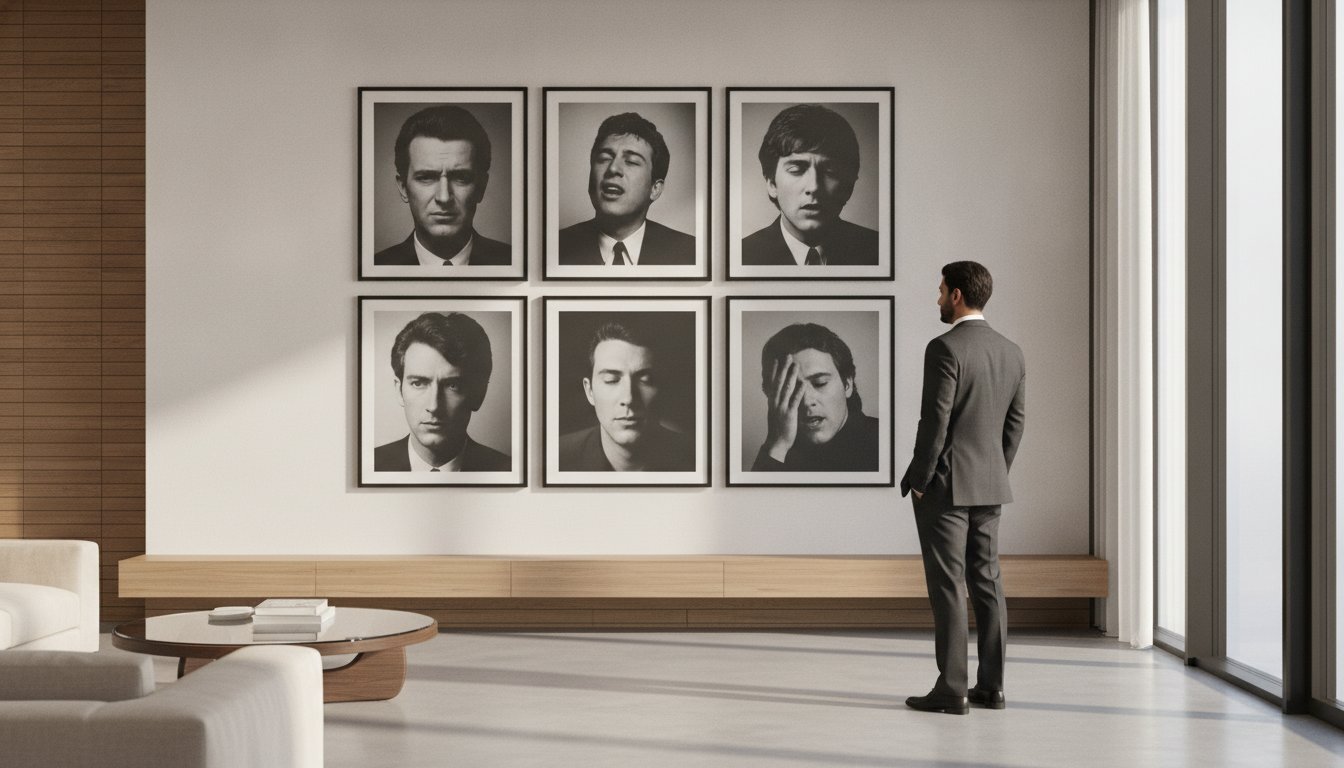
Tag: Gered Mankowitz

Gered Mankowitz Photography: The Architect of Rock and Roll’s Visual Soul

Gered Mankowitz didn’t just document the 1960s; he curated the very myth of the rock star through intimate, architectural portraiture. You likely recognize the brooding intensity of a young Keith Richards or the ethereal haze surrounding Jimi Hendrix, images that have become the visual shorthand for rock’s golden age. It’s natural to feel a deep reverence for gered mankowitz photography, yet finding authentic, high-quality prints from original archives often feels like a daunting pursuit for the discerning collector.

This guide invites you to delve into the storied career of Mankowitz, offering a bridge to a bygone era of elegance and raw talent. You’ll gain the knowledge needed to distinguish between print types and understand the artisanal craftsmanship that justifies a permanent place in a luxury home. We’ll trace his journey from a fifteen-year-old apprentice to a guardian of photographic heritage, while providing practical advice on selecting and framing these iconic works to create an evocative gallery wall with lasting presence. By understanding the technical soul of his archives, you can transform your living space into a sophisticated sanctuary of music history.

Key Takeaways

  • Understand how Mankowitz shaped the visual identity of the 1960s, transitioning from a teenage apprentice to the definitive chronicler of the British Invasion.
  • Explore the intimate sessions with The Rolling Stones and Jimi Hendrix that transformed raw musicianship into enduring cultural iconography.
  • Learn to identify the architectural depth and studio mastery that defines gered mankowitz photography as a cornerstone for any serious fine art collection.
  • Navigate the acquisition of physical prints as an appreciating asset class, focusing on the distinction between iconic hits and rare archival shots.
  • Discover how bespoke framing and archival preservation techniques ensure your photographic investment remains a lasting piece of history for the modern home.

The Evolution of Rock Imagery: The Mankowitz Legacy

Gered Mankowitz stands as the definitive visual chronicler of the British Invasion, a period where the sonic landscape of London was shifting as rapidly as its social fabric. His career began with a precocious apprenticeship, leaving school at just fifteen to immerse himself in the technical rigours of the medium. By the time he established his own studio in Mason’s Yard, he was perfectly positioned to capture the burgeoning energy of a generation. His work represents more than just a series of portraits; it’s the cornerstone of our Music Archives, serving as a meticulous preservation of the cultural soul that defined an era.

Before the rise of gered mankowitz photography, images of musicians were often relegated to the status of tabloid fodder, captured in fleeting, low-quality snapshots for daily newspapers. Mankowitz elevated the medium. He treated his subjects with the gravity of classical portraiture, utilizing studio lighting and deliberate composition to move rock imagery into the territory of fine art. This transition was essential in establishing the rock star as a modern icon, a figure of depth rather than a mere celebrity. As noted in the Gered Mankowitz Wikipedia biography, his early professional journey was shaped by a profound connection to the London art scene, which allowed him to bridge the gap between traditional photography and the raw vitality of rock and roll.

Beyond the Lens: A Bridge to a Bygone Era

The social climate of 1960s London provided a vibrant, chaotic canvas for Mankowitz. He didn’t just photograph the scene; he helped invent the “cool” aesthetic that still resonates in contemporary fashion and art. His lens captured the quiet arrogance and effortless style of artists who were reinventing the world. To understand how these moments fit into the wider tapestry of the medium, one can explore our broader Music Photography collection. This curated selection highlights the art of capturing sound and soul through a visual medium, where the photographer acts as a silent witness to the birth of legends.

The Curatorial Authority of Galerie Prints

Stuart Möller founded Galerie Prints with a vision to act as a guardian for these historical treasures. We don’t merely sell prints; we curate archives that represent the pinnacle of photographic heritage. Our commitment to artisanal quality ensures that every piece of gered mankowitz photography is produced using professional gallery-grade archival paper and traditional production methods. This focus on material excellence means that acquiring a Mankowitz print isn’t a temporary purchase. It’s an investment in a lasting piece of history, intended to be passed down through generations. By focusing on the tactile and historical elements of the work, we ensure that the prestige of the artist is matched by the technical superiority of the final print.

Defining the 1960s: The Rolling Stones and Jimi Hendrix Sessions

The period between 1965 and 1967 represents a seismic shift in the visual language of music, a time when gered mankowitz photography became the primary lens through which the world viewed the outlaws of rock. As the official photographer for The Rolling Stones, Mankowitz didn’t just document their rise; he shaped their public identity as dangerous, unpolished, and undeniably cool. His work from this era, extensively detailed in the monograph Gered Mankowitz: Photographs, captures a raw intimacy that was previously unseen in the industry. Beyond the Stones, his portfolio expanded to include the fragile elegance of Marianne Faithfull and the blues-rock intensity of the Yardbirds, solidifying his status as the era’s premier image-maker.

The Rolling Stones: Capturing the Outlaws of Rock

During his tenure with the band, Mankowitz moved beyond the standard promotional shot to capture moments of quiet notoriety. He toured with them during their 1965 American tour, gaining a level of access that allowed for unforced, candid portraits of a group increasingly at odds with the establishment. The “Between the Buttons” cover shoot at Primrose Hill remains a definitive moment in his career. To achieve the iconic, ethereal look of the album, he applied Vaseline to the lens and used a homemade filter to create a sense of drug-induced fatigue. The “Between the Buttons” shoot stands as a masterpiece of atmospheric distortion.

Jimi Hendrix at Mason’s Yard: The Definitive Portrait

In 1967, at his Mason’s Yard studio, Mankowitz produced what are arguably the most famous portraits of Jimi Hendrix. These sessions were characterized by a stark, controlled technical setup that allowed Hendrix’s natural charisma to command the frame. By stripping away color, Mankowitz emphasized the textures of the musician’s military jacket and the intensity of his gaze. For collectors, these images exemplify the timeless allure of black and white pictures, where the absence of hue invites a deeper focus on the subject’s soul. If you’re looking to anchor a room with a piece of true rock history, you might consider how a large-format Hendrix print serves as a powerful focal point.

While his 60s work is legendary, Mankowitz’s influence didn’t stop with the summer of love. He successfully bridged the gap into the 1980s, documenting the synth-pop elegance of the Eurythmics and the vibrant energy of Kate Bush. This versatility ensured that his archive remained a comprehensive map of musical evolution, moving from the gritty streets of London to the polished aesthetics of the MTV era. You’ll find that his discerning eye remained constant, whether he was photographing the raw rebellion of Mick Jagger or the avant-garde grace of Annie Lennox.

The Mankowitz Aesthetic: Intimacy vs. Iconography

The architecture of the human face serves as the primary subject in the work of Gered Mankowitz. While many of his contemporaries focused on the chaotic energy of the stage, Mankowitz preferred the controlled environment of the studio, where he could manipulate shadow to create a sense of “architectural” depth. He builds with light. This meticulous approach didn’t just illuminate his subjects; it sculpted them, adding a layer of permanence to figures who were often perceived as fleeting pop stars. This balance between the raw vulnerability of the individual and the polished iconography of their public persona is what defines gered mankowitz photography as a high-art form.

His lens acted as a bridge between two worlds. He possessed a rare ability to capture the quiet, contemplative moments of artists who were otherwise surrounded by noise. As noted in this Gered Mankowitz Biography, his work is characterized by a signature “hand” that remains visible even as his subjects and styles changed. This consistency is particularly evident in the tactile quality of his silver gelatin prints, which possess a richness and tonal range that digital formats struggle to replicate. These physical objects carry the weight of history, offering a sensory connection to the moment of capture that transcends the digital image.

Studio Mastery and Environmental Portraits

The Mason’s Yard studio functioned as a creative sanctuary during the height of the London music scene. Mankowitz often utilized remarkably simple backdrops, stripping away distractions to ensure the viewer’s gaze remained fixed on the subject’s essence. This minimalism allowed the artist’s personality to fill the void. While his original work was captured on film, the transition to modern archival pigment prints has allowed for a level of preservation and clarity that meets the highest gallery standards. It’s this fusion of traditional vision and modern production that ensures the longevity of his archive, making each piece a durable fragment of cultural heritage.

The 1980s Transition: Annie Lennox and the Eurythmics

The 1980s marked a significant stylistic departure for Mankowitz, moving from the gritty, atmospheric 60s into the high-gloss pop aesthetic of the MTV generation. His collaboration with the Eurythmics, particularly during the “Sweet Dreams” era, showcased his ability to reinvent himself alongside his subjects. He helped craft the androgynous, avant-garde image of Annie Lennox, using sharp lines and bold contrasts that reflected the synth-pop sound of the time. This era proved that gered mankowitz photography wasn’t a static relic of the past but a living, evolving narrative of musical identity. Whether working with the jagged edges of rock or the smooth surfaces of pop, his commitment to the structural soul of the portrait remained unwavering.

Investing in Music History: A Collector’s Guide

Fine art music photography has transcended its origins as promotional material to become a legitimate, appreciating asset class for the modern investor. For the discerning collector, acquiring gered mankowitz photography is not merely an act of decoration; it’s a strategic investment in a cultural legacy that continues to gain prestige in the global art market. When building a private gallery, you must decide between the iconic “hits”—such as the legendary Hendrix sessions—and the rarer, candid shots that offer a glimpse into the unscripted lives of rock royalty. While the former provides an immediate, recognizable focal point, the latter often adds a layer of exclusivity and narrative depth that seasoned collectors prize.

Scale plays a vital role in how these images transform a space. A large-format portrait commands a room with quiet authority, emphasizing the grain and texture of the original film, while smaller, intimate prints invite a closer, more personal inspection. This versatility allows music photography to fit into even the most sophisticated home environments, bridging the gap between historical significance and contemporary interior aesthetics.

Archival Standards: Protecting Your Investment

Longevity is the cornerstone of any serious art acquisition, particularly when dealing with the delicate chemistry of photographic prints. At Galerie Prints, we utilize professional gallery-grade archival paper, which is specifically engineered to resist the fading and chemical deterioration that plagues standard commercial prints. Unlike mass-produced posters, these fine art prints are created using traditional production methods that ensure the structural integrity of the image remains pristine for decades. Collectors should always verify the provenance of their photographic prints to ensure authenticity and long-term value. This commitment to artisanal craftsmanship ensures that your purchase is not a temporary fixture but a permanent piece of history.

Building a Cohesive Gallery Wall

Creating an evocative gallery wall requires a balance of visual weight and narrative flow. You might consider mixing the gritty, monochromatic intensity of gered mankowitz photography with the vibrant, sun-drenched lifestyle imagery found in the Slim Aarons collection. This juxtaposition creates a sophisticated dialogue between the rebellious energy of the 60s London scene and the aspirational elegance of mid-century high society. Themes like “The Evolution of the Frontman” or “The Architecture of Cool” allow for a curated journey through time. To begin your journey into the world of elite music photography, explore our curated Music Archives and discover the perfect cornerstone for your private gallery.

Bespoke Presentation: Framing Mankowitz for the Modern Home

To own a piece of gered mankowitz photography is to hold a fragment of rock history; however, the transition from an archival print to a centerpiece of interior design requires a curatorial eye. At Galerie Prints, we believe the frame is not merely a border but an extension of the artwork’s soul. Our Bespoke Framing Service is designed to elevate these iconic images, ensuring they harmonize with the sophisticated aesthetics of a modern home while preserving the raw energy of the 1960s.

Frame styles play a critical role in how a photograph interacts with its environment. For the brooding, monochromatic intensity of the Stones or the vibrant textures of Hendrix, we often recommend sleek black wood frames. This choice provides a sharp, gallery-standard contrast that anchors the image, allowing the architectural depth Mankowitz is known for to command the room. It transforms a simple photograph into a window to a bygone era of elegance and rebellion, bridging the gap between historical heritage and contemporary luxury.

The Galerie Prints Artisanal Seal

Craftsmanship is our cornerstone. Every frame we produce is a result of localized, artisanal craftsmanship, reflecting our status as guardians of photographic heritage. We utilize high-quality mounting materials specifically selected to prevent warping over time, a common issue with inferior commercial products. This technical precision ensures your investment remains as stable and evocative as the day it was captured. For those seeking further advice on curating their space with gered mankowitz photography, our Fine Art Photography guide offers professional insights into displaying and decorating with high-caliber prints.

Transforming Your Interior with Iconic Imagery

The emotional impact of a large-scale Hendrix or Stones print in a living space is profound. These images act as conversational anchors, inviting guests into a world of artistic excellence and historical significance. We provide ready-to-hang convenience for our international collectors, ensuring that the journey from our gallery to your wall is handled with the same precision as the printing process itself. This seamless service allows you to focus on the aesthetic joy of your collection rather than the logistics of installation. A purchase from our archive is more than a decoration; it’s a lasting piece of history that gains character as it ages within your home.

We invite you to browse the full archive and discover how these historical treasures can redefine your interior. Explore the Gered Mankowitz Collection and Bespoke Framing Options to begin your journey as a collector of rock and roll’s visual soul.

Preserving the Visual Soul of Music History

Acquiring a piece of gered mankowitz photography is more than a simple aesthetic choice; it’s an intentional act of cultural preservation. By bridging the raw rebellion of 1960s London with the architectural precision of high-end portraiture, Mankowitz provided the definitive visual map for rock’s golden age. These images represent a stable and appreciating asset class, offering a permanent connection to the moments that defined a generation. Whether you’re drawn to the atmospheric distortion of the Stones or the stark charisma of Hendrix, these works carry a prestige that transcends mere decoration.

The transition from a historical archive to a sophisticated modern interior requires the artisanal touch of bespoke museum-quality framing. Curated by our gallery director, Stuart Möller, our collection offers exclusive access to iconic music archives that are as technically superior as they are emotionally resonant. Each print serves as a bridge to a bygone era of elegance, meticulously produced to ensure it remains a lasting piece of history for your private gallery. We invite you to discover the evocative power of these legendary sessions and find the perfect cornerstone for your collection.

Browse the Gered Mankowitz Archive at Galerie Prints

Frequently Asked Questions

Who is Gered Mankowitz and why is he famous?

Gered Mankowitz is a legendary British photographer renowned for shaping the visual identity of the 1960s rock scene. He gained international fame as the official photographer for The Rolling Stones between 1965 and 1967, capturing the band’s rise to notoriety. His work is celebrated for its intimate, off-guard approach, moving music photography from promotional snapshots to fine art. Today, his pieces are held in prestigious permanent collections like the National Portrait Gallery.

Which famous bands did Gered Mankowitz photograph?

Mankowitz’s portfolio reads like a history of modern music, beginning with his era-defining work with The Rolling Stones and Jimi Hendrix. He also captured iconic portraits of Marianne Faithfull, The Yardbirds, and Small Faces during the British Invasion. As the decades progressed, he successfully transitioned his style to document 1980s legends such as the Eurythmics, Kate Bush, Elton John, and Duran Duran, demonstrating a rare versatility across various musical genres.

Are Gered Mankowitz prints a good investment for art collectors?

Yes, gered mankowitz photography is considered a legitimate and appreciating asset class within the fine art market. As physical prints from original archives become rarer, their value often increases, particularly for limited edition or signed pieces. These works represent a permanent piece of cultural heritage. Investing in high-quality physical prints ensures you own a tangible fragment of music history that maintains its prestige and historical significance over time.

What is the difference between an archival pigment print and a silver gelatin print?

A silver gelatin print is a traditional black and white process using light-sensitive silver salts, prized for its rich tonal range and tactile quality. In contrast, an archival pigment print uses advanced inkjet technology with mineral-based pigments on gallery-grade paper. Both methods meet high museum standards for longevity. At Galerie Prints, we prioritize these archival standards to prevent fading, ensuring your photographic investment remains pristine and vibrant for future generations.

How do I choose the right frame for a Gered Mankowitz music print?

Choosing a frame should enhance the photograph’s architectural depth without distracting from the subject. For the raw, monochromatic intensity of 1960s rock portraits, a sleek black wood frame is often the most sophisticated choice. This style provides a gallery-standard finish that complements the “cool” aesthetic of the era. Our bespoke framing service uses high-quality mounting materials to prevent warping, ensuring the final presentation matches the prestige of the artist.

Does Galerie Prints ship Gered Mankowitz photography internationally?

Galerie Prints provides worldwide shipping, ensuring that collectors across the globe can access our curated Music Archives. We handle every order with professional care, utilizing secure packaging designed to protect the integrity of the archival paper and frame. Whether you’re in London or New York, your chosen piece will arrive safely. Our global coverage reflects our commitment to acting as a bridge between historical photographic heritage and international art enthusiasts.

Can I buy a Gered Mankowitz print already framed?

Yes, we offer a professional bespoke framing service that allows you to receive your print in a ready-to-hang condition. You can select from various premium frame styles and mounting options directly through our online platform. This service is handled with localized, artisanal craftsmanship, ensuring that the final product meets the high-end requirements of a luxury gallery. It’s a convenient and secure way to ensure your new artwork is perfectly presented upon arrival.

What is the story behind the Rolling Stones “Between the Buttons” cover?

The “Between the Buttons” cover was shot by Mankowitz at Primrose Hill during a cold morning in 1966. To capture the band’s weary, drug-influenced energy, Mankowitz utilized a homemade filter and smeared Vaseline on the lens. This technique created the famous out-of-focus, atmospheric distortion that defined the album’s aesthetic. It remains one of the most celebrated examples of gered mankowitz photography, perfectly capturing the Stones as the unpolished and defiant outlaws of rock.
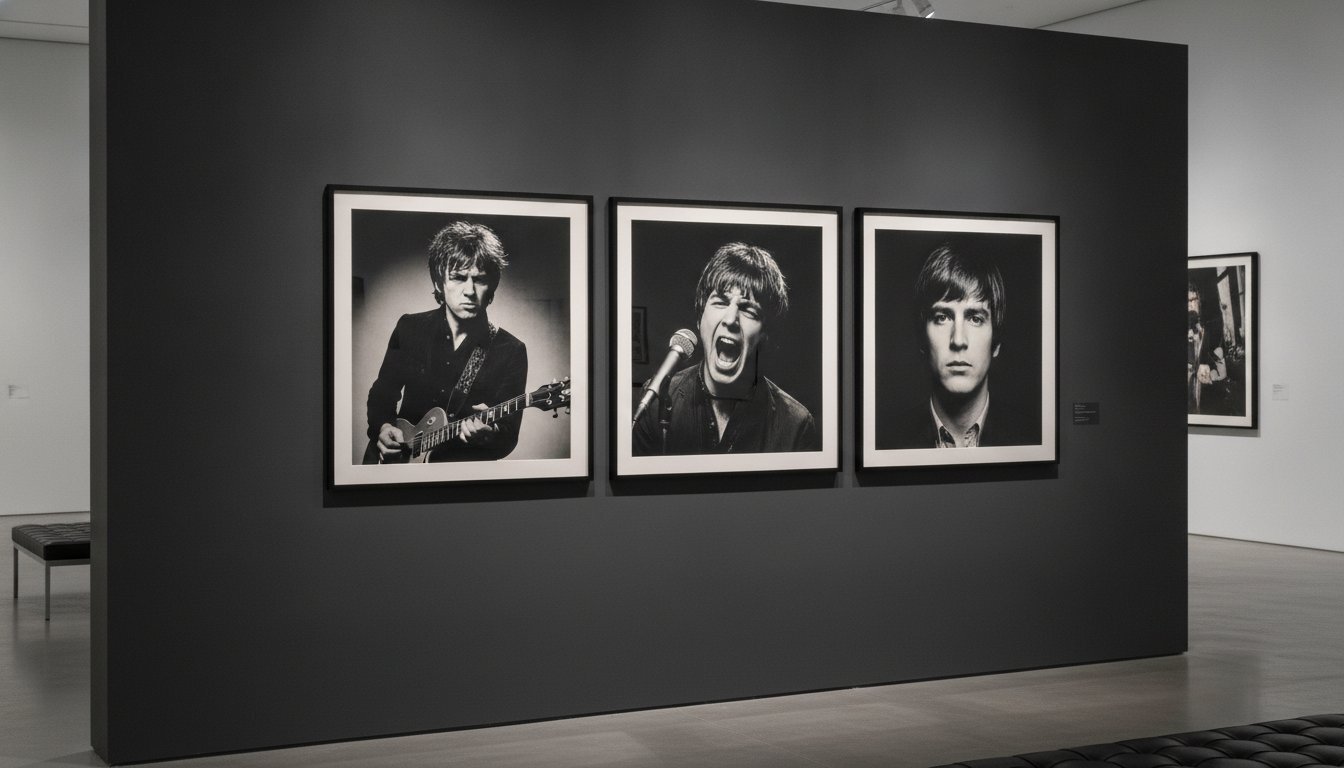
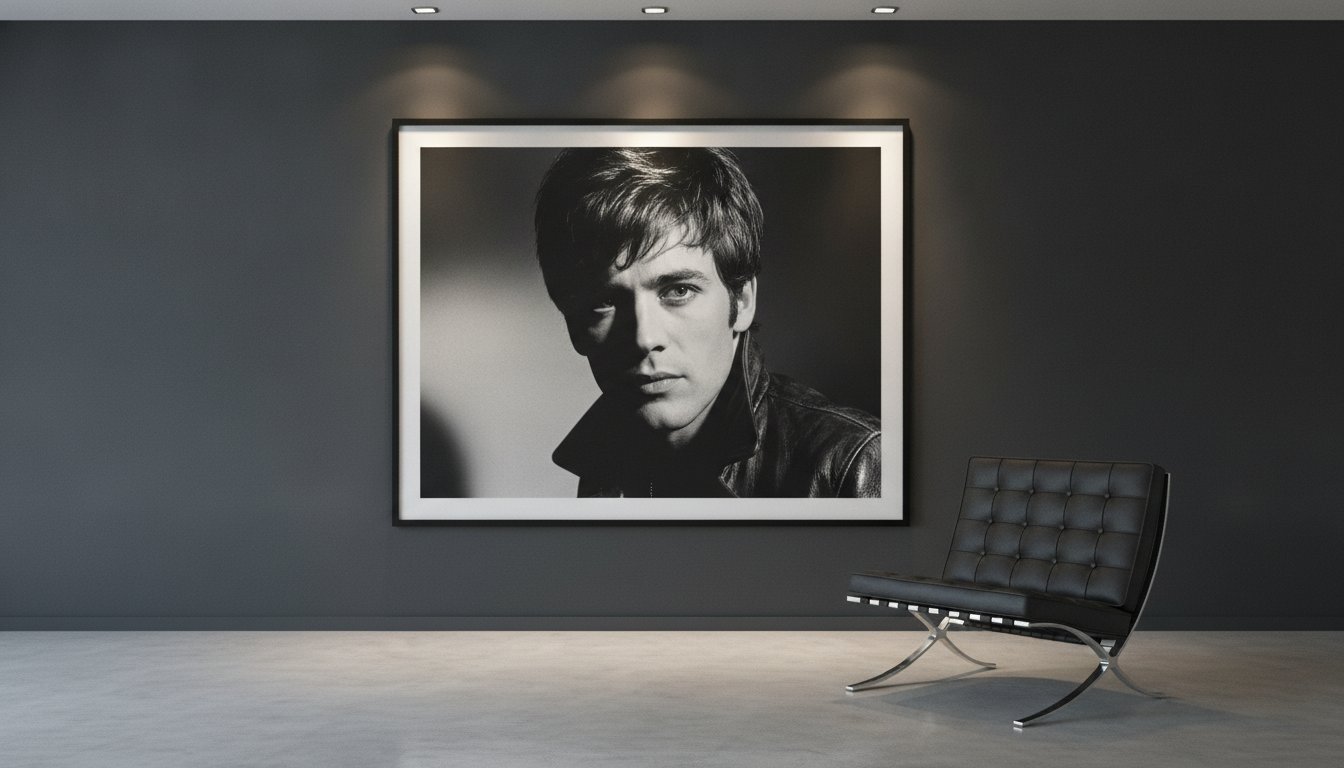
Gered Mankowitz: The Architect of Rock & Roll’s Visual Legacy

Before Gered Mankowitz stepped behind the lens, the rock star was often merely a musician; after his intervention, they became the high priests of a new visual religion. It is a rare artist who can capture the raw, unvarnished energy of a backstage rehearsal while maintaining the formal elegance of a classic portrait. You likely already possess a deep reverence for the brooding intensity of his mid-1960s Rolling Stones sessions or the haunting intimacy of his Jimi Hendrix studies. These images are not just historical records. They are the definitive blueprints of rock and roll cool that continue to influence contemporary aesthetics, premium brands like Ad Et Raph Collectives, and luxury interiors alike.

This guide invites you to explore the profound legacy of gered mankowitz, the photographer who fundamentally shaped the music industry’s visual identity for over five decades. You’ll gain insight into his most iconic works and the technical mastery that earned him a prestigious Fellowship of the Royal Photographic Society. We will also address the practicalities of building a serious collection, from distinguishing between open and limited editions to utilizing bespoke framing services that preserve these museum-quality pieces for a lifetime. By the end, you’ll understand why a Mankowitz print is more than a decoration; it’s a lasting investment in photographic heritage.

Key Takeaways

  • Trace the evolution of the rock icon through the lens of a photographer who defined the visual language of the 1960s.
  • Identify the most culturally significant works from the Music Archives, including the legendary “Between the Buttons” cover and raw portraits of Jimi Hendrix.
  • Understand the technical mastery behind the aesthetic, specifically the preference for square-format clarity and high-contrast textures.
  • Learn how to evaluate gered mankowitz prints as historical investments, noting the differences between traditional silver gelatin and modern archival production.
  • Discover the essential role of a Bespoke Framing Service in protecting the longevity and prestige of your fine art photography collection.

Who is Gered Mankowitz? The Man Behind the 1960s Lens

Born into the creative epicenter of post-war London in 1946, Gered Mankowitz was seemingly destined for a life defined by narrative and aesthetic. His father, the celebrated author and playwright Wolf Mankowitz, provided an environment rich with intellectual stimulation and elite social circles. Yet, it wasn’t the pen that captured the young Gered’s imagination. Following a school trip to Holland where he first experimented with a camera, a chance encounter with the legendary actor Peter Sellers ignited his professional passion. Sellers recognized a unique perspective in the teenager, famously encouraging him to pursue photography with serious intent. He was only sixteen. Yet, his work already graced the walls of London’s West End, making him the youngest photographer to achieve such a feat at the time.

The Early Apprenticeships: Camera Press and Alec Murray

The technical foundation of his storied career was forged at Camera Press Ltd. Under the mentorship of Tom Blau, he mastered the meticulous art of professional portraiture. This period was essential for learning the psychological nuances of his subjects, a skill that would later define his most famous works. A brief foray into Parisian high fashion followed, where he worked alongside Alec Murray. While the elegance of Paris offered a certain prestige, Mankowitz found the rigid, often artificial structures of fashion photography stifling. He eventually rejected the polished “glamour” of the catwalk. He sought something more visceral and authentic, leading him back to the raw, unpredictable energy of the London streets and studios.

From Show-Biz Portraits to Rock Rebellion

Upon his return to London, he began working with Jeff Vickers and capturing performers at the Bristol Old Vic. This was a transitional era where the traditional world of show business began to collide with the emerging “Swinging London” youth culture. While his family’s status provided access, it was his own distinctive “eye” that secured his legacy. You can find a detailed account of these formative years in Gered Mankowitz’s biography. He moved away from the staged, polite portraits of the past, gravitating instead toward the rebellious spirit of the 1960s music scene. This shift allowed gered mankowitz to document a cultural revolution from the inside. He became more than a witness; he became a participant in the creation of the rock and roll mythos. His ability to blend formal composition with raw intimacy ensured that gered mankowitz would become the architect of a new visual era.

The Definitive Collaborations: The Rolling Stones and Jimi Hendrix

In 1965, the trajectory of rock photography shifted when gered mankowitz was invited to document a band on the precipice of global domination. This wasn’t merely a professional assignment; it was a partnership that would produce some of the most enduring imagery in musical history. While many photographers of the era sought to polish their subjects for a mass audience, Mankowitz leaned into the friction. He recognized that the power of the new youth culture lay in its imperfections and its defiant refusal to conform to the standards of the previous generation.

The Rolling Stones: Capturing the “Out of Our Heads” Era

Mankowitz served as the official photographer for The Rolling Stones from 1965 to 1967, a period often regarded as their creative and cultural peak. During the 1965 US Tour, he captured the band not as distant idols, but as weary, intense, and undeniably cool young men navigating the chaos of superstardom. Perhaps his most celebrated contribution is the cover of Between the Buttons. Shot at Primrose Hill at dawn, Mankowitz used a home-made filter of Vaseline on the lens to create a “hazy,” ethereal aesthetic. This deliberate distortion perfectly mirrored the era’s shifting consciousness and helped dismantle the clean-cut “boy band” image of the early 60s. By prioritizing mood over literal clarity, he helped craft the band’s unpolished public identity, a look that remains the gold standard for rock and roll rebellion.

Jimi Hendrix at Mason’s Yard: The Classic Portraits

If his work with the Stones defined the group dynamic, his 1967 session with Jimi Hendrix at Mason’s Yard defined the individual icon. These black and white portraits are frequently cited as the definitive images of Hendrix. By capturing Hendrix in a vintage military tunic, Mankowitz helped create a visual shorthand for the psychedelic movement. Yet, beyond the iconic costume, the true power of these photographs lies in their stillness. In a curated collection like Gered Mankowitz: Photographs, you can see how he captured Hendrix in rare moments of quiet reflection. These sessions stripped away the pyrotechnics of the stage to reveal a thoughtful, serene artist. The intimacy of the Mason’s Yard studio allowed for a level of soul-baring that few other photographers ever achieved with Hendrix.

His influence didn’t stop with these titans. He worked extensively with Marianne Faithfull, capturing her delicate yet resilient spirit, and later with Kate Bush, proving his uncanny ability to adapt his lens to the changing tides of pop culture. For those seeking to bring this historical energy into their own spaces, exploring our curated Music Archives offers a gateway to these timeless moments of artistic rebellion.

The Mankowitz Aesthetic: Technical Mastery and Raw Intimacy

The visual language of the 1950s was characterized by a rigid, often sterile perfection. Studio portraits were typically over-lit, stripping away the humanity of the subject in favor of a polished, synthetic ideal. Gered Mankowitz fundamentally rejected this artifice. By embracing a more naturalistic approach, he allowed the spontaneous energy of the 1960s to breathe within his frames. His technical choices weren’t merely functional; they were the foundation of a new aesthetic that balanced formal composition with a raw, unvarnished intimacy that had never been seen in music photography before.

The Square Format: Composition and Authority

Central to the gered mankowitz aesthetic was his preference for the Hasselblad 500C. The 6×6 square format offered a unique sense of authority that the standard rectangular 35mm frame lacked. In a square composition, the subject is often centered, creating a powerful, iconic presence that demands the viewer’s undivided attention. Mankowitz was a master of negative space, using the area around his subjects to emphasize their isolation or their command over the environment. This deliberate framing is why his work remains a cornerstone for those collecting fine art photography. The square format translates perfectly to modern luxury interiors, providing a sense of geometric balance and timelessness that complements both minimalist and classic decor.

Lighting the Rebellion: Shadow and Substance

A Collector’s Guide to Buying Gered Mankowitz Prints

Acquiring a gered mankowitz print is more than a simple purchase. It’s an investment in a cultural milestone. These works act as definitive historical documents of the 1960s, capturing a pivotal shift in global consciousness through a lens of formal elegance. Serious collectors often face a choice between traditional silver gelatin prints and modern archival inkjet productions. Silver gelatin prints are prized for their tactile, chemical depth and rich tonal range, offering a direct link to the darkroom traditions of the past. Conversely, archival inkjet prints provide incredible precision and longevity on modern museum-quality papers. Both formats are valid additions to a collection, provided they are produced with the material integrity required for fine art preservation.

Identifying Archival Quality

To ensure your investment remains protected for decades, you must verify the technical specifications and provenance of the print. A serious gallery acquisition should always include a certificate of authenticity signed by the artist or an authorized estate representative. This document is your guarantee of the work’s origin and its specific place within an edition. The enduring allure of black and white pictures within the Mankowitz archive stems from their graphic intensity. These monochromatic works strip away the distractions of color, focusing the viewer’s eye on the raw character of the subject and the authentic grain of the original film. Museum-quality, acid-free cotton rag papers are the standard here, as they prevent the yellowing or degradation often seen in commercial-grade photography.

Displaying Rock History in the Home

The challenge for many collectors is integrating the rebellious spirit of rock and roll into a polished, luxury interior. The key lies in the juxtaposition of raw energy and formal presentation. A large-format portrait can serve as a sophisticated focal point in a contemporary minimalist office, providing a sense of historical weight to a modern space. Alternatively, creating a narrative through music photography on a gallery wall allows for a more dynamic and personal display. This approach works exceptionally well in transitional spaces or dedicated listening rooms where the art can mirror the audio experience. Choosing the right size is critical. A print that is too small can lose its impact, while one that is too large may overwhelm a room’s delicate architectural balance.

Whether you prefer the “raw” look of a simple mount or a more formal gallery presentation, the final display should always prioritize the protection of the artwork. We invite you to discover the full breadth of our curated collections and find a piece of history that speaks to your own journey through music photography.

Galerie Prints: Archival Excellence for Your Private Collection

Galerie Prints operates as a dedicated bridge to the golden era of rock and roll, positioning ourselves as guardians of the photographic heritage created by visionaries like gered mankowitz. We believe that a masterpiece of this caliber deserves more than a standard retail solution; it requires a presentation that honors its historical significance while ensuring its physical preservation for future generations. Our commitment to artisanal craftsmanship means that every piece leaving our gallery is treated with the reverence due to a museum-grade artifact. We don’t merely provide art; we provide the technical and aesthetic support necessary to maintain its prestige.

The Bespoke Framing Difference

High-end rock photography, particularly larger prints on heavy archival paper, is susceptible to “cockling” or rippling if not mounted with precision. Our bespoke framing service utilizes specific mounting techniques tailored to the era and material of the artwork to prevent this distortion. We offer a curated selection of premium wood frames, from classic black gallery profiles to more ornate options that echo the mid-century aesthetic. Each frame is fitted with UV-protective glazing, a critical component in shielding the delicate tonal ranges of a gered mankowitz portrait from light-induced fading. This meticulous attention to detail ensures your artwork arrives as a ready-to-hang piece of history, perfectly suited for the most discerning luxury interior.

Curating Your Own Music Archive

Building a cohesive private collection requires a discerning eye and a deep understanding of the artist’s narrative arc. We assist collectors in sourcing specific, often elusive, Mankowitz images through our relationship with the Getty Images Gallery and other prestigious archives. Whether you wish to build a collection centered on the transition of the Rolling Stones or a broader study of 1960s icons, our curators provide the expert guidance necessary to create a meaningful visual story. We invite both seasoned collectors and those beginning their journey to contact the gallery for personalized advice. Our London-based team offers global shipping, ensuring that these timeless investments in photographic history reach you with the same precision and care with which they were captured. By choosing Galerie Prints, you aren’t just acquiring a decoration; you’re securing a lasting legacy of artistic and cultural rebellion.

Securing Your Piece of the 1960s Legacy

Gered Mankowitz didn’t merely document the rise of rock and roll; he provided the definitive visual vocabulary for a cultural revolution. From the hazy dawn of Primrose Hill to the intimate, monochromatic stillness of Mason’s Yard, his work captures the raw soul of artists like Hendrix and the Stones. Owning a gered mankowitz print means inviting that rebellious, high-octane energy into your home through a lens of formal, technical perfection. It’s a rare opportunity to bridge the gap between historical grit and modern luxury interior design while preserving a pivotal moment in time.

As an official Getty Images Gallery partner, we’re proud to offer exclusive access to these profound moments of musical heritage. Every piece we curate is produced using museum-quality archival materials and finished with our bespoke hand-crafted framing, ensuring your investment remains as vibrant as the era it represents. Our expert London curation team is ready to guide you in selecting a work that resonates with your personal aesthetic and historical interests. Explore the Gered Mankowitz Collection at Galerie Prints and begin your journey into the heart of rock’s visual history today.

Frequently Asked Questions

Who is Gered Mankowitz and why is he famous?

Gered Mankowitz is a preeminent British photographer whose work fundamentally defined the visual identity of the 1960s music revolution. He earned global acclaim as the official photographer for The Rolling Stones during their peak years, from 1965 to 1967. His ability to capture the raw, unvarnished energy of rock icons while maintaining a formal, curatorial elegance secured his status as a Fellow of the Royal Photographic Society.

What are Gered Mankowitz’s most famous photographs?

His most enduring works include the hazy, dawn-lit cover for the Rolling Stones’ album, Between the Buttons, and the 1967 studio portraits of Jimi Hendrix. These images, along with his extensive documentation of the Stones’ 1965 US tour, are considered definitive historical records of the era. His portfolio also features celebrated studies of Marianne Faithfull and Kate Bush, many of which are now held in the permanent collection of the National Portrait Gallery.

Did Gered Mankowitz take the photos of Jimi Hendrix?

Yes, Mankowitz captured the legendary 1967 black and white portraits of Jimi Hendrix at his Mason’s Yard studio in London. This session produced the iconic images of Hendrix wearing a vintage military tunic, which have since become a visual shorthand for the psychedelic movement. These photographs are widely regarded as the most intimate depictions of the guitarist, stripping away his stage persona to reveal the serene artist beneath.

What camera did Gered Mankowitz use for his rock portraits?

Mankowitz famously utilized the Hasselblad 500C for his most significant rock and roll commissions. He favored the 6×6 square format for its inherent authority and the way it allowed for powerful, centered compositions that demand the viewer’s attention. This technical choice provided a clarity and narrative depth that became a hallmark of his aesthetic, distinguishing his work from the smaller 35mm photography of his contemporaries.

Are Gered Mankowitz prints a good investment for art collectors?

Acquiring a print by gered mankowitz is considered a sound investment in photographic heritage. His work is held in prestigious public collections and continues to see robust demand in the global art market. As a Fellow of the Royal Photographic Society, his technical mastery and historical significance ensure that his limited edition prints maintain their value and prestige as lasting pieces of history.

How should I frame a Gered Mankowitz rock and roll print?

A print of this caliber requires a Bespoke Framing Service that utilizes museum-standard archival materials to ensure long-term preservation. To prevent cockling or rippling of the heavy paper, the photograph should be mounted using professional techniques tailored to the artwork’s era. We recommend UV-protective glazing and acid-free mats to shield the delicate tonal ranges from environmental degradation while providing a polished, gallery-ready presentation.

Where can I buy authentic Gered Mankowitz prints online?

Authentic, archival-quality prints can be acquired through Galerie Prints, an official partner of the Getty Images Gallery. We specialize in sourcing museum-grade works from the Music Archives, providing collectors with verified provenance and certificates of authenticity. Our London-based team offers expert curation and global shipping to ensure your investment is handled with the highest level of professional care and stability.

What is the difference between a silver gelatin print and a C-type print?

A silver gelatin print is a traditional black and white photograph produced through a chemical process involving light-sensitive silver salts, prized for its archival longevity and rich tonal depth. In contrast, a C-type, or chromogenic, print is the professional standard for color photography, utilizing a process where light-sensitive layers react to create a vibrant, continuous-tone image. Both formats offer exceptional quality for a private collection when produced on museum-grade papers.

Gered Mankowitz Prints: The Definitive Guide to a Master of Rock Iconography

To look at a Gered Mankowitz photograph is to witness the exact moment a musician transcends celebrity to become a lasting cultural deity. You likely recognize the smoldering intensity of a young Jimi Hendrix or the defiant, cold stares of the Rolling Stones on a foggy Primrose Hill. Choosing between these iconic moments for your own collection is often a daunting task, especially when you’re seeking a piece that balances raw rock energy with the refined atmosphere of a curated home.

This guide explores the enduring allure of Gered Mankowitz prints, delving into his masterful use of shadow and the technical precision that makes his archival work a cornerstone of fine art photography investment. We’ll navigate the nuances of his legendary archive, evaluate the longevity of different print types, and provide expert advice on bespoke framing to ensure your selection remains a timeless pillar of your interior aesthetic. Whether you are a seasoned collector or a first-time buyer, understanding the provenance and artisanal quality of these works is essential for building a collection of true historical significance.

Key Takeaways

  • Trace the origins of the 1960s rock aesthetic to Gered Mankowitz’s creative London roots and his unique ability to capture raw, rebellious energy.
  • Learn how to distinguish between iconic Hendrix portraits and rare Rolling Stones candids to find the Gered Mankowitz prints that best suit your investment goals.
  • You’ll master the nuances of high-contrast monochrome photography and the “sculpted portrait” technique that defines the Mankowitz aesthetic.
  • Identify the archival standards, including museum-grade paper and pigment inks, that are essential for maintaining the long-term value of your collection.
  • Benefit from professional curatorial guidance and bespoke framing to ensure your artwork arrives as a polished, gallery-ready addition to your home.

Gered Mankowitz: The Architect of Rock’s Visual Identity

Gered Mankowitz stands as the premier architect of the British rock aesthetic, a title earned through a lens that refused to settle for the mundane. Born in 1946 to the celebrated writer and screenwriter Wolf Mankowitz, Gered was immersed in a world of high-concept narrative and creative drama from his earliest years. This lineage provided him with a unique psychological toolkit. He didn’t just see a musician; he saw a character in a larger cultural play. His transition from the structured world of fashion photography to the visceral energy of the 1960s music revolution wasn’t merely a career move. It was a defining moment for the visual history of the era. A Gered Mankowitz print represents more than a captured likeness. It serves as a tangible connection to a period of unprecedented creative upheaval, making it a cornerstone for any serious collector.

From Mason’s Yard to the World Stage

In 1963, Mankowitz established his studio at 9 Mason’s Yard, a cobblestone enclave that functioned as the beating heart of “Swinging London.” This location placed him at the center of a cultural storm. After photographing a young Marianne Faithfull, he caught the attention of Andrew Loog Oldham, the visionary manager of the Rolling Stones. Mankowitz’s relative youth and “outsider” perspective allowed him to bypass the stiff conventions of traditional portraiture. He captured the raw, unpolished energy of the London underground with a level of intimacy that few could replicate. Gered Mankowitz’s career flourished during this time as he documented the bands that would become global icons. He was a peer to his subjects. This proximity allowed him to strip away the artifice of fame, revealing the human grit beneath the velvet jackets.

A Contemporary of Masters: Mankowitz and Terry O’Neill

While his contemporary Terry O’Neill was perfecting the art of the candid, glamorous moment, Mankowitz leaned into a more graphic and atmospheric style. His work often utilized high-contrast shadows and tight framing to create a sense of brooding intensity. This approach was instrumental in building the global brands of bands like the Rolling Stones before the advent of the digital age. By positioning himself as an “official” photographer, he helped craft the visual language of rebellion. For those exploring fine art photography, Mankowitz offers a masterclass in how a single image can define a movement. Today, Gered Mankowitz prints are sought after by collectors who value the intersection of historical weight and impeccable artistic technique. They are not merely decorations. They are artifacts of a sonic revolution.

Defining the Icons: The Rolling Stones and Jimi Hendrix Archives

The archives of the Rolling Stones and Jimi Hendrix represent the zenith of rock iconography, immortalizing a period when music served as a catalyst for global defiance. These specific Gered Mankowitz prints don’t just depict fame; they document the transition of these artists from mortal musicians into enduring legends. While Mankowitz’s portfolio spans decades, his work between 1965 and 1967 remains his most potent, capturing the raw, unvarnished soul of the counter-culture movement with a level of intimacy that’s rarely been matched in the years since.

Between the Buttons: The Primrose Hill Session

In the biting cold of a November morning in 1966, Mankowitz led the Rolling Stones to Primrose Hill for a session that would define their visual identity. The resulting image for the Between the Buttons album cover is a masterclass in atmospheric storytelling. To achieve the iconic “blurred” edges, he applied Vaseline to the lens, a technical choice that mirrored the drug-fueled, hazy reality of the band’s lifestyle. He didn’t photograph them as individual stars. Instead, he framed them as a cohesive, formidable gang. The natural morning fog provided a ghostly, ethereal backdrop that stripped away the glamour of “Swinging London,” leaving behind a stark image of youthful rebellion that continues to resonate with international art collectors.

Hendrix: The Classic Smoking Portraits

The 1967 black and white sessions at Mason’s Yard produced what many consider the definitive portraits of Jimi Hendrix. Hendrix trusted Mankowitz implicitly, allowing for a level of vulnerability that’s palpable in every frame. By utilizing stark, directional lighting, Mankowitz emphasized the intricate textures of Hendrix’s embroidered military jacket and the gentle plumes of cigarette smoke. These Gered Mankowitz prints captured the quiet intensity of a man who was about to change the world. It’s this balance of high-contrast drama and personal intimacy that makes these works the ultimate symbol of sixties cool.

The photographer’s influence extended far beyond the “Big Two.” His later work with the Eurythmics, Kate Bush, and Slade demonstrated a remarkable ability to adapt his graphic sensibilities to the changing tides of pop culture. Whether it’s the stark minimalism of Annie Lennox or the whimsical spirit of a young Kate Bush, Mankowitz’s lens consistently finds the artistic core of his subjects. For those looking to bring this level of historical weight into their own space, exploring our collection of black and white pictures offers a gateway to these era-defining moments. These archives remain sought-after because they represent a rare intersection of technical brilliance and cultural lightning, preserved on museum-grade paper for the discerning collector.

The Mankowitz Aesthetic: Graphic Shadows and Intimate Portraits

Gered Mankowitz didn’t just document the 1960s; he sculpted its visual language through a sophisticated play of light and void. While many photographers of the era relied on the chaotic energy of the moment, Mankowitz brought a deliberate, graphic sensibility to his subjects. His work often oscillates between the “fly on the wall” intimacy of a tour bus and the meticulously staged perfection of a studio session. This duality is what makes Gered Mankowitz prints so compelling to the modern eye. They capture a specific tension between the public persona and the private individual, offering a window into the soul of the artist that few others could find.

The Mastery of Monochrome

The power of black and white pictures lies in their ability to strip away the distractions of the mundane. For Mankowitz, high-contrast monochrome was a tool for carving out a “sculpted” reality. He utilized deep, obsidian blacks and razor-sharp highlights to give his portraits a tactile, almost three-dimensional quality. This mastery of shadow reached its peak in his early sessions with the Stones, but his aesthetic evolution didn’t stop there. By the 1980s, he pivoted toward a vibrant, pop-inspired palette for the Eurythmics’ Revenge era. This transition demonstrated that his eye for composition was as effective in saturated colour as it was in the grainy grit of silver halide.

Bridging Sound and Soul

His approach to music photography goes beyond mere documentation. It captures the very rhythm of the artist. The Tom Waits sessions are a masterclass in this regard. Mankowitz utilized environmental portraiture to build a cinematic mood that felt like a still from a noir film. He understood how to use a setting to amplify the artist’s sonic identity. This ability to bridge the gap between sound and soul has left a lasting mark on modern editorial and fashion photography. Contemporary curators recognize his work not just as music history, but as a sophisticated study in human character and environmental design. When you invest in Gered Mankowitz prints, you are acquiring a legacy of technical excellence and a profound understanding of the creative spirit.

A Collector’s Guide: Choosing and Displaying Mankowitz Prints

Investing in fine art photography requires a shift in perspective. You aren’t just purchasing a visual record; you’re acquiring a blue-chip asset with significant cultural weight. Limited edition Gered Mankowitz prints are highly prized by serious collectors for their scarcity and the artist’s definitive role in rock history. To safeguard this investment, we prioritize rigorous archival standards. Every piece is produced on museum-grade paper using lightfast pigment inks. This meticulous process ensures that the deep, obsidian blacks and sharp highlights of the original negative remain vibrant for generations, resisting the degradation that often plagues lesser reproductions.

Scale plays a vital role in how a photograph interacts with your environment. An intimate portrait of Hendrix at Mason’s Yard might serve as a quiet, sophisticated detail for a study or personal library. In contrast, a large-format statement piece of the Rolling Stones can anchor a grand living space, providing a raw, monochromatic energy that commands the room. When selecting a size, consider the viewing distance. A Mankowitz print reveals more detail the closer you get, from the texture of a velvet jacket to the subtle curl of cigarette smoke.

Curating Your Home Gallery

Sophisticated interior design often thrives on contrast. You can create a compelling narrative by mixing the rebellious grit of Mankowitz with the sun-drenched, aspirational lifestyle photography of Slim Aarons. This juxtaposition between the “high-society” leisure of the Mediterranean and the “underground” intensity of London’s rock scene adds layers of intellectual depth to your home. Many collectors opt for thematic groupings, such as a “Legends of the Sixties” wall. The neutral palette of black and white photography allows these iconic images to anchor a room’s colour scheme, providing a sense of stability and permanence amidst contemporary decor.

The Galerie Prints Bespoke Framing Service

Our Bespoke Framing Service is a cornerstone of the Galerie Prints experience, ensuring that your artwork arrives in gallery-ready condition. Professional mounting is a technical necessity for high-value photography. It prevents the paper from undulating over time, keeping the image perfectly flat and crisp. Choosing the right frame is an art in itself. A sleek, hand-painted black wood frame offers a modern, minimalist edge that complements the graphic nature of Gered Mankowitz prints. For those seeking a more traditional feel, a deeper gallery-style frame can add a sense of historical gravitas. Our commitment to artisanal craftsmanship means each frame is built to order, reflecting the same level of care that Mankowitz brought to his original darkroom sessions.

If you are ready to begin your journey into rock iconography, explore our curated Music Archives to discover pieces that resonate with your personal style and investment goals.

The Galerie Prints Legacy: Why Source Your Mankowitz Here?

Galerie Prints operates as a vital bridge between the raw, unbridled energy of the 1960s and the sophisticated requirements of modern luxury interiors. Under the discerning eye of curator Stuart Möller, we’ve moved beyond the role of a traditional retailer to become true guardians of photographic heritage. Sourcing Gered Mankowitz prints from our gallery means you’re not just buying a reproduction; you’re acquiring a piece of art that has been meticulously vetted for its historical significance and material excellence. We specialize in high-calibre archives that often elude the mainstream market, ensuring our collectors have access to the most evocative and rare moments in music history.

A Bridge to Photographic Heritage

In a landscape dominated by ephemeral digital imagery, the tactile presence of a museum-grade print offers a profound sense of stability and permanence. We take our role as curators seriously, ensuring that every piece reflects the artist’s original intent. This commitment to provenance is what makes a purchase from us a lasting investment in history. Our prints are produced using traditional, artisanal methods that highlight the technical superiority of the original film. We focus on the preservation of these source materials, treating every negative as a sacred artifact of the 20th century. This localized, artisanal craftsmanship acts as a seal of quality that reinforces the prestige of our collection.

Start Your Collection Today

Beginning your journey into the world of fine art photography should be a measured, luxurious process. Our digital platform is designed to encourage exploration, allowing you to discover the layers of narrative behind every shot at a steady and composed flow. We provide a seamless transition from the initial digital discovery to the world-class physical delivery of your artwork. For those seeking a deeper level of service, we offer personalized consultations. This bespoke approach is ideal for interior designers and serious collectors who require expert advice on how to integrate rock iconography into high-end environments. It’s a professional and polished experience that respects the weight of the art itself.

The journey doesn’t end with the selection of an image. Our commitment to excellence ensures your investment is protected and presented with the gravitas it deserves. By choosing Galerie Prints, you’re supporting the continued preservation of the 20th-century photographic archive for future generations. We invite you to Explore Gered Mankowitz Prints at Galerie Prints and discover the visual soul of a revolution. Your next acquisition isn’t just a decoration. It’s a permanent connection to a legendary era.

Elevate Your Space with Rock and Roll Heritage

Owning a piece of music history is a transformative experience for any discerning collector. You’ve explored how Gered Mankowitz defined the visual soul of the 1960s, moving from the hazy, atmospheric mornings of Primrose Hill to the stark, intimate smoking sessions at Mason’s Yard. These works are not merely photographs; they are blue-chip assets that bridge the gap between rebellious counter-culture and the refined aesthetics of a luxury home. By selecting Gered Mankowitz prints, you’re investing in a legacy of technical mastery and cultural significance that will anchor your environment for generations.

Galerie Prints ensures this journey is as polished as the art itself. Every acquisition is an archival, museum-quality print curated by professional gallery directors who act as guardians of photographic heritage. With bespoke framing included as standard and expert worldwide shipping, your chosen icon arrives ready to hang. It’s time to bring the visceral energy of a bygone era into your contemporary world.

Discover the Gered Mankowitz Archive at Galerie Prints

Let the raw, evocative spirit of rock’s golden age become a permanent pillar of your interior design.

Frequently Asked Questions

Who are the most famous musicians Gered Mankowitz photographed?

Gered Mankowitz is most celebrated for his definitive work with The Rolling Stones and Jimi Hendrix during the mid-1960s. Beyond these icons, his vast archive includes legendary sessions with Kate Bush, Marianne Faithfull, The Eurythmics, and Tom Waits. His ability to capture the evolving visual soul of rock and pop allowed him to document the most formative years of these cultural deities.

Are Gered Mankowitz prints a good investment for art collectors?

Yes, limited edition Gered Mankowitz prints are considered blue-chip assets within the fine art photography market. Their value is anchored by his status as the “official” photographer for era-defining bands and the inherent scarcity of signed, archival editions. As historical archives become more curated, these physical artifacts of rock iconography continue to appreciate in both prestige and market demand among international collectors.

What is the difference between a limited edition and an open edition print?

A limited edition print is produced in a strictly fixed quantity, which creates scarcity and significantly higher investment potential for the collector. These pieces are often signed and numbered by the artist to verify their provenance. Open edition prints are produced without a set limit on the number of copies. For those building a serious collection, limited editions are the preferred choice for their exclusivity.

How should I frame a black and white Gered Mankowitz print?

We recommend a sleek, hand-painted black wood frame to complement the high-contrast, graphic nature of his monochrome work. Utilizing a deep gallery-style mount provides a sense of three-dimensional depth and historical gravitas. It’s essential to use acid-free materials and UV-protective glass to ensure the deep blacks and sharp highlights remain preserved against environmental degradation over time.

Where was Gered Mankowitz’s famous Mason’s Yard studio located?

The studio was located at 9 Mason’s Yard in the St. James’s district of London. This cobblestone enclave served as the epicenter of the “Swinging London” scene in the mid-1960s. It was within this intimate space that Mankowitz captured the definitive 1967 portraits of Jimi Hendrix, utilizing the unique lighting and atmosphere of the area to create his most enduring work.

What kind of archival paper does Galerie Prints use for Mankowitz prints?

We utilize museum-quality, acid-free archival paper designed specifically for high-end photographic reproduction. This heavy-weight substrate ensures a tactile, luxurious finish that digital imagery simply cannot replicate. When paired with lightfast pigment inks, this paper provides the longevity required for a piece of art intended to be a permanent fixture in a sophisticated home collection or gallery.

Can I buy Gered Mankowitz prints with bespoke framing included?

Yes, we offer a comprehensive Bespoke Framing Service as a standard option for our Gered Mankowitz collection. Our professional gallery directors oversee the mounting and framing process to ensure each piece arrives ready to hang. This artisanal approach guarantees that the framing protects the archival integrity of the print while enhancing its visual impact within your specific interior design scheme.

How does Gered Mankowitz’s style differ from Terry O’Neill’s?

While Terry O’Neill was celebrated for his candid, glamorous “fly-on-the-wall” moments, Mankowitz’s style is characterized by a more graphic and “sculpted” approach. He frequently utilized high-contrast shadows and experimental lens techniques to create a brooding, rebellious intensity. O’Neill captured the lifestyle of the celebrity, whereas Mankowitz focused on the raw, psychological essence of the artist as a lasting cultural icon.