Tag: provenance

Creating a Family Heirloom: Why Fine Art Photography as an Investment Transcends Decor

In an era of fleeting digital pixels, the most profound statement you can make in your home is the presence of an object that refuses to fade. While many view a print as a mere finishing touch for a room, savvy collectors understand that fine art photography as an investment represents a bridge between personal history and cultural heritage. You likely seek a sense of permanence in a world of temporary aesthetics, yet it’s natural to feel a sense of hesitation. The fear of choosing a passing trend over a lasting asset, or confusion regarding complex archival standards, often stalls the journey toward building a meaningful collection.

This guide will provide you with a sophisticated framework for identifying works that offer both emotional resonance and historical weight. You’ll discover how to curate a lasting legacy by selecting pieces that carry a narrative soul and enduring financial merit. We’ll explore the technical markers of museum-grade longevity, the importance of provenance in archives like the Slim Aarons Collection, and the specific criteria that transform a photograph into a multi-generational heirloom. By the end, you’ll have the confidence to transition from a casual buyer to a discerning guardian of photographic history.

Key Takeaways

  • Understand the psychological and cultural shifts that position fine art photography as an investment capable of anchoring a family’s physical heritage.
  • Discover the specific criteria for identifying timeless imagery within historical archives that transcends fleeting contemporary decor trends.
  • Learn the technical science of archival integrity, including the roles of lightfastness and acidity in ensuring your collection lasts for generations.
  • Master a practical framework for researching artist provenance and selecting themes that align with your family’s unique narrative journey.
  • Recognize why bespoke, London-crafted framing and museum-quality materials are essential for preserving both the aesthetic and financial value of your art.

The Anatomy of a Family Heirloom: Why Fine Art Photography Matters

A family heirloom was once defined primarily by its utility; a silver tea service or a heavy grandfather clock passed through the lineage. Today, in a society characterized by rapid consumption and digital transience, the heirloom has evolved into a curated artifact of taste and history. Distinguishing between mere decorative wall art and a collectible legacy piece is essential for the modern collector. While decor serves a temporary aesthetic purpose, fine art photography as an investment functions as a permanent anchor for the home. It represents a deliberate choice to preserve a specific narrative, one that encapsulates a family’s values and aesthetic sensibilities for those who will follow. A single, masterfully captured photograph can hold the weight of an entire era, acting as a visual cornerstone for your personal history.

From Digital Fatigue to Permanent Artifacts

We currently reside in an era of digital fatigue, where thousands of images are captured but few are ever truly seen. This digital dark age poses a significant risk to family visual history, as files become corrupted or lost in the ether of outdated hardware and cloud storage. Physical archives offer a stability that digital assets simply cannot match. By selecting fine art photography, you’re not just purchasing an image; you’re acquiring a physical artifact crafted with museum-quality materials. Unlike commercial snapshots, Fine-art photography is created with the intent to express a specific idea or emotion, making it a robust alternative to the volatile nature of the digital world. These prints don’t just sit on a hard drive. They live on your walls, gaining character and significance with every passing year.

The Emotional Resonance of Shared History

Art acts as a silent narrative, a thread that connects the past to the present within the sanctuary of the home. Curating a collection of iconic imagery allows a family to capture the spirit of an era within their own environment. Whether it’s the refined elegance found in the Slim Aarons Collection or the raw energy of the Music Archives, these pieces reflect a unique cultural identity. Fine art photography as an investment becomes a shared language between generations. It provides a tangible point of reference for children and grandchildren to understand the world their predecessors admired and inhabited. This emotional resonance transforms a living space into a gallery of personal and historical significance, ensuring the home remains a place of deep, shared meaning that transcends simple interior design.

Criteria for Selecting Photography with Intergenerational Appeal

The distinction between a photograph that merely fills a void on a wall and one that serves as a cornerstone of a collection lies in its inherent timelessness. While contemporary trends often favor the avant-garde or the abstract, fine art photography as an investment relies on images that possess a lasting cultural gravity. Selecting pieces for a family legacy requires a shift in perspective, moving away from what is currently fashionable toward works that carry historical significance. The global art market is projected to grow from $622.02 billion in 2026 to over $1,000 billion by 2034, a compound annual growth rate of 6.15% that underscores the increasing recognition of art as a stable, long-term asset. For a collection to appreciate, one must balance personal emotional resonance with the artistic prestige of the creator and the rarity of the specific print.

The Slim Aarons Effect: Aspirational Timelessness

Few photographers have captured the essence of a bygone era with the same enduring appeal as Slim Aarons. His philosophy of documenting “attractive people doing attractive things in attractive places” created a visual lexicon of mid-century glamour that remains the gold standard for luxury interiors in 2026. This work transcends simple nostalgia; it offers a window into a world of effortless elegance that future generations will continue to find captivating. The value of such imagery is found in its ability to evoke a specific aspirational lifestyle, making it a foundational element for any serious collector looking to anchor their home in historical prestige.

Archival Prestige and the Rarity Factor

Rarity is the primary driver of value in the secondary market. When considering fine art photography as an investment, the provenance and edition size are critical factors. Limited edition prints, such as those from the Terry O’Neill archive or exclusive Star Wars collections, offer a level of exclusivity that open-edition commercial prints cannot match. Similarly, cinema lobby cards represent unique historical artifacts, once used as functional promotional tools and now preserved as rare glimpses into Hollywood’s photographic heritage. Recent auction results confirm this upward trajectory. In July 2026, a Christie’s photography auction saw total proceeds exceed $515,000, with iconic works frequently outperforming their initial estimates. This market performance highlights the importance of choosing works with well-documented history and technical excellence.

As you begin to identify the themes that speak to your family’s journey, you might consider how a specific era or artist reflects your own values. You can explore our curated archives to find pieces that blend this historical weight with modern aesthetic appeal.

Archival Integrity: The Science of Making Art Last for Generations

The longevity of a photographic print is not a matter of chance; it’s a result of rigorous chemical and material science. When approaching fine art photography as an investment, one must look beyond the visual impact to understand the technical foundations that allow an image to survive for centuries. Professional gallery prints differ fundamentally from standard commercial options through their resistance to lightfastness, acidity, and oxidation. As a guardian of photographic heritage, our gallery ensures that every print is produced from the highest quality original source materials, preserving the artist’s intent while maximizing the physical life of the work. Museum-grade archival photo paper is defined by its adherence to ISO 9706 standards, which mandate that the material must be acid-free, lignin-free, and buffered with calcium carbonate to resist atmospheric pollutants and chemical degradation.

Museum-Quality Paper and Printing Techniques

Collectors prioritize silver gelatin and C-type prints because of their proven stability and depth. Silver gelatin remains the gold standard for monochromatic work. Many seasoned collectors favor black and white pictures for their exceptional archival permanence, as these prints utilize metallic silver suspended in a gelatin layer, a combination that has resisted fading for over a hundred years. For color imagery, C-type prints offer a lush, tactile quality that commercial inkjet processes cannot replicate. While modern Giclée standards have introduced high-fidelity fine art reproduction using pigment-based inks, the choice of substrate remains critical. Using papers that lack optical brightening agents ensures that the highlights won’t yellow or brittle as the decades pass, maintaining the print’s original brilliance and market value.

The Vital Role of Bespoke Framing

A frame is more than an aesthetic boundary. It’s a protective exoskeleton designed to shield your investment from environmental hazards. Fine art photography as an investment can be compromised by poor mounting or inferior glass. Our London-based bespoke framing service utilizes acid-free mounting boards and reversible hinging techniques to ensure the print never comes into direct contact with harmful adhesives. UV-protective glass is a non-negotiable component, filtering out up to 99% of harmful rays that cause irreversible pigment breakdown. This artisanal approach to preservation ensures that the work remains in pristine condition, a factor that is paramount when art is appraised for donation or resale. By investing in museum-grade housing, you’re securing the physical survival of the narrative you’ve chosen to pass down through your family line.

Curating Your Legacy: A Guide for the Modern Art Investor

Transitioning from a casual buyer to a strategic collector requires a shift in perspective. When you approach fine art photography as an investment, you’re not merely filling space; you’re building a private archive that reflects your family’s cultural journey. This journey begins with a deliberate selection process that prioritizes historical weight and material excellence over fleeting aesthetic trends. Transforming a residence into a curated estate involves five essential steps:

  • Identify a Resonant Theme: Select subjects that mirror your family’s interests, whether that involves the golden age of Hollywood, vintage aviation, or the history of jazz.
  • Verify Provenance: Research the artist’s exhibition history and the specific archive’s standing. Provenance is the lifeblood of long-term value.
  • Consider Scale and Portability: Choose a size that commands presence in your current home but remains practical for future relocation or estate transitions.
  • Consult with Experts: Engage a gallery curator to discuss archival presentation and the nuances of museum-grade materials.
  • Meticulous Documentation: Maintain a secure file for every acquisition. As of 2026, IRS regulations require a qualified appraisal for any art donation exceeding $5,000, and for works valued over $20,000, the full appraisal must be attached to your tax return.

Building a Cohesive Gallery Wall

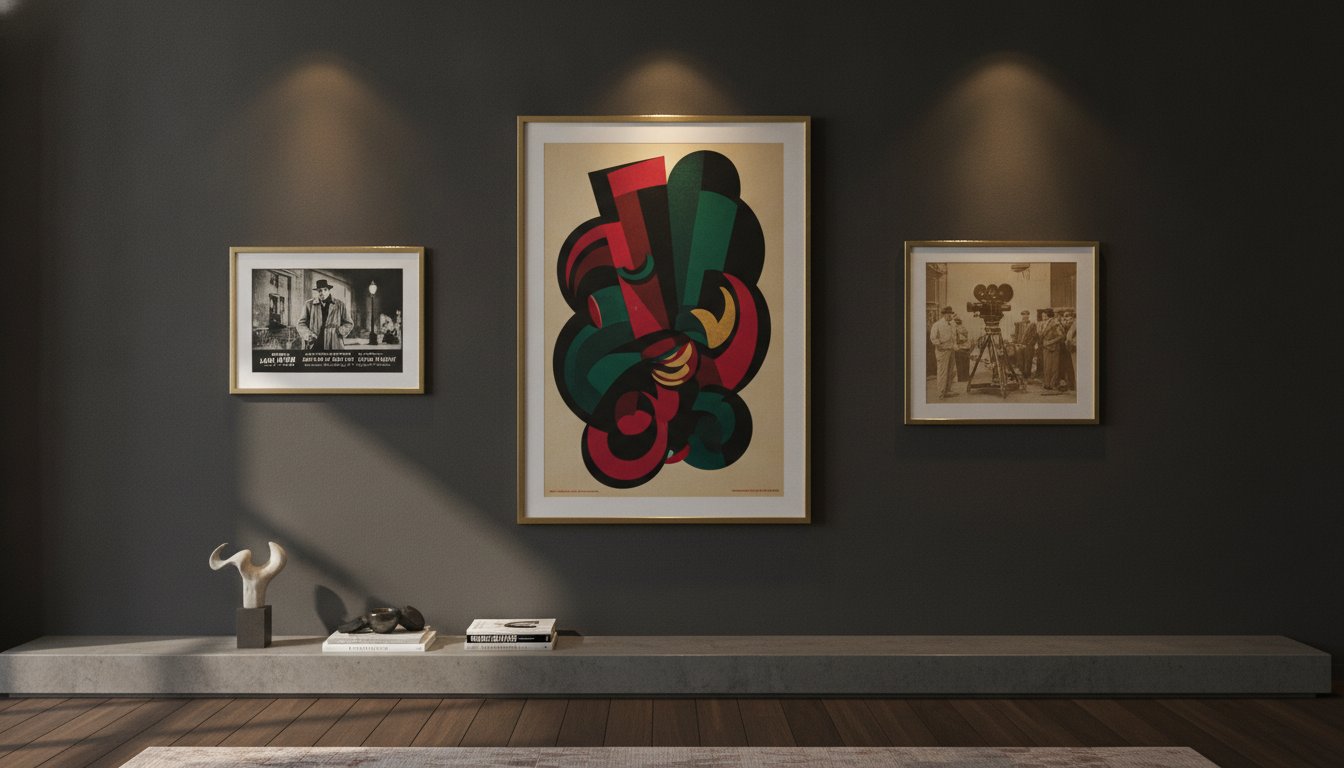
A sophisticated gallery wall acts as a visual timeline of a family’s passions. By mixing high-octane music photography with serene archival landscapes, you create a dialogue between different photographic eras. Consistency in high-end framing, particularly the artisanal craftsmanship found in our London gallery, serves to unify these disparate subjects into a singular, prestigious statement. This cohesive approach ensures the collection feels intentional, allowing it to anchor a room while retaining its flexibility as a mobile asset.

Documenting Provenance for Future Generations

The Certificate of Authenticity (COA) is the most critical document in your archive. It serves as the bridge between the physical print and its historical legitimacy. Beyond the technical specifications, you should record the ‘story behind the frame’—the specific reason why you chose this piece and its significance to your family. Passing down a curator’s mindset ensures that future generations understand the value of the collection they inherit. They won’t just see a picture. They’ll see a piece of cultural history that was carefully selected, maintained, and cherished. To begin building your own physical heritage, you can request a consultation with our curatorial team today.

Investing in Cultural History with Galerie Prints

Galerie Prints operates as more than a premier destination for collectors; it’s a dedicated guardian of photographic heritage. We provide the essential bridge between a bygone era of elegance and the sophisticated requirements of contemporary luxury decor. Every print that leaves our London gallery is the result of an artisanal process that respects the weight of history while utilizing the technical superiority of modern production. We understand that fine art photography as an investment requires a commitment to permanence. By maintaining an air of quiet authority and a reverence for the original source, we ensure that every acquisition is legacy-ready for 2026 and the generations that follow. Your collection isn’t just a purchase; it’s a stable, tangible asset that anchors your home in cultural significance.

Accessing the Masters: From Terry O’Neill to Getty Images

Our authorized access to world-renowned archives provides a level of exclusivity that is vital for the discriminating collector. We take pride in being the premier destination for aaron slims enthusiasts, offering a definitive collection of the master better known as Slim Aarons. Beyond the aspirational lifestyle his work depicts, our commitment lies in preserving the technical nuances of the original negatives. Whether you’re drawn to the raw energy of the Music Archives or the cinematic prestige of Terry O’Neill photography, you’re acquiring a piece that has been handled with curatorial care. This stewardship ensures the artist’s original vision is preserved in every silver gelatin and C-type print, distinguishing our offerings from the diluted quality of mass-market reproductions.

Bespoke Service for Global Collectors

A true family heirloom deserves a presentation that is as meticulous as the art itself. We offer a bespoke service that tailors each archival piece to your specific architectural environment, ensuring the scale and presence of the work command the respect they deserve. Our London-based craftsmen utilize traditional production methods to create frames that act as protective vessels for your fine art photography as an investment. We provide the reassurance of professional, museum-grade shipping worldwide, ensuring your heritage piece arrives in pristine condition. We invite you to begin your family legacy by contacting our curatorial team for a personal consultation. Let us help you select a piece of history that will resonate within your home for decades to come.

Securing Your Physical Heritage for the Future

The transition from a temporary residence to a generational estate is marked by the objects we choose to preserve. By prioritizing historical archives and museum-grade craftsmanship, you ensure that your home becomes a sanctuary of shared memory rather than a collection of fleeting trends. Choosing fine art photography as an investment is a profound declaration of your family’s cultural identity, anchored by the technical permanence of archival materials. You’ve discovered that the value of a piece lies in its provenance, the science of its preservation, and the narrative it carries forward into the future.

This philosophy of preservation extends to all cherished artifacts that define a family’s journey, from fine art to luxury couture. For those looking to invest in pieces that carry significant emotional and historical weight, you can learn more about Guillermo Pharis Bridal and their commitment to creating bridal heirlooms.

As an authorized partner for the Slim Aarons Collection, we provide the expertise needed to navigate this sophisticated market with confidence. Our London gallery offers bespoke, hand-crafted framing designed for multi-generational longevity, supported by museum-grade shipping to collectors across the globe. You’re now equipped with the framework to move beyond simple decor and toward a legacy that endures. Your journey into the world of high-caliber visual history starts with a single, meaningful selection.

Begin your family legacy: Explore our curated Fine Art Collections

Frequently Asked Questions

What defines a piece of photography as a family heirloom?

A photographic heirloom is defined by its ability to maintain physical integrity and cultural relevance across multiple generations. Unlike temporary decor, these pieces are crafted using museum-quality materials that resist the degradation of time. They carry a narrative weight that anchors a family’s history, transforming a visual image into a tangible vessel of shared heritage and aesthetic values.

Is fine art photography as an investment better than traditional paintings?

Fine art photography as an investment offers a unique entry point into cultural history that is often more accessible and historically specific than traditional oil paintings. While paintings are unique originals, iconic photography captures specific moments of global heritage that resonate with modern collectors. With the global art market projected to reach $1002.68 billion by 2034, photography has become a stable asset class that benefits from the “Great Wealth Transfer” to younger generations who prioritize iconic imagery and historical authenticity.

How do I verify if a photographic print is truly archival quality?

True archival quality is verified through the technical specifications of the paper and the printing process. You should look for materials that meet ISO 9706 standards, ensuring the substrate is acid-free, lignin-free, and chemically buffered. Museum-grade prints, such as the silver gelatin or C-type prints found in our collections, utilize stable chemistry and lightfast pigments to ensure the work remains vibrant for over a century without yellowing or brittle degradation.

Will a Slim Aarons print increase in value over the next decade?

While no investment is guaranteed, high-caliber archives like the Slim Aarons Collection have shown consistent demand due to their status as definitive records of aspirational history. The scarcity of authorized prints from original negatives, combined with a 6.15% projected compound annual growth rate for the broader art market, suggests that works with strong provenance and historical significance are well-positioned for long-term appreciation. These pieces function as blue-chip assets within the photographic world.

How should I maintain and clean my heirloom art prints?

The primary rule of maintenance is to avoid any direct contact with the print surface. You should display your art in a stable environment away from direct sunlight and extreme humidity. If the frame’s glass requires cleaning, apply a small amount of ammonia-free cleaner to a microfiber cloth rather than spraying the frame directly. Utilizing our bespoke framing service with UV-protective glass provides the first and most important line of defense against environmental damage.

What is the difference between a high-end poster and a fine art print?

The difference lies in the chemistry of the materials and the exclusivity of the production. High-end posters are typically mass-produced on wood-pulp paper that contains acids, leading to eventual fading and brittleness. In contrast, a fine art print is an artisanal product created on cotton-rag or alpha-cellulose paper using pigment-based inks or traditional chemical processes. This distinction is critical when viewing fine art photography as an investment, as posters carry no secondary market value.

Do I need a certificate of authenticity for a photography investment?

A Certificate of Authenticity (COA) is an essential document that serves as the legal backbone of your investment. It provides the necessary proof of provenance, detailing the artist, the edition number, and the archive of origin. For serious collectors, the COA is the primary tool used to verify legitimacy during appraisals, insurance valuations, or future resale, ensuring the work’s historical and financial integrity remains intact.

Can I customize the framing for a vintage cinema lobby card?

Customizing the presentation of unique historical artifacts like cinema lobby cards is highly recommended to ensure their preservation. Our London-based bespoke framing service allows you to select materials that complement the vintage aesthetic while providing museum-grade protection. We use acid-free mounting and reversible hinging techniques to secure these rare promotional pieces without damaging the original paper, allowing them to be displayed as sophisticated heritage assets.

Slim Aarons Art: The Collector’s Guide to Jet Set Elegance

The most enduring luxury isn’t found in a logo, but in the effortless grace of a world that no longer exists. When you invest in slim aarons art, you aren’t just purchasing a photograph; you’re acquiring a piece of social history captured by a man who made a career out of photographing attractive people doing attractive things in attractive places. It’s a sentiment many collectors share, drawn to the sun-drenched poolside scenes and the unapologetic glamour of the mid-century elite. However, with the secondary market for these works reaching five-figure sums in 2026, the challenge lies in distinguishing a true archival treasure from a fleeting, low-quality reproduction.

You understand that a home should reflect a life well-lived, yet finding the right piece to anchor your space can feel overwhelming. This guide promises to demystify the process, offering you the curatorial insight needed to choose works with lasting archival significance and investment value. We’ll examine the narrative depth of the Slim Aarons Collection, discuss the technical superiority of museum-quality mounting, and reveal the interior styling secrets that transform a room into a jet set sanctuary. From the latest Spring 2026 releases to the enduring allure of iconic masterpieces, you’ll learn how to build a collection that serves as a bridge to a golden age of elegance.

Key Takeaways

  • Explore why these sun-drenched scenes serve as the definitive visual shorthand for prestige and continue to shape the modern luxury aesthetic.
  • Learn how to verify provenance through official archives to ensure your investment in slim aarons art remains both authentic and historically significant.
  • Distinguish between standard digital reproductions and the archival pigment prints required for museum-quality longevity and technical excellence.
  • Gain curatorial insight into large-format presentation and bespoke framing to anchor your home with a sense of mid-century elegance.
  • Understand the value of artisanal craftsmanship in preserving photographic heritage as a lasting piece of social history.

The Enduring Allure of Slim Aarons Art: Defining Modern Luxury

Slim Aarons art represents more than a simple window into the past; it serves as the definitive blueprint for 21st-century luxury. While many photographers of his era focused on the grit of reality, Aarons dedicated his lens to a specific, elevated stratum of society. His work has transitioned from the pages of Holiday and Town & Country to the walls of the world’s most prestigious galleries, evolving into a visual shorthand for prestige and leisure. Collectors today aren’t just buying a print. They’re acquiring a social document of a lost era where elegance was effortless and time was the ultimate commodity. He famously summarized his career by stating he photographed “attractive people doing attractive things in attractive places.”

From Combat to Capri: The Evolution of a Visionary

The path to capturing the sun-drenched terraces of the Mediterranean began in the trenches of World War II. After serving as a combat photographer, Aarons famously declared that he had seen enough misery to last a lifetime, leading him to consciously reject the depiction of suffering in favor of the “good life.” This pivotal shift is detailed in Slim Aarons’ biography, which chronicles his rise as the pioneer of the “Environmental Portrait.” By placing his subjects in their natural habitats, whether a sprawling Palm Springs estate or a yacht off the coast of Capri, he created a new genre of photography. His refusal to employ the artifice of stylists or makeup artists preserved a raw, albeit polished, sense of reality. This authenticity is why his images feel lived-in rather than staged.

Why Slim Aarons Dominates Contemporary Interior Design

In the realm of high-end decor, slim aarons art is prized for its ability to transform the psychological temperature of a room. His work taps into a sense of “aspirational nostalgia,” offering a retreat into a world of crystalline pools and endless summers. The vibrant color palettes, particularly the deep turquoises of the Caribbean and the terracotta hues of Italian villas, provide a sophisticated pop of color that brightens modern interiors. His compositions are remarkably versatile. They feel equally at home anchoring a Mid-Century Modern living room or providing a narrative focal point in a contemporary minimalist space. Because his photography often demands large-format presentation, it serves as a powerful architectural element, drawing the eye and inviting the viewer to linger within the frame.

Decoding the Aesthetic: Iconic Themes in Slim Aarons Photography

To truly appreciate slim aarons art, one must view it as a meticulous study of social architecture rather than mere leisure photography. His iconic ‘Poolside’ series, most famously exemplified by ‘Poolside Gossip’ at the Kaufmann House, doesn’t just show a party. It documents the intersection of mid-century design and the social rituals of the American elite. These images position the environment as a co-star, where the clean lines of Richard Neutra’s architecture or the manicured gardens of the Villa d’Este are as vital as the subjects themselves. This synergy creates a composition that is both balanced and deeply evocative.

The narrative extends beyond the water’s edge, following the ‘Jet Set’ as they migrated with the seasons. Whether capturing the crisp, alpine air of Gstaad or the sun-drenched cliffs of the Amalfi Coast, Aarons possessed an uncanny ability to frame the movement of high society. His portraits of women like C.Z. Guest, often seen in the Slim Aarons: Newport Days exhibition, define an era of poise and inherited grace. For those looking to bring this specific narrative into their own interiors, you can view the full Slim Aarons Collection to find a piece that resonates with your personal aesthetic and spatial requirements.

The Architecture of Leisure

Aarons frequently employed wide-angle lenses to integrate his human subjects into the grand scale of their surroundings. This technique allowed him to capture the relationship between a person and their property, a hallmark of his ‘Environmental Portraits’. In settings across Palm Springs and Beverly Hills, the architecture serves as a silent witness to the leisure of the 1950s through the 1970s. This is why his work remains a primary resource for students of 20th-century design, offering a rare, unstylized look at how these iconic spaces were actually inhabited by their owners.

The Vibrant Color Palette of the Golden Era

The secret to his luminous imagery lies in the chemistry of Kodachrome film. This medium allowed him to achieve signature saturated blues and sun-drenched yellows that seem to radiate light from within the paper. When displayed in a gallery-style home setting, these colors interact dynamically with natural light, shifting in depth throughout the day. One must understand that the technical difficulty of reproducing these specific archival tones is immense. Achieving the precise depth of a Mediterranean blue or a California sunset requires a sophisticated, artisanal printing process that honors the original transparency’s integrity without compromise.

Authenticity and Quality: Navigating the World of Slim Aarons Prints

Distinguishing between a mass-produced poster and a true work of slim aarons art requires an eye for technical detail and a deep respect for provenance. Since the Hulton Archive at Getty Images acquired the photographer’s entire body of work in 1997, they’ve served as the ultimate guardian of his legacy. This archive is the only source for authentic, estate-stamped prints that maintain the chromatic depth of the original transparencies. As interest in Slim Aarons’ art and prints continues to surge, with recent auctions in July 2026 showing a 100% sell-through rate, the importance of verifiable origin can’t be overstated. The release of fifteen new open and limited edition prints in Spring 2026 further underscores the sustained demand for his vision, making it essential for collectors to understand what they’re acquiring.

Archival Standards for Fine Art Photography

Galerie Prints adheres to the most rigorous curatorial standards by specializing in archival pigment prints. Unlike standard digital reproductions that rely on dye-based inks, pigment-based processes use mineral particles that offer exceptional resistance to UV light and humidity. This technical superiority is paired with museum-quality, acid-free paper, such as the renowned Hahnemühle range. This heavy-weight, fiber-based paper ensures that the vibrant blues of the Amalfi Coast don’t yellow or degrade over time. By utilizing these artisanal production methods, we ensure that every piece is not just a decoration but a stable, high-caliber investment in visual history that will last for generations.

The Collector’s Checklist for Authenticity

A sophisticated collector should always prioritize prints that carry the official Estate Stamp. This mark acts as a seal of quality, confirming the work was produced directly from the original source material under the supervision of the archive. While lifetime prints signed by Aarons himself represent the pinnacle of the market, posthumous archive editions provide a bridge to his world of elegance for a new generation of enthusiasts. Each acquisition should be accompanied by a formal certificate of authenticity (COA). This document serves as a permanent record of the print’s lineage and technical specifications. For those seeking to master the nuances of his expansive body of work, our definitive guide to Slim Aarons provides the necessary historical context to build a collection with confidence.

Curating Your Space: A Guide to Displaying Slim Aarons Art

The immersive power of slim aarons art is best realized when the work is given the physical space it deserves. Unlike smaller, intimate portraits, these environmental studies often demand large-format presentation to fully articulate the grandeur of their settings. A forty or sixty-inch print doesn’t just hang on a wall; it acts as an architectural window, pulling the viewer into the sun-drenched terraces of the 1960s. When considering placement, think beyond the traditional living room focal point. A poolside-inspired bathroom or a bright, airy master suite can be transformed by the presence of a Mediterranean vista, creating an atmosphere of permanent vacation.

Mounting choices also play a critical role in how the work interacts with your interior. A ‘Gallery Wrap’, where the image extends around the edges of the frame, offers a sleek and contemporary feel that suits minimalist spaces. Conversely, traditional mounting with a wide, acid-free mount board provides a classic gallery aesthetic that emphasizes the photograph’s status as a historical document. This method creates a visual breathing space between the frame and the image, drawing the eye deeper into the narrative and protecting the edges of the archival paper.

The Art of Bespoke Framing

The frame you choose is the final layer of the storytelling process. For the iconic ‘Poolside’ series, a deep-box frame can add a subtle three-dimensional quality, making the water appear to recede into the wall. Choosing a finish requires a balance between the artwork’s tones and your room’s palette:

  • Natural Wood: Complements the organic, mid-century modern aesthetic often found in Aarons’ California subjects.
  • Classic White: Provides a seamless transition in contemporary minimalist interiors, letting the vibrant blues pop.
  • Sleek Black: Offers a bold, authoritative boundary that grounds the image and adds a sense of formal prestige.

Beyond aesthetics, the technical specifications are paramount. We always recommend UV-protective glass to safeguard those saturated archival colors against sunlight. For a deeper dive into these technical nuances, consult the Galerie Prints bespoke framing service guide.

Creating a Thematic Gallery Wall

Building a narrative across a wall allows you to place Slim Aarons in conversation with other masters of the era. Pairing his vibrant color photography with the monochromatic intensity of Terry O’Neill Photography creates a sophisticated 1960s dialogue. This contrast highlights the specific brilliance of Aarons’ palette while grounding the collection in a broader historical context. To ensure your collection shines, prioritize lighting. Use angled spotlights with a high Color Rendering Index (CRI) to reveal every detail of the print without creating distracting glare on the glass surface.

To begin curating your own jet-set sanctuary, view our complete collection of authentic archival prints.

Investing in History: Why Galerie Prints is the Definitive Source

Acquiring slim aarons art is a commitment to preserving a specific, vanishing elegance within the sanctuary of your own home. At Galerie Prints, we don’t view ourselves as mere retailers. We are curators and guardians of a photographic heritage that spans decades of high-society leisure. Our direct relationship with the Slim Aarons Collection and the Getty Images Gallery ensures that every print we offer carries the weight of authentic provenance. This access allows us to provide collectors with more than just a decorative object; we provide a stable investment in visual history. While ‘Poolside Gossip’ remains a definitive masterpiece of social documentation, our curated selection invites you to explore the deeper narrative of the archive, from the snow-capped peaks of the Alps to the private villas of the Greek Isles.

The Galerie Prints Difference

We act as a bridge between a bygone era of elegance and the demands of modern interior aesthetics. As a London-based gallery with a global reach, we provide the security and professional distance befitting a luxury institution while maintaining a passionate, artisanal focus on production. Our commitment to localized, artisanal craftsmanship serves as a seal of quality. We utilize traditional production methods to preserve the tactile and historical elements of each work, ensuring the soul of the original transparency is never lost in translation. This dedication to material quality is what distinguishes a Galerie Prints edition from the low-quality reproductions found elsewhere online.

Begin Your Collection Today

Starting your journey into the world of aspirational photography is a seamless experience through our online platform. We’ve designed the process to be as refined as the art itself, allowing you to select from various sizes and bespoke framing options that suit your specific spatial requirements. From the moment of selection to the final ready-to-hang delivery, every step is handled with direct and reassuringly precise care. Your piece of history is meticulously packaged and shipped, ensuring it arrives in gallery condition, ready to transform your space into a jet-set sanctuary.

Take the first step in building a lasting legacy of beauty and prestige. Explore the Slim Aarons Collection at Galerie Prints and discover the piece that speaks to your own sense of elegance.

Secure Your Piece of the Golden Era

Owning a piece of slim aarons art is an invitation to inhabit a world of sun-drenched pools and effortless sophistication. We’ve explored how these images serve as more than mere decoration, acting instead as windows into a mid-century social architecture that continues to define modern luxury. By prioritizing official archive-sourced prints and archival pigment processes, you ensure that your investment maintains its narrative depth and chromatic brilliance for decades. The final step in this journey is the marriage of the image with hand-crafted bespoke framing, a process that grounds the work in your personal space while honoring its historical prestige.

Galerie Prints serves as your trusted guide. We offer global shipping for serious collectors, ensuring that these iconic moments reach your walls in pristine gallery condition. Quality is non-negotiable. Whether you’re drawn to the vibrant blues of the Amalfi Coast or the geometric perfection of a Palm Springs estate, your collection starts with a commitment to provenance. It’s time to bring the jet-set aesthetic home. Discover the official Slim Aarons Collection and bespoke framing at Galerie Prints and begin your legacy today.

Frequently Asked Questions

What makes Slim Aarons art so popular in modern home decor?

The enduring appeal of this work lies in its ability to evoke a sense of aspirational nostalgia through sun-drenched scenes of mid-century glamour. Slim aarons art serves as a visual shorthand for a world of effortless grace, offering a narrative depth that standard decor lacks. Its vibrant color palettes and clean architectural lines complement both contemporary minimalist and mid-century modern interiors perfectly.

Are the Slim Aarons prints sold by Galerie Prints authentic?

Every print we offer is sourced directly from official archives, including the Getty Images Gallery. These are authentic, estate-stamped works produced from the original transparencies to ensure historical integrity. This direct provenance guarantees that you are acquiring a genuine piece of photographic heritage rather than a mass-produced reproduction.

What is the difference between a poster and an archival pigment print?

The primary difference lies in the longevity of the materials and the depth of the color reproduction. Posters typically use dye-based inks on thin, acidic paper that yellows and fades within years. In contrast, an archival pigment print utilizes mineral-based inks on heavy-weight, acid-free fiber paper, designed to resist degradation for over a century while maintaining museum-quality detail.

How should I frame a large Slim Aarons photography print?

Large-format prints require a deep-box frame or museum-quality mounting to provide structural support and prevent the paper from bowing over time. We recommend using a wide mount board to create visual breathing space and always utilizing UV-protective glass. This safeguards the saturated archival colors from light-induced fading while adding a sophisticated, three-dimensional quality to the display.

Can I buy Slim Aarons art in black and white?

Yes, although he is famous for his Kodachrome color work, Aarons produced a significant body of monochromatic photography. These black and white pictures often capture the more intimate, formal side of high society and are highly prized for their timeless, cinematic quality. They offer a sophisticated alternative for collectors looking to build a varied thematic gallery wall.

What are the most iconic Slim Aarons photos to start a collection?

New collectors often begin with definitive masterpieces such as “Poolside Gossip” at the Kaufmann House or the vibrant “Sea Drive” in Portofino. Other essential starting points include his 1970s studies of the Hotel du Cap Eden-Roc. These iconic images represent the pinnacle of his “attractive people in attractive places” philosophy and have shown sustained demand in the secondary market.

How do I protect my Slim Aarons print from fading over time?

Protection starts with the printing process itself, which is why we specialize in archival pigment prints that are inherently more stable than standard digital versions. To ensure long-term preservation, you should hang your artwork away from direct, intense sunlight and use museum-grade UV-protective glazing. These precautions maintain the integrity of the original hues and prevent the paper from becoming brittle.

Why is the work of Slim Aarons considered an investment?

Market data from July 2026 shows a 100% sell-through rate for his work at major auctions, with prices for rare editions reaching five-figure sums. Because the archive is finite and the demand for high-end jet set aesthetics is growing, these prints have become tangible assets with historical value. Investing in slim aarons art is a strategic move, as his photographs have transitioned from magazine assignments to high-caliber gallery pieces with proven secondary market growth.

The Connoisseur’s Guide to Collectable Music Photography: Heritage, Scarcity, and Soul

The most profound connection to a musical icon isn’t found on a glowing screen, but within the rich grain of a silver gelatin print. As we witness a global shift toward the tangibility of physical assets, discerning collectors are increasingly turning to collectable music photography to anchor their personal spaces with a sense of permanent history. You understand that a mass-produced reproduction can never replicate the aura of a moment captured by a master like Terry O’Neill or Mick Rock. However, the path to building a serious collection is often obscured by technical jargon, confusing estate stamps, and the legitimate fear of purchasing a piece that lacks true archival integrity.

This guide serves as your curatorial compass, helping you navigate the complexities of the art market to secure museum-quality pieces that elevate your interior aesthetic. You’ll learn to verify provenance with absolute certainty and master the nuances of limited editions to ensure your acquisitions hold their value. We will also examine the latest 2026 international standards for print stability, providing you with the technical knowledge required to protect your investment from the elements. From the heritage of the darkroom to the precision of bespoke framing, we invite you to bridge the gap between historical reverence and modern luxury.

Key Takeaways

  • Learn to distinguish between a fleeting record and a fine art investment by evaluating the photographer’s legacy and the rarity of the subject matter.
  • Identify the non-negotiable technical standards, including pigment-based inks and archival-grade materials, that ensure your collection remains vibrant for generations.
  • Secure the longevity of your collectable music photography by utilizing bespoke framing and UV-protective glass to shield rare prints from light damage.
  • Master the nuances of provenance, from edition numbering to estate stamps, to ensure every piece in your gallery is an authentic cultural artifact.
  • Discover how to curate a sophisticated interior that serves as both a personal sanctuary and a guardian of musical heritage.

Defining the Allure of Collectable Music Photography

The transition of music photography from the ephemeral pages of music tabloids to the curated walls of prestigious galleries marks a significant shift in cultural valuation. What was once a fast-paced exercise in Concert Photography, capturing a frantic moment for a morning edition, has matured into a sophisticated category of fine art. This evolution is driven by a collective desire to preserve the “soul” of an era, a palpable nostalgia for the raw, unscripted energy of the 1960s and 70s. For the discerning collector, acquiring collectable music photography is an act of guardianship, securing a tangible link to a bygone age of elegance and rebellion.

The psychology behind this pursuit is deeply personal. Collectors aren’t merely buying an image; they’re acquiring the atmosphere of a candid backstage whisper or the electric tension of a sold-out stadium. This emotional resonance is what differentiates a standard print from a museum-quality artifact. While an open edition may offer visual pleasure, it lacks the inherent scarcity that defines a true investment. Finite availability is the cornerstone of the art market, ensuring that the piece you hang in your home remains as exclusive as the performance it depicts. It’s a bridge to the heady days of rock and jazz, rendered in the permanent language of light and shadow.

The Significance of Limited Edition Numbering

The value of a print is inextricably tied to its rarity, often denoted by a fraction like “1/50” in the lower margin. This numbering indicates that only fifty such prints will ever exist in that specific format, protecting the long-term value of your acquisition. Within our Music Archives, you may also encounter Artist Proofs (AP), which are traditionally reserved for the photographer’s personal use and often carry a higher prestige. For works by deceased masters, Estate Stamped prints provide a posthumous seal of authenticity from the artist’s family or foundation. To maintain this scarcity, original digital files or physical plates are often retired, ensuring that the edition can never be replicated.

Provenance and the Role of Prestigious Archives

Provenance is the documented history of an artwork’s ownership and origin, serving as the ultimate proof of its legitimacy. In the world of high-end collectable music photography, this pedigree is often established through official partnerships with globally recognized institutions. Galerie Prints operates as an official partner of the Getty Images Gallery, providing direct access to the definitive Terry O’Neill archives. This connection ensures that every print is produced from the original source material, maintaining the technical superiority and historical truth of the image. Every acquisition is accompanied by a Certificate of Authenticity (COA), a formal document that acts as your seal of quality and a guarantee of the print’s heritage.

Evaluating Value: Artists, Eras, and Cultural Resonance

The valuation of collectable music photography is a nuanced calculation where the historical weight of the subject meets the artistic pedigree of the photographer. While a candid snapshot of a legendary performer holds sentimental value, it’s the “Photographer’s Legacy” that transforms a print into a blue-chip asset. Icons like Terry O’Neill didn’t merely document fame; they interpreted it through a lens of quiet intimacy. This distinction is vital for those looking to integrate music imagery into a broader fine art photography collection, where the gaze of the artist is as significant as the person in the frame.

Market trends in 2026 reflect a clear “flight to quality,” with collectors increasingly prioritizing rarity and physical integrity over ubiquity. While stage shots capture the kinetic energy of a performance, rare studio portraits or unseen outtakes often command a premium due to their scarcity. Data from late 2025 suggests that archival works held for two decades have shown an average annualized return of 11%, underscoring the stability of this market. This financial resilience is bolstered by rigorous standards in the preservation and archival of photographic prints, ensuring that the physical object remains as pristine as the day it was developed. You can explore these high-caliber works within the Galerie Prints music archives.

The Terry O’Neill Influence

Terry O’Neill’s work represents the gold standard for the genre. His unique ability to capture the quiet humanity of stars like David Bowie and Elton John elevated his output from mere press photography to high-end gallery art. By blending a reporter’s instinct with a curator’s eye, O’Neill created images that resonate with a timeless, sophisticated aesthetic. His archives are a cornerstone of our collection, offering a rare glimpse into the private worlds of the 20th century’s greatest musical minds.

Beyond the Stage: Rare Cinema and Music Crossover

The allure of musical history often intersects with the golden age of film. Collectors frequently diversify their portfolios by including rare cinema lobby cards or Star Wars limited edition prints. These artifacts offer a different tactile experience, serving as historical touchstones that appreciate alongside traditional photography. Whether it’s a vintage movie poster or a candid film set portrait, these pieces add narrative depth to a sophisticated interior, ensuring your collection is as diverse as it is prestigious.

Technical Superiority: Museum-Quality Standards in Music Prints

While the charisma of the performer captures the eye, it’s the material integrity of the print that secures the investment. For serious enthusiasts of collectable music photography, the choice of paper and ink is a non-negotiable standard. Unlike standard commercial prints that use dye-based inks prone to shifting and fading, museum-quality works utilize pigment-based inks. These microscopic particles of color sit on the surface of the paper rather than soaking in, providing a level of lightfastness that preserves the deep blacks and subtle highlights of a classic portrait for decades. This technical rigor is one of the primary ways experts determine the value of collectible photographs, as physical degradation is the greatest enemy of any art portfolio.

The tactile experience of a print is defined by its substrate. High-end music photography demands acid-free, 100% cotton rag papers from heritage mills like Hahnemühle. These materials offer a specific weight and texture that mass-produced alternatives simply cannot replicate. This commitment to quality isn’t just about aesthetics; it’s about permanence. At Galerie Prints, our localized production in London ensures that every piece is handled with the artisanal care required to meet the exacting standards of a luxury gallery.

Archival Papers and Giclée Excellence

Giclée printing is a sophisticated, high-resolution ink-jet process that uses archival pigment inks to produce fine art prints with a life expectancy often exceeding 100 years. This method has become the industry standard for fine art because it allows for a level of detail and color accuracy that mirrors the photographer’s original vision. The chemistry of museum-grade papers ensures they remain acid-free, preventing the yellowing or brittleness that plagues lesser reproductions. By prioritizing these technical specifications, we protect the full tonal range of black and white imagery, ensuring the shadows remain deep and the highlights stay crisp under gallery-grade lighting.

Traditional Darkroom vs. Modern Digital Production

There is an enduring prestige associated with silver gelatin prints, a traditional darkroom method where the image is formed by metallic silver suspended in a gelatin layer. This process is often viewed as the pinnacle of the craft, offering a depth and “glow” that is highly sought after in the music archives. However, modern digital C-type prints have evolved to replicate this sophistication with remarkable precision. By exposing light-sensitive photographic paper to a digital laser before traditional chemical processing, we achieve a bridge between historical soul and contemporary clarity. This hybrid approach allows us to maintain the texture and emotional weight of the original negative while utilizing the precision of modern technology.

Bespoke Framing: The Final Step in Preservation and Aesthetics

Acquiring a masterpiece is only the beginning of the journey. To truly honor a piece of collectable music photography, you must view the frame as the sentinel of its legacy. A bespoke frame serves a dual purpose, acting as a sophisticated extension of your interior aesthetic while providing a structural shield against the passage of time. Professional mounting is essential to ensure long-term flatness, preventing the unsightly rippling that often occurs with lesser, off-the-shelf solutions. This “ready-to-hang” philosophy is a hallmark of a premier gallery, allowing you to transition an archive piece directly from our London workshop to your wall without hesitation.

The most critical technical component of any frame is the glass. With the release of the ISO 18937-3:2026 standard, we now have clearer international benchmarks for how photographic prints react to modern LED lighting in indoor environments. Utilizing museum-grade, UV-protective glass is non-negotiable for rare acquisitions. It filters out the harmful wavelengths that cause irreversible light-induced degradation, ensuring the tonal depth we discussed in the previous section remains intact for a century. Our Bespoke Framing Service utilizes these exact materials to protect your investment with precision.

Choosing the Perfect Frame for Music Art

The era of the photograph often dictates the language of the frame. The raw, high-contrast energy of 70s rock photography thrives in sleek, minimalist black wood that doesn’t compete with the subject’s intensity. Mounts, or mats, are equally vital, providing the visual breathing room necessary to focus the eye while ensuring the print never physically touches the glass. For more nuanced layout strategies, you can explore our guide on how to display photography.

Designing a Musical Gallery Wall

A well-curated gallery wall is a narrative of cultural history. Balance is achieved by mixing high-octane stage portraits with the soft, candid intimacy of backstage moments. You can even create a thematic thread by linking your music archives with the sun-drenched, aspirational Slim Aarons aesthetic, bridging the world of rock stardom with the pinnacle of mid-century luxury. Proper lighting, ideally using dimmable LEDs that comply with the latest 2026 stability standards, will highlight the archival depth of each piece without compromising its physical integrity.

Curating Your Legacy with Galerie Prints

Selecting a piece for your home is a deeply personal endeavor. It requires a partner who understands that collectable music photography is not merely a product, but a vessel for cultural memory. Galerie Prints operates with the quiet authority of a seasoned curator, offering you a direct bridge to a bygone era of elegance. Through our unique access to the Getty Images Gallery and the definitive Terry O’Neill Photography archives, we provide more than just imagery; we offer a verified connection to the icons who shaped the modern world. Every acquisition is an investment in a legacy of beauty, craftsmanship, and culture.

Our commitment to quality is anchored in our localized, artisanal production. By maintaining our workshop in London, we ensure that every print meets the rigorous standards of a luxury gallery before it ever reaches your door. This hands-on approach is our seal of quality, justifying the prestige of our offerings and the permanence of your investment. You aren’t just buying a decoration. You’re securing a lasting piece of history that has been handled with the same reverence a museum would accord a national treasure. This dedication ensures your collection remains as striking in twenty years as it’s today.

The Aspirational Connection: From Music to Slim Aarons

The raw energy of a rock archive often finds its perfect counterpoint in the “luxury of leisure” captured in Aaron Slims prints. This high-end aesthetic resonates across genres, creating a cohesive narrative of sophistication within your interior. Whether you’re drawn to the grit of a backstage moment or the polished allure of the jet-set lifestyle, our collections invite you into an elite world of visual wonder and historical significance. By blending these different photographic genres, you create a space that feels both worldly and deeply personal, reflecting a life well-lived and a taste well-honed.

A World-Class Curatorial Experience

The archives at Galerie Prints are shaped by the artistic vision of our director, Stuart Möller, whose discerning eye ensures that only the most evocative and historically significant works are featured. We don’t just sell prints; we guide you through the nuances of collectable music photography to help you build a collection that resonates with your personal history. From your initial selection to the final global delivery, our service is designed to be as polished and professional as the art itself. Galerie Prints operates as a dedicated guardian of photographic heritage, ensuring that the soul of every moment is preserved for future generations.

Securing Your Piece of Musical Heritage

Building a collection of collectable music photography is an investment in both cultural legacy and visual excellence. You’ve navigated the complexities of edition numbering, provenance, and the rigorous international standards that define long-term stability. By prioritizing museum-quality archival materials and verifying the artist’s legacy, you ensure that the soul of a performance remains vibrant for a lifetime. These pieces don’t just decorate a room; they anchor it with the weight of history and the precision of fine art.

As an official Getty Images Gallery partner, Galerie Prints provides the definitive bridge to these iconic moments. Every acquisition is treated with artisanal reverence, featuring bespoke hand-crafted framing produced in our London workshop to meet the highest gallery specifications. We invite you to Explore the Curated Music Photography Collection at Galerie Prints and discover a work that resonates with your personal narrative. Your walls are the final sanctuary for these storied histories; let them reflect the elegance and raw energy of the legends who defined an era.

Frequently Asked Questions

What makes a music photograph “collectable” rather than just a print?

A photograph becomes collectable music photography when it possesses documented provenance, inherent scarcity through limited editions, and museum-grade archival quality. Unlike mass-produced reproductions, these pieces are produced from original negatives or digital files under strict gallery supervision. The value resides in the photographer’s unique gaze and the finite nature of the print run, ensuring the work remains a rare cultural artifact rather than a common commodity.

Are limited edition music prints a good financial investment?

Limited edition prints often serve as robust financial assets within a diversified portfolio. Data from late 2025 indicates that archival photographic works held for two decades have yielded an average annualized return of 11%. While the market is selective, pieces featuring iconic subjects by blue-chip photographers consistently command premium value. This growth is driven by the “Nostalgia Economy” and a global flight toward tangible, high-quality physical assets.

What is the difference between a signed print and an estate-stamped print?

A signed print features the artist’s original autograph, while an estate-stamped print is authorized posthumously by the artist’s foundation or family. Signed works often carry a higher initial prestige because of the direct connection to the creator. However, estate-stamped prints from prestigious archives remain highly sought after by collectors. They represent the official, final word on the artist’s legacy and are produced to the same exacting archival standards as lifetime editions.

How do I verify the authenticity of a music photograph?

Verification requires a combination of a formal Certificate of Authenticity and a clear chain of custody. You should prioritize acquisitions from galleries that maintain official partnerships with major archives, such as the Getty Images Gallery. These institutions provide a “seal of quality” that guarantees the print’s origin. Always check for physical markers like edition numbering or embossed gallery stamps, which serve as primary evidence of a print’s legitimacy.

Does the edition number (e.g., 1/100) significantly affect the print’s value?

The total size of the edition is the primary driver of value, although lower numbers or specific Artist Proofs are often favored by seasoned collectors. While “1/100” isn’t inherently superior to “90/100” in technical terms, the psychological appeal of an early number can influence resale demand. The most important factor is the hard limit on production; once an edition is sold out, no further prints of that specific format will ever be produced.

How should I care for my music photography to prevent fading over time?

Longevity is ensured through the use of UV-protective glass and acid-free mounting materials that prevent chemical degradation. It’s essential to display your collection away from direct sunlight and utilize LED lighting that complies with the March 2026 ISO 18937-3 standards for print stability. These precautions, combined with professional bespoke framing, shield the delicate tonal range of your collectable music photography from environmental damage and ensure the work remains pristine for generations.

What is Giclée printing, and why is it used for fine art music photography?

Giclée is a sophisticated, high-resolution printing process that utilizes archival pigment-based inks and acid-free cotton rag paper. It’s the industry standard for fine art because it offers a life expectancy often exceeding 100 years. This method allows for incredible depth and color accuracy, capturing the nuances of the original performance with a level of detail that standard dye-based prints simply cannot match, making it ideal for high-end collections.

Can I choose a bespoke frame for any music print in the collection?

You can certainly select a tailored finish through our Bespoke Framing Service for any piece in the archive. We provide a range of museum-grade options, from minimalist black wood to hand-stained finishes, all designed to complement the specific era of the photograph. Every frame is hand-crafted in our London workshop to ensure a “ready-to-hang” convenience that meets the aesthetic and protective requirements of a serious art collection.

Investing in Movie Memorabilia: A Curator’s Guide to Cinematic Assets

When a light-up C-3PO head from the 1980 classic The Empire Strikes Back achieved a remarkable $1,058,400 at auction in March 2026, the global market received a definitive signal that cinematic relics have ascended to the highest tiers of fine art. Investing in movie memorabilia is an exercise in both cultural preservation and strategic acquisition, yet the pursuit of a meaningful collection is often obscured by the fear of sophisticated reprints or the uncertainty of which eras truly hold enduring value.

You recognize that owning a piece of film history is a rare privilege, but you deserve the quiet confidence that your investment is as authentic as the performance it captures. This guide provides a clear framework for identifying rare photographic archives and evaluating the provenance of iconic cinema history. We’ll examine why vintage posters and limited edition photography often offer superior aesthetic and investment value over physical props, while also detailing the precise archival framing techniques necessary to protect these delicate paper assets from the passage of time.

Key Takeaways

  • Understand the transition of cinematic ephemera into high-value blue-chip assets within the current global art market.
  • Discover the strategic advantages of investing in movie memorabilia through rare visual assets, such as vintage posters and cinema lobby cards, which offer superior displayability.
  • Learn to evaluate rarity and provenance to distinguish between mass-produced reprints and authentic, studio-issued historical artifacts.
  • Master the essentials of preservation, including how bespoke framing and museum-quality materials safeguard the financial and aesthetic value of your collection.
  • Explore how to curate a portfolio that functions as both a prestigious financial asset and a sophisticated addition to your home’s interior design.

The Evolution of Cinema Memorabilia: From Fan Hobby to Blue-Chip Asset

The landscape of Film memorabilia has undergone a profound transformation. What was once considered ephemeral promotional material; discarded by studios after a film’s theatrical run; is now recognized as a legitimate blue-chip asset. In the 2026 market, the distinction between a fan and a curator has blurred. Serious investors now view these pieces as tangible links to our shared cultural heritage. This shift is driven by a realization that the physical artifacts of cinema are finite. Investing in movie memorabilia requires an understanding of how these items transitioned from studio waste to museum-grade investments.

As digital production and CGI dominate modern filmmaking, the scarcity of tangible, screen-used assets has reached a critical point. There are no physical props to salvage from a purely digital environment. This technical shift has cemented the value of items from the pre-digital era. The nostalgia cycle also plays a pivotal role. Investors typically gravitate toward the films of their youth, which explains the current surge in value for items from the 1980s and 1990s. When you’re acquiring these pieces, you’re betting on the enduring cultural footprint of a specific decade.

Why Film Assets Outperform Traditional Markets

The allure of cinematic assets lies in their absolute finite supply. While a company can issue more stock, there will never be another original production-used helmet from 1983. This inherent rarity is met with burgeoning global demand. Collectors in Asia and the Middle East are increasingly entering the market; they view these pieces as stable, physical hedges against the volatility of digital-first economies. They offer a tactile security that traditional paper investments lack.

The Cultural Significance of the “Hero” Item

In the world of high-end collecting, the Hero item commands a disproportionate premium. This is the specific prop or image used for close-up shots. These objects possess a unique energy because they were the focal point of the camera’s lens. Cultural longevity is the primary driver of blue-chip stability. Franchises like Star Wars or the James Bond series provide a predictable growth trajectory. Similarly, the work of legendary photographers like Terry O’Neill, who captured the intimate essence of stars like Marilyn Monroe, offers a bridge between celebrity culture and fine art. These images don’t just depict history. They are historical artifacts in their own right.

Beyond Props: Investing in the Visual Legacy of Film

While the auction of a screen-used vehicle or a cumbersome costume often captures global headlines, the discerning collector understands that investing in movie memorabilia is frequently most rewarding when focused on the visual legacy of a film. Bulky props present significant logistical challenges for the modern home, often requiring specialized climate control and substantial floor space. By contrast, “Visual Assets” such as vintage posters, lobby cards, and fine art photography offer a seamless integration into sophisticated interior aesthetics. These items allow you to curate a gallery-like atmosphere while holding a piece of history that is inherently more displayable than a fiberglass mold or a weathered tunic.

Limited edition photographic archives, particularly those capturing candid, behind-the-scenes moments, have emerged as a premier market segment. These images provide an intimate perspective that a mass-produced prop cannot replicate. As you seek out tips for investing in film memorabilia, you’ll find that the authenticity and rarity of these paper-based assets often provide a more stable appreciation curve. For example, a signed David Bowie “Diamond Dog II” print by Terry O’Neill was valued at £4,200 as of July 2026, illustrating the significant premium placed on established photographic provenance.

The Resurgence of Rare Movie Posters

The market for rare posters has moved beyond simple nostalgia into the realm of high art. Collectors specifically prize “First Advance” prints, which were often produced in smaller quantities before the final theatrical release. In the current market, specific genres like Horror and Sci-Fi command the highest premiums due to their dedicated global following. An original Japanese poster for The Empire Strikes Back, priced at £595 in mid-2026, exemplifies how international variations can add unique value to a portfolio. The artist-led designs of the 1960s and 70s remain particularly desirable, as they represent a period when poster illustration was at its creative zenith.

Cinema Lobby Cards: The Strategic Entry Point

Lobby cards occupy a unique “hybrid” space between promotional ephemera and still photography. Originally issued in sets of eight, these cards were designed to be displayed in theater foyers to entice audiences with key scenes. Because they were produced on heavier cardstock and often featured vibrant, lithographic colors, they have survived the decades with remarkable resilience. Building a thematic collection of cards around a specific director or star can significantly increase the aggregate value of your portfolio. For a deeper look at this niche, you may wish to consult our Cinema Lobby Cards: A Collector’s Guide to understand the nuances of Hollywood’s photographic heritage. You might find that the curated selection of vintage movie posters and photography at Galerie Prints provides the perfect foundation for such a journey.

Determining Value: The Pillars of Rarity, Provenance, and Cultural Impact

Establishing the true worth of a cinematic asset requires a shift in perspective from fan to custodian. While emotional resonance often sparks the initial interest, the financial trajectory of investing in movie memorabilia is governed by a rigorous set of criteria. Provenance serves as the foundational pillar; it’s the documented chain of custody that bridges the gap between a curious artifact and a blue-chip investment. Without a verifiable paper trail; such as studio letters, gallery certificates, or historical auction records; even the most visually arresting piece remains a speculative risk. This pedigree ensures that the item’s history is as authentic as the film it represents.

Material integrity is equally critical. In the prestigious world of vintage paper and silver gelatin prints, condition is the primary arbiter of price. A single vertical tear, a subtle corner crease, or UV-induced fading can diminish an item’s market value by as much as 50%. As of mid-2026, major auction houses like Propstore and Goldin have standardized buyer’s premiums between 22% and 26%. These figures highlight why investors must prioritize “near-mint” or “A-grade” assets to justify the entry costs. High liquidity is typically found in items that possess a “Star Power” multiplier; icons like Marilyn Monroe or the enduring silhouettes of the Star Wars universe create a global demand that ensures these assets remain easy to resell in international markets.

The Terry O’Neill Factor: Photography as Memorabilia

The work of Terry O’Neill represents a unique intersection where fine art photography meets cinematic history. His candid portraits of Hollywood’s elite are not merely images; they’re limited edition assets that offer a controlled supply in an often chaotic market. The “Limited Edition” status is the ultimate value protector, ensuring that the rarity of a specific print remains fixed. For a collector, an O’Neill print functions as a stable, high-caliber asset that transcends the trend-heavy nature of physical props, providing a sophisticated alternative that appreciates with the artist’s enduring legacy.

Identifying High-Value Archives

Success in this sector depends on sourcing from prestigious, authorized institutions and specialized archives that maintain original negatives or studio-sanctioned masters. Understanding the distinction between “Estate Stamped” prints; which are authorized posthumously by the artist’s estate; and “Open Edition” prints is vital for portfolio growth. Estate-stamped works carry a significant premium due to their official recognition and restricted production. For those looking to refine their eye, our Fine Art Photography: A Curator’s Guide provides a deeper exploration into the nuances of collecting and the technical superiority of archival production methods.

Building Your Portfolio: Acquisition, Preservation, and Bespoke Display

Sourcing is the foundation of any sophisticated collection. While public auctions provide a certain theatricality, they often lack the personalized, expert-led guidance found in a dedicated gallery. Investing in movie memorabilia through a trusted partner ensures that every acquisition is vetted for archival integrity and historical significance. This curatorial oversight is particularly vital when evaluating signatures. Casual “in-person” signatures gathered at stage doors often lack the rigorous documentation of studio-issued editions or limited prints. For the serious investor, the security of a verified, studio-sanctioned asset far outweighs the perceived charm of a street-signed item.

Acidity and ultraviolet light are the silent destroyers of cinematic history. Without professional intervention, these environmental factors cause irreversible yellowing and brittleness in vintage paper. There is a profound psychological benefit to “living with your investment,” but this requires a commitment to protection. When you display a rare lobby card or an original poster, you aren’t just decorating a room. You are acting as the temporary guardian of a cultural relic. This dual role of investor and curator is what gives the hobby its unique prestige.

To support this curatorial role, many collectors use professional organizational tools from DymoOnline to clearly categorize their archival storage and manage their growing inventory with precision.

The Necessity of Bespoke Framing

Off-the-shelf frames are a significant liability for high-value paper assets. Standard retail frames often utilize wood-pulp mats that leach acid into the artwork, causing permanent staining known as “foxing.” To maintain the asset’s resale value, you must insist on museum-grade glass and acid-free mounting. Professional framing does more than protect; it elevates the visual impact of the piece. A perfectly mounted and framed vintage poster signals to future buyers that the item has been treated with the reverence it deserves. You can explore our Bespoke Framing Service to ensure your collection meets these exacting archival standards.

Curating a Thematic Collection

A collection should tell a cohesive story. Whether you focus on a specific director, a cinematic era, or a particular aesthetic, a thematic approach creates what curators call the “Portfolio Effect.” This means a group of related items is often worth significantly more than the sum of its individual parts. For instance, you might build a collection around the aspirational lifestyle of the mid-century, perhaps referencing the Slim Aarons: The Definitive Guide to capture a specific era’s elegance. This strategic focus transforms a disparate group of objects into a curated archive, significantly increasing its appeal to future collectors and institutions.

Curating History: Why Galerie Prints is the Investor’s Choice

Galerie Prints serves as a definitive bridge between the silent vaults of historical archives and the private galleries of discerning collectors. While the broader market for investing in movie memorabilia can be fraught with uncertainty; especially as the October 2026 collectible posters auctions approach; our role is one of meticulous curation and preservation. We provide the peace of mind that comes from gallery-backed provenance. This ensures that every acquisition is a stable, authenticated piece of cinematic history rather than a speculative gamble. We don’t merely facilitate a transaction. We invite you into a lineage of cultural guardianship.

Our position as a premier destination for serious collectors is anchored by our exclusive access to legendary archives. From the iconic Terry O’Neill Photography to our Star Wars Limited Edition Prints, the collections we represent are chosen for their enduring cultural impact and investment potential. We recognize that a true cinematic asset must possess both aesthetic beauty and historical weight. By sourcing directly from authorized estates and prestigious photographic archives, we eliminate the risks associated with the secondary market. You aren’t just buying a print; you’re securing a legacy.

The Artisanal Approach to Production

The value of a photographic asset is inextricably linked to the quality of its production. We maintain the technical superiority of the original negatives by employing traditional, artisanal methods that mass-produced reprints simply cannot replicate. Our “Hand-Printed” quality is a testament to our reverence for the medium. Every piece is produced on museum-quality paper, ensuring that the silver-gelatin depths or the vibrant lithographic hues of our vintage movie posters remain stable for generations. This commitment to material excellence is why our work is found in the world’s most elegant homes.

Our Bespoke Framing Service acts as a final seal of quality. We understand that for the serious investor, the frame is not just a decorative choice; it’s a protective vault. We utilize acid-free mounting and UV-protective glass to ensure your assets are shielded from environmental degradation. This level of care simplifies the process of investing in movie memorabilia, allowing you to enjoy the visual splendor of your collection while its financial value remains meticulously protected.

Next Steps for the Discerning Investor

Building a world-class portfolio of cinematic art requires both patience and expert guidance. We invite you to browse our curated archives, where you can explore everything from the sun-drenched elegance of the Slim Aarons Collection to the raw intensity of our Music Archives. If you are looking to create a more significant statement, our team offers consultation services for building bespoke gallery walls that reflect your personal cinematic journey. We help you balance historical rarity with contemporary interior aesthetics to create a collection that is uniquely yours.

Explore our curated collection of cinema memorabilia and fine art photography to begin or expand your investment journey today.

Securing Your Place in Cinematic History

The transition from a casual enthusiast to a discerning curator is marked by a profound shift in perspective. You now understand that the most resilient cinematic assets are those that harmonize historical rarity with impeccable provenance and archival integrity. By prioritizing the visual legacy of film; particularly through rare photography and vintage posters; you bypass the logistical challenges of bulky props while securing a piece of history that elevates your private gallery.

Investing in movie memorabilia is an art form that demands both deep-seated passion and professional guidance. Under the direction of Stuart Möller, a dedicated expert in photographic heritage, Galerie Prints offers exclusive access to world-renowned photographic archives. Every acquisition is supported by our commitment to museum-quality archival paper and artisanal bespoke framing services, ensuring your assets remain pristine for the next generation of collectors.

Discover Iconic Cinema Memorabilia at Galerie Prints

Step into the role of a guardian of film history and begin curating a portfolio that reflects your own sophisticated appreciation for the silver screen’s enduring magic.

Frequently Asked Questions

Is movie memorabilia a good investment in 2026?

Movie memorabilia has matured into a sophisticated blue-chip asset class, offering a tangible hedge against digital market volatility in 2026. As traditional filmmaking shifts toward CGI, physical relics from the pre-digital era become increasingly finite and desirable. Success in investing in movie memorabilia depends on selecting items with high cultural resonance and verified provenance, ensuring they maintain demand among a prestigious global community of collectors.

What is the most valuable type of movie memorabilia?

The most valuable items are typically “Hero” props and images used for close-up shots in culturally foundational films. While screen-used costumes or iconic technological props command seven-figure sums at auction, rare paper assets like “First Advance” posters also reach high valuations. The ultimate value is dictated by a combination of the item’s screen time, its rarity, and the enduring legacy of the film it represents.

How do I know if a movie poster is an original or a reprint?

Identifying an original requires a meticulous examination of dimensions, paper weight, and the specific printing process used during the film’s release. Authentic vintage posters often feature industry markings, such as National Screen Service numbers, and were printed using lithographic methods that modern digital reprints can’t replicate. Discerning collectors look for the subtle tactile qualities of the paper and the sharpness of the original artwork’s color registration.

Why should I invest in movie photography instead of props?

Photography offers superior displayability and a more seamless integration into a sophisticated home aesthetic compared to bulky, often fragile props. Fine art prints, such as those from the Terry O’Neill or Slim Aarons collections, provide a bridge between cinematic history and high-end interior design. These paper-based assets are often easier to preserve and present a more stable market segment for those looking to build a curated portfolio.

How does framing affect the value of my movie memorabilia?

Professional framing acts as a protective vault, directly influencing the long-term resale value of your collection by preventing environmental degradation. Utilizing museum-grade glass and acid-free mounting prevents UV fading and chemical staining; two factors that can diminish an asset’s worth by half. A bespoke frame from a reputable gallery signals to future buyers that the piece has been maintained to the highest possible archival standards.

Which film franchises have the best investment potential?

Franchises with deep cultural longevity, such as Star Wars and the James Bond series, consistently demonstrate the strongest investment potential. These properties have built multi-generational fan bases, ensuring a liquid global market for their associated artifacts. Collectors also find significant value in the “Golden Age” of Hollywood, where the scarcity of items featuring icons like Marilyn Monroe creates a reliable ceiling for long-term growth.

What is provenance and why is it essential for movie memorabilia?

Provenance is the documented history of an item’s ownership, serving as the definitive proof of its authenticity and cinematic origin. It’s essential because it bridges the gap between a speculative object and a verified asset. Without a clear paper trail, such as studio letters or gallery certificates, the financial value of an item remains unconfirmed, making provenance the most critical factor when investing in movie memorabilia.

Can I display my movie memorabilia without damaging its value?

You can certainly display your collection, provided you employ museum-quality preservation techniques to shield it from environmental harm. It’s vital to avoid direct sunlight and areas with fluctuating humidity; these elements are the primary enemies of vintage paper and photography. By using UV-protective glass and climate-controlled environments, you can enjoy the visual splendor of your investment while ensuring its historical and financial value remains intact.

How to Value Fine Art Photography Prints: A Collector’s Guide for 2026

Did you know that Gen Z and Millennial collectors are now allocating up to 26% of their entire portfolios to art, signaling a profound shift toward the tangible in our increasingly digital age? You likely feel the magnetic pull of a perfectly captured moment, yet you might worry about the risk of overpaying for what is essentially a glorified poster. It’s a natural hesitation for those who seek to bridge the gap between a beautiful interior and a meaningful investment. Learning how to value fine art photography prints requires you to look past the surface of the image to find the archival soul of the work itself.

This guide will help you master the nuances of photographic valuation, from the scarcity of limited editions to the tactile excellence of museum-grade materials. You’ll gain the confidence to acquire works from high-end galleries with a clear understanding of what creates lasting worth. We’ll explore the essential triad of artist legacy, provenance, and artisanal integrity, ensuring your next acquisition is a piece of history that resonates for generations.

Key Takeaways

  • Master how to value fine art photography prints by evaluating the critical triad of artist legacy, archival provenance, and the technical superiority of the physical object.
  • Learn to identify the hallmarks of material excellence, specifically the role of museum-grade papers and pigment-based inks in ensuring long-term value.
  • Navigate the distinct market tiers, from emerging talent to iconic heritage archives, and understand why cultural nostalgia drives demand in niches like music photography.
  • Recognize the necessity of bespoke framing as a protective architectural extension that uses museum-grade glass to preserve clarity and historical authenticity.
  • Develop a sophisticated strategy for building a thematic collection that prioritizes narrative depth and archival integrity over mere decoration.

The Fundamentals of Valuation: Provenance and Artist Reputation

To truly grasp how to value fine art photography prints, you must first appreciate the concept of provenance. This term refers to the documented lineage and origin of a specific physical work. It’s the pedigree that separates a collectible asset from a simple reproduction. While the modern world is flooded with ephemeral digital imagery, iconic film photography offers a permanent historical record. This focus on history aligns with fundamental art valuation principles, which dictate that a work’s journey from the artist to the current owner is a primary driver of its worth.

When a collection is affiliated with prestigious archives like the Getty Images Gallery, the market value naturally ascends. This is the “curator effect” in action. A gallery’s discerning selection acts as a powerful seal of quality, assuring the collector that the work holds both artistic and historical weight. The curation process filters out the temporary and highlights the timeless, providing a sense of security for those looking to invest in high-caliber visual art.

The Prestige of the Name: Slim Aarons and Terry O’Neill

Specific artists have become synonymous with value. Slim Aarons remains a cornerstone of any serious collection, representing the pinnacle of aspirational lifestyle photography. His ability to capture a world of leisure and high society makes his work a perennial favorite for luxury interiors. Meanwhile, Terry O’Neill photography is prized for its candid intimacy. His portraits of cultural icons are more than just pictures; they are historical records of 20th-century celebrity. Market demand for these masters is further solidified when their work is featured in museum retrospectives or definitive monographs, which signals to the secondary market that the artist’s legacy is secure.

Verifying Authenticity through Heritage Archives

The technical source of a print is a non-negotiable factor in its valuation. You should always look for prints sourced from original negatives or transparencies, as these retain the artist’s intended detail and tonal range. Official estate stamps and gallery certificates of authenticity are the keys to verifying this link. Heritage archives offer a stable valuation that is often missing with independent, unrepresented artists. It’s this archival connection that transforms a beautiful image into a lasting piece of history. By acquiring works that have been preserved through professional archives, you are investing in a piece that has been guarded with the same meticulous care you will provide in your own home.

Technical Integrity: How Material Excellence Dictates Price

The physical manifestation of a photograph is where the ethereal meets the tangible. When considering how to value fine art photography prints, the choice of substrate is paramount. Standard photographic papers, while suitable for family albums, lack the structural integrity required for a serious collection. Museum-grade archival papers, often crafted from 100% cotton rag or alpha-cellulose, offer a weight and texture that standard lustre or pearl finishes simply cannot match. This material excellence isn’t just about aesthetics; it’s about the permanence of the object as a historical artifact.

Understanding how to value fine art photography prints also involves recognizing that premium production is a science of preservation. Pigment-based inks represent the gold standard in contemporary photography. Unlike dye-based alternatives that may shift or fade within a short decade, archival pigments are designed to resist the ultraviolet assault of natural light. This technical superiority ensures that the deep charcoals and subtle highlights of a masterwork remain unchanged for generations. While the physical production costs represent a necessary investment in quality, they are only a fraction of the final valuation. The price reflects the artist’s vision, the archive’s prestige, and the rarity of the physical artifact.

Limited Editions vs. Open Editions

Scarcity is a potent driver of market value. A print numbered “1 of 50” commands a significant premium because its existence is strictly capped, creating a finite supply that can appreciate as the artist’s reputation grows. Artist Proofs, or APs, sit even higher in the collector’s hierarchy. Originally intended for the artist’s personal use to check color and detail, these rare specimens are often the most coveted by serious connoisseurs. For those beginning their journey, open editions from prestigious archives provide an accessible entry-point into fine art photography without sacrificing the technical integrity of the print itself.

The Science of Archival Longevity

Archival quality is a professional standard that guarantees a print will remain chemically stable and visually vibrant for over 100 years. This longevity depends on a holistic approach to production where every element is acid-free. From the mounting boards to the adhesives used in the framing process, the absence of acidic compounds prevents the “yellowing” or “brittleness” that plagues lesser works. This technical rigor acts as a protective shield for your investment. By prioritizing these artisanal standards, you ensure that environmental degradation doesn’t erode the beauty or the worth of your collection over time. You might explore our Music Archives to see how these archival standards preserve the raw energy of rock history in stunning detail.

The Market Context: Understanding Price Segments

The photographic art market operates within a sophisticated hierarchy that dictates the financial trajectory of a print. Understanding how to value fine art photography prints requires a clear view of these distinct tiers. At the foundation, we find emerging artists who offer a fresh perspective and high potential for future appreciation. Above them sit mid-career photographers, those with a consistent history of exhibitions and a growing collector base. Finally, the iconic heritage tier consists of the masters whose works have become part of the collective consciousness. Their prints aren’t just images; they are cultural assets with a proven track record of stability. To capitalize on the financial potential of such assets, Artsy Traders specializes in managing and disposing of direct investments in Blue-Chip art, offering a strategic approach to high-end collecting. The value here is anchored in historical significance, ensuring these works remain coveted regardless of shifting trends.

Cultural relevance often acts as a catalyst for sudden appreciation. A specific aesthetic might align with the current zeitgeist, driving demand for styles that were once overlooked. This is particularly evident in music photography, where cultural nostalgia elevates a candid backstage moment into a high-demand masterwork. These pieces capture the raw energy of a bygone era, appealing to both the heart and the investment portfolio. Benchmarks for these valuations are frequently set at international art fairs and prestigious auctions. Public sales data from these events provides a transparent baseline for gallery pricing, helping collectors understand where a specific print sits within the broader market landscape.

Primary vs. Secondary Art Markets

The journey of a print begins in the primary market. This is the first time a work is sold, typically through an authorized gallery like Galerie Prints. This initial transaction establishes the artist’s retail value and supports their ongoing career. Over time, the secondary market or resale market validates this price. When a print reappears at auction and sells for a higher amount, it confirms the initial investment’s worth. Buying from established galleries is essential because it ensures the provenance necessary for future liquidity. It’s the difference between owning a beautiful object and holding a verifiable piece of history that other collectors will recognize and value.

Why Niche Collections Carry Premium Value

Certain segments of the market carry a unique “collector’s premium” due to their historical crossover appeal. For instance, the specific allure of cinema lobby cards lies in their rarity and their role as physical artifacts of Hollywood’s golden age. Similarly, limited edition Star Wars prints or music archive collections bridge the gap between traditional memorabilia and fine art. These niche acquisitions often command higher prices because they tap into deeply held passions while maintaining the archival integrity of a gallery-grade print. They offer a rare opportunity to own a tangible fragment of a cultural phenomenon, combining cinematic history with the technical excellence of archival production.

Presentation as Valuation: The Role of Bespoke Framing

A masterwork’s journey does not end at the edge of the paper. When determining how to value fine art photography prints, the presentation is often the silent partner that dictates the final worth. A professional frame is far more than a decorative border; it is an architectural extension of the art itself. It provides the structural sanctuary required to preserve the print’s integrity while elevating its presence within a space. Without this protective layer, even the most prestigious archival print remains vulnerable to the elements. High-end collectors recognize that a “Ready-to-Hang” piece carries a luxury premium, offering the convenience of immediate installation without the risk of improper handling by a third party.

Technical superiority in framing involves the use of museum-grade glass, which serves two critical functions: clarity and protection. This specialized glazing is nearly invisible, reducing reflections to ensure the viewer connects directly with the image’s depth. More importantly, it provides a robust barrier against ultraviolet light, preventing the gradual solar degradation that can erode a print’s market value. Choosing an “off-the-shelf” frame is a gamble few serious collectors are willing to take. Inexpensive materials often lead to wood outgassing or acid migration, chemical processes that can permanently stain the substrate and destroy the very asset you seek to protect.

Archival Mounting and Protection

The internal mechanics of a frame are as vital as its exterior. Professional curators utilize “hinge mounting” with acid-free Japanese paper and wheat starch paste. This method is vastly superior to permanent adhesives because it allows the print to expand and contract with changes in humidity, preventing the “buckling” that devalues a work. Furthermore, the use of spacers and deep mounts ensures the delicate surface of the photograph never touches the glass. This physical gap prevents moisture traps and ensures the “Certificate of Authenticity” can be safely preserved within the framing package, keeping the print’s provenance physically bonded to the work.

Aesthetic Elevation for Interior Design

The right frame scale can transform a modest print into a significant focal point, creating a psychological sense of “finished” luxury. To maximize value, the frame style should reflect the era of the imagery. For example, a piece from the Slim Aarons collection finds its natural home in a sleek, mid-century modern frame that mirrors the glamour of the subject matter. This aesthetic alignment does more than please the eye; it reinforces the historical context of the photograph. When a piece is presented with such meticulous attention to detail, it instills a sense of pride in the collector and signals to any future buyer that the work has been treated with the reverence it deserves. To preserve the lasting worth of your collection, always entrust your acquisitions to a bespoke framing service that prioritizes archival integrity.

Building a Collection with Galerie Prints

Building a collection is an intimate act of storytelling. It’s a transition from simply decorating a room to curating a legacy. To begin this journey, many collectors find success by focusing on a specific theme that resonates with their personal history or aesthetic preferences. For instance, black and white pictures offer a monochromatic elegance that serves as a sophisticated anchor for any interior. By mastering how to value fine art photography prints, you move from being a passive observer to an active guardian of photographic heritage. Galerie Prints facilitates this transition by offering end-to-end curation, ensuring that the narrative of history and elegance is never interrupted by subpar production or mismatched presentation.

Our commitment to artisanal craftsmanship is more than a promise; it is a guarantee of archival integrity. Every print we produce is a tangible piece of history, handled with the reverence it deserves. We bridge the gap between the legendary archives of the past and the modern passion for interior aesthetics. This holistic approach means that the technical superiority we discuss is embedded in every fiber of the paper and every joint of the bespoke frame. When you acquire a piece through our gallery, you aren’t just buying an image. You are investing in a curated experience that transforms your living space into a private gallery of timeless moments.

Identifying Your Personal Aesthetic Investment

The first rule of collecting is to buy what you love. However, a discerning collector also keeps a steady eye on an artist’s staying power. Utilizing a gallery’s expertise allows you to navigate the vast archives of masters like Terry O’Neill or Slim Aarons with confidence. You might choose to build a gallery wall that blends iconic celebrity portraits with more personal, atmospheric landscapes. This blend of established market value and personal style creates a collection that is both a financial asset and a reflection of your worldly perspective. Our curators are here to help you identify those pieces that offer both emotional resonance and long-term stability.

The Journey from Archive to Wall

The process of selecting your next masterwork is a measured and luxurious experience. Our platform allows you to meticulously choose the paper type, the exact dimensions, and the bespoke framing that best suits your environment. When your print arrives, the unboxing is a significant moment; it’s the physical arrival of a piece of history. To ensure your investment maintains its worth, consider the final placement with care. Avoid hanging your photography in direct sunlight. Instead, utilize directional LED gallery lighting to highlight the archival depth of the print. This final step preserves the clarity and tonal range, ensuring your collection remains as vibrant in several decades as it is on the day it arrives.

Securing Your Legacy in Light and Shadow

Acquiring a masterwork is more than an aesthetic choice; it’s a commitment to preserving a fragment of our shared cultural history. You’ve now explored the essential triad of valuation: the weight of provenance, the precision of archival materials, and the transformative power of bespoke presentation. By focusing on verified heritage and technical integrity, you ensure that your collection remains a stable asset in an ever-shifting market. Understanding how to value fine art photography prints empowers you to transition from a casual observer to a discerning connoisseur who recognizes the enduring worth of a perfectly captured moment.

As an official Getty Images Gallery partner, we offer access to the world’s most iconic archives, each piece meticulously curated by Stuart Möller and our team of world-class experts. Every acquisition includes museum-grade, bespoke framing to ensure your investment is protected from the moment it arrives. We invite you to explore our curated collections of iconic fine art photography and begin your journey toward a private gallery that reflects your unique perspective on elegance. The world of high-caliber art is open to those with the vision to claim it.

Frequently Asked Questions

How do I know if a photographic print is “fine art” or just a poster?

Fine art prints are distinguished by their archival integrity and the artist’s intent to create a lasting object. Unlike posters, which are mass-produced on standard paper, these works utilize museum-grade substrates and pigment-based inks. The presence of an official stamp or a signature further solidifies its status. Learning how to value fine art photography prints begins with recognizing this difference between a temporary decoration and a permanent historical record.

Does the size of the print significantly affect its future resale value?

Size impacts the initial cost, but scarcity remains the primary driver of future resale value. While oversized “hero” prints often command higher prices in a gallery setting, smaller prints from a strictly limited edition can hold superior investment potential. The market rewards rarity and the artist’s specific vision for the scale of the work. You should prioritize the edition size and the quality of the archive over physical dimensions.

What is the difference between a “Limited Edition” and an “Open Edition”?

A Limited Edition print is restricted to a pre-determined number of copies, after which the negative or digital file is retired. This creates a finite supply that can drive significant appreciation. Conversely, an Open Edition can be produced as long as demand exists. While open editions from prestigious archives are beautiful entry points for home decor, limited editions are the preferred choice for those focused on long-term investment and scarcity.

Can I value a print myself, or do I need a professional appraisal?

You can develop a strong baseline by analyzing recent auction data and gallery price lists for similar works. Understanding how to value fine art photography prints involves monitoring the artist’s career trajectory and exhibition history. However, for legal or insurance purposes, a certified appraiser is necessary. They provide a formal document that accounts for the print’s condition, provenance, and the current state of the global art market.

Why are prints from archives like Slim Aarons more expensive than other photographers?

Prices for the Slim Aarons Collection reflect his unique status as the definitive chronicler of 20th-century aspirational lifestyle. His work is protected by the Getty Images Gallery, ensuring that every print meets rigorous archival standards. The high price reflects the exclusivity of the access and the artist’s unparalleled legacy in documenting a bygone era of leisure. It’s an investment in a specific, culturally significant narrative that remains in constant demand.

How does UV-protected glass help maintain the value of my photography collection?

UV-protected glass acts as a chemical shield that prevents light from breaking down the pigments in the print. Sunlight contains ultraviolet rays that can cause colors to shift and highlights to yellow over time. By utilizing museum-grade glazing, you shield the work from these environmental stressors. This protection is essential for maintaining the work’s “as-new” condition, which is a primary factor in sustaining its financial worth for future generations.

Should I keep the receipt and Certificate of Authenticity (COA) for valuation?

You must retain these documents as they form the backbone of the print’s provenance. A missing COA can make it nearly impossible to verify authenticity in the secondary market, leading to a sharp decline in potential resale value. These papers are the physical proof that links the work directly to the artist’s estate or an authorized archive. In high-end collecting, provenance is as valuable as the physical image itself.

Is black and white photography more valuable than colour photography?

Neither medium is inherently more valuable; the worth is dictated by the artist’s reputation and the scarcity of the print. Black and white imagery often carries a sense of permanence and classic elegance that appeals to traditional collectors. However, vivid color prints from masters like Slim Aarons are equally coveted in the modern market. Your focus should remain on the archival quality and the historical significance of the specific image rather than the palette.

The Connoisseur’s Guide: Tips for Buying Art Online Safely in 2026

The digital gallery has transformed into a global stage where the world’s most evocative imagery is accessible with a single click, yet the distance between a screen and a physical wall remains fraught with uncertainty for the discerning collector. You likely understand the hesitation that comes with acquiring a piece of photographic history without first feeling the texture of the paper or inspecting the ink under a loupe. It’s a natural anxiety to worry that a prestigious investment might arrive as a lackluster reprint or suffer irreparable damage during its journey across international borders. This guide provides essential tips for buying art online safely, allowing you to curate your home with the same precision and authority as a seasoned gallery director.

By mastering the nuances of provenance and technical production, you can ensure every acquisition is both authentic and archival. We’ll explore how to evaluate the 2026 regulatory landscape, including the updated UK anti-money laundering thresholds and the latest EU standards, while ensuring your transaction remains seamless. You’ll discover how to identify reputable sources that prioritize artisanal craftsmanship and secure logistics, turning the act of purchasing into a refined experience of discovery. From verifying limited edition certifications to understanding bespoke framing requirements, you’re about to gain the confidence to build a collection that stands as a lasting piece of history.

Key Takeaways

  • Scrutinize provenance and the anatomy of a valid Certificate of Authenticity to protect the historical integrity of your investment.
  • Differentiate between traditional Silver Gelatin and C-Type production to ensure your photographic art possesses museum-grade archival longevity.
  • Apply professional tips for buying art online safely to verify a gallery’s payment protocols and the comprehensive nature of their insurance coverage.
  • Identify the hallmarks of professional darkroom craftsmanship that separate authentic fine art from low-quality digital reprints.
  • Navigate the final stages of your purchase with confidence by prioritizing white-glove delivery services that ensure your art arrives in pristine condition.

The digital shift has transformed the way we interact with beauty, turning glowing screens into portals that lead directly into the world’s most prestigious archives. In 2025, the global online art market was valued at USD 12.16 billion, a figure that reflects a profound cultural movement toward digital curation. However, this vast expansion brings a unique set of challenges for the discerning eye. Navigating this landscape requires a sophisticated understanding of how to separate genuine craftsmanship from digital noise, making specific tips for buying art online safely an indispensable tool for the modern collector. Safety in this context transcends mere credit card encryption; it encompasses the financial stability of your investment, the aesthetic truth of the reproduction, and the historical integrity of the source material.

Without a rigorous approach, the risk of “luxury-washing” becomes a reality. This occurs when mass-produced digital reprints are presented with the veneer of high-end art, despite lacking the archival soul required for a serious collection. One of the most essential tips for buying art online safely is to recognize that the reputation of the gallery is your first and most formidable line of defense. A reputable gallery does not merely facilitate a transaction. It acts as a guardian of photographic heritage, ensuring that the bridge between a bygone era of elegance and your modern interior remains intact. By choosing a partner with a deep reverence for historical significance, you protect yourself from the ephemeral nature of the mass market.

The Rise of the Digital Curator

Online platforms have democratized access to world-renowned archives, allowing individuals to assemble a private collection of art that would have been inaccessible just a decade ago. This shift requires a mental transition from a consumer mindset to a collector mindset. You aren’t simply purchasing a decorative object to fill a void on a wall. You are acquiring a piece of a narrative, a captured moment of Star Wars Limited Edition Prints or the legendary Slim Aarons Collection, which carries the weight of history and the prestige of the artist’s original vision.

Identifying High-End Aesthetic Value

Distinguishing between a standard decorative poster and investment-grade fine art photography is a skill that defines the true connoisseur. True value is often found in the historical significance of the work, such as the evocative portraits found within Terry O’Neill Photography. Safe buying includes selecting pieces with a timeless appeal that transcends fleeting interior trends. When you invest in art that possesses both technical superiority and a storied past, you ensure your purchase remains a source of wonder and nostalgia for decades to come. It’s about finding work that offers a sense of permanence in an increasingly digital world.

The Collector’s Protocol: Verifying Provenance, Archives, and Certificates of Authenticity

The transition from admirer to owner requires a shift in focus from the visual to the verifiable. Authenticity isn’t a nebulous concept; it’s a rigorous standard supported by a documented pedigree. In the world of fine art, this is known as provenance. It’s the unbroken chain of custody that connects the artist’s original vision to your home. When seeking tips for buying art online safely, understanding that provenance dictates both the financial security and the historical veracity of your acquisition is paramount. A piece with a clear lineage remains a stable asset, whereas one without documentation risks being little more than an expensive copy.

A fundamental component of this protocol is the Certificate of Authenticity. However, not all certificates are created equal. A valid document must serve as a legal testament to the work’s origin. It should detail the artist’s name, the specific title of the piece, the medium used, and most importantly, the signature or stamp of the authorized estate or gallery. In 2026, many high-end galleries also include unique security features, such as holographic seals or digital watermarks, to prevent forgery. Checking these details is a core part of an Ultimate Guide to Buying Art Online, as it separates the serious collector from the casual shopper. A robust certificate acts as your insurance in the secondary market, providing the necessary proof of value should you ever choose to loan or sell the work.

Understanding Authorized Archives

The distinction between an authorized archive and an unauthorized reprint is often found in the source of the negative. Prestigious institutions, such as Getty Images, hold the keys to photographic history. For instance, authentic Slim Aarons prints require specific archival authorization to ensure they are produced from the original source material. Red flags abound in the digital marketplace; be wary of “vintage” collections that lack clear institutional links or those that appear at suspiciously low price points. These are often digital scans of scans, lacking the depth and silver-rich tones of a true archival print. An authorized print carries the imprimatur of the estate, ensuring the artist’s technical standards are upheld.

Decoding Art Editions

The safety of your investment is also tied to the scarcity of the work. Open editions are produced indefinitely, serving primarily as high-quality decor. In contrast, limited editions are strictly capped, often featuring an “Estate Stamp” or a hand-numbered designation that signifies its place in a finite series. This scarcity is a primary driver of long-term value. A gallery that prioritizes your security will always provide transparent labeling in their product descriptions, detailing the total number of prints in the run. Whether you are exploring Cinema Lobby Cards or iconic music photography, look for clear indicators of edition size to ensure your purchase maintains its prestige over time. This clarity is essential for anyone following professional tips for buying art online safely. It ensures that the piece you bring into your home is not just a beautiful image, but a tangible asset with a defined place in the art world.

Material Integrity: Ensuring Your Investment Transcends the Screen

While provenance establishes the historical truth of a piece, material integrity ensures its physical future. Real safety in art acquisition isn’t just about a secure checkout process; it’s about the archival longevity of the object itself. When you transition from viewing an image on a backlit display to holding a physical print, the technical specifications of the production process become the ultimate measure of value. One of the most critical tips for buying art online safely is to look beyond the visual subject and scrutinize the substrate. A serious collector understands that a print is only as secure as the chemistry and paper that compose it.

The gold standard for photographic art remains the traditional Silver Gelatin and C-Type processes. Silver Gelatin prints, prized for their rich tonal range and deep, velvety blacks, utilize actual silver halides suspended in a gelatin layer on fiber-based paper. This method, often used for the prestigious Music Archives or iconic Terry O’Neill Photography, offers a tactile depth that digital alternatives cannot replicate. Similarly, C-Type prints, which are exposed via lasers onto light-sensitive chromogenic paper and then chemically developed, provide the lush, saturated colors synonymous with the Slim Aarons Collection. These aren’t merely “prints”; they are chemical reactions captured on museum-grade materials, designed to resist the fading that plagues lower-quality digital reproductions.

The Science of Archival Pigment Prints

Modern printing technology has reached a pinnacle with archival pigment prints, which preserve the delicate nuances of fine art photography with breathtaking precision. For a purchase to be truly “safe,” the paper must be acid-free and pH-neutral. This prevents the “yellowing of history” that occurs when lignins in cheaper papers react with the environment. You should look for a heavy weight, typically 300 GSM (grams per square metre) or higher, which provides the structural durability required for long-term preservation. This density ensures the paper doesn’t cockle or warp under varying humidity, maintaining the flat, crisp profile required for a professional gallery aesthetic.

Bespoke Framing as Protective Armour

Bespoke framing serves as the protective armour for your investment, shielding the delicate surface from environmental hazards. It’s a mistake to treat a frame as a mere decorative border. A specialist gallery’s Bespoke Framing Service utilizes UV-protective glass, which filters out up to 99% of harmful ultraviolet rays that cause irreversible pigment degradation. Archival mounting techniques, such as using T-hinges with acid-free tape, ensure the art is never permanently bonded to its backing. By choosing a “ready-to-hang” option from a reputable source, you eliminate the risk of damage during secondary transit to a local framer, ensuring the piece remains in a controlled, museum-grade environment from the darkroom to your wall.

Logistical Security: From Secure Transactions to White-Glove Delivery

The final stage of acquisition is perhaps the most critical: the physical journey from the gallery to your wall. While digital security is the baseline, true logistical safety involves a layered approach to protection. One of the most practical tips for buying art online safely is to verify that the gallery utilizes an encrypted, museum-standard payment gateway. This ensures your financial data is handled with the same level of care as the artwork itself. Beyond the transaction, look for a gallery that maintains a physical presence and offers direct access to a curator. This human element provides a level of reassurance that automated platforms simply cannot match, transforming a cold digital exchange into a professional, polished dialogue where your concerns are addressed with quiet authority.

High-value art transit is an exercise in rigorous risk management. In 2026, the global fine art insurance market is valued at USD 3.24 billion, a figure that reflects the serious nature of protecting cultural assets during transit. Comprehensive insurance is non-negotiable; it should cover the piece from the moment it leaves the archive until it is safely in your hands, accounting for the complexities of international customs and duties. For the most prestigious works, “White-Glove” delivery represents the pinnacle of service. This isn’t merely shipping; it’s a curated handover where specialists manage the unpacking, inspection, and debris removal, ensuring the piece arrives in the same pristine condition it left the darkroom.

Securing the Transaction

Digital trust signals go beyond the padlock icon in your browser. A reputable gallery will provide clear contact information and a transparent return policy, which acts as a safety net for the collector. This transparency builds a foundation of trust, allowing you to focus on the aesthetic value of your purchase rather than the mechanics of the sale. When you engage with a brand that operates as a guardian of heritage, the logistical details are handled with a direct and reassuringly precise language that reflects their expertise and commitment to your satisfaction.

The Art of Specialized Packaging

The method of transit must reflect the fragility and scale of the medium. Large-scale prints often require custom crating, where a bespoke wooden frame is constructed to prevent any structural pressure on the artwork during global transit. Conversely, smaller items like cinema lobby cards require specialized flat-packing with acid-free barriers to maintain their historical integrity. Whether your piece is traveling in a reinforced tube or a museum-grade crate, real-time logistical transparency is essential. Tracking your heritage as it moves across borders provides the final layer of confidence in your investment.

Explore our collection and experience the security of a seamless, professional art acquisition today.

Curated Heritage: How Galerie Prints Safeguards Your Journey into Art

Choosing a piece of fine art is an act of preservation as much as it is one of decoration. At Galerie Prints, we operate with a profound sense of responsibility, acting as a dedicated bridge to a bygone era of elegance and historical significance. We don’t merely facilitate the acquisition of imagery; we serve as a guardian of photographic heritage. Our commitment to museum-grade production is anchored in our dedicated London darkroom, where artisanal craftsmanship meets technical excellence. By maintaining a localized, hands-on approach to every print, we ensure that the material integrity discussed in previous chapters isn’t just a standard, but a foundational promise. This artisanal marker acts as our seal of quality, ensuring your investment remains a lasting piece of history.

Owning a piece from our black and white pictures archive offers a specific kind of peace of mind that mass-market retailers cannot replicate. When you follow professional tips for buying art online safely, the most significant factor is the expertise behind the curation. Our owner-director, Stuart Möller, brings decades of experience in curating rare finds and navigating the nuances of the world’s most prestigious archives. This high-level oversight ensures that every piece, from the sun-drenched Slim Aarons Collection to the intimate portraits of Terry O’Neill Photography, is verified for authenticity and produced to the most exacting archival standards. You aren’t just buying a print; you’re entering an elite world of beauty and history where every detail is handled with quiet authority.

The Galerie Prints Seal of Quality

Our process begins with the preservation of original source materials. We work directly with authorized archives to ensure that every Silver Gelatin and C-Type print is a true reflection of the artist’s original vision. This technical superiority extends to our Bespoke Framing Service, where we utilize acid-free materials and UV-protective glass to create a protective sanctuary for your art. This localized approach allows us to maintain a steady and composed flow of quality control, ensuring that the technical nuances of historical artistic movements are respected. It’s this dedication to the tactile and historical elements of the work that justifies the premium positioning of our collections.

Your Next Steps in Safe Collecting

Beginning your journey as a collector should be an experience of discovery and wonder, not anxiety. One of the best tips for buying art online safely is to trust your intuition, provided it’s backed by rigorous archival evidence and a reputable source. We invite you to linger on our pages, exploring the stories behind the creators and the meticulous details of our production process. Whether you are drawn to the Music Archives or the cinematic depth of Star Wars Limited Edition Prints, you can proceed with the confidence of a seasoned curator. By prioritizing archival longevity and historical veracity, you ensure that your home aesthetic is not just contemporary, but timeless. We’re here to act as your trusted guide, helping you invest in high-caliber visual art that will remain a source of prestige for generations.

Securing Your Legacy in the Digital Age

The journey toward a sophisticated home aesthetic shouldn’t be compromised by digital uncertainty. By applying these tips for buying art online safely, you transition from a casual observer to a discerning collector who values historical veracity as much as visual impact. You now understand that a true investment relies on the intersection of verified provenance, museum-grade material integrity, and the security of specialized logistics. Every piece you acquire becomes a permanent chapter in your personal narrative; it’s a bridge to a bygone era that remains vibrant through artisanal preservation.

As an official partner of the Getty Images Gallery, Galerie Prints provides exclusive access to world-renowned archives, ensuring every print is an authorized masterpiece. Our bespoke museum-quality framing in London and global white-glove shipping, backed by full insurance, guarantee that your heritage arrives in pristine condition. We invite you to explore our curated archives of authentic fine art photography and begin building a collection that stands the test of time. Trust your eye, secure your history, and welcome the world’s most evocative imagery into your private sanctuary.

Frequently Asked Questions

How can I tell if an online art gallery is legitimate?

A legitimate gallery is defined by its established relationships with prestigious institutions and a transparent physical presence. You should look for authorized partnerships with archives like Getty Images and clear access to human curators rather than automated bots. Verifying these credentials and checking for secure, encrypted payment gateways are essential tips for buying art online safely. A professional gallery operates with an air of quiet authority and welcomes direct inquiry about their archival standards.

What should be included in a Certificate of Authenticity for photography?

A valid Certificate of Authenticity must serve as a legal testament to the work’s origin, detailing the artist’s name, title, medium, and edition number. It should feature an official estate stamp or a signature from an authorized gallery director. In 2026, many high-end certificates also include unique security markers, such as holographic seals, to protect the financial stability and historical veracity of your investment for years to come.

Is it safe to have large, framed art shipped internationally?

It is entirely safe when the gallery utilizes bespoke crating and specialized white-glove delivery services. Large-scale works require custom-built wooden frames and internal cushioning to mitigate the risks of global transit. Comprehensive fine art insurance is a non-negotiable requirement for high-value shipments. By choosing a partner that manages the entire logistical chain with precision, you ensure your photographic heritage is protected from the darkroom to your final installation.

What is the difference between an original print and an authorized archive print?

An authorized archive print is produced directly from the original negative or source material under the strict supervision of an estate. While a vintage original print was created during the artist’s lifetime, an authorized print ensures the same technical superiority and archival longevity. These prints carry the official imprimatur of archives like the Slim Aarons Collection, distinguishing them from the low-quality digital reproductions found on mass-market platforms.

How do I know if the colours I see on my screen will match the physical print?

Digital screens use backlighting and RGB profiles that cannot fully replicate the tactile depth of a chemical C-Type or Silver Gelatin print. However, professional galleries utilize calibrated colour management systems to ensure the highest possible fidelity to the original vision. While slight variations are inherent to the digital preview, the rich tones and silver-rich blacks of a museum-grade physical print offer a far superior aesthetic experience.

What happens if my artwork arrives damaged during shipping?

Reputable galleries provide a clear return policy backed by comprehensive transit insurance to protect your acquisition. If damage occurs, you should document the condition immediately and contact the curator to initiate a replacement. Because we prioritize the security of your investment, we manage the restoration or replacement process with direct, reassuringly precise communication. This ensures your journey into art collecting remains a seamless experience, regardless of logistical challenges.

Why is archival paper so important for buying art safely?

Archival paper is essential because it prevents the yellowing and chemical deterioration that destroys the value of a collection. Utilizing 300 GSM, acid-free, and pH-neutral substrates ensures the artwork resists environmental degradation for decades. This material integrity is one of the most vital tips for buying art online safely, as it guarantees that your purchase remains a lasting piece of history rather than a fleeting, disposable decoration.

Are limited edition prints safer investments than open editions?

Limited edition prints are generally considered safer investments due to their inherent scarcity and defined position in the art market. Each piece is hand-numbered or estate-stamped, creating a finite series that often appreciates in value as the run nears completion. While open editions serve as beautiful high-end decor, the strictly capped nature of a limited run provides the exclusivity and prestige that serious collectors demand for their private archives.

Collectable Photography Prints for Sale: A Connoisseur’s Guide to Visual Heritage in 2026

To hang a mass-produced image is merely to fill a void; to acquire a piece of visual heritage is to anchor a room in the weight of history. You likely believe that a home should reflect more than just temporary trends, it should possess a quiet authority that speaks to your discernment and respect for the photographic medium. However, identifying authentic collectable photography prints for sale is increasingly complex as the line between decorative art and investment-grade archives continues to blur. It’s natural to feel concerned about the longevity of a purchase or the legitimacy of its source in a market filled with overvalued digital copies.

This guide serves as your curatorial compass, offering the essential criteria for valuing and acquiring prints that function as both aesthetic centerpieces and cultural assets. We’ll examine the technical superiority of pigment-based inks on acid-free cotton rag and the critical role of estate-authorized certificates for legendary names like Slim Aarons or Terry O’Neill. By understanding the shift toward 600 DPI exhibition standards and modern transparency regulations, you can ensure your collection remains a source of wonder and a stable piece of history for generations to come.

Key Takeaways

  • Learn why provenance and direct archive sourcing are the true hallmarks of value, transforming a simple image into a piece of photographic heritage.
  • Master the nuances of identifying authentic collectable photography prints for sale, ranging from the aspirational world of Slim Aarons to the rare, physical history of cinema lobby cards.
  • Decode the technical distinctions between C-Type and Silver Gelatin mediums to ensure your acquisitions meet the rigorous archival standards required for century-long preservation.
  • Discover the art of selecting a ‘hero piece’ that establishes a sense of permanence, using the quiet authority of black and white photography to define your interior aesthetic.
  • Explore how bespoke framing and direct access to artist estates provide the final seal of quality and authenticity for your growing visual legacy.

The Anatomy of a Collectable: Why Some Prints Transcend Decor

The distinction between a simple wall covering and a piece of cultural history lies in the intent behind its creation. When browsing for collectable photography prints for sale, the discerning collector isn’t merely looking for a decorative filler. They’re seeking a tangible connection to a specific moment, an artist’s vision, or a bygone era of elegance. This transition from ephemeral decor to investment-grade heritage is rooted in The Anatomy of a Collectable, where technical excellence meets historical significance. Owning such a piece is about more than aesthetics; it’s about the preservation of 20th-century cultural history within your own walls.

Provenance and the Power of the Archive

Direct sourcing is the bedrock of artistic value. When a print originates directly from the Slim Aarons estate or the prestigious Getty Images Gallery, it carries a weight that a generic reproduction can’t match. A licensed estate print is produced with the oversight and approval of the artist’s representatives, ensuring the highest fidelity to the original vision. In the context of 2026 art collecting, provenance is defined as the verifiable, unbroken chain of custody and authorization that links a physical print back to the artist’s original negative or master file. This verification ensures your investment in collectable photography prints for sale remains secure against the flood of unauthorized copies in the digital age.

Rarity vs. Accessibility in Modern Art

The collector’s hierarchy is often dictated by the edition type. Limited editions offer the allure of exclusivity, creating a ceiling on supply that naturally supports value. Conversely, open editions provide a sophisticated entry point into the world of fine art photography without sacrificing material quality. A gallery’s curatorial eye adds an essential layer of vetting for the buyer. It filters out the noise of the mass market, selecting only those works with the iconic status necessary to maintain long-term interest on the secondary market. This expert selection process transforms a simple purchase into a strategic acquisition of visual heritage.

Ultimately, the market for high-end photography is driven by a combination of artist reputation and technical scarcity. Iconic works by masters like Terry O’Neill or Slim Aarons don’t just decorate a room; they command it. Their presence provides a sense of quiet authority, inviting the viewer into an elite world of beauty and history. By focusing on archive-sourced works, you ensure that your collection possesses both the emotional resonance of a masterpiece and the archival longevity of a true investment. The value lies in the story the print tells and the physical integrity of its production.

Accessing the Archives: From Slim Aarons to Iconic Cinema Memorabilia

The search for collectable photography prints for sale often leads to the doors of the world’s most guarded archives. These repositories aren’t merely storage; they’re the keepers of our collective visual memory. For the serious collector, accessing these archives means securing a piece of history that’s been meticulously preserved from its original negative or transparency. Whether it’s the sun-drenched poolside scenes of the mid-century or the sweat-soaked stages of the London rock scene, these images offer a level of intimacy and authenticity that mass-market reproductions can’t replicate. Identifying authentic collectable photography prints for sale requires an understanding of archive sourcing and the artist’s original intent.

The Slim Aarons Collection: A Legacy of Elegance

In the hierarchy of aspirational photography, Slim Aarons remains the undisputed gold standard. His mantra of “attractive people doing attractive things in attractive places” defined an era of jet-set glamour that continues to influence modern interior aesthetics. Iconic works like ‘Poolside Gossip’ or ‘Desert House’ aren’t just photographs; they’re essential architectural elements for high-end homes. To achieve the maximum clarity and color depth seen in these prints, we utilize a technical process that draws directly from original transparencies. This ensures every shimmering reflection in a Palm Springs pool or the sharp crease of a linen suit is rendered with breathtaking precision. These works act as a window into a vanished world of prestige, offering a sense of permanence that grounds a contemporary space.

Cinema Memorabilia: The Rare Appeal of Lobby Cards

While many focus on large-scale posters, the discerning collector often looks toward the intimate scale of the cinema lobby card. These physical artifacts were once displayed in theater foyers to entice audiences with key scenes from upcoming films. Today, they represent a fascinating intersection of film history and photography. Unlike modern digital marketing, lobby cards from iconic franchises like Star Wars or moody classic noir were printed with a specific tactile quality. They’re physical remnants of Hollywood’s photographic heritage, offering a niche collection strategy that balances rarity with historical narrative. When following A Collector’s Framework for Selection, identifying original lobby cards requires an eye for authentic studio markings and period-correct printing techniques.

The archives also extend to the raw, unfiltered energy of the 1960s and 70s. Terry O’Neill’s celebrity portraits captured the era’s icons with a candor that redefined fame, while our music archives preserve the electric atmosphere of the rock revolution. These prints bring a sense of quiet authority to a room, signifying a collector who values the narrative behind the frame as much as the image itself. If you’re ready to begin your own journey into visual heritage, you can explore the definitive Slim Aarons collection to find a piece that resonates with your personal style and investment goals.

The Materiality of Art: Archival Standards and Bespoke Framing

To truly appreciate collectable photography prints for sale, one must look beyond the image to the physical object itself. The materiality of a print is what separates a fleeting digital reproduction from a lasting piece of visual heritage. Artisanal production involves a level of craftsmanship that mass-market digital printing simply can’t mirror. It’s the difference between a textured, living piece of history and a flat, ephemeral copy. For the serious collector, the choice of medium and the quality of the finish are as vital as the subject matter captured by the lens.

Understanding Print Mediums

The chemistry involved in a traditional C-Type print creates a depth of color that draws the viewer into the frame; it offers a richness that eludes modern inkjet alternatives. These prints are developed using light-sensitive paper and traditional chemical processes, resulting in a lush, continuous tone. Black and white enthusiasts often prioritize silver gelatin processes for their unparalleled tonal range and velvet-like textures. Utilizing pigment-based archival inks on acid-free substrates is essential for ensuring a print retains its original vibrancy and structural integrity for over a century. This commitment to technical excellence ensures that your investment won’t yellow or degrade as the decades pass.

The Art of Bespoke Framing

Bespoke framing isn’t an afterthought; it’s a non-negotiable guardian for any significant acquisition. Professional mounting protects the delicate surface of the print from environmental moisture and temperature fluctuations that cause warping. Our Bespoke Framing Service goes beyond mere protection, however. It’s about selecting a presentation that honors the era of the work. A Slim Aarons piece, for instance, often finds its perfect match in mid-century wood styles that echo the prestige of the locations he famously documented. For the connoisseur, receiving a ‘ready-to-hang’ gallery-grade piece ensures the artwork is protected from the moment it leaves the archive. It arrives with a quiet authority, ready to anchor your space immediately.

The tactile difference of an artisanal print is palpable. When you run your eye over a masterfully produced photograph, you see the precision of the grain and the deliberate choice of paper weight. These details justify the premium positioning of the work. By adhering to these museum-grade standards, we bridge the gap between simple decor and a stable, cultural asset. Owning such a piece is a declaration of stability and a reverence for the traditional methods that have defined the art world for generations. It’s an invitation to linger on the details, just as one would in a physical gallery.

Building a Legacy: A Collector’s Framework for Selection

Building a visual legacy requires more than just an eye for beauty; it demands a strategic approach to curation that considers how each piece contributes to a larger narrative. When you explore collectable photography prints for sale, you’re looking for works that will stand the test of time, both physically and stylistically. The process begins with identifying your “Hero Piece”. This is the high-impact photograph that anchors a room, setting the emotional tone and dictating the surrounding decor. Whether it’s a vibrant Slim Aarons poolside scene or an intimate Terry O’Neill portrait, this central work serves as the foundation of your private gallery, providing a sense of quiet authority to the space.

Integrating diverse artists and eras is an art in itself. A cohesive curatorial narrative can be maintained by focusing on shared themes, such as the elegance of the jet-set era or the raw energy of the rock revolution. The black and white pictures within our archives are particularly effective for this purpose. They offer a timeless, minimalist appeal that bridges the gap between classic and contemporary aesthetics, allowing you to mix a vintage Star Wars limited edition print with a candid music archive shot without clashing. This tonal consistency creates a bridge to a bygone era of elegance while remaining firmly rooted in modern sophistication.

Curating Your Private Gallery

The arrangement of your collection is as significant as the prints themselves. A “Single Statement” approach, where a large-scale work is given an entire wall, creates a sense of museum-like focus and prestige. Alternatively, a “Gallery Wall” allows for a more layered, storytelling experience. You can balance iconic celebrity portraits with atmospheric, candid archival scenes to create a visual journey through the 20th century. By using photography to anchor a room’s color palette and emotional tone, you ensure that the art feels integrated into the architecture of your home rather than simply hung upon its walls.

Verification and Security

Authenticity is the cornerstone of any serious investment. Every acquisition from our collection is accompanied by a gallery-issued Certificate of Authenticity (COA), which serves as the definitive record of the print’s provenance and production standards. Buying from a London-based gallery provides a layer of professional accountability and expertise that is vital in the high-end market. To ensure your investment is protected, your documentation should include:

  • A gallery-issued Certificate of Authenticity detailing the artist, estate, and archive source.
  • Specific technical details regarding the production process and archival materials used.
  • Detailed purchase records to facilitate proper insurance coverage and future valuation.

Ensuring your collection is properly documented is the final step in securing your collectable photography prints for sale. If you’re ready to select an anchor for your space, you can browse our curated black and white collection to find a piece that resonates with your vision and aesthetic goals.

Galerie Prints: Your Gateway to World-Renowned Photographic Heritage

Galerie Prints operates with a singular curatorial vision, established over a decade of dedication to the photographic medium. Founded by Stuart Möller, the gallery functions as a guardian of visual heritage rather than a simple storefront. We provide a bridge to a bygone era of elegance, ensuring that every piece we offer carries the weight of historical significance. When you seek collectable photography prints for sale, you’re looking for an assurance of quality that only a deep-rooted connection to the world’s most prestigious archives can provide. Our authority in the field is built on transparency, technical excellence, and an unwavering reverence for the artist’s original intent.

The Galerie Prints Difference

Our distinction lies in our direct, privileged partnerships with the Getty Images Gallery and the Slim Aarons estate. These relationships allow us to bypass the common market and provide collectors with works sourced from the original source materials. Every item, from the rarest cinema lobby card to a limited edition Star Wars print, undergoes a meticulous vetting process. We don’t just sell images; we curate stories. This curatorial rigor extends to our music archives and Terry O’Neill collections, where we verify the provenance of every frame. Because every home is unique, we offer bespoke customization, allowing you to find the perfect scale and artisanal frame to complement your specific interior architecture.

Investing in Visual History Today

The journey to owning a piece of history should be as refined as the art itself. Our collections are organized by artist, era, and theme, allowing you to browse with the same focus you’d bring to a physical gallery. Whether you’re drawn to the mid-century prestige of the Slim Aarons collection or the raw energy of 1960s rock archives, our platform is designed for the discerning eye. We understand that acquiring investment-grade art requires practical support. Our white-glove service ensures that logistics are handled with reassuringly precise care. From our UK-based artisanal framing workshop to your door, every step of the worldwide shipping process is managed to maintain the integrity of your acquisition.

Choosing Galerie Prints means choosing a legacy of stability and beauty. We invite you to move beyond the temporary nature of digital trends and invest in a piece that speaks with quiet authority. It’s time to anchor your space with a work that bridges the gap between high-end decor and cultural legacy. Start your journey today by selecting a piece of collectable photography prints for sale that doesn’t just fill a wall, but tells a story of permanence and prestige.

Securing Your Visual Legacy

Acquiring a piece of photographic history is a deliberate step toward building a home that reflects both your personal narrative and a broader cultural heritage. You now understand that true value resides in the marriage of provenance and technical mastery. By choosing archive-sourced works, you’re not just filling a space; you’re anchoring it in a sense of permanence that digital trends can’t replicate. The demand for authentic collectable photography prints for sale in 2026 underscores a return to tangible, artisanal quality and the pursuit of a high-end aesthetic that speaks with quiet authority.

Galerie Prints stands as your trusted guide in this journey. As an official partner of the Slim Aarons estate, we provide the documentation and museum-grade archival paper necessary for a lasting investment. Our London gallery offers bespoke framing and worldwide white-glove shipping, ensuring that your acquisition is handled with the reverence it commands. We invite you to Explore the Full Collection of Collectable Photography Prints and find the statement piece that will define your space for generations to come. Your legacy of elegance begins with a single, iconic frame.

Frequently Asked Questions

What makes a photography print ‘collectable’ compared to a standard poster?

Collectability is defined by authenticity, provenance, and the superior quality of artisanal production. Unlike mass-produced posters, these prints are sourced from original negatives or estate archives and produced on museum-grade materials. They often carry an estate stamp or a gallery certificate to verify their status. This ensures they function as investment-grade assets that possess a quiet authority within your private collection.

Are the Slim Aarons prints sold at Galerie Prints authentic estate-authorized editions?

Every Slim Aarons print we offer is an authentic, estate-authorized edition sourced through our direct partnership with the Getty Images Gallery. We provide official estate stamps on limited editions to confirm their legitimacy and historical value. This direct link to the archive ensures your acquisition is a genuine piece of the photographer’s legacy, maintaining its prestige for years to come.

How do I know if a cinema lobby card is an original or a reproduction?

Original cinema lobby cards are identified by their specific paper weight, studio markings, and period-correct printing techniques. These physical artifacts were produced for theater display at the time of a film’s initial release. We meticulously vet every card in our collection to ensure it is a genuine historical remnant from iconic franchises like Star Wars or classic Hollywood noir cinema.

What is the difference between a C-Type print and a Giclée print?

A C-Type print is a traditional photographic process using light-sensitive paper and chemicals, resulting in lush, continuous tones. A Giclée print utilizes high-resolution inkjet technology with pigment-based inks on archival paper. Both methods are used for collectable photography prints for sale, but connoisseurs often prefer the chemical depth of silver-based processes for their unparalleled tonal richness and tactile quality.

Do your photography prints come with a certificate of authenticity?

Every significant acquisition from our gallery is accompanied by a formal Certificate of Authenticity. This document provides a definitive record of the print’s source, production standards, and provenance. It serves as a vital piece of documentation for your private archive, ensuring the long-term security and valuation of your collection. It’s the final seal of quality for any serious art collector.

How should I care for my collectable print to ensure it lasts for generations?

Proper preservation involves mounting the print in a stable, humidity-controlled environment away from direct sunlight. Utilizing our Bespoke Framing Service ensures the work is protected by acid-free materials and museum-grade glass. These archival standards prevent the yellowing or degradation that often affects lower-quality reproductions over the decades. It’s a commitment to the permanence of your visual heritage.

Can I order custom framing for a print I purchase online?

We offer a comprehensive Bespoke Framing Service for all collectable photography prints for sale on our website. You can select from a curated range of styles designed to complement the era and aesthetic of your chosen work. Our London-based artisans hand-frame each piece to ensure it arrives ready to anchor your space immediately with a sense of refined elegance.

How do you ensure safe delivery of large, framed photography prints worldwide?

We utilize a white-glove shipping service that specializes in the transport of high-value art and heritage pieces. Every framed work is secured in professional, impact-resistant packaging to prevent damage during transit. This reassuringly precise logistics process ensures your visual heritage arrives in pristine condition. We manage every step of the journey from our London gallery to your global location.

What Does Limited Edition Print Mean? A Collector’s Guide to Rarity and Value

In 2025, sales of prints and multiples grew to account for 7% of the total $59.6 billion global art market, as reported in the March 2026 Art Basel and UBS study. This surge reflects a disciplined new era where collectors prioritize intentional scarcity over generic decoration. You likely recognize the allure of a numbered piece but wonder, what does limited edition print mean for the actual longevity and value of your collection? It’s natural to feel uncertain about whether a specific number or a Proof notation truly protects your investment from the risks of mass production.

Whether you are focused on photography or original paintings and prints from an artist like Moira Ryan Art, the same principles of quality, scarcity, and archival longevity are essential for a meaningful collection.

This guide reveals the nuanced mechanics of the contract of scarcity that defines the world’s finest photography. You’ll learn to decode technical terms like AP or Estate Edition and understand how the 2026 shift in UK Money Laundering Regulations to a £10,000 threshold impacts your acquisition process. We’ll provide the clarity you need to identify high-quality archival prints and verify the provenance that transforms a simple image into a lasting piece of history.

Key Takeaways

  • Grasp the “contract of scarcity” that binds an artist to a fixed run, protecting the exclusivity and future value of your collection.
  • Decode the significance of Artist’s Proofs and Estate Editions to understand what does limited edition print mean for serious investment potential.
  • Identify the hallmarks of archival excellence, ensuring your artwork is hand-printed on museum-grade paper designed to last for generations.
  • Gain a professional checklist for verifying provenance and authenticity, allowing you to navigate the high-end art market with absolute confidence.
  • Discover how legendary archives like the Slim Aarons and Terry O’Neill collections serve as cornerstones for sophisticated interior aesthetics and heritage preservation.

Defining the Limited Edition: A Contract of Scarcity

A limited edition represents a curated commitment between the artist and the collector. At its core, it’s a strictly controlled production run that ensures a photograph remains a rare artifact rather than a mass-market commodity. When asking what does limited edition print mean, you’re looking for the “contract of scarcity.” This is the artist’s explicit promise that once the final print in a series is sold, no further copies will ever be produced from that specific negative or file. This finite nature is what transforms an image into an asset. It stands in stark contrast to “Open Editions,” which are essentially posters printed without limit, lacking the archival integrity and investment potential found in fine art photography. Understanding what does limited edition print mean requires looking beyond the ink to the legal and ethical framework of the art world. Citing formal Edition (printmaking) standards helps collectors distinguish between decorative wall art and pieces with true heritage.

The Mechanics of Fractional Numbering

Every piece in a series carries a fractional identifier, such as 12/50. The bottom number tells you the total size of the edition, while the top number indicates the specific print’s sequence. A common misconception suggests that the first print, 1/50, holds more value than the last, 50/50. In the era of modern archival processes and silver gelatin printing, this isn’t the case. Quality remains uniform across the entire run. The true driver of value is the total edition size itself. A photograph restricted to 10 prints will naturally command a higher premium and greater market tension than one with an edition of 150, as the pool of available ownership is significantly smaller.

Scarcity as a Driver of Provenance

This deliberate restriction of supply is what fuels a healthy secondary market. When an edition is “sold out,” the gallery or estate effectively retires the original negative, ensuring no new prints enter circulation. This closure creates a sense of permanence that appeals to serious investors. As demand for an iconic Terry O’Neill or Slim Aarons image grows while the supply remains fixed, the value of existing prints often appreciates. Provenance is the documented history of an artwork’s ownership and origin. It acts as the final seal of quality, proving that your specific piece is a legitimate part of that original, finite promise.

Beyond the Number: APs, PPs, and Estate Editions

While the fractional number provides a clear baseline for rarity, the sophisticated collector often looks toward the margins of the main run. These specialized iterations, known as proofs, offer an even deeper level of exclusivity. When exploring what does limited edition print mean, it’s essential to recognize that the total number of physical prints created from a negative usually includes a small percentage of copies reserved for the artist and the craftsmen. These are not part of the numbered sequence but are equally, if not more, prestigious due to their direct proximity to the creator’s vision. They represent the “inner circle” of a production run, often carrying a weight of history that standard editions cannot match.

Artist Proofs (AP) and Printer’s Proofs (PP)

An Artist’s Proof (AP) is a print pulled specifically for the photographer’s personal archive. Historically, these allowed the artist to inspect the progress of the work, but today they function as a highly coveted tier of the edition. A Printer’s Proof (PP), by contrast, is the definitive benchmark for quality control. It remains with the darkroom as a reference point to ensure every subsequent print matches the master’s aesthetic requirements. In a standard edition of 50, you’ll typically find about 10%, or five, additional proofs. Because these are fewer in number and often carry a more intimate connection to the production process, they’re frequently the first items sought by seasoned investors.

Estate Editions and Posthumous Prints

The conversation around what does limited edition print mean evolves significantly when discussing legendary photographers who are no longer with us. For icons like Terry O’Neill or Slim Aarons, the management of their legacy falls to official estates and archives. Estate Editions are posthumous releases authorized by these guardians of heritage. Rather than a handwritten signature, these works bear an official estate stamp or a certificate of authenticity from the archive, ensuring their place within the artist’s verified body of work.

These prints are vital because they allow new generations to acquire “the world’s finest photography” with the same archival rigor as a lifetime edition. They’re hand-printed from the original negatives, often in our London darkroom, maintaining the technical superiority the artist demanded. For those looking to capture a piece of the golden age of glamour, exploring our Terry O’Neill collection offers a masterclass in how estate-managed archives preserve the soul of an artist’s work. These editions remain a cornerstone of fine art collecting, bridging the gap between historical significance and modern interior aesthetics.

The Physicality of Exclusivity: Archival Quality and Craftsmanship

The value of a limited edition is inextricably tied to its physical permanence. If the paper yellows or the ink fades, the contract of scarcity loses its fundamental purpose. When discerning collectors ask what does limited edition print mean, they aren’t merely inquiring about a number; they’re seeking assurance regarding the chemical and material integrity of the artifact. A true museum-quality print is a requirement, not a marketing buzzword. It represents a rejection of the fleeting, mass-produced nature of commercial printing in favor of techniques that have defined the world’s finest photography for over a century.

In our London darkroom, we uphold a standard of craftsmanship that digital inkjet processes simply can’t match. This artisanal approach ensures that every piece, whether a vibrant Slim Aarons poolside scene or a moody jazz archive, carries the weight of history. The rarity of the edition must be mirrored by the resilience of the medium, creating a lasting legacy for your interior aesthetic. This commitment to excellence ensures that the investment you make today remains a pristine heirloom for future generations.

Silver Gelatin and C-Type: The Gold Standards

For the black and white pictures within our curated collections, we rely on the silver gelatin process. This traditional method utilizes light-sensitive silver salts suspended in a gelatin layer on heavy fiber-based paper. The result is a breathtaking depth of tonality and a rich, velvety black that provides a tactile connection to the original negative. Archival refers to the use of acid-free materials that prevent yellowing or fading for 100+ years. For color archives, C-Type prints offer a similar prestige, using a light-sensitive chemical development process that embeds the pigment within the paper, ensuring the colors remain as vivid as the day they were captured.

The Role of the Master Printer

The human element is the invisible signature on every limited edition. A master printer’s expertise is required to maintain absolute consistency across a run. Whether they’re producing print #1 or print #50, the printer meticulously manages exposure times and chemical balances to ensure the artist’s vision remains uncompromised. This hand-printed excellence is what gives the work its soul. When you hold a fiber-based print, the tactile difference is immediate. The heavy-weight paper doesn’t just hold an image; it commands a presence. This level of dedication justifies the price point and reinforces the exclusivity that defines a serious art investment.

Collecting with Confidence: How to Verify Authenticity

Entering the high-end art market requires more than just an eye for aesthetics. It demands a rigorous approach to verification. For a discerning collector, understanding what does limited edition print mean is only half the battle; the other half is ensuring the piece in your hands matches the provenance on the page. The “paper trail” is the backbone of any serious art investment. It transforms a beautiful image into a documented asset with a clear lineage. When an edition reaches “Sold Out” status, this documentation becomes the primary driver for secondary market appreciation. As the primary supply vanishes, the verified history of the remaining prints dictates their future value. A print with a flawless paper trail and a low sequence number often commands the highest premium when it changes hands.

While photography dominates the market, vintage lobby cards offer a fascinating alternative collectable with a similar reliance on verified historical origins. To build a collection that stands the test of time, you must look for specific markers of legitimacy that separate a masterwork from a mere reproduction.

The Certificate of Authenticity (COA)

A Certificate of Authenticity is not merely a receipt. It is a vital legal document that should be guarded as carefully as the print itself. When we discuss what does limited edition print mean in a professional context, we are referring to this unbroken chain of custody that spans from the darkroom to your gallery wall. A robust COA must include:

  • The full name of the artist or photographer.
  • The specific edition number and the total edition size.
  • The date of production and the type of printing process used.
  • An official gallery seal or the signature of the authorized curator.

In the event of a future resale, a missing COA can significantly diminish the print’s value. A gallery-issued certificate carries the weight of the institution’s reputation, providing a level of security that third-party certificates often lack. This document is the ultimate proof that the work is a genuine part of the artist’s limited run.

Inspecting the Signature and Stamp

Authenticity is often etched directly onto the work. While lifetime editions are frequently hand-signed by the artist, posthumous releases utilize official estate stamps to verify their origin. You will typically find the numbering on the recto (front) in the lower margin or on the verso (back) for a cleaner aesthetic. One of the most prestigious markers in our collection is the Getty Images Gallery blind emboss. This physical indentation in the paper acts as a permanent seal of quality, linking the print directly to one of the world’s most significant photographic archives. Before finalizing any acquisition, we invite you to explore our iconic photography archives to see these hallmarks of excellence firsthand.

Investing in History: The Galerie Prints Collection

Galerie Prints stands as the definitive guardian for those looking to bridge the gap between historical significance and modern elegance. In 2026, as the global art market reaches new heights of discipline and intentionality, knowing what does limited edition print mean becomes the foundation of a successful portfolio. At our gallery, this definition is elevated by our role as a bridge to the golden age of glamour. We don’t just sell photography. We curate a legacy of “the world’s finest photography” through exclusive partnerships that ensure every piece carries the weight of verified history. This commitment to heritage ensures that every acquisition is more than a simple purchase; it is the beginning of a lasting stewardship.

Aspirational Luxury: From Slim Aarons to Terry O’Neill

Our collections are anchored by the legendary Slim Aarons and Terry O’Neill estates, offering collectors a direct line to the most iconic moments of the 20th century. These works represent more than just a specific era. They embody a lifestyle of aspirational luxury that remains timeless. Beyond these masters, our music archives and rare Star Wars limited edition prints offer a diverse entry point for collectors who value cultural impact. Each piece is hand-printed in our London darkroom, a geographical and artisanal marker that acts as a seal of quality recognized by the world’s most prestigious homes. This commitment to the physical negative ensures that what does limited edition print mean at Galerie Prints is a promise of unparalleled rarity and technical excellence.

Bespoke Framing: Protecting the Edition

The final step in the collector’s journey is the transition from a loose print to a protected masterpiece. Framing is often misunderstood as a purely decorative choice, but in the world of high-end art, it’s a vital preservation strategy. A limited edition’s value is inextricably linked to its physical condition. Our bespoke framing service provides the necessary defense against environmental degradation. By utilizing museum-grade, UV-protective glass and acid-free mounting materials, we create a micro-environment that prevents the yellowing or fading that can destroy an investment’s potential.

This process is the ultimate safeguard for the print’s archival integrity. It ensures that the “contract of scarcity” you’ve invested in remains as vibrant and valuable in fifty years as it is today. When you choose a bespoke finish, you aren’t just decorating a wall. You’re completing the provenance of a lasting piece of history. This attention to detail, from the darkroom chemicals to the final frame, is what distinguishes Galerie Prints as a premier destination for serious collectors worldwide.

Securing Your Place in Photographic History

Grasping exactly what does limited edition print mean is the definitive first step toward building a collection that transcends simple decoration. With the global art market reaching $59.6 billion in sales during 2025, the shift toward intentional, verified scarcity is a hallmark of the modern collector. By prioritizing archival silver gelatin processes and securing robust provenance, you ensure your investment remains a stable, physical piece of history for generations. The contract of scarcity is your protection in an increasingly mass-produced world.

Galerie Prints operates as a dedicated guardian of this heritage. We’re proud to be official partners of the Getty Images Gallery, ensuring every piece in our archive meets the highest standards of the art world. Each work is hand-printed in our London darkroom and finished with bespoke museum-quality framing to preserve its long-term value. This meticulous attention to detail justifies your investment and honors the artist’s original vision with quiet authority.

Explore our curated collection of Limited Edition Slim Aarons prints and discover the world’s finest photography today. We invite you to step into an elite world of beauty and history with absolute confidence.

Frequently Asked Questions

What happens if a limited edition print is sold out?

When an edition sells out, the gallery officially retires the negative and ceases all production of that specific iteration. Any future acquisition must occur through the secondary market, such as art auctions or private dealers. This shift often triggers price appreciation as demand continues to grow while the supply remains permanently fixed at the original edition size.

Is an Artist Proof (AP) more valuable than a numbered print?

Artist Proofs generally command a premium over standard numbered prints due to their extreme scarcity. They typically represent only 10% of the total edition size, making them much harder to acquire. Collectors prize these iterations for their perceived proximity to the artist’s personal archive and the initial creative vision behind the production run.

Does a limited edition print always increase in value?

Value appreciation isn’t guaranteed, though the global art market grew by 4% in 2025 according to the Art Basel and UBS report. Long-term value depends on the artist’s enduring reputation, the rarity of the image, and the print’s physical condition. Investing in iconic archives with established market histories provides a more stable foundation for potential growth.

Can an artist release a second edition of the same image?

Artists sometimes release the same image in a different size or medium, which constitutes a separate edition run. While this is a common practice, it’s vital to understand what does limited edition print mean in this specific context; the scarcity contract applies only to that particular format. Reputable galleries document these variations to maintain the integrity of each individual edition.

What is the difference between a limited edition and an ‘Estate Edition’?

A standard limited edition is typically produced during the photographer’s lifetime and hand-signed by them. An Estate Edition is a posthumous release authorized by the artist’s heirs or official archive. These prints bear an official estate stamp or a curator’s signature, serving as a vital and archival entry point for collecting the works of deceased masters.

How do I know if my limited edition print is authentic?

Verification requires a comprehensive “paper trail” including a Certificate of Authenticity and documented provenance. Physical markers are also essential; look for hand-signatures, official estate stamps, or a Getty Images Gallery blind emboss. These elements confirm the print was produced from the original negative and belongs to the authorized, finite run.

What is a ‘C-Type’ print in fine art photography?

A C-Type, or Chromogenic print, is a traditional photographic process where light-sensitive paper is chemically developed after exposure to a negative. Unlike modern inkjet prints, the pigment is embedded within the paper’s gelatin layers. This method is the gold standard for color archives, offering a depth of tonality and archival stability that lasts for over 100 years.

Why are some limited editions numbered differently, like ‘I/X’?

Roman numerals often identify a “Hors Commerce” (HC) edition or a deluxe sub-series reserved for institutions and special collaborators. These exist outside the standard Arabic-numbered run. Their presence adds a sophisticated layer to what does limited edition print mean, often indicating a piece with even higher exclusivity and a unique role within the artist’s historical record.

How to Verify Art Print Authenticity: The Collector’s Guide to Fine Art Photography

A vintage Slim Aarons “Poolside Gossip” print can command upwards of $30,000 at high-end auctions, yet a visually identical digital copy might be worth less than the frame it sits in. This stark contrast in value hinges entirely on a collector’s ability to discern the hand-printed from the mass-produced. To ensure your collection retains its historical and financial significance, you must understand exactly how to verify art print authenticity through the lens of a seasoned curator. It’s a skill that separates the casual decorator from the serious investor who treasures the world’s finest photography.

The fractional numbering, such as 5/50, is typically found in the lower margin or on the reverse. This indicates the print is the fifth out of a total run of fifty. You might also encounter “AP” (Artist Proof) or “HC” (Hors Commerce) designations. Traditionally, APs represent the first 10 percent of an edition reserved for the photographer, while HC prints were intended as gallery gifts or exhibition copies. For collectors interested in seeing how these specific releases are curated and managed, you can learn more about Limited Edition Prints at Ilkaa’s Fine Art Gallery & Atelier. Even with “Open Editions,” which lack a fixed limit, archival verification remains vital. Ensure the paper bears the watermark of a respected mill like Arches or Hahnemühle to guarantee its longevity.

You’ve likely felt that familiar hesitation when eyeing a limited edition or an estate print, wondering if a digital certificate of authenticity truly protects your purchase. We believe that every piece of art should be a bridge to the golden age of glamour, rooted in tangible history. In this guide, we’ll share the precise techniques used in our London darkroom to identify genuine archival stamps and verify the provenance of iconic works. You’ll gain the confidence to distinguish bespoke silver gelatin masterpieces from ordinary reproductions, ensuring your collection remains a timeless legacy.

Key Takeaways

  • Learn to identify the technical fingerprints of traditional darkroom processes, such as silver gelatin and C-type prints, to ensure your acquisition is a true archival masterpiece.
  • Discover how to navigate the hierarchy of provenance and archive stamps, ensuring you possess the documented history required to anchor a photograph’s long-term value.
  • Master essential inspection techniques, including the “edge test” and curated lighting setups, to understand how to verify art print authenticity with the precision of a seasoned curator.
  • Understand why sourcing directly from specialist galleries and established archives is the most secure way to bridge the gap between a photographer’s legacy and your private collection.
  • Develop a sophisticated collector’s mindset that distinguishes between mass-produced reproductions and the exquisite craftsmanship of hand-printed, museum-quality photography.

The High Stakes of Art Print Authenticity in Fine Art Photography

Collecting photography requires a shift in perspective. While a painting’s authenticity often rests on the physical hand of the artist, a photographic print’s value is found in its lineage and the integrity of its edition. For those learning how to verify art print authenticity, it’s essential to understand that a print is not just a copy. It’s a realized vision from an original negative. This distinction is vital because the market is flooded with unauthorized reproductions that lack historical or financial value. Understanding fine art photography means recognizing the technical artistry involved in the printing process itself.

The consequences of neglecting this verification process extend beyond simple buyer’s remorse. Purchasing a counterfeit can result in a total loss of investment capital. This Art Forgery Overview highlights how sophisticated the trade in illicit works has become, costing the global art market billions of dollars annually. A gallery acts as the essential guardian here; it ensures the provenance of every piece and preserves the artist’s legacy for future generations. By maintaining strict standards, a reputable gallery serves as a bridge to the golden age of glamour, offering collectors more than just an image.

The Rise of the “Digital Fake” in the Interior Design Market

Mass-market retailers often capitalize on the aesthetic appeal of iconic images by using low-resolution scans to produce unauthorized posters. These items are typically printed on acidic paper with fugitive inks that degrade within 5 to 10 years. In contrast, an investment-grade print is hand-printed in our London darkroom using archival processes designed to last over a century. What seems like a bargain at a big-box store is actually a depreciating asset. Authentic prints maintain their luster and market value because they’re produced from original sources under strict quality controls. When you invest in a genuine piece, you aren’t just buying a decoration; you’re securing a lasting piece of history.

The Allure of the Archive: Slim Aarons and Beyond

Specific collections face higher risks of imitation due to their immense popularity. The Slim Aarons archives are a prime target for forgers who attempt to replicate his “attractive people doing attractive things in attractive places” aesthetic. For a discerning collector, “Estate Authorised” status is the ultimate seal of approval. It confirms the print was produced in collaboration with the Getty Images Archive, utilizing the original negatives. This ensures that the world’s finest photography reaches the collector in its purest form. By sourcing from a curated gallery, you ensure that every detail, from the silver gelatin grain to the embossed estate stamp, is exactly as the artist intended. This level of precision is the only way to truly guarantee the prestige of your collection.

The Technical Fingerprint: Verifying Materials and Printing Techniques

Understanding how to verify art print authenticity begins with a tactile assessment of the medium itself. A true fine art photograph isn’t merely an image; it’s a physical object crafted through specific chemical and mechanical processes. Collectors must look beyond the subject to the substrate. The technical fingerprint of a print lies in the marriage of paper and chemistry. Learning how to verify art print authenticity requires an eye for these material nuances, as high-end galleries don’t use standard photo paper. They use archival stocks that ensure the work survives for 100 years or more without yellowing or degrading.

Archival Photo Paper: The Foundation of Authenticity

Museum-quality paper usually carries a weight of 300gsm or higher. This density provides the structural integrity needed to support rich emulsions without warping. When you examine the “tooth” or surface texture, archival paper shows a subtle, organic grain. It catches the light differently than the uniform, plastic sheen of mass-produced stock. Digital scans often appear flat because they lack the physical depth that comes from light interacting with a multi-layered emulsion. For those seeking a formal IRS Art Appraisal, documenting these material specifications is a vital step in establishing the work’s historical and financial standing. Authentic prints translate the depth of the original negatives through these specific paper weights, creating a three-dimensional quality that mass-produced lithography cannot emulate.

The Darkroom Legacy: Hand-Printing Markers

The silver gelatin process is a monochrome imaging technique using light-sensitive silver halides suspended in a gelatin layer, a method that defined the aesthetic of 20th-century mastery. This traditional darkroom technique produces deep, velvety blacks and a nuanced tonal range that digital printers struggle to replicate. In our London darkroom, technicians still follow these artisanal protocols to ensure every piece maintains its heritage. Hand-printed works often show minute, unique variations at the edges or in the grain. These aren’t flaws; they’re proof the work isn’t part of a mass-produced run. Unlike lithography, which uses tiny dots of ink visible under a 10x magnifying glass, a genuine C-Type or Silver Gelatin print has continuous tone transitions. This artisanal approach is why collectors value the London darkroom stamp as a seal of quality. You can explore our collection of exquisite hand-printed works to see these technical markers in person. Every print we offer is a testament to the world’s finest photography, preserved through these meticulous standards.

Decoding the Paperwork: Provenance, COAs, and Archive Stamps

In the pursuit of fine art photography, the paper trail is as vital as the image itself. Provenance acts as the documented biography of an object, tracing its journey from the artist’s darkroom or the archive’s vault to the current collector. For those learning how to verify art print authenticity, understanding this hierarchy is essential. A handwritten note from a photographer’s assistant in 1974 or a gallery receipt from a mid-century exhibition carries more weight than a modern, digitally printed certificate without a verifiable source.

The Anatomy of a Valid Certificate of Authenticity

A Certificate of Authenticity (COA) serves as a formal declaration of a print’s origins. However, its value is tethered to the reputation of the issuing body. It’s a common misconception that every COA is equal. A valid document must include specific, non-negotiable elements:

  • The artist’s full name and the specific title of the work.
  • The edition number, such as 5/50, and the total edition size.
  • Technical specifications, specifically terms like “Silver Gelatin Print” or “C-Type.”
  • The official seal or signature of the gallery, printer, or estate.

Distinguishing between a standard gallery COA and an Estate-stamped document is a mark of a discerning collector. An Estate stamp indicates the print was authorized by the artist’s heirs or legal representatives, often utilizing original negatives after the artist’s passing. This distinction is vital when assessing the long-term value of works from historical archives.

Understanding Archive Stamps and Embossing

Physical markings offer a tactile layer of security that digital files cannot replicate. The Getty Images Gallery stamp remains a gold standard in the photographic world, signifying that the print originates from a definitive, historical archive. When you evaluate how to verify art print authenticity, look for blind embossing. This is a raised, colorless stamp pressed directly into the paper fibers, a technique frequently used by premium London darkrooms to create a permanent mark of quality.

The presence of an “Estate of Terry O’Neill” or “Slim Aarons Archive” stamp provides an immutable link to the source. These markings are often found on the reverse or in the lower margins of the print. They represent a bridge to the golden age of glamour, ensuring the work is a legitimate part of the photographer’s heritage rather than an unauthorized reproduction.

For those collecting cinematic history, the criteria shift slightly toward studio-specific markers. Genuine lobby cards and rare film stills require scrutiny of the lithographic process. Authentic cards from the 1950s typically feature specific studio codes and National Screen Service (NSS) numbers on the bottom margin. These artifacts bridge the gap between commercial promotion and fine art, demanding a curator’s eye to verify their vintage status and historical significance.

The Collector’s Inspection: A Step-by-Step Guide to Physical Verification

To master how to verify art print authenticity, you must first create the environment of a professional conservator. Proper inspection requires a clean, flat surface and a neutral light source, ideally a 5000K daylight bulb, to reveal the true depth of the blacks and the subtle texture of the paper. A 10x jeweler’s loupe is your most essential tool. It bridges the gap between the casual observer and the discerning collector. When performing the “Edge Test,” look for the deckled or clean-cut edges characteristic of archival stocks. A genuine print often reveals a weight and fibrous consistency that modern, mass-produced papers cannot replicate.

Signatures provide the final seal of intent. A hand-signed print will show slight variations in ink density or a subtle indentation in the paper fibers where the pen met the surface. Estate-stamped or printed signatures, while still valuable in specific contexts like limited posthumous releases, lack this physical connection to the artist’s hand. Even age-related wear, such as the silver mirroring seen in prints from the 1960s, serves as a chronological fingerprint. These “flaws” often confirm the print’s age and provenance more effectively than a pristine surface ever could.

Step 1: Inspecting the Surface and Ink Depth

Peer through your loupe to examine the image structure. A genuine fine art photograph, whether a silver gelatin print or a modern pigment print, should show a continuous tone or a fine, organic grain. If you see a “halftone” pattern of tiny, uniform dots, you’re likely looking at a mechanical reproduction or a page from a book. In vintage silver gelatin works, look for “bronzing” in the shadows; this metallic sheen is a natural chemical reaction in the silver halides over decades. Be wary of digital enlargements that show pixelation, which often appears as jagged “stair-stepping” along high-contrast edges and indicates an unauthorized source file. While many digital copies flood the market, a true collector knows that a print hand-finished in a London darkroom carries a depth that cannot be faked.

Step 2: Verifying the Edition Numbering

The fractional numbering, such as 5/50, is typically found in the lower margin or on the reverse. This indicates the print is the fifth out of a total run of fifty. You might also encounter “AP” (Artist Proof) or “HC” (Hors Commerce) designations. Traditionally, APs represent the first 10 percent of an edition reserved for the photographer, while HC prints were intended as gallery gifts or exhibition copies. Even with “Open Editions,” which lack a fixed limit, archival verification remains vital. Ensure the paper bears the watermark of a respected mill like Arches or Hahnemühle to guarantee its longevity.

Ready to build a collection with absolute confidence? Explore our curated selection of the world’s finest photography, each piece vetted for its historical and archival integrity.

Investing with Confidence: The Role of Curated Galleries

Acquiring a piece of photographic history requires more than just an eye for aesthetic beauty; it demands a foundation of absolute trust. When you’re mastering how to verify art print authenticity, the most effective safeguard isn’t a magnifying glass. It’s the reputation of the gallery you choose. Specialist galleries act as the primary filter between the vast, complex archives of the past and the private walls of your home. By maintaining direct, exclusive relationships with photographers, their estates, and global archives, we eliminate the risks that often haunt the secondary market. This direct lineage ensures that every silver gelatin print or archival pigment piece carries a pedigree that’s beyond reproach.

The relationship between a gallery and an archive is a stewardship of culture. When a collector buys through a curated channel, they’re not just purchasing paper and ink. They’re investing in a verified chain of custody that spans from the original shutter click to the final delivery. This transparency is vital for those looking to bridge the gap between the mid-century golden age of glamour and the modern interior. It transforms a simple purchase into a strategic addition to a legacy collection.

The Galerie Prints Guarantee

Our status as a premier partner to the Getty Images Gallery and other world-renowned archives serves as a definitive seal of quality. This isn’t a title we take lightly. It’s a commitment to technical excellence that defines our London-based craftsmanship. Many of our most iconic images are hand-printed in our London darkroom, where our technicians use traditional methods to honor the original vision of the artist. This darkroom heritage provides a tangible “bridge to the golden age,” ensuring that the tactile quality of every print matches its historical significance. We don’t just sell images; we preserve the artisanal soul of photography.

  • Direct access to original negatives and authorized digital masters ensures flawless provenance.
  • Strict adherence to archival standards in every printing phase protects the longevity of the work.
  • Comprehensive documentation simplifies the process of how to verify art print authenticity for future owners or estate planners.

Final Steps for the Discerning Collector

Before you commit to a high-value acquisition, take the time to consult with a curator. Our experts provide insights into the rarity of specific editions or the cultural weight of a Slim Aarons poolside scene that a standard product description cannot capture. This dialogue is an essential part of the luxury gallery experience. It ensures your collection reflects both your personal taste and a sound investment strategy.

Once you’ve selected a piece, the final step in preserving its integrity is physical protection. We recommend museum-quality bespoke framing to ensure the print remains shielded from environmental factors like humidity and UV light. This isn’t merely an aesthetic upgrade. It’s a structural necessity for maintaining long-term value. Proper archival mounting and acid-free materials act as a final seal of protection, keeping the work in pristine condition for decades to come.

Explore our curated collections of the world’s finest photography and begin your journey into the art of collecting today.

Securing Your Legacy in Fine Art Photography

Building a collection of museum-quality photography requires more than a keen eye for aesthetics; it demands a rigorous commitment to historical integrity. You’ve now mastered the essential steps of how to verify art print authenticity, from scrutinizing the tactile quality of bespoke silver gelatin prints to validating the provenance of official archive stamps. Every detail, whether it’s the specific weight of archival paper or the presence of a legitimate Certificate of Authenticity, serves as a safeguard for your investment. By focusing on these technical and documentary fingerprints, you ensure that your gallery wall reflects the true heritage of the 20th century’s most iconic moments.

Galerie Prints stands as a dedicated guardian of this photographic history. As an official partner of the Getty Images Gallery, we specialize in the legendary Slim Aarons and Terry O’Neill archives, providing collectors with unparalleled access to the golden age of glamour. Each piece is hand-crafted in our London darkroom to meet the exacting standards of the art world. Invest in the world’s finest photography with guaranteed authenticity at Galerie Prints and begin your journey into a world of timeless elegance. Your collection is a window into history, and it’s time to let it shine with absolute confidence.

Frequently Asked Questions

What is the most reliable way to verify a Slim Aarons print?

The most reliable way to verify a Slim Aarons print is through the official Getty Images Archive stamp or a certificate from an authorized partner like Galerie Prints. Since Getty acquired the archive in 1997, they’ve maintained the original negatives with meticulous care. Authentic prints often feature a “Hulton Archive” or “Getty Images” blind stamp. Collectors should look for these specific markers to ensure they own a genuine piece of the aspirational lifestyle Aarons captured.

Does an art print have to be signed by the artist to be authentic?

An art print doesn’t require a handwritten signature to be authentic, as many iconic works are issued as estate editions or through official archives. For instance, prints from the Slim Aarons estate are verified by an embossed archive stamp rather than a signature. While 75 percent of contemporary limited editions carry a pencil signature, historical silver gelatin prints often rely on provenance and gallery documentation to confirm their status as part of the world’s finest photography.

What is a Catalogue Raisonné and do I need one for photography?

Can I trust a Certificate of Authenticity (COA) from an online marketplace?

You shouldn’t trust a COA from an unverified online marketplace seller without independent verification of the issuer’s credentials. Statistics from the Fine Art Registry indicate that a significant portion of certificates found on secondary auction sites lack the necessary provenance data. A valid COA must include the artist’s name, the edition number, the exact paper type, and the signature of an authorized gallery director or estate representative to hold any real value.

What is the difference between an estate print and a limited edition print?

An estate print is produced after an artist has passed away, typically authorized by their heirs or an official archive, whereas a limited edition is a fixed run of prints overseen by the artist during their lifetime. Estate prints, such as those hand-printed in our London darkroom from original negatives, carry an official estate stamp for verification. Limited editions usually feature a fraction, like 5/50, indicating the print’s specific place within the total production run.

How do archival inks differ from standard digital printing inks?

Archival inks are pigment-based substances designed to resist fading for over 100 years, while standard digital inks are often dye-based and degrade within a decade. These premium pigments bond with acid-free, 100 percent cotton rag paper to create a museum-quality finish. This technical superiority ensures that a bespoke silver gelatin print maintains its tonal depth and historical value, justifying its place in a curated collection of the world’s finest photography.

What should I do if I suspect my art print is a reproduction?

If you suspect a print is a common reproduction, examine the surface under a 10x magnifying loupe to check for a mechanical dot pattern. Genuine fine art prints lack the visible “rosette” pattern found in mass-produced offset lithography. You should also verify the paper weight; authentic archival prints typically use paper heavier than 250gsm. If doubts remain, professional appraisal services can provide a definitive ruling on how to verify art print authenticity through chemical analysis.

Is a “blind stamp” better than a handwritten signature for verification?

Neither a blind stamp nor a signature is inherently superior, as their value depends entirely on the artist’s established practice and the print’s provenance. A blind stamp, which is an embossed seal pressed into the paper, is the gold standard for verifying estate collections like those of Slim Aarons. Because signatures can be forged, a combination of a blind stamp and a gallery-issued COA offers the most secure assurance for a serious collector.

The Collector’s Guide to Limited Edition Prints: Investing in Photographic Heritage

Why do certain photographs command five-figure sums at auction while others lose their luster within a decade? You likely recognize that a photograph is more than just an image; it’s a physical artifact that defines the soul of a room. Yet, the path to acquiring limited edition prints often feels clouded by technical jargon like C-type versus silver gelatin. You want to ensure your investment meets the 100-year archival standard rather than yellowing like a common poster.

We agree that true art should be a source of profound aesthetic pleasure and a stable asset for your portfolio. This guide reveals the curatorial secrets used by Galerie Prints to verify provenance and technical mastery. You’ll learn how our London darkroom preserves the integrity of original negatives to create museum-quality pieces that stand the test of time. We’ll walk you through the essential steps of building a collection that balances the glamour of the golden age with enduring market value.

Key Takeaways

  • Understand how scarcity and historical significance drive the enduring financial and emotional value of limited edition prints.
  • Learn to distinguish a mere reproduction from a silver gelatin masterpiece hand-printed with archival precision in a professional London darkroom.
  • Discover why specific archives, such as the iconic works of Slim Aarons, hold unparalleled prestige in the world of high-end curation.
  • Master the collector’s checklist for verifying provenance and the critical importance of a Certificate of Authenticity in securing your investment.
  • Uncover the secrets of bespoke framing to ensure your photographic acquisition is both elegantly showcased and preserved as a lasting legacy.

The Allure of Exclusivity: Why Limited Edition Prints Define the Modern Interior

The distinction between a house and a curated home often rests upon the provenance of the objects within it. For the discerning collector, limited edition prints represent more than a visual accent; they are a tangible link to a specific moment in cultural history. This scarcity creates a dual value system where emotional resonance meets financial prudence. When an edition is capped at a strict number, such as 50 or 100, the owner becomes a custodian of a finite resource. This rarity transforms the act of purchasing art from a mere transaction into an acquisition of heritage.

There’s a profound psychological weight to seeing a hand-penciled fraction at the bottom of a heavy, fiber-based paper. Whether it is 1/50 or 45/50, that number signifies a rejection of mass production. The art world adheres to specific conventions for numbering prints to ensure transparency and maintain market integrity. These protocols dictate that once an edition reaches its limit, the negative is retired or the digital file is locked. This ensures that your investment remains protected from the diluting effects of over-saturation. In a world of infinite digital replicas, the physical limitation is what grants the work its soul.

The Value of Scarcity in the Digital Age

As we move through 2026, the saturation of AI-generated imagery has sparked a significant 22% increase in the demand for authenticated, physical darkroom prints. Serious collectors often look for ‘Artist Proofs’ (APs), which traditionally represent the first 10% of an edition. These pieces carry a premium because they were personally handled and approved by the photographer to set the standard for the entire run. Rare editions sourced from prestigious archives like Getty Images have shown an average annual appreciation of 12% over the last decade. Owning a silver gelatin print hand-printed in our London darkroom isn’t just a lifestyle choice; it’s the acquisition of a historical asset with clear provenance.

Setting the Scene: Photography as a Statement Piece

High-end interior design now treats photography as the architectural anchor of a room. A single, large-scale iconic image can dictate the entire narrative of a minimalist space. Whether you choose the sun-drenched glamour of a Slim Aarons poolside scene or the raw energy of 1960s London music culture, the print functions as a window into an aspirational world. It’s a deliberate statement of taste. Choosing ‘the world’s finest photography’ means you’re prioritizing authenticity over mere decoration.

  • Glamour: Evoking the mid-century sophistication of the French Riviera or Palm Springs.
  • Music: Capturing the grit and rebellion of backstage moments that defined generations.
  • Cinema: Bringing the timeless elegance of silver-screen icons into a contemporary setting.

The narrative power of these images lies in their ability to spark conversation. A guest doesn’t just see a picture; they see a piece of history that’s been meticulously preserved and presented. By 2026, the trend for ‘quiet luxury’ has solidified the role of the limited edition print as the ultimate interior centerpiece. It offers a sense of permanence. It suggests that the inhabitant values craftsmanship and the slow, deliberate process of traditional photography over the fleeting nature of modern trends. Every print tells a story, and a limited edition ensures that the story belongs to a very select few.

The Anatomy of a Masterpiece: Archival Quality and Darkroom Artistry

To the untrained eye, a print is merely an image on paper. To the discerning collector, it’s a physical manifestation of a moment in history, captured through a lens and birthed in the controlled chaos of a darkroom. The distinction between a mass-produced reproduction and true limited edition prints lies in the alchemy of the production process. A photographic work of art is defined by its provenance and the tactile quality of its materials, transforming a flat image into a three-dimensional object of value. It’s the difference between a fleeting digital memory and a permanent piece of cultural heritage.

The London Darkroom Tradition

Our London darkroom remains one of the final bastions where the 19th-century traditions of master printing survive. When a technician works from an original negative, they aren’t just copying an image; they’re interpreting a vision. This process involves the silver gelatin method, where light passes through the negative onto paper coated with silver halides suspended in gelatin. It requires a master’s touch to manage the exposure, a skill that takes decades to perfect. This artisanal approach ensures every piece carries the Galerie Prints seal of authority, maintaining a standard that digital printers cannot replicate.

The technical nuances of the silver gelatin process are what give black and white photography its soul. The deep, rich blacks, often referred to as “D-max” in the art world, provide a tonal range that creates a sense of depth and atmosphere. This isn’t just about aesthetics; it’s about the physical stability of the image. Because the silver is embedded within the gelatin layer, the image becomes part of the paper itself. Understanding these technical nuances is a foundational step in any guide to collecting prints, as the physical method of creation dictates the work’s long-term market value and historical significance.

Understanding Archival Materials

True museum-quality paper must be acid-free and pH neutral, typically hovering at a precise 7.0 on the pH scale, to prevent the yellowing and brittleness that plague inferior stocks. We utilize 100% cotton rag bases that provide a heavy-weight, luxurious feel. When these materials are paired with UV-protective glass that filters out 99% of harmful ultraviolet rays, the artwork is lab-tested to remain vibrant for 100 to 200 years. This longevity transforms a purchase into a multi-generational investment.

The tactile nature of the paper choice is the final signature of the artist. For color works, the C-Type process remains the gold standard. This involves light-sensitive paper and traditional chemical development, resulting in the lush, saturated tones synonymous with the Slim Aarons era of glamour. The paper’s surface, whether it’s a high-gloss finish that makes colors pop or a matte finish that absorbs light for a painterly effect, changes how the viewer interacts with the piece. Limited edition prints produced on these archival surfaces don’t just sit on a wall; they command the room. You can explore our curated collections to experience how these premium materials bring iconic photography to life with unparalleled clarity and depth.

Every element, from the chemical balance of the developer to the weight of the cotton rag, is chosen with a singular purpose: permanence. In an age of disposable digital media, these physical masterpieces offer a rare sense of stability. They serve as a bridge to the golden age of photography, ensuring that the elegance of the past remains vibrant for the collectors of the future.

Curating the Golden Age of photography requires more than a keen eye; it demands a deep respect for the provenance found within the world’s most prestigious archives. These repositories, such as the Getty Images and Hulton archives, aren’t merely storage facilities. They’re the guardians of our collective visual history. When a major institution like the National Gallery of Art acquires limited edition prints for its permanent collection, it underscores the enduring cultural and financial value of these works. For the private collector, owning limited edition prints sourced from these original negatives offers a tangible connection to a specific moment in time, preserved through meticulous archival processes.

At Galerie Prints, we honor this heritage by ensuring our collection reflects the technical superiority of traditional methods. Many of our offerings are hand-printed in our London darkroom, utilizing silver gelatin processes that provide a depth and tonal range digital reproductions cannot match. This commitment to craftsmanship ensures that every piece is not just a photograph, but a lasting piece of history. By focusing on the world’s finest photography, we bridge the gap between historical significance and contemporary interior aesthetics, allowing collectors to invest in art that carries both prestige and narrative depth.

The Slim Aarons Lifestyle

The “Slim Aarons lifestyle” has evolved into a definitive shorthand for aspirational luxury. Aarons spent his career documenting “attractive people doing attractive things in attractive places,” and his work remains the gold standard for high-end decor. By 2026, the “Poolside” and “Palm Springs” aesthetics have seen a 35% increase in popularity among collectors looking to infuse their spaces with a sense of sun-drenched optimism. Images like “Poolside Gossip,” captured in 1970, act as a window into a lost world of effortless glamour. You can explore these timeless scenes in our curated Slim Aarons Collection, where each print serves as an invitation to a bygone era of sophistication.

Iconic Portraits and Rare Cinema Collectables

Terry O’Neill was the man who defined the celebrity aesthetic of the sixties, possessing a unique level of access that remains unparalleled. He didn’t just take pictures; he built relationships that allowed him to capture the raw, unscripted humanity of icons. His 1963 portraits of The Beatles at Abbey Road studios or his candid shots of Hollywood royalty like Faye Dunaway provide an intimate look at the architects of pop culture. These limited edition prints are highly sought after because they represent the intersection of high art and cultural revolution. O’Neill’s ability to remain invisible while his subjects shone created a body of work that is both iconic and deeply personal.

The allure of the archive extends into the world of cinema and music history. Beyond traditional portraiture, collectors are increasingly drawn to the rarity of original cinema lobby cards and vintage film posters from the 1940s and 1950s. These items were never intended for public sale, making their survival a matter of historical chance. Similarly, Star Wars limited edition prints has become a cornerstone for modern collectors. Since the original film’s release in 1977, the demand for high-quality archival imagery from the Lucasfilm archives has remained steadfast. Owning a piece of pop-culture history from these specific archives provides a sense of permanence in an increasingly digital world, securing your place as a guardian of photographic heritage.

Building Your Collection: Provenance, Numbering, and Authenticity

Collecting fine art photography is an exercise in discerning stewardship. You aren’t just buying a picture; you’re acquiring a captured moment of history, preserved through meticulous craftsmanship. To build a collection of lasting value, you must look beyond the visual allure and examine the technical and historical foundations of the work. This begins with a rigorous checklist that includes the medium, the paper stock, and the specific edition details. Every acquisition should feel like a bridge to the golden age of glamour, supported by the quiet authority of archival proof.

Verifying Your Investment

The Certificate of Authenticity (COA) acts as the birth certificate for your artwork. It’s your most critical document. A valid COA from a reputable Fine Art Photography Gallery London specifies the print date, the originating archive, and the edition number. Avoid any “limited” offerings lacking a clear link to the photographer’s estate. Prints from the Slim Aarons Archive or Getty Images come with specific stamps guaranteeing their 100 year archival stability.

Provenance provides the narrative thread from the artist’s shutter to your wall. It’s the documented history of ownership and exhibition that validates the work’s status. When you invest in limited edition prints, you’re participating in a legacy. Professional galleries maintain these records meticulously, ensuring that the piece you hang in your home has a traceable, prestigious lineage. This transparency is what separates a common decorative poster from a true piece of fine art destined for longevity.

The Logistics of Art Acquisition

Modern printing technology ensures quality is identical across an entire run. While “1/50” feels prestigious, the value lies in the scarcity of the edition itself. Once the final print sells, the edition is retired, shifting the work to the secondary market. Recent London auction data indicates that retired limited edition prints often see a 15% to 30% price appreciation within three years of selling out.

When an edition sells out, the only way to acquire that specific image is through private sales or specialized auctions. This transition to the secondary market often sees a significant price jump as collectors compete for a fixed supply. To ensure you’re making a sound investment, always verify the “Sold Out” status with the representing gallery. They can provide insights into the current market demand and the historical performance of the photographer’s work. If you’re looking to start your journey with expert guidance, browse our curated collections at Galerie Prints to discover the world’s finest photography.

  • Check for Estate Stamps: Ensure the print carries the official mark of the photographer’s estate or archive.
  • Verify Paper Quality: Look for archival-grade papers like 310gsm cotton rag or traditional silver gelatin fiber-based paper.
  • Confirm Edition Size: Smaller editions, typically under 150, tend to hold value more effectively over time.
  • Review the Darkroom Pedigree: Genuine value often lies in prints that are hand-printed from original negatives in a professional London darkroom.

A purchase from a dedicated gallery isn’t just a transaction; it’s a commitment to preserving a lasting piece of history. By focusing on provenance and archival excellence, you ensure your collection remains as vibrant and significant decades from now as it is today. Discerning collectors don’t just buy what they see; they buy the history they can prove.

Bespoke Framing and Preservation: Protecting Your Photographic Legacy

Acquiring limited edition prints is merely the opening chapter in a journey of curation. The frame functions as the second half of the artwork; it’s a physical guardian that defines how a photograph interacts with its environment. While a ready-made frame might seem convenient, these mass-produced options often lack the structural integrity required for long-term archival storage. Standard glass and acidic backing boards can cause irreversible damage to a fine art print within five to ten years. At Galerie Prints, we treat the framing process as an extension of the London-based craftsmanship that defines our darkroom work, ensuring every piece remains a pristine window into the golden age of glamour.

The Art of Bespoke Framing

Selecting a frame requires a curatorial eye that respects the era of the photograph. A 1960s Slim Aarons poolside scene often calls for a different aesthetic approach than a mid-century fashion study or a gritty street scene. Our bespoke service utilizes acid-free mounting materials to prevent foxing, those unsightly brown spots caused by fungal growth and acidic paper degradation. We ensure your print arrives ready-to-hang, adhering to the 100-year archival standards favored by international museums. We use 2mm anti-reflective glass or specialist acrylic that provides 99% UV protection, keeping the delicate silver or pigment tones as vibrant as the day they left the lab.

Long-term Care for Your Collection

Fine art photography is a living medium that reacts to its surroundings. To preserve the value and beauty of your limited edition prints, you must manage the climate of your display space. Aim for a consistent temperature of 20 degrees Celsius (68 degrees Fahrenheit) and a relative humidity level between 40% and 50%. Sudden fluctuations cause paper fibers to expand and contract, which leads to physical stress and potential “cockling” or waving of the print surface. Lighting requires similar precision to maintain the integrity of the emulsion.

  • Avoid Direct Sunlight: UV rays are the primary cause of fading; never hang a valuable print directly opposite a south-facing window.
  • Use Gallery-Grade LEDs: Modern LEDs with a Color Rendering Index (CRI) of 95 or higher will illuminate the true depth of the blacks without emitting harmful heat or UV radiation.
  • Professional Spacing: Ensure there’s a small air gap between the print and the glass, typically achieved through a high-quality window mount, to prevent moisture trapped by condensation from touching the artwork.
  • Routine Inspection: Check the back of the frame every 24 months for signs of dust ingress or seal degradation.

Investing in the world’s finest photography is a commitment to history. By choosing professional preservation methods, you ensure that these iconic moments remain a legacy for future generations to admire. Your collection deserves a presentation that matches its pedigree, blending technical superiority with an exquisite aesthetic finish that transforms a house into a gallery.

Begin Your Journey into Photographic Heritage

Building a collection of fine art photography is an act of cultural stewardship. It’s a commitment to preserving the technical mastery of the 20th century, from the meticulous silver gelatin processes to the vibrant narratives captured by masters like Terry O’Neill. Every piece we offer is hand-printed in our London darkroom, ensuring that the tactile soul of the original negative remains intact for future generations. By focusing on provenance and archival integrity, you aren’t just decorating a room; you’re securing a lasting legacy.

As official partners of the Slim Aarons and Getty Images archives, we ensure each acquisition carries the weight of history and the seal of absolute authenticity. Investing in limited edition prints allows you to own a rare fragment of the golden age of glamour, elevated by bespoke museum-quality framing that’s included as standard. It’s time to curate your environment with imagery that resonates with prestige and timeless elegance. We invite you to explore a curated world where every frame tells a story of unparalleled artistry and historical significance.

Discover the world’s finest limited edition photography at Galerie Prints

Your walls deserve a masterpiece that will stand the test of time.

Frequently Asked Questions

What exactly defines a ‘limited edition’ print in the art world?

A limited edition print is a fixed number of identical impressions produced from a single original negative or digital file, after which the plate or file is retired to ensure no further copies are made. This scarcity is a cornerstone of collecting; once an edition of 50 is sold, the image won’t ever be printed in that format again. For those acquiring limited edition prints, this constraint transforms a beautiful image into a tangible asset with a defined provenance.

Do limited edition photography prints increase in value over time?

Limited edition photography prints often appreciate in value when demand exceeds the fixed supply, particularly for works by iconic artists like Slim Aarons. Data from the 2023 Art Market Report indicates that high-quality photographic prints saw a 7% average annual return over the last decade. As an edition nears its final numbers, the secondary market price typically climbs; a print originally sold for £500 in 2015 might command £2,500 at auction today.

What is the difference between a C-type print and a Silver Gelatin print?

A C-type print is a traditional color photograph developed using a chemical process on light-sensitive paper, while a Silver Gelatin print is the gold standard for black and white imagery, utilizing silver salts for deep, archival tonality. At our London darkroom, we hand-print Silver Gelatin works to achieve a 100-year archival rating. C-types offer a lush, painterly depth of color that digital inkjet processes can’t replicate, making them a favorite for 20th-century fashion photography.

How can I be sure my limited edition print is authentic?

You can verify a print’s authenticity through a signed Certificate of Authenticity or an embossed gallery stamp that links the work to the artist’s estate. Every limited edition print we curate includes a unique serial number and a provenance statement documenting its origin from the original negative. Authentic works also feature specific paper types, such as 300gsm Hahnemühle Rag, which provide a tactile proof of quality that mass-produced replicas lack.

Why is bespoke framing better than standard framing for expensive prints?

Bespoke framing is superior because it uses acid-free mount boards and UV-protective glass that blocks 99% of harmful rays, preventing the fading that ruins standard frames. A standard, store-bought frame often contains wood pulps that release gases, causing yellowing within 2 to 3 years. By choosing custom-built frames from our London studio, you ensure your investment remains in gallery condition for 50 years or more.

How many prints are typically in a limited edition run?

Typical limited edition runs range from 10 to 150 prints, though high-end photographic editions often stay below 50 to maintain exclusivity. Smaller runs of 12 or 25 are common for rare, hand-printed Silver Gelatin works sourced from heritage archives. These specific limits are set before the first print is sold, ensuring that every collector knows exactly how many copies exist globally.

Does the number of the print (e.g., 1 of 50) affect its market value?

The specific number of a print, such as 1 of 50, generally doesn’t dictate its market value, as all prints in a modern edition are produced to identical technical standards. However, the first and last numbers in a series occasionally attract a 10% premium from certain collectors who value the symbolic bookending of the run. What truly matters for the world’s finest photography is the condition of the print and the integrity of its edition.

How should I clean and maintain my framed fine art prints?

Clean your framed prints by lightly dusting the frame with a dry microfiber cloth and using a specialized acrylic or glass cleaner applied only to the cloth, never directly to the surface. Avoid hanging art in rooms with humidity levels above 60% or in direct sunlight, as these conditions can cause paper warping or pigment degradation. A well-maintained archival print should remain vibrant for over 75 years if kept in a stable, climate-controlled environment.