
The gavel fell in December 2025 on a piece of cinematic history, as Tom Jung’s original 1977 half-sheet artwork for a star wars poster commanded a breathtaking $3.875 million at auction. This record-shattering sale confirmed what serious collectors have long known: these images are no longer mere advertisements; they are the fine art of the modern era. You likely appreciate the cultural weight of these designs, yet finding a piece that fits a sophisticated home decor style can feel daunting. It’s common to feel anxious about the difference between a mass-market reprint and a museum-quality limited edition, or how to protect such an investment from the ravages of light and time.
This guide explores the artistic significance and legendary illustrators behind the most collectable prints in the galaxy. You’ll discover how to identify authentic archival-quality pieces and learn the curation secrets that turn a vintage find into a commanding focal point. We’ll also examine how professional bespoke framing ensures your piece of history remains a protected, permanent fixture in your collection. From the tactile allure of original lobby cards to the prestige of rare Japanese editions, we invite you to discover a world where cinematic nostalgia meets high-end interior aesthetics.
Key Takeaways
- Trace the evolution of film advertising into high-value collectable art and identify the legendary illustrators who defined the franchise’s visual legacy.
- Distinguish between various formats, such as the British Quad and the standard star wars poster, to select the perfect cinematic focal point for a curated interior.
- Understand the vital differences between mass-market reprints and archival-quality limited editions to ensure your collection represents a true piece of history.
- Learn how to protect your paper art from environmental threats like UV light and acid migration through professional, museum-grade preservation techniques.
- Transition from a “poster shop” aesthetic to a sophisticated gallery experience by utilizing bespoke, artisanal framing that mirrors the prestige of the artwork.
The Cultural Significance of Star Wars Poster Art
The release of the original Star Wars (1977 film) didn’t just change the landscape of cinema; it fundamentally redefined how we perceive promotional imagery. Before this era, movie advertisements were largely viewed as ephemeral, intended to be discarded once the theater lights went up. Today, a vintage star wars poster is treated with the same reverence as a blue-chip photograph or a gallery-bound lithograph. This shift reflects a broader cultural movement where the commercial art of the 20th century has ascended to the status of high-value collectable art. For the modern collector, these pieces represent a bridge between the classic Hollywood era and the bold sensibilities of contemporary pop art. This passion for cinematic history often extends into other media, where specialized retailers like Koolthings offer diverse movie and TV-themed merchandise that complements a curated collection.
From Cinema Lobby to Fine Art Gallery
The visual journey for a filmgoer used to begin with cinema lobby cards, which were small, photographic previews of the cinematic action. As marketing grew more ambitious, these evolved into the commanding large-format posters we recognize today. Rare prints from the original trilogy have transitioned from the walls of local cinemas to the prestigious catalogs of major auction houses. Collectors now view the classic One-Sheet as a masterpiece of composition, seeing it as a sophisticated focal point for a curated room rather than simple memorabilia. This transformation from promotional tool to archival treasure is driven by a deep appreciation for the technical mastery involved in their creation.
The Evolution of the Space Opera Aesthetic
George Lucas made a deliberate choice to utilize traditional, hand-painted illustration for his marketing materials. He wanted to ground his futuristic world in a sense of history, avoiding the coldness of purely photographic or early digital layouts. By drawing influence from pulp magazines and classic adventure serials, artists created a space opera aesthetic that felt both alien and strangely familiar. The hand-painted star wars poster evokes a sense of artisanal heritage that digital art often fails to replicate. These works capture an aspirational lifestyle, where the walls of a home tell a story of cultural history and artistic excellence. This blend of nostalgia and high-end aesthetic makes these posters essential for those looking to invest in a piece of cinematic history that offers lasting visual impact. For those who appreciate the art of world-building on a smaller, more interactive scale, you can visit KreativeWall.com to discover creative 3D scene stickers and miniature landscapes.
Identifying the Masters Behind the Iconic Imagery
The visual identity of the franchise wasn’t born in a vacuum; it was meticulously crafted by illustrators who understood that a star wars poster needed to convey mythic stakes. Tom Jung created the seminal ‘Style A’ design, establishing a visual foundation that would define the brand’s aesthetic for half a century. While some artists favored a graphic, high-contrast look, others leaned into a painterly approach that evoked the epic scale of historical masterpieces. These creators didn’t just sell tickets. They captured the sound and soul of the films, translating John Williams’ soaring scores and George Lucas’s expansive world-building into a single, static image. This era of illustration represents a peak in commercial art, where the boundaries between advertising and gallery-grade heritage began to blur.
Tom Jung and the Birth of Style A
Jung’s ‘Style A’ is legendary for its iconic pyramid composition. It features Luke Skywalker holding a lightsaber aloft with Princess Leia at his side, a silhouette that has become shorthand for cinematic adventure. By utilizing vast areas of negative space and stark, dramatic lighting, Jung created a sense of mythic scale that felt both ancient and futuristic. This specific design remains the most coveted by serious collectors because it captures the pure, unadulterated wonder of the 1977 debut. The History of Star Wars Movie Posters highlights how this initial spark ignited a global revolution in commercial art. Jung’s work proved that a film’s essence could be distilled into a single, evocative moment of triumph and mystery.
The Struzan Era: The King of Movie Posters
As the franchise evolved, Drew Struzan emerged as the undisputed king of the medium. He brought a return to traditional media during the digital shift of the 1990s and 2000s, handling the Special Editions and Prequel trilogies with artisanal precision. Struzan’s genius lies in his ability to weave dozens of characters into a cohesive narrative without the composition feeling cluttered. His signature “Struzan Glow,” achieved through a masterly blend of airbrush and colored pencil, gives his work a luminous, ethereal quality that feels timeless. The legacy of his style continues to influence how we view cinematic art today, emphasizing the human element within the spectacle. For those looking to bring this level of artistry into their own homes, exploring our curated Star Wars Limited Edition Prints offers a bridge to this rich illustrative heritage. Each print serves as a testament to a bygone era of elegance and craftsmanship.
A Collector’s Framework: Formats, Rarity, and Value
Investing in a star wars poster requires more than an eye for nostalgia; it demands a nuanced understanding of format, rarity, and the technical specifications that separate a temporary decoration from a permanent asset. For the discerning collector, the physical dimensions and geographical origins of a print are as significant as the imagery itself. Each format tells a different story of the film’s global reach, and selecting the right one is a vital step in curating a sophisticated interior. This journey into The Art of Star Wars reveals how these physical objects became the standard-bearers of cinematic heritage. Understanding the market begins with recognizing that provenance and material quality are the true pillars of value.
Understanding International Formats
The geography of cinema marketing created a diverse array of canvases for illustrators, each offering a distinct aesthetic for the home. The US One-Sheet, typically measuring 27 by 41 inches for vintage releases, serves as the traditional standard-bearer for movie poster dimensions. Its vertical orientation is ideal for narrow wall spaces or flanking a grand entryway. Conversely, many collectors gravitate toward the British Quad. Its horizontal, landscape orientation provides a unique cinematic sweep that feels more like a traditional gallery painting. For those seeking an avant-garde edge, Japanese ‘B2’ posters are highly prized for their abstract compositions and unique typography. Choosing between these formats isn’t just about filling a gap on a wall; it’s about how the geometry of the art interacts with your home’s architecture.
Limited Edition Prints vs. Mass-Market Reproductions
The distinction between a high-value collectable and a common reprint often comes down to the tactile quality of the materials. Mass-market copies usually rely on thin, glossy paper that lacks narrative depth and durability. In contrast, archival gallery prints are defined by their substantial paper weight and ‘tooth’, the subtle surface texture that interacts with light and holds pigment with precision. These technical details ensure the work remains a striking focal point for decades. When building a curated collection, consider these essential factors:
- Rarity and Scarcity: Limited edition runs maintain their value over time because their supply is strictly controlled, unlike infinite mass-prints.
- Colour Fidelity: Official licensing and professional production ensure that the saturation and hues precisely match the illustrator’s original intent.
- Material Longevity: High-quality archival reproductions use acid-free papers and lightfast inks to prevent the yellowing and fading common in low-grade copies.
Identifying a true investment-grade star wars poster involves looking past the image to the craftsmanship of the print itself. By prioritizing official limited editions and verified vintage originals, you protect your investment and ensure that the piece retains its prestige. This rigorous approach to curation transforms a simple purchase into the acquisition of a lasting piece of history.
Preserving and Displaying Your Star Wars Collection
Owning an investment-grade star wars poster is a commitment to stewardship. Unlike digital files or modern plastics, vintage paper is a living medium that responds to its surroundings. It’s delicate. The transition from a “dorm room” aesthetic to a sophisticated gallery display hinges on how you respect this fragility. When you integrate a cinematic masterpiece into a broader fine art photography gallery wall, you’re not just hanging a movie advert. You’re positioning a piece of history alongside other high-caliber visual arts. This curated approach prevents the art from feeling like an afterthought and instead elevates it to a commanding focal point.
The Importance of Archival-Quality Materials
Acid-free mounting is the silent guardian of your collection. Standard backing boards often contain lignin, which releases acids that cause yellowing and brittleness over time. Museum-grade cotton rag boards offer a chemically stable environment that preserves the paper’s integrity for decades. Equally vital is the choice of glazing. UV-protective glass is non-negotiable for any room with natural light. It filters out the invisible rays that bleach vibrant pigments, ensuring the dramatic lighting and rich saturation of your star wars poster remain as vivid as the day it was printed. Avoiding cheap, temporary solutions is essential to maintaining the long-term value of your investment.
Bespoke Framing: Elevating Memorabilia to Fine Art
Professional framing acts as a window into the cinematic past, adding layers of depth and prestige to the work. A sleek, minimalist black frame might suit the modern lines of the Prequel era, while a more textured, artisanal profile can complement the gritty, hand-painted heritage of the 1977 originals. This bespoke approach provides a ready-to-hang luxury experience that mass-market frames simply cannot replicate. A well-framed focal point has a profound psychological impact. It commands attention and anchors the room, signaling to every guest that they’re in the presence of a curated archive. The right frame doesn’t just protect the art; it completes the narrative of the piece.
To ensure your collection receives the protection it deserves, explore our Bespoke Framing Service, where museum-quality materials meet expert craftsmanship. We treat every piece as a fragment of photographic heritage, using only the finest archival components to guarantee its permanence.
Curating Your Personal Gallery with Galerie Prints
At Galerie Prints, we don’t view a star wars poster as a transient piece of marketing. We treat it as a vital fragment of photographic heritage. Our philosophy centers on the belief that cinema art deserves the same curatorial rigor as a fine art archive. This commitment to excellence is why discerning collectors around the world turn to Stuart Möller’s hand-picked selection. Every piece in our collection is chosen for its historical weight and aesthetic power, ensuring it serves as more than just decoration. It becomes a bridge to a bygone era of elegance and a testament to the enduring power of visual storytelling. By choosing a piece from our gallery, you aren’t just buying a print; you’re becoming a guardian of a cultural legacy.
The Galerie Prints Experience: Quality and Heritage
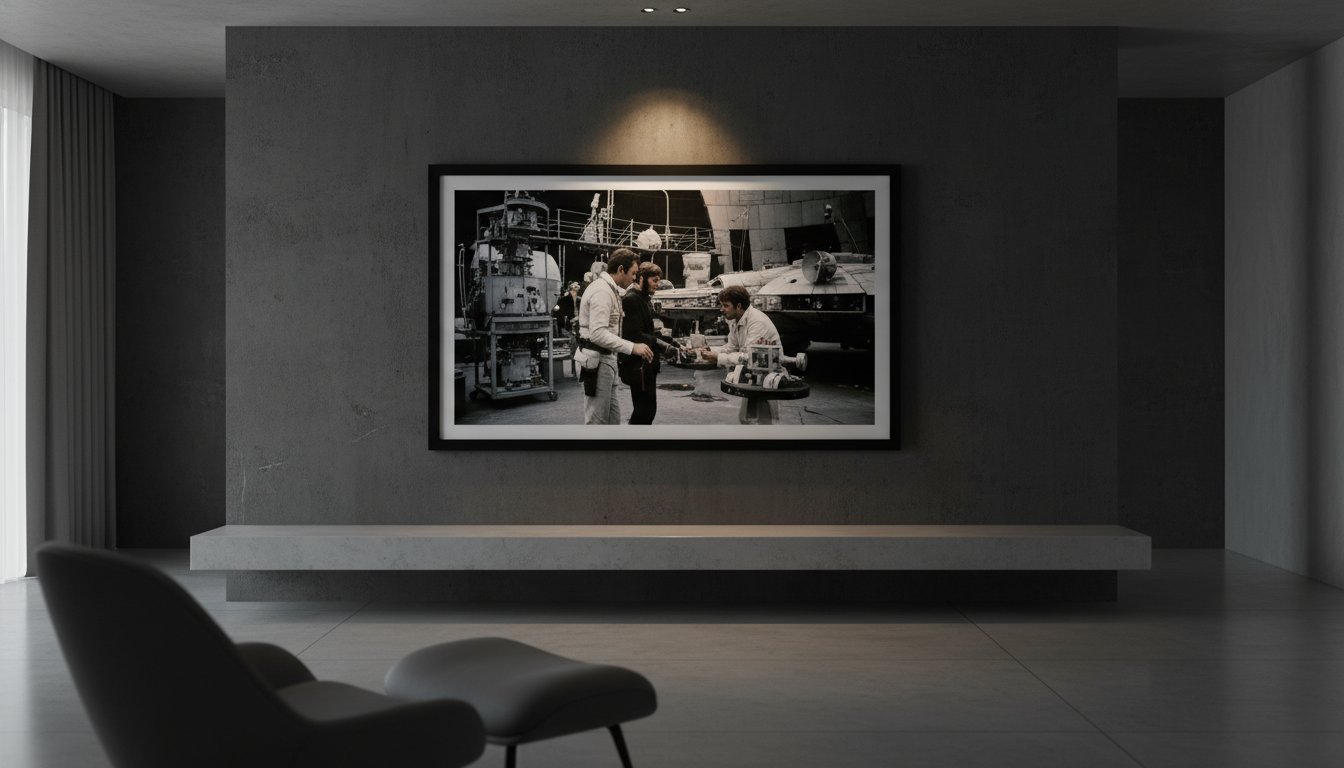
Our London-based studio is the heart of our operation. Here, artisanal craftsmanship meets modern preservation techniques to create something truly exceptional. We utilize premium papers that meticulously mimic the tactile texture and weight of original vintage posters, providing a depth of color and detail that mass-produced alternatives simply cannot replicate. Whether you’re drawn to the vibrant, painterly saturation of a 1970s One-Sheet or the timeless allure of black and white photography found in rare behind-the-scenes archives, our gallery provides a secure and sophisticated environment for acquisition. We offer personalized advice to help you build a cinema-themed collection that reflects your personal style and the unique architectural nuances of your home.
Investing in a Piece of History
Choosing a Star Wars Limited Edition Print from our curated archive is an investment in a lasting heirloom. These pieces carry an emotional resonance that transcends the screen, offering a tangible, physical connection to the Lucasfilm legacy. When a print is meticulously mounted and framed within our artisanal studio, it gains a sense of permanence and stability. It’s no longer just a piece of paper; it’s a fragment of history protected by museum-quality materials and professional expertise. Getting started with your first premium cinema print is a journey of discovery. We invite you to linger over our collections, exploring each piece layer by layer until you find the image that speaks to your sense of wonder and nostalgia. Your collection is a reflection of your worldliness, and we’re here to ensure it remains a source of prestige for decades to come.
Securing Your Piece of Cinematic Legacy
Acquiring a vintage star wars poster is more than a purchase; it’s an act of cultural preservation. We’ve explored how these iconic images transitioned from temporary cinema advertisements to high-value archival treasures, defined by the masterful hands of illustrators like Tom Jung and Drew Struzan. You now understand that the longevity of such an investment relies entirely on museum-grade materials and the sophisticated touch of professional framing. By prioritizing authenticity and archival integrity, you ensure that your collection remains a striking focal point for generations to come.
At Galerie Prints, we’re dedicated to helping you build a gallery that reflects your refined appreciation for film history. Our commitment to artisanal craftsmanship means every order features museum-quality archival paper and is eligible for our bespoke framing service, ensuring a luxury, ready-to-hang experience. With worldwide shipping from our expert gallery, your next investment is handled with the precision it deserves. Explore our curated Star Wars Limited Edition Prints today and begin your journey into a world of timeless galactic art. Your walls are ready for their own piece of history.
Frequently Asked Questions
What is the standard size of a Star Wars movie poster?
The standard dimensions for a vintage US One-Sheet star wars poster are 27 by 41 inches, though modern theatrical releases typically measure 27 by 40 inches. International formats vary significantly; the British Quad offers a landscape orientation of 30 by 40 inches, while the Japanese B2 measures approximately 20 by 28.5 inches. Understanding these precise measurements is the first step in identifying authentic theatrical releases versus non-standard commercial reprints.
How can I tell if my Star Wars poster is an original or a reprint?
Authenticating an original requires close inspection of paper quality, printer’s marks, and the presence of National Screen Service (NSS) information. Original theatrical posters from the 1970s often feature a GAU logo and were printed on heavier, more matte paper stock than modern, glossy reproductions. Reprints frequently lack the sharp detail found in the lithography of an original. Verifying the provenance through a reputable gallery ensures you’re investing in a genuine piece of history.
Why are British Quad Star Wars posters so popular with collectors?
British Quad posters are highly coveted for their unique horizontal orientation and distinct landscape artwork that differs from standard US vertical designs. Measuring 30 by 40 inches, they offer a wider cinematic sweep that creates a commanding presence on a gallery wall. Many collectors prefer this format because it allows for a more expansive view of the space opera aesthetic. Their relative rarity outside the United Kingdom adds a layer of exclusivity to any collection.
Does framing a Star Wars poster increase its value?
Professional, bespoke framing doesn’t just display the art; it acts as a critical safeguard that maintains and enhances the piece’s market value. By utilizing acid-free mounting and museum-quality materials, you prevent the irreversible damage caused by yellowing or adhesive migration. A “ready-to-hang” luxury presentation also appeals to high-end collectors who value provenance and condition. Conversely, using tape or low-grade plastic frames will inevitably devalue the artwork by compromising its physical integrity.
What artists are most famous for Star Wars poster illustrations?
The most celebrated artists in the franchise’s history include Tom Jung, Drew Struzan, and the Brothers Hildebrandt. Tom Jung established the mythic “Style A” aesthetic, while Drew Struzan became the definitive voice for the Prequel and Special Edition eras. Other notable contributors include Tom Chantrell, who designed the action-oriented British Quad, and Roger Kastel, the master behind the iconic “Gone with the Wind” style poster for The Empire Strikes Back.
How do I protect my vintage Star Wars poster from sun damage?
Protecting your star wars poster from sun damage requires the use of UV-protective glass or acrylic glazing, which filters out the harmful rays responsible for fading pigments. You should also avoid hanging your collection in areas that receive direct sunlight, even if the glass is rated for protection. Maintaining a stable environment with controlled humidity prevents the paper from warping. Investing in archival-grade materials is the only way to ensure the vibrant saturation remains intact.
What is a ‘Style A’ Star Wars poster?
A “Style A” poster refers to the primary theatrical artwork created by Tom Jung for the 1977 debut film. It features the legendary pyramid composition with Luke Skywalker holding a lightsaber aloft and Princess Leia at his side. This specific design is widely considered the foundation of the franchise’s visual brand. Because it captures the pure wonder of the original release, it remains the most sought-after and valuable design for serious cinematic art collectors.
Are limited edition Star Wars prints a good investment?
Limited edition prints are often considered excellent investments because their strictly controlled supply creates natural scarcity over time. Unlike mass-produced commercial posters, these editions are produced using museum-quality archival paper and lightfast inks, ensuring they retain their aesthetic and physical value. The market for high-end Star Wars collectables has shown remarkable stability, with record-breaking auction results reflecting a growing appreciation for cinematic art as a legitimate asset class for sophisticated investors.