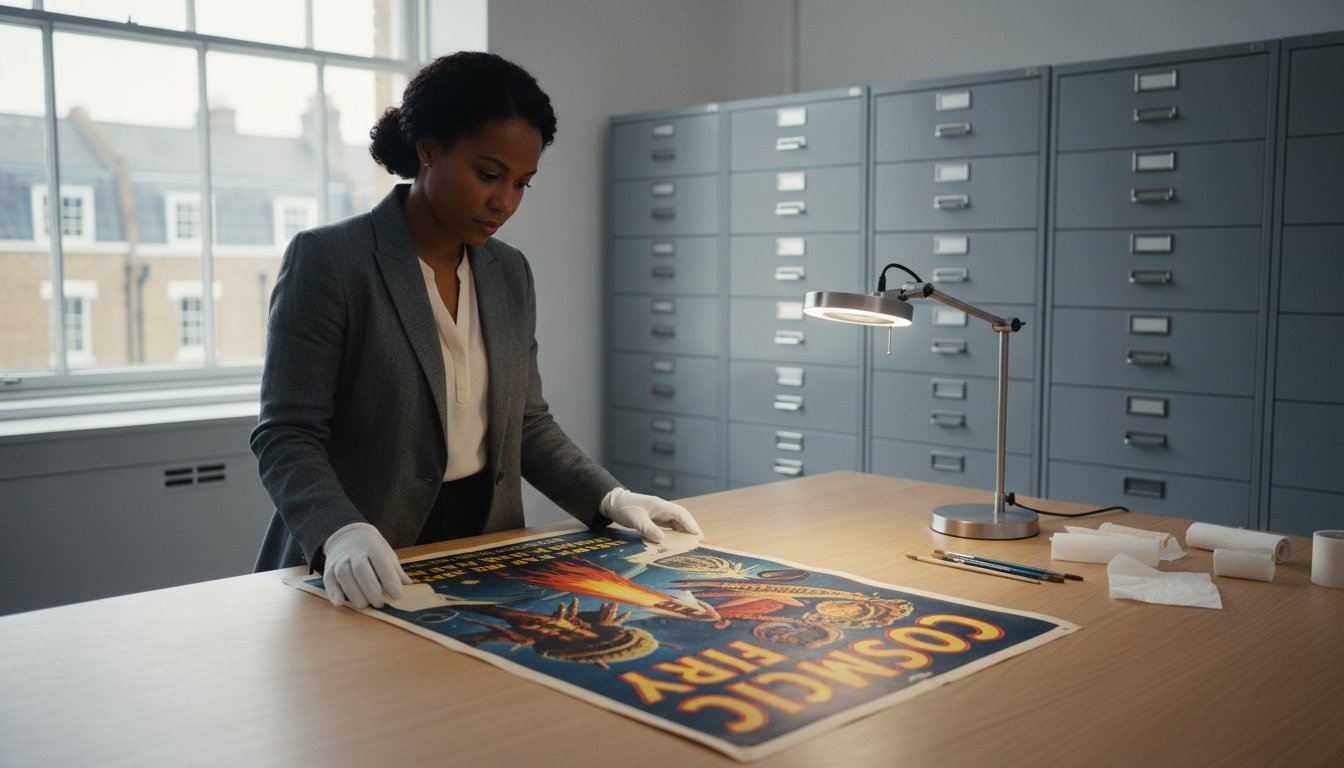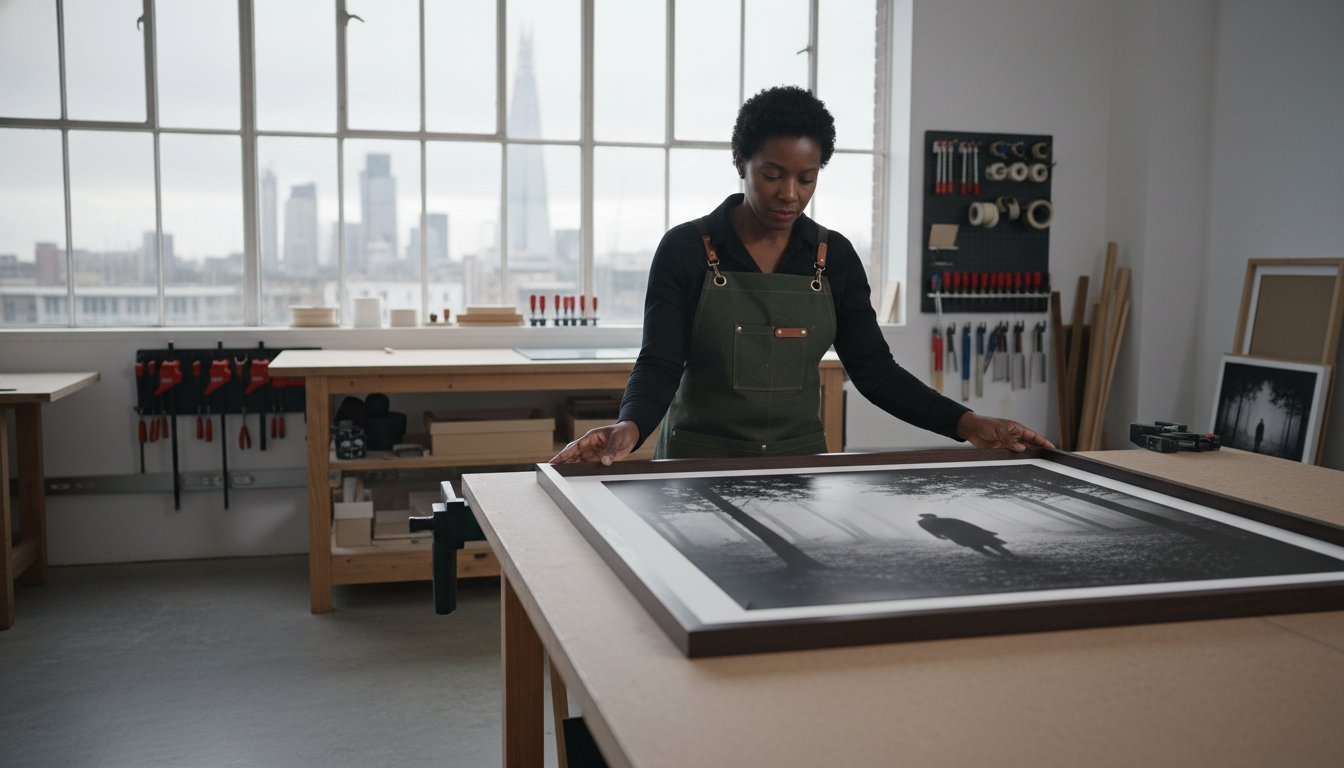
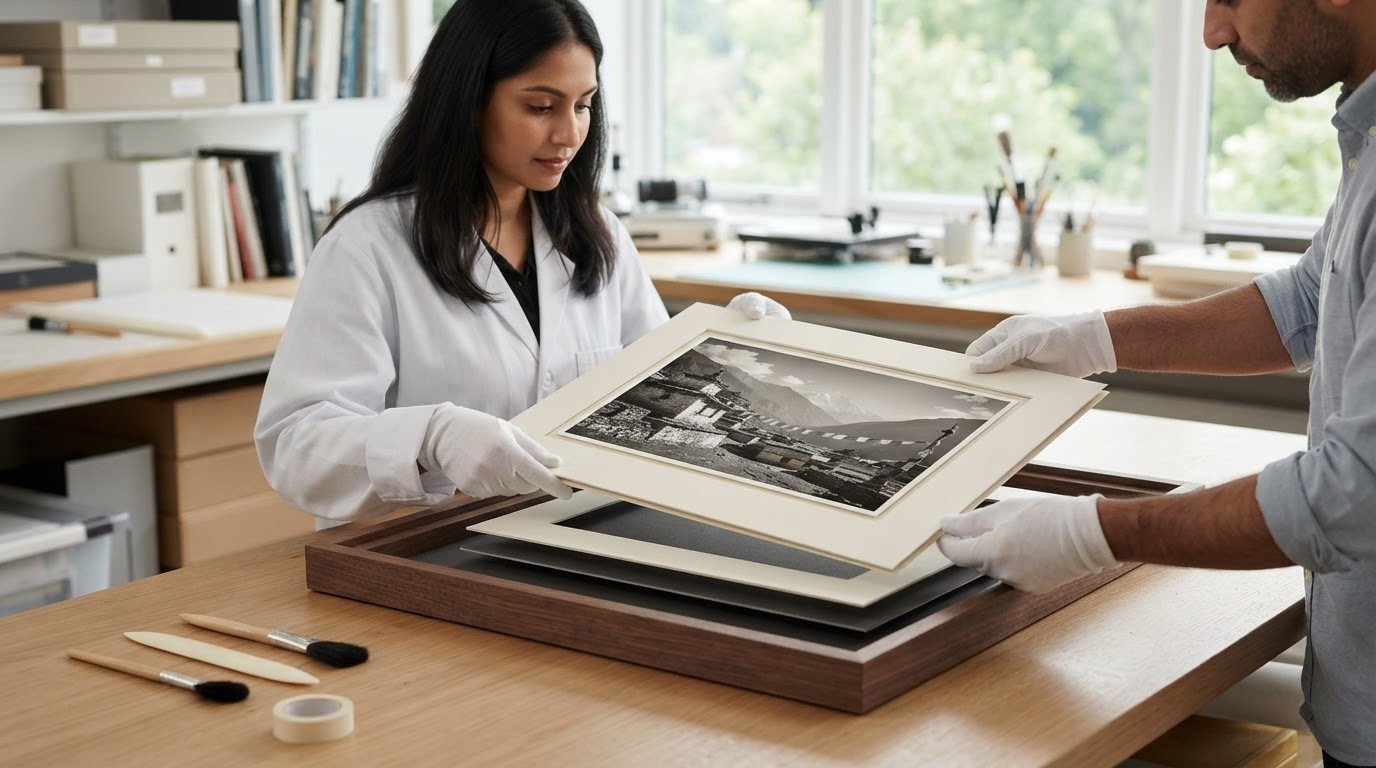
Tag: Art Conservation

Acid-Free Matting for Pictures: Archival Framing Guide

The crisp paper border framing your favourite photograph might actually be destroying it from within. When standard mounting boards degrade over time, they release volatile acids that slowly scorch delicate paper fibres, leaving behind irreparable yellow burn lines and brittle edges. True acid free matting for pictures is never a mere decorative accent; it is an active chemical shield designed to protect photographic heritage. You shouldn’t have to watch an irreplaceable print deteriorate simply because off-the-shelf framing neglected basic preservation science.

If conflicting terminology like buffered cores, alpha-cellulose, and 100% cotton rag has left you uncertain, you aren’t alone. In this archival framing guide, you’ll discover how museum-grade matting shields fine art photography from irreversible degradation while elevating its visual presence on your wall. We’ll explore the chemistry of paper preservation, clarify how to match specific matting grades to different photographic mediums, and provide an essential checklist for commissioning bespoke framing that safeguards your collection for generations to come.

Key Takeaways

  • Understand why acid free matting for pictures functions as a vital chemical barrier, protecting fine art paper from the destructive yellow burn lines caused by off-gassing wood pulp.
  • Learn how to distinguish between decorative paper mats, purified alpha-cellulose conservation boards, and 100% cotton museum rag to choose the proper preservation tier for your collection.
  • Master the chemical difference between alkaline-buffered and unbuffered boards to prevent accidental damage to sensitive photographic emulsions and historic paper stocks.
  • Discover how curatorial choices, such as luxury 8-ply profiles and bespoke window margins, elevate presentation and introduce dramatic visual depth to your walls.
  • Acquire an indispensable checklist for complete archival framing, ensuring every component from reversible mounting hinges to protective backing guards your artwork indefinitely.

What Is Acid-Free Matting and Why Is It Vital for Framing?

Fine art photography demands an environment where paper, pigments, and silver halides can exist in sustained chemical equilibrium. Acid-free matting consists of chemically neutral or alkaline-buffered board designed to encase and protect artwork within a sealed frame rebate. In gallery-grade preservation, a window mat (picture framing) provides both curatorial structure and a rigorous physical defence against atmospheric contaminants.

Standard retail mounts rely on unrefined wood pulp loaded with acidic compounds. Over time, these unstable boards break down, migrating directly into fragile paper substrates. The visual consequence is immediate and devastating: dark yellow rings, known as mat burns, etch themselves across the image margins alongside irreversible embrittlement. Incorporating true acid free matting for pictures prevents this chemical destruction, maintaining the tactile purity and market value of high-calibre editions.

The Chemistry of Mat Burn and Acid Migration

Wood pulp naturally contains lignin, the complex organic polymer that binds plant cells. When exposed to ambient indoor light, heat, and seasonal humidity, lignin degrades into acidic by-products like formic and acetic acids. These volatile compounds migrate across the interface where the board touches the art, hydrolysing the cellulose fibres of fine prints.

  • Chemical Scorch: Acid migration breaks molecular bonds, turning supple cotton or fibre-based photographic paper brittle and discoloured.
  • Environmental Acceleration: Domestic temperature swings and relative humidity spike the rate of acid transfer, accelerating decay within standard frames.
  • Permanent Degradation: Once cellulose chains sever, paper loses its structural integrity; the resulting discolouration cannot be reversed without costly conservation treatment.

Separating Art from Glass to Prevent Condensation Damage

Beyond chemical neutrality, acid free matting for pictures serves an indispensable mechanical purpose by creating breathing room beneath the glazing. Placing photographic emulsions directly against glass invites disaster. Daily shifts in indoor temperature trigger capillary condensation cycles, creating micro-droplets on the inner glass face.

Because traditional photographic gelatin swells when damp, direct contact can cause the image surface to fuse permanently to the pane. The precision-cut bevel of a conservation window mat establishes a stable microclimate, elevating the glazing away from the print to eliminate glazing adhesion and safeguard irreplaceable imagery.

The Matboard Hierarchy: Decorative vs Conservation vs Museum Rag Board

Selecting matboard requires balancing chemical longevity against the rarity of what sits inside the frame. The framing market divides these substrates into three distinct classifications: decorative paper mats, conservation-grade boards, and museum cotton rag. Understanding these divisions helps collectors choose appropriate acid free matting for pictures without falling victim to ambiguous labelling.

Mass-market retailers often label basic boards as acid-free simply because the paper was neutralised at the mill. True archival permanence, however, depends entirely on raw fibre origin. Matching the substrate to the intrinsic value of your print ensures your artwork survives decades of display without chemical interference.

Decorative Paper Mats: The Limitations of Buffered Wood Pulp

Decorative mats rely on ground wood pulp mechanically extracted from timber. While manufacturers introduce a calcium carbonate buffer to neutralise inherent acidity, this surface treatment is strictly temporary. As environmental humidity and warmth interact with residual lignin, that alkaline reserve gradually exhausts itself.

  • Core Breakdown: The untreated interior wood pulp turns acidic, slowly yellowing the exposed bevel edge.
  • Intended Application: Decorative boards belong exclusively on disposable graphics, open-edition commercial posters, or temporary corporate signage that won’t remain framed for long.

Conservation Board: Purified Alpha-Cellulose Excellence

Conservation matboard represents a substantial leap in chemical engineering. Fabricated from wood pulp stripped of lignin through rigorous chemical delignification, this substrate consists of 90% or higher pure alpha-cellulose fibres. The material remains chemically stable for 50 to 100 years, offering exceptional resistance to discolouration and deterioration.

Alpha-cellulose provides a reliable preservation standard for modern limited editions, collectible lithographs, and certified archival prints displayed in balanced residential interiors.

Museum Rag Board: 100% Cotton Fibre Permanence

Cotton fibres contain zero natural lignin, possessing centuries-long molecular stability without heavy chemical manipulation. Made from 100% cotton linters, museum rag board represents the gold standard defined by strict Library of Congress preservation guidelines. Its naturally pure pH shields the most delicate media from off-gassing and fibrous breakdown.

For collectors seeking to safeguard irreplaceable investments like fine art photography, cotton rag remains the uncompromising choice. When curating masterworks, paired with Galerie Prints’ bespoke framing service, 100% museum rag provides the definitive, heirloom-grade barrier your collection deserves.

Buffered vs Unbuffered Matting: Which Mediums Require Specific Chemistry?

Selecting acid free matting for pictures requires a nuanced understanding of internal chemistry. Most archival boards incorporate an alkaline reserve, typically a 2% to 3% addition of calcium carbonate. This alkaline buffer actively neutralises airborne pollutants, such as sulphur dioxide and nitrogen oxides, that seep through microscopic frame gaps over time. Without this chemical reserve, ambient environmental contaminants gradually turn the framing environment acidic.

Alkaline reserves aren’t universally beneficial. Certain historical photographic processes react poorly to alkaline environments, suffering from accelerated chemical fading or colour shifts. To prevent damage, conservators consult the Photographic Activity Test (ISO 18916). This rigorous international standard verifies that framing materials will not cause staining, silver image fading, or binder deterioration over long-term display.

When to Use Buffered Matting for Lasting Protection

Buffered matboards maintain an elevated pH between 7.5 and 9.5, establishing an impenetrable barrier against environmental acidity. This basic chemistry makes them ideal for plant-based, cellulose-heavy works on paper that thrive in slightly alkaline surroundings.

  • Modern Chromogenic Prints: Contemporary colour photography and digital pigment prints benefit immensely from the continuous protection of a buffered core.
  • Historic Ephemera: Vintage graphic pieces such as cinema lobby cards, printed on mass-produced cellulose stocks, rely on calcium carbonate reserves to halt internal acid generation.
  • Rare Manuscripts and Documents: Wood-based and rag papers carrying iron gall or modern carbon inks stay chemically stable within buffered mounts.

When Unbuffered Matting Is Essential for Sensitive Emulsions

Unbuffered boards maintain a strictly neutral pH around 7.0, completely free of added alkaline agents. They are designed for delicate mediums where excess alkalinity can strip colours or damage the underlying binder.

Cyanotypes represent the classic example: the Prussian blue pigment that forms the image chemically hydrolyses and bleaches away when exposed to high-pH environments. Similarly, nineteenth-century albumen prints, salted paper prints, and historic colour processes like dye transfer or chromogenic dye prints from early eras demand unbuffered materials.

Collectors displaying vintage black and white pictures or mixed-media works containing protein-based substrates, such as silk or vellum, should insist on unbuffered acid free matting for pictures. Matching the matboard’s pH to the chemical nature of the medium preserves your art’s original tone and tonal depth for generations.

Curatorial Styling: Choosing Bevels, Margins, and Colours for Fine Art

A bespoke frame does far more than isolate an image on a wall; it directs the gaze, balances composition, and dictates how a room experiences fine photography. Curating the presentation requires treating acid free matting for pictures as an architectural element. Through deliberate choices in caliper thickness, window proportions, and tonal balance, framing elevates a fine print into a commanding gallery centerpiece.

Selecting Matboard Thickness: 4-Ply vs 8-Ply Depth

Every traditional window mat features an interior aperture cut at a precise 45-degree angle. This bevel catches directional room lighting, gently guiding the viewer’s focus directly into the visual narrative. While standard 4-ply boards measure roughly 1.4 mm in thickness, luxury 8-ply boards offer a substantial 3.0 mm profile.

That extra depth delivers an unmistakable sculptural presence, casting a subtle shadow line that creates immediate separation between the glazing and the print surface. An 8-ply bevel provides the dramatic volume needed to complement expansive lifestyle imagery, such as large-scale prints from the Slim Aarons archive.

Mastering Border Proportions and the Optical Center

Mass-market frames often squeeze prints into stingy, two-inch borders that suffocate the composition. Gallery presentation requires generosity. Mat margins should consistently measure wider than the frame moulding itself, typically between 7 and 12 centimetres depending on image size.

  • The Gravity Illusion: The human eye naturally perceives the optical centre of an image slightly higher than its geometric midpoint. Equal borders on all four sides often make artwork look as if it is sliding down the frame.
  • Optical Weighting: Professional framers correct this perception by adding an extra half-inch or centimetre to the bottom border, anchoring the piece with quiet stability.

Harmonising Colour Tones with Photographic Paper Bases

Selecting board colour requires nuanced observation. Rather than reaching for generic fluorescent white, study the lightest highlights in the print. Crisp, bright white boards work beautifully with contemporary digital pigment editions, but they instantly flatten the warm, creamy base tones of vintage silver gelatin prints.

Warm ivory and soft natural whites harmonise seamlessly with historic paper fibres without competing for attention. In contrast, solid black or archival charcoal boards isolate high-contrast monochromatic imagery, generating a theatrical, cinematic mood. To find the ideal proportion and board tone for your acquisitions, explore Galerie Prints bespoke framing for curated, gallery-level framing solutions tailored directly to your artwork.

Complete Archival Assembly: Mounting Techniques, Glazing, and Backing

An archival window mount represents only the forward-facing shield of a true conservation enclosure. Securing fine photography requires treating the frame interior as an integrated, hermetically balanced capsule. Incorporating acid free matting for pictures without addressing what lies behind and around the paper leaves delicate prints exposed to unseen structural hazards. Every substrate, adhesive hinge, and barrier sheet must cooperate to neutralize environmental stress.

Archival Hinging vs Damaging Adhesive Tapes

Standard household adhesives are fatal to collectible prints. Pressure-sensitive masking tapes, duct tapes, and synthetic double-sided strips contain acidic, petroleum-based polymers that penetrate paper fibres, leaving irreversible oily brown stains within months. Fine art requires reversible mounting techniques that respect the paper’s organic nature.

  • Japanese Mulberry Paper and Wheat Starch: Traditional T-hinges crafted from feather-light kozo paper and purified, cooked wheat starch paste hold prints securely. If reframing is ever required, conservators can dissolve this adhesive cleanly with a drop of distilled water.
  • Suspended Freedom: Fastening the print exclusively along the top margin lets the sheet expand and contract with natural room humidity, preventing the rippling caused by rigid perimeter taping.
  • Archival Mounting Corners: Clear polyester corners or pure rag pockets cradle the sheet entirely through tension, ensuring zero adhesive touches the artwork.

UV Glazing and Sealed Protective Backing

Even the purest cotton board can’t stop ambient light decay. Pairing acid free matting for pictures with conservation-grade glazing that blocks 99% of ultraviolet light is essential to meet ISO 18902 photographic preservation standards. Without this protection, unfiltered daylight and fluorescent interior bulbs will irrevocably bleach pigments and embrittle paper binders.

Behind the artwork, the support assembly demands equal care. A secondary barrier sheet, such as acid-free conservation foamboard or inert archival fluted polypropylene, must separate the mount from the outside world. Never permit standard corrugated packaging cardboard near fine art; it off-gasses acidic lignin rapidly. Sealing the back of the frame with acid-free barrier paper and specialised rebate sealing tape halts dust mites, urban pollutants, and humidity fluctuations. Entrusting your collection to an artisanal bespoke framing service guarantees that every hidden layer, down to the final seal, upholds museum-calibre standards.

Preserve Your Photographic Collection for Generations

Investing in fine art is an act of cultural stewardship. Selecting true acid free matting for pictures is far more than an aesthetic decision; it’s an enduring commitment to chemical stability and visual longevity. Whether you specify 100% cotton museum rag to eliminate lignin degradation, tailor alkaline buffering to sensitive photographic chemistry, or introduce commanding 8-ply bevels for architectural presence, each curatorial choice shields your acquisition against time and ambient decay.

A remarkable print deserves uncompromised craftsmanship from the glazed facade through to the sealed conservation backing. Explore Bespoke Framing Services at Galerie Prints to protect your fine art acquisitions, including legendary prints from the Slim Aarons Collection, with handcrafted, museum-grade assemblies engineered for lifelong preservation. With the correct archival foundation in place, your collection will remain as luminous, crisp, and evocative decades from now as the afternoon it was first unveiled.

Frequently Asked Questions

How long does acid free matting last before losing its protective properties?

True museum-grade rag boards made from pure cotton will last several centuries without degrading or shifting in pH. Purified alpha-cellulose conservation boards provide dependable stability for 50 to 100 years in typical domestic environments. In contrast, chemically buffered decorative boards usually deplete their alkaline reserve within 5 to 15 years. Environmental factors like humidity, intense light exposure, and ambient atmospheric pollutants can speed up this exhaustion cycle considerably.

Can I tell if an old mat board is damaging my framed pictures?

Inspect the exposed 45-degree bevel cut around the image opening. If that crisp interior edge has turned yellow, tan, or dark brown, the board’s interior core has degraded into acid. You can also look for a faint, discoloured halo tracing the inner perimeter of the paper itself, known as mat burn. Once this browning appears, the mounting has begun actively scorching your print’s delicate cellulose fibres.

What is the difference between acid-neutral and 100% cotton rag matting?

Acid-neutral boards are typically manufactured from wood pulp that has undergone artificial buffering to raise its pH, but residual lignin remains an eventual breakdown hazard. In contrast, 100% cotton rag matting contains zero natural lignin from inception, relying on pure cellulose fibres rather than industrial additives. For collectors seeking the finest acid free matting for pictures, cotton rag provides uncompromising, heirloom-calibre longevity that never off-gasses or reverts to an acidic state over time.

Do black and white photographs require special unbuffered matboard?

Standard modern gelatin silver black and white prints thrive under alkaline-buffered boards, which neutralise atmospheric acid intrusion. However, historic nineteenth-century processes like albumen prints, cyanotypes, and early salted paper prints demand unbuffered, pH-neutral boards. The Prussian blue pigment in cyanotypes and the protein emulsions of vintage albumen prints react adversely to high alkaline levels, causing irreversible bleaching and chemical shifts if placed against standard buffered mounts.

Why do professional framers use an 8-ply mat instead of a standard 4-ply?

Professional framers prefer an 8-ply board because its commanding 3.0 mm profile introduces dramatic visual depth and an arresting sculptural bevel. Beyond its striking aesthetic presence, this thickness doubles the spatial separation between the glazing and the print surface. That generous clearance prevents fragile emulsions from sticking to condensation on the glass during humidity shifts, while giving expansive fine art photography an authoritative gallery presentation.

Is regular framing tape safe to attach artwork to an acid-free mat?

Standard framing tape, household masking tape, and double-sided adhesives are never safe for valuable art. Their synthetic adhesives degrade into acidic, oily resins that permanently stain paper fibres and cause structural warping. Pairing acid free matting for pictures with improper adhesive negates the mount’s protective qualities. You should only permit reversible Japanese kozo hinges adhered with pure wheat starch paste, or non-invasive museum mounting corners that grip without chemical contact.

Does acid-free matting prevent pictures from fading in sunlight?

Acid-free matting protects against chemical degradation, contact abrasion, and inner acid migration, but it can’t prevent solar fading. Fading and color loss result directly from exposure to ultraviolet radiation and visible light energy. Safeguarding your artwork against light damage requires pairing archival matting with conservation-grade glass or acrylic glazing that filters out at least 97% to 99% of UV rays, in compliance with photographic preservation standards.

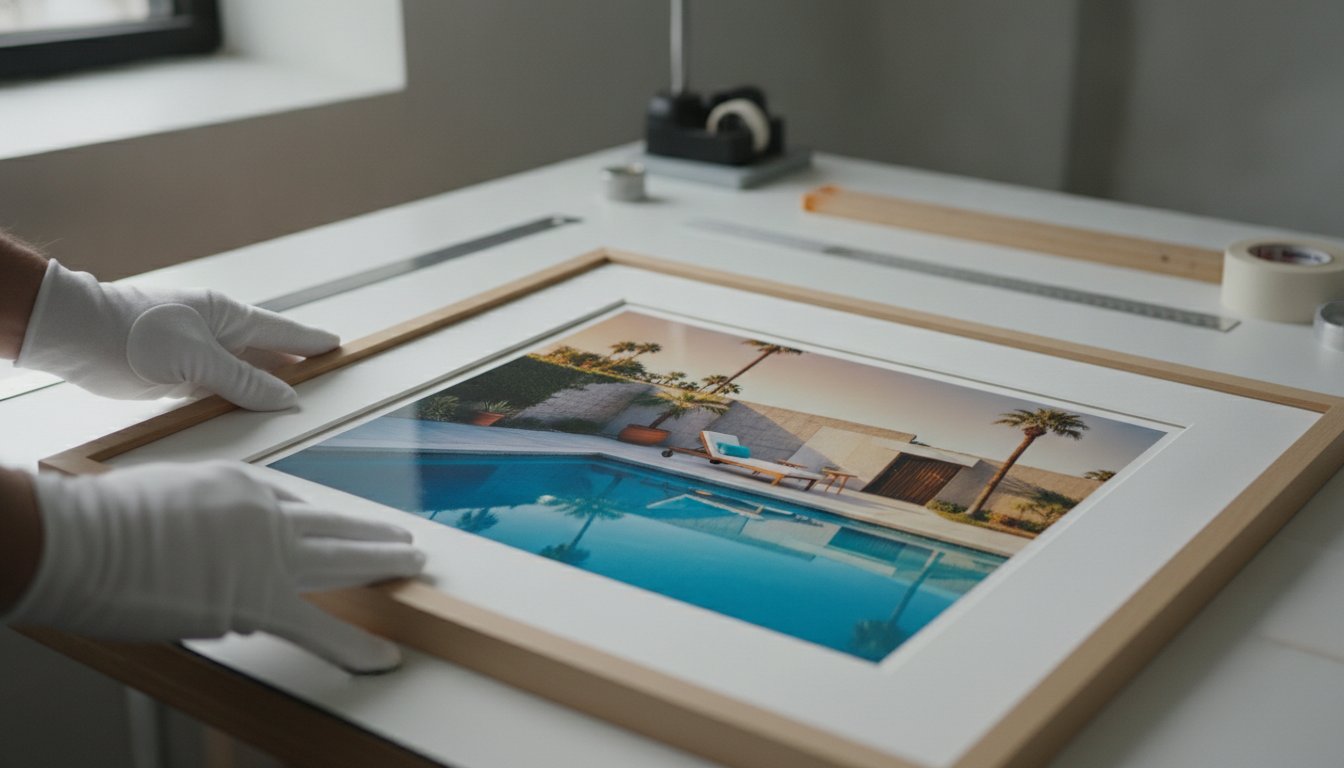
Large Format Picture Framing London: The Connoisseur’s Guide to Oversized Art

A large scale photograph is more than a mere image; it is a structural intervention that redefines the very atmosphere of a London residence. When commissioning large format picture framing london, the stakes extend far beyond simple aesthetics to the vital preservation of a photographic legacy. You recognize that a piece of this magnitude, perhaps a Slim Aarons poolside vista or a Terry O’Neill portrait, requires more than a standard border to truly command a room. It’s natural to feel a sense of trepidation regarding the structural integrity of the frame or the daunting logistics of transporting an oversized masterpiece through the city’s historic, narrow streets.

This guide offers the clarity you seek, bridging the gap between technical necessity and interior elegance. You’ll discover how museum quality materials and artisanal craftsmanship transform these logistical challenges into a seamless expression of luxury. We will explore the nuances of archival mounting, the critical importance of UV protective glazing, and the specialized handling required to ensure your investment remains a permanent fixture of beauty. By the end, you’ll understand how a bespoke frame serves as both a guardian of photographic heritage and a definitive statement of sophisticated style.

Key Takeaways

  • Understand how oversized photographic art acts as a structural focal point within expansive Victorian and modern London interiors.
  • Identify the essential museum-grade conservation standards and UV-protective glazing required to preserve your artwork’s archival value for decades.
  • Explore the aesthetic distinctions between tray and box frames to ensure your chosen profile enhances the architectural lines of your space.
  • Master the logistics of large format picture framing london by employing specialist art couriers and conducting site assessments for challenging access points.
  • Benefit from a curatorial approach that delivers ready-to-hang, iconic photography through a blend of historical expertise and master craftsmanship.

Defining Large Format Picture Framing in London

In the world of fine art photography, scale is a deliberate choice that demands a corresponding level of technical mastery. While standard dimensions cater to the casual observer, true large format picture framing london begins where conventional retail solutions reach their limit. Generally, we define large format as any work exceeding the A0 threshold, which measures 841 x 1189mm. At this magnitude, the physics of a Picture frame change entirely. It’s no longer just a decorative border; it becomes a load-bearing structure that must resist the subtle, destructive forces of gravity and humidity. Off-the-shelf solutions lack the structural integrity required to support the sheer tension of an oversized mount, making bespoke construction a necessity rather than a luxury. Scaling up requires a fundamental shift in both material choice and mounting technique to ensure the artwork remains as pristine as the day it was captured.

When Does a Frame Become “Large Format”?

The transition to large-scale presentation involves a critical assessment of the weight-to-strength ratio. For prints exceeding 1.5 metres in width, traditional timber often requires internal reinforcement or a shift toward high-grade aluminium sub-frames to prevent bowing. Standard glass, while beautiful, becomes prohibitively heavy and dangerously fragile at these sizes. We typically recommend specialist oversized acrylic, which offers the same crystalline clarity as museum glass but with a fraction of the weight and significantly higher impact resistance. This bespoke construction ensures that a piece from the Slim Aarons Collection remains perfectly planar, avoiding the unsightly ripples that plague poorly mounted, large-scale works.

The Role of Scale in Modern London Interiors

London’s architectural landscape, from the soaring ceilings of Belgravia’s Victorian townhouses to the industrial expanses of Shoreditch lofts, provides a unique canvas for oversized art. A single, commanding piece serves as an anchor for open-plan living, drawing the eye and establishing a sense of curated permanence. The impact of large-scale black and white pictures is particularly striking in minimalist hallways, where the absence of color allows the interplay of light and shadow to resonate with the room’s architectural lines. By choosing a frame that respects the scale of the environment, you transform a residential space into a private gallery, creating an immersive experience that celebrates the grandeur of the photographic medium.

The Technical Anatomy of an Oversized Frame

When an image transcends standard dimensions, the frame must evolve from a decorative accent into a sophisticated structural support. Ensuring the longevity of a significant investment, such as a rare piece from the Terry O’Neill archives, requires a meticulous adherence to museum-grade conservation standards. Large format picture framing london is fundamentally about managing the physical forces that act upon expansive surfaces. Without the correct technical foundation, even the most breathtaking photograph can suffer from cockling or structural failure over time. Archival dry mounting is the essential first step for large-format paper; it uses heat and vacuum pressure to bond the print to a rigid, acid-free substrate, ensuring a perfectly flat finish that remains impervious to the waving often caused by atmospheric changes.

Conservation Glazing and UV Protection

The vast glass surfaces of London’s contemporary penthouses and glass-walled garden rooms present a unique challenge: light. Standard glazing acts as a mirror, obscuring the fine details of the work and allowing harmful ultraviolet rays to degrade the pigments. We utilize advanced Artglass and specialist acrylics that provide up to 99% UV protection while remaining virtually invisible. For oversized applications, high-grade acrylic is almost always the preferred medium. It offers superior shatter resistance and, crucially, weighs significantly less than traditional glass. This reduction in mass is vital for protecting both the artwork and the structural integrity of the wall on which it hangs. Just as high-grade materials protect your photography, fine craftsmanship is essential for safeguarding other personal valuables; for instance, you can visit Engraveitnow Ltd for high-quality personalised jewellery boxes.

Reinforced Construction Techniques

A frame with a span exceeding 1.5 metres faces the constant threat of bowing under its own weight. To counteract this, we employ reinforced construction methods that go far beyond standard mitred joins. These techniques include:

  • Splines and Dovetail Joints: These traditional artisanal techniques provide immense corner strength, preventing the joins from opening as the timber reacts to London’s seasonal humidity.
  • Internal Sub-frames: A secondary wooden or aluminium structure is integrated into the back of the frame. This acts as a rigid spine, keeping the profile flush against the wall and preventing any twisting.
  • Humidity-Stable Materials: We select premium hardwoods that have been properly seasoned to ensure they remain stable in the varied climates of historic London residences.

These technical considerations ensure that your art remains a permanent legacy rather than a fleeting decoration. If you’re planning a significant installation, our bespoke framing service provides the curatorial expertise needed to select the perfect structural and aesthetic match for your collection.

Aesthetic Principles for Large-Scale Displays

Framing Iconic Photography

The framing style should always be a servant to the subject matter. For a Slim Aarons print, we often recommend finishes that evoke the sun-drenched, mid-century optimism of his work. Natural hand-stained woods or crisp white box frames preserve that timeless elegance without distracting from the aspirational lifestyle depicted. In contrast, the celebrity portraits of Terry O’Neill frequently benefit from a more minimalist, industrial aesthetic. A sleek black frame with a deep rebate provides a sharp, modern edge that complements the grit and glamour of his music and cinema archives. Ultimately, the principles of fine art photography dictate that the frame should provide a window into the moment, focusing the viewer’s eye through subtle, high-quality craftsmanship.

The Tray Frame: A Contemporary Favourite

The final journey of a large-scale photograph from the studio to your wall is a phase that demands as much precision as the framing process itself. In a city defined by its historic architecture and narrow thoroughfares, large format picture framing london requires a logistical strategy that standard delivery services simply cannot provide. Standard couriers often operate with strict size limitations, typically capping at 1220 x 915mm, which makes them unsuitable for the grand proportions of oversized art. For works of this scale, the transition from gallery to residence must be handled by specialists who treat the object as a piece of photographic heritage rather than mere freight.

Specialist Transport for Oversized Art

Moving a high-value photographic print through London’s busy streets requires more than just a large vehicle. We utilise white-glove art couriers who specialise in Central and Greater London deliveries, ensuring that every piece, whether a rare Star Wars limited edition print or an expansive landscape, is transported in a climate-controlled environment. For particularly sensitive or high-value items, customised crating is employed to protect the delicate corners and the expansive glazing from the vibrations of city transit. These specialist services include comprehensive insurance and two-person handling teams, providing the security necessary for moving significant cultural and financial investments.

On-Site Installation Challenges

The “London Staircase” represents a notorious hurdle for collectors in Mayfair townhouses or Kensington apartments. Before any delivery occurs, a detailed access assessment is essential to ensure a frame exceeding two metres can safely navigate the tight turns of a period property. Once the work arrives, the focus shifts to the structural integrity of the installation. Historic plasterwork and lath-and-plaster walls often require specialised heavy-duty anchors to support the weight of an oversized frame. We recommend the following professional techniques for a secure display:

  • Z-Bars and Heavy-Duty Cleats: These aluminium brackets distribute the weight evenly across the wall, providing superior horizontal stability compared to traditional hanging wire.
  • Laser-Levelling: This ensures gallery-standard precision, which is vital for maintaining the architectural lines of the room, especially when hanging large-scale works in a series.
  • Security Hangers: These provide an additional layer of safety, locking the frame to the wall to prevent accidental movement in high-traffic areas.

Environmental factors are equally important. Large-format paper is naturally hygroscopic, meaning it reacts to shifts in humidity. We advise allowing the work to acclimatise to your room’s specific climate for 24 to 48 hours before the final installation. This prevents the paper from expanding or contracting once it’s secured. To ensure your collection is handled with this level of curatorial care, explore our bespoke framing service for a seamless transition from our archives to your home.

Bespoke Framing at Galerie Prints: A Curatorial Approach

At Galerie Prints, we believe the frame is an essential component of the artwork’s soul, acting as a final layer of narrative depth. Unlike generic workshops, our approach to large format picture framing london is rooted in a deep reverence for the photographic medium. We don’t just provide a border; we offer a curatorial bridge that connects iconic imagery to the unique architectural context of your home. This philosophy ensures that every oversized piece, whether a sprawling landscape or an intimate portrait, receives the structural and aesthetic consideration it deserves. We operate with an air of quiet authority, positioning ourselves as guardians of photographic heritage for London’s most discerning collectors.

From Archive to Wall: A Seamless Journey

We offer a truly integrated experience, where the acquisition of a rare print and its final presentation are handled with consistent excellence. Our close relationships with the Getty Images and Terry O’Neill archives allow us to understand the specific nuances of each negative and print type. This expertise extends to our collection of lobby cards and vintage posters, where preservation is paramount. Every bespoke order undergoes a rigorous quality control process, ensuring the mounting is flawless and the glazing is crystalline. By managing the process from archive to wall, we provide a ready-to-hang solution that eliminates the risks associated with third-party handling, ensuring your investment arrives in pristine condition.

Craftsmanship and Authenticity

The personality of our brand is that of a cultured and worldly expert, ready to guide you through the technical nuances of historical artistic movements and contemporary decor. We invite you to Contact our specialists today for a personalised consultation. Let us help you navigate the journey of preserving your photographic legacy with a bespoke framing quote that reflects the technical superiority and historical significance of your collection.

Preserving Your Photographic Legacy

As official archive partners, we combine artisanal craftsmanship with expert London installation to deliver a seamless curatorial experience. Choosing large format picture framing london through our workshop means your artwork is protected by the same standards found in the world’s leading galleries. Whether you’re anchoring a minimalist hallway or redefining an expansive living space, the right frame provides a definitive statement of sophisticated style.

Explore our Bespoke Framing Service and Curated Collections to begin your journey toward a masterfully displayed interior. We’re here to help you transform your space into a private gallery of timeless elegance.

Frequently Asked Questions

What is the maximum size for a bespoke picture frame in London?

While standard couriers often limit deliveries to 1220 x 915mm, our bespoke workshop accommodates much larger dimensions. We frequently produce specialist frames exceeding two metres on the long edge for expansive residential interiors. The practical limit is usually determined by the architectural access of your London property rather than our construction capacity. We conduct site assessments for these grand scale commissions to ensure the final piece can be safely navigated through your home.

Should I use glass or acrylic for a large format picture frame?

We almost exclusively recommend high-grade, UV-protective acrylic for large format picture framing london. Standard glass becomes prohibitively heavy and poses a significant safety risk at larger scales. Specialist acrylic offers the same crystalline clarity and anti-reflective properties as museum glass but with superior impact resistance. It protects the photographic pigments from degradation while ensuring the frame’s structural integrity remains stable over decades of display in bright, contemporary environments.

How much does large format picture framing cost in London?

Pricing for oversized framing is entirely bespoke, calculated based on the specific dimensions, material choices, and glazing requirements of your project. Factors such as the choice of premium hardwoods, archival mounting techniques, and specialist UV-protective acrylic all influence the final investment. Because each piece is a unique commission designed to preserve a specific photographic heritage, we provide tailored quotes following a consultation to ensure every technical and aesthetic detail is addressed with precision.

Does large format framing include delivery and installation?

Yes, our service for oversized items is designed to be a complete, ready-to-hang solution. This includes white-glove transport via specialist art couriers who understand the nuances of handling high-value photography. For our London-based clients, we can also coordinate professional installation. This ensures that heavy-duty fixings, such as Z-bars or cleats, are correctly used to support the weight of the frame while maintaining perfect horizontal stability and safety on your wall.

How do I choose the right frame style for a Slim Aarons print?

A Slim Aarons print typically demands a frame that reflects the mid-century optimism and sun-drenched elegance of the work. We often suggest a clean, white box frame or a natural, hand-stained timber profile. These choices act as a sophisticated window into the aspirational lifestyle depicted, ensuring the frame complements rather than competes with the vibrant poolside hues. A tray frame is also an excellent contemporary choice for canvas-mounted works within minimalist spaces.

What is conservation-grade framing and why is it necessary for large prints?

Conservation-grade framing involves using acid-free, museum-quality materials to prevent the chemical degradation of the print over time. For large-format works, this is essential because the vast surface area is more susceptible to environmental shifts. We use archival mounting to keep the paper perfectly flat and UV-protective glazing to stop light from fading the delicate pigments. This process transforms a simple decorative item into a lasting piece of history that retains its archival value.

Can you frame an existing print I already own, or just Galerie Prints items?

Our bespoke framing service is a dedicated add-on specifically designed for the curated collections we represent, including the Slim Aarons and Terry O’Neill archives. This allows us to maintain total quality control over the preservation of the photographic heritage we provide. By managing the process from archive to wall, we ensure that every piece meets our exacting museum standards. We invite you to discuss your specific collection requirements with our specialists to see how we can support your display.

How long does the bespoke framing process take for oversized art?

The bespoke framing process for oversized art typically requires a more measured timeline than standard orders. Crafting a reinforced, hand-finished frame and ensuring proper archival mounting usually takes between three to five weeks. This duration allows our artisans to achieve the technical precision necessary for large format picture framing london. We prioritize the structural integrity and long-term preservation of the artwork over a hurried production, ensuring the final result meets our rigorous gallery standards.

How to Preserve Art Prints: A Collector’s Guide

Did you know that nearly 40% of the irreversible fading found in fine art photography is caused by invisible UV radiation alone? For a collector, witnessing the slow, ghostly dissipation of a vibrant Slim Aarons poolside scene or the yellowing of a rare cinema lobby card is a quiet tragedy. It’s natural to feel a sense of trepidation when handling a significant investment. You likely find yourself lost in the labyrinth of archival terminology, wondering if acid-free is truly enough or if your chosen frame is a sanctuary or a slow-acting catalyst for decay. Understanding how to preserve art prints is not merely a matter of maintenance; it’s an act of curatorship that secures the historical narrative of the work for future generations.

In this guide, you’ll discover the professional curatorial techniques required to protect your fine art photography and posters from fading, foxing, and environmental decay. We’ll demystify the essential science of museum-grade materials, explain why bespoke framing is your primary safeguard, and provide a clear routine for displaying art with confidence. From the chemical stability of 100% cotton rag mats to the latest ISO 9706:2025 standards for paper permanence, we offer the knowledge you need to transform your home into a lasting gallery of photographic heritage.

Key Takeaways

  • Identify the environmental variables—UV light, humidity, and temperature—that form the “unholy trinity” of chemical decay in fine art photography.
  • Adopt professional handling protocols, including the use of lint-free cotton gloves, to prevent acidic skin oils from causing permanent damage to your collection.
  • Learn how to preserve art prints using bespoke framing as a sealed micro-environment, prioritizing reversible mounting techniques over permanent adhesives.
  • Determine the “safe zones” for displaying prestigious works like the Slim Aarons Collection by avoiding external walls, bathrooms, and heat sources.
  • Establish a biannual maintenance routine to inspect your archive and safely clean glazing without risking liquid seepage into the archival mount.

The Science of Decay: Why Art Prints Need Preservation

Preservation is the meticulous management of environmental variables to halt the chemical breakdown of paper and pigment. To master how to preserve art prints, a collector must confront the unholy trinity of art destruction: ultraviolet light, fluctuating humidity, and erratic temperatures. These forces work in tandem to degrade the physical integrity of a work, transforming a vibrant masterpiece into a shadow of its former self. Archival integrity is the specific state where materials remain chemically stable over decades, resisting the natural tendency of organic fibers to deteriorate.

While decay manifests in various forms, collectors must distinguish between fading and foxing to apply the correct remedies. Fading is the gradual loss of pigment density, a visual erasure caused by light exposure. Foxing, however, appears as reddish-brown spots or fungal blooms. This phenomenon is often triggered by metallic impurities in the paper or high acidity levels, both of which are exacerbated by damp environments. Learning how to preserve art prints requires a keen eye for these early warning signs of atmospheric distress.

The Impact of UV Light and Photoxidation

Ultraviolet rays act as a silent, aggressive catalyst for a process known as photoxidation. This chemical reaction breaks the molecular bonds within ink and paper fibers, leading to a brittle, washed-out appearance that robs a photograph of its depth. Research indicates that UV radiation is responsible for approximately 40% of the fading in art prints. Because this damage is cumulative, it cannot be reversed; every hour of exposure adds to the total degradation of the piece. The sun-drenched, saturated palettes found in the Slim Aarons collection are particularly vulnerable to this energy. Without a protective barrier, those iconic Mediterranean blues and crisp poolside whites will eventually lose their evocative power, sacrificing the historical narrative they were meant to carry.

Humidity and Temperature: The Invisible Threats

Atmospheric stability is the curator’s greatest ally. The internationally recognized museum standard for storage and display typically hovers around 20°C with a relative humidity of 50%. When these levels are allowed to fluctuate, paper fibers respond by expanding and contracting. This physical stress results in cockling, a distinctive rippling effect that compromises the flat, pristine surface of the print. Excessive dampness presents an even more dire threat, as high humidity encourages the growth of mould and permanent staining. By maintaining a steady, controlled atmosphere, you protect the structural foundation of your archive and ensure the aesthetic longevity of your most cherished works.

Professional Handling and Storage Protocols

The first commandment of fine art stewardship is the absolute “No-Touch” rule. Human skin naturally produces oils, salts, and perspiration that are mildly acidic; these substances leave permanent, invisible fingerprints that may only manifest as dark, indelible spots years later. To master how to preserve art prints, you must view your hands as potential contaminants. A curator’s toolkit is modest but essential, consisting of lint-free white cotton gloves to prevent oil transfer and bone folders for gentle paper manipulation. Before unboxing a new acquisition, establish a dedicated “clean zone.” This should be a flat, non-porous surface, meticulously cleared of dust, food, or liquids, ensuring the artwork’s first encounter with your home is one of clinical purity.

When moving a print from a shipping tube to a flat-file, the process must be deliberate. First, remove both end caps to allow air to circulate. Carefully slide the print out—never pull it by the edges—and place it onto your clean zone. Allow the paper to breathe and relax naturally for several hours before attempting any manipulation. If the paper remains resistant, you can gently encourage it to lay flat by placing acid-free tissue over the surface and anchoring the corners with smooth, archival weights.

The Flat vs. Rolled Debate

While heavy-weight papers are often shipped in tubes for safety, they shouldn’t remain there indefinitely. Long-term tube storage leads to a “permanent set,” a persistent curling of the paper fibers that makes future framing difficult and increases the risk of creasing during handling. Ideally, a print shouldn’t remain rolled for more than two weeks. For those not yet ready for display, properly storing art prints involves transitioning them to a flat-file or a rigid portfolio where the fibers can remain in a neutral, tension-free state.

Archival Storage Materials

It’s vital to distinguish between “acid-free” and “archival” materials. Many commercial products labeled acid-free are simply wood-pulp papers treated with a base to neutralize acidity, a fix that can fail over time. True archival materials are lignin-free. Lignin is the organic polymer that causes paper to yellow and become brittle with age. For high-value collections, such as rare cinema lobby cards, the use of Mylar sleeves or pH-neutral glassine paper is essential to prevent ink transfer. These items should be housed in archival solander boxes, which provide a sturdy, light-fast environment. While these storage methods offer temporary security, the ultimate protection is found in a bespoke framing service that utilizes museum-grade glazing and mounting.

Bespoke Framing: The Ultimate Preservation Shield

A professional frame is far more than an aesthetic boundary; it’s a meticulously engineered micro-environment designed to isolate the artwork from the volatility of the outside world. When considering how to preserve art prints, the frame acts as the final guardian, providing a sealed sanctuary against dust, pollutants, and physical trauma. At Galerie Prints, we believe that preservation should never compromise elegance. Our bespoke framing service operates on a philosophy that merges artisanal craftsmanship with museum-grade technical rigor, ensuring that your investment remains as pristine as the day it left the darkroom.

The hallmark of professional framing is reversibility. Any mounting method applied to a print must be entirely removable without leaving a trace or altering the original fibers. We strictly avoid permanent adhesives, pressure-sensitive tapes, or spray mounts, which eventually leach chemicals into the paper. Instead, we utilize traditional hinge mounting with Japanese tissue and wheat starch paste. This allows the print to hang naturally within the frame, accommodating the subtle expansion and contraction of the paper while ensuring it can be safely removed for future conservation or re-framing.

Glazing Options: Glass vs. Acrylic

Glazing is your primary defense against the 40% of art damage caused by UV radiation. While standard “float glass” is common in retail frames, it offers negligible protection and should be avoided for any investment-grade work. For the discerning collector, we recommend Museum Glass, which provides 99% UV protection and an anti-reflective coating that makes the barrier virtually invisible. For large-scale fine art photography, high-grade acrylic is often the superior choice. It’s shatterproof and significantly lighter than glass, making it ideal for substantial pieces that require safe transport or hanging in high-traffic areas.

Mounting and Matting

The matboard serves a vital functional role by creating an air gap between the print and the glazing. This gap prevents moisture traps that can lead to mould growth or the print “sticking” to the glass. It’s essential to use 100% cotton rag matboards rather than cheaper wood-pulp alternatives. Wood-pulp boards contain lignin, which creates an acidic environment that causes “mat burn,” a permanent yellowing of the print’s edges. This is particularly critical for sensitive C-type or silver gelatin prints, which are highly reactive to the off-gassing of inferior materials. By insisting on pH-neutral, lignin-free mounts, you ensure the chemical stability of the work for decades to come.

Strategic Display and Lighting Guidance

The transition from storage to display represents the most rewarding moment for any collector. It’s the point where a piece of history becomes a living part of your interior narrative. However, the aesthetic desire to place a work in a specific spot must be balanced against the technical requirements of longevity. When determining how to preserve art prints in a residential setting, you must identify “safe zones” that remain insulated from the home’s most volatile micro-climates. This means resisting the temptation to hang a rare Slim Aarons above a roaring fireplace or within the humid confines of a bathroom, where heat and moisture can breach even the most secure seals.

For highly sensitive works, such as silver gelatin black and white pictures, we recommend a rotation schedule. By resting your most precious acquisitions in dark storage for several months a year, you significantly extend their lifespan. This curatorial discipline ensures that the visual impact of your collection remains undiminished by constant exposure. There’s a profound psychological benefit to a well-lit, protected gallery wall; it transforms a room into a sanctuary of culture and memory, provided the environment is managed with a curator’s precision.

Lighting for Longevity

Lighting is the primary catalyst for pigment degradation, yet it’s essential for appreciation. LED technology has emerged as the gold standard for art illumination because it emits negligible heat and zero UV radiation. To minimize glare and heat buildup on the glazing, follow the “angle of incidence” rule; position your light source at a 30-degree angle from the wall. Sophisticated collectors now use smart home sensors to monitor cumulative light exposure in “lux hours,” allowing for precise control over the environment. This data-driven approach removes the guesswork from display, providing peace of mind that your gallery wall is as protected as it is beautiful.

Placement Pitfalls

One of the most common errors is the “External Wall” trap. During colder months, the temperature difference between the interior and exterior can cause condensation to form on the inside of a frame hung against an uninsulated outer wall. This moisture leads to cockling and mould growth. Similarly, kitchens are hostile environments where airborne grease and steam can settle on frames, eventually penetrating the backing. Ensure all heavy, framed photography is secured at a safe height using professional-grade hanging hardware. If you’re unsure about the optimal placement for a significant piece, our experts can guide you through the process of selecting a bespoke framing solution that accounts for your specific room conditions.

Long-Term Maintenance and Collection Management

Stewardship of a prestigious collection is a rhythmic commitment that extends far beyond the initial acquisition. To truly master how to preserve art prints, you must establish a biannual inspection routine. This scheduled review allows you to detect subtle changes that might otherwise go unnoticed; look for the early signs of foxing or a slight shift in the mount’s alignment. During these sessions, examine the frame’s backing for signs of moisture and ensure the hanging hardware remains tensioned and secure. It’s also the ideal time to update your Art Archive. A meticulous record of provenance, original receipts, and condition reports is as vital to a piece’s heritage as its physical preservation.

While routine dusting is a task you can handle with care, knowing when to call a professional conservator is a hallmark of a discerning collector. If you notice structural issues like paper tears, significant discolouration, or mould growth, don’t attempt a DIY fix. Professional restoration is a specialized field that requires specific chemical knowledge and technical precision. Maintaining the Fair Market Value of your collection depends heavily on these professional interventions, ensuring that your investment retains its prestige for future generations.

Cleaning and Dusting Protocols

The golden rule of cleaning is to prioritize the dry over the damp. Use only high-quality microfiber cloths to gently lift dust from the frame and glazing. Never spray liquid cleaners directly onto the frame; even a fine mist can seep under the lip of the frame and saturate the mount, causing irreversible damage. If the glazing requires a deeper clean, apply a small amount of pH-neutral cleaner to the cloth first. Be particularly cautious with acrylic glazing, as ammonia-based cleaners can cause permanent clouding or crazing. Keep a keen eye out for thunderflies or tiny insects that can occasionally breach the frame’s seal. If found, they must be removed by a professional to avoid permanent staining on the print surface.

Valuation and Insurance

Preservation is the cornerstone of valuation. A well-maintained collection isn’t just an aesthetic triumph; it’s a stable asset. By documenting your efforts on how to preserve art prints, you provide the tangible evidence required by insurers to justify premium coverage. You should discuss specialized art riders with your insurance provider, as standard homeowners policies often fall short for high-value items like the Slim Aarons Collection. Look into Title Insurance and riders that cover Fair Market Value rather than just replacement cost. This financial layer of protection, combined with museum-grade stewardship, ensures your legacy remains intact. Explore our bespoke framing services to secure your collection today and give your archive the protection it deserves.

Securing Your Photographic Legacy for Generations

Mastering how to preserve art prints is a journey of transition from mere ownership to active stewardship. By understanding the chemical volatility of light and humidity, and by implementing the rigorous handling and display protocols discussed, you ensure that the historical narrative of your collection remains vibrant. Whether you are protecting a rare black and white archive or a sun-drenched poolside scene, the key lies in the meticulous management of every environmental variable and the commitment to archival integrity.

The ultimate safeguard for any prestigious work is a bespoke environment built on technical excellence. As trusted curators of the Slim Aarons and Getty archives, we bring this same level of expertise to every piece we handle. Each frame is hand-crafted in our specialized London studio, utilizing museum-grade UV protection as standard to isolate your art from the forces of decay. To give your collection the permanence it deserves, Secure your investment with Galerie Prints Bespoke Framing. Your archive isn’t just a display of beauty; it’s a lasting piece of history that, with the right care, will inspire wonder for decades to come.

Frequently Asked Questions

Can I use regular tape to fix a print in a frame?

Never use standard household tape, as the adhesives are highly acidic and will cause permanent staining and fiber breakdown over time. Professional conservation requires reversible mounting techniques, such as Japanese paper hinges and wheat starch paste. These materials allow for the natural movement of the paper and can be removed without leaving residue. For those learning how to preserve art prints, avoiding pressure-sensitive tapes is the first step in maintaining the work’s integrity.

How often should I rotate my art prints to prevent fading?

We recommend rotating highly sensitive prints every three to four months, or roughly with the changing seasons. This practice limits cumulative light exposure, which is responsible for approximately 40% of fading in fine art photography. By resting your acquisitions in dark, archival storage, you effectively pause the photoxidation process. This curatorial discipline is particularly essential for vibrant colour photography or rare music archives that are susceptible to pigment dissipation over long periods.

Is it safe to store art prints in a basement or attic?

Storing art in a basement or attic is never advisable due to the extreme fluctuations in temperature and humidity found in these spaces. Basements are prone to dampness, which encourages fungal growth and foxing, while attics subject paper to high heat that accelerates chemical decay. Ideally, you should store your collection in a climate-controlled environment that maintains a steady 20°C and 50% relative humidity to ensure long-term stability.

Should I wear gloves every time I touch my art prints?

You should wear lint-free cotton or powder-free nitrile gloves every time you handle an unframed print. Human skin naturally carries oils and salts that are mildly acidic; these leave invisible marks that eventually darken into permanent stains. This “No-Touch” rule is a core tenet of professional curatorship. Using gloves ensures that the tactile connection between the collector and the work doesn’t inadvertently compromise the pristine surface of the photographic paper.

What is the difference between acid-free and museum-grade paper?

The term “acid-free” often refers to wood-pulp paper that’s been chemically treated to neutralize its natural acidity, a process that can fail over time. In contrast, museum-grade materials, such as 100% cotton rag, are naturally pH-neutral and lignin-free. These archival substrates provide superior chemical stability, ensuring the paper doesn’t yellow or become brittle. When considering how to preserve art prints, always prioritize museum-grade matboards and papers for true longevity and historical permanence.

Can a faded art print be restored to its original colour?

Once a print has faded due to UV exposure, it generally cannot be restored to its original colour. Fading is the result of broken molecular bonds within the pigment, a process that’s chemically irreversible. While a professional conservator can sometimes treat surface staining or foxing, they cannot “re-ink” a faded photograph without destroying its archival value. This highlights why preventative care, such as using UV-protective glazing, is the only way to maintain visual depth.

Is acrylic glazing better than glass for protecting art?

Both materials offer high-end protection, but the choice depends on the scale and location of the work. Acrylic is nearly 50% lighter than glass and shatter-resistant, making it the superior choice for large-scale fine art photography or pieces that require shipping. However, standard acrylic can be prone to static and scratching. Glass, specifically anti-reflective Museum Glass, is often preferred for smaller works due to its scratch resistance and ease of cleaning in high-traffic areas.

How long do fine art prints typically last if preserved correctly?

If preserved according to museum standards, a fine art print can easily last for over 100 years without significant degradation. This longevity depends on the use of archival materials, stable environmental conditions, and protection from UV light. By following a professional maintenance routine, you ensure that your collection remains a stable asset and a lasting piece of history, surviving well beyond a single lifetime to inspire wonder in future generations of collectors.

How to Preserve Art Prints: A Curator’s Guide to Archival Stewardship

What if the very sunlight that illuminates your salon is silently erasing the vibrant history captured within your Slim Aarons or Terry O’Neill prints? It’s a distressing realization for any collector who views their collection as a guardian of photographic heritage rather than mere wall decoration. You likely feel a deep reverence for these captured moments, yet the technicalities of archival stewardship often feel shrouded in mystery. Many enthusiasts worry about environmental decay but stumble when researching how to clean framed art prints, often risking irreversible damage with household chemicals that have no place in a gallery setting.

This guide offers a bridge to professional curatorial standards, revealing the meticulous techniques used by world-class institutions to protect and display fine art. You’ll discover the essential protocol for handling delicate paper, the truth about specialized glazing like Optium Museum Acrylic, and how to navigate the complex terminology of lignin-free materials. We’ll provide the clarity you need to select bespoke framing that acts as a primary defense against humidity and age. By the end of this exploration, you’ll possess the knowledge to store and display your archives with the quiet authority of a seasoned curator, ensuring your photographic legacy remains pristine for generations.

Key Takeaways

  • Implement the curator’s protocol by utilizing nitrile gloves and flat storage to avoid the irreversible structural stress and creasing caused by long-term tubing.
  • Understand how to maintain a stable micro-environment, as rapid environmental fluctuations are far more detrimental to your collection than constant, albeit imperfect, conditions.
  • Master the delicate art of maintenance by discovering the professional method for how to clean framed art prints, ensuring you never compromise the integrity of the archival glazing.
  • Decipher the nuances of material science to select truly archival, lignin-free mounts that prevent the chemical yellowing and foxing that often plague lesser displays.
  • Learn why bespoke framing is your primary defense, creating a vital air gap that protects the photographic surface from direct contact with the glazing.

The Science of Decay: Why Fine Art Prints Deteriorate

To own a fine art print is to accept a role as its temporary guardian, a protector against the slow, molecular entropy that threatens every work on paper. True archival preservation principles dictate that we view art not as a static object, but as a living chemical entity. The most common adversary is lignin, a complex organic polymer found in wood pulp that eventually breaks down into acidic compounds. This internal acidity causes the structural yellowing and brittleness often seen in antique documents, effectively consuming the paper from the inside out. Collectors frequently ask about how to clean framed art prints when they notice these changes, but by the time yellowing is visible, the damage is often systemic rather than superficial.

Foxing presents another aesthetic challenge, manifesting as those distinctive reddish-brown spots that mar a pristine surface. These blemishes arise from a volatile combination of fungal growth and metallic impurities, such as iron or copper, left behind during the original papermaking process. When humidity levels rise, these microscopic elements react, creating a permanent bloom that defies simple removal. Because these reactions are so delicate, understanding the chemistry of your collection is vital before attempting any maintenance. Preservation is not a one-time act; it’s an active, ongoing battle against inevitable chemical reactions that seek to reclaim the materials.

The Invisible Enemies: UV Radiation and Oxidation

UV radiation acts as a relentless catalyst, breaking down the molecular bonds in pigments and causing vibrant hues to vanish into ghostly approximations of their former selves. While surface fading is the most visible symptom, UV rays also initiate long-term structural damage by weakening the very fibers of the paper substrate. Oxidation in silver-based photography occurs when atmospheric pollutants or oxygen react with the metallic silver image particles, leading to discoloration or a metallic sheen known as silvering out. This chemical vulnerability requires a controlled environment to ensure the ink stability and emulsion integrity of your most prized acquisitions.

Acid Migration: The Silent Threat from Within

Even if your print is kept in total darkness, it remains at risk from acid migration, a process where acids from non-archival backing boards or standard adhesive tapes bleed into the artwork over time. This “acid tan” creates a dark, brittle perimeter around the image, a hallmark of neglect that significantly diminishes both aesthetic and market value. Heritage pieces, particularly cinema lobby cards, require specialized attention because they were often printed on lower-grade stock intended for temporary promotion rather than longevity. Using museum-grade glues and acid-free mounts is the only way to arrest this decay. When considering how to clean framed art prints, one must remember that the goal is to stabilize these chemical threats rather than merely polishing the exterior glazing.

Mastering the Environment: Ideal Conditions for Art Preservation

A home is a sanctuary for the collector, yet for the artwork itself, it can be a landscape of hidden perils. While the internal chemical decay discussed previously originates within the paper fibers, the external environment dictates the velocity of that decline. Museum standards are not merely suggestions for institutions; they are the benchmarks for any serious guardian of photographic heritage. Maintaining a stable climate is the most vital act of stewardship you can perform. While collectors often research how to clean framed art prints to maintain their visual luster, the true secret to longevity lies in the invisible architecture of the room’s climate.

Danger zones are often hiding in plain sight within a residence. Kitchens introduce airborne grease and steam, while bathrooms harbor localized humidity spikes that invite fungal growth. Even exterior walls can be treacherous. They act as thermal bridges where condensation forms behind the frame, leading to moisture trapped against the paper. High heat acts as a relentless catalyst, significantly increasing the rate of chemical deterioration. Every ten-degree rise in temperature can effectively double the speed of certain destructive reactions.

The Golden Ratio: Temperature and Humidity

Optimal paper health requires a delicate balance, specifically targeting a temperature range of 18-22°C and a relative humidity between 40-55%. High humidity triggers mold and foxing, while excessively dry air causes fibers to become brittle and prone to cracking. According to the Library of Congress preservation guidelines, environmental fluctuations are often more damaging than constant high or low levels because the constant expansion and contraction stress the paper’s structure. Practical collectors should use a digital hygrometer to monitor display areas, ensuring these levels remain consistent throughout the seasons.

Light Management and Strategic Placement

Light is both the lifeblood of visual art and its most persistent threat. North-facing light is preferred for display because it provides a consistent, indirect glow that minimizes the harshness of direct UV exposure. To further protect your investment, consider the Rotation Protocol used by world-class galleries; this involves resting specific pieces in dark storage for several months a year to limit cumulative light damage. Avoid heat-emitting light sources such as traditional halogens. Instead, opt for cool, UV-filtered LED systems. Our bespoke framing service utilizes museum-quality materials specifically designed to buffer these environmental shifts. When considering how to clean framed art prints, remember that a stable environment reduces the need for physical intervention, which is always the safest path for the artwork.

The Curator’s Protocol: Professional Handling and Storage

Every interaction with a fine art print is a moment of risk, a physical dialogue between the collector and the delicate chemistry of the medium. The myth of the “clean hand” is perhaps the most persistent fallacy in the art world. Even freshly scrubbed skin carries natural oils, salts, and moisture that are instantly transferred to the paper’s surface. While many collectors focus on how to clean framed art prints once they are on display, the most critical damage often occurs during the initial transition from storage to frame. To maintain the pristine state of a world-class collection, one must adopt the silent, disciplined habits of a professional conservator.

Creating a dedicated workspace is the first step in this ritual of stewardship. Your surface must be clinical; a large, flat table covered with a neutral, lint-free material is essential. Before any movement begins, ensure the room is free of drafts and that you’ve removed any jewelry or loose clothing that could snag the paper. This meticulous preparation ensures that the artwork remains the sole focus of your attention, protected from the accidental hazards of a domestic environment.

Professional Handling Procedures

Gloves are a non-negotiable requirement for anyone serious about fine art photography. While white cotton gloves are traditional, many modern curators prefer powder-free nitrile. Nitrile offers superior tactile feedback and, crucially, leaves no lint fibers on the emulsion of a high-gloss photograph. When lifting large-format prints, always use two hands to support the weight evenly, avoiding the dreaded “half-moon” kinks caused by the paper buckling under its own gravity. When extracting a print from a tube, allow the paper to unfurl naturally on a clean, weighted surface rather than forcing it flat, which can cause the emulsion to crack. These oils from human skin are permanent and cumulative, often appearing years later as dark, unremovable stains that defy even the most careful attempts at restoration.

Archival Storage Solutions for Unframed Art

If a print is not destined for immediate display, it should never remain in its shipping tube. Long-term tubing places constant structural stress on the paper fibers, making future framing difficult and risky. The gold standard for storage remains the Solander box or a professional metal flat file. These containers provide a rigid, acid-free micro-environment that shields the work from light and dust. Between each print, you must practice the art of interleaving, placing a sheet of acid-free, pH-neutral tissue paper to prevent ink transfer or abrasion. For those who wish to view their collection frequently, Mylar (polyester) sleeves offer a sophisticated solution, allowing for close inspection without direct physical contact. If you must label your pieces, use only an archival-safe pencil on the reverse, applying the lightest possible pressure. For those who also engage in creative artistic endeavors and require high-quality tools, you can learn more about PoscART to discover a wide range of professional markers and accessories. Remember, knowing how to clean framed art prints is a secondary skill; the primary goal is to ensure the print never requires cleaning in the first place.

Archival Materials: Selecting Protective Layers for Longevity

The term “archival” is frequently brandished in commercial spaces as a vague superlative, yet in the world of professional stewardship, it denotes a specific, measurable standard of chemical stability. To select the correct protective layers for your collection, you must look beyond the label and scrutinize the molecular composition of the materials. True preservation relies on a synergy between the substrate, the mount, and the glazing. While many collectors seek advice on how to clean framed art prints, the most effective strategy is to prevent contaminants and light-induced decay from ever reaching the surface of the work. This proactive approach ensures that the art remains in a state of stasis, protected from the atmospheric pollutants and acidic migrations discussed in previous chapters.

The choice of mounting board is equally critical to this chemical defense. Standard foam core, even if labeled acid-free, often contains a core that can off-gas over time, potentially damaging delicate emulsions. For world-class archives, only Museum Rag board, constructed from 100% cotton, should be used. This material provides a rigid, chemically inert surface that won’t degrade or yellow the edges of your prints as the decades pass.

The Anatomy of Museum-Quality Paper

Museum-quality paper serves as the foundation of any enduring collection. While alpha-cellulose papers, made from high-grade wood pulp with the lignin removed, offer excellent longevity, Cotton Rag remains the gold standard for serious collectors. Cotton fibers are naturally acid-free and possess a physical strength that wood-based papers can’t match. Most archival papers are “buffered” with calcium carbonate to neutralize acids that might migrate from the environment. However, nuance is required here. Certain black and white pictures, particularly those produced via traditional silver-gelatin processes, may react poorly to alkaline environments. In these cases, unbuffered paper is essential to maintain the delicate chemical balance of the photographic emulsion.

Protective Glazing: Glass vs. Acrylic

Glazing acts as the final shield between your investment and the world. Standard window glass isn’t enough; it allows high levels of UV radiation to pass through, which leads to the pigment breakdown mentioned earlier. Museum-grade glass should filter out at least 99% of harmful UV rays. For those who prioritize clarity, anti-reflective coatings can make the glass virtually invisible, removing the distracting glare that often plagues high-end displays. Acrylic, often referred to by the brand name Plexiglass, is a superior choice for large-format works or pieces destined for international shipping due to its shatterproof nature and lighter weight. Regardless of the material, understanding how to clean framed art prints correctly involves using specialized, non-ammonia cleaners and soft, lint-free cloths to avoid scratching these high-tech coatings. Our bespoke framing service exclusively utilizes these premium materials to ensure your collection is guarded by the same standards found in the world’s most prestigious galleries.

Bespoke Framing: The Ultimate Shield for Photographic Art

The final stage of archival stewardship is the transition of a work into a bespoke frame. This enclosure is far more than an aesthetic boundary; it functions as a meticulously engineered micro-environment designed to arrest the decay processes discussed in earlier chapters. A professional frame acts as a sentinel, providing a stable climate that buffers the artwork against the inevitable fluctuations of a domestic setting. While the exterior glazing requires gentle maintenance, understanding how to clean framed art prints involves recognizing that the frame’s interior should remain a hermetically sealed sanctuary, untouched by dust, pollutants, or human touch.

The hallmark of a truly professional framing service is the principle of reversibility. Every mounting technique used must be entirely non-destructive, allowing the print to be removed in its original state decades from now. This often involves the use of Japanese paper hinges and wheat starch paste, methods that provide secure support without the permanent chemical bond of commercial adhesives. For iconic works like Slim Aarons prints, this level of artisanal craftsmanship is essential. These images of mid-century elegance deserve a housing that mirrors their own technical superiority and historical significance.

The Role of the Mount (Mat)

The mount, or mat, serves a dual purpose that is both structural and protective. Beyond providing the aesthetic “breathing room” that focuses the viewer’s eye, it creates the critical Air Gap. This space ensures the photographic surface never comes into direct contact with the glazing. Without this barrier, changes in humidity can cause the print to adhere to the glass, a catastrophic event known as ferrotyping that often leads to permanent damage. To maintain this defense, the mount itself must be 100% cotton rag and entirely acid-free, preventing the “acid tan” edges that occur with inferior wood-pulp boards.

Sealing and Backing for Longevity

The rear of the frame is just as vital as the front. A professional conservator will apply a high-quality moisture barrier and a secondary dust cover to the back of the frame. This final line of defense prevents pests, such as silverfish, from entering the enclosure and protects the paper from the humidity that can seep through porous walls. Choosing a ready-to-hang piece from a specialist gallery is the safest option for serious collectors, as it ensures every component has been selected for its archival synergy. The protocol for how to clean framed art prints focuses on the exterior, but the bespoke frame ensures the interior remains pristine. We invite you to discover the Galerie Prints Bespoke Framing Service to secure museum-quality protection for your entire collection.

Securing Your Photographic Legacy for Generations

Your journey as a steward of photographic history transforms a simple acquisition into a lasting legacy. By mastering the environmental stability of your display space and choosing only the finest acid-free materials, you ensure that the vibrant narratives of the past remain undiminished. True preservation is an active choice, one that prioritizes a sealed micro-environment and professional handling over common domestic habits. While you now understand how to clean framed art prints with the precision of a gallery specialist, the ultimate defense remains the foundational quality of the frame itself. This commitment to stewardship protects the soul of the work against the slow erosion of time.

At Galerie Prints, we act as trusted curators of world-renowned photographic archives, offering you exclusive access to the Slim Aarons and Terry O’Neill collections. Our artisanal bespoke framing, meticulously crafted by specialists in London, provides the museum-quality shield your investment requires. We invite you to explore our curated collections and bespoke framing services at Galerie Prints to begin your own chapter of curatorial excellence. With the right care, your collection will continue to inspire wonder and nostalgia for many years to come.

Frequently Asked Questions

How long do art prints last if preserved correctly?

Fine art prints can last for over a century, often reaching the 200 year mark, when they are produced on 100% cotton rag and kept in a stable, acid-free environment. This exceptional longevity is a result of the synergy between archival pigment inks and high quality substrates that resist the chemical breakdown common in lesser materials.

Can I use regular glass for my fine art photography frames?

Regular window glass is insufficient for preserving fine art because it fails to block the ultraviolet radiation that causes pigments to fade and paper to become brittle. For genuine protection, you must utilize museum grade glazing that filters out at least 99% of harmful UV rays, ensuring the vibrant history of your collection remains intact.

Is it better to store prints flat or rolled in a tube?

Flat storage in a solander box or a professional flat file is the superior method for maintaining the structural integrity of your prints. While shipping tubes are necessary for transit, long term rolling places constant stress on the paper fibers, which can lead to permanent curling or even cracking of the photographic emulsion when the piece is eventually flattened for framing.

What is the best temperature for storing art prints at home?

The museum standard for art storage is a consistent temperature between 18 and 22 degrees Celsius, with relative humidity maintained between 40 and 55 percent. Rapid fluctuations in these levels are particularly dangerous. They cause the paper to expand and contract, which eventually leads to warping, cockling, and a breakdown of the adhesive bonds in the frame.

Does acid-free mean the same thing as archival?

Acid-free is a foundational requirement, but archival denotes a higher standard of permanent chemical stability. Truly archival materials are not only acid-free but also lignin-free, meaning they lack the organic polymers that eventually break down into acidic compounds. This distinction is vital for preventing the structural yellowing that can plague a collection over several decades.

How often should I rotate the art prints on my walls?

We recommend rotating your displayed artwork every three to six months to limit the cumulative impact of light exposure. This practice, often used by world class galleries, allows your most delicate pieces to rest in total darkness, which effectively halts the slow molecular entropy caused by even indirect salon lighting.

What should I do if I notice brown spots (foxing) on my print?

If you notice the reddish brown spots known as foxing, you should immediately contact a professional paper conservator for a consultation. You should never attempt domestic remedies or research how to clean framed art prints using household cleaners, as these spots are often caused by deep-seated fungal growth or metallic impurities that require expert chemical stabilization to treat safely.

Can I preserve a print that has already started to yellow?

You can certainly arrest the progress of yellowing by moving the print into a controlled, archival environment. While reversing existing discoloration requires professional restoration, housing the piece in a bespoke frame with museum quality mounts and UV-filtering glass will stop the ongoing chemical reactions. This intervention secures the current state of the work and prevents the paper from becoming further compromised or brittle.

Archival Picture Framing London: The Connoisseur’s Guide to Conservation and Curation

A frame is far more than a decorative border; it’s the final curatorial act that defines whether a masterpiece survives the decades or slowly fades into obscurity. The standards of archival picture framing london represent more than a simple service; they are a commitment to the longevity of your visual heritage. It’s natural to feel trepidation regarding the technicalities of preservation. The fear that acidic mounts might yellow a rare print or that light will steal the vibrancy of a Slim Aarons original is a concern shared by every serious collector. In a UK art market valued at $10.5 billion in 2025, the stakes for protecting your investment have never been higher.

This guide shows you how to bridge the gap between historical reverence and modern interior design. You’ll learn to navigate the technicalities of 99% UV-protective glazing and museum-grade cotton rag mounts without compromising on aesthetic impact. We’ll preview the artisanal traditions of London’s master framers, ensuring your journey from purchase to hanging is effortless and sophisticated. Discover how the right conservation standards don’t just protect a print; they elevate its presence as a lasting piece of history.

Key Takeaways

  • Distinguish between conservation and museum-grade standards to ensure your rare prints are shielded from the irreversible effects of foxing and chemical degradation.
  • Master the art of aesthetic curation by selecting timber and finishes that complement iconic eras, such as the vibrant Mid-Century Modern aesthetic of the Slim Aarons Collection.
  • Learn why investing in archival picture framing london provides the necessary UV-protective glazing and pH-neutral environments required to preserve a photograph’s long-term market value.
  • Gain insight into the London artisan tradition, where hand-finished hardwoods and local expertise meet the rigorous display demands of world-class art institutions.
  • Discover the effortless elegance of a ready-to-hang service that bridges the gap between a curated gallery acquisition and a perfectly installed home display.

Defining the London Standard: Conservation vs. Museum Fine Art Framing

In the quiet workshops of London’s premier art districts, a frame is viewed as a guardian rather than a mere ornament. High-street framing often relies on wood pulps and adhesives that release harmful acidic gases over time. These volatile compounds lead to foxing, those unsightly brown spots that mar the surface of a pristine photograph, and permanent chemical degradation. Professional archival picture framing london eliminates these risks by creating a strictly pH-neutral environment. By choosing materials that don’t off-gas or migrate acids, collectors ensure their investment remains as vibrant as the day it was captured.

Preservation is a financial strategy as much as an aesthetic choice. A damaged print can lose a significant portion of its market value if the paper becomes brittle or discoloured. In a market where UK art sales reached approximately $10.5 billion in 2025, maintaining the physical integrity of a piece is paramount. Leading galleries treat the frame as the final curatorial act, a protective seal that signals to future buyers that the work has been handled with the utmost reverence. Understanding The Anatomy of a Bespoke Frame is the first step in appreciating how these technical layers contribute to long-term stability and prestige.

What is Conservation Level Framing?

Conservation framing is built upon the foundational principle of reversibility. Every element touching the artwork must be removable without leaving a trace. This level utilizes acid-free barrier boards and cotton-rag hinges, which are far superior to standard adhesive tapes. It’s the essential benchmark for private collectors in 2026 who want to enjoy their art while keeping their options open for future conservation. It creates a sanctuary for the paper, shielding it from the atmospheric fluctuations common in historical London homes.

The Museum Standard: When Only the Best Suffices

The museum standard represents the pinnacle of the craft, adhering to the rigorous guidelines that define the highest tier of the Fine Art Trade Guild. This level is non-negotiable for rare archives, such as those found in the Slim Aarons collection, where the preservation of specific colour dyes is critical. For light-sensitive historical prints and rare silver gelatin works, museum-grade framing employs 99% UV-protective glazing and the highest purity of cotton-rag mounts. It’s an uncompromising approach designed to ensure that even the most delicate photographic heritage remains unchanged for over a century.

The Anatomy of a Bespoke Frame: Premium Materials for 2026

The foundation of a superior frame lies in the timber. While mass-produced alternatives often rely on composite materials that degrade, the connoisseur’s choice remains sustainable hardwoods like ash, oak, and walnut. These woods provide a structural permanence that resists warping, ensuring the artwork remains perfectly flat and secure over decades. In the pursuit of archival picture framing london, the discernment of the collector often begins with the tactile quality of hand-finished veneers. These finishes are applied with a reverence for the wood’s natural grain, creating a housing that is as much a piece of furniture as it is a protective vessel.

An archival mount is a chemically inert, acid-free barrier board with a minimum thickness of 1.4mm, typically crafted from cotton linters or purified alpha-cellulose to ensure it remains pH-neutral for the life of the print. This component is the silent guardian of the photograph. It prevents the migration of acids from the frame’s backboard or the external environment, which would otherwise lead to the brittle yellowing of the paper. Choosing the right mounting materials is a technical necessity that underpins the longevity of any serious collection.

Glazing Options: Anti-Reflective and UV Protection

Glazing is the primary defense against the invisible threat of light. Adhering to the Fine Art Trade Guild framing standards ensures that glazing provides more than just a physical barrier. Standard glass often acts as a mirror, obscuring the delicate grain of a silver gelatin print; however, specialist Artglass or Museum Acrylic provides a clarity that makes the glazing virtually invisible. More importantly, these materials filter out 99% of UV rays. This protection is non-negotiable for colour photography, where light exposure causes irreversible fading and shifts in tonal balance. For those seeking a seamless transition from selection to display, exploring a bespoke framing service ensures every material choice is guided by archival expertise.

Mounting Techniques for Photographic Depth

The way a print is positioned within the frame dictates its visual impact and physical safety. A deep-bevel window mount creates a dramatic gallery-style focus, drawing the eye into the image while providing a necessary air gap between the print and the glass. This gap is vital; it prevents moisture from becoming trapped against the emulsion, which can cause the print to stick to the glazing. For works on deckled-edge papers, float mounting allows the artisanal quality of the paper to remain visible, making the artwork appear as if it’s suspended within the frame. Spacers are used in these instances to maintain that crucial protective distance, blending technical safety with a sophisticated, three-dimensional aesthetic.

Aesthetic Curation: Matching Frames to Iconic Photographic Eras

Selecting a frame is a deliberate act of translation. It requires an intimate understanding of the artist’s intent and the historical context of the work. Some collectors hesitate, viewing the frame as a secondary concern to the print itself. However, a bespoke frame is an essential extension of the art; it provides the structural and visual context that allows an image to breathe. In the sophisticated world of archival picture framing london, this curation ensures that the aesthetic of a mid-century poolside, a gritty rock-and-roll portrait, or even the vibrant contemporary African artworks found at Artgal.Online is both preserved and properly articulated within a modern home.

For those focused on black and white pictures, the goal is often monochrome mastery. Enhancing the deep blacks of a silver gelatin print requires a frame that doesn’t compete for attention. Conversely, contemporary minimalism demands sleek, thin profiles. Large-scale modern photography and digital prints often benefit from these narrow, unadorned frames, which allow the sheer scale of the work to dominate the space. This approach prioritizes the image, using the frame as a subtle, protective boundary that disappears into the architecture of the room.

Framing the Jet-Set Era

The vibrant, aspirational world of Slim Aarons demands a specific palette to maintain its sun-drenched allure. To anchor these 1960s scenes in a contemporary London interior, curators often look to natural wood or pristine white frames. These lighter tones complement the turquoise waters and citrus hues characteristic of the era without overwhelming them. The “gallery white” standard remains a favourite for high-end residential displays in Chelsea and Mayfair, providing a clean, crisp finish that feels both historical and refreshingly modern. It creates a seamless transition between the leisure of a bygone era and the refined aesthetics of today.

The Terry O’Neill Aesthetic: Rock and Roll Sophistication

Iconic celebrity portraiture and music photography often require a more substantial presence. To capture the raw energy of a Terry O’Neill archive, black stained ash or oak provides a dramatic weight that mirrors the intensity of the subject. The width of the frame moulding significantly influences the mood; a wider, hand-finished black frame can turn a single portrait into a powerful focal point. For collectors building an extensive gallery wall, using uniform archival framing creates a cohesive narrative across diverse images. This consistency allows the individual stories of the artists to shine while maintaining a disciplined, curatorial rhythm throughout the collection.

The London Artisan Tradition: Why Local Bespoke Craftsmanship Wins

London has long been a sanctuary for master craftsmen; workshops stretch from the historic ateliers of Chelsea to the vibrant, industrial studios of Shoreditch. This geographical concentration of talent ensures that archival picture framing london remains at the forefront of global conservation standards. Local artisans possess an intimate understanding of the security and display demands required by major art institutions, providing a level of oversight that distant factories simply cannot replicate. Every frame produced in these workshops is a testament to a lineage of skill, where the focus remains on the preservation of history through meticulous manual labour.

The distinction between a factory-joined frame and a hand-finished piece is immediately apparent to the discerning eye. Factory frames are often joined from pre-finished lengths of moulding, leaving visible seams at the corners. In contrast, a bespoke London frame is joined in its raw state before being sanded, stained, and finished as a single unit. This process creates the “closed-corner” look, a hallmark of luxury that ensures the frame appears as a seamless, solid object. In 2026, this tradition is bolstered by a commitment to sustainability, with workshops sourcing FSC-certified timbers to ensure that every commission respects both the artwork and the environment.

Hand-Finished Excellence

Artisanal excellence is defined by the subtle nuances of hand-staining and waxing. Unlike the flat, uniform colours of mass-produced frames, hand-finishing allows for a unique patina that develops depth and character over time. This level of customization is essential for high-end interior design projects, where custom colour matching ensures total harmony between the artwork and its architectural surroundings. Whether it’s a soft, muted grey to match a specific silk wallpaper or a rich, dark oak to ground a library, the artisan’s touch provides a bespoke finish that anchors the piece in its environment.

The Logistics of London Art Handling

The journey from the workshop to the gallery wall requires more than just a delivery van. Specialist art handlers manage the safe transport of large-format works across the city, utilizing climate-controlled vehicles to protect sensitive paper archives from London’s unpredictable humidity. For those looking to move collections abroad, professional crating is a necessity. These custom-built wooden cases provide a protective micro-environment, ensuring that even the most delicate prints survive international shipping without incident. To ensure your collection receives this level of dedicated care, explore our bespoke framing service for a truly comprehensive preservation solution.

Galerie Prints: A Seamless Integration of Fine Art and Framing

The journey from a legendary negative to a finished masterpiece requires a steady hand and a curator’s eye. At Galerie Prints, we don’t just sell imagery; we act as a bridge to a bygone era of elegance. By operating as a premier fine art photography gallery London, we offer an integrated service that removes the friction between acquisition and installation. This seamless approach ensures that the technical rigour of archival picture framing london is applied at the very moment the print is born. It’s a commitment to the integrity of the work, ensuring every piece leaves our care with the protection it deserves.

Our consultations are designed to bridge the gap between art selection and the nuances of luxury home display. We understand that a large-format print, whether it is a unique gallery acquisition or a professional digital production from Colour Graphics, requires more than just wall space; it needs a frame that respects the architecture of the room. Our experts provide guidance on profile selection and material finishes, ensuring that the final presentation is both historically accurate and aesthetically resonant. This level of personalized service is what distinguishes a true gallery experience from a standard retail transaction, positioning us as guardians of your collection’s provenance.

The Galerie Prints Bespoke Experience

The lifecycle of a print in our London workshop is a meticulous process. Whether you’re selecting a piece from the Slim Aarons Collection or the Terry O’Neill Photography archives, the customization options are exhaustive. We help you navigate the delicate balance between frame depth and mount width, ensuring the dimensions are tailored to your specific interior. This bespoke attention ensures that the finished work isn’t just a decoration but a permanent fixture of your home’s heritage, supported by the highest standards of archival picture framing london.

Ready-to-Hang Luxury

There’s a profound reassurance in knowing your artwork has been professionally mounted and sealed before it ever reaches your door. This ready-to-hang philosophy extends to our more specialized offerings, such as cinema lobby cards and rare memorabilia. These items often require unique archival displays that highlight their vintage charm while providing a museum-grade seal against the elements. Every frame undergoes a final, rigorous quality check, receiving the Galerie Prints seal of excellence as a guarantee of its artisanal origin and archival stability.

Securing Your Photographic Legacy for the Next Century

The decision to invest in archival picture framing london is a commitment to the permanence of your collection. By choosing museum-grade materials and pH-neutral environments, you don’t just display a print; you preserve a piece of history against the inevitable passage of time. We’ve explored how the synergy between hand-finished hardwoods and UV-protective glazing creates a sanctuary for your art, ensuring that the vibrant hues of the jet-set era or the deep contrasts of monochrome portraiture remain untarnished for future generations. A frame isn’t merely an accessory. It’s the final, essential chapter in the story of the image.

As an official partner of the Slim Aarons archives and other esteemed photographic collections, Galerie Prints operates with a deep reverence for the works we house. Our handcrafted bespoke framing is trusted by international collectors and London’s leading interior designers to deliver a finish that’s as technically superior as it is aesthetically profound. Whether you’re anchoring a single iconic image or curating an expansive gallery wall, we invite you to explore our curated collections and bespoke framing options. Begin the journey of elevating your home with world-class photographic heritage; your collection deserves a guardian that understands its true value.

Frequently Asked Questions

What is the difference between conservation and museum-quality framing?

Conservation framing is the standard for high-value collections, while museum-quality framing represents the absolute pinnacle of preservation. Conservation level uses acid-free materials and reversible techniques to protect against environmental damage. Museum framing elevates this by employing the highest-grade UV glazing and cotton rag mounts. It’s the definitive choice for those seeking the most rigorous archival picture framing london standards for their sensitive historical archives.

How much does bespoke fine art framing cost in London?

The cost of bespoke fine art framing in London depends on the dimensions of the work and the technical complexity of the materials selected. Factors such as the choice between sustainable hardwoods and hand-finished veneers, as well as the level of UV protection in the glazing, will influence the final investment. Collectors typically find that the cost reflects the artisanal labour and the long-term protection provided to the artwork.

Why is UV-protective glass essential for fine art photography?

UV-protective glass is essential because it filters out up to 99% of harmful ultraviolet rays that cause irreversible fading and tonal shifts. Fine art photography, particularly colour work from the mid-century, is highly susceptible to light damage. Without this barrier, exposure to natural or artificial light will eventually degrade the emulsion, permanently diminishing both the visual impact and the market value of the piece.

Can you frame rare items like cinema lobby cards or vintage posters?

Yes, rare items like cinema lobby cards and vintage movie posters require specialized archival picture framing london to prevent the delicate paper from becoming brittle. These historical artifacts often feature unstable inks or acidic paper stocks that need pH-neutral environments to survive. Our workshop utilizes custom mounting techniques that secure these items without the use of permanent adhesives, ensuring their cinematic heritage is preserved.

How long does a bespoke framing project typically take in London?

A bespoke framing project typically requires between two to four weeks from the initial consultation to final completion. This timeline allows for the meticulous hand-finishing of timber and the precision cutting of museum-grade mounts. While standard options may be faster, the artisanal process of crafting a custom housing for fine art photography cannot be rushed if one wishes to meet the highest curatorial standards.

What is the best frame style for a Slim Aarons poolside print?

The most effective frame style for a Slim Aarons poolside print is a slim, hand-finished white or natural wood profile. These lighter tones complement the vibrant turquoise and citrus palettes of the jet-set era without distracting from the aspirational narrative. A deep-bevel window mount is often recommended to add a sense of gallery-style depth, perfectly anchoring the sun-drenched scene within a sophisticated modern interior.

Do you offer delivery and installation for large framed artworks in London?

We facilitate the safe transport and professional installation of large-format framed works through a network of specialist art handlers in London. Managing the logistics of substantial pieces requires climate-controlled vehicles and expert knowledge of secure hanging systems. This ensures that your investment is moved with the utmost care and installed with the precision required for high-end residential or gallery displays.

Is it better to buy a print pre-framed or frame it myself later?

Buying a print pre-framed from a reputable gallery is generally superior as it ensures the artwork is never exposed to improper handling or acidic environments. Professional mounting and sealing occur in a controlled workshop, providing an immediate archival seal. Framing it yourself later carries the risk of accidental damage or the use of sub-standard materials that could compromise the print’s integrity and long-term value.

Preserving Vintage Movie Posters: A Curator’s Guide to Archival Care

Vintage movie posters were never meant to survive the weekend, let alone a century. These vibrant sheets of “accidental art” were printed on low-quality, acidic paper for short-term promotion, with early print runs before the 1960s often limited to just 3,000 to 5,000 copies. Today, they represent a significant investment, yet they face a constant battle against their own chemical composition. If you feel a sense of urgency about preserving vintage movie posters, you aren’t alone. You recognize that without intervention, sunlight and moisture will inevitably reclaim these pieces of cinematic history.

We understand the anxiety that comes with seeing a beloved 1950s one-sheet begin to yellow or brittle edges start to flake. This guide provides the professional secrets to protecting your collection, from mastering the nuances of ISO 16245:2023 storage standards to understanding why a 150-gram bottle of deacidification spray costs $68.86. You’ll discover how to choose between archival storage and bespoke framing, ensuring your investment achieves the 10% to 15% annual appreciation seen in the current market. We’ll explore the ROI of professional linen-backing and the technical superiority of UV-protective materials to keep your heritage intact for generations.

Key Takeaways

  • Understand why preserving vintage movie posters is an urgent race against the “inherent vice” of the acidic, promotional-grade newsprint used in early cinema history.
  • Identify the primary environmental threats, specifically UV pigment bleaching and humidity-induced cockling, that compromise the structural integrity of your collection.
  • Master the principle of “reversible intervention” to ensure that any preservation step, whether for dark storage or curated display, can be safely undone by future conservators.
  • Evaluate the stabilizing benefits of professional restoration techniques, such as linen-backing and deacidification baths, to neutralize chemical decay and reinforce fragile fibers.
  • Discover how to bridge the gap between historic archives and modern luxury through bespoke archival framing and London-based artisanal craftsmanship.

The Ephemeral Art: Why Preserving Vintage Movie Posters is a Race Against Time

Vintage movie posters occupy a unique space in the art world. We often refer to them as “accidental art,” a term that honors their aesthetic brilliance while acknowledging their humble origins. These vibrant lithographs weren’t created for the hallowed halls of a gallery; they were temporary advertisements, printed on low-grade, acidic newsprint and intended for a brief, two-week theatrical run. Once the film left the cinema, the posters were usually discarded or pasted over, making those that survived rare relics of a vanished era. For the modern connoisseur, preserving vintage movie posters is more than a hobby. It is the active arrest of chemical and physical decay, a process that requires both technical precision and a deep reverence for history.

The primary challenge lies in the “inherent vice” of 20th-century lithography. Because these items were never meant to last, the materials used in their production are often their own worst enemies. As a collector, you serve as a guardian of photographic and cinematic heritage, standing between these exquisite designs and the inevitable march of time. Your role is to stabilize these fragile artifacts, ensuring that the visual narrative of the golden age remains vivid for future generations.

The Chemistry of Decay: Acid, Lignin, and Oxidation

To understand the urgency of preservation, one must look at the molecular level. Most posters from the 1930s through the 1950s were printed on paper containing high levels of lignin, a natural polymer found in wood pulp. Over time, lignin breaks down and creates sulfuric acid, which eats away at the cellulose fibers. This chemical reaction leads to “acid tan,” the characteristic yellowing or browning that can dull the impact of an iconic design. This acidity doesn’t just change the color; it makes the paper incredibly brittle, eventually causing it to crumble at the slightest touch. Posters from this era are significantly more at risk than modern reprints, as they face compounding environmental threats to paper that accelerate this internal oxidation process.

The Impact of Rarity on Preservation Priority

The scarcity of original theatrical posters dictates the level of archival intervention required. When a poster is one of only a handful known to exist, the pressure to stabilize its condition becomes paramount. This rarity is often shared by other ephemeral items, such as Cinema Lobby Cards, which were printed in similarly small quantities and faced the same environmental hazards. In the context of 2026 auction standards, archival integrity is defined as the measurable stabilization of the paper’s pH levels alongside the absolute absence of non-reversible adhesive residues. Maintaining this integrity ensures that the piece retains its historical provenance and its value as a tangible slice of cinematic history.

The Four Great Enemies: Environmental Threats to Your Collection

The survival of a rare lithograph depends entirely on the environment it inhabits. While we admire the vibrant hues of a mid-century classic, invisible forces are constantly working to dismantle its structural and aesthetic integrity. Understanding the four great enemies of paper is essential for anyone committed to preserving vintage movie posters. These threats often operate in silence, making their discovery a matter of “when,” not “if,” unless proactive measures are taken. A gallery-standard approach requires a fortress-like defense against light, moisture, and chemical migration.

Light damage remains the most aggressive of these threats. UV radiation triggers a photochemical reaction that permanently bleaches organic pigments, turning a deep noir shadow into a ghostly grey. This degradation isn’t limited to the sun’s direct rays; indirect ambient light and certain LED spectrums can be just as destructive over time. To combat this, serious collectors rely on bespoke framing services that utilize 99% UV-protective glass. A simple but effective curatorial practice is to rotate your display every six months. This strategy minimizes cumulative exposure and ensures no single piece bears the brunt of a room’s natural light cycle.

Humidity and Temperature: The Micro-Climate

Atmospheric fluctuations present a different kind of danger. When humidity levels rise, paper fibers expand, leading to a wavy distortion known as cockling. Conversely, excessive dryness makes the paper brittle. Professional institutions aim for a “museum standard” micro-climate, typically maintained at 18-20°C with 45-50% relative humidity. Rooms with high moisture volatility, such as bathrooms or kitchens, are absolute no-go zones for cinematic art. High humidity also invites foxing, those unsightly brown spots caused by fungal growth that thrives in damp, stagnant air. Maintaining a stable environment is a non-negotiable pillar of preserving vintage movie posters for the long term.

The Silent Killers: Chemicals and Adhesives

The final enemies are chemical in nature. Off-gassing occurs when non-archival materials, like PVC sleeves or standard cardboard backings, release volatile organic compounds that discolor the paper. Perhaps the most heartbreaking damage comes from improper adhesive tape and acidic mounting boards. These materials migrate into the paper fibers, leaving permanent oily stains and structural weakness. For a deeper dive into professional stabilization techniques, FIAF’s guide to poster preservation offers rigorous standards for handling these sensitive materials. By eliminating these environmental hazards, you ensure your collection remains a pristine bridge to the golden age of glamour.

Archival Storage vs. Bespoke Framing: Choosing Your Preservation Path

The decision between the quiet safety of a flat-file and the radiant presence of a framed masterpiece is one of the most critical steps in preserving vintage movie posters. Central to this choice is the principle of “reversible intervention.” This curatorial standard dictates that any preservation step must be entirely undoable, ensuring the artifact’s future provenance remains untarnished by permanent alterations. Whether you choose the archival portfolio or the bespoke frame, the goal is to arrest decay while honoring the poster’s historical significance.

Flat-File Storage: The Purist’s Choice

For the purist, flat-file storage represents the ultimate commitment to longevity. Utilizing acid-free portfolios and 4 mil Mylar sleeves creates a controlled environment that mimics the archives of the world’s great museums. It’s vital to follow preventive conservation guidelines by storing posters horizontally. Stacking them vertically or leaning them against walls can lead to pressure damage and structural warping over time. When dealing with acidic vintage stocks, interleaving with “buffered” tissue paper provides an essential alkaline reserve to neutralize migrating acids and prevent cross-contamination within a collection.

Museum-Grade Framing: Preservation as Interior Aesthetic

While dark storage offers maximum protection, bringing your collection into the living space adds a layer of sophisticated narrative to your home. Much like collecting fine art photography, displaying vintage cinema art is about celebrating a specific type of aspirational luxury. However, “ready-to-hang” should never be confused with a standard retail frame. Retail frames often use acidic wood-pulp backings and standard glass that offers zero UV protection, essentially accelerating the “acid tan” we discussed in the previous section.

The anatomy of an archival frame is a deliberate engineering feat. It includes spacers, acid-free mats, and UV-glazing. Spacers are non-negotiable; they ensure the paper never touches the glass, preventing “glazing transfer,” a tragic event where the ink physically bonds to the glass surface under fluctuating humidity. Galerie Prints positions its bespoke framing service as the gold standard for London collectors. Our artisans understand that a frame isn’t just a decoration; it’s a stable micro-environment designed for preserving vintage movie posters in style. By utilizing technical superiority in mounting, we bridge the gap between historic archives and modern luxury interiors.

Professional Restoration: When to Linen-Back or Deacidify

There comes a moment for every collector when simple storage is no longer enough to halt the march of time. When a fragile sheet begins to show the structural fatigue of its “accidental art” origins, professional restoration becomes the preferred path for preserving vintage movie posters. The most recognized method is linen-backing, a conservation process where a poster is meticulously mounted onto a layer of acid-free paper and then onto a heavy cotton canvas. This treatment provides a stable, flat surface that reinforces the paper fibers and allows for safe handling and framing without the risk of further tearing. For a standard American one-sheet, measuring 27″ x 41″, this stabilizing process typically starts at approximately $130, representing a vital investment in the artifact’s longevity.

To address the internal chemical decay, conservators may employ deacidification baths. These treatments neutralize the sulfuric acid that builds up in wood-pulp paper, effectively arresting the brittleness that leads to crumbling edges. While specialized products like “Bookkeeper” deacidification spray are available for smaller interventions at around $68.86 for a 150-gram bottle, a professional bath offers a more comprehensive solution for high-value pieces. It’s essential to remember that even during the evaluation phase, you should always wear white cotton gloves. Skin oils, known as sebum, are naturally acidic and can leave permanent, oxidizing fingerprints that diminish the visual impact of a pristine design.

Identifying “Grade-A” Restoration Candidates

Distinguishing between “character” and “cancer” is the hallmark of a discerning curator. Fold lines, for instance, are often viewed as character flaws, they tell the story of a poster’s journey from the studio to the local cinema. In contrast, active mold, foxing, or the oily stains left by yellowed cellotape are cancerous flaws that require immediate professional intervention. In the 2026 market, the transparency of the restoration process is paramount to maintaining provenance. The Rule of Reversibility dictates that every professional intervention, from the wheat starch paste used in lining to the aqueous deacidification bath, must be entirely removable by future conservators without altering the original artifact.

Restoring Cinema Lobby Cards and Small Format Prints

Smaller format items require a different tactical approach due to their heavier card-stock composition. When restoring items like black and white pictures or early silver gelatin stills, the focus shifts to preserving the “ink-rich” texture and the specific tactile quality of the card. Edge wear and corner pinholes can often be stabilized without a full linen-backing, allowing the piece to retain its original weight while preventing further fraying. If you’re looking to elevate your collection with museum-grade protection, explore our bespoke archival services to ensure your cinematic heritage is curated with the technical excellence it deserves.

Galerie Prints: A Legacy of Archival Excellence and London Craftsmanship

Galerie Prints operates as the definitive bridge between the fragile history of the cinematic archive and the refined aesthetics of the modern luxury home. We don’t merely offer prints; we act as guardians of photographic and cinematic heritage. Our commitment to preserving vintage movie posters is rooted in our London darkroom heritage, where technical precision meets artisanal perfection. This dedication ensures that every piece of “accidental art” we curate is treated with the reverence it deserves, transforming a temporary advertisement into a permanent masterpiece for your interior.

By merging the technical nuances of darkroom chemistry with a modern passion for décor, we provide a stable future for these ephemeral works. Whether you are acquiring a classic lithograph or a piece of iconic Slim Aarons photography, you’re investing in a legacy that has been meticulously protected against the environmental threats discussed throughout this guide.

The Galerie Prints Bespoke Framing Process

Our bespoke framing service is engineered as a preventative masterpiece. While many retail solutions prioritize speed, our London-based artisan framers focus on museum-quality longevity. We utilize acid-free mounting and 99% UV-filtering glass to create a sealed micro-environment that halts the oxidation and pigment bleaching common in older paper stocks. Every frame is a bespoke creation, designed to ensure the poster never makes contact with the glazing, thus eliminating the risk of ink transfer.

This “ready-to-hang” philosophy offers luxury convenience without compromising archival safety. We handle the complex requirements of preserving vintage movie posters so that you can simply enjoy the visual impact. Our craftsmen treat every poster as a unique piece of history, applying the same rigorous standards to a 1970s Star Wars limited edition as they would to a rare 1930s noir one-sheet.

Investing in the World’s Finest Photography

Acquiring art from a curated gallery is the only way to ensure the long-term provenance and physical stability of your collection. At Galerie Prints, we provide expert consultation for serious collectors, helping you navigate the choice between flat-file storage and high-end display. Our worldwide shipping ensures that these preserved pieces of history arrive in pristine condition, regardless of your location. Don’t just buy a print; invest in a piece of preserved history that will continue to inspire wonder for generations. Explore our archives today and discover why we are the premier destination for “the world’s finest photography.”

A Lasting Legacy for Your Cinematic Heritage

The journey of an original theatrical poster, from a temporary advertisement to a piece of high-end art, is a testament to the enduring power of film. By mastering the nuances of environmental control and understanding the chemical vulnerabilities of mid-century paper, you transition from a casual owner to a dedicated guardian. Whether you opt for the purist safety of flat-file storage or the evocative presence of museum-grade framing, your commitment to preserving vintage movie posters ensures these cultural artifacts remain vibrant for the 10% to 15% annual market appreciation seen in recent decades.

At Galerie Prints, we honor this dedication through technical superiority and artisanal craftsmanship. Our collections are trusted by international archives and discerning private collectors who seek more than just a decoration. Every frame we produce is a hand-crafted masterpiece from our London darkroom, utilizing only museum-grade archival materials to halt the “inherent vice” of aging paper. We invite you to Explore our Curated Collection of Vintage Cinema Art & Bespoke Framing and invest in a piece of history that has been secured for the future. Your collection is a bridge to the golden age of glamour; it’s time to ensure it never fades.

Frequently Asked Questions

Can I use regular glass for my vintage movie poster?

Regular glass is insufficient for protecting your investment because it offers no defense against ultraviolet radiation. UV light triggers a photochemical reaction that causes irreversible pigment bleaching, turning vibrant cinematic hues into ghostly shades. For any bespoke framing project, we insist on 99% UV-protective glass. This museum-grade glazing acts as a vital shield, ensuring the visual narrative of your poster remains as striking as the day it was printed.

What is linen-backing and is it necessary for all posters?

Is it better to store posters rolled or flat?

Storing posters flat is the superior choice for long-term archival care and structural integrity. Rolling puts constant tension on the paper fibers and can lead to permanent creasing or “crushing” if the tube is stored vertically. Flat-file storage in acid-free Mylar sleeves remains the gold standard for serious curators. This method eliminates mechanical stress and ensures the paper remains relaxed, preventing the wavy distortions often seen in poorly stored collections.

How do I tell if my movie poster is printed on acidic paper?

Visual cues such as “acid tan,” a distinct yellowing or browning of the paper, are primary indicators of high acidity. Most theatrical posters produced before the 1960s were printed on low-grade newsprint containing lignin, which creates sulfuric acid as it ages. If the paper feels brittle or the edges flake away at the slightest touch, your poster is likely suffering from the “inherent vice” of acidic chemical decay.

Can a damaged or torn movie poster be fully restored?

Professional conservators can achieve near-invisible results even on posters with severe structural damage. Using non-invasive materials like Japanese tissue and reversible wheat starch paste, experts can bridge tears and reinforce weak areas without compromising the original artifact. This process adheres to the curatorial “Rule of Reversibility,” ensuring that any intervention can be safely undone by future generations of conservators to protect the item’s historical provenance.

Does framing a vintage poster decrease its resale value?

Proper archival framing actually protects and enhances the resale value by stabilizing the poster’s physical condition. Value only diminishes if you use non-archival materials, such as acidic mounting boards or standard adhesives that leave permanent oily stains. By utilizing bespoke spacers to prevent the paper from touching the glass, you avoid “glazing transfer” and ensure your cinematic heritage remains a pristine, market-ready investment for years to come.

What is the best temperature and humidity for a poster collection?

The ideal museum-standard environment is a stable 18-20°C with a relative humidity of 45-50%. These specific conditions are critical for preserving vintage movie posters because they prevent “cockling,” a rippling effect caused by paper fibers expanding in moist air. Maintaining a consistent micro-climate is the best defense against foxing, those unsightly brown spots caused by fungal growth that thrives in damp, stagnant environments.

How often should I check my stored posters for damage?

We recommend a thorough inspection of your stored collection every six months to ensure no environmental shifts have occurred. This semi-annual review allows you to detect early signs of chemical off-gassing or moisture ingress before the damage becomes irreversible. It’s also a perfect opportunity to rotate your displayed items, a strategy that minimizes the cumulative light exposure that even the best UV-protective glass cannot entirely eliminate.

Best Frames to Protect Art Prints: A Collector’s Guide to Archival Framing (2026)

UV radiation is responsible for approximately 40% of fading in art prints, a silent environmental assault that can turn a vibrant heritage photograph into a ghost of its former self. You likely recognize that displaying the world’s finest photography requires more than just an aesthetic border; it demands a sophisticated barrier against the elements. Finding the best frames to protect art prints is often a journey through confusing terminology where ‘acid-free’ labels frequently mask wood-pulp materials that may yellow or cause paper ripples over time.

We share your commitment to preserving the evocative beauty of fine art for future generations. This guide will clarify the distinction between standard retail options and true museum-grade standards, ensuring your investment remains as pristine as the day it left our London darkroom. You’ll discover how 99% UV-protective glazing and 100% cotton rag mats create a stable, reversible environment for your collection. We provide a definitive checklist for selecting bespoke framing services that guarantee your art is protected for decades to come.

Key Takeaways

  • Distinguish between purely decorative borders and museum-grade conservation techniques to shield your collection from irreversible fading and environmental foxing.
  • Discover why the best frames to protect art prints utilize 99% UV-filtering glazing and 100% cotton rag matboards to create a stable, archival micro-environment.
  • Evaluate the chemical stability and structural integrity of hardwoods versus aluminum to ensure your chosen frame offers lasting protection for large-scale works.
  • Implement curatorial strategies for room placement to prevent paper rippling and maintain the tactile excellence of your hand-printed photography.
  • Gain insight into the bespoke darkroom-to-wall process that ensures every piece is handled with the quiet authority and precision of a London-based master framer.

Beyond Decoration: Why the Best Frames are Essential for Art Conservation

A frame is more than a simple window; it is a meticulously engineered sanctuary for the image it holds. For those acquiring fine art photography, the choice is between a temporary display and a lasting legacy. While decorative framing focuses on aesthetic harmony with a room’s palette, conservation-grade preservation prioritizes the chemical stability of the work. The best frames to protect art prints function as a controlled micro-environment, shielding delicate emulsions from the volatile fluctuations of the outside world. Without this barrier, atmospheric pollutants and shifting humidity levels can induce “foxing,” those unsightly brown spots caused by fungal growth or metallic impurities reacting within the paper fibers.

The Financial Case for Archival Framing

Professional collectors understand that a print’s provenance is inextricably linked to its physical condition. When you invest in an iconic work by Slim Aarons, you are purchasing a piece of cultural history that requires a specific standard of care. High-quality archival materials prevent the need for professional restoration, which can cost between $150 and $500 per print as of May 2026. By choosing museum-grade components from the start, you secure the resale value of the piece. Modern techniques in frame conservation and restoration highlight that preventative measures are always more effective, and far less costly, than reactive repairs.

Understanding the Enemies of Art: Light and Acid

Light is a persistent thief. UV radiation triggers a photochemical reaction that breaks down the molecular bonds in photographic dyes, leading to irreversible fading. Beyond the light, the very materials touching your art can be its undoing. Lignin, a complex organic polymer found in wood-pulp paper, eventually breaks down into acid, causing the characteristic yellowing and brittleness seen in antique documents. The best frames to protect art prints utilize 100% cotton rag mats to neutralize this threat. Outgassing refers to the release of volatile organic compounds from non-archival glues, paints, or plastics that can chemically cloud a silver gelatin print and degrade its clarity over time.

The Anatomy of Protection: Essential Archival Components

The architecture of a museum-quality frame is a symphony of chemical purity and structural precision. To select the best frames to protect art prints, one must look beyond the timber and into the microscopic environment surrounding the image. Every component, from the outermost glazing to the hidden hinges, plays a vital role in ensuring that a silver gelatin or C-type print remains untouched by time. This meticulous layering creates a sanctuary where the art can exist in a state of suspended animation, protected from the entropy of the outside world.

Glazing: UV-Filter Glass vs. Acrylic

The first line of defense is the glazing. Standard glass allows harmful ultraviolet rays to penetrate the frame, but conservation-grade options like Tru Vue Conservation Clear® block up to 99% of UV radiation. This standard meets the ISO 18902 Conservation Standard, a critical benchmark for anyone serious about longevity. While Anti-Reflective Museum Glass® provides an exquisite, near-invisible finish for viewing “the world’s finest photography,” lightweight acrylic has become a modern industry standard. Acrylic is shatter-resistant and offers superior thermal insulation, which prevents the internal temperature spikes that can accelerate chemical decay.

The Matboard: More Than Just a Border

A common misconception is that any “acid-free” matboard suffices. Many commercial mats are simply chemically treated wood pulp that will eventually revert to an acidic state. For true archival protection, 100% cotton rag mats are essential. These are naturally pH neutral and lignin-free. Beyond chemical safety, the mat acts as a physical spacer. By creating a gap between the print and the glazing, it prevents the formation of Newton rings and stops the emulsion from adhering to the glass. For larger pieces, an 8-ply mat offers the structural rigidity needed to prevent the paper from bowing.

Reversible Mounting Techniques

According to the Canadian Conservation Institute’s guide to framing, the golden rule of conservation is reversibility. Any mounting method used must be removable without altering the original work. Professional curators avoid adhesive tapes or the destructive heat of dry mounting. Instead, they use Japanese paper hinges and wheat starch paste. This allows the art to breathe and expand naturally with temperature changes. If you are ready to elevate your collection, our artisans provide bespoke framing services that adhere to these rigorous museum standards.

The Sealed Backing

Finally, the frame must be sealed. Archival foam board backings, which are buffered and lignin-free, protect against pollutants and insects. A pack of 25 archival foam boards can cost around $56.25 as of 2026, a small price for the stability they provide. This creates a sealed sanctuary, ensuring your collection survives for generations. The best frames to protect art prints are those that consider every layer as a guardian of the photographic heritage within.

Comparing Premium Glazing and Frame Materials for Longevity

The structural integrity of a frame is the unsung hero of art preservation. While the internal chemistry prevents yellowing, the physical chassis must withstand the relentless pull of gravity and environmental shifts. Selecting the best frames to protect art prints requires a nuanced understanding of how different materials behave over decades. A frame that warps or bows can compromise the seal of the glazing, allowing humidity and dust to seep into the archival chamber. For the serious collector, the choice of molding and finish is a decision that balances aesthetic prestige with the engineering requirements of conservation.

Glass vs. Acrylic: The Collector’s Decision Matrix

Choosing between glass and acrylic often depends on the medium and the destination of the piece. Traditional conservation glass offers a heavy, classic feel and is naturally anti-static, making it the superior choice for friable media like charcoal or pastels. However, for “the world’s finest photography,” museum-grade acrylic has become the preferred standard. Its shatter-resistant nature provides an essential safety net during shipping and installation, ensuring that a broken pane never damages the underlying print. Standard 3mm conservation glass weighs approximately 7.5kg per square meter, whereas 3mm conservation acrylic weighs roughly 3.6kg, making it nearly 50% lighter for expansive, large-scale displays.

Selecting the Right Molding Material

The material of the molding itself determines the long-term stability of the display. Hardwoods like solid ash, oak, and walnut are the gold standard for large-scale works due to their dense grain and resistance to warping. In contrast, cheaper softwoods or “finger-jointed” timbers can leach resins or bow under the weight of heavy glazing. For those seeking a minimalist aesthetic, aluminum frames offer an exceptional archival advantage. Metal is naturally inert and does not outgas harmful vapors, making it a chemically safe choice for sensitive silver gelatin emulsions.

  • Hardwoods: Provide maximum structural support for heavy, oversized prints.
  • Aluminum: Offers a modern profile and complete chemical stability.
  • Hand-Stained Finishes: More durable than veneers, which can peel or bubble in humid conditions.

Avoid “treated” or “reclaimed” woods unless they’ve been professionally sealed. These materials often harbor moisture or acidic tannins that can migrate toward the artwork. By choosing solid, stable materials, you ensure that the frame remains a rigid, protective envelope. The best frames to protect art prints are those that combine these artisanal finishes with the uncompromising strength of premium hardwoods or inert metals, reflecting the same quality found in our London darkroom.

Strategic Display: Protecting Your Prints from Environmental Degradation

Lighting Your Collection Without Damage

Light is a beautiful but dangerous necessity for art. Traditional incandescent and halogen bulbs are notorious for emitting high levels of heat and infrared radiation, which can bake the paper and accelerate chemical breakdown. For illuminating black and white pictures, LED lighting is the only acceptable modern standard. LEDs provide a crisp, clean light without the destructive UV or heat output of their predecessors. Aim for lux levels between 50 and 150 for sensitive works on paper, ensuring that the intensity never overwhelms the delicate silver gelatin layers or the nuanced tones of the print.

Climate Control for Private Galleries

Photographic paper is a hygroscopic material; it naturally absorbs and releases moisture from the air. To prevent cockling, that frustrating rippling of the paper, you must maintain a stable environment. The ideal conditions for photographic preservation are approximately 50% relative humidity and a temperature of 20°C. Seasonal shifts in the UK can cause drastic swings in indoor moisture levels, particularly when central heating is activated during the winter months. Kitchens and bathrooms are prohibited zones for high-value art due to the extreme steam and temperature spikes that occur daily.

Airflow is equally critical for long-term health. Every frame should be fitted with felt or rubber bumpers on the back corners. These small spacers create a vital gap between the frame and the wall, allowing air to circulate and preventing the formation of moisture traps that lead to mold or foxing. When cleaning, avoid spraying any liquid directly onto the glazing. Instead, dampen a microfiber cloth to prevent moisture from seeping into the rabbet and reaching the matboard. If you’re looking to upgrade your display environment, consult our London darkroom experts for guidance on professional installation standards that mirror museum protocols.

Bespoke Craftsmanship: The Galerie Prints Approach to Protective Framing

At Galerie Prints, we believe the journey of a photograph doesn’t end with the click of a shutter or the development of a negative. It concludes only when the work is safely ensconced within a structure that honors its heritage. Our integrated approach provides a rare continuity of care; we are both the artisans in the darkroom and the curators at the framing bench. This ‘darkroom-to-wall’ philosophy ensures that the best frames to protect art prints are designed with an intimate knowledge of the paper’s chemistry and the artist’s intent. By handling every stage of production in-house, we eliminate the risks associated with third-party transit and ensure that the archival seal is never compromised before it reaches your collection.

The London Darkroom Standard

Every piece of “the world’s finest photography” born in our London darkroom is treated with the reverence it deserves. Whether it’s a traditional silver gelatin print or a vibrant C-type, our curators utilize white-glove handling protocols from the moment the paper is dry. We don’t merely use “acid-free” materials as a marketing catchphrase; we commit to 100% museum-grade standards in our London workshop. This includes using alpha-cellulose and cotton rag matboards that remain chemically inert for a century or more. Our team personally oversees the mounting of every collectable item, ensuring that the mounting hinges are applied with the precision required for long-term stability and eventual reversibility.

Ready-to-Hang Luxury

The ultimate goal of our bespoke framing service is to provide the collector with absolute peace of mind. When you acquire a piece from the Slim Aarons archive, for instance, the frame must mirror the aspirational luxury and timeless quality of the image itself. We guide you through selecting the specific hardwoods and glazing options that best suit your home’s lighting and climate. This bespoke approach ensures the final presentation isn’t just a decoration, but a lasting piece of history that remains as vibrant as the golden age of glamour it depicts.

  • Integrated Craftsmanship: Hand-printing and framing occur under one roof to maintain a pristine archival environment.
  • Curated Selection: We help you choose materials that honor the photographer’s original vision while meeting modern conservation standards.
  • Professional Delivery: Every framed work arrives ready-to-hang, secured with the best frames to protect art prints during global transit.

Choosing a frame from Galerie Prints is an investment in the permanence of your art. We combine the technical superiority of our printing processes with the meticulous hand-finishing of our London-based frames to create a sanctuary for your collection. Explore our Bespoke Framing Options for your next acquisition and ensure your investment is protected for generations to come.

Securing Your Photographic Heritage for the Next Century

True stewardship of a collection begins with the understanding that art is a living history, susceptible to the silent decay of UV radiation and acidic environments. By prioritizing 99% UV-protective glazing and 100% cotton rag matboards, you ensure that the vibrant depth of a silver gelatin or C-type print remains untarnished. Selecting the best frames to protect art prints is not merely a design choice; it’s a commitment to the longevity of the world’s finest photography. Proper placement away from the 40% fading risk associated with direct sunlight, combined with the chemical stability of museum-grade materials, creates a permanent sanctuary for your investment.

At Galerie Prints, our London darkroom artisans apply the same meticulous care to framing as they do to hand-printing original negatives. Our 100% acid-free, museum-grade materials are trusted by serious collectors and world-renowned archives to safeguard iconic imagery. Don’t leave the future of your collection to chance or inferior retail standards. Protect your investment with our Bespoke Framing Service and enjoy the peace of mind that comes with professional, curatorial craftsmanship. Your art is a lasting piece of history; let’s ensure it stays that way.

Frequently Asked Questions

What is the difference between acid-free and archival framing?

Archival framing utilizes 100% cotton rag materials that are naturally pH neutral and lignin-free, ensuring they remain chemically stable for centuries. In contrast, “acid-free” often refers to wood-pulp paper that has been chemically treated with a calcium buffer to neutralize acidity. This treatment can deplete over time, eventually allowing acids to yellow the print. True archival quality provides the permanent chemical foundation required for the best frames to protect art prints.

Does UV-protective glass really stop art from fading?

UV-protective glazing blocks up to 99% of harmful ultraviolet radiation, which is responsible for approximately 40% of all fading in fine art photography. While this significantly extends the life of your collection, it doesn’t offer absolute immunity against all forms of light damage. Visible light and heat also contribute to degradation, so even with museum-grade glass, you should avoid placing works in harsh, direct light paths.

Should I choose glass or acrylic for my art prints?

Acrylic is the preferred choice for large-scale works and high-value shipping because it is shatter-resistant and nearly 50% lighter than traditional glass. However, conservation glass is often chosen for its anti-static properties and classic weight when framing silver gelatin prints in a home setting. Both options are available with 99% UV filtration to meet the ISO 18902 standard for photographic preservation and longevity.

What is a ‘spacer’ and why is it important for art protection?

A spacer is a thin strip of archival material used to create a vital air gap between the surface of the print and the glazing. This prevents the photographic emulsion from adhering to the glass and stops the formation of Newton rings, which are oily looking interference patterns. Without a spacer or a matboard, moisture can become trapped against the print, leading to mold or permanent surface damage over time.

Can I use a standard ready-made frame for a collectable print?

Standard ready-made frames are generally unsuitable for collectable photography because they often utilize acidic wood-pulp backings and basic glass that lacks UV filtration. These materials can cause irreversible yellowing and fading within just a few years of display. Investing in the best frames to protect art prints involves bespoke assembly in a professional workshop, ensuring every component meets museum-grade conservation standards from the start.

How often should I check the condition of my framed art?

You should inspect your framed art every five to ten years to ensure the archival environment remains intact. Check for signs of “foxing,” which appear as small brown spots, or any shifting in the mounting hinges. Professional curators often recommend a full reframing after 20 years if the original materials used were not 100% cotton rag or if the UV-protective coatings have reached the end of their effective lifespan.

Is it safe to hang my art prints near a window if I have UV glass?

Hanging art near a window remains risky even with 99% UV glass because the intense heat and visible light can still cause thermal stress and gradual desaturation. UV glass acts as a powerful filter, but it shouldn’t be treated as a license to place delicate emulsions in high-exposure areas. Position your collection on walls that receive consistent, indirect light to ensure the longest possible lifespan for the photographic dyes.

What is ‘reversible’ framing and why do museums insist on it?

Reversible framing is a technique where every mounting step can be undone without leaving any residue or causing physical damage to the artwork. Museums insist on this “golden rule” to preserve the long-term integrity and resale value of the piece. By using Japanese paper hinges and wheat starch paste instead of permanent adhesive tapes, the art can be safely removed and rehoused by future conservators without any loss of quality.