
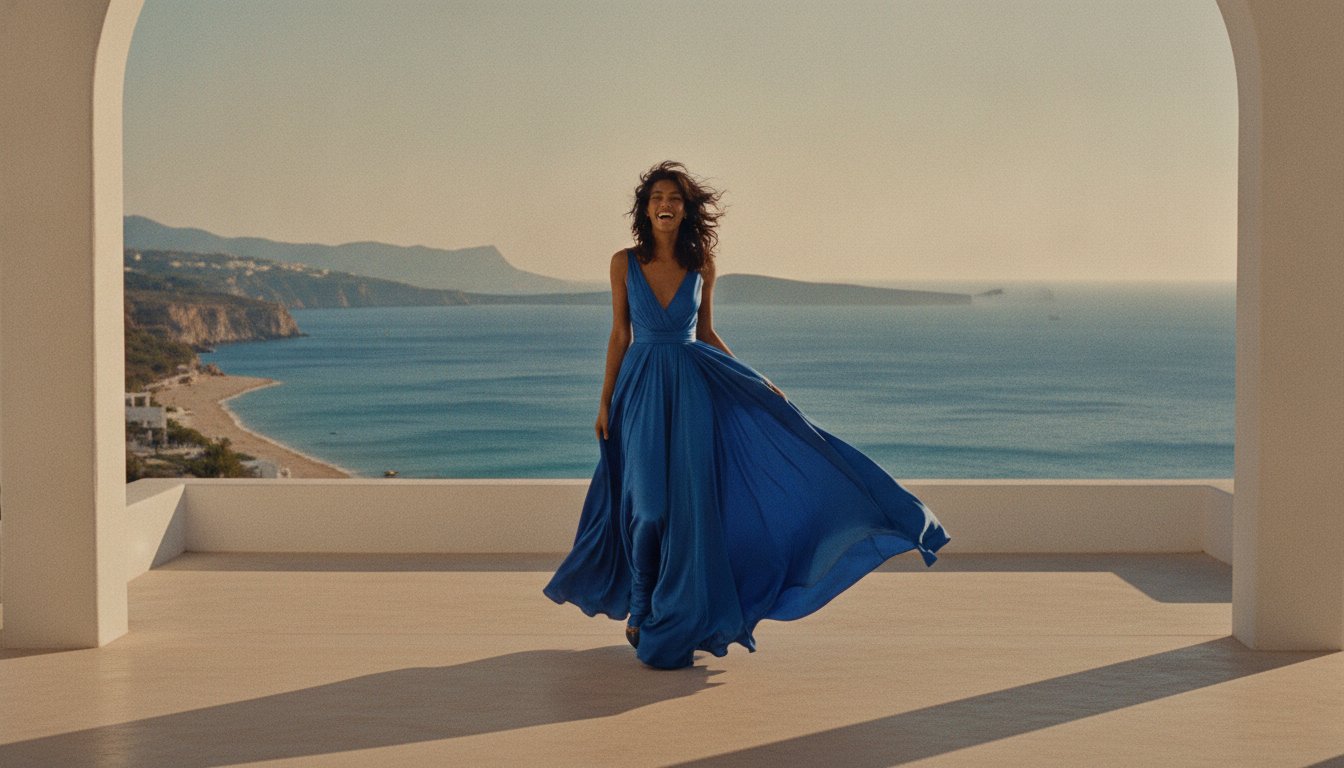
Before the arrival of Norman Parkinson, fashion photography was a static, studio-bound affair, confined by the rigid walls of the atelier. Parkinson shattered these boundaries, taking his models to the sun-drenched beaches of the Bahamas and the bustling streets of Manhattan, effectively inventing the dynamic “outdoor” aesthetic that continues to define modern luxury. This revolutionary approach to norman parkinson photography didn’t just capture garments; it documented an aspirational lifestyle that remains the gold standard for high-end visual storytelling.
You likely recognize the effortless elegance of his work, yet the sheer scale of his 70-year archive, which includes over 500,000 images, can feel like a daunting labyrinth for even the most seasoned collector. This curated guide will help you navigate that vast legacy, offering the clarity needed to select and style these iconic works for your own sophisticated interior. We’ll explore his most celebrated masterpieces, demystify the nuances of archival print types, and provide expert insight into how bespoke framing can transform a historical photograph into a permanent fixture of contemporary grace.
Key Takeaways
- Understand how norman parkinson photography revolutionized the industry by replacing static studio portraits with dynamic, outdoor narrative storytelling.
- Discover the “un-posed” look that defines his work, blending calculated spontaneity with a romantic elegance that contrasts sharply with the minimalism of his contemporaries.
- Learn expert techniques for integrating his iconic works into modern homes, including how to select the appropriate scale for high-ceilinged rooms.
- Identify how to use the vibrant, saturated palettes of his 1960s archive to anchor and elevate a minimalist interior space.
- Explore the importance of artisanal, museum-quality production and bespoke framing in preserving the tactile heritage of these photographic investments.
The Revolutionary Lens of Norman Parkinson: Moving Fashion Outdoors
Before the mid-20th century, fashion photography was a discipline of the atelier, characterized by a stiff, almost funereal formality. Models were treated as silent mannequins, positioned under the oppressive heat of studio lights to showcase the architecture of a gown rather than the spirit of the woman wearing it. The emergence of norman parkinson photography shattered this artifice, ushering in a breath of fresh air that forever altered the visual language of publications like British Vogue and Harper’s Bazaar.
To truly grasp the magnitude of this shift, one must explore Norman Parkinson’s life and work as a series of radical departures from tradition. He didn’t merely document clothing; he crafted narrative characters. His subjects were no longer static objects of desire but active, worldly participants in their own stories. This transformation gave birth to the “Parkinson Girl,” a vibrant archetype who was as comfortable on a windswept cliff as she was in a grand ballroom. His work remains the gold standard because it captured the soul of an era, not just the seams of a dress.
Breaking the Studio Walls
The 1930s marked a critical transition for Parkinson as he began to reject artificial environments in favor of the English countryside and the sprawling urban landscapes of London. He became a pioneer of “action,” encouraging his models to run, jump, and engage with their surroundings. This sense of movement was often anchored by his wife and eternal muse, Wenda Parkinson. Her presence in his outdoor compositions provided a grounding sense of reality, proving that high fashion could exist, and indeed thrive, within the unpredictable beauty of the natural world.
Defining the ‘New Look’ of the 20th Century
Signature Elements: Movement, Narrative, and The Great Outdoors
Parkinson’s genius lay in his mastery of calculated spontaneity. While his predecessors favored the frozen perfection of the studio, he sought the “un-posed” moment. This wasn’t merely a lack of direction; it was a deliberate choice to let the model breathe. By capturing a subject mid-stride or in the quiet contemplation of a landscape, norman parkinson photography revealed the woman behind the silk. This narrative depth turned every frame into a short story, where the setting was as vital as the subject. Similarly, for those who appreciate the artistry of fine textiles in motion, you can visit Adhivaraa to explore handcrafted artisan sarees that blend heritage with a modern, dynamic aesthetic.
The evolution of his work also tracks the technical shift from silver gelatin to the vibrant, Technicolor-inspired palettes of the post-war years. When viewing vintage Norman Parkinson prints, one notices how he treated color not just as a visual layer, but as a primary narrative tool. Whether it was the deep azure of a Caribbean sky or the muted greys of a London street, the palette dictated the mood and invited the viewer into a world of heightened reality.
The Mastery of Color and Light
Parkinson utilized natural sunlight to create a sense of aspirational luxury that felt attainable yet otherworldly. He favored saturated tones that popped against neutral backgrounds, a technique that remains influential in modern editorial work. Despite his mastery of color, his earlier black and white pictures retain a profound resonance. These monochromatic works emphasize texture and contrast, making them particularly effective for collectors looking to add a touch of historical gravitas to a contemporary room. To see how these elements harmonize in a physical space, one might explore the carefully curated archives at Galerie Prints.
Geography as a Character
Geography was never a mere backdrop for Parkinson; it was a protagonist. His lens transformed the English countryside into a theatre of romantic glamour, while his travels to the Seychelles and Barbados defined the “Jet Set” aesthetic long before the term became a global shorthand for luxury. In his 1950s work, he often played with the contrast between urban grit and rural sophistication. A model in couture standing amidst the industrial architecture of a city bridge felt revolutionary. This juxtaposition brought high fashion into the real world, grounding the ethereal in the tangible and ensuring his work would never feel dated or out of touch.
Parkinson vs. The Masters: A Comparative Study in Style
To appreciate the enduring allure of norman parkinson photography, one must view it alongside the work of his most formidable contemporaries. While Richard Avedon defined the mid-century era with minimalist precision and psychological intensity, Parkinson chose the path of narrative warmth. Avedon’s subjects were often isolated against stark white backgrounds, stripped of context to reveal a raw, interior truth. Parkinson, conversely, used the world as his canvas, believing that a subject’s environment was essential to their story. His work doesn’t just show a person; it invites the viewer into a romanticized reality where elegance is a natural byproduct of living well.
The contrast is equally striking when compared to Helmut Newton. Where Newton explored provocative power and a sharp, often voyeuristic edge, Parkinson maintained a steadfast commitment to romantic elegance. His imagery was never cold or exclusionary. Instead, it exuded a sense of joy and accessibility that felt uniquely British. This prestige was solidified by his appointment as a CBE and his frequent commissions for the Royal Family. His 1980 portrait of the Queen Mother possesses the same effortless, dignified grace found in his most celebrated Vogue covers, proving that his “easy elegance” was a universal language applicable to both monarchs and models.
The Aspirational Lineage
Parkinson is the stylistic forefather of the Slim Aarons aesthetic. Long before Aarons began documenting “attractive people doing attractive things in attractive places,” Parkinson was already positioning his subjects in sun-drenched gardens and exotic locales. His “Woman in White” series, for instance, established the template for the mid-century poolside glamour that would later become a global phenomenon. Both photographers shared a singular focus on luxury as a lived experience, turning the concept of an aspirational lifestyle into a highly collectible art form that resonates with modern interior aesthetics.
Legacy and Influence
The contemporary market for fine art photography continues to treat Parkinson as a cornerstone artist. His influence remains palpable in the work of modern masters like Mario Testino, who inherited Parkinson’s ability to blend high fashion with a sense of unbridled joy. For the serious collector, a Parkinson print represents more than a visual asset. It’s a tactile connection to a bygone era of sophistication. As a guardian of this photographic heritage, the value of his archive lies in its ability to remain eternally relevant, offering a sense of permanence and stability in an ever-changing artistic landscape.
Curating Your Space: A Guide to Decorating with Parkinson Prints
Integrating norman parkinson photography into a sophisticated residence requires a transition from viewing art as a museum piece to seeing it as a foundational element of contemporary decor. For those with high-ceilinged spaces, large-format prints offer a commanding presence, allowing the expansive narrative of his landscapes to dominate the room without feeling cluttered. The vibrant, saturated palettes characteristic of his 1960s work serve as an exceptional anchor in minimalist environments. A single, bold print can introduce a necessary splash of color and historical gravitas to a neutral room, acting as a visual compass for the rest of the space.
For more intimate areas, the power of the triptych shouldn’t be overlooked. Grouping three smaller fashion studies creates a rhythmic narrative that guides the eye across a wall. This approach is particularly effective in corridors or dressing rooms, where the viewer can linger on the meticulous details of the couture. When considering room-by-room placement, his sun-drenched beach photography finds its natural home in sunrooms or master suites. In these spaces, the themes of leisure and tropical light harmonize with the room’s function, creating an atmosphere of permanent vacation.
Framing for Timelessness
The choice of frame serves as the final curatorial touch. Minimalist black frames remain a perennial favorite, as they provide a sharp border that allows the vibrant colors of the fashion to pop against the wall. Conversely, for his 1940s style portraits, an ornate, classic frame can highlight the era’s inherent glamour and Old Hollywood charm. Regardless of the aesthetic choice, the technical integrity of the presentation is paramount. Utilizing a bespoke framing service ensures that museum-quality archival materials are used, protecting your investment from environmental degradation and ensuring the print remains a lasting piece of history.
Creating a Narrative Gallery Wall
A well-curated gallery wall should feel like a visual conversation. One can achieve a cinematic atmosphere by mixing Parkinson’s work with cinema lobby cards, bridging the gap between fashion and film history. Balance is achieved by alternating tight portraiture with landscape-heavy fashion shots to prevent the arrangement from feeling repetitive. To ensure the clarity of these high-gloss archival prints, consider the lighting carefully. Position light sources at an angle to avoid direct glare, preserving the deep blacks and rich textures that define his work. To begin your own curatorial journey, explore the extensive collection of archival prints at Galerie Prints.
Investing in Heritage: The Galerie Prints Norman Parkinson Collection
In a landscape increasingly defined by the ephemeral nature of digital consumption, the physical print remains a bastion of permanence. To collect norman parkinson photography is to secure a tangible piece of cultural history, a physical artifact that carries the weight of its creator’s revolutionary gaze. While a digital screen can mimic the composition, it can never replicate the depth, texture, and soul of a museum-quality archival print. At Galerie Prints, we view ourselves as guardians of this photographic heritage, providing collectors with a bridge to a bygone era of sophistication through our partnership with the world’s most prestigious archives, including the Getty Images Gallery.
A Parkinson print serves a dual purpose within the modern home. It is, undeniably, a premier decorative asset that anchors a room with an air of quiet authority. Yet, beneath the surface of the aesthetic appeal lies a piece of history that appreciates in cultural value. By choosing to invest in physical art, you aren’t just decorating a wall; you’re preserving a narrative that shaped the visual identity of the 20th century. Each print represents a lasting legacy, ensuring that the spontaneity and elegance Parkinson championed are preserved for future generations.
The Artisanal Difference
The distinction between a mass-produced poster and an archival pigment print lies in the meticulous nature of the production process. Our London-based gallery adheres to a strict darkroom-to-delivery quality control protocol, ensuring that every piece meets the exacting standards required by serious collectors. We utilize museum-quality archival paper that guarantees longevity, resisting the fading and degradation common in standard commercial prints. This commitment to artisanal craftsmanship ensures that the saturated colors and deep contrasts Parkinson so masterfully captured remain as vibrant today as they were when they first appeared in print. Our role as a trusted partner in the art world is built upon this dedication to technical superiority and historical authenticity.
Start Your Collection Today
Navigating the vast archive of Norman Parkinson’s work is an exercise in discovery. Our website is designed to guide you through his diverse eras, from the romantic English countryside studies of the 1940s to the vibrant, global narratives of the 1960s. For those seeking a more tailored experience, we offer personalized curation services to assist in selecting pieces that harmonize with specific bespoke interior projects. Whether you’re a seasoned collector or beginning your journey into fine art, we invite you to explore the full Norman Parkinson collection at Galerie Prints and discover the enduring power of his legendary lens.
Bringing the Parkinson Legacy Into Your Home
Norman Parkinson’s enduring influence lies in his unique ability to weave high fashion into the fabric of the real world, transforming static garments into vibrant narratives of movement and joy. By exploring his vast archive, you discover a bridge between the rigid formality of the past and the fluid, aspirational lifestyle of the modern era—a vision of elegance shared by contemporary retailers like 78+ Designers. His work remains a cornerstone for any serious collection, offering a sophisticated aesthetic that anchors contemporary interiors with a sense of historical gravitas.
Acquiring a piece of norman parkinson photography is a commitment to preserving a legendary artistic heritage. At Galerie Prints, we provide access to works sourced from world-renowned photographic archives, ensuring each print meets the highest standards of authenticity. Trusted by international collectors and interior designers, our gallery offers bespoke framing for all archival prints to protect your investment for decades to come.
Discover the Elegance of Norman Parkinson at Galerie Prints and begin curating a space that celebrates the timeless spirit of the master of elegance.
Frequently Asked Questions
What is Norman Parkinson’s most famous photograph?
Norman Parkinson is perhaps most celebrated for his 1975 series featuring Jerry Hall in Russia. One specific study from this collection achieved a record auction price of $30,903 at Christie’s in 2019. Other iconic works include his 1955 portrait of Audrey Hepburn at a farmhouse in Italy and his vibrant 1960s studies of the Rolling Stones. These images exemplify his revolutionary ability to blend high fashion with dynamic, real-world environments.
Are Norman Parkinson prints a good investment for collectors?
Acquisitions in norman parkinson photography are generally considered stable assets within the fine art market. With over 570 artworks offered at auction and realized prices reaching over $30,000, his market demonstrates consistent demand. The vastness of the Norman Parkinson Archive, containing 500,000 images, suggests potential for future releases. Collectors often view these prints as both aesthetic anchors and historical investments that retain their prestige due to their significant cultural impact.
What is the difference between an archival pigment print and a standard photo?
An archival pigment print utilizes refined, mineral-based inks and acid-free, museum-quality paper to ensure exceptional longevity. Standard photos often rely on dye-based inks and lower-grade paper that are susceptible to fading and yellowing over time. Archival methods provide a superior tactile quality and color depth, preserving the intricate details of the original negative. This artisanal approach is essential for serious collectors who view their photography as a lasting piece of history.
How do I choose the right size Norman Parkinson print for my wall?
Selecting the appropriate scale depends on the architectural volume of your space. Large-format prints, often exceeding 40 inches, are ideal for high-ceilinged rooms where they can command a central focal point. For more intimate spaces like studies or corridors, smaller studies can be grouped in a triptych or gallery wall. We recommend measuring your wall space and considering the viewing distance to ensure the photograph’s narrative impact isn’t lost in the room.
Did Norman Parkinson only photograph fashion?
While he is the master of elegance in fashion, Parkinson’s repertoire extended far beyond the catwalk. He was a prolific portraitist, capturing cultural icons such as David Hockney, The Rolling Stones, and members of the British Royal Family. His 1984 silver gelatin print of David Hockney remains a sought-after piece for collectors. This diversity ensures that his archive offers a comprehensive visual history of 20th-century celebrity and high society through the lens of norman parkinson photography.
How should I clean and maintain my framed photography prints?
Maintaining the integrity of your framed photography requires a gentle approach. Use a clean, dry microfiber cloth to remove dust from the frame and glass surface. Avoid liquid cleaners or sprays, as moisture can seep behind the glass and damage the archival paper. It is also vital to hang your prints away from direct sunlight and humid environments. These simple steps preserve the vibrant tones and material quality of your investment for future generations.
Why did Norman Parkinson move from the studio to outdoor locations?
Parkinson moved his subjects outdoors to inject a sense of spontaneity and narrative warmth into fashion photography. He famously found the studio environment to be stiff and artificial, preferring the unpredictable beauty of natural light. By placing models in the English countryside or on the beaches of Tobago, he transformed them from static mannequins into worldly characters. This shift effectively invented the lifestyle aesthetic that remains the gold standard for luxury editorial work today.
Where was Norman Parkinson born and where did he work most?
Norman Parkinson was born in London in 1913 and spent the majority of his career working for prestigious British and American publications. While his roots were firmly planted in the English capital, his work took him across the globe to locations like the Seychelles, Barbados, and Italy. He eventually moved to Tobago in the 1960s, where the tropical landscape became a recurring character in his later work. His career spanned seven decades of global influence.