
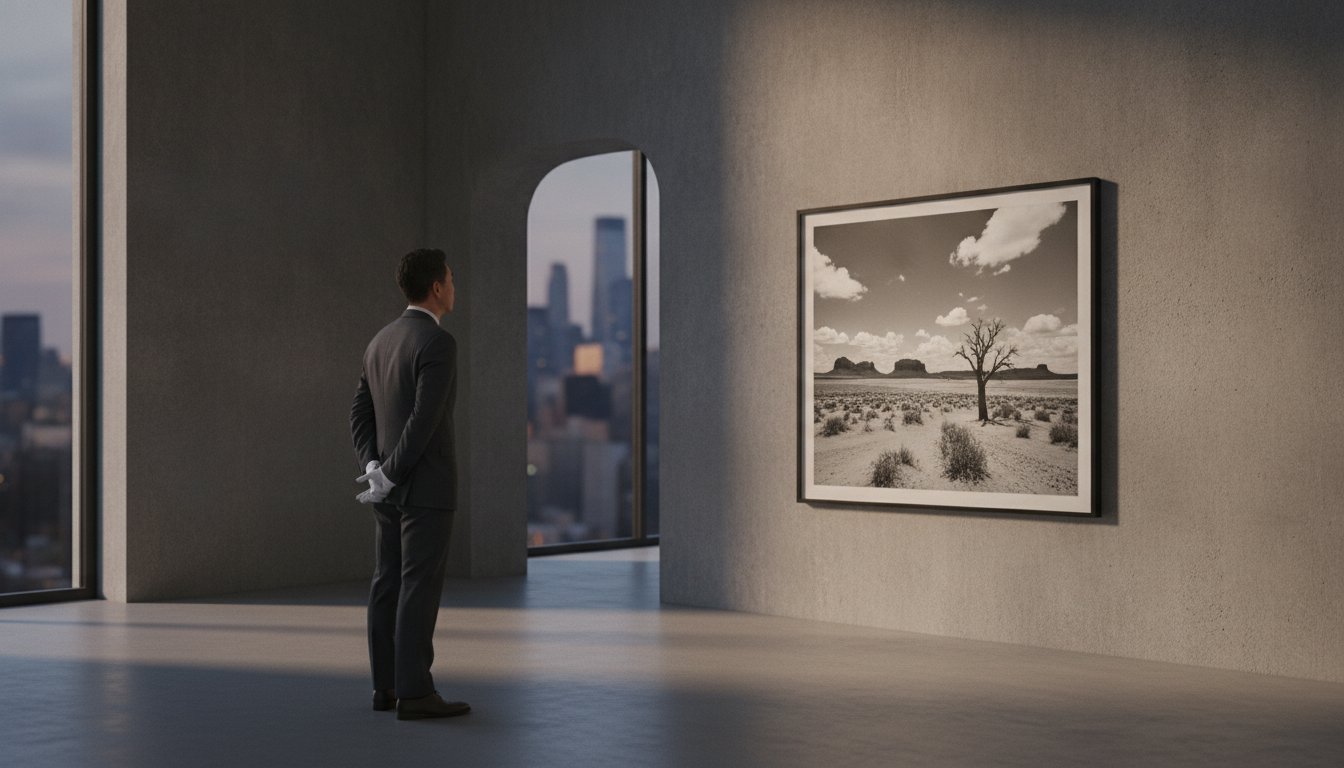
A photograph captured on a digital sensor or a strip of film is merely a ghost until it’s given physical form through the rigorous alchemy of archival production. You’ve likely felt that pull toward a timeless Slim Aarons poolside scene or a Terry O’Neill portrait, yet hesitated because you don’t want a piece that fades or yellows before it can be passed down. It’s a common anxiety for the discerning collector; the fear that a significant investment might eventually lose its luster is entirely justified in a market flooded with mass-produced reproductions.
This guide demystifies exactly what is a museum quality print by examining the meticulous standards of material, process, and longevity that separate a temporary decoration from a true heirloom. You’ll discover the technical promise of permanence found in ISO 9706:2025 compliant papers and the chemical stability of pigment-based inks that are rated to last up to 200 years. We’ll walk through the essential components of archival fidelity, from the tactile weight of 300 gsm cotton rag to the precision of high-resolution giclée systems, giving you the confidence to curate a collection that honors the artist’s original vision for centuries to come.
Key Takeaways
- Distinguish between ephemeral commercial posters and archival masterpieces by understanding the technical benchmarks that define what is a museum quality print.
- Identify the critical roles of 100% cotton rag substrates and pigment-based inks in ensuring your collection remains vibrant for over a century.
- Learn how to verify the provenance and technical specifications of a piece to protect the long-term investment value of your fine art photography.
- Discover why prestigious archives, such as the Slim Aarons collection, require specific artisanal production methods to preserve their historical significance.
- Gain the curatorial knowledge needed to select bespoke framing and archival materials that prevent yellowing and environmental degradation.
Defining Museum Quality: Beyond the Standard Poster
The difference between a mass-produced poster and a fine art reproduction isn’t merely aesthetic; it’s a fundamental divergence in technical DNA. When collectors ask what is a museum quality print, they’re seeking a piece that possesses the same material permanence and visual fidelity as the works hung in the world’s most prestigious institutions. While a commercial poster is designed for a fleeting season, a museum-grade print is engineered for a century. Understanding what is a museum quality print involves looking beyond the image to the very fibers and pigments that grant it life. This standard ensures that the evocative hues of a Slim Aarons poolside scene remain as vivid in a hundred years as they are today. Achieving this requires a harmonious trifecta: acid-free substrates, lightfast pigment inks, and the discerning eye of a master printer who acts as the final guardian of the artist’s legacy.
The Giclée Standard vs. Traditional Printing
Giclée printing represents the pinnacle of modern photographic reproduction. Unlike traditional four-color offset printing, which uses a limited palette of dots, giclée utilizes a high-resolution inkjet process with a wide gamut of pigment-based inks. These pigments sit on the surface of the paper rather than being absorbed like dyes. This results in superior lightfastness and a higher “D-max” value, which is the technical term for the deepest, richest blacks achievable in fine art photography. While older “C-prints” rely on chemical reactions that can degrade over time, pigment-based giclée prints offer a level of depth and stability that mirrors the original exhibition piece. This process allows for a nuanced translation of light and shadow, capturing the tactile atmosphere of a vintage music archive or a cinematic lobby card with startling precision.
Why ‘Archival’ is the Key Word
True museum quality is inseparable from archival integrity. This refers to the chemical stability of the materials used during production. Standard papers often contain lignin, a natural component of wood pulp that produces acid as it breaks down, leading to the dreaded yellowing and brittleness seen in old newspapers. To prevent this, museum-grade prints utilize 100% cotton rag or alpha-cellulose papers that are entirely acid-free and lignin-free. Meeting rigorous standards like ISO 9706:2025 ensures the paper can withstand environmental stressors without deteriorating for generations. For the serious collector, this permanence isn’t just about aesthetics; it’s about preserving the piece’s value in the secondary art market. A print that retains its structural and visual integrity over decades remains a viable investment, functioning as a lasting piece of photographic heritage rather than a disposable decoration.
The Anatomy of Excellence: Ink, Paper, and Process
To truly grasp what is a museum quality print, one must look beneath the surface at the elemental composition of the work. It’s a deliberate symphony of material science and artisanal skill. The journey begins with the substrate, the very foundation upon which the image rests, followed by the pigments that provide its soul. This technical “anatomy” is what allows a photograph to transcend its digital or film origins and become a lasting piece of heritage. It’s the difference between a fleeting image and a permanent legacy, ensuring that the work remains a stable and evocative presence in your collection for generations.
This commitment to quality is what distinguishes true fine art from mass-market decor; whether you’re sourcing from a historical archive or a modern gallery like Art-eyedeas, the focus on material excellence remains the same.
Choosing the Right Archival Photo Paper
The choice of archival photo paper dictates the tactile soul of a piece. 100% cotton rag is the gold standard, naturally acid-free and offering a luxurious, felt-like texture. Alpha-cellulose is a purified alternative that meets ISO 9706:2025 standards for permanence. Whether you prefer the non-reflective depth of a matt finish or the saturated sheen of lustre, ensure the paper weighs 300 gsm or higher for true physical durability. These heavy-weight papers provide a sense of stability and prestige that lighter commercial alternatives simply can’t match.
Pigment Inks and Lightfastness
Archival prints rely on pigment inks, where solid color particles sit on the paper surface rather than soaking in. This creates a resilient layer remarkably resistant to UV light and pollutants. Lightfastness is the ability of a print to resist fading over decades. By maintaining high D-max values, or maximum black density, an archival print ensures that shadows remain deep and blacks stay true. This wide color gamut is essential for reproducing the vibrant historical archives of the Slim Aarons Collection with absolute fidelity, preserving the original’s brilliance for a century or more.
Artisanal oversight remains the final, crucial element in the production chain. Technology alone cannot define what is a museum quality print; it requires a seasoned printer to interpret the nuances of contrast and tone. This human touch ensures that the wide color gamut of modern systems is harnessed to honor the original vision of the artist. Whether reproducing the sun-drenched scenes of our Slim Aarons Collection or the grit of our music archives, the printer’s eye acts as a bridge to the past. If you’re beginning your journey as a collector, exploring our fine art photography guide can help you identify works that resonate with your aesthetic and investment goals.
Archival Integrity: Why Longevity Matters for Serious Collectors
For the discerning collector, the decision to acquire a photograph is an act of custodianship. When one considers what is a museum quality print, the focus often shifts from immediate aesthetic pleasure to the enduring promise of permanence. A photograph is a captured fragment of history, a silent witness to a bygone era of elegance or a pivotal cultural moment. Without archival integrity, that witness eventually fades. Investing in museum-grade production ensures that the work remains a stable asset, one that maintains its visual fidelity and financial value over decades. Unlike mass-produced decor that yellow and brittle within a few years, these prints are engineered to become family heirlooms, surviving environmental stressors that would otherwise destroy a lesser reproduction.
The relationship between material quality and resale value is absolute. In the secondary art market, the condition of a print is the primary determinant of its worth. Atmospheric pollutants, fluctuating humidity, and high temperatures act as slow-acting catalysts for degradation in non-archival materials. By utilizing chemically stable components, a museum quality print resists these forces, preserving the deep blacks and nuanced mid-tones that define the work’s character. This technical resilience is why iconic works from the Slim Aarons collection require such rigorous archival care; to lose the crystalline clarity of his sun-drenched vistas to environmental decay would be a loss to photographic heritage itself.
The Role of Bespoke Framing in Preservation
A museum quality print requires a protective environment that mirrors its own internal standards. Framing isn’t merely a decorative border; it’s a technical “second skin” designed to shield the artwork. Utilizing UV-protective glass is essential, as it filters out the harmful rays that cause pigment breakdown and paper yellowing. Furthermore, the use of acid-free mounting boards and reversible hinging techniques ensures that the print never comes into contact with harmful chemicals. Our bespoke framing service provides this critical final layer of defense, employing artisanal craftsmanship to ensure that every element of the presentation supports the longevity of the art within.
Understanding Limited Editions
The collectability of a photograph is driven by the intersection of rarity and production excellence. Limited editions represent a controlled release of an image, often overseen by the photographer’s estate or authorized archives to ensure the highest standards are met. Collectors prioritize prints sourced directly from official negatives or high-resolution transparencies, as these provide the most authentic link to the artist’s original intent. When you understand what is a museum quality print, you recognize that the provenance of the materials is just as vital as the signature on the reverse. This commitment to authenticity, combined with archival production, transforms a simple image into a prestigious investment that honors the legacy of the creator.
Identifying Authenticity: A Checklist for the Discerning Buyer
Discernment is the collector’s most valuable asset. In an era where digital reproductions are ubiquitous, understanding what is a museum quality print requires a sharp eye for technical transparency and provenance. Authenticity isn’t merely about the image itself; it’s about the verifiable chain of custody and the material integrity of the physical object. When you’re looking to invest in high-caliber visual art, you must move beyond the surface appeal and scrutinize the production standards that justify a premium position. A true masterpiece is a confluence of artistic vision and archival science, and verifying this connection is essential for any serious acquisition.
- Verify the Source: Ensure the gallery holds authorized rights to the archive. Reputable institutions will openly declare their relationship with artist estates, photographers, or major authorized archives.
- Scrutinize Specifications: A true museum-grade description should explicitly mention pigment-based inks and acid-free, lignin-free paper. If these details are absent, the piece is likely a commercial reproduction.
- Inquire About the Lab: Professional prints result from a collaboration between the artist’s vision and a master printer’s technical expertise. Ask if the lab specializes in fine art production.
- Seek Provenance: Certificates of Authenticity or official estate stamps provide the legal and historical weight necessary for future resale and valuation.
- Analyze the Pricing: True archival production is a resource-intensive process. If the price feels more aligned with a high-street poster than a gallery piece, the materials likely won’t meet museum standards.
Red Flags to Avoid in Online Galleries
The language used in a listing often reveals the quality of the work. Be wary of generic “poster” descriptions that omit specific paper brands or ink types. A lack of information regarding the printing method is a significant warning sign. Galleries that fail to offer high-end, bespoke framing options often treat their prints as disposable decor rather than lasting heritage. If the platform prioritizes volume over artisanal craftsmanship, the longevity of the piece is likely compromised. High-end photography demands a level of detail that mass-market retailers simply cannot provide.
Questions to Ask a Gallery Curator
Engaging with a curator provides the clarity needed for a confident purchase. Inquire about the specific longevity ratings of the ink and paper combination used. It’s also vital to ask about the origin of the file; was it sourced from an original negative or a high-resolution transparency? Finally, verify the mounting techniques. A gallery committed to archival standards will use reversible, acid-free methods that protect the print’s structural integrity. For those seeking guaranteed excellence, our collection of Slim Aarons photography represents the pinnacle of authorized, museum-grade archival work.
Discover the difference that artisanal care makes by exploring our curated collections of fine art photography.
The Galerie Prints Standard: Preserving Photographic Heritage
At Galerie Prints, we operate with a profound reverence for the medium, positioning ourselves as stewards of photographic history rather than mere retailers. We don’t just sell images; we curate legacies. When considering what is a museum quality print, our standard represents the apex of that definition, where technical precision meets historical authenticity. Every piece we produce is an invitation to own a fragment of a bygone era, rendered with the meticulous care that only artisanal craftsmanship can provide. This commitment ensures that the art you select remains a stable, evocative presence in your home, functioning as a bridge between the elegance of the past and the sophisticated aesthetics of the present.
Authorized Archives and Iconic Collections
Our work begins with direct access to the world’s most prestigious archives, including the Getty Images Gallery. This allows us to honor the legacy of masters like Terry O’Neill, whose candid portraits of 20th-century icons require a specific technical touch to maintain their original gravitas. When bringing black and white pictures to life, we utilize modern archival tech to achieve the silvery mid-tones and deep contrast found in original darkroom masters. This same fidelity is applied to every Slim Aarons poolside scene. The crystalline blues and sun-drenched yellows are captured with absolute loyalty to the original transparency, ensuring that the aspirational lifestyle he documented is preserved in its most authentic form.
From Our Gallery to Your Home
We invite collectors to experience the tactile quality of our work firsthand at our London gallery, where the physical presence of the art transcends the digital screen. Here, the weight of the paper and the depth of the pigment become palpable, reflecting our commitment to the highest standards of fine art photography. This dedication has made our prints the preferred choice for high-end interior designers who seek pieces offering both visual impact and long-term stability. The journey from our curation to your professional delivery is handled with the same quiet authority that defines the art itself, ensuring each print arrives as a ready-to-hang heirloom that has been treated as a unique piece of history.
Selecting a piece for your home is a significant step in building a personal legacy. By choosing a work that meets the rigorous criteria of what is a museum quality print, you’re securing a lasting piece of history that won’t fade with time. We invite you to explore our curated collections, from iconic music archives to vintage movie posters, and begin your journey as a discerning collector today.
Cultivating Your Photographic Legacy
Owning a piece of photographic history is a privilege that requires technical excellence. You’ve discovered that what is a museum quality print represents a technical promise of permanence, where acid-free cotton rag and lightfast pigment inks ensure your collection remains vibrant for generations. By prioritizing authorized archives and verified production standards, you protect your investment from the environmental decay that plagues commercial alternatives. Each acquisition is a deliberate act of preservation, ensuring the artist’s original vision is honored with absolute fidelity.
As an authorized Getty Images Gallery partner, we bridge the gap between historical archives and contemporary interior aesthetics. Our work is trusted by international interior designers to provide both visual impact and archival integrity. Every piece we produce is finished with bespoke artisanal framing, creating a protective sanctuary for the art within. Whether you’re drawn to the sun-drenched glamour of a Slim Aarons vista or the raw energy of our music archives, your commitment to archival quality ensures that the narrative continues long after the shutter has closed.
Your collection is a reflection of your discernment and a gift to the future. Explore our curated collection of Museum Quality Prints and find the masterpiece that will anchor your home for a lifetime.
Frequently Asked Questions
What is the difference between a giclée print and a museum quality print?
Giclée refers specifically to the high-resolution inkjet process, while museum quality describes the holistic standard of the final object. A giclée print becomes museum quality only when it utilizes pigment-based inks on acid-free, 100% cotton rag paper. While most fine art prints are giclées, not every giclée meets the rigorous longevity and material purity requirements necessary to be considered a lasting piece of photographic heritage.
How long does a museum quality print actually last?
Under proper display conditions, a museum quality print is rated to last between 100 and 200 years without significant fading or deterioration. This longevity is achieved through the chemical stability of pigment inks and the absence of lignin in the paper. When shielded from direct UV light and extreme humidity, these prints function as stable investments that retain their visual depth and clarity for multiple generations.
Is museum quality paper the same as archival paper?
These terms are often used interchangeably, though “archival” refers specifically to the chemical properties that prevent yellowing and brittleness. For a paper to meet the museum quality standard, it must be acid-free and lignin-free, often adhering to ISO 9706:2025 requirements. Most museum-grade substrates are made from 100% cotton rag, providing a tactile weight and structural permanence that standard cellulose papers cannot replicate.
Why are museum quality prints more expensive than standard posters?
The premium cost reflects the use of high-grade materials and the artisanal skill involved in the production. Standard posters utilize cheap wood-pulp paper and dye-based inks that degrade quickly. In contrast, understanding what is a museum quality print involves recognizing the value of pigment-based systems and heavy-weight cotton papers. These materials, combined with the oversight of a master printer, ensure a level of fidelity and permanence that mass-market reproductions simply don’t possess.
Can I get a museum quality print of a digital photograph?
Digital photographs can absolutely be rendered as museum quality prints through the giclée process. Modern high-resolution sensors capture immense detail that is best honored by archival pigment printing. By translating digital data onto acid-free fine art paper, we ensure that contemporary works receive the same technical reverence and longevity as historical film archives, transforming a digital file into a prestigious physical asset.
Does a museum quality print require special glass when framing?
UV-protective glass is essential for maintaining the integrity of a high-end print. Even though pigment inks are lightfast, consistent exposure to ultraviolet rays can eventually cause subtle shifts in color and damage the paper fibers. Utilizing museum-grade acrylic or glass with at least 99% UV protection acts as a vital shield, ensuring the work’s longevity while reducing distracting reflections for a superior viewing experience.
How can I tell if a print I bought is truly archival?
To verify if a print is truly archival, you should examine the technical specifications for mentions of pigment inks and acid-free cotton rag paper. Authorized galleries will provide a Certificate of Authenticity or estate stamps that confirm the production standards. If you’re wondering what is a museum quality print in an online setting, look for transparency regarding paper brands and the specific printing systems used by the gallery.
What is the best way to clean and maintain a fine art print?
Fine art prints should never be cleaned with water or chemical solvents, as these can permanently damage the delicate paper fibers and pigments. Instead, use a soft, dry ostrich feather brush or a clean microfiber cloth to gently remove surface dust. It’s best to keep the print behind protective glass and avoid touching the surface with bare hands, as natural oils can leave lasting marks on the archival substrate.