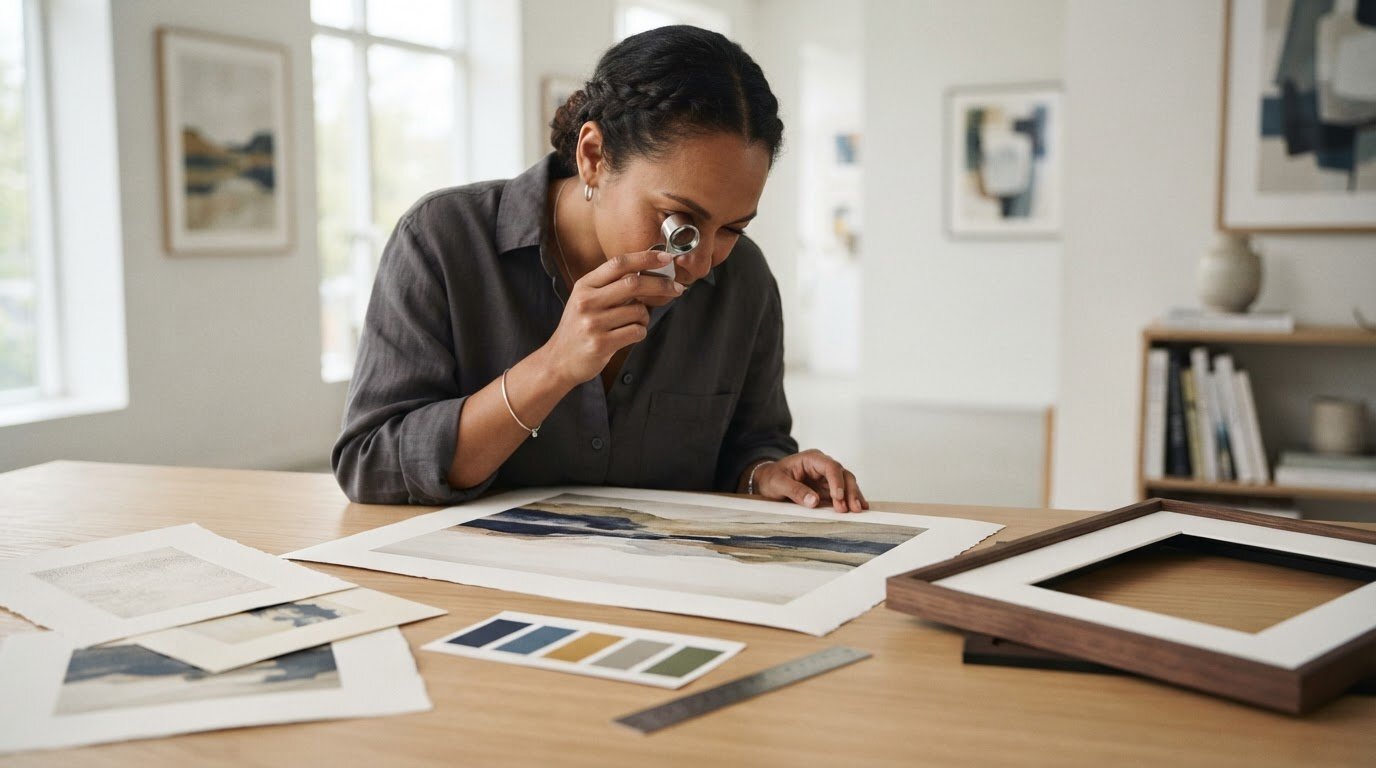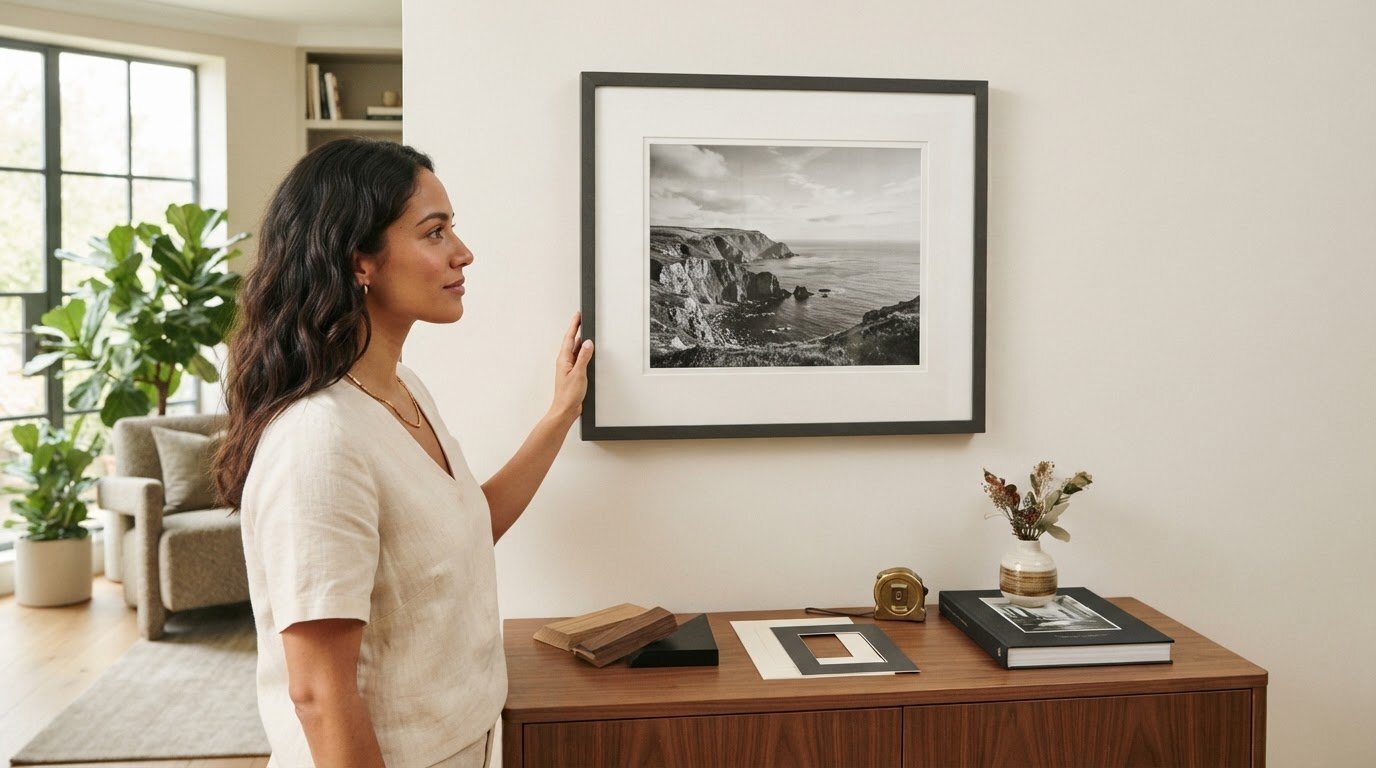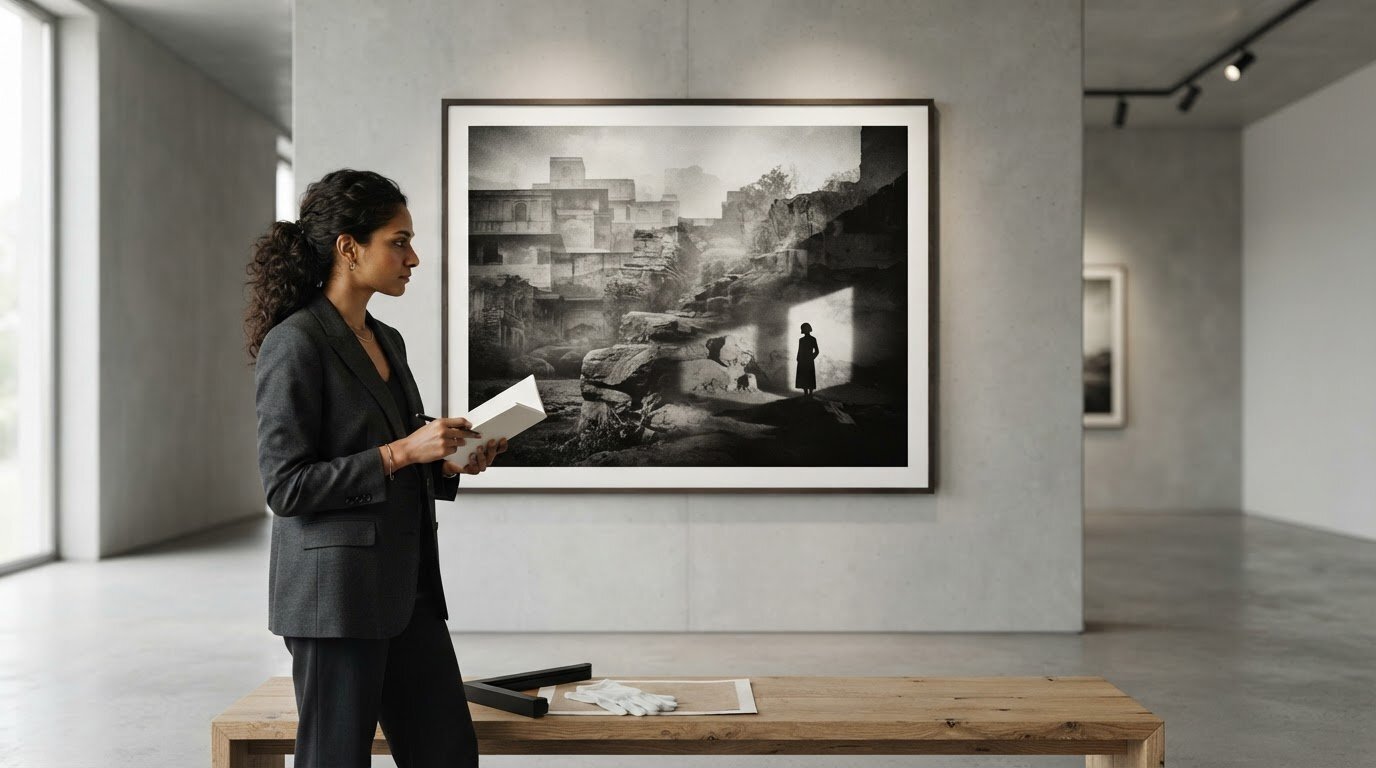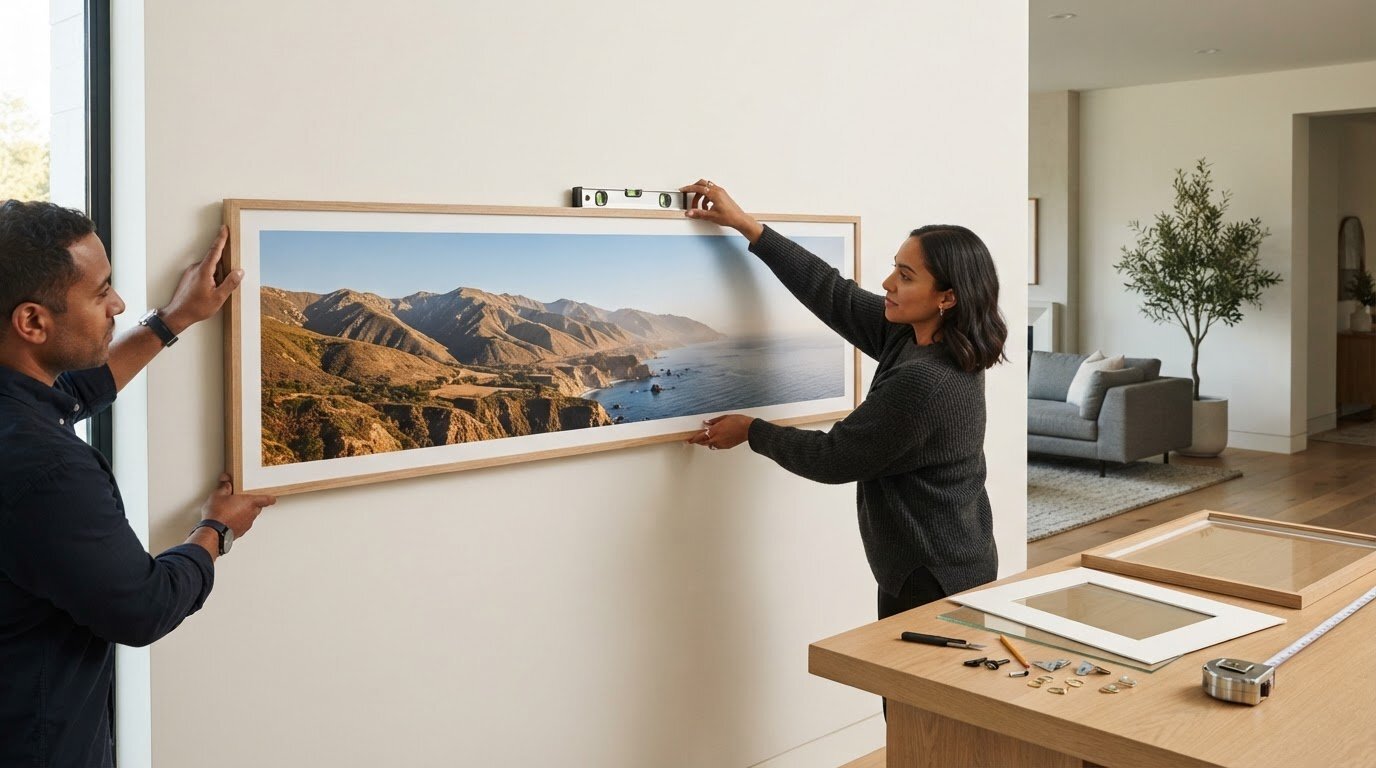
What if the art on your office walls could do more than fill empty space? Art that inspires creativity in an office gives people something to pause over, notice and interpret in their own way. A well-chosen image can lend a workspace a distinct character without overwhelming it.
If your office feels generic, choosing artwork can seem surprisingly difficult. A striking image that suits a reception area may feel distracting beside a desk, while a thoughtful subject can lose its presence if the scale or placement is wrong. The answer isn’t simply to add more, but to choose with intention.
This guide explores how imagery, subject matter and position can shape different workspaces, from shared meeting rooms to quieter individual offices. You’ll find practical ways to compare art directions, assess scale and placement, and create visual interest without clutter. Photographic prints, vintage cinema imagery and considered framing can each bring a distinctive point of view, helping your office feel personal, composed and suited to the way people use it.
Key Takeaways
- Choose imagery for its visual character, from fine-art photography and abstract compositions to nature-inspired scenes and cinematic subjects.
- Match the artwork’s mood and format to the room, considering how people use the space and what they’ll see from their usual positions.
- Use a simple selection process to define the room’s needs, shortlist images, assess scale and refine the presentation.
- Thoughtfully selected art that inspires creativity in an office can invite fresh perspectives while giving the workspace a more personal feel.
- Explore exhibition-quality photographic prints, with bespoke framing and options for custom sizing and cropping to suit your chosen image and wall.
Why Art That Inspires Creativity in an Office Is More Than Decoration
An office can be carefully equipped and still feel impersonal: desks, screens and blank walls arranged for function, with little to suggest the character of the people who work there. Art changes how a room feels by giving the eye something worth returning to. Art that inspires creativity in an office is chosen to invite attention, interpretation and fresh associations, rather than simply match a passing trend or complete a colour scheme.
Creativity is not one fixed quality or process. The broad discussion of the concept of creativity reflects how varied its meanings can be. In a workspace, that variety is a useful starting point: choose imagery that leaves room for curiosity, rather than expecting one picture to prompt the same thought in everyone.
What makes an image feel creatively engaging?
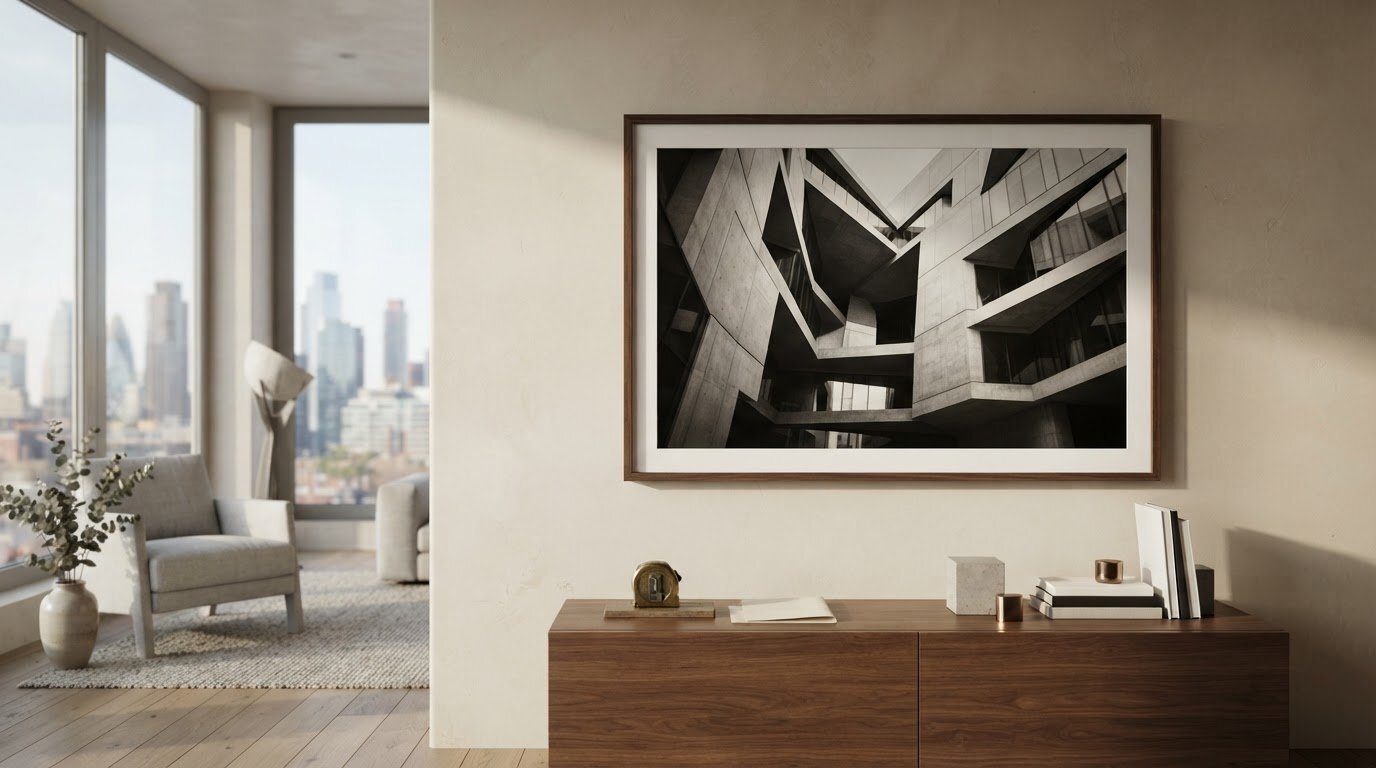
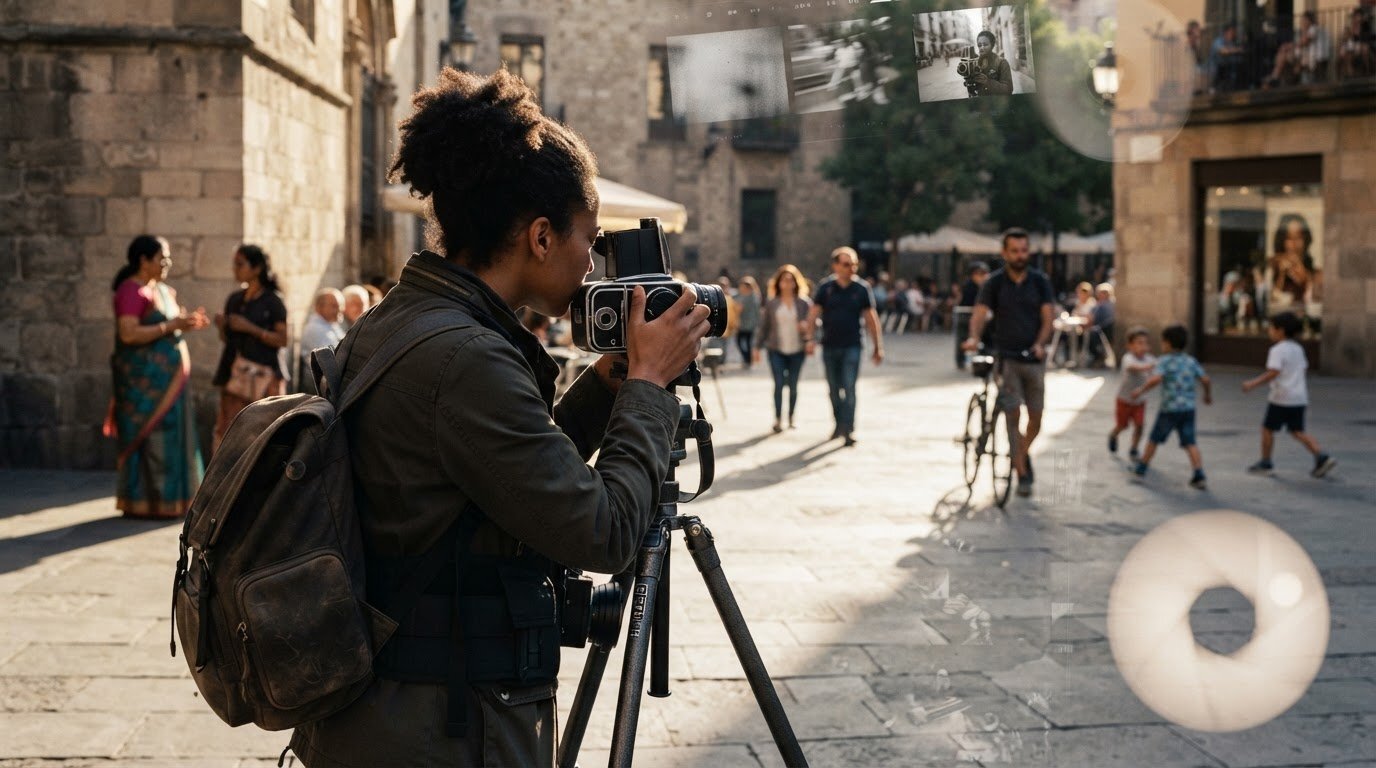
Subject and composition shape how an image holds attention. A photograph of a familiar city from an unusual vantage point might draw attention to its geometry; a cropped portrait might bring gesture, expression or negative space to the fore. An image with a clear subject can be compelling, while a more ambiguous composition may invite several readings.
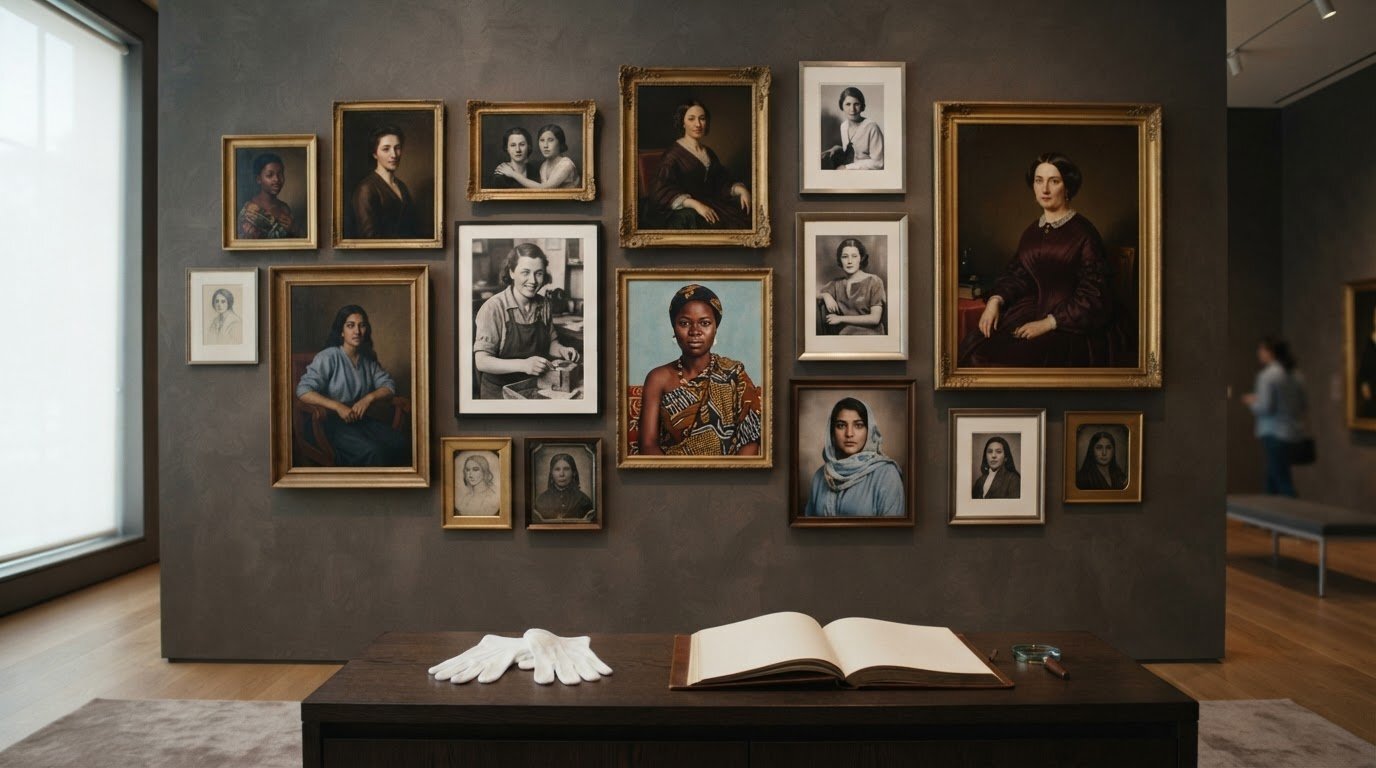
Those responses are personal, not universal. One person may find a cinematic scene evocative because it recalls a favourite film; another may respond to its lighting or arrangement of figures. A photograph connected to a team’s interests, history or sense of place can carry more meaning than an image chosen only because it matches the current palette. Consider what the work might mean to the people who will encounter it, as well as how it looks on the wall.
That doesn’t mean every surface needs artwork. One striking piece in a meeting room or a small group of images united by subject, tone or framing can be enough. Leaving some walls clear gives the selected work space to be seen. Aim for visual interest with intention, not decoration for decoration’s sake.
Start with the character of the office
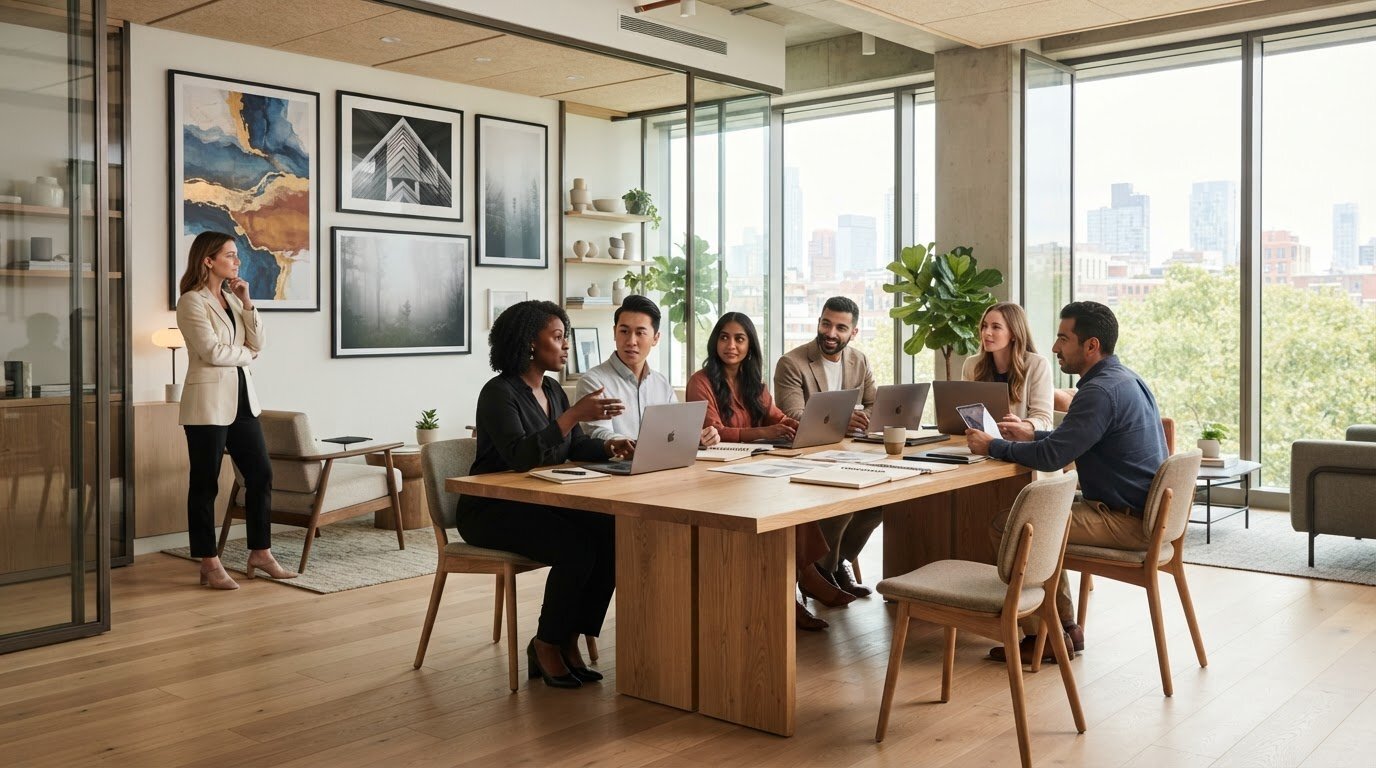
Before choosing an image, decide what atmosphere each room should communicate. A shared brainstorming area might suit imagery with movement, contrast or details that invite conversation. A quiet focus room may call for a more restrained composition that feels absorbing without dominating the space. In reception, artwork can offer a first impression of the organisation’s sensibility, whether contemporary, warm, playful or shaped by cultural references.
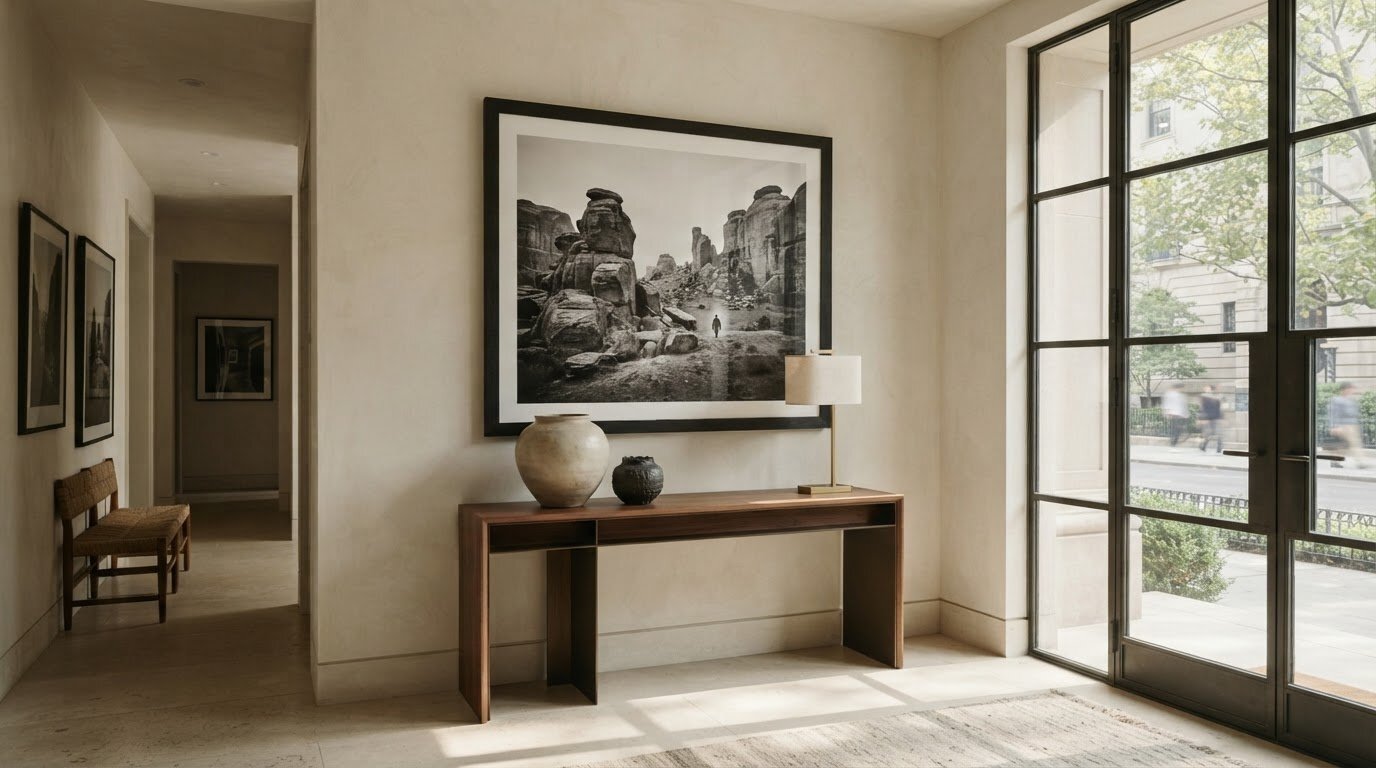
Think about the room’s purpose, sightlines and existing character. What will people see as they enter, sit down or move through the space? A large, vivid work might anchor a generous wall, while a more intimate image could reward closer viewing in a smaller room. Art should complement the way a space is used, not dictate it. Once you’ve settled on the atmosphere, it becomes easier to compare subjects and formats and choose work that feels at home.
Four Art Directions That Can Bring Fresh Perspectives to an Office
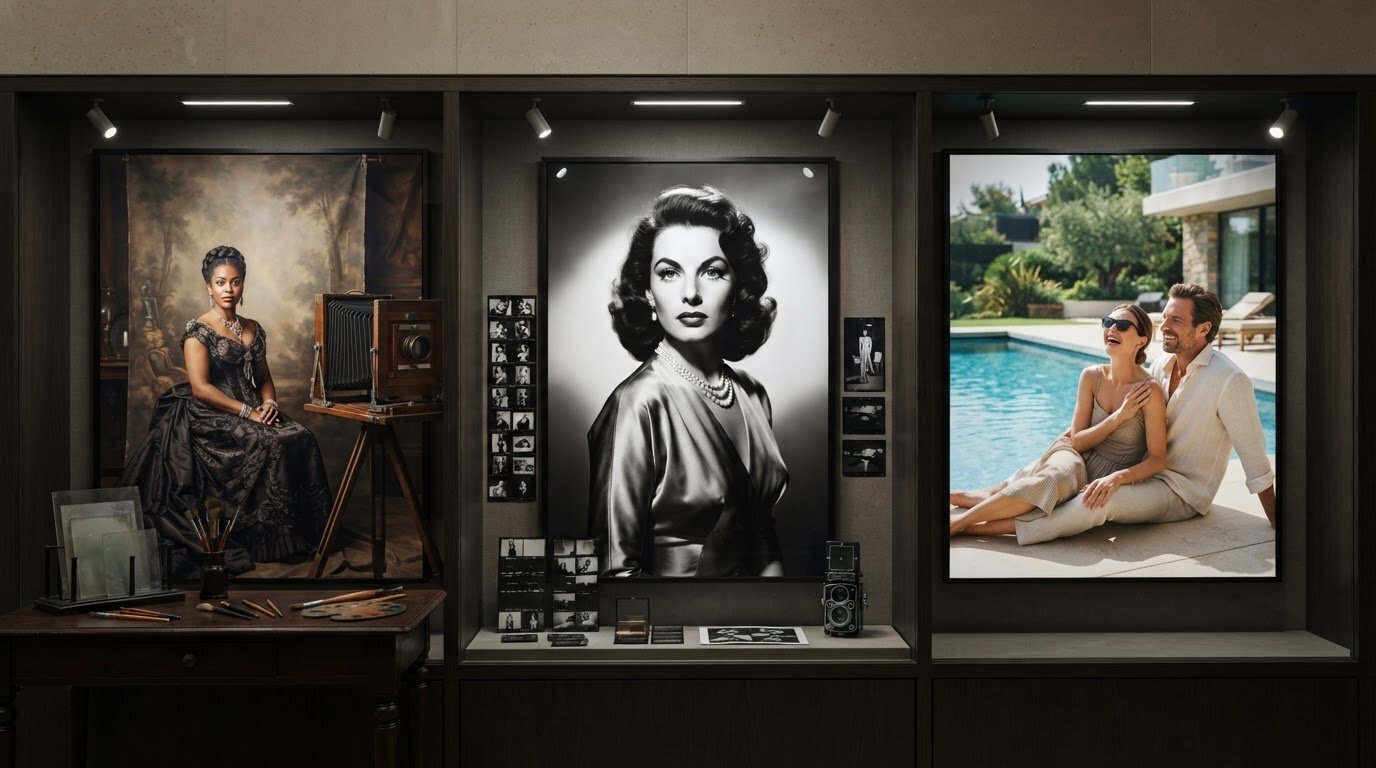
Different visual languages create different kinds of presence. Fine-art photography offers observed detail, abstract imagery foregrounds form and colour, nature-inspired scenes bring the natural world into view, and cinematic subjects suggest a story. None is inherently more creative than another; the right choice depends on the space and the people who encounter it.
These approaches can sit alongside each other, provided the selection feels deliberate. Decide whether you want an image to reward a close look, establish a particular mood or introduce a cultural reference. The arts’ relationship with fresh thinking is explored in the arts and innovation, a useful perspective when considering how visual culture can have a place in working life.
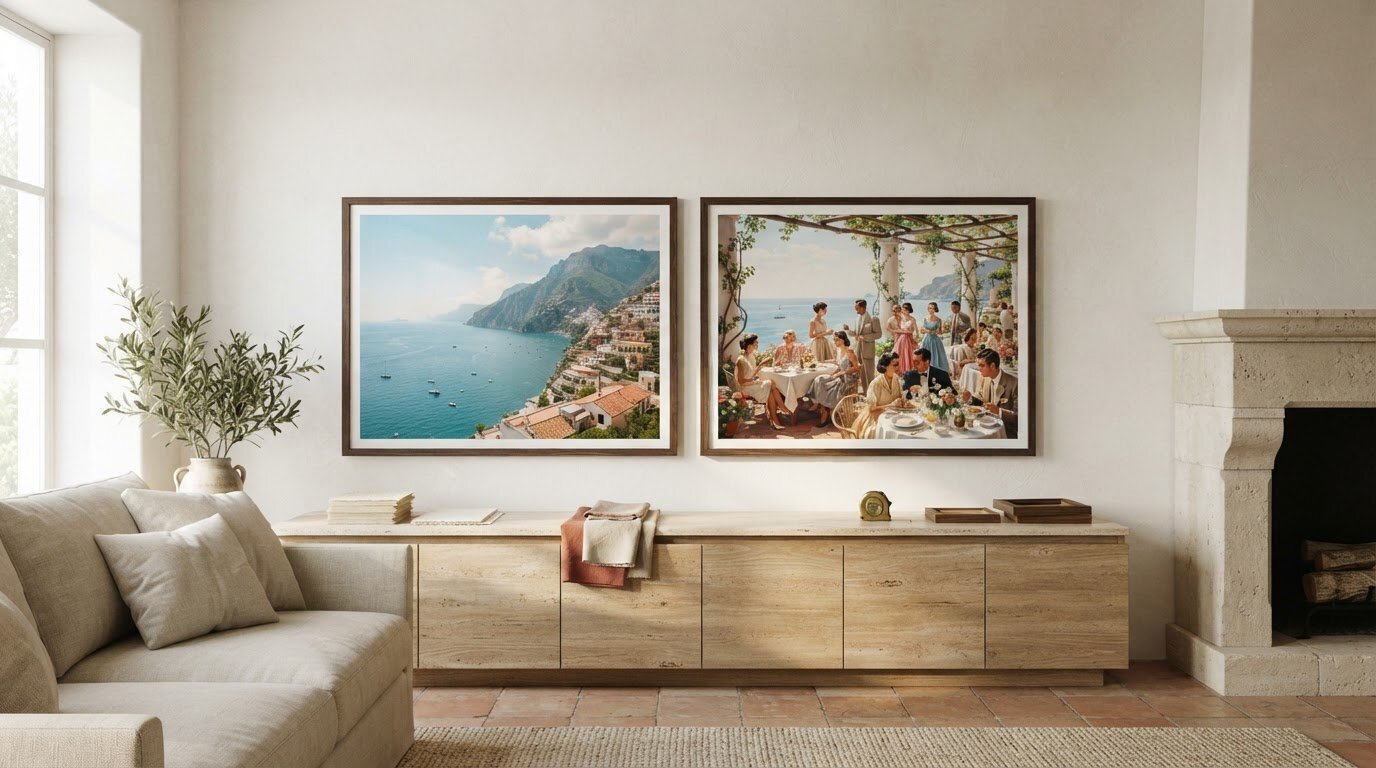
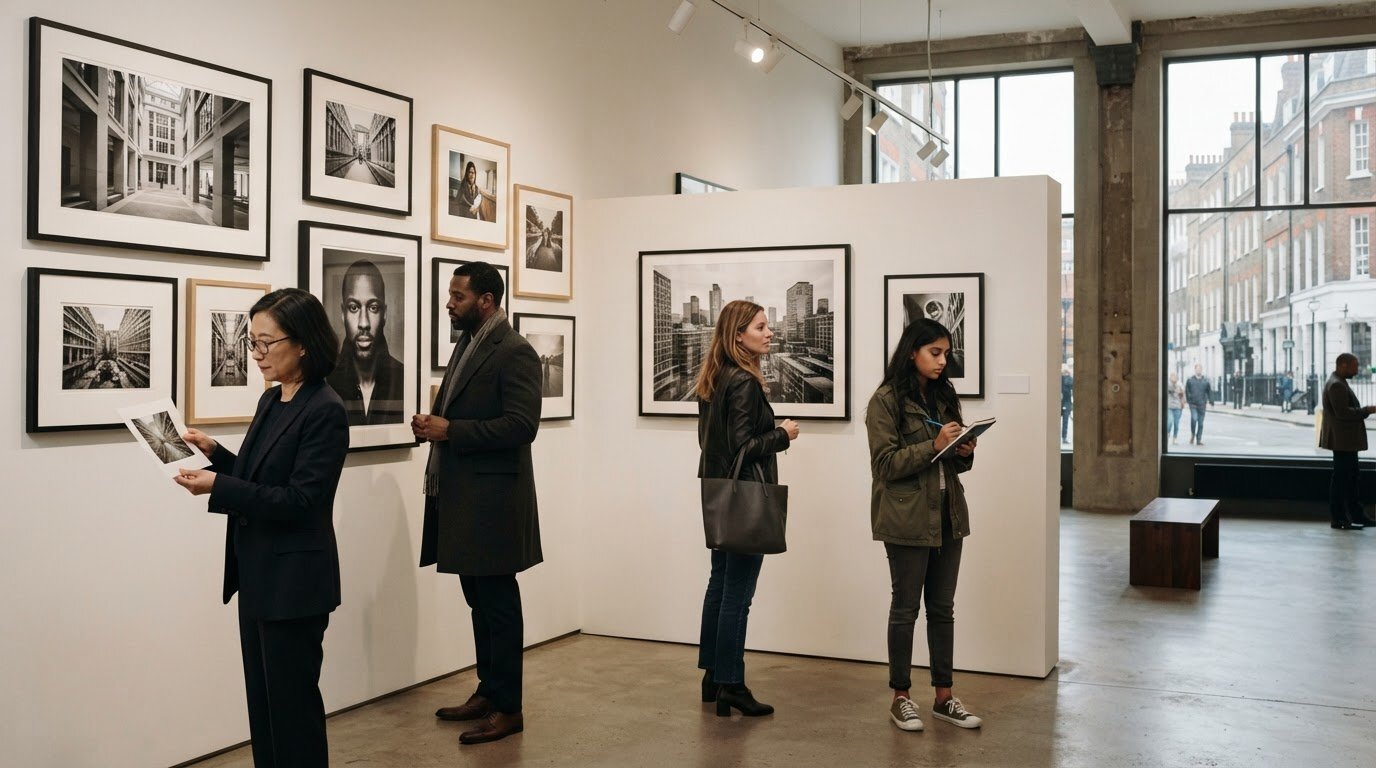
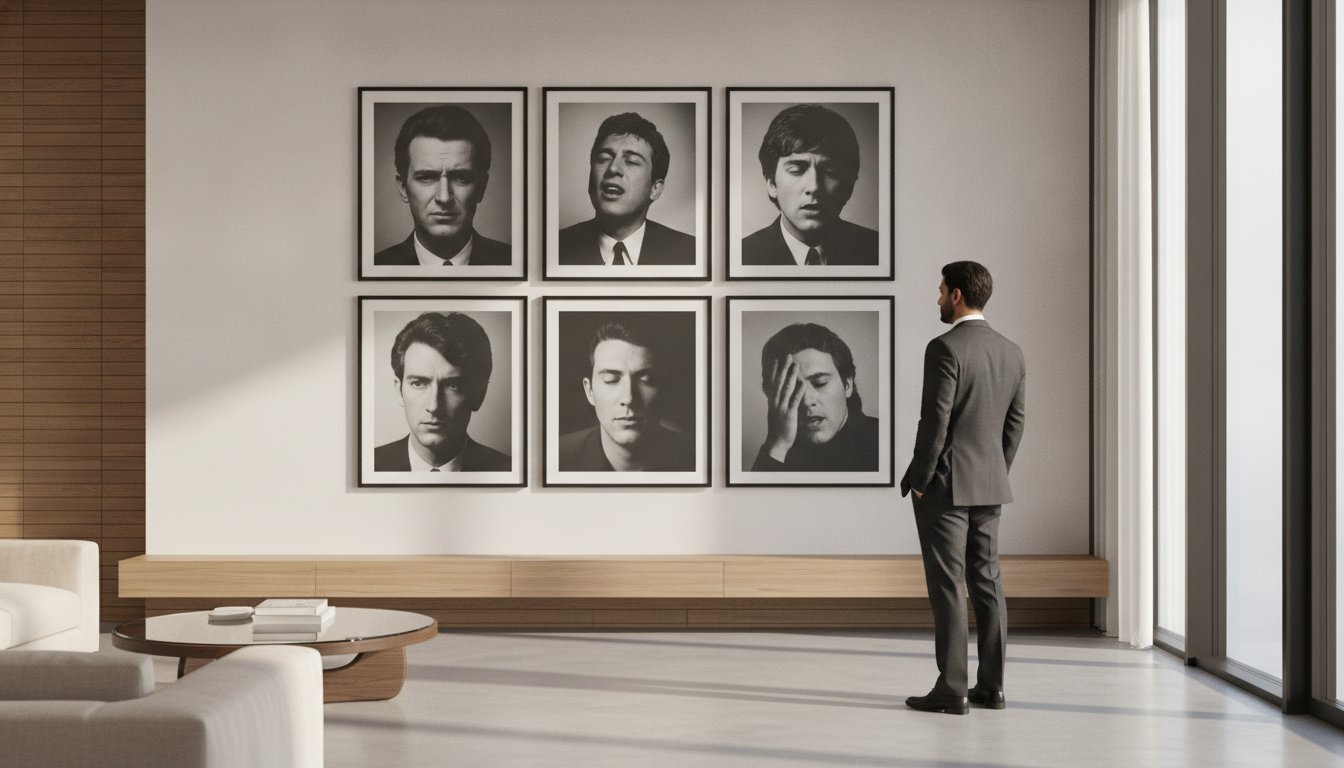
- Fine-art photography: Photography can offer immediate impact as well as intricate detail. A landscape might draw attention to changing light across a ridge; an architectural image can turn a familiar façade into a study of line, pattern and perspective. Photographs of people may invite reflection on gesture or connection. Galerie Prints’ curated photographic collections offer a range of images to consider, including the Slim Aarons Collection and Terry O’Neill Photography.
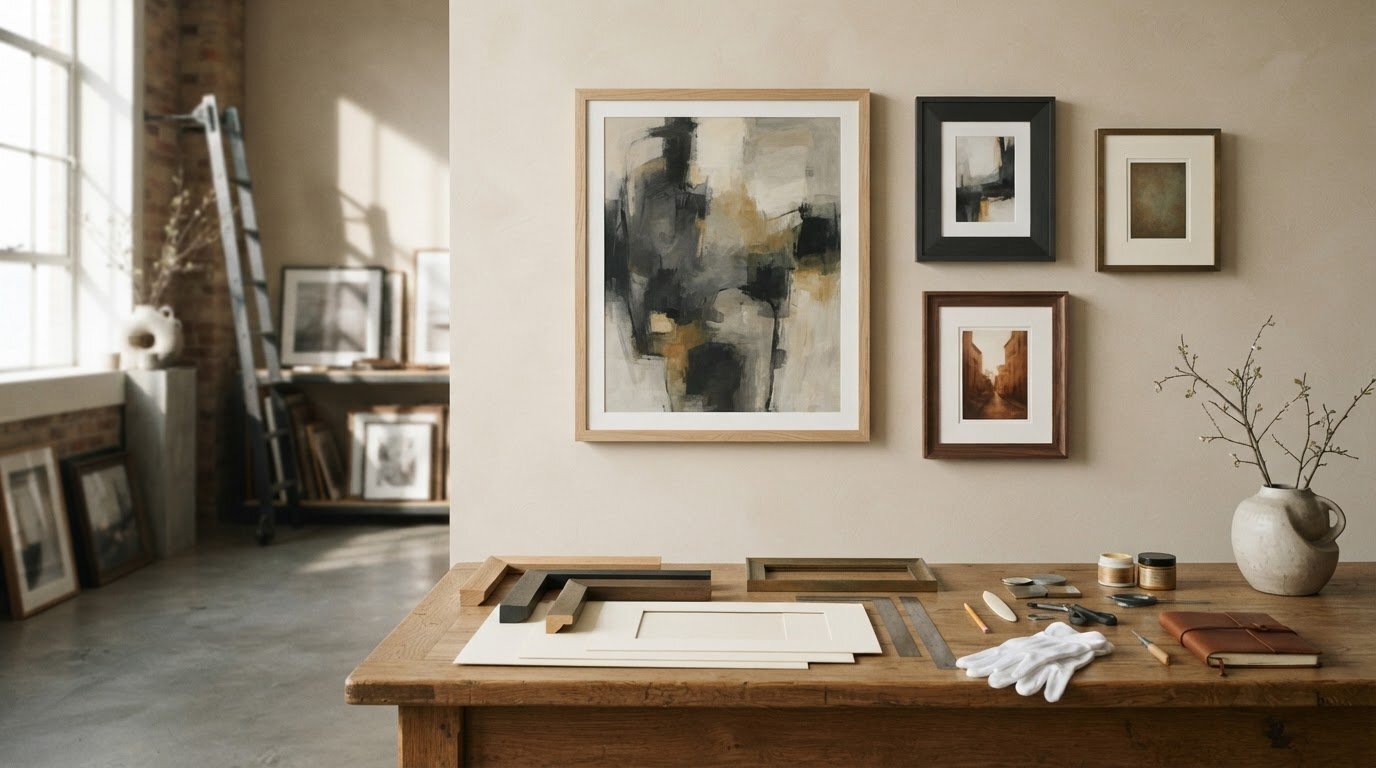
- Abstract imagery: Rather than depicting a recognisable subject, abstract work emphasises shapes, texture, colour and rhythm. A composition of overlapping forms might feel measured to one viewer and spontaneous to another. This openness leaves room for individual interpretation, making abstract imagery a way to introduce visual contrast without requiring a literal narrative.
- Nature-inspired scenes: Images of forests, coastlines, gardens or open skies bring natural forms and environments into a room. A misty shoreline has a different quality from a densely detailed woodland or a crisp botanical study. Choose by considering the scene’s palette, sense of space and level of detail, rather than assuming every nature image creates the same atmosphere.
- Cinematic subjects: Film-related imagery can introduce period detail, recognisable visual language and the feeling of a story about to unfold. A vintage lobby card or movie poster may evoke a particular era or style of filmmaking, while its composition can also stand on its own as an image. One thoughtfully placed piece can serve as a cultural reference within a broader office interior.
A useful question is what kind of visual encounter you want: close observation, open interpretation, connection to the natural world or a hint of narrative. The answer can help narrow the field without turning these directions into a ranking. For photographic imagery with lasting presence, explore Galerie Prints’ fine-art photography as you consider the visual language that best suits your workspace.
How to Compare Office Art Ideas by Mood, Format and Workspace
Compare an artwork by more than its subject. Consider the visual tone it brings to a room, the space it occupies and the distance from which people will view it. This makes it easier to choose art that inspires creativity in an office without treating one style as a universal solution. The table offers a starting point; the room’s purpose and existing character should guide the final choice.
| Art direction | Visual mood | Suitable setting | Selection consideration |
|---|---|---|---|
| Photographic | Observant, detailed or atmospheric | Meeting rooms, corridors or reception | Choose a subject and composition that hold interest at the expected viewing distance. |
| Abstract | Expressive, rhythmic or open-ended | Shared spaces or contemporary interiors | Consider how its shapes and colours relate to the room’s palette. |
| Nature-inspired | Expansive, organic or contemplative | Focus rooms, breakout areas or transitions | Look at the scene’s detail, tonal range and sense of space. |
| Cinematic | Narrative, nostalgic or culturally referential | Reception areas or communal rooms | Decide whether the image’s era and references suit the office’s character. |
Match visual intensity to the room’s purpose
For a room intended for concentration, quieter imagery with restrained contrast may feel more in keeping than a highly saturated, densely composed work. A communal area can accommodate a bolder focal image or a more varied visual language, particularly where people gather and talk. These are design considerations, not guarantees about how anyone will think or behave. Look for harmony between the artwork’s tone, the room’s function and its furnishings, finishes and light.
Choose a format and scale that feel considered
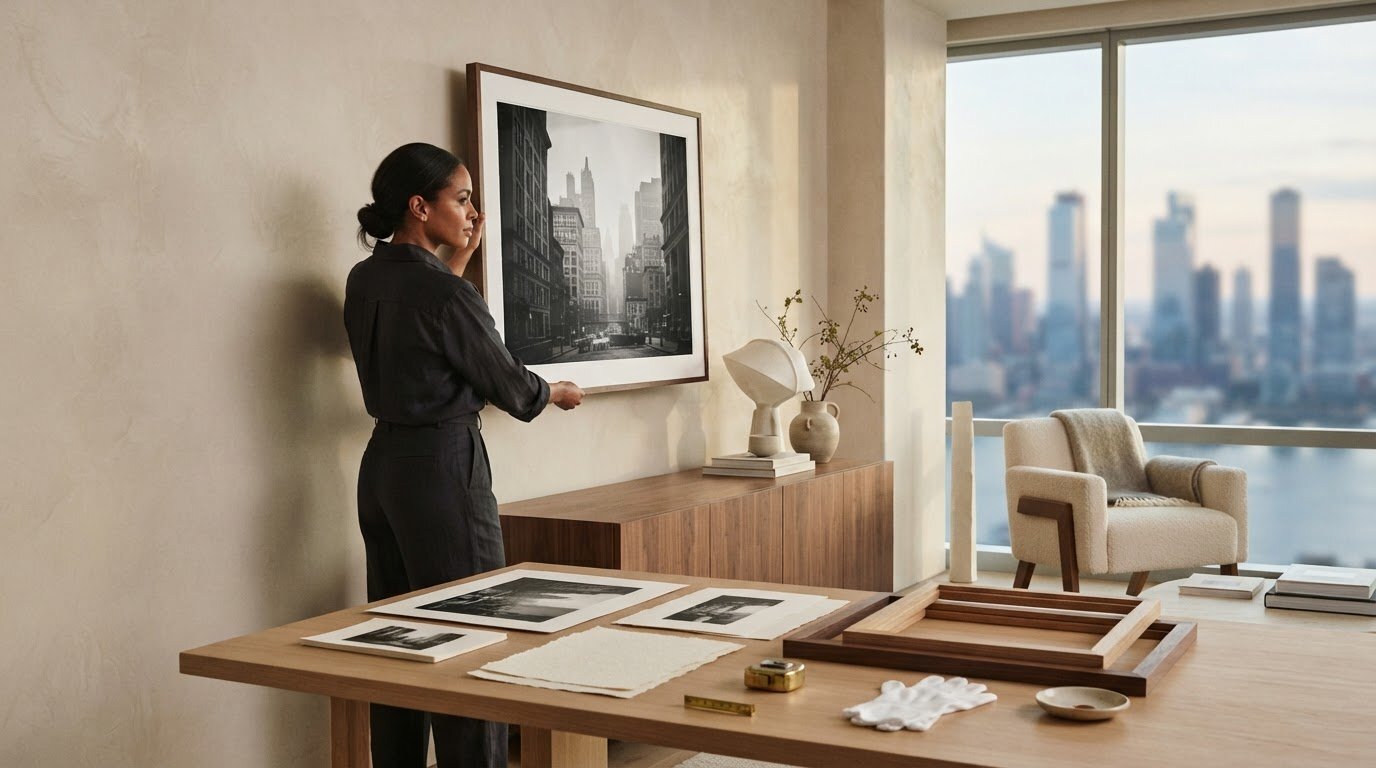
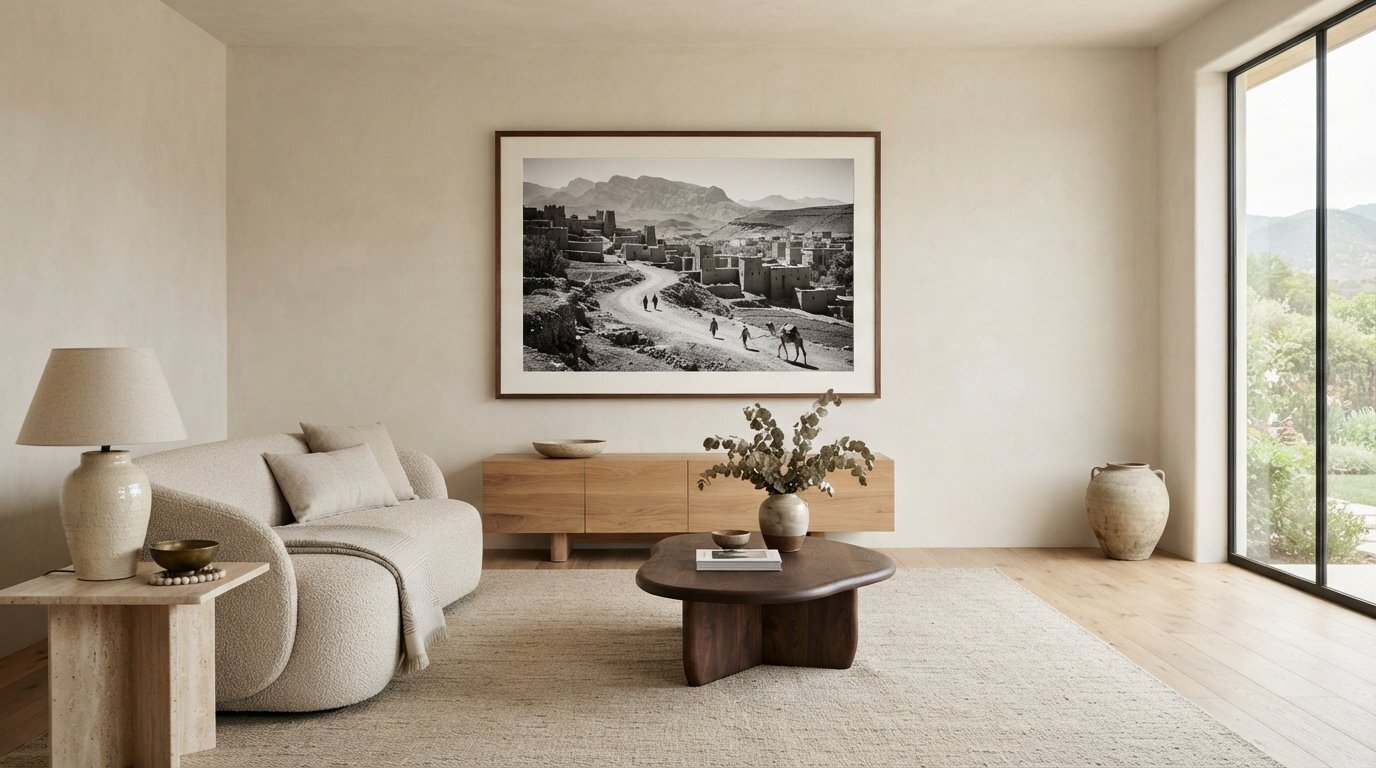
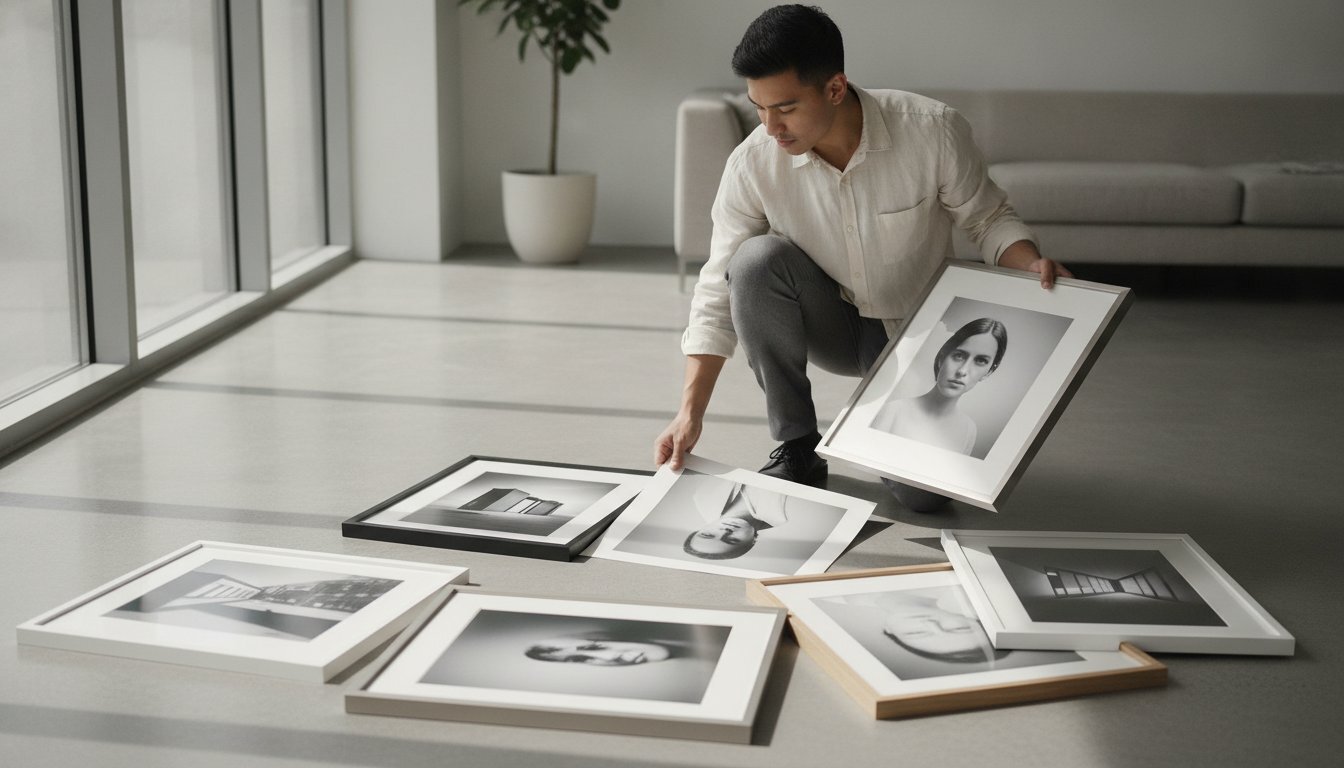
Scale depends on both the wall and the viewer. A work that seems substantial up close may feel undersized across a long reception wall; intricate details may be better appreciated where people can approach them. Consider the furniture below the artwork, nearby doorways and the usual standing or seated viewpoint. A paper plan or removable wall templates can help you judge proportions before settling on a layout.
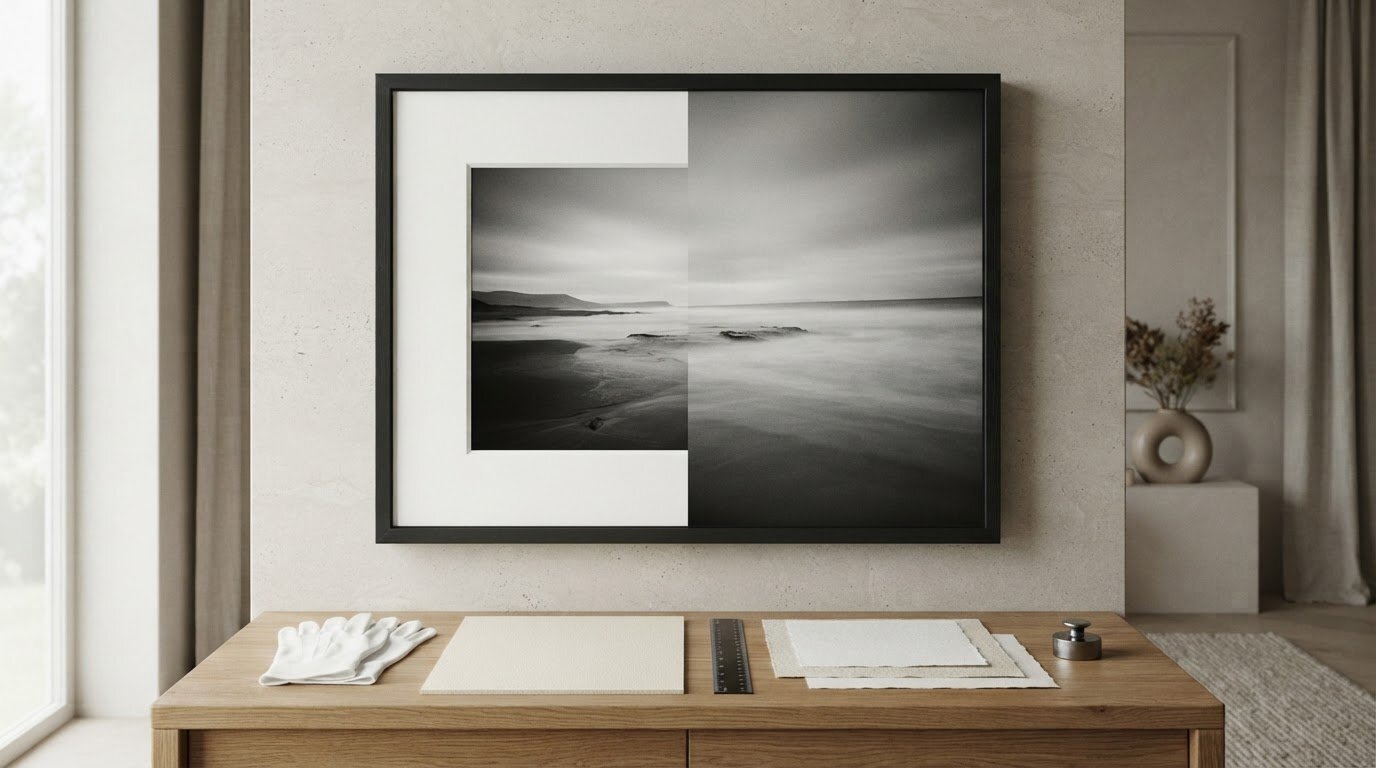
Galerie Prints’ Bespoke Services include custom sizing and cropping, which can help a chosen image suit a particular wall or format. Cropping can alter the balance of a composition, so consider which details should remain visible. For more ideas on presenting photographic art, explore the gallery’s guides to displaying photography and fine-art photography.
A Practical Method for Choosing Art That Inspires Creativity in Your Office
A thoughtful selection begins with the room, not the frame. This process turns a broad search for art that inspires creativity in an office into clear decisions about atmosphere, subject, scale and presentation, whether you’re furnishing one compact room or a larger shared workplace.
Build a short visual brief before choosing a print
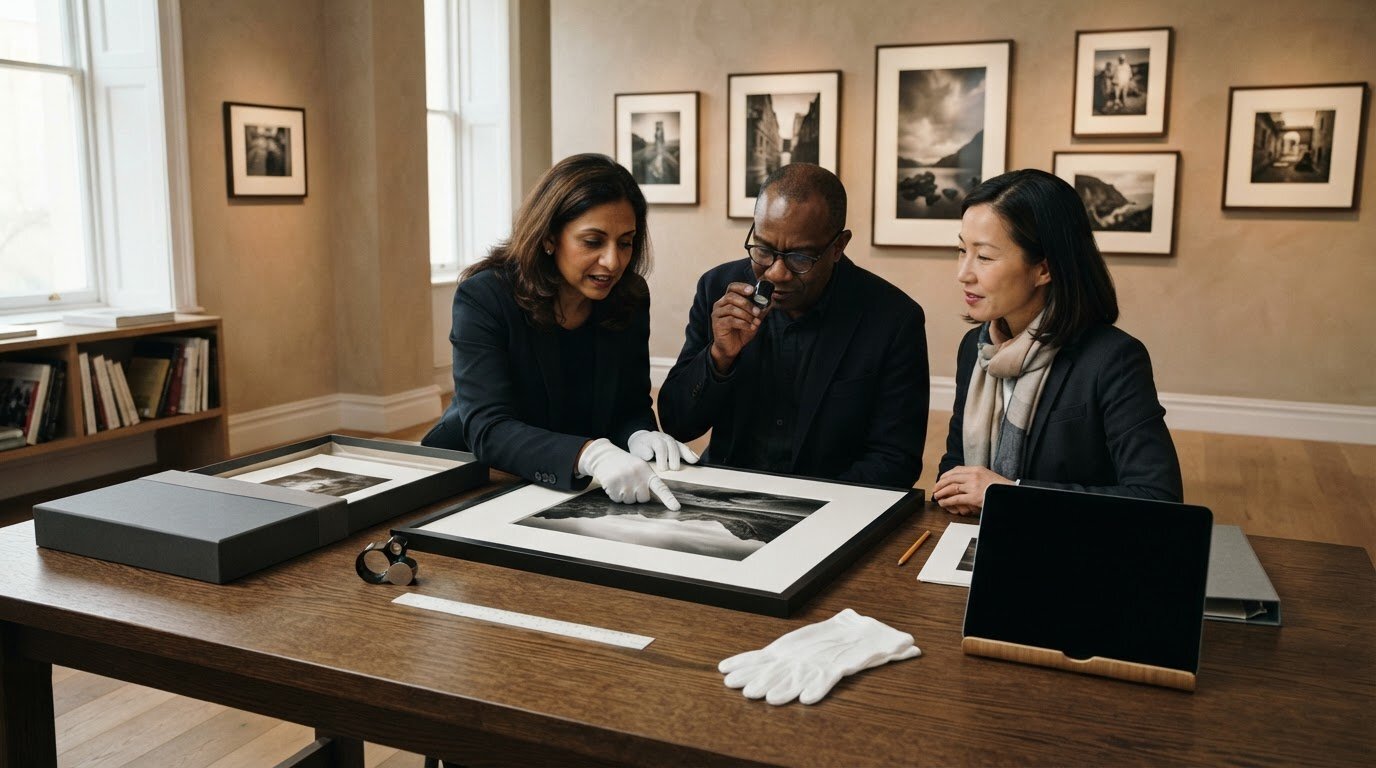
Before browsing, write down the room’s purpose, the atmosphere you want it to have and the subjects that feel meaningful to its users. For a shared space, invite the people who use it to discuss visual preferences; a few reference images can make differing tastes easier to compare. Look for a coherent thread, such as tone or subject, while allowing each chosen image to keep its own character.
- Identify the room. Note who uses it, what happens there and where people spend time. A meeting room, quiet office and reception area each call for different considerations. Include the main wall and the direction from which it’s usually viewed.
- Choose a mood. Describe the atmosphere in a few words, such as calm, curious, sociable or reflective. Use these as a guide, not a rigid rule. In shared spaces, discuss the words as a group and agree on a tone that feels welcoming without needing to suit every individual taste.
- Shortlist imagery. Gather a focused range of possible works that fit the brief. Compare their composition, subject and visual intensity, then ask what draws your attention and whether that interest is likely to endure. A clear shortlist makes it easier to compare images on their merits.
- Assess the scale. Measure the available wall area and consider viewing distance, furniture and surrounding finishes. A work should feel in proportion from the places people will actually see it. For a group of images, sketch the arrangement to judge its overall footprint, spacing and balance.
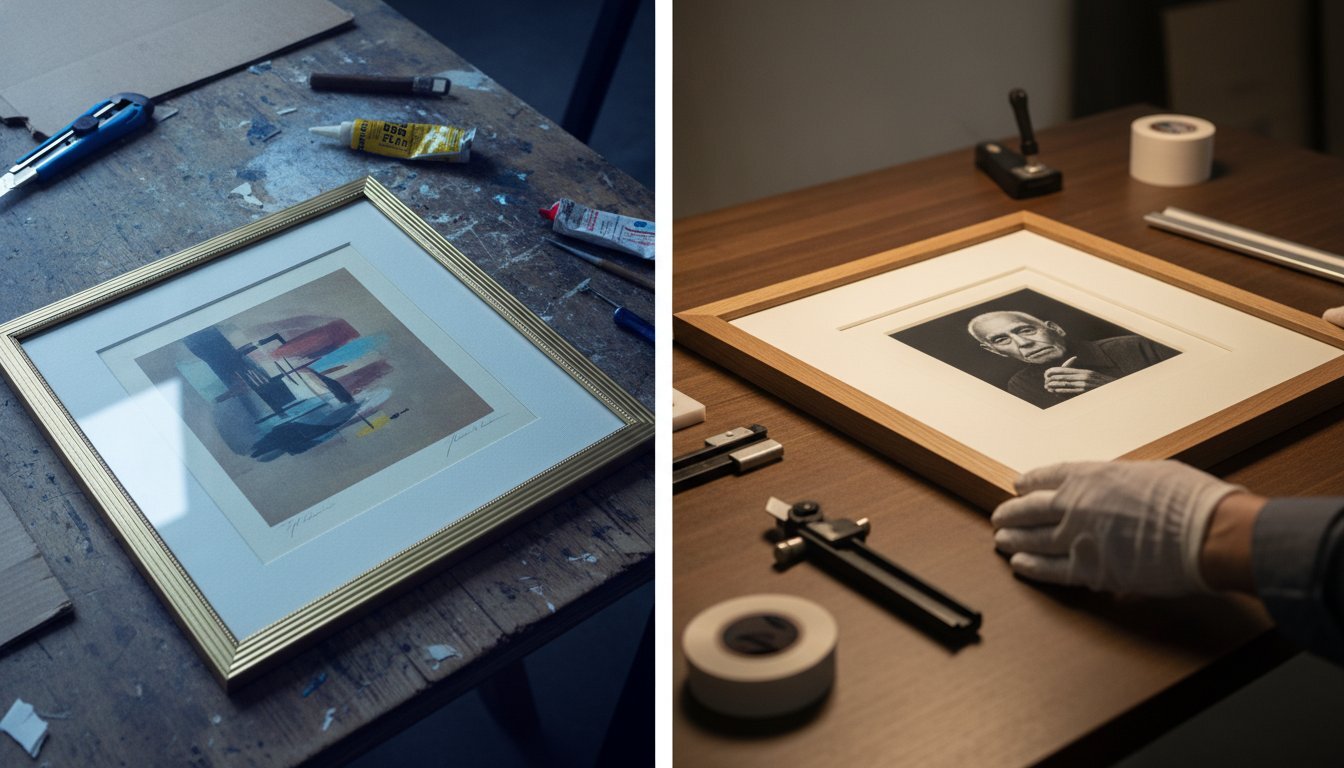
- Refine the presentation. Consider how the format and framing relate to the artwork and the room. Check that the arrangement feels deliberate beside nearby furnishings and other visual elements. If several people use the space, share a layout or physical mock-up before settling on the placement.
Refine the image for the wall and viewing distance
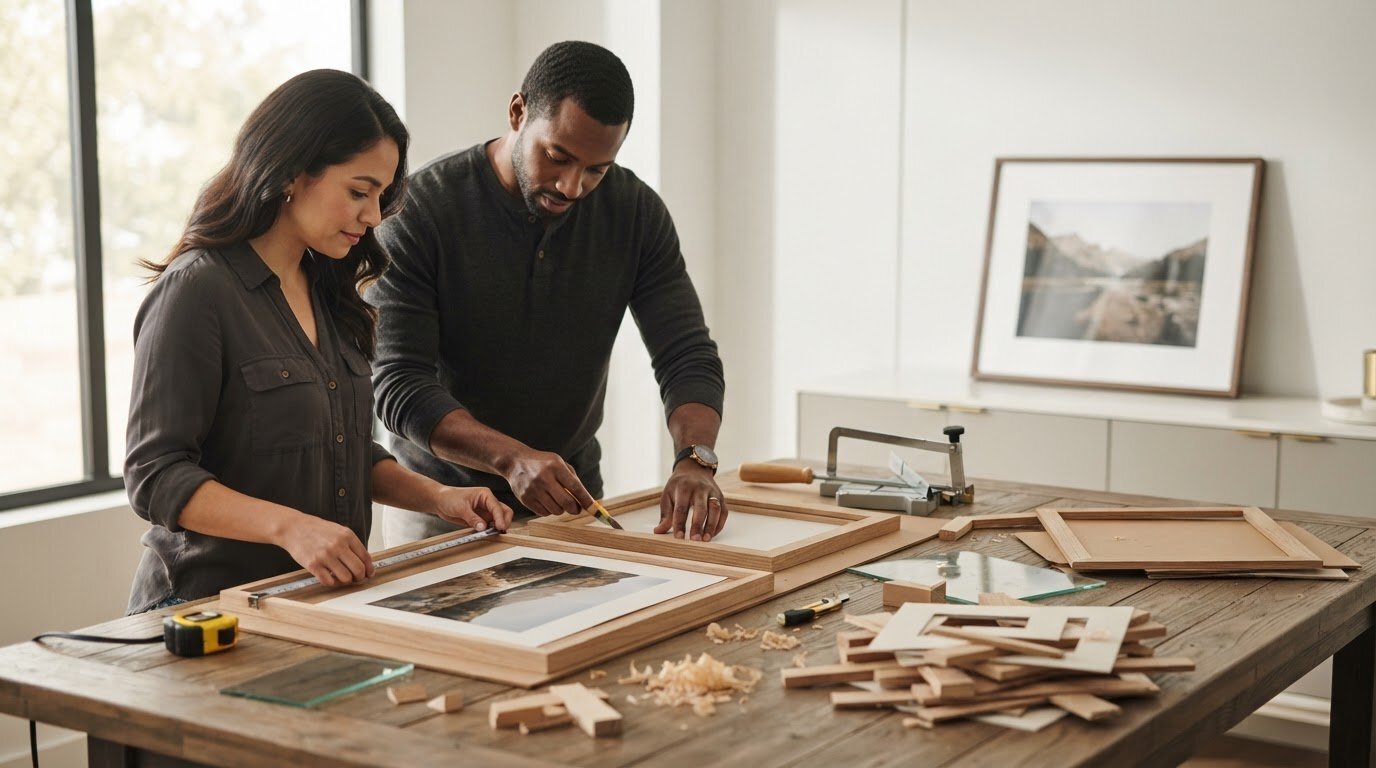
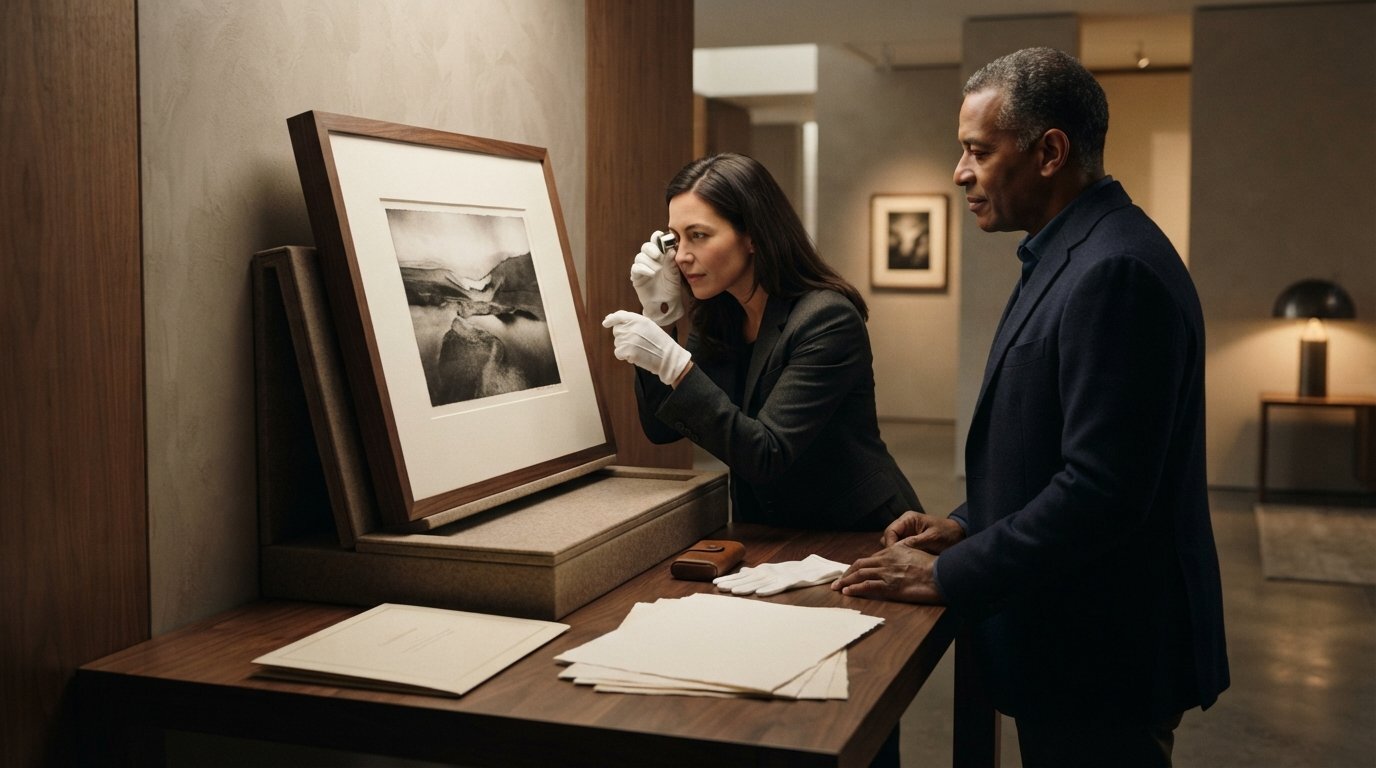
Wall dimensions are only part of the calculation. A detailed photograph may reward closer viewing, while a composition with broad shapes can read clearly across a room. Think about whether people will pass the artwork, sit opposite it or encounter it as they enter. Galerie Prints’ Bespoke Services include custom sizing and cropping, which can help adapt a chosen image to the wall while keeping its composition in view. Cropping changes what the viewer sees, so consider which details should remain in frame.
Once the visual brief and layout feel resolved, explore photographic prints for your office and choose a work that suits the character of the space.
Bring Exhibition-Quality Photographic Art into Your Office with Galerie Prints
Once you’ve settled on the atmosphere, subject and placement that suit your workspace, look for an image whose visual character you’ll want to live with. Galerie Prints offers curated photographic prints across a range of subjects, including the Slim Aarons Collection, Terry O’Neill Photography, music archives and cinema imagery. A carefully chosen work can give a shared room a point of interest or bring a more personal note to an individual office, without needing to define the entire interior.
Galerie Prints describes its prints as exhibition quality and its printing and framing process as second to none. The gallery is passionate about art and offers bespoke framing for purchased prints. Whether you’re drawn to a richly detailed photograph, a distinctive portrait or an image with a sense of narrative, choose a work that feels connected to the room and the way your team wants to use it.
Select a photographic print that suits the space
Let the room’s purpose guide your selection. A reception area might suit an image that offers an immediate point of visual interest, while a meeting space could benefit from a composition that rewards a closer look. For an office used by a particular team, consider subjects that reflect shared interests or references without relying on an overly literal statement. Galerie Prints’ collections offer a range of visual directions to explore, from fine-art photography to cinematic and music-related imagery.
If you’d like to consider the medium in more depth, the guide to fine-art photography offers another perspective on how photographic images can be appreciated and selected. As you browse, return to the practical questions you’ve already considered: how the work will read from the doorway, what details will hold attention at closer range, and whether its tone sits comfortably with the room.
Make the finished presentation feel intentional
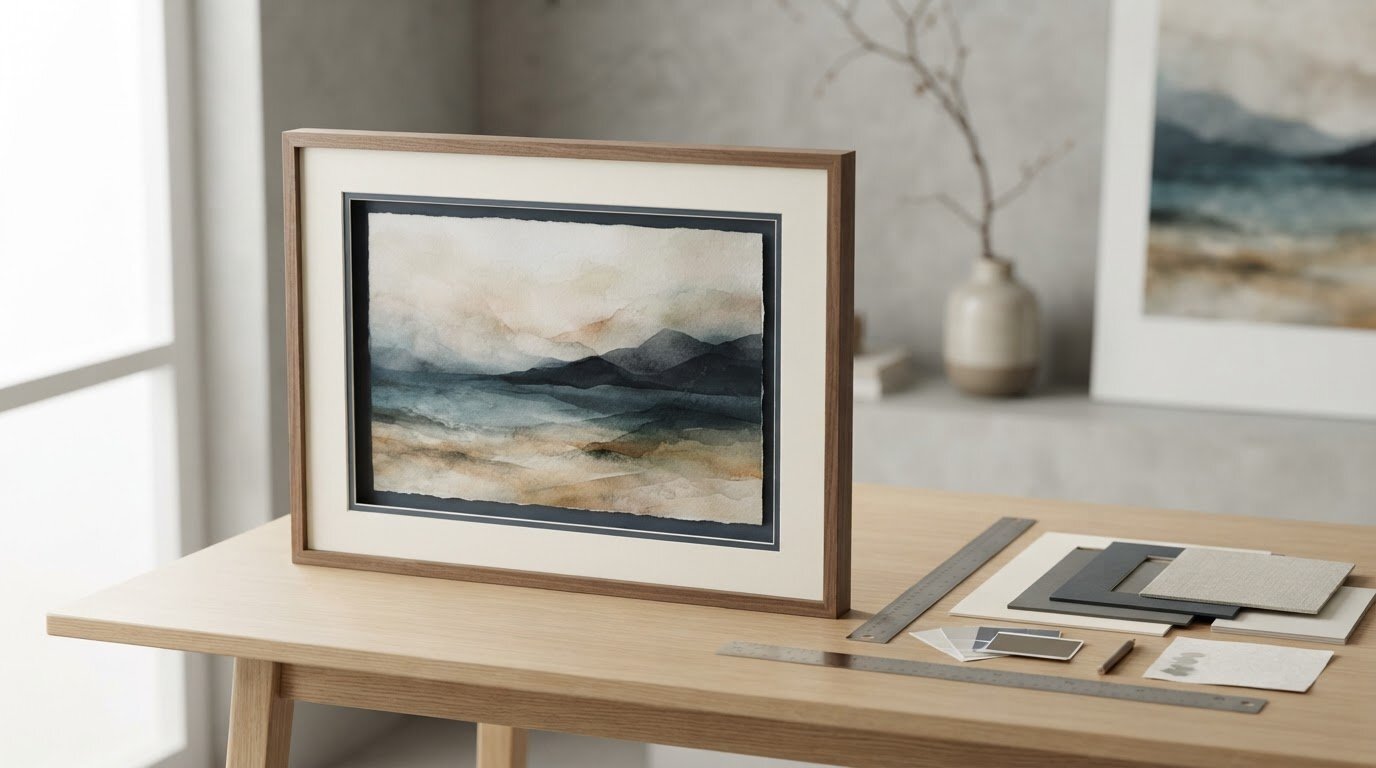
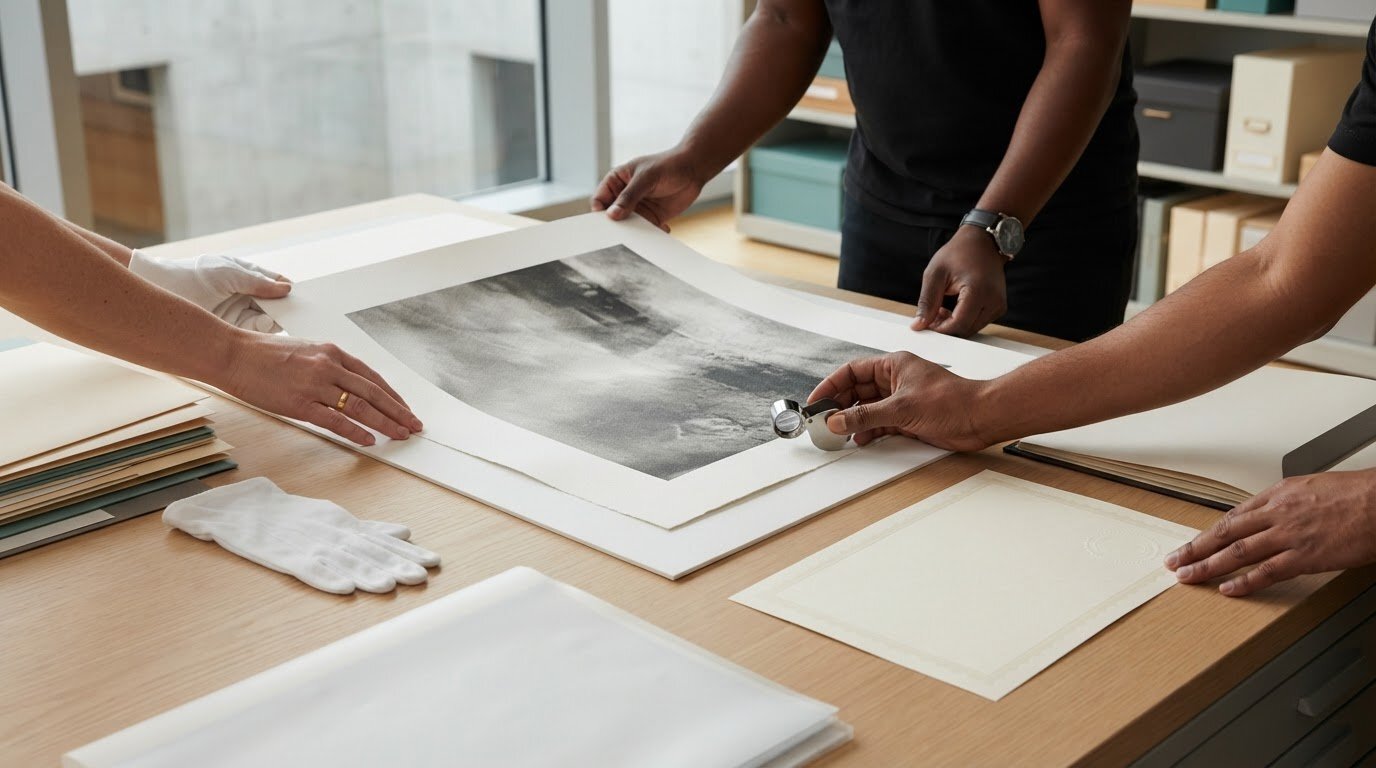
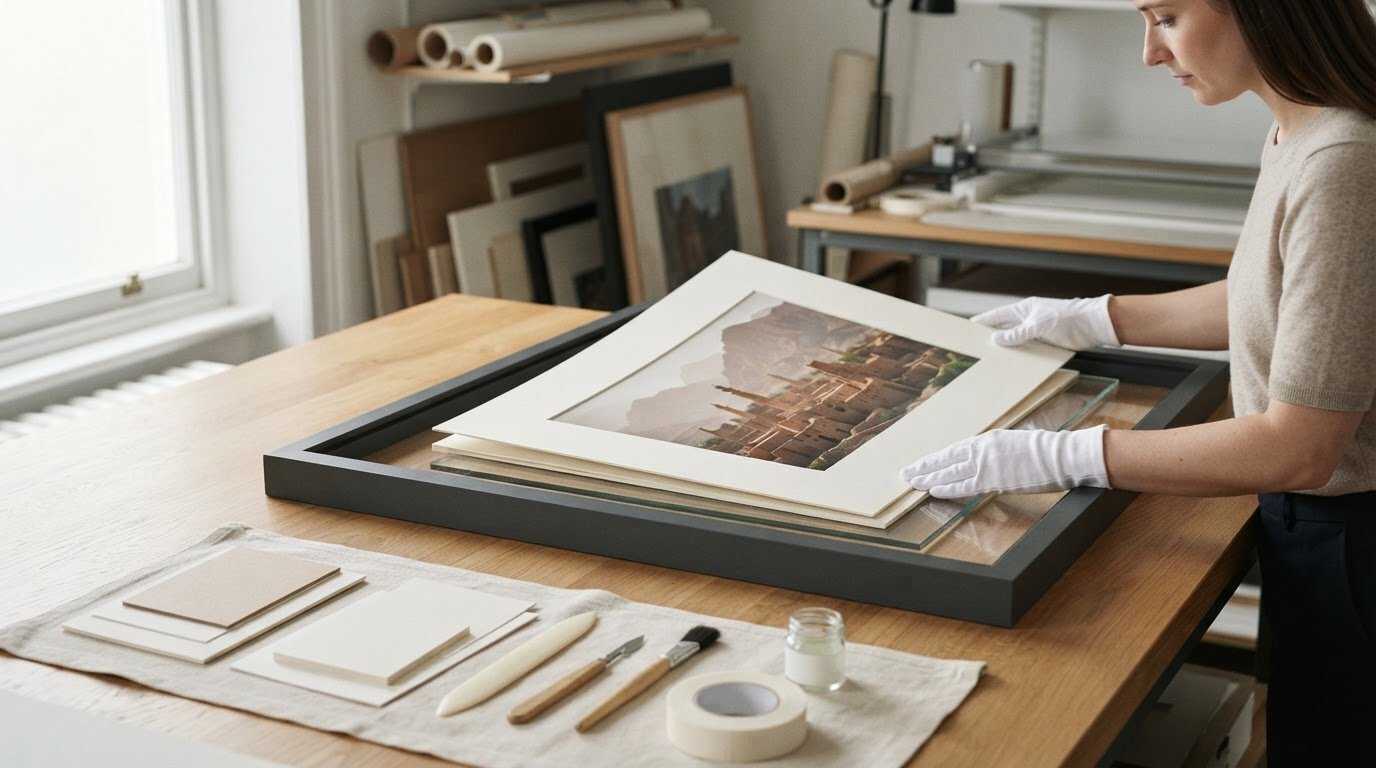
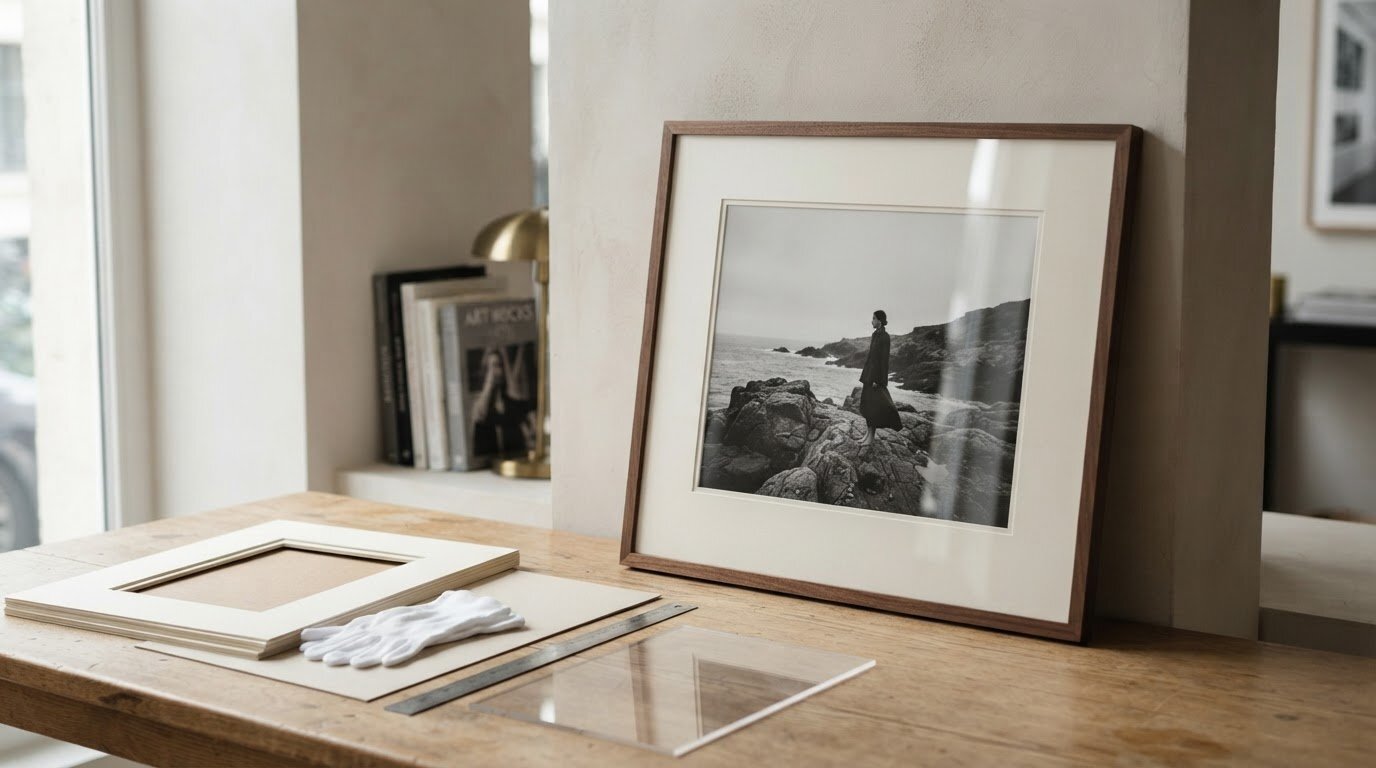
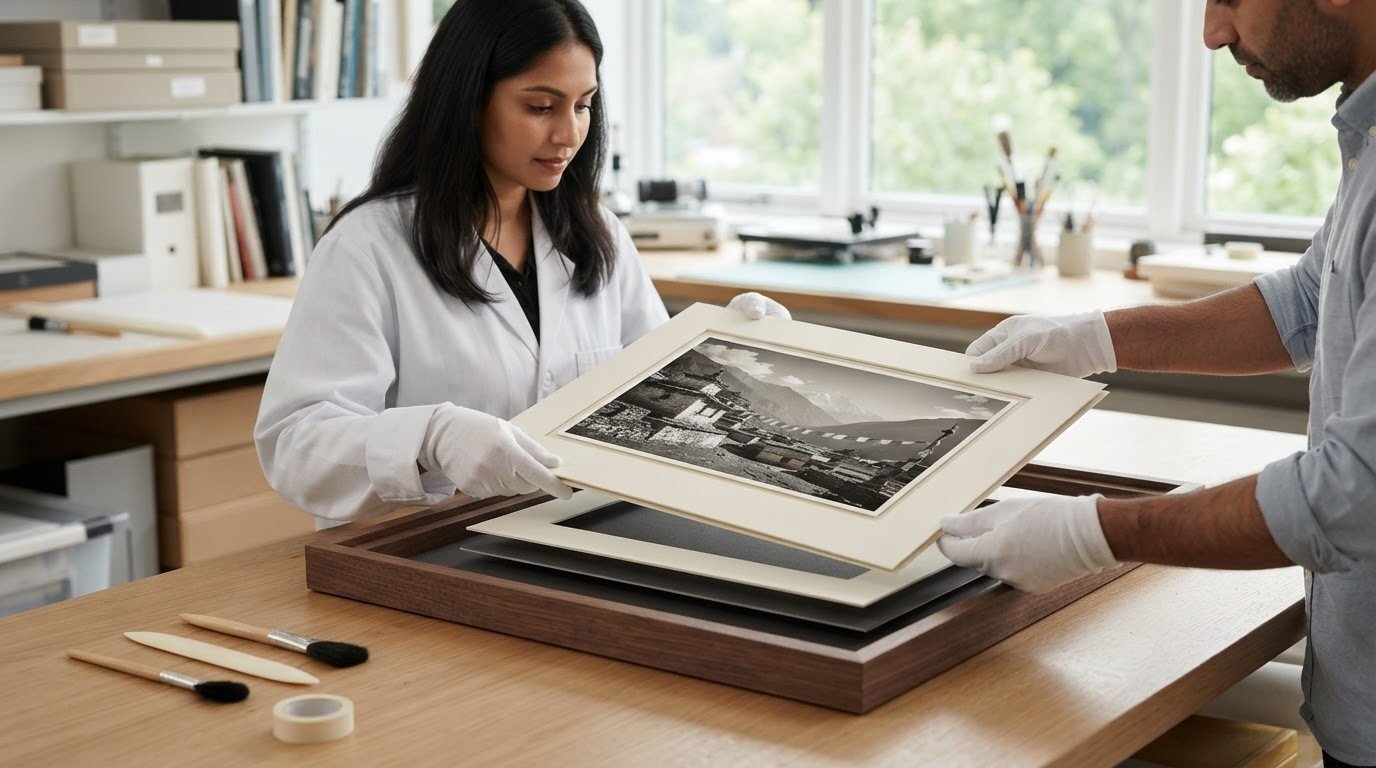
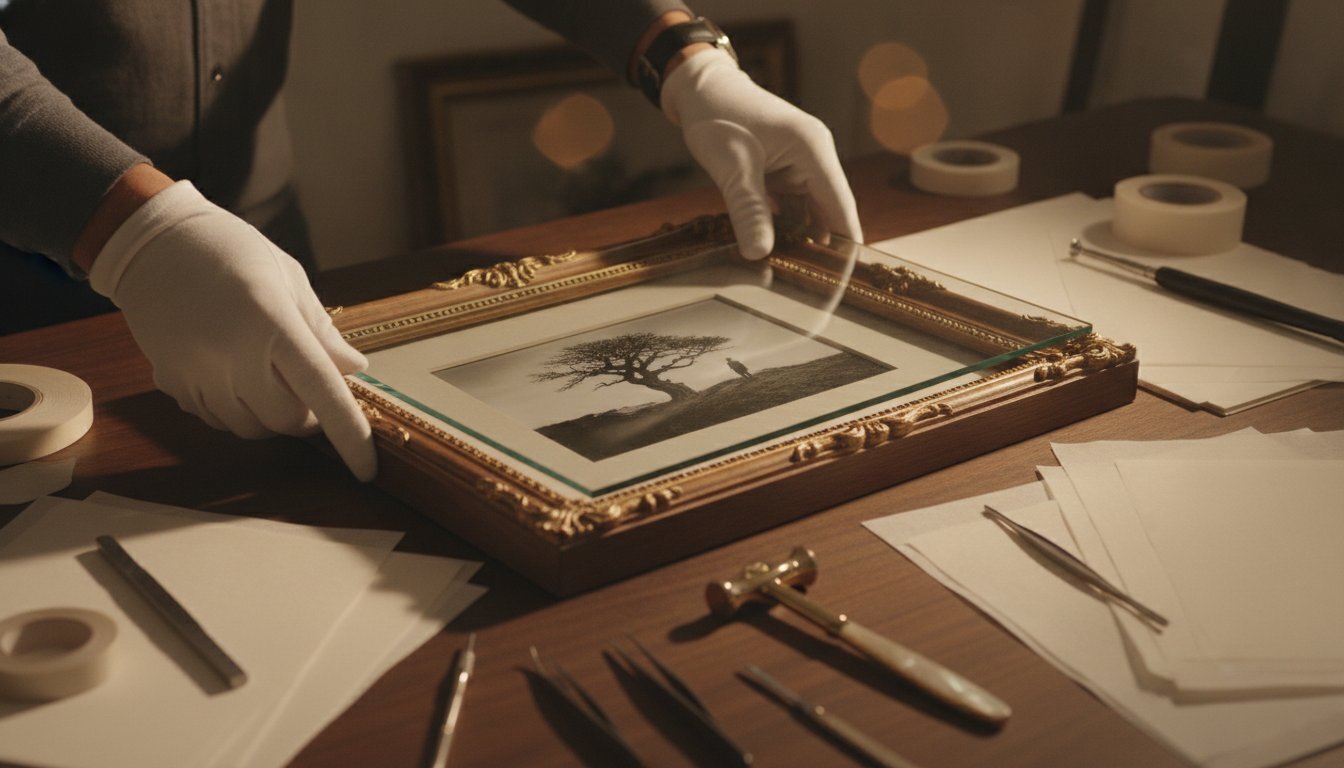
Scale, crop and framing all contribute to how an image meets the wall. Galerie Prints’ Bespoke Services include custom sizing and cropping, helping a chosen photograph suit its intended space while keeping its composition in view. Bespoke framing is also available for purchased prints. For a different presentation, Bespoke Services include printing on any substrate, including aluminium, wood and glass. The options also include large-scale murals and wallpapers.
These choices let the presentation respond to the office rather than forcing the room around the artwork. Consider how the frame relates to nearby materials and how the image’s proportions sit within the available wall area. A considered finish can help the work feel at home, whether it stands alone or forms part of a wider visual arrangement.
Explore Galerie Prints’ exhibition-quality photographic prints and find art that inspires creativity in an office while reflecting the character of your workspace.
Let the Workspace Reflect What Comes Next
A considered office can develop alongside the people who use it. As teams change, projects evolve and rooms take on new purposes, artwork can remain a steady point of reference or offer a fresh perspective. Choosing art that inspires creativity in an office is less about finding a single perfect image than making space for curiosity, personal connection and visual character.
Begin with one wall or one room. Notice what feels missing, what already belongs and which image you’d be glad to encounter each day. Let that response guide your choice, rather than trying to fill every blank surface at once. A thoughtful piece can make a room feel more distinctly yours while leaving room for new ideas.
Galerie Prints offers exhibition-quality prints, with Bespoke Services that include custom sizing, cropping and printing on any substrate. When you’re ready to choose a photographic work for your space, explore Galerie Prints’ exhibition-quality photographic prints.
Frequently Asked Questions
Can photographic prints inspire creativity in an office?
Yes, photographic prints can invite people to pause, notice details and interpret an image in their own way. Individual responses vary, so no photograph can guarantee a particular creative result. For art that inspires creativity in an office, consider whether the subject and visual mood feel right for the room and its users. A cityscape, for example, might appeal to a team interested in architecture, while a portrait may feel more personal.
What type of art is best for a creative office?
There’s no single best choice. Photography can draw attention to observed detail; abstract imagery offers shapes and colours open to interpretation; nature-inspired scenes depict organic forms and landscapes; cinematic imagery brings cultural references and a sense of narrative. Think about the room’s purpose, the people who use it and the atmosphere you’d like to create. A preference shared by the team may matter more than choosing a style simply because it’s fashionable.
How do I choose art for an office wall?
Start by identifying the room’s purpose, then decide on a mood that suits how people use it. Shortlist images that reflect that intention, and assess the wall area, viewing distance and nearby furnishings before settling on a composition. Consider how the work will appear from the entrance as well as from a desk or meeting table. Galerie Prints offers bespoke custom sizing and cropping to help adapt a chosen print’s presentation to the space.
Can office art be made to fit a particular wall?
Galerie Prints’ Bespoke Services include custom sizing and cropping, which can help tailor a selected image’s presentation to a particular wall. Consider the wall’s proportions and the distance from which the print will usually be viewed, then think about how cropping may affect the composition. The right presentation depends on the image and the space; custom sizing doesn’t mean every photograph will suit every wall or arrangement.
Does Galerie Prints offer framed photographic prints for an office?
Yes, Galerie Prints offers a bespoke framing service as an add-on for purchased prints. Framing can form part of the overall presentation, helping the selected work feel considered within an office interior. The gallery describes its printing and framing process as second to none. Consider how the frame will relate to the artwork, the available wall space and surrounding furnishings.
What materials can Galerie Prints print on for bespoke office art?
Galerie Prints’ Bespoke Services include printing on any substrate. Examples include aluminium, wood and glass. The choice of substrate can be considered alongside the image and the character of the office, as part of planning the artwork’s presentation. Think about how the chosen surface will sit visually with nearby materials and finishes, without assuming a particular technical property or result.