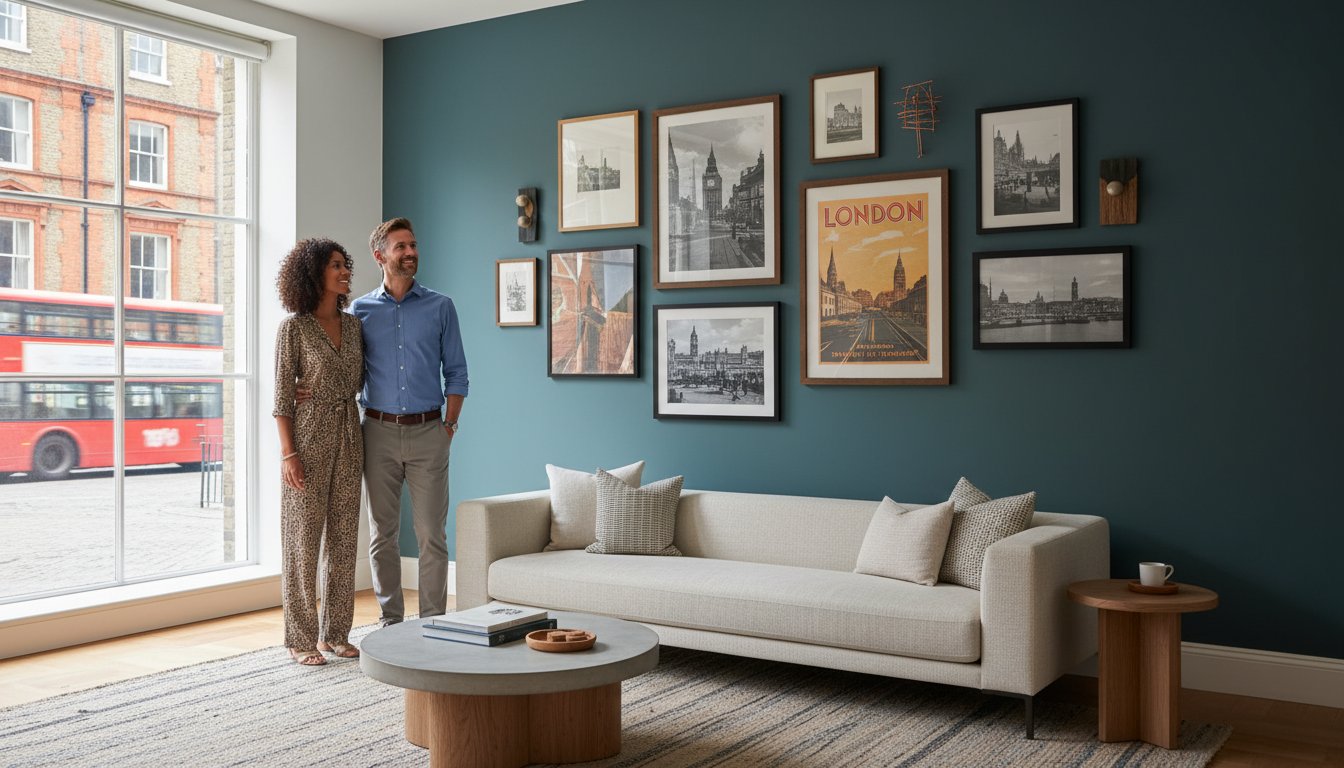

A room without a storied focal point isn’t a curated space; it’s merely a collection of furniture. You know that your most sophisticated clients don’t just want decor. They want a legacy that resonates through every frame and fiber. Yet, the search for high end art prints for interior designers often leads to a frustrating cycle of questionable archives and limited framing options that fail to match your bespoke vision.
This guide provides the definitive roadmap to sourcing and specifying museum-quality photographic works that serve as the architectural narrative of a space. We’ll explore how to access prestigious collections like the Slim Aarons and Terry O’Neill archives, ensure archival longevity through Giclée standards, and utilize bespoke framing to create pieces that act as the ultimate conversation starters for 2026. By the end, you’ll have the tools to transform a project with art that possesses both historical weight and visual brilliance.
Key Takeaways
- Learn how to transition from simple wall decor to selecting curated assets that define a project’s architectural narrative and sense of place.
- Master the technical specifications required for high end art prints for interior designers, focusing on archival pigment standards that ensure lifelong color fidelity.
- Discover how to integrate the aspirational lifestyle of Slim Aarons or the cinematic gravity of Terry O’Neill into modern luxury interiors.
- Understand why a bespoke framing service is essential for aligning statement photography with specific architectural hardware and material palettes.
- Gain direct access to exclusive world-renowned archives and artisanal production values that simplify the procurement of rare limited editions.
Beyond Decoration: Why High-End Art Prints Define Luxury Interiors
In 2026, the distinction between a decorated house and a curated home lies in the provenance of its walls. High end art prints for interior designers have evolved from mere aesthetic additions into essential architectural anchors. We’re seeing a decisive pivot away from mass-produced “wall filler” toward pieces that carry historical weight and narrative depth. Designers now specify photographic archives not just for their beauty, but for their ability to establish an immediate, undeniable sense of place that resonates with a client’s lifestyle. It’s about finding that rare intersection of heritage and modern aesthetics.
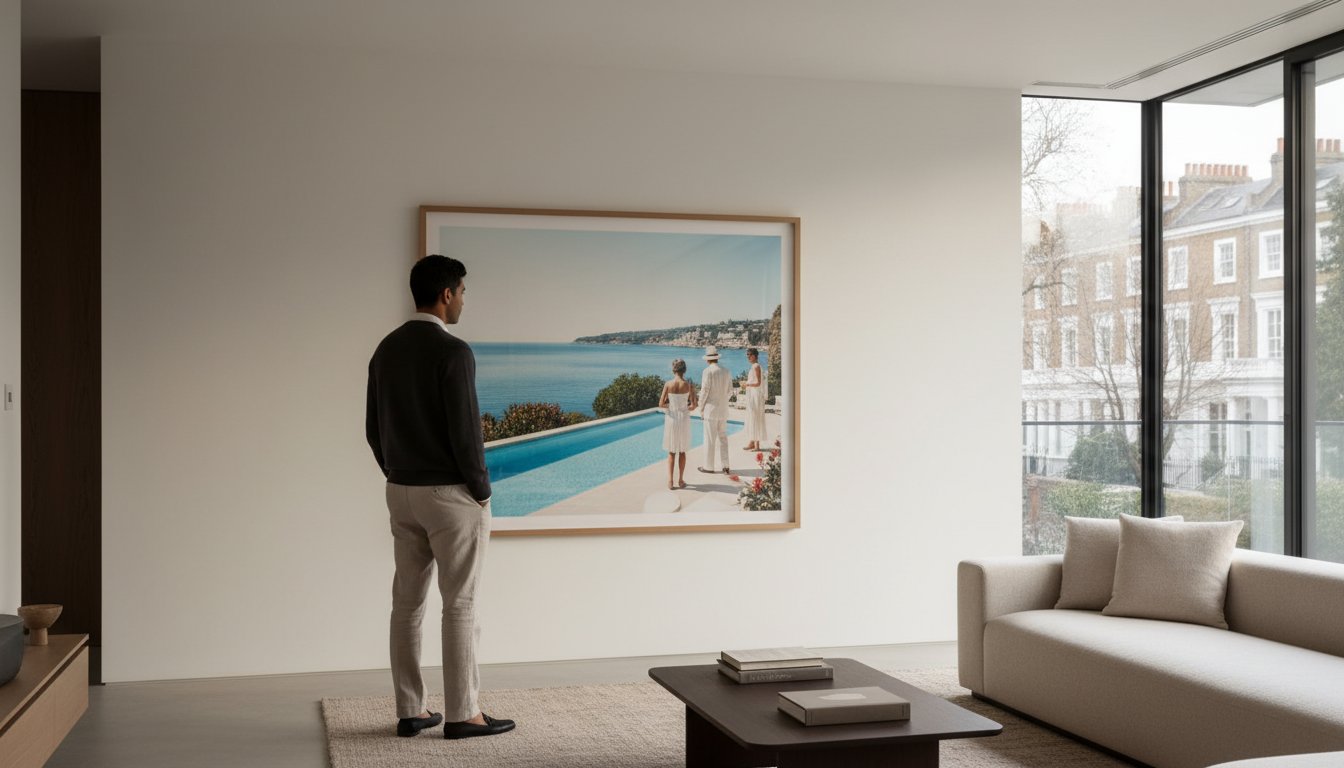
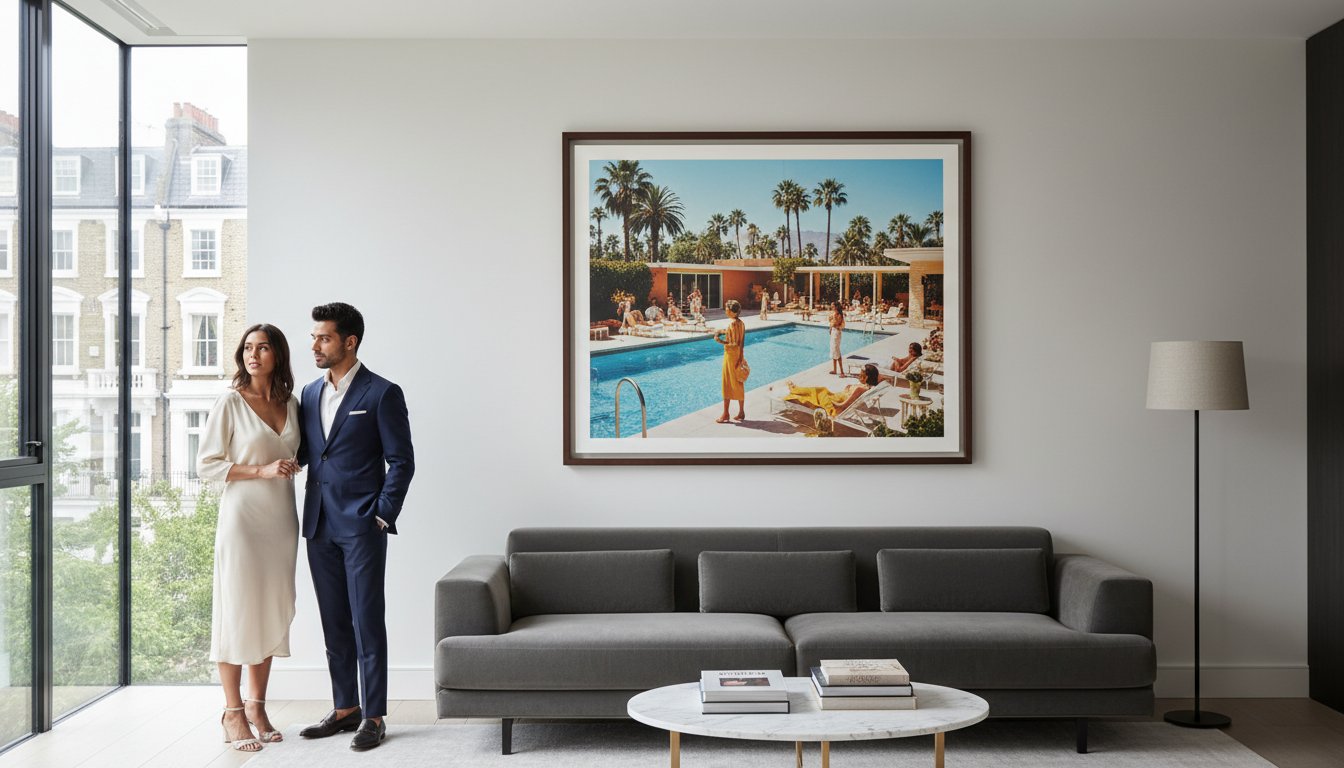
A single, iconic image can dictate the entire material palette of a luxury residential project. For instance, the sun-drenched pastels of the Slim Aarons collection often serve as the genesis for a room’s upholstery and stone selections. By anchoring a space with a museum-quality print, you provide a visual center of gravity that balances the room’s proportions. This commitment to quality is reinforced by adhering to Giclée printing standards, ensuring that the vibrancy and historical accuracy of the work remain intact for generations. This isn’t just about filling a void. It’s about establishing a legacy.
The Psychology of the Statement Piece
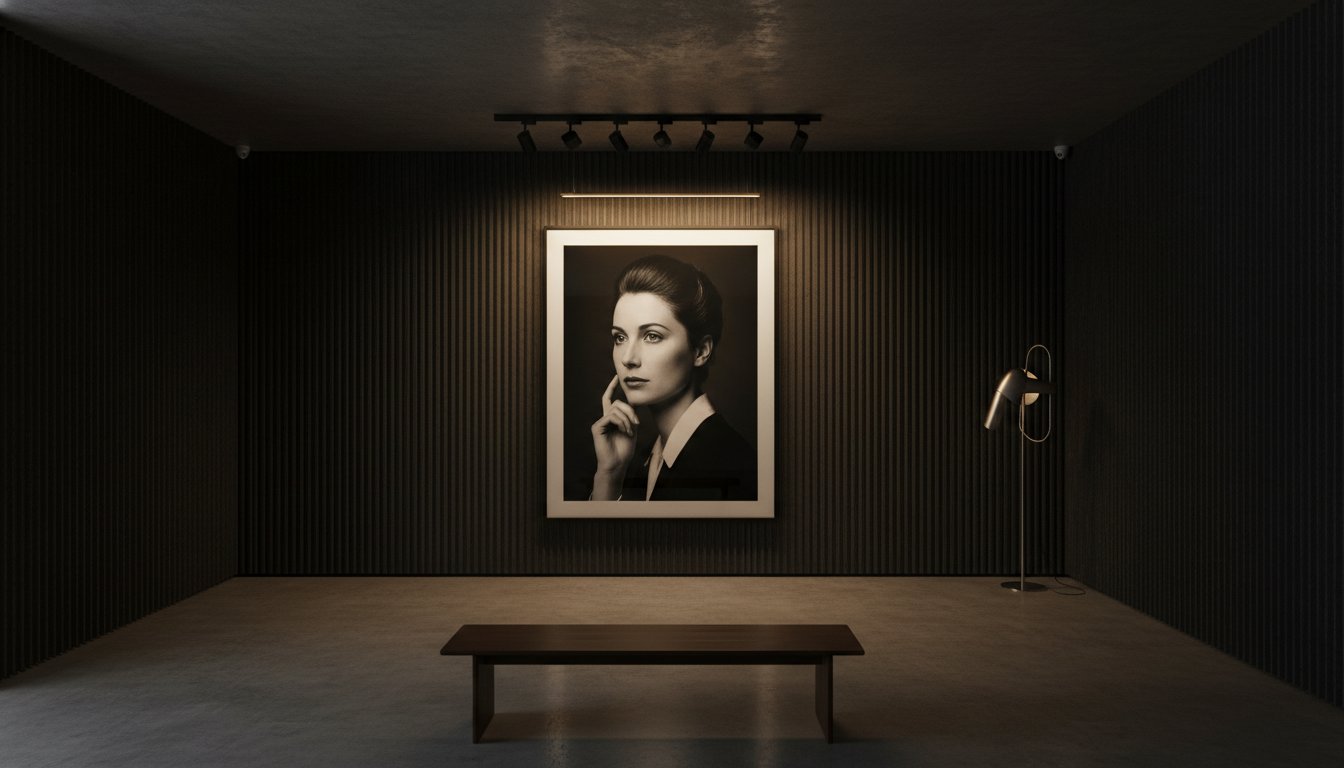
A large-scale photograph does more than occupy space; it evokes an aspirational world. In private residences, the “Gallery Effect” creates a bridge between the intimate scale of furniture and the grander scale of architecture. These pieces act as windows into a bygone era of elegance, offering a sense of permanence. When you specify a work that captures a specific moment in time, you aren’t just choosing a color; you’re choosing a mood. It’s a powerful tool for defining the emotional temperature of a room.
Art as a Narrative Tool for Designers
Sourcing high end art prints for interior designers is an exercise in storytelling. Whether it’s a Terry O’Neill portrait reflecting a client’s passion for cinema or a rare music archive piece, the art should feel like an extension of the inhabitant’s history. Specifying Limited Edition works adds a layer of exclusivity that is vital for high-end residential and hospitality sectors. It transforms a room into a conversation, where every piece has a story, a creator, and a verified place in photographic heritage. This narrative approach ensures that the interior remains timeless, transcending fleeting trends.
The Archival Standard: Identifying Museum-Quality Prints for Professional Specification
For the discerning professional, “museum-quality” isn’t a marketing buzzword. It’s a rigorous technical standard. While standard digital prints might look acceptable upon delivery, they often degrade within a few years. High end art prints for interior designers must meet archival pigment standards to ensure color fidelity for over a century. This involves using pigment-based inks rather than dyes, which are notoriously prone to fading when exposed to the varied lighting conditions of luxury residences. It’s the difference between a temporary decoration and a lasting legacy.
For black and white collections, the silver gelatin process remains the gold standard of the industry. This traditional method involves light-sensitive silver salts and meticulous chemical development. The result is a tonal range and physical depth that digital processes struggle to replicate. It offers a sense of permanence and “heritage” that aligns perfectly with the atmosphere of a high-end interior. When you specify these works, you’re offering your client a piece of photographic history that holds its visual power through time.
Paper and Ink: The Technical Foundation
The choice of substrate is critical for both tactile feel and longevity. Designers often choose between the textured, heavy depth of Hahnemühle and the refined, smooth finish of Canson. Both brands offer 100% cotton rag, acid-free options that prevent the yellowing associated with cheaper wood-pulp papers. Specifying archival photo paper is non-negotiable for high-traffic commercial projects where durability is as vital as aesthetics. Understanding the proper care and handling of these materials allows you to advise clients on placement, particularly regarding UV exposure and humidity.
Authentication and Provenance
Beyond physical materials, provenance defines the ultimate value of a print. A professional specification should always include an embossed gallery stamp or a signed certificate of authenticity. This documentation proves the work originated from a verified archive, such as the Getty or Slim Aarons collections. It justifies the investment to the client, transforming a simple purchase into a recognized asset. If you’re ready to elevate your next project with these standards, you can explore our professional archives to see this artisanal quality firsthand. Building a cohesive story across multiple rooms becomes seamless when the quality of the source material is beyond reproach.
Sourcing Iconic Narratives: From Slim Aarons to Terry O’Neill
The true power of a photograph lies in its ability to transport the viewer to a specific, heightened reality. When sourcing high end art prints for interior designers, the selection process shifts from mere visual harmony to the curation of a specific narrative atmosphere. In 2026, we’re seeing a profound return to the masters of the 20th century. Designers are increasingly utilizing the work of slim aarons to anchor maximalist interiors, where his sun-drenched vistas of the jet-set elite provide a vibrant, social anchor for a room. These images don’t just fill a wall; they invite the inhabitant into a world of leisure and prestige.
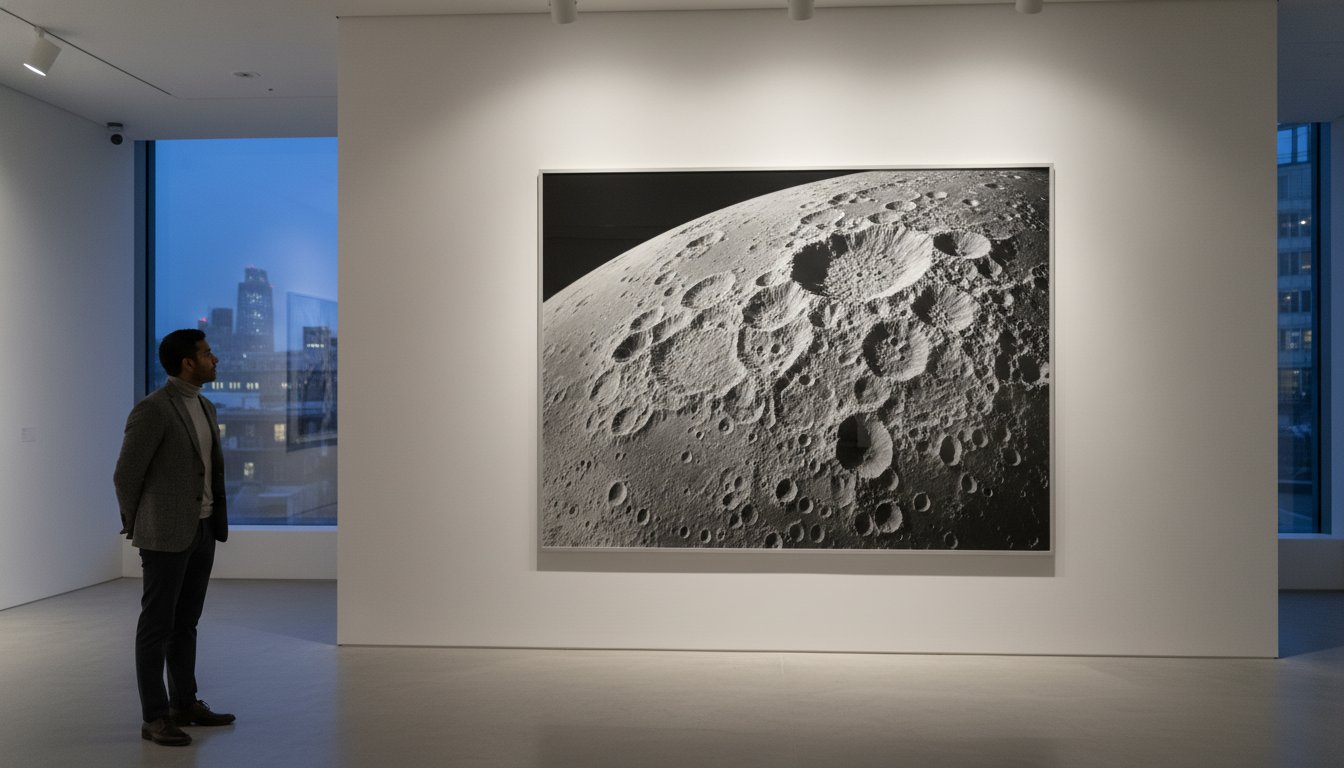
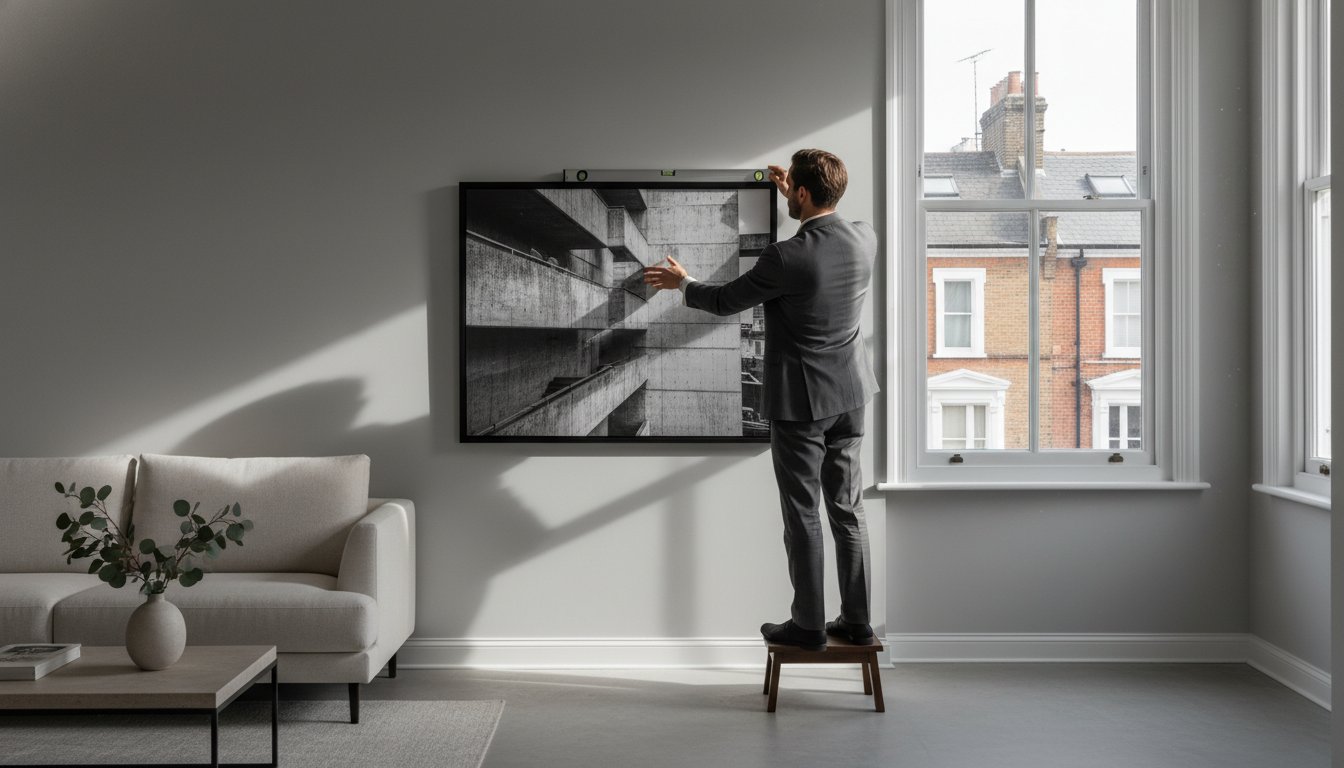
While color photography offers a lush, immediate impact, the integration of black and white pictures remains the definitive choice for minimalist and brutalist aesthetics. The monochromatic palette emphasizes form, shadow, and the raw architecture of the image, allowing the art to complement rather than compete with starker design elements. For smaller, more intimate spaces, the rise of vintage cinema lobby cards and rare movie posters offers a unique opportunity for collectible accents. These pieces provide a tactile connection to film history, acting as sophisticated curiosities that spark immediate conversation.
The Slim Aarons Aesthetic: Aspirational Luxury
There’s a reason “Poolside Gossip” remains a staple in the world’s most prestigious coastal projects. The Aarons effect is about more than just a beautiful scene; it’s about bringing a sense of perpetual summer and high-society grace into a residence. His work pairs effortlessly with mid-century modern furniture, where the clean lines of the decor mirror the structured elegance of his subjects. By specifying these works, you’re injecting a room with a specific type of social prestige that mass-market prints simply can’t replicate. It’s an investment in a lifestyle as much as a visual asset.
Rock and Cinema Archives: The Modern Edge
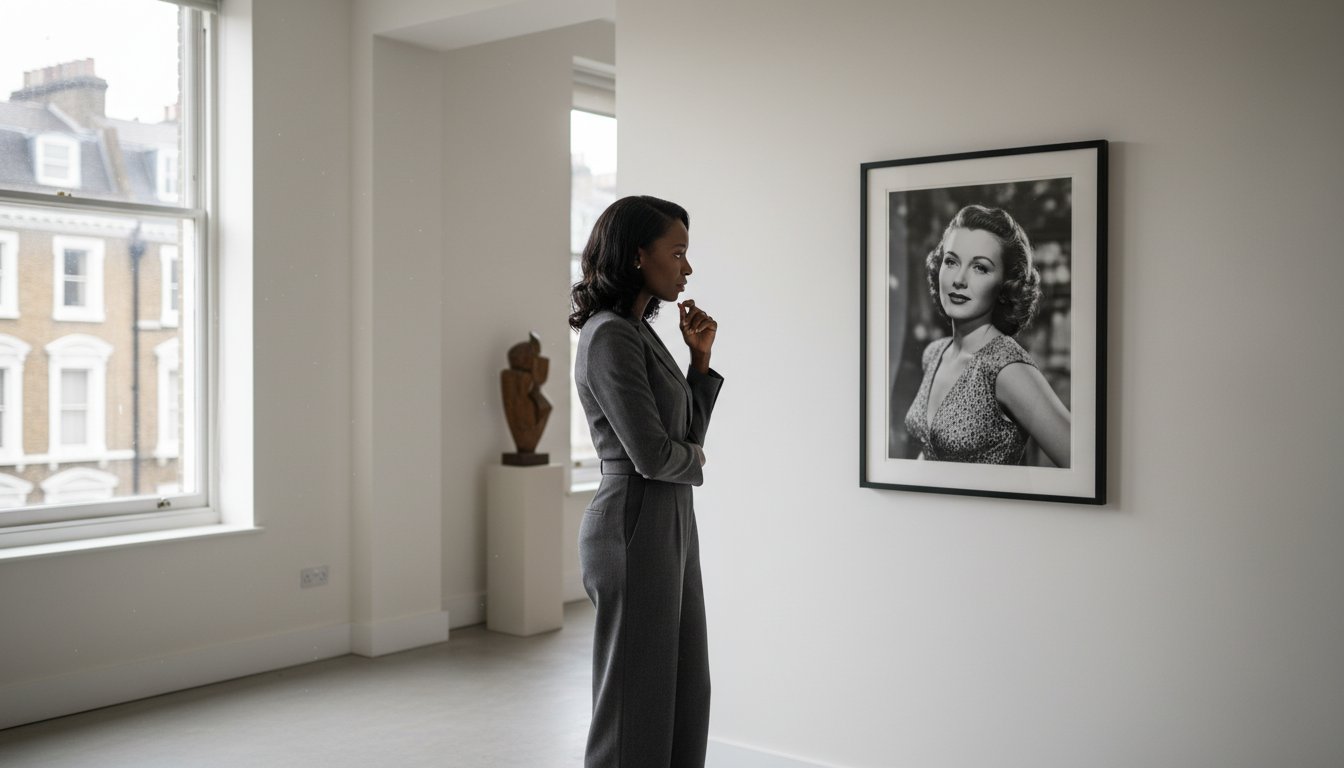
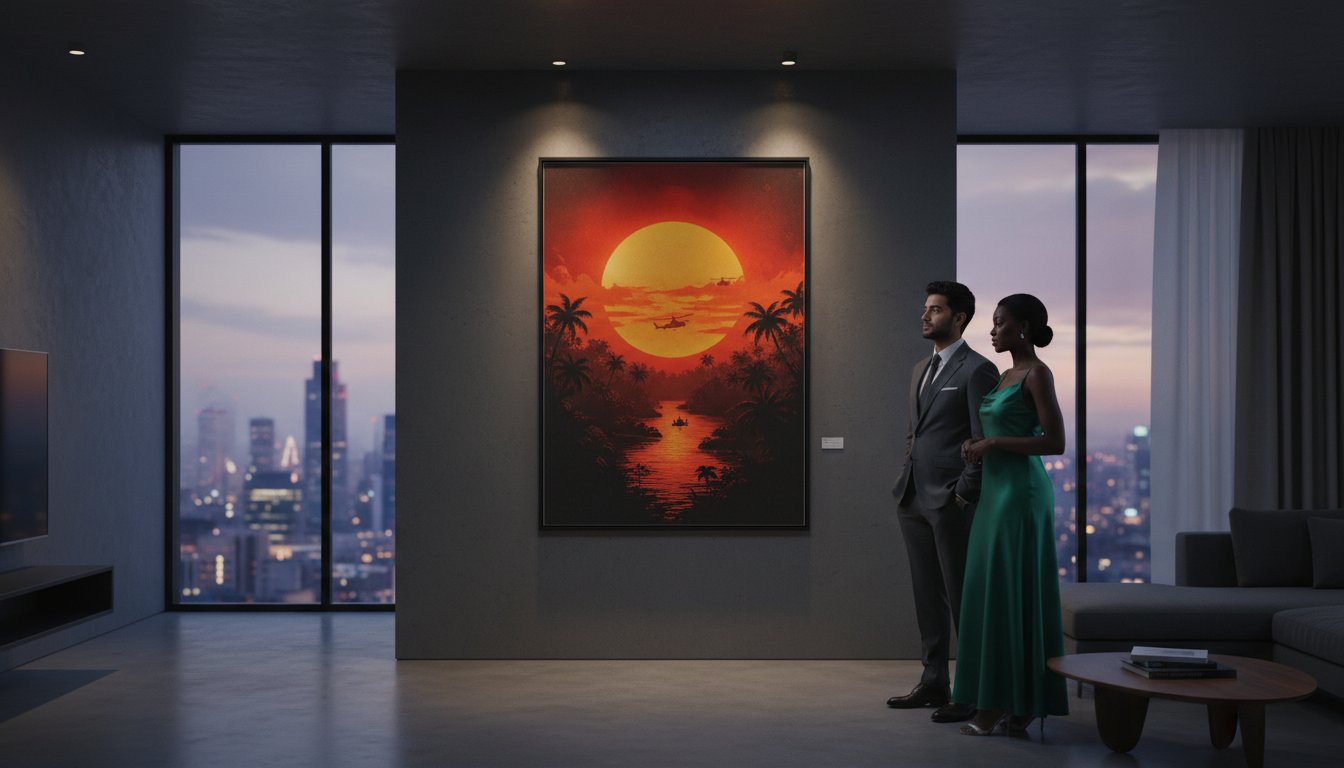
For urban interiors that require a sharper, more contemporary energy, designers are pivoting toward the archives of Terry O’Neill and legendary music photographers. These images capture the “Golden Age” of Hollywood and the raw power of rock and roll with a candid intimacy that feels incredibly modern. Whether it’s a rare portrait of Faye Dunaway or limited edition Star Wars prints, these pieces offer a “cool” factor that grounds a luxury lounge or executive office. Utilizing fine art photography from these archives ensures that the space feels curated by an expert hand, blending cultural significance with high-end interior aesthetics.
The Designer’s Toolkit: Bespoke Framing and Large-Scale Specification
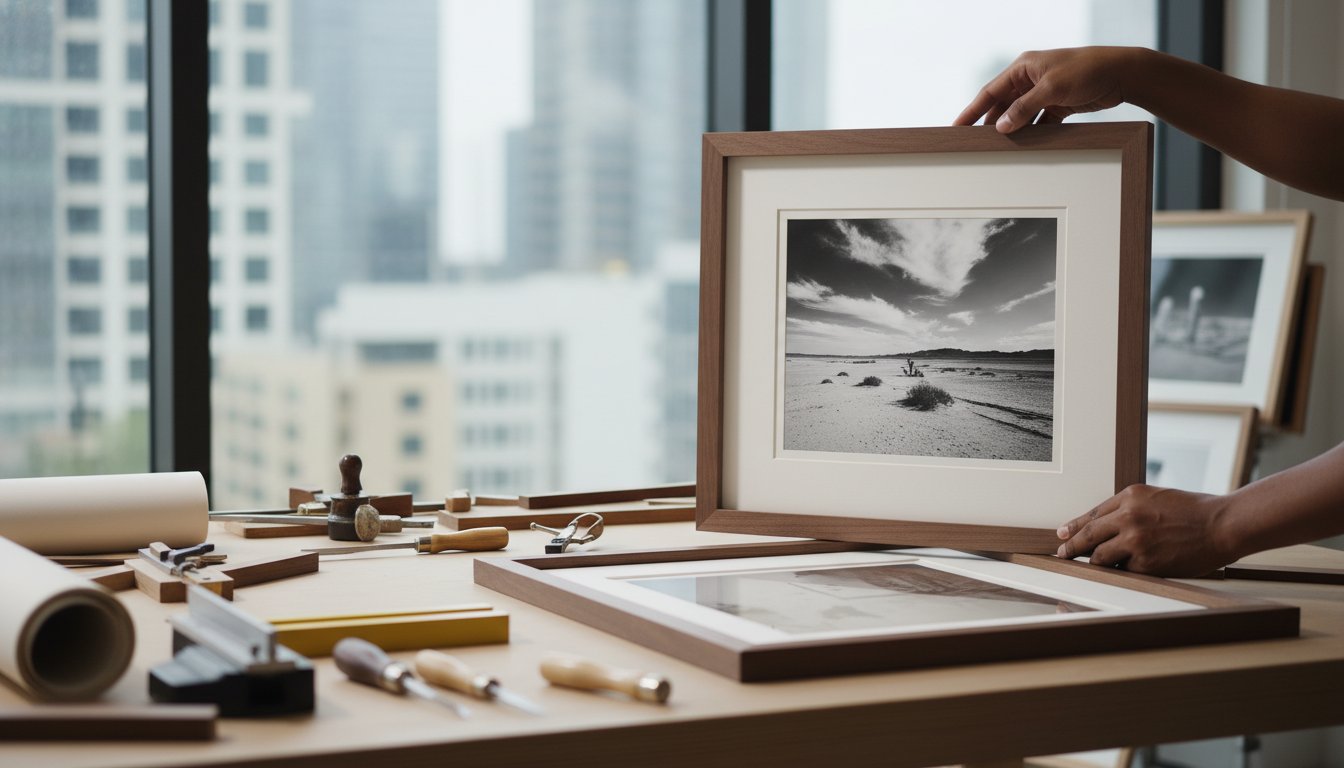
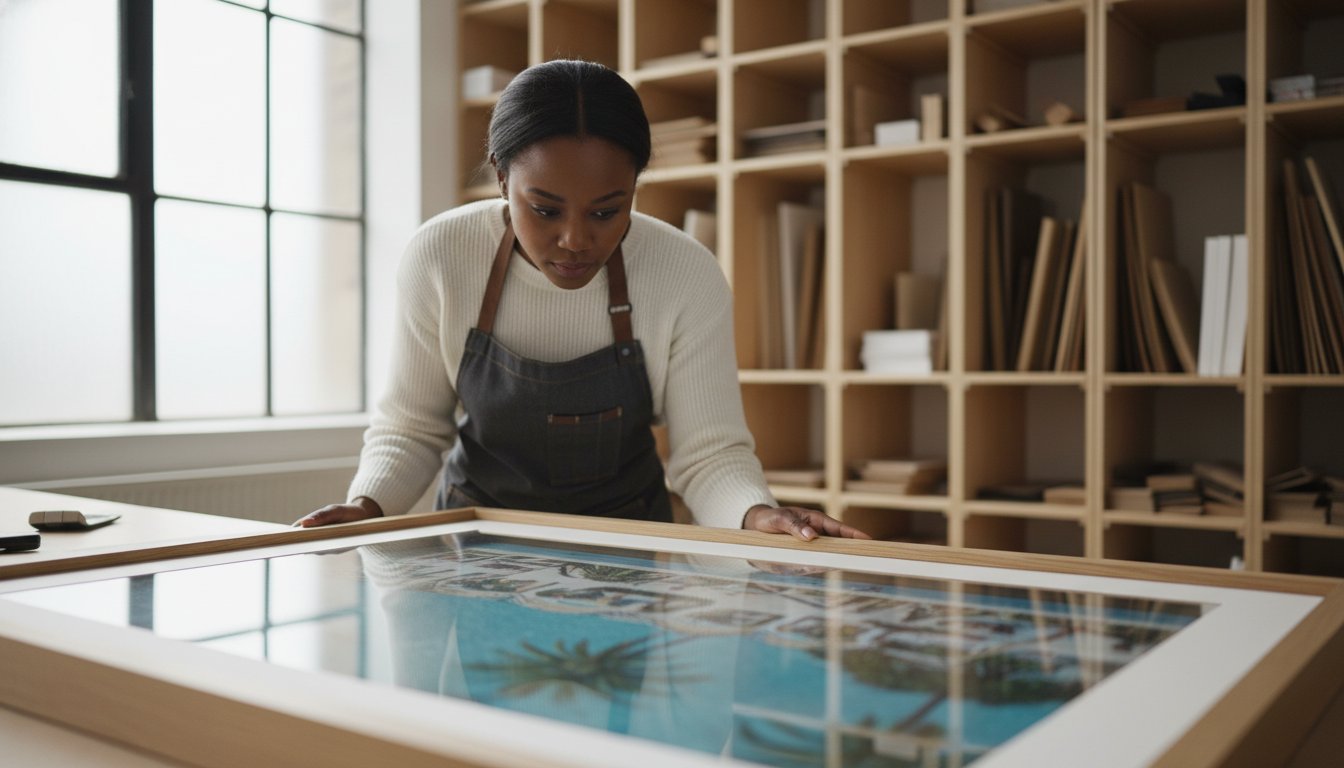
The final stage of curating a space involves a meticulous focus on the physical presentation of the work. Framing isn’t merely a border; it’s the bridge between the art and the architecture. For the discerning professional, a bespoke framing service is a technical necessity that ensures the art integrates seamlessly with the surrounding interior envelope. High end art prints for interior designers require more than a standard solution. They demand profiles that echo the room’s hardware, whether that involves the warmth of hand-finished oak, the industrial precision of black steel, or the timeless luster of polished brass. It’s about achieving a level of finish that matches the bespoke nature of the furniture and millwork.
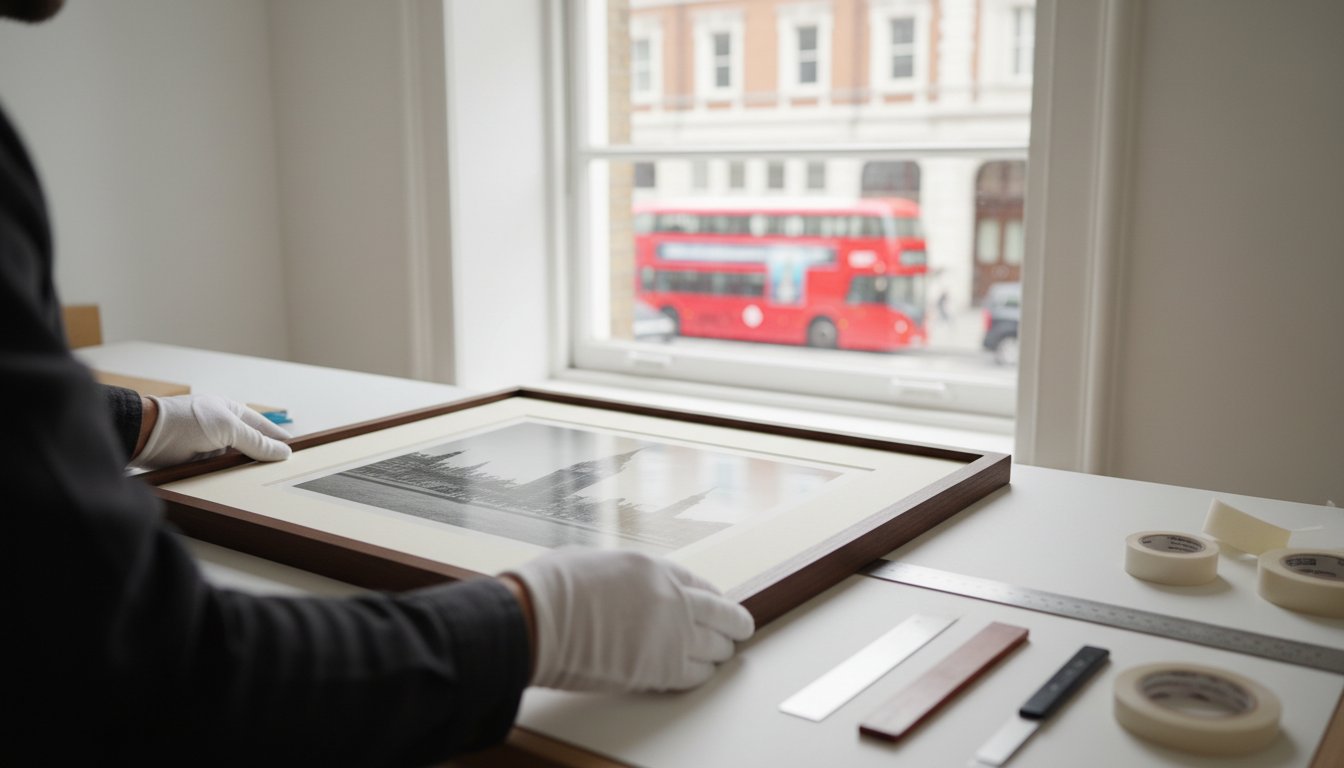
Specifying the correct glazing is equally vital for a successful delivery. In luxury environments with expansive windows and layered lighting, standard glass creates distracting reflections that obscure the artist’s intent. We recommend anti-reflective, UV-protective museum glass as the baseline for all professional specifications. This ensures that the deep blacks of a Terry O’Neill portrait or the vibrant teals of a Slim Aarons poolside scene remain visible and protected from solar degradation. When managing large-scale wall installations, logistics become a primary concern. Oversized prints require reinforced mounting and specialized handling to maintain their structural integrity during transit and installation. Precision here is non-negotiable.
Mounting and Framing Styles
The choice between a “Shadow Box” and a traditional window mount significantly alters the piece’s presence. A shadow box provides a sense of depth, allowing the print to “float” within the frame. This is ideal for highlighting the tactile, deckled edges of heavy cotton rag paper. Conversely, a “Full Bleed” specification offers a contemporary, borderless aesthetic where the image extends to the very edge of the frame. Regardless of the style, archival mounting is essential to prevent the paper warping or “cockling” over time, especially in larger formats that are susceptible to environmental shifts.
Integration and Installation
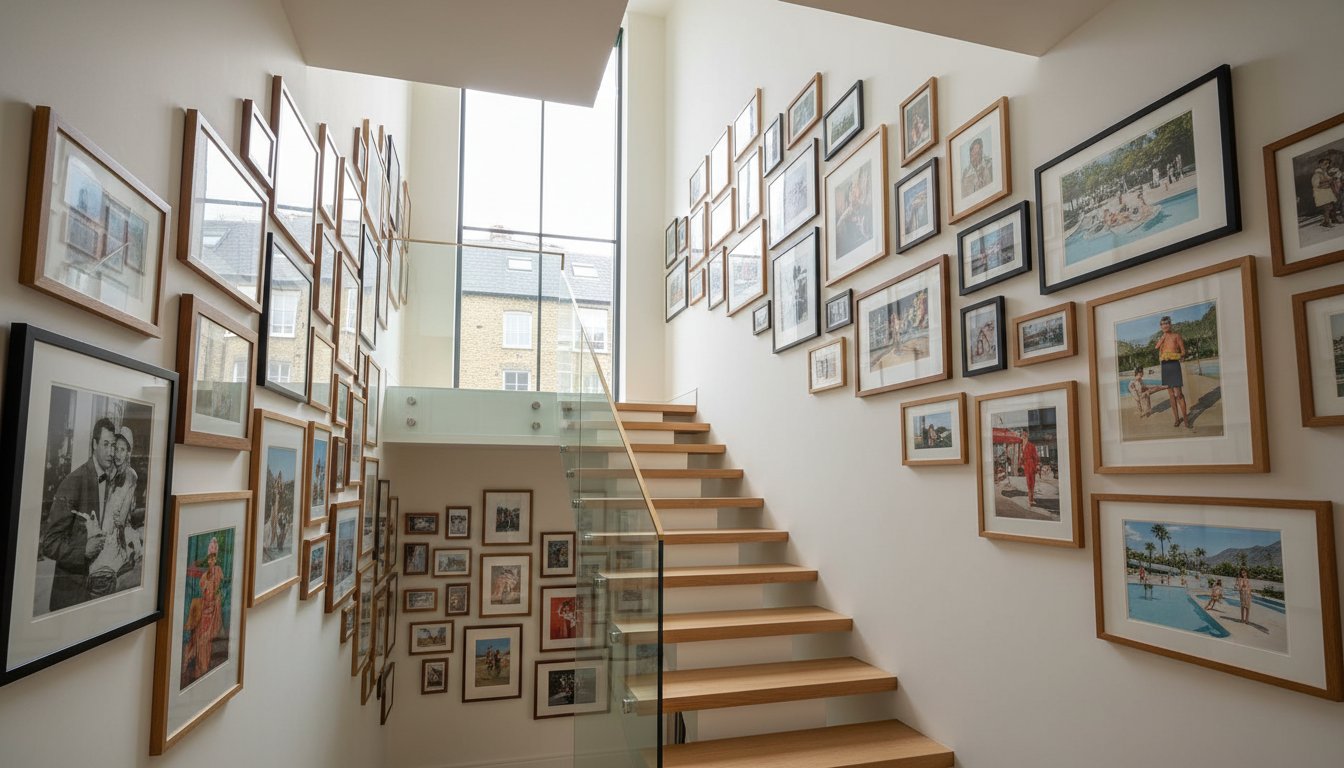
Successful gallery walls rely on a delicate balance of scale and theme. While a mix of frame finishes can add character, maintaining a consistent material palette prevents the arrangement from feeling cluttered. Lighting is the final, transformative element. Dedicated picture lights or precisely angled ceiling spots should be planned during the early design phases to highlight the texture of the archival paper. For large-scale commercial commissions, working with gallery consultants ensures that the production and installation phases are handled with the same precision as the initial sourcing. If you’re ready to specify your next project, you can view our full collection of bespoke options to find the perfect architectural match.
Galerie Prints: A Curatorial Partnership for Interior Professionals
Selecting high end art prints for interior designers is a process that demands absolute confidence in provenance and production. At Galerie Prints, we don’t simply act as a retailer. We serve as a dedicated bridge to photographic history, offering direct access to world-renowned archives that define the luxury aesthetic. From the sun-drenched social scenes of Slim Aarons to the cinematic gravity of Terry O’Neill, our collections provide the authentic source material required for prestigious residential and commercial interiors. We understand that your reputation relies on the longevity and quality of every specified piece, which is why we maintain a standard of excellence that matches the most demanding project briefs.
Our professional logistics are designed to support international projects with the same precision you apply to your designs. Whether you’re specifying for a London townhouse or a boutique hotel in Dubai, our global shipping ensures that museum-quality works arrive in pristine condition, fully insured and ready for installation. By opening a trade account, interior professionals gain access to exclusive benefits, including tiered pricing and priority sourcing for rare limited editions. This partnership allows you to focus on the creative vision while we handle the technical rigors of archival production and bespoke delivery. We offer direct access to Music Archives, Star Wars Limited Edition Prints, and vintage cinema lobby cards, ensuring a diverse range of narratives for any project.
The Galerie Prints Difference
We approach every print as a guardian of heritage. This philosophy ensures that the historical significance of the work is preserved through technical excellence. Every piece undergoes a journey of artisanal craftsmanship within our London-based studio, where traditional printing methods meet modern precision. This localized expertise allows us to maintain total control over quality before the work enters our global distribution network. Our team provides tailored support throughout the sourcing process, ensuring that the selected narratives align perfectly with your client’s aspirations. It’s a commitment to the tactile and historical elements that turn a simple image into a lasting piece of history.
Starting Your Next Project
The path to an elevated interior begins with a conversation about mood, era, and architectural intent. You can browse our curated collections to find pieces that resonate with your specific design language, from the “Golden Age” of Hollywood to the modern edge of rock and roll. For projects requiring non-standard dimensions or specific material matches, our gallery consultants are available for bespoke sizing and framing consultations. We invite you to explore our curated collections for your next project and discover how our archives can transform your architectural narrative into something truly extraordinary.
Elevating Your Vision with Photographic Heritage
The transition from mere decoration to the curation of lasting assets represents the pinnacle of modern interior design. By prioritizing museum-quality archival standards and selecting narratives that resonate with historical weight, you ensure that every project possesses a soul. We’ve explored how iconic imagery from masters like Slim Aarons and Terry O’Neill acts as a visual anchor, bridging the gap between architecture and inhabitant. Integrating high end art prints for interior designers into your workflow isn’t just about aesthetics; it’s about specifying a legacy that remains vibrant for decades.
As an official partner of the Slim Aarons and Getty Images archives, Galerie Prints provides the technical precision and artisanal craftsmanship your projects demand. From bespoke hand-finished framing to worldwide white-glove delivery, our services are tailored to the exacting standards of luxury specification. We invite you to Join our Trade Programme for exclusive access to the world’s finest photographic archives. Let’s collaborate to transform your next interior into a storied environment of elegance and permanence.
Frequently Asked Questions
What makes an art print “high-end” for interior design projects?
High-end art prints are defined by their verified provenance and museum-grade technical specifications. They must originate from authorized archives, such as the Slim Aarons or Terry O’Neill collections, and be produced on acid-free, 100% cotton rag paper. This combination of historical authenticity and archival quality ensures the piece acts as a lasting asset rather than a fleeting decoration.
Do you offer trade discounts or specialized services for interior designers?
We provide a dedicated trade programme that offers exclusive benefits to interior professionals, including specialized sourcing and tiered pricing. Many galleries offer trade discounts ranging from 10% to 30% for verified members of the design community. You’ll also receive direct access to our curatorial team to help identify rare pieces from our music and cinema archives that fit your project’s narrative.
What is the difference between an archival pigment print and a standard digital print?
The primary difference lies in the chemistry of the ink and the longevity of the result. Archival pigment prints use Giclée standards with mineral-based pigments that resist UV degradation for over a century. Standard digital prints often rely on dye-based inks, which are prone to fading. Specifying high end art prints for interior designers requires these archival standards to ensure the work’s color fidelity remains intact.
Can I order bespoke sizes for large-scale commercial installations?
Bespoke sizing is a core component of our service, allowing you to specify dimensions that match the architectural scale of your project. We can produce oversized prints for commercial lobbies or grand residential galleries that require a significant visual anchor. Our team handles the technical rigors of large-format production to ensure the image’s clarity and structural integrity are preserved.
How do I ensure the art prints I source will not fade over time?
To prevent fading, you must specify the use of archival pigment inks combined with UV-protective museum glass. This specialized glazing blocks the majority of harmful light rays that cause pigment breakdown. Using acid-free substrates like Hahnemühle or Canson paper also prevents the yellowing and structural decay associated with standard wood-pulp papers found in mass-market prints.
What framing options are best for high-end residential interiors?
Hand-finished wood profiles, such as natural oak, or precision-milled metals like black steel are the preferred choices for luxury residences. Shadow box frames are particularly popular for high end art prints for interior designers because they create a sophisticated depth that highlights the tactile edges of the paper. We ensure every frame is artisanal and tailored to complement the room’s specific hardware and millwork.
Do you provide certificates of authenticity for limited edition prints?
Every limited edition work from our collections is accompanied by an official certificate of authenticity or an embossed gallery stamp. This documentation verifies the print’s origin from prestigious sources like the Getty Images archive or the Terry O’Neill estate. It provides your clients with the necessary provenance to justify the work’s status as a collectible investment and a piece of photographic history.
What is the typical lead time for a bespoke framed print delivery?
Lead times are determined by the meticulous nature of our artisanal printing and hand-finishing processes. Because each frame is bespoke and every print is produced to museum standards, the timeline reflects the care required for professional delivery. We manage the entire logistics chain, from our London studio to a white-glove delivery at your project site, ensuring the work arrives in pristine condition.