Tag: 1960s

Patrick Lichfield Photography: The Definitive Guide to a British Icon

To the public, he was the 5th Earl of Lichfield; to the lens, he was the visionary who successfully bridged the gap between the rigid British aristocracy and the vibrant cultural revolution of the 1960s. Patrick Lichfield photography doesn’t just capture a moment in time; it preserves an era of “aristo-cool” elegance that feels both historically significant and remarkably modern. Whether you’re drawn to his intimate royal portraits or his sun-drenched Caribbean scenes, his work remains a cornerstone of 20th-century visual heritage that continues to command respect in the world’s most prestigious galleries.

It’s understandable if you’ve struggled to find archival prints that do justice to his technical mastery or felt unsure how to style such prestigious imagery within a contemporary home. This definitive guide explores the life and enduring style of a true British icon. You’ll discover the nuances of his different creative eras, learn how to integrate these timeless pieces into your interior aesthetic, and find a trusted path to acquiring museum-quality, physical prints that serve as lasting pieces of history. From his early Vogue contracts to his legendary status as an official royal photographer, we invite you to explore the legacy of a man who redefined the British image.

Key Takeaways

  • Discover how Thomas Patrick John Anson, the 5th Earl of Lichfield, used his unique royal lineage to humanize the world’s most elusive subjects.
  • Learn to identify the signature “Aristo-cool” aesthetic that blended high-society etiquette with the raw, bohemian energy of the 1960s.
  • Explore the diversity of his portfolio, ranging from intimate royal portraits to the iconic jet-set lifestyle captured on the island of Mustique.
  • Gain expert guidance on selecting and displaying patrick lichfield photography, focusing on the importance of archival paper and bespoke, museum-quality framing.
  • Understand the enduring value and scarcity of officially curated prints, positioning them as a cornerstone of any sophisticated fine art collection.

Who Was Patrick Lichfield? The Photographer Who Redefined British Glamour

Thomas Patrick John Anson, the 5th Earl of Lichfield, wasn’t just a witness to history; he was its most stylish architect. Born into the heart of the British establishment, he transformed his hereditary privilege into a professional lens that captured the very essence of 20th-century allure. While his title granted him entry to the most gilded drawing rooms, it was his technical prowess and modern sensibility that solidified the reputation of patrick lichfield photography as the gold standard of portraiture. His career spanned half a century, evolving from the structured elegance of the post-war era to the high-octane glamour of the digital age.

The 1960s: A Peer Among the Pop Icons

During the mid-1960s, Lichfield famously shed the expectations of his rank to join the creative vanguard of “Swinging London.” He wasn’t merely a peer; he was a contemporary of pioneers like Terry O’Neill Photography, both men working to dismantle the stiff barriers of traditional studio work. After securing a prestigious five-year contract with American Vogue, he began documenting a new class of celebrity where pop stars and aristocrats mingled with effortless grace. Patrick Lichfield’s biography reveals a man who was as comfortable in a nightclub as he was at Shugborough Hall, a duality that allowed him to inject a sense of relaxed, bohemian elegance into every frame. This transition from traditionalism to the avant-garde defined his early portfolio, marking a shift toward the “aristo-cool” aesthetic that remains highly collectible today.

The Royal Connection and the 1981 Wedding

To ensure every aspect of your own milestone event matches this level of “aristo-cool” prestige, you can visit Brides in Love to discover luxury wedding gowns from prestigious international designers.

The Lichfield Aesthetic: Capturing the Intersection of Royalty and the Jet Set

Patrick Lichfield photography is defined by a term often called “Aristo-cool.” It represents a rare intersection where the rigid etiquette of the British peerage met the liberated, bohemian energy of the international jet set. While his contemporaries might have sought to shock, Lichfield sought to elevate. He understood that true glamour wasn’t found in a pose, but in the effortless grace of his subjects. This philosophy was deeply influenced by his peer, Slim Aarons, who shared his passion for capturing attractive people in attractive places. However, Lichfield added a layer of British eccentricity and ancestral depth that was entirely his own, making his work a cornerstone of high-end interior aesthetics.

A Master of Composition and Naturalism

Whether working with vibrant colour or timeless black and white pictures, Lichfield maintained a specific tonal range that defined the 1970s. His fashion editorials and the legendary Unipart calendars featured a saturated, sun-drenched glamour that felt both tactile and aspirational. Preserving this specific aesthetic requires the highest standards of museum-grade production. We believe that a photograph is a lasting piece of history, and you can explore our curated collection to see how these archival prints maintain their brilliance over time. This commitment to technical superiority ensures that the subtle nuances of his work, from the grain of the film to the soft shadows of a Caribbean afternoon, remain as evocative today as they were decades ago. This enduring appeal is why patrick lichfield photography continues to be a premier choice for serious collectors looking to invest in a bygone era of elegance.

Beyond the Royal Family: Exploring the Diverse Portfolio of Patrick Lichfield Photography

While his name is inextricably linked with the House of Windsor, the true breadth of patrick lichfield photography reveals a far more eclectic and daring artist. He wasn’t content with the gilded safety of the palace; instead, he sought the raw energy of the recording studio and the uninhibited light of the tropics. His lens acted as a vital historical document of a shifting British social landscape, capturing the moment when traditional class structures dissolved into the kaleidoscopic freedom of the late 20th century. Beyond his famous subjects, his portfolio includes sculptural studies and nudes that showcase a fascination with the human form, proving his technical mastery transcended social status.

The Mustique Years: Sun, Sand, and Society

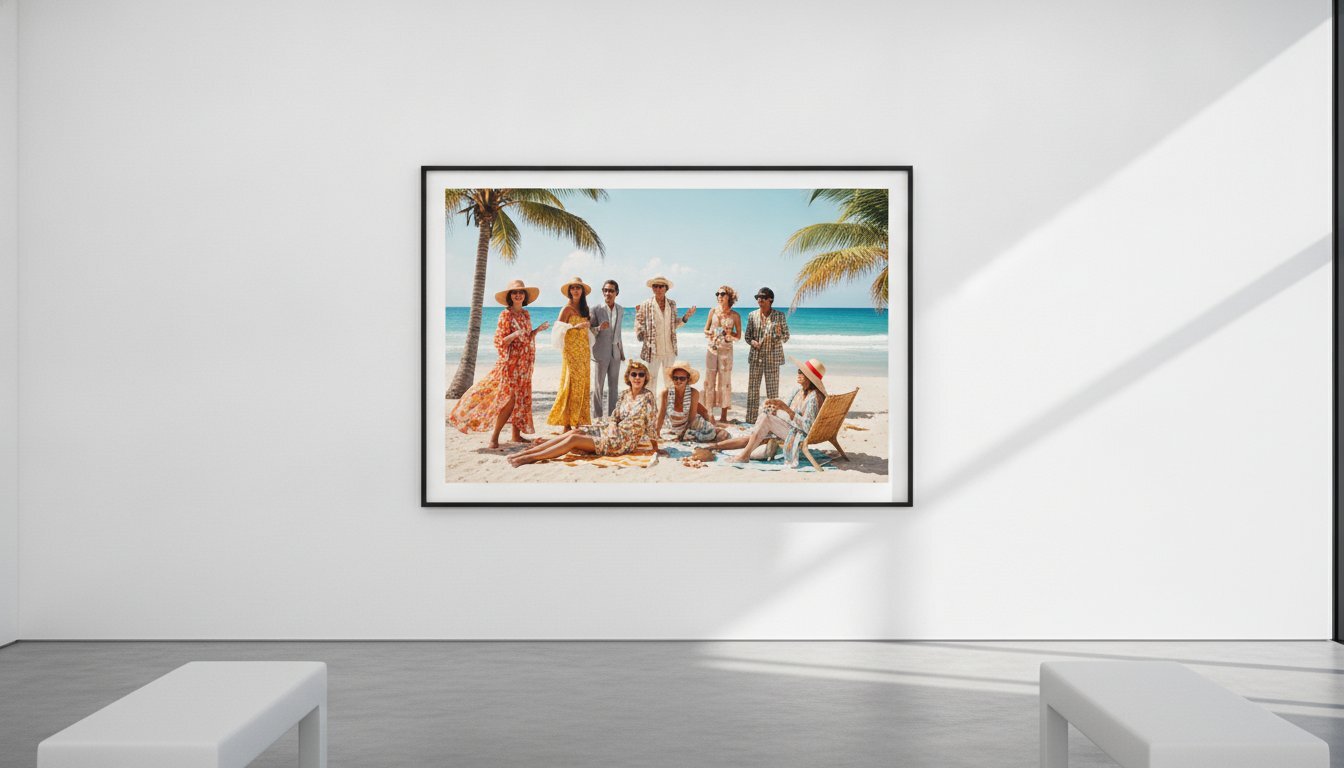
In the 1970s, Lichfield’s focus expanded toward the Caribbean, specifically the private island of Mustique. His close relationship with Princess Margaret allowed him to document the “unbuttoned” aristocracy in a state of leisure that was previously off-limits to the public eye. There are clear parallels between these sun-drenched compositions and the photography of Slim Aarons, yet Lichfield’s work retains a distinctively British sense of intimacy. These weren’t just attractive people in attractive places; they were his friends and peers, captured with a level of trust that only an insider could command. This era of his work remains a cornerstone of aspirational lifestyle photography, blending tropical vibrant hues with a sophisticated, relaxed elegance.

Portraits of Power and Pop Culture

Beyond the island life, Lichfield’s portraits of 20th-century icons like Mick Jagger and David Bowie remain some of the most evocative images in our Music Archives. He applied a “royal” sense of dignity to the rebels of the music world, treating pop culture’s vanguard with the same reverence he afforded a head of state. This ability to find the poise within the chaos of rock and roll is what makes his music portraiture so enduring. Whether he was shooting for a high-fashion editorial or a candid backstage moment, he possessed a rare gift for elevating his subjects. By documenting the stars of the screen and the legends of the stage, he became a primary chronicler of the icons who defined the modern age, ensuring his work remains as relevant in a contemporary gallery as it was in the pages of Vogue.

A Curator’s Guide to Collecting and Displaying Patrick Lichfield Prints

Integrating patrick lichfield photography into a private collection requires more than just an eye for beauty; it demands a curatorial approach to both selection and presentation. Collectors often find themselves choosing between two distinct worlds: the regal, structured tradition of his royal portraiture or the sun-bleached, informal glamour of his jet-set years. While his royal work offers a sense of historical weight and stability, his lifestyle imagery brings a vibrant, aspirational energy to modern interiors. Regardless of the subject, the tactile quality of the physical work is paramount. Museum-quality archival paper is essential to capture the specific grain and depth of his original negatives, providing a level of detail that digital alternatives simply cannot replicate.

Bespoke Framing for Archival Photography

The frame acts as the final boundary between the artwork and the environment, and for a Lichfield print, the choice of material should reflect the era of the image. Classic black wooden frames provide a sharp, contemporary contrast that emphasizes the rich shadows in his black and white work. Conversely, a hand-finished silver leaf frame can echo the mid-century elegance of his high-fashion editorials. Mount sizes also play a critical role; a generous, deep-bevelled mount provides the necessary breathing room that signals a gallery-style finish. To protect your investment, UV-protective glass is indispensable because it shields the delicate pigments from light-induced fading and ensures the long-term preservation of the archival print. You can view our Bespoke Framing Service to see how we pair traditional craftsmanship with museum-grade materials to protect these historical assets.

Creating a Heritage Gallery Wall

A well-composed gallery wall allows you to build a narrative of 20th-century sophistication. Mixing Lichfield’s intimate black and white portraits with vintage cinema lobby cards creates a dynamic visual dialogue between the worlds of royalty and Hollywood. For larger rooms, his expansive landscape work from the Caribbean can anchor a colour scheme, drawing out turquoise or golden hues from the surrounding decor. Displaying such “aspirational” heritage art does more than decorate a wall; it establishes a psychological sense of permanence within the home. It suggests a life well-travelled and a deep appreciation for the specific historical moments that shaped our modern culture. By choosing a mix of sizes, from intimate hallway portraits to grand statement pieces, you create a layered visual experience that invites viewers to linger and explore the story behind the lens.

Investing in History: Why Patrick Lichfield Photography Endures

Acquiring a piece of patrick lichfield photography is more than a simple decorative choice; it’s an investment in a specific, irreplaceable chapter of the British social narrative. The scarcity of officially curated archival prints ensures that each work retains its value, serving as a tangible link to a world where high-society tradition collided with the avant-garde. This unique position makes Lichfield a vital cornerstone of Fine Art Photography, appealing to collectors who value both aesthetic brilliance and historical authenticity. His work offers an emotional resonance that transcends mere imagery, capturing the soul of an era that redefined the meaning of glamour.

Owning a Lichfield print provides a sense of permanence and stability in an increasingly digital world. While digital files are fleeting, a museum-quality physical print carries the weight of history and the mark of artisanal craftsmanship. It represents a commitment to preserving the tactile beauty of traditional production methods, from the choice of archival paper to the precision of the hand-finished frame. This reverence for the physical medium is what allows his work to endure, standing as a testament to a life spent documenting the most elusive subjects with an unparalleled level of grace and technical mastery.

The Galerie Prints Commitment to Quality

Our partnership with world-renowned archives, including the Getty Images Gallery, allows us to offer exclusive access to some of the most significant works in his portfolio. Every print is produced using museum-quality archival paper, ensuring that the tonal depth and crystalline clarity of the original negative are maintained for generations. The artisanal process behind our bespoke framing service transforms each image into a gallery-ready statement piece, emphasizing the material quality that distinguishes physical fine art. We act as guardians of this photographic heritage, ensuring that every piece we deliver meets the exacting standards required by serious collectors and cultural institutions alike.

Start Your Collection Today

We invite you to discover the world of Patrick Lichfield by exploring our full collection of physical prints and curated historical archives. Whether you’re seeking a specific royal portrait or a candid scene from the Caribbean, our team is available to provide bespoke sizing and framing advice to suit your unique interior. Patrick Lichfield remains a titan in the pantheon of great British photographers, a man who didn’t just take pictures, but rather crafted an enduring visual language of elegance. Contact the gallery today to begin your journey into the legacy of an icon and secure a lasting piece of history for your own collection.

Preserving a Legacy of Aristo-Cool Elegance

Patrick Lichfield didn’t just photograph the elite; he humanized them, creating a visual bridge between ancient lineage and modern celebrity. His mastery of natural light and informal composition redefined British glamour, leaving behind a portfolio that ranges from the intimate corridors of royal life to the sun-drenched shores of Mustique. The enduring allure of patrick lichfield photography lies in its ability to remain timeless while capturing the specific pulse of a shifting culture. By embracing the “aristo-cool” aesthetic, you transform your interior into a space that celebrates both historical significance and contemporary style.

Galerie Prints remains dedicated to maintaining this standard of excellence. Our collections are meticulously curated from the world’s leading archives and produced on museum-quality archival paper to ensure every detail is preserved. Through our bespoke artisanal framing, we guarantee that your investment isn’t just a decoration but a lasting piece of history. We invite you to Browse the Patrick Lichfield Collection and Order Your Bespoke Framed Print Today. Discover a world of elegance and bring the visionary perspective of a British icon into your home.

Frequently Asked Questions

Where can I buy authentic Patrick Lichfield photography prints?

Authentic, museum-quality prints are available through specialized galleries such as Galerie Prints. We curate our collection from world-renowned archives, including the Getty Images Gallery, to ensure every piece is a legitimate, high-fidelity reproduction of the original work. Unlike digital downloads, these physical prints are produced to exacting standards for serious collectors. Each purchase represents a tangible piece of history, delivered as a physical fine art object rather than a fleeting digital file.

Did Patrick Lichfield only take photos of the Royal Family?

While he was the official photographer for the 1981 royal wedding, his portfolio is remarkably diverse. He was a prolific fashion photographer for American Vogue and captured the “Swinging London” scene of the 1960s. His work also includes sun-drenched lifestyle imagery from the island of Mustique and intimate portraits of music icons like Mick Jagger. This breadth makes patrick lichfield photography a comprehensive chronicle of 20th-century British culture, extending far beyond the palace walls.

What is the “Unipart Calendar” and why is it famous?

The Unipart Calendar was a legendary series of annual calendars produced for the automotive parts company, known for its high production values and glamorous aesthetic. Lichfield’s contribution brought a level of “aristo-cool” sophistication to a commercial project, often featuring models in exotic locations. It became famous for blending high-fashion sensibilities with a more accessible, popular format. These images remain highly sought after by collectors who appreciate the saturated, sun-drenched style of his 1970s and 80s work.

How do I choose between a black and white or colour Lichfield print?

What kind of paper is used for Patrick Lichfield fine art prints?

We use museum-quality archival paper for all fine art reproductions to ensure the longevity and tonal depth of the image. This heavy-weight, acid-free medium is designed to preserve the specific grain and crystalline clarity found in the original negatives. Unlike standard photographic paper, archival stock prevents yellowing and degradation over time. This technical superiority ensures that your investment in patrick lichfield photography remains a lasting piece of history, maintaining its brilliance for future generations.

Can I get a Patrick Lichfield print in a bespoke frame?

Yes, Galerie Prints provides a dedicated bespoke framing service for every print in our collection. Our artisanal process involves hand-finishing frames in styles ranging from classic black wood to elegant silver leaf. We also utilize high-quality mounting materials and UV-protective glass to shield the artwork from environmental damage. This service ensures your print arrives ready to hang, with a gallery-standard finish that complements both the historical significance of the work and your modern decor.

Who was Thomas Patrick John Anson?

Thomas Patrick John Anson was the 5th Earl of Lichfield and a cousin to the Royal Family. Despite his aristocratic lineage, he chose to pursue a professional career in photography, becoming one of the most respected figures in the industry. His title granted him unique access to high society, yet his technical skill allowed him to transcend his background. He successfully humanized the elite while elevating the everyday, solidifying his place as a premier chronicler of the British social narrative.

How does Patrick Lichfield’s work compare to Slim Aarons?

Both photographers were masters of the “aspirational lifestyle” aesthetic, capturing attractive people in attractive places. While Slim Aarons focused on the sunny, uninhibited leisure of the American and European elite, Lichfield brought a distinctly British sense of “aristo-cool” to his work. His proximity to the Royal Family provided an intimacy that Aarons’ work often lacked. Both artists are cornerstones of our gallery, offering a sophisticated bridge to a bygone era of effortless elegance and high-society glamour.
The Playboy Bunny: A Curatorial History of a Global Cultural Icon

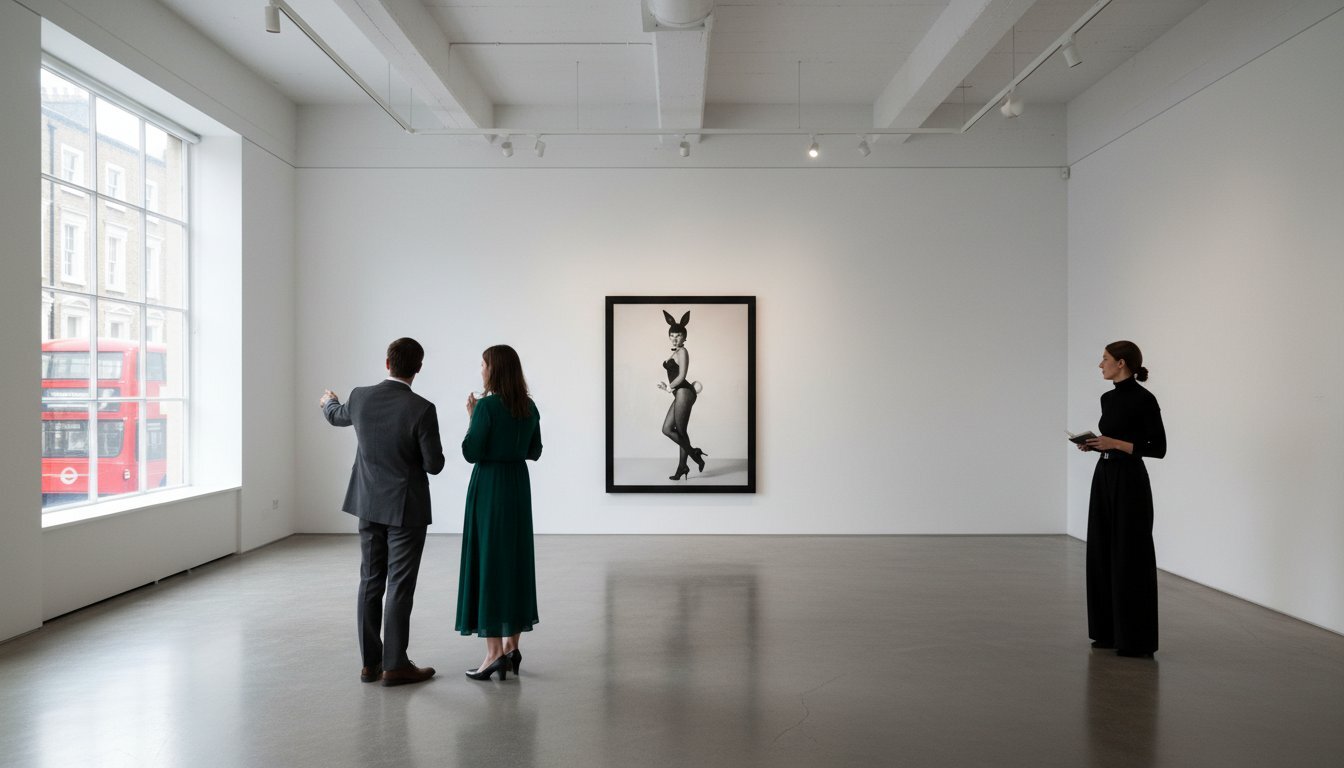
Few symbols in the twentieth century have undergone such a radical metamorphosis as the play boy bunny; what began as a 1960 service uniform at the debut Chicago club has become a cornerstone of high-end photographic provenance. You likely recognize the silhouette as an indelible staple of pop culture, yet finding its true historical weight often feels like a search through a sea of transient, low-quality digital noise rather than a study of heritage. At Galerie Prints, we believe these images deserve the same curatorial rigor as any other masterpiece of the golden age of glamour.

In this article, we’ll explore the evolution of the Bunny from a mid-century marketing masterstroke to a sought-after subject in fine art photography. We’ll identify the legendary photographers, including masters like Slim Aarons and Terry O’Neill, who immortalized the look through their exquisite lenses. You’ll understand why these specific archival prints, often hand-printed in our London darkroom from original negatives, represent a lasting investment for the discerning art collector. This is a journey through the world’s finest photography, where nostalgia meets the meticulous standards of the modern gallery.

Key Takeaways

  • Trace the evolution of a mid-century marketing masterstroke as it transitioned from a simple mascot into an enduring symbol of feminine cultural power.
  • Uncover the meticulous design details behind the play boy bunny uniform, distinguishing its status as the first service attire ever granted a U.S. patent.
  • Identify the legendary photographers and technical darkroom secrets that transformed club-side imagery into world-class archival photography.
  • Navigate the jet-set expansion of this global phenomenon, from its Chicago roots to its status as a gathering place for the mid-century’s cultural elite.
  • Learn how to evaluate the provenance and artistic value of silver gelatin prints for a sophisticated fine art collection.

The Origin of the Playboy Bunny: From Mascot to Icon

The transition of a graphic mascot into a living cultural icon began as a strategic move to personify the sophisticated lifestyle championed by Hugh Hefner. Originally, the rabbit was a tuxedo-clad male character appearing in the pages of the magazine; it served as a playful nod to the “playboy” archetype. On February 29, 1960, this concept underwent a radical transformation. With the opening of the first Playboy Club in Chicago, the mascot became a three-dimensional symbol of mid-century glamour. This debut marked the birth of the play boy bunny, a figure that bridged the gap between the girl next door and the aspirational heights of high-society elegance.

The Chicago Club and the First Bunnies

When the first Playboy Club opened its doors on a leap year night in 1960, it revolutionized the hospitality industry. Victor Lownes, Hefner’s business partner, is credited with the idea of turning the magazine’s logo into a uniform. His girlfriend at the time, Ilsa Taurins, modeled the initial prototype which featured the now-iconic ears and silk tail. The success was immediate; by the end of the first year, the Chicago venue boasted 132,000 members. This era of Playboy Bunny History solidified the role as the world’s most recognized service professional. These women weren’t just waitresses; they were curated ambassadors of a new, metropolitan aesthetic that prioritized poise and silver-screen charm.

Defining the ‘Bunny’ Identity

Beyond the visual impact of the satin bodice, the identity was shaped by a 44-page manual that dictated every movement and interaction. The training was rigorous. Candidates spent weeks mastering the “Bunny Dip,” a specific technique for serving drinks that ensured the costume remained secure and elegant. This strict standard of conduct created a sense of professional distance that was essential to the brand’s prestige. The play boy bunny represented a bespoke version of the sexual revolution’s early aesthetic, one that felt both modern and deeply rooted in the traditions of archival glamour. It offered a cinematic experience for club members, where every gesture was choreographed to maintain a sense of exclusive, high-society sophistication that still resonates in the world of fine art photography today.

The Anatomy of Glamour: The Iconic Playboy Bunny Uniform

The Playboy Bunny uniform stands as a masterclass in mid-century branding; it was the first service uniform ever registered with the United States Patent and Trademark Office in 1964. This ensemble wasn’t merely a costume; it was a carefully engineered silhouette that defined the jet-set era. The design featured a boned satin corset, oversized ears, a fluffy yarn tail, and the signature nameplate rosettes. When the first club opened in Chicago on February 29, 1960, the play boy bunny became an instant symbol of a new, sophisticated leisure class. This aesthetic is frequently captured in our archival photography collections, reflecting a time when hospitality met high fashion.

To maintain a sense of decorum while serving drinks, the Bunnies utilized the ‘Bunny Dip.’ This choreographed movement involved bending at the knees rather than the waist, a functional necessity that evolved into a signature of grace. While the silhouette remained consistent, the uniform adapted through the decades; it transitioned from the heavy satins of the 1960s to more vibrant, club-specific variations in the 1980s. The core geometry of the look remained unchanged, preserving the visual legacy of the brand for over sixty years.

Craftsmanship and Construction

The technical construction of the uniform required an exacting level of bespoke tailoring. Each corset featured internal stiffening and boning to achieve the rigid, hourglass profile synonymous with 1960s glamour. These garments were often made in-house to ensure a perfect fit, utilizing high-quality fabrics that could withstand the rigors of a busy club floor. Today, this attire is a subject of serious study for those interested in the curatorial history of the Playboy Bunny uniform. Fashion historians now view these pieces as significant artifacts of textile engineering and cultural branding.

The Accessories that Made the Look

The ‘tuxedo’ aesthetic was completed through a precise arrangement of accessories. The crisp white collar and cuffs provided a sharp contrast to the vibrant satins, grounding the look in a traditional masculine formalwear language. Each play boy bunny wore a distinctive rosette nameplate, which served as a bridge for interaction between the server and the guest. The final touch was the three-inch stiletto heel, a demanding requirement that finalized the statuesque, aspirational image of the era. This meticulous attention to detail is why these images remain timeless pieces of photographic history.

Immortalizing the Image: The Photographers of the Playboy Bunny

The transition of the play boy bunny from the velvet-lined interiors of private clubs to the prestigious frames of world-class photography marked a shift in how the world viewed commercial glamour. During the 1960s, the Bunny became more than a hostess; she evolved into a curated subject for masters of the lens. These photographers utilized high-contrast lighting and the rich, tonal depths of silver gelatin printing to elevate the uniform into a symbol of mid-century modernism. The architectural precision of the silhouette, originally crafted by Zelda Wynn Valdes, designer of the Bunny uniform, provided a structural perfection that translated exquisitely onto film. These images now stand as archival treasures, preserving a specific aesthetic that balanced post-war optimism with a new, bold sophistication.

Terry O’Neill and the London Bunnies

In 1966, the opening of the London Playboy Club on Park Lane offered Terry O’Neill a fresh canvas. O’Neill possessed a rare ability to blend the spontaneity of candid reportage with the calculated polish of high fashion. His images of the London Bunnies captured a specific, youthful energy that defined the “Swinging Sixties.” By photographing them in moments of quiet preparation or shared laughter, he stripped away the artifice of the stage while maintaining their aspirational allure. These works remain essential archives of a time when London was the epicenter of global style; they offer a behind-the-scenes look at the women who inhabited the icon.

The Slim Aarons Connection: Luxury and Leisure

While O’Neill captured the urban pulse, Slim Aarons repositioned the play boy bunny within his celebrated ethos of “attractive people doing attractive things in attractive places.” Aarons moved the Bunny beyond the club walls and into the sun-drenched environments of mid-century luxury. Through his lens, we see the Bunny as an integral part of the jet-set lifestyle, often positioned by turquoise pools or within lush, manicured gardens. His use of vibrant color and natural light transformed the Bunny into a pastoral icon of leisure. These photographs serve as historical records of a social hierarchy where the Bunny was a permanent fixture of the international elite’s visual vocabulary.

  • Technical Excellence: Many of these original negatives were processed in dedicated darkrooms to ensure the archival quality expected by serious collectors.
  • Cultural Provenance: These images aren’t merely portraits; they’re documents of a design revolution that defined an era.
  • Artistic Legacy: The work of O’Neill and Aarons ensures the Bunny remains a central figure in the history of 20th-century photographic art.

A Global Phenomenon: The Bunny in the Jet-Set Era

The transition of the play boy bunny from a localized Chicago attraction to a global hallmark of prestige occurred with remarkable speed. By 1972, the Playboy Club network encompassed 22 international locations, stretching from the neon-lit districts of Tokyo to the refined avenues of New York. This expansion mirrored the rise of the jet-set era, where international travel and curated luxury became the ultimate currency of the cultural elite. The clubs functioned as exclusive sanctuaries where royalty, Hollywood stars, and industry titans converged under a singular, recognizable aesthetic of high-gloss glamour.

  • 1960: The inaugural club opens in Chicago, establishing the blueprint for the modern VIP experience.
  • 1966: The London debut on Park Lane secures the brand’s European dominance during the height of the cultural revolution.
  • 1976: Expansion into Tokyo marks the icon’s definitive status as a cross-cultural phenomenon.

The London Playboy Club: An Elite Outpost

The London club on Park Lane, which opened its doors in July 1966, remains the most successful and profitable location in the history of the franchise. It became a central pillar of the “Swinging Sixties,” attracting a clientele that included Sean Connery, Michael Caine, and Lord Lucan. This specific venue was more than a nightlife destination; it was a photographic goldmine. Renowned photographers like Terry O’Neill captured the Bunnies in moments of candid elegance, cementing their place within the British social fabric. The London Bunny represented a bespoke blend of American showmanship and European refinement, a combination that remains a cornerstone of photographic heritage today.

The Bunny in Pop Culture and Cinema

As the 1970s approached, the play boy bunny evolved from a service role into a global celebrity archetype. The icon made a definitive splash in the 1971 James Bond film Diamonds Are Forever, where the aesthetic integrated perfectly with the high-stakes world of cinematic espionage. This period saw the silhouette influence the broader disco and glam movements, characterized by sequins, satin, and an unapologetic embrace of theatrical luxury. The transition was complete as the Bunny became shorthand for an aspirational lifestyle, moving beyond the clubs to influence international fashion runways and the burgeoning world of television variety shows.

Discover our exclusive archive of limited edition prints capturing the golden age of glamour and the world’s finest photography.

Collecting History: Why Playboy Bunny Prints are Fine Art

The transition of the play boy bunny from a mid-century marketing symbol to a blue-chip photographic asset represents a significant shift in the art market. What began as ephemeral commercial imagery has been elevated through the lens of legendary photographers such as Terry O’Neill and Slim Aarons. These works aren’t viewed merely as promotional material anymore. Instead, they’re celebrated as cultural artifacts that capture a specific, idealized moment in 20th-century history. Collectors today seek out prints sourced directly from original negatives, as the provenance of a piece dictates its long-term appreciation. A 2022 market analysis of photographic auctions showed that high-provenance archival prints have consistently outperformed traditional mid-tier equities, making these images a stable investment for the discerning eye.

The aesthetic remains a staple of high-end interior design because it offers a bridge between vintage glamour and modern minimalism. These images provide a focal point that is both provocative and polished, fitting effortlessly into a curated home gallery. The enduring market for this “Golden Age” photography is driven by a desire for authenticity in a digital world. Owning a physical piece of this history provides a tactile connection to the era of the 1960s and 70s, where the play boy bunny served as a global icon of aspiration and style.

Archival Quality and the Collector’s Eye

True value lies in the physical medium. We prioritize museum-quality paper and traditional silver gelatin processes to ensure every print retains its depth and tonal range for decades. Choosing a print involves looking for that elusive, timeless quality that transcends the decade of its origin. Bespoke framing serves as the final step in this preservation journey. It protects the delicate emulsion from environmental degradation while ensuring the artwork integrates seamlessly into sophisticated living spaces.

Galerie Prints: Your Window to the World’s Finest Photography

Our commitment to excellence is rooted in our London darkroom, where skilled artisans hand-print each piece to exacting standards. By maintaining exclusive access to the Terry O’Neill and Getty Images Gallery archives, we provide collectors with rare glimpses into the golden age of glamour. These aren’t mass-produced reproductions; they’re carefully crafted windows into a lost world of elegance. We invite you to Discover our curated collection of iconic photography and begin your own journey into the world of fine art collecting.

Preserving the Legacy of Mid-Century Elegance

The 1960 opening of the Chicago Playboy Club introduced a silhouette that would define an entire epoch of aspirational luxury. From the precision-engineered uniform to the high-society lens of Slim Aarons, the play boy bunny remains a powerful symbol of an era defined by its refined glamour. These images aren’t just snapshots; they’re archival documents that reflect the evolution of 20th-century style and social history. At Galerie Prints, we act as guardians of this photographic heritage. As an official Getty Images Gallery partner, we specialize in the archives of Terry O’Neill and Slim Aarons to ensure these moments are preserved with the reverence they deserve. Every piece is hand-printed in our London darkroom to provide the technical excellence serious collectors demand. This meticulous process ensures that each print maintains the provenance and quality of the original negative. We invite you to bring a definitive piece of history into your private collection. Explore the Golden Age of Glamour at Galerie Prints and discover the timeless allure of the world’s finest photography.

Frequently Asked Questions

Who designed the original Playboy Bunny uniform?

Zelda Wynn Valdes, a pioneering Black fashion designer and couturiere, created the original costume in 1960. Hugh Hefner commissioned her to translate the magazine’s mascot into a physical garment for the opening of the first club in Chicago. This iconic ensemble became the first service uniform ever registered with the United States Patent and Trademark Office. Its construction utilized corset boning to create the distinctive silhouette that remains a cornerstone of 20th-century design history.

What was the ‘Bunny Dip’ and why was it used?

The Bunny Dip was a choreographed backward lean performed by a play boy bunny when serving drinks to prevent the corset-style bodice from gapping. This graceful maneuver was taught during a mandatory 14-day training period to ensure modesty and maintain the uniform’s structural integrity. By bending at the knees and arching the back, the server could place a glass on a table without revealing more than intended. It became a signature of the club’s refined service protocol.

Are Playboy Bunny photos considered fine art photography?

These images have transitioned from commercial assets to highly collectible fine art photography, often fetching thousands of dollars at auction houses like Christie’s. Collectors prize these works for their technical brilliance and their status as cultural artifacts that document the evolution of mid-century aesthetics. When printed as limited edition silver gelatin or C-type prints from original negatives, they represent a significant investment in photographic heritage. They offer a window into a bygone era of curated glamour.

Which famous photographers captured the Playboy Bunny icon?

Master photographers such as Burt Glinn, David Hurn, and Terry O’Neill captured the play boy bunny through a sophisticated, journalistic lens. These artists moved beyond simple portraiture to document the atmosphere of the clubs and the women behind the ears. Terry O’Neill’s 1970s work remains a pinnacle of the genre. His ability to blend candid moments with high-fashion lighting creates a timeless narrative that continues to resonate with contemporary art collectors.

What is the difference between a Playboy Bunny and a Playmate?

A Playboy Bunny was a professional staff member at one of the 40 global Playboy Clubs, while a Playmate was a model featured in the magazine’s centerfold. Bunnies were recognized for their specialized service and the rigorous standards of the club floor. While some women held both titles, the roles were distinct in their daily execution. The Bunny represented the physical manifestation of the brand’s hospitality, whereas the Playmate focused on the editorial narrative of the publication.

Why is the London Playboy Club significant in photography history?

The London Playboy Club, which opened at 45 Park Lane in 1966, served as a primary hub for the era’s most elite photographers and socialites. It provided a backdrop for some of the most enduring imagery of the “Swinging Sixties” and the “Cool Britannia” movement. Many of our most sought-after prints originate from this specific location. The club’s proximity to the fashion and film industries allowed for a cross-pollination of style that defined the decade’s visual language.

How can I tell if a Playboy Bunny print is an archival quality piece?

An archival quality print is defined by its production on acid-free, fiber-based paper using traditional darkroom techniques or high-end pigment inks. You should look for a certificate of authenticity and clear provenance that links the work back to the original negative or the photographer’s estate. At Galerie Prints, we hand-print our collections in our London darkroom to ensure every piece meets the exacting standards of the world’s finest photography. These methods guarantee the image won’t fade for 100 years or more.

What makes the Slim Aarons style relevant to Bunny photography?

Slim Aarons is renowned for documenting “attractive people doing attractive things in attractive places,” a philosophy that perfectly mirrors the aspirational luxury of the Playboy era. While he didn’t focus exclusively on the clubs, his 1950s and 60s jet-set aesthetic informed the visual identity of the entire brand. His influence is seen in the sun-drenched, high-society compositions that characterize the most prestigious Bunny photography. This shared focus on effortless elegance makes his work a natural companion for any serious collection.