Tag: Vintage Fashion

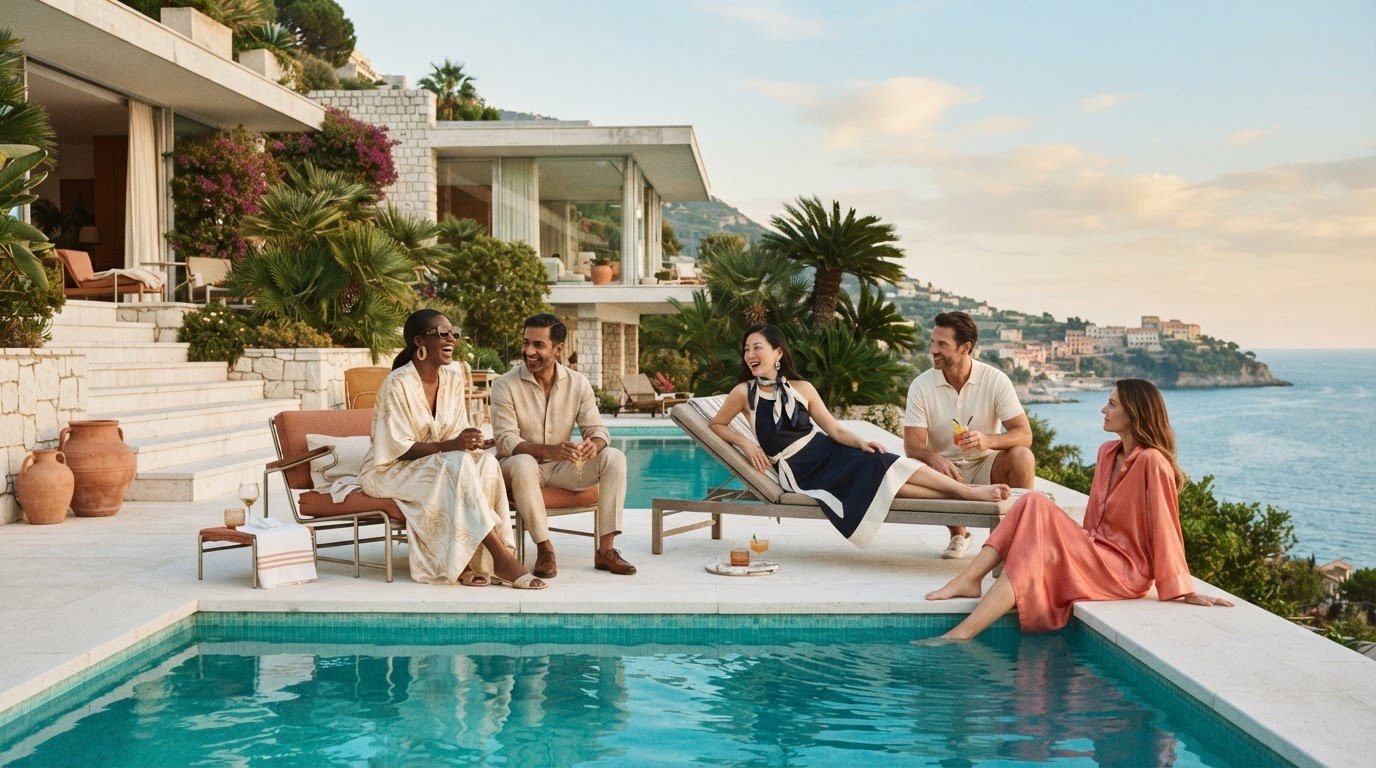
Poolside glamour photography style for high-society leisure

The poolside glamour photography style associated with Slim Aarons sits between art photography and polished editorial storytelling. Its images of wealthy leisure can seem less concerned with formal experimentation than with capturing a world of fashion, social ease and sunlit spectacle. Aarons created iconic imagery for more than 30 years, and that distinctive perspective helps explain both the pictures’ enduring appeal and the question of how they fit within the artistic establishment.

The poolside glamour photography style can look effortlessly decorative, but these images also preserve the rituals and visual codes of a particular social world. This article explores how mid-century leisure, Hollywood, wealth, fashionable society and poolside fashion shaped the style, and why its accessible glamour can complicate its standing as art.

From the composed scene of Poolside Gossip to the carefully observed details of dress, setting and gesture, we’ll look at what gives these images their lasting character, and how to see beyond the surface of leisure to the photographer’s distinctive record of his era.

Key Takeaways

  • Read the pool not just as a luxurious setting, but as a carefully composed stage for mid-century leisure and social identity.
  • See how Hollywood’s association with glamour helped shape the appeal of images featuring wealthy subjects and elegant surroundings.
  • Look beyond a subject’s name to understand how posture, interaction and placement contribute to a photograph’s story.
  • Notice how clothing, accessories and the poolside environment work together to express fashionable society.
  • Use these visual cues to distinguish polished social documentary from images made primarily to showcase fashion or spectacle.

Mid-century high-society leisure and style

In Slim Aarons’s photographs, leisure becomes a carefully composed portrait of social life. He created iconic imagery over more than 30 years, returning to settings where architecture, clothing, and human presence share the frame. The pool is more than scenery: its reflective surface, geometric edge, and surrounding space help organize the image. Read those details together, and an afternoon of rest becomes a record of taste and status.

Poolside Gossip, dated January 1, 1970, offers a useful example of this visual approach. Its title directs attention toward conversation, while the poolside setting places social interaction within a cultivated landscape. Look at how figures occupy the space, where their gazes lead, and how the architecture frames their gathering. These choices make the scene feel observed rather than staged for a formal portrait.

That impression of ease depends on composition. A pool’s long edge can guide the eye across the frame, while a terrace or building provides a stable backdrop. Bright water draws attention, but people, furniture and architecture give it context. In Aarons’s work, the pleasure often comes from this balance: luxurious surroundings remain visible without overwhelming the human scene.

Fashion adds another layer of meaning. Clothing suited to swimming or lounging signals the occasion, while accessories and posture distinguish private relaxation from a public social appearance. In a poolside image, compare a figure’s relaxed pose with the formality of the setting. That contrast can suggest how high-society leisure balanced informality with social presentation.

Aarons lived from 1916 to 2006, spanning profound changes in photography and popular culture. His archive was acquired by Getty Images in 1997. Those details matter when considering why his pictures can feel both intimate and historical: they preserve specific visual arrangements while circulating beyond their original moment. The photographs invite viewers to examine the customs that their settings and gestures make visible.

To study an image, begin with its structure rather than its glamour. Identify the strongest lines, then note where people gather and what the setting reveals. In Poolside Gossip, for instance, the title draws attention to interaction, while the date anchors the scene in a particular moment. This approach helps separate what the photograph shows from the atmosphere its composition creates.

Debates about artistic recognition often turn on expectations about subject matter and seriousness. Images of wealth and leisure may seem decorative at first glance, yet their visual organization rewards close reading. Consider framing, light, gesture and the relationship between people and buildings. These choices give a photograph more to offer than an attractive surface, without requiring viewers to dismiss its pleasure.

The poolside glamour photography style endures because it combines visual pleasure with social observation. Aarons’s body of work and the dated example of Poolside Gossip offer concrete starting points. Look closely at setting, dress, posture and composition. Together, these details show how a carefully pictured moment of leisure can preserve its era’s style and social codes.

Hollywood and wealthy subjects

Hollywood glamour and private wealth give Aarons’s photographs a charged social setting, but celebrity alone doesn’t explain their appeal. The images place recognizable status within everyday gestures: conversation, repose or a shared glance. That tension lets viewers consider both the people pictured and the world that made their leisure possible. It also helps explain why some critics have treated the photographs as elegant documents rather than formal art.

Auction records show that these images have circulated in varied contexts. Heritage Auctions listed early prints of iconic subjects like Mrs. F.C. alongside other landmark works, while collectors often acquire pieces through specialized fine art sources such as Galerie Prints. These distinct records shouldn’t be read as a direct comparison of artistic merit.

Instead, they point to different ways audiences encounter Aarons’s work. A title such as Kings of Hollywood frames celebrity as its subject; a family portrait names its sitters and setting. In each case, the photograph may appeal through historical curiosity, visual form or both. To assess an image, separate fascination with its subjects from the decisions shaping its composition.

Questions about artistic recognition often begin with subject matter. A picture of affluent people relaxing can seem too pleasurable or socially exclusive to count as serious art. Yet subject and artistic intention aren’t the same. Aarons’s work invites a closer look at how people occupy space, how the setting informs their identity, and what the camera preserves about a particular social world.

Hollywood also offers a visual language audiences recognize: cultivated poise, polished dress and spectacle. Aarons’s portraits connect that language to real places and social occasions. As you look, note what the image presents as glamorous, then consider how framing and relationships between figures shape that impression. The result can be both an alluring picture and a record worth interpreting.

Wealth matters as context, not as proof of artistic value. The Palm Beach setting named in the title of the Winston Guest photograph suggests a specific social environment. It doesn’t tell viewers what the subjects felt or how the picture was made. Read visible details carefully, distinguish them from assumptions, and consider how place, reputation and pose work together.

Aarons’s photographs resist a simple division between celebrity portraiture and social observation. The auction histories of Poolside Gossip, Kings of Hollywood and the Winston Guest family image show continued interest in different subjects. Their artistic standing remains open to interpretation, but close looking offers a stronger basis for judgment than status alone. Ask what the photograph reveals about its subjects, setting and the image-making choices behind its iconic poolside glamour photography style.

People depicted in the photograph

In Slim Aarons’s poolside pictures, people are more than decorative figures. Their expressions, gestures and relationships give each scene its human scale. Notice whether someone meets the camera’s gaze, turns toward a companion or focuses on another activity. These choices change how the viewer reads the scene, from a composed portrait to an observed social moment.

For poolside glamour photography, use soft, directional light and expose carefully to retain detail in bright skin and water. A moderate aperture can keep the subject clear while preserving enough setting to establish the poolside scene. Adjust shutter speed to suit movement, and use shade or diffusion when direct sunlight creates harsh contrast.

Early morning and late afternoon usually offer gentler light than midday. At midday, place the subject in open shade or soften direct sun to reduce strong facial shadows. The best choice depends on the mood: low-angle light can add warmth to a portrait, while even shade keeps attention on expression and gesture.

Aarons’s title Poolside Gossip suggests a photograph read through interaction, not just individual appearance. When photographing a group, give each person a clear relationship to the others: a shared conversation, a listening posture or a glance across the frame. Check that hands, shoulders and sightlines reinforce that connection rather than compete with it.

Clothing and posture shape how a person is perceived. A seated subject leaning back communicates a different mood from someone standing upright beside the pool. Keep the pose comfortable and let the subject adjust naturally between frames. For a fashion-led portrait, check that fabric, accessories and body position remain visible without making the subject look stiff.

Composition can acknowledge status without turning people into symbols. Place a subject in relation to architectural lines, pool furniture or open water, then consider what the background adds. A carefully chosen frame can show how someone occupies a space, while a tighter portrait emphasizes expression. Each approach tells a different story about presence and social ease.

For a thoughtful portrait, review the frame in this order: expression, gesture, relationships, then setting. Slim Aarons’s photographs reward close looking because the people and their surroundings share the visual narrative. Avoid assuming what a subject feels or represents from appearance alone. Describe what the image shows, and let posture, gaze and composition support your interpretation.

Photographs of fashionable society

Slim Aarons’s society photographs preserve more than clothes or celebrated names. They show how people present themselves within a shared social setting. Read a gathering through small visual choices: who faces the camera, who turns away and who appears engaged with another person. These relationships make a scene feel specific, rather than like a catalogue of elegant looks.

Start with the arrangement of figures. In an Aarons photograph, compare the central subject with people at the edge of the frame. Notice whether a group forms a conversational circle or spreads across a terrace. These positions show how the photograph guides attention while leaving room to explore secondary details. The result can feel like a portrait of a social world, not simply a collection of individuals.

Clothing gives that world a visible vocabulary. Examine the contrast between tailored garments, relaxed resort wear and the surrounding architecture. A crisp silhouette may stand out against an informal setting; a restrained accessory can echo the image’s composed mood. These details show how fashion communicates occasion and identity without a caption spelling out every social cue.

Setting also changes the meaning of fashionable dress. A terrace, garden or poolside space can make clothing seem suited to leisure, while formal posture adds a note of ceremony. Consider how the same garment might read differently at a crowded gathering than beside open water. In Aarons’s images, setting and attire work together to offer clues about the occasion and its codes.

To interpret a photograph, separate what is visible from what you infer. First, note the clothing, gestures, spacing and surroundings. Then ask how those details shape the atmosphere. Coordinated dress, for example, may suggest a shared occasion, but it doesn’t establish the relationships between the people pictured. This careful approach keeps visual analysis grounded in the image.

Fashionable society photography can also raise questions about access and representation. Whose leisure occupies the frame? Who receives visual prominence, and who remains in the background? Aarons’s work often draws attention to privileged settings, so viewers can appreciate its composition while considering whose lives it documents. Looking critically doesn’t diminish the photograph’s elegance; it adds social context.

For a useful close reading, choose an image and examine it in passes. First, trace the main lines and identify the focal figure. Next, compare dress, posture and interaction across the group. Finally, study the setting for clues that support or complicate your first impression. This approach shows how polish emerges from connected choices, rather than fashion alone.

Aarons’s fashionable society photographs endure because they invite both pleasure and scrutiny. Their refined surfaces reward attention to gesture, composition and social codes. Notice who is centered, how clothing relates to place, and what remains beyond the frame. Glamour then becomes a carefully constructed visual record of a particular world.

Poolside fashion

Poolside clothing shapes a photograph’s mood, from relaxed resort dressing to carefully arranged editorial polish. Wardrobe, pose and surroundings should feel like parts of one considered scene.

Wardrobe Choices

Choose garments that suit the scene’s character, such as a flowing cover-up beside a formal terrace or a tailored linen look near modern architecture. Consider silhouette, fabric movement, and how colors contrast with water and stone. Accessories can add a personal note, but each should support the subject rather than distract from their expression or the frame.

Check how clothing falls in the chosen pose. A seated subject may need fabric arranged to look natural, while a standing portrait benefits from a clear outline against the background. Keep the styling coherent with the setting: an ornate poolside chair calls for a different visual weight than a spare, geometric deck.

Glamour, Swimwear, and Fashion Photography

Poolside glamour photography differs from swimwear or fashion photography in its wider social narrative. Swimwear photography often centers on the garment and body, while fashion photography may emphasize a designer’s styling or editorial concept. Poolside glamour places clothing within leisure, architecture and social atmosphere, making setting and interaction as important as the outfit.

For example, a portrait beside a pool can bring a robe, sunglasses and companion together in one composed scene. Read the frame for context: if the pool, gestures and surroundings carry meaning, fashion is part of a broader story. If the garment dominates, the image moves closer to fashion editorial.

Props and Backgrounds

Consider a poolside setting with lounge chairs, parasols, tiled edges or a terrace as its visual structure. A book, glass or folded towel can suggest leisure if it has a clear place in the composition. Choose props and backgrounds that create a glamorous look by reinforcing the mood, not crowding the subject.

Balance is essential. A patterned tile wall can add texture, while reflective water brings movement and light. Keep bright props away from the subject’s face, and use architectural lines to guide attention. A simple chair against a striking pool may feel more considered than a frame filled with accessories.

Before the session, coordinate wardrobe with the location’s strongest colors and shapes. At a pale stone pool, saturated fabric can create contrast; against patterned tiles, a quieter palette may keep the frame clear. Review the setting from the camera position, since a distracting umbrella or railing can change the image’s balance.

During the shoot, make one adjustment at a time. Move a chair, change the subject’s angle or remove an accessory, then compare the frame. This measured approach helps identify whether the issue lies in styling, background or composition. A polished result depends on how these elements work together, not on adding more detail.

For a finished photographic print that brings this visual language into a room, explore poolside-inspired photographic art.

Galerie Prints: The Slim Aarons Collection

Galerie Prints brings the visual world explored in this guide into focus through The Slim Aarons Collection. If you’re drawn to the photographer’s images of leisure, fashion and high-society settings, the collection is a natural next step after studying their composition and cultural context.

Consider which qualities resonate most: the elegance of the setting, the social story or the interplay of people and architecture. Galerie Prints also offers a Bespoke Framing Service, so you can consider presentation alongside your choice of photographic art. For another perspective on twentieth-century image-making, explore Terry O’Neill Photography.

Explore The Slim Aarons Collection or contact Galerie Prints to discuss your interest in a particular image.

Bring the Image’s Atmosphere Into Your Space

The poolside glamour photography style offers more than an image of leisure; it can become a focal point that shapes a room’s character. As you choose a photograph, consider the atmosphere you want to live with: quiet elegance, cinematic presence or a window onto another era. Let the image’s composition and mood guide your choice, rather than treating it as a simple finishing touch.

Galerie Prints offers The Slim Aarons Collection for admirers of his poolside imagery, alongside Terry O’Neill Photography and Cinema Lobby Cards for other perspectives on photographic and cinematic history. Each has a distinct visual language, so choose according to the story you want your space to hold.

If you’re ready to explore poolside imagery or discuss a particular photograph, contact Galerie Prints about poolside glamour. A thoughtful choice can keep the spirit of a remarkable image present in your everyday surroundings.

Frequently Asked Questions

So who was Slim Aarons?

Slim Aarons was a photographer best known for images of affluent leisure and social life. He lived from 1916 to 2006 and created iconic imagery over more than 30 years. His photographs preserve a visual record of the people, places, and cultivated settings he documented. To understand his perspective, consider how a subject and the surrounding environment share attention within a single frame.

What defines poolside glamour photography style?

The poolside glamour photography style combines polished composition with scenes of leisure and social life. Its appeal comes from the relationship between people, setting and atmosphere, not fashion alone. Look for architecture, water and human interaction working together in the frame. A photograph feels distinctive when its elegant surface also offers details that reward closer attention.

What outfits and accessories suit a poolside glamour photoshoot?

Choose clothing that feels composed but comfortable in the setting, such as a refined cover-up, a linen outfit or a classic swimsuit paired with a robe. Sunglasses, a sunhat or understated jewelry can complete the look without dominating it. Before photographing, check how colors sit against the pool and surroundings, and make sure accessories support the subject’s character rather than distract from it.

Vintage Vogue Cover Prints: A Collector’s Guide to Fashion’s Golden Eras

A single magazine cover, once destined for a Parisian newsstand or a London drawing room, can now command the same reverence as a gallery masterwork when preserved as a high-end fine art piece. You’ve likely felt the magnetic pull of a 1920s illustration or a mid-century photograph, yet the market is often saturated with pixelated, low-quality reproductions that fail to capture the soul of the original work. Discerning collectors are increasingly seeking authentic vintage fashion photography prints that bridge the gap between historical documentation and sophisticated interior design, ensuring that the elegance of the past finds a permanent home in the modern world.

This guide explores the transition of Vogue’s most iconic covers from ephemeral media to permanent fixtures of photographic heritage. We will identify the legendary illustrators and photographers who defined these golden eras, while clarifying why archival-quality production is the only way to honor their technical legacy. You will learn how to select pieces with genuine provenance and how to utilize professional bespoke framing to create a gallery wall that serves as a lasting investment in visual history.

Key Takeaways

  • Recognize the historical significance of Vogue covers as evocative mirrors of 20th-century cultural shifts and high-end design.
  • Identify the artistic transition from early 20th-century illustrations to the mid-century dominance of vintage fashion photography prints.
  • Discern the technical superiorities of Giclée printing and archival materials to ensure your collection remains a lasting investment.
  • Master the art of curating a gallery wall by selecting bespoke framing styles that honor the specific era of your artwork.
  • Explore the value of sourcing from prestigious archives to bridge the gap between historical heritage and contemporary luxury.

The Cultural Significance of Vintage Vogue Cover Prints

A Vogue cover is rarely just a piece of paper; it is a meticulously composed artifact that reflects the shifting tides of the twentieth century. For decades, these covers have functioned as a barometer for societal change, capturing the transition from the structured elegance of the Edwardian era to the fluid, rebellious spirit of the avant-garde. What began as a commercial endeavor to showcase the latest Parisian silhouettes has matured into a significant category of fine art. Today, collectors view these works as more than mere advertisements. They are considered museum-grade investments in photographic heritage that offer a level of narrative depth few contemporary pieces can match.

A vintage Vogue print is a curated window into a bygone era of elegance. By transitioning these images from the ephemeral pages of a magazine to archival-quality vintage fashion photography prints, we preserve a specific type of visual literacy that defines high-end interior design.

Beyond the Magazine: Art as a Historical Record

The History of Vogue Magazine is inextricably linked to the evolution of modern art. Under the visionary leadership of Condé Nast, the publication became a sanctuary for the avant-garde, fostering talent that would otherwise be found in elite galleries. These covers provided a vivid historical record of global transformation. During the Jazz Age, they captured the frantic energy of liberation through bold, Art Deco geometry. In the 1940s, the imagery shifted to reflect wartime resilience, characterized by a stoic and practical beauty. By the time the sexual revolution arrived in the 1960s, the visual language had transformed again, embracing psychedelic colors and a newfound sense of kinetic freedom. Collecting these prints allows an individual to anchor their space with a piece of this timeline, turning a wall into a silent witness to a century of progress.

The Aspirational Allure of the Vogue Aesthetic

The enduring appeal of the Vogue aesthetic lies in its quiet authority. It doesn’t scream for attention; instead, it commands it through a sophisticated blend of graphic design, high fashion, and technical excellence. This “Vogue look” is defined by a sense of prestige and a cultured worldliness that resonates deeply in luxury interiors. Much like the timeless elegance associated with Superlight Diamonds, introducing vintage fashion photography prints into a modern setting creates a compelling dialogue between the past and the present. These works evoke a sense of nostalgia while maintaining a polished, professional distance. They serve as a bridge between the tactile craftsmanship of traditional production and the sleek lines of contemporary decor. For the serious collector, these prints are not just decorations; they are symbols of a permanent and stable aesthetic that transcends the fleeting nature of modern trends.

Decades of Style: Mapping the Evolution of Vogue’s Visual Language

The visual narrative of Vogue is a chronicle of artistic transition, where the medium itself evolved to meet the changing desires of a global audience. In the early twentieth century, the cover was a canvas for the world’s most gifted illustrators. This era, often termed the Golden Age of Illustration, saw the rise of Art Deco and Surrealism as dominant forces. Artists like George Lepape and Eduardo Garcia Benito utilized fluid lines and bold color blocks to define a specific type of modern femininity. While the brush’s dominance would eventually recede, these hand-drawn works are currently experiencing a significant resurgence in eclectic and maximalist interiors, where their tactile, artisanal quality offers a counterpoint to the digital saturation of our time.

The Illustrators: Lepape, Benito, and Plank

The early 1900s through the 1930s focused on the evocative power of the hand-drawn line. George Lepape’s work often felt like a storybook for the elite, while George Plank’s contributions leaned into a more whimsical, ornamental style. Perhaps most provocative were the rare covers designed by Salvador Dalí; his surrealist lens pushed the magazine into the territory of high-concept art. These covers weren’t just fashion. They were statements. When you’re looking to integrate these historical pieces into your home, following professional Tips for Arranging Art can help balance their vibrant, graphic energy with contemporary furnishings.

The Photographers: Beaton, Penn, and Parkinson

By the mid-1940s, a seismic shift occurred. Photography moved from a supporting role to the primary medium of expression. The camera took over. This transition was pioneered by a triumvirate of masters who redefined the “Vogue Look.” Cecil Beaton brought a sense of theatrical romance, often staging models in elaborate, painterly settings. In contrast, Irving Penn revolutionized the industry with his “less is more” philosophy. He used stark, monochromatic backgrounds and a sharp focus that stripped away the artifice, leaving only the pure silhouette. Precision became the priority. Norman Parkinson further disrupted the status quo by moving fashion photography out of the studio and into the real world. His work introduced a kinetic energy that fundamentally changed the trajectory of fine art photography. These vintage fashion photography prints capture the precise moment when the camera became a tool for high-end artistic exploration.

The 1990s introduced a minimalist era, characterized by a raw, unvarnished aesthetic that many collectors are now revisiting. This era favored stripped-back compositions and a rejection of the high-gloss artifice of previous decades. This cycle of style ensures that whether you prefer the structured grace of a 1920s illustration or the sharp precision of a 1960s photograph, these archives offer a permanent piece of cultural history. Our collection focuses on preserving these original source materials through meticulous production, ensuring that each piece retains the depth and soul of the era it represents.

Discerning Quality: What Makes a Fine Art Vogue Print?

To the untrained eye, a digital reproduction might seem sufficient for home decor. However, for the serious collector of vintage fashion photography prints, the distinction lies in the material execution. A mass-produced poster uses thin, acidic paper and dye-based inks that fade or shift in color within years. A gallery-standard print is a different species entirely. It represents a commitment to the preservation of photographic heritage, ensuring that the visual impact remains as potent today as it was on the day of publication. Authenticity begins with the source. Sourcing from world-renowned archives ensures that the image is not a third-generation scan, but a direct descendant of the original negative or plate. The history of Vogue magazine illustrates its transition from a social gazette to a pinnacle of visual culture, making the preservation of its early covers a high-stakes endeavor for curators and homeowners alike.

Archival Standards vs. Commercial Reproductions

Quality is a matter of chemistry. Giclée printing uses specialized pigment-based inks rather than standard dyes. These pigments offer lightfastness that lasts for generations, preventing the yellowing and degradation that plague cheaper alternatives. We prioritize heavy-weight, museum-quality paper, typically exceeding 300 GSM. This provides a tactile depth and a subtle texture that catches the light, mimicking the original fiber-based papers used by mid-century masters. High-resolution scanning is equally vital. It must capture the specific grain of the film and the delicate brushstrokes of an illustrator without artificial smoothing. This technical precision ensures your vintage fashion photography prints retain the soul of the original work.

Sizing and Scale for Maximum Impact

Scale dictates the mood of a room. While the original magazine was roughly 8 by 11 inches, modern collectors often opt for oversized statement pieces to anchor a space. When scaling up, it’s essential to maintain the integrity of the original graphic design. A large format allows the viewer to appreciate the intricate lighting of a photographer like Irving Penn or the bold geometry of an Art Deco illustration. The use of “white space”-the border between the image and the frame-is a deliberate curatorial choice. It provides a visual breathing room, elevating the work from a mere picture to a focused piece of history. Choosing a size that respects the original proportions prevents distortion and preserves the quiet authority of the Vogue aesthetic.

Elevating Interiors: Curating and Framing Your Vogue Collection

The transition from a curated archive to a personal living space is a delicate process that requires more than simple placement. Framing isn’t merely a protective boundary; it’s the final curatorial touch that anchors vintage fashion photography prints within the modern home. A well-chosen frame acts as a bridge, harmonizing the historical soul of the image with the contemporary lines of your architecture. For a high-end, professional look, the role of mounting, or matting, cannot be overstated. A generous border provides the visual breathing room necessary to elevate a magazine cover into a singular work of art, drawing the eye inward and emphasizing the prestige of the artist.

The Art of Bespoke Framing

Selecting a frame style should always be a reflection of the print’s era. For the sharp focus and stark backgrounds of mid-century photography, classic black or white wood frames offer a timeless, gallery-grade appeal that doesn’t distract from the subject. However, for the hand-drawn elegance of the 1920s and 30s, ornate gold or silver leaf frames can beautifully mirror the Art Deco influences of the period. Beyond aesthetics, the technical specifications are critical. We always recommend UV-protective glass to shield your fine art photography from environmental degradation, ensuring the pigment-based inks remain vibrant for decades. To achieve this level of precision, you can explore our bespoke framing service, where artisanal craftsmanship meets archival preservation.

Creating a Fashion-Forward Gallery Wall

When arranging your collection, consider the narrative you wish to tell. A single, oversized statement piece can anchor a room with quiet authority, but a complex gallery wall offers a richer story of fashion’s evolution. You might choose to mix iconic Vogue covers with other legends of the era, such as the aspirational works found in the Slim Aarons collection. There are two primary schools of thought for the layout:

  • The Grid: A formal, uniform arrangement that works exceptionally well for prints of the same size and era, providing a sense of stability and order.
  • The Salon Hang: A more organic, eclectic approach that mixes varying sizes and frame styles to create a sense of movement and visual curiosity.

Color coordination is the final thread. Look for subtle accents within the print, such as the specific teal of a 1950s gown or the bold red of a 1980s masthead, and echo these hues in your room’s soft furnishings. This creates a cohesive dialogue between your vintage fashion photography prints and the wider interior, making the art feel like an integrated piece of your home’s history rather than a mere addition.

This cohesive dialogue between art and lifestyle can also extend to your wardrobe; the structured elegance of Alvin Valley mirrors the high-fashion aesthetic captured in these historic prints, allowing you to embody the style you admire on your walls.

Galerie Prints: A Curatorial Approach to Fashion Photography

At Galerie Prints, we operate with the understanding that a fine art print is a bridge to a bygone era of elegance. Our role is not merely that of a retailer; we act as guardians of photographic heritage. By sourcing exclusively from the world’s most prestigious archives, we ensure that every piece in our collection carries the weight of authenticity. These vintage fashion photography prints are curated with a discerning eye for historical significance, allowing you to invest in a tangible piece of the twentieth century. From our London roots, we provide a global perspective on visual culture, helping you find the precise balance between nostalgic wonder and modern luxury. We believe that a purchase is not just a decoration but a lasting piece of history.

A Legacy of Quality and Authenticity

The technical superiority of our production process is a point of pride. We don’t settle for standard reproductions. Instead, our curators utilize their deep knowledge of historical artistic movements to select imagery that remains evocative and relevant. This expertise ensures that the preservation of original source materials is handled with the reverence it deserves. Whether it’s the grain of a mid-century negative or the delicate line of an early illustration, our commitment to archival quality justifies the exclusivity of our offering. We position ourselves as a trusted guide for serious collectors, ensuring that your acquisition remains a permanent and stable asset. Quality is a commitment. Our artisanal marker acts as a seal of excellence, reinforcing our status as a premier destination for those who value material integrity.

Your Journey from Discovery to Display

We believe that the process of acquiring art should be as refined as the work itself. Our team provides personalized advice on selecting the right imagery to suit your specific aesthetic goals, offering guidance on scale and sizing that respects the original graphic intent of the work. The final essential touch is our London-based bespoke framing service. Every frame is a result of localized, artisanal craftsmanship, designed to provide a professional gallery look that is ready to hang the moment it arrives. This seamless transition from discovery to display ensures that you feel practically supported while remaining intellectually stimulated by the art. This balance is the cornerstone of our brand identity. We invite you to linger over our curated archives and explore the full collection online, where the next piece of your home’s history awaits.

Preserving a Century of Elegance in Your Home

Acquiring a piece of Vogue’s visual history is more than a decorative choice; it’s an investment in the enduring legacy of twentieth-century style. We’ve explored how the transition from illustration to photography captured the soul of changing eras, and why the technical integrity of your vintage fashion photography prints is paramount to their longevity. By prioritizing archival museum-quality paper and sourcing from world-renowned archives, you ensure that the narrative depth of these works remains untarnished for generations. The final, essential layer of this journey is the marriage of art and architecture through professional presentation.

Our London-based curators and artisans are dedicated to this preservation, offering bespoke framing that honors the specific heritage of each era. Whether you’re anchoring a room with a single, evocative statement or building an expansive gallery wall, the quality of the craftsmanship serves as a seal of authenticity. We invite you to explore our curated collection of iconic vintage prints and discover how these artifacts of elegance can transform your interior. Let your home become a sanctuary for the world’s most significant photographic moments.

Frequently Asked Questions

What are the most iconic Vogue covers to collect as prints?

Iconic covers often include the avant-garde illustrations of George Lepape from the 1920s or the revolutionary mid-century photography of Irving Penn. These pieces are favored because they represent pivotal shifts in visual culture. Collectors often seek out the surrealist-influenced works of the 1930s or the vibrant, kinetic energy of Norman Parkinson’s outdoor shoots. Each selection serves as a window into a specific era of elegance, making them highly sought-after for sophisticated gallery walls.

How can I tell if a Vogue print is of archival quality?

Archival quality is defined by the materials used to ensure color permanence and structural stability. You should look for prints produced with pigment-based inks rather than standard dyes. The paper should be museum-quality, typically featuring a weight of 300 GSM or higher to provide tactile depth. Sourcing from reputable archives is the final seal of quality, ensuring the image is a high-resolution descendant of the original source material rather than a low-quality scan.

Do vintage Vogue prints come in different sizes?

Our collection offers a range of dimensions to suit various architectural requirements, from standard magazine sizes to oversized statement pieces. While the original publications were compact, modern printing allows us to scale these images while maintaining their graphic integrity. Choosing an oversized format can transform a historical cover into a bold centerpiece. We ensure that every size maintains the original proportions and white space necessary to preserve the quiet authority of the Vogue aesthetic.

What is the best way to frame a vintage fashion print?

The best approach is to utilize a professional bespoke framing service that respects the era of the work. For minimalist mid-century photography, a simple black or white wood frame provides a timeless, gallery-grade finish. If you are displaying an Art Deco illustration, an ornate gold or silver leaf frame can enhance its historical character. Regardless of the style, always include a high-quality mount to provide visual breathing room and protect the print from touching the glass.

Can I mix illustrated covers with photographic covers in one room?

Mixing different mediums creates a compelling narrative of fashion’s artistic evolution within a single space. You can harmonize illustrated and photographic covers by using consistent framing or a deliberate Salon hang layout. This approach highlights the transition from hand-drawn grace to the sharp precision of the camera. It’s a sophisticated way to showcase the breadth of your collection while adding a layer of cultured worldliness to your interior design.

Is UV-protective glass necessary for vintage prints?

UV-protective glass is an essential requirement for anyone looking to invest in long-term photographic heritage. Even with archival pigment inks, prolonged exposure to indirect sunlight can eventually degrade the paper and shift the color balance. This specialized glass acts as a shield, filtering out harmful rays that cause yellowing. It’s a small but vital investment that ensures your collection remains a permanent and stable fixture in your home for decades to come.

How do I choose a Vogue cover that fits a minimalist interior?

For a minimalist interior, focus on covers that utilize stark backgrounds, monochromatic palettes, or strong geometric lines. The works of Irving Penn are particularly effective here, as his less is more philosophy aligns perfectly with modern, stripped-back aesthetics. Alternatively, the raw, unvarnished style of 1990s fashion photography offers a sophisticated, understated look. These selections command attention through their technical precision and composition rather than through excessive ornamentation or busy color schemes.

What is the difference between a poster and a fine art Giclée print?

A standard poster is typically a commercial reproduction using dye-based inks and thin, acidic paper that fades quickly. In contrast, vintage fashion photography prints produced as fine art Giclées utilize lightfast pigment inks and museum-grade archival paper. This process captures the original grain and detail of the work with museum-level accuracy. While posters are often viewed as disposable decor, a Giclée print is a lasting piece of history designed to retain its value and beauty.