
The shimmering turquoise of a Richard Neutra pool isn’t just a color; it’s the definitive hue of an era that Slim Aarons immortalized through his lens. While many recognize the sun-drenched leisure of slim aarons palm springs photography, few understand that these images aren’t merely snapshots; they’re carefully curated monuments to a vanished world of architectural and social perfection. You likely feel the magnetic pull of these desert vistas, yet finding your way through the nuances of archival editions and framing choices can feel like a daunting journey for any serious collector.
We’ve crafted this guide to illuminate the stories behind the Kaufmann House and the socialites who graced its gardens, providing you with the historical context that makes these works so enduring. You’ll discover a clear framework for selecting the right print for your space, alongside the technical assurance of museum-quality C-type and Silver Gelatin production. By the end of this exploration, you’ll have the knowledge to transform your home with a lasting piece of photographic history that carries the weight of true provenance and artisanal craftsmanship.
Key Takeaways
- Uncover the philosophy of “attractive people in attractive places” and why the California desert became the ultimate stage for mid-century American optimism.
- Learn the stories behind legendary slim aarons palm springs images like “Poolside Gossip,” including the real-life socialites who defined the era’s social dynamics.
- Discover how Richard Neutra’s architectural principles influenced Aarons’ framing, creating a seamless synergy between modern design and photographic art.
- Acquire a professional framework for choosing print sizes and archival materials that ensure your artwork remains a lasting piece of history.
- Identify the hallmarks of authentic provenance, ensuring your collection is sourced directly from the Getty Images Gallery archives and produced with artisanal excellence.
The Allure of Palm Springs through Slim Aarons’ Lens
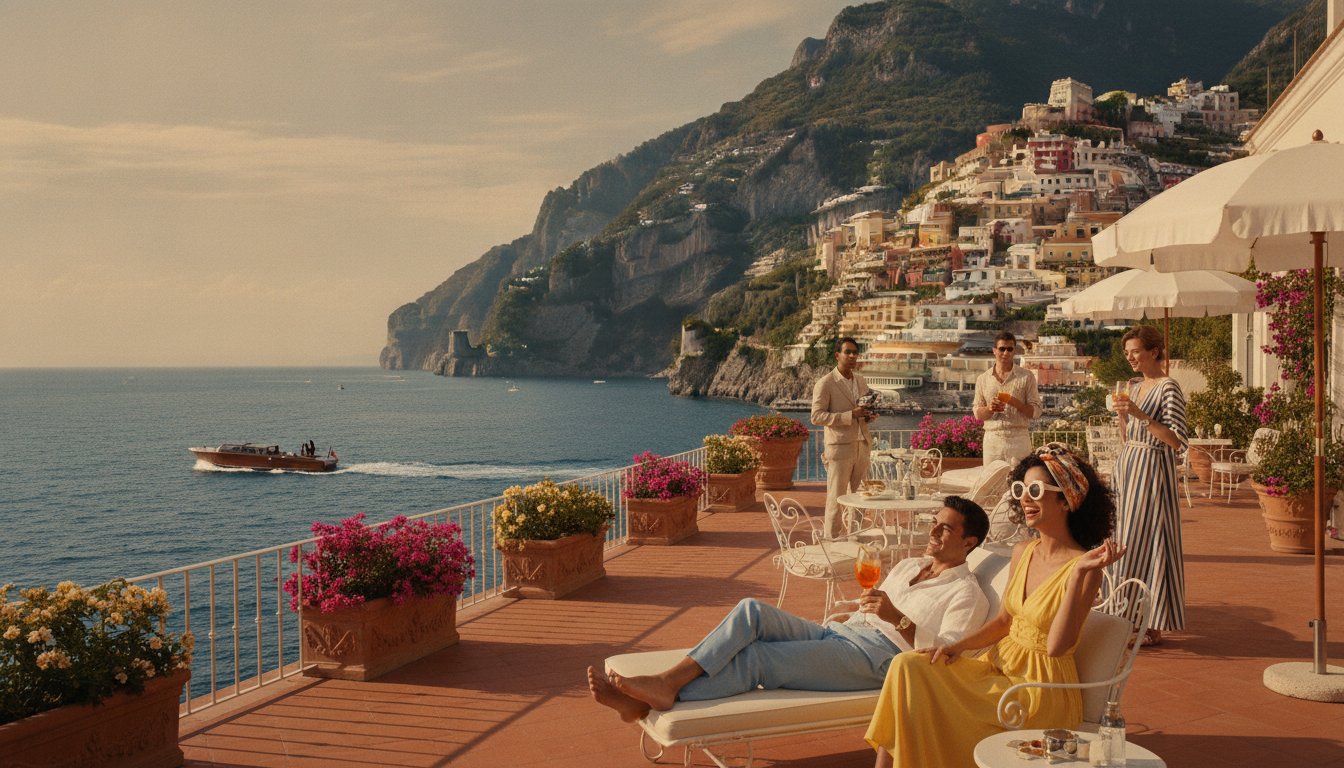
“Attractive people, doing attractive things, in attractive places.” This wasn’t just a clever tagline; it was a definitive manifesto for a generation weary of conflict. After the harrowing experiences of the Second World War, where Slim Aarons served as a decorated combat photographer, he made a conscious, perhaps even radical, decision to pivot toward the light. He famously stated he only wanted to photograph “sunbeams,” trading the grim realities of the front lines for the sun-bleached terraces of the emerging “Jet Set.” In doing so, he became the primary chronicler of a new era of American optimism.
Palm Springs offered the quintessential canvas for this aesthetic revolution. It wasn’t merely a location; it was a meticulously curated environment that mirrored the aspirations of the post-war elite. As wealth surged and the concept of “leisure” became a status symbol, the desert became the ultimate stage for a specific kind of social theatre. Through slim aarons palm springs photography, the world was introduced to a lifestyle where the boundaries between architecture, nature, and social grace were harmoniously blurred, defining the “Desert Modernism” aesthetic for a global audience.
The Desert as a Mid-Century Modern Stage
The geographic allure of Palm Springs was tied to the “two-hour rule” of Hollywood studios, requiring contract actors to stay near the sets. This transformed the desert into a private sanctuary for famous faces. Aarons utilized the direct sun to create high-contrast compositions celebrating “poolside culture.” Within these frames, we see the essence of Desert Modernism. We define this as a sophisticated blend of indoor-outdoor living, characterized by minimalist lines and expansive glass that invites the landscape inside.
Capturing the Aspirational Lifestyle
Aarons captured candid moments that felt staged by a master painter. His images didn’t just document socialites; they sold a dream of permanent leisure. By focusing on the effortless grace of his subjects, he created a visual language that still dictates interior design trends. Today, an image from the slim aarons palm springs collection is more than decoration. It’s a window into a bygone world of architectural perfection that inspires modern collectors and designers alike.
Iconic Works: Beyond “Poolside Gossip” at the Kaufmann House
While a single image often comes to define an artist’s legacy, the 1970 desert residency was a prolific period that captured the very soul of Californian high society. This specific era of slim aarons palm springs photography represents a peak in social documentation. It wasn’t merely about the architecture; it was about the orchestrated theatre of the elite. The images produced during this time serve as a masterclass in compositional balance and chromatic harmony, moving far beyond the poolside to document the intimate rituals of the jet-set elite.
The Story Behind “Poolside Gossip”
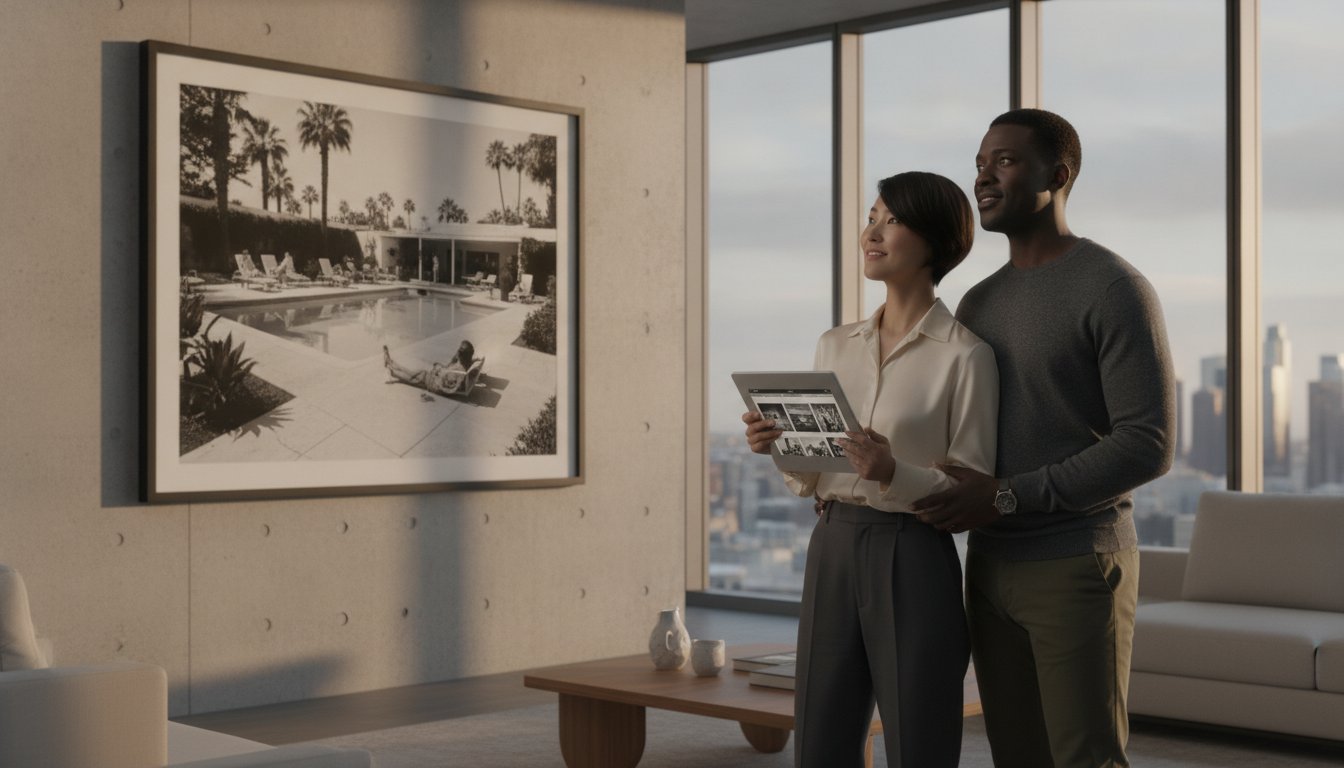
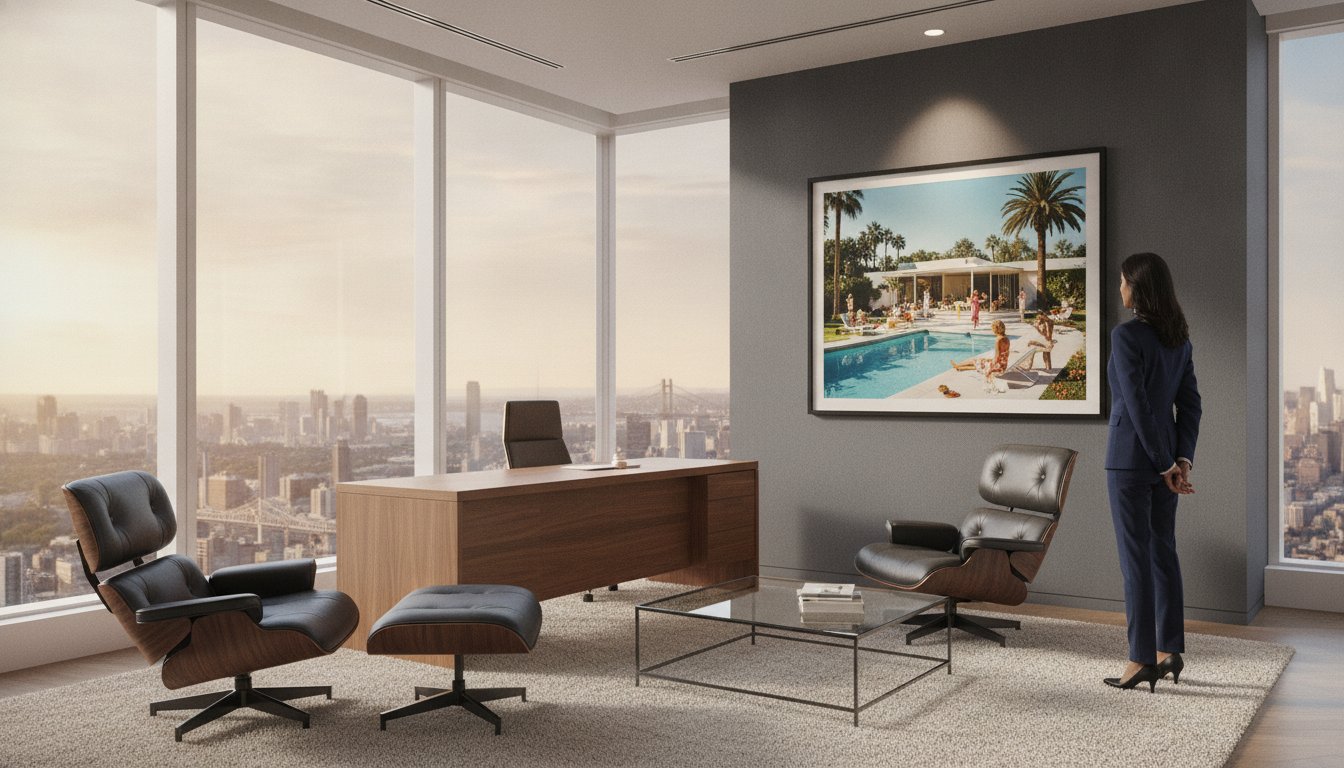
The Kaufmann Desert House, a glass and steel masterpiece by Richard Neutra, provides the geometric backdrop for “Poolside Gossip.” In this 1970 frame, hostess Nelda Linsk and her friend Helen Dzo Dzo Kaptur engage in conversation, their vibrant yellow outfits carefully chosen to pop against the cool blues of the water and the arid San Jacinto Mountains. This photo remains the most sought-after piece in the archive because it encapsulates a perfect, frozen moment of aspirational leisure. It’s a study in the “Biorealism” philosophy we discussed previously, where the human form and the built environment exist in total, sun-drenched equilibrium.
The Broader Palm Springs Archive
Collectors who look deeper into the archive discover works like “Desert House Party,” which offers a more complex study of mid-century social etiquette. While “Poolside Gossip” is serene, “Desert House Party” is vibrant and populated, showcasing the group dynamics of the 1970s desert elite. Other significant series include:
- Tennis at Palm Springs: A focus on the athletic side of luxury, highlighting the pristine white courts and the disciplined leisure of the era.
- Lita Baron at Home: Intimate portraits of the actress and socialite that reveal the softer, interior side of desert living.
- El Mirador Hotel Scenes: Capturing the public-facing glamour of the desert’s most iconic social hubs.
The 1970 shoot was a career-defining moment that successfully transitioned Aarons from a magazine contributor to a fine art icon. Each frame from this period tells a specific story of architectural and social ambition. For those looking to build a cohesive gallery wall, we invite you to explore the full depth of The Slim Aarons Collection to find the pieces that resonate with your personal aesthetic.
Architectural Synergy: Richard Neutra and the Palm Springs Aesthetic
The relationship between high-end architecture and high-end photography is one of mutual elevation, a concept perfectly illustrated within the slim aarons palm springs archive. We see here a flawless marriage of form and function. Richard Neutra’s “Biorealism” philosophy, which emphasized the psychological impact of the built environment on human well-being, found its visual champion in Aarons. While Neutra designed the Kaufmann Desert House in 1946 for Edgar J. Kaufmann, it was Aarons’ 1970 residency that translated this architectural genius into a relatable lifestyle narrative for the world to admire.
In these frames, the Kaufmann House isn’t merely a background; it acts as a silent, powerful protagonist. Its geometric precision and cantilevered planes provide a structured counterpoint to the fluid grace of the socialites inhabiting the space. This synergy creates a sense of permanence and stability, suggesting that the beauty captured by the lens isn’t fleeting but foundational to the desert experience. Beyond the Kaufmann estate, the collection features other landmarks that define the region’s unique heritage, transforming steel and glass into symbols of social aspiration.
Richard Neutra’s Influence on the Frame
The horizontal lines of Neutra’s architecture serve a dual purpose in these photographs. They guide the viewer’s eye with surgical precision toward the subjects while grounding the entire composition in the arid desert landscape. The extensive use of glass and steel acts as a sophisticated backdrop for soft, human moments. This contrast is vital. The cold, industrial materials of mid-century modernism provide the perfect “blank canvas” for the vibrant, sun-drenched subjects Aarons preferred. It’s this tension between rigid structure and relaxed leisure that makes the work so compelling to modern collectors.
Preserving Architectural History through Film
Photography plays a crucial role in documenting architectural masterpieces that are often closed to the public or have undergone significant changes over the decades. The Kaufmann House remains a private residence, making these archival prints one of the few ways to experience its original garden design and interior flow as intended during the 1970s. When you invest in a piece from this collection, you aren’t just purchasing a photograph. You’re effectively “collecting” a piece of architectural heritage that has been meticulously preserved through the lens.
To understand the full scope of why this photographer remains the preeminent chronicler of this era, we invite you to explore our Slim Aarons pillar article, where we delve deeper into his historical significance and technical mastery. By choosing an authentic, archival print, you ensure that these moments of architectural and social perfection remain a lasting part of your own history.
Collecting and Decorating with Slim Aarons Palm Springs Prints
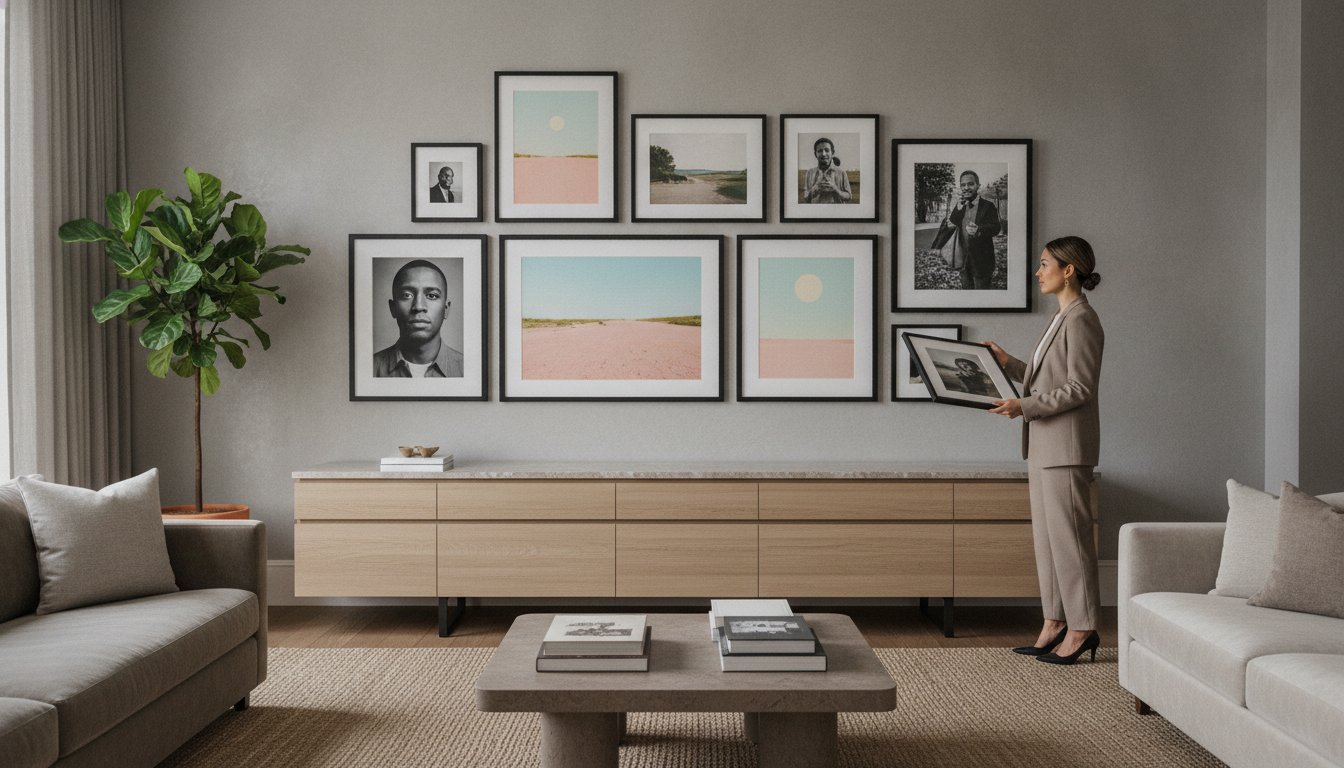
Acquiring a piece from the slim aarons palm springs series is more than a decorative choice; it’s a commitment to a specific, high-end aesthetic that has defined luxury interiors for decades. These works act as the cornerstone of any sophisticated gallery wall, providing a vibrant focal point that anchors the room’s narrative. When selecting your print, consider the intended emotional impact. An intimate 10×12 inch study print offers a quiet window into a private world, perfect for a dressing room or home office. Conversely, a large-scale “over-mantel” piece, perhaps 40×60 inches or larger, transforms a living space into a grand stage, mirroring the scale of the original architectural masterpieces we discussed earlier.
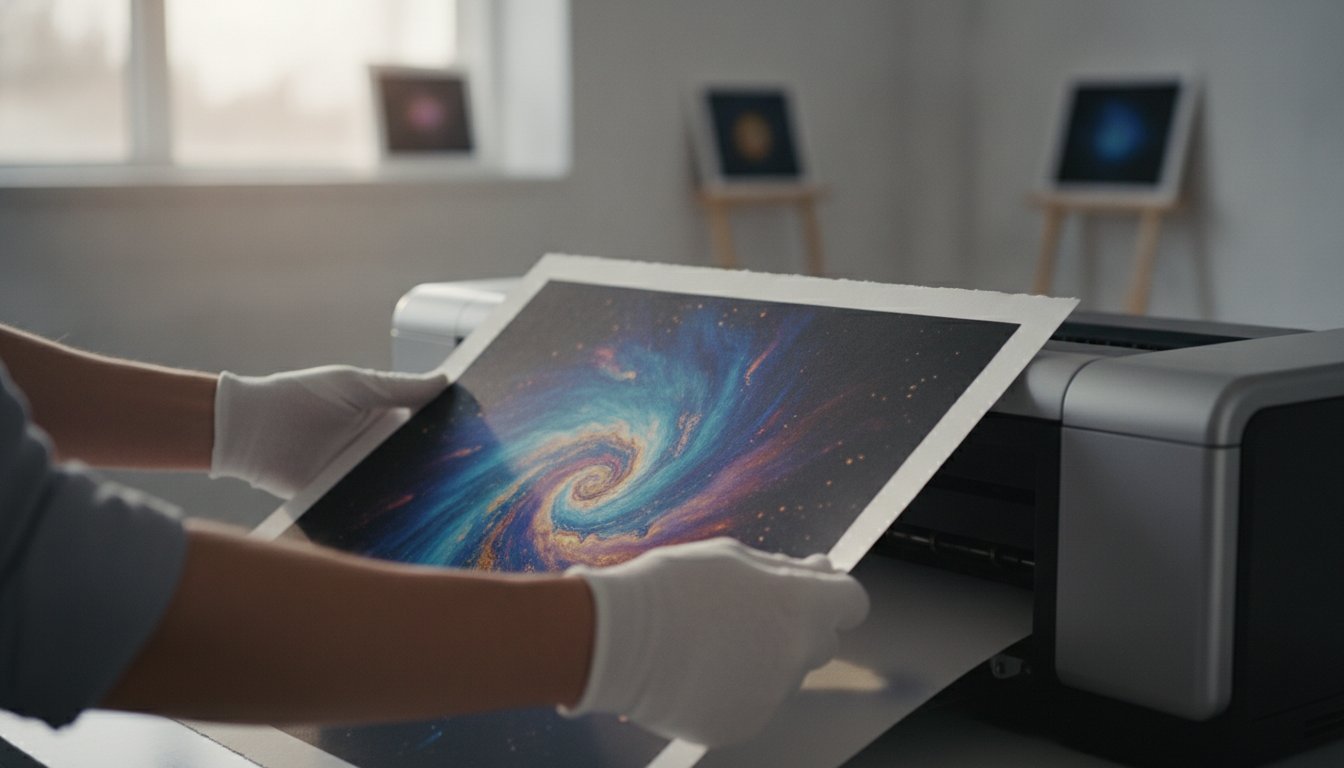
The longevity of your investment depends entirely on material excellence. Authentic prints from the Getty Images Gallery archive are produced on museum-quality archival paper, utilizing traditional C-type or Silver Gelatin processes. These methods ensure the chromatic depth of the desert sky and the crisp lines of the architecture remain vivid for generations. Without these archival standards, the delicate balance of light and shadow that Aarons meticulously captured would eventually fade, stripping the work of its historical and financial value.
The Art of Bespoke Framing
A high-caliber print requires a frame that respects its heritage without competing for attention. For the slim aarons palm springs aesthetic, we recommend slim, minimalist profiles in black, white, or natural wood. These finishes echo the materials found in mid-century furniture, creating a seamless visual transition from the art to the room. Professional mounting and matting are equally essential; they provide the necessary “breathing room” for the image while elevating its prestige. For a ready-to-hang solution that meets these exacting standards, we invite you to explore our bespoke framing service.
Placement and Lighting in the Home
The saturated palette of the desert can serve as a primary anchor for your room’s decor. You might pull the turquoise of a pool or the citrus yellow of a socialite’s dress into your soft furnishings to create a cohesive environment. However, preservation is key. Archival prints are sensitive to the environment, so avoid placement in direct UV light, which can degrade the pigments over time. To build a richer narrative, consider pairing your Aarons print with complementary works from our music photography archives or vintage film posters. This juxtaposition of leisure and culture creates an evocative, layered look that feels curated rather than merely decorated.
To begin curating your own desert sanctuary with pieces that carry true provenance, we invite you to browse the full range of authentic works in The Slim Aarons Collection.
Investing in Authenticity: The Galerie Prints Difference
In an era where digital reproductions are ubiquitous, the value of a physical, archival piece has never been higher. The market for slim aarons palm springs photography is unfortunately saturated with unlicensed, low-quality reproductions that lack the soul and detail of the original work. At Galerie Prints, we operate with a deep reverence for the medium, positioning ourselves as a guardian of photographic heritage. Our collection isn’t a series of digital copies; it’s a curated selection of authentic prints sourced directly from the Getty Images Gallery archives. This direct provenance ensures that every image carries the weight of history and the seal of authenticity required by discerning art investors.
Material excellence serves as the foundation of our offering. We specialize in hand-printed C-type and Silver Gelatin options, utilizing archival photographic paper that captures the nuanced gradients of a desert sunset or the crisp reflection of a Neutra pool. This artisanal approach transforms a simple image into a tactile, lasting piece of history. When you acquire a print from us, you’re investing in a work that maintains its chromatic integrity and financial value over time, far outlasting the ephemeral nature of mass-market alternatives. The depth of color and the precision of the grain are hallmarks of a production process that refuses to compromise.
From Archive to Your Wall
The journey of a fine art print begins with the original negative. Unlike mass-produced posters that often suffer from pixelation or color distortion, our prints are produced with unparalleled detail. This process preserves the integrity of the Slim Aarons estate, ensuring that the grain, light, and texture are exactly as the artist intended in 1970. Choosing a fine art archival print over a commercial reproduction is the difference between owning a piece of history and merely owning a picture of it. It’s a distinction that becomes more apparent with every year the work hangs on your wall.
Expert Guidance for Serious Collectors
Our London-based gallery serves as a global hub for those looking to build significant photographic collections. We provide a level of curatorial support that goes beyond a simple transaction, offering expert guidance on edition types and archival preservation for international collectors. Whether you’re a seasoned collector or acquiring your first major piece, our team ensures a seamless journey from selection to worldwide shipping. This commitment to stability and permanence is what defines our role in the luxury art market. We invite you to Explore the full Slim Aarons Palm Springs Collection and discover the definitive allure of mid-century glamour for your own home.
Preserving the Legacy of Desert Glamour
We invite you to Browse the Iconic Slim Aarons Palm Springs Collection today. Each acquisition features official prints sourced directly from the Getty Images Gallery archive, complemented by our bespoke, museum-quality framing. With worldwide shipping and expert art-handling packaging, your chosen masterpiece will arrive ready to anchor your space with authority. Let these timeless works inspire a new era of sophistication in your own interior design journey.
Frequently Asked Questions
Is “Poolside Gossip” the only photo Slim Aarons took in Palm Springs?
No, “Poolside Gossip” is merely the most famous frame from a vast body of work captured during his 1970 desert residency. Aarons took hundreds of images during this period, including the lively “Desert House Party” and the “Tennis at Palm Springs” series. These works collectively document the wider social fabric of the California elite. Exploring the full archive reveals intimate portraits and hotel scenes that offer a much broader perspective on mid-century leisure.
What is the best size for a Slim Aarons Palm Springs print in a living room?
Large-scale statement pieces, such as 40×60 inches or larger, typically work best to anchor a living room. These “over-mantel” sizes mirror the expansive, horizontal lines of the architecture within the slim aarons palm springs collection. For smaller rooms or gallery walls, 20×30 inch prints provide a significant visual impact without overwhelming the space. Always measure your wall to ensure the print maintains a balanced relationship with your existing furniture and ceiling height.
Are these prints official Slim Aarons estate editions?
Yes, every print we offer is an official edition sourced directly from the Getty Images Gallery archive, which houses the original negatives. This provenance is essential for serious collectors who prioritize historical authenticity and long-term value. Each piece is produced to the exacting standards of the Slim Aarons estate. This ensures that the work you hang in your home is a legitimate part of the photographer’s enduring legacy rather than a low-quality reproduction.
How should I frame my Slim Aarons Palm Springs print for a mid-century look?
Opt for slim, minimalist profiles in black, white, or natural wood to achieve an authentic mid-century aesthetic. These finishes complement the clean lines of the architecture featured in the photographs without distracting from the vibrant subjects. Utilizing a deep mount and professional matting further elevates the prestige of the piece. This approach mirrors the framing styles favored during the era, creating a seamless integration into modern or eclectic interior designs that celebrate the desert modernism look.
What is the difference between a C-type print and a standard digital print?
A C-type print is a traditional photographic process involving light-sensitive paper and chemical development, whereas standard digital prints use ink jets on paper. This artisanal method results in superior chromatic depth and smoother tonal transitions, especially in the bright desert skies. Standard digital prints often lack the tactile quality and archival stability of a true C-type. For the slim aarons palm springs series, this traditional process is vital for preserving the original grain and light captured on film.
Can I buy Slim Aarons prints with bespoke framing online?
Yes, you can acquire these iconic works with our bespoke framing service directly through our online gallery. We provide a range of museum-quality finishes that are handcrafted in-house to ensure the highest standards of production. Every framed order is handled with expert care and prepared for worldwide shipping in specialist art-handling packaging. This allows collectors to receive a ready-to-hang piece of history that has been curated and protected by professional artisans from start to finish.
Who are the people in the “Poolside Gossip” photograph?
The two primary subjects in “Poolside Gossip” are Nelda Linsk, the mistress of the Kaufmann House at the time, and her friend Helen Dzo Dzo Kaptur. Linsk is the socialite seen in the vibrant yellow lace outfit, while Kaptur reclines nearby. A third figure, Linsk’s husband Donald, is visible in the background. These individuals weren’t professional models but rather members of the actual desert elite that Aarons famously chronicled throughout his career, adding to the image’s authentic charm.
Why are Slim Aarons prints considered a good investment for home decor?
These prints are considered a sound investment because they combine blue-chip provenance with museum-quality archival materials. As official releases from the Getty Images archive, they hold their value better than unlicensed reproductions. The historical significance of the 1970 Palm Springs shoot ensures these works remain culturally relevant and highly sought after. Beyond their financial potential, they serve as lasting pieces of history that provide a timeless sense of prestige and architectural beauty to any high-end interior.