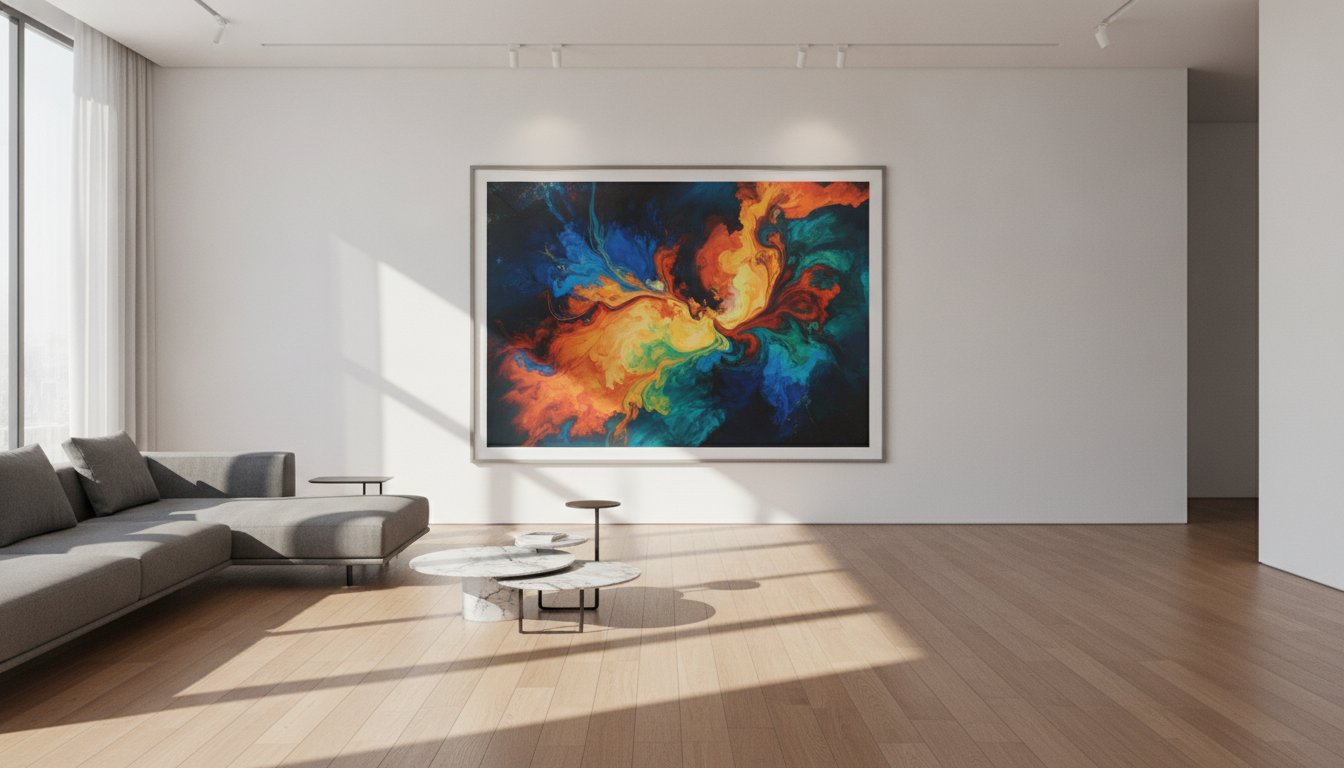

What if the very sunlight that illuminates your salon is silently erasing the vibrant history captured within your Slim Aarons or Terry O’Neill prints? It’s a distressing realization for any collector who views their collection as a guardian of photographic heritage rather than mere wall decoration. You likely feel a deep reverence for these captured moments, yet the technicalities of archival stewardship often feel shrouded in mystery. Many enthusiasts worry about environmental decay but stumble when researching how to clean framed art prints, often risking irreversible damage with household chemicals that have no place in a gallery setting.
This guide offers a bridge to professional curatorial standards, revealing the meticulous techniques used by world-class institutions to protect and display fine art. You’ll discover the essential protocol for handling delicate paper, the truth about specialized glazing like Optium Museum Acrylic, and how to navigate the complex terminology of lignin-free materials. We’ll provide the clarity you need to select bespoke framing that acts as a primary defense against humidity and age. By the end of this exploration, you’ll possess the knowledge to store and display your archives with the quiet authority of a seasoned curator, ensuring your photographic legacy remains pristine for generations.
Key Takeaways
- Implement the curator’s protocol by utilizing nitrile gloves and flat storage to avoid the irreversible structural stress and creasing caused by long-term tubing.
- Understand how to maintain a stable micro-environment, as rapid environmental fluctuations are far more detrimental to your collection than constant, albeit imperfect, conditions.
- Master the delicate art of maintenance by discovering the professional method for how to clean framed art prints, ensuring you never compromise the integrity of the archival glazing.
- Decipher the nuances of material science to select truly archival, lignin-free mounts that prevent the chemical yellowing and foxing that often plague lesser displays.
- Learn why bespoke framing is your primary defense, creating a vital air gap that protects the photographic surface from direct contact with the glazing.
The Science of Decay: Why Fine Art Prints Deteriorate
To own a fine art print is to accept a role as its temporary guardian, a protector against the slow, molecular entropy that threatens every work on paper. True archival preservation principles dictate that we view art not as a static object, but as a living chemical entity. The most common adversary is lignin, a complex organic polymer found in wood pulp that eventually breaks down into acidic compounds. This internal acidity causes the structural yellowing and brittleness often seen in antique documents, effectively consuming the paper from the inside out. Collectors frequently ask about how to clean framed art prints when they notice these changes, but by the time yellowing is visible, the damage is often systemic rather than superficial.
Foxing presents another aesthetic challenge, manifesting as those distinctive reddish-brown spots that mar a pristine surface. These blemishes arise from a volatile combination of fungal growth and metallic impurities, such as iron or copper, left behind during the original papermaking process. When humidity levels rise, these microscopic elements react, creating a permanent bloom that defies simple removal. Because these reactions are so delicate, understanding the chemistry of your collection is vital before attempting any maintenance. Preservation is not a one-time act; it’s an active, ongoing battle against inevitable chemical reactions that seek to reclaim the materials.
The Invisible Enemies: UV Radiation and Oxidation
UV radiation acts as a relentless catalyst, breaking down the molecular bonds in pigments and causing vibrant hues to vanish into ghostly approximations of their former selves. While surface fading is the most visible symptom, UV rays also initiate long-term structural damage by weakening the very fibers of the paper substrate. Oxidation in silver-based photography occurs when atmospheric pollutants or oxygen react with the metallic silver image particles, leading to discoloration or a metallic sheen known as silvering out. This chemical vulnerability requires a controlled environment to ensure the ink stability and emulsion integrity of your most prized acquisitions.
Acid Migration: The Silent Threat from Within
Even if your print is kept in total darkness, it remains at risk from acid migration, a process where acids from non-archival backing boards or standard adhesive tapes bleed into the artwork over time. This “acid tan” creates a dark, brittle perimeter around the image, a hallmark of neglect that significantly diminishes both aesthetic and market value. Heritage pieces, particularly cinema lobby cards, require specialized attention because they were often printed on lower-grade stock intended for temporary promotion rather than longevity. Using museum-grade glues and acid-free mounts is the only way to arrest this decay. When considering how to clean framed art prints, one must remember that the goal is to stabilize these chemical threats rather than merely polishing the exterior glazing.
Mastering the Environment: Ideal Conditions for Art Preservation
A home is a sanctuary for the collector, yet for the artwork itself, it can be a landscape of hidden perils. While the internal chemical decay discussed previously originates within the paper fibers, the external environment dictates the velocity of that decline. Museum standards are not merely suggestions for institutions; they are the benchmarks for any serious guardian of photographic heritage. Maintaining a stable climate is the most vital act of stewardship you can perform. While collectors often research how to clean framed art prints to maintain their visual luster, the true secret to longevity lies in the invisible architecture of the room’s climate.
Danger zones are often hiding in plain sight within a residence. Kitchens introduce airborne grease and steam, while bathrooms harbor localized humidity spikes that invite fungal growth. Even exterior walls can be treacherous. They act as thermal bridges where condensation forms behind the frame, leading to moisture trapped against the paper. High heat acts as a relentless catalyst, significantly increasing the rate of chemical deterioration. Every ten-degree rise in temperature can effectively double the speed of certain destructive reactions.
The Golden Ratio: Temperature and Humidity
Optimal paper health requires a delicate balance, specifically targeting a temperature range of 18-22°C and a relative humidity between 40-55%. High humidity triggers mold and foxing, while excessively dry air causes fibers to become brittle and prone to cracking. According to the Library of Congress preservation guidelines, environmental fluctuations are often more damaging than constant high or low levels because the constant expansion and contraction stress the paper’s structure. Practical collectors should use a digital hygrometer to monitor display areas, ensuring these levels remain consistent throughout the seasons.
Light Management and Strategic Placement
Light is both the lifeblood of visual art and its most persistent threat. North-facing light is preferred for display because it provides a consistent, indirect glow that minimizes the harshness of direct UV exposure. To further protect your investment, consider the Rotation Protocol used by world-class galleries; this involves resting specific pieces in dark storage for several months a year to limit cumulative light damage. Avoid heat-emitting light sources such as traditional halogens. Instead, opt for cool, UV-filtered LED systems. Our bespoke framing service utilizes museum-quality materials specifically designed to buffer these environmental shifts. When considering how to clean framed art prints, remember that a stable environment reduces the need for physical intervention, which is always the safest path for the artwork.
The Curator’s Protocol: Professional Handling and Storage
Every interaction with a fine art print is a moment of risk, a physical dialogue between the collector and the delicate chemistry of the medium. The myth of the “clean hand” is perhaps the most persistent fallacy in the art world. Even freshly scrubbed skin carries natural oils, salts, and moisture that are instantly transferred to the paper’s surface. While many collectors focus on how to clean framed art prints once they are on display, the most critical damage often occurs during the initial transition from storage to frame. To maintain the pristine state of a world-class collection, one must adopt the silent, disciplined habits of a professional conservator.
Creating a dedicated workspace is the first step in this ritual of stewardship. Your surface must be clinical; a large, flat table covered with a neutral, lint-free material is essential. Before any movement begins, ensure the room is free of drafts and that you’ve removed any jewelry or loose clothing that could snag the paper. This meticulous preparation ensures that the artwork remains the sole focus of your attention, protected from the accidental hazards of a domestic environment.
Professional Handling Procedures
Gloves are a non-negotiable requirement for anyone serious about fine art photography. While white cotton gloves are traditional, many modern curators prefer powder-free nitrile. Nitrile offers superior tactile feedback and, crucially, leaves no lint fibers on the emulsion of a high-gloss photograph. When lifting large-format prints, always use two hands to support the weight evenly, avoiding the dreaded “half-moon” kinks caused by the paper buckling under its own gravity. When extracting a print from a tube, allow the paper to unfurl naturally on a clean, weighted surface rather than forcing it flat, which can cause the emulsion to crack. These oils from human skin are permanent and cumulative, often appearing years later as dark, unremovable stains that defy even the most careful attempts at restoration.
Archival Storage Solutions for Unframed Art
If a print is not destined for immediate display, it should never remain in its shipping tube. Long-term tubing places constant structural stress on the paper fibers, making future framing difficult and risky. The gold standard for storage remains the Solander box or a professional metal flat file. These containers provide a rigid, acid-free micro-environment that shields the work from light and dust. Between each print, you must practice the art of interleaving, placing a sheet of acid-free, pH-neutral tissue paper to prevent ink transfer or abrasion. For those who wish to view their collection frequently, Mylar (polyester) sleeves offer a sophisticated solution, allowing for close inspection without direct physical contact. If you must label your pieces, use only an archival-safe pencil on the reverse, applying the lightest possible pressure. For those who also engage in creative artistic endeavors and require high-quality tools, you can learn more about PoscART to discover a wide range of professional markers and accessories. Remember, knowing how to clean framed art prints is a secondary skill; the primary goal is to ensure the print never requires cleaning in the first place.
Archival Materials: Selecting Protective Layers for Longevity
The term “archival” is frequently brandished in commercial spaces as a vague superlative, yet in the world of professional stewardship, it denotes a specific, measurable standard of chemical stability. To select the correct protective layers for your collection, you must look beyond the label and scrutinize the molecular composition of the materials. True preservation relies on a synergy between the substrate, the mount, and the glazing. While many collectors seek advice on how to clean framed art prints, the most effective strategy is to prevent contaminants and light-induced decay from ever reaching the surface of the work. This proactive approach ensures that the art remains in a state of stasis, protected from the atmospheric pollutants and acidic migrations discussed in previous chapters.
The choice of mounting board is equally critical to this chemical defense. Standard foam core, even if labeled acid-free, often contains a core that can off-gas over time, potentially damaging delicate emulsions. For world-class archives, only Museum Rag board, constructed from 100% cotton, should be used. This material provides a rigid, chemically inert surface that won’t degrade or yellow the edges of your prints as the decades pass.
The Anatomy of Museum-Quality Paper
Museum-quality paper serves as the foundation of any enduring collection. While alpha-cellulose papers, made from high-grade wood pulp with the lignin removed, offer excellent longevity, Cotton Rag remains the gold standard for serious collectors. Cotton fibers are naturally acid-free and possess a physical strength that wood-based papers can’t match. Most archival papers are “buffered” with calcium carbonate to neutralize acids that might migrate from the environment. However, nuance is required here. Certain black and white pictures, particularly those produced via traditional silver-gelatin processes, may react poorly to alkaline environments. In these cases, unbuffered paper is essential to maintain the delicate chemical balance of the photographic emulsion.
Protective Glazing: Glass vs. Acrylic
Glazing acts as the final shield between your investment and the world. Standard window glass isn’t enough; it allows high levels of UV radiation to pass through, which leads to the pigment breakdown mentioned earlier. Museum-grade glass should filter out at least 99% of harmful UV rays. For those who prioritize clarity, anti-reflective coatings can make the glass virtually invisible, removing the distracting glare that often plagues high-end displays. Acrylic, often referred to by the brand name Plexiglass, is a superior choice for large-format works or pieces destined for international shipping due to its shatterproof nature and lighter weight. Regardless of the material, understanding how to clean framed art prints correctly involves using specialized, non-ammonia cleaners and soft, lint-free cloths to avoid scratching these high-tech coatings. Our bespoke framing service exclusively utilizes these premium materials to ensure your collection is guarded by the same standards found in the world’s most prestigious galleries.
Bespoke Framing: The Ultimate Shield for Photographic Art
The final stage of archival stewardship is the transition of a work into a bespoke frame. This enclosure is far more than an aesthetic boundary; it functions as a meticulously engineered micro-environment designed to arrest the decay processes discussed in earlier chapters. A professional frame acts as a sentinel, providing a stable climate that buffers the artwork against the inevitable fluctuations of a domestic setting. While the exterior glazing requires gentle maintenance, understanding how to clean framed art prints involves recognizing that the frame’s interior should remain a hermetically sealed sanctuary, untouched by dust, pollutants, or human touch.
The hallmark of a truly professional framing service is the principle of reversibility. Every mounting technique used must be entirely non-destructive, allowing the print to be removed in its original state decades from now. This often involves the use of Japanese paper hinges and wheat starch paste, methods that provide secure support without the permanent chemical bond of commercial adhesives. For iconic works like Slim Aarons prints, this level of artisanal craftsmanship is essential. These images of mid-century elegance deserve a housing that mirrors their own technical superiority and historical significance.
The Role of the Mount (Mat)
The mount, or mat, serves a dual purpose that is both structural and protective. Beyond providing the aesthetic “breathing room” that focuses the viewer’s eye, it creates the critical Air Gap. This space ensures the photographic surface never comes into direct contact with the glazing. Without this barrier, changes in humidity can cause the print to adhere to the glass, a catastrophic event known as ferrotyping that often leads to permanent damage. To maintain this defense, the mount itself must be 100% cotton rag and entirely acid-free, preventing the “acid tan” edges that occur with inferior wood-pulp boards.
Sealing and Backing for Longevity
The rear of the frame is just as vital as the front. A professional conservator will apply a high-quality moisture barrier and a secondary dust cover to the back of the frame. This final line of defense prevents pests, such as silverfish, from entering the enclosure and protects the paper from the humidity that can seep through porous walls. Choosing a ready-to-hang piece from a specialist gallery is the safest option for serious collectors, as it ensures every component has been selected for its archival synergy. The protocol for how to clean framed art prints focuses on the exterior, but the bespoke frame ensures the interior remains pristine. We invite you to discover the Galerie Prints Bespoke Framing Service to secure museum-quality protection for your entire collection.
Securing Your Photographic Legacy for Generations
Your journey as a steward of photographic history transforms a simple acquisition into a lasting legacy. By mastering the environmental stability of your display space and choosing only the finest acid-free materials, you ensure that the vibrant narratives of the past remain undiminished. True preservation is an active choice, one that prioritizes a sealed micro-environment and professional handling over common domestic habits. While you now understand how to clean framed art prints with the precision of a gallery specialist, the ultimate defense remains the foundational quality of the frame itself. This commitment to stewardship protects the soul of the work against the slow erosion of time.
At Galerie Prints, we act as trusted curators of world-renowned photographic archives, offering you exclusive access to the Slim Aarons and Terry O’Neill collections. Our artisanal bespoke framing, meticulously crafted by specialists in London, provides the museum-quality shield your investment requires. We invite you to explore our curated collections and bespoke framing services at Galerie Prints to begin your own chapter of curatorial excellence. With the right care, your collection will continue to inspire wonder and nostalgia for many years to come.
Frequently Asked Questions
How long do art prints last if preserved correctly?
Fine art prints can last for over a century, often reaching the 200 year mark, when they are produced on 100% cotton rag and kept in a stable, acid-free environment. This exceptional longevity is a result of the synergy between archival pigment inks and high quality substrates that resist the chemical breakdown common in lesser materials.
Can I use regular glass for my fine art photography frames?
Regular window glass is insufficient for preserving fine art because it fails to block the ultraviolet radiation that causes pigments to fade and paper to become brittle. For genuine protection, you must utilize museum grade glazing that filters out at least 99% of harmful UV rays, ensuring the vibrant history of your collection remains intact.
Is it better to store prints flat or rolled in a tube?
Flat storage in a solander box or a professional flat file is the superior method for maintaining the structural integrity of your prints. While shipping tubes are necessary for transit, long term rolling places constant stress on the paper fibers, which can lead to permanent curling or even cracking of the photographic emulsion when the piece is eventually flattened for framing.
What is the best temperature for storing art prints at home?
The museum standard for art storage is a consistent temperature between 18 and 22 degrees Celsius, with relative humidity maintained between 40 and 55 percent. Rapid fluctuations in these levels are particularly dangerous. They cause the paper to expand and contract, which eventually leads to warping, cockling, and a breakdown of the adhesive bonds in the frame.
Does acid-free mean the same thing as archival?
Acid-free is a foundational requirement, but archival denotes a higher standard of permanent chemical stability. Truly archival materials are not only acid-free but also lignin-free, meaning they lack the organic polymers that eventually break down into acidic compounds. This distinction is vital for preventing the structural yellowing that can plague a collection over several decades.
How often should I rotate the art prints on my walls?
We recommend rotating your displayed artwork every three to six months to limit the cumulative impact of light exposure. This practice, often used by world class galleries, allows your most delicate pieces to rest in total darkness, which effectively halts the slow molecular entropy caused by even indirect salon lighting.
What should I do if I notice brown spots (foxing) on my print?
If you notice the reddish brown spots known as foxing, you should immediately contact a professional paper conservator for a consultation. You should never attempt domestic remedies or research how to clean framed art prints using household cleaners, as these spots are often caused by deep-seated fungal growth or metallic impurities that require expert chemical stabilization to treat safely.
Can I preserve a print that has already started to yellow?
You can certainly arrest the progress of yellowing by moving the print into a controlled, archival environment. While reversing existing discoloration requires professional restoration, housing the piece in a bespoke frame with museum quality mounts and UV-filtering glass will stop the ongoing chemical reactions. This intervention secures the current state of the work and prevents the paper from becoming further compromised or brittle.