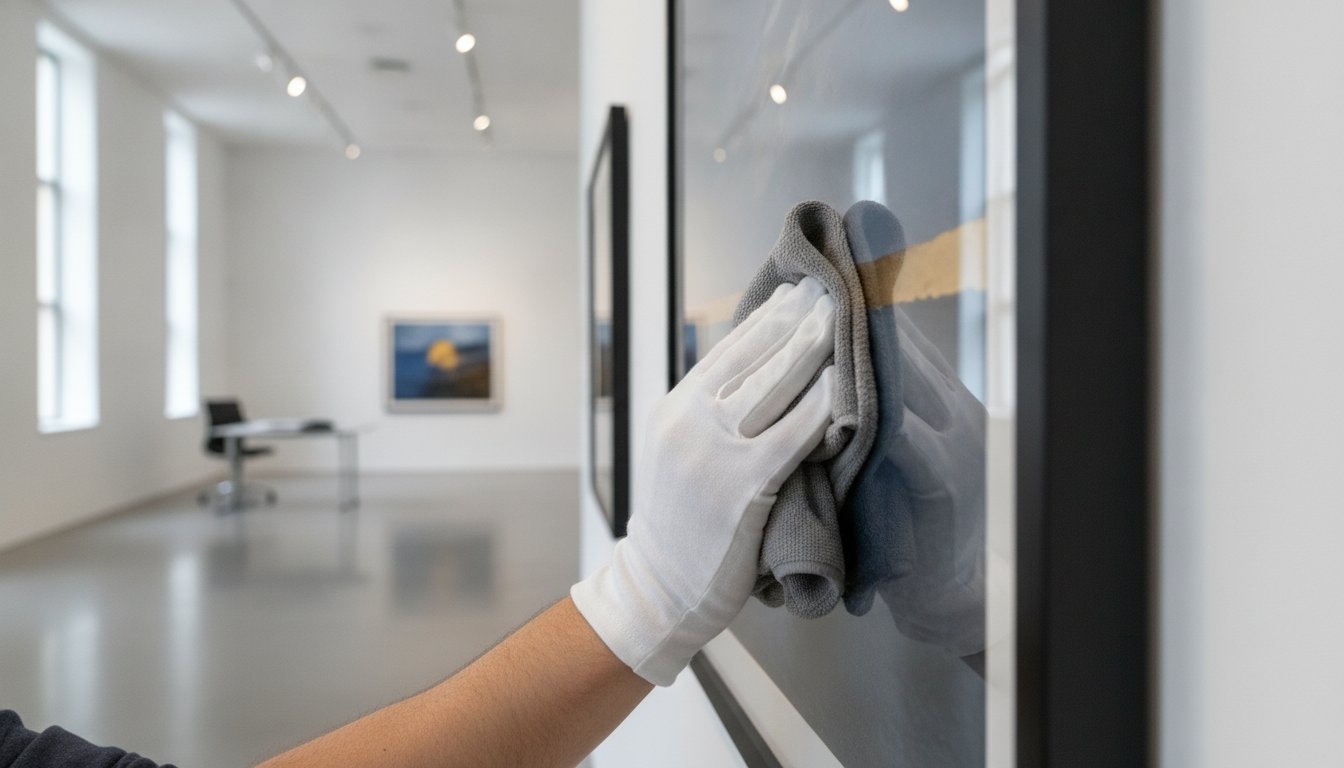

True art preservation doesn’t end at the gallery wall; it’s a disciplined exercise in structural engineering and environmental control that begins the moment a masterwork is moved. For the discerning collector, the anxiety of watching a definitive Slim Aarons or a rare Terry O’Neill photograph leave in a crate is palpable. You understand that a single hairline fracture in the glazing or a warped frame doesn’t just damage an object, it diminishes a piece of history. Mastering the nuances of shipping large framed art safely is the only way to protect your investment from the unpredictable rigors of global logistics.
We’ll guide you through the sophisticated techniques that international galleries use to ensure pristine arrivals across borders. You’ll gain a clear understanding of professional packing standards, from the necessity of custom-built crates to navigating the complexities of “ugly freight” surcharges and the 5.9% rate increases implemented by major carriers for 2026. We’ll demystify insurance jargon and international requirements like CITES certificates, giving you the confidence to select a courier who respects the prestige of your collection as much as you do.
Key Takeaways
- Discover how to counteract the “Trampoline Effect,” a phenomenon where vibration and lateral shifts can compromise the integrity of oversized glazing and canvases during transit.
- Identify the museum-standard materials essential for preservation, including acid-free Glassine paper for emulsion protection and glass-skin tape to safeguard the print surface.
- Master the criteria for selecting between heavy-duty cartons and ISPM 15 certified timber crates to ensure compliance with international biosecurity and structural standards.
- Implement a meticulous, multi-step packing sequence for shipping large framed art safely, utilizing professional moisture barriers and archival face-protection.
- Gain an expert understanding of white-glove logistics, ensuring your fine art acquisition maintains its pristine, gallery-standard condition throughout its journey to your collection.
The Physics of Fragility: Why Large Framed Art Requires Specialist Handling
Large-scale photographic art is a marvel of presence, yet its physical scale introduces a complex set of structural liabilities. When you’re shipping large framed art safely, you’re managing a delicate distribution of weight and tension that smaller works simply don’t possess. Oversized frames act as long levers; even a minor lateral shift during transit can exert massive torque on the mitered corners. This structural vulnerability is why professional art handlers treat every shipment as a unique engineering challenge. Without rigid external support, a bespoke frame can easily twist, leading to popped joints or compromised mounting.
The “Trampoline Effect” represents one of the most significant hidden dangers for collectors. In large glazing or expansive canvases, the center of the material acts like a drum skin. Continuous road vibration or air turbulence causes these surfaces to oscillate at high frequencies. Over a long-haul journey, this vibration can fatigue the internal supports. In the most severe cases, the glazing can actually flex enough to tap against the photographic emulsion, causing irreversible scuffing or “ghosting” on the print. A standard “Fragile” sticker is a polite suggestion, but it offers no defense against these internal physical forces or the extreme humidity fluctuations found in unpressurized cargo holds that can cause paper fibers to swell and ripple.
The Glazing Dilemma: Glass vs. Acrylic in Transit
Traditional glass provides exceptional clarity and scratch resistance, but its sheer weight adds significant stress to the frame’s structure. More importantly, glass carries the risk of catastrophic shattering, where a single impact can send shards through a priceless photographic archive. Acrylic is often the preferred choice for international transit due to its impact resistance and lighter profile. However, it presents its own challenges, specifically the generation of static electricity that can attract micro-particulates to the print. Glazing stress is the primary cause of transit cracks.
Frame Integrity and Corner Stress
Gravity is a constant adversary for large-scale bespoke framing. When a piece is stored or transported horizontally, the weight of the glazing and the frame itself pulls downward on the center, often leading to bowed wood or structural failure. It’s essential to maintain a vertical orientation throughout the shipping journey to ensure the weight remains evenly distributed across the bottom rail. Ornate or heavy wooden frames are particularly prone to weak points at the corners. These joints must be reinforced with specialized padding to prevent the frame’s own mass from pulling it apart during a sudden stop or shift in the crate.
Crates vs. Heavy-Duty Cartons: Selecting the Right Protective Vessel
The distinction between a “large” shipment and an “oversized” one is a critical threshold in the art world. Generally, once a framed work exceeds 100cm in any dimension, it moves beyond the safety profile of standard packaging. At this scale, the structural integrity of double-wall corrugated cardboard begins to falter under the pressure of stacking or lateral impact. While high-grade cardboard is suitable for smaller works, shipping large framed art safely at these dimensions requires a more robust architectural solution. The choice of vessel isn’t just about cushioning; it’s about creating a rigid exoskeleton that can withstand the rigors of global transit.
For international journeys, the material itself must meet strict regulatory standards. ISPM 15 certified timber is the global benchmark for wood packaging. Such heat-treated wood is required by customs authorities worldwide to prevent the spread of invasive species. Using non-certified timber can lead to your shipment being impounded or even destroyed by border agents. Beyond legal compliance, timber provides the puncture resistance and compression strength that cardboard simply cannot match, especially in shared shipping containers where heavy items may be placed nearby.
When to Choose Bespoke Wooden Crating
Bespoke wooden crates are the gold standard for high-value fine art photography. These crates often feature internal “travel frames” that suspend the artwork, ensuring the frame’s edges never touch the outer walls. Such a configuration is paramount for air freight and sea transit, where mechanical handling and turbulence are common. If you’re investing in a significant acquisition, the peace of mind offered by a custom-built crate far outweighs the initial logistics cost.
The Art of the Double-Box Method
If a crate isn’t required, the double-box method offers a sophisticated alternative. This involves placing an inner protective box inside a larger, heavy-duty outer carton, leaving at least 5cm of space on all sides. This protective gap must be filled with high-density foam inserts rather than loose-fill peanuts. Peanuts tend to settle during transit, leaving the artwork vulnerable to shifting. Foam provides consistent shock absorption and structural reinforcement for the outer carton edges, which are the most common points of failure in standard courier networks.
Selecting between a white-glove art handler and a specialized courier often depends on the complexity of the route. With FedEx and UPS implementing a 5.9% average General Rate Increase for 2026, the efficiency of your packaging impacts more than just safety. Bulky, poorly designed cartons often trigger “Additional Handling” surcharges based on cubic volume. White-glove services offer climate-controlled environments and manual handling, which is ideal for the most sensitive archives. Regardless of the carrier, the vessel you select is the primary guardian of your investment. You can explore our full collection at Galerie Prints to see the scale of works that benefit from these rigorous standards.
Essential Materials for Museum-Standard Art Packaging
The transition from a simple transport to a successful archival journey depends entirely on the chemical and physical properties of the materials used. When shipping large framed art safely, the objective is to create a multi-layered sanctuary that shields the work from both mechanical impact and atmospheric degradation. Standard household packing supplies, such as acidic brown paper or recycled blankets, are the antithesis of professional care. These materials can off-gas or trap moisture, leading to the rapid deterioration of delicate photographic emulsions and the yellowing of archival mounts.
One of the most critical, yet often overlooked, components is glass-skin tape. This specialized, low-tack adhesive is applied in a grid pattern across the glazing. Its purpose is not to prevent the glass from breaking, but to maintain surface tension. In the rare event of a fracture, the tape holds the shards in place, preventing them from falling inward and lacerating the print surface. This is particularly vital for oversized pieces where the volume of glass represents a significant weight and potential for catastrophic damage.
- Acid-free Glassine paper: This pH-neutral, air-permeable material is the gold standard for protecting the face of a photograph. It provides a non-reactive barrier that prevents the glazing from sticking to the emulsion during temperature spikes.
- High-density polyethylene (HDPE) foam: Unlike standard bubble wrap, which can deflate under the weight of a heavy frame, HDPE foam (often branded as Ethafoam) offers consistent, closed-cell protection that does not compress over time.
- Corner protectors: While plastic variants offer rigid impact defense, multi-layered cardboard configurations provide superior shock distribution for bespoke wooden frames, absorbing the energy of a drop rather than transferring it to the joint.
Archival Protection Layers
Maintaining the pristine condition of a collection requires a deep understanding of archival integrity. For iconic works like those in the Slim Aarons archive, preserving the vibrant lustre and clarity of the original print is paramount. We utilize pH-neutral barriers to prevent “ghosting,” a phenomenon where a faint image of the print becomes etched onto the inside of the glass. By ensuring the wrap is breathable yet secure, we mitigate the risk of condensation that can occur when moving between climate-controlled galleries and humid cargo holds.
Shock Absorption and Vibration Dampening
The science of G-force mitigation is what separates a standard courier from an elite art handler. We utilize Ethafoam planks as base cushioning within crates to create a “floating” environment. This setup ensures that road or air vibrations are absorbed by the foam before they reach the artwork. Over-tight wrapping can be as dangerous as under-wrapping by transferring every external vibration directly into the frame’s structure. By allowing for a precise degree of internal movement within the protective layers, we ensure the work remains insulated from the physical shocks of global transit.
The Professional Packing Sequence: Securing Your Investment for Transit
Executing the sequence of shipping large framed art safely requires a disciplined, almost ritualistic attention to detail. It’s a process where the order of operations is as critical as the materials themselves. By following a museum-standard protocol, you transform a vulnerable object into a secure, transportable unit capable of traversing continents without compromise. Each step builds upon the last, creating a comprehensive system of protection that addresses the structural and environmental risks identified in previous chapters.
- Step 1: Applying the glass-skin and archival face-protection. This initial layer secures the glazing and provides a pH-neutral barrier for the print.
- Step 2: Constructing the primary moisture barrier. Utilizing professional-grade stretch wrap creates a sealed environment, protecting against humidity shifts in cargo holds.
- Step 3: Fitting high-impact corner guards. These guards provide essential edge reinforcement and shock distribution for the frame’s most vulnerable points.
- Step 4: Suspending the art. The work is placed within an inner box or travel frame, ensuring it “floats” and never makes direct contact with the outer walls.
- Step 5: Final sealing and mandatory labelling. The package is closed with water-resistant tape and marked with clear orientation and “Glass” warnings.
Securing the Glazing and Face
The application of glass-skin tape is a nuanced task. While a simple “X” pattern provides basic tension, full-surface coverage is the preferred method for oversized works where the risk of shattering is higher. It’s imperative that no adhesive touches the bespoke framing or the photographic surface. We recommend creating a “pull tab” by folding the end of each tape strip over itself. This small gesture allows the recipient to unpack the work safely without needing a blade near the frame’s finish.
The Outer Shell and Labelling
Once the internal architecture is secure, the outer shell must be rendered impenetrable. All external seams should be sealed with water-resistant tape to prevent moisture ingress. To monitor the journey, we utilize “Tip-N-Tell” sensors. These devices provide an immediate visual record if the package was tilted or stored horizontally against the “This Way Up” instructions. Shipping documents should be placed in a clear pouch on the exterior, ensuring they are accessible to customs agents without requiring the structural compromise of the box itself. If you are adding to your collection, ensure your logistics partner adheres to these elite standards. You can view our professionally handled photography archives to see the level of care we bring to every acquisition.
Galerie Prints: White-Glove Logistics for the World’s Finest Photography
At Galerie Prints, we view the journey of an artwork as a vital extension of its provenance. Our meticulous approach to shipping the Slim Aarons collection worldwide involves more than just transit; it’s a curated logistical operation designed to preserve the crystalline clarity of these iconic moments. Every acquisition, whether a sun-drenched poolside scene or a rare archival print, is treated as an irreplaceable piece of cultural history. We don’t rely on standard courier services for our most significant works. Instead, we’ve cultivated a global network of delivery partners who specialize exclusively in fine art and cinema memorabilia. This ensures that the sophisticated techniques for shipping large framed art safely discussed throughout this guide are executed with absolute precision.
We provide bespoke crating services tailored to the specific dimensions of your acquisition, ensuring that the structural engineering of the protection matches the grandeur of the piece. This artisanal approach is coupled with comprehensive insurance coverage that provides absolute peace of mind from the moment the work leaves our gallery until it’s secured on your wall. By managing every variable, from humidity control to G-force mitigation, we act as the guardians of your investment, bridging the gap between our archives and your private collection.
The Galerie Prints Guarantee
Our commitment to preservation extends to every item in our archives, including the delicate logistics required for rare cinema lobby cards and vintage posters. While we prioritize security, we also remain dedicated to utilizing sustainable, yet ultra-secure, packaging materials that meet the highest archival standards. You’ll never be left in the dark regarding your investment. We provide direct communication and real-time tracking for every international shipment, ensuring you’re practically supported while we maintain the professional, polished distance befitting a luxury gallery.
Receiving and Unpacking Your Art
The final stage of shipping large framed art safely occurs within your own space. When your art arrives, we advise a professional, calm inspection before the courier departs. It’s vital to allow the work to acclimatise to its new environment for twenty-four to forty-eight hours before hanging, especially if it has traveled through varying climates. This deliberate pacing prevents sudden expansion or contraction of the frame and paper fibers. Our curators remain available to provide bespoke installation and display guidance, ensuring your lasting piece of history is showcased with the elegance and permanence it deserves.
Securing the Future of Your Photographic Archive
Protecting a significant photographic acquisition requires a transition from mere transport to a disciplined architectural protocol. You now understand that the structural vulnerability of oversized frames and the chemical reactivity of non-archival materials demand more than just standard care. By prioritizing museum-standard materials like acid-free Glassine and employing a rigorous, multi-layered packing sequence, you ensure the integrity of the work remains uncompromised across every border. Mastering the nuances of shipping large framed art safely is, ultimately, an investment in the permanence of the piece itself.
At Galerie Prints, we act as the bridge between history and your home, specializing in the meticulous preservation of the Slim Aarons and Terry O’Neill archives. Our global white-glove delivery network and commitment to bespoke framing ensure that every acquisition arrives in pristine, gallery-ready condition. Whether you’re adding a rare limited edition or a vintage cinema poster to your walls, we provide the technical expertise and curatorial oversight your collection deserves. We invite you to explore our world of timeless elegance and heritage.
Discover our curated collections and bespoke framing services and begin your journey toward an elevated interior aesthetic today.
Frequently Asked Questions
Is it better to ship art with glass or acrylic?
Acrylic is the preferred medium for international transit due to its exceptional impact resistance and lighter weight. While traditional glass offers superb clarity, its tendency to shatter into sharp fragments poses a catastrophic risk to the underlying photographic emulsion. Acrylic effectively mitigates this danger, though it requires anti-static archival barriers to prevent dust attraction during its journey.
How much does it cost to ship a large framed painting internationally?
International shipping costs for significant works typically begin with a minimum charge of $100, though final figures depend on dimensions, weight, and the destination’s customs requirements. Collectors should account for the 5.9% average General Rate Increase implemented by major carriers like FedEx and UPS for 2026. Large pieces often incur additional surcharges based on cubic volume and the specialized handling required for “ugly freight.”
What is the “double-box” method in art shipping?
The double-box method involves nesting a secured inner box containing the artwork inside a larger, heavy-duty outer carton. A critical buffer zone of at least 5cm must be maintained between these two layers, filled with high-density foam inserts rather than loose-fill peanuts. This architecture ensures that external impacts are absorbed by the outer shell and cushioning before they reach the primary archival housing.
Does standard courier insurance cover fine art photography?
Standard courier insurance often provides limited coverage that may not reflect the true market value of a rare photographic archive. We recommend specialized “Ad Valorem” insurance, which is typically calculated at approximately 1% of the artwork’s declared value. This ensures comprehensive protection that respects the historical and aesthetic significance of your investment, moving beyond the restrictive liability caps of general logistics providers.
How do I protect the corners of a heavy frame during a move?
Protecting the corners requires high-impact guards made of multi-layered cardboard or rigid plastic to distribute energy away from the mitered joints. These protectors should be used in tandem with Ethafoam planks to suspend the frame within its crate. This prevents the frame’s own mass from exerting destructive pressure on its corners during the lateral shifts common in air and sea transit.
What should I do if my art arrives with broken glass?
Document the condition immediately by taking detailed photographs of the packaging and the damage before the courier leaves your premises. If the work was prepared with professional glass-skin tape, the shards should remain held in place, preventing further laceration of the print. Do not attempt to remove the work; instead, contact your gallery curator and the carrier’s claims department to initiate a formal inspection.
Can I ship large framed art in a regular cardboard box?
Regular single-wall cardboard boxes lack the structural rigidity necessary for shipping large framed art safely, particularly when dimensions exceed 100cm. At this scale, the risk of the box buckling under stacking pressure is too great. Only double-wall corrugated cartons or bespoke timber crates provide the exoskeleton required to shield oversized glazing and frames from the rigors of a global logistics network.
Why is a wooden crate necessary for international shipping?
Wooden crates provide the highest level of puncture resistance and compression strength for high-value acquisitions. Beyond physical safety, international biosecurity regulations often mandate the use of ISPM 15 certified, heat-treated timber for all wood packaging. Utilizing non-compliant materials can result in your shipment being impounded or destroyed by customs authorities, making certified crating a legal and practical necessity.