
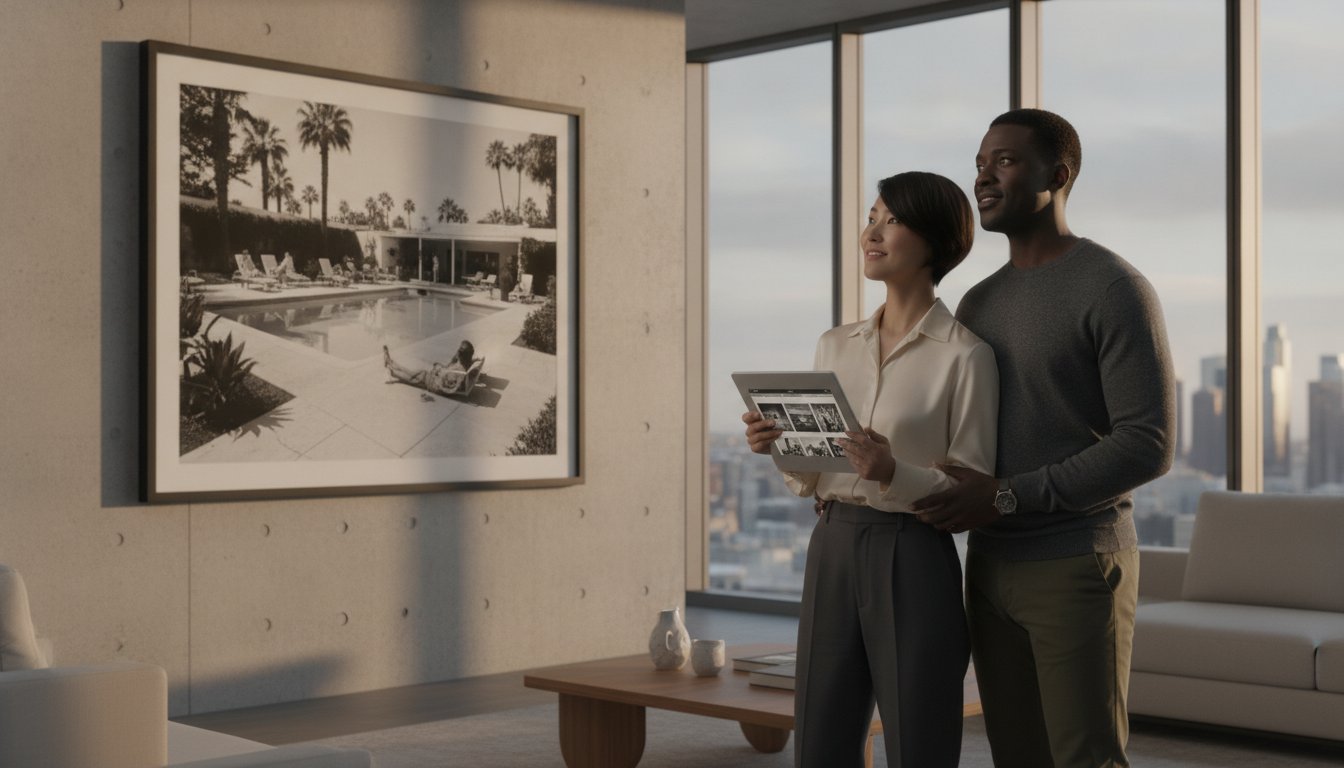
A photograph is not merely a captured moment; it is a tactile window into a vanished world of glamour that requires a guardian’s care to survive the century. You likely recognize that true elegance isn’t found in mass-produced decor, yet the decision to buy fine art photography online often brings a valid sense of hesitation. It’s natural to feel uncertain about the distinction between a fleeting digital reprint and a museum-quality investment that honors the legacy of masters such as Slim Aarons or Terry O’Neill.
We believe that acquiring art should be as refined an experience as the work itself. This guide will empower you to evaluate archival terminology with the confidence of a seasoned curator, ensuring your collection reflects both historical significance and technical excellence. We’ll explore the nuances of Giclée and C-type processes, the importance of localized artisanal craftsmanship in framing, and the specific steps required to transform your home into a sophisticated gallery of cultural history.
Key Takeaways
- Distinguish between ephemeral mass-market posters and museum-quality limited editions that serve as lasting cultural investments.
- Navigate the technical landscape to buy fine art photography online with confidence by identifying archival markers like acid-free cotton rag and traditional Giclée processes.
- Uncover the historical significance of the Slim Aarons and Terry O’Neill archives to bring a sense of mid-century elegance into your home.
- Learn to curate your environment by identifying a hero wall and selecting themes that reflect your unique appreciation for photographic heritage.
- Understand the meticulous standards of archival production that preserve the tactile and visual integrity of your collection for generations.
What Defines Fine Art Photography in the Digital Age?
Fine art photography is far more than a simple visual record; it’s a deliberate, calculated expression of an artist’s vision. In an age where billions of images are uploaded daily to the digital ether, the distinction between a casual snapshot and a curated masterpiece has never been more significant. When you choose to buy fine art photography online, you aren’t just purchasing a decorative object. You’re acquiring a piece of cultural history that has been carefully shepherded from a negative or digital master to a physical, archival form. This transition from light to paper requires a level of intentionality that separates true art from mere illustration.
A critical distinction exists between a mass-market poster and an archival gallery print. Posters are often printed on thin, acidic paper that will eventually yellow and degrade under the touch of time. In contrast, a gallery-grade print is a legacy piece. It represents a commitment to material excellence, using acid-free papers and stable pigments designed to last for generations. The gallery, acting as a steadfast guardian of the original negative or digital master, ensures that each impression remains faithful to the creator’s intent. This careful preservation of the artist’s aesthetic ensures that the work maintains its depth, contrast, and soul long after it leaves the darkroom or the studio.
To find pieces that embody this standard of craftsmanship, collectors often turn to specialized sources like Dale Arts, which offers a diverse collection of high-quality photographic prints in both framed and unframed formats.
The Anatomy of a Gallery-Grade Print
A true collector’s piece begins with the integrity of the source. Whether it’s a vintage negative from the Music Archives or a master file from the Star Wars Limited Edition Prints, the quality of the original material dictates the final result. To understand What is Fine Art Photography?, one must appreciate how authorized archives maintain the artist’s legacy through technical superiority. This documented history protects your investment, ensuring the work remains a valuable asset within your collection. Provenance is the documented lineage of an artwork’s history, verifying its authenticity and connection to the artist’s original vision.
Limited Editions vs. Open Runs
Scarcity is a primary driver of value in the art world. Limited editions ensure that only a specific number of prints will ever exist, making each one a rare artifact of a specific moment in time. This rarity is formalized through signatures and numbering, which act as the cornerstones of photographic value. When you buy fine art photography online, it’s essential to look for a Certificate of Authenticity (COA). This document confirms the print’s place within the edition and guarantees its archival standards. There’s a profound emotional weight in owning a rare piece of history, knowing that your print is one of only a few in existence. It transforms your space from a simple room into a curated environment of prestige and narrative depth.
The Value of Provenance: From Slim Aarons to Terry O’Neill
The 20th century represents a pinnacle of photographic artistry, a period often referred to as the Golden Era. During these decades, photographers didn’t just document reality; they crafted a narrative of elegance that continues to define luxury today. When you choose to buy fine art photography online, the value of your acquisition rests heavily on provenance. This documented history ensures that a print sourced from a prestigious archive is a legitimate piece of cultural history rather than a modern imitation. Galerie Prints acts as a bridge to these world-renowned archives, maintaining rigorous museum-quality standards that honor the original vision of the artist. History deserves a guardian.
Curating these archives involves more than just selection. It requires a deep understanding of archival handling and storage to ensure that the physical print retains the same brilliance it possessed decades ago. By adhering to these exacting standards, we provide collectors with the assurance that their investment is protected against the environmental stressors that often degrade lesser works. This meticulous attention to technical detail is what allows us to offer pieces that don’t just decorate a room but elevate it to a curated space of historical significance.
Slim Aarons: The Master of Aspirational Style
Slim Aarons famously stated he was capturing “attractive people doing attractive things in attractive places.” His work has become the ultimate symbol of sophisticated interior design, particularly his poolside imagery of Palm Springs and the Amalfi Coast. These prints offer more than a visual; they provide an entry into a world of mid-century leisure and sun-drenched glamour. For those looking to understand his enduring impact, our resource on Slim Aarons: The Definitive Guide to the Master of Aspirational Photography offers deeper context into his life and methods. His work remains a cornerstone for anyone seeking to buy fine art photography online that embodies a specific, high-end lifestyle.
Icons of Music and Cinema
While Aarons captured the elite at play, Terry O’Neill focused his lens on the raw, magnetic energy of the 1960s and 70s. His celebrity portraits remain timeless because they reveal the human soul behind the icon, whether it’s David Bowie or Brigitte Bardot. The collectability of these images is matched only by the historical charm of Cinema Lobby Cards and vintage movie posters. These artifacts represent Hollywood’s photographic heritage, serving as tactile remnants of a bygone cinematic age. You might consider exploring our Music Archives to find a piece that resonates with your personal history. Each print is a testament to the enduring power of the celebrity image in modern culture.
Archival Quality: Why the Paper and Process Matter
The physical presence of a fine art print possesses a weight and depth that no digital screen can replicate. While a monitor emits light, a gallery print reflects it, creating a tactile experience where the texture of the paper and the richness of the pigment become part of the art itself. When you choose to buy fine art photography online, you’re investing in this material integrity. The difference between a lasting heirloom and a fading image lies in the meticulous combination of printing chemistry and archival substrates. It’s a science of preservation that ensures the visual impact remains unchanged for decades.
Two primary methods dominate the world of high-end photographic production: Silver Halide and Giclée. Silver Halide, often called a C-type print, is a traditional chemical process where light-sensitive paper is exposed to a master image and then processed through a developer. It’s prized for its continuous tones and deep, luscious blacks. Giclée printing, however, utilizes sophisticated inkjet technology with mineral-based pigment inks. This method offers an incredible color gamut and exceptional longevity. Each process has its merits; the choice depends on whether the subject matter demands the classic feel of a darkroom or the vibrant, high-definition precision of modern pigments.
Museum-Quality Materials
Collectors should prioritize papers from prestigious mills like Hahnemühle. These 100% cotton rag papers are the industry standard because they provide a stable, luxurious base that won’t degrade over time. Combined with archival inks, these materials maintain color accuracy for 75 years or more under standard lighting. Acid-free materials are non-negotiable for collectors because they prevent the chemical self-destruction and yellowing that inevitably occur when paper contains lignin or other acidic impurities. To protect this investment, UV-protective glazing is essential. It acts as a shield, filtering out the harmful rays that cause colors to shift and whites to dull.
The Digital-to-Physical Translation
Bridging the gap between a historical negative and a modern archival print requires a curator’s eye and a technician’s precision. Professional curators don’t simply “print” a file; they manage a complex translation of light and shadow. This often involves digital retouching that honors the original darkroom intent, ensuring that the final physical piece remains a faithful guardian of the artist’s legacy. For a deeper understanding of how these elements come together in a curated space, explore our guide on Fine Art Photography: A Curator’s Guide to Collecting and Decorating. The goal is always the same: to buy fine art photography online that feels as though it was pulled directly from a gallery’s private vault.
Curating Your Space: Selection and Framing Guide
Selecting a masterpiece is only the first movement in a larger symphony of interior curation. The placement of a print defines the dialogue between the artwork and your architectural environment. When you choose to buy fine art photography online, the digital preview is merely a prelude to the physical presence the work will command. To ensure your acquisition achieves its full potential, you must approach the installation with the eye of a seasoned curator, considering scale, theme, and the protective elements that surround the image.
Your first step is identifying the “Hero” wall. This is the primary focal point of the room, an architectural anchor that dictates the appropriate dimensions for your print. A common mistake is selecting a piece that’s too small for the volume of the space. For a grand living area, a print measuring 40×60 inches creates a commanding presence, while smaller corridors may benefit from a series of intimate, related works. Once the scale is set, choose a theme that reflects your personal narrative. Whether you’re drawn to the raw energy of the Music Archives or the sun-drenched leisure of the Slim Aarons Collection, the subject should feel like a natural extension of your personality.
Color palette plays a vital role in this cohesion. While vibrant lifestyle photography can energize a room, there’s a profound, quiet power in monochrome. For those seeking a more classic aesthetic, explore our guide on The Timeless Allure of Black and White Pictures to understand how tonal depth can anchor a modern interior. Finally, consider the height and lighting. Aim for a gallery-standard height, with the center of the print sitting approximately 57 to 60 inches from the floor, and utilize directional LED lighting to highlight the archival details without introducing heat.
The Art of Bespoke Framing
In the world of high-end art, the frame is far more than a decorative border. It’s a protective envelope designed to maintain the print’s archival integrity. Our approach to framing utilizes premium materials like lignin-free mount boards and specialized glazing to shield your investment. Whether you select a classic Black, a crisp White, or a warm Oak finish, the frame should complement the art’s era. A Slim Aarons print often finds its home in a clean, white frame that emphasizes its airy, aspirational quality. Explore our Bespoke Framing Service to ensure your piece is delivered ready to hang and preserved for the century.
Building a Gallery Wall
Creating a gallery wall requires a balance of variety and cohesion. We recommend the “Anchor” method: start with one large, iconic print as your centerpiece and build outward with smaller works. This allows you to mix different subjects, such as Terry O’Neill portraits and Cinema Lobby Cards, while maintaining a unified story. Using Slim Aarons prints within these arrangements is particularly effective for creating a sense of light and space in smaller rooms, acting as a visual window that expands the boundaries of your home.
The Galerie Prints Experience: A Global Gallery Online
Galerie Prints isn’t merely a digital storefront; it’s a sophisticated extension of our London heritage, designed to provide a seamless bridge between a physical gallery and the discerning global collector. Under the meticulous curatorial direction of Stuart Möller, we’ve secured access to the world’s most prestigious photographic archives, ensuring that every piece we offer meets the highest standards of historical authenticity. When you choose to buy fine art photography online through our platform, you’re engaging with a team that views itself as a guardian of the 20th century’s visual legacy. This commitment to technical excellence is matched by our dedication to localized, artisanal craftsmanship, ensuring that each print is produced with the same care and precision as those hanging in our physical gallery space.
Serious collectors choose our platform because we prioritize the integrity of the artist’s original vision above all else. We don’t just facilitate transactions; we cultivate a sense of permanence and stability in every acquisition. By combining traditional production methods with modern accessibility, we ensure that the prestige of the art world is available to those who value quality over convenience. Our role is to act as a trusted guide, helping you find pieces that don’t just fill a space but elevate your entire home aesthetic to a level of curated elegance.
From London to Your Living Room
The journey from our archives to your walls is handled with a level of precision that matches the art itself. We understand that purchasing high-end art requires absolute trust, which is why every shipment utilizes museum-grade packaging and fully insured global delivery. This “white-glove” experience ensures that your investment arrives in pristine condition, supported by direct expert advice at every stage of the process. Whether you’re in New York, Tokyo, or London, the experience remains intimate, professional, and reassuringly precise. It’s about more than just logistics; it’s about providing the peace of mind that comes with boutique gallery service. Browse our curated collections and start your collection today.
Investing in Photographic Heritage
A purchase from our collection is a lasting piece of history, far removed from the temporary nature of mass-market decor. By specializing in authorized prints from the Getty Images Gallery and the Terry O’Neill archives, we provide collectors with works that possess enduring cultural value and proven provenance. These images don’t just decorate a space; they anchor it in a narrative of elegance and historical significance. Choosing to buy fine art photography online from a dedicated archive ensures that your collection remains a source of wonder and nostalgia for generations to come. Explore the Slim Aarons Collection at Galerie Prints and discover how these iconic works can transform your environment into a curated sanctuary of aspirational style.
Securing Your Piece of Photographic History
Acquiring a masterpiece is a profound act of cultural stewardship. You’ve discovered that the decision to buy fine art photography online is anchored in a commitment to archival excellence, ranging from the meticulous selection of acid-free cotton rag papers to the verification of authorized provenance. By mastering the technical nuances of Giclée and Silver Halide processes, you ensure that your curated collection remains a vibrant, tactile testament to an artist’s original vision for generations. True elegance, after all, is measured by its permanence.
As an official Getty Images Gallery partner, we take pride in bridging the gap between world-renowned archives and your private environment. Every acquisition is handled with the quiet authority of a boutique gallery, featuring bespoke framing by master craftsmen and the absolute security of global insured shipping from our London-based gallery. We invite you to move beyond temporary decoration and invest in a lasting legacy of sophistication and historical significance. Discover the world’s most iconic fine art photography at Galerie Prints and begin transforming your space into a sanctuary of mid-century glamour today.
Frequently Asked Questions
What is the difference between a fine art print and a poster?
A fine art print is a deliberate, high-fidelity expression of an artist’s vision, crafted using museum-grade materials. In contrast, a poster is a mass-produced reproduction on thin, acidic paper that lacks the longevity required for a serious collection. When you buy fine art photography online, you’re choosing a piece that utilizes acid-free substrates and stable pigments. These archival elements ensure the image remains a lasting part of your home’s cultural narrative.
How do I know if a photography print is a good investment?
Evaluating a photographic investment involves assessing its provenance, the historical significance of the artist, and the scarcity of the edition. Limited edition prints from prestigious archives, such as the Music Archives or Star Wars Limited Edition Prints, tend to hold their value more reliably than open runs. A Certificate of Authenticity acts as your primary safeguard. It confirms the print’s origin and ensures it was produced to exacting archival standards.
What does “archival quality” actually mean for photography?
Archival quality refers to the scientific combination of chemically inert materials designed to preserve an image for 75 years or more. This process requires 100% cotton rag papers and mineral-based pigment inks that won’t react with the environment. These materials prevent the yellowing and fading that occur with standard commercial printing. It’s the gold standard for collectors who view their art as a permanent piece of history.
Are the Slim Aarons prints sold online authorized by the estate?
Yes, every piece within The Slim Aarons Collection at Galerie Prints is fully authorized and sourced through our official partnership with the Getty Images Gallery. These prints are produced from the original negatives housed in the Hulton Archive, ensuring the highest level of historical authenticity. This partnership allows us to act as a bridge to a bygone era of elegance while maintaining the technical excellence collectors expect.
How should I clean and maintain my fine art photography prints?
Maintaining your prints requires a gentle touch and a stable environment. Use a clean, dry microfiber cloth to remove dust from the glazing, but never apply liquid cleaners or chemicals directly to the surface. It’s best to display your art in a climate-controlled room away from direct sunlight or extreme humidity. These simple steps protect the tactile integrity of the paper and the vibrancy of the pigments for decades.
What is the best way to frame a large-scale photographic print?
Large-scale prints require a bespoke framing approach to provide necessary structural support and aesthetic balance. We recommend using a heavy-duty frame with a deep profile to prevent bowing, combined with high-quality UV-protective glazing to shield the expansive surface. Our Bespoke Framing Service ensures that even the most commanding works are mounted securely and delivered ready to hang, preserving the art’s prestige within your interior architecture.
Does Galerie Prints ship framed photography internationally?
We provide global insured shipping for our entire collection, including professionally framed photography. Our team utilizes custom-built, museum-grade packaging to protect the frame and glazing during the journey from our London gallery to your residence. This white-glove approach ensures your acquisition arrives ready for immediate display. It’s the most secure way to buy fine art photography online while maintaining the highest standards of physical protection.
Can I request a custom size for a specific Terry O’Neill print?
Custom sizing for Terry O’Neill Photography is often possible, provided the dimensions respect the original composition and the standards of the archive. While we offer a range of traditional gallery sizes, our curators can advise on bespoke requests that suit your specific architectural needs. Each request is handled with the same dedication to technical superiority that defines our entire collection, ensuring your piece fits your space perfectly.


