
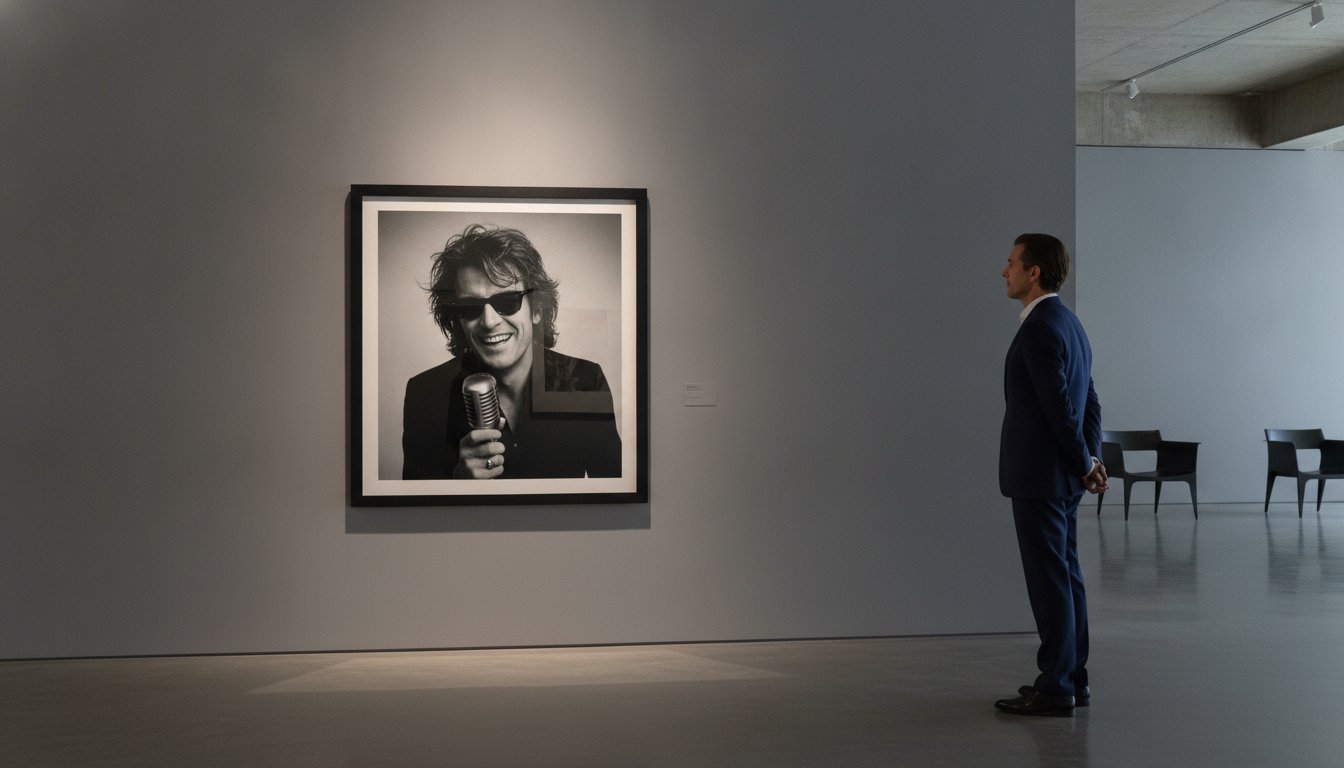
Since 1995, the global contemporary art market has appreciated by an average of 11.4% per year, a compelling figure that suggests your walls could be working harder than your stock portfolio. For the sophisticated collector, asking are fine art photography prints a good investment is the first step toward building a legacy that transcends mere decoration. You likely appreciate the evocative power of a Slim Aarons masterpiece or the raw energy found within Terry O’Neill’s archives, yet the fear of overpaying for a non-rare item often stalls the hand of even the most passionate enthusiast.
It’s a valid concern; the nuances of limited edition sizes, archival stamping, and paper quality require a curator’s eye to navigate successfully. This guide promises to demystify the acquisition process, offering a clear framework for identifying investment-grade photography that balances aesthetic joy with long-term capital preservation. You’ll discover how to choose between iconic historical archives and the rising stars of the contemporary scene. We’ll also examine the “dual-yield” of fine art, where the daily pleasure of a beautiful home is matched by the quiet stability of a tangible, historical asset.
Key Takeaways
- Identify the unique characteristics that allow high-end photography to function as a tangible asset, balancing immediate visual appeal with historical significance.
- Learn to evaluate the “scarcity mechanism” of limited editions to confidently determine when are fine art photography prints a good investment for your private portfolio.
- Gain a strategic framework for choosing between “Blue-Chip” archives, such as the Slim Aarons Collection, and the high-potential world of emerging contemporary talent.
- Recognize how professional bespoke framing and archival mounting techniques prevent physical degradation to secure the long-term resale value of your pieces.
- Discover the essential role of authorized editioning and museum-quality craftsmanship in verifying the provenance and prestige of a photographic work.
The Case for Fine Art Photography as a Tangible Asset
Unlike commercial photography, which serves a specific client’s brief or marketing objective, fine art photography is born from the singular vision of the artist. It’s an intentional act of creation, where the medium is used to express a narrative, a mood, or a moment in time that possesses inherent cultural weight. Viewing fine-art photography as a tangible asset involves recognizing this distinction; you aren’t merely buying a picture, you’re acquiring a piece of an artist’s intellectual and emotional legacy. In a digital-first economy where wealth is often intangible, the physical presence of a museum-quality print offers a reassuring sense of permanence and stability.
The financial data supports this shift toward physical collectibles. Recent reports from 2025 indicate that the global contemporary art market has appreciated by 11.4% per year since 1995, a rate that has historically outpaced the S&P 500. This brings us to the central question: are fine art photography prints a good investment in a fluctuating financial climate? While traditional stocks sit silently in a digital ledger, fine art provides what we call an “aesthetic dividend.” This is the value of daily enjoyment; you receive the intellectual stimulation and visual pleasure of living with a masterpiece while the underlying capital matures over time.
Photography vs. Traditional Art Mediums
Photography serves as a remarkably sophisticated entry point for collectors who find original oil paintings or monumental sculptures cost-prohibitive. It offers a lower barrier to entry without sacrificing prestige. The secondary market has matured significantly over the last two decades. In 2025, sales in the prints and multiples segment grew 11% year-on-year, reaching record levels. This increased liquidity and market volume make photography a versatile and accessible component of a modern, diversified portfolio.
The Psychology of the Modern Collector
Today’s discerning collector views their home as a curated sanctuary rather than just a living space. There’s a profound shift toward investing in a lifestyle defined by heritage and taste. Iconic imagery acts as a cultural anchor, providing a sense of historical reverence that modern digital media lacks. Owning a physical piece of history, whether it’s a Terry O’Neill portrait or a Slim Aarons landscape, provides an emotional security. It’s the confidence that comes from possessing a lasting artifact of human achievement that will endure for generations.
The Anatomy of an Investment-Grade Print
Determining whether are fine art photography prints a good investment requires a meticulous look at the physical and legal structure of the work itself. Not every photograph captured by a master is destined for the secondary market; the distinction lies in the scarcity mechanism established at the moment of production. For a print to appreciate, it must exist within a strictly controlled ecosystem of limited availability and verifiable origin. Collectors must look beyond the image to the underlying framework of editioning, provenance, and material excellence that ensures a piece remains a liquid asset rather than a fading decoration.
Editioning and the Scarcity Scale
The primary driver of value in the photographic market is the limited edition. Unlike an open edition, which can be printed indefinitely and holds little resale value, a limited edition is capped at a specific number, such as 25 or 50. As these editions approach exhaustion, the price typically escalates on the secondary market. The most discerning collectors often seek out Artist Proofs (APs). These are the initial prints set aside for the artist’s personal use, often representing the most prestigious tier of a collection due to their extreme rarity and direct connection to the creator’s final approval process.
The Role of Provenance and Authenticity
Provenance is the documented history of an artwork’s ownership and origin. It’s the paper trail that transforms a beautiful image into a secure financial instrument. Citing The Case for Fine Art Photography, market confidence is built upon the transparency of these records. When acquiring works from authorized estate collections, the inclusion of an official estate stamp or a hand-signed Certificate of Authenticity (COA) is non-negotiable. These documents act as a certificate of value, ensuring that your investment is recognized by auction houses and future buyers globally. When browsing the authorized collections at Galerie Prints, you’ll find that every piece is supported by this rigorous level of documentation.
Material Excellence: Archival Pigment Prints
A print’s physical longevity is just as vital as its rarity. Investment-grade photography utilizes archival pigment prints, often referred to as Giclée, which employ lightfast pigments on acid-free, museum-quality paper. This technical superiority prevents the “fading asset” syndrome common in mass-market inkjet prints. While traditional C-Type prints offer a nostalgic chemical depth, modern archival pigments are engineered to last for over a century without significant degradation. Choosing the right materials ensures that the physical value of the print remains intact, protecting your capital from environmental wear and preserving the aesthetic dividend for decades to come.
Blue-Chip Archives vs. Emerging Talent: Where to Invest?
When determining if are fine art photography prints a good investment, the discerning collector must choose between the established stability of blue-chip archives and the speculative allure of emerging talent. Blue-chip photography refers to works by artists whose market presence is cemented by decades of auction history, museum acquisitions, and cultural reverence. These pieces act as a financial sanctuary during periods of economic volatility; their value is anchored not just in the paper and ink, but in their status as definitive visual records of the 20th century. While the contemporary market offers the thrill of discovery, historical archives provide a proven floor price that protects your capital.
The Slim Aarons Effect: Investing in Aspirational History
The work of Slim Aarons has become the gold standard for lifestyle photography, representing a vanished world of jet-set elegance. The Slim Aarons Collection has undergone a profound transformation, evolving from high-end editorial assignments into a prestigious art class. Pieces like “Poolside Gossips” or his Palm Springs vignettes aren’t merely decorative; they’re cultural touchstones that maintain a consistent demand in the global secondary market. As these authorized editions become rarer, their position as a “safe haven” asset only strengthens.
Terry O’Neill and the Celebrity Premium
Terry O’Neill’s photography offers a different type of investment yield: the celebrity premium. By capturing the “Golden Era” of Hollywood and Rock with unprecedented intimacy, O’Neill created a series of icons that possess a built-in market floor. Portraits of David Bowie, Audrey Hepburn, or Brigitte Bardot carry an inherent value that transcends the art world, appealing to a broad base of international collectors. The scarcity of authorized, estate-stamped prints from the O’Neill archive ensures that these works remain highly liquid assets with a history of robust capital preservation.
Diversifying Your Art Portfolio
A sophisticated collection should balance “Anchor Prints” with “Growth Prints.” Anchor prints are the iconic, blue-chip works that provide stability and prestige. In contrast, growth prints from emerging artists offer a higher risk-reward profile. When spotting emerging talent, look for “archival potential,” which is the likelihood that an artist’s current vision will eventually be viewed as a historical milestone. Maintaining a curated theme, whether it’s mid-century modernism or cinematic portraiture, adds a layer of intellectual coherence that can further enhance the collective value of your portfolio over time.
Preserving Your Investment: The Role of Bespoke Framing
Acquiring a masterpiece is only the first step in the journey of a serious collector. The physical preservation of the work is what ultimately determines its long-term financial viability. If you’re asking yourself are fine art photography prints a good investment, you must view the frame not as a mere decorative border, but as a critical piece of insurance for your capital. Cheap, mass-produced framing is the fastest way to destroy the value of a fine art print. It introduces harmful chemicals and environmental stressors that can lead to irreversible damage, turning a prestigious asset into a compromised artifact.
A professional frame creates a controlled “micro-environment” for the artwork. This sealed chamber protects the delicate emulsion and paper from fluctuating humidity and airborne pollutants. At Galerie Prints, we meld artisanal craftsmanship with rigorous archival science to ensure that every print remains in museum condition for decades. By investing in high-quality presentation, you increase both the perceived and actual resale value of the piece, signaling to future buyers that the work has been treated with the reverence it deserves.
UV Protection and Museum Glass
Sunlight is the invisible enemy of the photographic medium. Over time, ultraviolet rays break down the pigments in even the highest quality archival prints, causing colors to shift and highlights to yellow. Standard glass or basic acrylic offers little protection against this degradation. For serious collectors, “Museum Glass” is the only acceptable choice. This specialized glazing blocks up to 99% of UV rays while remaining virtually invisible, allowing the depth and detail of the work to shine through without the distraction of reflections. It’s an essential component for anyone looking to maintain the “aesthetic dividend” of a clear and vibrant image.
Acid-Free Mounting and Reversibility
The internal components of a frame are just as vital as the glass. Traditional adhesives and wood-pulp matboards contain lignins that produce acid, leading to “paper burn” and unsightly yellowing. Every material that touches the print must be acid-free and pH-neutral. Crucially, the mounting process must be entirely reversible. A print should never be permanently bonded to a backing board; instead, it should be secured with archival hinges that allow for safe removal or re-framing in the future. Utilizing professional bespoke framing services ensures that these technical standards are met, extending the life of your investment. To protect your collection with museum-grade precision, explore our bespoke framing options today.
Starting Your Collection with Galerie Prints
Galerie Prints operates as a dedicated bridge between the world’s most prestigious archives and the private collector. We understand that the core question of are fine art photography prints a good investment often hinges on the integrity of the source and the physical quality of the object itself. By maintaining strict adherence to authorized editioning and museum-quality production, we provide our clients with more than just imagery; we offer a secure entry point into the art market. Our “Gallery to Home” experience ensures that the meticulous standards of our London-based production house are preserved through global delivery, supported by a Bespoke Framing Service that treats every print as a legacy asset. Each piece is produced using archival methods that meet the rigorous demands of international museums, ensuring the material value of your acquisition remains uncompromised by time or environment.
Curating for Longevity
Selecting the right piece for a private collection requires a balance between personal resonance and long-term market stability. Our curatorial team assists collectors in identifying images that possess an enduring quality, moving beyond what is merely “trendy” to find works that will remain relevant for generations. While contemporary trends may fluctuate, fine art photography that captures iconic cultural moments remains a steadfast choice for defining a room’s character. Many serious collectors find that black and white pictures often offer the most stable investment value. Their monochromatic depth possesses a timeless quality that transcends changing interior palettes and avoids the color-shift risks associated with some older printing technologies. Our curators help you navigate these choices, ensuring your portfolio reflects both your aesthetic taste and your financial objectives.
The Transactional Security of a Premium Gallery
Acquiring high-value art requires absolute peace of mind regarding authenticity and logistics. As an established London gallery, we manage the complexities of provenance, authorized stamping, and shipping with clinical precision. Every transaction is supported by comprehensive insurance protocols and specialized packaging designed for international transit, ensuring that your investment arrives in pristine condition. When you consider if are fine art photography prints a good investment, remember that the reputation and security of the gallery are as important as the artist’s name on the print. We act as the guardians of photographic heritage, providing you with the documentation and physical security necessary for a confident purchase. You’re invited to begin your journey by browsing the Slim Aarons Collection or our Terry O’Neill Photography archives today, where history and value converge in every frame.
Building Your Photographic Legacy
Building a collection of museum-quality photography is a journey that rewards the patient and the discerning. By selecting works with impeccable provenance and ensuring their physical preservation through archival framing, you secure a legacy that grows alongside your personal aesthetic. The question of are fine art photography prints a good investment is answered through the lens of history; iconic archives offer a stability that digital assets simply cannot replicate. You’re not just purchasing a print; you’re acquiring a cultural anchor that provides an enduring aesthetic dividend while acting as a robust tangible asset.
As a premier authorized archive partner, we provide the transactional security and technical excellence required for serious collecting. From our bespoke museum-grade framing to our global white-glove shipping, every detail is handled with the meticulous care your investment deserves. Begin your collection with our curated Slim Aarons prints and discover the profound pleasure of living with a masterpiece. It’s time to transform your sanctuary into a gallery of history and elegance.
Frequently Asked Questions
Is photography a better investment than traditional paintings?
Photography isn’t necessarily better, but it offers a more accessible entry point into the high-end art market. Contemporary photography has seen an average annual appreciation of 11.4% since 1995, providing a robust performance that rivals traditional mediums. It allows collectors to diversify their portfolios with iconic names at a more accessible price point than original oil paintings while maintaining significant prestige and liquidity.
What makes a photograph “fine art” rather than just a print?
The distinction lies in the artist’s intentional vision and the technical superiority of the production process. Fine art photography is produced using lightfast pigments on acid-free, museum-quality paper, ensuring the work lasts for generations. Unlike mass-market prints, these works are part of a curated body of work, often authorized by an estate or the artist, and produced with a level of craftsmanship that elevates the medium to a tangible asset.
How do I know if a print will appreciate in value?
Appreciation is largely determined by the artist’s historical significance and the scarcity of the edition. When evaluating if are fine art photography prints a good investment, you should look for “blue-chip” names with established auction records and cultural longevity. As a limited edition nears exhaustion, the secondary market demand typically drives the price upward, making the initial acquisition a potentially lucrative move for the long-term collector.
Do I need to buy the largest size for the best investment return?
No, the physical dimensions of a print aren’t the primary driver of its financial return. While large-scale works make a bold statement in a room, smaller editions often have a lower entry cost and a more active resale market. The most critical factors for investment are the rarity of the edition and the archival quality of the production rather than the sheer size of the paper.
Why does an estate stamp matter if the artist is no longer alive?
An estate stamp acts as the definitive seal of authenticity and authorized origin for posthumous prints. It confirms that the work was produced from the original source materials under the strict supervision of the artist’s legal guardians. This documentation is vital for resale at major auction houses, as it guarantees the print’s place within the artist’s official legacy and protects your capital from the risks of unauthorized reproductions.
Can I resell my fine art prints at auction later?
Yes, fine art photography is a highly liquid asset class with a global secondary market that saw nearly 200,000 lots sold in 2025 alone. Major auction houses frequently feature works from prestigious archives like the Slim Aarons Collection. To ensure a successful resale, it’s essential to maintain the print in museum condition and preserve all original provenance documents, including gallery receipts and certificates of authenticity.
How should I display my art to ensure it doesn’t lose value?
You must display your prints in a stable environment away from direct sunlight and moisture. Utilizing museum-grade glass is essential, as it blocks 99% of UV rays that would otherwise degrade the pigments over time. Proper archival mounting with acid-free materials ensures the physical integrity of the print remains intact, preventing “paper burn” or yellowing that would significantly decrease the work’s market value.
Are limited edition prints better than open editions for collectors?
Limited editions are the only choice for those considering if are fine art photography prints a good investment because they possess a built-in scarcity mechanism. Open editions can be printed indefinitely, which prevents them from ever functioning as a truly rare asset. Limited editions create a capped supply, ensuring that as demand for an artist’s work grows, the value of your specific print has the potential to appreciate accordingly.