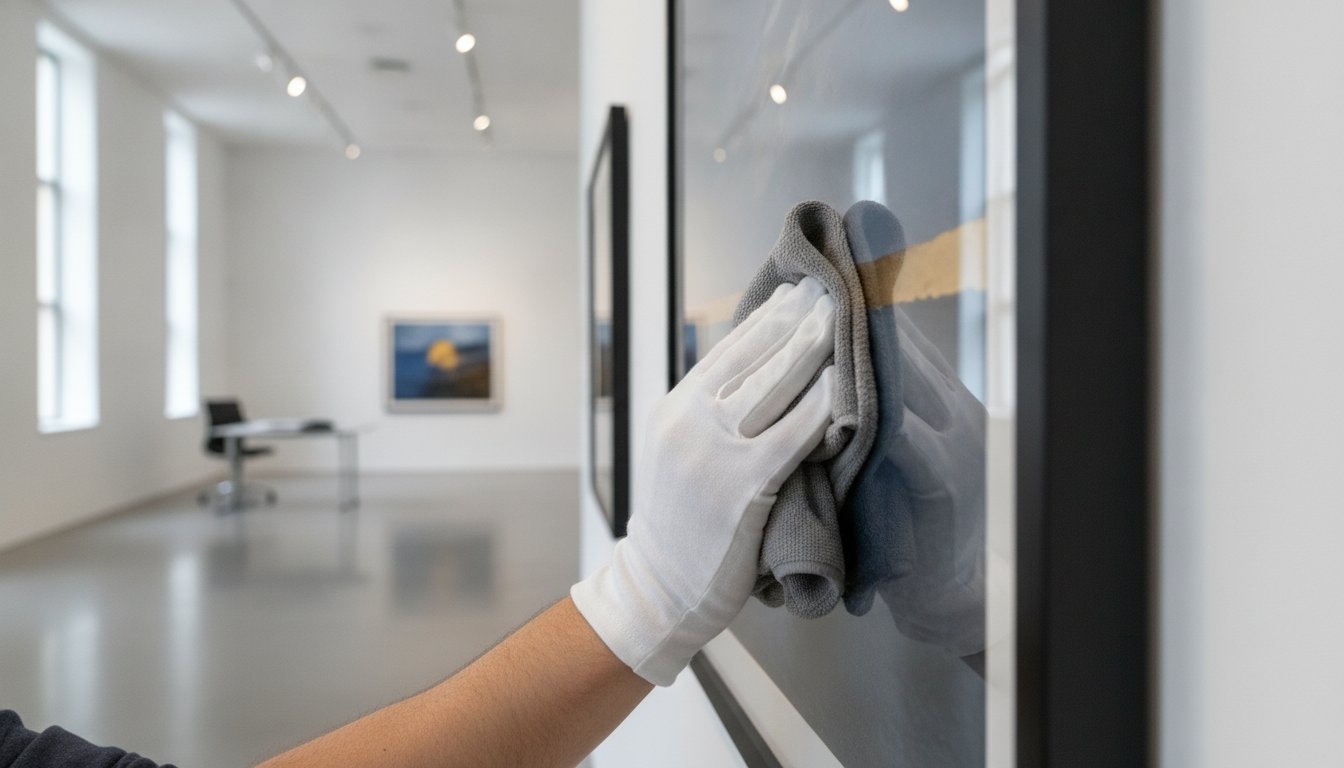
The Art of Presentation: A Guide to Bespoke Framing

The final, crucial step in acquiring a piece of fine art photography is often the most daunting: selecting the perfect frame. Entrusting a valuable print to a bespoke framing service can feel like a significant decision, fraught with questions about archival materials, aesthetic harmony, and the long-term preservation of your investment. This moment, poised between the print and its final presentation, is where uncertainty about the complex process can overshadow the initial joy of ownership.

At our London-based workshop, we transform this apprehension into an act of refined curation. We believe the frame is not merely a border, but an integral part of the artwork’s narrative-a seamless extension that both elevates its aesthetic and ensures its archival integrity for generations to come. It is an art form in its own right, one that demands expertise, meticulous craftsmanship, and a deep respect for the iconic image within.

This guide will demystify the art of presentation, guiding you through the considerations of form, material, and finish. Discover how our master framers protect and enhance the world’s finest photography, ensuring your final result is a timeless, gallery-quality masterpiece that confidently completes your vision and preserves your collection for the future.

Key Takeaways

  • Understand why custom framing is an essential act of preservation that safeguards your artwork’s value and longevity.
  • Explore the essential components of a gallery-quality frame, from archival mounting to sustainably sourced hardwoods.
  • Develop a curatorial eye for pairing the perfect frame to your photograph, considering its unique colour palette, style, and era.
  • Discover how our integrated bespoke framing service provides a seamless journey from print selection to a ready-to-hang masterpiece.

Why Bespoke Framing is an Essential Investment for Fine Art

An exceptional photograph deserves more than a mere container; it requires a final, considered presentation that honours the artist’s vision. Framing transcends simple decoration, becoming an essential act of preservation and aesthetic completion. While standard, off-the-shelf frames can diminish an artwork’s presence, a bespoke frame elevates it, ensuring its legacy and visual integrity for generations. It is the final, curatorial touch that transforms a print into a lasting work of art, securing your investment and enhancing its profound impact within your space.

The Protective Power of Archival Quality

At the heart of any professional bespoke framing service lies a commitment to archival quality. This museum-grade standard employs materials chosen for their permanence and protective properties, including acid-free mounts and backing boards that prevent the yellowing and degradation known as ‘acid burn’. Paired with UV-filtering glazing, these components create a sealed, stable environment that shields your print from the irreversible damage caused by light exposure, humidity, and airborne pollutants, preserving the richness and tonality of the original for a lifetime.

The Unmatched Aesthetics of a Custom Fit

The limitations of standard sizing often force a compromise, either leaving awkward gaps around the artwork or cropping its intended composition. Bespoke framing ensures a perfect harmony of proportions, where the width of the mount and the profile of the frame are meticulously chosen to complement the piece. The frame becomes an extension of the image itself, a concept deeply rooted in the history of picture frames, where the enclosure was always integral to the art’s presentation. This meticulous approach creates a seamless visual dialogue between the art and its surround.

This principle of a flawless, custom fit extends beyond the art world into other areas of bespoke craftsmanship, such as personal tailoring. To see how this philosophy is applied to create perfectly proportioned garments, you can learn more about Your Tailor Robin.

Enhancing the Value of Your Collection

For the discerning collector, the quality of the frame is a direct reflection of the respect afforded to the artwork. A professionally framed piece not only commands greater aesthetic authority but also signals a profound commitment to the work’s long-term integrity and provenance. This attention to detail enhances its potential value and solidifies the collector’s reputation. Choosing a bespoke frame is an unmistakable statement that you recognise the significance of the art and are dedicated to its masterful preservation and presentation.

Deconstructing the Frame: A Guide to Our Materials & Craftsmanship

A truly exceptional frame is more than a border; it is a meticulously constructed guardian of the image within. At our London workshop, every component is chosen with purpose, from the sustainably sourced hardwood to the archival backing. This commitment to superior materials and time-honoured craftsmanship is the cornerstone of our bespoke framing service, ensuring each photograph is presented with the reverence it deserves.

This appreciation for time-honoured craftsmanship extends to other artisanal fields as well. For example, understanding the journey of a material from its raw state to a finished product, like the hand-weaving process explained at createdbytheridleys.co.uk, offers a deeper respect for the final piece.

Selecting the Perfect Moulding

The character of a frame begins with its foundation: the wood. We work exclusively with solid, sustainable hardwoods, each selected for its unique beauty and structural integrity. Choose from the clean, pale grain of Ash for a contemporary feel; the classic, robust texture of Oak for timeless appeal; or the deep, luxurious warmth of Walnut for a statement of refined elegance. Every moulding is then hand-finished-sanded, stained, or painted-to achieve an exquisite, seamless finish that perfectly complements your chosen artwork.

Glazing: Your Window to the Artwork

Glazing serves as the invisible protector, preserving your print while ensuring absolute clarity. We offer two gallery-quality options to create an uninterrupted dialogue between the viewer and the art:

  • Standard Acrylic: A lightweight, shatter-resistant option offering excellent clarity and inherent UV protection.
  • Anti-Reflective UV Acrylic: The ultimate choice for collectors, this museum-grade material features a specialised coating that diffuses light to eliminate reflections, alongside 99% UV filtering to prevent fading and preserve the print’s archival integrity for decades.

The Foundation: Mounts and Backing

Behind every great artwork lies an impeccable support system. Our acid-free, conservation-grade window mounts (also known as mat boards) not only provide aesthetic breathing space but also prevent the print from making direct contact with the glazing. This is complemented by an archival-quality backing board, which seals the artwork from atmospheric pollutants and humidity. Our adherence to proven conservation framing techniques guarantees that your investment is protected against yellowing and deterioration, a promise central to our bespoke framing service.

A Curated Approach: How to Match a Frame to Your Photograph

Selecting the perfect frame is an art form in itself, a final, curatorial decision that elevates a photograph from a simple print to a treasured object. It requires a delicate balance of intuition and expertise, where the artwork’s era, its distinct colour palette, and the nuances of your interior space must converge. Our experts guide you through this process, ensuring our bespoke framing service honours both the image and its environment for a truly cohesive result.

Framing for the Subject: From Slim Aarons to Classic Cinema

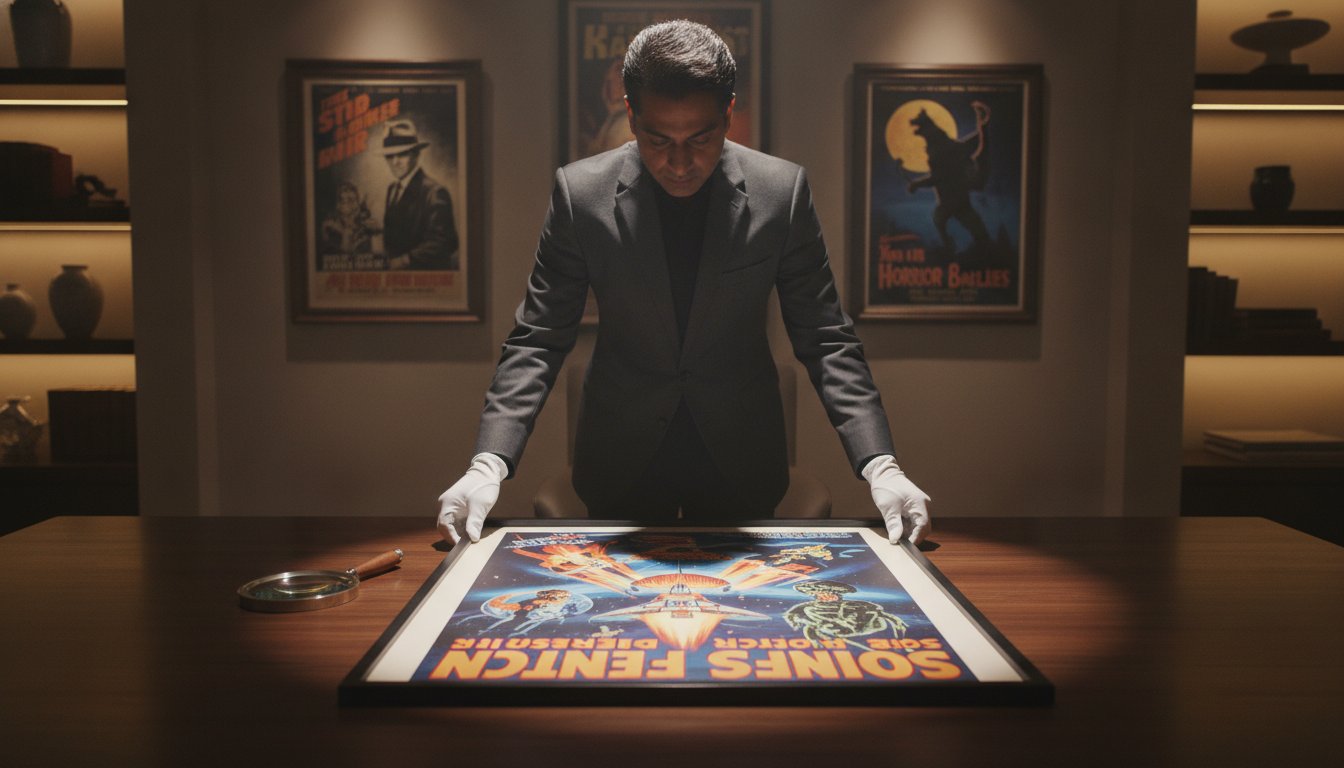
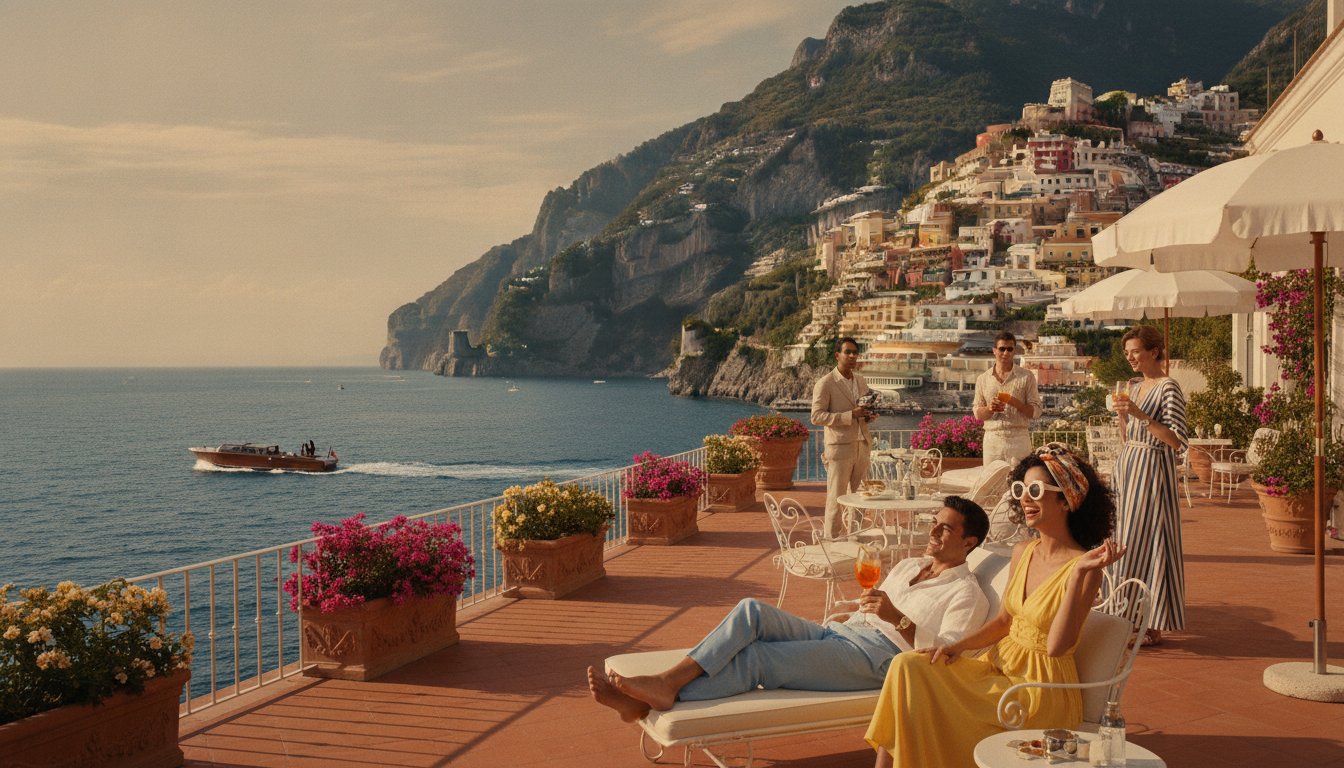
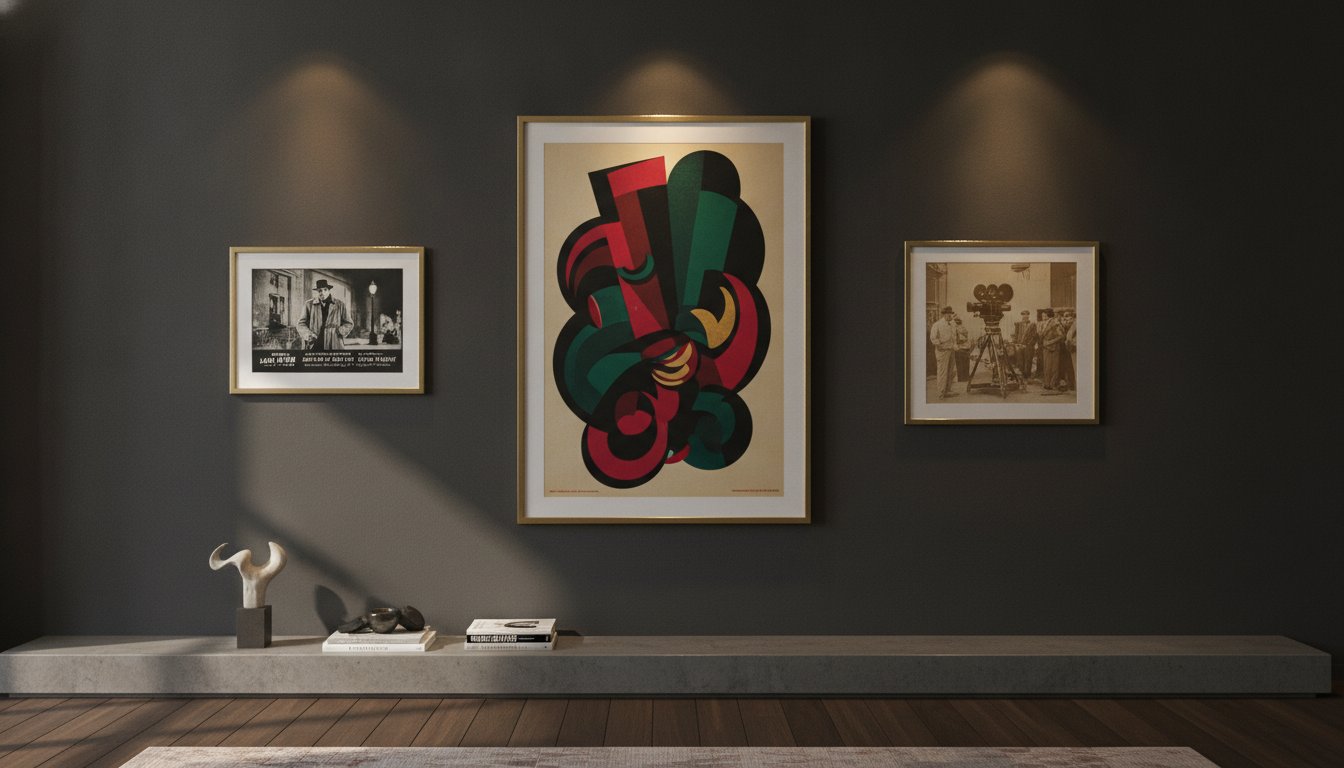
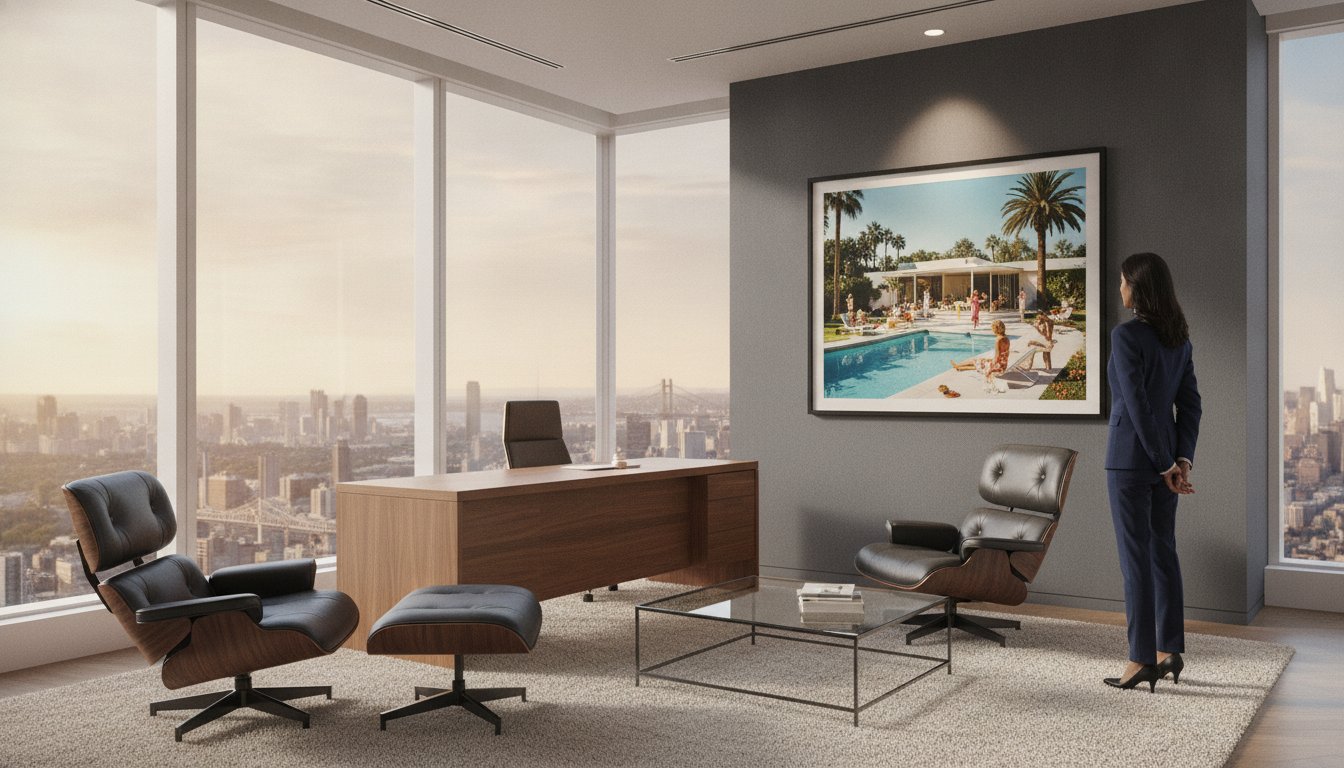
The artwork provides the primary inspiration. For the sun-drenched, vibrant scenes of Slim Aarons, a clean white or black gallery frame allows the spectacular colour to command attention. In contrast, the deep, tonal range of an archival black and white photograph is exquisitely enhanced by the rich grain of a dark wood frame, while vintage posters are best served by classic profiles that honour their original era and aesthetic intent.

Harmonising with Your Interior Style

A frame must not only complement the art but also harmonise with its surroundings. For minimalist interiors, we recommend slim, simple profiles in neutral tones that create a subtle, gallery-like feel. Traditional spaces are enriched by the warmth of classic wood finishes like Oak or Walnut, adding timeless character, while modern homes can embrace the graphic impact of a bold black or crisp white frame to create a striking focal point.

The Role of the Window Mount

The window mount, or mat, is a critical component in the presentation of fine art photography. Its purpose extends beyond mere decoration, serving several key functions:

  • Visual Space: A wider mount provides the image with essential ‘breathing room,’ drawing the viewer’s eye towards the centre of the composition and preventing it from feeling crowded.
  • Archival Separation: It creates a crucial air gap, separating the delicate surface of the print from the glazing and the frame moulding, which is vital for long-term preservation.
  • Contemporary Finish: For a modern, gallery-style aesthetic, we can ‘float’ the print. This technique raises the artwork from the backing board, creating a subtle shadow and a dramatic, three-dimensional effect.

Our bespoke framing service considers every one of these details to achieve the perfect presentation for your chosen piece. Explore our curated collections to see these principles brought to life across the world’s finest photography.

The Galerie Prints Process: Seamless, Secure, and Ready to Hang

At Galerie Prints, we believe the presentation of a photograph is as crucial as the print itself. To honour this, our fully integrated process ensures that the journey from our historic London darkroom to your wall is one of seamless quality and continuous care. This commitment to excellence is the foundation of our bespoke framing service, where every iconic image is handled with the reverence it deserves by a single, dedicated team of artisans under one roof.

Step 1: Selecting Your Frame Online

Our intuitive online tool empowers you to act as curator for your own space. As you select one of the world’s finest photographs, you can effortlessly preview it with our complete range of archival mounts and handcrafted frames. The interface provides a precise visual representation, with dimensions and pricing updating in real-time, ensuring absolute clarity and confidence in your final selection before you commit.

Step 2: Handcrafted in Our London Workshop

Once your archival silver gelatin or C-type print is produced, it is passed directly to our in-house framing workshop. Here, our master framers-artisans with years of specialised experience-hand-cut, join, and finish each frame to your exact specifications using sustainably sourced solid wood. Every mitred corner is perfected, and the glazing is meticulously cleaned before a multi-point quality inspection ensures the final assembly meets our exacting gallery standards.

Step 3: Secure Delivery to Your Door

The final step is ensuring your artwork arrives in pristine condition, anywhere in the world. Your framed piece is professionally sealed to protect against environmental factors and then encased in custom-built, reinforced packaging designed for safe transit. Each delivery arrives ready to hang, complete with all the necessary fittings, allowing you to display your new acquisition with ease and immediacy.

From the digital preview to the moment it graces your wall, our comprehensive bespoke framing service is designed to be as flawless as the photographs we represent. We manage every detail, allowing you to simply anticipate the arrival of a timeless piece of history, perfectly presented and ready to transform your interior.
An Enduring Legacy, Perfectly Presented

As we have explored, the art of presentation is not an afterthought but an essential final act in honouring fine art photography. A thoughtfully chosen frame, selected for its archival integrity and its aesthetic harmony with the image, does more than simply protect. It completes the narrative of the photograph, elevating the work from a simple print to a true centrepiece, ensuring its story resonates within your space for a lifetime.

At Galerie Prints, this philosophy is the very foundation of our bespoke framing service. Each frame is meticulously handcrafted in our London workshop by master artisans who employ only the finest archival, museum-quality materials. This curated approach ensures that the world’s finest photography is not only preserved against the passage of time but is presented with the reverence and sophistication it truly commands.

We invite you to continue your curatorial journey and find the perfect union of image and frame. Allow our expertise to guide you in creating a piece of lasting history for your home. Select a print and discover our bespoke framing options today. Your masterpiece awaits its final, perfect touch.

Frequently Asked Questions

What is the difference between bespoke framing and just buying a frame?

Bespoke framing is a meticulous, made-to-measure process, ensuring the frame is perfectly proportioned to the artwork. Unlike standard off-the-shelf frames, every element-from the wood profile to the mount and glazing-is selected for conservation and aesthetic harmony. This archival approach not only elevates the visual presentation but provides the highest level of protection for your investment, preserving its integrity and provenance for generations to come.

How do I know which frame style will best suit my photograph?

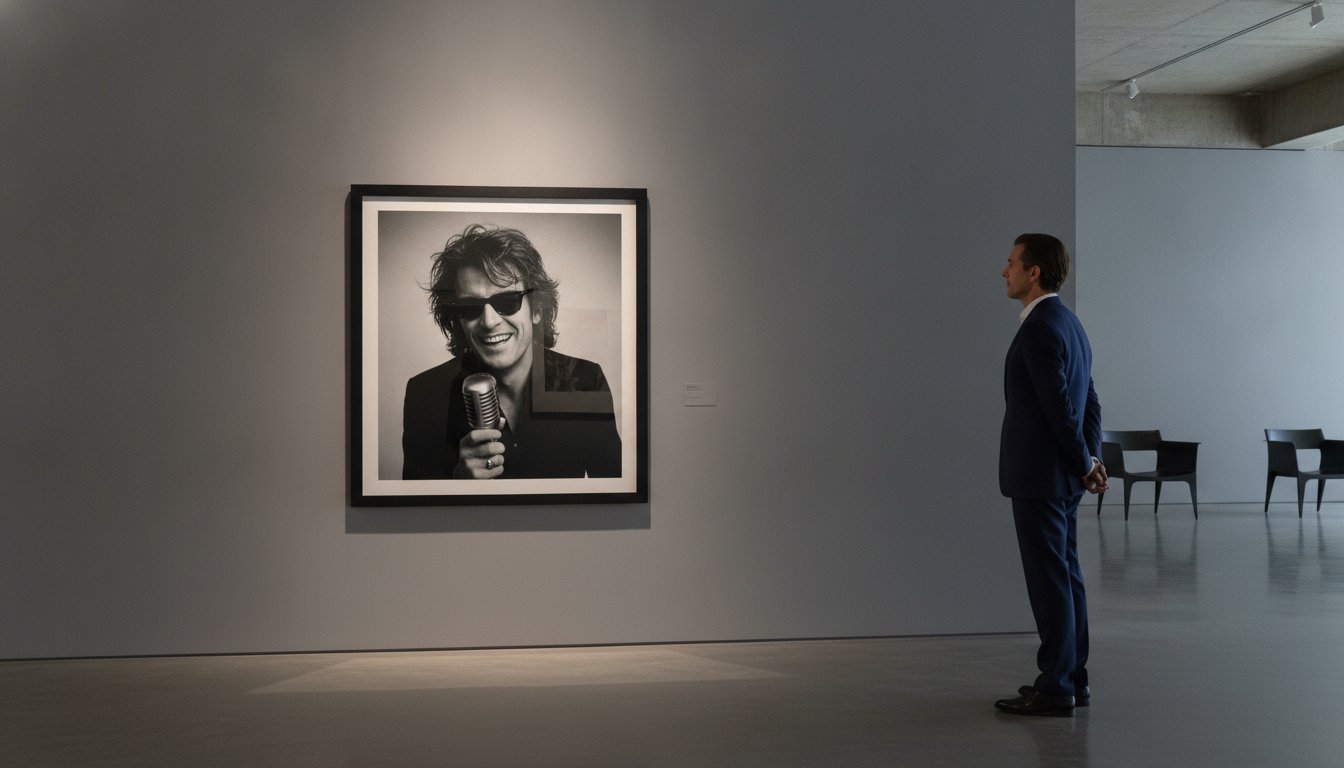
Our curators advise considering both the artwork and its intended environment. A timeless black or white gallery frame often complements the graphic power of black-and-white photography, such as an iconic Terry O’Neill portrait. For warmer, nostalgic images like those by Slim Aarons, a natural wood finish can enhance the ambience. Ultimately, the frame should serve the art, creating a subtle, elegant border that draws the eye inward without overpowering the photograph itself.

What is UV-protective glazing and is it worth the extra cost?

UV-protective glazing is an essential investment for any piece of fine art photography. This specialised acrylic or glass is treated to block over 99% of harmful ultraviolet rays, which are the primary cause of fading and paper discoloration over time. While it represents an additional cost, its role in preserving the vibrancy, tonality, and archival quality of your print is invaluable, making it a non-negotiable element for serious collectors seeking long-term conservation.

How long does the bespoke framing and delivery process take?

The timeline for our bespoke framing service reflects the meticulous, hand-crafted nature of our work. From consultation to completion, the framing process in our London workshop typically takes 7-10 working days. Once your piece is expertly framed and has passed our quality inspection, delivery times will vary based on your location. We believe this measured pace is essential to achieving the flawless, gallery-quality finish that your artwork deserves.

Can you frame a print or artwork that I already own?

Yes, we are pleased to extend our bespoke framing service to artworks and prints that you already own. Our specialists offer consultations to assess your piece and recommend the most suitable archival materials and frame profiles to enhance and protect it. We invite you to contact our gallery directly to discuss your specific requirements and arrange for a private consultation with our framing artisans, ensuring your treasured artwork receives the expert care it warrants.

How do you ensure my framed artwork arrives safely, especially for international shipping?

We take extraordinary measures to ensure your framed artwork arrives in pristine condition, regardless of its destination. Each piece is encased in archival-quality materials before being secured within a custom-built, reinforced art crate. We partner exclusively with specialist fine art couriers who are experienced in handling high-value items with the utmost care. For international shipments, all customs documentation is meticulously prepared to ensure a seamless and secure transit from our London workshop to your door.

Buy Slim Aarons Prints Online: The Official Collector’s Guide

To bring a Slim Aarons photograph into your home is to invite in a world of timeless glamour. Yet, for the discerning collector looking to buy Slim Aarons prints online, the journey from inspiration to acquisition is often clouded with uncertainty. Questions of authenticity, the nuances of archival papers, and the sheer breadth of the iconic Getty Images Archive can transform an exciting prospect into a daunting one. How can you be certain of the provenance, and how do you choose the one image that perfectly captures the spirit you wish to evoke?

Consider this your definitive curatorial guide. We will illuminate the path, demystifying the technical language of fine art photography and revealing the story behind the prints. You will discover how to confidently select, customize, and invest in an authentic Slim Aarons photograph sourced directly from the original negatives. Prepare to transform your space with a lasting piece of cultural history, chosen with the clarity and assurance of a seasoned expert and meticulously hand-printed in our London darkroom.

Key Takeaways

  • Learn to distinguish an authentic, investment-grade photograph from a mass-produced poster, ensuring you acquire a genuine piece of art history.
  • Develop a curator’s approach to selecting the perfect image, harmonizing the iconic Slim Aarons aesthetic with your personal interior design.
  • Navigate the essential choices of archival paper, print size, and finish to confidently commission a bespoke artwork tailored to your space.
  • Discover the most crucial step when you buy Slim Aarons prints online: verifying the source to ensure your print comes directly from the official archives.

Why Invest in an Authentic Slim Aarons Print?

To acquire a Slim Aarons print is to move beyond mere decoration and into the realm of collecting photographic history. It represents a conscious decision to own an artwork of significance, a world away from a mass-produced poster. An authentic print is an investment in the enduring legacy of a master photographer, offering a unique window into a bygone era of unapologetic glamour and leisure. This is an investment that not only enhances your space but also retains its visual integrity and financial value for decades to come.

The Importance of Provenance and Authenticity

In the art world, provenance is everything. It refers to the documented history of a piece, establishing its origin and confirming its legitimacy. For a Slim Aarons photograph, this means it has been produced directly from the artist’s original negative, held in trust by the Getty Images and Slim Aarons Archives. As an official partner, every print we offer comes with this unimpeachable provenance. Accompanied by a Certificate of Authenticity, your acquisition is guaranteed to be a legitimate, estate-approved artwork, a critical assurance when you choose to buy slim aarons prints online.

Archival Quality: A Print That Lasts a Lifetime

The distinction between a fine art print and a standard poster lies in its material composition. Our prints are created using archival, museum-grade materials, from the heavyweight fibre-based papers to the lightfast pigment inks. This meticulous process ensures that, unlike a poster which will inevitably fade, yellow, and degrade, your Slim Aarons print will maintain its exquisite colour saturation and tonal depth for a lifetime. The goal is to honour and preserve the artist’s original vision, presenting the work with the permanence and reverence it deserves.

The Enduring Value of ‘Attractive People in Attractive Places’

Slim Aarons famously dedicated his career to photographing “attractive people doing attractive things in attractive places.” This unique focus gave him unparalleled access to the private lives of high society, from European royalty to Hollywood legends. His work, which you can learn about in his detailed biography, serves as a timeless visual document of mid-century elegance and aspirational living. Today, these iconic images continue to heavily influence fashion, film, and interior design, making the purchase of a print an investment in a piece of cultural history that never goes out of style.

How to Choose the Perfect Slim Aarons Photograph for Your Space

Selecting a Slim Aarons photograph is an act of personal curation, an opportunity to infuse your home with the timeless glamour of a bygone era. When you buy Slim Aarons prints online, you are accessing an extensive archive of the world’s most beautiful people in the world’s most beautiful places. The key is to navigate this collection not as a mere shopper, but as a curator, seeking the one image that speaks to your personal narrative and elevates your interior design.

Curating by Theme: Poolside, Slopes, or Desert Chic?

The Slim Aarons archive is a passport to the most exclusive post-war locales. To begin your search, consider his most celebrated themes. The sun-drenched modernism of Palm Springs, immortalised in iconic works like ‘Poolside Gossip,’ is a perfect complement to a mid-century modern aesthetic. Conversely, the azure-hued elegance of the French Riviera, captured in prints such as ‘Hotel du Cap-Eden-Roc,’ evokes a timeless coastal retreat. For those drawn to alpine sophistication, his Gstaad and Verbier collections offer a sense of crisp, high-altitude luxury.

Matching the Mood: Colour Palettes and Composition

Beyond the theme lies the artwork’s soul: its colour palette and composition. Aarons’ signature Kodachrome palette-rich with cerulean blues, vibrant greens, and sun-bleached yellows-can serve as the anchor for an entire room’s design. Consider whether your space calls for the tranquil, meditative quality of a serene landscape or the dynamic energy of a bustling social scene. This level of discernment aligns with expert advice on collecting fine art photography, which emphasizes understanding an artwork’s visual language to ensure it harmonises with its intended environment-a calming piece for a private study, or a vibrant focal point for a living room.

Sizing Your Artwork: From Statement Piece to Gallery Wall

The scale of your chosen print will fundamentally define its presence. A large-format, statement piece demands attention, transforming a wall into a window to another world. We recommend using painter’s tape to mark out the dimensions on your wall to truly appreciate the visual impact. For a more collected, narrative approach, consider grouping smaller prints to create a sophisticated gallery wall, or a diptych of complementary images to tell a richer story. When you are ready to buy Slim Aarons prints online, visualising the final placement is a crucial step. View our inspiration gallery for home styling ideas.

Decoding Your Print Options: A Guide to Paper, Size, and Finish

When you decide to buy slim aarons prints online, you are engaging in more than a simple transaction; you are curating a future heirloom. The choice of printing method and paper finish is a crucial step in this process, transforming an iconic image into a tangible piece of art with archival permanence. This guide demystifies the technical options available, empowering you to select the perfect combination of materials that will bring your chosen photograph to life with unparalleled depth and authenticity.

C-Type Prints: For Vibrant, Unforgettable Colour

The premier standard for modern colour photography, the Chromogenic or C-Type print is the definitive choice for capturing the luminous, sun-drenched world of Slim Aarons. This meticulous process involves exposing light-sensitive paper to the original negative, which is then developed through a series of chemical baths. The result is an artwork of extraordinary quality, renowned for its rich colour saturation, continuous tones, and faithful rendition. For Aarons’ iconic colour photographs, from the azure pools of Palm Springs to the vibrant shores of the Amalfi Coast, the C-Type process ensures every hue is rendered with breathtaking vibrancy.

Silver Gelatin Prints: The Classic Black & White Choice

For the timeless elegance of black and white imagery, nothing surpasses the traditional Silver Gelatin print. Each piece is an artisanal creation, hand-printed in our London darkroom by master technicians. This historic process involves projecting the negative onto paper coated in a silver halide emulsion, resulting in an image with unmatched tonal depth. The deep, velvety blacks and crisp, brilliant whites achieved through this method lend a profound sense of drama and texture to the work of an acclaimed society photographer like Aarons. It is the only way to experience his black and white portfolio with true historical integrity.

Choosing a Paper Finish: Gloss vs. Lustre

The final touch in customising your print is the paper finish, a subtle yet significant choice that influences how the artwork interacts with its environment.

  • Gloss Finish: This finish offers a highly reflective, smooth surface that enhances detail and produces sharp, vibrant colours. It is ideal for creating a high-impact visual, particularly for black and white Silver Gelatin prints where it deepens the blacks to a spectacular degree.
  • Lustre Finish: A sophisticated semi-matt option, Lustre (or pearl) has a subtle sheen that enriches colour without the high glare of a gloss paper. Its fine texture resists fingerprints and minimises reflections, making it a superb choice for larger prints or rooms with bright, direct lighting.

Our curators typically recommend a Lustre finish for C-Type colour prints to preserve their painterly quality, while a Gloss finish is often preferred for Silver Gelatin prints to maximise their dramatic tonal range. Understanding these nuances ensures your investment is perfectly suited to your space.

An iconic Slim Aarons photograph is a portal to another time, but its journey from a print to a treasured artwork is completed only with the final, critical step: framing. Far more than a mere border, a bespoke frame is an essential act of preservation and presentation, ensuring the image is protected and displayed with the reverence it deserves. When you buy Slim Aarons prints online, you are investing not just in an image, but in a complete, ready-to-display work of art that honours the photographer’s legacy.

Why Bespoke Framing Matters

Professional framing is fundamental to the longevity of your investment. Each of our frames is custom-built by artisans in our London workshop to the precise dimensions of your print, creating a seamless and secure housing. We use only solid wood and archival, acid-free materials to protect your print from environmental damage such as UV light, dust, and humidity. This meticulous, bespoke approach stands in stark contrast to mass-produced alternatives, offering superior structural integrity and aesthetic quality that safeguards your artwork for generations.

A Guide to Our Framing Styles

To complement the timeless allure of Slim Aarons’ photography, we offer a curated selection of classic and contemporary frame profiles. Each choice is designed to harmonise with your interior decor while enhancing the visual narrative of the photograph itself. Our most popular solid wood options include:

  • Classic Black: Creates a dramatic, graphic contrast that makes the colours within the print truly resonate.
  • Contemporary White: Offers a clean, bright finish, perfect for modern interiors and minimalist aesthetics.
  • Natural Oak: Lends a warm, organic feel that complements both vibrant and monochrome images.

Each frame is finished with your choice of standard acrylic glazing for clarity and protection, or an upgraded anti-reflective option that offers museum-quality viewing with minimal glare. When you explore our collection, you can visualise how each frame transforms the artwork.

Understanding Window Mounts (Matting)

The window mount, or mat, is the elegant border between the frame and the print. It serves a crucial dual purpose. Visually, it provides breathing space, preventing the composition from feeling crowded and drawing the viewer’s eye inward towards the image. Physically, it creates a vital air gap that stops the photograph from making direct contact with the glazing. We use only museum-quality, conservation-grade mounting boards that are entirely acid-free, ensuring they will never discolour or compromise the archival stability of your print.

Ultimately, the convenience of receiving an expertly framed, ready-to-hang masterpiece allows you to enjoy your investment from the moment it arrives, confident that it is presented and preserved to the highest gallery standard.

The Galerie Prints Difference: Buy with Confidence

When you decide to buy Slim Aarons prints online, the provenance and quality of the artwork are paramount. An investment in fine art photography is an investment in a legacy. At Galerie Prints, we operate not merely as a retailer but as the trusted, official gallery partner for the Slim Aarons Archive, offering an experience founded on unparalleled authenticity and artisanal craftsmanship. Our seamless online platform and curatorial expertise make acquiring a piece of history a simple, secure, and deeply rewarding process.

Prints Struck from the Original Negatives

Our unique position as the official partner of the Getty Images Archive grants us exclusive access to Slim Aarons’s original negatives. This ensures every print we produce possesses a clarity, depth, and tonal range that is simply unattainable elsewhere. Each photograph is a direct link to the photographer’s moment of creation-a true, authentic artifact. Beware of unauthorized sellers offering prints from low-quality digital scans, which lack the soul and exquisite detail of a genuine, darkroom-produced artwork.

Expertly Crafted and Shipped Worldwide

Our commitment to excellence extends from our London darkroom to your doorstep. Every single print undergoes meticulous quality control by our master printers before being prepared for transit. We encase your artwork in professional, museum-grade packaging designed for secure global shipping. In partnership with reliable courier services, we provide fully tracked and insured delivery, offering you complete peace of mind that your investment will arrive in perfect condition, wherever you are in the world.

Your Journey to Becoming a Collector Starts Here

Choosing Galerie Prints means choosing certainty. Your investment is protected by our core principles:

  • Unquestionable Authenticity: Officially licensed prints sourced directly from the Slim Aarons Archive.
  • Archival Quality: Exquisite C-Type and Silver Gelatin prints, hand-printed for longevity and visual impact.
  • Expert Guidance: Dedicated support from our art advisors, ready to offer personalised recommendations.

We invite you to browse our curated collection with the confidence that you are acquiring the world’s finest photography. Should you require any assistance, our team is always on hand to help you select the perfect piece.

Explore the complete Slim Aarons Collection and begin your journey.

Your Invitation to the World of Slim Aarons

Acquiring an authentic Slim Aarons photograph is an act of curating a legacy-an investment in the timeless allure of a bygone era. From selecting the perfect scene that resonates with your personal aesthetic to understanding the nuances of archival paper and bespoke framing, you are now equipped to make a choice that is both deeply personal and historically significant.

When you choose to buy slim aarons prints online through Galerie Prints, you are assured of this legacy. As an official partner of the Getty Images and Slim Aarons Archives, we uphold the highest standards of provenance. Each exquisite photograph is hand-printed and framed in our London workshop, a testament to our commitment to craftsmanship, and is accompanied by a Certificate of Authenticity to guarantee its value for generations to come.

Discover the world of Slim Aarons and find your perfect print today. The world of attractive people doing attractive things in attractive places awaits.

Frequently Asked Questions

Are all Slim Aarons prints signed or numbered?

Slim Aarons did not sign or number his photographs during his lifetime. Instead, each print we produce is an official, modern C-Type or Silver Gelatin photograph made directly from the original negative held in the Getty Images Archive. To guarantee its provenance, every print is embossed with ‘Getty Images Archive’ and accompanied by a Certificate of Authenticity, confirming its status as an official estate-stamped photograph. This is the highest standard of authentication for Aarons’ work.

What is the difference between an Open Edition and a Limited Edition print?

An Open Edition print can be reproduced an unlimited number of times, making it an accessible entry point into the world of fine art photography. A Limited Edition, conversely, is restricted to a predetermined number of prints. Once the edition sells out, no more will be created. This scarcity enhances its long-term value and collectability, making it a more significant acquisition for the serious investor. Each Limited Edition print is individually numbered to certify its place within the finite collection.

How long will it take to receive my framed Slim Aarons print?

As each piece is a bespoke creation, hand-printed and framed to order in our London workshop, we ask that you allow for production time. Unframed prints typically dispatch within 5-7 working days. For our exquisitely framed prints, the process takes approximately 10-15 working days before shipment. When you buy Slim Aarons prints online from us, you are commissioning a custom piece of art, and this meticulous process ensures it meets our exacting archival standards before it reaches your home.

How should I care for my fine art photograph once it’s on the wall?

To preserve the archival quality of your investment, we recommend displaying your print away from direct sunlight and sources of high humidity. The UV-protective glazing on our frames offers significant defence, but indirect light is always preferable for longevity. For cleaning, gently dust the frame and glazing with a soft, dry microfibre cloth. Avoid using chemical sprays or abrasive materials, which could damage the surface and compromise the integrity of the artwork.

Can I order a custom size that is not listed on the website?

We understand that certain spaces require specific dimensions. While our website lists the most popular sizes, we are pleased to offer a bespoke sizing service for many images in our collection. If you wish to buy Slim Aarons prints online in a custom size, please contact our gallery specialists with your desired dimensions and the photograph’s title. We will consult with our master printers to confirm feasibility and provide you with a personal quotation for your unique piece.

What is your return policy for bespoke prints and frames?

Each Slim Aarons photograph and frame is produced on a bespoke, made-to-order basis specifically for you. Due to this custom nature, all sales are final, and we are unable to accept returns or exchanges. We take immense pride in our craftsmanship; should your order arrive damaged in transit, please contact us within 48 hours with photographic evidence so we can arrange for a swift replacement and ensure your complete satisfaction with your acquisition.

Movie Poster Size: The Collector’s Guide to Standard Dimensions

For the discerning collector, the allure of an original film poster is undeniable-a tangible piece of cinematic history captured in ink and paper. Yet, this pursuit is often met with a labyrinth of conflicting standards, where the seemingly simple question of a standard movie poster size reveals a complex and fascinating history. You may have discovered a rare Italian locandina or a classic Hollywood half-sheet, only to find its unusual proportions leave you questioning its authenticity and, crucially, how to present it with the reverence it deserves.

Consider this your definitive curatorial reference, created to bring clarity and confidence to your collection. Within this guide, we will navigate the rich provenance of these iconic artifacts, from the celebrated American One Sheet to the diverse formats of international cinema and the exquisite, smaller-scale lobby cards that once graced theatre foyers. Prepare to distinguish authentic theatrical prints from commercial reproductions and to select the perfect bespoke frame, transforming your cherished find into a timeless centrepiece for your home.

Key Takeaways

  • Master the identification of the ‘One Sheet,’ the quintessential theatrical poster that serves as the foundation for any discerning collection.
  • Look beyond the standard to identify rare US formats, from Lobby Cards to Inserts, and understand their unique appeal and collectibility.
  • Navigate the fascinating world of international movie poster size variations, uncovering the unique artistic traditions of countries like France, Italy, and Japan.
  • Gain practical guidance on selecting the perfect bespoke frame to ensure your cinematic art is both preserved for posterity and beautifully integrated into your interior aesthetic.

The Anatomy of a Movie Poster: Decoding the Standard ‘One Sheet’

For the discerning collector, the ‘One Sheet’ represents the quintessential format of cinematic art. This is the poster that graced the lobbies of grand movie palaces and modern multiplexes alike, an invitation into another world meticulously designed to captivate and entice. Its primary purpose has always been to distill the entire emotional and narrative essence of a film into a single, static image. Over the decades, the very fabric of these posters has evolved, shifting from simple, stone lithography prints on modest paper stock to the high-gloss, archival-quality collectibles we cherish today. Understanding the nuances of the standard movie poster size is the first step in appreciating its history and verifying its provenance.

The principles of using striking visuals for promotion remain the same in modern advertising. Today, creating impactful marketing materials often requires a specialized imprenta para agencias de publicidad to produce high-quality prints that capture attention just as effectively as these classic posters did.

The Modern Standard: 27 x 40 Inches

Since the mid-1980s, the global industry has settled on a precise standard: 27 by 40 inches (approximately 69 x 102 cm). This is the official dimension for posters issued directly to theatres for promotional display. Many of these contemporary posters are printed double-sided, a technical innovation designed for the illuminated lightboxes found in cinema foyers, allowing the light to pass through and create a vibrant, luminous effect that brings the artwork to life.

The Vintage Standard: 27 x 41 Inches

Prior to the mid-1980s, the established ‘One Sheet’ measured a slightly taller 27 by 41 inches. This subtle difference is not an anomaly but a key historical marker, a relic of older printing press standards that required a larger paper size. For collectors of cinema’s golden age, this extra inch is a crucial indicator of authenticity, a tell-tale sign that a poster is a true pre-1985 original. While this was the dominant US format, a fascinating variety of international and alternative Film Poster Sizes existed, each with its own unique history.

Using Size to Help Identify Originals vs. Commercial Reprints

The precise dimension of a poster is one of the most reliable first clues in the authentication process. While official theatrical posters adhere to the 27×40 or 27×41 inch standards, the vast majority of mass-market commercial reprints are produced in a smaller, more conventional 24×36 inch format. This distinction is vital for any serious collector. Before making an acquisition, always verify the exact measurements. This simple act of due diligence can be the difference between securing a piece of cinematic heritage and purchasing a common reproduction.

A Glossary of Classic US Movie Poster Formats

While the One Sheet reigns as the quintessential format, the world of vintage film promotion is a rich tapestry of diverse materials, each designed with a specific purpose and location in mind. These alternative formats, from intimate lobby displays to grand roadside declarations, have become highly coveted pieces of cinematic history, offering collectors a unique connection to the golden age of Hollywood. Understanding this classic movie poster size glossary is the first step to appreciating their unique appeal.

Lobby Cards & Inserts: Intimate Cinema Displays

Inside the theatre, a more personal and narrative-driven approach was required to entice patrons. Studios produced a range of smaller, exquisitely printed materials on heavy card stock, designed for close viewing in the lobby or foyer.

  • Lobby Card (11 x 14 inches): Typically issued in sets of eight, these cards presented vibrant, high-quality scenes from the film, offering a tantalising preview of the story’s key moments.
  • Insert (14 x 36 inches): Its slender, vertical orientation was perfect for display in narrow spaces between doorways, often featuring a striking full-length portrait of the film’s star.
  • Half Sheet (22 x 28 inches): This horizontal format, printed on thick card stock, allowed for different artistic compositions, lending itself to panoramic scenes or dynamic character arrangements.

The tactile quality and narrative focus make these formats exceptionally collectible. Discover authentic cinema Lobby Cards to own a piece of this intimate film history.

Large Format Posters: The Grand Statement Pieces

To capture the attention of the public from afar, studios invested in monumental posters destined for the grandest of lobbies or the exterior walls of the cinema itself. The sheer variety of historical formats is vast, and for those seeking a deeper dive, the Heritage Auctions Movie Poster Size Guide offers a comprehensive overview from a collector’s perspective. These were declarations of a film’s arrival, designed to be seen from a distance.

  • Three Sheet (41 x 81 inches): An impressive vertical poster, often printed in two or three overlapping sections to be assembled on-site, creating a towering image of the film’s key art.
  • Six Sheet (81 x 81 inches): A truly immense, square-format poster composed of multiple sections, reserved for major releases and designed for maximum impact on large, dedicated billboards.

Bus Stop / Subway Posters: Modern Advertising Sizes

As advertising moved beyond the cinema walls, a new standard emerged for public spaces. The Bus Stop or Subway Poster, typically measuring 40 x 60 inches, became a key promotional tool. Printed on a heavier, more resilient paper stock to withstand the rigours of public display, these modern posters are often double-sided for use in backlit lightboxes. Their large format and contemporary relevance have made this movie poster size increasingly popular among a new generation of collectors.

International Movie Poster Sizes: A Global Collector’s Guide

While the American one-sheet established a dominant format, the true connoisseur of cinematic art understands that the world of film advertising is a rich and varied landscape. For decades, different countries developed their own distinct poster traditions, moving beyond simple translation to commission entirely original artwork. This divergence from a single global marketing campaign has left a legacy of exquisite, culturally specific designs. As you explore the world of collecting, you will find that a rich tapestry of standard movie poster sizes evolved internationally, each with its own history and aesthetic appeal, making these variations highly sought-after pieces of art.

The British Quad: A Landscape Classic (30 x 40 inches)

A cornerstone of British cinema collecting, the Quad is immediately identifiable by its distinctive horizontal, or landscape, orientation. This format offered illustrators and designers a panoramic canvas, a departure from the vertical portraiture of its American counterpart. The resulting compositions are often dramatically different, allowing for sprawling scenes, unique character arrangements, and a refined typographical sensibility that makes the Quad a truly iconic and collectible movie poster size.

French Poster Sizes: From ‘Petite’ to ‘Grande’

France has long held a revered position in the world of poster art, and its cinematic offerings are no exception. French posters are celebrated for their frequently superior, more artistic designs, often favouring painterly illustrations over photographic stills. The most iconic format is the magnificent Grande, a commanding 47 x 63-inch piece. Equally unique is the slender Pantalon, or ‘trousers’ poster, measuring 23.5 x 63 inches, designed for display on narrow columns and doorways.

Other Notable Formats: Italy, Japan, and Australia

The global diversity of poster art extends to many other regions, each contributing unique formats to the collector’s lexicon. Among the most notable are:

  • Italian Photobusta & Locandina: Italy offered smaller, scene-specific formats. The Photobusta was a set of lobby cards featuring lush photographic stills, while the Locandina served as a smaller vertical poster (typically 13 x 27 inches) for display cases.
  • Japanese B2 (20 x 29 inches): The most common and collectible size from Japan, the B2 format is renowned for its dynamic, graphically bold, and often entirely reimagined artwork that presents a fresh perspective on beloved films.
  • Australian Daybill (13 x 30 inches): A relic from cinema’s golden age, the Daybill is a unique, tall, and narrow format. Early editions often featured stunning stone lithography and are treasured for their vintage charm and rarity.

Exploring these international variations reveals a deeper appreciation for cinematic art as a global language, a passion we celebrate in our own curated collections of iconic photography.

From Cinema to Living Room: Choosing and Framing Your Poster

Understanding the provenance and dimensions of classic film posters is the first step; translating their cinematic legacy into a contemporary living space is the true art. An original poster is more than decoration-it is a piece of cultural history, and its size dictates its presence and power within a room. Selecting the right piece and presenting it with care transforms it from a simple collectible into a sophisticated focal point of your interior design.

Visualizing Poster Sizes for Your Space

The scale of a poster fundamentally influences its aesthetic role. A considered choice of movie poster size ensures the artwork complements, rather than overwhelms, your space.

  • The One Sheet (27″ x 41″): With its commanding vertical presence, the classic One Sheet makes an undeniable statement piece. It is perfectly suited for a prominent wall in a living room, study, or hallway, where its narrative power can be fully appreciated.
  • The British Quad (40″ x 30″): The wide, landscape orientation of the Quad is exceptionally versatile. It anchors the space above a sofa, a wide console table, or a headboard, offering a panoramic window into cinematic history.
  • Lobby Cards (11″ x 14″): These smaller, more intimate formats are ideal for creating a curated gallery wall. Grouped together, they can tell a sequential story or present a thematic collection, drawing the viewer in for a closer look.

The Importance of Bespoke, Archival Framing

A piece of such historical and artistic value deserves more than a standard, off-the-shelf frame. The unique dimensions of vintage posters rarely conform to modern sizes, but the need for bespoke framing extends far beyond simple fit. It is an essential act of preservation.

Archival framing is a non-negotiable investment in your artwork’s longevity. This process utilizes acid-free mount boards to prevent yellowing and degradation, alongside UV-protective glazing that shields the delicate inks from fading caused by light exposure. To place a valuable original behind standard glass is to risk its irreversible decline; professional framing ensures it remains a vibrant asset for generations.

Curating Your Collection with Confidence

Building a collection is a personal journey. We encourage you to mix formats and genres to create a display that is dynamic and deeply reflective of your own taste. Juxtapose the bold graphics of a Saul Bass One Sheet with the quiet drama of a set of black-and-white lobby cards to create visual rhythm and narrative depth. Balance colour, scale, and subject matter to curate a collection that is not merely displayed, but artfully composed.

For those whose passion for collecting extends to the literary arts and the beauty of language itself, you might also want to check out Plume Charmers, a publisher specializing in exquisite bilingual editions of classical texts.

When you have found the perfect piece, its presentation should be equally flawless. Allow our experts to frame your piece to gallery standards.

Bringing Cinematic History Into Your Home

Navigating the world of cinema art begins with an appreciation for its historical forms. From the iconic ‘One Sheet’ that graced theatre lobbies to the fascinating diversity of international formats, understanding the nuances of movie poster size is the first step in curating a personal collection. This knowledge transforms the act of selection from a simple purchase into a considered acquisition, ensuring the piece you choose is perfectly suited to your interior vision.

The journey from admirer to collector is a rewarding one. At Galerie Prints, we present only authentic cinema memorabilia, each with established provenance and selected by our experts in photographic heritage. To preserve its legacy, every artwork is offered with bespoke, archival-quality framing, handcrafted with precision in London. We invite you to Explore our curated collection of authentic cinema art.

Discover the timeless piece that will bring the enduring magic of the silver screen into your home.

Frequently Asked Questions

What is the most common movie poster size today?

The definitive movie poster size for contemporary cinema is the modern One Sheet, measuring precisely 27 by 40 inches (approximately 69x102cm). This industry standard is designed for display in illuminated cinema lightboxes, which is why authentic posters are often printed double-sided. This second, reverse image ensures the artwork appears vibrant and deeply saturated when backlit, a hallmark of professional theatrical material that distinguishes it from commercially produced reproductions.

Why are vintage movie posters a different size from modern ones?

The variance in size between vintage and modern posters is a direct reflection of evolving printing technologies and distribution standards over decades. Prior to the mid-1980s, for instance, the standard One Sheet measured a slightly larger 27 by 41 inches. These subtle historical shifts in dimension, paper stock, and printing processes are key details that a discerning collector uses to authenticate and date these cherished pieces of cinematic history, each a product of its unique era.

How can I tell if a movie poster is an original or a reprint?

Distinguishing an original from a reproduction requires a curator’s eye for detail. Authenticity is often revealed in the measurements; originals adhere to strict industry dimensions, whereas reprints are frequently sized for standard commercial frames (e.g., 24×36 inches). Examine the print quality for the subtle dot patterns of modern printing versus the richer tones of older methods like stone lithography. Furthermore, authentic U.S. posters may feature a GAU union logo or an NSS number, crucial marks of provenance.

What is the difference between a One Sheet poster and a Lobby Card?

While both are integral to a film’s theatrical presentation, the One Sheet and the Lobby Card serve distinct purposes. The One Sheet is the grand, primary advertisement, a single piece of iconic art designed to capture the film’s essence. In contrast, Lobby Cards are smaller, typically 11 by 14 inches, and issued in sets of eight or more. Displayed within the cinema’s interior, they offer a narrative glimpse into the film, showcasing individual scenes and characters to entice the audience.

What is the best way to frame a valuable vintage movie poster?

To preserve the integrity and value of a vintage poster, we unequivocally recommend bespoke, archival framing. This method isolates the artwork from acidic materials that cause degradation over time. Insist on 100% acid-free matting and backing, paired with conservation glass or acrylic that offers at least 99% UV protection. This museum-quality approach is not merely for display; it is an essential act of preservation for a significant and often irreplaceable cultural artefact.

Are authentic movie posters a good art investment?

Indeed, authentic movie posters can be a formidable art investment. Pieces with exceptional provenance, rarity, and iconic artwork from culturally significant films often appreciate substantially. The value is determined by a confluence of factors, including the film’s legacy, the artist’s renown, the poster’s condition, and even its specific format. For the discerning collector, they represent a tangible connection to cinematic history with significant potential for growth.

Do international movie posters have different artwork?

International distributors frequently commission entirely new artwork for a film’s release abroad, resulting in a fascinating world of alternate designs. This is done to resonate with local cultural sensibilities or to feature a different star who may be more popular in that region. Consequently, international posters, such as the artistically expressive Polish or graphically bold Italian versions of Hollywood films, are highly sought after by collectors for their unique and often superior aesthetic vision.

The Ultimate Guide to Buying Slim Aarons Prints

To step into the world of Slim Aarons is to be immersed in an era of unparalleled glamour and effortless chic. Yet, for the discerning collector, the journey to acquiring the perfect piece can be fraught with uncertainty. How does one navigate the vast collection of iconic poolside scenes and alpine vistas to find the one that resonates? More importantly, how can you be certain of authenticity, distinguishing a true archival photograph from a mere poster, and ensuring the provenance of your investment? The allure of authentic slim aarons prints is undeniable, but the process of selection demands a curator’s eye.

Consider this your definitive guide. Within this journal, we will demystify the process, offering expert curatorial advice on everything from understanding print types and editioning to selecting the ideal size and bespoke frame. We invite you to move from admirer to confident collector, empowering you to choose a timeless piece of photographic history that not only elevates your interior but stands as a sound, stylish investment in the world’s finest photography.

Key Takeaways

  • Go beyond the image to understand the unique philosophy of Slim Aarons and the world of effortless glamour he so brilliantly captured.
  • Develop a curatorial eye to select a piece that not only complements but truly defines the atmosphere of your interior space.
  • Discern the crucial difference between mass-produced posters and authentic, gallery-grade slim aarons prints to ensure your investment holds its provenance and value.
  • Master the art of bespoke presentation by selecting the ideal size and frame to elevate your chosen photograph into a true masterpiece.

The Allure of Slim Aarons: Photographing ‘Attractive People Doing Attractive Things’

From the sun-drenched pools of Palm Springs to the exclusive ski slopes of Gstaad, Slim Aarons dedicated his career to documenting, as he famously put it, “attractive people doing attractive things in attractive places.” More than a mere society photographer, Aarons was an insider, a trusted confidant who gained unprecedented access to the private lives of the world’s elite. His transition from a decorated combat photographer in World War II to the preeminent visual historian of mid-century glamour is detailed in Slim Aarons’ biography, revealing a profound shift in focus from the grit of war to the golden age of leisure.

What distinguishes Aarons’ work is its palpable sense of authenticity. He famously rejected the use of stylists or makeup artists, preferring instead to capture his subjects in their natural element. This approach imbues his photographs with a candid, unforced elegance, offering a genuine window into a bygone era of post-war optimism and effortless sophistication. His images are not just portraits; they are transportive narratives, encapsulating a lifestyle of luxury that continues to captivate and inspire.

Defining an Era: Key Themes in Aarons’ Work

Aarons’ oeuvre can be understood through several recurring, iconic settings, each a theatre for the display of high society at play:

  • Poolside Glamour: The quintessential symbol of leisure, where turquoise water meets modernist architecture and sun-drenched bodies.
  • Alpine Chic: Capturing the exhilarating elegance of exclusive ski resorts, from the slopes of Verbier to the chalets of Aspen.
  • Coastal Elegance: Documenting the jet-set life along the Italian Riviera, the Caribbean, and other idyllic seaside escapes.
  • Architectural Marvels: Showcasing stunning modernist homes, like Richard Neutra’s Kaufmann House, as integral characters alongside their glamorous inhabitants.

This “jet-set” lifestyle was built on the freedom to travel to the world’s most exclusive destinations with unparalleled ease and style. Today, that same spirit of glamorous, on-demand travel is embodied by private aviation specialists like FlyEliteJets, who cater to a new generation of high-flyers.

Why His Popularity Endures in Modern Interiors

The enduring appeal of slim aarons prints in contemporary interior design is a testament to their timeless quality. Beyond mere decoration, they serve as powerful aesthetic statements that enrich a space in several key ways:

  • Nostalgia and Timeless Style: His work perfectly balances a nostalgic glimpse into the past with a classic elegance that feels perpetually modern.
  • Vibrant Colour Palettes: The rich, saturated Kodachrome colours-vivid blues, lush greens, and warm yellows-inject life and energy into any room.
  • A Narrative Focal Point: Each photograph tells a story, inviting curiosity and serving as a natural conversation starter.
  • Aspirational Quality: The images tap into a universal desire for beauty, travel, and leisure, offering a daily dose of escapism and inspiration.

How to Choose Your Perfect Slim Aarons Print: A Curatorial Approach

Selecting from the extensive archive of Slim Aarons is an exercise in personal curation. While his most famous images possess an undeniable magnetic pull, the true art lies in discovering a piece that resonates with your own narrative and aesthetic sensibilities. The goal is to move beyond the familiar and find an image that not only complements your decor but also infuses your space with a specific mood-be it the tranquil glamour of a lakeside villa or the vibrant energy of a Palm Springs pool party. Consider the eras of his work, from the crisp black-and-white portraiture of the 1950s to the saturated, sun-drenched colours of the 70s and 80s, to find the perfect archival piece for your home.

Selecting by Location and Subject

The vastness of Aarons’s portfolio means there is a perfect scene for every taste. Let your personal style guide your search for the ideal slim aarons prints:

  • For the modernist: Explore his work in Palm Springs, where the clean lines of desert architecture, like Richard Neutra’s Kaufmann House, meet the stark beauty of the landscape.
  • For the classicist: Journey to the timeless Italian scenes of the Amalfi Coast, Capri, and Lake Como, where aristocratic leisure unfolds against a backdrop of historic grandeur.
  • For the adventurer: Discover the dynamic energy of his ski resort photography from Gstaad and Verbier, or the windswept elegance of yachting in the Caribbean.
  • For the fashion lover: Seek out his candid portraits of style icons like C.Z. Guest and Babe Paley, which capture the essence of mid-century chic.

Considering Composition and Orientation

The physical presence of the artwork is paramount. A vertical print can draw the eye upward, accentuating the height of a room or fitting perfectly on a narrow wall. Conversely, a sweeping horizontal photograph makes a commanding statement above a sofa or a long console table. Consider whether a single, large-scale print will serve as a dramatic focal point, or if a curated gallery wall of smaller, complementary slim aarons prints would better tell your story. Look deeper into the image itself for compelling leading lines and focal points that will anchor the composition within your space.

Our Most Sought-After Collections

While personal connection is key, some collections possess a cultural significance that is simply undeniable. ‘Poolside Gossip’ (1970) remains one of the most iconic photographs of the 20th century, a masterpiece of composition that perfectly distills the Slim Aarons lifestyle; its fame is a testament to the lasting influence of Aarons’ work on our collective vision of summer. Other celebrated series include ‘Kings of Hollywood,’ featuring candid portraits of screen legends, and the sun-soaked ‘Hotel du Cap-Eden-Roc’ collection, which captures the epitome of Riviera glamour. Explore our curated collections to find your inspiration.

When investing in the timeless allure of Slim Aarons, it is essential to understand the distinction between a decorative poster and a genuine piece of photographic art. A gallery-grade print is defined not only by its aesthetic appeal but by its impeccable provenance, the quality of its creation, and its capacity to endure. This commitment to authenticity ensures that each piece is a true and lasting representation of the photographer’s celebrated vision.

To ensure absolute authenticity, Galerie Prints is an official partner with exclusive access to the original negatives, which represent the sole authentic source of Slim Aarons’ extensive life’s work. This privileged access ensures that every print we produce has unquestionable provenance. Each piece is issued with a Certificate of Authenticity, a vital document that verifies its origin and guarantees its value as a collectible. This official documentation, contextualised by an understanding of the artist’s career as detailed in authoritative resources like the Slim Aarons biography, solidifies the print’s status as a genuine work of art.

Understanding Print Types: C-Type vs. Giclée

To honour the photographer’s original medium, we produce authentic C-Type (Chromogenic) prints, a traditional darkroom process that exposes light-sensitive paper to the original negative. This method is celebrated for its continuous tone and unparalleled colour richness, qualities that cannot be replicated by digital methods. While Giclée (inkjet) prints serve a purpose for reproductions, C-Type prints represent the gold standard for authentic photographic art, capturing the depth and vibrancy intended by Aarons himself.

The Importance of Archival Materials

The longevity of our slim aarons prints is paramount. We utilise only the finest archival materials, including premium Fuji Crystal Archive papers, which are specifically engineered to resist fading and colour shifting for generations. Each photograph is meticulously hand-printed in our London darkroom by master technicians who share our reverence for the craft. To ensure long-term preservation, prints are mounted on acid-free boards, protecting the artwork from degradation and securing its place as a lasting investment in the world’s finest photography.

Sizing and Framing: The Art of Bespoke Presentation

A photograph is captured in a moment, but its life as a piece of art is defined by its presentation. The selection of size and frame is a curatorial decision that transforms an image into a masterpiece, ensuring it not only complements your space but elevates it. A bespoke frame does more than decorate; it provides archival protection, preserving the integrity and vibrancy of your investment for generations. The right presentation honours the artist’s vision and turns a simple wall into a private gallery.

Choosing the Right Size

The scale of your chosen artwork dictates its presence and impact within a room. To select the perfect dimensions for your slim aarons prints, consider both the wall space and the desired atmosphere. A simple, trusted rule for interior designers is to select a piece that covers approximately two-thirds of the width of the furniture it hangs above.

  • Small Prints (e.g., 10×12″): Ideal for creating an intimate moment in a smaller room, or for curating a sophisticated gallery wall of complementary images.
  • Medium Prints (e.g., 20×24″): A versatile choice that commands attention without overwhelming a space, perfect as a focal point in a study, hallway, or bedroom.
  • Large-Scale Prints (e.g., 40×60″): For making an unequivocal statement. A large-format print creates a dramatic, immersive window into another world, best suited for a primary living area or spacious entrance hall.

Selecting a Bespoke Frame Style

Our frames are hand-crafted by artisans in London to provide a flawless, gallery-quality finish. The style you choose should harmonise with your interior aesthetic. Classic wood frames in black, white, or natural oak offer a timeless appeal that suits any décor. For a touch of traditional luxury, an ornate frame can enhance the classicism of the photograph, while modern box frames provide a clean, contemporary feel that allows the image itself to take centre stage.

To Mount or Not to Mount?

The final touch in customisation is the choice of a window mount, or mat board. A mount introduces a border between the frame and the photograph, creating visual space that draws the eye inward. This classic technique adds a layer of depth and a traditional, polished look. Alternatively, a ‘full bleed’ presentation, where the image extends to the very edge of the frame, offers a bold and modern aesthetic. Each choice profoundly alters the final impression of your artwork. Discover our bespoke framing options and allow our experts to help you create your perfect piece.

An Enduring Legacy: Your Journey into the World of Slim Aarons

Acquiring a piece by Slim Aarons is more than a purchase; it is an investment in a timeless narrative of glamour and leisure. As we have explored, selecting the perfect image is a deeply personal, curatorial journey where understanding the markers of authenticity and the nuances of bespoke presentation is paramount. These considerations ensure that your chosen slim aarons prints are not merely decorative objects, but true pieces of photographic history, imbued with the spirit of a bygone era.

At Galerie Prints, we are honoured to be the custodians of this legacy. Each of our photographs is an official edition from the Getty Images Archive, meticulously hand-printed in our London darkroom to achieve unparalleled depth and clarity. Paired with our bespoke, gallery-quality framing, your chosen artwork is transformed into a lasting heirloom. Discover the world of Slim Aarons in our expertly curated collection and bring a piece of this iconic, sun-drenched world into your home.

Frequently Asked Questions

Are Slim Aarons prints a good financial investment?

While any art acquisition should be guided by personal appreciation, Slim Aarons prints represent a significant investment in enduring cultural and aesthetic value. These works capture a timeless vision of glamour that continues to resonate with sophisticated collectors. Acquiring a print with impeccable provenance, produced directly from the original negative as ours are, ensures you are not merely decorating a wall but stewarding a piece of photographic history whose appeal is truly perennial.

What is the most famous or iconic Slim Aarons photograph?

Arguably the most iconic photograph in the Aarons archive is ‘Poolside Gossip’ (1970). This masterful composition, featuring socialites by a modernist pool in Palm Springs, perfectly encapsulates the photographer’s mission: documenting “attractive people doing attractive things in attractive places.” It is the definitive visual shorthand for the sun-drenched, leisurely glamour that defines the Slim Aarons lifestyle and has become a celebrated icon of mid-century design and culture.

How can I be sure my Slim Aarons print is authentic?

Absolute authenticity is paramount. A genuine Slim Aarons print is distinguished by its provenance, originating directly from the Getty Images Archive, which holds the original negatives. Galerie Prints is an official partner of the archive, and every piece we produce is accompanied by a Certificate of Authenticity. This guarantees your photograph was created to the highest archival standards from the original source, ensuring its legitimacy and value as a true collector’s item.

How should I care for my fine art photography print to ensure it lasts?

To preserve the integrity and archival quality of your fine art photograph, we recommend bespoke framing using conservation-grade, UV-protective glass. This shields the print from the damaging effects of light. Furthermore, the piece should be displayed away from direct sunlight and in an environment with stable temperature and humidity. Proper care ensures your print remains a vibrant and treasured part of your collection for generations to come, a lasting piece of history.

Can I get a custom size print of a Slim Aarons photograph?

We do offer a bespoke sizing service for many of the photographs in our curated collection. Each request is considered with the utmost respect for the original composition and artistic integrity of the image. Our specialists will consult with you to determine the ideal dimensions that honour the photographer’s vision while perfectly suiting your space. This ensures your custom print maintains the powerful aesthetic impact intended by the artist, tailored precisely for your interior.
What is the difference between an open edition and a limited edition print?

An open edition print is produced from the original negative without a predetermined limit on the number of copies, making iconic imagery more accessible. In contrast, a limited edition is restricted to a finite number of prints, as determined by the artist’s estate or archive. Each limited edition piece is typically hand-numbered and authenticated, and its scarcity often translates to a higher value for discerning collectors seeking the most exclusive acquisitions.

Large-Scale Photography for Your Living Room: A Curator’s Guide

The decision to introduce a magnificent work of art into the heart of your home is one of profound significance, often accompanied by a quiet trepidation. The fear of choosing the wrong size, the concern that a bold image might overwhelm a carefully considered decor, the weight of making a lasting investment-these are the valid hesitations of a discerning collector. This is particularly true when selecting large scale photography for living room spaces, where the chosen piece is destined to become the very soul of the interior narrative, a silent storyteller for all who gather there.

Consider this your personal curatorial consultation. Within this guide, we will demystify the process of acquiring a statement piece, transforming apprehension into confident assurance. You will discover how to select an archival print with timeless resonance, determine the perfect scale to complement your architecture, and style your chosen work to create a sophisticated focal point that feels both deeply personal and effortlessly elegant. Prepare to transform your living room into a curated gallery space that will captivate for years to come.

Key Takeaways

  • Understand the essential principles of scale and proportion to select a piece that truly anchors your living space, creating a definitive focal point.
  • Develop a cohesive strategy for selecting, sizing, and styling large scale photography for your living room, transforming it into a curated gallery space.
  • Discern the critical difference between a standard poster and an archival fine art print to ensure your investment possesses lasting impact and exquisite clarity.
  • Learn to view framing not as an accessory but as an integral component that elevates the narrative of the photograph and protects its legacy.

The Transformative Power of Statement Photography

To introduce a significant photograph into a living space is an act of curation, not mere decoration. It is a declaration of taste and a commitment to a particular narrative. The decision to invest in large scale photography for living room design is one that promises profound impact, moving beyond simple ornamentation to become an architectural element that fundamentally shapes the experience of a home. A single, powerful image commands attention, anchors the surrounding decor, and establishes the emotional frequency of the entire room.

This is the essential distinction between a piece with provenance and a mass-market poster. An archival print is a work of Fine-art photography, conceived by an artist to convey a specific vision or emotion. Its value is rooted in its story, its rarity, and the meticulous craftsmanship of its creation-from the original negative to the final, hand-printed silver gelatin or C-type print. It is an investment in a piece of history, designed to be cherished for a lifetime.

Beyond Decoration: Creating a True Focal Point

A true focal point is more than just the first thing one sees; it is the visual centre of gravity around which all other elements in a room orbit. The generous dimensions of large scale photography for living room interiors create an immersive experience, inviting the viewer to step into the scene. This scale gives the artwork the necessary weight to unify disparate elements-the colour palette of a bespoke sofa, the texture of a rug, or the line of a console table-into a cohesive and intentional design statement.

Setting the Emotional Tone of Your Living Space

A photograph is a vessel for mood. The image you select has the singular ability to define the atmosphere of your most lived-in space. Consider the difference in tone evoked by:

  • A serene landscape: A tranquil, expansive vista from the likes of Slim Aarons can instill a sense of calm and escape, perfect for a space dedicated to relaxation.
  • An energetic, iconic portrait: A dynamic, black-and-white shot of a cultural icon can spark conversation and infuse a room with sophisticated energy.
  • A nostalgic moment: An image capturing a bygone era of glamour or adventure tells a personal story, reflecting your own aspirations and history.

Ultimately, the right piece of photography does more than fill a wall; it completes a vision, transforming a house into a curated home.

A Curator’s Method for Selecting the Perfect Piece

Selecting significant large scale photography for your living room is an exercise in both aesthetic judgment and personal expression. It is a deliberate, curatorial process that transcends mere decoration, transforming a room into a gallery of one’s own narrative. The piece you choose is an investment not only in your home’s ambiance but in a tangible piece of history, crafted with meticulous care from archival-grade materials to ensure its legacy. This methodical approach ensures the final selection resonates with perfect harmony and authority.

Mastering Scale and Proportion

The first principle in a curator’s toolkit is an innate understanding of scale. An improperly sized work can disrupt the balance of a room, while a perfectly proportioned piece creates an immediate sense of intention and grace. As a guiding rule, your artwork should occupy approximately two-thirds to three-quarters of the width of the furniture it hangs above, such as a sofa or console. Consider the vertical space as well; high ceilings can command a portrait-oriented photograph, drawing the eye upward, while a sweeping horizontal format can accentuate a room’s width and create a panoramic focal point.

Choosing a Subject and Mood

The subject of your chosen photograph dictates the emotional tenor of your living room. It is the story you choose to tell. Consider the atmosphere you wish to cultivate:

  • Iconic Portraits: A portrait of a cultural titan introduces a layer of history and personality, offering a compelling human connection.
  • Sweeping Landscapes: Vast seascapes or serene natural vistas provide a window to another world, instilling a sense of calm and escape.
  • Abstract & Architectural Forms: For the modern interior, clean lines and abstract compositions offer a sophisticated, contemplative mood without a literal narrative.
  • Aspirational Lifestyle: The work of photographers like Slim Aarons captures a timeless glamour, infusing a space with an air of effortless elegance and sun-drenched nostalgia.

Harmonising with Your Interior Style

The final layer of consideration is the dialogue between the artwork and your existing decor. A piece of large scale photography for living room spaces should not simply match, but harmonise. You might select a photograph with a colour palette that complements your furnishings, or choose a bold, contrasting piece to serve as a dramatic anchor. Black and white photography offers unparalleled versatility, its timeless quality allowing it to integrate seamlessly into any aesthetic, from the traditional to the starkly contemporary. Do not be afraid to create an intriguing juxtaposition-a modern print above a classic piece of furniture can be an exceptionally chic statement, reinforcing your home’s unique, curated identity.

The Unseen Details: Why Print Quality is Paramount for Large Formats

When selecting large scale photography for living room walls, the distinction between a simple decoration and a commanding work of art lies not in the image alone, but in its physical manifestation. A mass-produced poster, while accessible, lacks the permanence and depth of a true fine art print. The integrity of an oversized photograph is a direct result of its material composition and the mastery behind its creation, where every detail is magnified and every flaw becomes unforgivable.

Understanding Archival Papers and Inks

The term ‘archival’ or ‘museum-quality’ is more than a descriptor; it is a guarantee of permanence. It signifies the use of acid-free, cotton-rag papers and stable, pigment-based inks engineered to resist fading and degradation for generations. This commitment to preservation, which is completed by properly framing the piece against environmental harm, ensures your investment endures. The paper’s finish further shapes the narrative of the image:

  • Lustre: A refined semi-gloss finish that enriches colour and depth without distracting reflections, offering a classic, versatile appeal.
  • Gloss: Highly reflective and sleek, this finish produces deep, dramatic blacks and vibrant colours, lending a contemporary edge to the photograph.
  • Matte: With its non-reflective, tactile surface, matte paper imparts a soft, painterly quality, ideal for more subtle, evocative imagery.

From Original Negative to Masterpiece

The journey to an exquisite piece of large scale photography for your living room begins at the source: the original negative. Sourcing directly from the artist’s or archive’s negative is the only way to capture the full spectrum of detail and tonal nuance intended by the photographer. This pristine image is then brought to life through the time-honoured craft of hand-printing. In our London darkroom, master printers meticulously create each silver gelatin print, an alchemical process that imbues the photograph with a luminosity and three-dimensional depth that digital methods cannot replicate. This is the nexus of art and science, where heritage techniques yield a truly timeless masterpiece. Discover our commitment to quality in every print.

This same appreciation for meticulous, small-batch craftsmanship can be found in other sensory details that complete a home’s atmosphere. For those who value this level of quality, the artisan approach of a family-owned roastery like The Roast Haus Coffee Co. offers a similar commitment to excellence, enhancing the moments spent contemplating the art on your walls.

The Art of the Frame: Elevating Your Chosen Photograph

A photograph is only truly complete once it is framed. This final curatorial step is not a mere accessory but an integral part of the artwork itself, a decision that defines its presence and permanence within your home. The right frame serves a dual purpose: it protects your investment for generations with archival-quality materials while seamlessly integrating the piece into your interior aesthetic, transforming it from a simple print into a gallery-worthy statement.

How Framing Complements the Artwork and Your Room

The selection of a frame is a dialogue between the art and its environment. A slim, black gallery frame might complement a minimalist living room, allowing a monochrome photograph to command absolute attention. Conversely, a rich, hand-stained wood frame can lend warmth and tradition to a classic space. The inclusion of an archival window mount, or matboard, provides essential breathing room, guiding the viewer’s eye inward and adding a layer of visual sophistication to your large scale photography for living room. Consider using the frame’s colour to echo a subtle tone within the image or a key accent in your decor, creating a cohesive and polished narrative.

Bespoke Framing vs. Ready-Made Solutions

While ready-made frames offer convenience, they often lack the precision and archival qualities required for fine art. A bespoke frame, crafted by artisans, is tailored to the exact dimensions of your print, ensuring perfect proportions that honour the artist’s composition. This commitment to craftsmanship extends to the materials and protective measures:

  • Superior Quality: We utilise only the finest solid woods and archival, acid-free mounting materials to prevent degradation over time.
  • Protective Glazing: Opting for UV-protective glazing is paramount. It acts as an essential shield against light damage, preserving the vibrancy and detail of the original print for decades to come.

Mounting Options for a Polished Finish

The mounting technique dictates the final presentation, offering distinct visual effects to suit your chosen piece and personal style.

  • Classic Window Mount: The traditional gallery standard, where the print is set behind a cut-out window in a pristine, acid-free board. Timeless and eternally elegant.
  • Float Mount: A contemporary approach where the artwork is raised from the backboard, creating a subtle shadow and a striking three-dimensional effect.
  • Full-Bleed: For a bold, modern statement, the photograph extends to the very edge of the frame, creating an immersive and impactful viewing experience.

Each decision, from the frame profile to the mounting style, contributes to the final masterpiece. To ensure your chosen artwork is presented with the reverence it deserves, we invite you to explore our expert, London-based framing services.

Curated Inspiration: Iconic Photography for the Living Room

Selecting the perfect artwork is the final, defining gesture in interior design-the element that transforms a room from a decorated space into a curated home. To inspire your choice, we explore how different genres of iconic photography can anchor and elevate your central living area. The right piece of large scale photography for living room walls does more than fill a space; it introduces a narrative, sets a mood, and reflects a life of discerning taste.

The Timeless Glamour of Slim Aarons

No photographer captured the rarefied world of high society with more charm than Slim Aarons. His sun-drenched poolside scenes and exclusive resort vistas offer a portal to a bygone era of effortless glamour. Introducing a large-scale Aarons print into your living room infuses it with a vibrant, aspirational atmosphere-a daily dose of luxury and escape. This aesthetic pairs exquisitely with the clean lines of Mid-Century Modern furniture or the opulent textures of Hollywood Regency decor, creating a space that is both sophisticated and endlessly inviting.

The Power of Black and White Portraiture

For a statement of profound soul and quiet authority, consider the impact of large-format black and white portraiture. The work of legendary photographers like Terry O’Neill, who captured the world’s most famous faces in their most candid moments, brings a deeply human element to an interior. The inherent versatility of monochrome art ensures it complements any colour scheme, from minimalist neutrals to bold jewel tones. It creates a mood that is at once dramatic, sophisticated, and utterly timeless, turning a simple wall into a point of powerful reflection.

This classic approach is not limited to famous subjects; for those seeking to capture their own history, studios like the award-winning Wow Photography specialize in creating timeless, personal portraits with a similar soulful quality.

Cinematic Drama with Vintage Film Stills

For the connoisseur of film, a vintage movie still offers a unique opportunity to embed narrative and intrigue directly into your decor. An iconic scene from a classic film can serve as a compelling focal point, sparking conversation and expressing a deep personal passion for the art of cinema. This genre of large scale photography for living room spaces is perfect for media rooms or any living area with a storytelling focus, transforming a wall into a piece of cultural history. It is a sophisticated way to share what you love, making your home a true reflection of your identity.

Each photograph tells a story. To find the one that will become part of yours, explore our collection of statement prints and discover a piece of history that will define your living space.

An Enduring Statement: Your Final Curatorial Step

As we have explored, selecting a statement photograph is a deeply personal, curatorial journey. It moves beyond mere decoration, demanding a consideration for not only the image itself but also for the archival quality of the print and the bespoke elegance of the frame-the very details that transform a wall into a gallery. This thoughtful approach ensures that the large scale photography for living room you choose will not simply occupy a space, but define it, imbuing it with history, glamour, and a profound sense of character.

At Galerie Prints, we are custodians of this legacy. Each of our prints is meticulously hand-printed in our London darkroom, offering exclusive access to archives like the world-renowned Slim Aarons collection, and is completed with a bespoke, museum-quality framing service. We invite you to explore our curated collection of large-scale photographic prints and begin the final, most rewarding step: selecting a timeless piece of history to call your own.

Frequently Asked Questions

What is the best height to hang large-scale art in a living room?

As a guiding principle, galleries and designers adhere to the standard of hanging artwork with its centre at eye level, which is approximately 57-60 inches (145-152 cm) from the floor. When positioning a piece above furniture, such as a sofa, ensure a clearance of 6-8 inches between the top of the sofa and the bottom of the frame. This measured placement creates a deliberate and cohesive visual anchor within your interior design.

Can a very large piece of photography work in a smaller living room?

Most certainly. A single, dramatic artwork can masterfully create an illusion of space, serving as a captivating focal point that expands the room’s perceived dimensions. Introducing bold, large scale photography for a living room with more intimate proportions is a classic interior design technique. It lends an air of uncluttered sophistication and grandeur, proving that scale is not a limitation but an opportunity for profound visual impact.

How do I choose between a single large piece and a gallery wall?

The decision rests on the narrative you wish to create. A single, large-format photograph delivers a powerful, singular statement, establishing an immediate and confident focal point that commands attention. A gallery wall, by contrast, offers a more personal and evolving story, allowing you to curate a collection of complementary images. Consider whether your space calls for the bold simplicity of one iconic piece or the rich, layered dialogue of many.

Is large-scale fine art photography a good financial investment?

Indeed, acquiring fine art photography from celebrated artists can be a discerning financial decision. Prints with established provenance, particularly limited editions hand-printed using archival methods like our silver gelatin process, tend to appreciate over time. Beyond its profound aesthetic value, such a piece is a tangible asset that enriches not only your home but also your portfolio, representing a lasting piece of cultural history and artistic heritage.

How do I care for and clean my large framed photograph?

To preserve the archival integrity of your artwork, gentle care is paramount. We advise dusting the bespoke frame and its acrylic glazing periodically with a soft, dry microfibre cloth. For any marks on the glazing, lightly dampen a separate cloth with water-never spray liquid directly onto the surface. Avoid all chemical cleaners and abrasive materials, which can irrevocably damage the exquisite finish of the frame and the print within.

What are the best lighting techniques to showcase large artwork?

Proper illumination is essential to reveal the depth and nuance within fine art photography. We recommend using a dedicated picture light or adjustable, ceiling-mounted spotlights with a narrow beam. To minimise glare on the glazing, position the light source at a 30-degree angle to the piece. For true colour fidelity, select LED bulbs with a high Colour Rendering Index (CRI) of 90 or above, ensuring the image is seen exactly as the artist intended.

Exploring Iconic Black and White Photography: A Timeless Journey

In a world saturated with vibrant colour, what is it about the stark, dramatic contrast of monochrome that continues to captivate the discerning eye? The absence of colour is not an absence of information; rather, it is a deliberate invitation to see the world differently-to focus on form, texture, and the pure, unadulterated emotion of a single, captured moment. It is within this refined and powerful palette that we discover the profound legacy of iconic black and white photography, an art form that transcends mere documentation to communicate directly with the soul, creating a visual language that is truly timeless.

This curated exploration will guide you beyond the surface, demystifying the qualities that elevate a photograph from a simple print to a lasting cultural touchstone. We will journey through the masterworks of legendary artists, examining the techniques and compelling narratives that define their seminal creations. By the end, you will possess not only a deeper appreciation for the depth and emotional resonance of this exquisite medium but also the discerning knowledge to identify and perhaps even acquire a piece of photographic history for your own collection.

Key Takeaways

  • Discover how the absence of colour can profoundly enhance emotional depth, directing focus to composition, texture, and the pure essence of a subject.
  • Gain insight into the legendary photographers who defined the genre and learn to recognise the signature styles that made their work timeless.
  • Understand the key markers of value and provenance, providing you with the confidence to begin curating your own collection of iconic black and white photography.
  • Appreciate the technical artistry behind a masterpiece, from deliberate film choices to the meticulous process of hand-printing in the darkroom.

The Essence of Black and White Photography

Long before the advent of colour, photography found its voice in a world of stark contrast and subtle gradation. Black and white photography is not merely the absence of colour; it is an intentional artistic choice, a deliberate distillation of a scene to its most fundamental components: light, shadow, texture, and form. By stripping away the potential distraction of a vibrant palette, the photographer invites the viewer to engage more deeply with the emotional core and compositional structure of the image. This subtractive process reveals a timeless quality, transforming a fleeting moment into a lasting statement and forming the basis of truly iconic black and white photography.

The medium’s journey is as compelling as the images it produces. The rich history of monochrome photography charts a course from the pioneering daguerreotypes of the 1830s to the refined, archival silver gelatin prints that defined the 20th century. Visionaries like Henri Cartier-Bresson utilized its immediacy to capture the “decisive moment” in street photography, while photojournalists documented the stark realities of the Great Depression and World War II, cementing its role as a powerful medium for truth. Each technological advance refined the artist’s control, allowing for an ever-greater mastery over the tonal range, from the deepest, most velvety blacks to the most luminous whites.

In a world saturated with colour, the choice to work in monochrome is more potent than ever. Where colour photography often seeks to replicate reality, black and white photography interprets it. It excels in moments where mood and emotion supersede literal documentation. The dramatic interplay between light and shadow-the classic chiaroscuro-can sculpt a portrait, define a landscape, or imbue a simple object with profound significance. This focus on elemental forces is why some of the most enduring and iconic black and white photography possesses a universal appeal, speaking a visual language that transcends time and culture to connect directly with the human experience.

Iconic Black and White Photographers and Their Masterpieces

The enduring power of iconic black and white photography lies not just in the absence of colour, but in the profound vision of the artists who wielded the medium. Behind every timeless silver gelatin print is a master who saw the world differently, translating its complexities into powerful compositions of light and shadow. The legacies of these photographers are preserved in their masterpieces, which continue to shape our cultural and artistic landscapes.

Ansel Adams: Master of Landscape

Ansel Adams possessed an unparalleled ability to translate the sublime grandeur of the American West into meticulously crafted prints. His technical mastery, epitomized by his development of the Zone System, allowed for an extraordinary range of tones, from the deepest blacks to the most brilliant whites. His work, such as the transcendent Moonrise, Hernandez, New Mexico, is more than a mere document of a place; it is an emotional and spiritual interpretation of nature. Through his lens, Adams not only created breathtaking art but also became a powerful advocate for environmental conservation.

Dorothea Lange: Capturing Human Experience

Where Adams found majesty in landscapes, Dorothea Lange found it in the human spirit. As a pivotal figure in documentary photography, she gave a face to the struggles of the Great Depression. Her most famous work, Migrant Mother, is a portrait of profound dignity and despair that became an emblem of an era. Lange’s technique was rooted in empathy; she connected with her subjects, capturing their vulnerability and resilience with unflinching honesty. Her work is a testament to the artistry and emotion of black-and-white photography, demonstrating its unique capacity to distil a complex human story into a single, unforgettable frame.

Henri Cartier-Bresson: Decisive Moments

A pioneer of street photography, Henri Cartier-Bresson elevated the candid shot to an art form with his philosophy of “the decisive moment.” He believed in capturing the instant when the visual and emotional elements of a scene align in perfect harmony. With his discreet Leica camera, he roamed the streets of Paris and beyond, creating images like Behind the Gare Saint-Lazare that are masterpieces of geometry, timing, and humanism. His approach has left an indelible mark on modern photography, teaching generations of photographers to see and seize the poetry of everyday life.

The Emotional and Cultural Impact of Black and White Photography

Beyond the technical mastery of the darkroom and the perfect composition lies the true soul of iconic black and white photography: its profound ability to stir emotion and chronicle history. By stripping away the literal representation of color, monochrome images transcend the immediate moment, inviting a deeper, more contemplative engagement. They do not simply show us what a scene looked like; they tell us how it felt, creating an enduring legacy that shapes our collective memory and understanding of the past.

Emotional Depth and Expression

The stark drama of monochrome is a powerful conduit for human emotion. Without the distraction of a vibrant palette, the viewer’s eye is drawn to the fundamental elements of the image: the raw texture of a subject’s skin, the subtle language of their posture, and the profound depth in their eyes. The high contrast between shadow and light becomes a visual metaphor for struggle and triumph, joy and sorrow. This deliberate reduction is central to what the Rocky Mountain College of Art + Design explores in The Power of Black and White Photography, forcing an intimate connection with the subject’s inner world. Consider the defiant gaze in a portrait by Richard Avedon or the quiet solitude in an Ansel Adams landscape; the emotion is not merely captured but amplified by the absence of color.

Cultural Significance

Monochrome images have long served as the definitive record of our shared history, their perceived truthfulness and gravitas cementing moments into cultural touchstones. From the resolute determination captured in Dorothea Lange’s Migrant Mother, which became the face of the Great Depression, to the revolutionary spirit documented by the photojournalists of the Civil Rights Movement, these photographs are more than historical artifacts. They are catalysts for social change and cornerstones of our cultural memory. The very medium of black and white lends a sense of timelessness and historical weight, ensuring that these examples of iconic black and white photography remain indelibly etched into the public consciousness, shaping our perception of pivotal eras for generations to come.

These historical records remind us that navigating life’s pivotal and often complex moments requires resilience and, at times, expert guidance. For English-speaking expatriates, these challenges can be magnified when facing personal legal matters in a different country. For those navigating family law in Israel, for example, resources like the SALIOR Law Office can provide crucial support and representation.

The deep connection between black and white photography and cultural movements is perhaps nowhere more evident than in the world of jazz. The smoky clubs, the intense focus of the musicians, and the raw emotion of a solo were all perfectly captured in monochrome, creating a visual identity for the genre that remains iconic. For enthusiasts who appreciate this rich artistic history, you can discover The Jazz House for apparel that celebrates the timeless cool of the jazz aesthetic.

Collecting Iconic Black and White Photography

To acquire a piece of iconic black and white photography is to become a custodian of a captured moment, a guardian of a visual legacy. The journey from admirer to collector is a deeply rewarding one, transforming a passion for the medium into a tangible collection of historical and artistic significance. Understanding the nuances of the fine art market is the first step toward building a collection of enduring value and personal resonance.

Identifying Iconic Works

A truly iconic photograph transcends its subject matter, possessing a rare combination of cultural impact, compositional mastery, and historical weight. When identifying potential acquisitions, discerning collectors look for several key markers:

  • Photographer’s Renown: The work of masters like Helmut Newton or Terry O’Neill carries inherent prestige.
  • Historical Significance: Does the image define an era, a person, or a pivotal moment?
  • Print Quality: The technical excellence of the print, whether a vintage silver gelatin or a modern archival pigment print, is paramount.

The provenance-a documented history of the print’s ownership-and its physical condition are non-negotiable elements that verify authenticity and preserve its long-term value.

Buying and Collecting

The world of fine art photography is navigated through trusted channels. Reputable galleries, specialist auction houses, and established dealers are the primary venues for acquiring authentic iconic black and white photography. Galleries, in particular, play a vital curatorial role, offering expertly vetted collections and invaluable guidance. At Galerie Prints, we provide access to an exclusive archive, ensuring each piece meets the highest standards of quality and authenticity. Collecting is both an aesthetic pursuit and a considered investment; therefore, focusing on archival-quality prints is essential for long-term preservation and appreciation.

The Role of Framing and Display

The final presentation of a photograph is as crucial as the image itself. A thoughtfully chosen frame does more than protect the print; it elevates its visual power and integrates it seamlessly into your interior space. Bespoke framing with conservation-grade materials, such as acid-free mounts and UV-protective glazing, is essential to preserve the integrity of your investment. The right frame honours the artist’s vision and transforms a print into a true centrepiece. Explore our bespoke framing services for your collection and ensure your artwork receives the exquisite presentation it deserves.

The Technical Mastery Behind Black and White Photography

The enduring power of iconic black and white photography lies not only in the artist’s vision but in a profound, almost alchemical, technical mastery. Behind every timeless monochrome image is a series of deliberate choices and meticulous processes, a testament to the photographer’s dedication to craftsmanship. This journey from latent image to tangible art object is where a fleeting moment is imbued with permanence and prestige, transforming a photograph into a coveted piece of history.

Film and Processing Techniques

The process begins with the foundational choice of film, where the emulsion itself becomes a critical part of the artistic signature. Photographers like Henri Cartier-Bresson famously utilized the versatile and grainy Kodak Tri-X for its gritty, immediate feel, perfectly suited for street photography. In the sanctuary of the darkroom, the true alchemy unfolds. Here, the artist engages in a delicate dance of chemistry and light, using techniques like dodging and burning to manually sculpt the image, enhancing shadows and illuminating highlights to guide the viewer’s eye and infuse the scene with dramatic tension.

Printing and Presentation

The ultimate expression of the photographer’s intent is the final print. For generations, the silver gelatin print has remained the gold standard, celebrated for its unparalleled tonal depth, rich blacks, and archival permanence. The craftsmanship involved in creating a flawless, hand-printed silver gelatin photograph is an art form in itself. The choice of paper, its texture, and its finish are all crucial decisions that contribute to the final aesthetic. A masterfully executed print is not a mere reproduction; it is the definitive, physical embodiment of the artist’s vision, and its quality is directly tied to its perception and value in the fine art world.

This unwavering commitment to technical excellence-from the original negative to the exquisite final print-is what elevates a photograph from a simple document to a lasting work of art. It is a reverence for the craft that defines the world’s finest photography and is at the heart of every piece curated for the Galerie Prints collection.

The Timeless Allure of Light and Shadow

From the technical mastery of the darkroom to the profound emotional narratives captured by legendary photographers, it is clear that monochrome is not an absence of color, but a presence of substance. Stripping a scene to its essential elements of light, shadow, and form allows for a deeper connection, revealing universal truths and immortalizing fleeting moments. This is the enduring power of iconic black and white photography-a medium that transcends time and trend to speak directly to the soul.

To bring this profound legacy into your own space, we invite you to explore our exquisitely curated collections. Each piece represents a moment of cultural significance, meticulously hand-printed in our London darkroom to achieve unparalleled depth and authenticity. Paired with our bespoke framing and presentation options, these works become more than photographs-they are heirlooms. Discover iconic black and white photography collections at Galerie Prints and begin your own journey with the world’s finest photography.

Frequently Asked Questions

What makes black and white photography timeless and iconic?

Black and white photography achieves its timeless quality by distilling a scene to its essential elements: light, shadow, form, and texture. By removing the distraction of color, the medium directs the viewer’s focus to the emotional core and compositional strength of the image. This abstraction lends the work a universal, enduring appeal that transcends the era in which it was captured, allowing it to resonate with profound clarity and sophistication across generations.

Who are some of the most influential black and white photographers?

The masters of the medium include figures like Ansel Adams, whose breathtaking landscapes defined the American West, and Henri Cartier-Bresson, the father of modern photojournalism. In portraiture and fashion, Richard Avedon’s minimalist style revealed the inner lives of his subjects, while Slim Aarons captured the rarefied world of high society with an insider’s ease. Each artist uniquely harnessed the power of monochrome to create their indelible vision and artistic legacy.

How do black and white photographs compare to color ones in terms of emotional impact?

While color photography often presents a literal interpretation of reality, black and white imagery communicates on a more psychological and emotive level. The absence of color encourages a focus on mood, atmosphere, and the subtle interplay of light and shadow, creating a powerful sense of drama and intimacy. This tonal nuance allows the photographer to convey a deeper, more interpretive truth, transforming a scene into a profound statement on the human condition.

What should I consider when collecting black and white photography?

When collecting iconic black and white photography, one must consider several key factors. The artist’s historical significance, the specific print edition, and its physical condition are paramount. Furthermore, look for prints made with archival materials, such as fibre-based silver gelatin papers, to ensure longevity. Most importantly, the work’s provenance-its documented history-is essential for verifying authenticity and securing its value as a lasting investment in fine art.

How does the process of developing and printing affect the quality of black and white photographs?

The artistry of a black and white photograph is profoundly shaped in the darkroom. A master printer, interpreting the original negative, makes meticulous decisions about exposure and contrast to bring the artist’s vision to life. Traditional methods, such as the hand-printed silver gelatin process, yield exquisite prints with unparalleled depth, rich tonal range, and a tangible quality that digital reproductions cannot replicate. This artisanal craftsmanship is integral to the final work’s quality and permanence.

Why is provenance important in the value of black and white prints?

Provenance is the documented history of a photograph, tracing its ownership back to the artist or their estate. This unbroken chain of custody is crucial as it authenticates the print, confirming it is not a later reproduction or forgery. For serious collectors, strong provenance provides confidence in the work’s legitimacy and rarity, solidifying its value not just as a beautiful object but as a genuine and verifiable piece of photographic history.

Fine Art Photography Prints for Sale: A Collector’s Guide

A single photograph possesses the power to transport us, to capture a fleeting moment of glamour or a quiet, timeless truth. Yet, the path from captivated viewer to confident collector can often feel shrouded in mystery. Faced with a world of exquisite imagery, one might wonder: what truly elevates a photograph to the realm of fine art? How can one be certain of its quality, its longevity, its provenance? The search for exceptional fine art photography prints for sale is not merely about decoration; it is about acquiring a piece of history, an image with a story to tell that resonates deeply.

This collector’s guide is designed to be your trusted companion on this rewarding journey. We will demystify the art of collecting, illuminating the distinctions that define a truly archival piece of enduring value. From exploring the technical mastery behind an iconic image to selecting the perfect bespoke frame that will preserve its legacy, you will gain the knowledge to choose a work of art that not only enhances your home but enriches your life for generations to come. Consider this your personal curatorial advice for investing in the world’s finest photography.

Key Takeaways

  • Learn to distinguish a true work of fine art from a decorative picture by understanding the crucial role of the artist’s vision and intent.
  • Develop a discerning eye for selecting a photographic print that not only elevates your interior but also establishes a profound personal connection.
  • When considering fine art photography prints for sale, discover how archival papers and master printing techniques are essential to the permanence and value of your investment.
  • Understand why bespoke framing is not merely an accessory, but a critical component for preserving the artwork’s condition and completing its aesthetic presentation.

What Truly Defines ‘Fine Art’ Photography?

In a world saturated with images, the distinction between a simple photograph and a true work of art has never been more crucial. Fine art photography transcends mere decoration; it is a medium through which an artist communicates a deliberate vision, emotion, or aesthetic concept. Unlike a fleeting snapshot, a fine art print is the final, intended expression of that vision-a meticulously crafted object of lasting value. The foundational principles of What is Fine Art Photography? reveal that its value is derived not just from the image itself, but from a trinity of crucial elements: the artist’s intent, the archival quality of the print, and its verifiable provenance.

The Artist’s Vision and Intent

At its core, fine art photography begins long before the shutter is released. It is born from the artist’s unique perspective-a conscious decision to frame the world in a way that conveys a specific narrative or feeling. This separates it from commercial photography, which aims to sell a product, or photojournalism, which documents an event. The fine art photographer acts as an author, using light, composition, and subject matter as their language to create a statement that is both personal and universal.

The Superiority of the Printing Process

The physical print is where the artist’s vision is ultimately realised. The difference between a mass-produced poster and an archival print is profound. When you explore high-quality fine art photography prints for sale, you are investing in unparalleled craftsmanship. Gallery-standard methods, such as traditional Silver Gelatin prints developed by hand in a darkroom or vibrant archival C-Type prints, ensure tonal depth and longevity. This process is often a collaboration between the photographer and a master printer, whose expertise is essential in translating the nuances of the negative into an exquisite final object.

Limited Editions, Rarity, and Provenance

A key factor that elevates a photograph to a collectible art piece is its rarity. By producing an image in a limited edition, the artist ensures that each print retains its value and exclusivity. This scarcity is documented through its provenance-the artwork’s history of ownership. Prints sourced from world-renowned archives carry an intrinsic historical weight. Every authentic print should be accompanied by a Certificate of Authenticity, which verifies the edition number, the artist’s approval, and the print’s origin, securing its status as a tangible piece of cultural history.

How to Select the Perfect Photographic Print for Your Space

Selecting a photographic print is an act of personal curation, an opportunity to infuse your space with a narrative that is uniquely yours. Beyond mere decoration, the right piece of art fosters an emotional connection, transforming a room into a sanctuary of personal expression. When you explore the world of fine art photography prints for sale, think not just of filling a wall, but of making a long-term investment in your environment-choosing an image that will resonate and inspire for years to come.

Considering Scale and Wall Dimensions

The physical presence of an artwork is its first introduction to a room. A large-scale, singular print can serve as a commanding focal point, defining the room’s atmosphere with bold confidence. Conversely, a thoughtfully arranged gallery wall creates a more intimate, storied experience, inviting closer inspection. As a general rule of curation, hang artwork so its centre is at eye level, approximately 57-60 inches from the floor, ensuring it integrates harmoniously with the human scale of the space.

Matching Photography to Your Interior Style

A photograph should not only speak to you but also converse with its surroundings. For interiors graced with mid-century elegance, the sun-drenched glamour of a Slim Aarons print feels entirely at home. For minimalist or classic spaces that prize form and shadow, the timeless depth of a black and white silver gelatin print offers a sophisticated, textural counterpoint. A vibrant, saturated colour photograph, such as an iconic work by Terry O’Neill, can act as the perfect accent, either introducing a bold new hue or tying together a room’s existing palette with curatorial precision.

Building a Cohesive Collection

Your collection begins with a single print-the one that captures your imagination. From there, a cohesive narrative can be built by connecting pieces through a shared theme, be it a particular era, a recurring subject like portraiture, or a consistent aesthetic. This approach allows you to mix different artists and styles into a harmonious whole that tells your story. Ensuring each piece possesses lasting value is paramount; the permanence of a collection is secured not only by the image itself but by the technical excellence of archival-quality printing, which guarantees its beauty and integrity for generations.

Exploring Iconic Genres: Find a Style You Love

Embarking on the journey to acquire a fine art print is, above all, an exploration of personal taste. The world of photography is vast, but by navigating its most iconic genres, you can begin to identify the aesthetic that truly resonates with you. At its core, the answer to What is fine art photography? lies in the artist’s vision-the conscious act of transforming a captured moment into a statement of intent and beauty. Below, we journey through the defining styles represented in our curated collections.

The Golden Age: Icons of Film & Music

There is a potent nostalgia captured in photographs from the mid-20th century, an era defined by Hollywood glamour and the raw energy of rock ‘n’ roll. Photographers like the legendary Terry O’Neill possessed an uncanny ability to access the unscripted moments of the world’s most famous faces, from Faye Dunaway the morning after the Oscars to the Rolling Stones backstage. Sourced from prestigious collections like the Getty Images Archive, these prints offer a tangible connection to cultural history and its most indelible icons.

Timeless Elegance: Black and White Photography

By stripping away the distraction of colour, monochrome photography distils an image to its essential elements: form, light, texture, and emotion. This classic medium possesses a unique power to lend a sense of drama and sophistication to any subject, whether it be an intimate portrait, a high-fashion editorial, or a stark landscape. An iconic black and white print of a figure like Marilyn Monroe, for example, transcends time, its emotional depth amplified by the subtle interplay of shadow and light.

Aspirational Lifestyles: Slim Aarons and Beyond

Famed for photographing “attractive people doing attractive things in attractive places,” Slim Aarons defined a genre that continues to captivate. His sun-drenched images of high society at leisure-by the pool in Palm Springs or on the slopes in Gstaad-evoke a powerful sense of escapism and effortless luxury. This style is perfect for interiors seeking to cultivate an atmosphere of aspirational elegance, offering a window into a world of perennial glamour.

The Abstract and The Conceptual

For those drawn to mood and form over a clear narrative, abstract photography offers a compelling alternative. This genre moves beyond literal representation to explore the artistic possibilities of light, shadow, colour, and perspective. An abstract piece can serve as a powerful focal point in a minimalist space or introduce a specific colour story to a room, inviting contemplation and personal interpretation. Our diverse selection of fine art photography prints for sale includes exquisite examples from every one of these celebrated genres.

Discover your preferred style in our curated collections.

The Unseen Quality: Printing, Paper, and Permanence

A photograph’s journey from a moment captured in time to a tangible work of art is a story of meticulous craftsmanship. The elements you cannot immediately see-the chemistry of the paper, the precision of the printing process, the guarantee of its origin-are what transform a beautiful image into a lasting investment. This commitment to technical excellence is the foundation of every piece we offer, justifying its place as a collectable work of art.

Archival Papers Explained

The terms ‘archival quality’ and ‘museum-grade’ signify a promise of permanence. These papers are acid-free and lignin-free, engineered to resist fading and yellowing for over a century under optimal conditions. The choice of finish is a crucial curatorial decision, designed to enhance the photographer’s original vision:

  • Lustre: A professional favourite, this finish offers rich colour saturation and fine detail with a subtle sheen that minimises glare.
  • Glossy: Delivers maximum visual impact, with deep, resonant blacks and vibrant colours for a sharp, contemporary look.
  • Matte: A smooth, non-reflective surface that imparts a soft, painterly elegance, ideal for classic portraiture and fine art compositions.

C-Type vs. Silver Gelatin: A Masterclass

Understanding the printing method is essential when browsing fine art photography prints for sale. Our collection utilizes two of the most revered processes in photographic history, each hand-printed in our specialist London darkroom.

The Silver Gelatin print is the definitive, traditional process for black and white photography. Created through a chemical development process, it produces images of unparalleled tonal depth, with rich, velvety blacks and subtle gradations that are impossible to replicate digitally. For colour, the C-Type (Chromogenic) print is the gold standard, renowned for its exceptional vibrancy, clarity, and stable, accurate colours that remain true for a lifetime.

The Assurance of Authenticity

An authentic print is an authentic piece of history. Provenance-the documented origin and history of the artwork-is non-negotiable in the world of fine art. Every photograph from Galerie Prints is either officially estate-stamped or accompanied by a gallery Certificate of Authenticity. This documentation is your absolute guarantee that you are acquiring a fully licensed, genuine artwork, sourced directly from the photographer’s archive or official estate, ensuring its value and integrity for generations to come.

The Final Touch: Why Bespoke Framing is an Art in Itself

An iconic photograph deserves more than a simple container; it requires a presentation that honours its legacy. Bespoke framing is not an accessory but the final, essential act of curation. It is the bridge between the artist’s vision and your interior, transforming a beautiful print into a timeless piece of decor that is both protected and perfectly showcased, distinguishing it from common posters or mass-produced wall art.

Preserving Your Investment for a Lifetime

The passage of time can be unkind to art. Common off-the-shelf frames often use acidic materials that cause “mat burn,” yellowing and degrading your print, while standard glass offers little protection from the fading effects of UV light. Our archival process uses only acid-free, museum-grade mounting boards and UV-protective glazing to safeguard your photograph, ensuring its tones and details remain as vivid as the day it was printed. A professional seal further protects it from dust and humidity, preserving its condition and value for generations.

Choosing a Frame to Complement the Artwork

The ideal frame elevates the art without overpowering it. A few guiding principles can assist your selection:

  • Style and Colour: A slim black or white frame lends a contemporary, graphic feel, ideal for iconic black-and-white portraits. Natural woods like oak or walnut can introduce warmth that complements images with richer, earthier palettes.
  • The Window Mount: A generous window mount (or mat board) provides essential breathing room, drawing the viewer’s eye towards the image itself while preventing the print from making direct contact with the glazing.

Ultimately, the frame should act as a subtle link between the artwork and your interior, echoing a metallic finish or wood tone found elsewhere in the room for a harmonious, curated aesthetic.

The Convenience and Quality of a Ready-to-Hang Piece

When you invest in one of the world’s finest fine art photography prints for sale, the final presentation should be equally exceptional. Opting for professional framing ensures your piece arrives flawlessly finished and ready for immediate display. This is the culmination of meticulous, London-based craftsmanship, from precision-cut mounts to perfectly joined corners. It is the assurance of quality, delivered directly to your door. Explore our bespoke framing options for your chosen print and allow our experts to complete your work of art.

Your Journey into Curated Photography Begins

Acquiring a fine art photograph is more than a purchase; it is an investment in a story, an artist’s vision, and a moment captured in time. As we’ve explored, the collector’s path is one of discerning taste-understanding the nuances of genre, the importance of archival printing, and the transformative power of bespoke framing. The finest collections are built on this foundation of knowledge and an appreciation for unparalleled quality.

At Galerie Prints, our commitment to this ethos is absolute. When you explore our curated selection of fine art photography prints for sale, you are accessing a legacy. We offer exclusive entry to the iconic Slim Aarons and Getty Images archives, with each piece brought to life by master technicians, hand-printed in our London darkroom, and finished with museum-quality framing for lifelong preservation.

Explore our collections and begin your journey into the world’s finest photography. The perfect piece of history is waiting to adorn your walls.

Frequently Asked Questions

What is the difference between a fine art print and a poster?

A fine art photograph is an archival object, meticulously crafted to last for generations. It is produced using superior, museum-grade materials and specialised printing techniques to ensure exceptional detail and permanence. In contrast, a poster is a mass-produced reproduction, printed on lower-quality paper with inks prone to fading. It is an ephemeral decoration, whereas a fine art print is a lasting piece of cultural heritage, chosen for its artistic and historical significance.

Is buying fine art photography a good financial investment?

While many collectors see significant appreciation in their acquisitions, the primary value of fine art photography lies in its profound aesthetic and historical merit. A print connects you to an iconic moment in time. However, works by renowned photographers, particularly limited editions with clear provenance, have historically proven to be sound long-term investments. When you browse our curated collection of fine art photography prints for sale, you are considering pieces with inherent cultural value and potential for future growth.

How should I care for my photography print once it’s on my wall?

To preserve the archival integrity of your print, it is essential to display it away from direct sunlight and sources of high humidity, as UV light can degrade the image over time. We recommend using UV-protective glazing and archival, acid-free materials for all framing. For cleaning, gently dust the glazing with a soft, dry microfibre cloth, avoiding any direct contact with the surface of the print itself. Proper care ensures your artwork remains a timeless treasure.

Do your fine art prints come with a certificate of authenticity?

Indeed. Every print acquired from Galerie Prints is accompanied by a Certificate of Authenticity. This essential document verifies the artwork’s provenance, detailing the photographer, image title, and specific printing details. For limited editions, it will also specify the edition number. This certificate is our guarantee of the work’s legitimacy and a vital component of its history and value, confirming you have acquired an authentic piece from the world’s finest photography collections.

What does C-Type or Silver Gelatin print mean?

These terms refer to two distinct, revered photographic printing processes. The Silver Gelatin print is the definitive method for black and white photography, a traditional darkroom process where the image is formed by silver crystals on fibre-based paper, yielding unparalleled depth and tonal range. A C-Type, or Chromogenic print, is the archival standard for colour photography, created by exposing light-sensitive paper to produce an image with rich, stable, and vibrant colours. Both represent the pinnacle of photographic craftsmanship.

How long will it take to receive my framed print?

As each frame is a bespoke creation, hand-crafted to order by our specialists in London, please allow approximately 10-14 working days for production and dispatch. This considered timeline ensures that every detail, from the hand-cut mount to the final fitting, meets our exacting gallery standards. For unframed prints, the dispatch time is typically shorter, around 5-7 working days. You will receive a notification with tracking information once your exquisite piece has been dispatched.

Galerie Prints confirmed as Master Reseller Partner for Getty Images Gallery and official source of authentic Slim Aarons Prints

Slim Aarons: A Photographer of Glamour and Elegance

Slim Aarons was an American photographer known for his iconic images of high society, fashion, and entertainment. Born in 1916, Aarons spent over five decades capturing the luxurious lifestyle of the wealthy and famous, including images of Hollywood stars, royalty, and society elites. Today, his work is widely recognized and celebrated as a visual record of mid-20th century glamour and elegance.

Galerie Prints the confirmed Source for Authentic Slim Aarons Images now also has the single largest offering of authentic Estate Stamped Slim Aarons prints in the world purchase directly online.

Galerie Prints has also been named Master Reseller Partner for Getty Images and offers wholesale prices for interior designers , shops other galleries and more.

Galerie prints offer an opportunity for art lovers and collectors to own a piece of Slim Aarons’ legacy. However, with the increasing popularity of his work, it’s important to ensure that the prints are authentic and of high quality.

To ensure that you’re purchasing an authentic Slim Aarons print, it’s recommended to purchase from a reputable source, such as Getty Images, which is the official licensing partner for Slim Aarons’ work. Additionally, it’s important to verify the quality of the print, ensuring that it’s produced using archival materials and is of high resolution.

Galerie Prints can also be a great way to add a touch of glamour and sophistication to your home or office. With a wide range of sizes and framing options available, you can find a print that fits your decor style and personal taste.

Conclusion

Slim Aarons’ iconic images of high society and glamour continue to captivate audiences and inspire new generations of photographers. With the increasing popularity of his work, galerie prints offer an opportunity to own a piece of this legacy and add a touch of elegance to your home or office. By taking the time to ensure the authenticity and quality of the prints, you can be confident that you’re investing in a valuable and timeless piece of art.

Christmas Holidays Gallery Opening Hours

Gallery Opening Hours

The Gallery will be closed from the 24th December and reopen Wednesday January 5th at 12pm

Monday *by Appointment*

Tuesday *By Appointment*

Wednesday 12 – 5pm

Thursday 12 – 5pm

Friday 12 – 5pm

Saturday 12 – 5pm

Sunday CLOSED

New Exhibition “Maybe It’s Because I’m A Londoner!”

GALERIE PRINTS is delighted to present our gorgeous new exhibition

 “Maybe It’s Because I’m A Londoner!”

featuring stunning archival photography from the 1920’s

through to the present day of the changing face and faces of London.

Exhibition is from May 3rd – June 16th

Admission FREE

See you there! 🙂


Exhibition News : ‘A Week With Marilyn’ – February 15th to April 20th **EXTENDED**


GALERIE PRINTS in close and unique collaboration with the prestigious Getty Images Archive, are proud to present an exquisite selection of candid photographs of Marilyn Monroe taken by then young assignment photographer Ed Feingersh in 1955.

This exhibition will include very rarely seen, possibly never before printed or exhibited images of Marilyn as she went about her daily routine during a week in March in 1955 in New York City.


Note this is a non-ticketed exhibition and entry is FREE –

no bookings necessary.

Children welcome | Wheelchair access |

Well behaved dogs allowed |

For more information please contact us at info@galerienew.carciofinocds.co.uk 


For all press enquiries regarding the Marilyn Monroe Photographic Exhibition from the 15th Feb until 30th March please contact

richardleonpr@btconnect.com


Christmas Prints now on display in the gallery!

Christmas is just around the corner – and we at GALERIE PRINTS have a wide range of exquisite prints to choose from as beautiful gifts!


You can ‘buy off the wall’ in store at our Gallery in Wimbledon Park, or order online.

Note to ensure pre-Christmas Delivery you need to

**order by December 5th latest for Framed prints – and by December 10th for unframed prints**


The Gallery will be open as per normal until 4pm on Monday, 24th of December on Christmas Eve 

where you will be able to purchase items in store.

Any questions or Special Requests – simply contact us !

Happy Holidays!

Your GALERIE PRINTS Team xx


***** Customer Reviews *****

GALERIE PRINTS Customers’ Reviews…


Jason M. /  Phillipines


Jose / West Palm Beach, FL


Louis-Wohnson / Los Angeles, CA


Biense / Haarlem, Netherlands


Barbara / Vienna, Austria


Tappan / New York, NY


Keith / Essex Fells, NJ

The Slim Aarons Collection


Slim aarons Riva Boats

Welcome to The SLIM AARONS Collection.

GALERIE PRINTS is proud to be working in close partnership with the Hulton Getty Archive and Slim Aarons Archive & Estate – to bring you official Slim Aarons fine art photographic prints from this beautiful collection.

With access to the entire Slim Aarons back catalogue of beautiful works, discover this amazing collection for yourself, and what Slim meant as having ‘A Wonderful Time’ .

SLIM AARONS worked mainly for society publications, taking pictures of the rich and famous both before and after serving as a photographer for the US military magazine Yank during World War II.

His work has been included in the publications Town and Country, Holiday, Venture and LIFE.

 Aarons was known for the positive portrayals he gave to the people he photographed and was invited to high-society gatherings for exactly this reason.

‘Beauty And The Beast’  1959. Above, Lady Daphne Cameron (Mrs George Cameron) on a tiger skin rug in the trophy room at socialite Laddie Sanford’s home in Palm Beach, Florida.

His subject matter covered American and European society as well as nobility and both minor and major stars of the day.

Hi perhaps best known image, ‘Poolside Gossip’ taken in Palm Springs in 1970, is now widely considered a modern masterpiece of photography, effortlessly capturing the style, fashion and material aspirations and affluence of the 1970’s.

It features a desert house in Palm Springs designed by Richard Neutra for Edgar J. Kaufmann. Lita Baron approaches on the right Nelda Linsk, wife of art dealer Joseph Linsk who is talking to a friend, Helen Dzo Dzo.

Original Artwork publication : A Wonderful Time – Slim Aarons / Hulton Getty Archive.

Fast becoming equally iconic is this exquisite image of the luxury ‘Hotel Du Cap Eden Roc’ in Antibes, France.

Depicted are guests by the pool at the hotel in August 1976, flanked by the sea with the main hotel building in the background.

It epitomizes a care-free holiday atmosphere of a time now past, whilst exuding style and a sophisticated luxury.

Slim was famous for photographing “attractive people doing attractive things in attractive places” and this photograph is no exception to this very successful formula.

As Slim’s work continues to grow in recognition, the as yet completely mined Archive is being re-visited and new discoveries of his photographs are constantly being made.

Galerie Prints are delighted to be able to bring these Slim Aarons classics and ‘new’ works to light for you.

Come and immerse yourself in the Slim Aarons Collection.

The recently discovered ‘Motorboats In Antibes’ 1969.

Motorboats moored on the coast near the Hotel du Cap-Eden-Roc in Antibes on the French Riviera, August 1969.

The Fateful Roadside Stop That Led to Dorothea Lange’s “Migrant Mother”


By Molly Gottschalk
Jan 12, 2018


Dorothea Lange ‘Migrant Mother’ ca. 1936 Galerie Prints


Too often, tragic events and periods in history remain overlooked until a photograph breaks through to humanize the fear and pain of their victims. In 1936, photographer Dorothea Lange captured an image of a mother and her children living in poverty that became one of the most defining images of the Great Depression and a lasting, infinitely reproduced symbol of courage and endurance.


This photograph was almost never taken. And the image that has continually proliferated through culture has meant very different things to different people.


In 1936, Lange was among a number of photographers working on assignment for the United States Government’s Resettlement Administration or RA (which would later become the Farm Security Administration or FSA) to document the hardship of migrant farm workers. The workers were among thousands of impoverished families who’d left their homes to seek work in California’s agriculture fields; the photographs had been commissioned to help illustrate their need for federal aid.


CHILD LABOR Motherless children after a day working

in the cotton fields in California.

Photograph, 1935 by Dorothea Lange.


As the story famously goes, after wrapping a one-month assignment spent alone in the field, shooting for the administration, Lange was driving home to her family when she came upon a handwritten sign for a pea-pickers camp in Nipomo Valley, California. She didn’t stop.


“Haven’t you plenty of negatives already on the subject?” she wrote, recalling her mindset at the time. And yet 20 miles later, gripped by compulsion, Lange turned around: “I was following instinct, not reason. I drove into that wet and soggy camp and parked my car like a homing pigeon.”

A family in the doorway of a tent in a camp for migrant workers in Brawley,

Imperial Valley, California, circa 1939.

Photograph Dorothea Lange.


At the campsite, Lange discovered that the pea crop had frozen; with no work available, many migrants were leaving. But the photographer encountered 32-year-old mother Florence Owens Thompson in a decrepit lean-to tent, surrounded by her seven children. “I saw and approached the hungry and desperate mother, as if drawn by a magnet,” she wrote.


With her 4×5 Graflex camera, Lange took six photographs of Thompson and her family, who, she learned, had been living on frozen vegetables and birds killed by the children. (Lange recalled that Thompson had just sold the tires of her family car to purchase food, though in later years, Thompson and her family described a different account: They were simply passing through the camp while fixing their car.) With each exposure, Lange moved in closer to her subjects, gradually tightening the frame until depressing the trigger on the final shot, known today as Migrant Mother.


In a single frame—capturing a mother overcome by worry and flanked by three small children—Lange encapsulated the hardship of migrant communities during this era of American history. And she humanized them. The family she photographed were among some 2,500 workers in the camp, most of whom Lange described as destitute, in addition to as many as 6,000 migrants reported to relocate to California from the Midwest, per month, during that time.


The photograph shows Thompson quite literally holding the weight of her family as two of her seven children burrow their faces into her sides and a baby, visibly caked with dirt, is sleeping in her arms. With the children’s faces turned away and Thompson as the focal point, it is impossible to miss the deep lines that pinch across her forehead as she stares off-camera, or the rips in her sleeve that exposes her forearm. (You cannot see their surroundings or any contextual clues to their lifestyle—like their ramshackle, makeshift living space, or the actual size of their large family.) It is an explicit representation of poverty that brings you uncomfortably close to a mother’s hardship and the will to survive during one of the most dire economic eras of American history.


Many have likened the composition to classical depictions of Madonna and Child, in which the Virgin Mary cradles her infant child, sometimes surrounded by smaller cherubs or angels. Whether or not this was Lange’s intention, it has been suggested that this quasi-religious imagery appealed to the middle-class audiences that her documentary photographs were intended to influence. “Images that inscribed the possibility of redemption reassured middle-class audiences that they could offer charity and be repaid with a cathartic measure of magnanimous gratitude,” Jacqueline Ellis writes in Silent Witnesses: Representations of Working-class Women in the United States (1998). Ellis also notes that images of strong women who appeared that they would protect their families in the face of poverty and homelessness “offered hope to middle-class Americans that traditional family life would endure and outlast the ravages of the Depression.”


However, it was learned many decades later that Thompson’s family did not fit the mould of the traditional conservative American family of the 1930s. Thompson was a Cherokee raised in a small Indian territory in Oklahoma. Her husband died of tuberculosis while she was pregnant with her sixth child, at age 28.


Some have pointed to the image’s absence of the husband and father for its ability to mobilize the public, who, as the viewer, may feel inspired to fill this paternal void as the traditional family provider. (Some reports suggest that Thompson’s companion, Jim Hill, had simply gone into town that day to fix the car.) “The question posed by the photo is, who will be the father?” write Robert Hariman and John Louis Lucaites in their book, No Caption Needed: Iconic Photographs, Public Culture, and Liberal Democracy (2007). “Another provider is called to step into the husband’s place.”


And it worked. Lange immediately printed and delivered the photographs to an editor at a San Francisco newspaper, who subsequently published the images, and she submitted her negatives to the administration. The federal government delivered 20,000 pounds of food to the camp, though it is believed the Thompson and her family had already left at that point.

Migrant Mother went on to become the public face of the Dust Bowl migrants; help win Lange a Guggenheim fellowship in 1941; adorn U.S. postage stamps; and inspire John Steinbeck’s novel The Grapes of Wrath (1939). Through extensive reproduction it became a symbol of endurance, one that could motivate and inspire Americans in a way that words simply cannot.


But while most people recognize the image, they’ve forgotten or never known Thompson’s name. The identity of Migrant Mother was not learned until 1978, when a reporter from the Modesto Bee newspaper located Thompson, then in her mid-seventies, at her mobile home outside of Modesto, California. (As a rule, RA photographers did not record subject names, and Lange had promised not to reveal Thompson’s identity.) Despite the notoriety and impact of her portrait, she had not profited from the image, a fact she made public.


When Thompson was unable to pay her medical bills following a stroke in 1983, her 10 children sought public help on the basis of her being the famous Migrant Mother.

They received around $35,000 in donations (though exact numbers vary).


Regardless, Thompson died that same year, but lives on in this photograph, which continues to serve as a classic image of strength and perseverance.


Molly Gottschalk is Artsy’s Features Producer.


Original article link: artsy.net 


GALERIE PRINTS opens London gallery

We are delighted to open our new London gallery.

Nestled in London’s Wimbledon Park, easily accessible via London Underground tube,

and with easy parking – we are located at :


GALERIE PRINTS | 152 Arthur Road | Wimbledon Park | London | SW19 8AQ

Gallery Opening Hours

Monday 10am – 5pm

Tuesday 10am – 5pm

Wednesday 10am – 5pm

Thursday 12pm – 7pm

Friday 10am – 5pm

Saturday 10am – 5pm

Sunday Closed


Come see us and enjoy some beautiful new prints –

including from The Slim Aarons Collection and a selection of prints from our brand new

V&A Portfolio – selected from the collections of the Victoria and Albert Museum,
the world’s leading museum of art, design and performance –

as well as from some of our other truly stunning Prints Collections.


GALERIE PRINTS

Explore Beautiful.


The Slim Aarons Collection


Slim aarons Riva Boats

Welcome to The SLIM AARONS Collection.

GALERIE PRINTS is proud to be working in close partnership with the Hulton Getty Archive and Slim Aarons Archive & Estate – to bring you official Slim Aarons fine art photographic prints from this beautiful collection.

With access to the entire Slim Aarons back catalogue of beautiful works, discover this amazing collection for yourself, and what Slim meant as having ‘A Wonderful Time’ .

SLIM AARONS worked mainly for society publications, taking pictures of the rich and famous both before and after serving as a photographer for the US military magazine Yank during World War II.

His work has been included in the publications Town and Country, Holiday, Venture and LIFE.

 Aarons was known for the positive portrayals he gave to the people he photographed and was invited to high-society gatherings for exactly this reason.

‘Beauty And The Beast’  1959. Above, Lady Daphne Cameron (Mrs George Cameron) on a tiger skin rug in the trophy room at socialite Laddie Sanford’s home in Palm Beach, Florida.

His subject matter covered American and European society as well as nobility and both minor and major stars of the day.

Hi perhaps best known image, ‘Poolside Gossip’ taken in Palm Springs in 1970, is now widely considered a modern masterpiece of photography, effortlessly capturing the style, fashion and material aspirations and affluence of the 1970’s.

It features a desert house in Palm Springs designed by Richard Neutra for Edgar J. Kaufmann. Lita Baron approaches on the right Nelda Linsk, wife of art dealer Joseph Linsk who is talking to a friend, Helen Dzo Dzo.

Original Artwork publication : A Wonderful Time – Slim Aarons / Hulton Getty Archive.

Fast becoming equally iconic is this exquisite image of the luxury ‘Hotel Du Cap Eden Roc’ in Antibes, France.

Depicted are guests by the pool at the hotel in August 1976, flanked by the sea with the main hotel building in the background.

It epitomizes a care-free holiday atmosphere of a time now past, whilst exuding style and a sophisticated luxury.

Slim was famous for photographing “attractive people doing attractive things in attractive places” and this photograph is no exception to this very successful formula.

As Slim’s work continues to grow in recognition, the as yet completely mined Archive is being re-visited and new discoveries of his photographs are constantly being made.

Galerie Prints are delighted to be able to bring these Slim Aarons classics and ‘new’ works to light for you.

Come and immerse yourself in the Slim Aarons Collection.

The recently discovered ‘Motorboats In Antibes’ 1969.

Motorboats moored on the coast near the Hotel du Cap-Eden-Roc in Antibes on the French Riviera, August 1969.

Michael Putland – MUSIC LEGENDS

Galerie Prints is proud to present some of the finest rock images ever captured, courtesy of photographer Michael Putland.

Born in 1947, Michael grew up in Harrow where he took his first pictures at the age of nine before leaving school at sixteen to work as an assistant to various photographers including Time-Life photographer, Walter Curtain and the legendary motor racing photographer, Louis Klemantaski.

In 1969 he set up his own studio and by 1971, he was the official photographer for the British music magazine Disc &Music Echo.

His first assignment for them that year was to photograph Mick Jagger in London.

From the editorial work for Disc and Music Echo, Sounds and later Smash Hits & Q magazine amongst others, to the 1973 tour with The Rolling Stones that led to a long-standing relationship working with the band,

Michael has shot prodigiously including for major record labels including CBS, Warner, Elektra, Polydor, Columbia Records and EMI. Relocating to New York in 1977, it was here that Michael founded the photo agency, Retna.

It has been said that Michael photographed everyone from Abba to Zappa … when looking at his archive this is actually true.

Now living in East Sussex, recent 2016 exhibitions include “Off The Record” at The Lucy Bell Gallery in Hastings showing images both on and off stage including previously unseen contact sheets; whilst Ono Arte in Bologna, Italy is hosting a David Bowie show.

Autumn 2014 saw Michael’s 50 year retrospective at the Getty Gallery in London: “A life in Music, 50 Years On The Road”. 

Snap Gallery in London’s Piccadilly Arcade regularly have a selection of Michael’s work on show.

Michael continues to shoot the artists he most admires – likely to be jazz, classical and world musicians, who have always provided an alternative narrative to his rock music portfolio.

“It has been a fantastic ride through an incredible period of music history, which combined my two great loves … music and photography. Little did I appreciate, when my Uncle Alan encouraged my photography back in the 1950s, that this would lead me to photographing nearly all of my heroes … and thrilled to be still finding new ones. A great never ending journey.” Michael Putland


Photography Masterclass : Christopher Simon Sykes – COUNTRY HOMES

Galerie Prints is delighted to present this exquisite collection of photographs by Christopher Simon Sykes,

perhaps most famed for his unique coverage of the Rolling Stones’ 1975 American tour.

(visit our sister site – www.edge-prints.com to view)


However, these works are rather different.

A painting of a horse in Chatsworth House, Derbyshire, 1980s. (Photo by Christopher Simon Sykes/Hulton Archive/Getty Images)

A painting of a horse in Chatsworth House, Derbyshire, 1980s.


Born in 1948, Sykes left Eton to attend Ravensbourne College of Art and since graduating has worked as a writer

and photographer on a number of magazines including House and Garden, World of Interiors and Vogue.

He is also the author of several books.


Country Homes 

This beautiful body of work includes intimate photographs of some of Britain’s best-known Country Houses and their interiors.

The result is an exquisite glimpse into a world rarely revealed, of the beautiful homes of the sometimes almost mythical,

British upper echelons of society, deeply steeped in tradition, class and history.

Undeniably beautiful, grand and undeniably British.


These photographs are available to our largest Giant size, 60×40″ as beautiful C-type prints.

(also available as signed limited edition prints – contact us for details).


An oil painting, various saddles and an old trunk in Leixlip Castle, County Kildare, 1990s. (Photo by Christopher Simon Sykes/Hulton Archive/Getty Images)


An oil painting, various saddles and an old trunk in Leixlip Castle, County Kildare, 1990s.


Photography Masterclass : Bert Hardy

Bert Hardy rose from humble working class origins in Blackfriars. The eldest of seven children, he left school at age 14 to work for a chemist who also processed photos. His first big sale came when he photographed King George V and Queen Mary in a passing carriage, and sold 200 small prints of his best view of the King. Hardy freelanced for The Bicycle magazine, and bought his first small-format Leica 35 mm. He signed on with the General Photographic Agency as a photographer, then founded his own freelance firm Criterion.

In 1941, Hardy was recruited by the editor Tom Hopkinson of the leading picture publication of the 1930s and 1940s, Picture Post.

Hardy was self-taught and used a Leica —unconventional gear for press photographers of the era— but went on to become the Post’s Chief Photographer, after he earned his first photographer credit for his 1 February 1941 photo-essay about Blitz-stressed fire-fighters.


classic-unframed-JB2323-001-At-The-Embassy

‘At The Embassy’ 1941 (Photo Bert Hardy/Picture Post/Hulton/ Getty Archive)

Hardy served as a war photographer in the Army Film and Photographic Unit (AFPU) from 1942 until 1946: he took part in the D-Day landings in June 1944; covered the liberation of Paris; the allied advance across the Rhine; and was one of the first photographers to enter the liberated Belsen to record the suffering there. He also saved some Russian slaves from a fire set by German police in the city of Osnabrück, before photographing the aftermath.

Near the end of World War II, Hardy went to Asia, where he became Lord Mountbatten’s personal photographer. He later went on the cover the Korean War along with journalist James Cameron for Picture Post, reporting on United Nations atrocities at Pusan in 1950, and later and on that war’s turning point, the Battle of Inchon, photojournalism for which he won the Missouri Pictures of the Year Award.

Three of Hardy’s photos were used in Edward Steichen’s famous Family of Man exhibition and book, though not his favourite photo — which shows two street urchins off on a lark in Gorbals — it nevertheless has come to represent Hardy’s documentary skill. Hardy himself was photographed many times, including during the war; three very good photo-portraits of him are currently in the Photographs Collection of the National Portrait Gallery.

classic-unframed-2637228-Gorbals-Boys

‘Gorbals Boys’ ca 1948 (Photo Bert Hardy/Picture Post/Hulton/ Getty Archive)

Having written an article for amateur photographers suggesting that you didn’t need an expensive camera to take good pictures, Hardy staged a carefully posed photograph of two young women sitting on railings above a breezy Blackpool promenade using a Box Brownie in 1951, a photograph which has since become an iconic image of post-war Britain.

large-unframed-2638684-Blackpool-Railings

‘Blackpool Railings’ 1951 (Photo Bert Hardy/Picture Post/Hulton/ Getty Archive)

Just before Picture Post closed, Hardy took 15 photos of the Queen’s entrance at the Paris Opera on 8 April 1957, which were assembled as a photo-montage by the magazine’s technicians. It was one of the most challenging photo-montages ever created, because there were a sizeable live crowd, guards, and other dignitaries, in front of his camera. After leaving Picture Post Hardy became one of the most successful advertising photographers until his retirement in 1964 to his farm in Oxted.

A memorial plaque honouring him is in the journalists’ church, St Bride’s, Fleet Street, London.

In October 2008, London Borough of Southwark unveiled a Blue Plaque on Bert Hardy’s family home at The Priory, Webber Street, Blackfriars. The plaque was erected following a popular vote.


Photography Masterclass : Kurt Hutton

Discover the wonderfully masterful photography of

Kurt Hutton – right here on Galerie Prints.

All Prints > Photographers > Kurt Hutton


Kurt Hutton, born Kurt Hübschmann (1893-1960), was a German-born photographer who pioneered photojournalism in England.

Having begun his career with the Dephot agency in Germany, he moved to England in 1934.

He worked for Weekly Illustrated before becoming one of the founders of the most famous British pictorial weekly news magazine of the twentieth century, Picture Post.


classic-unframed-2638509-Commissionaires-Dog


‘Commissionaire’s Dog’  1938

(Photo by Kurt Hutton / Hulton/ Getty Archive)


Fair Fun

‘Fair Fun’  1938

(Photo by Kurt Hutton/Picture Post/Hulton/ Getty Archive)


A Master at capturing the non-self conscious, more than a social documentarist, Hutton’s images always go beyond that which they factually depict.

An extraordinary Photographer.