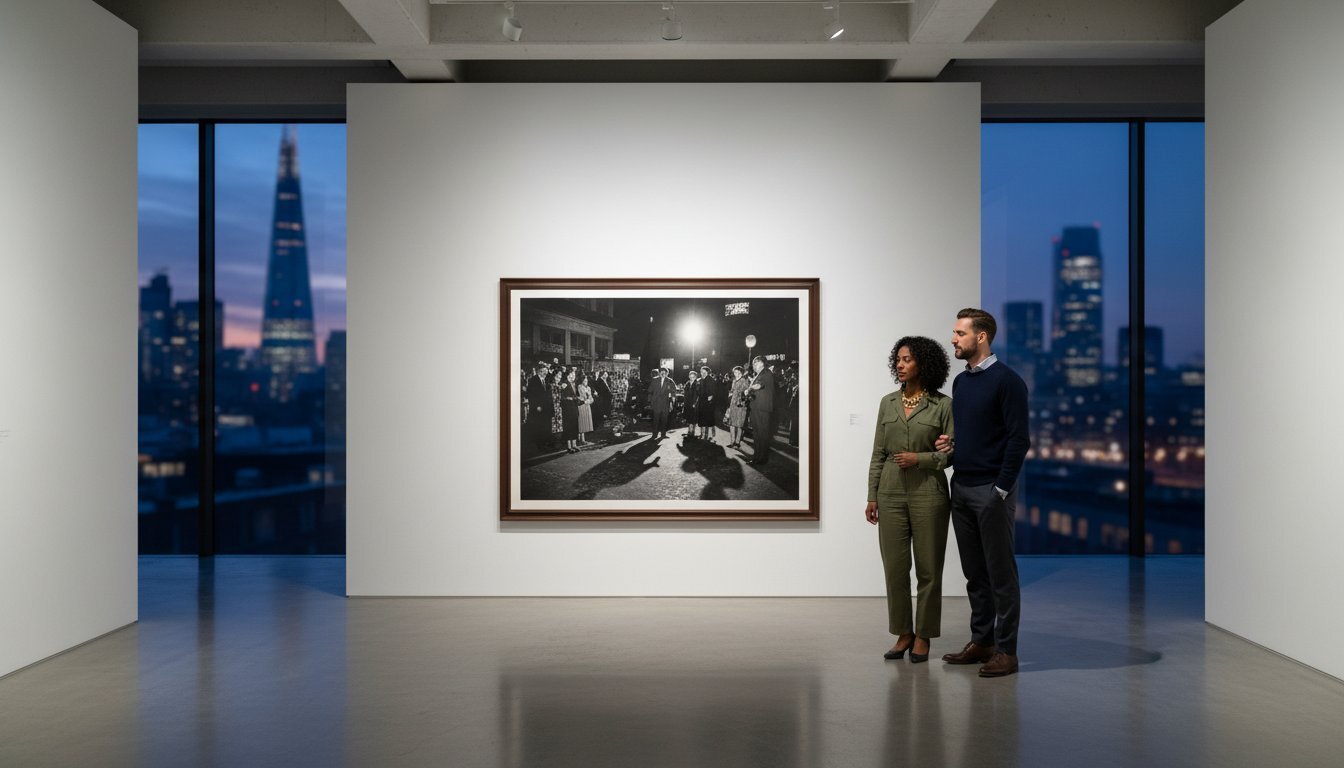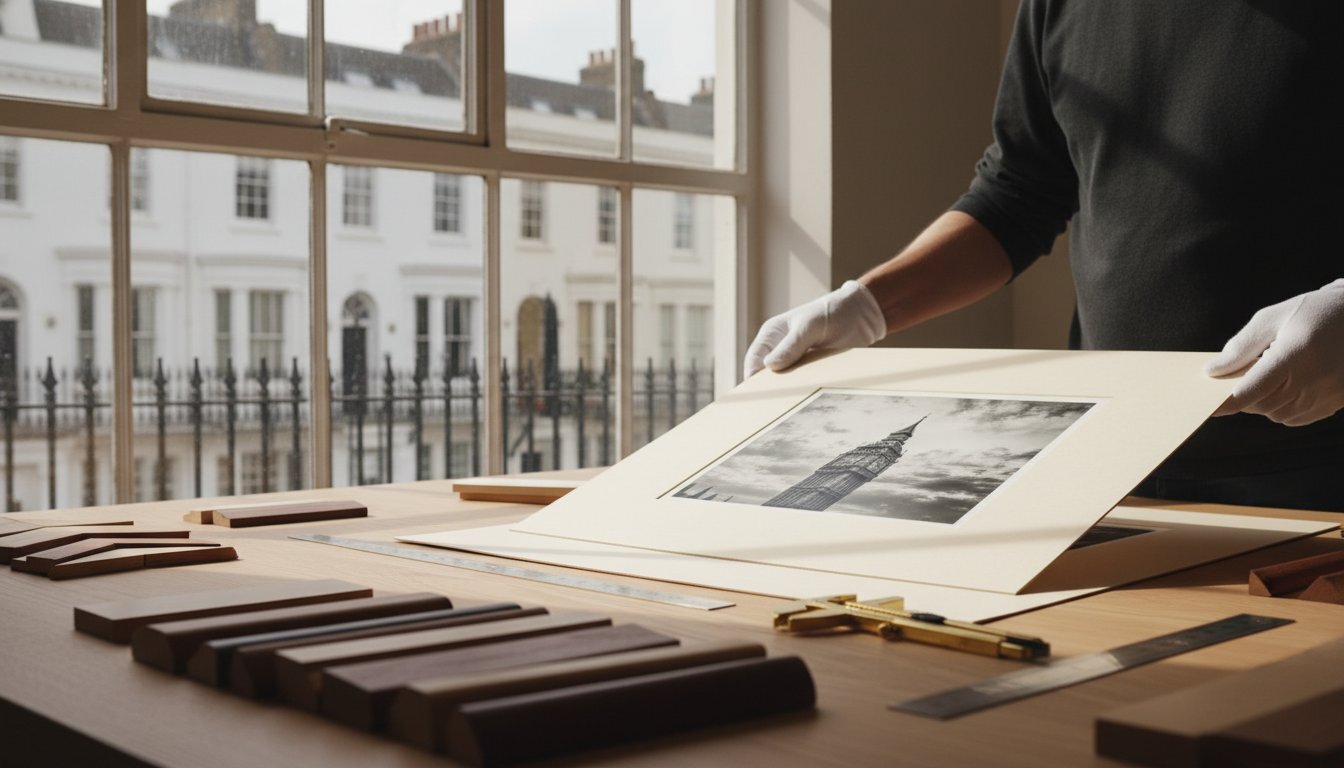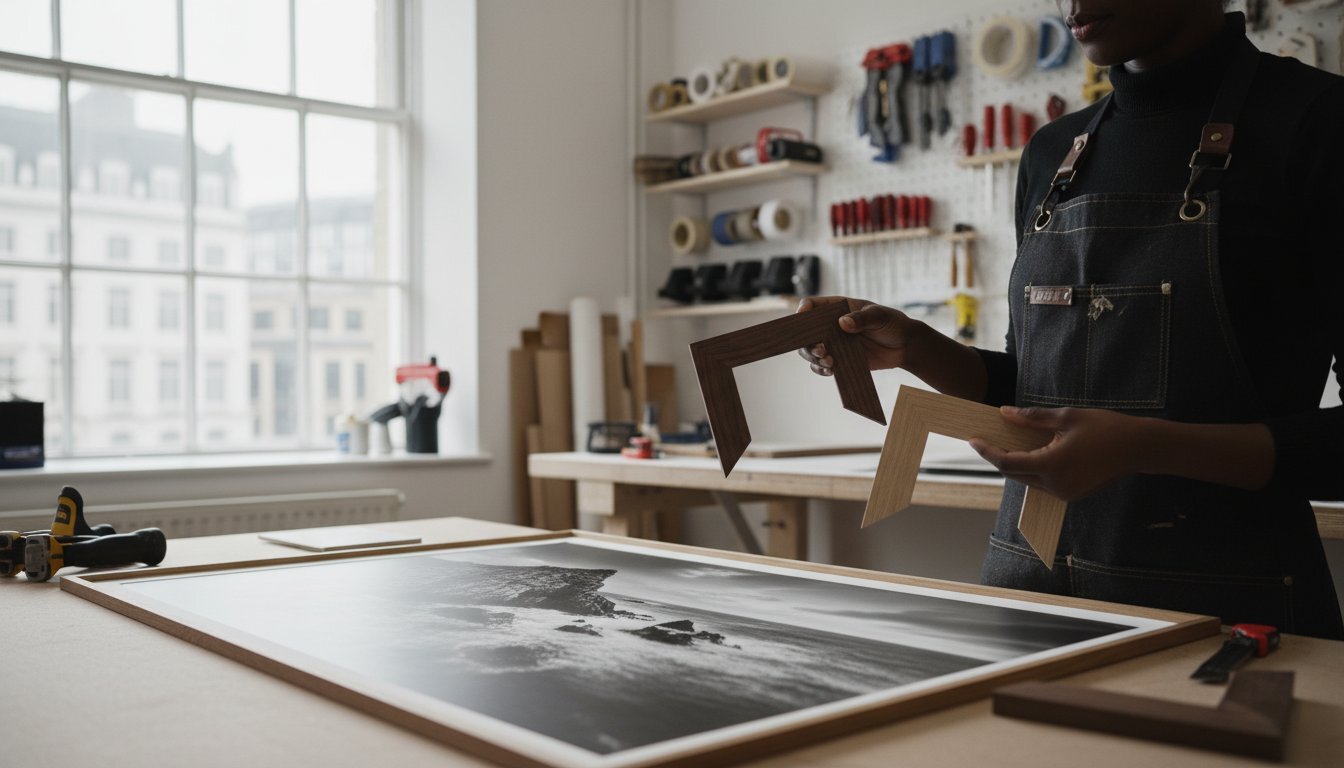
A vintage Slim Aarons “Poolside Gossip” print can command upwards of $30,000 at high-end auctions, yet a visually identical digital copy might be worth less than the frame it sits in. This stark contrast in value hinges entirely on a collector’s ability to discern the hand-printed from the mass-produced. To ensure your collection retains its historical and financial significance, you must understand exactly how to verify art print authenticity through the lens of a seasoned curator. It’s a skill that separates the casual decorator from the serious investor who treasures the world’s finest photography.
The fractional numbering, such as 5/50, is typically found in the lower margin or on the reverse. This indicates the print is the fifth out of a total run of fifty. You might also encounter “AP” (Artist Proof) or “HC” (Hors Commerce) designations. Traditionally, APs represent the first 10 percent of an edition reserved for the photographer, while HC prints were intended as gallery gifts or exhibition copies. For collectors interested in seeing how these specific releases are curated and managed, you can learn more about Limited Edition Prints at Ilkaa’s Fine Art Gallery & Atelier. Even with “Open Editions,” which lack a fixed limit, archival verification remains vital. Ensure the paper bears the watermark of a respected mill like Arches or Hahnemühle to guarantee its longevity.
You’ve likely felt that familiar hesitation when eyeing a limited edition or an estate print, wondering if a digital certificate of authenticity truly protects your purchase. We believe that every piece of art should be a bridge to the golden age of glamour, rooted in tangible history. In this guide, we’ll share the precise techniques used in our London darkroom to identify genuine archival stamps and verify the provenance of iconic works. You’ll gain the confidence to distinguish bespoke silver gelatin masterpieces from ordinary reproductions, ensuring your collection remains a timeless legacy.
Key Takeaways
- Learn to identify the technical fingerprints of traditional darkroom processes, such as silver gelatin and C-type prints, to ensure your acquisition is a true archival masterpiece.
- Discover how to navigate the hierarchy of provenance and archive stamps, ensuring you possess the documented history required to anchor a photograph’s long-term value.
- Master essential inspection techniques, including the “edge test” and curated lighting setups, to understand how to verify art print authenticity with the precision of a seasoned curator.
- Understand why sourcing directly from specialist galleries and established archives is the most secure way to bridge the gap between a photographer’s legacy and your private collection.
- Develop a sophisticated collector’s mindset that distinguishes between mass-produced reproductions and the exquisite craftsmanship of hand-printed, museum-quality photography.
The High Stakes of Art Print Authenticity in Fine Art Photography
Collecting photography requires a shift in perspective. While a painting’s authenticity often rests on the physical hand of the artist, a photographic print’s value is found in its lineage and the integrity of its edition. For those learning how to verify art print authenticity, it’s essential to understand that a print is not just a copy. It’s a realized vision from an original negative. This distinction is vital because the market is flooded with unauthorized reproductions that lack historical or financial value. Understanding fine art photography means recognizing the technical artistry involved in the printing process itself.
The consequences of neglecting this verification process extend beyond simple buyer’s remorse. Purchasing a counterfeit can result in a total loss of investment capital. This Art Forgery Overview highlights how sophisticated the trade in illicit works has become, costing the global art market billions of dollars annually. A gallery acts as the essential guardian here; it ensures the provenance of every piece and preserves the artist’s legacy for future generations. By maintaining strict standards, a reputable gallery serves as a bridge to the golden age of glamour, offering collectors more than just an image.
The Rise of the “Digital Fake” in the Interior Design Market
Mass-market retailers often capitalize on the aesthetic appeal of iconic images by using low-resolution scans to produce unauthorized posters. These items are typically printed on acidic paper with fugitive inks that degrade within 5 to 10 years. In contrast, an investment-grade print is hand-printed in our London darkroom using archival processes designed to last over a century. What seems like a bargain at a big-box store is actually a depreciating asset. Authentic prints maintain their luster and market value because they’re produced from original sources under strict quality controls. When you invest in a genuine piece, you aren’t just buying a decoration; you’re securing a lasting piece of history.
The Allure of the Archive: Slim Aarons and Beyond
Specific collections face higher risks of imitation due to their immense popularity. The Slim Aarons archives are a prime target for forgers who attempt to replicate his “attractive people doing attractive things in attractive places” aesthetic. For a discerning collector, “Estate Authorised” status is the ultimate seal of approval. It confirms the print was produced in collaboration with the Getty Images Archive, utilizing the original negatives. This ensures that the world’s finest photography reaches the collector in its purest form. By sourcing from a curated gallery, you ensure that every detail, from the silver gelatin grain to the embossed estate stamp, is exactly as the artist intended. This level of precision is the only way to truly guarantee the prestige of your collection.
The Technical Fingerprint: Verifying Materials and Printing Techniques
Understanding how to verify art print authenticity begins with a tactile assessment of the medium itself. A true fine art photograph isn’t merely an image; it’s a physical object crafted through specific chemical and mechanical processes. Collectors must look beyond the subject to the substrate. The technical fingerprint of a print lies in the marriage of paper and chemistry. Learning how to verify art print authenticity requires an eye for these material nuances, as high-end galleries don’t use standard photo paper. They use archival stocks that ensure the work survives for 100 years or more without yellowing or degrading.
Archival Photo Paper: The Foundation of Authenticity
Museum-quality paper usually carries a weight of 300gsm or higher. This density provides the structural integrity needed to support rich emulsions without warping. When you examine the “tooth” or surface texture, archival paper shows a subtle, organic grain. It catches the light differently than the uniform, plastic sheen of mass-produced stock. Digital scans often appear flat because they lack the physical depth that comes from light interacting with a multi-layered emulsion. For those seeking a formal IRS Art Appraisal, documenting these material specifications is a vital step in establishing the work’s historical and financial standing. Authentic prints translate the depth of the original negatives through these specific paper weights, creating a three-dimensional quality that mass-produced lithography cannot emulate.
The Darkroom Legacy: Hand-Printing Markers
The silver gelatin process is a monochrome imaging technique using light-sensitive silver halides suspended in a gelatin layer, a method that defined the aesthetic of 20th-century mastery. This traditional darkroom technique produces deep, velvety blacks and a nuanced tonal range that digital printers struggle to replicate. In our London darkroom, technicians still follow these artisanal protocols to ensure every piece maintains its heritage. Hand-printed works often show minute, unique variations at the edges or in the grain. These aren’t flaws; they’re proof the work isn’t part of a mass-produced run. Unlike lithography, which uses tiny dots of ink visible under a 10x magnifying glass, a genuine C-Type or Silver Gelatin print has continuous tone transitions. This artisanal approach is why collectors value the London darkroom stamp as a seal of quality. You can explore our collection of exquisite hand-printed works to see these technical markers in person. Every print we offer is a testament to the world’s finest photography, preserved through these meticulous standards.
Decoding the Paperwork: Provenance, COAs, and Archive Stamps
In the pursuit of fine art photography, the paper trail is as vital as the image itself. Provenance acts as the documented biography of an object, tracing its journey from the artist’s darkroom or the archive’s vault to the current collector. For those learning how to verify art print authenticity, understanding this hierarchy is essential. A handwritten note from a photographer’s assistant in 1974 or a gallery receipt from a mid-century exhibition carries more weight than a modern, digitally printed certificate without a verifiable source.
The Anatomy of a Valid Certificate of Authenticity
A Certificate of Authenticity (COA) serves as a formal declaration of a print’s origins. However, its value is tethered to the reputation of the issuing body. It’s a common misconception that every COA is equal. A valid document must include specific, non-negotiable elements:
- The artist’s full name and the specific title of the work.
- The edition number, such as 5/50, and the total edition size.
- Technical specifications, specifically terms like “Silver Gelatin Print” or “C-Type.”
- The official seal or signature of the gallery, printer, or estate.
Distinguishing between a standard gallery COA and an Estate-stamped document is a mark of a discerning collector. An Estate stamp indicates the print was authorized by the artist’s heirs or legal representatives, often utilizing original negatives after the artist’s passing. This distinction is vital when assessing the long-term value of works from historical archives.
Understanding Archive Stamps and Embossing
Physical markings offer a tactile layer of security that digital files cannot replicate. The Getty Images Gallery stamp remains a gold standard in the photographic world, signifying that the print originates from a definitive, historical archive. When you evaluate how to verify art print authenticity, look for blind embossing. This is a raised, colorless stamp pressed directly into the paper fibers, a technique frequently used by premium London darkrooms to create a permanent mark of quality.
The presence of an “Estate of Terry O’Neill” or “Slim Aarons Archive” stamp provides an immutable link to the source. These markings are often found on the reverse or in the lower margins of the print. They represent a bridge to the golden age of glamour, ensuring the work is a legitimate part of the photographer’s heritage rather than an unauthorized reproduction.
For those collecting cinematic history, the criteria shift slightly toward studio-specific markers. Genuine lobby cards and rare film stills require scrutiny of the lithographic process. Authentic cards from the 1950s typically feature specific studio codes and National Screen Service (NSS) numbers on the bottom margin. These artifacts bridge the gap between commercial promotion and fine art, demanding a curator’s eye to verify their vintage status and historical significance.
The Collector’s Inspection: A Step-by-Step Guide to Physical Verification
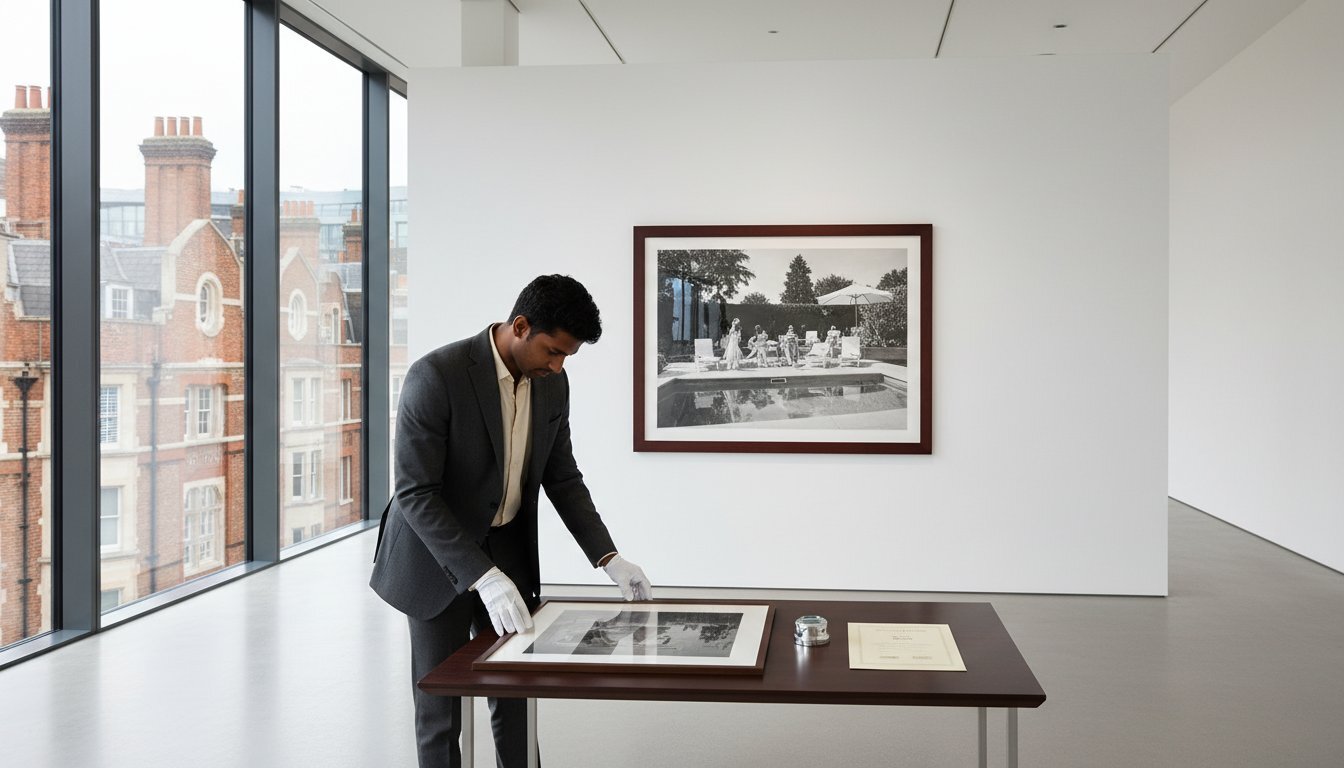
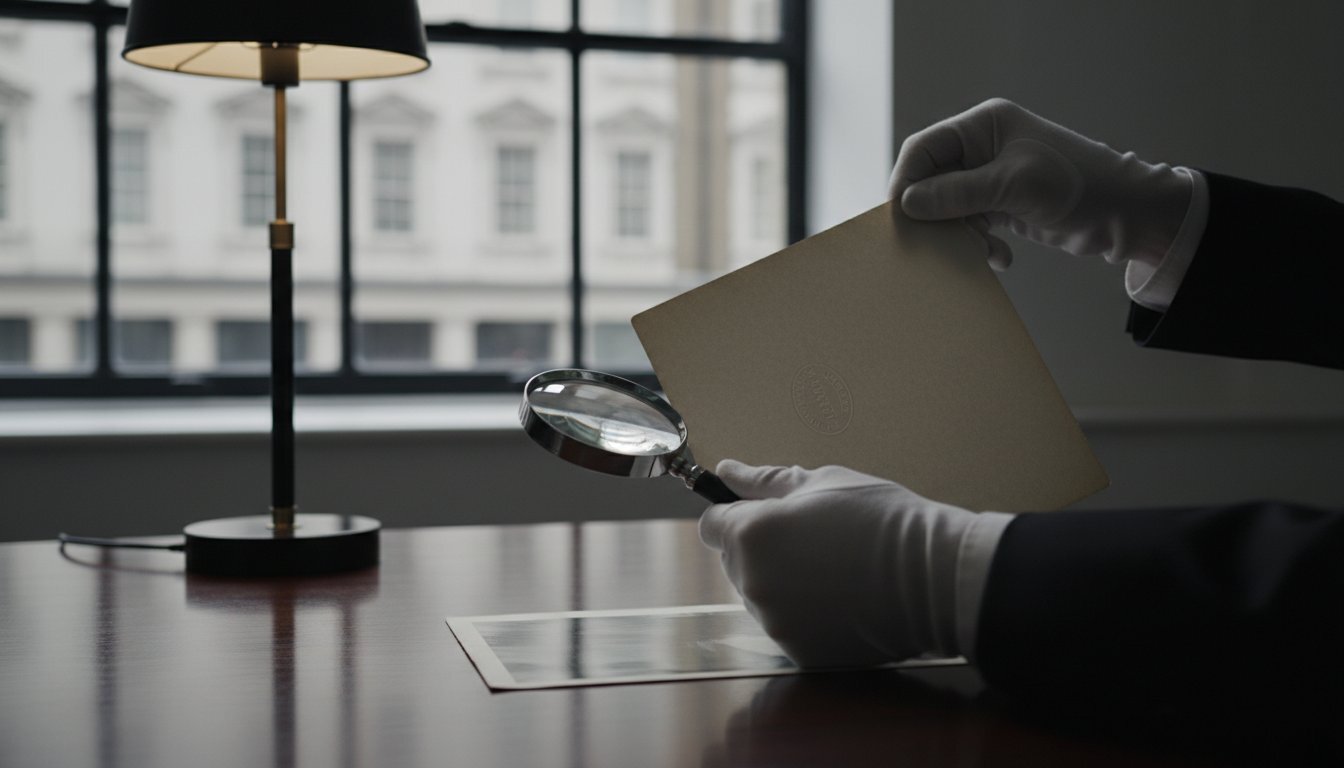
To master how to verify art print authenticity, you must first create the environment of a professional conservator. Proper inspection requires a clean, flat surface and a neutral light source, ideally a 5000K daylight bulb, to reveal the true depth of the blacks and the subtle texture of the paper. A 10x jeweler’s loupe is your most essential tool. It bridges the gap between the casual observer and the discerning collector. When performing the “Edge Test,” look for the deckled or clean-cut edges characteristic of archival stocks. A genuine print often reveals a weight and fibrous consistency that modern, mass-produced papers cannot replicate.
Signatures provide the final seal of intent. A hand-signed print will show slight variations in ink density or a subtle indentation in the paper fibers where the pen met the surface. Estate-stamped or printed signatures, while still valuable in specific contexts like limited posthumous releases, lack this physical connection to the artist’s hand. Even age-related wear, such as the silver mirroring seen in prints from the 1960s, serves as a chronological fingerprint. These “flaws” often confirm the print’s age and provenance more effectively than a pristine surface ever could.
Step 1: Inspecting the Surface and Ink Depth
Peer through your loupe to examine the image structure. A genuine fine art photograph, whether a silver gelatin print or a modern pigment print, should show a continuous tone or a fine, organic grain. If you see a “halftone” pattern of tiny, uniform dots, you’re likely looking at a mechanical reproduction or a page from a book. In vintage silver gelatin works, look for “bronzing” in the shadows; this metallic sheen is a natural chemical reaction in the silver halides over decades. Be wary of digital enlargements that show pixelation, which often appears as jagged “stair-stepping” along high-contrast edges and indicates an unauthorized source file. While many digital copies flood the market, a true collector knows that a print hand-finished in a London darkroom carries a depth that cannot be faked.
Step 2: Verifying the Edition Numbering
The fractional numbering, such as 5/50, is typically found in the lower margin or on the reverse. This indicates the print is the fifth out of a total run of fifty. You might also encounter “AP” (Artist Proof) or “HC” (Hors Commerce) designations. Traditionally, APs represent the first 10 percent of an edition reserved for the photographer, while HC prints were intended as gallery gifts or exhibition copies. Even with “Open Editions,” which lack a fixed limit, archival verification remains vital. Ensure the paper bears the watermark of a respected mill like Arches or Hahnemühle to guarantee its longevity.
Ready to build a collection with absolute confidence? Explore our curated selection of the world’s finest photography, each piece vetted for its historical and archival integrity.
Investing with Confidence: The Role of Curated Galleries
Acquiring a piece of photographic history requires more than just an eye for aesthetic beauty; it demands a foundation of absolute trust. When you’re mastering how to verify art print authenticity, the most effective safeguard isn’t a magnifying glass. It’s the reputation of the gallery you choose. Specialist galleries act as the primary filter between the vast, complex archives of the past and the private walls of your home. By maintaining direct, exclusive relationships with photographers, their estates, and global archives, we eliminate the risks that often haunt the secondary market. This direct lineage ensures that every silver gelatin print or archival pigment piece carries a pedigree that’s beyond reproach.
The relationship between a gallery and an archive is a stewardship of culture. When a collector buys through a curated channel, they’re not just purchasing paper and ink. They’re investing in a verified chain of custody that spans from the original shutter click to the final delivery. This transparency is vital for those looking to bridge the gap between the mid-century golden age of glamour and the modern interior. It transforms a simple purchase into a strategic addition to a legacy collection.
The Galerie Prints Guarantee
Our status as a premier partner to the Getty Images Gallery and other world-renowned archives serves as a definitive seal of quality. This isn’t a title we take lightly. It’s a commitment to technical excellence that defines our London-based craftsmanship. Many of our most iconic images are hand-printed in our London darkroom, where our technicians use traditional methods to honor the original vision of the artist. This darkroom heritage provides a tangible “bridge to the golden age,” ensuring that the tactile quality of every print matches its historical significance. We don’t just sell images; we preserve the artisanal soul of photography.
- Direct access to original negatives and authorized digital masters ensures flawless provenance.
- Strict adherence to archival standards in every printing phase protects the longevity of the work.
- Comprehensive documentation simplifies the process of how to verify art print authenticity for future owners or estate planners.
Final Steps for the Discerning Collector
Before you commit to a high-value acquisition, take the time to consult with a curator. Our experts provide insights into the rarity of specific editions or the cultural weight of a Slim Aarons poolside scene that a standard product description cannot capture. This dialogue is an essential part of the luxury gallery experience. It ensures your collection reflects both your personal taste and a sound investment strategy.
Once you’ve selected a piece, the final step in preserving its integrity is physical protection. We recommend museum-quality bespoke framing to ensure the print remains shielded from environmental factors like humidity and UV light. This isn’t merely an aesthetic upgrade. It’s a structural necessity for maintaining long-term value. Proper archival mounting and acid-free materials act as a final seal of protection, keeping the work in pristine condition for decades to come.
Securing Your Legacy in Fine Art Photography
Building a collection of museum-quality photography requires more than a keen eye for aesthetics; it demands a rigorous commitment to historical integrity. You’ve now mastered the essential steps of how to verify art print authenticity, from scrutinizing the tactile quality of bespoke silver gelatin prints to validating the provenance of official archive stamps. Every detail, whether it’s the specific weight of archival paper or the presence of a legitimate Certificate of Authenticity, serves as a safeguard for your investment. By focusing on these technical and documentary fingerprints, you ensure that your gallery wall reflects the true heritage of the 20th century’s most iconic moments.
Galerie Prints stands as a dedicated guardian of this photographic history. As an official partner of the Getty Images Gallery, we specialize in the legendary Slim Aarons and Terry O’Neill archives, providing collectors with unparalleled access to the golden age of glamour. Each piece is hand-crafted in our London darkroom to meet the exacting standards of the art world. Invest in the world’s finest photography with guaranteed authenticity at Galerie Prints and begin your journey into a world of timeless elegance. Your collection is a window into history, and it’s time to let it shine with absolute confidence.
Frequently Asked Questions
What is the most reliable way to verify a Slim Aarons print?
The most reliable way to verify a Slim Aarons print is through the official Getty Images Archive stamp or a certificate from an authorized partner like Galerie Prints. Since Getty acquired the archive in 1997, they’ve maintained the original negatives with meticulous care. Authentic prints often feature a “Hulton Archive” or “Getty Images” blind stamp. Collectors should look for these specific markers to ensure they own a genuine piece of the aspirational lifestyle Aarons captured.
Does an art print have to be signed by the artist to be authentic?
An art print doesn’t require a handwritten signature to be authentic, as many iconic works are issued as estate editions or through official archives. For instance, prints from the Slim Aarons estate are verified by an embossed archive stamp rather than a signature. While 75 percent of contemporary limited editions carry a pencil signature, historical silver gelatin prints often rely on provenance and gallery documentation to confirm their status as part of the world’s finest photography.
What is a Catalogue Raisonné and do I need one for photography?
Can I trust a Certificate of Authenticity (COA) from an online marketplace?
You shouldn’t trust a COA from an unverified online marketplace seller without independent verification of the issuer’s credentials. Statistics from the Fine Art Registry indicate that a significant portion of certificates found on secondary auction sites lack the necessary provenance data. A valid COA must include the artist’s name, the edition number, the exact paper type, and the signature of an authorized gallery director or estate representative to hold any real value.
What is the difference between an estate print and a limited edition print?
An estate print is produced after an artist has passed away, typically authorized by their heirs or an official archive, whereas a limited edition is a fixed run of prints overseen by the artist during their lifetime. Estate prints, such as those hand-printed in our London darkroom from original negatives, carry an official estate stamp for verification. Limited editions usually feature a fraction, like 5/50, indicating the print’s specific place within the total production run.
How do archival inks differ from standard digital printing inks?
Archival inks are pigment-based substances designed to resist fading for over 100 years, while standard digital inks are often dye-based and degrade within a decade. These premium pigments bond with acid-free, 100 percent cotton rag paper to create a museum-quality finish. This technical superiority ensures that a bespoke silver gelatin print maintains its tonal depth and historical value, justifying its place in a curated collection of the world’s finest photography.
What should I do if I suspect my art print is a reproduction?
If you suspect a print is a common reproduction, examine the surface under a 10x magnifying loupe to check for a mechanical dot pattern. Genuine fine art prints lack the visible “rosette” pattern found in mass-produced offset lithography. You should also verify the paper weight; authentic archival prints typically use paper heavier than 250gsm. If doubts remain, professional appraisal services can provide a definitive ruling on how to verify art print authenticity through chemical analysis.
Is a “blind stamp” better than a handwritten signature for verification?
Neither a blind stamp nor a signature is inherently superior, as their value depends entirely on the artist’s established practice and the print’s provenance. A blind stamp, which is an embossed seal pressed into the paper, is the gold standard for verifying estate collections like those of Slim Aarons. Because signatures can be forged, a combination of a blind stamp and a gallery-issued COA offers the most secure assurance for a serious collector.