The most expensive mistake a collector can make isn’t overpaying at auction; it’s purchasing a piece that lacks a soul. It’s common to feel like an outsider when observing the high-stakes world of fine art, especially when Christie’s maintains a 27% buyer’s premium on works up to $1.5 million as of early 2026. You might worry that photography holds less prestige than a traditional canvas, or perhaps you struggle to explain why one specific image moves you while another feels entirely hollow. The process of finding art that speaks to you shouldn’t feel like a test of your academic knowledge, but rather an exploration of your own history and taste.
We agree that your home deserves more than just high-end decoration. It requires a visual narrative that resonates with who you are. This article provides a clear framework to help you move beyond the surface, giving you the confidence to invest in archival silver gelatin prints that enhance your interior aesthetic. We’ll examine how to identify your personal eye and explain why the world’s finest photography acts as a bridge to the golden age of glamour, ensuring your collection becomes a permanent legacy rather than a fleeting trend.
Key Takeaways
- Learn to distinguish between mere aesthetic attraction and the visceral, soulful connection that identifies a piece as a lasting part of your personal narrative.
- Master the “Visual Audit” technique to decode your unique visual language by identifying recurring themes and moods within your existing environment.
- Explore how the provenance of a photograph, including the artist’s unique access and the story behind the lens, adds layers of meaning to your collection.
- Gain practical insights into finding art that speaks to you by understanding the relationship between the physical scale of a print and the architectural volume of your home.
- Discover why the artisanal process of hand-printing from original negatives in a London darkroom ensures a level of technical and emotional depth that mass-produced works cannot replicate.
Defining the Connection: What Does It Mean When Art Speaks to You?
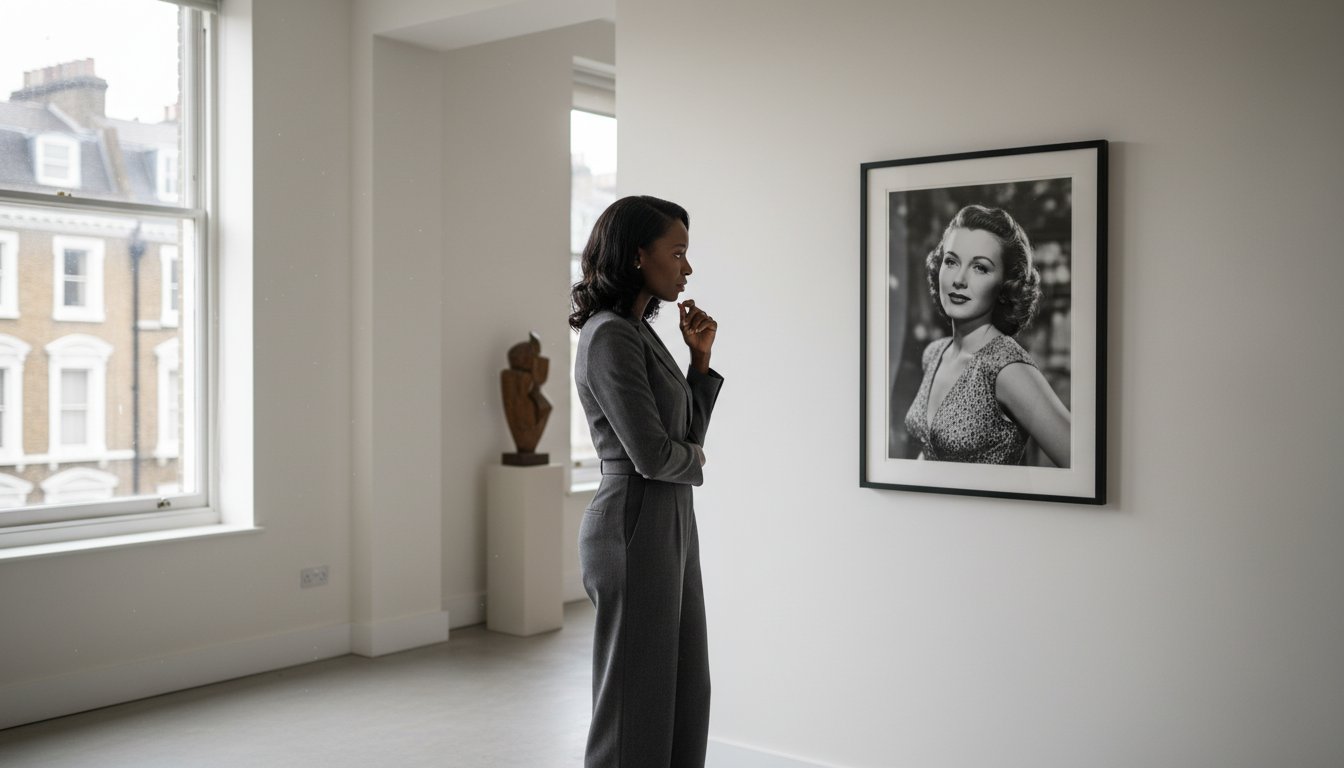
The moment an image transcends its frame is often described as a visceral response; it is that sudden, sharp intake of breath when a piece of film captures a memory you didn’t know you possessed. Finding art that speaks to you requires moving past the superficial layer of aesthetic attraction. While you might like how a certain color palette complements a room, a soulful connection is far more profound. It’s the difference between a decorative accessory and a piece of history you feel a physical need to live with every day. This connection transforms an object into an experience, turning a wall into a window into another era.
Photography possesses a singular ability to speak through shared human history because it’s rooted in captured reality. When you look at an archival silver gelatin print, you aren’t just seeing a composition; you’re witnessing a moment that actually occurred. This medium acts as a mirror, where the themes you choose to display reveal your deepest values and aspirations. Building a private art collection is an act of self-curation that tells your story to the world, reflecting the world’s finest photography through the lens of your own life.
The Psychology of Visual Resonance
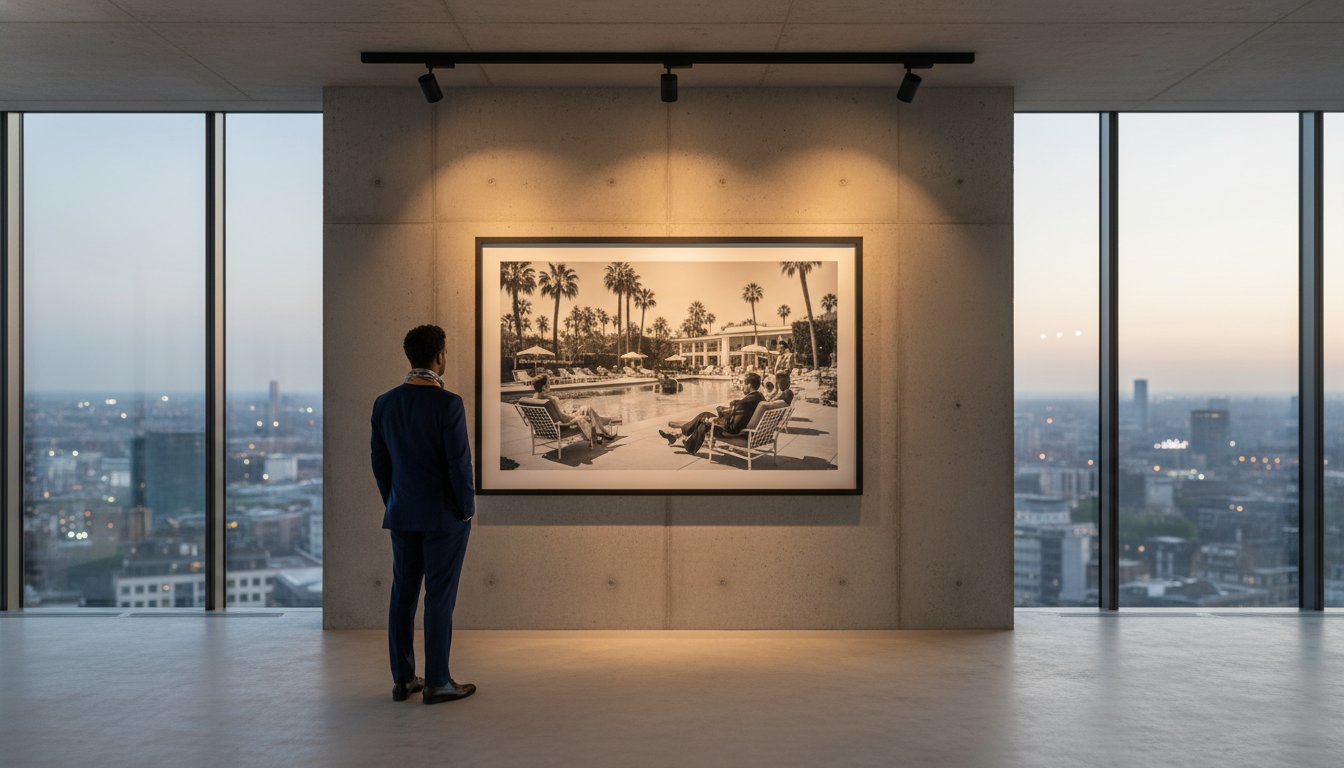
Our subconscious minds process light and shadow long before we consciously identify the subject of a photograph. This triggers immediate emotional states, often rooted in what curators call aspirational nostalgia. It explains why a 2026 collector might feel a deep pull toward a Slim Aarons poolside scene from the 1960s, despite never having walked those grounds. Visual resonance is the alignment of a viewer’s internal narrative with an artist’s external expression.
Moving Beyond Decorative Trends
The impulse to match a print to a velvet sofa is a secondary concern. In a market where 75% of art galleries reported economic uncertainty in 2025, the flight to quality has become the primary driver for discerning buyers. Choosing mass-produced art offers no permanence. Conversely, an exquisite, hand-printed photograph from a London darkroom carries emotional weight that matures over time. Finding art that speaks to you involves looking for pieces that offer:
- Emotional Longevity: The ability for an image to reveal new layers of meaning over several years.
- Artisanal Integrity: The tactile quality found in hand-printed works from original negatives.
- Historical Significance: A connection to iconic moments or figures that transcend the current fashion cycle.
A truly curated collection doesn’t follow the twelve month cycle of interior design trends. Instead, it grows with you over decades, anchoring your home with pieces that possess genuine provenance and a lasting soul. By prioritizing the emotional weight of a piece over its decorative utility, you ensure your collection remains relevant as your personal style evolves.
Decoding Your Aesthetic: How to Identify Your Personal Visual Language
The journey toward finding art that speaks to you begins with a quiet observation of your current surroundings rather than a frantic search through digital catalogs. A “Visual Audit” involves examining the objects you already cherish, such as the curve of a mid-century chair or the specific hue of a vintage textile, to uncover recurring themes. You might find that your life gravitates toward the quietude of monochromatic silver gelatin prints or, conversely, the vibrant glamour of high-society poolside life. This process isn’t about matching a color swatch; it’s about identifying the atmosphere you wish to inhabit.
In an era where 51% of high-net-worth collectors reported purchasing digital art in 2025, the saturation of screen-based imagery can often cloud one’s true judgment. Practicing “Visual Fasting” involves stepping away from the endless scroll of social media to allow your mind to reset. This clarity helps you develop your own art style by revealing which specific images remain etched in your memory long after the screen is dark. When you eventually return to curation, you’ll use mood boards not to copy a trend, but to identify sophisticated patterns in light, subject matter, and composition that feel authentically yours.
The Five Pillars of Personal Taste
Understanding your visual language requires breaking down your preferences into structural pillars. Consider the story you wish to tell through your subject matter, whether it’s the raw energy of the music archives or the structured elegance of fashion photography. Contrast and tone also play a pivotal role; you may find yourself drawn to the high drama of black and white pictures or the soft, pastel aesthetics of a Mediterranean summer. Finally, analyze composition by deciding if you prefer the meticulous, balanced arrangements found in a Slim Aarons photograph or the candid, spontaneous energy of a Terry O’Neill portrait.
A Step-by-Step Exercise in Curation
To refine your discerning eye, follow this structured approach to selection. First, save twenty images that evoke an immediate reaction without pausing to consider technical specifications or archival value. Second, categorize these selections by the emotion they stir, such as “Calm,” “Nostalgic,” or “Aspirational.” Finally, look for the common thread; you’ll likely discover a recurring era, a specific quality of light, or a particular type of human interaction. Your “eye” is a muscle that improves with intentional observation, allowing you to move from a casual observer to a confident collector. As you begin to recognize these patterns, you may wish to explore our curated collections to see which historical narratives align with your newly defined aesthetic.
The Power of Provenance: Why the Story Behind the Lens Matters
Provenance is far more than a mere paper trail; it’s the soul of the image and the foundation of its value. When you are finding art that speaks to you, the historical background of the piece is as vital as the visual composition itself. Provenance, defined as the documented history of an artwork’s ownership and its direct origin in the artist’s archive, ensures that the print you hang is an authentic piece of photographic heritage. In a market where global sales at major auction houses like Christie’s and Sotheby’s reached $4.55 billion in 2025, discerning collectors are increasingly prioritizing provenance to justify the long term value and exclusivity of their acquisitions.
Knowing the specific “why” behind a photograph deepens your emotional connection to the work. For example, the photography of Terry O’Neill is legendary not just for its technical brilliance, but for the unprecedented, intimate access he maintained to the world’s most elusive stars. Owning a print from a recognized archive or a respected publisher, such as the Slim Aarons collection, provides a sense of prestige that elevates a simple living space into a private gallery. These narratives act as sophisticated conversation starters, allowing you to share the story of the artist’s life and the specific cultural moment they were invited to capture.
The Narrative of Glamour: Slim Aarons
Slim Aarons famously described his career as capturing “attractive people in attractive places doing attractive things.” This philosophy continues to resonate because it speaks to a universal human desire for leisure, beauty, and a life well-lived. These images don’t just decorate a wall; they transport the viewer to a specific, aspirational era of mid-century elegance. To truly understand the depth of his legacy and how his work might anchor your home, you can explore our Slim Aarons Guide.
Capturing the Sound: The Soul of Music Photography
Iconic music photography serves as a portal to fleeting cultural history, capturing the raw energy of a legendary performance or the quiet intimacy of a private recording session. By integrating these archival prints into your environment, you’re connecting with your own musical heritage through imagery that feels as though you can hear the art on your walls. Whether it’s a hand-printed silver gelatin shot from our London darkroom or a vibrant backstage moment, these pieces offer a permanent link to the sounds that shaped your world.
Practical Curation: How to Choose Art for Your Specific Environment
Finding art that speaks to you involves a delicate dance between emotional resonance and physical scale. A print shouldn’t merely hang on a wall; it should command the space it occupies. In expansive, open-plan residences, a single large-scale statement piece often possesses a greater “voice” than a fragmented gallery wall. This approach allows the eye to rest on the narrative, whether it’s a sprawling Slim Aarons landscape or an intimate Terry O’Neill portrait. Proper curation requires understanding that the volume of the room dictates the dimensions of the artwork. A piece that is too small feels like an afterthought, whereas a correctly scaled print anchors the architecture itself.
Lighting serves as the final step in activating a piece of fine art photography. Archival silver gelatin prints, hand-printed in our London darkroom, possess a unique depth that reacts beautifully to directional light. Aim for a dedicated spotlight with a color temperature around 3000K to highlight the silver’s luminosity without washing out the delicate shadows. This technical precision ensures the artwork transitions from a static image to a living part of your home’s atmosphere.
The Art of Bespoke Framing
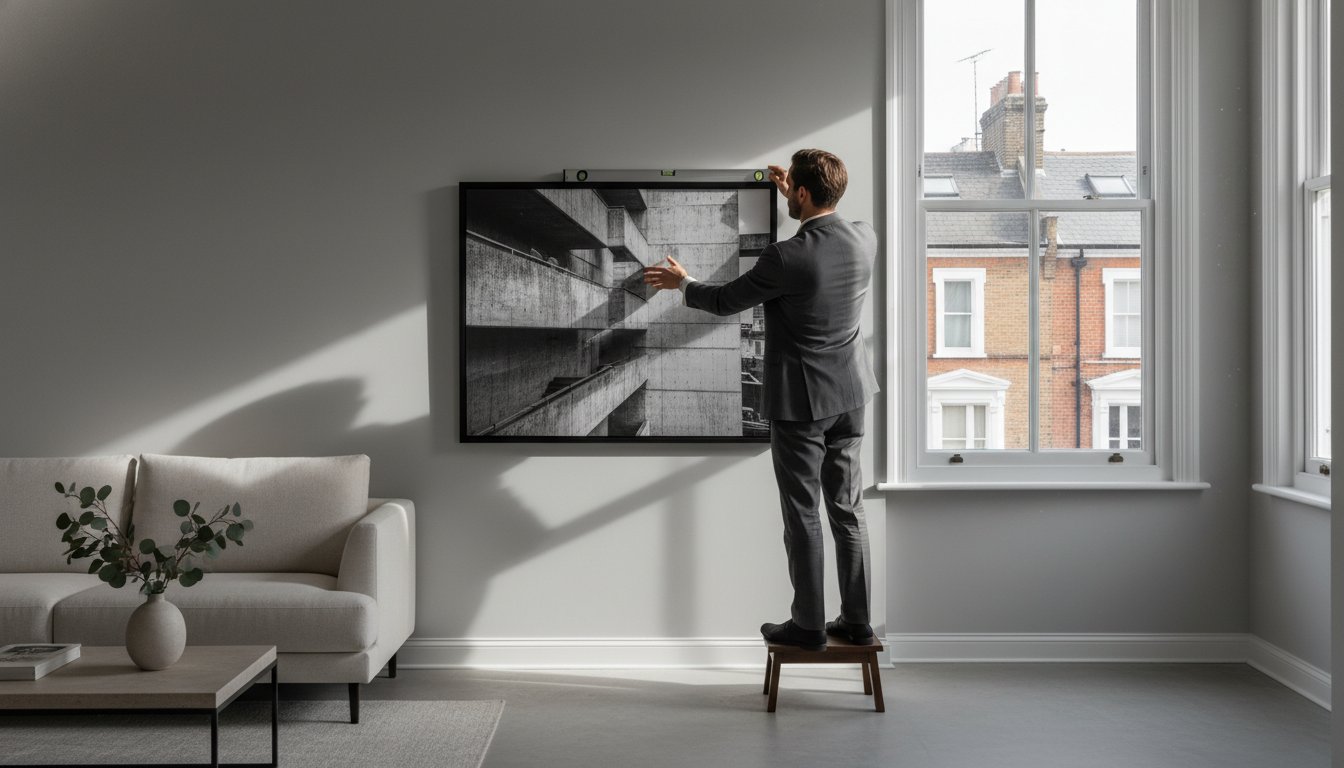
A frame isn’t simply a border. It’s a bridge between the artwork and your interior design. Our bespoke framing service prioritizes archival mounting, a non-negotiable standard for protecting your investment against the passage of time. For a classic look, hand-finished black wood frames offer a timeless sophistication. Alternatively, contemporary minimalist mounts allow the imagery to breathe, ensuring the focus remains entirely on the photographer’s vision. To ensure your chosen piece is perfectly preserved and presented, explore our bespoke framing options.
Understanding Print Rarity and Value
As you build your collection, understanding the distinction between open and limited edition prints is essential for long-term value. While open editions provide an accessible entry point, limited edition works represent a finite piece of history. As of May 2026, signed, limited-edition works from artists like Terry O’Neill are priced from £4,200 to £12,000, reflecting their scarcity and provenance. Every serious acquisition must be accompanied by a certificate of authenticity. This document serves as your collection’s legal and historical anchor, verifying that the work meets the rigorous archival standards required by serious collectors.
By treating curation as a deliberate, technical process, you move beyond simple decoration. You are creating an environment where the world’s finest photography can truly speak, reflecting both the prestige of the artist and the sophistication of your own eye.
The Galerie Prints Approach: Finding Your Piece of History
Galerie Prints operates as a dedicated guardian of photographic heritage, bridging the gap between the golden age of glamour and the modern collector. Finding art that speaks to you is a deeply personal endeavor that we support through a meticulous curatorial process. Every image in our collection is selected for its ability to transcend time. We ensure that what you hang on your wall is a piece of living history. Unlike mass-market retailers who favor digital shortcuts, we prioritize the tactile and technical superiority of hand-printing from original negatives in our London darkroom. This artisanal approach creates a superior emotional impact. The silver gelatin process captures a range of tone, shadow, and depth that digital alternatives cannot replicate. Each print is a unique physical record of a moment in time, produced with a level of care that justifies its position in an elite collection.
The bespoke journey begins with the selection of the image and concludes with a hand-finished frame. We guide you through this process with the quiet authority of a seasoned curator. This ensures the transition from a gallery archive to your private environment is seamless and sophisticated. It’s about more than just aesthetics; it’s about the permanence of the physical object. Our specialists understand the technical nuances of 1950s fashion shoots and the gritty energy of 1970s rock archives, providing you with the context needed to make an informed investment. This deliberate pacing builds value and respect for the artwork long before it reaches your home.
From Archive to Your Wall
Sourcing from the world’s most prestigious archives requires a discerning eye and a reverence for provenance. We assist clients in identifying that one elusive image that resonates with their specific personal narrative. Our collections range from iconic lobby cards that capture the essence of vintage Hollywood to the intimate, high-access portraiture of Terry O’Neill. This breadth allows you to build a collection that is as diverse as your own interests. You maintain a consistent standard of excellence across every piece, knowing that each acquisition has been vetted for its historical significance and technical quality.
Investing in the World’s Finest Photography
A purchase from Galerie Prints is an acquisition of history rather than a simple transaction. The lasting value of our work is anchored in museum-grade materials and the stability of traditional darkroom techniques. By choosing archival silver gelatin prints, you’re securing a legacy piece that maintains its integrity for future generations. This commitment to quality reflects your status as a serious collector who values authenticity over fleeting trends. The world’s finest photography deserves a place of honor in your home, acting as a window into a more glamorous era. We invite you to explore our curated collections and find the art that speaks to you.
Curating Your Personal Legacy
The journey of building a collection is an evolution from simply filling wall space to curating a narrative that reflects your deepest values. By decoding your visual language and prioritizing the historical weight of provenance, you transform your home into a sanctuary of meaning. You’ve learned that the world’s finest photography acts as a bridge to a more glamorous era, where the story behind the lens is as vital as the image itself. Finding art that speaks to you is not a matter of following trends, but of listening to the visceral response an iconic photograph triggers within your soul.
At Galerie Prints, we act as the guardian of this heritage. Every archival silver gelatin print is hand-printed in our London darkroom from original negatives, ensuring a technical superiority that digital methods cannot match. Our authorized prints from the world’s most prestigious archives are paired with a bespoke framing service using museum-quality materials to protect your investment for decades. We invite you to discover the photography that resonates with your soul in our curated gallery. Your collection is a lasting piece of history; let it begin with a moment of true connection.
Frequently Asked Questions
How do I start an art collection if I am a complete beginner?
Begin by focusing on intentional observation rather than market speculation. Beginners should prioritize archival quality and historical significance, especially as 75% of galleries cited economic uncertainty as a primary challenge in 2025. This shift makes finding art that speaks to you through established archives a more stable path. Start with one significant piece that resonates with your personal narrative and build your collection around that central theme.
Is photography considered as valuable as traditional paintings for collectors?
Photography is firmly established as a headline category in the global art market. With Christie’s maintaining a 27% buyer’s premium on works up to $1.5 million as of early 2026, the financial world recognizes its prestige. Archival prints from iconic photographers hold immense value because they represent a finite piece of cultural history, often outperforming traditional mediums in terms of emotional resonance and contemporary relevance.
How does the size of a print affect its emotional impact in a room?
Scale dictates the command an image has over its environment. A large-scale statement piece creates an immersive experience that anchors a room’s architectural volume, triggering a stronger visceral response. While smaller prints work well in intimate corridors, a significant work in a living space acts as a window into another era, demanding the viewer’s full attention and defining the room’s atmosphere.
What is the difference between an archival print and a standard poster?
The distinction lies in the artisanal process and chemical longevity. Standard posters are mass-produced and prone to fading, whereas archival silver gelatin prints are hand-printed in our London darkroom from original negatives. This traditional method ensures a silver-rich depth and tonal range that won’t degrade over time. It transforms a simple image into a permanent piece of photographic heritage with lasting value.
Can I buy a Slim Aarons print that is officially authorized?
Yes, you can acquire officially authorized Slim Aarons prints through our direct partnership with the Getty Images Archive. Every print is produced to rigorous museum standards, ensuring that finding art that speaks to you also results in an acquisition with verified provenance. These authorized works are the only way to ensure you are investing in the true legacy of Aarons’ aspirational lifestyle photography.
How do I know if a piece of art will go out of style?
Art rooted in historical significance and “blue-chip” artist reputations rarely loses its appeal. The 2026 “flight to quality” trend indicates that collectors are moving away from fleeting digital hypes toward works with established market track records. By choosing images that have already stood the test of time, such as iconic fashion or cinema photography, you ensure your collection remains relevant for decades.
Should I choose black and white or color photography for my home?
The choice depends on the specific mood you wish to cultivate within your space. Black and white photography offers a timeless, cinematic quietude that emphasizes texture and light. Conversely, vibrant color photography provides an aspirational energy that can brighten a minimalist interior. Use your visual audit results to determine which palette aligns most closely with the recurring themes in your life.
What role does framing play in preserving the value of my art?
Bespoke framing is the primary defense against environmental degradation. Using museum-quality materials and archival mounting ensures that your print remains in pristine condition, which is vital for maintaining its status as a collectible. Given that art is taxed at a maximum federal rate of 28% as a collectible in 2026, preserving the physical integrity of your investment is essential for its long term valuation.