
In an era defined by 48-megapixel sensors and a billion digital hues, the most profound statement a discerning collector can make is to strip every color away. You likely recognize that while digital trends flicker and fade, the quiet authority of black and white photography remains the undisputed pinnacle of fine art. Yet, as we look toward 2026, the challenge isn’t just finding an image you love; it’s distinguishing a fleeting decor piece from a true archival investment. Recent 2024 auction data from Sotheby’s showed a 15% increase in demand for certified silver gelatin prints, confirming that serious collectors are moving away from the ephemeral and toward the eternal.
At Galerie Prints, we believe your home should reflect a curated legacy rather than a seasonal catalog. This guide will help you master the nuances of provenance and technical excellence, ensuring you never settle for a low-quality digital substitute. We’ll explore how to identify the works of iconic masters like Terry O’Neill and provide a blueprint for creating a luxury gallery atmosphere in your own space. From the meticulous craftsmanship of our London darkroom to the aspirational world of a Slim Aarons original, you’re about to discover how to build a collection that transcends time.
Key Takeaways
- Understand why black and white photography remains the ultimate medium for capturing texture and light, transcending the temporary nature of modern design trends.
- Explore the provenance and enduring appeal of iconic archives, from the aspirational lifestyle of Slim Aarons to the candid Hollywood portraits of Terry O’Neill.
- Learn to distinguish between mass-produced prints and the superior archival quality of the silver gelatin process, the definitive standard for serious collectors.
- Discover how to professionally curate your space by balancing oversized statement pieces with intimate gallery walls to anchor a room’s aesthetic.
- Gain insight into the value of hand-printed craftsmanship and how investing in historical negatives ensures your collection becomes a lasting legacy.
The Aesthetic Philosophy: Why Black and White Photography Remains Timeless
Choosing black and white photography isn’t a retreat into the past; it’s a sophisticated embrace of visual essentialism. When an artist strips away the vibrant distractions of the color spectrum, they reveal the skeletal structure of an image. This process highlights texture, form, and the nuanced behavior of light in a way that color often obscures. In our London darkroom, we see how the absence of hue allows the silver gelatin process to emphasize the tactile quality of a subject, from the weathered grain of a stone wall to the soft luminescence of skin. It’s a deliberate subtraction that adds intellectual weight to a frame.
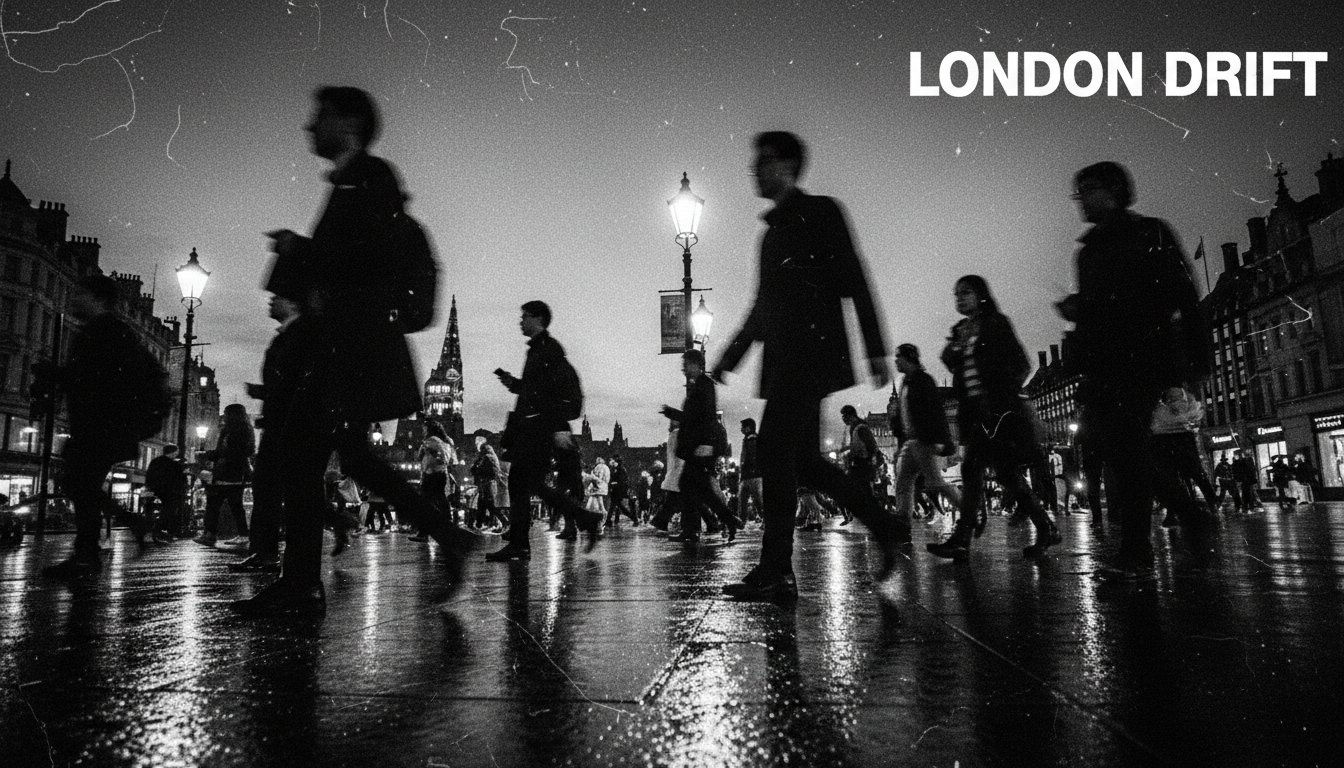
Monochrome serves as a powerful nostalgia bridge, connecting contemporary interiors to the 20th-century golden age of cinema and fashion. This medium carries an inherent authority. It feels permanent and archival, whereas color can sometimes feel anchored to the fleeting trends of a specific decade. There’s a psychological reason why collectors view monochromatic works as “fine art” more readily than color prints. Black and white represents an abstraction of reality. Since we don’t see the world in grayscale, a monochromatic print signals that the image is a curated interpretation of a moment rather than a mere literal record of it.
Distinguishing between a modern “desaturated” digital image and true monochromatic vision is vital for any serious collector. A digital filter applied in 2024 often lacks the tonal depth found in traditional methods. True black and white photography requires the artist to pre-visualize the world in terms of luminosity and contrast. It’s about the relationship between the deepest blacks and the crispest whites, a technical discipline that has defined the world’s finest photography for over a century.
The Emotional Weight of Monochrome
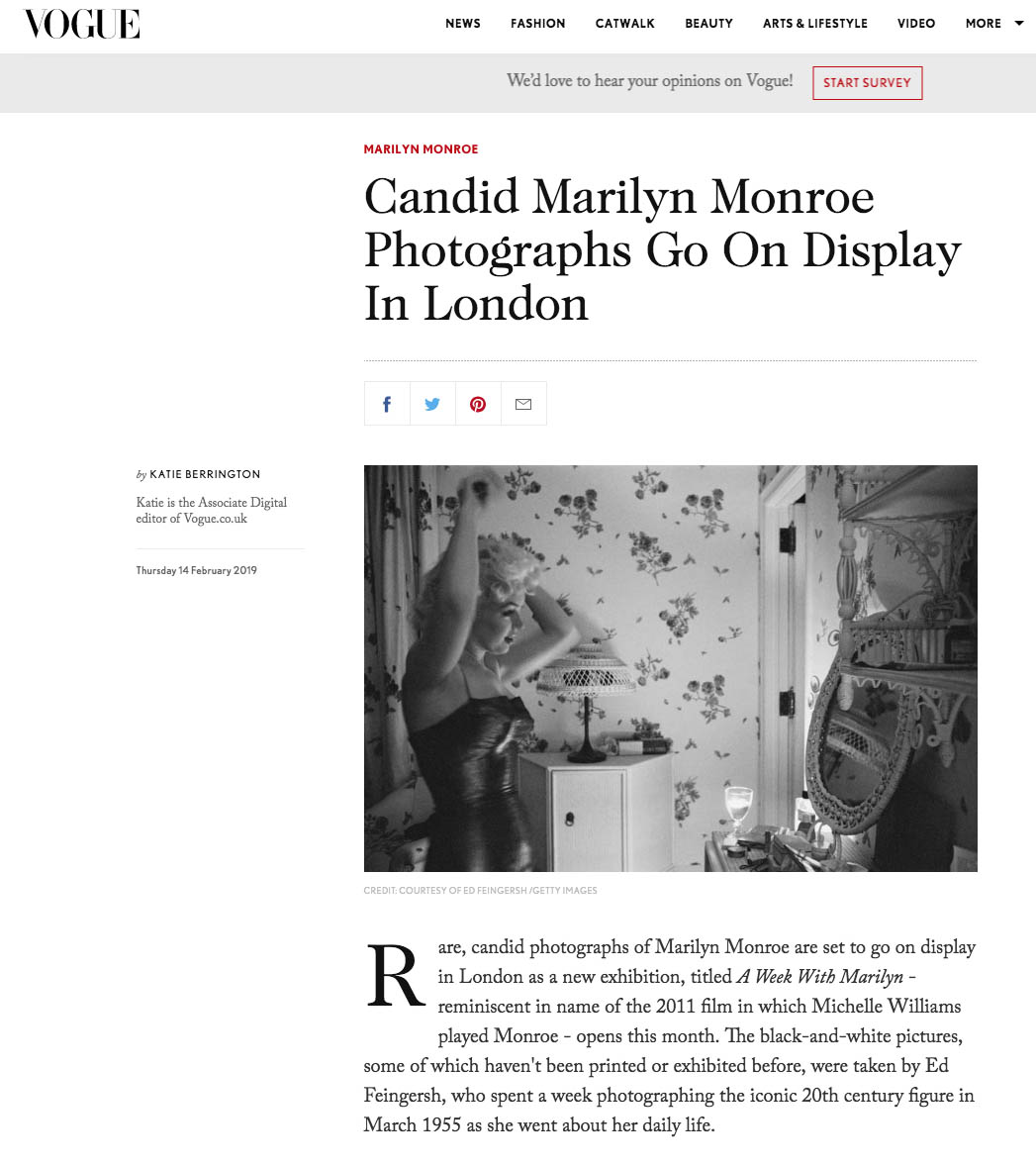
The absence of color forces an intimate encounter with the subject. Without the noise of competing palettes, a viewer’s gaze travels directly to the eyes and the subtle muscular shifts of an expression. This creates a narrative depth that color struggles to replicate. Iconic 1954 portraits of Marilyn Monroe or the delicate captures of Audrey Hepburn remain etched in the collective memory specifically because their monochromatic nature strips away the “celebrity” to reveal the human. Contrast becomes the primary storyteller, using deep shadows to create drama and bright highlights to evoke hope or purity.
A Legacy of the Masters
The enduring prestige of this medium is rooted in the work of early pioneers. Ansel Adams revolutionized the craft in the 1930s with his Zone System, a technical framework that ensured every print achieved a full range of tones. Henri Cartier-Bresson later mastered “The Decisive Moment” in 1952, proving that black and white could capture the frantic energy of street life with poetic stillness. Understanding the history of monochrome photography reveals how these masters transitioned the medium from a historical necessity into a deliberate artistic choice. Their influence persists today, as contemporary artists return to the darkroom to create bespoke prints that carry the same tactile soul and provenance as the classics. This legacy ensures that every silver gelatin print isn’t just a decoration, but a lasting piece of photographic heritage.
- Texture: Enhanced through the interplay of micro-contrast.
- Form: Defined by the graduation of shadows rather than color boundaries.
- Timelessness: Immune to the shifting color grading trends of digital software.
The Masters of the Lens: Iconic Collections and Their Provenance
To understand why a piece of chromatic diversity in early photography resonates across decades, one must look toward the provenance of the negative itself. An iconic image transcends the simple capture of light; it represents a curated moment of cultural significance. At Galerie Prints, we recognize that the value of black and white photography lies in its connection to the original artist and the meticulous nature of the archival process. Authentic prints from established archives ensure that the collector isn’t just buying a reproduction, but a piece of history. This distinction separates the true masterpiece from the common snapshot, providing a sense of permanence in an increasingly digital world.
The Slim Aarons Monochrome Rarities
Slim Aarons is synonymous with the vibrant blues of the 1970s jet-set lifestyle, yet his monochrome work reveals a deeper, more architectural sophistication. Before he documented “attractive people doing attractive things” in places like Palm Springs or the Amalfi Coast, Aarons served as a combat photographer during World War II. His work for Stars and Stripes between 1941 and 1945 taught him the precision of composition under pressure. This background informed his later social studies, where he utilized high-contrast film to strip away the distractions of color. These prints are particularly suited for mid-century modern interiors, where the clean lines of 1950s design mirror the sharp focus of his lens. By removing the lush palettes of his poolside scenes, the viewer is forced to focus on the geometry and the social dynamics of the subjects.
Terry O’Neill and the Spirit of the Sixties
Terry O’Neill redefined the celebrity portrait by removing the barrier between the subject and the viewer. His 1963 shots of The Beatles at Abbey Road or his legendary 1977 portrait of Faye Dunaway by the pool at the Beverly Hills Hotel capture an intimacy that color often obscures. O’Neill’s mastery of the 35mm camera allowed him to move with the “Cool Britannia” crowd, turning candid snapshots into enduring art. You can explore these moments further in our dedicated collection, Terry O’Neill: The Man Who Shot the Sixties. His ability to find the human element within the high-stakes world of Hollywood royalty remains unparalleled. The stark whites and deep blacks of his film choice emphasize the raw charisma of his subjects, creating a timeless aesthetic that refuses to date.
True value in art collecting is found in the physical heritage of the print. A genuine silver gelatin print, hand-processed in our London darkroom, offers a depth of tone that digital reproductions can’t replicate. We maintain official partnerships with the world’s most prestigious archives to guarantee that every piece meets the highest standards of the art world. This commitment to quality ensures that the black and white photography you choose today will remain a centerpiece for generations. Collectors looking to begin their journey can browse our curated selection of silver gelatin prints to find a piece that speaks to their unique aesthetic. Every print we produce is a testament to the enduring power of the original negative and the skill of the darkroom technician.
- Official archive partnerships provide 100% authenticity for serious collectors.
- Silver gelatin prints offer a tactile quality and tonal range unique to traditional darkroom methods.
- Iconic status is achieved through a combination of historical timing, technical mastery, and cultural relevance.
Technical Excellence: Silver Gelatin vs. Giclée Archival Prints
Distinguishing a mass-produced poster from a gallery-grade masterpiece requires an eye for the physical medium. A standard commercial print often relies on thin, 150gsm wood-pulp paper and dye-based inks that begin to shift in color within five years. In contrast, true fine art prints are built to endure for centuries. Our London darkroom serves as a sanctuary for these traditional techniques, ensuring that the artisanal knowledge of the 20th century isn’t lost to modern automation. Every print we produce is treated as a singular artifact, crafted with a level of precision that mirrors the prestige of the photographers we represent.
The Silver Gelatin Process Explained
The silver gelatin process, perfected in 1871, remains the gold standard for monochrome art. It’s a chemical journey rather than a mechanical one. The process involves suspending light-sensitive silver halide crystals in a gelatin layer atop a heavy, fiber-based baryta paper. When light from an enlarger hits these salts, it creates a latent image that only reveals itself during chemical development. This isn’t just a reproduction of a digital file; it’s a physical reaction that yields a depth of field and a tonal range that digital sensors struggle to replicate. The blacks aren’t just dark; they’re “wells” of silver that draw the eye into the frame.
There’s a tactile “soul” in a silver gelatin print that digital alternatives lack. The fiber-based paper has a slight, organic texture and a semi-gloss finish that breathes with the light in a room. Collectors who regularly consult Black & White Magazine for collectors understand that this medium carries a sense of permanence and history. It’s the difference between a fleeting image and a tangible piece of the past. The way the silver sits within the gelatin creates a three-dimensional quality, making the highlights shimmer with a purity that feels almost luminous.
Silver Gelatin is the definitive medium for ensuring the multi-generational longevity of fine art black and white photography.
Modern Archival Giclée Printing
While the darkroom is our heart, modern Giclée printing offers incredible flexibility for large-scale installations. When a collector requires a piece that exceeds 40×60 inches, traditional darkroom papers can be restrictive. Our Giclée process utilizes 12-color Lucia PRO pigment inks, which provide a D-max-or maximum black density-that rivals chemical prints. This technology allows for a breathtaking level of detail that remains sharp even when viewed from inches away, making it ideal for the sweeping, iconic landscapes and high-fashion portraits that define our collection.
The substrate is just as vital as the ink. We insist on 100% cotton rag paper, which is naturally acid-free and lignin-free. This prevents the unsightly yellowing and brittleness that plague inferior materials. By choosing a pH-neutral base, we guarantee that the black and white photography stays crisp and vibrant for over 150 years under normal gallery conditions. If you’re curious about why these technical specifications matter for your investment, explore our guide on Museum-Quality Paper: What Does It Mean? to understand the science of preservation. This commitment to archival standards ensures that your purchase isn’t just a decoration, but a lasting piece of history that maintains its provenance and value.
Curating Your Space: Styling Black and White Prints in Modern Interiors
Integrating black and white photography into a modern living space requires more than just hanging a frame; it’s a deliberate exercise in visual weight and architectural harmony. Monochrome prints act as a permanent, sophisticated anchor within a room. While bold interior colors might shift with seasonal trends, a silver gelatin print remains a constant. It provides a place for the eye to rest, especially in rooms featuring vibrant furniture or complex wallpaper. If you’re working with a 2024 palette of deep terracottas or forest greens, a monochrome piece provides a crisp counterpoint that prevents the space from feeling cluttered or overwhelming.
The impact of your art often depends on scale. A single, oversized 150cm statement print creates an immediate, commanding focal point in a minimalist loft or a grand entryway. It’s a bold declaration of taste that mimics the atmosphere of a high-end gallery. Conversely, smaller prints allow for a more intimate, intellectual exploration of the subject matter. Lighting these pieces is the final, crucial step in the curatorial process. To truly appreciate the exquisite tonal range of a professional print, you should avoid direct overhead spotlights that cause harsh reflections. Instead, position your light source at a 30-degree angle to the wall. Using bulbs with a Color Rendering Index (CRI) of 95 or higher ensures the deep blacks retain their depth and the highlights stay crisp without appearing yellowed.
The Art of the Gallery Wall
A successful gallery wall feels like a private museum collection gathered over a lifetime. The beauty of a monochrome theme is the ability to mix disparate styles without creating visual chaos. You might pair a 1953 fashion study with a 1970s architectural abstract; the shared tonal palette binds them together. Symmetry offers a formal, classical feel perfect for dining rooms, while an asymmetrical layout provides a dynamic, contemporary energy suited for living areas. To master the placement, many curators follow the 145cm rule, where the center of the collection sits at eye level. For a detailed breakdown of layout techniques, explore our guide on Creating a Stunning Gallery Wall: Step-by-Step.
Choosing the Perfect Frame
The frame is the essential bridge between the photograph and the room’s architecture. A slim 20mm black wooden frame is the quintessential choice for a modern, clean aesthetic, whereas a vintage ornate frame can add a layer of historical prestige to a contemporary setting. The mount, or matting, is just as vital as the frame itself. A 50mm to 70mm border of museum-grade, acid-free card provides the visual “breathing room” the image needs to stand out. At Galerie Prints, our London-based craftsmanship ensures that every piece is handled with archival care. We use 99% UV-protective glass and bespoke mounting techniques to guarantee your investment is protected from fading for decades. This meticulous attention to detail ensures that the world’s finest photography remains a lasting piece of history in your home.
Ready to transform your interior with a curated masterpiece? Browse our exclusive collection of bespoke framed prints today.
Investing in History: Why Galerie Prints is the Collector’s Choice
Choosing a piece of art is a deeply personal investment. At Galerie Prints, we serve as the bridge between the golden age of glamour and your private collection. We maintain a steadfast commitment to “the world’s finest photography” by securing rare, exclusive access to the most prestigious photographic archives and historic collections on the planet. This isn’t just retail; it’s a guardianship of history. When you choose a piece of black and white photography from our curated selection, you’re acquiring a masterwork that has been preserved for decades. Your purchase supports the vital work of physical archive maintenance, ensuring that original negatives from the 1940s and 50s don’t fade into obscurity.
The digital age produces over 3.2 billion images every single day, most of which are ephemeral and forgotten within seconds. We stand in direct opposition to this digital ubiquity. Every print we offer is a testament to the tactile, enduring nature of the silver gelatin process. Our personalised service reflects this high-touch philosophy. From the moment you seek curatorial advice to the final stage of global white-glove delivery, our team manages every detail with precise, professional care. We understand that a luxury purchase requires a seamless experience, which prevents why we’ve perfected our international shipping logistics to serve collectors in over 50 countries.
Hand-Printed in London
Our gallery on Arthur Road in Wimbledon is more than a showroom; it’s a center of artisanal excellence. The darkroom expertise we employ is a vanishing art form that Stuart Möller has championed for over 25 years. Stuart’s curatorial eye ensures that every print meets a standard far beyond “decor.” These are collectable assets. We focus on the nuances of tone and contrast that only hand-printing can achieve, giving our prints a depth that digital alternatives simply cannot replicate. By maintaining our production in London, we ensure that every piece leaving our gallery carries a seal of authentic British craftsmanship.
Start Your Collection Today
Beginning an art collection can feel daunting, but we simplify the journey by focusing on long-term value. We guide first-time buyers toward limited edition prints and works bearing official archival stamps. These markers of provenance are essential, as they often correlate with the appreciation of the piece over time. Since our founding in 2012, we’ve helped thousands of collectors find their first iconic image. Whether you’re captivated by the mid-century elegance of a Slim Aarons poolside scene or the raw emotion of 20th-century reportage, a well-chosen black and white photography print is a milestone. Explore our curated Black and White collection to find the piece that speaks to your personal narrative and secure your own fragment of photographic history.
Investing in a Legacy of Monochromatic Excellence
Securing a premier art collection for 2026 demands a focus on both historical provenance and technical longevity. The enduring market for black and white photography proves that true value resides in the tangible connection to the past. By choosing an Official Getty Images Gallery Partner, you gain access to a curated archive that spans over 100 years of visual history. Every piece we offer is hand-printed in our London darkroom, utilizing traditional silver gelatin processes or archival Giclée methods to ensure museum-standard quality. These aren’t mass-produced items; they’re bespoke treasures finished with museum-quality framing designed to protect your investment for decades. Whether you’re drawn to the 1950s glamour of a Slim Aarons scene or the raw power of a mid-century photojournalistic masterpiece, your choice reflects a commitment to authentic craftsmanship. It’s time to transform your interior space into a gallery that speaks of timeless sophistication and quiet authority.
Browse the World’s Finest Black and White Photography
Your journey into the golden age of photography starts with a single, exquisite frame.
Frequently Asked Questions
Is black and white photography more expensive than colour?
Authentic black and white photography often commands a premium price, particularly when produced as silver gelatin prints. These artisan works frequently cost 30% more than digital C-type color prints because they require manual hand-processing in a darkroom. At Galerie Prints, our London darkroom technicians spend up to 4 hours perfecting a single master print from an original negative, reflecting the intense labor involved in traditional monochrome artistry.
What is the difference between a silver gelatin print and a standard digital print?
A silver gelatin print is a chemical photograph created by exposing light-sensitive silver salts onto fiber-based paper, a process perfected in 1871. Standard digital prints, or Giclées, use inkjet nozzles to spray pigment onto the surface. Silver gelatin prints offer a 100 year lifespan and deep, three-dimensional blacks that digital methods struggle to replicate. We maintain this heritage by hand-printing from original glass plates to ensure unparalleled depth.
How do I know if a black and white print is “archival”?
You can identify an archival print by checking if it meets ISO 18902 standards for stability and uses acid-free, 100% cotton rag or fiber-based paper with a pH between 7 and 9. Archival black and white photography avoids the yellowing seen in non-treated papers over 20 years. Every piece in our collection is produced using museum-grade materials designed to resist degradation for 150 years when kept in controlled environments.
Can I mix black and white photos with colour art on the same wall?
Mixing mediums creates a sophisticated gallery aesthetic, though designers often suggest a 70/30 ratio to maintain visual harmony. A monochrome image provides a structural anchor for vibrant color pieces, acting as a visual cleanser for the eye. Use consistent framing, such as our bespoke black wood frames, to unify a 5 piece collection. This approach allows a 1960s monochrome fashion shot to sit elegantly alongside contemporary color abstracts.
Why are Slim Aarons black and white prints so collectable?
Slim Aarons black and white prints are highly collectable because they capture the raw, unvarnished beginnings of his career during the 1940s and 1950s. While his 1970 “Poolside Gossip” is famous for color, his earlier monochrome work offers a rare, intimate look at Hollywood royalty. Collectors value these prints for their 99% accuracy to the original negatives held in the Getty Images Archive, representing a finite piece of mid-century history.
Does black and white photography fade over time?
Traditional black and white photography is significantly more resistant to fading than color photography, which relies on volatile dyes that can shift in 40 years. Silver gelatin prints use metallic silver, which remains stable for 100 to 200 years if kept away from direct UV light. We use UV-protective glazing on all framed works to ensure your investment retains its tonal range and deep contrast for multiple generations.
What is the best frame colour for a black and white photograph?
A matte black or dark charcoal frame is the gold standard, chosen by 80% of gallery curators to emphasize the print’s tonal contrast. This choice draws the viewer’s eye into the image without the distraction of ornate colors. Our London workshop recommends a 20mm wide black wood frame with a 50mm acid-free mount. This specific combination provides a window-like depth that enhances the classic prestige of the world’s finest photography.
How do I clean and maintain my fine art photography prints?
Clean your framed prints using a 100% microfiber cloth and a small amount of ammonia-free glass cleaner applied directly to the cloth, never the frame. Maintain a consistent humidity level between 30% and 50% to prevent the paper from rippling or cockling. If you own an unframed silver gelatin print, only handle it with white cotton gloves to avoid transferring skin oils that can cause oxidation within 5 years.