
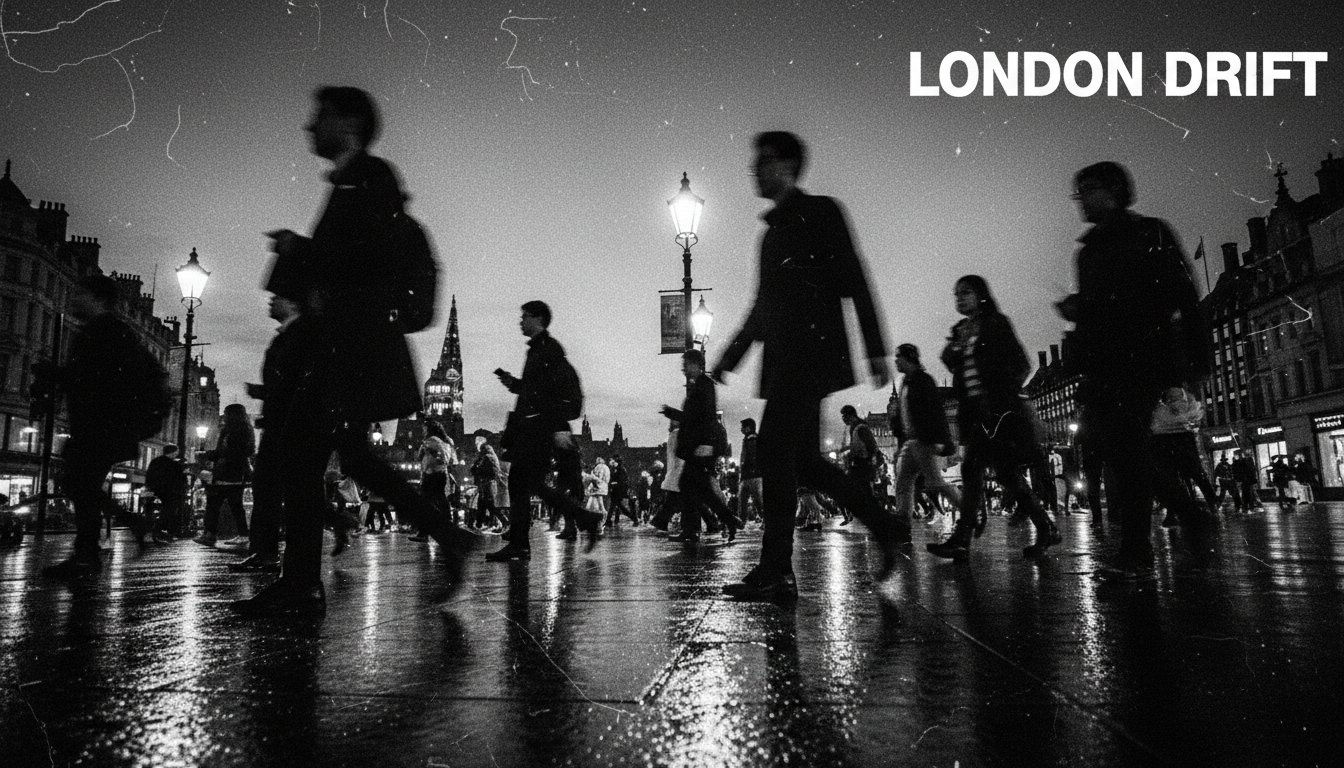
To gaze upon an image by the legendary Daido Moriyama is to be confronted by a raw, unfiltered vision of the world. His photographs-often grainy, blurred, and rendered in stark, high-contrast black and white-can feel disorienting, a world away from the polished compositions of conventional photography. This challenging aesthetic, famously encapsulated by the term ‘Are, Bure, Boke’ (rough, blurred, out of focus), is not an accident but the very heart of his revolutionary genius. For those new to his work, its power can seem elusive, yet within this intentional chaos lies a profound and deeply personal portrait of post-war Japan, captured by a true master of the medium.
This curated guide invites you to journey into the visceral world of this iconic artist. We will delve into the philosophy behind his rebellious style, uncover the stories within his most celebrated works, and understand his indelible legacy on the trajectory of modern art. By exploring his life and technique, you will gain not only a confident appreciation for his confrontational beauty but also an understanding of why a genuine Moriyama print is a coveted piece of photographic history. For the discerning collector, this is an essential exploration of an artist who forever changed the way we see the street.
Key Takeaways
- Gain a curatorial understanding of ‘Are, Bure, Boke,’ the radical aesthetic that defined Moriyama’s response to post-war Japan.
- Explore the seminal photobooks that served as the primary medium for his visceral storytelling and artistic evolution.
- Appreciate the lasting legacy of Daido Moriyama and his profound impact on the trajectory of contemporary street photography.
- Discover key considerations for collecting his work, allowing you to own a piece of photographic history and make a powerful statement in your interior.
Who Was Daido Moriyama? The Provocative Eye of Post-War Japan
In the pantheon of modern photography, few figures cast as long and stark a shadow as Daido Moriyama. A pivotal artist whose work is synonymous with the radical transformation of post-war Japan, Moriyama forged a visual language that was as confrontational as it was poetic. His lens was trained not on a romanticized vision of his homeland, but on the raw, disorienting, and often dark soul of the city-a chaotic landscape of desire, decay, and relentless change. He sought to capture the visceral experience of the street, producing a body of work that has since been celebrated with major exhibitions at institutions from MoMA in New York to the Tate Modern in London, cementing his status as a master of the medium.
Early Life and Formative Influences
Moriyama’s journey began not with a camera, but in the world of graphic design in Osaka, an origin that informed his bold, high-contrast compositions. His true photographic awakening occurred during his apprenticeship in Tokyo under the avant-garde master Eikoh Hosoe. This formal training was profoundly shaped by two key Western influences: the gritty, confrontational energy of William Klein’s book New York and the restless, existential wanderings of Jack Kerouac’s On the Road. A deeper look into Daido Moriyama’s life and work reveals how these disparate elements coalesced into his signature, instinct-driven approach to image-making.
The ‘Provoke’ Era: A New Visual Language
In the late 1960s, Moriyama became a leading figure in the seminal, albeit short-lived, photography collective and magazine, Provoke. The group’s manifesto was a direct challenge to the established conventions of photojournalism, rejecting objective documentation in favour of a subjective, fragmented, and deeply personal mode of expression. This was a radical departure, fueled by the profound social and political turmoil of the era. Their work embraced a deconstructed aesthetic known as are, bure, boke-grainy, blurry, and out-of-focus-a style that perfectly mirrored the fragmentation and raw feeling of modern urban existence.
Deconstructing the Moriyama Style: ‘Are, Bure, Boke’
At the heart of Daido Moriyama’s revolutionary vision lies a three-word manifesto that defines his entire aesthetic: Are, Bure, Boke. Translating to ‘rough, blurred, and out-of-focus,’ this iconic phrase encapsulates a deliberate departure from technical precision. For Moriyama, these are not photographic flaws but rather the very tools he uses to distill the raw, emotional essence of a moment. His work is not a factual document but a visceral impression, prioritising the fleeting atmosphere of the street over a clear, objective record.
The Philosophy of Imperfection
This approach was a profound rebellion against the pristine, meticulously composed photography that dominated the mid-20th century. Moriyama eschewed technical perfection to capture the chaotic, sensory overload of post-war Japanese urban life. His images are born from instinct and memory, reflecting a subjective experience of the world rather than an objective reality. This radical perspective, which continues to influence contemporary artists, is celebrated in major institutions, as evidenced by the extensive collection of Daido Moriyama’s work at MoMA. His photography channels the disorienting energy of the city, transforming visual noise into a deeply personal and compelling narrative.
Technique and Subject: The High-Contrast World
To achieve this signature immediacy, the artist famously favoured compact, point-and-shoot cameras, which allowed him to react to his surroundings with unparalleled speed and intuition. In the darkroom, he pushed his film to its absolute limits, creating grainy, high-contrast silver gelatin prints where shadows deepen into pure black and highlights verge on searing white. His lens was drawn to the gritty soul of Tokyo, particularly the Shinjuku district, capturing its anonymous figures, tangled power lines, and his iconic, prowling stray dogs. Through tilted angles and fragmented compositions, he presents a world that is at once familiar and profoundly unsettling.
Moriyama’s Most Iconic Works and Photobooks
For Daido Moriyama, the photobook is not an accessory to his art but its primary vessel. Each volume is a meticulously constructed world, a chapter in his ongoing exploration of memory, reality, and the chaotic beauty of postwar Japan. To trace the lineage of his photobooks is to witness the evolution of a master, from his explosive debut to his radical deconstruction of the medium itself, each collection representing a distinct and pivotal phase in his artistic journey.
‘Japan: A Photo Theater’ (1968)
This groundbreaking debut announced a seismic shift in Japanese photography. Moriyama turned his lens away from serene landscapes and toward the raw, pulsating life of the urban fringe. Documenting itinerant actors, smoky back-alley bars, and marginalized subcultures, the book is a visceral collection of moments that shattered traditional aesthetics in favor of a gritty, immediate, and profoundly human energy that would define his early career.
‘Farewell Photography’ (1972)
Arguably his most radical and challenging work, Farewell Photography (Sashin yo Sayonara) is a visual manifesto pushing the ‘Are, Bure, Boke’ style to its conceptual limit. The images are often scratched, blurred to abstraction, and seemingly damaged, representing a deliberate assault on photographic convention. It is a profound, almost nihilistic, meditation on the decay of memory and the very act of seeing, questioning if a photograph can ever truly capture reality.
The ‘Stray Dog, Misawa’ (1971)
More than any other single frame, this arresting image of a stray dog has become synonymous with the artist himself. Captured in Misawa, Aomori, the dog’s confrontational gaze and lean, feral form have been widely interpreted as a self-portrait of Moriyama as a lone wanderer on the fringes of society. Its raw, high-contrast texture and potent symbolism have cemented its status as a timeless icon of post-war anxiety and defiant individuality.
The enduring power of such images is a testament to the artist’s singular vision, a legacy preserved in these seminal works. Discover iconic works from the world’s finest photographers.
The Lasting Legacy: Moriyama’s Influence on Contemporary Art
The reverberations of Daido Moriyama’s work extend far beyond the shadowy alleyways of Shinjuku. He is, without question, one of the most pivotal and influential photographic artists of the post-war era. His radical vision not only redefined the visual language of his native Japan but also provided a new, visceral grammar for photographers across the globe, cementing his status as a permanent fixture in the medium’s history and bringing Japanese photography to the forefront of the international stage.
Shaping the Future of Street Photography
Moriyama’s true genius lies in how he liberated photography from the objective constraints of pure documentation. His work demonstrated that a photograph could be a subjective fragment-a deeply personal, often chaotic, response to the world rather than a clear record of it. This approach gave birth to the genre of ‘personal documentary,’ influencing generations of photographers, including luminaries like Anders Petersen and Jacob Aue Sobol, who adopted his raw, confrontational intimacy. He gave them permission to be imperfect, to embrace the blur, the grain, and the grit as essential parts of their artistic expression.
From Avant-Garde to Global Institution
Once a renegade of the Japanese avant-garde, daido moriyama is now a celebrated institution. His archival prints are held in the permanent collections of the world’s most prestigious museums, a testament to their enduring artistic and cultural value. His work is housed in revered institutions including:
- The Museum of Modern Art (MoMA), New York
- The Metropolitan Museum of Art, New York
- SFMOMA, San Francisco
- The Tate Modern, London
- Centre Pompidou, Paris
In 2019, he received the Hasselblad Award, often regarded as photography’s highest honour, for his “highly influential and lifelong dedication to photography.” This institutional acclaim, coupled with his enduring popularity in both fine art and fashion circles, underscores his unique ability to bridge the gap between street-level grit and high-art prestige. His work stands as a powerful testament to the photographic print, a legacy celebrated in collections of the world’s finest photography.
Collecting Daido Moriyama: Owning a Piece of Photographic History
To move from admiring the raw energy of Daido Moriyama’s work to possessing it is to acquire a tangible piece of photographic history. His prints are more than mere decoration; they are potent, graphic statements that infuse a space with the rebellious spirit of post-war Japan. An authentic Moriyama print serves as a sophisticated anchor for any interior, its timeless black and white composition resonating with a profound emotional depth that continues to captivate collectors and connoisseurs alike.
Why Invest in a Moriyama Print?
The aesthetic power of a Moriyama photograph lies in its iconic high-contrast, grainy, and often blurred style-the celebrated are, bure, boke. This is not just an image, but an investment in the legacy of a master who redefined the possibilities of street photography. Each frame carries a dense narrative, capturing fleeting moments of urban life with an unnerving intimacy. A work by Daido Moriyama is a guaranteed conversation-starter, inviting viewers to contemplate the beautiful chaos of the modern world.
Authenticity and Archival Quality
When acquiring a fine art photograph, its provenance is paramount. We recommend purchasing prints exclusively from official galleries or the artist’s estate to ensure authenticity. A true museum-quality print is defined by its material integrity. Look for the following standards:
- Archival Paper: Prints should be made on acid-free, archival-grade paper to prevent yellowing and degradation over time.
- Pigment-Based Inks: These inks offer superior longevity and tonal fidelity, crucial for capturing the deep, velvety blacks and stark whites that are the hallmark of Moriyama’s work.
- Professional Printing: Expert printing is essential to faithfully reproduce the unique contrast and texture of the original negative.
Displaying Moriyama’s Work in Your Home
The power of a Moriyama image is best honoured with minimalist presentation. A simple, elegant black or dark wood frame allows the photograph’s stark composition to command attention without distraction. Consider placing his work in a study, hallway, or living area where its bold, graphic nature can create a dramatic focal point. For a truly curated aesthetic, hang a Moriyama alongside other black and white masters like William Klein or Robert Frank to create a gallery wall that speaks to a shared lineage of visceral, uncompromising photography. Just as collectors seek out authentic Marilyn Monroe pictures for their timeless elegance and cultural significance, a genuine Moriyama print represents an equally powerful investment in photographic history. To ensure your print is presented with the reverence it deserves, explore our bespoke framing options for your chosen artwork.
The Enduring Provocation of Daido Moriyama
From the gritty, high-contrast streets of Shinjuku to the radical ‘are, bure, boke’ aesthetic that shattered photographic conventions, Daido Moriyama redefined the very essence of the medium. His work serves as a powerful testament to the idea that photography is not merely about capturing reality, but about conveying a raw, subjective experience. This legacy of visceral honesty and bold experimentation has cemented his place as an undisputed master, influencing countless artists who seek to capture the fleeting, chaotic beauty of the urban landscape.
To truly appreciate the power of such iconic work is to experience it firsthand. At Galerie Prints, we are dedicated to preserving this photographic heritage. Each piece in our collection is officially sourced from world-renowned archives, then meticulously hand-printed in our London darkroom and finished with bespoke, museum-quality framing. This commitment ensures that the artist’s vision is honoured with unparalleled authenticity and archival quality. Begin your own journey into the world of legendary image-making. Explore our curated collections of the world’s finest photography.
Frequently Asked Questions
What kind of camera did Daido Moriyama famously use?
While he used various cameras, Moriyama is most famously associated with compact, point-and-shoot models, particularly the Ricoh GR series. This choice was deliberate, allowing him an unparalleled freedom and immediacy on the streets. The compact camera became an extension of his eye, perfectly suited to his instinctive, snapshot aesthetic and enabling him to capture the fleeting, raw moments that define his work without the encumbrance of larger, more conspicuous equipment.
Is all of Daido Moriyama’s photography in black and white?
Though celebrated for his high-contrast monochrome images, a significant portion of Daido Moriyama’s oeuvre is rendered in vibrant, often gritty color. His color photography, particularly prominent in later works, explores the same urban landscapes but with a different sensory register. It reveals a world saturated with the neon glow and chaotic energy of the city, offering a compelling, visceral counterpoint to the stark drama of his iconic black and white prints.
What is the meaning behind his famous ‘Stray Dog’ photograph?
The iconic ‘Stray Dog’ (Misawa, 1971) is widely interpreted as a profound self-portrait. Moriyama saw himself in the animal: a lone wanderer, an outsider roaming the streets with a mix of defiance and vulnerability. The dog’s direct, almost confrontational gaze mirrors the photographer’s own relationship with the world he documents. It is a powerful symbol of alienation and survival within the rapidly modernizing landscape of post-war Japan, embodying the restless spirit of his artistic quest.
How did the Provoke movement change Japanese photography?
The Provoke movement, of which Moriyama was a key member, was a radical departure from the conventions of Japanese photography. It rejected objective reportage in favour of a deeply subjective and expressive vision. Championing the ‘are, bure, boke’ (grainy, blurry, out-of-focus) aesthetic, Provoke sought to capture a more truthful, visceral reality of the era’s social upheaval. This revolutionary approach dismantled established norms, paving the way for a more personal and critically engaged photographic language in Japan.
What should I look for when buying an authentic Daido Moriyama print?
When acquiring an authentic Daido Moriyama print, provenance is paramount. Seek works sold through reputable galleries or major auction houses that can provide a clear history of ownership. An authentic print should be accompanied by documentation and, depending on the edition, may bear the artist’s signature, an edition number, or a gallery stamp on the verso. Investing in a print with verified provenance ensures you are acquiring a genuine, archival piece of photographic history worthy of any serious collection.
Where are the best places to see Daido Moriyama’s work exhibited?
Daido Moriyama’s work is held in the permanent collections of the world’s most prestigious institutions. You can find his photographs exhibited at The Museum of Modern Art (MoMA) in New York, the San Francisco Museum of Modern Art (SFMOMA), The J. Paul Getty Museum, and the Tate Modern in London. For a dedicated experience, the Daido Moriyama Foundation in Tokyo serves as an essential archive and exhibition space, offering an unparalleled insight into the master’s extensive body of work.