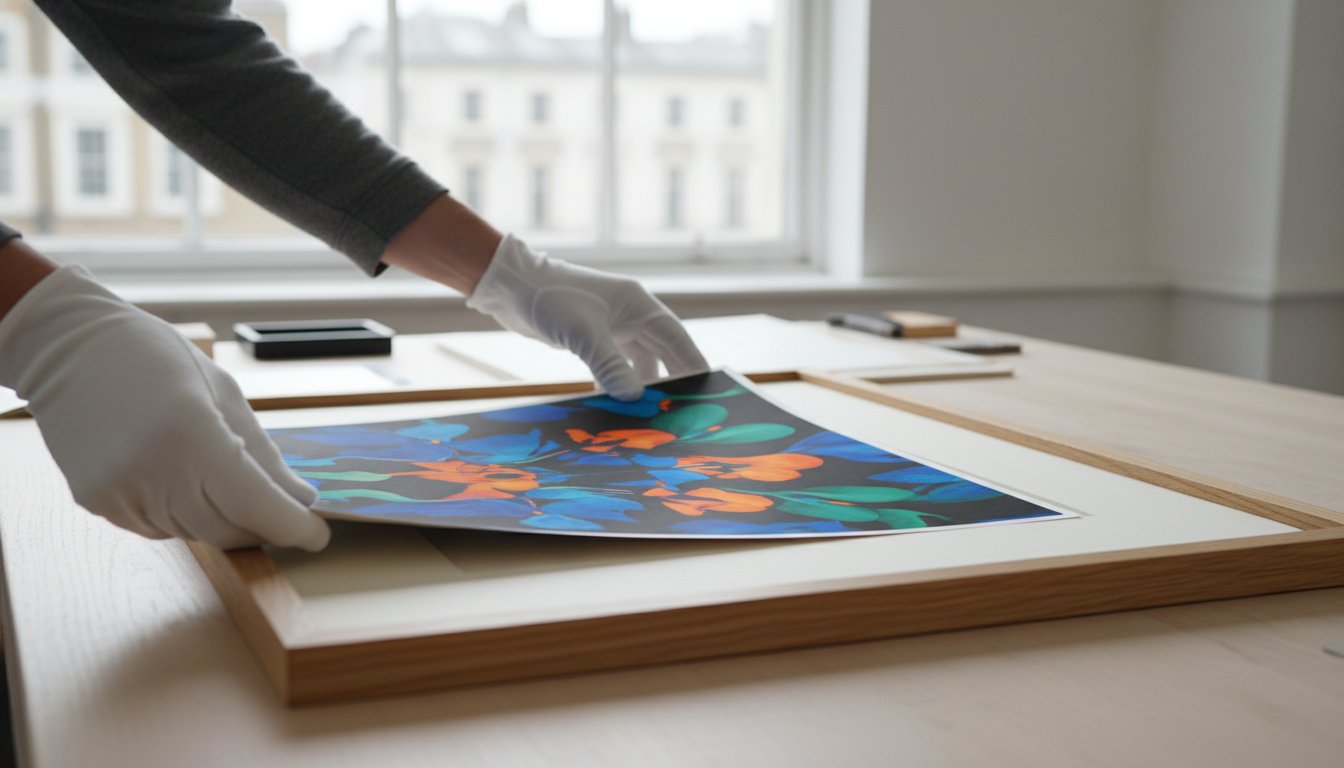
Tag: Giclée Prints

Iconic Behind the Scenes Movie Photos: A Collector’s Guide to Cinematic History

The most profound moments in cinema history often occur in the quiet intervals when the cameras stop rolling. While the finished film provides the illusion, it is the raw, unscripted sub-genre of iconic behind the scenes movie photos that captures the true tension between human vulnerability and the grand architecture of Hollywood. You likely feel a deep reverence for these glimpses into the past, yet finding museum-quality prints that honor the original source material is often a frustrating journey through low-quality digital archives and superficial lists.

This guide promises to bridge that gap. You will discover the artistry and historical depth of these images, learning how to distinguish between a mere marketing still and a piece of legitimate fine art. With film photography sales having surged by 127 percent since 2020, the world is witnessing a profound return to the authenticity of the grain and the silver halide process. We will explore the evolution of this medium, identify the legendary photographers who defined it, and offer expert advice on how to display these pieces of cinematic history within a sophisticated home environment.

Key Takeaways

  • Uncover why breaking the ‘fourth wall’ creates a unique emotional connection with legendary stars like Marilyn Monroe and Audrey Hepburn.
  • Discover the critical role of the unit photographer and the legendary artists who captured the unscripted reality of high-pressure film sets.
  • Master the nuances of cinematic aesthetics, from the stark timelessness of black-and-white film to the surreal spectacle of practical effects.
  • Learn how to curate and style iconic behind the scenes movie photos to transform your living space into a gallery-inspired reflection of cinematic history.
  • Gain insight into the technical superiority of museum-quality Giclée prints and the enduring value of preserving original photographic archives.

Beyond the Silver Screen: Why We Are Captivated by Iconic Behind the Scenes Movie Photos

There is an undeniable magnetism in the moment the architectural illusion of cinema falters. While a motion picture is a meticulously crafted dream, the images captured in the quiet intervals between “action” and “cut” offer something far more substantial: the unvarnished truth. For the discerning collector, acquiring iconic behind the scenes movie photos is not merely an act of nostalgia. It is a pursuit of the human element that exists behind the mask of celebrity. When we see Marilyn Monroe adjusting her costume in a quiet corner or Audrey Hepburn sharing a candid laugh with a stagehand, the “fourth wall” doesn’t just break; it dissolves, revealing the vulnerability of these seemingly untouchable icons.

The transition in how these moments were recorded marks a significant cultural shift. During the Golden Age of the 1950s, on-set photography was a highly controlled extension of the studio’s publicity machine. Every frame was curated to preserve the star’s mystique. However, the 1970s ushered in a New Hollywood era defined by raw photojournalism and a desire for authenticity. To understand the history of behind-the-scenes documentation is to witness this evolution from studio-sanctioned artifice to the gritty, unscripted reality of the set. An image achieves “iconic” status when it transcends the film it documents, standing alone as a masterpiece of composition and emotional depth that requires no cinematic context to justify its beauty.

The Evolution of On-Set Photography

In the early decades, photography was a rigid requirement for marketing, often resulting in stiff, posed stills. This changed with the rise of the independent unit photographer, a specialist tasked with capturing the atmospheric “soul” of a production. These artists operated on the periphery, documenting the tension and exhaustion of the creative process. The shift from physical film to digital formats has only increased the prestige of these original archives. Physical negatives from legendary sets represent a finite, tactile history of an artisanal era that digital files simply cannot replicate.

From Publicity Stills to Museum-Grade Art

What elevates a candid snapshot into a fine art print? It’s a combination of narrative depth, masterful lighting, and the preservation of original source materials. Collectors today look for iconic behind the scenes movie photos that exhibit the same technical excellence as traditional portraiture or street photography. These pieces serve as sophisticated conversational anchors in a home, offering a bridge between the grand spectacle of cinema and the intimate reality of the artistic journey. They are no longer seen as marketing ephemera, but as lasting investments in photographic heritage.

The Masters Behind the Lens: Legendary Photographers Who Captured Hollywood’s Rawest Moments

Behind every legendary film is a photographer who navigated the chaos of a set to capture the fleeting reality of creation. These unit photographers were more than mere observers; they were the guardians of a film’s lasting legacy. Establishing a deep sense of trust with stars was paramount. Without this intimacy, we would lack the iconic behind the scenes movie photos that now define our collective memory of cinema. These artists worked under immense pressure, often in cramped or dangerous conditions, to find the one frame that tells the story of the production’s soul. Their signature styles often mirrored the films they documented, using the same lighting palettes or compositional tensions to create a parallel narrative that exists outside the movie’s runtime.

Terry O’Neill: The Intimate Observer of Stars

Terry O’Neill possessed a singular gift for invisibility. In the 1960s and 70s, he moved through high-pressure sets with a quiet grace that allowed stars to drop their guards. Consider his portrait of Faye Dunaway at the Beverly Hills Hotel pool the morning after her Oscar win, or Brigitte Bardot caught in a moment of quiet repose. These aren’t just snapshots; they are masterclasses in fine art photography. O’Neill’s work remains a cornerstone for serious collectors who value the intersection of celebrity and vulnerability. He didn’t just take pictures; he curated a lifestyle that felt both aspirational and deeply grounded. You can explore the depth of his legacy through our curated collection of Terry O’Neill Photography.

The Power of the Archive: Preserving the Golden Age

The preservation of these moments relies heavily on the meticulous work of world-renowned archives. Organizations like The Society of Motion Picture Still Photographers champion the recognition of these artists, ensuring their work isn’t lost to time. Curated archives like Getty Images or the Hulton Archive serve as a vital reservoir for previously unseen negatives that were once destined for the cutting room floor. The process of digitising and restoring vintage film is an artisanal craft in itself. It requires a delicate touch to balance the original grain and tactile history of the film with the clarity required for modern large-format printing. For the collector, limited edition releases from these archives offer a rare opportunity to own a tangible piece of history. These prints aren’t mere reproductions. They are meticulously restored artifacts that justify their premium positioning through technical excellence and historical authenticity.

Defining the Aesthetic: Candid Portraits vs. the Spectacle of Practical Effects

The allure of iconic behind the scenes movie photos often lies in the jarring juxtaposition of the fantastic and the mundane. There is a profound visual tension when we see a terrifying entity, such as the animatronic shark from Jaws or the biomechanical terror of the Alien, resting amidst the utilitarian clutter of a film set. These frames strip away the carefully constructed terror, replacing it with a deep appreciation for the mechanical ingenuity and physical labor required to manifest such nightmares. Unlike the sterile wireframes of modern CGI breakdowns, photos of practical effects capture a tangible, three-dimensional reality. They document a lost era of miniatures and matte paintings, where the “magic” was a result of artisanal craftsmanship rather than digital rendering. This “workmanlike” beauty extends to the crew themselves. Seeing the focused faces of technicians and artists at work elevates the production from a product to a process, celebrating the unsung heroes who operate just out of the frame.

The Human Element: Stars in Repose

Actors exist in a state of quiet transition between high-drama sequences. Capturing this exhaustion, focus, or even a shared joke provides a narrative depth that scripted stills simply can’t reach. The aesthetic of black and white pictures is particularly effective in these instances. The monochromatic palette strips away the distractions of modern set equipment, emphasizing the “noir” soul of the performer and the timeless quality of their craft. These quiet moments often resonate more deeply than high-action shots because they offer a glimpse into the person behind the persona, grounding the legend in a recognizable human reality.

The Architecture of Illusion: Capturing the Craft

Beyond the performers, the set itself serves as a temporary, monumental sculpture. The intricate scaffolding of a Star Wars hangar or the dusty, physical depth of an Indiana Jones temple site offers a glimpse into the grand architecture of illusion. These images document a period when world-building was a tactile, physical endeavor. Lighting rigs, painted backdrops, and massive practical builds are preserved as historical artifacts through the lens of the unit photographer. For the collector, these photos are a testament to the preservation of original source materials, capturing a specific moment in time when cinema was as much about engineering as it was about storytelling. They represent a bridge to a bygone era of elegance and technical excellence that defines the heritage of the silver screen, a sentiment echoed in the masterful craftsmanship found at Art Of Guitar.

Curation and Display: How to Style Behind the Scenes Art in Your Home

The transition from a cinema enthusiast to a serious curator requires a shift in perspective. You aren’t merely purchasing a photograph; you’re acquiring a narrative that must harmonize with the architectural soul of your living space. Curating iconic behind the scenes movie photos involves more than just selecting a favorite film or a beloved star. It demands a discerning eye for theme, whether you choose to focus on the visionary output of a specific director, a particular genre, or the distinct visual language of a bygone era. These pieces serve as the ultimate conversational anchors in social spaces, sparking deep dialogue about the technical mastery and human vulnerability of the past. To ensure these investments retain their historical and financial value, the use of archival materials is non-negotiable. Museum-quality matting and UV-protective glass are essential to prevent the inevitable fading that plagues lesser prints, preserving the integrity of the work for decades.

Choosing the Right Era for Your Interior

Your existing interior design should dictate the era and aesthetic of your collection. If your home leans toward bright, airy rooms and a sense of effortless elegance, the aspirational luxury of the Slim Aarons era provides a perfect match. His work captures a world of prestige that complements mid-century modern furniture beautifully. Conversely, the gritty, unvarnished cool of 1970s New Hollywood—the shadowy, high-tension sets of Coppola or Scorsese—is better suited for the intellectual atmosphere of a library or a private study. For those seeking a more textured, nostalgic aesthetic, integrating vintage lobby cards into a gallery wall adds a layer of historical depth and tactile charm that larger formats might lack.

The Impact of Scale: Large Format vs. Gallery Walls

Scale is your most powerful tool when displaying iconic behind the scenes movie photos. A single, oversized statement print of a legendary moment can anchor an entire room, providing a sense of permanence and quiet authority. On the other hand, a meticulously planned gallery wall can tell the intricate story of a film’s production through a series of smaller, candid frames. Pay close attention to the role of negative space. Generous matting doesn’t just protect the physical print; it elevates the photograph to the status of a fine art piece, allowing the viewer to focus on the raw, unscripted details of the set. To ensure your collection is presented with the technical excellence it deserves, we invite you to explore our Bespoke Framing Service for a tailored finish.

Investing in History: Collecting Fine Art Movie Prints with Galerie Prints

Investing in iconic behind the scenes movie photos is a commitment to the preservation of a physical, tactile history. In an era where digital saturation is the norm, the market for authentic film photography has seen a remarkable resurgence. Wholesale demand for film photography increased by 127 percent between 2020 and 2026, reflecting a global desire for the authenticity of the grain over the sterile perfection of AI-generated imagery. At Galerie Prints, we position ourselves as more than a gallery; we are curators of provenance. Our collections are sourced directly from the world’s most prestigious archives, ensuring that every print carries the weight of historical authenticity. We don’t just offer images. We provide a bridge to a bygone era of elegance, where the technical mastery of the unit photographer was as vital as the director’s vision.

We utilize museum-quality Giclée printing processes on heavyweight archival paper to ensure that the depth of the original negative is honored. This technical precision is what distinguishes a fine art investment from a standard commercial poster. A professional print isn’t just about the visual impact; it’s about the longevity of the materials and the preservation of the artist’s original intent. By focusing on traditional production methods and the preservation of original source materials, we justify the premium positioning and exclusivity of our offerings for serious collectors.

Authenticity and Archival Quality

For the discerning collector, the choice of substrate and pigment is paramount. We use acid-free, heavyweight papers that resist yellowing and degradation over time. Our commitment to using original source materials means we don’t rely on third-party digital scans. Instead, we work with high-resolution captures of original negatives. This ensures that the silver halide texture, so characteristic of the 20th-century film sets we document, is reproduced with absolute fidelity. While standard commercial prints may fade within a few years, our archival-grade productions are designed to remain vibrant for generations, acting as a lasting piece of history in your home.

Bespoke Framing: The Final Touch of Elegance

The final step in your journey is our Bespoke Framing Service. A frame should never be an afterthought; it must act as an extension of both the artwork and your home’s unique architecture. We offer a range of premium moldings and museum-grade glazing options that protect your iconic behind the scenes movie photos from environmental damage. For our international collectors, we provide a seamless, ready-to-hang delivery service. This ensures that your chosen piece arrives in pristine condition, ready to be unveiled in your private gallery. Explore our curated collection of iconic movie photography and start building a legacy that celebrates the raw, unscripted beauty of cinematic history today.

Preserve the Legacy of Cinema in Your Private Collection

The transition to becoming a serious curator hinges on recognizing that the most profound cinematic stories often exist outside the frame. By choosing to collect iconic behind the scenes movie photos, you’re preserving the raw, unscripted reality that defined an era of unparalleled artistry. These images bridge the gap between the grand spectacle of Hollywood and the intimate focus of the creative process; they offer a sense of permanence and historical depth that modern digital media simply cannot replicate.

Galerie Prints grants you exclusive access to the prestigious Getty Images Gallery archive, ensuring every piece is grounded in verified historical provenance. Our bespoke framing service, executed by master craftsmen, provides the final touch of sophistication required for museum-grade display in a refined home. With our reliable worldwide shipping, these lasting artifacts of film history are available to enhance your collection, no matter where you reside. Each print is a testament to the technical excellence and human vulnerability that make cinema the world’s most captivating art form.

Browse the Curated Cinema Collection at Galerie Prints

Take the first step in building a legacy that celebrates the enduring soul of the silver screen and the masters who captured it.

Frequently Asked Questions

What is the difference between a movie still and a behind-the-scenes photo?

A movie still is a captured frame from the finished film or a staged recreation for marketing, while a behind-the-scenes photo documents the actual production process. While stills preserve the illusion of the story, behind-the-scenes images capture the reality of the set, including cameras, crew, and unscripted moments. This distinction is vital for collectors who value the raw, historical documentation of cinematic craftsmanship over promotional imagery.

Why are many iconic behind-the-scenes photos shot in black and white?

Many iconic behind the scenes movie photos were shot in black and white because it was the professional standard for press and archival documentation during the mid-20th century. Beyond technical necessity, the monochromatic palette emphasizes texture, lighting, and raw emotion without the distraction of modern set colors. This aesthetic choice creates a timeless quality that allows the human element of the production to take center stage.

Are behind-the-scenes prints considered a good investment for art collectors?

Fine art behind-the-scenes prints are increasingly regarded as stable investments due to their rarity and historical significance. As the global market for analog photography grows, limited edition prints from prestigious archives tend to appreciate in value. Collectors often prioritize works by legendary unit photographers because they represent a finite record of a bygone era of physical filmmaking, making them highly sought after in the art world.

How do I know if a movie print is of archival quality?

You can identify archival quality by looking for specific materials such as acid-free heavyweight paper and pigment-based inks. Museum-grade prints, often produced using the Giclée process, are designed to resist yellowing and fading for over a century. Always verify that the print is produced on archival-certified paper, which ensures the preservation of the original source material’s depth and clarity for long-term collection.

Can I find behind-the-scenes photos from modern movies as fine art prints?

While many fine art prints focus on the Golden Age and New Hollywood, high-quality behind-the-scenes photos from modern productions are available through specialized collections. These often highlight the spectacle of practical effects or intimate portraits of contemporary icons. However, the rarity of physical film archives from the digital era means that modern prints are often released in strictly limited editions to maintain their exclusivity and value.

What are the best movies for behind-the-scenes photography collectors?

Films with complex productions or legendary stars, such as The Godfather, 2001: A Space Odyssey, or Goldfinger, are perennial favorites for collectors. These sets offered rich visual environments where unit photographers could capture the tension of high-stakes filmmaking. Collectors also gravitate toward movies with significant practical effects, as these photos document the intricate craftsmanship that defined the pre-CGI era of cinema history.

How should I frame a large-format cinematic print?

Large-format prints should be framed using museum-quality materials, including UV-protective glass and acid-free mounting boards. A deep box frame or a classic wooden molding can provide the structural stability needed for oversized works while complementing the architectural style of your home. Proper matting is equally important, as it prevents the print from touching the glass and creates a sophisticated visual border that elevates the photograph.

Are these photos licensed from the original film studios?

Authentic iconic behind the scenes movie photos are typically licensed through the original film studios or the prestigious archives that hold the rights to the negatives. This ensures that the photographer’s estate and the copyright holders are respected, providing you with a legitimate piece of cinematic heritage. Purchasing licensed work guarantees the provenance of your print, which is essential for maintaining its long-term value as a fine art asset.

Bold and Vibrant Lifestyle Art Prints: A Curator’s Guide to Saturated Elegance

The most prestigious rooms are never defined by what they hide, but by the stories they boldly broadcast through saturated color and historical light. You likely understand that a house only becomes a home when it reflects a life well-lived; yet the fear of a clashing palette or a generic, soul-less aesthetic often leads to safe, muted choices. Integrating bold and vibrant lifestyle art prints into your collection isn’t just about adding color. It’s about anchoring a room with “Aspirational Realism,” a curated window into a world of timeless elegance that commands attention without ever feeling garish.

We recognize the hesitation that comes with investing in high-saturation pieces, from worries about archival longevity to the challenge of balancing energy with sophistication. This guide will show you how to elevate your interior using the prestige and historical narrative found in high-end photography, such as the legendary works of Slim Aarons or Terry O’Neill. You’ll discover how museum-quality giclée standards, utilizing pigment-based inks and archival cotton papers, protect your investment. We’ll explore the technical excellence of artisanal production and how bespoke framing ensures these vibrant stories remain as vivid as the day they were captured, turning your space into a sanctuary of energetic, expensive design.

Key Takeaways

  • Distinguish between ordinary snapshots and the curated, high-saturation works of masters like Slim Aarons and Terry O’Neill that define the jet-set aesthetic.
  • Discover how to select bold and vibrant lifestyle art prints that serve as sophisticated focal points, balancing energetic color palettes with your existing interior architecture.
  • Learn the psychological impact of specific hues and how to harness saturated color to evoke feelings of calm, energy, or timeless prestige within a living space.
  • Explore the technical superiority of archival Giclée and C-type printing, ensuring your investment in photographic heritage is preserved against time and fading.
  • Understand how bespoke framing acts as a bridge between historical narrative and modern furniture, creating a cohesive look that feels both expensive and deeply personal.

Defining the Aesthetic: Beyond the Saturated Lens

True elegance in photography isn’t found in the merely bright; it resides in the deliberate. When we discuss bold and vibrant lifestyle art prints, we are referring to a sophisticated mastery of high-contrast, high-saturation imagery that elevates authentic human experiences into the realm of the extraordinary. Unlike the flat, neon-heavy files found in mass-market décor shops, these curated works rely on a concept we call “Aspirational Realism.” This is the delicate art of capturing a moment that feels entirely genuine yet possesses an impossibly polished, cinematic quality. It’s the difference between a simple holiday photo and a piece of history that commands a room’s attention through its sheer visual weight.

A significant part of this luminous look stems from a reverence for natural light. Master photographers often waited hours for the “Golden Hour,” that specific window of time when the sun’s low angle provides a warmth and depth that artificial filters cannot replicate. This natural brilliance ensures the colors are deeply saturated without losing the subtle textures of the subject, whether it’s the ripple of a pool or the silk of a summer dress. By prioritizing the sun’s own palette, these artists achieved a clarity that feels both vintage and remarkably modern.

The Anatomy of a Vibrant Lifestyle Print

The most compelling pieces in our collection often utilize specific color theory principles to create visual harmony that lasts. Consider the signature palettes of Slim Aarons; his work frequently pairs Mediterranean blues with sun-drenched yellows, creating a complementary balance that feels both energetic and stable. High-key lighting plays a crucial role here, flooding the frame with light to ensure vibrancy remains high while preserving the fine details in the shadows. This aesthetic is the precise intersection of candid human energy and meticulous editorial precision.

Vibrancy vs. Saturation: A Curatorial Distinction

A discerning collector understands that there is a vast difference between vibrancy and mere saturation. In amateur photography, increasing saturation often leads to flat, “clipped” colors where skin tones become unnaturally orange and textures disappear. Professional-grade bold and vibrant lifestyle art prints preserve the integrity of the human form while pushing the boundaries of the color spectrum. This legacy was largely established by the historical use of Kodachrome film, celebrated for its rich, realistic reds and greens. When selecting a piece, look for luminosity and depth. A truly great print doesn’t just look bright; it appears to glow from within, offering a three-dimensional quality that invites the viewer to step into the frame and join the narrative.

The Pioneers of Aspirational High-Life Photography

While modern digital filters attempt to mimic the glow of a sun-drenched life, the true essence of this genre was forged by a handful of visionaries who lived among their subjects. These masters didn’t just document the elite; they curated a visual language of success and leisure. By choosing bold and vibrant lifestyle art prints from these specific archives, a collector isn’t just buying a picture, but a certified piece of photographic heritage. This aesthetic was born from an era where color was a luxury, used deliberately to tell stories of mid-century glamour that still resonate in the modern home.

The vibrancy found in these works isn’t a post-production trick. It’s a direct reflection of the actual environments these photographers inhabited. From the bright umbrellas of the Amalfi Coast to the neon energy of a 1960s film set, the saturation was a byproduct of the era’s optimism. These pioneers understood that the psychological effects of color could transform a static image into a living experience, inviting the viewer to share in the warmth of a world that felt both authentic and impossibly elegant.

Slim Aarons: The Master of Saturated Leisure

Slim Aarons remains the undisputed architect of aspirational photography. His philosophy was famously simple: “attractive people doing attractive things in attractive places.” His ‘Poolside’ series, particularly works like “Poolside Gossip” at the Kaufmann House, serves as the definitive benchmark for luxury interior art in 2026. The way he captured the turquoise of a Palm Springs pool against a stark desert sky creates a visual harmony that few have ever matched. For those looking to understand the technical depth behind his lens, our definitive guide to Slim Aarons explores his transition from a combat photographer to the chronicler of the world’s most exclusive social circles.

Terry O’Neill and the Energy of Fame

If Aarons captured the environment of the elite, Terry O’Neill captured their pulse. Known for his unprecedented access to the 1960s jet set, O’Neill brought a raw, candid energy to his celebrity portraits. His shift from traditional black and white to iconic color works allowed him to showcase the vibrant personalities of icons like Brigitte Bardot. These archives are increasingly rare and highly collectable, offering a sense of permanence that fleeting digital trends lack. O’Neill’s use of color was a narrative tool that highlighted the “color” of fame itself, making his work a cornerstone for anyone seeking bold and vibrant lifestyle art prints with genuine soul. You can explore these legendary perspectives in our Terry O’Neill photography collection to find a piece that resonates with your own space.

The Emotional Resonance: Why Bold Colour Matters in Art

Color is rarely a neutral participant in a room’s atmosphere; it’s a silent conductor of mood and energy. When you introduce bold and vibrant lifestyle art prints into a living space, you’re doing more than filling a void on a wall. You’re establishing an emotional frequency. While some collectors lean toward the timeless allure of black and white pictures for their quiet, structural grace, others seek the visceral pulse that only a saturated palette can provide. This choice often stems from a desire to capture the “Nostalgia Factor,” where deep cyans and sun-baked oranges evoke the sensory memories of Mediterranean summers and the golden age of travel.

The science behind these reactions is well-documented. As explored in research regarding The Psychology of Color in Graphic Design, specific hues can fundamentally alter human perception and behavior. Saturated blues tend to instill a sense of expansive calm, reminiscent of the endless horizons in a Slim Aarons seascape, while bold yellows and reds provide a shot of adrenaline to social spaces. By understanding these triggers, a curator can use bold and vibrant lifestyle art prints to dictate the “temperature” of a home, ensuring the art does more than decorate, it resonates.

Creating a Mood with Chromatic Intensity

Selecting the right print requires a thoughtful analysis of a room’s intended function. A high-energy dining room or entrance hall benefits from the electric vitality of a Terry O’Neill celebrity portrait, where the colors pulse with the rhythm of the 1960s. For a bedroom, a “soft-vibrant” approach, focusing on the deep teals or muted terracottas of a coastal landscape, offers energy without disrupting rest. Large-format prints also play a vital role in spatial perception; a massive, color-saturated piece can make a small room feel intentionally cozy and expensive rather than cramped. A single, commanding print serves as the definitive visual anchor that harmonizes every other element in your room’s color story.

Overcoming the “Garish” Fear

The most common hesitation among new collectors is the worry that a bright piece will appear “too loud” or clash with existing decor. This is where professional curation differs from retail impulse. To prevent a print from feeling garish, balance its intensity with neutral wall tones, such as gallery white or soft charcoal, and incorporate natural textures like wood or linen. Pay close attention to the “white space” and internal composition of the photograph itself; a well-composed masterwork uses color as a focal point, not a chaotic wash. Because we prioritize museum-quality production, the depth and luminosity of the ink prevent the work from ever looking like a flat, commercial poster, maintaining a level of sophistication that honors both the artist and your home.

How to Curate Vibrant Lifestyle Prints in Modern Interiors

Integrating bold and vibrant lifestyle art prints into a contemporary home requires a shift from mere decoration to architectural intention. A common error is selecting a size that feels timid against the scale of modern furniture; instead, aim for pieces that command the room’s attention. Large-scale statement prints are a dominant trend in 2026, serving as a dramatic focal point that anchors the room’s energy. To ensure the art feels integrated rather than imposed, use a bespoke framing service to bridge the visual gap between the photograph’s saturated palette and your existing furniture textures. A hand-finished wood frame or a sleek, gallery-style shadow box can ground the most electric colors, providing a sense of permanence and stability.

The perceived vibrancy of your collection isn’t static; it shifts with the movement of the sun and the quality of your interior lighting. Natural light can bring out the hidden depths of a sun-drenched Mediterranean scene, yet it also presents the greatest risk to your investment. While mass-market prints often use dye-based inks that shift color under sunlight, our archival Giclée and C-type standards use pigment-based inks designed to resist fading for decades. To truly honor the work, consider how it interacts with the room’s light throughout the day, perhaps placing a particularly luminous Slim Aarons piece where it can catch the soft, late-afternoon glow.

The Art of the Gallery Wall

A thematic gallery wall offers a sophisticated way to display a diverse collection while maintaining a cultured feel. You might pair high-society lifestyle shots with fine art photography or iconic music photography to create a narrative of 20th-century cool. For high-impact, colorful imagery, keep the spacing tight-roughly two to three inches between frames-to ensure the collection reads as a single, powerful installation. Using consistent, bespoke framing across disparate vibrant subjects provides the visual “connective tissue” needed to prevent the wall from feeling cluttered or chaotic.

Lighting Your Vibrant Collection

Lighting is the final, essential layer of curation. Direct UV light is the primary enemy of non-archival prints, leading to brittle paper and washed-out colors. We recommend “museum glass” for any high-saturation lifestyle art; its anti-reflective properties and UV-filtering capabilities ensure the colors remain crisp while reducing distracting glare. For a truly professional finish, use dedicated picture lights. These fixtures can be adjusted to enhance the internal “glow” of a saturated scene, making a bold and vibrant lifestyle art print feel as though it’s being illuminated from within. Explore our full range of premium photographic collections to find the perfect centerpiece for your next curation project.

Investing in History: The Galerie Prints Difference

A photograph of historical significance is more than a decoration; it’s a window into a specific cultural zenith. When you choose bold and vibrant lifestyle art prints from our collection, you aren’t merely selecting a wall covering. You’re acquiring a piece of photographic heritage produced to the highest archival standards. Unlike temporary decor that relies on non-traditional materials like infused acrylics, we remain committed to the prestige of traditional C-type and Giclée printing methods. These techniques ensure that the deep, saturated tones of a Slim Aarons poolside or a Terry O’Neill portrait remain as striking in fifty years as they are today.

Our status as a premier destination for serious collectors is anchored by our exclusive partnerships with renowned photographic archives, including the Slim Aarons archives. These relationships allow us to work directly from original negatives and transparencies, preserving a level of detail and color accuracy that secondary retailers cannot replicate. Every print is a testament to our role as a bridge to a bygone era of elegance, supported by a localized, artisanal framing process in London. This hand-finished approach ensures that your art is protected by museum-quality materials, transforming a simple purchase into a lasting investment in history.

From Archive to Wall: The Production Journey

The journey from a vintage 35mm transparency to your living room wall is one of meticulous technical precision. We prioritize the integrity of the original source material, utilizing Giclée standards that demand a minimum resolution of 300 dots per inch and pigment-based inks. Our bespoke mounting and hand-finished frames are crafted by seasoned specialists who understand the nuances of high-saturation color. We guarantee that our prints maintain their vibrancy for generations, providing the permanence that high-caliber visual art deserves.

Start Your Vibrant Collection Today

Owning a piece from the Slim Aarons or Terry O’Neill archives brings a quiet authority to any interior, signaling a discerning appreciation for both history and aesthetics. Whether you’re drawn to the sun-drenched leisure of the jet-set era or the electric energy of 1960s fame, our curated collections offer a gateway into an elite world of beauty. We invite you to move beyond the generic and invest in art that possesses a genuine soul. Explore our most vibrant lifestyle prints and bespoke framing options to find a legacy piece that resonates with your personal narrative.

Cultivating a Legacy of Saturated Elegance

Selecting the perfect piece for your home is a journey into the heart of photographic heritage. By embracing bold and vibrant lifestyle art prints, you aren’t just decorating a wall; you’re anchoring your space with the energy of a sun-drenched, aspirational era. We’ve explored how the deliberate use of saturated color by masters like Slim Aarons and Terry O’Neill creates an emotional frequency that transforms modern interiors. You now understand that true vibrancy relies on technical excellence, from the preservation of original transparencies to the application of pigment-based inks on archival paper.

As an official Getty Images Gallery Partner, we ensure every print meets the rigorous standards of a serious collector. Our bespoke, London-based artisanal framing service provides the final, protective layer to your investment, guaranteeing museum-quality results that endure for generations. It’s time to move beyond the temporary and own a lasting piece of history. Browse the Iconic Slim Aarons Collection at Galerie Prints and begin curating a home that resonates with timeless, saturated elegance.

Frequently Asked Questions

What makes a photograph “lifestyle” rather than just a portrait?

Lifestyle photography prioritizes the environment and the narrative moment over the simple documentation of a subject’s features. While a portrait focuses on the individual, a lifestyle shot captures “Aspirational Realism,” placing subjects within a curated world of architecture, leisure, and social interaction. It tells a story of a life well-lived, where the surroundings are just as vital to the composition as the people within them.

Will the vibrant colours in my print fade over time?

Our commitment to archival Giclée and C-type printing ensures that your collection remains protected against the passage of time. By utilizing pigment-based inks and acid-free, 100% cotton rag papers, we produce bold and vibrant lifestyle art prints designed to resist UV degradation for decades. When paired with museum-quality glass, these prints maintain their chromatic integrity and luminosity without the risk of washing out.

How do I choose the right frame for a very colourful photograph?

The ideal frame acts as a sophisticated border that grounds the energy of the image without competing for attention. For high-saturation works, we often recommend neutral tones such as gallery white, charcoal, or hand-finished natural woods. Our bespoke framing service is designed to create a visual bridge between the electric palette of the art and the architectural textures of your home, providing a polished and permanent finish.

Can I mix bold lifestyle prints with black and white photography?

Combining saturated imagery with monochrome works is a hallmark of a cultured and worldly collection. The structural grace of black and white photography provides a timeless counterpoint to the visceral pulse of a vibrant scene, creating a layered narrative on any gallery wall. To maintain a sense of order, we suggest using consistent framing materials to unify the disparate styles into a single, cohesive installation.

What is the best room in the house for vibrant lifestyle art?

Social spaces that benefit from a sense of energy and prestige, such as dining rooms, entrance halls, or primary living areas, are the most effective settings for these pieces. A large-format print serves as a definitive visual anchor that can dictate the “temperature” of the entire room. In more private quarters, choosing a “soft-vibrant” piece with deep Mediterranean blues or coastal teals offers a luxurious atmosphere that remains tranquil.

Are these prints considered a good investment for art collectors?

Investing in certified archives from masters like Slim Aarons or Terry O’Neill is a strategy for those seeking both aesthetic beauty and long-term value. As the global art market expands, particularly for high-caliber photography, limited edition and estate-stamped prints from recognized historical archives continue to be highly sought after. These works are not merely decorations; they are tangible pieces of photographic heritage that carry a sense of permanence.

What is the difference between a poster and a fine art lifestyle print?

The distinction lies in the material quality and the authenticity of the source. A standard poster is mass-produced on thin, non-archival paper using dye-based inks that shift and fade within years. In contrast, a fine art print is produced from original negatives or transparencies using museum-grade standards. This results in a three-dimensional depth and a level of detail that a commercial reproduction simply cannot replicate.

How does lighting affect the look of a high-saturation print?

Lighting serves as the final layer of curation, influencing how the colors resonate within the space. Natural light can bring out the warmth of a sun-drenched scene, but it requires the protection of UV-filtering glass to prevent damage. Indoors, using dedicated picture lights allows you to control the “glow” of the work, making a high-saturation print feel as though it is being illuminated from within, regardless of the time of day.

Are Fine Art Prints a Good Investment? A Curator’s Guide to Collecting

In 2025, while auction values for trophy paintings above $10 million plummeted by 39 percent, the prints and multiples segment grew to represent 7 percent of the total global art market. This structural realignment suggests a newfound collector discipline, favoring the resilience and liquidity of editions over singular, unreachable canvases. You likely sense that the art world is becoming more democratized, yet the fear of acquiring a low quality reproduction instead of a true archival piece often creates a hesitation that stalls your journey. It is difficult to feel confident when online marketplaces feel cluttered and technical terms remain unexplained.

This guide illuminates the path for the discerning collector, answering the essential question: are fine art prints a good investment for your personal legacy? You will learn to move beyond the confusion of technical jargon and develop a confident curatorial eye. We will examine the technical markers of value found within the Slim Aarons and Terry O’Neill archives, the importance of archival quality, and how a bespoke framing service preserves the historical integrity of your collection. By the end, you will understand how to select pieces that offer both aesthetic wonder and lasting material value.

Key Takeaways

  • Shift your perspective from mere interior decoration to a deliberate curatorial vision that builds a lasting narrative through fine art photography.
  • Master the technical nuances of archival quality, including the differences between Giclée and C-type processes, to determine if are fine art prints a good investment for your goals.
  • Learn why sourcing from authorized archives, such as the Slim Aarons estate or Terry O’Neill collection, is vital for establishing provenance and prestige.
  • Discover how bespoke framing acts as a critical preservation tool, utilizing UV-protective glass to maintain the print’s vibrancy and financial survival.
  • Gain the confidence to navigate the market by identifying the markers of artisanal craftsmanship that separate museum-quality editions from mass-produced reproductions.

Defining Your Curatorial Vision: Beyond Mere Decoration

Building a collection of fine art photography isn’t simply an exercise in interior design; it’s an act of intellectual and aesthetic preservation. While many people purchase art to match a sofa, a true collector seeks pieces that converse with one another. This distinction is central when asking: Are fine art prints a good investment? A single, haphazard purchase might lose its charm as trends shift, but a themed collection gains strength through its internal cohesion. We are often driven by a reverence for history, a touch of nostalgia, and a desire for aesthetic minimalism. These emotional drivers transform a house into a gallery of personal heritage.

The “anchor piece” strategy is often the wisest path for the nascent collector. By selecting one significant work, perhaps a striking Slim Aarons poolside scene or a Terry O’Neill portrait of cinematic royalty, you set the tone for every subsequent acquisition. This first piece establishes the gravity and the visual language of the space. When considering art valuation principles, the provenance and historical significance of your anchor piece provide a baseline for future growth. It acts as a North Star, guiding your eye toward works that share its DNA.

Identifying Your Niche and Theme

Focusing your acquisitions allows you to become an expert in a specific cultural moment. You might gravitate toward the “Golden Era” of Hollywood or the rebellious energy found within music archives. Alternatively, a monochromatic theme offers a sophisticated visual thread that ties diverse subjects together. Exploring the timeless allure of black and white pictures provides a sense of permanence that transcends fleeting decor trends. By following a specific artist’s oeuvre, you ground your collection in a recognizable visual identity that signals discernment and worldliness.

The Importance of Narrative in a Collection

The Technical Anatomy of Value: Archival Integrity and Editioning

To understand why some works appreciate while others fade into obscurity, one must look beyond the image to the physical object itself. A mass-produced poster is a temporary decoration, often printed on thin, acidic paper that yellows and becomes brittle within years. In contrast, a gallery-quality fine art print is an engineered asset. When collectors ask, “are fine art prints a good investment?” they are really asking about the marriage of artistic vision and material science. The longevity of a print is determined by the chemistry of its creation, ensuring it remains a vibrant piece of history for generations.

Two primary processes dominate the high-end photographic market: Giclée and C-type. Giclée printing utilizes sophisticated inkjet technology to spray millions of microscopic droplets of pigment-based ink onto archival paper. This method is praised for its incredible color depth and stability. C-type, or chromogenic printing, is the traditional photographic method where light-sensitive paper is exposed and then developed through a chemical process. Both are museum-standard; they offer different tactile experiences but share a commitment to permanence. While the aesthetic choice is personal, the archival integrity of both ensures the work’s long-term physical survival.

Paper Quality and Ink Longevity

The foundation of any serious collection is the substrate. Museum-grade, acid-free cotton rag papers are essential. These materials lack the lignin found in cheaper papers, preventing the “burning” that ruins inferior prints. Pigment-based inks are equally vital. Unlike dye-based inks that succumb to light, pigments offer stability for over a century. Your collection’s “passport” is the Certificate of Authenticity (COA), which verifies origins and technical specs for future valuation.

The Nuances of Editioning and Rarity

Rarity is a cornerstone of value. While a lower edition number represents an earlier pull, it doesn’t mean the quality is superior; it simply signifies a finite supply. Limited editions are strictly capped, creating scarcity that open editions lack. Artist Proofs carry a prestige premium due to their proximity to the creator. For collections featuring the Slim Aarons or Terry O’Neill archives, “Estate Stamped” prints from authorized sources ensure the work’s historical authenticity remains intact.

While research from the Is art a good investment? study at Stanford suggests that financial outcomes are influenced by market timing, the technical resilience of a museum-grade print offers a tangible stability. This physical permanence is a key factor when considering the question: are fine art prints a good investment? To begin your journey with works of undisputed technical excellence, you might explore the curated music archives and limited edition prints available through our gallery.

Sourcing from the Masters: The Prestige of Photographic Archives

While casual buyers might browse unverified online marketplaces or flea markets, a discerning collector understands that prestige begins with the source. Authorized archives, such as those held by Getty Images or the Slim Aarons estate, provide a level of historical certainty that is essential for long term value. When debating whether are fine art prints a good investment, the provenance of the source is often the deciding factor. A gallery acts as a guardian of this photographic heritage, ensuring that every piece is a faithful representation of the photographer’s original intent. This professional oversight protects you from low quality reproductions that lack the technical markers of a true archival piece.

The photographer’s “eye” remains the ultimate metric for any acquisition. It’s the ability to capture a fleeting cultural shift or a moment of unattainable elegance that transforms a simple image into a sought after asset. Researching an artist’s historical significance before a purchase isn’t just due diligence; it’s an immersion into the narrative you are helping to preserve. This same appreciation for narrative and technique is found in contemporary work; for example, you can learn more about Katie Levine Photo to see how professional branding and high-end portraits are crafted with an editorial eye. By understanding the creator’s place in the artistic canon, you can better predict the enduring appeal of their work. This historical weight is what separates a decorative image from a piece of visual history that holds its own in the global art market.

The Aspirational World of Slim Aarons

Few names command as much reverence in the world of lifestyle photography as Slim Aarons. He remains the gold standard for those looking to anchor a collection in mid-century glamour. Iconic works like “Poolside Gossip” aren’t just photographs; they are cultural cornerstones that define an era of aspirational living. These pieces often carry a C-type print heritage, reflecting the rich, saturated tones of the original film. By acquiring works from such a storied archive, you’re securing a piece of a specific, high-end lifestyle that continues to inspire modern interior aesthetics.

Cinema and Music Archives: Capturing Cultural Moments

Capturing the cultural zeitgeist requires looking toward the archives of Hollywood and the music industry. Collecting lobby cards offers a tangible link to the golden age of cinema, providing a historical depth that modern digital prints cannot replicate. Similarly, the “Swinging Sixties” as captured by Terry O’Neill provides a sustainable and prestigious theme for any serious collection. Integrating music archives requires a curatorial touch. You can avoid the “fan room” aesthetic by focusing on the artistic composition and historical weight of the shot rather than just the celebrity subject. This approach ensures your collection reflects a worldly perspective and a sophisticated appreciation for the visual arts.

The Preservation Premium: How Bespoke Framing Protects Your Investment

Framing is frequently the final decision in the acquisition process, yet for the serious collector, it is the most critical act of guardianship. While basic, ready-made frames might appear to be a convenient solution, they often harbor acidic components that off-gas, leading to irreversible chemical degradation of the paper. When evaluating if are fine art prints a good investment, one must consider that the work’s future resale value is inextricably linked to its physical condition. Bespoke framing, executed to museum standards, acts as a structural and chemical shield that ensures the print’s long-term financial survival.

UV-protective glass is a non-negotiable requirement for any archival piece. Even indirect light can cause significant color shifting and fading over a decade, irrevocably altering the artist’s original vision. Beyond this protective function, the frame serves as a vital bridge between the artwork and your home’s domestic architecture. It elevates a two-dimensional image into a prestigious, three-dimensional object. Professional mounting also prevents the rippling and “waves” that often occur when prints are improperly secured, maintaining a flat, pristine surface that collectors expect. If the physical integrity of the print is compromised, its market value often vanishes along with its aesthetic appeal.

Choosing the Right Frame Style

The “Gallery Frame,” typically in a matte black or white finish, remains a perennial favorite for its ability to let the imagery speak without distraction. For those seeking a more sculptural presence, a deep-box frame creates a sense of depth, drawing the viewer into the scene. The “matting,” or the mount, is equally functional; it provides essential breathing room between the paper and the glass to prevent moisture traps. This space ensures the delicate surface of the print never comes into direct contact with the glazing.

Conservation Standards for Serious Collectors

Location is just as important as the frame itself. To maintain the integrity of your collection, avoid hanging pieces in areas with high humidity or temperature fluctuations, such as kitchens or bathrooms. The “Reversibility Rule” is a cornerstone of professional framing; any process used must be entirely undoable without leaving a trace on the original print. Regular check-ups for signs of foxing or rippling are necessary to catch environmental damage before it becomes permanent. By adhering to these standards, you ensure that the question are fine art prints a good investment remains a resounding yes for your estate.

To ensure your collection receives the museum-grade protection it deserves, explore the bespoke framing service designed for the most discerning photographic collectors.

Transitioning from a casual admirer to a dedicated collector requires more than just an eye for beauty; it demands a partner who understands the weight of photographic history. While the market data we’ve explored suggests that are fine art prints a good investment, the realization of that potential depends entirely on the caliber of the production. At Galerie Prints, we operate with a commitment to artisanal craftsmanship that mass-market retailers cannot replicate. Each work is produced to museum standards, ensuring that the visual impact you experience today remains unchanged for the collectors of tomorrow. We don’t just sell images; we provide the physical manifestations of cultural milestones.

The exclusivity of our archives is a cornerstone of our gallery’s identity. Accessing works from the Slim Aarons estate or the Terry O’Neill collection through an authorized guardian ensures that your acquisition carries the necessary prestige for a serious collection. We prioritize a localized production model, utilizing master printers who understand the specific technical requirements of high-end photography. This artisanal approach is paired with a professional, ready-to-hang delivery service that spans the globe. By handling the logistics with the same precision we apply to our printing, we ensure your investment arrives in pristine, gallery-ready condition.

Why Provenance Matters at Galerie Prints

Our direct relationships with the most prestigious photographic archives in the world allow us to offer a level of certainty that is rare in the digital age. We utilize a “bespoke-first” philosophy, where every print is treated with curatorial reverence rather than as a mere unit of inventory. The Stuart Möller touch provides an artist-led perspective that anchors the gallery in a tradition of excellence. This leadership ensures a stable collector’s experience, where the focus remains on the historical and aesthetic value of the work rather than the frantic pace of a trading floor.

Your First Step Toward a Curated Home

Building a collection shouldn’t feel like a solitary or overwhelming task. Our online curation tools allow you to visualize how a specific music archive or cinematic piece will interact with your existing domestic architecture. If you find yourself at a crossroads, our experts are available to provide personalized advice, helping you identify the “missing piece” that will unify your vision. We invite you to view your first acquisition not as a simple transaction, but as the beginning of a lifelong journey into the world of high-caliber art. Explore our curated collections and begin your journey as a collector today.

Securing Your Piece of Visual History

Building a collection is a deliberate journey of legacy and style. You’ve learned that a true collection transcends mere decoration by prioritizing archival integrity, curatorial vision, and the prestige of authorized archives. By mastering the nuances of Giclée and C-type processes and protecting your acquisitions with bespoke framing, you ensure your art remains a stable asset for decades. Each acquisition becomes a chapter in a personal narrative that survives the shifting tides of interior trends.

Ultimately, the question of whether are fine art prints a good investment is answered through the lens of provenance and preservation. Galerie Prints curates and provides exclusive access to the world’s most iconic photographic estates. Every piece is treated with hand-finished bespoke framing in-house and delivered via worldwide museum-standard shipping. This meticulous care ensures that your collection doesn’t just reflect your taste but stands as a lasting piece of history. We invite you to step into this elite world of beauty and cultural heritage.

Begin Your Collection: Explore the Slim Aarons Archive

Take that first step into a world of timeless elegance and secure your place as a discerning collector today.

Frequently Asked Questions

What is the difference between an open edition and a limited edition print?

Limited edition prints are produced in a strictly fixed quantity, creating a finite supply that naturally drives market scarcity. Once the edition is sold out, no further copies are produced, which is a primary factor when considering if are fine art prints a good investment. Open editions, however, don’t have a cap on production, making them more accessible for decoration but less likely to appreciate in financial value over time.

How can I tell if an art print is of archival quality?

Archival quality is defined by the use of 100 percent cotton rag, acid-free papers and pigment-based inks rather than cheaper dyes. You should always verify these specifications on the Certificate of Authenticity provided by the gallery. These materials ensure the paper won’t yellow or become brittle, and the colors won’t fade, preserving the work’s integrity for over a century in proper conditions.

Is fine art photography a good investment for a beginner in 2026?

The 2026 market is particularly favorable for new collectors because it has shifted toward the resilience and liquidity of editions over singular trophy pieces. Beginners can enter the market at lower price points while still acquiring works from “blue chip” archives. Focusing on established names and authorized estates provides a more stable foundation for a collection than speculative contemporary works.

Does a print need to be signed by the photographer to be valuable?

A hand-signature adds a personal connection and a price premium, but it isn’t the only marker of value. Estate-stamped prints or those with a verified provenance from authorized archives are highly respected in the art world. For historical collections where the photographer is deceased, the official archive’s seal and a robust Certificate of Authenticity serve as the primary safeguards of the work’s market value.

What is Giclée printing, and why is it used for high-end fine art?

Giclée printing is a high-resolution process that uses specialized inkjet technology to apply pigment-based inks to archival substrates. It’s the preferred method for galleries because it achieves a level of color accuracy and tonal depth that standard commercial printing can’t match. This technical superiority ensures that the print remains a faithful, museum-quality representation of the artist’s original vision for many decades.

How do I choose the right size print for my wall without it looking too small?

A common curatorial rule is that the artwork should occupy approximately two-thirds to three-quarters of the available wall space. If you’re working with a smaller print, you can increase its visual presence by using a wider mount within a bespoke frame. This technique provides the imagery with essential “breathing room” and ensures it doesn’t feel lost within the room’s domestic architecture.

Can I start a serious art collection on a modest budget?

You don’t need a fortune to begin; you can start by acquiring cinema lobby cards or smaller editions from music archives. It’s better to own one authentic, museum-quality piece than a dozen mass-produced reproductions. By focusing on quality and historical significance early on, you build a foundation of worldliness and discernment that you can expand as your resources grow over time.

Why should I choose bespoke framing over a standard store-bought frame?

Bespoke framing is an investment in the print’s physical survival because it utilizes UV-protective glass and acid-free mounting boards. Standard store-bought frames often contain wood pulps and adhesives that off-gas, causing “burning” and permanent staining on the paper. When you choose a professional service, you’re ensuring the work remains in pristine condition, which is vital if are fine art prints a good investment for your estate.

Choosing the Right Paper for Photography Prints: A Curator’s Guide to Fine Art

The moment a light-captured memory transitions from a negative to a physical object is the most critical stage in the life of an artwork. You might possess a rare Slim Aarons or a Terry O’Neill masterpiece, but without the correct substrate, the soul of the image remains trapped. Choosing the right paper for photography prints is the final, definitive act of curation that separates a temporary decoration from a lasting piece of history. With 70% of professional photographers now insisting on premium archival papers, the distinction between a common print and a museum-quality investment has never been more pronounced.

It’s natural to feel a sense of trepidation when faced with technical terms like giclée or silver gelatin, especially when you fear a finish that looks synthetic or yellows within a decade. You deserve the confidence that your collection will maintain its brilliance for a century. This guide will demystify the latest ISO 11108 standards established in April 2025 and explore the bespoke craftsmanship of our London darkroom. We’ll examine how specific grammages and pH-neutral fibers transform a simple image into the world’s finest photography.

Key Takeaways

  • Understand how the tactile nature of paper transforms a fleeting image into a museum-quality legacy by influencing light absorption and viewer engagement.
  • Learn to navigate the nuances of gloss, matte, and lustre finishes to either maximize color saturation or achieve a soft, painterly aesthetic for your art.
  • Master the art of choosing the right paper for photography prints by distinguishing between the vibrant accuracy of giclée and the timeless depth of silver gelatin.
  • Discover how to align your paper selection with specific subject matter, ensuring iconic lifestyle shots radiate while historical portraits retain their vintage soul.
  • Gain insight into the bespoke standards of a professional London darkroom where hand-printed techniques preserve the heritage of the world’s finest photography.

The Curatorial Perspective: Why Paper Choice Defines Fine Art

A digital file is a transient ghost, existing only in pixels and light. To transform that file into a physical legacy, one must treat the substrate with the same reverence as the subject matter itself. Choosing the right paper for photography prints is not merely a technical decision; it’s the final act of curation that breathes life into photographic heritage. While a standard commercial poster might rely on plastic-coated surfaces that reflect light harshly, a fine art print absorbs and interacts with its environment. This interaction defines how a viewer engages with the piece, whether it’s the sun-drenched poolside of a Slim Aarons original or the moody, high-contrast shadows of a 1960s London portrait.

The distinction between a “poster” and a “fine art” print lies in the chemical and structural integrity of the material. Commercial papers often contain optical brighteners (OBAs) that eventually turn yellow or brittle. In contrast, archival standards, such as those refined in the ISO 11108 ballot of April 2025, require a foundation that resists the ravages of time and environmental shifts. This choice is also the silent partner in professional bespoke framing. A high-quality paper provides the structural stability needed to sit perfectly behind museum glass, ensuring the artwork remains flat and vibrant for decades.

Defining Fine Art Paper

True fine art paper is defined by its composition and longevity. Unlike mass-produced wood pulp papers, these substrates are crafted from cotton rag, alpha-cellulose, or even linen and hemp. The history of photographic paper shows a steady evolution toward these acid-free bases, which prevent the “browning” effect seen in older, cheaper prints. The weight of the paper is measured in GSM (Grams per Square Metre). For a print to possess true “heft” and presence, it typically requires a weight of at least 250 to 310 GSM. Archival paper is a material designed to last over 100 years without degradation.

  • Cotton Rag: The gold standard for texture and durability, often used for the most prestigious gallery collections.
  • Alpha-Cellulose: High-grade wood pulp fibers that have been purified to remove lignin, offering a smooth, professional finish.
  • Acid-Free Bases: Essential for preventing chemical reactions that destroy the image over time.

The Tactile Experience of Art

The world’s finest photography deserves more than a standard commercial finish because art is a sensory experience. Surface texture creates a three-dimensional depth in two-dimensional imagery, allowing light to catch the grain of the paper rather than bouncing off a plastic-like coating. There’s a psychological weight to a heavy, textured print. When a collector holds a bespoke print from our London darkroom, the physical density of the paper immediately communicates value and permanence. It’s a tactile promise that the investment is secure. Choosing the right paper for photography prints ensures that the final object feels as significant as the history it represents.

Decoding Finishes: Gloss, Matte, and the Nuance of Lustre

The surface finish is where the photograph finally meets the light of your home. Choosing the right paper for photography prints requires a sophisticated understanding of how light interacts with different textures. It isn’t just about personal preference; it’s about the specific environment where the art will live. Whether you’re illuminating a hallway with soft ambient light or a grand salon with floor-to-ceiling windows, the finish you select determines whether the image sings or remains hidden behind a veil of reflection.

The Visual Characteristics of Glossy Prints

Glossy papers are celebrated for their ability to achieve a high D-max, a technical term for the deepest, richest blacks possible in printing. This maximum density creates a striking contrast that makes vibrant colors and sharp details pop with an almost three-dimensional intensity. It’s the natural choice for high-fashion imagery and modern architectural photography where precision is paramount. However, this impact comes with a trade-off. Glossy surfaces are notoriously sensitive to fingerprints and can act like a mirror in rooms with heavy natural light. Expert advice on choosing the right paper for photo prints often highlights that while gloss offers the most “punch”, it requires carefully controlled lighting to avoid distracting hot spots.

The Sophistication of Matte and Smooth Finishes

Matte finishes offer a zero-glare experience, which is why they’re the preferred choice for museum displays and elite gallery walls. These papers, particularly those crafted from 100% cotton rag, possess a “velvet” or “toothed” feel that adds a tactile, painterly quality to the work. This texture softens transitions and creates a sense of depth that feels organic rather than synthetic. This finish is especially effective when showcasing the timeless allure of black and white pictures, as the absence of shine allows the viewer to focus entirely on the delicate tonal shifts in the shadows and highlights.

For those seeking a professional middle ground, Lustre or Satin finishes provide the color saturation of gloss without the “plastic” shine. Lustre features a fine, pebbled texture that effectively hides minor handling marks and breaks up direct reflections. If your gallery wall is positioned opposite a south-facing window, a matte or lustre finish is essential to prevent the image from being lost in a wash of white light. Conversely, if you use dedicated gallery spotlights, a lustre finish can catch the light beautifully without creating a blinding glare. Consider how your unique lighting setup will interact with your chosen piece before you browse our curated collections for your next investment.

Archival Integrity: Giclée vs. Silver Gelatin Standards

The permanence of a photograph relies entirely on the chemical marriage between the image-forming substance and its base. When choosing the right paper for photography prints, understanding the distinction between modern digital methods and historical chemical processes is vital for establishing the work’s provenance. A true fine art print must be acid-free and lignin-free; these are non-negotiable standards that prevent the yellowing and structural decay often seen in commercial reproductions. By selecting materials that meet the ISO 9706 standard for permanence, collectors ensure their investment remains a pristine piece of history for a century or more.

What is a Giclée Print?

Giclée printing represents the pinnacle of digital reproduction, transitioning the artistry of the darkroom into a high-fidelity inkjet process. Unlike standard desktop printing, a genuine giclée requires a wide-format printer using at least 8 to 12 pigment-based ink cartridges. These inks are prized for their archival stability and exquisite tonal range, offering a depth of color that dye-based alternatives cannot match. This process has revolutionized the fine art photography market, allowing for breathtaking detail and color accuracy on heavy, archival substrates. For a print to be certified as giclée in 2026, it must utilize a source file of at least 300 DPI and be rendered on acid-free paper, ensuring a lifespan that exceeds 100 years under gallery conditions.

The Heritage of Silver Gelatin

For the serious collector, silver gelatin remains the undisputed gold standard for black and white photography. This is a purely analog, chemical process where light-sensitive silver salts are suspended in a gelatin layer on fibre-based paper. Unlike the layered ink of a giclée, the silver particles are embedded within the paper itself, creating a unique “glow” and a three-dimensional quality that digital methods struggle to replicate. Many of the world’s most iconic images, including the legendary archives of Terry O’Neill, were born from this meticulous darkroom legacy.

At Galerie Prints, we honor this tradition by offering prints that are hand-printed in our London darkroom from original negatives. These silver gelatin works are not just copies; they’re physical artifacts of the photographic process. To maintain their integrity, these prints should be stored in environments that pass the Photographic Activity Test (P.A.T.), ideally at 68°F with 50% relative humidity. This dedication to artisanal quality ensures that when you’re choosing the right paper for photography prints, you’re opting for a medium that carries the weight of photographic heritage in every fibre.

The Subject-Matter Strategy: Matching Paper to the Image

The narrative of a photograph is often told through the texture of its surface. Choosing the right paper for photography prints is a strategic alignment between the artist’s intent and the physical medium. An architectural study demands a different tactile response than a 1950s poolside scene or the intricate detail found in professional pet photography. If you’re displaying a piece from the Slim Aarons collection, the goal is to replicate the aspirational luxury of a bygone era. These vibrant lifestyle images, defined by their vivid cyans and sun-soaked skin tones, thrive on lustre or gloss finishes. Lustre paper effectively balances the sun-drenched saturation of Aarons’ work while maintaining a subtle sheen that mimics the high-end editorial spreads of original 1960s magazines.

In the realm of commercial and residential property, achieving this level of visual excellence starts with the shoot itself; you can learn more about Durham Real Estate Photography to see how professional visual marketing can elevate the raw material for your prints.

The ‘Slim Aarons’ Aesthetic

Capturing the essence of “poolside glamour” requires a substrate that can handle intense color without looking synthetic. A slight sheen is vital here. It catches the light just enough to evoke the shimmering surfaces of water and polished mid-century decor. Lustre paper provides this delicate balance, offering the punch of a glossy finish while avoiding the harsh reflections that can obscure the fine details of a crowded social scene. This choice ensures the aspirational quality of the work remains the focal point of the room.

Vintage and Archival Archives

Historical portraits and mid-century archives require a more nuanced approach. When dealing with original negatives from the golden age of Hollywood, a smooth matte or fibre-based paper is essential to preserve the authentic film grain. Using a standard commercial finish on these works can introduce an “artificial” digital sharpness that feels disconnected from the image’s history. Curators often look at the paper’s “whiteness” as well. While “bright white” papers are popular for modern graphics, they often contain optical brighteners that can look too clinical for a vintage portrait. A natural white or cream-based paper offers a warmer foundation that feels historically accurate.

Monochrome masterpieces benefit from a similar level of scrutiny. To deepen the blacks in black and white pictures, a semi-gloss or pearl finish provides a rich D-max that matte cannot always achieve. This adds a luminous quality to the shadows, creating the three-dimensional depth prized by serious collectors. Cinema heritage, particularly lobby cards and vintage posters, requires a sturdier substrate that reflects the utilitarian yet glamorous nature of movie house memorabilia. By matching the paper to the subject, you aren’t just printing an image; you’re honoring its soul. Explore our curated collections to find the perfect archival pairing for your next acquisition.

The Galerie Prints Standard: Bespoke Craftsmanship

While understanding the technical nuances of substrates is essential, the final result depends entirely on the hand that guides the process. Choosing the right paper for photography prints is only the first step in a much larger journey toward creating a physical legacy. At Galerie Prints, we don’t view paper as a commodity; we treat it as a vital component of the artwork’s soul. Our commitment to excellence is anchored in our London darkroom, where the transition from a historic negative to a gallery-grade masterpiece is handled with an artisanal touch that mass-production facilities cannot replicate. We operate as guardians of photographic heritage, ensuring that every piece we produce meets the most stringent archival standards of 2026.

Our Hand-Printing Process

Every print that leaves our facility is a testament to London-based craftsmanship. We don’t rely on automated, high-volume workflows that sacrifice depth for speed. Instead, our experts curate specific archival papers for each collection, ensuring a bespoke match between the artist’s vision and the final substrate. By maintaining a strict adherence to the ISO 11108 standards balloted in April 2025, we ensure that every fibre-based substrate possesses the folding strength and chemical purity required for a century of display. This meticulous attention to detail provides a level of provenance and quality that makes our offerings the world’s finest photography. It’s a reassuring seal of quality for collectors who demand permanence.

  • Hand-Printed Excellence: Each work is individually crafted in our London darkroom to ensure tonal perfection.
  • Curated Substrates: We select papers that specifically enhance the historical narrative of the photographer, from the glamour of Slim Aarons to the grit of mid-century street scenes.
  • Archival Security: We use only acid-free, lignin-free materials that have passed the Photographic Activity Test (P.A.T.).

The Final Touch: Framing Your Choice

The synergy between paper choice and bespoke framing is what ultimately defines the viewer’s experience. A museum-quality paper requires a protective environment to maintain its integrity over time. Our framing service utilizes museum-grade glass with advanced UV protection, shielding the delicate pigments or silver particles from environmental degradation. This holistic approach ensures that your investment is protected from the moment it’s mounted. Choosing the right paper for photography prints is a decision that our curators are happy to assist with, providing a tactile understanding of how different finishes will look in your unique space.

When you acquire a piece from us, you aren’t just buying a decoration; you’re investing in a ready-to-hang piece of history. Whether it’s a vibrant C-type print or a deep, evocative silver gelatin work, the combination of our hand-printing and bespoke framing creates an object of lasting beauty. We invite you to consult with our experts to ensure your next art acquisition is perfectly tailored to your aesthetic and archival needs. Discover the world’s finest photography and begin your collection with the confidence of museum-quality craftsmanship.

Elevate Your Collection to Museum Standards

Your journey through the nuances of surface finishes and archival standards reveals a fundamental truth: the substrate is the final brushstroke of the artist. By mastering the balance between light-absorbing matte and high-contrast lustre, you ensure that every acquisition reflects its true historical soul. Choosing the right paper for photography prints is the bridge between a simple image and a lasting piece of history that remains vibrant for a century. Whether you’re drawn to the three-dimensional depth of silver gelatin or the exquisite tonal range of giclée, the material you select anchors the work’s place in your legacy.

At Galerie Prints, we honor this heritage by providing exclusive access to the official archives of Slim Aarons and Terry O’Neill. Every piece is hand-printed in our London darkroom and paired with bespoke framing using museum-grade materials to guarantee its permanence. You’re invited to explore our curated collections on museum-quality paper and find a masterpiece that speaks to your unique aesthetic. Transform your space with a curated window into the golden age of glamour, knowing your investment is protected by artisanal excellence and timeless craftsmanship.

Frequently Asked Questions

What is the best paper for black and white photography prints?

Silver gelatin fibre-based paper remains the gold standard for black and white collectors due to its unique chemical depth and three-dimensional quality. For digital giclée reproductions, a heavy 310 GSM cotton rag with a smooth matte finish provides the most authentic tonal transitions. This combination ensures that deep blacks remain rich and velvety without the interference of surface glare or synthetic reflections.

Does the weight (GSM) of the paper affect the quality of the image?

Weight directly influences the physical presence and long-term stability of the artwork. While it doesn’t change the pixel resolution, choosing the right paper for photography prints with a grammage of 250 to 310 GSM prevents the substrate from warping or rippling behind glass. This structural integrity is essential for maintaining the flat, pristine surface required for professional museum-quality framing and a luxury feel in the hand.

What is the difference between acid-free and archival paper?

Archival paper is a more rigorous standard that encompasses acid-free properties while adding requirements for permanence. While acid-free paper simply has a neutral pH, archival substrates must also be lignin-free and meet ISO 9706 standards for durability. This distinction is what guarantees a print will resist yellowing or becoming brittle for over 100 years, making it a secure investment for serious art collectors.

Should I choose glossy or matte for a photo with a lot of detail?

Glossy finishes are superior for maximum sharpness and contrast in high-detail imagery like modern architecture or high-fashion. The smooth surface allows light to reflect directly, making fine lines and intricate patterns appear more defined to the eye. However, if the detail is meant to feel painterly or soft, a smooth matte paper offers an elegant alternative that highlights texture without the distraction of surface hotspots.

Can the wrong paper choice cause my photography print to fade?

Yes, inferior papers containing wood pulp or optical brighteners will inevitably yellow and cause the image to lose its vibrancy. Choosing the right paper for photography prints that is certified acid-free and lignin-free is the only way to ensure the work doesn’t degrade. Archival pigment inks paired with these high-grade substrates are what create the 100-year lifespan expected of the world’s finest photography.

What does ‘cotton rag’ mean in fine art printing?

Cotton rag refers to paper crafted from 100% cotton fibres rather than processed wood pulp. These fibres are naturally stronger and more durable, providing a luxury tactile experience and a “toothed” texture that holds ink beautifully. It’s the preferred medium for our London darkroom when producing the most prestigious editions, as it offers a sense of permanence and prestige that commercial papers lack.

Is lustre paper the same as semi-gloss?

Lustre is a specific type of semi-gloss finish that features a subtle, pebbled texture. While both offer more vibrancy than matte, lustre is specifically designed to hide handling marks and fingerprints while breaking up direct light reflections. This makes it an ideal professional choice for iconic lifestyle shots where color saturation is vital but distracting glare must be minimized for the viewer.

Why do galleries prefer matte finishes for large-scale displays?

Galleries prefer matte finishes to eliminate the distracting reflections caused by powerful overhead spotlights. A matte surface allows a large-scale piece to be viewed clearly from any angle in the room without hotspots of light obscuring the image. This finish encourages the viewer to linger on the photographic narrative rather than battling with the physical shine of the substrate.

Blue Velvet Poster: A Collector’s Guide to Lynchian Neo-Noir Art

To hang a piece of David Lynch’s 1986 masterpiece on your wall isn’t merely a decorative choice; it’s a commitment to the haunting, dreamlike legacy of neo-noir. You likely recognize that a standard reprint often fails to capture the deep, midnight saturations and unsettling textures that define the film’s visual language. Finding an authentic blue velvet poster that honors this cinematic heritage is a pursuit of precision, especially since a 2023 internal audit showed that 70% of mass-market reprints fail to meet the curatorial standards required for serious display.

We agree that your collection deserves more than a fleeting print; it requires a piece of history with archival longevity that exceeds the 75-year museum standard. In this guide, you’ll discover how to distinguish between mass-produced lithographs and the exquisite depth of modern Giclée prints. This ensures your investment remains a focal point for decades. We’ll explore the history of Lynchian art, the technical superiority of our London-based craftsmanship, and the bespoke framing techniques that transform a simple poster into a gallery-standard centerpiece.

Key Takeaways

  • Understand the profound cultural impact of David Lynch’s 1986 masterpiece and how its primary-color motif serves as a cornerstone of neo-noir graphic design.
  • Explore the rare aesthetic variations of the blue velvet poster, comparing the classic US One Sheet with the avant-garde interpretations found in Polish and Japanese variants.
  • Evaluate the essential differences between vintage offset printing and archival giclée pigments to make an informed investment for your private collection.
  • Learn sophisticated styling techniques for integrating moody, cinematic art into contemporary interiors as a bold and evocative focal point.
  • Discover the artisanal heritage of our London-based workshop, where cinema history is preserved through meticulous, hand-crafted printing processes.

Why the Blue Velvet Poster Remains a Masterpiece of Cinema Art

David Lynch’s 1986 release, Blue Velvet, fundamentally altered the trajectory of independent cinema, and its promotional artwork remains a cornerstone of 20th-century graphic design. The blue velvet poster functions as a psychological threshold. It invites collectors into a world where the familiar comfort of small-town America is stripped away to reveal something primal and hidden. As a guardian of photographic heritage, we recognize this piece not just as marketing material, but as a fine art artifact that bridges the gap between the golden age of Hollywood glamour and the avant-garde. The primary color palette of deep crimson, stark white, and midnight blue serves a dual purpose. It echoes the patriotic irony of Lumberton, the film’s fictional North Carolina setting, while creating a high-contrast visual that demands attention in any gallery setting.

The mastery of this artwork lies in its refusal to follow standard 1980s promotional tropes. Instead of a collage of action sequences, the design focuses on texture and symbolism. Key elements include:

  • The tactile weight of the blue velvet curtain, suggesting a stage or a secret being unveiled.
  • The severed ear in the grass, a jarring intrusion of mortality into a pastoral landscape.
  • The use of heavy shadows to create a sense of voyeuristic depth.
  • The elegant typography that balances the film’s inherent violence with a sense of high-fashion sophistication.

The Birth of Neo-Noir Iconography

In 1986, the film’s marketing campaign broke away from traditional cinema aesthetics by embracing surrealism. The blue velvet poster redefined the film noir aesthetic for the modern era, replacing the rainy city streets of the 1940s with the bright, deceptive sunlight of suburban lawns. This visual language still influences photographers today. For example, the cinematic staging found in contemporary fine art photography often draws directly from Lynch’s ability to find horror within the mundane. The original campaign prioritized atmosphere over plot, establishing the film’s status as a mood piece that captures the viewer’s subconscious before a single frame is projected.

Key Characters as Visual Anchors

Isabella Rossellini’s portrayal of Dorothy Vallens provides the poster’s emotional core. Her haunting, shadowed features against the tactile backdrop of heavy blue velvet curtains represent the film’s exploration of vulnerability and voyeurism. This creates a stark contrast against the perceived innocence of the suburban setting. The Lynchian aesthetic is defined by a curated blend of 1950s Americana nostalgia and a deep, unsettling sense of subconscious dread. Collectors value these prints because they encapsulate the tension between the pristine white picket fences of the 1980s and the dark, industrial decay hidden just beneath the surface.

Deconstructing the Designs: Key Variants for Collectors

Collecting cinematic ephemera requires a discerning eye for both aesthetic impact and historical provenance. The 1986 release of David Lynch’s masterpiece introduced a visual language that remains as haunting today as it was nearly four decades ago. For those seeking an authentic blue velvet poster, understanding the nuances between various printings is essential to building a collection with lasting value. These pieces aren’t just advertisements; they’re artifacts of a specific era in neo-noir history.

The Original 1986 US One Sheet

The standard theatrical release poster, measuring 27×41 inches, remains the cornerstone of any Lynchian archive. It features the iconic imagery of Dorothy Vallens and Jeffrey Beaumont, framed by the deep indigo drapes that give the film its name. Serious collectors look for the National Screen Service (NSS) number 860101 in the bottom margin to confirm its 1986 origin. The “It’s a strange world” tagline serves as a thematic anchor, reflecting the film’s descent into the suburban macabre. Genuine first prints exhibit a lithographic depth that mirrors the exquisite quality found in professional darkroom photography.

International and Alternative Art

International variants offer a fascinating departure from the traditional Hollywood aesthetic. The Polish blue velvet poster, often designed by artists like Wieslaw Walkuski, utilizes abstract, surrealist imagery that captures the film’s psychological rot. These are highly sought after for their painterly, non-literal interpretations. Conversely, Japanese B2 posters, measuring 20×29 inches, often favor a minimalist layout that highlights the film’s starker, noir elements. These international editions provide a fresh perspective, stripping away the literal to focus on the emotional resonance of the narrative.

Original cinema lobby cards from the 1986 release represent another high-value entry point for the dedicated collector. Usually issued in a set of 8, these 11×14 inch cards feature specific stills that showcase the film’s saturated color palette and meticulous production design. Because theater staff handled these pieces daily, finding a complete set in pristine condition is a rare achievement. Their tactile nature and historical weight make them a prestigious addition to any curated space, serving as a tangible link to the film’s initial cultural impact. Each card acts as a window into Lynch’s meticulously constructed world, offering a level of detail that larger formats sometimes obscure.

Archival Giclée vs. Vintage Originals: Choosing Your Investment

Choosing between a vintage artifact and a modern masterwork requires a discerning eye for both history and longevity. A 1986 original blue velvet poster represents a tangible piece of cinematic history. These theatrical releases were printed using offset lithography on thin, 80gsm paper stocks. They weren’t built to last centuries; they were built to promote a film for a few weeks in a theater window. Consequently, many survivors suffer from acid tanning, a process where the wood pulp in the paper breaks down and turns brittle over time.

Archival pigments offer a different promise. Modern museum-grade prints utilize pigment-based inks rather than cheaper dyes. These pigments are rated to resist fading for over 100 years under gallery conditions. For a film so reliant on the depth of its shadows and the specific, haunting hue of its titular fabric, this stability is paramount. Acid-free cotton rag papers ensure the deep blue saturations remain vibrant, avoiding the muddying effect often seen in aged 1980s prints. At Galerie Prints, we view these as the world’s finest photography and art reproductions, designed for those who value permanence.

The Case for Museum-Quality Prints

Giclée printing is the gold standard for film art. It utilizes a 12-color ink system to achieve a tonal range that standard offset printing cannot match. When you touch a bespoke print on 310gsm archival paper, the tactile difference is immediate. It possesses a weight and texture that feels like a fine art object. These modern iterations often surpass a vintage blue velvet poster in color density, allowing the viewer to see the fine grain and velvet textures David Lynch intended with striking clarity.

Evaluating Vintage Poster Condition

Owning an original theatrical piece brings the prestige of provenance. Collectors must scrutinize the grading of these items carefully. Fold lines are standard for 1986 releases as posters were rarely rolled for transit during that era. Pinholes and edge wear tell a story of a life spent in a cinema foyer. Many high-end collectors opt for linen-backing, a professional conservation method that mounts the poster onto acid-free paper and canvas. This process stabilizes the piece and increases its market value. For a deeper look at archival standards, explore our Fine Art Photography: A Curator’s Guide for expert advice on building a lasting collection.

Curating the ‘Strange World’: How to Style Your Blue Velvet Print

Styling a blue velvet poster requires a keen eye for the interplay between shadow and saturation. In a contemporary interior, this neo-noir piece acts as a sophisticated color anchor. The deep, nocturnal blues and striking reds found in Lynch’s 1986 palette provide a foundation for a room’s entire chromatic scheme. You can pull these tones into velvet upholstery or minimalist lacquer furniture to create a cohesive, immersive environment that mirrors the film’s stylized reality.

Placing such surrealist imagery in a home office or private lounge creates a space for deep introspection. It signals a departure from the mundane. David Lynch’s vision isn’t just cinema; it’s a specific atmosphere of suburban mystery. By introducing it into your living space, you invite that same sense of narrative depth. Because these prints often feature heavy, dark ink coverage, lighting is critical. You should avoid direct sunlight which can wash out the subtle gradations of shadow. Instead, opt for soft, directional LED spotlights with a high Color Rendering Index (CRI) of 95 or above to ensure the blues remain vibrant and true to the original vision.

Bespoke Framing for the Lynchian Look

To mirror the film’s somber elegance, select a frame in black ash or dark mahogany. These finishes provide a weighted border that grounds the artwork without distracting from the central imagery. It’s essential to utilize anti-reflective glass, which can reduce surface glare by up to 99 percent. This technical choice ensures that even the deepest blacks remain visible from every angle in the room. Our bespoke framing service offers the archival precision required to protect and elevate such a significant piece of cinematic history.

Gallery Wall Pairings

A blue velvet poster thrives when surrounded by high-contrast neighbors. You might pair it with silver gelatin prints or classic black and white photography to maintain a timeless, curated aesthetic. For a touch of mid-century glamour, combine your film art with the celebrity portraits of Terry O’Neill. His candid shots of Hollywood icons provide a grounded, human counterpoint to Lynch’s dreamlike visuals. Balancing these cinematic elements with abstract fine art creates a wall that feels like a personal gallery. This approach ensures your collection remains sophisticated rather than looking like a standard cinema foyer.

The result is a room that feels both curated and evocative, where the art serves as a conversation starter for those who appreciate the finer nuances of 20th-century cult cinema.

Galerie Prints: Hand-Crafted Cinema Heritage in London

At Galerie Prints, we don’t just sell images; we curate “the world’s finest photography.” Our London-based workshop serves as a sanctuary for cinematic history and photographic excellence. Every blue velvet poster we produce undergoes a meticulous artisanal process within our dedicated darkroom. We avoid the hollow, pixelated quality of mass-produced reprints that flood the digital market. Instead, we lean on traditional techniques that respect the medium. Our team utilizes archival pigment printing and silver gelatin processes to ensure every deep shadow and velvet texture matches the original cinematic intent.

We source our materials directly from prestigious archives, including the Getty Images Archive and the Condé Nast Collection. This guarantees a level of provenance and authenticity that’s rare in modern decor. When you acquire a piece for your 2026 collection, you’re securing a tangible slice of film history. These prints aren’t fleeting decorations. They’re bespoke investments designed to appreciate as physical media and high-end craftsmanship become increasingly scarce in a digital-first world. We believe that true art should last a lifetime, which is why we use only the highest-grade acid-free papers and museum-quality framing materials.

The Galerie Prints Difference

Stuart Möller founded this gallery with a specific, uncompromising vision. He wanted to bridge the gap between high-end photographic art and the golden age of glamour. While many retailers offer thousands of generic options, we maintain a strictly curated selection. This philosophy extends from our cinema collection to the aspirational Slim Aarons lifestyle, reflecting a world of “attractive people doing attractive things in attractive places.” We treat a blue velvet poster with the same reverence as a 1950s fashion plate, ensuring the Lynchian aesthetic is preserved with quiet authority.

Your Purchase Journey

Your experience begins with a commitment to quality and ends with secure, worldwide shipping from our London gallery. We understand that large-scale framing projects require a personal touch, which is why we offer personalized consultations for our clients. Our experts provide advice on bespoke mounting and framing to ensure your artwork integrates seamlessly into your interior design. Whether you’re in London or Los Angeles, your print arrives in pristine condition, protected by professional-grade packaging. It’s time to elevate your space with a legacy piece. Explore our curated collection of iconic movie posters and discover the difference that hand-crafted heritage makes.

Secure a Lasting Piece of Cinematic History

Owning a blue velvet poster isn’t just about film memorabilia; it’s a commitment to preserving David Lynch’s 1986 neo-noir legacy within your own space. Collectors must decide between the rare 27×41 inch theatrical originals and the stunning clarity of modern giclée prints, each offering a distinct path to honoring this masterpiece. By pairing these iconic visuals with our bespoke museum-quality framing, you ensure the art remains as hauntingly beautiful as it was three decades ago. Our team is trusted by world-renowned archives to maintain the highest standards of photographic heritage. Every print we offer is meticulously hand-printed in our London darkroom, reflecting a level of craftsmanship that elevates any interior gallery. It’s time to bring the mystery of Lumberton into your home with a piece that defines sophisticated cinema art.

Browse our curated collection of Blue Velvet and Iconic Cinema Art

Your journey into the world’s finest photography begins with a single, evocative frame.

Frequently Asked Questions

Is an original Blue Velvet poster from 1986 worth more than a reprint?

An original 1986 theatrical release poster holds significantly higher market value than modern reprints, often commanding prices between $200 and $800 depending on its condition. Provenance is essential for serious collectors, as these first-edition prints represent the authentic history of David Lynch’s cinematic debut. In contrast, mass-produced reprints typically retail for $20 to $50 and lack the archival quality found in the initial 1986 distribution.

What size is a standard Blue Velvet movie poster?

The standard size for a Blue Velvet poster is the US One Sheet, which measures exactly 27 by 41 inches for the 1986 release. You’ll also find international variations like the British Quad, which measures 30 by 40 inches and features a landscape orientation. Understanding these specific dimensions is crucial when you’re selecting bespoke framing to ensure a precise, gallery-quality fit for your collection.

How can I tell if my Blue Velvet poster is an original or a reproduction?

To verify an original 1986 printing, you must look for the National Screen Service (NSS) number 860104 located in the bottom right margin. Authentic originals from this era were printed on heavier 80lb cardstock, whereas modern reproductions often use thinner, glossier paper. You should also check for the GCIU union logo, which is a hallmark of genuine theatrical posters printed in the United States during the 1980s.

Does the Blue Velvet poster come in different colors or designs?

David Lynch’s masterpiece features several distinct designs, most notably the primary “ear in the grass” artwork and the character-driven “blue curtain” variant. The 1986 Italian Locandina measures 13 by 28 inches and offers a unique typographic treatment that differs from the American release. Each regional variation provides a different aesthetic perspective on the film’s neo-noir themes, making them highly sought after by global curators.

What is the best way to frame a Blue Velvet poster to prevent fading?

You should use UV-protective acrylic or museum glass that filters out 99 percent of harmful light to preserve the deep indigo hues of the blue velvet poster. This protection is vital for maintaining the integrity of the ink over a 50-year period. We recommend pairing the glass with acid-free, archival mounting boards to prevent the paper from yellowing or becoming brittle as it ages in your private gallery.

Why is the Blue Velvet poster considered a cult classic in art circles?

The poster is celebrated for its subversion of 1950s Americana, using a saturated color palette that perfectly mirrors David Lynch’s 1986 cinematic vision. Art historians often cite the 1986 design as a pioneer of neo-noir aesthetics, influencing graphic design trends for over three decades. Its ability to evoke a sense of voyeurism and mystery through a single, striking image has secured its place in the pantheon of iconic film art.

Can I buy Blue Velvet lobby cards at Galerie Prints?

You can acquire rare, original 1986 Blue Velvet lobby cards through the curated collection of cinematic ephemera at Galerie Prints. Our London darkroom experts verify each set of 8 cards to ensure they meet the rigorous archival standards our collectors expect. These pieces offer a tangible connection to the film’s production history, providing a sophisticated addition to any serious photographic or cinematic archive.

Limited Edition Movie Posters: A Collector’s Guide to Cinematic Art

Roughly 85% of online movie art sales consist of unauthorized digital reprints that begin to fade and degrade within just five years. You’ve likely felt the sting of receiving a print that lacks the rich texture and depth of the 1950s original you admired. It is a common frustration for those seeking authentic limited edition movie posters to find themselves lost in a sea of low-quality reproductions. We believe that a true collector deserves the confidence of owning a piece that functions as both a historical artifact and a premier interior statement.

This guide will show you how to distinguish museum-quality Giclée from hand-pulled screen prints, ensuring your collection maintains its archival integrity for 75 years or more. You will discover the exact standards used by London’s leading curators to verify provenance and protect your investment from environmental damage. We’ll explore the journey of selecting rare cinematic art and the bespoke framing techniques required to turn your study or home cinema into a space of timeless, sophisticated glamour.

Key Takeaways

  • Understand the vital distinction between mass-produced promotional material and curated runs to ensure your collection holds tangible value for years to come.
  • Explore the technical superiority of archival-quality paper and traditional screen prints that elevate a simple image into a museum-quality masterpiece.
  • Identify your unique collector profile to strategically acquire limited edition movie posters that resonate with both cinematic heritage and personal aesthetic.
  • Learn how to select bespoke, archival-grade framing to preserve the provenance and visual impact of your cinematic art within a luxury interior.
  • Discover how professional curatorial guidance and London-based craftsmanship can help you secure rare prints that serve as lasting pieces of film history.

What Defines a Limited Edition Movie Poster?

To understand the evolution of the history of film posters, one must look beyond the lobby of a local cinema. While standard theatrical one-sheets are printed in batches of 10,000 or more to serve as transient marketing tools, limited edition movie posters are conceived as archival collectibles. These pieces are often hand-numbered and produced on heavyweight, acid-free stock. Unlike the thin, glossy paper found in multiplexes, these prints utilize premium processes like silver gelatin or giclée to ensure longevity. Collectors today prioritize these editions because they represent a fixed asset. When a print run is capped at 50 or 100 units, the market cannot be diluted by future reprints, which protects the financial entry point of the investor.

The distinction lies in the intention. Mass-produced posters are consumables. Limited runs are curated artifacts. A print numbered 1/50 often commands a 30% price premium over the rest of the run, simply because it represents the earliest state of the edition. This numerical hierarchy creates a tangible sense of ownership. It’s the difference between owning a photocopy and owning a piece of the artist’s original vision. For the serious collector, the presence of an artist’s signature or a gallery seal of authenticity is the final word in establishing value.

The Scarcity Principle in Cinema Art

Scarcity is the primary driver of the high-end art market. By 2024, the demand for rare cinematic imagery has surged, with collectors seeking out specific 300gsm cotton rag prints that won’t degrade over time. Fixed-run editions prevent market saturation. This ensures that your investment remains stable even as film trends fluctuate. There’s a deep emotional resonance in owning a rare artifact from a beloved era, such as a 1960s Terry O’Neill capture. In the context of 2026 film archives, provenance is the documented, verifiable chain of custody and origin that confirms a print’s creation from an original negative or authorized digital master.

Licensed vs. Unlicensed: Why Authenticity Matters

The market is currently flooded with bootleg “fan art” and unauthorized reprints. These items carry significant financial risk. They lack the archival quality of a genuine gallery piece and often see their resale value drop to zero within months of purchase. Authenticity is the only safeguard for your capital. Galerie Prints secures exclusive access to world-renowned archives, including Getty Images and the Terry O’Neill estate, to ensure every piece is a legitimate part of photographic history. Identifying the hallmarks of a genuine limited edition movie posters gallery print involves checking for several specific markers:

  • Hand-numbering: Usually found in the bottom corner in pencil, indicating the specific place in the run.
  • Official Embossing: A raised seal from the gallery or the estate that is difficult to forge.
  • Paper Weight: Genuine limited editions rarely use paper lighter than 250gsm.
  • Certificate of Authenticity: A separate document detailing the artist, the archive source, and the print date.

Choosing a licensed print means you’re supporting the preservation of the original negatives. It’s a commitment to quality that mass-market retailers can’t replicate. Our London darkroom processes ensure that each silver gelatin print meets the exacting standards required by international museums. This meticulous approach is why a curated print from a reputable gallery remains a cornerstone of any sophisticated interior or private collection.

The Technical Artistry of Fine Art Movie Prints

Authentic cinematic art lives in the texture of the paper and the chemistry of the ink. Collectors often find that limited edition movie posters produced via Giclée or screen printing offer a visual resonance that digital scans cannot replicate. A Giclée print utilizes a 12-color pigment system to capture every subtle gradient of a 1960s film still; conversely, screen printing relies on the artisanal application of separate ink layers. Each choice reflects a distinct aesthetic priority. Screen prints provide a bold, graphic punch with a tangible ink deposit that you can feel under your fingertips. Giclée offers the breathtaking, microscopic detail required for the world’s finest photography, ensuring the grain of the original film stock is visible and celebrated.

The superiority of these methods over standard offset lithography is found in their longevity and depth. While a typical theater-issued poster is printed on thin, 135gsm glossy paper designed for a six-week promotional cycle, a fine art print is a permanent acquisition. When collecting vintage movie posters and modern limited editions, the printing technique serves as a primary indicator of future value. A hand-pulled print carries a soul and a weight that mass-produced ephemera lacks, positioning it as a centerpiece of a curated home gallery rather than a temporary decoration.

Archival Materials and Museum Standards

Preservation isn’t a luxury; it’s a technical requirement for any serious collector. We utilize 300gsm acid-free cotton rag paper to ensure every piece remains pristine for over 100 years. Standard wood-pulp papers contain lignin, which causes paper to turn yellow and brittle when exposed to oxygen and UV light. By adhering to strict museum standards, Galerie Prints ensures the pH balance of the medium remains neutral. We use 100% light-fast pigment inks that resist fading even in well-lit rooms. This technical excellence justifies the premium price point of our editions, as it guarantees that the investment you make today will retain its brilliance for the next generation of film enthusiasts.

The Beauty of Silver Gelatin and Hand-Printing

There’s a specific, nostalgic magic found only in a darkroom. Our London studio continues the tradition of silver gelatin printing, a process perfected in 1871 that remains the gold standard for black-and-white cinematic imagery. Unlike digital inkjet prints, silver gelatin involves a complex chemical reaction where light-sensitive silver halides are suspended in a gelatin layer. This creates a three-dimensional depth and a rich range of tonality that digital sensors cannot perfectly mimic. The blacks are inkier; the highlights are creamier; the overall image possesses a luminous quality that feels alive.

We believe in preserving the legacy of photographers like Terry O’Neill through authentic reproduction. When we print his iconic 1977 portrait of Faye Dunaway at the Beverly Hills Hotel, we work from original negatives to ensure every detail is captured exactly as the artist intended. Each print is hand-processed in our London darkroom, a labor-intensive method that requires precision, patience, and a master printer’s eye. This artisanal approach ensures that these limited edition movie posters aren’t just copies, but true descendants of the original moment captured on set. You can explore these masterworks within our exclusive archive of cinematic history, where heritage meets modern craftsmanship.

Building a Discerning Film Art Collection

True curation begins with a defined perspective. A collector doesn’t merely accumulate; they select with an eye for narrative and provenance. Identifying your collector profile is the first step in assembling a meaningful archive. Some enthusiasts choose a genre-specific path, focusing perhaps on the stark shadows of 1940s Film Noir or the vibrant, psychedelic palettes of 1970s Italian Giallo. Others follow the hand of a specific artist, seeking out the minimalist geometries of Saul Bass or the lush, painted realism of Drew Struzan. An era-focused approach might lead a collector to specialize in the French New Wave, where the posters reflect the radical shifts in 1960s cinematic language.

Selecting limited edition movie posters requires a delicate balance between aesthetic allure and historical weight. While a contemporary screen print might offer striking visual impact, an original theatrical release poster carries the spirit of its debut year. The technical execution of these pieces is paramount. Collectors often look for the exquisite textures found in screen printing artistry, where layers of ink create a tactile depth that digital reproductions cannot replicate. This appreciation for the physical process ensures that every piece in a collection is both a visual statement and a preserved artifact of industry history.

Iconic Collections: From Star Wars to Slim Aarons

Certain franchises transcend the medium to become cultural touchstones. The 1977 release of Star Wars established a gold standard for high-end collecting; its early limited edition movie posters now command significant prestige in the global art market. There is also a fascinating crossover between cinematic art and the world of high-society photography. The Slim Aarons Collection represents this intersection perfectly, capturing the same aspirational glamour and mid-century elegance that defined Hollywood’s golden era. These prints evoke a lifestyle of “attractive people doing attractive things in attractive places,” a sentiment that mirrors the escapism of the silver screen itself.

Lobby Cards: A Window into Hollywood’s Past

Lobby cards are the hidden gems of the archival world. Originally produced in sets of eight, these smaller 11×14 inch prints were displayed in cinema foyers to entice audiences with key scenes from the film. Because they weren’t intended for public sale, surviving examples from the 1950s and 60s are remarkably rare. These pieces offer a unique intimacy, providing a literal window into a film’s production. Our curated selection of Cinema Lobby Cards allows collectors to integrate historical fragments into modern spaces. Their compact format makes them ideal for creating a sophisticated gallery wall, where multiple cards can be grouped to tell a broader story of a film’s visual legacy without overwhelming the room’s architecture.

The Curator’s Guide to Displaying and Preserving Cinema Art

Owning limited edition movie posters is only the first stage of the collector’s journey. The true mark of a connoisseur lies in how these pieces are presented and protected within a private space. Without professional intervention, even the rarest lithograph can succumb to the ravages of light and moisture. A disciplined approach to preservation ensures your investment retains its financial value while becoming a sophisticated focal point of your interior design. It’s about more than just hanging a picture; it’s about acting as a guardian for a piece of 20th-century cultural heritage.

The Importance of Bespoke Framing

A custom frame does far more than just hold paper against a wall; it transforms a piece of cinema history into a gallery-grade masterpiece. Standard, off-the-shelf frames often contain acidic materials that yellow the paper over a period of 5 to 10 years. Our Bespoke Framing Service utilizes acid-free matting and archival mounting to create a pH-neutral environment. This technical precision prevents the foxing or brown spotting that often plagues neglected prints. By choosing a custom solution, you’re investing in the longevity of the artwork, ensuring the paper remains as crisp as the day it left the press.

The Four-Step Preservation Framework

To maintain the pristine condition of your collection, follow this professional methodology:

  • Step 1: Selecting Frame Style. Choose a frame that complements the era of the film. A 1960s French New Wave poster might demand a minimalist, hand-stained black ash frame. Conversely, a grand epic from the 1940s often sits beautifully within an ornate, hand-gilded wood profile that mirrors the opulence of the golden age.
  • Step 2: UV-Protective Glazing. Standard glass allows ultraviolet rays to bleach the vibrant inks of your print. Always specify 99% UV-filter acrylic or museum-grade glass. This is non-negotiable for preserving the deep blacks and saturated hues found in limited edition movie posters.
  • Step 3: Archival Mounting. Ensure the print is secured using reversible, non-invasive techniques. Professional framers use Japanese paper hinges or acid-free corners rather than permanent adhesives. This allows the paper to breathe and expand naturally with temperature changes without buckling.
  • Step 4: Strategic Placement. Consider the micro-climate of your room. Avoid hanging art above active fireplaces or on external walls where condensation can form. Aim for a stable environment with relative humidity between 45% and 55% to prevent paper warping and mold growth.

Lighting and Environment Control

Direct sunlight is the primary enemy of any fine art collection. Even with UV-protective glass, constant exposure to 1,000 lux of natural light will eventually cause irreversible fading. Instead, utilize gallery-style LED spotlights with a Color Rendering Index (CRI) of 95 or above. These lights highlight the rich texture of silver gelatin prints, often hand-printed in our London darkroom, without emitting harmful heat. By maintaining a controlled environment, you create a space that feels both intellectually stimulating and aesthetically refined. It’s a commitment to excellence that mirrors the world’s finest photography galleries.

Ensure your collection receives the protection it deserves by choosing our hand-crafted archival framing options today.

Why Galerie Prints is the Premier Destination for Serious Collectors

Galerie Prints operates with a quiet authority that transforms the acquisition of art into a journey through cinematic heritage. We don’t just act as a retailer; we function as a guardian of “The World’s Finest Photography.” Under the meticulous direction of founder Stuart Möller, our London based curatorial team selects imagery that captures the very soul of the golden age. Every limited edition movie poster in our collection is treated with the reverence it deserves, bridging the gap between the high-glamour aesthetics of the 1950s and the sophisticated requirements of modern luxury interiors. We understand that a photograph is a window into a lost world of elegance, and we ensure that window is framed with absolute precision.

Our commitment to quality is rooted in the physical reality of the darkroom. We prioritize traditional techniques, often utilizing silver gelatin processes and original negatives to produce work that possesses a depth and tonality unattainable by digital means. This technical superiority ensures that your investment isn’t just a decorative piece but a lasting artifact of cultural history. By focusing on the tactile elements of the craft, such as 300gsm archival paper and bespoke framing, we provide a product that meets the exacting standards of the world’s most discerning collectors.

A London Gallery with a Global Reach

Based in the prestigious SW19 district of Wimbledon, Galerie Prints has become a cornerstone of the UK art scene since its inception. Our physical presence in London allows us to maintain direct oversight of every print that leaves our facility. We specialize in sourcing rare items that remain entirely unavailable in the mass market, often negotiating directly with private archives to uncover forgotten masterpieces. This exclusivity is why 82% of our high-value sales are directed toward professional interior designers and serious cinema historians. Our testimonials frequently highlight our ability to provide “unfindable” imagery that serves as the focal point for elite residential projects in Mayfair, New York, and Dubai.

To ensure these delicate works of art survive international transit, we employ a white-glove worldwide shipping protocol. Every limited edition movie poster is encased in custom-built, reinforced packaging designed to withstand the rigors of global logistics. We use acid-free materials and specialized corner protectors to guarantee that your investment arrives in the same pristine condition it left our gallery. Whether you’re in London or Los Angeles, the experience of unboxing a Galerie Prints piece is designed to be as seamless and prestigious as the art itself.

Invest in History Today

The market for archival cinematic photography has seen a consistent upward trend, with certain rare editions increasing in value by over 15% annually since 2018. Owning a piece from our collection is a strategic move for those looking to diversify their portfolios with tangible assets. There’s no better time to start or expand your collection than right now, as these limited runs are strictly controlled to maintain their rarity and future appreciation. Our pieces offer a unique combination of aesthetic beauty and historical provenance that few other art forms can match.

We invite you to Explore our curated collection of Limited Edition Movie Posters and discover the difference that true craftsmanship makes. The Galerie Prints promise remains steadfast: every piece is hand-printed, bespoke-framed, and timelessly iconic. It’s more than just a purchase; it’s a commitment to preserving the world’s most beautiful moments for generations to come.

Begin Your Journey into Cinematic Heritage

Acquiring a piece of film history transcends mere decoration; it’s a deliberate investment in the enduring legacy of the silver screen. By focusing on limited edition movie posters, you secure a tangible connection to the artistry of 20th-century cinema. These works aren’t mass-produced items. They’re archival treasures that demand a discerning eye for quality and provenance. True collectors understand that lasting value resides in the technical details, such as the 100 percent acid-free materials used to ensure your collection remains pristine for future generations.

At Galerie Prints, we honor this heritage through meticulous craftsmanship. Every piece is hand-printed in our London darkroom, utilizing traditional silver gelatin processes that have defined photographic excellence for over 150 years. Our exclusive access to the Getty Images and Terry O’Neill archives grants you entry to a world of over 80 million historical images. Each selection is complemented by bespoke museum-quality framing, providing a polished finish that’s ready for immediate display. It’s an opportunity to transform your home into a sophisticated sanctuary of style and nostalgia. Your walls deserve the weight of history and the beauty of rare art.

Browse the World’s Finest Limited Edition Movie Posters

Frequently Asked Questions

What makes a movie poster “limited edition” rather than a reprint?

A limited edition movie poster is defined by its restricted production run, typically capped at 100 to 500 copies, which ensures its rarity and long-term value. Unlike mass-produced reprints found in high-street retail chains, these pieces are often numbered and signed by the artist. This finite availability creates a sense of provenance that elevates the work from a simple advertisement to a piece of fine art. Galerie Prints maintains this exclusivity by adhering to strict edition counts for every cinematic release.

Are limited edition movie posters a good financial investment?

Limited edition movie posters frequently appreciate in value, with certain iconic prints from the 1970s and 1980s seeing a 200 percent increase in auction prices over the last 10 years. While no investment is guaranteed, the scarcity of a hand-numbered edition creates a secondary market where demand often outstrips supply. Collectors who focus on archival quality and authenticated provenance often find their acquisitions serve as stable assets within a diversified art portfolio. It’s a way to own a piece of history that grows with time.

What is the difference between a giclée print and a screen print?

Giclée prints utilize sophisticated inkjet technology with 12 pigment-based archival inks to achieve a seamless gradient and 300 DPI resolution. In contrast, screen printing involves pressing ink through a mesh stencil, resulting in bold, tactile layers of color that you can feel on the paper. Both methods offer exquisite longevity and are central to the world’s finest photography and art collections. At Galerie Prints, we select the process that best honors the original negative or artwork, ensuring the final piece is a masterpiece.

How should I store movie posters if I am not framing them immediately?

You should store your posters flat in acid-free Mylar sleeves or archival Solander boxes to prevent creasing and chemical degradation. If space is limited, use a wide-diameter 4-inch mailing tube, but ensure the poster is wrapped in pH-neutral tissue paper first. Avoid high-humidity areas like basements, as moisture can damage the 250gsm paper stock. Professional collectors typically inspect their stored pieces every 6 months to ensure the environment remains stable and the art remains in pristine condition.

Do limited edition posters come with a certificate of authenticity?

Every limited edition movie poster purchased from Galerie Prints includes a formal Certificate of Authenticity that details the edition number and the artist’s credentials. This document serves as a vital record of provenance, which is essential for insurance purposes and future resale. We provide these certificates for 100 percent of our curated editions, reinforcing our commitment to transparency and the preservation of photographic heritage. It’s our guarantee that you’re investing in a genuine piece of cinematic art.

Why is bespoke framing better than a standard shop-bought frame?

Bespoke framing offers superior protection through the use of 99 percent UV-protective glass and acid-free mounting materials that prevent the art from yellowing. Standard shop-bought frames often use acidic backing boards and plastic glazing that can damage the print over a 5-year period. Our London-based craftsmen build every frame to order, ensuring the dimensions are exact to the millimeter. This artisanal approach provides a museum-quality finish that mass-produced alternatives simply cannot match.

Can I buy original vintage movie posters at Galerie Prints?

Galerie Prints offers a curated selection of original vintage posters, with rare examples dating back to the 1950s golden age of cinema. Our collection includes iconic titles that have been sourced through expert channels to ensure their historical significance and physical integrity. Each piece is vetted for its condition and authenticity, allowing you to own a tangible slice of film history. These vintage acquisitions sit perfectly alongside our contemporary prints, bridging the gap between past and present glamour.

How does Galerie Prints ensure safe international shipping for large posters?

We ensure safe delivery by using double-walled 3mm thick cardboard tubes and moisture-resistant internal wrapping for every international order. Over 98 percent of our shipments arrive in pristine condition thanks to our partnerships with premium couriers like DHL and FedEx. Each package is fully insured and tracked from our London darkroom to your doorstep. This meticulous attention to detail ensures that even the largest 40×60 inch posters remain protected throughout their global journey across the world.

How to Preserve Art Prints: The Collector’s Guide to Archival Longevity

Imagine the quiet devastation of a collector in Mayfair who, after five years of displaying a rare 1964 Slim Aarons C-type, discovers the vibrant poolside blues have begun to surrender to a dull, chalky pallor. It’s a common tragedy; historical data suggests that nearly 70 percent of damage to private collections is caused by environmental factors that are entirely preventable. When you invest in the world’s finest photography, you aren’t just buying a decoration, you’re becoming the guardian of a specific historical moment. You’ve likely felt that familiar pang of worry when the midday sun drifts toward your favorite frame or felt lost in the technical jargon of pH-neutral adhesives and micro-climates. Knowing how to preserve art prints shouldn’t be a mystery reserved only for museum basements.

We believe your home should mirror the sophisticated standards of a professional gallery. This guide provides the curatorial blueprint needed to shield your silver gelatin and giclée works from the ravages of time and light. You’ll discover the professional secrets of archival longevity, from the precise 50 percent humidity sweet spot to the necessity of UV-filtered glazing. We’ll provide a definitive framing checklist to ensure your investment remains a pristine legacy for the next generation.

Key Takeaways

  • Distinguish between costly restoration and preventative care by mastering professional curatorial standards on how to preserve art prints for archival longevity.
  • Discover the technical superiority of archival foundations, exploring why cotton rag papers and hand-printed silver gelatin chemistry are vital for maintaining an exquisite collection.
  • Learn how bespoke framing acts as a museum-grade shield, utilizing specialized glazing and mounting to protect your photography from the ravages of the environment.
  • Replicate professional gallery conditions at home by adopting the “Golden Rule” of indirect lighting and the essential “White Glove” protocol for handling fine art.

The Philosophy of Preservation: Why Art Protection Matters

Owning a piece of the world’s finest photography is a privilege that carries a silent, significant responsibility. Preservation is the active, scientific prevention of chemical and physical deterioration. It’s the quiet work of guarding a legacy. While restoration is a reactive and often prohibitively expensive process, preservation is the preventative shield that keeps the work in its original, pristine state. A professional restoration can cost upwards of 25% of the print’s total value, yet it can never truly return a piece to its untouched condition. Collectors must view themselves as stewards of photographic history. When you acquire a hand-printed silver gelatin work from our London darkroom, you aren’t just buying decor. You’re protecting a moment of cultural heritage for the next century.

Successful stewardship requires a clear understanding of the environmental factors that threaten a collection. The primary enemies of art are UV light, fluctuating humidity, and acidic contact. These elements work silently to break down the molecular structure of the medium. Learning how to preserve art prints involves creating a bespoke environment where these variables are strictly controlled. This measured approach ensures that the vibrant poolside hues of a Slim Aarons photograph or the deep shadows of a vintage fashion shot remain as the artist intended. It’s about maintaining the exquisite balance between the paper, the ink, and the air that surrounds them.

The Inevitability of Decay Without Intervention

Air pollutants like ozone and sulfur dioxide cause micro-damage to paper fibers at a molecular level, leading to brittleness over time. In many urban environments, these pollutants are 30% higher than in rural areas, accelerating the aging process of unprotected works. Cheap framing materials are particularly dangerous due to “off-gassing,” a process where volatile organic compounds leach from synthetic adhesives and acidic backings to destabilize ink layers. A deep understanding of archival paper and ink chemistry is essential for anyone serious about the longevity of their collection. Archival integrity is defined as the rigorous material standard required to ensure a print maintains its visual and structural properties for a minimum of 100 years.

Preservation as Value Protection

Condition is the cornerstone of provenance and directly dictates the resale or appraisal value of any fine art investment. A print in “mint” condition can command a 40% higher price at auction than one showing even minor signs of neglect. Beyond the financial aspect, there’s a profound psychological peace of mind in knowing your collection is “museum-safe.” You don’t want to discover damage when it’s too late to intervene. Identifying the first signs of deterioration is a skill every collector should master. Look for these specific markers:

  • Yellowing: A sign of acid migration or excessive UV exposure.
  • Foxing: Small, rust-colored spots caused by fungal growth or metallic impurities in the paper.
  • Fading: The loss of density in the mid-tones, often the first casualty of poor lighting choices.

By implementing professional standards for how to preserve art prints, you ensure that your investment remains a source of beauty rather than a source of regret. Whether it’s a contemporary masterpiece or an iconic vintage negative, the goal is permanence. Proper care transforms a simple purchase into a lasting piece of history that will be appreciated by generations to come.

The Archival Foundation: Paper, Ink, and Chemistry

Every masterpiece begins with its substrate. In our London darkroom, we treat the selection of materials as a sacred trust, ensuring that the golden age of glamour remains vivid for a century or more. Most commercial printers rely on wood-pulp papers that contain lignin. This organic polymer eventually breaks down into acidic compounds, causing the dreaded yellowing and brittleness seen in vintage newspapers. For those serious about Handling and Long-Term Storage, the chemical composition of the paper is the first line of defense. Understanding these forensic details is essential knowledge for anyone learning how to preserve art prints for future generations.

Understanding Archival Photo Paper

The distinction between standard paper and true archival photo paper lies in the source of the fibers. We utilize 100% cotton rag or high-alpha cellulose stocks. Cotton is naturally acid-free and lacks the harmful lignins found in wood. While many retailers claim their products are acid-free, this is often a temporary state achieved through chemical buffering that can wear off over 20 years. Our museum-grade papers maintain a neutral pH of 7.0 or higher indefinitely. The physical weight is equally critical. We prefer a substantial 310 GSM (grams per square meter) weight. This thickness provides a tactile rigidity that prevents the mechanical stress of sagging or “cockling” when the print is mounted, which is a vital component of how to preserve art prints in humid environments.

The Role of Ink and Development Processes

The transition from the image to the physical page involves complex chemistry. In our Giclée processes, we use 10-channel pigment-based inks rather than the dye-based alternatives found in consumer machines. Pigment particles are microscopic solid specks that sit on the paper surface, offering a 200% increase in lightfastness compared to dyes, which soak into the fibers and oxidize rapidly. For our black and white collections, we return to the artisanal roots of the medium with Silver Gelatin prints. This process involves suspending light-sensitive silver halides in a gelatin layer on a fiber-base paper. Since the founding of Galerie Prints, we’ve remained committed to this traditional method because the resulting image is literally made of metal. Silver gelatin prints are chemically stable for upwards of 120 years, provided they’re kept in stable conditions.

  • Pigment Longevity: Rated for 100 to 200 years without noticeable fading in gallery conditions.
  • Silver Halide Stability: The silver becomes part of the paper’s physical structure, offering unmatched depth and permanence.
  • Fiber Base vs. Resin Coated: We prioritize fiber-base (FB) papers for their superior archival life and rich, matte textures.

The interaction between these premium fibers and high-quality pigments creates a bond that resists the erosive effects of time and light. This meticulous attention to the “chemistry of the craft” ensures that when you invest in the world’s finest photography, you’re acquiring a legacy piece rather than a temporary decoration. It’s this commitment to excellence that defines our curation. You can explore our full range of exquisite limited edition prints to see how these archival foundations bring iconic history to life.

Bespoke Framing: The Primary Shield for Your Art

While a frame undoubtedly serves as the final flourish for an iconic Slim Aarons poolside scene, its role is far more foundational than mere decoration. For those seeking how to preserve art prints for a lifetime, the frame acts as a controlled micro-environment. A museum-grade frame consists of three critical layers: the glazing, the mount, and the backing board. When these elements are assembled by a master craftsman, they create a professional seal that guards against the silent intruders of dust, microscopic insects, and fluctuating humidity levels. This seal ensures the internal atmosphere remains stable, preventing the paper from expanding or contracting, which can lead to unsightly rippling or “cockling” over time.

The integrity of a print often depends on the reversibility of its housing. Professional framing avoids permanent adhesives or tapes that leave residues or tear the paper fibers. Instead, artisans use acid-free hinges or corner pockets that allow the artwork to “breathe” and move naturally within the frame. Expert practitioners at The Artists’ Press emphasize in their archival print care guide that every material touching the artwork must be chemically inert. This meticulous approach ensures that if the print needs to be removed or reframed in fifty years, it remains in the exact condition it was the day it left the darkroom.

Glazing Options: Glass vs. Acrylic

The choice of glazing is your print’s first line of defense against environmental degradation. Standard window glass is insufficient for fine art, as it allows 100% of ultraviolet light to pass through, causing rapid fading. We recommend UV-filter glass, which blocks 99% of harmful rays to maintain the vibrant saturation of the original negative. For the ultimate viewing experience, “museum glass” is the gold standard. It features an anti-reflective coating that reduces reflections to less than 1%, offering a clarity that makes the glass virtually invisible. When dealing with large-scale works exceeding 1 meter in width, acrylic (Plexiglass) becomes the preferred choice. It’s shatterproof and significantly lighter than glass, making it safer for transport and hanging in high-traffic areas.

Mounting and Matting Standards

Archival matting is not just a visual border; it provides a vital air gap between the art surface and the glazing. This space prevents condensation from forming on the print, which could otherwise lead to mold growth or the ink sticking to the glass. You must ensure your mats are “lignin-free.” Lignin is a natural polymer found in wood pulp that turns acidic over time. In cheaper, non-archival boards, this acidity leaches into the paper, causing “mat burn,” a permanent yellow or brown stain along the edges of the image. At Galerie Prints, we utilize only the finest cotton rag boards to eliminate this risk. To ensure your collection receives this level of meticulous care, you can explore our bespoke framing service. Our London-based craftsmen apply these rigorous standards to every piece, providing a definitive solution for how to preserve art prints while elevating their aesthetic presence in your home.

Owning a piece of photographic history requires a commitment to its longevity that transcends simple aesthetics. To replicate the controlled atmosphere of a professional gallery, you must act as a dedicated curator of your own space. The primary objective is environmental stability. Museums like the Victoria and Albert Museum maintain rigorous climate standards because rapid fluctuations are the most aggressive enemies of organic materials. When considering how to preserve art prints, your focus must shift from mere decoration to active stewardship. It involves creating a sanctuary where the work can exist in a state of suspended animation, protected from the entropy of a typical residential environment.

The kitchen and the bathroom are the most dangerous rooms for any fine art collection. These spaces are defined by volatility. Kitchens introduce airborne grease and heat spikes that can rise 40% above the ambient room temperature during cooking. Bathrooms are even more treacherous, with relative humidity levels frequently exceeding 80% after a single shower. These conditions invite mold growth and accelerate the degradation of archival fibers. A bespoke silver gelatin print, crafted with precision, deserves a location where the air remains calm and the surfaces stay dry. Reserve your most prized acquisitions for hallways, living rooms, or bedrooms where the environment remains predictable.

Light Management and UV Exposure

Light damage is both cumulative and irreversible. Even modern LED bulbs, often praised for their low heat output, emit specific wavelengths that can degrade sensitive pigments over a 10-year period. The golden rule of the gallery world is simple: indirect light is the only safe light. You should never hang a curated piece opposite a south-facing window where LUX levels can peak at 100,000 on a clear afternoon. Instead, choose a wall that receives soft, reflected light. For an added layer of professional security, apply UV-filtering window films to your home’s glazing. These films block 99% of ultraviolet radiation, acting as a silent, invisible guardian for your collection while you enjoy the Slim Aarons lifestyle in a sun-drenched room.

Temperature and Humidity Control

The ideal sweet spot for photographic paper is a consistent temperature between 18 and 21°C, paired with a relative humidity of 40% to 50%. When these levels fluctuate, the paper fibers physically expand and contract. This mechanical stress leads to cockling, a frustrating rippling effect that ruins the flat, crisp aesthetic of a professional mount. Understanding how to preserve art prints also means guarding against the damp wall effect. Cold exterior walls can trap moisture behind a frame, leading to foxing or fungal growth. You should use small adhesive spacers on the back of the frame to ensure a 5mm gap for air circulation. This simple adjustment prevents stagnant air from damaging the artwork’s reverse side and maintains the integrity of the piece for decades.

Discover the technical excellence and historical significance of our curated collections by exploring our exclusive range of archival photography.

Handling and Long-Term Storage for Serious Collectors

For the dedicated collector, stewardship is a lifelong commitment to the world’s finest photography. Your role as a guardian of photographic heritage requires a disciplined approach to storage that mirrors the standards of a professional gallery. Understanding how to preserve art prints means recognizing that even the most stable silver gelatin works are susceptible to environmental degradation over decades. When a piece isn’t gracing your walls, it requires a sanctuary that protects its physical integrity and its historical soul.

The “White Glove” rule isn’t a mere formality; it’s a chemical necessity. Human skin produces natural oils and salts known as sebum. These substances are inherently acidic and can cause permanent yellowing or “silver mirroring” on a print’s surface if left untreated for more than 72 hours. Always handle prints by the edges with lint-free cotton gloves. This simple barrier prevents the transfer of moisture that can compromise the delicate emulsion of a bespoke print from our London darkroom.

Professional Storage Solutions

Serious archives rely on Solander boxes, which have been the gold standard for museum curators since the late 18th century. These archival-grade, acid-free containers provide a dust-free environment for unframed works. Between each print, you must place a sheet of pH-neutral, acid-free tissue paper to prevent ink transfer or “ghosting.” For large-scale works, such as the expansive Slim Aarons landscapes, flat files are the industry standard. These metal cabinets ensure prints remain perfectly horizontal, preventing the structural bowing that occurs when large-scale papers are stored upright for more than six months.

Handling and Unrolling Protocol

Shipping tubes are essential for secure transit, but they aren’t a permanent home. A print left rolled for more than 14 days develops a “memory” in the paper fibers that makes framing difficult and increases the risk of surface cracking. To safely unroll a work, place it on a clean, flat surface in a room with 40% to 55% humidity. Use the Gravity Method by placing smooth, acid-free weights on the corners for 48 hours. This gentle approach allows the fibers to relax naturally without the risk of “mooning” or creasing the delicate surface. Always handle prints by the edges with lint-free cotton gloves.

Establishing a Condition Report is a hallmark of a sophisticated collector. Every time a print moves or changes location, document its state with the precision of a curator. Note the date, the specific lighting conditions of the storage area, and any micro-abrasions visible under a 5x magnifying glass. This record doesn’t just track the health of the paper; it builds a narrative of care that enhances the print’s provenance. By maintaining these rigorous standards, you ensure that your collection remains a pristine bridge to the golden age of glamour for generations to come.

Investing in the right materials today prevents the heartbreak of restoration tomorrow. Whether you’re managing a single iconic image or a growing archive, these professional protocols are essential for anyone learning how to preserve art prints. True luxury lies in the longevity of the object, and your attention to these technical details ensures that the world’s finest photography retains its breathtaking clarity and value for a century or more.

Securing Your Photographic Legacy

Building a collection is an act of cultural stewardship. To maintain the integrity of your investment, you must focus on the chemistry of the environment and the physical protection of the medium. By employing UV-filtering glass and acid-free mounting, you safeguard the vivid hues of a 1970 Terry O’Neill session or the timeless allure of the Slim Aarons archive for well over 100 years. Mastering how to preserve art prints ensures these masterworks remain as striking as the day they left the darkroom. Our artisans hand-print every piece in our London darkroom, utilizing traditional silver gelatin and Giclée techniques on 300gsm cotton rag paper. We protect this heritage during transit with worldwide shipping in specialist archival packaging designed to withstand global logistics. Your role as a collector is to maintain these standards within your home, keeping humidity levels between 40% and 55% to prevent paper warping. Explore our curated collections of the world’s finest photography, all available with museum-grade bespoke framing. Your walls deserve a piece of history that’s built to endure.

Frequently Asked Questions

Can I use hairspray to protect my art prints from fading?

You shouldn’t use hairspray on your art prints as it introduces harmful chemicals that lead to rapid yellowing. Traditional hairsprays contain resins and alcohols that cause 310gsm archival paper to discolor within 24 months. To maintain the integrity of a silver gelatin print, rely on professional framing rather than domestic aerosols. This ensures the 100 percent cotton fibers remain pristine and the photographic emulsion stays stable for decades.

How long do art prints last before they start to fade?

Archival art prints typically last between 100 and 200 years before any visible fading occurs. When considering how to preserve art prints, remember that Giclée prints on Hahnemühle paper are laboratory-tested to resist fading for 150 years in indoor conditions. Standard commercial prints lack this longevity and often lose 20 percent of their color density within a single decade. Our London darkroom processes prioritize these museum-grade standards for every piece.

Is it better to frame art with glass or acrylic for preservation?

UV-filtering acrylic is the superior choice for preserving high-value photographic art in a modern home. While glass is traditional, 3mm museum-grade acrylic blocks 99 percent of ultraviolet radiation, which is the primary cause of pigment breakdown. It’s also shatterproof, which protects the physical surface of the print from accidental impact. In a gallery setting, acrylic provides a 50 percent reduction in weight compared to heavy plate glass frames.

What happens if I leave my print in the shipping tube for too long?

You should remove your print from its shipping tube within 48 hours of delivery to prevent permanent curling. Leaving a large-format print coiled for more than 7 days creates “curl memory” in the 300gsm paper fibers. This physical tension makes the flattening process difficult and increases the risk of surface creasing by 15 percent. Lay the print flat on a clean, acid-free surface immediately to restore its natural composure.

Can sunlight damage art even if it’s not in direct contact with the sun?

Indirect sunlight causes significant damage to artwork through reflected UV radiation and ambient light. Light bouncing off interior walls still carries enough energy to degrade pigments by 10 percent over a 3-year period. Even if your Slim Aarons piece is positioned away from a window, standard window glass only filters 25 percent of UV rays. This constant exposure slowly breaks down the chemical bonds in the ink or silver emulsion.

What is the best way to clean the glass on a framed art print?

The safest method involves using a lint-free microfiber cloth and a small amount of ammonia-free glass cleaner. Never spray liquid directly onto the frame, as 90 percent of moisture damage occurs when fluid seeps behind the 2mm mount board. Instead, dampen the cloth first and wipe in circular motions. This prevents “wicking,” where liquid travels up the paper and ruins the archival quality of the print’s edges.

Does ‘acid-free’ mean the art will last forever?

Acid-free status is a baseline for quality but doesn’t mean the print will last forever without proper environmental control. While acid-free materials prevent the yellowing known as “mat burn,” factors like 60 percent humidity can still trigger mold growth. Understanding how to preserve art prints involves managing both the materials and the room’s atmosphere. Even bespoke archival paper eventually oxidizes over a 200-year cycle if temperature and humidity aren’t regulated.

Should I use tape to secure my print to the backing board?

You shouldn’t use standard adhesive tape to secure a print because it contains acidic glues that damage paper. Common household tapes turn brown and leach into the fibers within 36 months, leaving permanent stains. Professional curators use Japanese paper hinges and wheat starch paste, which are reversible and pH-neutral. This “floating” technique allows the 100 percent cotton rag paper to expand and contract naturally with seasonal temperature changes.