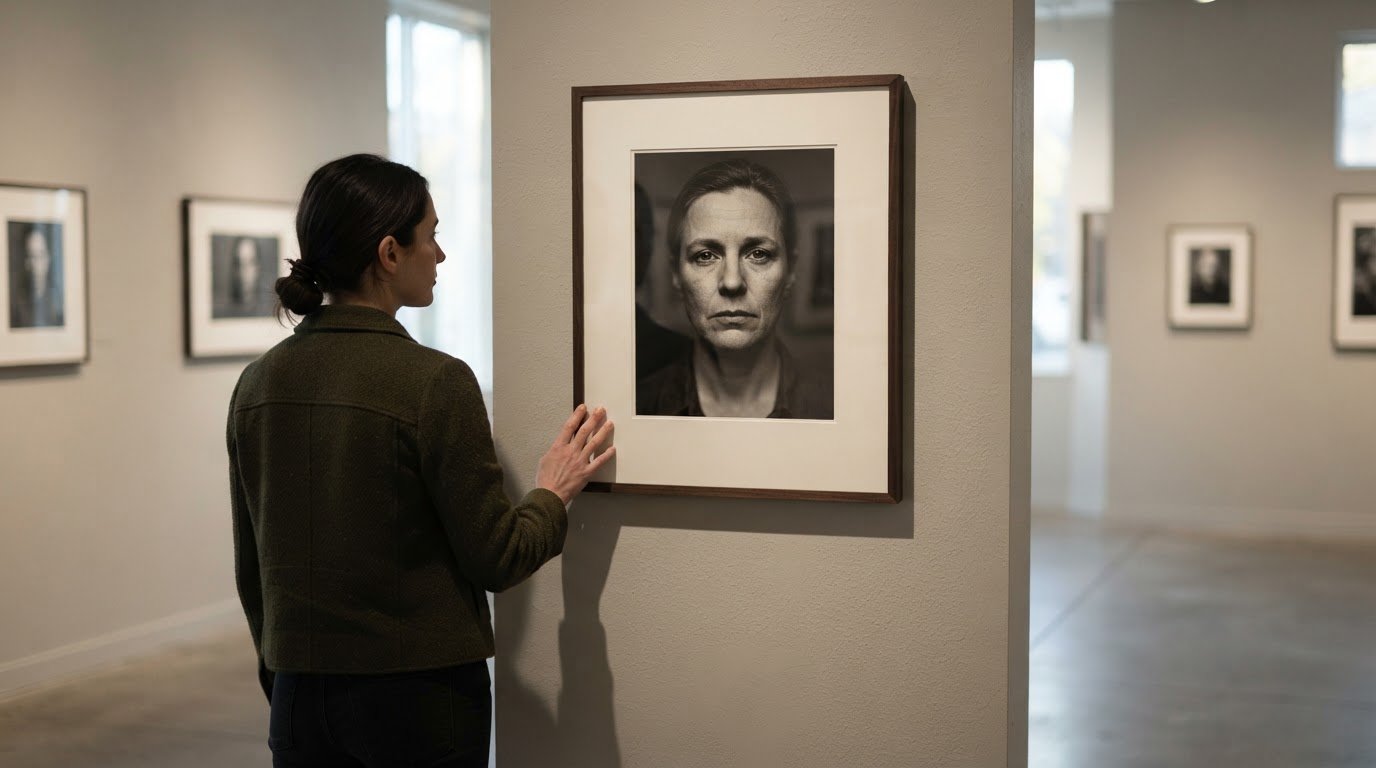
Tag: Photographic Art

Powerful Black and White Portrait Examples That Reveal Emotion

Color isn’t always what makes a portrait feel alive. Powerful black and white portraits draw the eye to expression, using light, shadow, and tonal contrast to give a glance, a crease, or a moment of stillness emotional weight. When color distracts from or changes an image’s character, monochrome can bring its message into sharper focus.

The absence of color doesn’t diminish a portrait’s feeling; it asks us to notice what remains. A subtle shift in light can soften a face or deepen its mystery, while shadow and texture give the sitter presence. Expression, composition, and carefully shaped contrast combine to create portraits that feel intimate and enduring, explaining why this restrained visual language continues to resonate.

Key Takeaways

  • Look for expression, gesture, and composition to understand how a portrait communicates when color is absent.
  • Notice how contrast, light, shadow, and texture give a monochrome portrait its mood and depth.
  • Explore how influential photographers use distinct approaches to make black-and-white images memorable.
  • Discover photographic art at Galerie Prints, including Terry O’Neill Photography, when you want to bring an expressive image into your space.

Emotion as the focus of black and white portraiture

Color can establish a setting or draw attention to clothing, but it can also compete with a face. In monochrome, expression, gesture, and tonal relationships take center stage. A raised eyebrow, a tightly held jaw, or a downward glance can become the image’s defining moment. The strongest choice is not simply to remove color; it is to choose black and white when color would change the portrait’s character or message.

Consider a portrait made in a room with vivid patterned wallpaper. The setting may pull attention from the sitter’s thoughtful expression. A photographer can simplify the frame, direct light toward the face, and render the scene in monochrome. The result is a clearer emotional focus: the viewer notices the sitter before the pattern. This sequence of situation, action, and result also helps assess a finished portrait. Ask what drew your attention first, what directed it, and whether the image conveys the intended feeling.

Expression is more than a smile or a frown. In a close portrait, the space between a person’s eyes, tension in their hands, and the angle of their shoulders can suggest confidence, weariness, or reserve. A sitter looking just beyond the camera, for example, may seem reflective rather than confrontational. A photographer can preserve that quiet quality by waiting for an unforced moment instead of directing a broad smile. In monochrome, subtle facial changes remain legible without color adding another signal.

Darlene Hildebrandt’s college photography program offers an example of deliberate study: its first year focused on black-and-white photography. Working without color encourages closer attention to how gesture and tonal separation shape meaning. Hildebrandt has also photographed on film and processed it in a darkroom, where the final tonal image emerges through a considered process. Her experience illustrates why monochrome rewards observation at every stage, from noticing a fleeting expression to deciding how the finished image should read.

For a practical portrait exercise, begin by naming one feeling the image should convey, such as calm or uncertainty. Arrange the sitter’s posture and gaze to support that intention, then remove distracting objects from the frame. Review the image for a single point of emotional emphasis. If a bright background or accessory competes with the eyes, adjust the composition or lighting. Each step gives the portrait a clearer visual hierarchy without forcing the sitter into an artificial expression.

A compelling monochrome portrait should retain its emotional force without color. Compare a color rendering with a black-and-white version and consider whether the sitter’s expression, gesture, and surroundings tell the same story. If a dominant color changes the message, monochrome may bring the intended character forward. If color carries essential meaning, removing it may weaken the image. This simple comparison helps distinguish a purposeful artistic choice from a merely decorative effect.

Light, shadow, and depth

In monochrome portraiture, contrast guides the eye through the frame. A bright cheek against a darker background can make a face feel immediate, while evenly lit features may seem gentler. Begin by identifying the portrait’s intended mood, then position the sitter where the light supports it. A narrow beam across the face can suggest tension; broad, soft window light can create a quieter impression.

Consider a sitter standing beside a window on an overcast day. The light is soft, but the face may blend into a pale wall. Turn the sitter slightly toward the window and choose a darker background. This separates the facial tones from the surroundings, giving the portrait clearer structure without dramatic shadows. The result is a more legible expression and a stronger sense of the subject within the frame.

Shadows can describe form rather than conceal it. When a face turns toward a single lamp, the light may define one cheek while the far side falls into shadow. Retain detail in that darker area if the portrait should feel open and contemplative. Let the shadow deepen if the intended mood is more secretive. In either case, watch how the nose, brow, and jaw cast shadows: those shapes guide the eye across the sitter’s features.

Texture also changes a portrait’s character. A weathered coat, knitted scarf, or fine lines around the eyes can become more pronounced under angled light. For example, place a sitter wearing a textured jacket near a side-lit window. The light reveals the fabric’s ridges while the opposite side retains softer detail. The result feels tactile, with tonal variation adding dimension rather than turning the clothing into a flat, dark area.

For a practical study, photograph the same pose beside a window and then farther into the room. Keep the framing consistent and compare how each position changes the face, background, and shadow edges. Try a pale wall behind the sitter, then a darker one. These comparisons reveal how light direction and background tone work together, helping you choose the arrangement that best supports the portrait’s mood.

Which black-and-white portrait photographers are considered influential?

Influence in monochrome portraiture comes from more than a recognizable style. Photographers shape how later artists observe people, compose a frame, and preserve a particular moment. Henri Cartier-Bresson, Mary Ellen Mark, and Sebastião Salgado offer distinct points of reference. Their work also shows how influence crosses genres: documentary, street, and portrait photography all draw meaning from human presence.

Henri Cartier-Bresson discovered photography in 1929 and bought his first Leica in 1931. His practice is often associated with alert observation and carefully timed moments. For a portrait photographer, that example suggests watching for a gesture that feels unposed: a turned head, an interrupted conversation, or a fleeting change in expression. The action is patient observation; the result can be a portrait that feels discovered rather than arranged.

Mary Ellen Mark, born in Philadelphia in 1940, is a significant reference for photographers interested in people and documentary portraiture. Her example invites a different question: what does a portrait reveal about the person’s surroundings as well as their face? A photographer might include a familiar room or meaningful object, then frame the sitter so those details add context without overwhelming their presence. The result can connect individual expression with a wider human story.

Sebastião Salgado’s work offers another perspective on human presence in photography. During a nearly five-decade career, he traveled to more than 120 countries. His Amazonia project took six years to make and involved close work with twelve Indigenous groups. The situation was an extended photographic project; the action was sustained engagement with communities; the result was a body of work shaped by place and people. Portrait makers can take from this the value of attentive, contextual observation.

Daido Moriyama is known for black-and-white portrayals of Japan captured during the 1960s and 70s. His example points toward a less polished visual language, where atmosphere and setting can shape how a person is seen. A photographer studying his approach can consider how grain, contrast, and an unsettled composition affect a sitter’s presence. The result may feel immediate, especially when the surroundings become part of the portrait’s emotional character.

Elliott Erwitt, born in Paris in 1928, spent seven decades creating photographs and joined Magnum in 1953. His long photographic career offers a reminder to look for human character in ordinary encounters. In a portrait session, a small exchange or spontaneous gesture can say more than a formal pose. The photographer’s action is to stay observant; the result is an image with personality rather than mere presentation.

To study these photographers, compare how each frames people, uses surroundings, and handles a decisive moment. Then explore photographic works by influential artists to see how a distinct vision can shape a lasting image.

Galerie Prints

Galerie Prints offers a way to bring photographic art into a considered interior, with works spanning distinctive subjects and visual histories. Explore Terry O’Neill Photography for portraits shaped by the presence and character of their subjects, alongside The Slim Aarons Collection, Cinema Lobby Cards, and Star Wars Limited Edition Prints. These offerings let you consider how an image’s mood, composition, and cultural associations might speak to your space and personal taste. If you’re drawn to the expressive power of portraiture and want to explore photographic works for your home, contact Galerie Prints.

Choose an Image That Resonates Beyond the Frame

A portrait can become part of a room’s atmosphere, inviting a fresh look each time you pass it. When considering powerful black and white portraits, notice which image continues to hold your attention and what its expression or visual character brings to mind. The right choice is personal: it may reflect a mood you want to live with, a fascination with a particular era, or an appreciation for the photographer’s way of seeing.

Galerie Prints offers photographic and cinematic art, including The Slim Aarons Collection, Terry O’Neill Photography, and Cinema Lobby Cards. Each offers a distinct visual language to consider as you shape a collection around your taste and space. Choose an image you want to return to, rather than following a passing trend.

Ready to explore portrait photography for your space? Contact Galerie Prints about portraits, and take the next step toward finding an image that feels distinctly your own.

Frequently Asked Questions

How Do Black and White Portraits Convey Human Expression Without Color?

Monochrome portraits direct attention to facial cues, posture, and the relationship between subject and setting. A patterned outfit might dominate a color image, while its shape and texture become quieter tonal details in black and white. The sitter’s expression can then carry more of the image’s meaning. If a particular color signals identity or mood, however, removing it may change the portrait’s intent.

What Makes a Portrait Truly Artistic?

An artistic portrait brings its choices into agreement: framing, timing, setting, and the sitter’s presence all support a clear visual idea. For instance, a portrait made in a familiar workspace can use tools or personal objects as meaningful context rather than incidental decoration. Pay attention to the frame’s edges, too. A cropped hand or distracting object can change the image’s meaning as much as the sitter’s pose.

What makes a black-and-white portrait powerful or compelling?

A compelling portrait gives viewers something specific to notice while leaving room for interpretation. In a portrait of two people, their distance, shared gaze, or contrasting gestures might suggest intimacy or unease without spelling out a story. The image becomes more affecting when those details feel connected rather than arranged solely for dramatic effect. Consider whether the composition invites a second look after its first impression.

How do lighting and contrast affect black-and-white portrait photography?

Lighting determines which tones separate clearly and which details recede. Strong contrast can make a portrait feel graphic, but overly deep shadows may hide important features. Softer contrast can preserve subtle transitions across skin and clothing, though too little tonal variation may flatten the image. When reviewing a portrait, inspect highlights on the forehead and cheeks alongside darker areas around hair and clothing; both extremes shape the tonal balance.

Where can I find powerful black-and-white portrait examples and inspiration?

Start with the photographers discussed in this article, then compare how each frames a sitter and uses the surrounding space. For a curated photographic reference, explore Terry O’Neill Photography at Galerie Prints; study each image’s composition and how its subject holds your attention. Note the visual qualities you respond to, such as a close crop or an unguarded expression, and use those observations to guide your own taste.

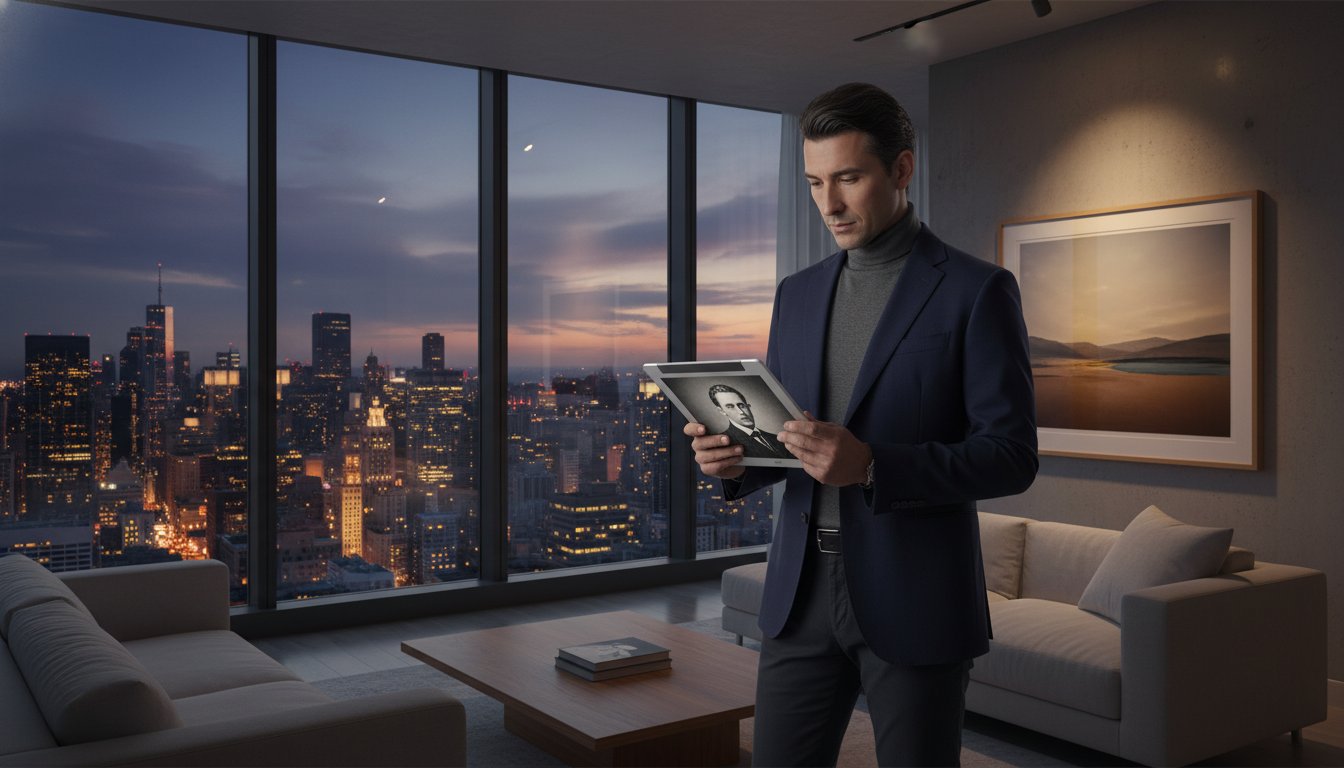
Large Format Picture Framing London: The Connoisseur’s Guide to Oversized Art

A large scale photograph is more than a mere image; it is a structural intervention that redefines the very atmosphere of a London residence. When commissioning large format picture framing london, the stakes extend far beyond simple aesthetics to the vital preservation of a photographic legacy. You recognize that a piece of this magnitude, perhaps a Slim Aarons poolside vista or a Terry O’Neill portrait, requires more than a standard border to truly command a room. It’s natural to feel a sense of trepidation regarding the structural integrity of the frame or the daunting logistics of transporting an oversized masterpiece through the city’s historic, narrow streets.

This guide offers the clarity you seek, bridging the gap between technical necessity and interior elegance. You’ll discover how museum quality materials and artisanal craftsmanship transform these logistical challenges into a seamless expression of luxury. We will explore the nuances of archival mounting, the critical importance of UV protective glazing, and the specialized handling required to ensure your investment remains a permanent fixture of beauty. By the end, you’ll understand how a bespoke frame serves as both a guardian of photographic heritage and a definitive statement of sophisticated style.

Key Takeaways

  • Understand how oversized photographic art acts as a structural focal point within expansive Victorian and modern London interiors.
  • Identify the essential museum-grade conservation standards and UV-protective glazing required to preserve your artwork’s archival value for decades.
  • Explore the aesthetic distinctions between tray and box frames to ensure your chosen profile enhances the architectural lines of your space.
  • Master the logistics of large format picture framing london by employing specialist art couriers and conducting site assessments for challenging access points.
  • Benefit from a curatorial approach that delivers ready-to-hang, iconic photography through a blend of historical expertise and master craftsmanship.

Defining Large Format Picture Framing in London

In the world of fine art photography, scale is a deliberate choice that demands a corresponding level of technical mastery. While standard dimensions cater to the casual observer, true large format picture framing london begins where conventional retail solutions reach their limit. Generally, we define large format as any work exceeding the A0 threshold, which measures 841 x 1189mm. At this magnitude, the physics of a Picture frame change entirely. It’s no longer just a decorative border; it becomes a load-bearing structure that must resist the subtle, destructive forces of gravity and humidity. Off-the-shelf solutions lack the structural integrity required to support the sheer tension of an oversized mount, making bespoke construction a necessity rather than a luxury. Scaling up requires a fundamental shift in both material choice and mounting technique to ensure the artwork remains as pristine as the day it was captured.

When Does a Frame Become “Large Format”?

The transition to large-scale presentation involves a critical assessment of the weight-to-strength ratio. For prints exceeding 1.5 metres in width, traditional timber often requires internal reinforcement or a shift toward high-grade aluminium sub-frames to prevent bowing. Standard glass, while beautiful, becomes prohibitively heavy and dangerously fragile at these sizes. We typically recommend specialist oversized acrylic, which offers the same crystalline clarity as museum glass but with a fraction of the weight and significantly higher impact resistance. This bespoke construction ensures that a piece from the Slim Aarons Collection remains perfectly planar, avoiding the unsightly ripples that plague poorly mounted, large-scale works.

The Role of Scale in Modern London Interiors

London’s architectural landscape, from the soaring ceilings of Belgravia’s Victorian townhouses to the industrial expanses of Shoreditch lofts, provides a unique canvas for oversized art. A single, commanding piece serves as an anchor for open-plan living, drawing the eye and establishing a sense of curated permanence. The impact of large-scale black and white pictures is particularly striking in minimalist hallways, where the absence of color allows the interplay of light and shadow to resonate with the room’s architectural lines. By choosing a frame that respects the scale of the environment, you transform a residential space into a private gallery, creating an immersive experience that celebrates the grandeur of the photographic medium.

The Technical Anatomy of an Oversized Frame

When an image transcends standard dimensions, the frame must evolve from a decorative accent into a sophisticated structural support. Ensuring the longevity of a significant investment, such as a rare piece from the Terry O’Neill archives, requires a meticulous adherence to museum-grade conservation standards. Large format picture framing london is fundamentally about managing the physical forces that act upon expansive surfaces. Without the correct technical foundation, even the most breathtaking photograph can suffer from cockling or structural failure over time. Archival dry mounting is the essential first step for large-format paper; it uses heat and vacuum pressure to bond the print to a rigid, acid-free substrate, ensuring a perfectly flat finish that remains impervious to the waving often caused by atmospheric changes.

Conservation Glazing and UV Protection

The vast glass surfaces of London’s contemporary penthouses and glass-walled garden rooms present a unique challenge: light. Standard glazing acts as a mirror, obscuring the fine details of the work and allowing harmful ultraviolet rays to degrade the pigments. We utilize advanced Artglass and specialist acrylics that provide up to 99% UV protection while remaining virtually invisible. For oversized applications, high-grade acrylic is almost always the preferred medium. It offers superior shatter resistance and, crucially, weighs significantly less than traditional glass. This reduction in mass is vital for protecting both the artwork and the structural integrity of the wall on which it hangs. Just as high-grade materials protect your photography, fine craftsmanship is essential for safeguarding other personal valuables; for instance, you can visit Engraveitnow Ltd for high-quality personalised jewellery boxes.

Reinforced Construction Techniques

A frame with a span exceeding 1.5 metres faces the constant threat of bowing under its own weight. To counteract this, we employ reinforced construction methods that go far beyond standard mitred joins. These techniques include:

  • Splines and Dovetail Joints: These traditional artisanal techniques provide immense corner strength, preventing the joins from opening as the timber reacts to London’s seasonal humidity.
  • Internal Sub-frames: A secondary wooden or aluminium structure is integrated into the back of the frame. This acts as a rigid spine, keeping the profile flush against the wall and preventing any twisting.
  • Humidity-Stable Materials: We select premium hardwoods that have been properly seasoned to ensure they remain stable in the varied climates of historic London residences.

These technical considerations ensure that your art remains a permanent legacy rather than a fleeting decoration. If you’re planning a significant installation, our bespoke framing service provides the curatorial expertise needed to select the perfect structural and aesthetic match for your collection.

Aesthetic Principles for Large-Scale Displays

Framing Iconic Photography

The framing style should always be a servant to the subject matter. For a Slim Aarons print, we often recommend finishes that evoke the sun-drenched, mid-century optimism of his work. Natural hand-stained woods or crisp white box frames preserve that timeless elegance without distracting from the aspirational lifestyle depicted. In contrast, the celebrity portraits of Terry O’Neill frequently benefit from a more minimalist, industrial aesthetic. A sleek black frame with a deep rebate provides a sharp, modern edge that complements the grit and glamour of his music and cinema archives. Ultimately, the principles of fine art photography dictate that the frame should provide a window into the moment, focusing the viewer’s eye through subtle, high-quality craftsmanship.

The Tray Frame: A Contemporary Favourite

The final journey of a large-scale photograph from the studio to your wall is a phase that demands as much precision as the framing process itself. In a city defined by its historic architecture and narrow thoroughfares, large format picture framing london requires a logistical strategy that standard delivery services simply cannot provide. Standard couriers often operate with strict size limitations, typically capping at 1220 x 915mm, which makes them unsuitable for the grand proportions of oversized art. For works of this scale, the transition from gallery to residence must be handled by specialists who treat the object as a piece of photographic heritage rather than mere freight.

Specialist Transport for Oversized Art

Moving a high-value photographic print through London’s busy streets requires more than just a large vehicle. We utilise white-glove art couriers who specialise in Central and Greater London deliveries, ensuring that every piece, whether a rare Star Wars limited edition print or an expansive landscape, is transported in a climate-controlled environment. For particularly sensitive or high-value items, customised crating is employed to protect the delicate corners and the expansive glazing from the vibrations of city transit. These specialist services include comprehensive insurance and two-person handling teams, providing the security necessary for moving significant cultural and financial investments.

On-Site Installation Challenges

The “London Staircase” represents a notorious hurdle for collectors in Mayfair townhouses or Kensington apartments. Before any delivery occurs, a detailed access assessment is essential to ensure a frame exceeding two metres can safely navigate the tight turns of a period property. Once the work arrives, the focus shifts to the structural integrity of the installation. Historic plasterwork and lath-and-plaster walls often require specialised heavy-duty anchors to support the weight of an oversized frame. We recommend the following professional techniques for a secure display:

  • Z-Bars and Heavy-Duty Cleats: These aluminium brackets distribute the weight evenly across the wall, providing superior horizontal stability compared to traditional hanging wire.
  • Laser-Levelling: This ensures gallery-standard precision, which is vital for maintaining the architectural lines of the room, especially when hanging large-scale works in a series.
  • Security Hangers: These provide an additional layer of safety, locking the frame to the wall to prevent accidental movement in high-traffic areas.

Environmental factors are equally important. Large-format paper is naturally hygroscopic, meaning it reacts to shifts in humidity. We advise allowing the work to acclimatise to your room’s specific climate for 24 to 48 hours before the final installation. This prevents the paper from expanding or contracting once it’s secured. To ensure your collection is handled with this level of curatorial care, explore our bespoke framing service for a seamless transition from our archives to your home.

Bespoke Framing at Galerie Prints: A Curatorial Approach

At Galerie Prints, we believe the frame is an essential component of the artwork’s soul, acting as a final layer of narrative depth. Unlike generic workshops, our approach to large format picture framing london is rooted in a deep reverence for the photographic medium. We don’t just provide a border; we offer a curatorial bridge that connects iconic imagery to the unique architectural context of your home. This philosophy ensures that every oversized piece, whether a sprawling landscape or an intimate portrait, receives the structural and aesthetic consideration it deserves. We operate with an air of quiet authority, positioning ourselves as guardians of photographic heritage for London’s most discerning collectors.

From Archive to Wall: A Seamless Journey

We offer a truly integrated experience, where the acquisition of a rare print and its final presentation are handled with consistent excellence. Our close relationships with the Getty Images and Terry O’Neill archives allow us to understand the specific nuances of each negative and print type. This expertise extends to our collection of lobby cards and vintage posters, where preservation is paramount. Every bespoke order undergoes a rigorous quality control process, ensuring the mounting is flawless and the glazing is crystalline. By managing the process from archive to wall, we provide a ready-to-hang solution that eliminates the risks associated with third-party handling, ensuring your investment arrives in pristine condition.

Craftsmanship and Authenticity

The personality of our brand is that of a cultured and worldly expert, ready to guide you through the technical nuances of historical artistic movements and contemporary decor. We invite you to Contact our specialists today for a personalised consultation. Let us help you navigate the journey of preserving your photographic legacy with a bespoke framing quote that reflects the technical superiority and historical significance of your collection.

Preserving Your Photographic Legacy

As official archive partners, we combine artisanal craftsmanship with expert London installation to deliver a seamless curatorial experience. Choosing large format picture framing london through our workshop means your artwork is protected by the same standards found in the world’s leading galleries. Whether you’re anchoring a minimalist hallway or redefining an expansive living space, the right frame provides a definitive statement of sophisticated style.

Explore our Bespoke Framing Service and Curated Collections to begin your journey toward a masterfully displayed interior. We’re here to help you transform your space into a private gallery of timeless elegance.

Frequently Asked Questions

What is the maximum size for a bespoke picture frame in London?

While standard couriers often limit deliveries to 1220 x 915mm, our bespoke workshop accommodates much larger dimensions. We frequently produce specialist frames exceeding two metres on the long edge for expansive residential interiors. The practical limit is usually determined by the architectural access of your London property rather than our construction capacity. We conduct site assessments for these grand scale commissions to ensure the final piece can be safely navigated through your home.

Should I use glass or acrylic for a large format picture frame?

We almost exclusively recommend high-grade, UV-protective acrylic for large format picture framing london. Standard glass becomes prohibitively heavy and poses a significant safety risk at larger scales. Specialist acrylic offers the same crystalline clarity and anti-reflective properties as museum glass but with superior impact resistance. It protects the photographic pigments from degradation while ensuring the frame’s structural integrity remains stable over decades of display in bright, contemporary environments.

How much does large format picture framing cost in London?

Pricing for oversized framing is entirely bespoke, calculated based on the specific dimensions, material choices, and glazing requirements of your project. Factors such as the choice of premium hardwoods, archival mounting techniques, and specialist UV-protective acrylic all influence the final investment. Because each piece is a unique commission designed to preserve a specific photographic heritage, we provide tailored quotes following a consultation to ensure every technical and aesthetic detail is addressed with precision.

Does large format framing include delivery and installation?

Yes, our service for oversized items is designed to be a complete, ready-to-hang solution. This includes white-glove transport via specialist art couriers who understand the nuances of handling high-value photography. For our London-based clients, we can also coordinate professional installation. This ensures that heavy-duty fixings, such as Z-bars or cleats, are correctly used to support the weight of the frame while maintaining perfect horizontal stability and safety on your wall.

How do I choose the right frame style for a Slim Aarons print?

A Slim Aarons print typically demands a frame that reflects the mid-century optimism and sun-drenched elegance of the work. We often suggest a clean, white box frame or a natural, hand-stained timber profile. These choices act as a sophisticated window into the aspirational lifestyle depicted, ensuring the frame complements rather than competes with the vibrant poolside hues. A tray frame is also an excellent contemporary choice for canvas-mounted works within minimalist spaces.

What is conservation-grade framing and why is it necessary for large prints?

Conservation-grade framing involves using acid-free, museum-quality materials to prevent the chemical degradation of the print over time. For large-format works, this is essential because the vast surface area is more susceptible to environmental shifts. We use archival mounting to keep the paper perfectly flat and UV-protective glazing to stop light from fading the delicate pigments. This process transforms a simple decorative item into a lasting piece of history that retains its archival value.

Can you frame an existing print I already own, or just Galerie Prints items?

Our bespoke framing service is a dedicated add-on specifically designed for the curated collections we represent, including the Slim Aarons and Terry O’Neill archives. This allows us to maintain total quality control over the preservation of the photographic heritage we provide. By managing the process from archive to wall, we ensure that every piece meets our exacting museum standards. We invite you to discuss your specific collection requirements with our specialists to see how we can support your display.

How long does the bespoke framing process take for oversized art?

The bespoke framing process for oversized art typically requires a more measured timeline than standard orders. Crafting a reinforced, hand-finished frame and ensuring proper archival mounting usually takes between three to five weeks. This duration allows our artisans to achieve the technical precision necessary for large format picture framing london. We prioritize the structural integrity and long-term preservation of the artwork over a hurried production, ensuring the final result meets our rigorous gallery standards.

The Connoisseur’s Guide: Tips for Buying Art Online Safely in 2026

The digital gallery has transformed into a global stage where the world’s most evocative imagery is accessible with a single click, yet the distance between a screen and a physical wall remains fraught with uncertainty for the discerning collector. You likely understand the hesitation that comes with acquiring a piece of photographic history without first feeling the texture of the paper or inspecting the ink under a loupe. It’s a natural anxiety to worry that a prestigious investment might arrive as a lackluster reprint or suffer irreparable damage during its journey across international borders. This guide provides essential tips for buying art online safely, allowing you to curate your home with the same precision and authority as a seasoned gallery director.

By mastering the nuances of provenance and technical production, you can ensure every acquisition is both authentic and archival. We’ll explore how to evaluate the 2026 regulatory landscape, including the updated UK anti-money laundering thresholds and the latest EU standards, while ensuring your transaction remains seamless. You’ll discover how to identify reputable sources that prioritize artisanal craftsmanship and secure logistics, turning the act of purchasing into a refined experience of discovery. From verifying limited edition certifications to understanding bespoke framing requirements, you’re about to gain the confidence to build a collection that stands as a lasting piece of history.

Key Takeaways

  • Scrutinize provenance and the anatomy of a valid Certificate of Authenticity to protect the historical integrity of your investment.
  • Differentiate between traditional Silver Gelatin and C-Type production to ensure your photographic art possesses museum-grade archival longevity.
  • Apply professional tips for buying art online safely to verify a gallery’s payment protocols and the comprehensive nature of their insurance coverage.
  • Identify the hallmarks of professional darkroom craftsmanship that separate authentic fine art from low-quality digital reprints.
  • Navigate the final stages of your purchase with confidence by prioritizing white-glove delivery services that ensure your art arrives in pristine condition.

The digital shift has transformed the way we interact with beauty, turning glowing screens into portals that lead directly into the world’s most prestigious archives. In 2025, the global online art market was valued at USD 12.16 billion, a figure that reflects a profound cultural movement toward digital curation. However, this vast expansion brings a unique set of challenges for the discerning eye. Navigating this landscape requires a sophisticated understanding of how to separate genuine craftsmanship from digital noise, making specific tips for buying art online safely an indispensable tool for the modern collector. Safety in this context transcends mere credit card encryption; it encompasses the financial stability of your investment, the aesthetic truth of the reproduction, and the historical integrity of the source material.

Without a rigorous approach, the risk of “luxury-washing” becomes a reality. This occurs when mass-produced digital reprints are presented with the veneer of high-end art, despite lacking the archival soul required for a serious collection. One of the most essential tips for buying art online safely is to recognize that the reputation of the gallery is your first and most formidable line of defense. A reputable gallery does not merely facilitate a transaction. It acts as a guardian of photographic heritage, ensuring that the bridge between a bygone era of elegance and your modern interior remains intact. By choosing a partner with a deep reverence for historical significance, you protect yourself from the ephemeral nature of the mass market.

The Rise of the Digital Curator

Online platforms have democratized access to world-renowned archives, allowing individuals to assemble a private collection of art that would have been inaccessible just a decade ago. This shift requires a mental transition from a consumer mindset to a collector mindset. You aren’t simply purchasing a decorative object to fill a void on a wall. You are acquiring a piece of a narrative, a captured moment of Star Wars Limited Edition Prints or the legendary Slim Aarons Collection, which carries the weight of history and the prestige of the artist’s original vision.

Identifying High-End Aesthetic Value

Distinguishing between a standard decorative poster and investment-grade fine art photography is a skill that defines the true connoisseur. True value is often found in the historical significance of the work, such as the evocative portraits found within Terry O’Neill Photography. Safe buying includes selecting pieces with a timeless appeal that transcends fleeting interior trends. When you invest in art that possesses both technical superiority and a storied past, you ensure your purchase remains a source of wonder and nostalgia for decades to come. It’s about finding work that offers a sense of permanence in an increasingly digital world.

The Collector’s Protocol: Verifying Provenance, Archives, and Certificates of Authenticity

The transition from admirer to owner requires a shift in focus from the visual to the verifiable. Authenticity isn’t a nebulous concept; it’s a rigorous standard supported by a documented pedigree. In the world of fine art, this is known as provenance. It’s the unbroken chain of custody that connects the artist’s original vision to your home. When seeking tips for buying art online safely, understanding that provenance dictates both the financial security and the historical veracity of your acquisition is paramount. A piece with a clear lineage remains a stable asset, whereas one without documentation risks being little more than an expensive copy.

A fundamental component of this protocol is the Certificate of Authenticity. However, not all certificates are created equal. A valid document must serve as a legal testament to the work’s origin. It should detail the artist’s name, the specific title of the piece, the medium used, and most importantly, the signature or stamp of the authorized estate or gallery. In 2026, many high-end galleries also include unique security features, such as holographic seals or digital watermarks, to prevent forgery. Checking these details is a core part of an Ultimate Guide to Buying Art Online, as it separates the serious collector from the casual shopper. A robust certificate acts as your insurance in the secondary market, providing the necessary proof of value should you ever choose to loan or sell the work.

Understanding Authorized Archives

The distinction between an authorized archive and an unauthorized reprint is often found in the source of the negative. Prestigious institutions, such as Getty Images, hold the keys to photographic history. For instance, authentic Slim Aarons prints require specific archival authorization to ensure they are produced from the original source material. Red flags abound in the digital marketplace; be wary of “vintage” collections that lack clear institutional links or those that appear at suspiciously low price points. These are often digital scans of scans, lacking the depth and silver-rich tones of a true archival print. An authorized print carries the imprimatur of the estate, ensuring the artist’s technical standards are upheld.

Decoding Art Editions

The safety of your investment is also tied to the scarcity of the work. Open editions are produced indefinitely, serving primarily as high-quality decor. In contrast, limited editions are strictly capped, often featuring an “Estate Stamp” or a hand-numbered designation that signifies its place in a finite series. This scarcity is a primary driver of long-term value. A gallery that prioritizes your security will always provide transparent labeling in their product descriptions, detailing the total number of prints in the run. Whether you are exploring Cinema Lobby Cards or iconic music photography, look for clear indicators of edition size to ensure your purchase maintains its prestige over time. This clarity is essential for anyone following professional tips for buying art online safely. It ensures that the piece you bring into your home is not just a beautiful image, but a tangible asset with a defined place in the art world.

Material Integrity: Ensuring Your Investment Transcends the Screen

While provenance establishes the historical truth of a piece, material integrity ensures its physical future. Real safety in art acquisition isn’t just about a secure checkout process; it’s about the archival longevity of the object itself. When you transition from viewing an image on a backlit display to holding a physical print, the technical specifications of the production process become the ultimate measure of value. One of the most critical tips for buying art online safely is to look beyond the visual subject and scrutinize the substrate. A serious collector understands that a print is only as secure as the chemistry and paper that compose it.

The gold standard for photographic art remains the traditional Silver Gelatin and C-Type processes. Silver Gelatin prints, prized for their rich tonal range and deep, velvety blacks, utilize actual silver halides suspended in a gelatin layer on fiber-based paper. This method, often used for the prestigious Music Archives or iconic Terry O’Neill Photography, offers a tactile depth that digital alternatives cannot replicate. Similarly, C-Type prints, which are exposed via lasers onto light-sensitive chromogenic paper and then chemically developed, provide the lush, saturated colors synonymous with the Slim Aarons Collection. These aren’t merely “prints”; they are chemical reactions captured on museum-grade materials, designed to resist the fading that plagues lower-quality digital reproductions.

The Science of Archival Pigment Prints

Modern printing technology has reached a pinnacle with archival pigment prints, which preserve the delicate nuances of fine art photography with breathtaking precision. For a purchase to be truly “safe,” the paper must be acid-free and pH-neutral. This prevents the “yellowing of history” that occurs when lignins in cheaper papers react with the environment. You should look for a heavy weight, typically 300 GSM (grams per square metre) or higher, which provides the structural durability required for long-term preservation. This density ensures the paper doesn’t cockle or warp under varying humidity, maintaining the flat, crisp profile required for a professional gallery aesthetic.

Bespoke Framing as Protective Armour

Bespoke framing serves as the protective armour for your investment, shielding the delicate surface from environmental hazards. It’s a mistake to treat a frame as a mere decorative border. A specialist gallery’s Bespoke Framing Service utilizes UV-protective glass, which filters out up to 99% of harmful ultraviolet rays that cause irreversible pigment degradation. Archival mounting techniques, such as using T-hinges with acid-free tape, ensure the art is never permanently bonded to its backing. By choosing a “ready-to-hang” option from a reputable source, you eliminate the risk of damage during secondary transit to a local framer, ensuring the piece remains in a controlled, museum-grade environment from the darkroom to your wall.

Logistical Security: From Secure Transactions to White-Glove Delivery

The final stage of acquisition is perhaps the most critical: the physical journey from the gallery to your wall. While digital security is the baseline, true logistical safety involves a layered approach to protection. One of the most practical tips for buying art online safely is to verify that the gallery utilizes an encrypted, museum-standard payment gateway. This ensures your financial data is handled with the same level of care as the artwork itself. Beyond the transaction, look for a gallery that maintains a physical presence and offers direct access to a curator. This human element provides a level of reassurance that automated platforms simply cannot match, transforming a cold digital exchange into a professional, polished dialogue where your concerns are addressed with quiet authority.

High-value art transit is an exercise in rigorous risk management. In 2026, the global fine art insurance market is valued at USD 3.24 billion, a figure that reflects the serious nature of protecting cultural assets during transit. Comprehensive insurance is non-negotiable; it should cover the piece from the moment it leaves the archive until it is safely in your hands, accounting for the complexities of international customs and duties. For the most prestigious works, “White-Glove” delivery represents the pinnacle of service. This isn’t merely shipping; it’s a curated handover where specialists manage the unpacking, inspection, and debris removal, ensuring the piece arrives in the same pristine condition it left the darkroom.

Securing the Transaction

Digital trust signals go beyond the padlock icon in your browser. A reputable gallery will provide clear contact information and a transparent return policy, which acts as a safety net for the collector. This transparency builds a foundation of trust, allowing you to focus on the aesthetic value of your purchase rather than the mechanics of the sale. When you engage with a brand that operates as a guardian of heritage, the logistical details are handled with a direct and reassuringly precise language that reflects their expertise and commitment to your satisfaction.

The Art of Specialized Packaging

The method of transit must reflect the fragility and scale of the medium. Large-scale prints often require custom crating, where a bespoke wooden frame is constructed to prevent any structural pressure on the artwork during global transit. Conversely, smaller items like cinema lobby cards require specialized flat-packing with acid-free barriers to maintain their historical integrity. Whether your piece is traveling in a reinforced tube or a museum-grade crate, real-time logistical transparency is essential. Tracking your heritage as it moves across borders provides the final layer of confidence in your investment.

Explore our collection and experience the security of a seamless, professional art acquisition today.

Curated Heritage: How Galerie Prints Safeguards Your Journey into Art

Choosing a piece of fine art is an act of preservation as much as it is one of decoration. At Galerie Prints, we operate with a profound sense of responsibility, acting as a dedicated bridge to a bygone era of elegance and historical significance. We don’t merely facilitate the acquisition of imagery; we serve as a guardian of photographic heritage. Our commitment to museum-grade production is anchored in our dedicated London darkroom, where artisanal craftsmanship meets technical excellence. By maintaining a localized, hands-on approach to every print, we ensure that the material integrity discussed in previous chapters isn’t just a standard, but a foundational promise. This artisanal marker acts as our seal of quality, ensuring your investment remains a lasting piece of history.

Owning a piece from our black and white pictures archive offers a specific kind of peace of mind that mass-market retailers cannot replicate. When you follow professional tips for buying art online safely, the most significant factor is the expertise behind the curation. Our owner-director, Stuart Möller, brings decades of experience in curating rare finds and navigating the nuances of the world’s most prestigious archives. This high-level oversight ensures that every piece, from the sun-drenched Slim Aarons Collection to the intimate portraits of Terry O’Neill Photography, is verified for authenticity and produced to the most exacting archival standards. You aren’t just buying a print; you’re entering an elite world of beauty and history where every detail is handled with quiet authority.

The Galerie Prints Seal of Quality

Our process begins with the preservation of original source materials. We work directly with authorized archives to ensure that every Silver Gelatin and C-Type print is a true reflection of the artist’s original vision. This technical superiority extends to our Bespoke Framing Service, where we utilize acid-free materials and UV-protective glass to create a protective sanctuary for your art. This localized approach allows us to maintain a steady and composed flow of quality control, ensuring that the technical nuances of historical artistic movements are respected. It’s this dedication to the tactile and historical elements of the work that justifies the premium positioning of our collections.

Your Next Steps in Safe Collecting

Beginning your journey as a collector should be an experience of discovery and wonder, not anxiety. One of the best tips for buying art online safely is to trust your intuition, provided it’s backed by rigorous archival evidence and a reputable source. We invite you to linger on our pages, exploring the stories behind the creators and the meticulous details of our production process. Whether you are drawn to the Music Archives or the cinematic depth of Star Wars Limited Edition Prints, you can proceed with the confidence of a seasoned curator. By prioritizing archival longevity and historical veracity, you ensure that your home aesthetic is not just contemporary, but timeless. We’re here to act as your trusted guide, helping you invest in high-caliber visual art that will remain a source of prestige for generations.

Securing Your Legacy in the Digital Age

The journey toward a sophisticated home aesthetic shouldn’t be compromised by digital uncertainty. By applying these tips for buying art online safely, you transition from a casual observer to a discerning collector who values historical veracity as much as visual impact. You now understand that a true investment relies on the intersection of verified provenance, museum-grade material integrity, and the security of specialized logistics. Every piece you acquire becomes a permanent chapter in your personal narrative; it’s a bridge to a bygone era that remains vibrant through artisanal preservation.

As an official partner of the Getty Images Gallery, Galerie Prints provides exclusive access to world-renowned archives, ensuring every print is an authorized masterpiece. Our bespoke museum-quality framing in London and global white-glove shipping, backed by full insurance, guarantee that your heritage arrives in pristine condition. We invite you to explore our curated archives of authentic fine art photography and begin building a collection that stands the test of time. Trust your eye, secure your history, and welcome the world’s most evocative imagery into your private sanctuary.

Frequently Asked Questions

How can I tell if an online art gallery is legitimate?

A legitimate gallery is defined by its established relationships with prestigious institutions and a transparent physical presence. You should look for authorized partnerships with archives like Getty Images and clear access to human curators rather than automated bots. Verifying these credentials and checking for secure, encrypted payment gateways are essential tips for buying art online safely. A professional gallery operates with an air of quiet authority and welcomes direct inquiry about their archival standards.

What should be included in a Certificate of Authenticity for photography?

A valid Certificate of Authenticity must serve as a legal testament to the work’s origin, detailing the artist’s name, title, medium, and edition number. It should feature an official estate stamp or a signature from an authorized gallery director. In 2026, many high-end certificates also include unique security markers, such as holographic seals, to protect the financial stability and historical veracity of your investment for years to come.

Is it safe to have large, framed art shipped internationally?

It is entirely safe when the gallery utilizes bespoke crating and specialized white-glove delivery services. Large-scale works require custom-built wooden frames and internal cushioning to mitigate the risks of global transit. Comprehensive fine art insurance is a non-negotiable requirement for high-value shipments. By choosing a partner that manages the entire logistical chain with precision, you ensure your photographic heritage is protected from the darkroom to your final installation.

What is the difference between an original print and an authorized archive print?

An authorized archive print is produced directly from the original negative or source material under the strict supervision of an estate. While a vintage original print was created during the artist’s lifetime, an authorized print ensures the same technical superiority and archival longevity. These prints carry the official imprimatur of archives like the Slim Aarons Collection, distinguishing them from the low-quality digital reproductions found on mass-market platforms.

How do I know if the colours I see on my screen will match the physical print?

Digital screens use backlighting and RGB profiles that cannot fully replicate the tactile depth of a chemical C-Type or Silver Gelatin print. However, professional galleries utilize calibrated colour management systems to ensure the highest possible fidelity to the original vision. While slight variations are inherent to the digital preview, the rich tones and silver-rich blacks of a museum-grade physical print offer a far superior aesthetic experience.

What happens if my artwork arrives damaged during shipping?

Reputable galleries provide a clear return policy backed by comprehensive transit insurance to protect your acquisition. If damage occurs, you should document the condition immediately and contact the curator to initiate a replacement. Because we prioritize the security of your investment, we manage the restoration or replacement process with direct, reassuringly precise communication. This ensures your journey into art collecting remains a seamless experience, regardless of logistical challenges.

Why is archival paper so important for buying art safely?

Archival paper is essential because it prevents the yellowing and chemical deterioration that destroys the value of a collection. Utilizing 300 GSM, acid-free, and pH-neutral substrates ensures the artwork resists environmental degradation for decades. This material integrity is one of the most vital tips for buying art online safely, as it guarantees that your purchase remains a lasting piece of history rather than a fleeting, disposable decoration.

Are limited edition prints safer investments than open editions?

Limited edition prints are generally considered safer investments due to their inherent scarcity and defined position in the art market. Each piece is hand-numbered or estate-stamped, creating a finite series that often appreciates in value as the run nears completion. While open editions serve as beautiful high-end decor, the strictly capped nature of a limited run provides the exclusivity and prestige that serious collectors demand for their private archives.

Art to Create a Calming Atmosphere: The Curated Guide to a Serene Home

What if the most effective antidote to the relentless pace of the modern world isn’t a temporary digital detox, but a deliberate return to the physical permanence of a curated wall? We often find ourselves overwhelmed by a sea of fleeting pixels and mass-produced prints that lack soul, yet the right art to create a calming atmosphere, characterized by its orderly composition and evocative depth, acts as a vital visual anchor for the spirit. It’s about more than just filling a void. It’s about inviting a profound sense of stillness into your private sanctuary through imagery that speaks of heritage and quiet elegance.

You probably feel the subtle exhaustion that comes from living in a home cluttered by the visual noise of the everyday. This guide will show you how to transform your living space into a prestigious gallery sanctuary by selecting high-end photographic art and embracing the quiet power of archival craftsmanship. We’ll explore how the intersection of nostalgic escapism and technical excellence, the very hallmarks of a serious collection, ensures your art becomes a lasting piece of history that fosters genuine mental peace.

Key Takeaways

  • Understand the neurological link between aquatic “Blue Space” imagery and the parasympathetic nervous system’s ability to trigger deep relaxation.
  • Discover how the aspirational leisure of Slim Aarons photography provides a psychological escape from digital noise through scenes of timeless elegance.
  • Learn why black and white photography serves as a visual detox, allowing the mind to rest by focusing on light and form rather than color saturation.
  • Master the “Hero Piece” strategy to select the perfect art to create a calming atmosphere without the visual clutter of traditional gallery walls.
  • Recognize the critical role of archival photo paper and bespoke framing in reducing glare and preserving the serene integrity of your investment-grade art.

The Science of Stillness: How Art Influences a Calming Atmosphere

In an era defined by digital saturation and the incessant flicker of screens, our cognitive resources are often pushed to their limits. Finding the right art to create a calming atmosphere isn’t merely a decorative choice; it’s a strategic restoration of “Visual Rest.” When the eye meets a high-end photographic print, it stops scanning for information and begins to linger. This shift allows the brain to transition from a state of high alert to one of quiet contemplation, providing a much-needed reprieve from the noise of modern life.

Scientific research into the “Blue Space” effect suggests that aquatic imagery, such as the crystalline pools found in the Slim Aarons Collection, triggers a parasympathetic response. These vast, tranquil expanses of water signal safety and abundance to the primitive brain, effectively lowering heart rates and reducing cortisol levels. It’s a biological homecoming facilitated by archival craftsmanship. By placing these scenes within your home, you invite a permanent sense of shore-side serenity into your daily environment.

Orderly composition and deliberate balance serve to reduce the cognitive load placed upon the viewer. When an image follows established geometric principles, the mind doesn’t have to work to “solve” the visual puzzle. This ease of processing is a cornerstone of The Science of Art Therapy, which explores how structured visual stimuli can improve emotional well-being. Biophilic design, when expressed through fine art photography, bridges the gap between the built environment and the restorative power of the natural world, turning a simple wall into a window for the soul.

Color Psychology Beyond the Basics

Muted pastels and desaturated tones are inherently superior to high-contrast palettes for those seeking true relaxation. Vibrant, clashing colors demand immediate attention, whereas the soft earth tones found in vintage photography or the gentle hues of a Mediterranean coast invite the viewer to exhale. Depending on your room’s natural light, you might choose “Cool” serenity through blues and greys to temper a bright, southern-facing office, or “Warm” serenity using sepia and gold to soften a shaded library.

Fractal Patterns and Natural Geometry

The human brain is evolutionarily hardwired to recognize and find comfort in fractal patterns, the repeating geometries found in coastlines, clouds, and even classical architecture. Landscapes that feel “orderly” provide a sense of predictability and safety. Minimalist compositions, which strip away the unnecessary, reflect a desire for mental clarity. By choosing art that mirrors these natural geometries, you create a space that feels inherently stable and permanent, anchoring your home in a sense of timeless order.

The Luxury of Leisure: Slim Aarons and the Art of Aspirational Escapism

The unique “Leisure” aesthetic of Slim Aarons is far more than a historical archive; it’s a meticulously curated vision of a golden era. Aarons famously spent his career capturing “attractive people doing attractive things in attractive places,” a philosophy that translates into a powerful form of aspirational escapism. Unlike the raw, unpredictable nature of traditional landscapes, these images present a world that’s perfectly composed, sun-drenched, and entirely without conflict. This specific brand of visual storytelling provides a positive psychological escape, allowing the viewer to momentarily inhabit a space of effortless grace and social harmony.

Engaging with these scenes does more than decorate a room. A World Health Organization report on arts and health has highlighted how consistent engagement with art can reduce stress and improve mental health outcomes. Within the domestic sphere, a well-chosen piece from the Slim Aarons Collection serves as a primary anchor for tranquility. The iconic “Poolside” motif stands as a pinnacle of art to create a calming atmosphere, utilizing the orderly, bright, and airy compositions that define the Aarons archive to soothe the modern mind.

The Orderly Beauty of the Mediterranean and Palm Springs

The architectural lines of mid-century modernism, frequently featured in Aarons’ work, promote a sense of structural calm. These clean, horizontal planes mirror the stability we crave in our private sanctuaries. The deliberate use of turquoise and azure, colors synonymous with the infinite horizon and the refreshing depth of a pool, acts as a dominant, soothing anchor for any room. These images don’t just hang on a wall. They function as a “permanent holiday,” offering a window into a world where the sun never sets and the water is always still.

Social Serenity vs. Solitary Calm

While many seek peace in solitary landscapes, there’s a unique benefit to “peopled” environments that evoke feelings of belonging and joy. Aarons’ subjects are often seen in states of relaxed interaction, which can foster a sense of social serenity and connection. The nostalgic fashion and mid-century settings provide a comforting buffer from the frantic pace of the 21st century. By curating a space with these high-caliber works, you create an environment that feels both sophisticated and profoundly relaxed, bridging the gap between historical prestige and modern wellness.

Monochrome Mastery: Why Black and White Photography Soothes the Mind

While the previous exploration of aquatic blues highlighted the biological pull of nature, there’s a distinct, distilled power in the absence of color. Choosing monochrome works as your primary art to create a calming atmosphere offers a sophisticated visual detox for the modern home. By stripping away the sensory demands of a full color spectrum, black and white photography allows the viewer to engage with the core elements of a composition: the interplay of light, the richness of texture, and the strength of form. This reduction in visual complexity creates a space where the mind can finally rest.

There’s a reason why collectors gravitate toward the timeless allure of black and white pictures. These works don’t compete for attention; they command it with a quiet authority. This phenomenon is supported by scientific evidence of how we respond to the arts, which indicates that viewing well-structured imagery can actively lower cortisol levels and induce a state of “flow.” In an eclectic room filled with diverse furniture and fabrics, a large monochrome print acts as a vital visual anchor, bringing a sense of cohesive order to an otherwise busy environment.

The masters of this medium, such as those found in our Terry O’Neill Photography archives, understood that what’s left out is just as important as what’s included. Whether it’s the stark, elegant lines of a Herb Ritts portrait or the candid poise of a 1960s icon, these images provide a sense of stability. They aren’t fleeting snapshots; they’re enduring legacies that foster a profound sense of peace through their sheer permanence. They offer a window into a world of refined stillness that remains untouched by the frantic pace of the present.

Reducing Visual Noise with Minimalism

The “less is more” philosophy is central to creating a domestic sanctuary. High-key lighting, often used in archival portraiture, floods a scene with light, creating an immediate sense of openness and air. This technique, combined with a generous use of negative space, gives the eye a “place to land.” When a composition isn’t crowded, your brain isn’t forced to work to categorize every detail. This simplicity is the ultimate luxury in a world that’s often too loud, providing a silent invitation to simply be.

The Emotional Stability of Heritage

Iconic, historical images provide a sense of cultural permanence that modern snapshots cannot replicate. In a rapidly changing world, the “timelessness” of a classic black and white print offers a comforting psychological buffer. Selecting portraits that evoke a sense of quiet confidence and poise can influence the mood of the entire room. These images serve as silent companions, reminding us of a bygone era of elegance and providing a steady, calming presence that anchors your home in a sense of history and grace.

Curating Your Sanctuary: Placement and Scale for Maximum Peace

The curation of a serene home requires more than just selecting beautiful imagery; it demands a sophisticated understanding of scale and spatial integrity. While the temptation to create a dense gallery wall is often strong, true visual serenity is usually achieved through the “Hero Piece” strategy. Investing in a single, large-scale print serves as a definitive anchor for a room, whereas a cluttered arrangement of smaller works can inadvertently introduce visual friction. Choosing a significant work of art to create a calming atmosphere allows the eye to settle on one harmonious focal point, immediately lowering the room’s “volume.”

Spatial breathing room is equally vital. Allowing a generous amount of wall space to remain unoccupied around your chosen piece reinforces its importance and prevents a sense of enclosure. This deliberate use of negative space on the wall mirrors the minimalism within the art itself, providing a physical manifestation of the stillness you seek to cultivate. Lighting also plays a decisive role. A high-quality photographic print will react differently to the soft glow of a dusk lamp than it does to the direct brilliance of the morning sun, shifting its emotional weight as the hours pass.

Bedroom Art: The Final Frontier of Relaxation

The sleeping area is a sanctuary where visual input should be strictly curated to support sleep hygiene. Soft horizons and low-contrast images are essential here, as they don’t demand active cognitive engagement. Avoiding “aggressive” subjects or frantic compositions is paramount. Instead, look toward the tranquil expanses found in fine art photography that emphasizes atmospheric depth and gentle transitions. A well-placed landscape above the headboard can act as a nightly invitation to disconnect from the digital world and transition into a state of rest.

The Home Office: Calm Meets Focus

In the workspace, art must balance tranquility with intellectual clarity. Utilizing “Deep Perspective” images, such as long, winding roads or distant mountain ranges, can physically reduce eye strain by allowing the gaze to travel into the distance. These works act as a “Micro-Break” during a demanding day, providing a moment of mental expansion. By selecting imagery that inspires quiet productivity rather than frantic energy, you transform your office into a space of measured focus. To ensure your chosen piece is displayed with the prestige it deserves, explore our bespoke framing service to perfectly match your interior’s architectural profile.

The Archival Anchor: Why Quality and Framing Define the Atmosphere

True visual serenity is rarely achieved through the image alone; it requires a physical vessel that honors the stillness of the subject. When selecting art to create a calming atmosphere, the material quality of the print becomes an essential component of the sensory experience. High-end archival photo paper offers a sophisticated, tactile depth that standard commercial prints simply cannot replicate. These heavy-weight, fiber-based papers are designed to absorb light rather than bounce it back. This technical detail eliminates the harsh glare that often plagues lower-quality, glossy reproductions, preventing the visual agitation that disrupts a room’s harmony.

Investing in archival permanence, where vibrancy is preserved for 75 years or more, provides a subconscious sense of security. There’s a profound psychological comfort in knowing that the beauty on your wall is not fleeting. It’s a lasting piece of history that remains unchanged while the world outside continues its frantic pace. This stability anchors the home, transforming a decorative choice into a legacy of stillness that persists for generations.

The Role of Bespoke Framing in Visual Harmony

Bespoke framing acts as the architectural skeleton of your mental sanctuary. It bridges the photograph’s narrative with your home’s physical textures, such as natural wood grains or soft linens. The “Shadow Box” effect adds three-dimensional depth and prestige by setting the work back from the glass. Professional mounting ensures the print remains perfectly flat, eliminating the wavy distractions and ripples common in mass-produced frames.

Museum-Grade Materials as a Seal of Quality

Museum-grade materials ensure every nuance of shadow and light is preserved with absolute clarity. Unlike standard prints, pigment-based archival versions offer a tonal richness that brings the image to life. Non-reflective glass is a non-negotiable for those seeking the perfect art to create a calming atmosphere. It removes reflections, allowing the eye to enter the scene without the barrier of domestic clutter. We invite you to explore the bespoke framing services at Galerie Prints to preserve your collection with artisanal excellence.

Transforming your living space into a haven of tranquility is a deliberate act of curation. By moving beyond the flicker of digital screens and embracing the physical permanence of the Slim Aarons and Getty Images archives, you create a home that resonates with quiet authority. We’ve explored how the intersection of orderly composition, nostalgic escapism, and the tactile depth of archival paper provides the essential visual rest needed in a chaotic world. Selecting the right art to create a calming atmosphere is not merely an aesthetic choice; it’s a commitment to your long-term mental well-being.

At Galerie Prints, we honor this commitment through our bespoke, museum-grade framing, which is handcrafted in the UK to provide an architectural anchor for your collection. Our prints are lab-tested to remain vibrant for over 75 years, ensuring your investment becomes a lasting piece of history. We invite you to explore our curated collections of calming fine art photography and begin your journey toward a more serene domestic life. Your sanctuary is waiting to be realized.

Frequently Asked Questions

What colors are most effective in art to create a calming atmosphere?

Muted palettes featuring sage greens, soft azures, and warm sepias are most effective for fostering tranquility. These desaturated tones don’t demand immediate cognitive processing, which allows the nervous system to remain in a state of rest. When selecting art to create a calming atmosphere, avoiding high-chroma pigments like neon or aggressive reds is vital. Instead, look for hues that mirror the soft transitions found in the natural world.

Can black and white photography be as relaxing as color landscapes?

Monochrome imagery is profoundly relaxing because it eliminates the sensory complexity of a full color spectrum. By stripping away color, the eye focuses on the rhythmic interplay of light and shadow. This reduction in visual noise acts as a detox for the mind. It allows you to appreciate the architectural form and tactile texture of a subject without the frantic energy of vibrant tones.

How large should a calming art piece be for a standard living room?

A calming art piece should be substantial enough to anchor the room, typically occupying two-thirds to three-quarters of the wall space above a sofa or sideboard. Small, scattered prints can create a sense of visual clutter that increases anxiety. A large-scale work provides a singular, expansive window for the gaze to settle. This sense of scale fosters a feeling of openness and grandeur within the domestic sanctuary.

Why is archival quality important for a peaceful home environment?

Archival quality ensures that the visual integrity of your investment remains stable for decades, which fosters a subconscious sense of security. Cheap prints often fade or yellow, creating a subtle feeling of decay that disrupts a peaceful environment. Using acid-free materials and pigment-based inks guarantees that the work stays vibrant for over 75 years. This permanence anchors your home in a sense of lasting history and stability.

What is the best subject matter for art in a high-stress home office?

Deep perspective imagery, such as distant horizons or winding paths, is ideal for high-stress workspaces. These compositions encourage the eye to “travel” into the distance, which physically relaxes the ocular muscles and reduces strain from screen use. Such subjects provide a necessary mental escape. They invite a sense of expansive possibility and quiet productivity rather than the claustrophobia of a busy, detail-heavy composition.

How does framing affect the calming potential of a photograph?

Professional framing acts as an architectural boundary that separates the art from the chaos of the everyday world. Using museum-grade, non-reflective glass is essential to eliminate distracting glare and reflections. A well-chosen frame finish, such as natural oak or a matte black shadow box, complements the room’s textiles. This harmony ensures the photograph remains a serene focal point rather than a source of visual friction.

Is it better to have one large print or a gallery wall for a zen space?

One large, high-caliber print is significantly better for creating a zen space than a traditional gallery wall. Multiple frames create a “puzzle” that the brain must constantly work to organize. A singular hero piece provides an immediate destination for the eye, lowering the cognitive load. This simplicity is the ultimate luxury, allowing the viewer to engage deeply with one narrative rather than scanning many.

What is biophilic art and how does it reduce stress?

Biophilic art incorporates natural patterns and fractals, such as the repeating geometry of clouds or shorelines, to lower stress levels. Humans are evolutionarily hardwired to find safety in these organic forms. This type of art to create a calming atmosphere triggers a parasympathetic response, effectively reducing cortisol. By bringing the outside world into the home through fine art photography, you bridge the gap between modern living and natural restoration.