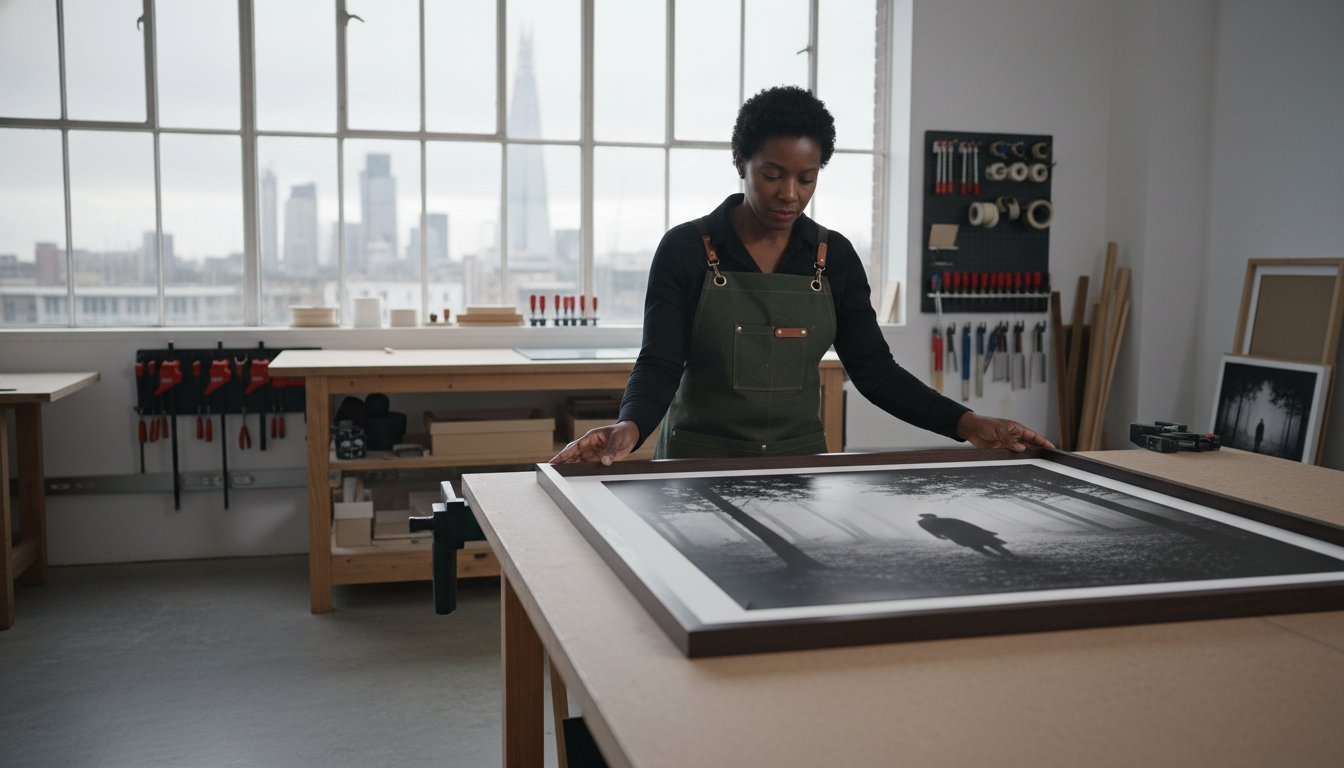

What if the frame wasn’t a boundary, but a bridge that allows a photograph to breathe within its own three-dimensional space? Choosing a floating frame for photography prints is an act of curatorial intent, moving beyond simple protection to create a sculptural presence on your wall. It’s a sophisticated choice that transforms a flat image into a museum-grade object, inviting the eye to linger on the depth and texture of the work.
This guide reveals how to achieve a professional three-dimensional display while ensuring long-term preservation. You’ll discover the secrets of the shadow gap aesthetic and the specific technical standards needed to transform your photography collection into an evocative, lasting legacy that commands attention in any interior.
Key Takeaways
- Master the “shadow gap” aesthetic to create a sophisticated, three-dimensional display that provides your artwork with a suspended, museum-grade presence.
- Learn to identify the technical markers of archival quality, from solid wood mouldings to the acid-free substrates that protect the heritage of your collection.
- Discover how a floating frame for photography prints elevates minimalist and architectural subjects by utilizing negative space to create a sculptural object.
- Understand the nuances of styling iconic imagery to achieve a cohesive, aspirational interior that mirrors the elegance of a high-end gallery.
- Explore the value of artisanal, bespoke framing services that offer hand-finished quality and ready-to-hang convenience for the discerning collector.
The Aesthetic of Depth: What is a Floating Frame for Photography?
A floating frame for photography prints represents a deliberate departure from traditional presentation methods. Unlike a standard picture frame where the glazing and matting often overlap the edges of the artwork, a floater frame allows the print to sit recessed within the moulding. This configuration creates a distinctive “shadow gap,” a dark, negative space that separates the print edge from the inner wall of the frame. It’s this void that provides the illusion of suspension, making the photograph appear as if it’s hovering, weightless, in mid-air. While many are familiar with these frames for canvas works, their application in fine art photography is where the true elegance lies. Modern galleries favor this style for large-format works because it emphasizes the physical presence of the print, stripping away the visual distractions of a traditional border to let the image speak for itself.
The “Float” vs. The “Mount”
Achieving this look with paper requires a different technical approach than canvas. Since photography prints lack the inherent rigidity of a stretched frame, they must be mounted onto a firm, acid-free substrate before they can “float.” This process ensures the paper remains perfectly flat, avoiding the “cockling” or waving that can occur with environmental changes. By exposing the entire sheet of paper, you celebrate the tactile quality of the medium. Whether the print features a clean, straight edge or a delicate, hand-torn deckled edge, the floating effect highlights these artisanal details. Removing the traditional mat, or passe-partout, strips away the layers between the viewer and the art. The result is a cleaner, more immediate connection to the image that feels both intimate and grand.
Why 2026 Interior Trends Favour the Floating Look
The design landscape of 2026 has embraced “minimalist maximalism,” a philosophy where a few high-quality, architectural elements define a space. A floating frame for photography prints fits this aesthetic perfectly, acting as a structural anchor rather than just a decorative trim. Beyond the visual appeal, the recessed positioning offers a practical layer of protection, as the artwork sits safely behind the leading edge of the frame. This minimizes the risk of accidental surface contact during the installation or cleaning of a busy home. It’s a choice that balances prestige with preservation. Ultimately, the floating frame serves as a sophisticated bridge that elevates a two-dimensional image into a three-dimensional sculpture.
The Anatomy of a Fine Art Float: Construction and Preservation
A floating frame for photography prints is only as enduring as the materials used in its construction. While mass-produced alternatives often rely on plastic composites or thin veneers that prone to warping, a true gallery-grade floater frame utilizes solid wood mouldings. This structural integrity is vital; it supports the weight of the assembly and maintains the precise shadow gap that defines the aesthetic. Beyond the frame itself, the integration of museum-grade glazing is paramount. Whether choosing specialized acrylic or low-reflectivity glass, these materials provide critical UV protection, shielding the ink and paper from the slow degradation caused by light exposure. It’s a meticulous balance of engineering and art that ensures the photograph remains as vibrant as the day it was captured.
Substrates and Mounting Techniques
The foundation of a successful float begins with the base of the print. Because paper is inherently flexible, it requires a rigid, acid-free substrate to prevent sagging or “cockling” over time. Using archival photo paper ensures the image itself is stable, but the mounting technique determines the longevity of the display. Dry mounting provides a perfectly flat, permanent bond, while hinge mounting offers a more traditional, reversible approach favored by many conservators. Expert resources on Hanging and Framing Photography emphasize that these archival choices are non-negotiable for preserving historical value. This rigid backing is what allows the floating illusion to remain crisp and intentional rather than appearing accidental or uneven.
Moulding Styles for Photography
The visual drama of the float is directly controlled by the depth and profile of the moulding. A slim profile offers a subtle, contemporary edge, while a deeper frame creates a more profound shadow gap, casting a stronger silhouette around the work. Finishes like matte black, hand-painted white, or natural oak provide a timeless neutrality that doesn’t compete with the art. Mechanically, these frames utilize an “L-bracket” or “stepped” design. This structure supports the mounted artwork from behind, ensuring no part of the frame touches the face of the print. This separation, often maintained by internal spacers, prevents ink transfer to the glazing. For those seeking a professional result that respects these technical nuances, our bespoke framing service combines these requirements with artisanal craftsmanship to deliver a ready-to-hang masterpiece.
Floating vs. Traditional Framing: When to Choose the Float Effect
Selecting the ideal presentation for a masterpiece requires a discerning eye for both the image’s narrative and its physical environment. A traditional window-mount frame functions as a classic aperture, drawing the viewer’s focus inward through a structured border. In contrast, a floating frame for photography prints acts as a sculptural stage, allowing the work to command its own space without the perceived constraints of a mat. This modern approach is particularly effective for minimalist or architectural photography, where the clean lines of the subject matter find a natural echo in the precision of the shadow gap. It’s a choice that shifts the photograph from a flat image on a wall to a three-dimensional object with its own weight and presence.
Scale often dictates the necessity of this contemporary style. Large-format prints, such as the expansive poolside vistas of the Slim Aarons Collection, require “breathing room” that a traditional mat simply cannot provide without becoming visually overwhelming. By floating these grand works, you preserve the integrity of the composition while adding a layer of architectural depth. The debate regarding glazing also surfaces here. While some galleries prefer the raw, tactile nature of an unglazed float, most private collectors opt for museum-grade acrylic. This ensures the work is protected from environmental factors while maintaining the clarity and depth that a floating setup provides.
The Traditional Mat: A Classic Alternative
While the float effect offers a striking modernism, certain works still demand the quiet dignity of a traditional mat. Vintage Cinema Lobby Cards or smaller, intimate black and white portraits often benefit from the focused “tunnel vision” that a mat creates. This classic border draws the eye directly to the center of the work, providing a sense of historical context and archival stability. If you’re building a diverse collection, consulting a guide on fine art photography can help you decide which pieces require the enclosure of a mat and which deserve the freedom of a float.
Matching the Frame to the Subject Matter
Visual harmony depends on the relationship between the frame’s finish and the photograph’s tonal palette. High-contrast black and white photography achieves a sharp, sophisticated resonance when paired with a deep black floating frame for photography prints. For landscape or outdoor imagery, natural oak or walnut floats enhance the organic textures and earthy hues of the scene. Don’t feel restricted to a single style across your home. A curated “Gallery Wall” that mixes floating frames with traditionally matted works creates a lived-in, layered aesthetic that suggests a collection gathered with passion and expertise over many years.
Curating Your Space: Styling Iconic Photography with Floating Frames
Integrating a floating frame for photography prints into your home is an exercise in architectural balance. This framing style does more than house an image; it anchors the interior design by providing a structural focal point that bridges the gap between furniture and art. For those pursuing an aspirational lifestyle, the suspended look is a staple of mid-century modern and contemporary luxury aesthetics. It evokes the feeling of a private gallery, where each piece is given the physical space to be observed as a three-dimensional object. To truly appreciate this effect, placement is critical. Hanging your artwork at a standard eye-level, approximately 57 to 60 inches from the floor to the center of the print, ensures that the depth of the shadow gap is visible from multiple angles, allowing the viewer to experience the sculptural quality of the mount.
Lighting plays a transformative role in how a floating frame interacts with its environment. Directional light, whether from recessed ceiling spots or dedicated picture lamps, casts subtle shadows within the inner walls of the frame. This interplay between light and the “shadow gap” creates a sense of drama and movement that changes throughout the day. It’s a dynamic display that traditional flat mounting simply cannot replicate. When selecting your finish, consider the surrounding light levels. Using matte finishes on the frame moulding is a wise choice for well-lit rooms, as it reduces distracting glares and keeps the focus entirely on the photographic heritage of the print.
The Slim Aarons Aesthetic in a Floating Frame
The vibrant, sun-drenched palettes found in the Slim Aarons collection find their perfect match in a clean, white floating frame. This combination highlights the saturated blues of a poolside pavilion or the crisp whites of mid-century architecture. The suspended look suits the airy, open-plan nature of Aarons’ work, mirroring the sense of freedom and leisure depicted in the imagery. Whether placed in a lounge or an entryway, a large-format Aarons print in a floater frame creates an immediate conversational centerpiece that radiates elegance.
Minimalism and the Power of Black and White
For a more disciplined, sophisticated atmosphere, pairing floating frames with black and white pictures creates a museum-like corridor effect. This approach relies heavily on the use of “white space” on the wall. By allowing ample room around the frame, you emphasize the silhouette of the artwork and the precision of the float. This minimalist strategy transforms a simple hallway into a curated journey through photographic history. To begin building your own museum-grade display, explore our Bespoke Framing Service to ensure every detail of your collection is handled with curatorial expertise.
The Galerie Prints Standard: Bespoke Floating Frames for Serious Collectors
For the discerning collector, a floating frame for photography prints is not merely a purchase; it’s a commitment to the preservation of artistic heritage. While mass-produced alternatives often rely on standardized, impersonal processes, our approach centers on localized, artisanal craftsmanship. Each frame is hand-finished to respect the specific era and aesthetic of the photograph it protects. This curatorial distance ensures that the framing doesn’t just enclose the work but actively enhances its historical and material value. By choosing a professional, gallery-standard solution, you avoid the risks inherent in DIY mounting, where improper adhesives or non-archival materials can cause irreversible damage to high-value collections. Our bespoke framing service operates with a quiet authority, acting as a guardian for your investment.
The technical superiority of our production process lies in the seamless integration of archival paper and professional mounting. We don’t view these as separate steps but as a singular, holistic effort to create a museum-grade display. By handling the entire journey from the initial print to the final hand-finished frame, we maintain a level of quality control that third-party framers simply cannot match. This ensures that the structural integrity of the L-bracket support and the precision of the shadow gap remain consistent, providing a sense of permanence and stability that befits a luxury gallery offering.
From Archive to Wall: Our Seamless Process
Our process begins with a deep reverence for the archive itself. Whether we are preparing a legendary shot from Terry O’Neill Photography or a rare piece from our Music Archives, we curate every detail to match the artist’s original intent. We understand the nuances of different photographic eras, ensuring the frame style complements the heritage of the image. This expertise extends to the practicalities of delivery. Every piece arrives as a ready-to-hang solution, encased in professional-grade shipping materials. This removes the friction of the purchase journey, allowing you to focus on the emotional impact of the work rather than the logistics of installation.
The Final Touch: A Lasting Investment
A professionally executed floating frame for photography prints serves as a lasting investment, significantly increasing the perceived and actual longevity of your art. There is a profound psychological impact in owning a complete, gallery-standard piece; it feels established and respected within your space. It transforms a simple image into a legacy item that can be passed through generations without the fear of yellowing or warping. We invite you to explore our bespoke framing options for your next collection piece and experience the difference that curatorial precision makes to your fine art display.
Elevating Your Collection for the Future
Choosing a floating frame for photography prints is a definitive step toward transforming a private collection into a gallery-standard display. By mastering the delicate balance between the shadow gap aesthetic and technical archival mounting, you ensure your artwork possesses both sculptural depth and long-term stability. This presentation method doesn’t just protect the print; it honors the creator’s vision by allowing every detail to breathe within a sophisticated, three-dimensional space.
As a premier destination for serious collectors, we provide hand-finished frames crafted by artisanal framers who respect the heritage of every piece. Whether you’re displaying works from the Slim Aarons or Getty Images archives, our museum-grade UV protection options safeguard your investment against the passage of time. We invite you to explore how our expertise can bridge the gap between historical significance and modern interior elegance. Discover Bespoke Framing for Your Fine Art Collection and begin the journey of seeing your most cherished photography in a new, evocative light. Your collection deserves a presentation that is as enduring as the history it represents.
Frequently Asked Questions
Can any photography print be put in a floating frame?
Do floating frames for photography come with glass?
Fine art photography almost always requires protective glazing to shield the delicate ink and paper from environmental pollutants and UV degradation. Unlike canvas floater frames, a floating frame for photography prints typically incorporates museum-grade acrylic or low-reflectivity glass. This glazing is held away from the print’s surface by internal spacers, maintaining the essential shadow gap while providing a sealed, archival environment.
Is a floating frame more expensive than a traditional frame?
This presentation style generally commands a higher investment due to the technical complexity and artisanal labor involved. The process requires precision mounting to a secondary substrate and the use of deeper, solid wood mouldings to create the necessary dimensionality. These additional steps, combined with the requirement for specialized internal spacers, reflect the premium nature of a display designed to meet museum standards.
How is the photo actually “floated” inside the frame?
The illusion of suspension is achieved by mounting the photograph onto a rigid board that is slightly smaller than the print itself, or by using a hidden “riser” attached to the frame’s base. This assembly is then secured into an L-shaped moulding. This creates a consistent void between the edge of the artwork and the inner wall of the frame, resulting in the signature shadow gap effect.
Are floating frames suitable for large-format photography prints?
A floating frame for photography prints is often the preferred choice for expansive, large-format works. By removing the traditional mat, the image is allowed to breathe and occupy its full physical scale without visual interruption. This unencumbered presentation emphasizes the architectural presence of the work, making it particularly effective for grand interior statements like those found in the Slim Aarons collection.
Will my print warp if it is not pressed against the glass in a float mount?
No, a professionally mounted print will not warp. The flatness of the photograph is maintained by the rigid substrate it is bonded to, rather than pressure from the glazing. In fact, keeping the print away from the glass is a core tenet of conservation framing. This separation prevents moisture trapped between the layers from causing the ink to stick to the glass, which can lead to permanent damage.
What is the difference between a shadow box and a floating frame?
While both styles offer depth, a shadow box is significantly deeper and primarily designed to house three-dimensional objects or memorabilia. A floating frame is a more refined, shallower construction specifically engineered for flat artwork. It provides just enough space to create a sculptural shadow around the print without the excessive bulk of a box, maintaining a sleek and contemporary gallery profile.
How do I clean a floating frame without damaging the recessed print?
The recessed position of the print actually provides an extra layer of protection during maintenance. You should clean the glazing using a soft microfiber cloth and a conservation-grade cleaner, applying the liquid to the cloth rather than the frame itself. Because the artwork sits safely behind the leading edge of the moulding, it remains undisturbed while you maintain the exterior surfaces of your display.