Tag: Celebrity Portraits

Terry O’Neill’s Faye Dunaway Poolside Photo: Location and Date

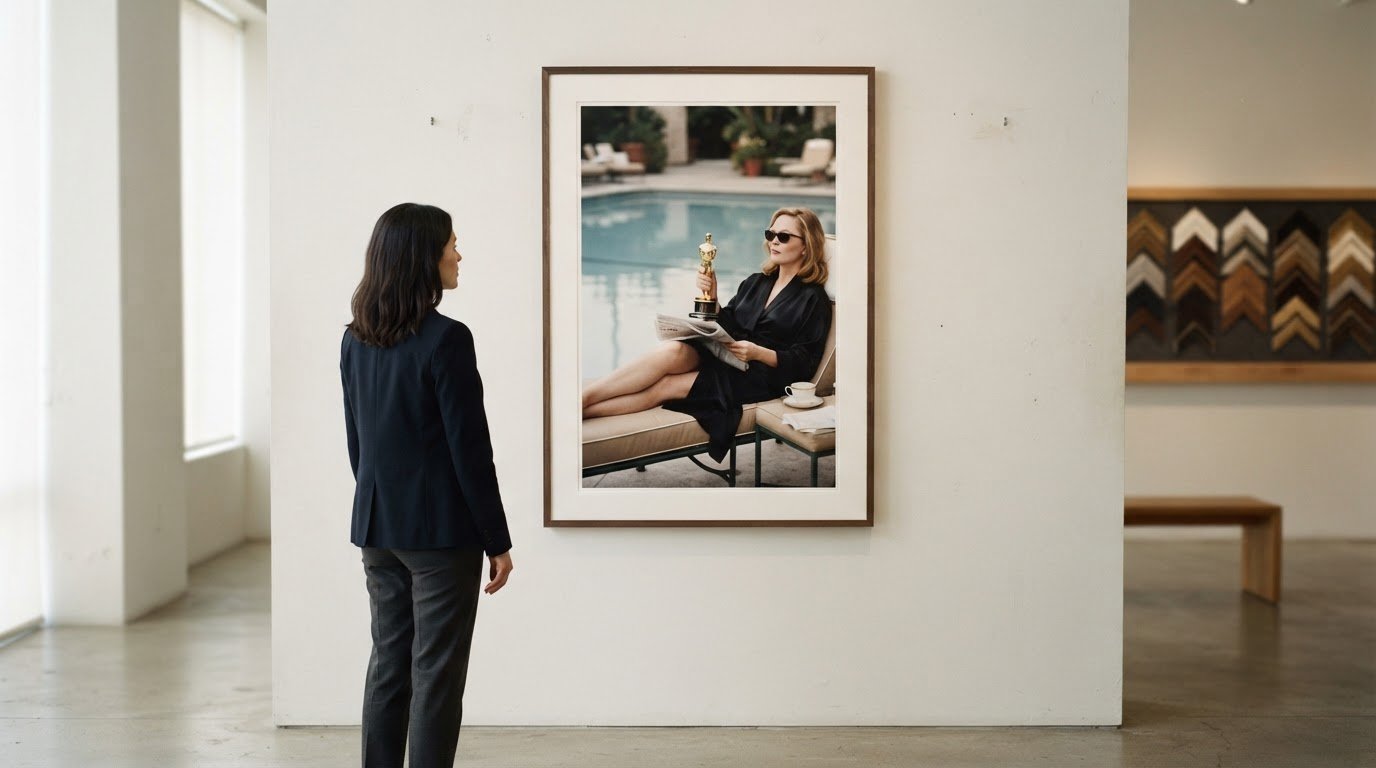
The terry o’neill faye dunaway poolside photo was taken at the Beverly Hills Hotel on March 29, 1977, the morning after Dunaway won the Academy Award for Best Actress. O’Neill photographed her by the hotel pool at around 6 a.m., capturing a quiet moment just hours after the ceremony. The setting and timing are central to the image’s enduring power.

The terry o’neill faye dunaway poolside photo has a polished, unhurried appearance, despite the early start after a late night. O’Neill had met Dunaway a few weeks earlier, and they had become friends before he arranged the shoot. Here, discover how that connection helped bring the portrait about, what happened beside the pool, and why it remains one of O’Neill’s most memorable images.

Key Takeaways

  • Understand how the quiet poolside setting contrasts with the celebratory night that came before it.
  • Discover how O’Neill’s prior connection with Dunaway helped him arrange the portrait.
  • Learn what the photograph reveals about O’Neill’s ability to create an enduring image in a brief shoot.
  • Explore what to consider when viewing the photograph as part of Terry O’Neill’s photographic legacy.

Faye Dunaway poolside photograph

Terry O’Neill’s Faye Dunaway poolside photo distills a private pause into a carefully composed portrait. The shoot itself took about 10 minutes, yet its relaxed atmosphere suggests a longer exchange between photographer and sitter. A contact sheet from the session contains 12 images, offering a glimpse of the brief sequence behind the finished photograph.

The square composition gives Dunaway’s expression and the setting equal importance. In one print, the image measures 45.8 by 45.7 centimetres, while the paper sheet measures 61 by 50.6 centimetres. Those dimensions distinguish the photographed image from its surrounding margins, a useful detail when considering the work’s presentation.

Edition details depend on the print being discussed. One print is signed, titled, and numbered 9/50 in ink in the margin, and bears a Lothar Schirmer Collection stamp on the reverse. A separate listing describes a poolside print as an edition of 495. These figures refer to distinct print descriptions, so they should not be collapsed into one edition statement.

That distinction matters to collectors. The image remains the recognizable portrait, but a specific print’s edition number, inscription, and provenance help identify that particular object. For example, the 9/50 print lists Terry O’Neill as provenance and was acquired directly from the artist. Its illustration as plate 54 on page 143 of a 2023 catalogue adds another point of reference for readers tracing the photograph’s publication history.

O’Neill’s working method also shapes how the image reads. His career began at the start of the 1960s and spanned over six decades, giving him long experience photographing public figures. In this Terry O’Neill Faye Dunaway poolside photo, the concise session and 12-image contact sheet suggest a photographer attentive to expression and composition rather than elaborate staging. The result feels intimate yet composed, a balance that has helped the portrait endure.

Photograph location and date

Terry O’Neill photographed Faye Dunaway beside the pool at the Beverly Hills Hotel on March 29, 1977. The date places the portrait the morning after Dunaway won the Academy Award for Best Actress. Its setting is specific: the hotel pool in Beverly Hills, California, rather than a studio or film set. That location gives the image its distinctive private, unhurried atmosphere.

The timing was unusually early. Accounts place the session at around 6 a.m., with a more precise account giving 6:30 a.m. O’Neill photographed Dunaway before anyone else was at the pool. The difference between “around 6” and 6:30 reflects approximate and more exact descriptions of an early-morning shoot, not a different date or location.

Dunaway had gone to bed at 3 a.m., leaving little time to rest before the portrait. The sequence helps explain the image’s contrast: the previous night brought the Academy Awards, while the next morning found her at a quiet hotel pool. The portrait’s composed appearance sits against that compressed schedule, rather than a leisurely day arranged around a formal studio session.

The Oscar context also fixes the photograph in Dunaway’s career. She won Best Actress for Network, after two earlier nominations. On March 29, 1977, that achievement was still immediate; the portrait records the morning after the ceremony, not a later recreation. Keeping the award, date, and location together makes the photograph’s story easier to distinguish from other portraits of Dunaway.

For readers identifying the image, start with three details: Beverly Hills Hotel, March 29, 1977, and the morning after the Oscar win. The time is commonly described as around 6 a.m., while 6:30 a.m. offers a more exact account. Those details connect the poolside setting to the event that shaped its significance, and clarify why this particular morning became inseparable from O’Neill’s portrait.

Terry O’Neill’s account of arranging the photo shoot

In a 2015 interview with The Cut, Terry O’Neill recalled pitching the idea for a post-Oscar portrait of Faye Dunaway. Their connection began weeks before the poolside session, when they met on the set of Three Days of the Condor. That earlier encounter gave the request a personal context, rather than making it a meeting between strangers.

O’Neill said he and Dunaway had become friends before the shoot. That relationship helps explain how he could approach her with a portrait idea after the Academy Awards. His account describes an arrangement shaped by familiarity. The setting was the Beverly Hills Hotel pool, where the celebrated image took shape.

The sequence was straightforward: O’Neill proposed a post-awards photograph, Dunaway agreed to meet him, and they spent time together by the pool. He said they spent an hour there during the session. That was the length of their time at the pool; the finished portrait captures a single moment from the encounter.

Dunaway’s schedule made the meeting demanding. After the late-night Oscar celebrations, she had barely slept before seeing O’Neill. The contrast between her fatigue and the portrait’s composed appearance is part of the story. O’Neill’s account connects the image not only to the award, but also to the trust that made an early appointment possible.

The key details behind the photograph are their earlier meeting, growing friendship, O’Neill’s proposal, and the hour spent at the pool. Together, they explain the shoot’s personal foundation rather than leaving its relaxed mood to chance. The portrait emerged from a specific arrangement between photographer and sitter, shaped by their acquaintance and the occasion following Dunaway’s Oscar win.

Having barely slept before the meeting, Dunaway arrived with the immediate effects of an almost sleepless night. That detail sets the portrait’s calm presentation against the physical circumstances of its creation, highlighting the contrast between the image and the morning behind it.

How much do signed Terry O’Neill Faye Dunaway poolside prints cost?

There is no single price for every signed Terry O’Neill print of Faye Dunaway. Value depends on the particular print, not just on its familiar poolside subject. Collectors should distinguish a signed photograph from a later print and assess the edition, condition, and documentation of each work. These details help explain why two prints of the same moment can differ in value.

Start with the signature and edition information. A print numbered 9/50 belongs to a different edition description from a print offered in an edition of 495. These figures identify separate print descriptions, not interchangeable versions of one edition. The edition, numbering, and signature together provide useful context when comparing works, while the image itself remains the same celebrated portrait.

Next, consider provenance and supporting records. The 9/50 print discussed earlier lists Terry O’Neill as provenance and was acquired directly from the artist. Such documentation helps establish an object’s history. A catalogue reference can also help identify the image: this photograph appears as plate 54 on page 143 of a 2023 catalogue by Lothar Schirmer and Isabella Rossellini.

Condition and presentation matter, too. Examine the print surface, margins, and any handling marks, and note whether framing is included. The paper, image dimensions, and framing format affect how a print looks, but do not determine its value on their own. Compare like with like: a signed, numbered photograph is not equivalent to a differently produced print.

For a considered assessment, gather the edition number, signature details, provenance, catalogue references, condition notes, and presentation information. These points give collectors a clear basis for comparing signed Dunaway poolside works without confusing distinct editions. Galerie Prints’ Terry O’Neill Photography offering provides a natural place to explore the photographer’s work and consider the portrait within his wider photographic legacy.

Galerie Prints: The Slim Aarons Collection

Galerie Prints offers a natural next step for anyone keen to explore photography beyond this portrait. Browse Terry O’Neill Photography to discover more of his work, or explore the distinct perspective of The Slim Aarons Collection. The gallery also offers Cinema Lobby Cards and Star Wars Limited Edition Prints.

Explore these collections if the story behind the image has sparked a wider interest in photographic art, cinema, or popular culture. Each offers a different route through visual history, from O’Neill’s portraits to Slim Aarons’s photography and the imagery of film.

Explore Galerie Prints to continue your visit, or contact the gallery with your enquiry.

Let the photograph guide your next discovery

A photograph can become more than a record of a celebrated moment. It can invite a lasting connection with the people, places, and atmosphere it preserves. Terry O’Neill’s Faye Dunaway poolside photograph rewards a closer look, showing how a portrait’s mood can resonate long after its original setting has passed.

If the image has caught your attention as a collector or admirer, consider what draws you to it: Dunaway’s presence, O’Neill’s distinctive eye, or the photograph’s place in cinematic history. That reflection can help you decide how to explore the work and its place within a wider collection.

Galerie Prints offers a considered setting for discovering photography and related visual works. To enquire about this photograph and continue your exploration, contact Galerie Prints about the photograph. Let your interest in this singular portrait lead to another rewarding encounter with photographic art.

Frequently Asked Questions

What is the story behind Terry O’Neill’s poolside photograph of Faye Dunaway?

O’Neill’s portrait grew from an acquaintance with Dunaway that began while they were connected to Three Days of the Condor. Their rapport helped shape a personal shoot rather than a formal studio sitting. The resulting contact sheet contains 12 images, offering a glimpse of the frames behind the celebrated portrait. Dunaway’s Oscar-winning performance in Network gives the image its post-ceremony context.

When and where was Faye Dunaway’s poolside photo taken?

O’Neill photographed Dunaway at the Beverly Hills Hotel pool on March 29, 1977, the morning after her Academy Award win for Network. The session took place early, before other people were at the pool. Accounts place the time at around 6 a.m., with one giving 6:30 a.m. Together, the date and hotel identify the photograph’s setting and immediate occasion.

What details are visible in the iconic Faye Dunaway poolside photograph?

The square portrait captures Dunaway’s expression beside the Beverly Hills Hotel pool, in a composed, quiet moment the morning after her Oscar win.

How did the poolside photograph become famous?

Its fame is tied to the striking contrast between Dunaway’s composed portrait and the early morning after her Oscar-winning night. O’Neill captured the image in a brief, 10-minute shoot.
Terry O’Neill Limited Edition Prints: The Definitive Collector’s Guide

A Terry O’Neill photograph is far more than a captured moment of celebrity; it’s a portal into a vanished era of elegance where the photographer lived as an equal among the icons he immortalized. Investing in terry o’neill limited edition prints is an act of cultural preservation, a way to anchor your space with a tangible piece of 20th-century history. You likely recognize that true collecting requires a sophisticated eye that looks beyond the image to the archival provenance and the scarcity of the edition itself.

This guide will help you master the intricacies of the photographic market, from distinguishing between lifetime signed and estate-stamped works to selecting bespoke framing that protects your investment. We’ll examine the technical curator language used by elite galleries and review the current landscape for legendary portraits of David Bowie and Brigitte Bardot. You’ll gain the confidence to move past the confusion of varying price points and secure a certified piece of photographic heritage that transforms your interior into a narrative-driven sanctuary.

Key Takeaways

  • Understand how restricted edition sizes create long-term value and safeguard your investment in fine art photography.
  • Learn to verify archival provenance through the Terry O’Neill and Getty Images archives. It’s the best way to ensure your piece is a certified part of history.
  • Master the technical nuances between Silver Gelatin and C-type processes to select the material quality that suits your collection’s needs.
  • Discover how to select and preserve terry o’neill limited edition prints using hand-finished bespoke framing that meets museum standards.
  • Gain expert insights on scaling works for visual impact and balancing O’Neill’s gritty elegance with other archival styles.

What Defines Terry O’Neill Limited Edition Prints?

A limited edition print represents a finite piece of cultural history. Unlike mass-produced imagery, these physical assets are produced in strictly regulated quantities to ensure their rarity remains immutable. This scarcity is the bedrock of fine art photography. When you acquire terry o’neill limited edition prints, you’re participating in a legacy defined by O’Neill’s unique access to the 20th century’s most guarded personalities. As detailed in Terry O’Neill’s biography, his career spanned over fifty years of intimate celebrity documentation. Restricting these images to small runs ensures that their historical and aesthetic value is preserved for future generations.

The Certificate of Authenticity (COA) serves as the cornerstone of any serious investment. This document acts as a vital bridge between the Terry O’Neill Archive and your private collection. It verifies the specific print process, the edition number, and the official estate approval. A print without a COA is merely a reproduction; with it, the work becomes a verified asset with a traceable lineage.

Edition Numbering and Rarity

The numbering system, typically displayed as a fraction such as 7/50, provides an immediate snapshot of rarity. While the technical quality is identical across the run, collectors often seek out lower numbers for their perceived proximity to the start of the edition. The impact of a “Sold Out” status is significant in the art world. Once the final print in a series is purchased, the image enters the secondary market. This transition often leads to a sharp increase in valuation as demand outstrips the fixed supply. Galerie Prints prioritizes these restricted runs to support collectors who view photography as a lasting legacy.

Limited Edition vs. Open Edition

Discerning collectors must distinguish between gallery-grade works and decorative open editions. Open editions are produced indefinitely. They’re excellent for casual decor but they lack any real investment merit because they’re not scarce. A true limited edition utilizes archival, museum-quality paper and traditional production methods. Since O’Neill’s passing in 2019, the market for terry o’neill limited edition prints has shifted toward estate-stamped versions. These are posthumous editions authorized by his archive. They carry the weight of authenticity and are meticulously documented to ensure they meet the same rigorous standards as the prints O’Neill signed during his lifetime.

The Collector’s Value: Provenance and the O’Neill Archive

Provenance is the lifeblood of high-end collecting. For Terry O’Neill, this isn’t just about a signature; it’s about the direct lineage to the Terry O’Neill and Getty Images archives. Provenance defines the asset. These institutions serve as the vital guardians of his original negatives. When you acquire terry o’neill limited edition prints, you’re securing a work that has been meticulously vetted by the very estates tasked with protecting his legacy. His significant presence in the National Portrait Gallery collection provides the ultimate institutional validation, confirming his status as the gold standard of 20th-century iconography. Collectors value this transparency, as it ensures the long-term integrity of the work’s market value.

The Allure of the Archive

Galerie Prints acts as a curated bridge to these world-renowned estates, selecting images that capture the raw, candid energy of the sixties and seventies. O’Neill’s true gift was his practiced invisibility; he moved among stars like Brigitte Bardot and Elton John not as a voyeur, but as a trusted peer. This unique proximity allowed him to produce black and white pictures that feel raw and contemporary despite their historical weight. These archival works offer more than a visual experience. They provide a tactile, evocative connection to a bygone era of elegance that is increasingly rare. The localized, artisanal craftsmanship of our London-based production ensures that these historical images are presented with the clarity and depth they deserve.

Beyond Celebrity: The Artistic Legacy

O’Neill’s work sits at a unique crossroads where fashion, film, and rock ‘n’ roll collide in a single frame. By humanizing the world’s most famous faces, he transformed celebrity into high art. There is a fascinating synergy between his intimate portraits and the physical history found in cinema lobby cards, as both serve as essential artifacts of Hollywood’s photographic heritage. Owning terry o’neill limited edition prints isn’t just about interior decoration. It’s about possessing a piece of cultural history that resonates with narrative depth and prestige. You might consider exploring our fine art photography collection to find a piece that anchors your home with the weight of a legendary career.

Evaluating Technical Quality: Paper, Process, and Longevity

The allure of terry o’neill limited edition prints extends beyond the iconographic subject matter; it resides in the tangible, chemical reality of the medium itself. Serious collectors distinguish themselves by looking past the image to the technical mastery of the print production. Every piece in a curated collection should be viewed as a physical asset that demands material excellence. True archival quality is the ability of a photographic print to maintain its full tonal range and structural integrity for over 100 years. Achieving this permanence requires a rejection of modern, high-volume inkjet methods in favor of traditional, light-sensitive chemistry. As noted in The Guardian obituary for Terry O’Neill, his work defined the “swinging 60s,” and preserving that specific visual energy requires the same artisanal rigor he applied behind the lens.

Hallmarks of an archival O’Neill print:

  • Use of heavy-weight, acid-free fiber-based or resin-coated papers to prevent yellowing.
  • Traditional chemical development that embeds the image within the paper’s emulsion.
  • Precision-controlled tonality that honors the original negative’s full dynamic range.
  • Stabilization processes that ensure long-term UV resistance in high-end interiors.

The Depth of Silver Gelatin Prints

For black and white masterpieces, the silver gelatin process remains the undisputed pinnacle of the photographic craft. This traditional darkroom method involves suspending light-sensitive silver salts in a gelatin layer, which is then coated onto a heavy-weight, acid-free fiber base. The result is a print with silver-rich blacks and a nuanced contrast that digital inkjet processes simply cannot replicate. Collectors prefer these chemical prints because they offer a tactile depth and a luminous quality that honors the physical history of the negative. Every print produced through this method is a testament to localized, artisanal craftsmanship, ensuring that the deep shadows and brilliant highlights characteristic of an O’Neill original are preserved without compromise.

C-Type Prints for Vibrant Color

When capturing the saturated hues of the 1970s, the C-type (Chromogenic) print serves as the industry standard for archival color photography. Unlike digital prints that lay ink on the surface, C-types are developed using a chemical process where the image is embedded within the paper’s emulsion. This ensures incredible color accuracy and the smooth gradations necessary for high-end portraiture. In high-luxury interiors, UV stability is a critical concern for long-term preservation. By utilizing museum-quality, acid-free archival paper and specialized chemical stabilizers, these prints resist the fading that plague lesser reproductions. This meticulous approach ensures that your terry o’neill limited edition prints remain as vivid as the day they were captured, providing a lasting bridge to a bygone era of elegance.

Curating Your Space: Selection and Bespoke Framing

Selecting terry o’neill limited edition prints is only the first step in a larger curatorial journey. When you integrate these works into a private residence, you’re doing more than filling wall space; you’re establishing a narrative of 20th-century prestige. The most successful interiors often rely on a “curated home” aesthetic that balances contrasting energies. For instance, the raw, monochromatic grit of O’Neill’s London portraits creates a sophisticated tension when placed alongside the sun-drenched, aspirational luxury of the Slim Aarons collection. This interplay between grit and glamour defines a worldly, cultured environment that feels both historical and contemporary.

Design Strategies for Iconic Photography

Scaling is your most powerful tool for creating visual impact. An oversized Terry O’Neill print functions as more than decor. It becomes an architectural focal point. Black and white portraits offer a timeless sophistication that anchors modern, minimalist furniture, while color works can inject a vibrant energy into dining or living areas. To create a cohesive gallery wall, look for a thematic thread. You might mix music legends with film icons, using consistent framing to harmonize the different subjects and create a rhythmic flow throughout your space. Smaller dimensions work beautifully in more intimate settings like a study, where the viewer can appreciate the candid, humanizing details of O’Neill’s work up close.

The Artisanal Marker: Bespoke Framing

A museum-quality print deserves a museum-quality environment. Professional bespoke framing is an essential extension of the artwork’s value, not merely an aesthetic choice. Mass-produced, off-the-shelf frames are a significant risk. They often use acidic mounting boards and low-grade adhesives that cause irreversible yellowing and “foxing” on archival paper. At Galerie Prints, we treat framing as an artisanal craft. Our London-based production team utilizes hand-finished frames and museum-grade, acid-free mounting to ensure your investment is protected for decades. This commitment to localized craftsmanship provides a ready-to-hang luxury experience that respects the heritage of the original negative.

Owning a piece of photographic history is a privilege that comes with the responsibility of preservation. You can explore our collection of fine art photography to find the perfect icon to anchor your next interior project.

Why Collect Terry O’Neill with Galerie Prints?

Galerie Prints operates as a dedicated guardian of photographic heritage, positioning itself as a vital bridge to the golden age of fame. Our gallery is more than a retailer; it’s a curated space where history is preserved through the lens of one of the 20th century’s most prolific documentarians. Under the curatorial vision of artist and director Stuart Möller, we select only the most evocative works that resonate with narrative depth and aesthetic power. Our direct partnerships with the Terry O’Neill and Getty Images archives ensure that every piece we offer carries the weight of undisputed authenticity. When you acquire terry o’neill limited edition prints through our gallery, you’re investing in a legacy supported by institutional expertise and a passion for the photographic medium.

The assurance of quality is anchored in our localized, artisanal craftsmanship. Every print is produced in our London-based lab, where traditional methods are favored over mass-production. This commitment to excellence extends to our bespoke framing service, where each frame is hand-finished to museum standards. We understand that a Terry O’Neill original is a lasting asset, and our production processes are designed to honor that permanence. By maintaining a professional, polished distance from the frantic pace of typical e-commerce, we invite you to linger on the visual impact and historical significance of each frame.

A Personalized Journey for Every Collector

We believe that building a collection should be a sophisticated, supported experience. Our team provides expert advice on selecting the perfect paper type, whether the silver-rich blacks of a traditional darkroom print or the vibrant accuracy of a C-type. We also guide you through selecting the frame style that best complements your interior architecture. Global shipping is handled with the precision of a specialist art gallery, ensuring that your investment arrives in pristine condition. There is a distinct prestige in owning a piece from a gallery that understands the intimate story behind the lens and treats every transaction with the reverence it deserves.

Explore the Collection

The O’Neill archive is a vast tapestry of cultural milestones. Our collection spans the full breadth of his career, from the raw energy of the Rolling Stones and the ethereal presence of David Bowie to rare finds like his Star Wars Limited Edition Prints. We also curate vintage memorabilia and cinema lobby cards that provide a broader context to his work; for those who appreciate physical collectibles, Custom Sports Products offers a way to create personalized sports memorabilia with similar archival appeal. With standard edition sizes typically limited to 50 per size, these works represent a finite opportunity to own a piece of the scarcity of fame. We invite you to discover your next investment in our Terry O’Neill limited edition collections and anchor your space with a masterpiece of archival photography.

Building a collection of Terry O’Neill’s work is an act of sophisticated curation that bridges the gap between contemporary design and historical prestige. You now understand that the true value of terry o’neill limited edition prints resides in their impeccable provenance and the technical mastery of their production. By selecting works authorized by the Terry O’Neill Estate and prestigious archival sources, you’re not just purchasing an image; you’re acquiring a certified piece of cultural heritage. These physical assets, produced with museum-quality archival materials, are designed to maintain their tonal depth and structural integrity for a lifetime.

Every print represents a finite moment of 20th-century iconography that demands the protection of artisanal craftsmanship. Our bespoke, hand-finished framing, produced by local artisans in London, ensures that your investment is both preserved and presented with quiet authority. Whether you’re drawn to the raw energy of rock legends or the polished elegance of film icons, your collection serves as a narrative anchor for your home. We invite you to explore our curated archives and find the masterpiece that resonates with your personal aesthetic. Discover Your Next Investment in Our Terry O’Neill Limited Edition Collections and begin your journey into the elite world of photographic history today.

Frequently Asked Questions

What is the difference between a limited edition and an open edition Terry O’Neill print?

Limited editions are restricted to a specific number of prints, usually 50 per size, ensuring scarcity and investment value. In contrast, open editions are produced indefinitely, which makes them suitable for casual decor but strips them of their status as collectable assets. For serious collectors, terry o’neill limited edition prints offer the exclusivity required for long-term appreciation and historical significance within a curated gallery environment.

Do Terry O’Neill limited edition prints increase in value over time?

Many limited edition works by O’Neill have shown significant appreciation, particularly since the artist’s passing in 2019 and the subsequent closure of specific iconic runs. Value is driven by the scarcity principle, where a fixed supply meets growing demand from global art investors. While market fluctuations occur, authenticated prints from prestigious archives remain highly sought-after assets that often command a premium on the secondary fine art market.

How can I verify the authenticity of an O’Neill print bought online?

Authenticity is verified through a Certificate of Authenticity (COA) issued by an authorized gallery with direct access to the Terry O’Neill and Getty Images archives. Every genuine print should feature a specific edition number and, for posthumous releases, an official estate stamp or authorized signature. At Galerie Prints, we provide this rigorous documentation to ensure your acquisition is a certified piece of photographic heritage with a traceable and prestigious provenance.

What does ‘Silver Gelatin’ mean in fine art photography?

Silver Gelatin refers to the traditional darkroom process where light-sensitive silver salts are suspended in a gelatin layer on heavy-weight, fiber-based paper. This chemical method is the undisputed gold standard for black and white masters, offering a tonal range and silver-rich depth that digital processes cannot replicate. It remains the preferred medium for O’Neill’s most famous monochromatic portraits, ensuring museum-quality permanence and visual luminosity for over a century.

Why is bespoke framing recommended for high-value limited editions?

Bespoke framing provides a protective, museum-grade environment that prevents acid damage, yellowing, and environmental degradation of the archival paper. Standard off-the-shelf frames often use acidic materials that off-gas or trap moisture, risking the integrity of the artwork. Our hand-finished, artisanal frames utilize acid-free mounting and specialized UV-glazing to preserve the print’s condition. This protection is a critical factor in maintaining the future market valuation and aesthetic brilliance of your collection.

What are the most common sizes for collectable Terry O’Neill photography?

Collectable sizes typically range from intimate 10×12 inch prints to grand, oversized 48×48 inch statements that anchor a room’s architecture. Standard edition sizes are often limited to 50 prints per dimension, meaning rarity is maintained regardless of the physical scale you choose for your interior. Selecting the right size depends on your space’s focal points and the narrative flow you wish to establish within a professional, gallery-grade environment.

How should I clean and maintain my archival photography prints?

Maintenance should be minimal and non-invasive, focusing on a stable environment away from direct sunlight and extreme humidity. If your print is protected by bespoke framing, simply dust the glazing with a soft, dry microfiber cloth. You should never apply liquid cleaners directly to the frame or the print surface. Proper preservation ensures that the delicate chemical emulsion of your terry o’neill limited edition prints remains pristine for many decades to come.

Can I purchase digital versions of Terry O’Neill’s work?

Galerie Prints does not sell digital image downloads or licenses for Terry O’Neill’s photography. Our mission is the preservation of photographic heritage through the production of physical, museum-quality prints and artisanal framing. This focus ensures the exclusivity of the work, as digital files lack the scarcity and tactile depth required for high-end collecting. By providing only physical assets, we protect the long-term value and prestige of your private collection.

Bert Stern: The Master of ‘The Last Sitting’ and 1960s Iconography

To capture the soul of the 1960s, one didn’t just photograph a celebrity; one had to seduce the lens until the persona dissolved into something raw and permanent. Bert Stern didn’t merely document the ‘Mad Men’ era; he sculpted its mythology through a lens of high-contrast light and intimate dialogue. You likely recognize the ethereal, tragic glow of Marilyn Monroe in his legendary ‘Last Sitting’, a series that remains the gold standard for celebrity portraiture even as it draws crowds to the National Portrait Gallery through September 2026.

It’s natural to feel a deep reverence for these images, yet navigating the transition from admirer to collector can be daunting when mass-produced posters often mask the true brilliance of archival work. This article explores the provocative legacy of a man who redefined the visual landscape of the twentieth century. You’ll gain a sophisticated understanding of his technical style beyond the famous Monroe sessions, learn how his monochrome masterpieces can anchor a curated home gallery, and find the confidence to invest in the enduring value of an archival print. We invite you to step into the studio of a master who turned the flashbulb into a tool of high art.

Key Takeaways

  • Understand how Bert Stern evolved from a Madison Avenue advertising visionary into a pioneer of psychological celebrity portraiture.
  • Explore the technical and emotional depth of ‘The Last Sitting’, the definitive 1962 Marilyn Monroe collection that remains a pinnacle of photographic art.
  • Learn to contrast the raw, high-contrast intimacy of Stern’s work with the aspirational glamour of contemporaries like Slim Aarons to build a balanced fine art collection.
  • Discover how to distinguish between mass-market reproductions and museum-quality archival prints by focusing on paper weight and historical authenticity.
  • Gain insight into how bespoke framing and white-glove delivery preserve the prestige of iconic photography in a modern luxury home.

Who Was Bert Stern? The Enfant Terrible of Madison Avenue

Bert Stern was the self-taught visionary who essentially drafted the blueprint for the modern creative director. Long before the term became a corporate staple, he was the quintessential “Mad Men” archetype, a man who understood that post-war America didn’t want products; it wanted a mood. His Smirnoff campaign in the 1950s, famously featuring a martini glass reflected against the Egyptian desert, signaled the definitive end of literal advertising. He brought a high-art sensibility to commercial brands, proving that a bottle of vodka could be as evocative as a gallery masterpiece.

According to Bert Stern’s biography, his rise was meteoric, positioning him as a peer to giants like Richard Avedon during the legendary Golden Age of Madison Avenue. While the early 1950s were often defined by a stiff, choreographed formality, the work of bert stern acted as the bridge to the raw, psychological intimacy that would soon define the 1960s. He possessed an uncanny ability to strip away the artifice of celebrity, replacing it with a sense of urgent, tactile reality that felt dangerously new. He didn’t just take pictures. He built worlds.

From Madison Avenue to the Silver Screen

The transition from commercial dominance to cinematic iconography was seamless for a photographer with such a narrative eye. His 1962 poster for Stanley Kubrick’s Lolita, featuring Sue Lyon peering over heart-shaped sunglasses, remains one of the most enduring images in cinema history. This wasn’t merely promotional material; it was a cultural flashpoint that proved Stern could distill an entire film’s tension into a single frame. He used the immense financial rewards of his commercial success to fund his personal obsessions with pure fine art, ensuring he never had to compromise his aesthetic integrity. He earned his reputation as an enfant terrible by treating the rigid protocols of the traditional photography studio as obstacles to be dismantled rather than rules to be followed.

The Californian Light and Modern Sensibility

His approach to light was almost architectural, a technique that set him apart from his contemporaries. He could manipulate the harsh Californian sun or the sterile glow of a studio to create a sculptural feel that gave his subjects a three-dimensional weight. In his high-fashion Vogue editorials, the camera wasn’t a passive observer. Instead, his portraits feel like a collaborative performance, a shared secret between the artist and the muse that transcends the static nature of a pose. This modern sensibility is why his work remains a cornerstone of 20th-century art, offering a level of sophistication that continues to inspire serious collectors today.

The Last Sitting: The Intimacy of Marilyn Monroe

In late June 1962, bert stern checked into the Bel-Air Hotel for a three-day marathon that would produce 2,571 images and a legend that would outlive both the photographer and his subject. This Vogue commission, originally intended as a standard fashion editorial, quickly transformed into a profound psychological study. The resulting collection, known as ‘The Last Sitting’, captured Monroe just weeks before her death, documenting a spectrum of emotion from playful exuberance to haunting melancholy. It remains the definitive portrait of the actress precisely because it refuses to look away from her raw vulnerability.

The sheer volume of work, spanning from the starkly beautiful ‘Nudes’ to the somber ‘Black Veils’, offers a rare look at a woman who was otherwise the most mediated figure on earth. Perhaps the most striking element of this archive is the presence of the ‘X’ marks. Monroe used a hairpin or orange marker to cross out the transparencies she disliked, physically scarring the film. Rather than discarding these, Stern eventually recognized them as a collaborative act of creative defiance, elevating the rejected frames into powerful statements on the nature of fame and self-image. These marked frames have since become some of the most iconic pieces in the collection.

Vogue 1962: A Shift in Celebrity Portraiture

Stern stripped away the heavy Hollywood artifice that had characterized Monroe’s studio career for over a decade. He replaced elaborate sets with simple props; a sheer scarf, a single rose, or a glass of champagne served as the only distractions from the human form. By focusing on the woman beneath the icon, these images redefined the celebrity portrait for the modern era, moving away from idealized perfection toward an honest, often fractured reality. It’s this transition from starlet to human that gives the series its enduring power.

The Sculptural Quality of Monochrome

While the color transparencies offer a vivid warmth, the black and white pictures from this series are frequently the most sought-after by serious collectors. There is a tactile, three-dimensional quality to the monochrome work where the interplay of deep shadow and luminous skin feels almost carved from stone. Stern’s masterful lighting techniques, which emphasized texture over flat beauty, created a sculptural depth that would influence generations of fashion photographers. This enduring aesthetic makes his work a cornerstone for those looking to build a prestigious photography collection that balances historical weight with modern interior appeal.

A Curator’s Perspective: Stern, Aarons, and the 60s Aesthetic

Viewing the 1960s through a curatorial lens requires an appreciation for the era’s dual nature. On one hand, we have the “Aspirational Glamour” of Slim Aarons, whose sun-drenched poolside scenes defined a world of leisure and social grace. On the other, we find the “Psychological Intimacy” of bert stern. While Aarons famously photographed “attractive people doing attractive things in attractive places,” Stern went much deeper, seeking the unvarnished truth behind the fame. This tension between grit and polish creates a complete picture of the mid-century dream, making both artists essential pillars of the fine art photography landscape.

The grit of Stern’s close-up work and the polish of Aarons’ wide-angle vistas represent two essential sides of the same coin. Both men were masters of their craft, yet they occupied different emotional territories. Stern’s work often feels like a secret shared in a dimly lit room, while Aarons’ work feels like an invitation to a garden party. For the serious collector, possessing works from both archives allows for a sophisticated dialogue on the walls of a contemporary home, blending the raw humanity of the 1960s with its most polished, aspirational ideals.

The Celebrity as Icon: Stern’s Hall of Fame

Stern’s portfolio extends far beyond his famous hotel room sessions. He was a primary architect of the “youthquake” that shook London and New York, capturing the sharp, gamine features of Twiggy and the timeless elegance of Audrey Hepburn with equal dexterity. In his 1963 portraits of Elizabeth Taylor during the filming of Cleopatra, he managed to find a quiet, regal stillness amidst what was then the most expensive production in cinema history. Before the era of digital saturation, the photographer acted as a star-maker; bert stern didn’t just document fame, he distilled it into a visual language that defined the decade’s iconography.

Building a Cohesive Gallery Wall

The Collector’s Guide: Investing in Bert Stern Prints

Investing in the work of bert stern requires a discerning eye for technical excellence and an understanding of the artist’s enduring market stability. In the two years leading up to May 2026, a remarkable 93% of Stern’s works sold at auction exceeded their low estimates, signaling a robust and active demand among serious collectors. Whether you are drawn to the high-contrast allure of ‘The Last Sitting’ or his revolutionary commercial fashion work, the value of a print is inextricably linked to its production quality. Distinguishing between a digital reproduction and a museum-quality archival print is the first step toward building a collection with lasting financial and aesthetic weight.

Material integrity is non-negotiable for the preservation of photographic heritage. Authentic fine art prints utilize heavy-weight, acid-free archival paper that prevents yellowing and degradation over decades. This substrate allows for the deep, velvety blacks and luminous highlights that define Stern’s sculptural style. Recent market activity reinforces this value; for instance, the print “Arabian Marilyn” (1962) sold for $28,500 at a Christie’s auction in February 2026, more than 23 times its low estimate. Such results underscore why limited editions and authorized posthumous releases from the Bert Stern Trust remain a stable sector for aesthetic investment.

Archival Standards: The Galerie Prints Difference

Our commitment to excellence mirrors the high-end nature of the archives we represent. We utilize traditional production methods and artisanal craftsmanship to ensure every print captures the rich tonal range originally intended by bert stern. By focusing on localized, London-based framing and meticulous mounting, we provide a product that is not merely a decoration but a permanent piece of history. This dedication to material quality ensures that the intimacy and grit of a 1960s session are preserved for future generations. You may find your next centerpiece by browsing our fine art photography collection.

Choosing the Right Scale for Your Space

Large-format portraits possess a unique psychological gravity that can anchor the design scheme of an entire room. In a minimalist setting, a high-impact monochrome print provides a sophisticated focal point, while in a maximalist interior, it offers a moment of structured clarity. The scale of the work should respect the architecture of the space, allowing the subject to command attention without overwhelming the viewer. To maintain the intimate dialogue intended by the photographer, hang high-impact monochrome art so that the vertical center of the print sits at a standard eye level of 57 to 60 inches from the floor.

The Final Touch: Bespoke Framing for Iconic Art

An archival print of this caliber demands more than a standard border; it requires a guardian. Choosing a bespoke framing service is the final, essential step in transforming a photograph into a permanent fixture of your heritage. At Galerie Prints, we treat the framing process as an extension of the curatorial journey, ensuring the physical presentation matches the artistic prestige of the work. Our approach delivers ready-to-hang luxury directly to your door, supported by global white-glove shipping that guarantees the safety of your acquisition. The right frame does more than hold the paper; it acts as a sculptural window that enhances the profound depth of bert stern and his high-contrast monochrome studies.

Protecting your investment is a matter of technical precision. Because Stern’s work often features delicate tonal transitions and deep, velvety blacks, the use of UV-protective glass is non-negotiable to prevent fading from ambient light. We pair this with acid-free mounting and museum-grade materials to ensure the print remains in pristine condition for decades. This meticulous attention to detail preserves the tactile quality of the heavy-weight paper discussed earlier. It provides you with the peace of mind that your piece of history is chemically and physically secure, maintaining its value as a stable aesthetic investment.

Frame Styles for the Modern Curator

Selecting the right profile is a deeply personal part of the collecting process that influences how the art interacts with your space. Minimalist black wood frames are the classic choice for Stern’s sculptural work. They echo the sharp lines and high-contrast shadows of the 1960s aesthetic without competing for attention. Consider these presentation options for your collection:

  • Traditional Window Mounting: This method provides a classic, elevated look that signals museum-level prestige and offers a clean border for the eye to rest.
  • Oversized Matting: Using a larger mat creates a sense of monumental importance, allowing even a mid-sized print to command the attention of a large room.
  • The Gallery Wrap: A more contemporary choice that focuses entirely on the raw, unadulterated impact of the photograph itself.

Creating Your Own Home Gallery

Starting a collection doesn’t require a full gallery wall from day one. You can begin with a single, powerful statement piece from the Monroe series to anchor your space, gradually adding contemporaries like Terry O’Neill or Slim Aarons to build a narrative of 20th-century glamour. Our online customization tool allows you to experiment with different bespoke finishes, ensuring the final product perfectly complements your specific interior decor. This seamless blend of digital convenience and artisanal craftsmanship makes the transition from admirer to collector effortless. Explore our curated collections and begin your journey as a collector today.

Curating a Legacy of 1960s Iconography

The legacy of bert stern represents a definitive visual rebellion, a narrative that transitioned from the polished artifice of Madison Avenue to the profound psychological depth of ‘The Last Sitting’. He didn’t just document the icons of his era; he sculpted their humanity into permanent, high-contrast mythology. This journey into the raw soul of the 1960s offers more than mere nostalgia; it provides a foundational anchor for any sophisticated home gallery.

Securing such a piece isn’t simply an act of decoration but an investment in photographic heritage. We offer museum-quality archival prints that ensure the longevity of Stern’s vision, paired with bespoke framing by artisanal craftsmen to meet the highest gallery standards. Our worldwide shipping provides ready-to-hang art delivered with the precision and care your collection demands. This balance of technical excellence and historical significance ensures your acquisition remains a stable and evocative centerpiece for years to come.

Discover Iconic Bert Stern Fine Art Photography and Bespoke Framing at Galerie Prints and begin your own journey into the evocative world of mid-century iconography. Embrace the opportunity to own a fragment of history and let these powerful images redefine your interior landscape.

Frequently Asked Questions

Who was Bert Stern and why is he famous?

Bert Stern was a self-taught American commercial and fashion photographer who revolutionized the visual language of Madison Avenue during the 1950s and 60s. He is most famous for bridging the gap between stiff, formal portraiture and a new era of raw, psychological intimacy. His ability to distill a subject’s soul into a single, high-contrast frame made him a primary architect of 20th-century celebrity iconography.

What is ‘The Last Sitting’ with Marilyn Monroe?

‘The Last Sitting’ is a legendary archive of 2,571 photographs taken over a three-day period at the Bel-Air Hotel in June 1962. Originally a Vogue commission, these images captured Monroe in a state of unprecedented vulnerability just six weeks before her death. The collection includes everything from playful nudes to somber portraits, remaining the most sought-after and definitive series in photographic history.

Are Bert Stern prints a good investment for art collectors?

Yes, bert stern prints have demonstrated exceptional market resilience, with 93% of his works sold at auction exceeding their low estimates in the two years leading up to May 2026. The enduring cultural significance of his Marilyn Monroe series, combined with strong sell-through rates at major auction houses, makes his archival work a stable and prestigious choice for serious aesthetic investment.

Why did Bert Stern shoot almost exclusively in black and white for his fine art?

He utilized monochrome to emphasize the sculptural and tactile qualities of his subjects, stripping away the distraction of color to focus on the interplay of light and shadow. While he produced vibrant color work for commercial editorials, his black and white photography is prized by collectors for its timeless depth. This high-contrast approach gives the images a carved, three-dimensional quality that color simply cannot replicate.

How can I tell if a Bert Stern print is archival quality?

Archival quality is determined by the use of heavy-weight, acid-free paper and specialized production methods that ensure the longevity of the image. Museum-grade prints resist the yellowing and fading common in mass-market reproductions. When you invest in an archival print, you’re purchasing a piece of history that has been crafted to maintain its tonal richness and material integrity for decades.

What is the best way to frame a black and white photography print?

The most sophisticated presentation involves a minimalist black wood frame paired with acid-free, oversized matting to create a sense of museum-level prestige. It’s essential to use UV-protective glass to shield the delicate blacks and luminous whites from light damage. This bespoke approach ensures the frame acts as a window that enhances the depth of the work rather than a distraction from it.

What influenced Bert Stern’s sculptural photography style?

His style was heavily influenced by his early background in graphic design and the creative rebellion of the Golden Age of Madison Avenue. bert stern rejected traditional studio rules, opting instead to manipulate natural light to create a sense of physical weight and three-dimensional form. This architectural approach to the human face transformed his portraits into collaborative performances that felt dangerously modern for their time.

Can I buy ready-to-hang Bert Stern prints at Galerie Prints?

Yes, we offer a curated selection of fine art photography prints that can be paired with our bespoke framing service for a complete, luxury presentation. Every piece is handled by artisanal craftsmen and delivered with global white-glove shipping. This ensures your acquisition arrives in pristine condition and is ready to be displayed as a centerpiece in your curated home gallery immediately upon arrival.

Terry O’Neill Photography: The Definitive Guide to a Photographic Legacy

Terry O’Neill didn’t just photograph fame; he humanized the icons of the 20th century through a fly-on-the-wall intimacy that remains the gold standard for fine art portraiture. You likely recognize the effortless cool of David Bowie or the morning-after exhaustion of Faye Dunaway, yet owning a piece of this history often feels shrouded in technical mystery. It’s common to feel a sense of hesitation when faced with the complexities of editions, paper types, and the vital importance of provenance. This definitive guide to terry o’neill photography will demystify those nuances, offering you the clarity needed to invest in authentic, museum-quality prints that resonate with historical significance.

We’ll explore the evolution of his signature style that defined the Swinging Sixties and beyond. You’ll gain the confidence to navigate the secondary market and understand why certain lifetime editions command such prestige at auction. We also provide expert guidance on our bespoke framing services to ensure your chosen work is preserved with artisanal craftsmanship. By the end of this journey, you’ll possess a deep understanding of O’Neill’s legacy and the inspiration to display these timeless moments within a modern, curated home.

Key Takeaways

  • Learn how Terry O’Neill transitioned from a Fleet Street photographer to a fine art legend by capturing the raw, unscripted essence of the 20th century’s most famous faces.
  • Discover the technical secrets behind the O’Neill aesthetic, including his pioneering use of 35mm film to achieve a spontaneous, fly-on-the-wall perspective.
  • Gain professional insight into collecting terry o’neill photography, distinguishing between rare lifetime editions and open prints to build a stable art portfolio.
  • Uncover the narrative behind legendary works like Faye Dunaway’s “The Morning After,” exploring why these specific moments remain the most sought-after pieces in the archive.
  • Understand the importance of museum-quality archival pigment prints and bespoke framing in preserving the historical integrity and long-term value of your collection.

The Narrative of Terry O’Neill Photography: From Fleet Street to Fine Art

The genesis of the O’Neill archive is a masterclass in serendipity and sharp instinct. In 1959, while employed by the photographic unit of British Overseas Airways Corporation at Heathrow, a young Terry O’Neill captured a candid frame of a sleeping man who happened to be Rab Butler, the Home Secretary. This single image, sold to the Sunday Dispatch, effectively ended the era of stiff, reverent reportage and launched a career that would span sixty years. While Terry O’Neill’s biography details a professional journey across every major publication in the world, it was his early days on Fleet Street that forged his instinct for the unscripted moment. O’Neill’s work stands as the definitive bridge between the raw energy of tabloid photojournalism and the refined elegance of museum-grade fine art.

The Man Who Shot the Sixties

As London transformed into the epicenter of global youth culture, O’Neill was positioned at its very heart. He wasn’t merely an observer; he was a contemporary of the icons he documented. In 1963, he took the first newspaper photograph of The Beatles, and soon after, he was the only photographer invited to document The Rolling Stones during their nascent years. This proximity allowed him to capture the birth of a new social order. Today, his work is regarded as a primary historical record, offering a window into a decade where the barriers between class and celebrity were being dismantled. The enduring appeal of terry o’neill photography lies in this authentic documentation of a cultural revolution as it unfolded in real time.

Redefining the Celebrity Portrait

Before O’Neill’s arrival, celebrity portraiture was dominated by the rigid, highly stylized studio traditions of the 1950s. He consciously rejected these formal constraints, opting instead for a psychological shift that made the world’s most famous people feel accessible. By utilizing portable 35mm cameras rather than heavy studio equipment, he gained the freedom to move with his subjects. He possessed a rare, quiet authority that allowed him to ‘disappear’ into a room, waiting hours for the moment when a star’s public mask would finally slip. This approach didn’t just produce beautiful images; it humanized the untouchable, turning gods of the screen and stage into relatable figures of flesh and blood. Through his lens, terry o’neill photography became synonymous with an intimacy that remains the gold standard for fine art portraiture today.

The O’Neill Aesthetic: Candidness as a High Art Form

While some critics suggest O’Neill was simply a witness to history, his aesthetic was a deliberate technical rebellion. He pioneered the use of 35mm film in an era when medium format was the industry standard for portraiture. This choice wasn’t merely about convenience; it was about kinetic energy. The smaller, lighter camera allowed him to move with the rhythm of his subjects, capturing the blur of a stage performance or the subtle shift in a star’s posture. This technical agility is what separates terry o’neill photography from the static, overly staged images of his predecessors.

His mastery extended to a sophisticated use of natural light. O’Neill avoided the harsh, artificial glare of traditional studio lamps, preferring the soft, directional light found in hotel suites, dressing rooms, or the pale London sun. This approach created a sense of ‘expensive’ intimacy, making the viewer feel like a privileged guest in a private world. As he transitioned into the 1970s, he translated this sensitivity into lush, saturated colors that retained his signature candidness, a transition beautifully illustrated in the retrospective a life in pictures.

Mastering the Black and White Medium

For many serious collectors, the monochrome works represent the pinnacle of his archive. The deliberate use of contrast and the visible grain of the film stock lend these images a tactile, archival quality that digital photography cannot replicate. There is a profound permanence in these frames; they strip away the distractions of fashion and era to focus entirely on the subject’s essence. You can explore this further in our guide to the timeless allure of black and white pictures.

Psychological Intimacy with the Subject

The secret to O’Neill’s ‘fly-on-the-wall’ perspective was time. He famously practiced what became known as the ‘Sinatra Protocol’ during his three-decade relationship with Frank Sinatra. On their first assignment, O’Neill spent three weeks simply existing in Sinatra’s orbit before taking a single frame. This investment built a foundation of trust that transformed him from a paparazzo into a confidant with a camera. This psychological depth is why a genuine piece of terry o’neill photography feels so remarkably alive. If you are looking to bring this level of historical prestige into your own space, you can view our curated collection of iconic prints.

The Faces of an Era: Defining Moments in the O’Neill Archive

Within the vast catalog of terry o’neill photography, certain frames have transcended their status as mere images to become cultural shorthand for 20th-century allure. These photographs aren’t just portraits; they’re narratives frozen in silver halide. O’Neill possessed an uncanny ability to capture the exact moment a public persona collided with a private reality, creating works that feel as vital today as they did when the shutter first clicked. For the serious collector, these defining moments represent the holy grails of the archive, each carrying a story that extends far beyond the edges of the frame.

Hollywood Royalty: Dunaway, Sinatra, and Bardot

Perhaps the most famous image in the collection is the 1977 portrait of Faye Dunaway at the Beverly Hills Hotel. Taken at 6:30 AM the morning after her Oscar win for Network, the photograph captures a weary, contemplative Dunaway surrounded by the morning newspapers and her golden statuette. This piece has become a cornerstone of fine art photography, representing the hollow exhaustion that often follows immense success. Similarly, his 1971 shot of Brigitte Bardot on the set of The Legend of Frenchie King in Spain remains a masterclass in raw charisma. With a cigar clenched between her teeth and wind-swept hair, Bardot’s unscripted power is palpable. O’Neill also provided the definitive look at Frank Sinatra, specifically the 1968 image of the entertainer walking onto the set of Lady in Cement in Miami Beach. Escorted by his entourage, Sinatra exudes a quiet, terrifying gravitas that only a trusted confidant like O’Neill could hope to document.

The Music Archives: From The Stones to Bowie

The transition from the silver screen to the recording studio was seamless for O’Neill. He was there in the Abbey Road backyard in 1963, capturing a rare moment of calm for The Beatles before the storm of global mania truly took hold. As the decade shifted into the theatrical 1970s, O’Neill became the primary chronicler of David Bowie’s chameleonic evolution. His work during the Diamond Dogs era in 1974, including the famous shots with the barking dog, showcased Bowie’s move into a more stylized, avant-garde territory. These images are essential entries in our broader music photography collection, serving as historical anchors for the era of glam rock. Whether it’s the vulnerability of Audrey Hepburn or the defiant energy of The Rolling Stones, the defining spirit of terry o’neill photography is found in these authentic, unmasked glimpses of greatness.

Investing in Terry O’Neill Prints: A Collector’s Perspective

Acquiring terry o’neill photography is a deliberate investment in cultural capital that transcends mere home decoration. Since his passing in 2019, the market for his work has entered a new phase of maturity. Because he can no longer hand-sign new releases, original ‘Artist Signed’ prints have become finite treasures, causing a significant shift in rarity and secondary market value. This scarcity has solidified O’Neill’s status as a stable asset, appealing to both seasoned collectors and those looking to anchor their personal archive with a piece of photographic history.

Rarity and Edition Sizes

Understanding the hierarchy of editions is essential for any discerning buyer. Limited editions are strictly capped at a specific number, which naturally protects the long-term value of the print. Within this category, ‘Artist Signed’ works represent the pinnacle of the archive, as they carry the direct physical imprimatur of the photographer himself. In contrast, ‘Estate Stamped’ prints are produced following his death, authorized by his estate to ensure his legacy remains accessible while maintaining a clear distinction for collectors. While large-scale works make a bold statement, smaller dimensions can often offer a more intimate viewing experience, allowing the tactile grain of the original film to be appreciated in a private setting.

Curating Your Space with Iconic Portraits

A large-scale O’Neill print often serves as the gravitational center of a room. When choosing a subject, consider how the narrative of the photograph interacts with your existing interior design. A monochromatic portrait of Sinatra brings a sense of mid-century gravitas to a library or study, while a vibrant, wind-swept shot of Bardot can inject a modern, rebellious energy into a contemporary living space. Many of our clients achieve a sophisticated ‘jet-set’ aesthetic by pairing the candid grit of O’Neill with the sun-drenched, aspirational leisure found in the Slim Aarons Collection. This juxtaposition of raw intimacy and polished glamour creates a nuanced visual dialogue that celebrates the very best of 20th-century style.

In 2026, the importance of provenance and gallery authentication is more critical than ever. Ensuring your print is sourced from a guardian of the archive is the only way to guarantee the historical integrity and future value of your investment. To begin your journey into serious collecting, you can explore our authenticated Terry O’Neill collection and discover the perfect piece for your home.

Acquiring Terry O’Neill Art: The Galerie Prints Experience

The transition from digital appreciation to physical ownership is a defining moment for any collector. At Galerie Prints, we treat each piece of terry o’neill photography not as a commodity, but as a preserved fragment of cultural history. Our commitment to historical integrity begins with the production process itself. We utilize museum-quality archival pigment prints, a method that ensures the depth of the blacks and the nuance of the highlights are captured with absolute precision. This technical superiority guarantees that the spontaneous energy O’Neill found on the streets of London or the sets of Hollywood is translated faithfully onto the paper, maintaining its vibrancy for generations to come.

Navigating our online gallery allows you to filter through decades of iconic imagery to find the specific work that resonates with your personal narrative. Whether you are drawn to the early reportage of the 1960s or the polished glamour of his later color work, our platform provides the high-resolution detail and provenance information necessary to make an informed investment. We act as a bridge between the vast archives and your private collection, ensuring that every acquisition is supported by expert curatorial oversight.

Bespoke Framing for Timeless Presentation

A premium photograph requires a surround that matches its prestige. Our Bespoke Framing Service is designed to elevate a print into a gallery-ready centerpiece while providing essential protection. Choosing the right frame is an exercise in curatorial judgment:

  • Classic Black Wood: Offers a sharp, authoritative border that emphasizes the contrast in monochrome portraits.
  • White Gallery Frames: Creates a minimalist, contemporary look that allows the subject to ‘breathe’ within the space.
  • Natural Oak: Provides a warmer, organic texture that complements modern interior aesthetics and softer natural lighting.

Beyond aesthetics, we use archival mounting materials and acid-free mats to prevent the yellowing or aging that can occur with lesser production methods. This meticulous attention to detail ensures that your investment remains as pristine as the day it left the darkroom.

From Archive to Wall: The Delivery Process

Our commitment to the archive doesn’t end at the printing press. We understand that the final stage of the journey—the delivery to your home—requires the same level of care as the curation itself. Galerie Prints employs secure packaging standards specifically designed for fine art, utilizing reinforced materials to protect against the rigors of transit. With reliable worldwide shipping, we manage the logistics of international delivery with professional precision, providing a seamless transition from our gallery to your wall. It’s our mission to ensure that your chosen piece of history arrives ready to hang and inspire. You can explore the Terry O’Neill collection at Galerie Prints today to find the next cornerstone of your archive.

Securing Your Piece of Photographic History

The journey through the O’Neill archive reveals more than just famous faces; it uncovers the very soul of an era that reshaped global culture. By embracing the spontaneous and the unscripted, terry o’neill photography transformed the traditional portrait into a living historical document. Whether you’re drawn to the quiet vulnerability of Audrey Hepburn or the defiant stage presence of David Bowie, these works offer a sense of permanence in an increasingly fleeting world. Owning such a piece is an act of stewardship, a way to preserve a fragment of 20th-century elegance within your own curated environment.

At Galerie Prints, we support this journey through our hand-curated archives and museum-grade production standards. We invite you to Discover the Iconic Terry O’Neill Collection at Galerie Prints, where each acquisition is elevated by expert bespoke framing and protected by worldwide secure shipping. These frames don’t just decorate a room; they anchor it with the weight of history and the grace of a master’s eye. We hope you find a piece that speaks to your own sense of style and legacy.

Frequently Asked Questions

What makes Terry O’Neill photography so valuable to collectors?

Terry o’neill photography holds immense value due to its role as a primary historical record of the 20th century’s cultural elite. His ability to capture unscripted moments with subjects like David Bowie and Frank Sinatra created a finite archive that has seen increased demand since his passing in 2019. Collectors prioritize his work because it represents a bridge between raw photojournalism and fine art, offering a stable asset that appreciates as the availability of signed lifetime editions decreases.

Are the Terry O’Neill prints at Galerie Prints authentic?

Every print offered through Galerie Prints is a fully authenticated piece of photographic heritage. We maintain rigorous standards of provenance by working directly with the official archives, including the Getty Images Gallery. This ensures that your acquisition is a genuine representation of the artist’s vision, produced using museum-grade materials. Each piece is accompanied by the necessary documentation to guarantee its historical integrity and long-term value within your private fine art collection.

What is the most famous photograph taken by Terry O’Neill?

While his archive is vast, the 1977 portrait of Faye Dunaway poolside at the Beverly Hills Hotel is widely considered his most iconic work. Captured at dawn the morning after her Academy Award win, it perfectly encapsulates the exhaustion and surreal nature of Hollywood success. Other highly sought-after frames include his 1971 shot of Brigitte Bardot with a cigar and the 1968 image of Frank Sinatra walking onto a film set in Miami Beach.

Can I get my Terry O’Neill print framed by the gallery?

We provide a specialized Bespoke Framing Service to ensure your artwork arrives ready for immediate installation. Our curators offer a selection of premium finishes, including classic black wood, white gallery frames, and natural oak. Each frame is handcrafted using archival mounting materials to preserve the photograph’s condition. This professional finish doesn’t just protect the print; it elevates the work to a gallery standard that complements the sophisticated aesthetic of a modern home.

What is an archival pigment print and why is it used for photography?

Archival pigment prints are the gold standard for fine art photography, utilizing advanced inkjet technology and stable, pigment-based inks. Unlike traditional dye-based prints, these won’t fade or yellow over several decades when kept in proper conditions. We use this process on acid-free, 100% cotton rag paper to ensure the highest level of detail and color accuracy. It’s the preferred medium for museums and serious collectors who demand long-term preservation and technical excellence.

How do I choose the right size Terry O’Neill print for my living room?

Selecting the ideal size depends on the architectural scale of your space and the intended visual impact. A large-format piece of terry o’neill photography acts as a commanding focal point, ideal for placement above a sofa or a mantelpiece. Conversely, smaller editions are perfect for creating an intimate narrative in a study or hallway. We recommend measuring your wall space and considering the viewing distance to ensure the grain and detail of the photograph are fully appreciated.

Is Terry O’Neill still alive?

Terry O’Neill passed away in November 2019 at the age of 81. His death marked the end of an extraordinary sixty-year career that spanned from the early days of the Swinging Sixties to the modern era of celebrity culture. While he is no longer with us, his legacy is meticulously preserved through his estate and the official archives. This transition has made his existing signed lifetime prints particularly rare and highly prized by the global art community.

Do you ship Terry O’Neill prints internationally?

We offer secure, worldwide shipping to ensure our collection is accessible to international collectors. Each photograph is packaged using reinforced, art-specific materials to prevent damage during transit. Our logistics team manages the entire process with professional precision, providing a seamless journey from our gallery to your doorstep. Whether you’re located in London, New York, or beyond, we guarantee that your chosen piece of history arrives in pristine, gallery-ready condition.

Terry O’Neill Brigitte Bardot Print: The Definitive Collector’s Guide to an Iconic Moment

The windblown hair and the casual, smoldering cigar were never meant to be a mere photograph; they were a declaration of a new kind of cinematic rebellion. You likely recognize the magnetic pull of this image, a piece that has transcended its 1971 origin on a Spanish film set to become a permanent fixture in the pantheon of fine art. Acquiring a terry o’neill brigitte bardot print is more than an act of decoration. It’s an investment in a specific, fleeting moment of cultural alchemy that defined an era of effortless elegance.

It’s natural to feel a sense of hesitation when choosing such a significant piece, especially when faced with the technical nuances of estate stamps, paper types, and archival preservation. This guide provides the expert clarity you need to understand the nuances of various editions and the long-term value of these works. We’ll examine the narrative depth of O’Neill’s most famous session, the technical superiority of different printing methods, and the essential role of bespoke framing in securing your piece of photographic history for generations to come.

Key Takeaways

  • Uncover the narrative behind the legendary 1971 Spain film set where O’Neill redefined the celebrity portrait through unposed intimacy.
  • Explore the technical mastery of the terry o’neill brigitte bardot print, focusing on the high-contrast aesthetics that drive its enduring investment value.
  • Navigate the critical differences between archival paper types and print methods to ensure your acquisition meets professional gallery standards.
  • Understand how bespoke, archival framing protects the historical integrity of your print while elevating it to a ready-to-hang statement piece.
  • Leverage the expertise of a premier London gallery to bridge the gap between a bygone era of elegance and your modern interior aesthetic.

The Story Behind the Lens: Terry O’Neill and Brigitte Bardot in 1971

In 1971, the rugged, sun-scorched landscapes of Almeria, Spain, served as the primary backdrop for the film ‘Les Pétroleuses’, known to English-speaking audiences as ‘The Legend of Frenchie King’. This was more than a simple movie set; it was the crucible for one of the most significant collaborations in the history of fine art photography. Terry O’Neill arrived with a specific, almost architectural intent. He sought to capture Brigitte Bardot not as a curated studio object, but as a living, breathing force of nature. His approach was famously unobtrusive. By moving quietly among the cast and crew, he managed to dissolve the barrier between the subject and the lens, capturing the ‘unposed’ essence of the world’s most famous woman.

Almeria 1971: The Birth of a Cultural Icon

The Spanish desert provided a stark, cinematic texture that perfectly complemented Bardot’s transition into her ‘Western’ persona. In this environment, O’Neill waited for the moments that existed in the quiet spaces between takes. He understood that the most compelling images are often found in the pauses. The legendary wind-swept look wasn’t a product of a studio fan or a stylist’s intervention. It was a genuine meteorological accident. As the wind caught her hair, O’Neill pressed the shutter, immortalizing a raw, untamed elegance that continues to make a terry o’neill brigitte bardot print a centerpiece for serious collectors today.

The Cigar Shot: A Symbol of Liberation

Central to this series is the image of Bardot with a cigar clamped between her teeth. It’s a defiant subversion of the hyper-feminine tropes that dominated the era. According to Terry O’Neill’s biography, his career was defined by this unique, intimate proximity to his subjects, earning him the title of the man who shot the sixties. This specific shot remains a staple in high-end interior design in 2026 because it captures a seismic shift from “sex symbol” to an “icon of liberation.” It isn’t just a portrait; it’s a narrative of independence and effortless cool.

This series redefined celebrity photography by moving away from the stiff, formal portraiture of the previous decade. O’Neill’s work introduced a sense of reportage and raw honesty into the world of glamour. Every terry o’neill brigitte bardot print from this Almeria collection carries that weight of authenticity. It’s why these images don’t just decorate a room; they anchor it with a sense of history and permanence. The technical precision of his work, combined with Bardot’s magnetic presence, ensures these prints remain the pinnacle of the ‘candid icon’ movement.

Terry O’Neill’s Mastery: Why His Prints are Fine Art Investments

Terry O’Neill’s path to becoming a legendary chronicler of fame began not with a camera, but with a pair of drumsticks. His initial ambition to be a jazz drummer in the United States required a job that would allow him to travel, leading him to take a role at an airline’s photographic unit. This accidental start launched a career spanning six decades. His rhythmic sensibility translated perfectly into his photography, where he captured the syncopated beats of celebrity life with unparalleled timing. When you acquire a terry o’neill brigitte bardot print, you aren’t just buying an image; you’re securing a piece of a legacy that bridges the raw energy of reportage with the polished grace of fine art portraiture.

His work isn’t merely about the fame of the subject; it’s about the “O’Neill Style.” This aesthetic is defined by deep, velvety blacks and high-contrast lighting that gives his subjects a sculptural quality. By maintaining a close, intimate proximity to his subjects, he achieved a level of trust that other photographers couldn’t replicate. This intimacy is why his work is held in such high esteem by major institutions, including the National Portrait Gallery collection, which preserves his significant contribution to the British visual record.

The Man Who Captured the Front Row of History

O’Neill’s unique relationships with his subjects, from Frank Sinatra to the Rolling Stones, allowed him to become a fixture in their private worlds. He famously used small 35mm cameras to maintain a low profile on film sets and in dressing rooms. This technical choice was revolutionary, allowing him to capture the “front row of history” without the intrusion of bulky equipment. Within the broader fine art photography landscape, his work stands out for its ability to make the world’s most famous people feel human and accessible.

Technical Excellence in the O’Neill Archive

The investment value of an O’Neill piece is rooted in the meticulous preservation of the original negatives. Producing high-fidelity prints requires direct access to these source materials, ensuring that every nuance of the 1971 Almeria session is rendered with absolute clarity. Collectors often prioritize his black and white work for its timelessness. The lack of color focuses the eye on the composition and the play of light, elements that make a terry o’neill brigitte bardot print instantly recognizable. If you’re looking to start or expand a collection, you can explore the curated Terry O’Neill photography archives to find pieces that resonate with your personal aesthetic.

The rarity and provenance of prints sourced from the official archive provide a level of security for the collector. Each piece serves as a bridge to a bygone era of elegance, maintaining its value as both a cultural artifact and a masterpiece of technical execution. This combination of historical weight and artisanal quality ensures that his work remains a pillar of the modern art market.

Brigitte Bardot: The Muse of the 20th Century

Beyond the Screen: Bardot as a Symbol

O’Neill’s genius lay in his ability to move past the famous “pout” to find the woman behind the myth. He discovered a sense of liberation in her demeanor that was years ahead of its time. By utilizing black and white pictures, he stripped away the distractions of 1970s Technicolor. This focused the viewer entirely on the psychological weight of her presence. The “Bardot gaze” captured in these sessions possesses a quiet authority that anchors a room. It’s a look of knowing defiance. Collectors can see the institutional and market validation of this gaze when viewing the works of Terry O’Neill on Artsy, where his portraits consistently command respect for their narrative depth.

The 1970s Aesthetic in Modern Interiors

Fast forward to 2026, and the 1970s aesthetic is experiencing a profound revival in premium interior design. The Almeria series, characterized by its rugged textures and high-contrast lighting, fits perfectly into contemporary spaces. Whether you’re furnishing a minimalist penthouse or a more eclectic, maximalist home, these prints provide a necessary focal point. They pair exceptionally well with mid-century modern furniture, where the clean lines of walnut or teak contrast with the raw, wind-swept energy of the photograph. The iconic cigar shot remains the ultimate conversation starter. When hosting, pairing this visual centerpiece with a gourmet selection from Le Coq Gourmet allows you to share the authentic French terroir with guests, while the artwork itself adds a layer of sophisticated grit to the decor.

The enduring appeal of this series lies in Bardot’s transition from “sex symbol” to an “icon of liberation.” Through O’Neill’s eyes, her defiance becomes her most attractive quality. This psychological power is what gives the terry o’neill brigitte bardot print its permanence. It isn’t a transient piece of pop culture; it’s a study of a cultural shift. When placed in a modern home, it acts as a silent guardian of style, reminding the observer that true cool is unposed and entirely authentic.

Choosing Your Print: Sizes, Paper, and Bespoke Framing

Selecting the right medium for your terry o’neill brigitte bardot print is as crucial as the image itself. Collectors often weigh the merits of traditional Silver Gelatin prints against modern Archival Pigment methods. Silver Gelatin, the gold standard of the 20th-century darkroom, offers a unique chemical depth and a rich, fibrous texture that purists adore. Conversely, Archival Pigment prints provide a level of detail and tonal range that captures every nuance of O’Neill’s original negative with breathtaking fidelity. Both options ensure that the raw energy of the Almeria set remains vivid for decades.

Selecting the Perfect Dimensions for Your Space

Dimensions play a pivotal role in how the work interacts with your environment. An A3 format offers an intimate, scholarly feel, perfect for a study or a curated gallery wall alongside other historical artifacts. For those seeking a definitive statement, the ‘Collector’s Large’ format allows Bardot’s presence to command the room. Imagine the iconic cigar shot scaled to fit a grand mantelpiece; it becomes less of a photograph and more of an architectural element. We also offer custom sizing for those unique spaces where standard dimensions simply won’t suffice.

The Art of the Frame: Elevating the Image

The true guardian of your investment is our bespoke framing service. A premium print deserves more than a standard off-the-shelf solution. We utilize acid-free mounting to prevent the chemical ‘burning’ that often plagues lesser frames. By 2030, a print framed with non-archival materials may show signs of yellowing or brittle edges; our process ensures the paper remains pristine. We recommend a classic black wood frame for a sophisticated look that doesn’t distract from the high-contrast mastery of O’Neill’s work.

For a contemporary edge, the ‘Float Mount’ technique creates the illusion that the print is hovering within the frame, adding a subtle depth and modern flair. This is coupled with UV-protective glass, an essential component for any piece exposed to natural light. This museum-grade glazing filters out harmful rays that can cause irreversible fading over time. To begin your journey into serious collecting, you can explore our full range at galerieprints.com and find the perfect configuration for your home.

Why Galerie Prints is the Premier Destination for Terry O’Neill Art

Galerie Prints operates as a vital link between the golden age of photojournalism and the modern collector’s home. Our position as a premier destination is built upon a foundation of quiet authority and a deep reverence for the artists we represent. By maintaining direct access to world-renowned photographic archives, we provide our clients with the absolute certainty that their acquisition is authentic and of the highest pedigree. When you invest in a terry o’neill brigitte bardot print through our gallery, you aren’t simply purchasing a piece of wall art. You’re securing a meticulously produced artifact that has been handled with the same curatorial care as a museum piece, ensuring its status as a lasting piece of history.

Our Commitment to Photographic Heritage

We view ourselves as stewards of a visual legacy. This commitment requires us to preserve the integrity of Terry O’Neill’s original vision without compromise. Our production standards are unyielding; we treat every print as a significant historical document rather than a mere reproduction. This dedication allows us to act as a bridge between the aspirational, sun-drenched lifestyle captured in the Slim Aarons era and the raw, intimate proximity of 1970s celebrity photography. Every piece that leaves our London studio undergoes a rigorous quality control process, ensuring the tonal depth and material quality meet our exacting standards before it enters your collection.

A Seamless Global Acquisition Experience

Acquiring high-caliber art should be an experience marked by ease and professional reassurance. We provide worldwide shipping through specialist art couriers, ensuring your terry o’neill brigitte bardot print arrives in pristine condition regardless of your geographical location. This specialist handling is a cornerstone of our service, providing the peace of mind that comes with buying from an established London gallery with a global reputation for excellence. We understand that a purchase of this magnitude often requires a personal touch and expert validation.

Our curators are available for personalized consultations, offering expert guidance to both seasoned investors and those purchasing their first major piece of photographic history. Whether you need advice on how a specific size will interact with your existing architecture or require details on the technical nuances of the archival process, our team provides clear, direct, and reassuringly precise support. This bespoke service ensures that the functional aspects of your purchase are handled with the same precision and elegance as the art itself, making the journey from our gallery to your mantelpiece entirely seamless.

Secure Your Piece of Cinematic History

Owning a terry o’neill brigitte bardot print is more than an aesthetic choice; it’s a commitment to preserving a pivotal moment of cultural rebellion. As we’ve explored, O’Neill’s ability to capture the unposed essence of the 20th century’s greatest muse has created a body of work that remains a cornerstone of fine art photography. By choosing a piece sourced directly from the iconic Terry O’Neill Archive, you’re investing in a legacy of technical mastery and narrative depth that continues to appreciate in both cultural and material value.

Our London-based curators are dedicated to ensuring your acquisition is handled with the highest standards of professional care. From our use of museum-quality archival paper to our meticulous bespoke framing service, every detail is designed to protect the historical integrity of your print for decades. With worldwide secure shipping and our deep curatorial expertise, the journey to owning a masterpiece of the 1971 Almeria session is entirely seamless. We invite you to Explore the Terry O’Neill Brigitte Bardot Collection at Galerie Prints and find the definitive statement piece for your home. It’s time to bring the effortless cool of a bygone era into your modern space.

Frequently Asked Questions

Is the Terry O’Neill Brigitte Bardot print an original photograph?

Every terry o’neill brigitte bardot print we offer is a genuine fine art photograph produced from the artist’s original negatives. These aren’t mass-produced posters but high-fidelity works of art created using traditional or archival pigment processes. This ensures that the depth and detail of the 1971 Almeria session are preserved with absolute historical integrity, allowing you to own a tangible piece of cinematic heritage.

What is the most popular size for the Bardot cigar print?

The ‘Collector’s Large’ format, often measuring 20×24 inches or 30×40 inches, remains the most popular choice for the iconic cigar portrait. This substantial scale allows the photograph to function as a definitive architectural focal point in a room. While smaller A3 sizes are favored for intimate gallery walls, the larger dimensions truly capture the raw, wind-swept energy that makes this specific series so magnetically powerful.

Does the print come with a certificate of authenticity?

All Terry O’Neill photographs are accompanied by a formal certificate of authenticity, providing essential provenance for your investment. This document verifies the print’s origin from the official archive and confirms its status as a recognized edition. For serious collectors, this certification is a crucial component that anchors the work’s long-term value and ensures its standing within the international fine art market.

How do I care for my fine art photography print to prevent fading?

Preserving your print requires shielding it from direct sunlight and environmental fluctuations. We recommend using museum-grade UV-protective glass, which filters out the rays responsible for tonal degradation over time. Additionally, ensuring your piece is mounted using acid-free materials prevents the chemical yellowing that can occur with standard framing. These archival measures ensure your photographic history remains as vibrant as the day it was produced.

Can I order the Brigitte Bardot print with a custom frame?

We provide a comprehensive bespoke framing service tailored to the specific aesthetic of your terry o’neill brigitte bardot print. You can select from a range of museum-grade materials, including classic black wood and modern float-mounting options. Our curators are available to advise on which frame style best complements your interior decor while ensuring the piece is housed in an archival-safe environment that guarantees its longevity.

What is the difference between an open edition and a limited edition print?

A limited edition print is part of a strictly controlled production run with a fixed number of copies. It’s a structure that often increases its rarity and investment appeal. Once the edition is sold out, no further prints are made. In contrast, open editions are produced without a pre-determined limit. Both versions maintain our rigorous production standards, but limited editions generally command a higher premium due to their finite availability.

How long does shipping take for a framed Terry O’Neill print?

Shipping for a framed fine art piece typically takes between 7 and 14 business days, depending on your global location. Because each frame is handcrafted in our London studio, we allow time for meticulous production and assembly. We utilize specialist art couriers who are trained to handle high-value cargo, ensuring your piece is delivered with the security and care that a museum-quality work of art demands.

Why is black and white photography preferred for this specific Bardot series?

Black and white photography is preferred for the 1971 series because it strips away the noise of Technicolor to focus on texture and form. This monochromatic approach emphasizes the high-contrast lighting and the raw, unposed intimacy that Terry O’Neill mastered. By removing color, the viewer is drawn directly into Bardot’s gaze. It’s a technique that transforms a celebrity portrait into a timeless study of character and liberation.

Photography Marilyn Monroe: A Curator’s Guide to the Icon’s Most Famous Images

Could a single frame truly capture the complex duality of the woman born Norma Jeane Mortenson? While there are over 3,000 professional images of the star in existence, few collectors understand the profound difference between a fleeting digital reproduction and the tactile depth of authentic photography marilyn monroe. You’ve likely felt the allure of her iconic smile, yet found yourself overwhelmed by the sheer volume of low-quality prints that fail to honor her luminous presence. It’s a common frustration for those seeking more than a mere poster; you want a piece of history that retains its brilliance for decades.

We promise to demystify the world of fine art collecting by revealing the narratives behind her most celebrated sittings, including the legendary June 1962 sessions that defined her final months. You’ll gain the confidence to distinguish between commercial reprints and archival, hand-printed works that offer genuine provenance. This guide provides a curated journey through the lens of masters like Milton Greene and Douglas Kirkland, ensuring your chosen piece becomes a timeless centerpiece in your home. Let’s explore the technical excellence and artistic heritage that transform a simple image into a lasting investment in the world’s finest photography.

Key Takeaways

  • Understand the calculated evolution from Norma Jeane to the eternal persona of Marilyn, the most photographed woman of the 20th century.
  • Explore the legendary sittings of Bert Stern and Milton Greene to discover why photography marilyn monroe remains the pinnacle of cinematic art collecting.
  • Learn to distinguish between the psychological depth of monochrome portraits and the vibrant, “blonde bombshell” allure of 1950s Technicolor imagery.
  • Master the technical essentials of collecting, from selecting the perfect scale for your space to identifying investment-grade archival quality.
  • Discover the artisanal secrets behind hand-printed darkroom masterpieces and how to curate a sophisticated gallery wall in your own home.

The Eternal Allure: Why Marilyn Monroe Photography Still Defines Glamour

Marilyn Monroe remains the definitive subject of 20th-century portraiture, a figure whose image transcends the boundaries of cinema to exist as a permanent fixture in the world of fine art. Her status as the most photographed woman of her era was not a product of chance. It was the result of a meticulous, brilliant transformation and an innate understanding of the camera’s power. This fascination with photography marilyn monroe persists because these images represent more than just celebrity documentation; they are the blueprints of modern glamour and a lasting piece of our collective cinematic heritage.

The “Marilyn effect” describes a rare, paradoxical ability to project profound vulnerability while remaining entirely untouchable. On film, she could appear as an intimate confidante or a distant goddess, often within the same contact sheet. This duality is why her portraits continue to command respect in galleries and private collections. Collectors don’t just see a movie star; they see a masterclass in light, shadow, and the deliberate construction of an icon.

From Norma Jeane to Global Icon

The journey began in 1944 when David Conover, a photographer for the U.S. Army, discovered Norma Jeane Mortenson working at the Radio Plane Munitions Factory. These early images captured a “girl next door” appeal, characterized by a natural, wholesome beauty that suited the pin-up era. However, the manufactured Marilyn persona required a more sophisticated approach to the lens. The metamorphosis from a factory worker to a cinematic deity was finalized when she adopted her signature platinum hair and began collaborating with photographers who understood the architectural potential of her features. This evolution turned a simple model into a canvas for the world’s greatest photographic artists.

The Intersection of Art and Celebrity

Marilyn utilized photography as a strategic tool to control her narrative, often finding more agency in a still studio than on a film set. She viewed the camera as her most trusted collaborator, a confidant that allowed her to bypass the rigid constraints of the Hollywood studio system. Her 1949 session with Tom Kelley, which produced the legendary red velvet nudes, serves as a prime example of how she could turn a potentially scandalous moment into a celebrated piece of cultural history. These sessions were never merely transactional; they were artistic explorations.

  • Archival Significance: Many of these images were produced as silver gelatin prints, ensuring a depth of tone and permanence that modern digital prints rarely achieve.
  • Curated Heritage: The provenance of these works often links back to the original negatives held in prestigious archives, maintaining the integrity of the artist’s vision.
  • Artistic Collaboration: Her work with photographers like Milton Greene and Bert Stern transformed photography marilyn monroe into a genre of its own, blending fashion, soulfulness, and avant-garde technique.

By treating the camera as an equal partner, Monroe ensured that her image would never fade. These photographs are exquisite records of a woman who was acutely aware of her own myth-making. Today, they stand as timeless artifacts, inviting us to look beyond the surface of the celebrity to find the deliberate artistry beneath.

This appreciation for deliberate artistry and the power of the lens continues in modern media; for those seeking professional production or high-quality wedding videography, thefilmkraft.com provides expert services to capture your own legacy.

The Masters Behind the Lens: Three Iconic Sittings Every Collector Should Know

For the discerning collector, the value of photography marilyn monroe is defined as much by the eye behind the camera as by the subject herself. A print’s provenance and artistic merit rely on the photographer’s ability to peel back the layers of the Hollywood mask. While thousands of images of Monroe exist, three specific sittings stand as the pillars of her visual legacy. These collections represent the pinnacle of 20th century portraiture, combining technical brilliance with an intimate understanding of the woman behind the icon.

Bert Stern and ‘The Last Sitting’ (1962)

In late June 1962, Bert Stern spent three days at the Bel-Air Hotel capturing what became known as ‘The Last Sitting’. This marathon session produced 2,500 images just six weeks before Monroe’s death. Stern’s work is famous for its raw, unfiltered quality. He captured her with sheer scarves, roses, and champagne, often with very little makeup. Perhaps the most striking elements are the famous “X” marks where Marilyn herself crossed out negatives she disliked using a orange felt-tip pen or hairpin. These defaced images have become some of the most sought-after pieces in photographic history because they show her agency and her vulnerability simultaneously.

Milton Greene: The Architect of Marilyn’s Image

Milton Greene was more than a photographer; he was a close confidant who helped Marilyn reclaim her career. Their 1954 ‘Ballerina’ series is a masterpiece of high-fashion elegance. Time Magazine ranked one image from this sitting as one of the top three of the 20th century. Greene’s mastery of lighting allowed him to transition Marilyn from a gritty gypsy to a polished socialite with ease. For modern collectors, Greene’s work is particularly valuable because of the survival of original color transparencies. These allow for exquisite fine art printing that maintains the lush, painterly tones of the 1950s, making them a staple for those seeking photography marilyn monroe with a high-fashion edge.

Eve Arnold: The Woman’s Perspective

Eve Arnold offered a starkly different approach, favoring a long-term collaborative relationship that spanned a decade. Her work is celebrated for its lack of artifice. Arnold captured Marilyn in quiet, unposed moments, most notably on the set of The Misfits in 1961. This collection, recently highlighted in Marilyn Monroe by Eve Arnold, showcases a tender and witty side of the star that studio lights often obscured. These candid shots are perfect for minimalist interiors, offering an intimate glimpse into the woman behind the myth without the heavy styling of traditional Hollywood publicity stills.

Understanding these specific sittings helps you appreciate the technical excellence of a silver gelatin print. Whether you prefer the stylized glamour of Greene or the raw emotion of Stern, your choice reflects a specific chapter of cultural history. You can explore these and other iconic photography collections to find a piece that resonates with your personal aesthetic and brings a touch of golden age glamour to your space.

Choosing Your Aesthetic: Black and White vs. Technicolor Marilyn

Selecting the right photography marilyn monroe print requires a nuanced understanding of how different mediums influence the atmosphere of a home. The psychological impact of black and white photography lies in its ability to transcend the specific moment, offering a window into the soul of the subject rather than just her surface appearance. Conversely, the vibrant palettes of the 1950s capture the manufactured perfection of the Hollywood studio system, presenting Marilyn as a symbol of mid-century glamour and optimism. Whether you seek the quiet intimacy of a candid moment or the bold energy of a publicity still, the medium you choose dictates the emotional temperature of your space.

The Timelessness of Silver Gelatin and Monochrome

Monochrome photography creates an immediate sense of historical distance and prestige. By removing the distraction of colour, the viewer is forced to engage with the structural elements of the image: the curve of a silhouette, the depth of a shadow, and the intensity of a gaze. In our London darkroom, we find that silver gelatin prints are particularly effective at defining Marilyn’s features, using high contrast to highlight the architecture of her face. This traditional process provides a tactile depth that digital reproductions can’t replicate, reinforcing the status of the print as a genuine piece of photographic heritage. For collectors, understanding the timeless allure of black and white pictures is essential when selecting a piece that feels both intimate and archival. Monochrome prints act as a neutral yet powerful anchor in interior design, providing a sophisticated focal point that grounds a room’s aesthetic without clashing with existing decor.

The Vibrancy of Mid-Century Colour

The 1953 release of Gentlemen Prefer Blondes solidified the Technicolor aesthetic that defines the “blonde bombshell” era. Colour photography from this period doesn’t just record reality; it enhances it through saturated hues and dramatic lighting. These publicity stills highlight the “Marilyn Pink” and the golden tones that became her trademark, offering a visual celebration of the 1950s cinematic explosion. When you choose a colour print, you’re making a bold, maximalist decor statement that commands attention. These images are particularly effective in rooms that benefit from a burst of energy, such as a curated lounge or a high-end dressing room. The use of archival pigments ensures that these vibrant tones remain as striking today as they were during the golden age of Hollywood, allowing the collector to preserve a piece of history that feels remarkably modern and alive.

Acquiring authentic photography marilyn monroe is an act of curation that bridges the gap between mid-century Hollywood and contemporary interior design. It’s a commitment to preserving a moment of history within your own four walls. To ensure these images retain both their evocative allure and their financial value, collectors must navigate the technical nuances of sizing, archival preservation, and presentation with a discerning eye.

The journey toward ownership begins with selecting museum-grade paper. Unlike standard commercial prints, archival papers are acid-free and engineered to last for over 100 years without yellowing or degradation. This technical superiority is what distinguishes a mere poster from a true investment piece. When you select a piece hand-printed in our London darkroom, you’re securing a tactile connection to the golden age of glamour, rendered with the precision that only artisanal craftsmanship can provide.

Sizing and Proportion for Impact

The scale of your print dictates the room’s emotional resonance. While standard A-size prints work beautifully in curated clusters or on intimate desk spaces, large-format exhibition prints are designed to command a room. A single, oversized Marilyn print acts as a sophisticated focal point, drawing the eye and anchoring the surrounding decor. For those seeking layout inspiration, our fine art photography guide provides detailed strategies for integrating these icons into various architectural settings.

The Importance of Bespoke Framing

Mass-produced frames are often the silent killers of fine art; they frequently contain acidic adhesives and backing boards that can migrate into the fibers of the paper over time. Bespoke, hand-finished wooden frames in black, white, or natural oak offer a safer, more elegant alternative. We recommend using wide mounts, also known as mats, to provide the photograph with essential visual breathing room. This border doesn’t just protect the print surface from touching the glass; it elevates the image, signaling its status as a piece of “the world’s finest photography.”

To preserve the technical excellence of your photography marilyn monroe, consider the interaction between light and lens. Direct sunlight is the primary enemy of fine art photography, leading to irreversible fading. Use UV-protective glazing and position dedicated art lighting at a 30-degree angle. This specific placement minimizes glare and brings out the exquisite details and visual depth originally captured by the photographer’s negative, allowing the icon to glow as she did on screen.

Discover the perfect addition to your collection and browse our Marilyn Monroe archive.

Curating History: The Galerie Prints Marilyn Monroe Collection

At Galerie Prints, we don’t just sell images; we act as guardians for the world’s finest photography. Our philosophy centers on the belief that a photograph is a living piece of history. When you explore our curated Marilyn Monroe collection, you aren’t looking at mere reproductions. You’re engaging with a legacy of glamour and technical mastery that defined an era. Every image we offer is selected for its cultural resonance and artistic merit, ensuring that your collection begins with a foundation of true excellence.

We focus on providing a bridge between the golden age of Hollywood and the modern collector. Provenance is the cornerstone of our gallery. We meticulously document the origins of our archival collections, giving you the confidence that your piece is an authentic representation of photographic heritage. This transparency is vital for those looking to build a serious archive that maintains its value over time.

Hand-Printed in Our London Darkroom

The difference between a mass-produced inkjet and an artisanal piece is profound. In our London darkroom, experts use traditional silver gelatin processes to create prints with deep blacks and luminous highlights. This artisanal approach ensures your investment retains its beauty for decades. We work closely with prestigious archives, including Getty Images and the Slim Aarons collection, to ensure every piece of photography marilyn monroe enthusiasts acquire meets the highest standards of quality. These aren’t just pictures; they’re handcrafted artifacts.

A Bespoke Experience for the Discerning Collector

Building an archive is a personal journey. Our team provides a bespoke service, helping you select an image that resonates with your space and your aesthetic. We handle the logistics of worldwide shipping with precision, delivering ready-to-hang masterpieces that transform a room into a gallery. Our frames are crafted to museum standards, protecting the delicate chemistry of the print while enhancing its visual impact.

This dedication to the collector extends beyond the initial purchase. We offer guidance on conservation and display, ensuring your piece remains a focal point for a lifetime. Explore our curated Marilyn Monroe collection and find your iconic piece of history.

Secure a Lasting Piece of Photographic History

Marilyn Monroe remains the ultimate study in cinematic grace. Whether you’re drawn to the intimate vulnerability of Bert Stern’s 1962 Last Sitting or the vibrant charm of Milton Greene’s 1953 sessions, owning a piece of this history is a transformative experience for any serious collector. These images aren’t just decor; they’re archival records of a golden age that continue to define global standards of glamour. At Galerie Prints, we honor this legacy through meticulous craftsmanship. Our collection of photography marilyn monroe is curated from the world’s most prestigious archives, ensuring each piece carries the weight of true authenticity. Every work is hand-printed in our London darkroom and finished with bespoke, museum-quality framing to preserve the fine detail for decades. It’s time to elevate your space with a work that bridges the gap between mid-century allure and modern interior elegance. You’re not just acquiring an image; you’re investing in the world’s finest photography. Browse the Marilyn Monroe Photography Collection and find the perfect centerpiece for your gallery wall today.

Frequently Asked Questions

What is the most famous photograph of Marilyn Monroe?

The most famous photograph of Marilyn Monroe is the 1954 image captured by Sam Shaw on the set of The Seven Year Itch. This iconic shot features Monroe in a white halter dress standing over a New York City subway grate. While Shaw’s version is the most recognized, other legendary portraits from this era contribute significantly to the world of photography marilyn monroe collectors admire today.

Are these prints considered a good investment for art collectors?

Fine art prints of Marilyn Monroe are widely regarded as stable investments because her cultural influence hasn’t waned since her passing in 1962. Historical data from auction houses like Christie’s shows that high-quality prints from renowned photographers consistently appreciate in value. Collectors prize these works for their provenance and the technical mastery involved in their creation, making them tangible assets in a diversified art portfolio.

What is the difference between an archival print and a standard poster?

Archival prints are museum-grade works produced on 100% cotton rag paper or traditional silver gelatin media designed to last over 100 years without fading. Standard posters are typically mass-produced on acidic paper that degrades and loses color within 5 years. For those investing in photography marilyn monroe galleries offer, the archival process ensures the image maintains its deep tonal range and exquisite detail for generations.

Can I get my Marilyn Monroe print framed by Galerie Prints?

We offer bespoke framing services that utilize museum-quality materials to protect and showcase your investment. Each frame is handcrafted in our London workshop using sustainably sourced hardwoods and specialized UV-protective glass or acrylic. You can select from a curated range of finishes, including classic black, white, or natural oak, ensuring your artwork arrives ready for immediate display in your home.

How do I know if a Marilyn Monroe photograph is authentic?

Authenticity is established through a formal Certificate of Authenticity and documented provenance that links the print to the photographer’s original negative or estate. Many of our pieces also feature embossed estate stamps or hand-signed signatures from the photographers themselves. These markers provide the necessary verification that you’re purchasing an authorized, high-quality work of art rather than an unauthorized reproduction.

Does Galerie Prints ship photography internationally?

We provide secure international shipping to over 50 countries using specialized art couriers to ensure your print arrives in pristine condition. Each order is packed in heavy-duty, reinforced tubes or bespoke wooden crates depending on the size and framing requirements. Most international deliveries are completed within 7 to 14 business days, and we provide full tracking details for every stage of the journey.

What is “The Last Sitting” by Bert Stern?

The Last Sitting refers to a collection of 2,571 portraits taken by Bert Stern during a three-day session at the Bel-Air Hotel in June 1962. Commissioned by Vogue, these images were captured just six weeks before Monroe’s death and are celebrated for their raw intimacy. This body of work remains one of the most complete and poignant photographic records of the star ever produced.

How should I clean and maintain my fine art photography print?

You should only clean the frame’s glass or acrylic using a soft, dry microfiber cloth or a dedicated ostrich feather duster to remove surface particles. Never apply water or chemical solvents directly to the print surface, as this can cause permanent damage to the emulsion or paper fibers. It’s best to hang your artwork away from direct sunlight and avoid areas with high humidity to ensure the print remains stable.

Annie Leibovitz Photos: A Curated Guide to the World’s Most Iconic Portraits

In a world saturated with fleeting celebrity imagery, what elevates a portrait from a mere snapshot to a lasting work of fine art? The distinction often lies in the masterful eye of the photographer-an artist capable of peeling back the layers of public persona to reveal a deeper, more resonant truth. Few have navigated this territory with the vision and authority of Annie Leibovitz. The most iconic annie leibovitz photos are far more than simple portraits; they are complex, cinematic narratives that have come to define entire eras of popular culture.

The connection between celebrity and art is a powerful theme in collecting. For those captivated by this intersection in Leibovitz’s work, it can be rewarding to also explore American Pop-Art limited edition prints options, which often delves into similar themes of fame and culture.

Yet, to truly appreciate their significance-and to understand their value as collectable, archival pieces-one must look beyond the famous faces. This curated guide is designed to do precisely that. We invite you to journey through the distinct phases of her illustrious career, deconstruct the signature lighting and staging techniques that give her work its narrative power, and establish a framework for collecting the world’s finest photography with confidence and historical context.

Key Takeaways

  • Learn to identify the signature ‘Leibovitz Aesthetic’ by tracing its evolution from the raw intimacy of her early work to the grand, cinematic staging that defines her modern portraiture.
  • Uncover the profound stories embedded within Leibovitz’s most influential portraits and understand how these images came to define pivotal cultural moments.
  • Distinguish the key factors that determine the value and longevity of collectible annie leibovitz photos, from archival printing techniques to the significance of gallery provenance.
  • Gain the essential knowledge needed to begin your own collection, ensuring you are investing in authentic photographic art with a verified heritage.

The Visionary Lens: Why Annie Leibovitz Photos Define Modern Iconography

To engage with the work of Annie Leibovitz is to witness the creation of modern myth. Her lens does not merely capture a subject; it curates their legacy, transforming celebrity portraiture into a form of cultural scripture. The singular power of annie leibovitz photos lies in this deliberate transition from the raw, spontaneous reportage of her early career to the meticulously staged, cinematic grandeur that has become her signature. She operates as a guardian of our collective heritage, documenting the zeitgeist not as a fleeting moment, but with the gravitas and permanence of fine art. Her portraits possess a profound psychological depth, moving beyond the surface to construct a narrative that feels both deeply personal and universally resonant, ensuring her work transcends the page to become archival history.

The Technical Signature: Lighting and Composition

The Leibovitz aesthetic is instantly recognizable, defined by a painterly quality of light that owes as much to Caravaggio as it does to modern film. She sculpts her subjects with soft, directional lighting, creating a dramatic chiaroscuro that imbues each frame with emotional weight. This is often complemented by her sophisticated and muted color palettes, including the signature ‘Leibovitz Gray,’ which provides a contemplative backdrop. For Leibovitz, the environment is never passive; her elaborate staging is a form of storytelling, using composition and props to reveal the subject’s inner world.

From Rolling Stone to the Library of Congress

Her journey from the gritty, 35mm candor of Rolling Stone in the 1970s to the large-format precision of her later work charts the evolution of a master. This trajectory, detailed in Annie Leibovitz’s biography on Wikipedia, culminated in unparalleled institutional recognition, including her designation as a Living Legend by the Library of Congress. Museums and galleries prioritize annie leibovitz photos for their permanent collections because they represent a pivotal intersection of art, celebrity, and history. Each print is a definitive document of an era, holding a mirror to our cultural aspirations and icons.

The Narrative Arc: The Evolution of Annie Leibovitz’s Photographic Career

The trajectory of Annie Leibovitz’s career is a masterclass in artistic evolution. From the gritty, immediate reportage of her early years at Rolling Stone to the grand, cinematic tableaus of her Vanity Fair and Vogue tenures, her lens has consistently redefined the art of the portrait. This journey reveals a profound shift from capturing moments to constructing entire worlds, establishing a visual lexicon that has become an indelible part of our cultural history.

The Raw Power of the 1970s

Her tenure as chief photographer for Rolling Stone (1973-1983) was defined by an almost unprecedented intimacy. Embedded with bands like The Rolling Stones on tour, she captured the raw, unvarnished energy of rock and roll. This era culminated in one of history’s most poignant images: her final portrait of John Lennon, taken just hours before his death. These early annie leibovitz photos were instrumental in shaping the visual language of ‘New Journalism,’ where the photographer was not a detached observer but an integral part of the narrative.

The Cinematic Staging of the 1990s and 2000s

Moving to Vanity Fair marked a pivotal shift towards meticulously staged, conceptual portraiture. These were not mere photographs but elaborate productions, often imbued with an intellectual rigor influenced by her partner, the writer Susan Sontag. This is most evident in her ambitious group portraits and the fantastical ‘Disney Dream Portraits,’ which masterfully merged commercial scale with an artist’s singular vision. Managing the logistics of these ‘impossible’ shoots became a hallmark of her creative process.

Beyond her commissioned work, Leibovitz’s personal projects, such as the seminal Women collection and the contemplative Pilgrimage, showcase a more introspective search for self-expression. Her evolution from a young photojournalist to a celebrated artist, whose life and influence are chronicled by institutions like the Connecticut Women’s Hall of Fame, reveals a relentless dedication to her craft. The narrative arc of the annie leibovitz photos we so admire is one of constant reinvention, forever balancing raw truth with exquisite artistry.

Dissecting the Masterpieces: 5 Iconic Photos That Changed the World

To examine the portfolio of Annie Leibovitz is to trace the cultural contours of the last half-century. Her lens does not merely capture a subject; it distills an entire era into a single, resonant frame. Certain images, however, transcend their initial context, becoming indelible parts of our shared visual history. From the poignant final embrace of a rock legend to the defiant celebration of motherhood, these are the works that challenged convention, humanised icons, and forever altered the landscape of portrait photography.

Among the most celebrated annie leibovitz photos are a select few that possess a particular, world-altering gravity:

  • John Lennon and Yoko Ono (1980): Captured just hours before his death, this image of a vulnerable, naked Lennon curled around a clothed Ono became the definitive, heartbreaking portrait of love and loss.
  • Whoopi Goldberg (1984): Submerged in a bath of milk, Goldberg’s joyful emergence is a masterful visual metaphor, a commentary on race and identity that is both powerful and playful.
  • Kim and Kanye for Vogue (2014): A portrait that ignited fierce debate, it cemented the merging of high fashion and reality television, defining a new era of celebrity.

The Story Behind the Shot: Demi Moore

What began as a private portrait for the actress became the 1991 Vanity Fair cover that sent shockwaves through global culture. Leibovitz’s technical approach, using soft, directional light, elevated Moore’s seven-month-pregnant form to that of a classical marble sculpture. This single image irrevocably shattered the taboo surrounding pregnancy in public life and high art, paving the way for a new, empowered depiction of the female body.

Royal Protocol and Artistic Freedom: The Queen

Commissioned to photograph Queen Elizabeth II in 2007, Leibovitz demonstrated her uncompromising artistic vision. A brief, misreported moment of tension over removing her tiara-mistakenly dubbed the ‘cape’ controversy-was overshadowed by the final result. By eschewing harsh studio lighting for the soft, natural light of Buckingham Palace, Leibovitz created a portrait of profound humanity and timelessness, cementing its place as a cornerstone of 21st-century royal iconography.

Each of these images serves as a testament to Leibovitz’s unique ability to craft narrative and evoke deep emotion, securing her legacy as one of the most important visual chroniclers of our time.

The Art of Collecting: Living with Annie Leibovitz’s Archival Prints

To acquire a photograph by Annie Leibovitz is to welcome a piece of cultural history into your home. There is a profound distinction between a mass-market poster and a gallery-quality archival print; the latter is an investment in artistry, permanence, and narrative. The aesthetic impact of large-scale annie leibovitz photos in a thoughtfully designed interior is transformative, lending a room a sense of gravitas and sophisticated allure. As her work has consistently appreciated in the fine art market for decades, collectors understand that provenance and authenticity are paramount, ensuring the piece is not merely decoration, but a tangible asset whose value is intrinsically tied to its origins.

Archival Pigment vs. Silver Gelatin

Leibovitz’s choice of printing process is integral to the final presentation of her work. Her vibrant, painterly colour portraits are often realised as archival pigment prints, a method revered for its exceptional colour fidelity and light-fastness. For her classic black-and-white images, the traditional silver gelatin process offers unparalleled depth and lustrous tonality. Both methods, when executed on museum-quality, heavyweight paper, provide a tactile richness that protects your investment for generations to come, transforming the image into a lasting physical object of exquisite beauty.

Curation and Display in the Home

Integrating a Leibovitz portrait into an interior is an act of curation. A single, iconic image-such as her contemplative portrait of Queen Elizabeth II-can anchor an entire room, becoming an immediate focal point and conversation starter. For a more dynamic collection, consider pairing her work with other masters of the form, like the inimitable Terry O’Neill, to create a compelling dialogue between different eras of celebrity portraiture. The final touch, of course, is bespoke framing, which elevates the print from a photograph to a central art piece, seamlessly harmonising with your aesthetic.

Ultimately, the decision to invest in annie leibovitz photos is one of passion and discernment. By sourcing works from a reputable gallery that guarantees archival quality and certified provenance, you are not only acquiring a beautiful image but also securing a piece of photographic legacy. Explore curated collections to find the world’s finest photography for your own space.

Galerie Prints: Curating Your Own Collection of Photographic Heritage

The power of iconic photography, from the defining portraits of Leibovitz to the candid glamour of eras past, lies in its ability to transport us. At Galerie Prints, we serve as the bridge between these timeless moments and the discerning collector, transforming appreciation into a tangible piece of cultural history. Acquiring celebrated works from masters of the craft is the beginning of a personal journey into the world’s finest photography, a legacy you can build one exquisite piece at a time.

Our mission is to provide access to this heritage, offering authentic prints that capture the essence of both the golden age of celebrity and the sharp edge of modern iconography. Every photograph in our collection is a testament to our unwavering commitment to quality and provenance.

Bespoke Framing: The Galerie Prints Standard

An iconic image deserves a presentation of equal stature. Our commitment to this principle is absolute, which is why each piece is hand-printed on archival-quality paper in our London darkroom-a meticulous process that honours the photographer’s original vision. Our bespoke framing service ensures your chosen work is preserved and elevated, arriving as a ‘Ready-to-Hang’ masterpiece. We invite you to consult with our curators to select the perfect frame and size to complement your interior aesthetic.

Exploring the Masters

Your journey as a collector extends beyond a single artist. While the dramatic portraiture seen in Annie Leibovitz photos defines a modern era, you can also discover the sun-drenched, aspirational lifestyle photography of Slim Aarons. By exploring these masters, you connect the dots between the high glamour of the 1950s and the powerful character studies of today. It is in building these connections that a true collection is born.

Begin your curatorial journey today. Explore our curated collections of the world’s finest photography and bring a piece of history into your home.

The Enduring Frame: Curating Your Own Photographic Legacy

From her groundbreaking work at Rolling Stone to her definitive portraits of world leaders and cultural luminaries, Annie Leibovitz has crafted a visual language that is both deeply personal and universally resonant. Her unparalleled ability to distill the essence of an icon into a single frame has not only shaped modern photography but has created a timeless body of work. To own one of the iconic annie leibovitz photos is to possess more than an image; it is to hold a piece of history captured with enduring artistry.

This ability to create a deeply personal and resonant story is the goal of all great portraiture, from world-famous magazine covers to the cherished moments of a wedding day. For those inspired to capture their own history, you can discover One Vision Photography | South Wales Wedding Photographer and see how contemporary artists approach documenting these once-in-a-lifetime events.

At Galerie Prints, we believe such monumental works deserve a presentation of equal calibre. As specialists in the esteemed Slim Aarons and Terry O’Neill archives, we meticulously hand-print each photograph in our London darkroom, ensuring an archival quality that honours the artist’s original vision. Paired with our bespoke museum-quality framing services, your chosen work is transformed into a lasting testament to photographic heritage.

We invite you to begin your journey into the art of collecting. Discover the World’s Finest Photography at Galerie Prints and bring an icon into your home.

Frequently Asked Questions

Are Annie Leibovitz photos considered fine art?

Unquestionably. The most celebrated Annie Leibovitz photos transcend their commercial origins to become enduring works of art. Her masterful composition, narrative depth, and distinct artistic vision have earned her exhibitions in the world’s most prestigious institutions, including the National Portrait Gallery. Each image is a testament to her ability to capture the essence of a subject, solidifying her status as a pivotal figure in contemporary art photography, whose work is highly sought after by discerning collectors.

Where can I buy authentic Annie Leibovitz prints?

Authentic, signed prints are typically acquired through premier fine art galleries that officially represent the artist, or via major auction houses like Sotheby’s and Christie’s. When investing in such a significant piece, it is imperative to ensure it is accompanied by a certificate of authenticity and clear provenance. This documentation guarantees the print’s legitimacy and protects its value as a fine art asset, ensuring you are acquiring a genuine piece of photographic history.

What is the most expensive Annie Leibovitz photo ever sold?

While individual sales vary, one of her most notable results at auction was for ‘The Pilgrimage Portfolio,’ a collection of 64 prints that sold for $221,000 at Christie’s in 2012. This sale underscores the immense value placed upon her work within the fine art market. The price reflects not only the technical brilliance of the photographs but also their cultural and historical significance, making her prints a formidable investment for serious collectors of contemporary art.

What camera and lighting does Annie Leibovitz use for her iconic photos?

Leibovitz’s technical approach has evolved, beginning with 35mm cameras like the Nikon F for her reportage work. For her highly stylized portraits, she famously uses medium and large format cameras, such as the Mamiya RZ67, for their exceptional detail. Her lighting is equally iconic, often favouring a single, powerful source like a large octabank to sculpt her subjects with a dramatic, almost painterly quality that has become a signature of her acclaimed photos.

How do I care for a fine art photographic print in my home?

To preserve the integrity of your fine art print, proper framing is paramount. We recommend using archival, acid-free matting and backing, paired with UV-protective museum glass to prevent fading from light exposure. The artwork should be displayed away from direct sunlight, sources of heat, and areas of high humidity. These measures will ensure the longevity and stability of the photograph, protecting your investment for generations to come and maintaining its exquisite original quality.

Why is the John Lennon and Yoko Ono photo so significant?

The portrait of John Lennon and Yoko Ono, taken just hours before Lennon’s death on December 8, 1980, is profoundly significant. It captures a moment of raw vulnerability and intimacy, with a naked Lennon curled around a fully-clothed Ono in an embrace that suggests both love and farewell. Its poignancy is amplified by the tragedy that followed, transforming the image from a simple portrait into a timeless and heartbreaking epitaph for a cultural icon.

Can I get a bespoke frame for my photography collection at Galerie Prints?

Indeed. At Galerie Prints, we believe the frame is an essential extension of the artwork itself. We offer a bespoke framing service, with each frame meticulously hand-crafted in our London workshop to meet museum standards. Using only the finest archival materials and a selection of elegant mouldings, our experts create a custom presentation that not only protects your print but also enhances its aesthetic impact, ensuring it is displayed to its fullest potential within your interior.

What defines a ‘museum-quality’ photographic print?

A ‘museum-quality’ print is defined by its archival properties and exceptional production standards, ensuring longevity for over a century. This involves using stable, archival pigment inks on heavyweight, acid-free paper, often 100% cotton rag, or traditional hand-printed silver gelatin methods. These materials prevent fading and deterioration over time. This commitment to permanence and fidelity is the benchmark for every print curated and produced by Galerie Prints, guaranteeing a lasting piece of history.