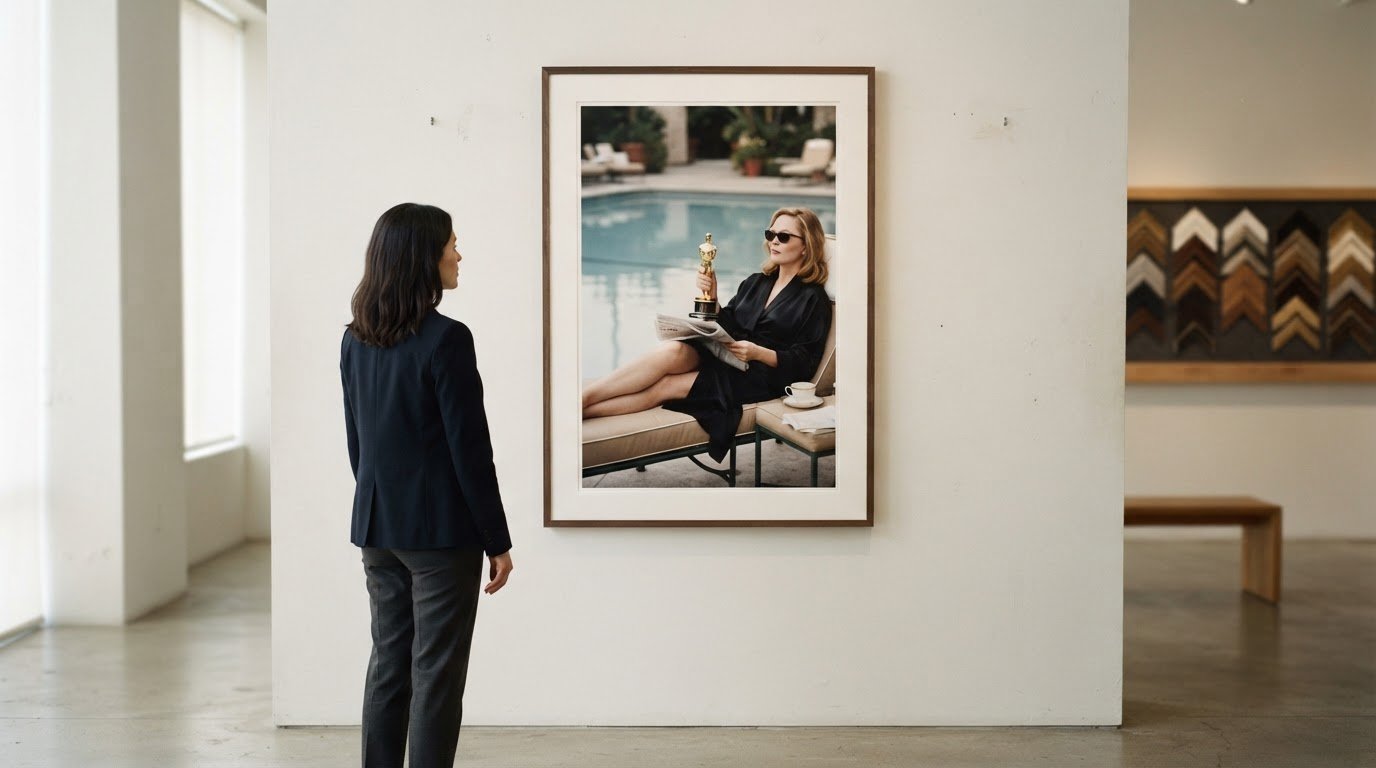
Tag: poolside photography

Terry O’Neill’s Faye Dunaway Poolside Photo: Location and Date

The terry o’neill faye dunaway poolside photo was taken at the Beverly Hills Hotel on March 29, 1977, the morning after Dunaway won the Academy Award for Best Actress. O’Neill photographed her by the hotel pool at around 6 a.m., capturing a quiet moment just hours after the ceremony. The setting and timing are central to the image’s enduring power.

The terry o’neill faye dunaway poolside photo has a polished, unhurried appearance, despite the early start after a late night. O’Neill had met Dunaway a few weeks earlier, and they had become friends before he arranged the shoot. Here, discover how that connection helped bring the portrait about, what happened beside the pool, and why it remains one of O’Neill’s most memorable images.

Key Takeaways

  • Understand how the quiet poolside setting contrasts with the celebratory night that came before it.
  • Discover how O’Neill’s prior connection with Dunaway helped him arrange the portrait.
  • Learn what the photograph reveals about O’Neill’s ability to create an enduring image in a brief shoot.
  • Explore what to consider when viewing the photograph as part of Terry O’Neill’s photographic legacy.

Faye Dunaway poolside photograph

Terry O’Neill’s Faye Dunaway poolside photo distills a private pause into a carefully composed portrait. The shoot itself took about 10 minutes, yet its relaxed atmosphere suggests a longer exchange between photographer and sitter. A contact sheet from the session contains 12 images, offering a glimpse of the brief sequence behind the finished photograph.

The square composition gives Dunaway’s expression and the setting equal importance. In one print, the image measures 45.8 by 45.7 centimetres, while the paper sheet measures 61 by 50.6 centimetres. Those dimensions distinguish the photographed image from its surrounding margins, a useful detail when considering the work’s presentation.

Edition details depend on the print being discussed. One print is signed, titled, and numbered 9/50 in ink in the margin, and bears a Lothar Schirmer Collection stamp on the reverse. A separate listing describes a poolside print as an edition of 495. These figures refer to distinct print descriptions, so they should not be collapsed into one edition statement.

That distinction matters to collectors. The image remains the recognizable portrait, but a specific print’s edition number, inscription, and provenance help identify that particular object. For example, the 9/50 print lists Terry O’Neill as provenance and was acquired directly from the artist. Its illustration as plate 54 on page 143 of a 2023 catalogue adds another point of reference for readers tracing the photograph’s publication history.

O’Neill’s working method also shapes how the image reads. His career began at the start of the 1960s and spanned over six decades, giving him long experience photographing public figures. In this Terry O’Neill Faye Dunaway poolside photo, the concise session and 12-image contact sheet suggest a photographer attentive to expression and composition rather than elaborate staging. The result feels intimate yet composed, a balance that has helped the portrait endure.

Photograph location and date

Terry O’Neill photographed Faye Dunaway beside the pool at the Beverly Hills Hotel on March 29, 1977. The date places the portrait the morning after Dunaway won the Academy Award for Best Actress. Its setting is specific: the hotel pool in Beverly Hills, California, rather than a studio or film set. That location gives the image its distinctive private, unhurried atmosphere.

The timing was unusually early. Accounts place the session at around 6 a.m., with a more precise account giving 6:30 a.m. O’Neill photographed Dunaway before anyone else was at the pool. The difference between “around 6” and 6:30 reflects approximate and more exact descriptions of an early-morning shoot, not a different date or location.

Dunaway had gone to bed at 3 a.m., leaving little time to rest before the portrait. The sequence helps explain the image’s contrast: the previous night brought the Academy Awards, while the next morning found her at a quiet hotel pool. The portrait’s composed appearance sits against that compressed schedule, rather than a leisurely day arranged around a formal studio session.

The Oscar context also fixes the photograph in Dunaway’s career. She won Best Actress for Network, after two earlier nominations. On March 29, 1977, that achievement was still immediate; the portrait records the morning after the ceremony, not a later recreation. Keeping the award, date, and location together makes the photograph’s story easier to distinguish from other portraits of Dunaway.

For readers identifying the image, start with three details: Beverly Hills Hotel, March 29, 1977, and the morning after the Oscar win. The time is commonly described as around 6 a.m., while 6:30 a.m. offers a more exact account. Those details connect the poolside setting to the event that shaped its significance, and clarify why this particular morning became inseparable from O’Neill’s portrait.

Terry O’Neill’s account of arranging the photo shoot

In a 2015 interview with The Cut, Terry O’Neill recalled pitching the idea for a post-Oscar portrait of Faye Dunaway. Their connection began weeks before the poolside session, when they met on the set of Three Days of the Condor. That earlier encounter gave the request a personal context, rather than making it a meeting between strangers.

O’Neill said he and Dunaway had become friends before the shoot. That relationship helps explain how he could approach her with a portrait idea after the Academy Awards. His account describes an arrangement shaped by familiarity. The setting was the Beverly Hills Hotel pool, where the celebrated image took shape.

The sequence was straightforward: O’Neill proposed a post-awards photograph, Dunaway agreed to meet him, and they spent time together by the pool. He said they spent an hour there during the session. That was the length of their time at the pool; the finished portrait captures a single moment from the encounter.

Dunaway’s schedule made the meeting demanding. After the late-night Oscar celebrations, she had barely slept before seeing O’Neill. The contrast between her fatigue and the portrait’s composed appearance is part of the story. O’Neill’s account connects the image not only to the award, but also to the trust that made an early appointment possible.

The key details behind the photograph are their earlier meeting, growing friendship, O’Neill’s proposal, and the hour spent at the pool. Together, they explain the shoot’s personal foundation rather than leaving its relaxed mood to chance. The portrait emerged from a specific arrangement between photographer and sitter, shaped by their acquaintance and the occasion following Dunaway’s Oscar win.

Having barely slept before the meeting, Dunaway arrived with the immediate effects of an almost sleepless night. That detail sets the portrait’s calm presentation against the physical circumstances of its creation, highlighting the contrast between the image and the morning behind it.

How much do signed Terry O’Neill Faye Dunaway poolside prints cost?

There is no single price for every signed Terry O’Neill print of Faye Dunaway. Value depends on the particular print, not just on its familiar poolside subject. Collectors should distinguish a signed photograph from a later print and assess the edition, condition, and documentation of each work. These details help explain why two prints of the same moment can differ in value.

Start with the signature and edition information. A print numbered 9/50 belongs to a different edition description from a print offered in an edition of 495. These figures identify separate print descriptions, not interchangeable versions of one edition. The edition, numbering, and signature together provide useful context when comparing works, while the image itself remains the same celebrated portrait.

Next, consider provenance and supporting records. The 9/50 print discussed earlier lists Terry O’Neill as provenance and was acquired directly from the artist. Such documentation helps establish an object’s history. A catalogue reference can also help identify the image: this photograph appears as plate 54 on page 143 of a 2023 catalogue by Lothar Schirmer and Isabella Rossellini.

Condition and presentation matter, too. Examine the print surface, margins, and any handling marks, and note whether framing is included. The paper, image dimensions, and framing format affect how a print looks, but do not determine its value on their own. Compare like with like: a signed, numbered photograph is not equivalent to a differently produced print.

For a considered assessment, gather the edition number, signature details, provenance, catalogue references, condition notes, and presentation information. These points give collectors a clear basis for comparing signed Dunaway poolside works without confusing distinct editions. Galerie Prints’ Terry O’Neill Photography offering provides a natural place to explore the photographer’s work and consider the portrait within his wider photographic legacy.

Galerie Prints: The Slim Aarons Collection

Galerie Prints offers a natural next step for anyone keen to explore photography beyond this portrait. Browse Terry O’Neill Photography to discover more of his work, or explore the distinct perspective of The Slim Aarons Collection. The gallery also offers Cinema Lobby Cards and Star Wars Limited Edition Prints.

Explore these collections if the story behind the image has sparked a wider interest in photographic art, cinema, or popular culture. Each offers a different route through visual history, from O’Neill’s portraits to Slim Aarons’s photography and the imagery of film.

Explore Galerie Prints to continue your visit, or contact the gallery with your enquiry.

Let the photograph guide your next discovery

A photograph can become more than a record of a celebrated moment. It can invite a lasting connection with the people, places, and atmosphere it preserves. Terry O’Neill’s Faye Dunaway poolside photograph rewards a closer look, showing how a portrait’s mood can resonate long after its original setting has passed.

If the image has caught your attention as a collector or admirer, consider what draws you to it: Dunaway’s presence, O’Neill’s distinctive eye, or the photograph’s place in cinematic history. That reflection can help you decide how to explore the work and its place within a wider collection.

Galerie Prints offers a considered setting for discovering photography and related visual works. To enquire about this photograph and continue your exploration, contact Galerie Prints about the photograph. Let your interest in this singular portrait lead to another rewarding encounter with photographic art.

Frequently Asked Questions

What is the story behind Terry O’Neill’s poolside photograph of Faye Dunaway?

O’Neill’s portrait grew from an acquaintance with Dunaway that began while they were connected to Three Days of the Condor. Their rapport helped shape a personal shoot rather than a formal studio sitting. The resulting contact sheet contains 12 images, offering a glimpse of the frames behind the celebrated portrait. Dunaway’s Oscar-winning performance in Network gives the image its post-ceremony context.

When and where was Faye Dunaway’s poolside photo taken?

O’Neill photographed Dunaway at the Beverly Hills Hotel pool on March 29, 1977, the morning after her Academy Award win for Network. The session took place early, before other people were at the pool. Accounts place the time at around 6 a.m., with one giving 6:30 a.m. Together, the date and hotel identify the photograph’s setting and immediate occasion.

What details are visible in the iconic Faye Dunaway poolside photograph?

The square portrait captures Dunaway’s expression beside the Beverly Hills Hotel pool, in a composed, quiet moment the morning after her Oscar win.

How did the poolside photograph become famous?

Its fame is tied to the striking contrast between Dunaway’s composed portrait and the early morning after her Oscar-winning night. O’Neill captured the image in a brief, 10-minute shoot.

Poolside glamour photography style for high-society leisure

The poolside glamour photography style associated with Slim Aarons sits between art photography and polished editorial storytelling. Its images of wealthy leisure can seem less concerned with formal experimentation than with capturing a world of fashion, social ease and sunlit spectacle. Aarons created iconic imagery for more than 30 years, and that distinctive perspective helps explain both the pictures’ enduring appeal and the question of how they fit within the artistic establishment.

The poolside glamour photography style can look effortlessly decorative, but these images also preserve the rituals and visual codes of a particular social world. This article explores how mid-century leisure, Hollywood, wealth, fashionable society and poolside fashion shaped the style, and why its accessible glamour can complicate its standing as art.

From the composed scene of Poolside Gossip to the carefully observed details of dress, setting and gesture, we’ll look at what gives these images their lasting character, and how to see beyond the surface of leisure to the photographer’s distinctive record of his era.

Key Takeaways

  • Read the pool not just as a luxurious setting, but as a carefully composed stage for mid-century leisure and social identity.
  • See how Hollywood’s association with glamour helped shape the appeal of images featuring wealthy subjects and elegant surroundings.
  • Look beyond a subject’s name to understand how posture, interaction and placement contribute to a photograph’s story.
  • Notice how clothing, accessories and the poolside environment work together to express fashionable society.
  • Use these visual cues to distinguish polished social documentary from images made primarily to showcase fashion or spectacle.

Mid-century high-society leisure and style

In Slim Aarons’s photographs, leisure becomes a carefully composed portrait of social life. He created iconic imagery over more than 30 years, returning to settings where architecture, clothing, and human presence share the frame. The pool is more than scenery: its reflective surface, geometric edge, and surrounding space help organize the image. Read those details together, and an afternoon of rest becomes a record of taste and status.

Poolside Gossip, dated January 1, 1970, offers a useful example of this visual approach. Its title directs attention toward conversation, while the poolside setting places social interaction within a cultivated landscape. Look at how figures occupy the space, where their gazes lead, and how the architecture frames their gathering. These choices make the scene feel observed rather than staged for a formal portrait.

That impression of ease depends on composition. A pool’s long edge can guide the eye across the frame, while a terrace or building provides a stable backdrop. Bright water draws attention, but people, furniture and architecture give it context. In Aarons’s work, the pleasure often comes from this balance: luxurious surroundings remain visible without overwhelming the human scene.

Fashion adds another layer of meaning. Clothing suited to swimming or lounging signals the occasion, while accessories and posture distinguish private relaxation from a public social appearance. In a poolside image, compare a figure’s relaxed pose with the formality of the setting. That contrast can suggest how high-society leisure balanced informality with social presentation.

Aarons lived from 1916 to 2006, spanning profound changes in photography and popular culture. His archive was acquired by Getty Images in 1997. Those details matter when considering why his pictures can feel both intimate and historical: they preserve specific visual arrangements while circulating beyond their original moment. The photographs invite viewers to examine the customs that their settings and gestures make visible.

To study an image, begin with its structure rather than its glamour. Identify the strongest lines, then note where people gather and what the setting reveals. In Poolside Gossip, for instance, the title draws attention to interaction, while the date anchors the scene in a particular moment. This approach helps separate what the photograph shows from the atmosphere its composition creates.

Debates about artistic recognition often turn on expectations about subject matter and seriousness. Images of wealth and leisure may seem decorative at first glance, yet their visual organization rewards close reading. Consider framing, light, gesture and the relationship between people and buildings. These choices give a photograph more to offer than an attractive surface, without requiring viewers to dismiss its pleasure.

The poolside glamour photography style endures because it combines visual pleasure with social observation. Aarons’s body of work and the dated example of Poolside Gossip offer concrete starting points. Look closely at setting, dress, posture and composition. Together, these details show how a carefully pictured moment of leisure can preserve its era’s style and social codes.

Hollywood and wealthy subjects

Hollywood glamour and private wealth give Aarons’s photographs a charged social setting, but celebrity alone doesn’t explain their appeal. The images place recognizable status within everyday gestures: conversation, repose or a shared glance. That tension lets viewers consider both the people pictured and the world that made their leisure possible. It also helps explain why some critics have treated the photographs as elegant documents rather than formal art.

Auction records show that these images have circulated in varied contexts. Heritage Auctions listed early prints of iconic subjects like Mrs. F.C. alongside other landmark works, while collectors often acquire pieces through specialized fine art sources such as Galerie Prints. These distinct records shouldn’t be read as a direct comparison of artistic merit.

Instead, they point to different ways audiences encounter Aarons’s work. A title such as Kings of Hollywood frames celebrity as its subject; a family portrait names its sitters and setting. In each case, the photograph may appeal through historical curiosity, visual form or both. To assess an image, separate fascination with its subjects from the decisions shaping its composition.

Questions about artistic recognition often begin with subject matter. A picture of affluent people relaxing can seem too pleasurable or socially exclusive to count as serious art. Yet subject and artistic intention aren’t the same. Aarons’s work invites a closer look at how people occupy space, how the setting informs their identity, and what the camera preserves about a particular social world.

Hollywood also offers a visual language audiences recognize: cultivated poise, polished dress and spectacle. Aarons’s portraits connect that language to real places and social occasions. As you look, note what the image presents as glamorous, then consider how framing and relationships between figures shape that impression. The result can be both an alluring picture and a record worth interpreting.

Wealth matters as context, not as proof of artistic value. The Palm Beach setting named in the title of the Winston Guest photograph suggests a specific social environment. It doesn’t tell viewers what the subjects felt or how the picture was made. Read visible details carefully, distinguish them from assumptions, and consider how place, reputation and pose work together.

Aarons’s photographs resist a simple division between celebrity portraiture and social observation. The auction histories of Poolside Gossip, Kings of Hollywood and the Winston Guest family image show continued interest in different subjects. Their artistic standing remains open to interpretation, but close looking offers a stronger basis for judgment than status alone. Ask what the photograph reveals about its subjects, setting and the image-making choices behind its iconic poolside glamour photography style.

People depicted in the photograph

In Slim Aarons’s poolside pictures, people are more than decorative figures. Their expressions, gestures and relationships give each scene its human scale. Notice whether someone meets the camera’s gaze, turns toward a companion or focuses on another activity. These choices change how the viewer reads the scene, from a composed portrait to an observed social moment.

For poolside glamour photography, use soft, directional light and expose carefully to retain detail in bright skin and water. A moderate aperture can keep the subject clear while preserving enough setting to establish the poolside scene. Adjust shutter speed to suit movement, and use shade or diffusion when direct sunlight creates harsh contrast.

Early morning and late afternoon usually offer gentler light than midday. At midday, place the subject in open shade or soften direct sun to reduce strong facial shadows. The best choice depends on the mood: low-angle light can add warmth to a portrait, while even shade keeps attention on expression and gesture.

Aarons’s title Poolside Gossip suggests a photograph read through interaction, not just individual appearance. When photographing a group, give each person a clear relationship to the others: a shared conversation, a listening posture or a glance across the frame. Check that hands, shoulders and sightlines reinforce that connection rather than compete with it.

Clothing and posture shape how a person is perceived. A seated subject leaning back communicates a different mood from someone standing upright beside the pool. Keep the pose comfortable and let the subject adjust naturally between frames. For a fashion-led portrait, check that fabric, accessories and body position remain visible without making the subject look stiff.

Composition can acknowledge status without turning people into symbols. Place a subject in relation to architectural lines, pool furniture or open water, then consider what the background adds. A carefully chosen frame can show how someone occupies a space, while a tighter portrait emphasizes expression. Each approach tells a different story about presence and social ease.

For a thoughtful portrait, review the frame in this order: expression, gesture, relationships, then setting. Slim Aarons’s photographs reward close looking because the people and their surroundings share the visual narrative. Avoid assuming what a subject feels or represents from appearance alone. Describe what the image shows, and let posture, gaze and composition support your interpretation.

Photographs of fashionable society

Slim Aarons’s society photographs preserve more than clothes or celebrated names. They show how people present themselves within a shared social setting. Read a gathering through small visual choices: who faces the camera, who turns away and who appears engaged with another person. These relationships make a scene feel specific, rather than like a catalogue of elegant looks.

Start with the arrangement of figures. In an Aarons photograph, compare the central subject with people at the edge of the frame. Notice whether a group forms a conversational circle or spreads across a terrace. These positions show how the photograph guides attention while leaving room to explore secondary details. The result can feel like a portrait of a social world, not simply a collection of individuals.

Clothing gives that world a visible vocabulary. Examine the contrast between tailored garments, relaxed resort wear and the surrounding architecture. A crisp silhouette may stand out against an informal setting; a restrained accessory can echo the image’s composed mood. These details show how fashion communicates occasion and identity without a caption spelling out every social cue.

Setting also changes the meaning of fashionable dress. A terrace, garden or poolside space can make clothing seem suited to leisure, while formal posture adds a note of ceremony. Consider how the same garment might read differently at a crowded gathering than beside open water. In Aarons’s images, setting and attire work together to offer clues about the occasion and its codes.

To interpret a photograph, separate what is visible from what you infer. First, note the clothing, gestures, spacing and surroundings. Then ask how those details shape the atmosphere. Coordinated dress, for example, may suggest a shared occasion, but it doesn’t establish the relationships between the people pictured. This careful approach keeps visual analysis grounded in the image.

Fashionable society photography can also raise questions about access and representation. Whose leisure occupies the frame? Who receives visual prominence, and who remains in the background? Aarons’s work often draws attention to privileged settings, so viewers can appreciate its composition while considering whose lives it documents. Looking critically doesn’t diminish the photograph’s elegance; it adds social context.

For a useful close reading, choose an image and examine it in passes. First, trace the main lines and identify the focal figure. Next, compare dress, posture and interaction across the group. Finally, study the setting for clues that support or complicate your first impression. This approach shows how polish emerges from connected choices, rather than fashion alone.

Aarons’s fashionable society photographs endure because they invite both pleasure and scrutiny. Their refined surfaces reward attention to gesture, composition and social codes. Notice who is centered, how clothing relates to place, and what remains beyond the frame. Glamour then becomes a carefully constructed visual record of a particular world.

Poolside fashion

Poolside clothing shapes a photograph’s mood, from relaxed resort dressing to carefully arranged editorial polish. Wardrobe, pose and surroundings should feel like parts of one considered scene.

Wardrobe Choices

Choose garments that suit the scene’s character, such as a flowing cover-up beside a formal terrace or a tailored linen look near modern architecture. Consider silhouette, fabric movement, and how colors contrast with water and stone. Accessories can add a personal note, but each should support the subject rather than distract from their expression or the frame.

Check how clothing falls in the chosen pose. A seated subject may need fabric arranged to look natural, while a standing portrait benefits from a clear outline against the background. Keep the styling coherent with the setting: an ornate poolside chair calls for a different visual weight than a spare, geometric deck.

Glamour, Swimwear, and Fashion Photography

Poolside glamour photography differs from swimwear or fashion photography in its wider social narrative. Swimwear photography often centers on the garment and body, while fashion photography may emphasize a designer’s styling or editorial concept. Poolside glamour places clothing within leisure, architecture and social atmosphere, making setting and interaction as important as the outfit.

For example, a portrait beside a pool can bring a robe, sunglasses and companion together in one composed scene. Read the frame for context: if the pool, gestures and surroundings carry meaning, fashion is part of a broader story. If the garment dominates, the image moves closer to fashion editorial.

Props and Backgrounds

Consider a poolside setting with lounge chairs, parasols, tiled edges or a terrace as its visual structure. A book, glass or folded towel can suggest leisure if it has a clear place in the composition. Choose props and backgrounds that create a glamorous look by reinforcing the mood, not crowding the subject.

Balance is essential. A patterned tile wall can add texture, while reflective water brings movement and light. Keep bright props away from the subject’s face, and use architectural lines to guide attention. A simple chair against a striking pool may feel more considered than a frame filled with accessories.

Before the session, coordinate wardrobe with the location’s strongest colors and shapes. At a pale stone pool, saturated fabric can create contrast; against patterned tiles, a quieter palette may keep the frame clear. Review the setting from the camera position, since a distracting umbrella or railing can change the image’s balance.

During the shoot, make one adjustment at a time. Move a chair, change the subject’s angle or remove an accessory, then compare the frame. This measured approach helps identify whether the issue lies in styling, background or composition. A polished result depends on how these elements work together, not on adding more detail.

For a finished photographic print that brings this visual language into a room, explore poolside-inspired photographic art.

Galerie Prints: The Slim Aarons Collection

Galerie Prints brings the visual world explored in this guide into focus through The Slim Aarons Collection. If you’re drawn to the photographer’s images of leisure, fashion and high-society settings, the collection is a natural next step after studying their composition and cultural context.

Consider which qualities resonate most: the elegance of the setting, the social story or the interplay of people and architecture. Galerie Prints also offers a Bespoke Framing Service, so you can consider presentation alongside your choice of photographic art. For another perspective on twentieth-century image-making, explore Terry O’Neill Photography.

Explore The Slim Aarons Collection or contact Galerie Prints to discuss your interest in a particular image.

Bring the Image’s Atmosphere Into Your Space

The poolside glamour photography style offers more than an image of leisure; it can become a focal point that shapes a room’s character. As you choose a photograph, consider the atmosphere you want to live with: quiet elegance, cinematic presence or a window onto another era. Let the image’s composition and mood guide your choice, rather than treating it as a simple finishing touch.

Galerie Prints offers The Slim Aarons Collection for admirers of his poolside imagery, alongside Terry O’Neill Photography and Cinema Lobby Cards for other perspectives on photographic and cinematic history. Each has a distinct visual language, so choose according to the story you want your space to hold.

If you’re ready to explore poolside imagery or discuss a particular photograph, contact Galerie Prints about poolside glamour. A thoughtful choice can keep the spirit of a remarkable image present in your everyday surroundings.

Frequently Asked Questions

So who was Slim Aarons?

Slim Aarons was a photographer best known for images of affluent leisure and social life. He lived from 1916 to 2006 and created iconic imagery over more than 30 years. His photographs preserve a visual record of the people, places, and cultivated settings he documented. To understand his perspective, consider how a subject and the surrounding environment share attention within a single frame.

What defines poolside glamour photography style?

The poolside glamour photography style combines polished composition with scenes of leisure and social life. Its appeal comes from the relationship between people, setting and atmosphere, not fashion alone. Look for architecture, water and human interaction working together in the frame. A photograph feels distinctive when its elegant surface also offers details that reward closer attention.

What outfits and accessories suit a poolside glamour photoshoot?

Choose clothing that feels composed but comfortable in the setting, such as a refined cover-up, a linen outfit or a classic swimsuit paired with a robe. Sunglasses, a sunhat or understated jewelry can complete the look without dominating it. Before photographing, check how colors sit against the pool and surroundings, and make sure accessories support the subject’s character rather than distract from it.