What if your living room walls didn’t just fill empty space, but instead whispered the secrets of a sun-drenched Slim Aarons poolside or captured the raw, electric energy of a Terry O’Neill studio session? Many discerning collectors hesitate when faced with a blank expanse, fearing that a single misstep might result in a cluttered, unrefined arrangement rather than a cohesive masterpiece. It’s a valid concern, as the delicate balance of mixing frame styles and choosing a unifying theme can feel like a task reserved strictly for seasoned curators. You deserve a home that reflects your appreciation for photographic heritage without the uncertainty of a DIY project gone wrong.
By applying professional curation techniques, you can transcend the ordinary and elevate your environment. This guide offers sophisticated gallery wall ideas to help you transform your space into a private sanctuary that mirrors the prestige of a world-class institution. We’ll provide clear steps for layout planning, confidence in selecting archival materials, and insights into our bespoke framing services. From the initial spark of inspiration to the final, hand-printed result, you’ll learn how to curate a museum-quality display that serves as a lasting piece of history and a testament to your personal style.
Key Takeaways
- Discover how to move beyond generic templates by treating your wall as a cohesive visual narrative rather than a simple collection of images.
- Explore thematic gallery wall ideas that leverage prestigious archives, such as the Slim Aarons Collection, to create an atmosphere of aspirational luxury.
- Understand why bespoke framing and archival mounting are essential for preserving the historical value and aesthetic integrity of fine art photography.
- Learn the professional “Anchor Piece” strategy to establish a focal point that ensures visual balance and proper scale across your entire display.
- Find out how sourcing authenticated, ready-to-hang prints from a specialist gallery simplifies the process of building a lasting artistic legacy.
The Curatorial Philosophy: Moving Beyond Generic Gallery Wall Templates
A gallery wall is often misunderstood as a mere arrangement of frames. In truth, it’s a curated narrative, a visual dialogue that anchors the soul of a room. Moving beyond generic gallery wall ideas requires a shift from decoration to curation. Instead of filling space with fleeting interior trends, we invite you to embrace a philosophy of quiet authority. By selecting high-caliber source material from established archives, you aren’t just hanging pictures; you’re preserving a moment of cultural heritage. This approach ensures your display feels like a permanent fixture of the home rather than a temporary stylistic choice.
The role of a gallery wall is to establish a room’s emotional atmosphere. A collection of Slim Aarons prints might evoke the aspirational luxury of the 1960s jet-set, while a series of Terry O’Neill portraits brings a sense of raw, cinematic energy. When you source art from prestigious archives, you introduce a level of historical significance that generic templates simply cannot provide. This sense of wonder and nostalgia is what separates a professional gallery from a standard residential display; to further explore how historical craftsmanship can enhance this atmosphere, learn more about Nwtiques and their expertise in rare antiques.
Establishing Your Personal Narrative
Successful displays begin with a clear theme that resonates with your personal journey. Whether it’s the rhythmic pulse of music archives or the golden age of cinema, your selection should reflect a lifestyle you admire. Balancing personal nostalgia with professional aesthetic standards ensures the wall feels both intimate and sophisticated. You might choose images that remind you of travels to the Mediterranean or the iconic stars of your favorite films. Curatorial intent is the deliberate selection and arrangement of pieces to tell a singular, cohesive story that serves as the foundation of every successful display.
Quality Over Quantity: The Fine Art Distinction
In a luxury setting, the distinction between a generic poster and a museum-quality print is palpable. One exceptional piece, hand-printed on archival photo paper, offers a depth of color and historical authenticity that mass-produced items cannot replicate. Integrating fine art photography as the anchor of your collection provides a sense of permanence and stability. These archival materials don’t just look better; they ensure your investment survives for generations. Consider these essential markers of quality:
- Material Integrity: Traditional production methods preserve the tactile richness of the original source materials.
- Visual Longevity: Archival mounting prevents the yellowing and degradation common in retail-grade prints.
- Artisanal Craftsmanship: Each piece reflects the technical superiority of professional production processes.
Choosing five generic posters might fill a wall, but it won’t command the room. A single, high-caliber print has the power to define an entire interior aesthetic.
Thematic Gallery Wall Ideas for the Discerning Collector
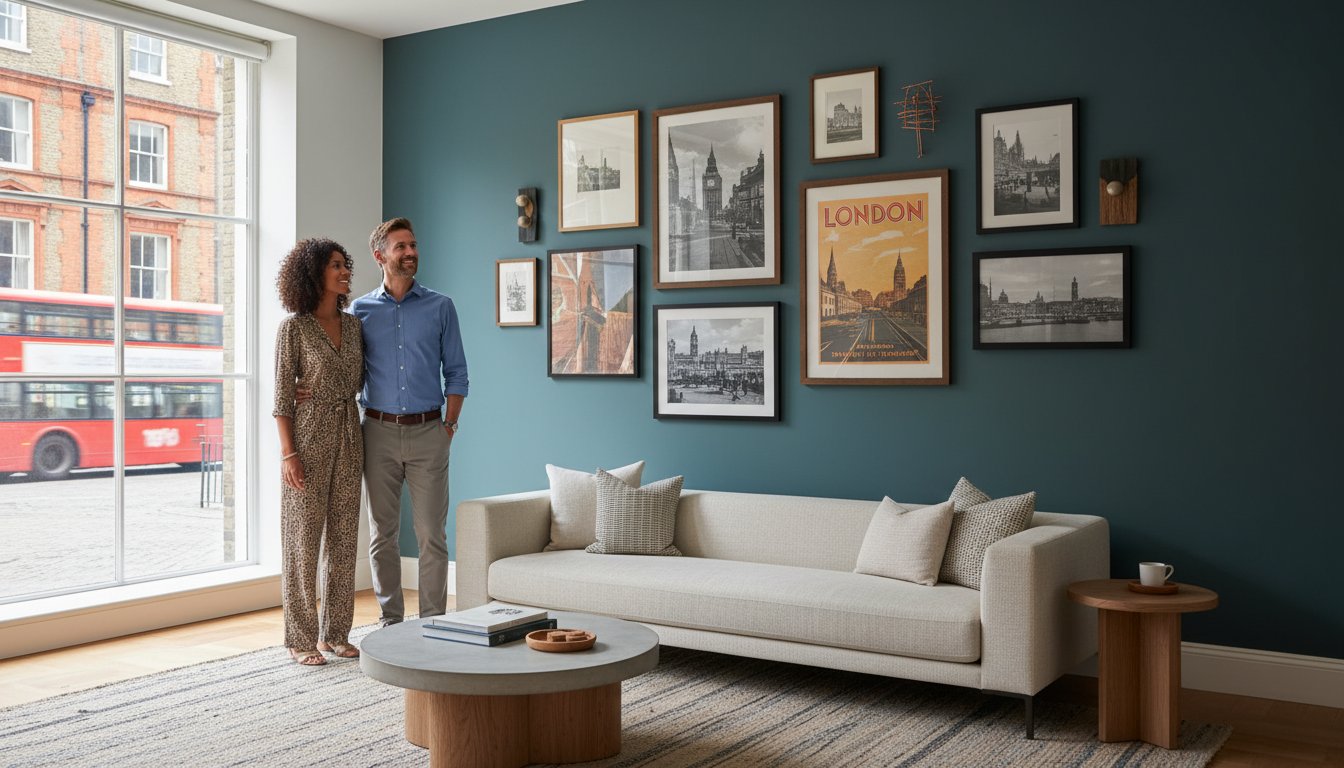
A curated collection of fine art photography transcends the mere filling of empty space; it’s a deliberate act of cultural preservation. Instead of following fleeting trends, the most impactful gallery wall ideas revolve around a central, evocative theme that transports the viewer to another time or place. Whether you’re drawn to the sun-soaked leisure of the Mediterranean or the gritty glamour of 1970s London, selecting a specific narrative lens allows your display to resonate with a sense of purpose. This thematic approach ensures that every piece, from the largest anchor to the smallest detail, contributes to a singular, sophisticated atmosphere; to further explore these narratives, you can discover Alchemy of Joy for photography artwork that elevates any collection.
To create an atmosphere of effortless luxury, few archives rival the Slim Aarons collection. Grouping these works requires a keen eye for the vibrant blues and citrus tones that define his aesthetic. For a cohesive mid-century modern feel, you should pair his iconic pool scenes with his more formal architectural photography. This juxtaposition provides visual variety while maintaining a sun-drenched, polished palette that brightens any interior. Incorporating these specific gallery wall ideas into your home ensures a look that is both aspirational and historically grounded.
Cinema Heritage: From Posters to Lobby Cards
Hollywood’s photographic history offers a rich tapestry for collectors who appreciate narrative depth and vintage charm. While large-scale vintage movie posters command immediate attention, the unique appeal of cinema lobby cards lies in their intimate, episodic detail. These smaller prints were originally displayed in theater foyers to tease upcoming scenes, and they work beautifully as detailed additions to a larger display. Mixing these cards with behind-the-scenes production stills creates a layered story that invites guests to linger. For fans of specific sagas, a dedicated corner featuring Star Wars limited edition prints can act as a modern homage to cinematic lore.
The Elegance of Black and White Portraits
For many, black and white pictures provide the most versatile and stable foundation for a sophisticated display. Monochrome photography strips away the distraction of color, focusing instead on form, light, and the raw emotion of the subject. Terry O’Neill’s candid celebrity portraits are quintessential for this approach, offering a bridge to a bygone era of elegance. By mixing his intimate shots of rock legends with minimalist fashion photography, you achieve a timeless look that fits both contemporary and traditional settings. High-contrast framing is essential here, as it ensures each piece retains its individual authority within the group.
Capturing the raw soul of the rock era is equally possible through our extensive music archives, where the energy of live performance is frozen in time. If you’re ready to begin your curation journey, exploring our curated collections can provide the perfect anchor for your next project.
The Technical Mastery of Display and Bespoke Framing
The transition from a conceptual arrangement to a physical masterpiece requires a mastery of technical display. While many gallery wall ideas focus solely on the images themselves, the true distinction of a professional collection lies in the bespoke framing and mounting. Standard retail frames often lack the structural integrity and material quality required to protect high-caliber photographic archives. Our bespoke framing service acts as a guardian of your investment, ensuring that each piece arrives ready-to-hang with the artisanal craftsmanship that a luxury gallery demands.
The aesthetic difference is immediate. Professional gallery mounting offers a level of precision that standard alternatives cannot match. For instance, float mounting allows the photograph to sit away from the backing, creating a subtle shadow that adds three-dimensional depth. Traditional matting, by contrast, provides a classic, clean border that focuses the eye. Both methods are enhanced by the inclusion of UV-protective glass, which is essential for preserving the vibrant tones of a Slim Aarons poolside or the deep blacks of a Terry O’Neill portrait against the fading effects of natural light.
Choosing the Right Frame Style for Your Collection
Selecting a frame style is an exercise in visual harmony. Classic black or white frames provide a disciplined, museum-quality aesthetic that suits almost any environment. For those seeking the warmth of mid-century modern interiors, natural wood frames offer a softer, organic touch. It’s often effective to mix frame widths and textures; this creates a layered, sophisticated look that adds depth to the wall without sacrificing the overall cohesion of the narrative. This variety ensures your gallery wall ideas feel curated over time rather than purchased in a single, uninspired batch.
Archival Quality: Paper and Mounting Matters
The material foundation of your art is just as critical as the image itself. There’s a significant difference between standard commercial prints and Giclée prints produced on heavy, museum-quality archival paper. These prints possess a tactile richness and visual depth that generic posters simply lack. Acid-free mounting is equally vital, as it ensures the photograph remains stable and pristine over time. By utilizing these specialized production methods, archival materials prevent yellowing and degradation over decades, ensuring your collection remains a lasting piece of history. To see how other historical elements like antique furniture can contribute to this sense of permanence, you can read more about creating timeless interiors.
Every element of the production process, from the selection of the paper to the precision of the frame joinery, reinforces the premium nature of the work. This commitment to technical excellence is what allows a home gallery to stand the test of time, both physically and stylistically.
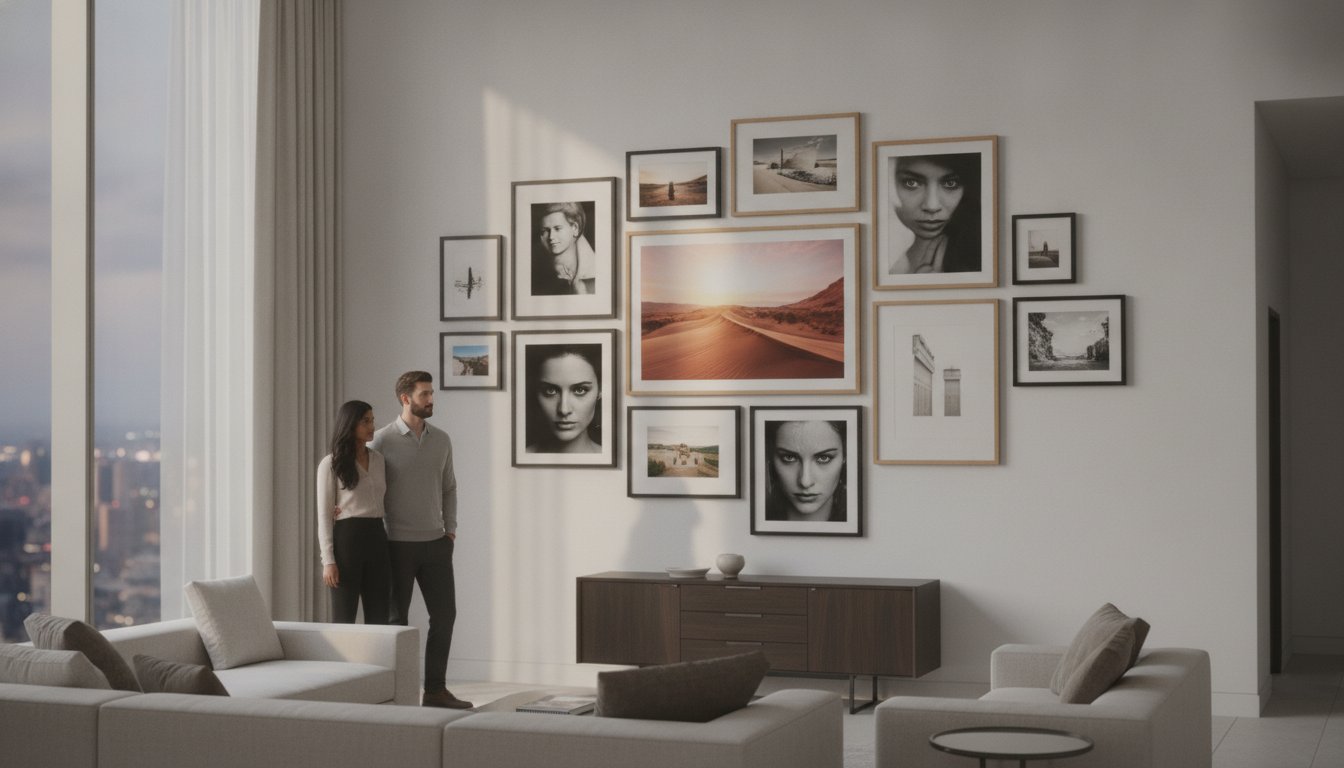
Designing a professional display requires more than just artistic intuition; it demands a structural approach to visual weight. The most successful gallery wall ideas begin with the “Anchor Piece” strategy. By positioning a large-scale focal point slightly off-center or at the heart of the arrangement, you establish a gravitational center that grounds the entire collection. This hero image dictates the scale for surrounding works, preventing the common pitfall of a fragmented or cluttered appearance. From this central point, you can distribute color and subject matter to achieve a sense of equilibrium that feels intentional rather than accidental.
Consistency is the hallmark of a museum-quality finish. Maintaining uniform gaps between frames, typically between two and three inches, creates a rhythmic “boundary box” that holds the narrative together. This disciplined spacing allows you to mix horizontal and vertical orientations without losing the sense of a unified whole. The result is a dynamic flow that guides the viewer’s eye across the collection, revealing layers of history and artistry in a composed, measured sequence. It’s this balance of variety and order that mirrors the quiet authority of a high-end gallery.
Step-by-Step Layout Planning
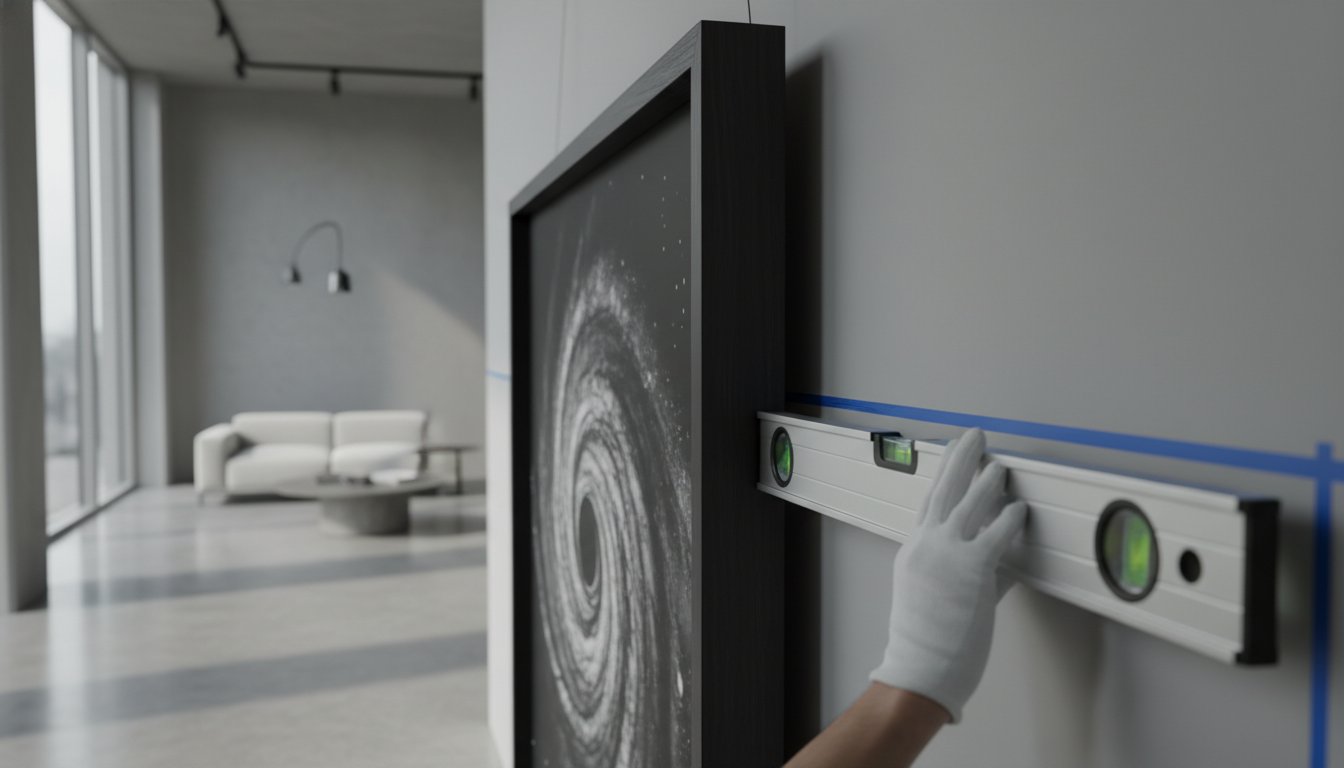
Precision starts before the first nail is driven. We recommend the “Floor First” method, where you arrange your prints on a flat surface to test the balance of sizes and themes. Once you’re satisfied, measure the total footprint and define your wall’s boundary box. Using paper templates taped to the wall allows you to visualize the arrangement in situ, ensuring the center of the collection sits at eye level, which is generally 57 to 60 inches from the floor. This meticulous preparation ensures your art is displayed with the same professional rigor found in prestigious institutions.
Mixing Sizes and Dimensions
A truly sophisticated wall thrives on contrast. Pairing oversized, large-format photography with smaller, intricate pieces like cinema lobby cards or intimate portraits creates a rich visual texture. This variation in scale invites the viewer to step closer to appreciate the finer details after being drawn in by the hero image. To further elevate the display, you can vary the depths of your frames to introduce a subtle three-dimensional effect. This technique adds a tactile quality to the wall, making the arrangement feel like a curated installation rather than a flat decoration. If you’re ready to select your anchor piece, explore our exclusive photographic archives to find a work that speaks to your legacy.
Creating Your Legacy Wall with Galerie Prints
Building a personal gallery is an act of preservation that extends far beyond the initial installation. When you explore sophisticated gallery wall ideas, the caliber of the source material determines whether the display remains a fleeting trend or becomes a permanent fixture of your home’s narrative. At Galerie Prints, we operate with an air of quiet authority, acting as the bridge between world-renowned archives and your private space. Sourcing rare, authenticated prints from the Slim Aarons Collection or the Terry O’Neill archives ensures that your wall possesses a historical weight that generic alternatives simply cannot replicate.
Our commitment to excellence is anchored in the expertise of Stuart Möller and our dedicated team of curators. We treat every order as a contribution to photographic heritage, utilizing traditional production methods and localized, artisanal craftsmanship. This artisanal marker is our seal of quality. Each piece is hand-printed and finished with our bespoke framing service, ensuring that your art arrives ready-to-hang. Global shipping is handled with the same precision as our production; this provides a seamless journey from our gallery to your wall.
A Curated Experience from Selection to Installation
Selecting the right piece requires more than just an eye for aesthetics; it requires an understanding of the artist’s story. Whether you’re seeking the electric energy of music archives or the sun-drenched leisure of a Slim Aarons poolside, our curators help you find the perfect fit. We offer a level of customization that allows you to tailor print sizes and frame styles to your specific wall dimensions. This bespoke approach provides the peace of mind that comes with museum-quality standards, ensuring that every element of your gallery wall ideas is executed with technical superiority and material richness.
Building a Collection That Lasts
A gallery wall from Galerie Prints is a timeless addition that transcends the changing world of interior decor. While colors and styles may shift, the enduring value of iconic imagery remains constant. Investing in high-caliber visual art is a way to anchor your room’s soul in history, creating a sense of permanence and stability. These prints aren’t just decorations; they are lasting pieces of history that invite wonder and nostalgia into your daily life. By choosing archival materials and professional mounting, you’re ensuring that your collection remains pristine for future generations.
Explore our curated collections and start your gallery wall journey today.
Curating Your Artistic Legacy
Transforming your home into a sanctuary of photographic heritage is a journey that begins with a single, evocative image. By moving beyond generic gallery wall ideas and embracing a curatorial philosophy, you create a space that reflects both personal nostalgia and professional aesthetic standards. We’ve explored how the synergy of high-caliber archives, such as the Slim Aarons or Terry O’Neill collections, and technical mastery in bespoke framing can elevate a simple room into a sophisticated personal gallery.
Our specialist curators are dedicated to preserving this visual history, utilizing museum-quality archival paper and artisanal craftsmanship to ensure your collection remains pristine for decades. Each piece is hand-printed and delivered with care through our worldwide service. Whether you’re anchoring a room with a large-scale hero image or layering smaller lobby cards for detailed intrigue, you’re building a narrative that will endure. Discover our curated collections and start your gallery wall today. Your home deserves a piece of history that resonates for generations.
Frequently Asked Questions
How do I choose a theme for my gallery wall?
Focus on personal narrative and historical synergy to create a display with quiet authority. Start by selecting a subject that resonates with your lifestyle, such as the jet-set leisure of the Slim Aarons Collection or the electric energy of our music archives. A successful theme creates a cohesive visual story. You might choose to center your gallery wall ideas around a specific era, geographic location, or artistic movement to ensure the collection feels intentional.
Should all the frames in a gallery wall match?
Matching frames offer a disciplined, museum-quality aesthetic, yet variety can add narrative depth. Using identical black or white frames creates a clean, unified look that lets the photography remain the primary focus. Conversely, mixing different textures or widths within a controlled palette can introduce a sense of curated history. The key is maintaining enough consistency to prevent the arrangement from appearing cluttered. It’s about finding harmony between the art and its housing.
What is the ideal spacing between pictures in a gallery wall?
Maintaining consistent gaps of two to three inches between frames is the professional standard for a polished finish. This rhythmic spacing creates a boundary box that holds the entire collection together as a single visual unit. If you’re mixing larger hero images with smaller cinema lobby cards, keeping these intervals precise ensures the layout feels balanced. This technical discipline distinguishes a professional gallery from a casual arrangement and guides the viewer’s eye smoothly.
How high should I hang my gallery wall?
The center of your display should ideally sit at eye level, which is generally 57 to 60 inches from the floor. This placement ensures the work is accessible and engaging for any viewer. If you’re hanging the collection above furniture, such as a sideboard or sofa, leave approximately six to eight inches of space between the top of the furniture and the bottom of the lowest frames. This maintains essential visual breathing room in your space.
Can I mix black and white with color photography in one display?
Yes, mixing monochrome and color photography can create a dynamic and sophisticated narrative. The key is to find a unifying element, such as a consistent framing style or a shared subject matter. Pairing Terry O’Neill’s black and white celebrity portraits with vibrant, sun-drenched scenes from our other archives adds visual contrast without sacrificing cohesion. This juxtaposition highlights the unique technical qualities of each photographic era and adds a layer of intellectual stimulation.
What is an anchor piece and why do I need one?
An anchor piece is a large-format focal point that establishes the gravitational center of your display. It acts as the “hero” image, providing a sense of scale and purpose for the surrounding smaller works. Without an anchor, gallery wall ideas can often feel fragmented or visually unstable. Starting with a powerful central image allows you to build outward, ensuring the final arrangement feels like a deliberate, curated installation rather than a random collection.
Why is archival paper important for a gallery wall?
Archival paper is essential for preserving the tactile richness and visual longevity of fine art photography. Unlike standard commercial prints, museum-quality paper is acid-free and designed to resist yellowing or degradation over many decades. This material superiority ensures that the deep blacks and vibrant hues of your collection remain as electric as the day they were printed. It’s a critical investment in the stability and permanence of your private artistic legacy.
How do I plan a gallery wall without damaging my walls?
Utilize the “Floor First” method to arrange your collection before making any permanent marks. Lay your prints on a flat surface to test the balance of sizes and themes. Once satisfied, create paper templates of each frame and tape them to the wall using painter’s tape. This allows you to visualize the final arrangement and adjust for eye-level height without the need for unnecessary holes. It’s a professional technique that ensures precision and peace of mind.