
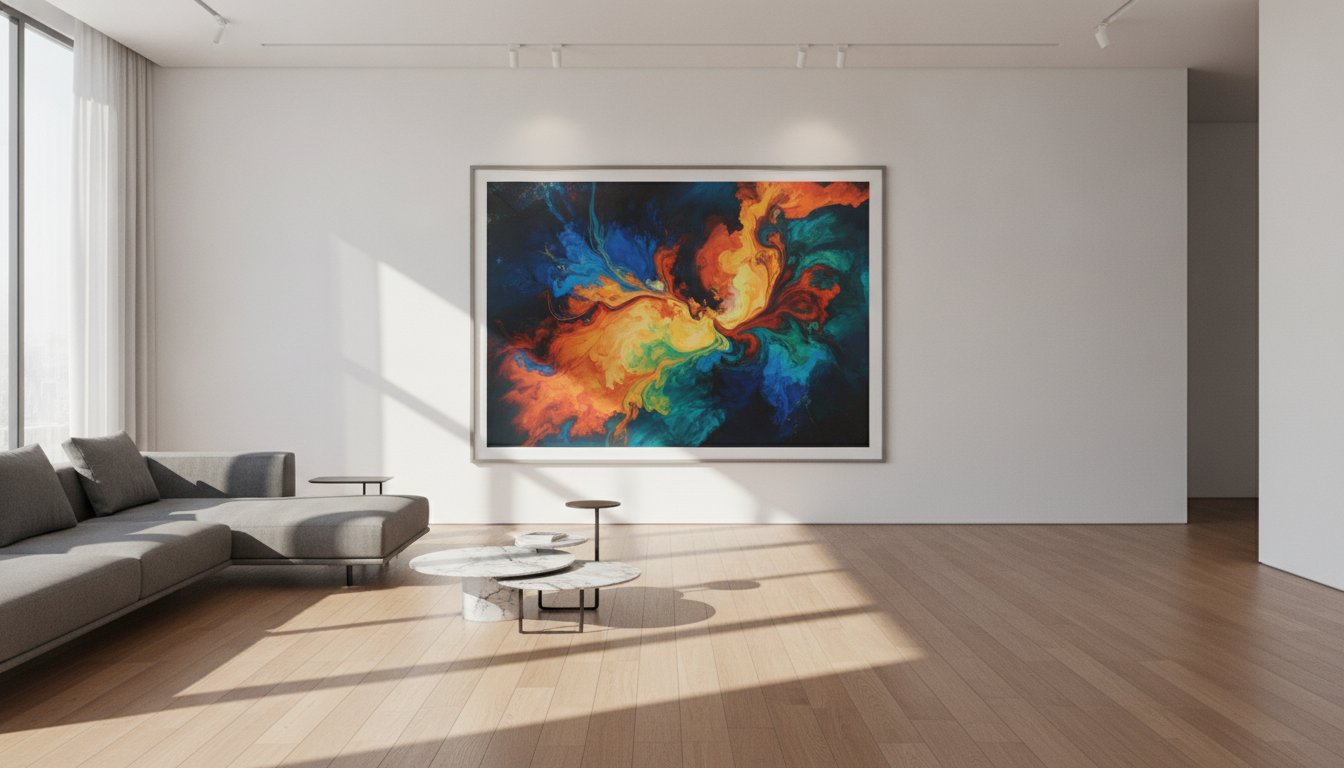
The same golden light that illuminates a curated living room can act as a silent, irreversible thief of your most prized photographic investments. You’ve likely felt that familiar hesitation when hanging a limited edition Slim Aarons or a rare Terry O’Neill print near a window. It’s a delicate balance to strike. While you want to enjoy the evocative beauty of these works in natural light, you don’t want to see their vibrant hues fade into a pale shadow of their former glory. Understanding how to protect art prints from sunlight is the essential first step for any serious collector who views their pieces as lasting fragments of history.
Research indicates that 72% of collectors prioritize longevity once they understand the impact of archival materials. We’re here to provide that professional clarity. This curator’s guide will help you master the art of preservation so your fine art photography remains as striking as the day it was captured. We’ll examine the technical differences between UV-filtering acrylic and museum glass, share actionable placement strategies for sun-drenched rooms, and explain how bespoke framing services create a protective micro-environment for your collection. You’ll gain the confidence to display your heritage pieces anywhere, knowing they’re shielded by professional-grade standards.
Key Takeaways
- Understand the invisible science of photo-oxidation and how UV-A, UV-B, and infrared radiation impact the delicate pigments of your fine art photography.
- Learn how to protect art prints from sunlight by utilizing the “North-Facing Rule” and strategic room mapping to avoid the path of direct solar transit.
- Compare the protective qualities of museum-grade acrylic and conservation glass to ensure your vintage posters and lobby cards meet the 99% UV-filtering industry standard.
- Move beyond basic acid-free claims by discovering the necessity of lignin-free mounting and the vital role of mat board air gaps in archival preservation.
- Gain insight into the artisanal production methods and bespoke framing services required to transform a simple decoration into a lasting piece of history.
The Science of Fading: Understanding Photo-Oxidation and UV Damage
Light is the fundamental medium of the photographer, yet it remains the most persistent adversary for the collector. When considering how to protect art prints from sunlight, one must first understand the invisible forces at play. Photo-oxidation is the irreversible chemical reaction where light energy breaks molecular bonds in art pigments. This process, often referred to by conservators as The Science of Fading, occurs when high-energy photons collide with the delicate chemical structures of a print, leading to a permanent loss of vibrancy.
The solar spectrum attacks artwork on multiple fronts. Ultraviolet (UV) radiation, specifically UV-A and UV-B, carries enough energy to sever the bonds of organic dyes. While UV is the primary catalyst for fading, Infrared (IR) radiation presents a different threat through heat. This thermal energy accelerates chemical reactions and can compromise the structural integrity of the paper itself. Traditional C-type prints, such as those found in our Slim Aarons collection, rely on organic chromogenic dyes that are inherently more sensitive than the stable, mineral-based pigments used in modern archival production. This material distinction is why a curated preservation strategy is essential for heritage works.
Why Photographic Prints are Particularly Vulnerable
The chemistry of mid-century photography is uniquely susceptible to environmental degradation. Silver halide crystals and organic dyes, while capable of producing breathtaking tonal depth, lack the resilience of modern synthetic alternatives. Beyond the fading of colors, the heat generated by Infrared light causes paper fibers to become brittle and yellow over time. This dehydration leads to micro-cracks in the emulsion, making the task of protecting fine art photography a matter of preserving the physical substrate as much as the image itself. It’s a delicate battle against the elements to ensure the paper remains supple and the blacks stay deep and resonant.
The “Ghosting” Effect: Visible Signs of Light Damage
Damage often begins as a subtle shift in color balance rather than a total loss of detail. You might notice that the cool blues and violets in a Terry O’Neill portrait begin to recede, leaving behind a dominant, unnatural yellow or magenta cast. Another common sign of neglect is “mat burn,” a dark line that appears at the edge of the image where light has reacted with acidic, non-archival mounting boards. Collectors of vintage movie posters and cinema lobby cards must be particularly vigilant. These pieces were often printed on lower-quality stock intended for temporary display, making them highly reactive to even moderate levels of light exposure. Understanding how to protect art prints from sunlight is not just about maintaining aesthetics; it’s about halting a slow-motion erasure of cultural history.
Strategic Curation: Where to Safely Hang Your Collection
Spatial planning is an art form itself. When deciding how to protect art prints from sunlight, the most effective tool isn’t always a frame, but your own observation of the room’s architecture. The “North-Facing Rule” stands as a foundation of professional gallery design. Northern light, characterized by its soft, diffused quality, provides consistent illumination without the harsh, direct rays that trigger photo-oxidation. It’s the safest environment for displaying a collection, offering a gentle glow that respects the integrity of the work while avoiding the volatile shifts of direct solar exposure.
Implementing a rigorous “Room Mapping” strategy allows you to identify the specific path of solar transit through your home. This involves observing how light enters a space at different hours and how those angles shift between the low winter sun and the intense summer heat. The wall directly opposite a south-facing window is often the most treacherous zone. Hanging a vibrant Slim Aarons print in this direct line of fire is a risk few serious collectors should take. By understanding these patterns, you can utilize indirect light or “bounce lighting,” where rays reflect off a neutral wall before reaching the art, significantly Limiting Light Damage while maintaining a bright, airy aesthetic.
Mapping the Solar Path in Your Home
To be thorough, you can monitor the intensity of light in your chosen display area using a handheld light meter or a smartphone app. These tools help you measure the brightness throughout the day, ensuring you avoid zones where the sun’s transit creates high-intensity hotspots. For those living in sun-drenched interiors where shade is a luxury, UV-filtering window films offer a primary line of defense. These nearly invisible coatings can block up to 99% of harmful rays before they even enter the room, allowing you to enjoy a sun-filled home without sacrificing your photographic heritage.
Artificial Lighting as a Safer Alternative
Transitioning to artificial sources provides even greater control over the environment. Modern LED technology has revolutionized art preservation, proving far superior to traditional halogen bulbs which emit both heat and UV radiation. LEDs are cool-burning and UV-free, allowing you to achieve that coveted “gallery glow” without the risk of thermal damage or color shifting. Ensure you maintain a respectful distance between the light source and the print surface to avoid any localized heat buildup. If you’re curating a space for long-term enjoyment, our bespoke framing service ensures every piece is prepared for its specific environment, marrying protection with prestige.
The Glazing Debate: Glass vs. UV-Filtering Acrylic
Choosing the right glazing is a critical component of how to protect art prints from sunlight, acting as the final physical barrier between your investment and environmental degradation. While standard float glass is common in entry-level framing, it typically filters only 45% to 50% of harmful UV rays. For serious collectors, this level of protection is insufficient. The industry benchmark for archival preservation is 99% UV filtering, a standard that is non-negotiable when displaying high-value cinema lobby cards or vintage lithographs. These pieces often utilize fugitive dyes that can begin to shift in as little as a few months of sub-optimal exposure.
Beyond protection, the debate often centers on visual clarity. Standard glass and acrylic can create distracting reflections in bright, sun-drenched rooms, effectively turning your artwork into a mirror. Anti-reflective coatings, often applied using sophisticated magnetron sputtering technology, allow for an unobstructed view of the print’s true tonal depth. While acrylic is sometimes criticized for its static charge, which can attract dust or pull at friable media like charcoal, this is rarely a concern for photographic prints. Modern high-end acrylics are now engineered with anti-static properties, ensuring the work remains pristine within its micro-environment.
When to Choose Museum-Grade Acrylic
For large-scale photographic works, acrylic is frequently the preferred medium due to its light weight and shatter-resistant properties. Optium Museum Acrylic® represents the pinnacle of this technology, offering 99% UV protection alongside a virtually invisible anti-reflective finish. It’s the standard for luxury galleries and museums worldwide because it provides the clarity of glass without the inherent risk of breakage. This durability makes it the essential choice for international shipping, ensuring that your Star Wars limited edition prints or music archives arrive in perfect condition, regardless of the journey’s rigors.
Conservation Glass: A Traditional Alternative
Conservation Clear glass remains a respected choice for smaller, more traditional displays. It meets the critical 99% UV-blocking threshold but lacks the anti-reflective properties of its more expensive museum-grade counterparts. This can result in a slight green tint and significant glare if the artwork is placed near a light source. To maintain these surfaces, you must be meticulous. Never spray glass cleaner directly onto the frame, as the liquid can seep behind the glazing and cause permanent moisture damage to the print’s edges. Instead, apply a small amount of ammonia-free cleaner to a microfiber cloth before gently wiping the surface.
Archival Mounting: Creating a Protective Micro-Environment
The structural integrity of a frame is as vital as the glazing itself. While many retailers boast “acid-free” components, this term is often a baseline that fails to meet museum standards. True archival preservation requires materials that are lignin-free. Lignin, a complex organic polymer found in wood pulp, is the primary culprit behind the yellowing and structural decay of paper over time. By selecting alpha-cellulose or cotton rag boards, you ensure that the materials surrounding your work won’t off-gas or leach harmful chemicals into the substrate. Archival mounting is a holistic system designed to neutralize environmental acids.
A sophisticated mounting strategy also addresses the physical relationship between the print and its surroundings. The mat board serves a dual purpose: it provides a visual border while creating a necessary air gap between the print and the glazing. Without this space, changes in humidity can cause the print to adhere to the glass, a disastrous phenomenon known as “blocking.” When considering how to protect art prints from sunlight, remember that the heat from those rays can accelerate moisture buildup inside the frame. A generous mat ensures that the air can circulate, protecting the delicate emulsion of your fine art photography from the risk of condensation.
The Anatomy of a Protective Frame
A professional frame is an intricate “sandwich” consisting of the glazing, the mat, the print, and the backing board. Each layer plays a specific role in defense. The backing board must be sufficiently rigid and chemically inert to prevent “acid migration,” where pollutants from the wall surface seep through the frame. To complete the seal, a high-quality dust cover is applied to the back. This paper barrier prevents insects and airborne pollutants from entering the micro-environment, maintaining the pristine state of your collection for decades. It’s a silent guardian that works in tandem with your UV-filtering glass.
Preserving Value in Rare Memorabilia
For collectors of high-stakes pieces like Star Wars Limited Edition Prints or vintage Cinema Lobby Cards, maintaining the “original condition” status is essential for future valuation. Non-invasive mounting techniques, such as archival hinges made from Japanese tissue and wheat starch paste, allow the print to be removed without any residue or damage. These reversible methods ensure that the piece remains exactly as it was when it left the studio. If you’re looking to secure your investment with the highest level of craftsmanship, explore our Bespoke Framing Service to create a museum-grade sanctuary for your art. By integrating these structural safeguards, you’ll master how to protect art prints from sunlight and environmental decay simultaneously.
The Galerie Prints Standard: Investing in Longevity
At Galerie Prints, we view ourselves not merely as purveyors of fine imagery, but as dedicated custodians of a rich photographic legacy. Our commitment to archival production ensures that every piece in our collection, from the sun-drenched poolside scenes of Slim Aarons to the intimate portraits in our Terry O’Neill photography archive, is built to endure. By sourcing directly from original archives, we maintain a level of fidelity and material excellence that mass-market retailers cannot replicate. This dedication to quality is the ultimate answer to how to protect art prints from sunlight; starting with museum-grade paper and lightfast production methods provides a foundation of resilience that lasts for generations.
We believe that a print is only as permanent as the environment that surrounds it. This is why we operate with an air of quiet authority, positioning our gallery as a bridge to a bygone era of elegance where objects were made to last. Every Star Wars limited edition print or rare music archive piece we offer is a fragment of history, and its preservation is our highest priority. By combining historical authenticity with modern interior aesthetics, we ensure your investment remains a vibrant centerpiece of your home for a lifetime.
Hand-Crafted Bespoke Framing
Hand-crafted in our London workshop, our bespoke framing service represents the intersection of artisanal craftsmanship and technical precision. We utilize premium solid woods, such as oak, walnut, and ash, finished with hand-applied waxes and stains that highlight the natural grain. Our curators understand that a large-scale work requires more than just a frame; it needs a structural sanctuary. This involves selecting the perfect profile and depth to complement the image while ensuring the internal micro-environment remains stable. Our “Ready-to-Hang” philosophy means your art arrives professionally sealed with all necessary hardware, allowing for immediate and safe display in your home.
A Legacy in Every Print
Investing in art is a pursuit of permanence. This is particularly evident in the black and white pictures we produce on traditional silver gelatin paper. These prints carry a depth and silver-rich tonal range that digital alternatives simply lack, offering a tangible link to the past. When you understand how to protect art prints from sunlight, you realize that the most effective defense is a partnership with experts who value the work as much as you do. We invite you to explore our Bespoke Framing Service to protect your next acquisition and ensure your collection remains a luminous part of your family’s history.
Securing Your Photographic Legacy for the Generations to Come
Preservation is an ongoing commitment to the stories captured within your collection. By mastering the nuances of UV-filtering glazing and the science of strategic room mapping, you’ve moved beyond simple decoration into the role of a true guardian. You now understand that how to protect art prints from sunlight is a multifaceted discipline involving both advanced material science and thoughtful interior curation. From the initial selection of lignin-free mounting boards to the final choice of museum-grade acrylic, every decision contributes to a stable, protective micro-environment that defies the passage of time.
Your collection deserves a sanctuary that mirrors its historical significance. We invite you to Preserve your collection with our Bespoke Framing Service, where our hand-crafted London framing meets museum-quality archival paper curated from world-renowned archives. With these professional standards in place, you can enjoy the evocative beauty of your prints with absolute confidence. Your investment isn’t just a fleeting aesthetic choice; it’s a permanent piece of history that will remain vibrant and resonant for decades to come.
Frequently Asked Questions
Does UV-protected glass stop art from fading completely?
UV-protected glass blocks up to 99% of harmful rays, but it doesn’t stop fading entirely. Factors like visible light and infrared heat also contribute to the gradual degradation of pigments over long periods. Think of it as a powerful defense that dramatically slows the process rather than a total environmental shield. For maximum longevity, you must combine high-quality glazing with the strategic placement techniques discussed earlier in this guide.
Can I hang art in a room with large windows if it faces North?
You can hang art in north-facing rooms with more confidence, as this orientation provides the most stable and diffused light. Northern exposure lacks the intense, direct solar transit found in southern or western windows, which is ideal for a sensitive Slim Aarons print. Even so, ambient UV rays are still present in any sunlit space. We always recommend using conservation-grade glazing to ensure your fine art photography remains protected from cumulative exposure over several decades.
How can I tell if my existing frame has UV-protective glass?
Identifying UV-protective glass often requires a close inspection of the glazing’s edge for manufacturer stamps like “Conservation Clear.” If the frame is already sealed, you can perform a simple test using a UV flashlight and a fluorescent object. Shine the light through the glass; if the object behind it doesn’t glow, the glass is effectively filtering the radiation. This is a crucial step in learning how to protect art prints from sunlight when inheriting or purchasing older frames.
Is acrylic better than glass for protecting photography from the sun?
Acrylic and glass offer comparable UV protection, but acrylic is often superior for large-scale photographic works. Beyond its 99% UV-filtering capabilities, museum-grade acrylic is shatter-resistant and significantly lighter, reducing the stress on the frame’s structure. It’s the preferred medium for international shipping and high-traffic areas. While standard acrylic can carry a static charge, premium versions like Optium are engineered to be anti-static and anti-reflective for a truly pristine viewing experience.
What is the best way to clean UV-protective glazing without damaging it?
The most effective way to clean protective glazing is with a soft, clean microfiber cloth and an ammonia-free cleaner specifically formulated for acrylic or coated glass. Avoid using paper towels, as their abrasive fibers can create micro-scratches over time. Crucially, you should never spray the liquid directly onto the frame. Instead, apply the cleaner to your cloth first to prevent moisture from seeping under the mat and damaging the print’s delicate edges.
Can LED lights fade my art prints like the sun does?
LED lights are significantly safer than natural sunlight because they produce negligible ultraviolet radiation and very little heat. Traditional halogen bulbs can be quite damaging to organic dyes, but modern LEDs allow you to illuminate your collection without the risk of thermal stress. While intense visible light can still cause very minor fading over centuries, switching to cool-burning LEDs is one of the most effective ways to showcase your art while maintaining museum-level preservation standards.
Should I rotate my art collection to prevent sun damage?
Rotating your collection is a highly recommended curatorial practice that limits the cumulative light exposure of any single piece. Professional galleries often move sensitive works into lower-light zones or storage for several months a year to give the materials a rest from photon bombardment. This strategy is particularly useful if you have a sun-drenched home, as it ensures no individual print bears the full brunt of seasonal solar intensity for too long.
What should I do if I notice my Slim Aarons print is starting to fade?
If you notice a color shift in your Slim Aarons print, you should move the piece to a low-light area immediately to halt further damage. Fading is a permanent chemical change, and there are no reliable methods to restore original pigments once they’ve been lost to photo-oxidation. Your next step should be consulting a professional framer to upgrade your glazing to a 99% UV-filtering standard. This is the most critical intervention for how to protect art prints from sunlight before the damage becomes more pronounced.
