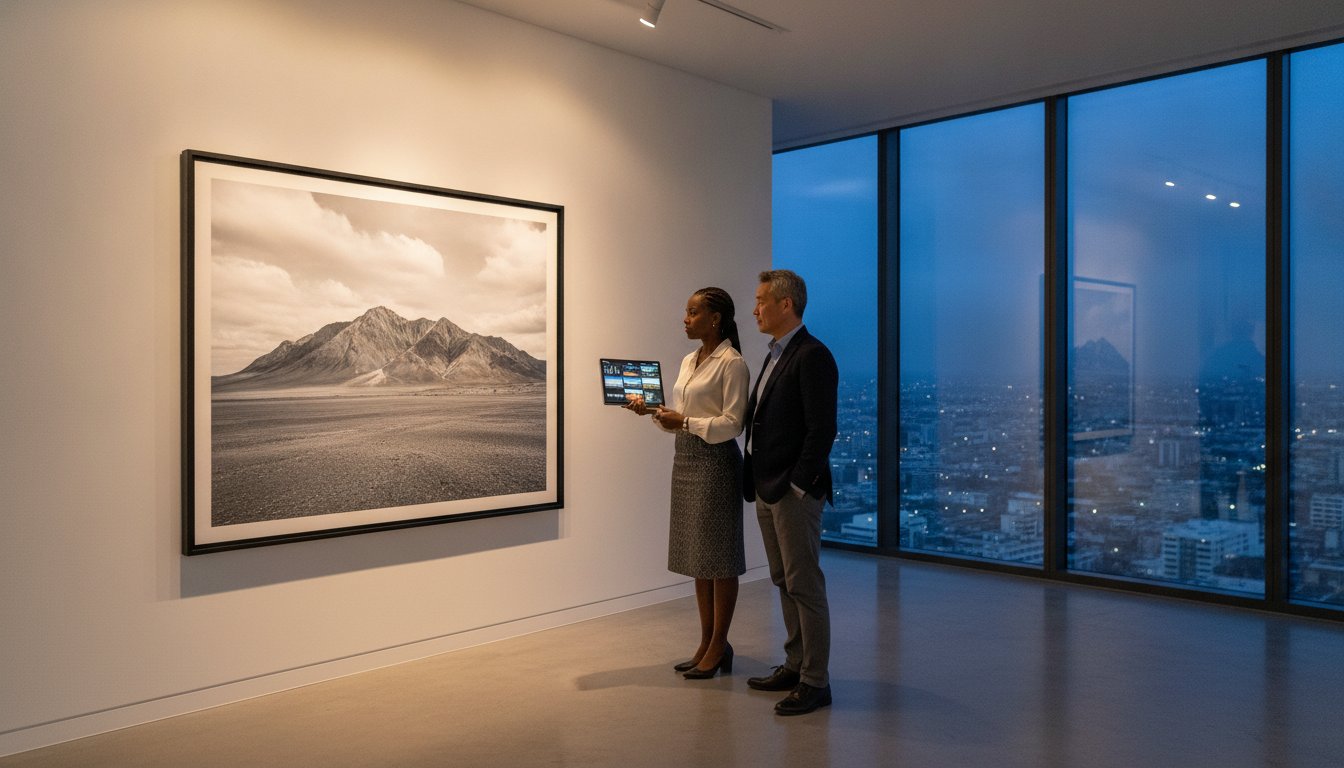

What if the piece hanging in your gallery is not the timeless heirloom you imagined, but a fading echo of the original work? It’s a silent anxiety that many collectors carry when they step into the world of high-end acquisitions. You want more than just a beautiful image; you want a connection to a bygone era of elegance and a guarantee of technical excellence. Understanding the right questions to ask when buying fine art is the only way to transform that uncertainty into the quiet confidence of a seasoned curator.
You deserve to know that your investment will endure, standing as a testament to both your taste and the artist’s historical importance. Whether you’re drawn to the sun-drenched leisure of the Slim Aarons Collection or the raw energy of Terry O’Neill’s archives, the details of production matter immensely. This expert-led guide provides a masterclass in acquisition, ensuring your next purchase is a sound investment and a visual joy. We’ll explore the nuances of limited editions, the tactile superiority of archival papers, and how bespoke framing serves as a guardian for your piece’s longevity.
Key Takeaways
- Deepen your connection to the work by uncovering the historical narrative and artist intent that underpin a piece’s long-term significance.
- Navigate technical specifications with ease by learning the critical questions to ask when buying fine art to ensure museum-grade archival quality.
- Decipher the complexities of rarity and provenance to confidently distinguish between mass-market reproductions and prestigious limited-edition releases.
- Protect your investment through an understanding of how bespoke, artisanal framing and acid-free materials prevent long-term environmental degradation.
- Streamline the acquisition process with a comprehensive checklist of necessary documentation, from archive sourcing to final delivery logistics.
Uncovering the Narrative: Questions About the Artist and Subject
A fine art photograph is rarely just a captured moment of light; it is a frozen narrative, a window into a specific cultural zeitgeist that resonates across generations. When you acquire a piece, you are not merely purchasing paper and ink, but a slice of history. Among the essential questions to ask when buying fine art, those concerning the artist’s intent and the subject’s story are perhaps the most vital for long-term appreciation. Understanding the “why” behind an image transforms it from a decorative object into a significant cultural artifact, directly influencing its enduring value and the prestige it brings to your collection.
Who is the photographer and what is their legacy?
The stature of the artist serves as the foundation of a piece’s historical weight. Before committing to a purchase, inquire about the photographer’s presence in major museum collections and their standing within the art world. A photographer like Terry O’Neill, known for his uniquely candid celebrity portraits, carries a legacy built on intimacy and trust with his subjects. You should also determine the status of the print itself. Is the artist still actively oversighted by the creator, or is this an estate-authorised edition? This distinction is crucial for establishing the provenance and chain of custody, ensuring the work’s authenticity is beyond reproach. A seasoned curator will look for artists who have defined a specific aesthetic, such as the glamorous, mid-century leisure captured in the Slim Aarons: The Definitive Guide to the Master of Aspirational Photography.
What is the specific story behind this image?
Every masterpiece possesses a narrative that adds “conversational value” when shared with guests in your home. Ask about the precise location, the identity of the subjects, and the circumstances of the shoot. Knowledge of these details creates a deeper emotional bond between the collector and the work. Consider the following points when researching the narrative:
- The Archive Source: Is the work sourced from a prestigious institution like the Getty Images Gallery or the Music Archives?
- Historical Context: What was happening in the world when this shutter clicked? Does the image represent a turning point in fashion, cinema, or social history?
- Aspirational Lifestyle: Does the image evoke a specific era of elegance, such as the “attractive people doing attractive things” philosophy of Slim Aarons?
Refining your list of questions to ask when buying fine art to include these narrative elements ensures that your collection is intellectually stimulating. By digging into the story, you move beyond the visual surface and become a true guardian of photographic heritage.
Technical Integrity: Asking About Archival Materials and Longevity
An Archival Fine Art Print is a museum-grade production designed to resist fading for 75+ years. While a casual observer might focus solely on the aesthetic impact of a photograph, a serious collector understands that technical composition determines a work’s permanence. One of the most critical questions to ask when buying fine art involves the chemical stability and material quality of the piece. Student-grade prints, often produced with dye-based inks on acidic paper, can begin to yellow or shift in colour within a single decade. In contrast, professional archives use pigment-based inks that offer superior lightfastness and a depth of tone that remains stable for generations.
What type of paper and ink were used?
Discerning collectors must distinguish between traditional C-type prints, which use a chemical light-sensitive process, and Giclée prints, which utilize high-resolution inkjet technology. Both have merits, but their longevity depends heavily on the substrate. High-quality productions require acid-free, 100% cotton rag or alpha-cellulose papers to prevent the structural breakdown known as yellowing. This commitment to material excellence is a hallmark of Fine Art Photography: A Curator’s Guide to Collecting and Decorating. Authenticating these technical details often goes hand-in-hand with provenance research and ownership history, as a well-documented print usually comes with a clear record of its production standards and technical pedigree.
How should the work be handled before framing?
The tactile experience of a heavy, textured paper signals artisanal quality, yet it also demands meticulous management. High-gloss photographic surfaces are particularly vulnerable to the natural oils on human skin, which can cause permanent staining or “silvering” over time. Collectors should also inquire about “inherent vice,” a term used by conservators to describe the internal degradation of materials. When you’re considering a piece from the Slim Aarons Collection, ensure the gallery uses protective, acid-free sleeves and rigid, reinforced shipping containers to maintain the work’s pristine condition during transit. When you’re evaluating a potential acquisition, these are the technical questions to ask when buying fine art that separate a temporary decoration from a lasting piece of history. These logistical details are just as important as the artistic merit of the photograph itself, ensuring your investment arrives ready for its final presentation.
Navigating Rarity: Editions, Provenance, and Archive Sourcing
The allure of a fine art collection lies in its exclusivity and the tangible connection it provides to a specific historical moment. One of the most nuanced questions to ask when buying fine art involves the rarity of the specific print. Whether you’re acquiring a sun-drenched poolside scene or a grit-laden musical portrait, the edition type dictates both the initial price point and the future investment potential. True rarity is often found in the provenance, the documented history that traces a work back to its original negative or a prestigious archive. This chain of custody ensures that the piece you hold is a faithful, authorised representation of the artist’s vision.
For those drawn to the golden age of film, the value of cinema memorabilia presents a unique opportunity. Unlike modern reprints, vintage items like Cinema Lobby Cards: A Collector’s Guide to Hollywood’s Photographic Heritage are finite assets. These cards weren’t just promotional tools; they were artisanal objects produced in limited quantities for theatrical display. Because they were never intended for public sale, their survival today makes them highly sought-after relics of a bygone era. When you’re evaluating such pieces, understanding archival materials and preservation standards is essential to ensure the paper’s integrity hasn’t been compromised by decades of storage.
Is this an open or limited edition?
Collectors must distinguish between the accessibility of open editions and the strictly controlled nature of limited releases. A limited edition print is finite; once the final numbered piece is sold, the edition is closed forever. This scarcity often drives value as demand increases over time. If you’re considering a limited piece, always ask for your specific number, such as 5/50, to confirm its place within the sequence.
| Edition Type | Characteristics | Investment Value |
|---|---|---|
| Open Edition | Produced without a set limit. High-quality production that remains accessible to new collectors. | Primarily decorative with stable value. |
| Limited Edition | Strictly numbered and finite. Often accompanied by higher production oversight. | Higher potential for appreciation and resale. |
How is the work authenticated?
Authenticity is the cornerstone of any serious acquisition. When refining your questions to ask when buying fine art, focus on the physical markers of validation. A Certificate of Authenticity (COA) should accompany every high-end print, acting as a formal pedigree. For estate-managed collections, look for estate stamps or embossed gallery seals that signify official approval. Sourcing directly from world-class archives, such as Getty Images, provides an additional layer of security. These institutions act as guardians of photographic heritage, ensuring that every print is produced from the original source material rather than a secondary reproduction.
The Final Presentation: Questions on Framing and Conservation
Acquiring a masterpiece is merely the beginning of the collector’s journey. The true longevity of your piece depends heavily on its final presentation. One of the most overlooked questions to ask when buying fine art is how the work will be protected from environmental degradation. Bespoke framing acts as a protective envelope for your investment, shielding the delicate photographic surface from dust, moisture, and physical damage. While off-the-shelf frames might seem convenient, they often contain acidic materials that can cause irreversible harm to high-end prints over time.
Modern conservation relies on advanced glass technology to maintain the visual clarity of the work while preventing damage. UV-protective glass is essential, as it filters out the harmful rays that cause pigment to fade and paper to become brittle. Anti-reflective options further enhance the viewing experience, allowing the deep blacks and intricate details of the image to shine without the distraction of glare. When you’re investing in a piece of photographic heritage, the quality of the housing must match the prestige of the artwork itself.
Is the framing museum-quality and acid-free?
Standard backing boards and mats often contain lignin, which releases acids that lead to “acid burn,” a visible yellowing or browning of the paper edges. Galerie Prints avoids these risks by using professional-grade, acid-free mounting materials that ensure the print remains chemically stable. It’s also vital to ask about reversible mounting techniques. A museum-quality approach ensures that the art can be removed from its frame in the future without any residue or damage to the original paper, preserving its value for the next generation of collectors.
What are the best display conditions for this piece?
Even with superior framing, where you hang your art matters. You should ask about light exposure and humidity control specific to your home’s environment. For instance, The Timeless Allure of Black and White Pictures: A Collector’s Guide highlights how monochromatic tones can be particularly sensitive to direct sunlight. Choosing a frame style that complements both the art and your interior aesthetics is a delicate balance. A well-chosen frame doesn’t just protect; it elevates the narrative of the photograph. To ensure your collection is preserved with artisanal precision, consider utilizing a Bespoke Framing Service that understands the technical demands of fine art photography.
Finalising Your Acquisition: Logistics, Documentation, and Support
The moment of acquisition represents a shift from appreciation to stewardship. This transition requires a meticulous approach to the operational details that underpin a high-end art transaction. Among the final questions to ask when buying fine art, you must address the transparency of the total investment. This includes not just the print itself, but the artisanal framing, international shipping, and any applicable taxes. A specialist gallery provides a level of precision and future valuation support that general marketplaces simply cannot match. By choosing a dedicated institution, you gain a partner who understands the historical weight of the work and remains available for consultation as your collection matures.
What documentation will I receive with the purchase?
Authenticity is verified through a rigorous paper trail. Every acquisition should include a detailed invoice, which serves as a vital record for insurance purposes and future appraisals. Equally essential is the Certificate of Authenticity (COA). This document acts as the piece’s official pedigree, confirming its origin, edition number, and technical specifications. You should store these documents in a secure, acid-free environment separate from the artwork itself. Having this documentation readily available is crucial for future resale or gifting, as it provides the ultimate proof of the work’s legitimacy and provenance.
How is the work insured and shipped?
Transporting a “piece of history” requires more than standard courier services. When you’re finalizing your questions to ask when buying fine art, inquire about the specifics of the crating and insurance. Framed works, especially those with specialized glass, require bespoke wooden crating or reinforced packaging to withstand the rigours of transit. Professional galleries provide comprehensive insurance that covers the work from the moment it leaves the archive until it reaches your door. Real-time tracking allows you to monitor the journey of your new acquisition with peace of mind. This level of care ensures that the technical integrity remains uncompromised until the work is hung in its final location. Explore our curated collections and bespoke framing services at Galerie Prints to begin your journey with a trusted guardian of photographic heritage.
Elevating Your Collection with Curatorial Precision
Mastering the technical and narrative nuances of an acquisition ensures that your chosen work remains a source of visual joy and historical value for generations to come. From verifying archival standards to securing proper provenance, the questions to ask when buying fine art act as your essential roadmap through the elite world of high-end photography. By prioritising material integrity and the historical weight of the archive, you move beyond simple decoration into the realm of true stewardship. It’s a process that rewards the discerning eye with a sense of permanence and prestige.
As official archive partners, we provide a bridge to these legendary moments with the assurance of museum-quality production and technical excellence. Every piece is supported by our expert bespoke framing and worldwide secure shipping, ensuring your investment arrives in pristine condition; it’s ready to transform your interior landscape immediately. Begin your collection with our curated Slim Aarons and Terry O’Neill archives. Your journey into the preservation of photographic heritage is a rewarding pursuit that celebrates both history and timeless elegance.
Frequently Asked Questions
What is the most important question to ask when buying art for the first time?
The most vital inquiry for any nascent collector concerns the archival longevity and the technical pedigree of the work. You should ask about the specific paper and ink used, as these factors determine if the piece will endure for decades or degrade within years. Understanding the archive source, such as the Slim Aarons Collection, provides immediate context regarding the work’s historical significance and future prestige within your personal gallery.
How do I know if a fine art print is worth the investment?
A print’s investment value is dictated by its rarity, the artist’s historical standing, and its documented provenance. Limited edition releases from renowned archives like Terry O’Neill or Getty Images carry more weight than open editions. When considering questions to ask when buying fine art, always inquire about the edition size and the presence of a Certificate of Authenticity. These markers of exclusivity ensure the work remains a finite asset with potential for appreciation.
What is the difference between a Giclée print and a standard poster?
The distinction lies in the technical superiority of the materials and the precision of the production process. A Giclée print utilizes high-resolution inkjet technology and pigment-based inks on acid-free, 100% cotton rag paper. This creates a museum-grade object designed to last 75 years or more. Standard posters are typically mass-produced on thin, acidic paper with dye-based inks, leading to rapid fading and structural yellowing that compromises the visual narrative.
Does the artist’s signature significantly increase the value of a print?
A hand-signed signature from the artist serves as a definitive seal of approval and can substantially elevate a work’s market value. It creates a direct, tactile link between the creator and the piece. For artists who are no longer printing, an estate-authorised stamp or an embossed gallery seal from a trusted archive serves a similar purpose. These markers provide the essential verification that the print meets the rigorous standards set by the artist’s legacy.
How can I verify the provenance of a Slim Aarons print?
Verifying provenance requires tracing the print back to an official source like the Getty Images Gallery archive. As an official partner of the Slim Aarons Collection, we ensure each piece is accompanied by a Certificate of Authenticity or bears the necessary estate markings. You should always look for a clear chain of custody that connects the physical print to the original negative, ensuring you’re acquiring a legitimate piece of photographic history rather than an unauthorized reproduction.
What should I do if I notice damage or fading on my art years later?
If you observe signs of degradation, you should immediately consult a professional conservator who specializes in photographic archives. Fading is often the result of prolonged UV exposure, while yellowing typically indicates the use of non-archival mounting materials. To prevent such issues, we recommend utilizing a bespoke framing service that employs UV-protective glass and acid-free matting. These artisanal methods act as a guardian for your investment, ensuring the work’s permanence in your collection.
Is it better to buy art framed or unframed?
Buying art framed is generally superior for both preservation and immediate aesthetic impact. A professional, bespoke framing service provides a protective envelope that shields the print from environmental hazards during transit and display. While purchasing unframed allows for personal customization, it leaves the delicate surface vulnerable to oils and physical damage. Opting for a ready-to-hang piece ensures that the work is mounted using museum-quality, acid-free materials from the moment it leaves the gallery.
How many prints are typically in a limited edition?
Edition sizes vary significantly depending on the archive and the artist’s intent. Some strictly limited releases might consist of only 10 or 25 prints, while others may extend to 150 or 300. The smaller the edition, the higher the rarity and potential investment value of each individual piece. When refining your questions to ask when buying fine art, always confirm the total edition size and your specific number to understand the work’s place in the market.