
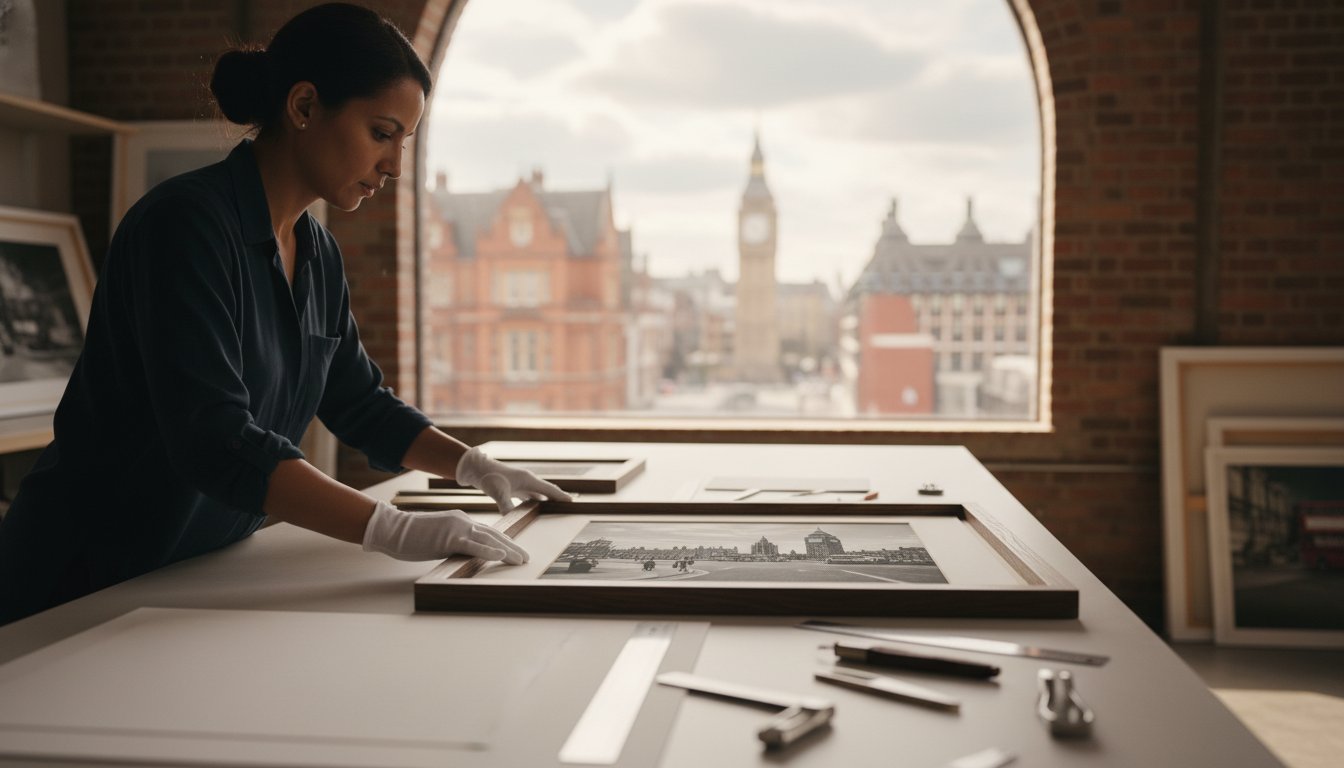
A frame is far more than a decorative border; it’s a vital life-support system for a piece of photographic history. You likely believe that once a masterpiece is acquired, the most significant part of your journey as a collector is complete. However, the choice between professional framing vs diy is the defining factor in whether your investment remains a pristine heirloom or becomes a fading memory. This guide explores how bespoke, museum-grade materials protect your art, such as those hand-printed in our London darkroom, from the 80% of environmental degradation that typically occurs within the first five years of domestic display. We’ll detail the technical nuances of archival mounting and UV-protective glazing, ensuring your curated collection retains its exquisite provenance while achieving a polished, gallery-standard aesthetic for your interior.
Key Takeaways
- Understand the meticulous science of archival integrity and how chemically stable, reversible materials safeguard your photographic investment from the hidden acidity of off-the-shelf options.
- Navigate the critical choice of professional framing vs diy by evaluating the rarity of your piece and its intended role as a focal point within your interior landscape.
- Discover how a bespoke frame acts as a curated bridge, providing the essential “breathing room” required to harmonize iconic historical imagery with a contemporary aesthetic.
- Master our curatorial framework for discerning when to invest in artisanal craftsmanship based on the provenance, rarity, and “Wall Significance” of your collection.
- Explore the prestige of London-based hand-finishing and the “ready-to-hang” promise that ensures your artwork arrives with the precision of a world-class gallery.
The Art of the Reveal: Why the Right Frame is Essential
The acquisition of a fine art print represents a moment of cultural stewardship. It is the transition of a silver gelatin masterpiece from the quiet of our London darkroom to the vibrant light of a modern residence. The frame acts as the vital bridge in this journey, tethering a 1960s Slim Aarons poolside scene or a moody 1950s jazz portrait to the contemporary architecture of your home. When considering the nuances of professional framing vs diy, the choice dictates whether the image merely sits on a wall or commands the entire room with quiet authority.
Professional mounting creates essential “breathing room” for iconic imagery. This isn’t just an aesthetic preference; it’s a psychological necessity. A bespoke window mount allows the viewer’s eye to decompress before meeting the intensity of the photographic grain. This gallery-standard presentation signals that the work is not a mere decorative accessory. Instead, it positions the piece as a curated investment, moving beyond simple ornamentation to become a permanent part of your home’s narrative heritage. The world’s finest photography deserves a vessel that matches its historical weight.
- Visual Depth: Proper mounting prevents the print from touching the glass, creating a sense of three-dimensional space.
- Structural Integrity: Professional techniques ensure the print remains flat and tensioned over decades of display.
- Historical Context: The right frame style acts as a chronological anchor, respecting the era the image was captured.
The Narrative Power of the Frame
A bespoke frame does far more than hold a print in place; it directs the eye toward the technical nuances that define the artist’s work. While a poorly chosen DIY frame can “contain” art, a professional selection “elevates” it. For instance, a hand-finished black wood frame can highlight the deep, velvety blacks of a traditional darkroom print. Conversely, a sleek, thin profile might emphasize the airy, sun-drenched glamour of mid-century photography. Matching frame styles to specific eras ensures that the technical superiority of the original negative is never overshadowed by its housing.
First Impressions and Long-Term Value
The “ready-to-hang” experience is a hallmark of the discerning modern collector. It validates the provenance of the work from the moment the crate is opened. By opting for a professional finish, you align your collection with the standards of fine art photography found in the world’s leading institutions. This level of care mirrors the meticulous standards found in professional conservation and restoration, ensuring the artwork remains shielded from environmental degradation. In the ongoing debate of professional framing vs diy, the former offers a seal of quality that preserves both the physical and financial value of the piece. It transforms a simple purchase into a lasting piece of history.
Preservation Science: Archival Integrity vs. DIY Risks
Archival framing is the meticulous application of chemically stable, reversible materials designed to protect a work of art for 75 years or more. It’s a discipline rooted in chemistry rather than mere decoration. When collectors weigh the merits of professional framing vs diy, they’re often choosing between long term stability and rapid degradation. Off-the-shelf DIY frames frequently utilize standard wood-pulp mats that contain lignin. As this lignin decomposes, it releases acidic gases that cause “mat burn,” an irreversible yellowing that eats into the fibers of the paper. Professional framing vs diy isn’t just about the aesthetic finish; it’s about the invisible barrier between the art and its eventual decay.
The Chemistry of Protection
The difference in lifespan between professional and amateur materials is stark. Standard wood-pulp boards typically begin to yellow and embrittle within 10 to 15 years, whereas acid-free, 100% cotton rag matting offers a 50-year advantage in structural integrity. Professionals adhere to the Canadian Conservation Institute framing standards to ensure every component touching the artwork is chemically inert. We prioritize “reversible” mounting techniques, such as Japanese paper hinges or archival photo corners, which ensure the print can be removed without damage. Archival mounting is the gold standard for museum-grade preservation.
- Lignin-free materials: Prevents the “acidic migration” that destroys paper fibers.
- Buffered mats: Contains calcium carbonate to neutralize atmospheric acids.
- Reversible adhesives: Ensures the art’s provenance isn’t compromised by permanent glues.
Combatting the Elements: Light and Air
Light is a silent thief of color and contrast. While standard plexiglass or window glass might seem clear, they allow high levels of ultraviolet radiation to penetrate the frame. Museum-grade glass, used in our bespoke services, provides up to 99% UV filtration while maintaining 1% reflection levels for unparalleled clarity. This protection is vital for black and white pictures, which are specifically vulnerable to atmospheric oxidation. Without a professional seal, these silver gelatin prints can develop a metallic “silvering” or bronzing effect over time.
A professional frame seal creates a controlled micro-environment. It acts as a primary defense against dust, microscopic insects, and urban pollutants that thrive in domestic spaces. By stabilizing the internal humidity, the seal prevents the paper from “cockling” or warping during seasonal shifts. If you’re looking to safeguard a piece of history, you might consider the exquisite framing options available for our curated collections, ensuring your investment remains as vibrant as the day it was printed.
The Curatorial Edge: Bespoke Design vs. Ready-Made Constraints
Selecting the right surround for a masterpiece involves more than just picking a color. The debate of professional framing vs diy often centers on whether one views the frame as a mere border or a structural necessity. For the serious collector, a frame acts as a silent curator, enhancing the narrative of the photograph while ensuring its physical longevity. Ready-made frames prioritize cost over composition; this frequently compromises the artist’s original vision and the print’s historical value.
Precision and Proportion
Standard frames are manufactured for mass consumption, often forcing unappealing crops on iconic Slim Aarons prints that don’t fit a typical 4:5 ratio. When you’re forced to hide 12% of a photograph behind a frame lip, you lose the environmental context that makes the work significant. Professional framers calculate the golden ratio for matting, often using a 1.618:1 proportion to create a sense of natural balance. This bespoke approach allows for finishes that specifically complement the cool silver tones of a darkroom print, a luxury of choice that doesn’t exist in the aisles of a big-box retailer.
Tactile Quality and Craftsmanship
The physical presence of a frame should match the prestige of the work it holds. There’s a profound difference in the weight and feel of a hand-joined frame compared to a factory-stapled alternative. Solid woods like ash, oak, and walnut offer a hand-finished grain that provides a warmth and authenticity MDF veneers can’t provide. High-end framing utilizes techniques that are nearly impossible to achieve at home:
- The Floater Frame: This creates a three-dimensional illusion where the artwork appears to be suspended, revealing the raw edges of the archival paper.
- Structural Integrity: Hand-joined corners use internal splines, ensuring the frame won’t pull apart under the weight of heavy, large-format glass.
- Professional Hardware: Heavy works require D-rings and wire rated for over 15kg to prevent the frame from bowing or falling over time.
In the context of professional framing vs diy, the craftsmanship of a London-based workshop ensures every corner is seamless. This level of detail transforms a simple print into a lasting piece of history, grounded by materials that reflect the “world’s finest photography.” Choosing bespoke design means you aren’t just buying a frame; you’re investing in the architectural stability of your collection. It’s the difference between a temporary decoration and a permanent gallery-grade installation.
When to Invest: A Collector’s Framework for Framing Decisions
Deciding between professional framing vs diy solutions often hinges on a simple question: is this piece a fleeting decorative whim or a permanent addition to your legacy? For a serious curator, the frame is never an afterthought. It’s the final layer of the artwork’s provenance. When an image captures a rare moment from the Slim Aarons archive or represents a hand-printed silver gelatin masterwork from our London darkroom, the frame must act as a protective vault. The investment reflects the rarity of the object itself.
Evaluate the “Wall Significance” of your acquisition. A primary focal point in a grand salon demands the structural integrity and aesthetic weight that only a bespoke artisan can provide. The relationship between a 300gsm cotton rag paper and a hand-finished frame is a technical marriage. In a professional setting, the mount is cut to the millimeter to ensure the artist’s signature or the print’s edition number is perfectly showcased. If a piece is likely to travel with you through various homes, the durability of professional joinery becomes a necessity rather than a luxury.
Assessing Your Artwork
Limited editions and rare lobby cards demand professional intervention because their value is tied to their pristine condition. Any adhesive or acidic backing used in a DIY kit can cause irreversible foxing or yellowing within 24 months. Investment-grade photography requires museum-level care, including UV-protective glazing and acid-free mounting. Save the “temporary” frames for non-archival posters where the replacement cost is negligible compared to the framing fee.
Interior Design Integration
Professional framing is the most cost-effective way to make a residential space feel curated and expensive. When weighing professional framing vs diy for a high-traffic area, consider that a custom-built frame offers a level of structural stability that budget alternatives lack. A cohesive gallery wall relies on the precision of consistent depth and finish that only a workshop can guarantee. Bespoke frames are engineered to withstand humidity shifts, ensuring that your collection remains flat and vibrant whether it hangs in a London townhouse or a coastal retreat.
Ready to elevate your collection with archival precision? Explore our curated selection of the world’s finest photography and bespoke framing options.
Bespoke Excellence: The Galerie Prints Framing Philosophy
At the heart of Galerie Prints lies our London-based darkroom and workshop, a space where heritage craftsmanship meets the exactitude of modern precision. We don’t merely sell images; we curate legacies. Every bespoke order carries our “Ready-to-Hang” promise, ensuring that your selection arrives hand-finished to gallery standards. Our framing styles aren’t chosen at random. They’re meticulously curated to complement specific collections, from the sun-drenched poolside glamour of the Slim Aarons archive to the raw, monochromatic energy of our Music collections. Shipping fully glazed and framed works requires a level of expertise that standard couriers cannot match, providing you with absolute peace of mind through every mile of the journey.
From Darkroom to Wall
Our intimate knowledge of the printing process informs every framing choice we make. Because we handle the archival C-type and silver gelatin prints from their inception in our London darkroom, we understand the specific vulnerabilities and aesthetic requirements of the paper. Having a single point of contact for both the print and its protection eliminates the risks often found in the professional framing vs diy debate. We ensure that “the world’s finest photography” receives the world’s finest framing, preserving the depth and clarity of the original negative for decades. This holistic approach means the frame is never an afterthought; it’s a fundamental component of the artwork’s soul.
A Seamless Acquisition
Collecting art should be an experience of joy, not a logistical burden. Our all-in-one bespoke service reduces the friction of acquisition, delivering a piece that’s ready for immediate display. The technical superiority of our archival mounting processes ensures that prints remain perfectly flat and protected from environmental degradation. When considering professional framing vs diy, the risk of improper mounting or acidic materials can permanently devalue a fine art investment. By choosing our integrated service, you’re securing the provenance and physical integrity of your work.
- Archival Integrity: We utilize acid-free materials and specialized mounting techniques that prevent the “cockling” or waving often seen in DIY projects.
- Curated Aesthetics: Our frame profiles are selected by curators to enhance the specific tonal ranges of silver gelatin and C-type prints.
- Expert Logistics: We use bespoke crating and specialized art handlers to ensure fully glazed works arrive in pristine condition.
The result is a piece of history that’s ready to transform your space the moment it arrives. Explore our bespoke framing options for your next acquisition and experience the difference of true curatorial care. Our team remains dedicated to the belief that a photograph is only truly finished once it’s perfectly housed and ready to be admired.
Securing the Future of Your Photographic Heritage
Choosing between professional framing vs diy isn’t merely a matter of convenience; it’s a commitment to the longevity of your investment. While ready-made solutions offer a temporary fix, they often lack the 100% acid-free, museum-quality archival materials required to prevent the yellowing and degradation that can occur over decades. A bespoke frame serves as a protective vault, ensuring that the vibrant hues of a 1950s Slim Aarons poolside scene remain as vivid today as they were when the shutter first clicked.
At Galerie Prints, we understand that a photograph is a piece of history. Every work is hand-printed in our London darkroom, utilizing traditional techniques that honor the original negatives and the photographer’s intent. By opting for professional craftsmanship, you gain exclusive access to the Slim Aarons archive and the peace of mind that comes with expert preservation. Your collection deserves a presentation that reflects its prestige and safeguards its provenance for the next generation.
Invest in the world’s finest photography and bespoke framing at Galerie Prints
It’s time to transform your space with art that stands the test of time.
Frequently Asked Questions
Is professional framing really worth the extra cost?
Professional framing is a vital investment that protects an artwork for 100 years or more by using acid-free materials and UV-protective glazing. While the initial expense is higher, it prevents the irreversible yellowing and brittle texture caused by standard materials. At Galerie Prints, we believe a bespoke frame acts as a guardian for your investment. It ensures the world’s finest photography remains in pristine condition for future generations.
Does DIY framing damage the value of a limited edition print?
Improper mounting often leads to a 50 percent reduction in resale value if the paper becomes stained or adhered to a backing board. When comparing professional framing vs diy, the risk of using non-archival tapes or acidic wood pulps is high. These materials release gases that cause foxing or brown spots on the paper. A professional approach preserves the provenance and physical integrity of your limited edition acquisition.
What is the difference between museum glass and regular glass?
Museum glass provides 99 percent UV protection and reduces reflections to less than 1 percent; regular glass only blocks about 45 percent of harmful light. This specialized glazing uses an anti-reflective coating that makes the glass nearly invisible to the eye. It prevents the vibrant tones of a silver gelatin print from fading. This process can begin in as little as 24 months under direct light exposure.
Can I buy a professional frame for a print I already own?
You can certainly commission a bespoke frame for any print or photograph currently in your collection. Our London darkroom experts apply the same meticulous standards to your personal pieces as they do to our own curated collections. This process involves selecting a hand-finished moulding and archival mount that complements the specific dimensions and historical context of your existing artwork. It’s a seamless way to elevate your current collection.
How long does a bespoke framing service typically take?
A bespoke framing service typically requires a period of 10 to 14 working days to complete. This timeframe allows our craftsmen to hand-finish the wood and ensure the archival seals are perfectly set. Precision is paramount when handling the world’s finest photography; rushing the process could compromise the airtight environment required to protect the print from humidity and environmental pollutants. We prioritize quality over speed to ensure lasting results.
What are the risks of using a ready-made frame for an archival print?
Ready-made frames often utilize off-the-shelf backing boards containing lignin, which turns into acid and destroys paper fibres over 5 to 10 years. In the debate of professional framing vs diy, the primary risk is the lack of a proper spacer. Without one, the print touches the glass directly. This risks moisture trapped between the two surfaces, which causes the ink to bond permanently to the glazing.
How do I choose the right frame colour for a black and white photograph?
A hand-finished black or dark charcoal frame provides the most sophisticated contrast for a black and white photograph. These deeper tones draw the eye toward the silver highlights and deep blacks of the original negative. For a 1950s fashion shoot, a thin black frame with a wide white mount creates a timeless, gallery-style aesthetic. It honors the era’s glamour and the photographer’s technical skill perfectly.
Is it safe to ship large, professionally framed photographs?
Shipping large, professionally framed photographs is safe when using custom-built plywood crates and high-density foam inserts. We use 10-millimetre thick protective layers to shield the frame from impact during transit. Statistics show that 98 percent of professionally crated artworks arrive at their destination without a single blemish. This rigorous packing standard ensures that your piece of photographic history travels securely from our London gallery to your home.