Tag: buying art

Feeling confident about buying art through personal connection

The right artwork doesn’t need to impress everyone; it needs to mean something to you. Feeling confident about buying art can start with noticing the image, memory or mood that keeps drawing you back, then learning about the story and choices behind the work.

It’s natural to want reassurance when a piece will become part of your home. A personal connection is a more lasting guide than trying to follow someone else’s taste: it helps you understand why a work belongs in your life and what you want it to bring to a room.

Your motivations, an artwork’s history and the way you encounter it online can all make a decision clearer. Familiarity with an artist or subject can deepen that connection, helping you choose with greater ease and appreciate the work beyond its first impression.

Key Takeaways

  • Notice the feelings and atmosphere you want a work to bring into your home; those personal motives can help guide your choice.
  • Explore the story behind an artwork to discover details that deepen your connection beyond its first impression.
  • When viewing art online, take time to consider how the image, its context, and its place in your space come together.
  • Familiarity with an artist, subject, or visual style can make it easier to recognize what resonates with you.

Emotional motivations for buying art

Feeling confident about buying art often starts with naming the feeling you want a work to evoke. A peaceful landscape in a bedroom can suggest rest and escape, while a dynamic abstract work in a living room can bring energy to gatherings. These responses give your choice a personal purpose beyond filling a wall.

Notice your reaction before judging whether a piece suits a trend. Does a particular image bring back a place, person or season? A floral painting in a hallway, for example, can create a quiet pause between rooms. That response can help you decide whether you want the work close to daily life or as a focal point.

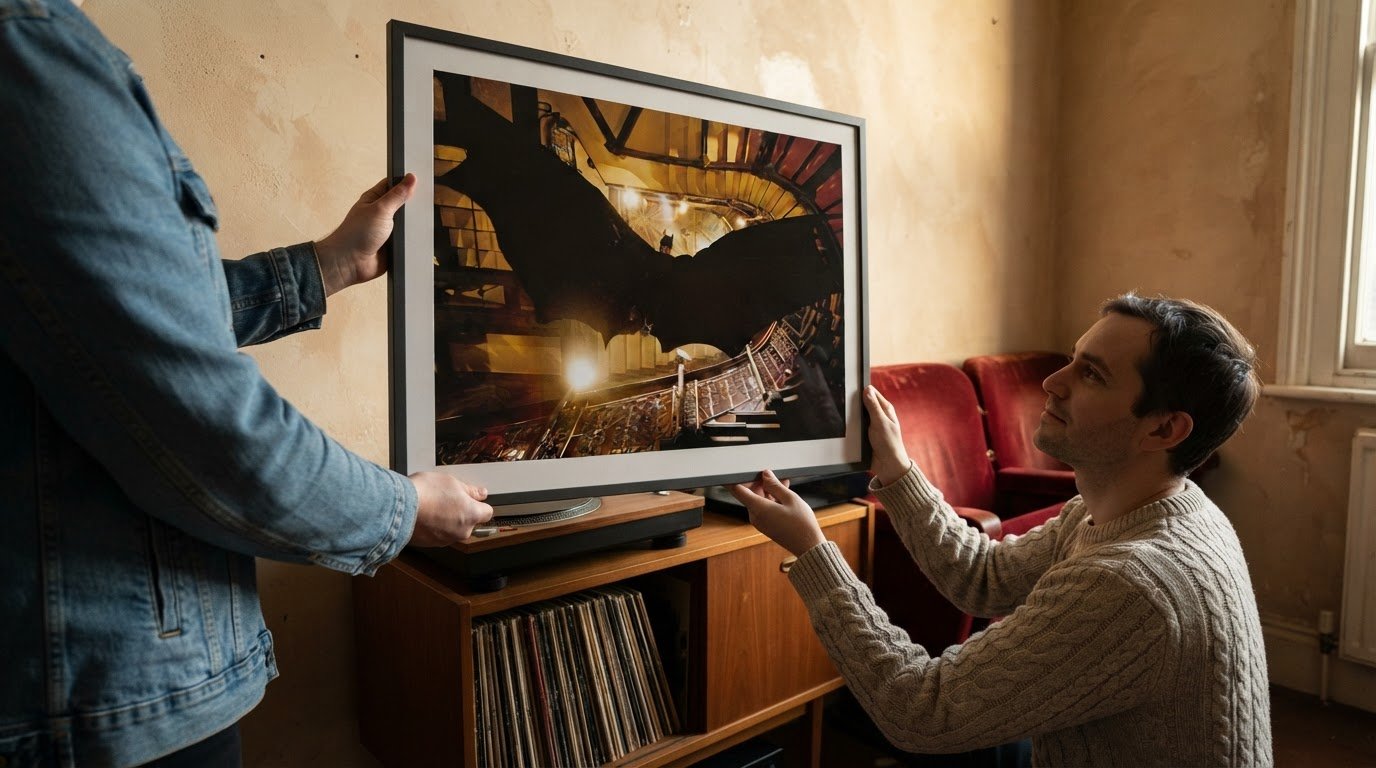
An original is a unique work, while a print reproduces an image; a limited edition is a print produced in a stated, finite edition. Whatever the format, let your emotional connection guide you, then consider the physical work and its documentation. A Star Wars Limited Edition Print, for instance, may appeal because of your personal connection to its imagery.

Set a budget that fits your overall spending plans, then account for the artwork’s format, framing, delivery and applicable taxes. The total depends on the specific work and purchase terms, so decide which factors matter most before becoming attached to one option.

To understand authenticity and provenance, look for records connecting the artwork to its artist or source, such as a certificate, invoice or edition information. Find out who created the work, how it was produced, what documentation accompanies it, and what framing or care it needs.

In the United States, return terms depend on the seller’s stated policy, while sales tax and shipping charges depend on the transaction and delivery details. Before purchasing, review the written terms for return conditions, tax, packaging, shipping and any delivery-related costs. Clear details help you weigh the practical commitment alongside your emotional response.

A dynamic abstract work in a living room can energize social interaction and bring a livelier atmosphere to shared time. A delicate floral painting in a hallway can create a quiet moment of beauty, softening the transition between rooms.

Stories and connections behind artworks

An artwork’s story can add context without dictating what it should mean to you. Learn where it came from, why it was made and what choices shaped its subject. A photograph of a crowded street, for example, may document a specific place while also recalling a viewer’s travels. Its history gives you more to notice, not one correct interpretation.

People respond differently because they bring distinct life experiences, personalities, education and aesthetic preferences to the same image. One viewer might see a portrait as a record of a particular era; another may focus on its expression or lighting. Neither response cancels the other. Recognizing these different readings can help you distinguish your own connection from the opinions you imagine others might hold.

Context can also make conversation more meaningful. If you know why an artist chose a subject or how a scene relates to a place, you can describe what draws you to it. In a coastal image, for example, the horizon might recall a family holiday, while the composition draws your attention to changing light. Personal memories and visible details can coexist, giving the work layers of meaning—an approach equally valued in custom mediums, where studios like Sash Tattoo work closely with clients to translate personal narratives into bespoke art.

A reported example from Coronado Beach shows how conversation can deepen a connection. An artist painted there for three days, and three people bought artwork after engaging in conversation. This does not prove every story leads to a purchase. It illustrates how discussion can help someone understand an artwork beyond its surface. Ask yourself what drew you to the image, then explore its subject, setting and making. These details can clarify whether your interest is a passing impression or a connection you want to live with.

Other people’s reactions can offer useful perspectives, but they stem from their own life experiences, personalities, education and aesthetic preferences. Knowing where an artwork came from and why it was made can make it easier to discuss, giving you specific details to share beyond your immediate response.

An artist who painted at Coronado Beach for three days said 3 people bought artwork after engaging with them in conversation. These examples show how discussion and personal feeling may accompany a purchase, without promising the same outcome for every artwork.

Choosing art online

Online listings let you study an artwork’s image and details at your own pace. Compare its presentation with the room and purpose you have in mind.

Assessing Whether Art Is Worth Buying

An artwork is worth buying when its appeal, documented details and practical fit justify the commitment for you. Visual impact alone may not tell you what you’re receiving. Compare the listing’s description with the image, including the medium, dimensions and whether it’s an original or reproduction. Consider lasting enjoyment rather than assuming the work will increase in value; an image alone cannot establish future resale value.

Online Buying Risks and Scams

Online buying risks include misleading images, incomplete descriptions and sellers misrepresenting a work. Screens can alter colour, and a photograph may conceal scale or condition. Before purchasing, review the seller’s identity, artwork description, provenance details, payment terms and written return policy. Compare the text with the images, and be wary of pressure to pay through an unusual method. If dimensions or condition are unclear, pause rather than make assumptions.

Matching Art to Taste, Space, and Goals

Matching art to your taste, space and goals means choosing a work whose subject and scale suit your preferences and its intended setting. A favourite image can feel different when it overwhelms a narrow wall or disappears above a sofa. Measure the available area, then compare it with the listing’s dimensions. A broad landscape, for example, may anchor a long living-room wall, while a small portrait can suit a reading nook. Consider whether you want a lasting personal presence or a piece for a particular room, rather than treating art as a guaranteed investment.

Familiarity in art buying

Familiarity grows through repeated encounters with artists, subjects and visual styles. It helps first-time buyers recognise their preferences and make considered choices.

Preparing for a First Art Purchase

A first art purchase is a chance to learn what matters to you as a buyer. Before choosing, decide where the work will go and what you want to understand about it. Note its medium, dimensions and whether it is an original or a print. Read the purchase terms, too. These details help you understand the object and the commitment, not just the image.

Building Familiarity With Art Buying

Familiarity means recognising patterns in the art you return to, from recurring subjects to a particular photographic style. A considered preference can feel more reliable than choosing under pressure. Save examples that hold your attention, then compare their composition, mood and subject. If a portrait by one artist repeatedly draws you in, explore what appeals to you: the expression, lighting or historical setting.

Give your eye time to develop. Revisit an image another day and notice whether its details still interest you. A familiar subject, such as a cinema scene, may feel accessible, while a less familiar style can invite a fresh perspective. You don’t need specialist vocabulary to describe what you like. “The quiet composition” or “the vivid sense of movement” can express a real preference.

Use each encounter to refine your choices: make a short note about the work’s subject, your response and where it might fit. Over time, your notes can show whether you prefer intimate portraits, expansive landscapes or lively scenes. Growing familiarity supports choices based on your own eye, rather than assumed rules about what a collector should choose.

Explore photographic art with a story as you continue shaping your taste.

Galerie Prints

Galerie Prints brings together photographic art and image-led pieces to help you explore what resonates with you. Its offerings include The Slim Aarons Collection, Terry O’Neill Photography, Cinema Lobby Cards, Star Wars Limited Edition Prints and a Bespoke Framing Service. Each offers a distinct subject and visual language, from portraits and cinematic imagery to photographs associated with particular places and eras.

If you’re still discovering your taste, browsing these collections can help you notice which subjects, moods and stories hold your attention. If you’ve chosen a work, bespoke framing is a natural next step to consider when deciding how to present it in your space. Take the time you need to find a piece that feels personal and enduring.

For help exploring art that speaks to you, contact Galerie Prints.

Let your next choice reflect your own eye

A meaningful art purchase can become part of how you experience a room, not simply an object placed within it. Return to the work that has held your attention and decide what you would like to live with every day. Feeling confident about buying art comes from making a personal choice, rather than trying to satisfy an imagined standard.

Galerie Prints offers The Slim Aarons Collection, Terry O’Neill Photography, and Cinema Lobby Cards, each opening a different path into photographic and cinematic imagery. You can explore which subjects and visual histories speak most clearly to your taste, then take time to consider how a chosen piece might belong in your space.

If you’re ready to explore a piece that feels right for you, contact Galerie Prints about buying art. Trust your curiosity, follow the images that stay with you, and let your collection begin with meaning.
Avoiding Buyer’s Remorse with Art: A Thoughtful Guide to Choosing Prints

What if the best way to choose art you’ll still love isn’t to predict its future value, but to understand why it speaks to you now? It’s natural to wonder whether the appeal will last, whether a print will feel at home in your space, or whether you’re buying on impulse. Avoiding buyers remorse with art starts with slowing down and looking beyond the first spark.

A meaningful print can hold your attention for many reasons: its subject, atmosphere, photographic history or the feeling it brings to a room. That personal connection matters, but so do practical details such as scale, cropping and presentation. This guide will help you weigh both, so you can make a considered choice without treating resale value as the measure of success. You’ll learn how to test your lasting interest, picture a work in its intended setting and consider details that shape the finished piece, including framing and bespoke options. The aim isn’t to guarantee you’ll never change your mind. It’s to help you buy with clarity and enjoy the art you choose.

Key Takeaways

  • Post-purchase doubt doesn’t automatically mean an artwork was the wrong choice. Consider what the feeling is telling you before judging the decision.
  • Notice which qualities hold your attention, from the subject and mood to the memories or ideas the image evokes.
  • Compare the print’s emotional appeal with its intended space, size, crop, presentation and purpose before committing.
  • Use a calm checklist to clarify your reasons for choosing a piece, review its practical details and give yourself room to reflect.
  • For avoiding buyers remorse with art, focus on an informed choice that feels meaningful to you rather than expecting a print to deliver future resale value.

Why Does Art Buyer’s Remorse Happen, and What Does It Really Mean?

After choosing a print, you might wonder whether you paid too much, whether another image would have suited the room better, or whether the appeal will last beyond the excitement of buying. That unease is buyer’s remorse: doubt that arises after a decision. It can reflect the tension of weighing a meaningful choice, a reaction explored through the idea of cognitive dissonance in understanding buyer’s remorse. The feeling deserves attention, but it isn’t a verdict.

Post-purchase doubt alone cannot determine whether an artwork was the right choice. Its meaning depends on what the doubt is responding to. Sometimes the artwork itself feels wrong. At other times, the concern is about making any consequential purchase, especially one that carries personal or financial weight. Separating those possibilities is a useful first step in avoiding buyers remorse with art.

Is second-guessing an art purchase always a warning sign?

Not necessarily. Choosing one photograph means leaving others unchosen, and it’s easy to revisit those alternatives after making a decision. Briefly wondering whether a different subject, composition or mood might have worked is not the same as discovering that the print you chose no longer speaks to you.

Look for a specific concern beneath the comparison. Does the work feel poorly suited to the room, or are you simply imagining another option? Persistent unease about the artwork’s condition, fit or purpose deserves more careful attention than a passing “what if.” Don’t dismiss a concern simply because doubt can be normal.

Which questions help reveal the source of the doubt?

Name the concern plainly rather than treating regret as one indistinct feeling. Is it about cost, whether you needed another piece, how the work fits your space, or an alternative you didn’t choose? Then recall what first drew you in. Was it the subject, the atmosphere, a memory it stirred, or a detail that held your gaze?

  • Cost: Is the concern about the amount spent, or about whether the print feels worth owning to you?
  • Need: Did you have a place or purpose in mind, or did the decision feel unplanned?
  • Fit: Does the image still feel right for the intended setting?
  • Alternatives: Are you responding to a genuine mismatch or comparing your choice with every unchosen possibility?

Be honest about what you expected, too. Counting on future resale value is different from wanting to live with and enjoy an image. Art can be personally rewarding without serving as a financial investment, and the two measures shouldn’t be confused. Understanding your original reasons helps you assess the choice on its own terms, rather than against an imagined guarantee of lasting satisfaction.

How Personal Connection, Expectations, and Choice Shape Art-Buying Confidence

An image can draw you in through its subject, but the connection often has more than one layer. Perhaps a photograph’s atmosphere recalls a place you love, its composition rewards a closer look, or its mood brings a particular memory to mind. These responses don’t need to sound grand or intellectual to matter. A print can feel meaningful because you enjoy returning to it, even if you can’t explain every reason it holds your attention.

Personal connection gives a choice its meaning, while realistic expectations let that meaning unfold without demanding that the artwork transform a room or prove its financial worth. That balance is central to avoiding buyers remorse with art: choose for reasons you recognise, and let enjoyment stand on its own.

How can you tell whether you genuinely connect with a work?

Look beyond the first impression or a style that happens to be popular in interiors. Revisit the image and notice what continues to draw your eye: a gesture, expression, arrangement of light, or the feeling created by the scene. Then describe the appeal in your own words. “It reminds me of a summer evening” or “I like the quiet energy” can be more revealing than trying to justify the choice in art-world language.

Ask whether the image offers something beyond its immediate decorative effect. Imagine encountering it on an ordinary day, not just while picturing a newly styled room. Does it still invite a second look? Does its subject or mood connect with your tastes, experiences or curiosity? The answer needn’t be an intense emotional response. A steady sense of interest can be a genuine connection, too.

Why can comparison and investment expectations create doubt?

Once you’ve chosen, it’s easy to imagine every alternative: another photograph, a different subject, or a piece that might have suited the room in a different way. But an artwork can’t be compared fairly with an imagined perfect option that has no real compromises. Return instead to the purpose you had in mind, whether that was enjoying a favourite image, marking a personal interest, or bringing a particular atmosphere into your home.

Keep appreciation distinct from speculation. An artwork may have personal, historical or aesthetic significance without any promise of future financial appreciation. If resale value was part of your expectation, recognise it as a separate consideration rather than using it as the sole measure of whether the work matters to you. A grounded choice rests on what you value in the print itself. If you’re still considering which images resonate with you, explore photographic prints with that personal purpose in mind.

How to Assess an Art Print Before You Commit

A print’s appeal is only one part of the decision. Its scale, crop and presentation shape how the image reads in a particular setting, while the item description helps distinguish what’s included from what you may be assuming. Reviewing these details can make avoiding buyers remorse with art a more considered process.

Use this comparison as a prompt, not a scorecard. A strong choice doesn’t need to satisfy every point equally; it should make sense for your purpose.

Consideration Questions to ask
Emotional fit What draws you back to the image, and does that appeal feel personal rather than dependent on a passing trend?
Intended space Where will it be displayed? Should it command attention or sit comfortably among existing furnishings?
Size and crop Will the chosen dimensions suit the wall and viewing distance? Does the crop preserve the details you value?
Presentation What does the item description specify, and would professional framing support how you want to display it?
Purchase purpose Are you choosing the work to enjoy, to mark an interest, or for another clear reason? Avoid treating future value as a promised outcome.

Will the artwork suit the space and scale you have in mind?

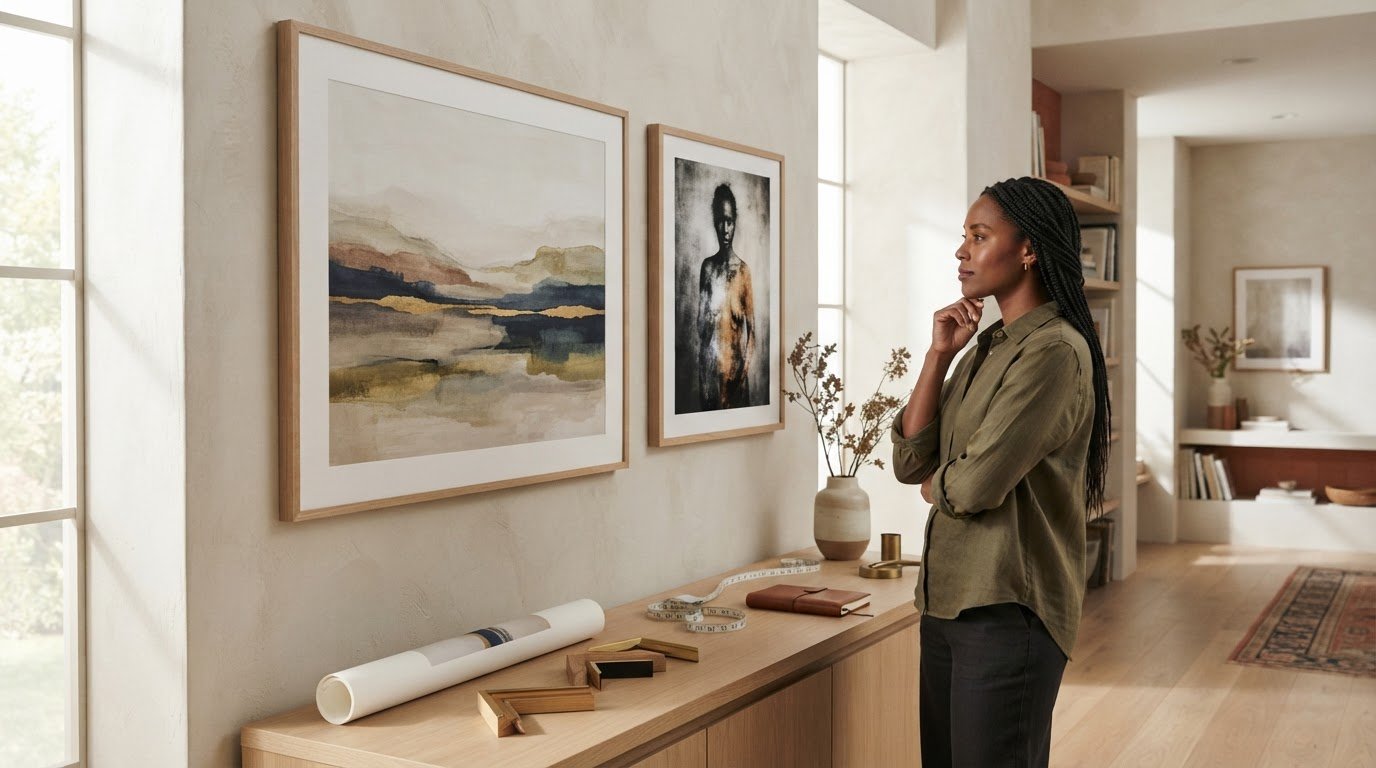
Measure the intended wall or display area before settling on a size. Use masking tape to mark the print’s approximate dimensions, or cut a paper template and place it where the artwork will hang. Consider how far away you’ll usually view it, what furniture or architectural details surround it, and whether you want the image to become a focal point or complement the room. A print that feels striking on a screen may have a different presence at its final scale.

Size and crop work together. A particular crop can change the balance of an image, so consider whether it retains the subject or detail that first caught your eye. Galerie Prints offers custom sizing and cropping to help tailor a print to a specific display intention. For further perspective on placing photographic works at home, explore this fine art photography collecting and decorating guide.

Do the print and presentation details match your expectations?

Read the specific item description closely. Distinguish stated details, such as whether an item is a photographic print, vintage movie poster or cinema lobby card, from assumptions about its materials, finish or display requirements. Don’t infer a feature simply because it’s common in another format. If an edition or signature is mentioned in the description, consider that detail as part of the item’s stated character.

Presentation matters, but professional framing isn’t essential for every work. Galerie Prints offers professional framing as an add-on for purchased prints, and an unframed print may better match your plans. The gallery describes its prints as exhibition quality and offers bespoke options to help you consider how a work will be displayed. Weigh these choices in relation to the piece and its setting, rather than expecting a presentation decision to guarantee satisfaction.

A Calm Pre-Purchase Checklist for Choosing Art You’ll Live With

A considered purchase doesn’t require perfect certainty. It helps to have clear reasons for choosing the work and a realistic sense of where and how you’ll live with it. This simple process keeps your attention on what matters, rather than sending you into an endless search for an imagined perfect option.

A sound pre-purchase rule: choose art that connects with you, suits its intended purpose and fits the practical realities of displaying it.

  1. Name the attraction. Write down what first held your attention: the subject, mood, composition, a particular detail, or a memory it evokes. Keep the note in your own words. It gives you a personal reference point before comparisons begin.
  2. Define the purpose. Decide what you want the artwork to bring to your home or collection. It might mark an interest, add a certain atmosphere to a room, or simply be an image you enjoy seeing. You can also set a personal budget that feels comfortable for your circumstances, without treating an arbitrary threshold as a measure of good taste.
  3. Check the practical fit. Identify the intended setting and measure the available wall or display area. Consider how the image will relate to surrounding furnishings and whether its size and crop suit the effect you want. Note any presentation preferences, such as whether you’d like professional framing.
  4. Review the details. Read the product description and compare its stated information with what you expect to receive. Review the selected size, crop and presentation options. Keep confirmed details separate from assumptions about materials, finish or how the print will look in your particular space.
  5. Pause and return. Step away from the decision for as long as feels useful, then revisit the artwork and the reasons you recorded. There’s no universal waiting period. Ask whether the original attraction remains and whether any important question is still unresolved.

What should you decide before browsing more options?

Give yourself a brief before opening more tabs. Describe the feeling, subject or visual quality you hope to bring into your space, then identify the room or display area and any size or presentation needs. A clear purpose can narrow your search without making it rigid. Keep the note nearby so you judge new possibilities against your intentions, not just their novelty.

What should you review before placing an order?

Return to your original note and check the specific work against it. Do the image, practical dimensions and chosen presentation support your purpose? If an expectation is unclear, pause rather than filling the gap with an assumption. Galerie Prints offers custom sizing and cropping, as well as professional framing as an add-on, so you can make presentation part of the decision. A thoughtful checklist supports avoiding buyers remorse with art, but it can’t promise you’ll never reconsider.

Ready to put your criteria into practice? Explore exhibition-quality photographic prints and consider which images suit your purpose and space.

Choosing Exhibition-Quality Prints with Galerie Prints

A considered choice brings together the image that holds your attention and the way you want to experience it in your space. Galerie Prints is passionate about photographic art and offers exhibition-quality prints, with care given to the printing and framing process. Use the practical framework you’ve built to guide your search: consider which image speaks to you, what setting you have in mind, and which format and presentation choices support that intention.

Customisation can help make those decisions more specific. It gives you a way to think through how the work will meet its intended setting. As you explore, read each item’s details closely and distinguish the stated options from assumptions about what a particular artwork or format includes.

How can customisation support a more considered choice?

Size and cropping influence how an image sits within a room and which details draw the eye. Galerie Prints offers custom sizing and cropping, allowing you to consider dimensions and composition in relation to your display plans. Bespoke Services offer printing on any substrate, including aluminium, wood and glass, as well as options such as murals and wallpapers. Consider how these formats might suit the space and the image you’ve chosen.

What can help a print feel ready for its intended setting?

Think about presentation as part of the overall choice. Galerie Prints offers professional framing as an add-on for purchased prints, with ready-to-hang delivery. Framing isn’t required for every work or every display plan; the right decision depends on how you want to present the image. Consider whether you want a framed piece or prefer to arrange presentation separately. These practical choices can support a considered purchase without promising how you’ll feel about it over time.

Explore photographic prints at Galerie Prints

Take your time with the images. Notice the photographs that continue to interest you, then weigh that connection alongside your purpose, space and preferred presentation. Galerie Prints brings together exhibition-quality photographic prints for people drawn to the history and character of the medium. Exploring the collection can help you refine what you value in a print, whether you’re ready to choose or still considering your options. That balance of personal interest and practical thought is at the heart of avoiding buyers remorse with art.

If you’d like to continue exploring at your own pace, explore exhibition-quality prints and consider which works feel right for your interests and setting.

Let Your Next Art Choice Begin With Curiosity

A print doesn’t need to answer every question about your taste or your home. It can mark what draws your attention at this moment, becoming part of the rooms and routines that shape your life. As your surroundings change, the way you experience an image may change too. That’s part of living with art, not proof that the original choice was mistaken.

For avoiding buyers remorse with art, base your decision on reasons that feel true to you, not pressure to make a perfect or financially assured choice. Browse with care, follow the images that hold your interest and decide in your own time.

When you’re ready, explore exhibition-quality prints and find a photograph that feels right for your home or collection. Let curiosity lead, and enjoy choosing a work with thought and confidence.

Frequently Asked Questions

Can I customise the size or cropping of a Galerie Prints artwork?

Yes, customers can customise the size and cropping of Galerie Prints artworks. These choices help you consider how an image will fit a display area and which parts of its composition you want to emphasise. Connect each selection to your intended setting rather than choosing dimensions on impulse, a useful step in avoiding buyers remorse with art.

Can Galerie Prints print on aluminium, wood, or glass?

Yes. Galerie Prints’ Bespoke Services offer printing on any substrate, including aluminium, wood and glass. These examples aren’t an exhaustive list. If you’re considering a material for a particular display or interior, think about how it supports your purpose for the work. The substrate is a presentation decision, not a promise of a particular visual effect.

What framing service does Galerie Prints offer?

Galerie Prints offers professional framing as an add-on service for purchased prints, with ready-to-hang delivery. Framing is one way to prepare a print for display, rather than a requirement for every artwork or interior. Consider whether you want a framed piece or prefer to arrange presentation separately.

Are signed and limited-edition photographic prints available?

Yes. Galerie Prints offers signed and limited editions across photographic movements and periods. These editions can appeal to collectors drawn to a particular photographer, era or visual tradition. Edition and signature details are specific to each work, so consider the stated information when choosing a piece for its documented qualities and the meaning it holds for you.

What delivery options are available for Galerie Prints Gift Vouchers?

Galerie Prints Gift Vouchers are available by E-card, Card & Envelope, and Luxury Gift Box. Choose the listed method that suits the occasion and recipient. The delivery method is separate from the voucher’s monetary value, which is selected separately.

What is the listed size and condition of the Harry Potter 2001 Vintage Lobby Card?

The Harry Potter 2001 Vintage Lobby Card is listed as Large, measuring 14 × 11 in (36 × 28 cm), and its condition is Excellent. These are the item’s stated specifications, useful when assessing how the card may suit a display space or collection. As a vintage cinema lobby card, it’s a collectible item, so consider the listed condition and dimensions as you decide whether it fits your interests.

What is the listed size and condition of the Rocky 1976 Vintage Lobby Card #2?

The Rocky 1976 Vintage Lobby Card #2 is listed as Extra Large, measuring 11 × 14 in (28 × 36 cm), and its condition is Very Good. Its stated size and condition provide practical points of comparison if you’re considering it alongside other cinema memorabilia. Review these details in relation to your display plans and collecting interests, rather than assuming vintage lobby cards share identical dimensions or condition descriptions.

Finding Art That Speaks to You: A Curator’s Guide to Personal Collecting

The most expensive mistake a collector can make isn’t overpaying at auction; it’s purchasing a piece that lacks a soul. It’s common to feel like an outsider when observing the high-stakes world of fine art, especially when Christie’s maintains a 27% buyer’s premium on works up to $1.5 million as of early 2026. You might worry that photography holds less prestige than a traditional canvas, or perhaps you struggle to explain why one specific image moves you while another feels entirely hollow. The process of finding art that speaks to you shouldn’t feel like a test of your academic knowledge, but rather an exploration of your own history and taste.

We agree that your home deserves more than just high-end decoration. It requires a visual narrative that resonates with who you are. This article provides a clear framework to help you move beyond the surface, giving you the confidence to invest in archival silver gelatin prints that enhance your interior aesthetic. We’ll examine how to identify your personal eye and explain why the world’s finest photography acts as a bridge to the golden age of glamour, ensuring your collection becomes a permanent legacy rather than a fleeting trend.

Key Takeaways

  • Learn to distinguish between mere aesthetic attraction and the visceral, soulful connection that identifies a piece as a lasting part of your personal narrative.
  • Master the “Visual Audit” technique to decode your unique visual language by identifying recurring themes and moods within your existing environment.
  • Explore how the provenance of a photograph, including the artist’s unique access and the story behind the lens, adds layers of meaning to your collection.
  • Gain practical insights into finding art that speaks to you by understanding the relationship between the physical scale of a print and the architectural volume of your home.
  • Discover why the artisanal process of hand-printing from original negatives in a London darkroom ensures a level of technical and emotional depth that mass-produced works cannot replicate.

Defining the Connection: What Does It Mean When Art Speaks to You?

The moment an image transcends its frame is often described as a visceral response; it is that sudden, sharp intake of breath when a piece of film captures a memory you didn’t know you possessed. Finding art that speaks to you requires moving past the superficial layer of aesthetic attraction. While you might like how a certain color palette complements a room, a soulful connection is far more profound. It’s the difference between a decorative accessory and a piece of history you feel a physical need to live with every day. This connection transforms an object into an experience, turning a wall into a window into another era.

Photography possesses a singular ability to speak through shared human history because it’s rooted in captured reality. When you look at an archival silver gelatin print, you aren’t just seeing a composition; you’re witnessing a moment that actually occurred. This medium acts as a mirror, where the themes you choose to display reveal your deepest values and aspirations. Building a private art collection is an act of self-curation that tells your story to the world, reflecting the world’s finest photography through the lens of your own life.

The Psychology of Visual Resonance

Our subconscious minds process light and shadow long before we consciously identify the subject of a photograph. This triggers immediate emotional states, often rooted in what curators call aspirational nostalgia. It explains why a 2026 collector might feel a deep pull toward a Slim Aarons poolside scene from the 1960s, despite never having walked those grounds. Visual resonance is the alignment of a viewer’s internal narrative with an artist’s external expression.

Moving Beyond Decorative Trends

The impulse to match a print to a velvet sofa is a secondary concern. In a market where 75% of art galleries reported economic uncertainty in 2025, the flight to quality has become the primary driver for discerning buyers. Choosing mass-produced art offers no permanence. Conversely, an exquisite, hand-printed photograph from a London darkroom carries emotional weight that matures over time. Finding art that speaks to you involves looking for pieces that offer:

  • Emotional Longevity: The ability for an image to reveal new layers of meaning over several years.
  • Artisanal Integrity: The tactile quality found in hand-printed works from original negatives.
  • Historical Significance: A connection to iconic moments or figures that transcend the current fashion cycle.

A truly curated collection doesn’t follow the twelve month cycle of interior design trends. Instead, it grows with you over decades, anchoring your home with pieces that possess genuine provenance and a lasting soul. By prioritizing the emotional weight of a piece over its decorative utility, you ensure your collection remains relevant as your personal style evolves.

Decoding Your Aesthetic: How to Identify Your Personal Visual Language

The journey toward finding art that speaks to you begins with a quiet observation of your current surroundings rather than a frantic search through digital catalogs. A “Visual Audit” involves examining the objects you already cherish, such as the curve of a mid-century chair or the specific hue of a vintage textile, to uncover recurring themes. You might find that your life gravitates toward the quietude of monochromatic silver gelatin prints or, conversely, the vibrant glamour of high-society poolside life. This process isn’t about matching a color swatch; it’s about identifying the atmosphere you wish to inhabit.

In an era where 51% of high-net-worth collectors reported purchasing digital art in 2025, the saturation of screen-based imagery can often cloud one’s true judgment. Practicing “Visual Fasting” involves stepping away from the endless scroll of social media to allow your mind to reset. This clarity helps you develop your own art style by revealing which specific images remain etched in your memory long after the screen is dark. When you eventually return to curation, you’ll use mood boards not to copy a trend, but to identify sophisticated patterns in light, subject matter, and composition that feel authentically yours.

The Five Pillars of Personal Taste

Understanding your visual language requires breaking down your preferences into structural pillars. Consider the story you wish to tell through your subject matter, whether it’s the raw energy of the music archives or the structured elegance of fashion photography. Contrast and tone also play a pivotal role; you may find yourself drawn to the high drama of black and white pictures or the soft, pastel aesthetics of a Mediterranean summer. Finally, analyze composition by deciding if you prefer the meticulous, balanced arrangements found in a Slim Aarons photograph or the candid, spontaneous energy of a Terry O’Neill portrait.

A Step-by-Step Exercise in Curation

To refine your discerning eye, follow this structured approach to selection. First, save twenty images that evoke an immediate reaction without pausing to consider technical specifications or archival value. Second, categorize these selections by the emotion they stir, such as “Calm,” “Nostalgic,” or “Aspirational.” Finally, look for the common thread; you’ll likely discover a recurring era, a specific quality of light, or a particular type of human interaction. Your “eye” is a muscle that improves with intentional observation, allowing you to move from a casual observer to a confident collector. As you begin to recognize these patterns, you may wish to explore our curated collections to see which historical narratives align with your newly defined aesthetic.

The Power of Provenance: Why the Story Behind the Lens Matters

Provenance is far more than a mere paper trail; it’s the soul of the image and the foundation of its value. When you are finding art that speaks to you, the historical background of the piece is as vital as the visual composition itself. Provenance, defined as the documented history of an artwork’s ownership and its direct origin in the artist’s archive, ensures that the print you hang is an authentic piece of photographic heritage. In a market where global sales at major auction houses like Christie’s and Sotheby’s reached $4.55 billion in 2025, discerning collectors are increasingly prioritizing provenance to justify the long term value and exclusivity of their acquisitions.

Knowing the specific “why” behind a photograph deepens your emotional connection to the work. For example, the photography of Terry O’Neill is legendary not just for its technical brilliance, but for the unprecedented, intimate access he maintained to the world’s most elusive stars. Owning a print from a recognized archive or a respected publisher, such as the Slim Aarons collection, provides a sense of prestige that elevates a simple living space into a private gallery. These narratives act as sophisticated conversation starters, allowing you to share the story of the artist’s life and the specific cultural moment they were invited to capture.

The Narrative of Glamour: Slim Aarons

Slim Aarons famously described his career as capturing “attractive people in attractive places doing attractive things.” This philosophy continues to resonate because it speaks to a universal human desire for leisure, beauty, and a life well-lived. These images don’t just decorate a wall; they transport the viewer to a specific, aspirational era of mid-century elegance. To truly understand the depth of his legacy and how his work might anchor your home, you can explore our Slim Aarons Guide.

Capturing the Sound: The Soul of Music Photography

Iconic music photography serves as a portal to fleeting cultural history, capturing the raw energy of a legendary performance or the quiet intimacy of a private recording session. By integrating these archival prints into your environment, you’re connecting with your own musical heritage through imagery that feels as though you can hear the art on your walls. Whether it’s a hand-printed silver gelatin shot from our London darkroom or a vibrant backstage moment, these pieces offer a permanent link to the sounds that shaped your world.

Practical Curation: How to Choose Art for Your Specific Environment

Finding art that speaks to you involves a delicate dance between emotional resonance and physical scale. A print shouldn’t merely hang on a wall; it should command the space it occupies. In expansive, open-plan residences, a single large-scale statement piece often possesses a greater “voice” than a fragmented gallery wall. This approach allows the eye to rest on the narrative, whether it’s a sprawling Slim Aarons landscape or an intimate Terry O’Neill portrait. Proper curation requires understanding that the volume of the room dictates the dimensions of the artwork. A piece that is too small feels like an afterthought, whereas a correctly scaled print anchors the architecture itself.

Lighting serves as the final step in activating a piece of fine art photography. Archival silver gelatin prints, hand-printed in our London darkroom, possess a unique depth that reacts beautifully to directional light. Aim for a dedicated spotlight with a color temperature around 3000K to highlight the silver’s luminosity without washing out the delicate shadows. This technical precision ensures the artwork transitions from a static image to a living part of your home’s atmosphere.

The Art of Bespoke Framing

A frame isn’t simply a border. It’s a bridge between the artwork and your interior design. Our bespoke framing service prioritizes archival mounting, a non-negotiable standard for protecting your investment against the passage of time. For a classic look, hand-finished black wood frames offer a timeless sophistication. Alternatively, contemporary minimalist mounts allow the imagery to breathe, ensuring the focus remains entirely on the photographer’s vision. To ensure your chosen piece is perfectly preserved and presented, explore our bespoke framing options.

Understanding Print Rarity and Value

As you build your collection, understanding the distinction between open and limited edition prints is essential for long-term value. While open editions provide an accessible entry point, limited edition works represent a finite piece of history. As of May 2026, signed, limited-edition works from artists like Terry O’Neill are priced from £4,200 to £12,000, reflecting their scarcity and provenance. Every serious acquisition must be accompanied by a certificate of authenticity. This document serves as your collection’s legal and historical anchor, verifying that the work meets the rigorous archival standards required by serious collectors.

By treating curation as a deliberate, technical process, you move beyond simple decoration. You are creating an environment where the world’s finest photography can truly speak, reflecting both the prestige of the artist and the sophistication of your own eye.

The Galerie Prints Approach: Finding Your Piece of History

Galerie Prints operates as a dedicated guardian of photographic heritage, bridging the gap between the golden age of glamour and the modern collector. Finding art that speaks to you is a deeply personal endeavor that we support through a meticulous curatorial process. Every image in our collection is selected for its ability to transcend time. We ensure that what you hang on your wall is a piece of living history. Unlike mass-market retailers who favor digital shortcuts, we prioritize the tactile and technical superiority of hand-printing from original negatives in our London darkroom. This artisanal approach creates a superior emotional impact. The silver gelatin process captures a range of tone, shadow, and depth that digital alternatives cannot replicate. Each print is a unique physical record of a moment in time, produced with a level of care that justifies its position in an elite collection.

The bespoke journey begins with the selection of the image and concludes with a hand-finished frame. We guide you through this process with the quiet authority of a seasoned curator. This ensures the transition from a gallery archive to your private environment is seamless and sophisticated. It’s about more than just aesthetics; it’s about the permanence of the physical object. Our specialists understand the technical nuances of 1950s fashion shoots and the gritty energy of 1970s rock archives, providing you with the context needed to make an informed investment. This deliberate pacing builds value and respect for the artwork long before it reaches your home.

From Archive to Your Wall

Sourcing from the world’s most prestigious archives requires a discerning eye and a reverence for provenance. We assist clients in identifying that one elusive image that resonates with their specific personal narrative. Our collections range from iconic lobby cards that capture the essence of vintage Hollywood to the intimate, high-access portraiture of Terry O’Neill. This breadth allows you to build a collection that is as diverse as your own interests. You maintain a consistent standard of excellence across every piece, knowing that each acquisition has been vetted for its historical significance and technical quality.

Investing in the World’s Finest Photography

A purchase from Galerie Prints is an acquisition of history rather than a simple transaction. The lasting value of our work is anchored in museum-grade materials and the stability of traditional darkroom techniques. By choosing archival silver gelatin prints, you’re securing a legacy piece that maintains its integrity for future generations. This commitment to quality reflects your status as a serious collector who values authenticity over fleeting trends. The world’s finest photography deserves a place of honor in your home, acting as a window into a more glamorous era. We invite you to explore our curated collections and find the art that speaks to you.

Curating Your Personal Legacy

The journey of building a collection is an evolution from simply filling wall space to curating a narrative that reflects your deepest values. By decoding your visual language and prioritizing the historical weight of provenance, you transform your home into a sanctuary of meaning. You’ve learned that the world’s finest photography acts as a bridge to a more glamorous era, where the story behind the lens is as vital as the image itself. Finding art that speaks to you is not a matter of following trends, but of listening to the visceral response an iconic photograph triggers within your soul.

At Galerie Prints, we act as the guardian of this heritage. Every archival silver gelatin print is hand-printed in our London darkroom from original negatives, ensuring a technical superiority that digital methods cannot match. Our authorized prints from the world’s most prestigious archives are paired with a bespoke framing service using museum-quality materials to protect your investment for decades. We invite you to discover the photography that resonates with your soul in our curated gallery. Your collection is a lasting piece of history; let it begin with a moment of true connection.

Frequently Asked Questions

How do I start an art collection if I am a complete beginner?

Begin by focusing on intentional observation rather than market speculation. Beginners should prioritize archival quality and historical significance, especially as 75% of galleries cited economic uncertainty as a primary challenge in 2025. This shift makes finding art that speaks to you through established archives a more stable path. Start with one significant piece that resonates with your personal narrative and build your collection around that central theme.

Is photography considered as valuable as traditional paintings for collectors?

Photography is firmly established as a headline category in the global art market. With Christie’s maintaining a 27% buyer’s premium on works up to $1.5 million as of early 2026, the financial world recognizes its prestige. Archival prints from iconic photographers hold immense value because they represent a finite piece of cultural history, often outperforming traditional mediums in terms of emotional resonance and contemporary relevance.

How does the size of a print affect its emotional impact in a room?

Scale dictates the command an image has over its environment. A large-scale statement piece creates an immersive experience that anchors a room’s architectural volume, triggering a stronger visceral response. While smaller prints work well in intimate corridors, a significant work in a living space acts as a window into another era, demanding the viewer’s full attention and defining the room’s atmosphere.

What is the difference between an archival print and a standard poster?

The distinction lies in the artisanal process and chemical longevity. Standard posters are mass-produced and prone to fading, whereas archival silver gelatin prints are hand-printed in our London darkroom from original negatives. This traditional method ensures a silver-rich depth and tonal range that won’t degrade over time. It transforms a simple image into a permanent piece of photographic heritage with lasting value.

Can I buy a Slim Aarons print that is officially authorized?

Yes, you can acquire officially authorized Slim Aarons prints through our direct partnership with the Getty Images Archive. Every print is produced to rigorous museum standards, ensuring that finding art that speaks to you also results in an acquisition with verified provenance. These authorized works are the only way to ensure you are investing in the true legacy of Aarons’ aspirational lifestyle photography.

How do I know if a piece of art will go out of style?

Art rooted in historical significance and “blue-chip” artist reputations rarely loses its appeal. The 2026 “flight to quality” trend indicates that collectors are moving away from fleeting digital hypes toward works with established market track records. By choosing images that have already stood the test of time, such as iconic fashion or cinema photography, you ensure your collection remains relevant for decades.

Should I choose black and white or color photography for my home?

The choice depends on the specific mood you wish to cultivate within your space. Black and white photography offers a timeless, cinematic quietude that emphasizes texture and light. Conversely, vibrant color photography provides an aspirational energy that can brighten a minimalist interior. Use your visual audit results to determine which palette aligns most closely with the recurring themes in your life.

What role does framing play in preserving the value of my art?

Bespoke framing is the primary defense against environmental degradation. Using museum-quality materials and archival mounting ensures that your print remains in pristine condition, which is vital for maintaining its status as a collectible. Given that art is taxed at a maximum federal rate of 28% as a collectible in 2026, preserving the physical integrity of your investment is essential for its long term valuation.

The Ultimate Guide to Buying Slim Aarons Prints

To step into the world of Slim Aarons is to be immersed in an era of unparalleled glamour and effortless chic. Yet, for the discerning collector, the journey to acquiring the perfect piece can be fraught with uncertainty. How does one navigate the vast collection of iconic poolside scenes and alpine vistas to find the one that resonates? More importantly, how can you be certain of authenticity, distinguishing a true archival photograph from a mere poster, and ensuring the provenance of your investment? The allure of authentic slim aarons prints is undeniable, but the process of selection demands a curator’s eye.

Consider this your definitive guide. Within this journal, we will demystify the process, offering expert curatorial advice on everything from understanding print types and editioning to selecting the ideal size and bespoke frame. We invite you to move from admirer to confident collector, empowering you to choose a timeless piece of photographic history that not only elevates your interior but stands as a sound, stylish investment in the world’s finest photography.

Key Takeaways

  • Go beyond the image to understand the unique philosophy of Slim Aarons and the world of effortless glamour he so brilliantly captured.
  • Develop a curatorial eye to select a piece that not only complements but truly defines the atmosphere of your interior space.
  • Discern the crucial difference between mass-produced posters and authentic, gallery-grade slim aarons prints to ensure your investment holds its provenance and value.
  • Master the art of bespoke presentation by selecting the ideal size and frame to elevate your chosen photograph into a true masterpiece.

The Allure of Slim Aarons: Photographing ‘Attractive People Doing Attractive Things’

From the sun-drenched pools of Palm Springs to the exclusive ski slopes of Gstaad, Slim Aarons dedicated his career to documenting, as he famously put it, “attractive people doing attractive things in attractive places.” More than a mere society photographer, Aarons was an insider, a trusted confidant who gained unprecedented access to the private lives of the world’s elite. His transition from a decorated combat photographer in World War II to the preeminent visual historian of mid-century glamour is detailed in Slim Aarons’ biography, revealing a profound shift in focus from the grit of war to the golden age of leisure.

What distinguishes Aarons’ work is its palpable sense of authenticity. He famously rejected the use of stylists or makeup artists, preferring instead to capture his subjects in their natural element. This approach imbues his photographs with a candid, unforced elegance, offering a genuine window into a bygone era of post-war optimism and effortless sophistication. His images are not just portraits; they are transportive narratives, encapsulating a lifestyle of luxury that continues to captivate and inspire.

Defining an Era: Key Themes in Aarons’ Work

Aarons’ oeuvre can be understood through several recurring, iconic settings, each a theatre for the display of high society at play:

  • Poolside Glamour: The quintessential symbol of leisure, where turquoise water meets modernist architecture and sun-drenched bodies.
  • Alpine Chic: Capturing the exhilarating elegance of exclusive ski resorts, from the slopes of Verbier to the chalets of Aspen.
  • Coastal Elegance: Documenting the jet-set life along the Italian Riviera, the Caribbean, and other idyllic seaside escapes.
  • Architectural Marvels: Showcasing stunning modernist homes, like Richard Neutra’s Kaufmann House, as integral characters alongside their glamorous inhabitants.

This “jet-set” lifestyle was built on the freedom to travel to the world’s most exclusive destinations with unparalleled ease and style. Today, that same spirit of glamorous, on-demand travel is embodied by private aviation specialists like FlyEliteJets, who cater to a new generation of high-flyers.

Why His Popularity Endures in Modern Interiors

The enduring appeal of slim aarons prints in contemporary interior design is a testament to their timeless quality. Beyond mere decoration, they serve as powerful aesthetic statements that enrich a space in several key ways:

  • Nostalgia and Timeless Style: His work perfectly balances a nostalgic glimpse into the past with a classic elegance that feels perpetually modern.
  • Vibrant Colour Palettes: The rich, saturated Kodachrome colours-vivid blues, lush greens, and warm yellows-inject life and energy into any room.
  • A Narrative Focal Point: Each photograph tells a story, inviting curiosity and serving as a natural conversation starter.
  • Aspirational Quality: The images tap into a universal desire for beauty, travel, and leisure, offering a daily dose of escapism and inspiration.

How to Choose Your Perfect Slim Aarons Print: A Curatorial Approach

Selecting from the extensive archive of Slim Aarons is an exercise in personal curation. While his most famous images possess an undeniable magnetic pull, the true art lies in discovering a piece that resonates with your own narrative and aesthetic sensibilities. The goal is to move beyond the familiar and find an image that not only complements your decor but also infuses your space with a specific mood-be it the tranquil glamour of a lakeside villa or the vibrant energy of a Palm Springs pool party. Consider the eras of his work, from the crisp black-and-white portraiture of the 1950s to the saturated, sun-drenched colours of the 70s and 80s, to find the perfect archival piece for your home.

Selecting by Location and Subject

The vastness of Aarons’s portfolio means there is a perfect scene for every taste. Let your personal style guide your search for the ideal slim aarons prints:

  • For the modernist: Explore his work in Palm Springs, where the clean lines of desert architecture, like Richard Neutra’s Kaufmann House, meet the stark beauty of the landscape.
  • For the classicist: Journey to the timeless Italian scenes of the Amalfi Coast, Capri, and Lake Como, where aristocratic leisure unfolds against a backdrop of historic grandeur.
  • For the adventurer: Discover the dynamic energy of his ski resort photography from Gstaad and Verbier, or the windswept elegance of yachting in the Caribbean.
  • For the fashion lover: Seek out his candid portraits of style icons like C.Z. Guest and Babe Paley, which capture the essence of mid-century chic.

Considering Composition and Orientation

The physical presence of the artwork is paramount. A vertical print can draw the eye upward, accentuating the height of a room or fitting perfectly on a narrow wall. Conversely, a sweeping horizontal photograph makes a commanding statement above a sofa or a long console table. Consider whether a single, large-scale print will serve as a dramatic focal point, or if a curated gallery wall of smaller, complementary slim aarons prints would better tell your story. Look deeper into the image itself for compelling leading lines and focal points that will anchor the composition within your space.

Our Most Sought-After Collections

While personal connection is key, some collections possess a cultural significance that is simply undeniable. ‘Poolside Gossip’ (1970) remains one of the most iconic photographs of the 20th century, a masterpiece of composition that perfectly distills the Slim Aarons lifestyle; its fame is a testament to the lasting influence of Aarons’ work on our collective vision of summer. Other celebrated series include ‘Kings of Hollywood,’ featuring candid portraits of screen legends, and the sun-soaked ‘Hotel du Cap-Eden-Roc’ collection, which captures the epitome of Riviera glamour. Explore our curated collections to find your inspiration.

When investing in the timeless allure of Slim Aarons, it is essential to understand the distinction between a decorative poster and a genuine piece of photographic art. A gallery-grade print is defined not only by its aesthetic appeal but by its impeccable provenance, the quality of its creation, and its capacity to endure. This commitment to authenticity ensures that each piece is a true and lasting representation of the photographer’s celebrated vision.

To ensure absolute authenticity, Galerie Prints is an official partner with exclusive access to the original negatives, which represent the sole authentic source of Slim Aarons’ extensive life’s work. This privileged access ensures that every print we produce has unquestionable provenance. Each piece is issued with a Certificate of Authenticity, a vital document that verifies its origin and guarantees its value as a collectible. This official documentation, contextualised by an understanding of the artist’s career as detailed in authoritative resources like the Slim Aarons biography, solidifies the print’s status as a genuine work of art.

Understanding Print Types: C-Type vs. Giclée

To honour the photographer’s original medium, we produce authentic C-Type (Chromogenic) prints, a traditional darkroom process that exposes light-sensitive paper to the original negative. This method is celebrated for its continuous tone and unparalleled colour richness, qualities that cannot be replicated by digital methods. While Giclée (inkjet) prints serve a purpose for reproductions, C-Type prints represent the gold standard for authentic photographic art, capturing the depth and vibrancy intended by Aarons himself.

The Importance of Archival Materials

The longevity of our slim aarons prints is paramount. We utilise only the finest archival materials, including premium Fuji Crystal Archive papers, which are specifically engineered to resist fading and colour shifting for generations. Each photograph is meticulously hand-printed in our London darkroom by master technicians who share our reverence for the craft. To ensure long-term preservation, prints are mounted on acid-free boards, protecting the artwork from degradation and securing its place as a lasting investment in the world’s finest photography.

Sizing and Framing: The Art of Bespoke Presentation

A photograph is captured in a moment, but its life as a piece of art is defined by its presentation. The selection of size and frame is a curatorial decision that transforms an image into a masterpiece, ensuring it not only complements your space but elevates it. A bespoke frame does more than decorate; it provides archival protection, preserving the integrity and vibrancy of your investment for generations. The right presentation honours the artist’s vision and turns a simple wall into a private gallery.

Choosing the Right Size

The scale of your chosen artwork dictates its presence and impact within a room. To select the perfect dimensions for your slim aarons prints, consider both the wall space and the desired atmosphere. A simple, trusted rule for interior designers is to select a piece that covers approximately two-thirds of the width of the furniture it hangs above.

  • Small Prints (e.g., 10×12″): Ideal for creating an intimate moment in a smaller room, or for curating a sophisticated gallery wall of complementary images.
  • Medium Prints (e.g., 20×24″): A versatile choice that commands attention without overwhelming a space, perfect as a focal point in a study, hallway, or bedroom.
  • Large-Scale Prints (e.g., 40×60″): For making an unequivocal statement. A large-format print creates a dramatic, immersive window into another world, best suited for a primary living area or spacious entrance hall.

Selecting a Bespoke Frame Style

Our frames are hand-crafted by artisans in London to provide a flawless, gallery-quality finish. The style you choose should harmonise with your interior aesthetic. Classic wood frames in black, white, or natural oak offer a timeless appeal that suits any décor. For a touch of traditional luxury, an ornate frame can enhance the classicism of the photograph, while modern box frames provide a clean, contemporary feel that allows the image itself to take centre stage.

To Mount or Not to Mount?

The final touch in customisation is the choice of a window mount, or mat board. A mount introduces a border between the frame and the photograph, creating visual space that draws the eye inward. This classic technique adds a layer of depth and a traditional, polished look. Alternatively, a ‘full bleed’ presentation, where the image extends to the very edge of the frame, offers a bold and modern aesthetic. Each choice profoundly alters the final impression of your artwork. Discover our bespoke framing options and allow our experts to help you create your perfect piece.

An Enduring Legacy: Your Journey into the World of Slim Aarons

Acquiring a piece by Slim Aarons is more than a purchase; it is an investment in a timeless narrative of glamour and leisure. As we have explored, selecting the perfect image is a deeply personal, curatorial journey where understanding the markers of authenticity and the nuances of bespoke presentation is paramount. These considerations ensure that your chosen slim aarons prints are not merely decorative objects, but true pieces of photographic history, imbued with the spirit of a bygone era.

At Galerie Prints, we are honoured to be the custodians of this legacy. Each of our photographs is an official edition from the Getty Images Archive, meticulously hand-printed in our London darkroom to achieve unparalleled depth and clarity. Paired with our bespoke, gallery-quality framing, your chosen artwork is transformed into a lasting heirloom. Discover the world of Slim Aarons in our expertly curated collection and bring a piece of this iconic, sun-drenched world into your home.

Frequently Asked Questions

Are Slim Aarons prints a good financial investment?

While any art acquisition should be guided by personal appreciation, Slim Aarons prints represent a significant investment in enduring cultural and aesthetic value. These works capture a timeless vision of glamour that continues to resonate with sophisticated collectors. Acquiring a print with impeccable provenance, produced directly from the original negative as ours are, ensures you are not merely decorating a wall but stewarding a piece of photographic history whose appeal is truly perennial.

What is the most famous or iconic Slim Aarons photograph?

Arguably the most iconic photograph in the Aarons archive is ‘Poolside Gossip’ (1970). This masterful composition, featuring socialites by a modernist pool in Palm Springs, perfectly encapsulates the photographer’s mission: documenting “attractive people doing attractive things in attractive places.” It is the definitive visual shorthand for the sun-drenched, leisurely glamour that defines the Slim Aarons lifestyle and has become a celebrated icon of mid-century design and culture.

How can I be sure my Slim Aarons print is authentic?

Absolute authenticity is paramount. A genuine Slim Aarons print is distinguished by its provenance, originating directly from the Getty Images Archive, which holds the original negatives. Galerie Prints is an official partner of the archive, and every piece we produce is accompanied by a Certificate of Authenticity. This guarantees your photograph was created to the highest archival standards from the original source, ensuring its legitimacy and value as a true collector’s item.

How should I care for my fine art photography print to ensure it lasts?

To preserve the integrity and archival quality of your fine art photograph, we recommend bespoke framing using conservation-grade, UV-protective glass. This shields the print from the damaging effects of light. Furthermore, the piece should be displayed away from direct sunlight and in an environment with stable temperature and humidity. Proper care ensures your print remains a vibrant and treasured part of your collection for generations to come, a lasting piece of history.

Can I get a custom size print of a Slim Aarons photograph?

We do offer a bespoke sizing service for many of the photographs in our curated collection. Each request is considered with the utmost respect for the original composition and artistic integrity of the image. Our specialists will consult with you to determine the ideal dimensions that honour the photographer’s vision while perfectly suiting your space. This ensures your custom print maintains the powerful aesthetic impact intended by the artist, tailored precisely for your interior.

What is the difference between an open edition and a limited edition print?

An open edition print is produced from the original negative without a predetermined limit on the number of copies, making iconic imagery more accessible. In contrast, a limited edition is restricted to a finite number of prints, as determined by the artist’s estate or archive. Each limited edition piece is typically hand-numbered and authenticated, and its scarcity often translates to a higher value for discerning collectors seeking the most exclusive acquisitions.