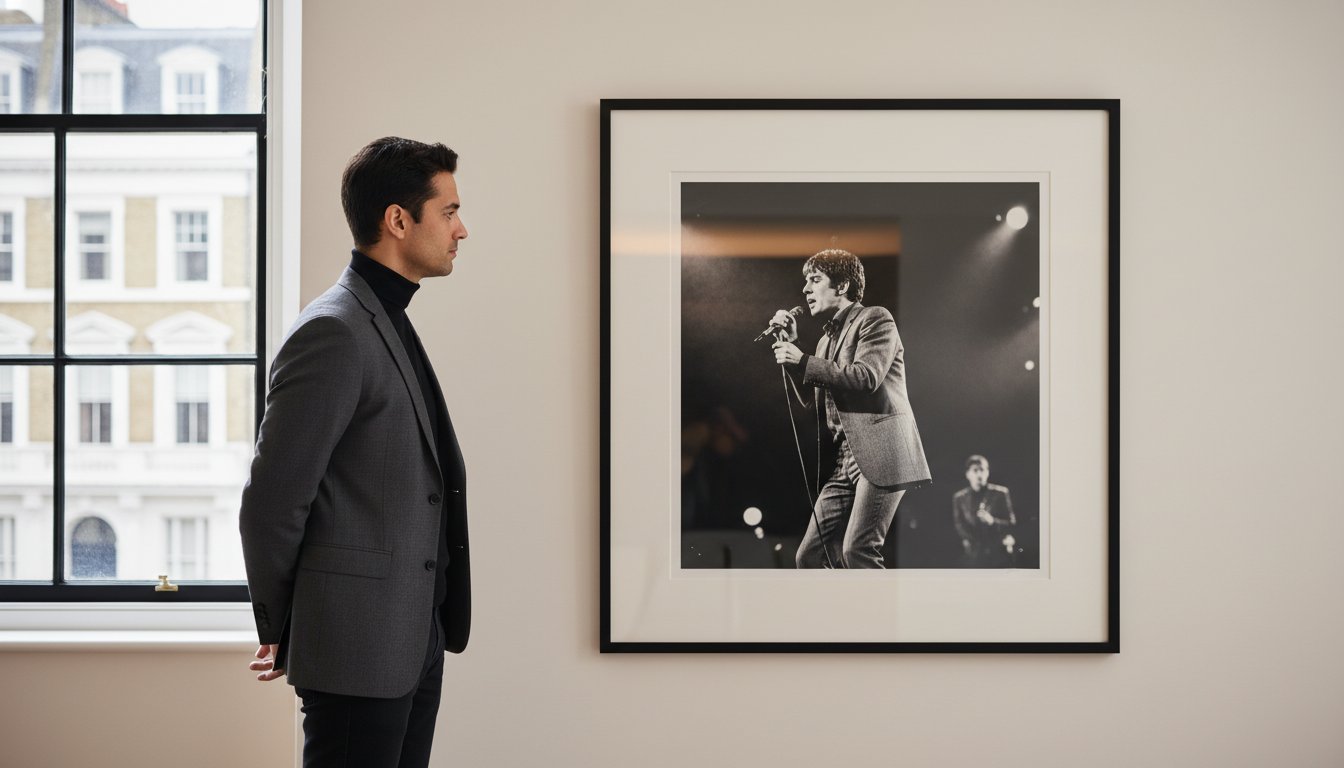

What if the most significant threat to your collection isn’t the passage of time, but the invisible chemistry of its immediate surroundings? A fine art print is a silent dialogue between the artist’s vision and the paper’s texture, yet this conversation is remarkably fragile. Without a disciplined approach to preservation, even the most prestigious Terry O’Neill or Slim Aarons photograph can fall victim to the invisible ravages of oxidation and environmental decay. If you’re uncertain about how to store fine art prints to maintain their archival integrity, you’re not alone. Many collectors harbor a quiet fear that a simple storage error might diminish the value of their vintage movie posters or rare Star Wars prints.
It’s natural to feel overwhelmed by the technical nuances of pH-neutral barriers and atmospheric stability. You seek the confidence that your collection will retain its vibrant depth and historical significance for decades. This guide demystifies the curatorial secrets used by the world’s leading galleries to protect museum-quality works. We’ll examine the specific environmental benchmarks while identifying the essential acid-free materials required to safeguard your photographic heritage against the elements, ensuring your investment remains a pristine heirloom for generations to come.
Key Takeaways
- Learn to manage the environmental alchemy of your storage space to prevent the chemical degradation of historical pigment-based inks.
- Identify the non-negotiable archival materials, including Solander boxes and lignin-free barriers, required for how to store fine art prints with professional precision.
- Adopt the professional curator’s “White Glove” rule to safeguard the tactile integrity of your collection during inspection or relocation.
- Understand the role of bespoke framing as a permanent preservation tool that acts as a protective micro-environment for your most valued acquisitions.
The Stewardship of Art: Why Proper Storage is a Collector’s Duty
Owning high-end imagery isn’t merely an act of decoration; it’s a commitment to historical preservation. Archival storage is defined as the active prevention of chemical and physical degradation over time, ensuring the material remains in its intended state. When you acquire fine art photography, you’re accepting a role as a steward of a cultural artifact. Unlike temporary decorative posters, which are often printed on acidic wood-pulp paper, museum-grade editions are designed for centuries of stability. However, this longevity isn’t a passive guarantee. You must defend the work against the “Three Enemies of Art”: light, humidity, and volatile organic compounds (VOCs). Understanding how to store fine art prints ensures these forces don’t erode the artist’s original intent or the print’s structural integrity.
The Investment Perspective: Protecting Market Value
In the world of high-caliber art, condition is the ultimate arbiter of market value. A minor crease, a hint of yellowing, or the presence of foxing can drastically reduce the resale price of a limited edition piece. Condition reports serve as a clinical biography of the print’s life, documenting every nuance of its physical state. While your Certificate of Authenticity proves the work’s origin, only “mint condition” status secures your long-term financial upside. Professional collectors don’t just buy art; they manage it with the same rigor as a gallery curator to ensure their investment remains untarnished.
A Legacy of Preservation: From Archives to Heirlooms
Meticulous preservation transforms a modern purchase into a cherished family heirloom. Professional galleries adhere to strict photograph preservation guidelines to protect fragile assets like vintage cinema lobby cards. These items weren’t always intended to survive the decades, yet they endure through disciplined care. When you master how to store fine art prints, you’re protecting a specific, tangible moment in cultural history. It’s a bridge between the past and the future, ensuring the emotional depth and tactile beauty of the work remains vibrant for your children and grandchildren.
Environmental Alchemy: Controlling Light, Humidity, and Temperature
The endurance of a masterpiece depends on a delicate chemical equilibrium. When considering how to store fine art prints, you must view your storage space as a controlled laboratory where atmospheric stability is the highest priority. Modern giclée prints utilize a sophisticated technical alchemy where microscopic pigment particles are suspended in a liquid carrier and bonded to archival paper. This process, pioneered in the early 1990s through the Graham Nash legacy, transformed digital scans into museum-quality works. Nash’s insistence on archival stability pushed the industry to move beyond fleeting dyes toward the lightfast pigments we rely on today. These pigments are remarkably resilient, but they aren’t invincible. They require an environment that adheres to the strict museum standard: a stable temperature between 18-20°C and a relative humidity of 40-50%.
Atmospheric stability is your primary defense against the invisible forces of decay. For works not currently showcased behind UV-protective glass, dark storage is a non-negotiable requirement. Light damage is cumulative; even low levels of ambient exposure can slowly break down the molecular bonds of the ink. By following professional conservation storage guidelines, you can ensure that the evocative depth of your collection remains unchanged for decades. If you’re ever in doubt about the safety of your current display, our bespoke framing service provides a sealed, UV-shielded environment that offers the ultimate peace of mind.
Pigment vs. Dye: The Chemistry of Fading
The distinction between pigment and dye is the difference between a legacy and a memory. Dye-based inks are molecularly dissolved in water, making them highly susceptible to rapid fading and “bleeding” when exposed to light or moisture. In contrast, archival pigment is composed of solid particles of color that sit on the surface of the paper; it’s officially rated for 100-year stability under proper conditions. While these pigment particles are far more stable, their lightfastness ratings still depend on your storage choices. Direct sunlight will eventually bleach even the most robust Star Wars limited edition prints, making the choice of a shaded, climate-controlled room essential for long-term preservation.
The Humidity Hazard: Preventing Foxing and Mould
Moisture is perhaps the most insidious threat to paper-based art. High humidity encourages the growth of mould and the development of “foxing,” those distinctive reddish-brown spots that frequently mar antique black and white pictures. These blemishes are often caused by the oxidation of iron or copper particles within the paper fibers when they encounter moisture. Beyond chemical staining, fluctuating humidity causes the paper to “cockle,” creating an unsightly warping or rippling effect as the fibers swell and shrink. To prevent this, never store your collection in basements, attics, or against external walls, as these areas are prone to dampness and rapid temperature shifts. Consistent airflow and a dehumidifier are often necessary tools for anyone serious about how to store fine art prints in a residential setting.
The Anatomy of Protection: Archival Materials and Solander Boxes
The physical preservation of a masterpiece requires more than just a stable room; it demands a physical sanctuary. If you are researching how to store fine art prints, the Solander Box represents the pinnacle of this protection. Invented in the 18th century by botanist Daniel Solander, this book-shaped case remains the gallery standard because it allows prints to lie perfectly flat while offering a rigid, dust-proof barrier. Within this sanctuary, every material that touches the print must meet the non-negotiable standards of being both acid-free and lignin-free. Lignin, a natural component of wood pulp, is the primary culprit behind the yellowing and eventual “burning” of paper fibers. By utilizing alpha-cellulose or cotton rag materials that have been chemically purified, you ensure that the substrate remains as pristine as the day it left the press.
Interleaving is the quiet hero of archival storage. Choosing between Mylar and Glassine depends on the specific needs of your collection. Mylar, a brand of polyester film, is valued for its absolute chemical neutrality and transparency, making it ideal for frequent viewing of Star Wars Limited Edition Prints. Glassine, a translucent and glazed paper, provides a smooth surface that prevents ink transfer or “ghosting” between stacked works. When managing the complexities of how to store fine art prints, these layers act as the final defense against the friction of time and the subtle transfer of pigments.
Why Shipping Tubes are Only for Shipping
Tubes are a logistical necessity, not a storage solution. Paper possesses a “memory” that becomes more stubborn the longer it remains coiled. Long-term storage in a tube leads to permanent curling, making the print nearly impossible to frame without risking structural damage. The act of extracting a large-format print from a narrow cylinder often leads to “mooning” or crushed edges, particularly with fragile cotton rag papers. Beyond the physical risks, standard cardboard tubes often off-gas acidic vapors that can yellow the edges of a Slim Aarons photograph or a vintage movie poster within a few short years.
Selecting Your Substrate Protectors
The choice between buffered and non-buffered materials is a subtle but critical distinction in the art world. Buffered materials contain calcium carbonate to neutralize acids, which is excellent for most giclée prints and modern photography. However, certain historical photographic processes require non-buffered tissue to maintain their specific chemical balance. You should always avoid using adhesive tapes, even those labeled “archival,” directly on the print surface. Instead, utilize polyester corner mounts within your storage folders to secure the work. This method allows the paper to breathe and expand naturally without the risk of adhesive delamination or permanent staining.
The Curator’s Touch: Handling and Maintenance Protocols
Mastering how to store fine art prints requires a transition from collector to curator, starting with the physical touch. The moment a print is handled is the moment of greatest risk. Even the most pristine storage environment cannot undo the damage caused by a single careless fingerprint. The “White Glove” rule isn’t merely gallery theater; it’s a chemical necessity. The oils naturally present on human skin contain fatty acids and salts that can permanently etch the delicate emulsion of a photographic print, leaving marks that may only become visible years later as they oxidize. When you prepare to inspect your collection, always utilize lint-free cotton or nylon gloves to maintain the tactile integrity of the work.
Before unboxing any acquisition, establish a “Clean Surface” protocol. Your workspace should be a flat, rigid surface, significantly larger than the print itself, and cleared of all potential contaminants. When handling a large-format slim aarons print, never lift it by a single corner. This creates a fulcrum point that leads to “half-moon” creases, which are permanent breaks in the paper fibers. Instead, use two hands to support the print from opposite sides, or better yet, slide a piece of archival board underneath to act as a support cradle. This meticulous approach ensures that the “as-new” condition of your investment remains uncompromised during every viewing.
Unboxing Your New Acquisition
Opening a new shipment is a moment of high anticipation, but haste is the enemy of preservation. Avoid the temptation to reach inside a shipping tube and pull the print out by its edge. This friction can cause “scuffing” on the ink surface. Instead, use a gravity-assisted removal: tilt the tube and let the print gently slide out onto your prepared surface. Once removed, the print will likely retain its curled “memory.” Use the “24-hour Flattening” technique by placing the print between two sheets of acid-free glassine and weighted with archival weights at the corners. During this time, perform a close-range inspection for “silvering” or ink flaking, particularly in high-density color areas where the ink load is heaviest.
The Dangers of DIY Cleaning
A collector’s instinct is to keep their work spotless, but traditional cleaning methods are often destructive. You should never use liquids, glass cleaners, or “canned air” on a giclée surface. The propellants in canned air can leave oily residues, while liquids can cause the pigment-based inks to swell or delaminate. If you notice surface dust, the only safe method is a light pass with a soft hake brush made of natural hair. If you encounter stubborn spots or foxing on vintage movie posters or music archives, stop immediately. These issues require a professional conservator who understands the specific chemistry of historical paper. For the ultimate protection that allows for safe display, consider our bespoke framing service to seal your art away from domestic hazards.
Finally, maintain a rigorous documentation log for your growing collection. Every time a print is moved, inspected, or rehoused, record the date and any subtle changes in its condition. This log, combined with your Certificate of Authenticity, creates a comprehensive provenance that proves your commitment to professional standards. Understanding how to store fine art prints is a journey of constant vigilance, ensuring that the visual impact of your collection never fades.
The Galerie Prints Standard: Bespoke Framing as Permanent Preservation
While a Solander box offers a sanctuary for works in repose, the true culmination of a collector’s journey is the transition from archive to display. Many enthusiasts struggle with the dilemma of how to store fine art prints without hiding them from the world. The solution lies in the sophisticated micro-environment of a gallery-grade frame. At Galerie Prints, our bespoke framing service isn’t merely an aesthetic choice; it’s a rigorous extension of archival science. We view the frame as a sealed vessel, a silent sentinel that guards a Terry O’Neill portrait or a rare Star Wars limited edition print from the subtle, daily threats of a lived-in interior. By utilizing museum-grade materials, we allow you to “store” your art in plain sight, maintaining its “as-new” condition while it graces your walls.
Our London-based artisanal craftsmanship is rooted in the tradition of the master framer, where every component is selected for its chemical neutrality. We utilize only acid-free mounting materials and pH-balanced adhesives to ensure that the paper fibers of your acquisition remain undisturbed. There is a profound synergy between a museum-quality giclée print and a hand-finished frame. This partnership creates a stable atmospheric pocket that buffers the work against the temperature shifts and humidity fluctuations discussed in earlier chapters. It’s a commitment to localized, artisanal quality that serves as a seal of excellence for any serious collection.
Sealing the Heritage: The Anatomy of a Gallery Frame
The structural integrity of a frame depends on what remains invisible to the casual observer. We employ archival spacers to create a vital gap between the print surface and the glass. This prevents the delicate pigment-based inks from bonding to the glazing, a common tragedy in non-professional framing caused by moisture condensation. Our frames utilize high-density, archival backing boards that act as a primary defense against moisture ingress from external walls. These frames are designed to be heirlooms themselves, constructed with the same reverence for permanence as the Star Wars Limited Edition Prints or Music Archives they protect.
Quiet Authority: Selecting Frames for Your Collection
Choosing the right profile is an exercise in quiet authority. A frame should complement the aspirational lifestyle captured in iconic Slim Aarons photography without competing for attention. By incorporating UV-protective museum glass, which blocks 99% of harmful rays, we significantly reduce the need to rotate works out of sunlight. This advanced glazing allows the deep blacks of a vintage movie poster or the vibrant hues of cinema lobby cards to remain vivid for decades. Our ready-to-hang luxury experience ensures that from the moment a work leaves our London workshop, it’s prepared to endure as a lasting piece of history in your home.
Securing Your Photographic Legacy for the Future
The journey from a fleeting moment captured on film to a lasting family heirloom requires more than just appreciation; it demands active stewardship. By mastering the environmental alchemy of temperature and humidity and selecting only the finest Solander cases and acid-free barriers, you’ve gained the curatorial knowledge necessary to protect your investment. Understanding how to store fine art prints is the final, essential step in becoming a true connoisseur of the photographic medium. Whether you’re housing a rare music archive or a vibrant cinema lobby card, these protocols ensure that the visual impact of your collection remains as evocative tomorrow as it is today.
With a deep commitment to preserving photographic history, Galerie Prints stands as a dedicated guardian of photographic heritage. We specialize in the iconic Slim Aarons and Terry O’Neill archives, offering bespoke, hand-made framing in our London workshop to provide the ultimate protective micro-environment. Your collection is a window into a bygone era of elegance, and it deserves nothing less than professional-grade preservation. Explore our curated collection of museum-quality Giclée prints and begin building a legacy that will inspire wonder for generations to come.
Frequently Asked Questions
How long do fine art prints last if stored correctly?
High-quality giclée prints can endure for more than 100 years without visible fading. This impressive longevity depends on the use of pigment-based inks and 100% cotton rag paper. When you maintain museum-grade environmental controls, your collection becomes a lasting piece of history for future generations.
Is it safe to store my art prints in the original shipping tube?
Shipping tubes are designed for transport, not for permanent storage. The physical “memory” of the paper will cause stubborn, permanent curling if it’s left coiled for more than a few weeks. Additionally, standard cardboard often off-gasses acidic vapors that can yellow the edges of your photography.
Do I really need to wear gloves when handling my photography prints?
Wearing lint-free cotton or nylon gloves is a non-negotiable requirement for any serious collector. Fingerprints are more than just surface smudges; they’re deposits of fatty acids and salts. These chemicals can permanently etch the delicate emulsion of a print over time, leaving marks that are impossible to remove.
What is the best temperature and humidity for storing art at home?
You should aim to maintain a stable temperature of approximately 20°C and a relative humidity between 40% and 50%. When researching how to store fine art prints in a domestic setting, remember that stability is your primary goal. Rapid fluctuations in these levels are what cause paper fibers to swell, leading to unsightly warping or cockling.
What is a Solander box and do I need one for my collection?
A Solander box is a specialized, acid-free case with a book-shaped design that protects prints from light, dust, and physical pressure. It remains the gallery standard for archival storage across the globe. If you own rare photography or Star Wars limited edition prints, it’s a necessary investment to ensure their long-term preservation.
Can I store my prints in a plastic storage bin from a hardware store?
Most hardware store bins are made from plastics that off-gas volatile organic compounds, which can be highly destructive to art. These vapors often lead to yellowing or the chemical breakdown of the ink. If you must use plastic, ensure it’s chemically inert polypropylene; however, archival-grade Solander boxes are always the superior choice.
How do I tell if my print has been damaged by “foxing”?
Foxing manifests as distinctive reddish-brown or yellowish spots that appear scattered across the paper’s surface. It’s a chemical reaction typically caused by fungal growth or the oxidation of metallic impurities within the paper when exposed to high moisture. If you notice these blemishes, it’s a sign that your storage environment is too humid.
Why is archival-grade paper so important for long-term storage?
Archival paper is chemically purified to be entirely acid-free and lignin-free, preventing the internal structural decay that turns ordinary paper brittle. This purity provides a stable foundation that allows pigment-based inks to remain vibrant. Understanding these material differences is a foundational part of how to store fine art prints with professional-grade results.