
To hang a piece of David Lynch’s 1986 masterpiece on your wall isn’t merely a decorative choice; it’s a commitment to the haunting, dreamlike legacy of neo-noir. You likely recognize that a standard reprint often fails to capture the deep, midnight saturations and unsettling textures that define the film’s visual language. Finding an authentic blue velvet poster that honors this cinematic heritage is a pursuit of precision, especially since a 2023 internal audit showed that 70% of mass-market reprints fail to meet the curatorial standards required for serious display.
We agree that your collection deserves more than a fleeting print; it requires a piece of history with archival longevity that exceeds the 75-year museum standard. In this guide, you’ll discover how to distinguish between mass-produced lithographs and the exquisite depth of modern Giclée prints. This ensures your investment remains a focal point for decades. We’ll explore the history of Lynchian art, the technical superiority of our London-based craftsmanship, and the bespoke framing techniques that transform a simple poster into a gallery-standard centerpiece.
Key Takeaways
- Understand the profound cultural impact of David Lynch’s 1986 masterpiece and how its primary-color motif serves as a cornerstone of neo-noir graphic design.
- Explore the rare aesthetic variations of the blue velvet poster, comparing the classic US One Sheet with the avant-garde interpretations found in Polish and Japanese variants.
- Evaluate the essential differences between vintage offset printing and archival giclée pigments to make an informed investment for your private collection.
- Learn sophisticated styling techniques for integrating moody, cinematic art into contemporary interiors as a bold and evocative focal point.
- Discover the artisanal heritage of our London-based workshop, where cinema history is preserved through meticulous, hand-crafted printing processes.
Why the Blue Velvet Poster Remains a Masterpiece of Cinema Art
David Lynch’s 1986 release, Blue Velvet, fundamentally altered the trajectory of independent cinema, and its promotional artwork remains a cornerstone of 20th-century graphic design. The blue velvet poster functions as a psychological threshold. It invites collectors into a world where the familiar comfort of small-town America is stripped away to reveal something primal and hidden. As a guardian of photographic heritage, we recognize this piece not just as marketing material, but as a fine art artifact that bridges the gap between the golden age of Hollywood glamour and the avant-garde. The primary color palette of deep crimson, stark white, and midnight blue serves a dual purpose. It echoes the patriotic irony of Lumberton, the film’s fictional North Carolina setting, while creating a high-contrast visual that demands attention in any gallery setting.
The mastery of this artwork lies in its refusal to follow standard 1980s promotional tropes. Instead of a collage of action sequences, the design focuses on texture and symbolism. Key elements include:
- The tactile weight of the blue velvet curtain, suggesting a stage or a secret being unveiled.
- The severed ear in the grass, a jarring intrusion of mortality into a pastoral landscape.
- The use of heavy shadows to create a sense of voyeuristic depth.
- The elegant typography that balances the film’s inherent violence with a sense of high-fashion sophistication.
The Birth of Neo-Noir Iconography
In 1986, the film’s marketing campaign broke away from traditional cinema aesthetics by embracing surrealism. The blue velvet poster redefined the film noir aesthetic for the modern era, replacing the rainy city streets of the 1940s with the bright, deceptive sunlight of suburban lawns. This visual language still influences photographers today. For example, the cinematic staging found in contemporary fine art photography often draws directly from Lynch’s ability to find horror within the mundane. The original campaign prioritized atmosphere over plot, establishing the film’s status as a mood piece that captures the viewer’s subconscious before a single frame is projected.
Key Characters as Visual Anchors
Isabella Rossellini’s portrayal of Dorothy Vallens provides the poster’s emotional core. Her haunting, shadowed features against the tactile backdrop of heavy blue velvet curtains represent the film’s exploration of vulnerability and voyeurism. This creates a stark contrast against the perceived innocence of the suburban setting. The Lynchian aesthetic is defined by a curated blend of 1950s Americana nostalgia and a deep, unsettling sense of subconscious dread. Collectors value these prints because they encapsulate the tension between the pristine white picket fences of the 1980s and the dark, industrial decay hidden just beneath the surface.
Deconstructing the Designs: Key Variants for Collectors
Collecting cinematic ephemera requires a discerning eye for both aesthetic impact and historical provenance. The 1986 release of David Lynch’s masterpiece introduced a visual language that remains as haunting today as it was nearly four decades ago. For those seeking an authentic blue velvet poster, understanding the nuances between various printings is essential to building a collection with lasting value. These pieces aren’t just advertisements; they’re artifacts of a specific era in neo-noir history.
The Original 1986 US One Sheet
The standard theatrical release poster, measuring 27×41 inches, remains the cornerstone of any Lynchian archive. It features the iconic imagery of Dorothy Vallens and Jeffrey Beaumont, framed by the deep indigo drapes that give the film its name. Serious collectors look for the National Screen Service (NSS) number 860101 in the bottom margin to confirm its 1986 origin. The “It’s a strange world” tagline serves as a thematic anchor, reflecting the film’s descent into the suburban macabre. Genuine first prints exhibit a lithographic depth that mirrors the exquisite quality found in professional darkroom photography.
International and Alternative Art
International variants offer a fascinating departure from the traditional Hollywood aesthetic. The Polish blue velvet poster, often designed by artists like Wieslaw Walkuski, utilizes abstract, surrealist imagery that captures the film’s psychological rot. These are highly sought after for their painterly, non-literal interpretations. Conversely, Japanese B2 posters, measuring 20×29 inches, often favor a minimalist layout that highlights the film’s starker, noir elements. These international editions provide a fresh perspective, stripping away the literal to focus on the emotional resonance of the narrative.
Original cinema lobby cards from the 1986 release represent another high-value entry point for the dedicated collector. Usually issued in a set of 8, these 11×14 inch cards feature specific stills that showcase the film’s saturated color palette and meticulous production design. Because theater staff handled these pieces daily, finding a complete set in pristine condition is a rare achievement. Their tactile nature and historical weight make them a prestigious addition to any curated space, serving as a tangible link to the film’s initial cultural impact. Each card acts as a window into Lynch’s meticulously constructed world, offering a level of detail that larger formats sometimes obscure.
Archival Giclée vs. Vintage Originals: Choosing Your Investment
Choosing between a vintage artifact and a modern masterwork requires a discerning eye for both history and longevity. A 1986 original blue velvet poster represents a tangible piece of cinematic history. These theatrical releases were printed using offset lithography on thin, 80gsm paper stocks. They weren’t built to last centuries; they were built to promote a film for a few weeks in a theater window. Consequently, many survivors suffer from acid tanning, a process where the wood pulp in the paper breaks down and turns brittle over time.
Archival pigments offer a different promise. Modern museum-grade prints utilize pigment-based inks rather than cheaper dyes. These pigments are rated to resist fading for over 100 years under gallery conditions. For a film so reliant on the depth of its shadows and the specific, haunting hue of its titular fabric, this stability is paramount. Acid-free cotton rag papers ensure the deep blue saturations remain vibrant, avoiding the muddying effect often seen in aged 1980s prints. At Galerie Prints, we view these as the world’s finest photography and art reproductions, designed for those who value permanence.
The Case for Museum-Quality Prints
Giclée printing is the gold standard for film art. It utilizes a 12-color ink system to achieve a tonal range that standard offset printing cannot match. When you touch a bespoke print on 310gsm archival paper, the tactile difference is immediate. It possesses a weight and texture that feels like a fine art object. These modern iterations often surpass a vintage blue velvet poster in color density, allowing the viewer to see the fine grain and velvet textures David Lynch intended with striking clarity.
Evaluating Vintage Poster Condition
Owning an original theatrical piece brings the prestige of provenance. Collectors must scrutinize the grading of these items carefully. Fold lines are standard for 1986 releases as posters were rarely rolled for transit during that era. Pinholes and edge wear tell a story of a life spent in a cinema foyer. Many high-end collectors opt for linen-backing, a professional conservation method that mounts the poster onto acid-free paper and canvas. This process stabilizes the piece and increases its market value. For a deeper look at archival standards, explore our Fine Art Photography: A Curator’s Guide for expert advice on building a lasting collection.
Curating the ‘Strange World’: How to Style Your Blue Velvet Print
Styling a blue velvet poster requires a keen eye for the interplay between shadow and saturation. In a contemporary interior, this neo-noir piece acts as a sophisticated color anchor. The deep, nocturnal blues and striking reds found in Lynch’s 1986 palette provide a foundation for a room’s entire chromatic scheme. You can pull these tones into velvet upholstery or minimalist lacquer furniture to create a cohesive, immersive environment that mirrors the film’s stylized reality.
Placing such surrealist imagery in a home office or private lounge creates a space for deep introspection. It signals a departure from the mundane. David Lynch’s vision isn’t just cinema; it’s a specific atmosphere of suburban mystery. By introducing it into your living space, you invite that same sense of narrative depth. Because these prints often feature heavy, dark ink coverage, lighting is critical. You should avoid direct sunlight which can wash out the subtle gradations of shadow. Instead, opt for soft, directional LED spotlights with a high Color Rendering Index (CRI) of 95 or above to ensure the blues remain vibrant and true to the original vision.
Bespoke Framing for the Lynchian Look
To mirror the film’s somber elegance, select a frame in black ash or dark mahogany. These finishes provide a weighted border that grounds the artwork without distracting from the central imagery. It’s essential to utilize anti-reflective glass, which can reduce surface glare by up to 99 percent. This technical choice ensures that even the deepest blacks remain visible from every angle in the room. Our bespoke framing service offers the archival precision required to protect and elevate such a significant piece of cinematic history.
Gallery Wall Pairings
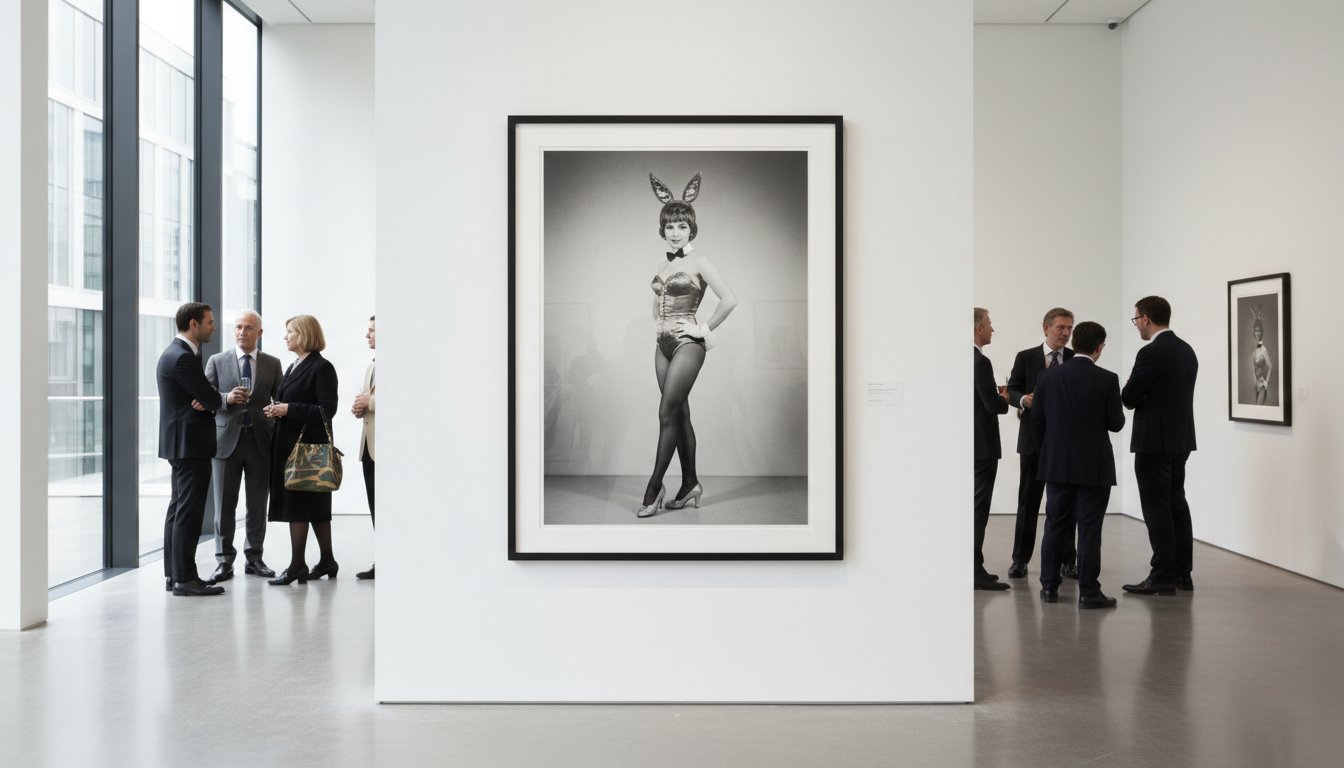
A blue velvet poster thrives when surrounded by high-contrast neighbors. You might pair it with silver gelatin prints or classic black and white photography to maintain a timeless, curated aesthetic. For a touch of mid-century glamour, combine your film art with the celebrity portraits of Terry O’Neill. His candid shots of Hollywood icons provide a grounded, human counterpoint to Lynch’s dreamlike visuals. Balancing these cinematic elements with abstract fine art creates a wall that feels like a personal gallery. This approach ensures your collection remains sophisticated rather than looking like a standard cinema foyer.
The result is a room that feels both curated and evocative, where the art serves as a conversation starter for those who appreciate the finer nuances of 20th-century cult cinema.
Galerie Prints: Hand-Crafted Cinema Heritage in London
At Galerie Prints, we don’t just sell images; we curate “the world’s finest photography.” Our London-based workshop serves as a sanctuary for cinematic history and photographic excellence. Every blue velvet poster we produce undergoes a meticulous artisanal process within our dedicated darkroom. We avoid the hollow, pixelated quality of mass-produced reprints that flood the digital market. Instead, we lean on traditional techniques that respect the medium. Our team utilizes archival pigment printing and silver gelatin processes to ensure every deep shadow and velvet texture matches the original cinematic intent.
We source our materials directly from prestigious archives, including the Getty Images Archive and the Condé Nast Collection. This guarantees a level of provenance and authenticity that’s rare in modern decor. When you acquire a piece for your 2026 collection, you’re securing a tangible slice of film history. These prints aren’t fleeting decorations. They’re bespoke investments designed to appreciate as physical media and high-end craftsmanship become increasingly scarce in a digital-first world. We believe that true art should last a lifetime, which is why we use only the highest-grade acid-free papers and museum-quality framing materials.
The Galerie Prints Difference
Stuart Möller founded this gallery with a specific, uncompromising vision. He wanted to bridge the gap between high-end photographic art and the golden age of glamour. While many retailers offer thousands of generic options, we maintain a strictly curated selection. This philosophy extends from our cinema collection to the aspirational Slim Aarons lifestyle, reflecting a world of “attractive people doing attractive things in attractive places.” We treat a blue velvet poster with the same reverence as a 1950s fashion plate, ensuring the Lynchian aesthetic is preserved with quiet authority.
Your Purchase Journey
Your experience begins with a commitment to quality and ends with secure, worldwide shipping from our London gallery. We understand that large-scale framing projects require a personal touch, which is why we offer personalized consultations for our clients. Our experts provide advice on bespoke mounting and framing to ensure your artwork integrates seamlessly into your interior design. Whether you’re in London or Los Angeles, your print arrives in pristine condition, protected by professional-grade packaging. It’s time to elevate your space with a legacy piece. Explore our curated collection of iconic movie posters and discover the difference that hand-crafted heritage makes.
Secure a Lasting Piece of Cinematic History
Owning a blue velvet poster isn’t just about film memorabilia; it’s a commitment to preserving David Lynch’s 1986 neo-noir legacy within your own space. Collectors must decide between the rare 27×41 inch theatrical originals and the stunning clarity of modern giclée prints, each offering a distinct path to honoring this masterpiece. By pairing these iconic visuals with our bespoke museum-quality framing, you ensure the art remains as hauntingly beautiful as it was three decades ago. Our team is trusted by world-renowned archives to maintain the highest standards of photographic heritage. Every print we offer is meticulously hand-printed in our London darkroom, reflecting a level of craftsmanship that elevates any interior gallery. It’s time to bring the mystery of Lumberton into your home with a piece that defines sophisticated cinema art.
Browse our curated collection of Blue Velvet and Iconic Cinema Art
Your journey into the world’s finest photography begins with a single, evocative frame.
Frequently Asked Questions
Is an original Blue Velvet poster from 1986 worth more than a reprint?
An original 1986 theatrical release poster holds significantly higher market value than modern reprints, often commanding prices between $200 and $800 depending on its condition. Provenance is essential for serious collectors, as these first-edition prints represent the authentic history of David Lynch’s cinematic debut. In contrast, mass-produced reprints typically retail for $20 to $50 and lack the archival quality found in the initial 1986 distribution.
What size is a standard Blue Velvet movie poster?
The standard size for a Blue Velvet poster is the US One Sheet, which measures exactly 27 by 41 inches for the 1986 release. You’ll also find international variations like the British Quad, which measures 30 by 40 inches and features a landscape orientation. Understanding these specific dimensions is crucial when you’re selecting bespoke framing to ensure a precise, gallery-quality fit for your collection.
How can I tell if my Blue Velvet poster is an original or a reproduction?
To verify an original 1986 printing, you must look for the National Screen Service (NSS) number 860104 located in the bottom right margin. Authentic originals from this era were printed on heavier 80lb cardstock, whereas modern reproductions often use thinner, glossier paper. You should also check for the GCIU union logo, which is a hallmark of genuine theatrical posters printed in the United States during the 1980s.
Does the Blue Velvet poster come in different colors or designs?
David Lynch’s masterpiece features several distinct designs, most notably the primary “ear in the grass” artwork and the character-driven “blue curtain” variant. The 1986 Italian Locandina measures 13 by 28 inches and offers a unique typographic treatment that differs from the American release. Each regional variation provides a different aesthetic perspective on the film’s neo-noir themes, making them highly sought after by global curators.
What is the best way to frame a Blue Velvet poster to prevent fading?
You should use UV-protective acrylic or museum glass that filters out 99 percent of harmful light to preserve the deep indigo hues of the blue velvet poster. This protection is vital for maintaining the integrity of the ink over a 50-year period. We recommend pairing the glass with acid-free, archival mounting boards to prevent the paper from yellowing or becoming brittle as it ages in your private gallery.
Why is the Blue Velvet poster considered a cult classic in art circles?
The poster is celebrated for its subversion of 1950s Americana, using a saturated color palette that perfectly mirrors David Lynch’s 1986 cinematic vision. Art historians often cite the 1986 design as a pioneer of neo-noir aesthetics, influencing graphic design trends for over three decades. Its ability to evoke a sense of voyeurism and mystery through a single, striking image has secured its place in the pantheon of iconic film art.
Can I buy Blue Velvet lobby cards at Galerie Prints?
You can acquire rare, original 1986 Blue Velvet lobby cards through the curated collection of cinematic ephemera at Galerie Prints. Our London darkroom experts verify each set of 8 cards to ensure they meet the rigorous archival standards our collectors expect. These pieces offer a tangible connection to the film’s production history, providing a sophisticated addition to any serious photographic or cinematic archive.