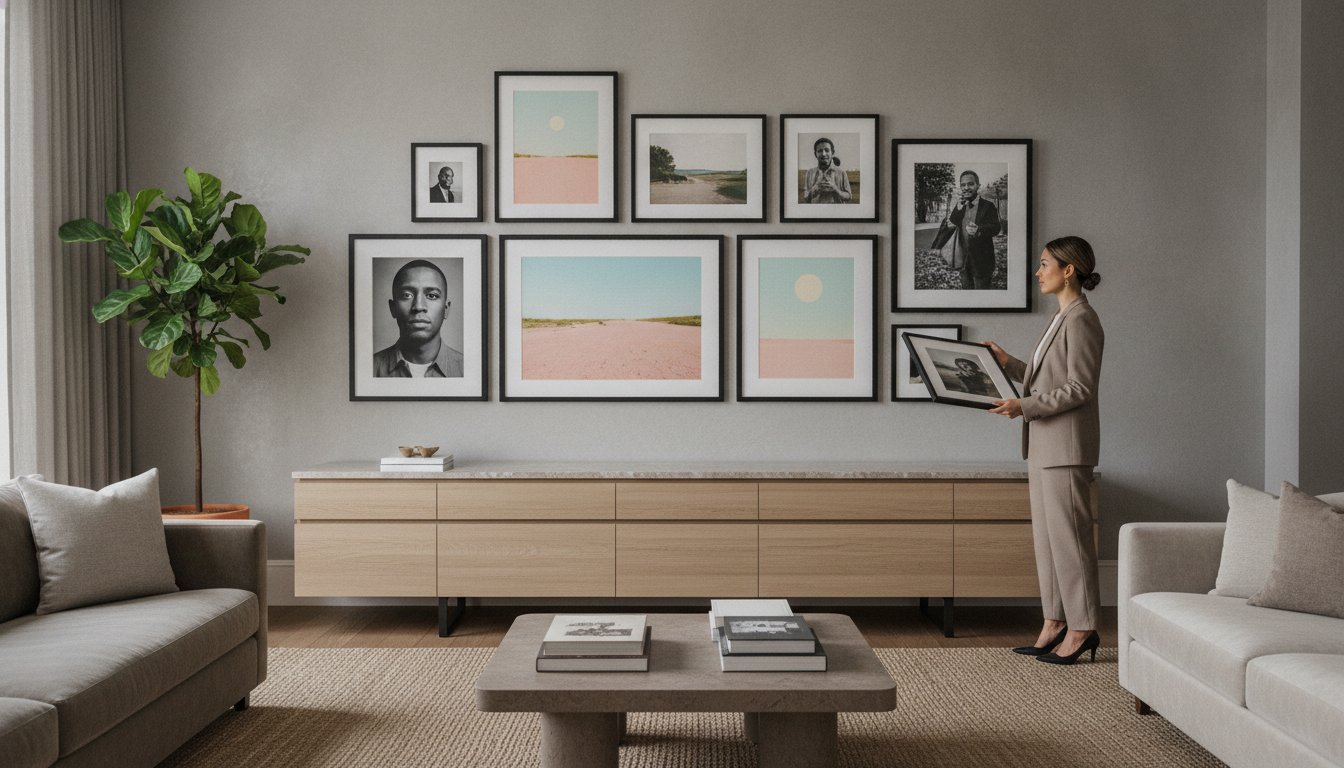

What if the most enduring legacy you leave within your home isn’t the architecture itself, but the curated stories captured through a lens? Most discerning enthusiasts feel a deep pull toward the sun-drenched glamour of a Slim Aarons poolside or the raw energy of a Terry O’Neill music archive, yet they often hesitate at the threshold of the formal art market. It’s natural to feel a sense of uncertainty when faced with the technical distinctions between a vintage print and a modern limited edition. You shouldn’t have to worry that a lack of provenance might turn a significant investment into a mere reproduction.
Understanding how to start a photography collection requires more than an eye for beauty; it demands a framework for evaluating worth and a deep respect for the artisanal processes that preserve these moments for generations. This guide provides a clear path to mastering the nuances of fine art collecting, from identifying rare archives to the final touch of bespoke framing. We’ll examine how to evaluate a print’s worth and how to display small-format works like cinema lobby cards to create a home environment that reflects both personal history and prestige.
Key Takeaways
- Master the essential distinctions between vintage originals and modern estate editions to build a collection with enduring market value.
- Explore the core principles of how to start a photography collection by selecting works that resonate with your personal history and interior aesthetic.
- Learn to identify critical condition factors, including foxing and fading, to ensure every acquisition meets museum quality standards.
- Discover the transformative power of bespoke framing and UV-protective glass in preserving the delicate heritage of your archival prints.
- Gain expert insights on navigating world-renowned archives, from the cinematic elegance of Terry O’Neill to rare music and film history.
The Philosophy of Collecting: Why Start a Photography Collection?
Embarking on the journey of building a collection is a transformative act that transcends simple home decoration. It marks a shift from the impulsive purchase of a single image to the deliberate curation of a visual legacy. While a decorator might seek a piece to match a velvet sofa, a collector seeks a piece that speaks to a specific moment in time, a technical mastery, or a cultural shift. Understanding how to start a photography collection begins with recognizing that you aren’t just acquiring paper and ink; you’re becoming a steward of photographic heritage. This pursuit is a lifetime journey, one where each new acquisition adds a layer of depth to the narrative you’re weaving within your private sanctuary; for those who appreciate the technical mastery of modern artists, you can discover Heartfilled Creation Photography and their award-winning fine-art approach.
Photography occupies a singular space in the art world, defined by a fascinating tension between reproducibility and rarity. Unlike a one-of-a-kind oil painting, a photograph can technically be printed many times. However, the true value for a collector lies in the provenance, the specific edition, and the historical context of the archive. Scholarly resources such as Art historical photo archives demonstrate how these images serve as vital records of our collective past. In a world increasingly saturated by ephemeral digital files, the physical presence of a high-caliber print offers a sense of permanence. As we look toward 2026, fine art photography remains a stable and sophisticated asset, providing an emotional return on investment that matures alongside the work’s historical significance.
Defining Your Personal Aesthetic
The first step in your curatorial journey is identifying the themes that resonate with your internal world. Some are drawn to the stark, dramatic contrasts of black and white pictures, where the absence of color highlights the raw texture and composition of the subject. Others find themselves captivated by the high-society glamour and sun-drenched palettes of the Slim Aarons era, seeking to bring that aspirational, bygone elegance into a modern setting. While researching the technical history of photographers is essential, don’t ignore your instinct. A collection that reflects a genuine passion will always possess more soul than one built solely on market speculation.
The Collector vs. The Decorator
A collection tells a story that a single standalone piece cannot. When you view your home through a curatorial eye, you begin to see how different works converse with one another across a room. A rare cinema lobby card might share a wall with a large-format Terry O’Neill print, creating a dialogue about the evolution of celebrity and the silver screen. This cohesive narrative is what distinguishes a true archive from a mere display of pretty pictures. A modern connoisseur is defined as one who values the enduring weight of history over the frantic, fleeting cycles of contemporary trends. By learning how to start a photography collection with intention, you ensure that your environment isn’t just styled, but deeply authored.
Understanding the Medium: From Vintage Prints to Limited Editions
Mastering the lexicon of the art world is a prerequisite for any serious collector. When learning how to start a photography collection, the distinction between a vintage print and a modern edition is paramount. A vintage print, often considered the holy grail of collecting, is one produced close to the time the photograph was taken. It carries the specific aesthetic sensibilities of that era, from the chemistry of the darkroom to the choice of paper. These objects possess a physical connection to the artist’s original moment of inspiration, making them highly sought after in the secondary market.
Modern prints and estate editions offer a different, yet equally prestigious, entry point. These works are often produced from original negatives or high-resolution transparencies, ensuring that the artist’s vision is preserved with contemporary technical superiority. For those seeking a more comprehensive understanding, a primer on collecting photographs can clarify how these different formats impact market value. Limited editions further refine this value by introducing scarcity; once a numbered series is exhausted, no further prints of that specific size and format are produced, protecting the investment of the early collector.
The Anatomy of a Fine Art Print
The material quality of a print is what transforms an image into an heirloom. Modern collectors should insist on archival pigment prints, often produced on museum-quality papers such as Hahnemühle. These materials are designed to resist the ravages of time, ensuring that the deep blacks and vibrant hues of a Terry O’Neill music archive remain as vivid in fifty years as they are today. Always look for signatures, embossed gallery stamps, or a formal certificate of authenticity. These markers are the seal of quality that distinguishes an artisanal work from a common reprint.
The Value of Provenance
The “story” behind an object is frequently as valuable as the object itself. In the art world, we refer to this as provenance. Archives such as Getty Images and the Slim Aarons Collection provide an ironclad history for each work, ensuring that your piece is a legitimate part of photographic history. Provenance is the documented history of an artwork’s ownership and origin, serving as an unbroken chain of custody that confirms its authenticity and historical significance.
By focusing on these technical and historical nuances, you can build an archive that is both a personal joy and a stable asset. If you are ready to begin your journey, you might start by exploring our curated selection of iconic archives to find a piece that resonates with your vision.
Curating Your Vision: Genres, Archives, and Narrative
A truly distinguished collection is more than a random assembly of high-value prints; it’s a cohesive visual narrative that reflects the collector’s intellectual and aesthetic priorities. When considering how to start a photography collection, you must decide whether your archive will focus on a specific genre, a particular era, or a broader thematic “mood.” Some collectors prefer the gritty, unposed reality of documentary photography, while others are drawn to the meticulously staged elegance of fashion and lifestyle archives. By narrowing your focus, you allow individual pieces to resonate with one another, creating a dialogue that enhances the prestige of the entire group. Seeking expert advice on collecting photography can help you understand how these genre choices influence the long-term stability and cultural relevance of your archive.
The “Golden Era” of the mid-twentieth century remains a dominant force in the market, largely due to the enduring influence of Slim Aarons. His philosophy of capturing “attractive people doing attractive things in attractive places” created a blueprint for the aspirational lifestyle genre. Similarly, the work of Terry O’Neill offers a bridge to the icons of celebrity and fashion, providing a rare, intimate glimpse into the lives of the twentieth century’s most significant cultural figures. Whether you choose to focus on the sun-drenched poolsides of the jet-set or the high-contrast energy of a music archive, your selection should feel like a deliberate extension of your personal history.
The Aspirational Archive
Luxury collecting often centers on the pursuit of beauty and the celebration of a refined existence. Integrating vibrant color photography into a collection that is traditionally monochrome can be a bold curatorial move. A “hero piece” from a Slim Aarons archive, for instance, can act as a chromatic anchor for a room, drawing the eye and setting the tone for surrounding works. The key is to find images that possess both technical excellence and a sense of timelessness, ensuring they remain relevant as interior trends evolve.
Cinema as Fine Art
For the film enthusiast, lobby cards represent a fascinating and rapidly appreciating entry point into the art market. These “cinematic miniatures” were originally designed for theater displays, yet their rarity and historical significance have elevated them to the status of fine art. While some collectors worry about how to display smaller formats in large rooms, the solution lies in grouping them into curated sets or utilizing oversized, bespoke mounts to give them a commanding presence. From the iconic imagery of vintage Star Wars prints to the moody allure of classic Hollywood, these pieces bridge the gap between memorabilia and fine art photography. Mastering how to start a photography collection with cinema in mind allows you to preserve a tangible piece of the silver screen’s heritage within your own home.
The Collector’s Checklist: Condition, Conservation, and Framing
Every serious archive begins with a commitment to preservation. As you learn how to start a photography collection, you’ll discover that the physical condition of a print is as critical as the artist’s signature. Minor imperfections like foxing, those small brown spots caused by oxidation or fungal growth, can significantly impact the long-term value of a piece. Similarly, fading from light exposure or subtle handling marks from improper storage can diminish the visual impact of an iconic archive. Discerning collectors look for crisp edges and deep, consistent tonal ranges, ensuring the work remains in museum-quality condition from the moment it’s acquired.
Protection is a multifaceted endeavor that requires the right materials from the very beginning. UV-protective glass is a non-negotiable requirement for any piece intended for display; it acts as a silent guardian against the archival pigment degradation caused by ambient light. Using acid-free mounting is the only way to protect your investment from the inside out, as standard boards can leach chemicals that yellow the paper over time. Adopting a “Ready-to-Hang” philosophy, where you acquire works already housed in professional conservation framing, eliminates these risks and ensures your heritage pieces are protected from the moment they arrive at your door.
Bespoke Framing: The Guardian of Heritage
The difference between artisanal craftsmanship and off-the-shelf frames is palpable. An artisanal frame isn’t just a border; it’s a custom-tailored environment designed to complement the specific era and aesthetic of the photograph. Whether you’re housing a mid-century masterpiece from The Slim Aarons Collection or a contemporary Terry O’Neill music archive, the frame style should echo the narrative of the work. Professional framing elevates a simple print into a permanent piece of history, providing the structural integrity needed for a lifetime of display and appreciation.
Lighting and Installation
Creating a gallery wall requires a delicate balance of scale, theme, and spacing. While it’s tempting to place a “hero piece” in the center of a sun-drenched room, direct sunlight is the primary enemy of photographic art. Even with UV protection, it’s wise to mitigate exposure through strategic placement or the use of automated blinds. Professional mounting is essential for large-format prints to prevent the paper from “cockling” or waving inside the frame due to changes in humidity. Understanding how to start a photography collection involves not just the acquisition, but the lifelong conservation of the objects themselves. If you’re ready to secure your investment, our Bespoke Framing Service offers the expertise needed to safeguard your collection for generations.
Building Your Legacy with Galerie Prints
Galerie Prints operates as more than a gallery; it is a dedicated guardian of photographic heritage and a bridge to the most iconic archives in history. Choosing how to start a photography collection is a deeply personal endeavor, and we believe the process should be as refined as the art itself. We don’t merely offer prints. We provide a curated gateway to the “Golden Era” of lifestyle, celebrity, and cinematic history. Every piece in our collection is selected for its ability to tell a story, ensuring that your home becomes a living archive of cultural significance and prestige.
Our commitment to technical excellence is evident in every step of our artisanal production process. We understand that a true collector values material quality as much as the image itself. By utilizing museum-grade archival papers and traditional production methods, we ensure that each work possesses a tactile richness and longevity that digital alternatives simply cannot match. Whether you are acquiring a large-format Terry O’Neill or a series of rare cinema lobby cards, our global shipping services bring the sophisticated London gallery experience directly to your doorstep, handled with the precision and care that high-caliber art demands.
Our Curated Collections
The strength of our gallery lies in our direct access to world-renowned archives, including The Slim Aarons Collection and extensive music and fashion histories. Under the expert direction of artist-director Stuart Möller, we meticulously curate these archives to find pieces that resonate with a modern passion for interior aesthetics while honoring their historical roots. Galerie Prints acts as a seasoned curator for the modern home, offering expert consultation to help you identify rare and unique works that align with your vision. This curatorial approach ensures that your collection isn’t just a series of images, but a cohesive narrative of elegance and historical weight.
Starting Your Journey Today
The most important advice for a new collector is to begin with a piece that captures your imagination and refuses to let go. Your first acquisition sets the tone for your entire archive, so it should be a work that reflects your personal history or your highest aspirations. Our online platform allows you to customize your selection, choosing the ideal size and bespoke framing options to suit your specific space. By integrating these archival pieces into your environment, you aren’t just decorating a room; you are building a lasting legacy. We invite you to explore our curated fine art photography collections today and discover the piece that will anchor your growing archive.
Cultivating Your Visual Legacy
Building an archive is an act of stewardship and personal expression that matures alongside the works themselves. You’ve explored the essential distinctions between vintage prints and limited editions, while recognizing that conservation is the true guardian of your investment. By focusing on narrative-driven genres such as the sun-drenched Slim Aarons archive or rare cinematic lobby cards, you create a private gallery that resonates with cultural prestige. Mastering how to start a photography collection is the first step toward owning a tangible piece of history that’ll endure for generations.
At Galerie Prints, we provide the discerning eye and technical expertise required to navigate the fine art market with confidence. Every work is carefully curated by artist-director Stuart Möller, ensuring each selection represents a pinnacle of photographic heritage. Our dedication to museum-quality archival prints and artisanal bespoke framing has earned the trust of international collectors and leading interior designers. Begin your collection with our curated Fine Art Photography and transform your home into a sanctuary of timeless elegance. Your journey into the elite world of high-caliber art starts with a single, unforgettable image.
Frequently Asked Questions
What is the difference between a vintage print and a modern archival print?
A vintage print is created close to the time of the original negative, whereas a modern archival print is a contemporary production using museum-quality standards. Vintage works carry the tactile history of the era’s darkroom chemistry and are often seen as the gold standard for collectors. Modern editions, however, offer superior longevity and clarity by utilizing archival pigment processes on premium papers like Hahnemühle, making them ideal for long-term display.
How do I know if a photography print is a good investment?
Determining investment value depends on a combination of the artist’s historical significance, the rarity of the edition, and the print’s documented provenance. When learning how to start a photography collection, prioritize works from established archives with a clear chain of ownership. Condition is also paramount; a print with foxing or fading will rarely appreciate at the same rate as a pristine, museum-quality example from a limited series.
What is a “limited edition” and why does the number matter?
A limited edition is a finite number of prints produced from a single negative or digital file, after which no further copies are made in that specific format. The numbering, such as 5/25, indicates the print’s place within that series. Smaller edition sizes naturally create scarcity, which can drive long-term market value. Serious collectors often seek lower numbers or specific artist proofs to ensure their acquisition remains exclusive and prestigious.
How should I display my photography collection to prevent damage?
Safeguard your collection by using UV-protective glass and ensuring that works are never placed in the path of direct sunlight. Even indirect light can cause irreversible fading over several decades. It’s also essential to use acid-free, archival-quality mounting boards to prevent chemical yellowing. Maintaining a stable environment with consistent humidity and temperature will further protect the delicate fibers of the paper and the integrity of the pigments.
Is it better to collect black and white or color photography?
The choice between monochrome and color is largely a matter of personal aesthetic, though it’s wise to consider the thematic narrative of your home. Black and white photography often carries a timeless, dramatic weight, while the vibrant color of a Slim Aarons archive evokes a specific sense of mid-century glamour. Many collectors successfully blend both by using consistent framing styles to create a cohesive visual dialogue across their gallery walls.
What documents should I keep to prove the provenance of my collection?
You should meticulously maintain the original Certificate of Authenticity, gallery invoices, and any documented history of the print’s previous owners. These documents form the provenance, which is the ironclad proof of your artwork’s legitimacy. When you’re discovering how to start a photography collection, remember that a missing paper trail can significantly complicate future valuations. Keep these records in a secure, fireproof location separate from the artwork itself.
Why is bespoke framing more expensive than standard frames?
Bespoke framing utilizes conservation-grade materials, such as acid-free mounts and specialized glass, that standard off-the-shelf frames simply don’t provide. This artisanal approach ensures that the artwork is physically protected from environmental pollutants and structural warping. Beyond protection, a custom frame is tailored to the specific dimensions and era of the photograph, elevating the print into a permanent piece of history that’s ready for museum-quality display.
How can I start a collection on a modest budget?
Cinema lobby cards and smaller archival prints from prestigious archives offer an accessible entry point for those beginning their journey. These pieces allow you to acquire works from iconic photographers or historic film sets without the higher price point of large-format limited editions. Focus on quality over quantity; it’s better to own one beautifully framed, authentic archival print than several mass-produced reproductions that lack historical significance or long-term value.