
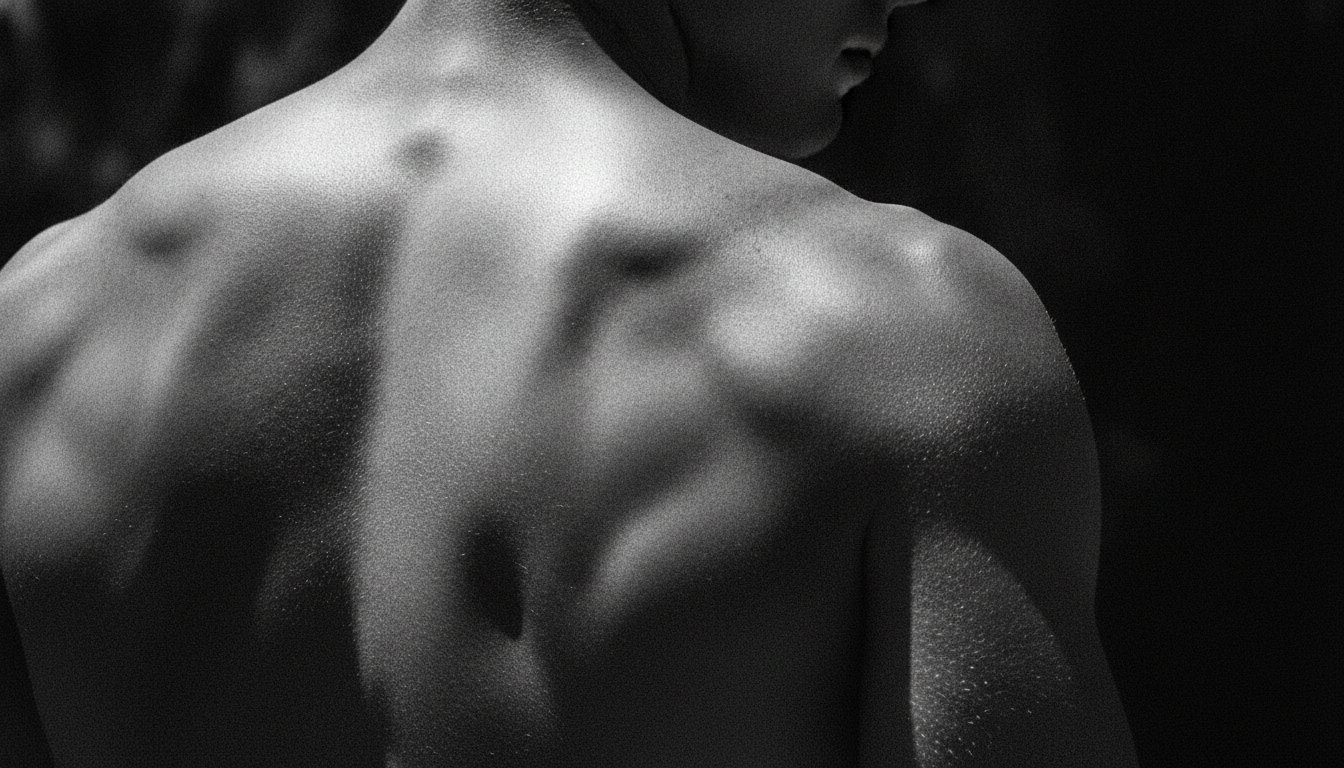
Herb Ritts didn’t merely photograph the icons of his age; he harnessed the harsh California sun to translate the language of classical Greek sculpture into the permanent medium of film. While much of contemporary fashion photography feels fleeting and derivative, the work of herb ritts possesses a singular, architectural weight that demands a place in the world’s most prestigious collections. You likely recognize the tension between commercial success and artistic depth, often finding it difficult to distinguish a simple celebrity portrait from a museum-grade masterpiece that anchors a room.
This article offers a deep immersion into the Ritts legacy, revealing how he transformed the human physique into a landscape of light and shadow. You’ll discover how he elevated the medium into timeless art and why his prints remain a cornerstone for fine art photography collectors today. We’ll explore the technical mastery behind his iconic gelatin silver prints and provide the curatorial context necessary to understand his enduring market value, evidenced by recent high-profile auction sales. From the sculptural “Wrapped Torso” to his intimate portraiture, you’ll gain the insight needed to curate a home gallery that reflects a sophisticated, worldly perspective on photographic heritage.
Key Takeaways
- Understand how the legendary “California Aesthetic” redefined monochrome photography by treating the human form as a graceful, sculptural element.
- Discover why the work of herb ritts remains a blue-chip investment for discerning collectors, especially those seeking to capture the prestige of a pre-digital Hollywood era.
- Learn how to anchor a minimalist interior using large-scale black and white prints that provide both architectural weight and a sense of timeless elegance.
- Explore the artist’s transition from commercial heritage to fine art mastery, including his evocative ethnographic studies that expanded his legacy beyond celebrity portraiture.
- Recognize the technical precision of high-contrast printing and the importance of artisanal framing in preserving the historical authenticity of your photographic collection.
Herb Ritts: The Visionary Who Sculpted with Light and Shadow
Herb Ritts didn’t merely capture images; he carved them out of the intense brightness of the West Coast. As a master of the “California Aesthetic,” he redefined monochrome photography by treating the human form with the same reverence a Renaissance sculptor might show a block of Carrara marble. While his work rose to prominence during the 1980s and 90s, it transcends the neon-soaked artifice of that era. Instead, his photographs possess a timeless, architectural weight that feels as relevant in a contemporary minimalist gallery as it did on the pages of Vogue thirty years ago.
His journey into the pantheon of great artists began quite by accident in 1978. During a casual road trip, a flat tyre forced Ritts and his then-unknown friend, Richard Gere, into a desert gas station. Ritts took a few candid shots of Gere in a simple white vest, leaning against a car with a cigarette between his lips. These images didn’t just launch Gere’s career; they revealed Ritts’s innate ability to find heroic beauty in the mundane. A deeper exploration of Herb Ritts’s life and career reveals how this serendipitous moment evolved into a disciplined pursuit of museum-grade fine art, eventually bridging the gap between high-fashion commerce and the permanent collections of institutions like the Getty Museum.
The California Influence: Light as a Medium
The harsh, unforgiving Los Angeles sun was Ritts’s primary tool. While his contemporaries often relied on the controlled, artificial environments of New York studios, Ritts sought the high-contrast brilliance of the outdoors. He frequently utilised the El Mirage salt flats, where the vast, white expanse served as a minimalist canvas that pushed his subjects into sharp relief. By rejecting the artificiality of the flash in favour of his “natural studio” lighting, Ritts stripped away the artifice of the era to reveal something primal and enduring. This technique created the deep, velvety blacks and brilliant, tactile whites that define the herb ritts aesthetic.
Breaking the Fashion Mould
Ritts was a central figure in the “Supermodel” era, yet his approach differed fundamentally from his peers. He viewed muses like Cindy Crawford, Naomi Campbell, and Stephanie Seymour not merely as clothes horses, but as artistic collaborators. He didn’t shoot dresses; he shot the architecture of the human spine and the rhythmic lines of the body. This distinction is vital for collectors to understand:
- Focus on Form: He often draped his subjects in simple fabrics or sand, ensuring the garment never distracted from the anatomical silhouette.
- Artistic Study vs. Fashion Shoot: His images are less about a specific season’s trends and more about the universal language of physical grace.
- Legacy of the Muse: He transformed the supermodel from a commercial face into a sculptural icon of modern fine art.
The Anatomy of Style: Defining the Ritts Aesthetic
His technique drew heavily from the balanced proportions of Greek and Roman antiquity. Throughout Herb Ritts’s photographic career, he consistently applied classical posing techniques to modern icons. A prime example is the 1990 “Versace Dress, Back View,” where the cascading fabric and the curve of the model’s spine echo the drapery of a Hellenistic marble. This focus on form over fashion is why his work avoids the dated feel of “trendy” photography. It isn’t about the season; it’s about the timeless dialogue between light and anatomy.
The Power of the Monochrome Print
Monochrome was the primary dialect for Ritts. He understood that by removing colour, he could force the viewer to confront the purity of shape and the nuance of texture. His prints are celebrated for their technical mastery of tonal range, featuring deep, velvety blacks and brilliant, crystalline whites. This high-contrast approach creates a palpable sense of depth, highlighting the juxtaposition of varied textures within a single frame:
- Skin: Captured with a tactile warmth that suggests the radiant heat of the California sun.
- Water: Often frozen into crystalline droplets that accentuate the muscular curve of a limb.
- Stone and Sand: Used as rigid, elemental counterpoints to the organic softness of the human form.
For those looking to bring this level of artistic gravity into their own home, exploring archival photography collections can provide the perfect anchor for a sophisticated interior. This technical excellence is what distinguishes the commercial assignments of herb ritts from his fine art legacy, ensuring that each print carries the weight of a curated museum piece rather than a fleeting advertisement.
Beyond the Supermodel: Ritts as a Master of Fine Art
A common misconception in the art world suggests that work commissioned for a magazine or a brand cannot possess the soul of fine art. Ritts dismantled this hierarchy with every shutter click. While his contemporaries often changed their visual language to suit a client’s brief, Ritts remained uncompromising. Whether he was shooting a high-budget campaign for Gap or an editorial for Vanity Fair, his signature sculptural aesthetic remained the dominant force. This consistency transformed him into more than a photographer; he became a singular auteur whose vision was sought after specifically for its artistic weight rather than its mere commercial utility.
His departure from the glitz of Hollywood is perhaps best exemplified by his “Africa” series. In these works, he moved away from the familiar faces of the supermodel era to capture the ethnographic beauty and raw landscapes of East Africa. These images, stripped of celebrity context, highlight his fundamental obsession with form, light, and the human condition. It is this depth of vision that has secured his place in the permanent collections of the world’s most prestigious institutions. For instance, the significant retrospective of Herb Ritts at the Museum of Fine Arts, Boston, solidified his status as a pillar of modern photography, bridging the gap between the newsstand and the gallery wall.
Artistic Intent vs. Commercial Brief
Collectors today don’t just look for the published covers; they seek the outtakes and the personal studies that reveal Ritts’s unedited process. During the late 20th century, he pioneered the concept of the photographer as a brand with a distinct, unshakeable identity. His ability to maintain a museum-grade standard across all mediums means that a print originally intended for a Versace advertisement now commands thousands at auction. Recent market data supports this enduring appeal. In April 2026, a signed print of “Kate Moss 2, Malibu” realized a price of $13,970 at Christie’s, while “Wrapped Torso, Los Angeles” fetched $16,510 at Swann in October 2025. These figures demonstrate that the secondary market views herb ritts not as a fashion photographer, but as a blue-chip artist whose work holds significant historical value.
The Legacy of the Herb Ritts Foundation
The long-term value of any photographic investment relies heavily on provenance and the preservation of the artist’s intent. Established after his passing in 2002, the Herb Ritts Foundation plays a critical role in managing his vast archives and ensuring that every estate-authorized print meets his exacting standards for tonal range and paper quality. The foundation acts as a guardian of his heritage, working with elite institutions and world-renowned archives to maintain a controlled, high-end presence in the art market. The foundation’s rigorous curation and commitment to philanthropic causes maintain his market prestige while ensuring his sculptural vision remains accessible to future generations of collectors. For those looking to invest in this era of elegance, herb ritts remains a cornerstone of any serious photographic collection.
Curating Your Space: The Impact of Large-Scale Monochrome
Integrating a work by herb ritts into a modern interior requires a nuanced understanding of space and light. His high-contrast, sculptural style acts as a powerful anchor for minimalist environments, providing an architectural focal point that grounds the room. Unlike smaller, busy compositions, a large-scale Ritts print possesses the gravity of a physical sculpture, demanding a position of prominence, such as above a fireplace or centered in a grand hallway. This sense of permanence is what distinguishes a curated fine art collection from mere wall decoration.
Designing with High Contrast
The boldness of deep blacks and radiant whites can overwhelm a space if not balanced correctly. Pairing these prints with neutral palettes, such as soft greys, creams, or natural woods, allows the artwork to breathe and maintain its visual impact. Scale is paramount here. Large-format prints emphasize the grain and the anatomical precision of the subject, making the image feel like a permanent fixture rather than a decorative afterthought. Because these are significant investments, protecting them with museum-grade glass and archival mounting is essential to prevent degradation from natural UV light.
The Gallery Wall: A Curated Dialogue
A sophisticated home gallery often thrives on the dialogue between different artists. You might consider pairing the sculptural stillness of herb ritts with the candid, narrative energy found in Terry O’Neill photography. This juxtaposition creates a “90s Icon” wall that captures both the glamour and the humanity of a bygone era. For more detailed advice on arranging your collection, consult our guide on The Timeless Allure of Black and White Pictures, which explores the technical and aesthetic considerations of displaying monochrome art.
The final layer of curation is the choice of frame. A bespoke frame doesn’t just hold the print; it elevates it to museum-grade status. The frame acts as a bridge between the artwork’s historical authenticity and your home’s contemporary aesthetic. Whether you prefer a slim, modern black profile or a more substantial hand-finished wood, the craftsmanship must match the prestige of the artist. To ensure your collection is ready-to-hang and perfectly preserved, take advantage of our bespoke framing service, designed specifically for high-end archival photography.
Investing in Heritage: Why Herb Ritts Remains Essential
The acquisition of a print by herb ritts is an act of preservation. His work represents a definitive, unrepeatable chapter in the history of visual culture, capturing a pre-digital era of Hollywood glamour that relied on physical presence rather than post-production manipulation. In a world saturated with fleeting digital imagery, these photographs offer a tangible connection to a period of high elegance. Collectors view his portfolio as a series of “blue-chip” assets; the market stability is evidenced by a consistent volume of sales, with 26 works changing hands at auction in the last 12 months alone. This sustained demand confirms that Ritts is not merely a figure of nostalgia but a foundational pillar of the modern masters movement.
At Galerie Prints, we position ourselves as the bridge to this bygone era. We don’t view these images as simple decorations. Each piece is a fragment of photographic heritage, requiring a level of curatorial care that honors the artist’s original intent. By sourcing from the most prestigious archives, we ensure that the sculptural weight and tonal depth Ritts worked so hard to achieve are perfectly preserved for the modern home.
The Artisanal Touch in Modern Printing
Completing the Collection
A sophisticated gallery space often finds its voice through the interaction of different perspectives on glamour. While Ritts provides the architectural and sculptural foundation, you might choose to contrast his stark monochrome with the vibrant, aspirational world of Slim Aarons. Alternatively, those captivated by the cinematic roots of Ritts’s style will find a natural companion in our collection of Cinema Lobby Cards, which document the evolution of Hollywood’s photographic identity.
Ultimately, a Ritts print is a statement of permanence. It reflects a discerning eye that values technical mastery and historical authenticity over temporary trends. We invite you to explore the full Galerie Prints collection to find the iconic imagery that will anchor your personal gallery for generations to come.
Securing a Legacy of Sculptural Elegance
Herb Ritts transformed the ephemeral nature of celebrity into the permanence of sculpture. By mastering the interplay of light and shadow, he created a visual language that remains as compelling today as it was in the high-contrast brilliance of the desert decades ago. Whether you are drawn to his architectural nudes or his profound ethnographic studies, a work by herb ritts represents a commitment to technical mastery and historical authenticity—a philosophy of permanent, custom artistry on the human form that is also championed by FMT LONDON. His prints are more than mere images; they are blue-chip assets that anchor a sophisticated home with an air of quiet authority.
Galerie Prints acts as a bridge to this bygone era of elegance, providing access to world-renowned archives like Getty Images and Terry O’Neill. We ensure the integrity of every museum-quality print through our hand-crafted, bespoke framing service, designed to preserve the tonal depth of iconic monochrome works. With our reliable worldwide shipping, you can begin building a gallery that reflects a worldly perspective on photographic heritage and artisanal craftsmanship.
Explore our curated collection of iconic Fine Art Photography and Bespoke Framing to find the piece that will define your space for years to come.
Frequently Asked Questions
What is Herb Ritts’ most famous photograph?
The 1989 photograph titled “Stephanie, Cindy, Christie, Tatjana, Naomi, Hollywood” is arguably the most recognized work by herb ritts. This iconic image, featuring the era’s top supermodels in a sculptural embrace, perfectly encapsulates his ability to blend high fashion with the permanence of classical art. While his early portrait of Richard Gere is legendary for its raw energy, the “Supermodels” shot remains the definitive symbol of his influence on 20th-century visual culture.
Did Herb Ritts only take black and white photos?
Although monochrome was his signature dialect, Ritts did not work exclusively in black and white. He produced a significant body of color work for high-end editorial clients such as Vogue and Vanity Fair throughout the 1980s and 90s. However, his fine art legacy is almost entirely defined by his high-contrast monochrome prints. The removal of color allowed him to emphasize the architectural lines and physical textures that collectors value most today.
Why is Herb Ritts considered a ‘sculptural’ photographer?
Ritts is considered a sculptural photographer because he treated the human body as an architectural silhouette rather than a mere portrait subject. He utilized the intense California sun to create sharp highlights and deep shadows that carved out the physical dimensions of his muses. By posing his subjects in ways that mimicked classical Greek and Roman statuary, he elevated the medium of photography into a permanent study of anatomical grace and structural weight.
How can I tell if a Herb Ritts print is a high-quality reproduction?
Discerning collectors should examine the tonal range and paper quality to distinguish a museum-grade print from a standard reproduction. High-quality prints feature deep, velvety blacks and crisp whites without losing detail in the shadows. It is also essential to verify the source and provenance. Galerie Prints sources from prestigious archives to ensure that every herb ritts print maintains the historical authenticity and technical excellence required for a professional fine art collection.
What celebrities did Herb Ritts work with most frequently?
Ritts maintained long-standing creative partnerships with some of the most significant cultural icons of his time. He worked extensively with Madonna, directing her “Cherish” music video and shooting several of her most famous album covers. Other frequent collaborators included Richard Gere, Naomi Campbell, and Cindy Crawford. His ability to transform these world-famous faces into timeless, sculptural icons is a testament to his unique vision and his status as a trusted guardian of Hollywood’s photographic heritage.
How should I frame a large-scale black and white photography print?
Large-scale monochrome prints require a frame that complements their architectural weight without distracting from the imagery. We recommend using museum-grade glass to protect the archival paper from UV damage and unwanted reflections. A minimalist, hand-crafted wood frame in black or dark charcoal often provides the best anchor for high-contrast photography. Galerie Prints offers a bespoke framing service that ensures your piece is professionally mounted and ready to hang, providing a polished look for any sophisticated interior.
Are Herb Ritts’ music videos considered part of his artistic legacy?
Herb Ritts’ music videos are an integral part of his artistic legacy, as they translated his sculptural still-photography style into moving images. His direction of Madonna’s “Cherish” and Chris Isaak’s “Wicked Game” utilized the same high-contrast, beach-focused aesthetic that defined his fine art prints. These videos are often studied alongside his photography for their innovative use of natural light and their role in shaping the sophisticated visual identity of the late 20th century.
What is the difference between an archival print and a standard poster?
The primary difference lies in the materials and the intended lifespan of the piece. Standard posters are typically printed on thin, acidic paper that yellows and fades over time. In contrast, an archival print uses premium, acid-free paper designed to preserve the integrity of the image for decades. Galerie Prints focuses on museum-quality archival materials, ensuring that the deep blacks and subtle gradients of a master’s work remain as vivid as the day they were produced.