
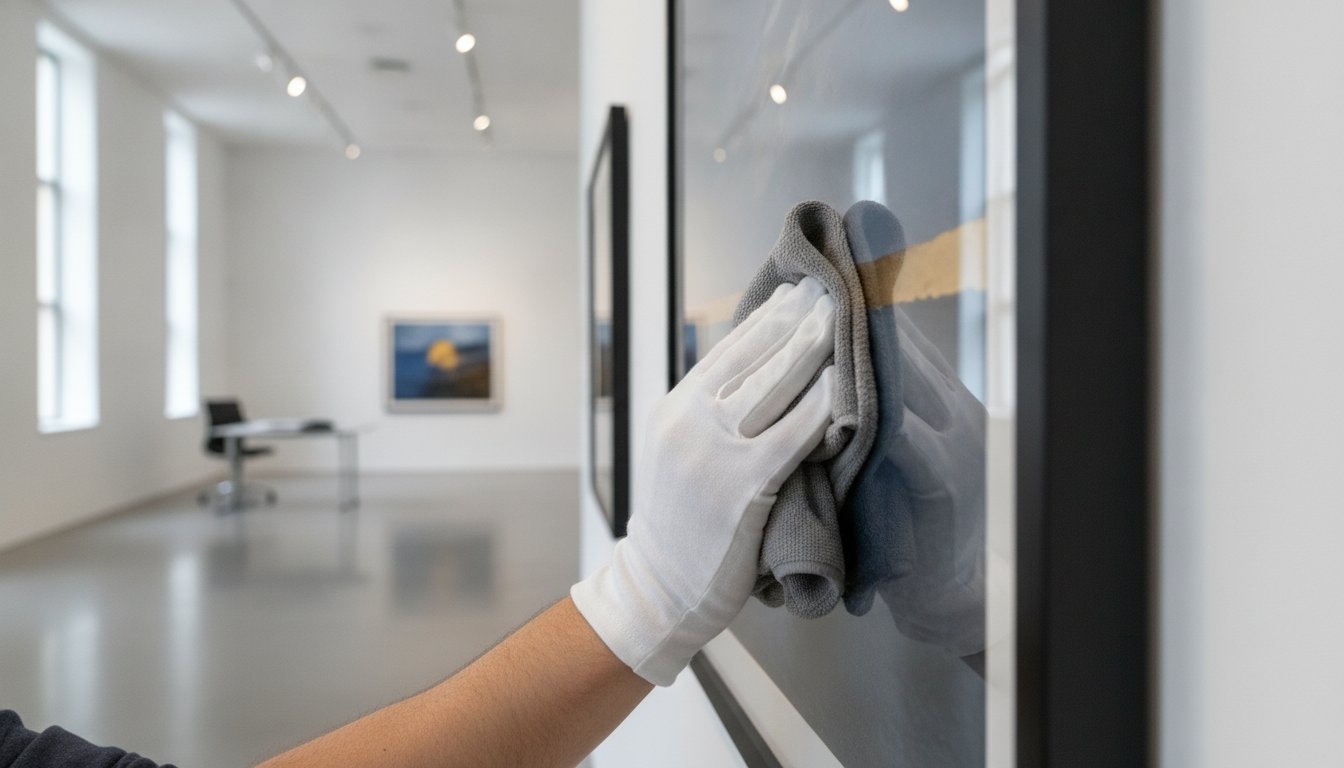
A single errant spray of common household glass cleaner can instantly dismantle decades of photographic history. When you welcome a Slim Aarons or a Terry O’Neill into your home, you aren’t merely decorating a wall; you’re becoming the steward of a cultural legacy. With the U.S. art market generating $3.17 billion in auction sales in 2025, the importance of maintaining your collection’s archival integrity has never been more paramount. It’s natural to feel a sense of anxiety when dust begins to settle on a high-value piece. This cleaning guide for framed art is designed to replace that hesitation with the quiet authority of a professional curator.
By adopting the meticulous techniques used in high-end galleries, you’ll learn how to maintain a pristine, gallery-ready display while protecting your investment’s financial and aesthetic value. We’ll demystify the world of archival-safe materials, focusing on the specialized tools required to preserve the tactile and historical elements of your collection. From managing environmental factors to selecting pH-neutral solutions, this guide provides a precise roadmap for handling your most cherished works, ensuring they continue to inspire wonder for generations to come.
Key Takeaways
- Learn the critical distinction between glass and acrylic glazing care, including why you must never spray cleaning agents directly onto the surface to prevent moisture seepage.
- Discover how to treat bespoke frames as sculptural extensions of the artwork, ensuring that hand-finished wood and gilded surfaces remain untouched by abrasive chemicals.
- Master the professional techniques found in this cleaning guide for framed art to maintain archival integrity and prevent the common pitfalls of standard household maintenance.
- Understand the subtle interplay between UV light and archival photo paper, and how strategic placement serves as the most effective form of long-term preservation.
- Identify the specific warning signs, such as foxing or mould, that signal when a high-value piece requires the intervention of a professional conservator.
The Art of Stewardship: Why Proper Cleaning Matters
To own a piece of fine art photography is to hold a fragment of the past in trust for the future. When you acquire a work from The Slim Aarons Collection, you aren’t merely buying a decorative object. You’re assuming the role of a curator. This requires a fundamental shift from routine housekeeping to meticulous archival maintenance. While a standard picture frame might survive a quick wipe with a damp rag, high-value art demands a more disciplined approach. Every action you take must prioritize the long-term stability of the piece. This cleaning guide for framed art serves as your manual for this delicate task.
A framed artwork is a layered ecosystem. It consists of the glazing, the frame profile, and the internal mounting. Each component interacts with the environment and with the cleaning agents you choose. Before you begin, you must internalize the golden rule of art care: less is almost always more. Over-cleaning is a primary cause of surface degradation. If the piece appears pristine, the most professional choice is to leave it undisturbed. The core principles of the Conservation and restoration of paintings remind us that every intervention carries a risk. Our goal is to minimize that risk while maintaining visual clarity.
Identifying Your Materials
Before any cloth touches the surface, you must identify your glazing. Standard glass is heavy and feels cold to the touch. High-clarity acrylic, such as Plexiglas or Optium, is lighter and warmer. Acrylic is prized in galleries for its shatter resistance and UV filtering, but it’s notoriously soft. Using a standard glass cleaner on acrylic will cause permanent clouding. You must also recognise artisanal frame finishes. Natural hardwoods, hand-stained veneers, and delicate gilded leaf each require specific handling. A gilded frame is often a thin layer of gold leaf over a brittle gesso base. Abrasive movements can flake away the finish, leading to a “cleaning catastrophe” that is often irreversible.
The Essential Curator’s Toolkit
Professional results require professional tools. Ditch paper towels immediately. They are made of wood pulp and will leave micro-scratches on both glass and acrylic. Instead, invest in high-quality, lint-free microfiber cloths. For the solutions, avoid anything containing ammonia or harsh detergents. Industry standards dictate the use of ammonia-free and pH-neutral cleaners specifically formulated for art glazing. For the frame itself, especially those with intricate, hand-carved details, a soft-bristled natural hair brush is indispensable. This allows you to lift dust from deep crevices without applying the pressure that a cloth would require. This precision is what separates a collector from a casual owner.
Mastering the Glazing: Glass vs. Acrylic Care
Glazing serves as the primary barrier between your art and the elements. It shields delicate surfaces from dust, pollutants, and humidity. However, it’s also the most vulnerable point during maintenance. One of the most critical steps in any cleaning guide for framed art is understanding the physics of moisture. Never spray any liquid directly onto the glazing. Liquid can easily seep under the lip of the frame through capillary action, where it becomes trapped. This trapped moisture often leads to the ruin of the mount or, worse, the artwork itself. Always apply your cleaning agent to a cloth first. The cloth should be damp but never saturated.
Ammonia-free solutions are the only acceptable choice because ammonia is a harsh alkaline agent that can outgas within the frame, potentially reacting with photographic emulsions or permanently clouding museum-grade anti-reflective coatings.
When dealing with high-value collections, the stakes of improper care are significant. The global art market reached an estimated $67.8 billion in 2026, and as more collectors invest in the mid-tier market, particularly for works priced under $50,000, the need for professional-grade home maintenance grows. Whether you’re preserving a vintage movie poster or a modern masterpiece, the glazing is the lens through which the work is experienced. Treating it with the wrong chemical or tool is a risk that serious collectors don’t take.
Cleaning Traditional Picture Glass
While traditional glass is scratch-resistant, it requires a disciplined hand. Use a high-quality microfiber cloth and avoid circular wiping motions, which can trap grit and create visible halos under gallery lighting. Instead, use a deliberate, linear motion from top to bottom. This prevents the “overspray” effect that often leads to mould growth. If a piece shows signs of internal damage, you may need to consult professional conservation experts to assess the extent of the moisture ingress.
Special Considerations for Acrylic and Plexiglass
High-clarity acrylic, often used for larger works in our Bespoke Framing Service, is inherently prone to static electricity. This charge acts as a magnet for household dust. You must resist the urge to dry-wipe, as friction causes micro-scratches from the very dust you’re trying to remove. Use specialized anti-static cleaners to neutralize the static charge and maintain long-term clarity. This technical precision ensures your Star Wars limited edition prints remain as vibrant as the day they were framed.
Caring for the Frame: From Gilded Leaf to Modern Metal
A frame is far more than a simple border; it’s a sculptural extension of the artwork itself. Whether it’s a hand-carved wooden profile or a sleek industrial edge, the frame defines how the piece interacts with your space. In our curatorial practice, we view the frame as an integral part of the art’s provenance. Handling these structures requires the same level of discipline as the glazing. Oily fingerprints are the primary enemy of a pristine finish. The natural salts and acids on your skin can etch into metal or permanently stain porous wood over time. When moving a piece, always wear cotton gloves or handle the work only by the secure hanging hardware on the reverse. This cleaning guide for framed art emphasizes that prevention is the most sophisticated tool in your arsenal.
There’s a delicate balance between maintenance and the preservation of character. For vintage movie posters or heritage archives, the frame may possess a natural patina that tells a story of its own. In these instances, aggressive cleaning is often counterproductive. A seasoned collector knows when to leave the signs of age alone. This philosophy aligns with the broader principles of environmental protection and collection stewardship. If the frame’s finish is stable but aged, a light dusting is usually the only intervention required to maintain its historical integrity.
Dusting Ornate and Textured Profiles
Traditional gilded frames and plaster-based profiles demand a strict “dry-only” rule. Water or chemical cleaners can soften the gesso or cause the gold leaf to flake away instantly. To reach deep into the crevices of an ornate design, avoid stiff brushes. Instead, use a high-quality, soft-bristled makeup brush or a specialized goat-hair dusting brush. These tools allow you to lift debris without applying vertical pressure. For particularly stubborn dust in deep relief areas, a gentle puff of compressed air can be effective, provided the nozzle is held at a safe distance to prevent moisture condensation.
Maintaining Sleek Modern and Metal Frames
Sleek, modern frames, such as those used for high-end fine art photography, present a different challenge. Anodised aluminium and stainless steel are notorious fingerprint magnets. While these materials are more durable than gilded wood, they show smudges with unforgiving clarity. Use a dry, clean microfiber cloth to buff away marks using long, even strokes. If a dry cloth isn’t enough, a single drop of pH-neutral soap on a slightly damp cloth is the limit. This approach ensures the frame remains a silent, polished supporter of the visual narrative rather than a source of distraction.
Environmental Protection: Preventing the Need for Deep Cleaning
The most sophisticated approach in any cleaning guide for framed art is to render intensive cleaning unnecessary through strategic placement. A piece of art is a living document of its history. It reacts to its surroundings in real-time. While we’ve discussed the tools for physical maintenance, the true guardian focuses on the invisible threats: light, heat, and moisture. High-traffic areas like hallways or entryways naturally accumulate more airborne debris. These locations require more frequent, albeit gentler, dusting to prevent buildup from becoming abrasive. Placement is everything.
The chemical composition of archival photo paper is particularly sensitive to ultraviolet exposure. UV light doesn’t just fade colors; it breaks down the molecular bonds within the paper fibers themselves. This leads to brittleness and yellowing that no amount of surface cleaning can reverse. Similarly, fluctuations in humidity cause the paper to expand and contract, leading to “cockling” or a wavy appearance. By controlling these variables, you preserve the artwork’s aesthetic and financial value for decades. Stewardship is a silent, ongoing commitment.
The Perils of Direct Sunlight and Heat
Direct sunlight is a slow-motion catastrophe for fine art. The “golden hour” may be beautiful for photography, but it’s the most dangerous time for your collection as low-angled light penetrates deep into the room. Heat is equally destructive. Hanging a piece above a radiator or fireplace causes the frame and mounting boards to expand and contract at different rates. This structural stress can lead to frame warping or the failure of archival tapes. Select a wall away from direct thermal sources to minimize this environmental strain. Your choice of wall is your first line of defense.
Humidity and Airflow Management
Strive for a residential gallery environment with humidity levels between 40% and 50%. Extreme dryness makes materials brittle, while high humidity invites mould and foxing. Never hang valuable art on an uninsulated exterior wall. These surfaces are prone to temperature differentials that cause condensation inside the frame. We recommend using “bumpers” on the back corners of the frame. These small spacers create a vital gap for air circulation, preventing moisture from becoming trapped between the wall and the artwork. This simple addition is a hallmark of professional installation.
Explore our Music Archives to find a legacy piece that deserves this level of dedicated stewardship.
When to Seek Professional Conservation
Even the most disciplined collector must eventually acknowledge that some challenges transcend the scope of a standard cleaning guide for framed art. True stewardship is defined as much by restraint as it is by action. When a piece shows signs of internal distress, the most professional choice is to defer to a specialist. Biological threats like “foxing”, those small, rust-colored spots appearing on the paper, or the fuzzy blooms of mould are not surface contaminants. They are active fungal or chemical processes occurring within the paper’s fibers. Attempting to treat these at home will only accelerate the damage.
Our bespoke framing service acts as a preventative seal against many of these environmental hazards, but it doesn’t replace the need for vigilance. We recommend an annual condition check for every high-value piece in your collection. Inspect the perimeter of the mount for any signs of shifting and look for “ghosting” on the inside of the glazing. These subtle shifts often signal that the internal environment has been compromised. Early intervention preserves the financial and historical value of the work before the damage becomes irreversible.
Identifying Irreversible Damage
Distinguishing between harmless surface dust and internal degradation is a hallmark of a seasoned collector. If you see shadows on the inside of the glass that don’t move when wiped, you’re likely witnessing “outgassing” from non-archival mounting materials. Similarly, if an artisanal frame has suffered a deep scratch or if the gilding has begun to flake, professional refinishing is required to match the original pigments. Above all, you must never attempt to clean the art paper or the photographic emulsion itself. The chemistry of these surfaces is incredibly complex; even a drop of pure water can cause the fibers to swell and permanently distort the image.
The Benefits of Re-Framing
Many collectors discover that their most cherished pieces are housed in “acidic” frames from a previous era. These older materials slowly leach chemicals that yellow the paper and turn it brittle. Re-framing is more than a stylistic update. It’s a rescue mission. By upgrading to museum-grade glazing and acid-free, archival mounts, you provide the artwork with a fresh lease on life. This process ensures that your investment remains a vibrant piece of history rather than a fading relic. Elevate your display with our bespoke framing options to ensure your collection meets the highest standards of modern preservation.
Preserving a Legacy of Elegance
True stewardship is a blend of meticulous care and informed restraint. By mastering the delicate balance between environmental protection and precise maintenance, you ensure that your collection remains a vibrant bridge to photographic history. This cleaning guide for framed art provides the essential framework for protecting your investment’s aesthetic and financial value. It’s a commitment that pays dividends in the long-term preservation of beauty. Remember that the most sophisticated maintenance often involves the simple act of controlling light and humidity before a single cloth touches the surface.
As you continue to cultivate your personal gallery, rely on the technical superiority of production processes that prioritize longevity. Every work at Galerie Prints is expertly curated by Stuart Möller and supported by hand-crafted bespoke framing. We utilize archival-grade materials in every print to ensure your pieces endure as lasting historical documents. Your commitment to these professional standards marks you as a true connoisseur of the arts.
Discover our curated collections and bespoke framing services at Galerie Prints
Embrace your role as a guardian of visual heritage with confidence. With these gallery-proven techniques at your disposal, your collection will continue to inspire wonder and evoke a sense of timeless prestige for many years to come.
Frequently Asked Questions
Can I use Windex or standard glass cleaner on my picture frames?
No, you should never use standard glass cleaners because they often contain ammonia, which can outgas and damage the archival integrity of your artwork. Instead, utilize a pH-neutral, ammonia-free solution specifically formulated for art glazing. Always apply the liquid to a lint-free microfiber cloth rather than spraying the surface directly to prevent capillary action from drawing moisture into the mount.
How often should I clean my framed art?
You should limit physical cleaning to once every three or four months, focusing primarily on light dusting with a dry cloth. Over-handling is a significant risk factor in the art world, as each intervention introduces the possibility of micro-scratches or accidental impact. This cleaning guide for framed art emphasizes that maintaining a stable environment is more effective than frequent chemical intervention.
What is the best way to remove dust from an ornate gold frame?
Use a soft-bristled natural hair brush, such as a high-quality makeup brush, to gently lift dust from deep relief areas. Traditional gold leaf is exceptionally delicate and can flake away if subjected to the friction of a cloth or the moisture of a cleaning agent. A dry, air-based approach ensures you preserve the intricate artisanal craftsmanship without risking the frame’s finish.
Is it safe to use a vacuum cleaner attachment on my art collection?
It’s generally unwise to use a vacuum near fine art due to the risk of accidental physical impact and the generation of static electricity. Static can pull loose particles into the frame or cause acrylic glazing to attract even more debris. If you must remove large amounts of dust from the surrounding area, ensure the vacuum remains at a significant distance from the artwork itself.
My acrylic glazing has a scratch; can I polish it out?
While specialized acrylic polishes exist, attempting to buff out a scratch on museum-grade glazing often results in a permanent “haze” or damage to anti-reflective coatings. If the scratch is deep enough to be distracting, the most professional course of action is to replace the glazing entirely. It’s best to consult a specialist to determine if the specific coating on your piece allows for any form of restoration.
What should I do if I see moisture or fogging inside the glass?
Immediate action is required to prevent mould growth or paper cockling, so you should move the piece to a climate-controlled room immediately. Fogging usually indicates a breach in the frame’s seal or a significant temperature differential, such as hanging a piece on an uninsulated exterior wall. If the moisture doesn’t dissipate within a few hours, consult a professional conservator to assess the internal mounting.
Can I use a damp cloth on a canvas print that isn’t behind glass?
No, you should never use a damp cloth on an exposed canvas print, as moisture can react with the inks or the protective varnish. A dry, soft-bristled brush is the only recommended tool for removing surface dust from unglazed works. If the canvas appears stained or heavily soiled, it requires the attention of a professional restorer who understands the specific chemistry of the emulsion.
How do I clean the back of the frame and the hanging wire?
Use a clean, dry microfiber cloth to wipe dust from the backing board and the hanging wire during your annual condition check. This prevents dust from migrating to the front of the piece or settling into the wall. It’s also an ideal time to inspect the wire for signs of fraying or rust, ensuring the structural stability of your display remains uncompromised.