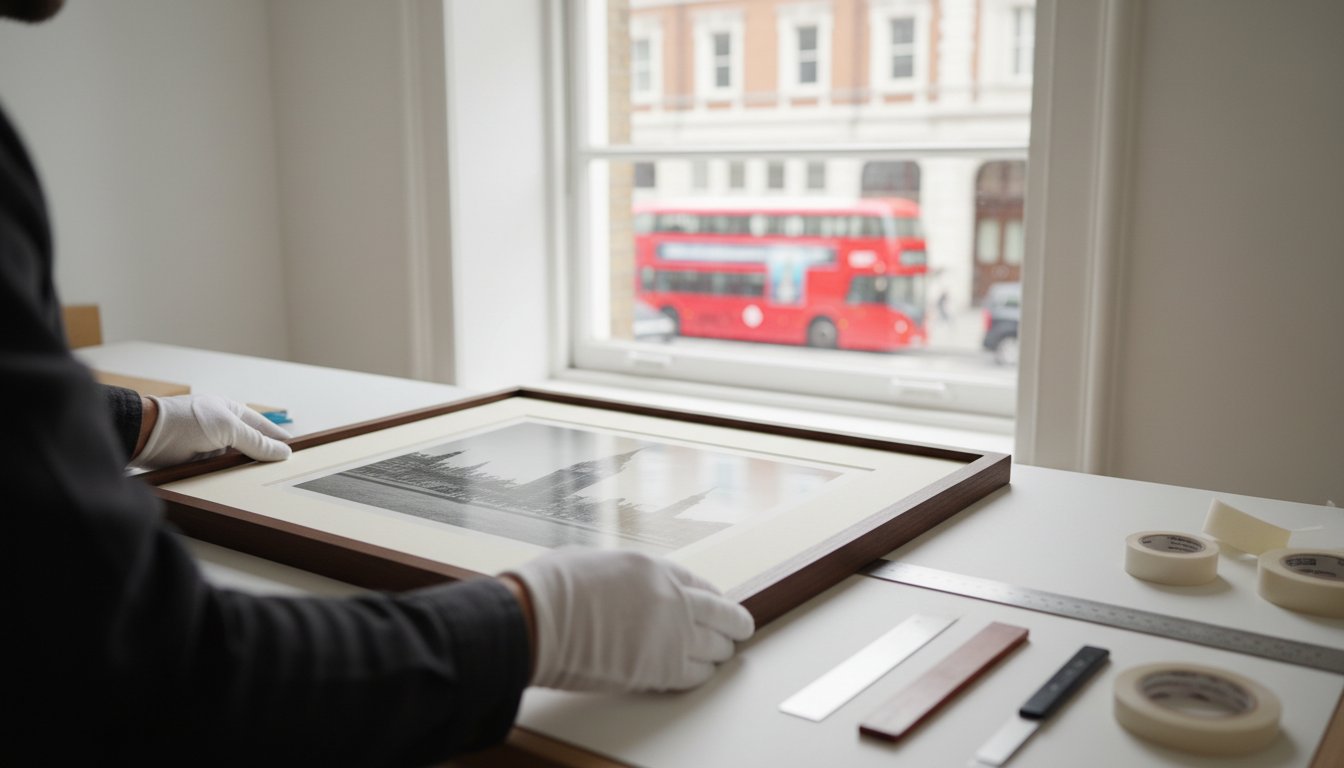

A Slim Aarons photograph is far more than a decorative asset; it is a meticulously preserved fragment of a golden age that requires a dedicated guardian to maintain its brilliance. When you invest in a piece of this photographic heritage, the process of framing slim aarons prints becomes the critical bridge between historical significance and contemporary interior elegance. It’s a task that carries the weight of preservation, as standard materials can cause noticeable degradation in as little as seven years. You likely recognize that a work of this caliber deserves a presentation that mirrors its own prestige, yet the technicalities of conservation often feel opaque.
We understand the hesitation that comes with choosing between various UV glass types or finding a frame color that respects those famous Mediterranean blues without overpowering them. This guide will teach you how to select a bespoke display that elevates your collection while protecting it for a century or more. We will examine the nuances of museum-grade glazing, the tactile luxury of hand-stained timber, and the archival methods that ensure your investment remains as vibrant as the day it left the darkroom.
Key Takeaways
- Understand why bespoke, made-to-measure dimensions are vital for respecting the specific aspect ratios of historical archive photography.
- Discover how museum-grade materials like acid-free matting and solid wood mouldings ensure the longevity of your investment when framing slim aarons prints.
- Learn to select frame styles like the “White Wood” standard or shadow box profiles that perfectly enhance the vibrant poolside blues of the Aarons collection.
- Explore the artisanal joinery and hand-finishing processes that transform a standard photograph into a permanent, ready-to-hang interior masterpiece.
- Gain insight into the curatorial expertise required to bridge the gap between mid-century heritage and modern luxury home decor.
What defines a Bespoke Framing Service for Slim Aarons Prints?
Bespoke framing is an intentional act of preservation that goes far beyond the simple act of enclosing a photograph. When we discuss the work of Slim Aarons, we are engaging with a specific mid-century aesthetic that demands absolute precision. A truly bespoke service ensures that the made-to-measure dimensions respect the exact aspect ratio of the archive print, preserving the composition exactly as the artist intended. Unlike mass-produced alternatives, artisanal craftsmanship prioritizes the unique physical properties of the silver halide or baryta paper. Large-scale photography requires a level of structural integrity that factory-assembled frames simply cannot provide. A substantial, museum-quality print needs a frame with enough weight and rigidity to prevent bowing or warping over several decades. The role of the gallery curator is to act as a guardian, ensuring the final display enhances the narrative of “attractive people doing attractive things” without creating a visual distraction.
Bespoke vs. Ready-Made: Protecting Your Investment
Choosing a factory-assembled frame often introduces hidden risks to a serious collection. Inexpensive, mass-produced materials frequently contain lignins and volatile organic compounds that lead to acidic off-gassing. This chemical process is the primary cause of yellowing and “foxing” on the paper, which can begin to dull those iconic Mediterranean blues in as little as seven years. Bespoke matting creates a vital physical buffer, providing the necessary breathing room to prevent the print from adhering to the glazing. This separation is essential for long-term conservation and environmental stability. Bespoke framing is a tailored marriage of archival protection and aesthetic prestige. By utilizing pH-neutral, acid-free boards, the process of framing slim aarons prints ensures that a piece rated for a 100-year lifespan actually achieves that longevity.
The Curatorial Standard of Galerie Prints
Our curatorial approach ensures that every moulding choice is a deliberate nod to the era in which the photograph was captured. We select finishes that specifically complement the sun-drenched, 1950s-70s photographic palette, ranging from the crisp whites of Palm Beach villas to the warm, hand-stained timbers of Alpine retreats. The psychological impact of a well-proportioned frame is profound; it anchors the work as a room’s focal point and provides a sense of permanent stability. We utilize non-invasive mounting techniques, such as archival hinges, that maintain the historical value of the print. This meticulous attention to detail ensures the artwork remains in its original state, allowing the heritage of the piece to remain intact for future generations of collectors.
The Anatomy of a Museum-Quality Frame
The structure of a museum-quality frame is a technical fortress designed to shield its contents from the entropy of the outside world. When framing slim aarons prints, every component must be chemically inert and structurally superior. Solid wood mouldings are the starting point, providing a sense of permanence and an elegant weight that synthetic materials cannot replicate. We utilize timbers like oak and ash, hand-finished to ensure they don’t just hold the art, but honor its historical significance. These materials offer the rigidity necessary to support large-scale works without the risk of bowing over time.
Beneath the surface, the matting serves as the primary defense against atmospheric damage. We exclusively use pH-neutral, acid-free boards to prevent the insidious foxing or yellowing that often plagues lesser collections. This matting isn’t just a decorative border; it acts as a sacrificial layer that absorbs pollutants and buffers against acid migration before they reach the photographic emulsion. To ensure total environmental control, a sealed backing is applied to the rear of the frame. This creates a stable micro-climate, protecting the print from subtle shifts in humidity and the ingress of dust that can occur even in the most refined interiors.
Glazing Options: Clarity and Protection
Glazing is the window through which we view the artist’s world, and for fine art photography, clarity is as vital as protection. We recommend 99% UV-shielding glazing as the industry standard for any Slim Aarons work, especially those iconic poolside scenes where the vibrant blues are susceptible to light damage. While museum-grade anti-reflective glass offers unparalleled clarity, high-quality archival acrylic is often the superior choice for oversized works. Its lightweight nature reduces the stress on the frame’s joinery and provides a safer display option for large-scale installations in busy homes. This material ensures that the sun-drenched brilliance of the photography remains untarnished by the very light that makes it so captivating.
The Art of the Mat: Colour and Proportions
Selecting the perfect mat is a study in tonal harmony. We avoid stark, bleached whites that can make historical photographic paper appear aged or yellowed by comparison. Instead, we select shades that echo the natural luminosity of the original print, creating a seamless transition from art to frame. A “weighted bottom” technique, where the lower margin of the mat is slightly wider than the top and sides, is often employed to correct a common optical illusion. This ensures the piece feels perfectly balanced when hung at eye level. For smaller prints, a generous mat width can be used to create a sense of monumental scale, transforming a modest window into a grand statement. If you are ready to elevate your collection, our bespoke framing service provides the meticulous care these masterpieces require.
Styling the Slim Aarons Aesthetic
Styling a collection requires a discerning eye that balances the artist’s original intent with the architectural demands of a modern home. When framing slim aarons prints, the choice of moulding serves as a tonal extension of the photograph itself. For the sun-drenched vistas of the Mediterranean or the Caribbean, the ‘White Wood’ standard remains the quintessential choice. A minimalist white frame doesn’t just enclose the image; it reflects the ambient light found in the original locations, allowing those famous turquoise blues to resonate without competition. This clean aesthetic acts as a neutral boundary that bridges the gap between mid-century nostalgia and contemporary minimalism. For those looking to create their own high-quality imagery for such a display, you can check out Felix Bird Photography for artistic portraits and professional headshots.
For large-scale poolside photography, shadow box framing offers a compelling alternative to traditional flat mounts. By creating a physical distance between the print and the glazing, this technique adds a three-dimensional depth that mimics the experience of looking through a window into a private world. Conversely, desert scenes captured in Palm Springs or Arizona benefit from the organic warmth of natural oak or walnut. These timbers echo the arid textures and golden-hour light found in Aarons’ American West archives, grounding the work in a way that feels both established and luxurious. Developing a strategy for framing slim aarons prints often involves creating a cohesive gallery wall. This doesn’t require identical frames; instead, it thrives on a common tonal thread, such as a consistent mat colour or a shared artisanal finish across varied bespoke profiles.
Framing Iconic Poolside Scenes
Vibrant, water-centric works like ‘Poolside at Gossab’ demand a treatment that respects their inherent vastness. We often recommend thin-profile mouldings for these pieces. They provide the necessary structural support while ensuring the expansive landscape remains the undisputed protagonist of the display. This approach allows the bespoke frame to act as a subtle transition, helping the artwork feel integrated into a modern interior without losing its historical soul.
Framing Terry O’Neill and Monochrome Archives
The high-impact celebrity portraits of Terry O’Neill often require a different curatorial logic, frequently favouring contrasting black mouldings that emphasize the dramatic lighting of his subjects. For those exploring the black and white pictures within our archives, the “float mount” technique is a premier choice. This method highlights the raw, deckled edges of the paper, celebrating the tactile nature of the darkroom process. Similarly, bespoke framing preserves the historical narrative of cinema lobby cards by ensuring these fragile pieces of Hollywood ephemera are displayed in a way that honours their specific heritage and prevents structural decay.
The Artisanal Framing Process: A Step-by-Step Journey
The transformation of a loose photographic print into a gallery-ready masterpiece is a deliberate, multi-stage journey of technical precision. It begins with a curatorial consultation, where we select the specific moulding and matting that best articulates the narrative of your print. This stage is vital; the frame doesn’t just enclose the image, but acts as a bridge between the mid-century heritage of the photography and the specific architectural context of your home. Once the design is finalized, our master framers in our London workshop begin the physical construction. They employ precision joinery, hand-cutting and joining mitred corners to create a seamless, structural finish that can support even the most substantial oversized works. This artisanal approach ensures that framing slim aarons prints results in a piece of furniture-grade quality that lasts for generations.
Mounting Techniques: Dry vs. Hinge
Achieving a perfectly flat, ripple-free finish on modern slim aarons prints often requires the use of dry mounting. This technique employs a vacuum press to bond the print to an acid-free substrate, ensuring the paper remains taut regardless of environmental shifts. However, rare collectables or estate-stamped prints require a different philosophy. For these, we utilize archival hinge mounting, a non-invasive and entirely reversible approach that uses acid-free Japanese paper to suspend the artwork. This preserves the integrity of the original paper edges. We also incorporate discreet spacers within the frame rebate. These create a critical air gap, ensuring the photographic emulsion never comes into direct contact with the glazing, which prevents moisture trapped in the air from causing the print to stick to the glass.
Quality Control and Sealing
The final assembly occurs in a controlled, clean-room environment to eliminate the risk of dust or static interference. We inspect every finished piece under rigorous gallery lighting to identify and rectify any microscopic imperfections before the frame is permanently closed. To ensure a stable internal micro-climate, we seal the back with archival tape, providing a robust barrier against moisture and insect ingress. The glass or acrylic receives a final hand-polish to ensure absolute clarity. Finally, we attach premium, ready-to-hang hardware, including heavy-duty fixers that guarantee a secure and perfectly level display. To experience this level of craftsmanship firsthand, you can explore our bespoke framing service for your next acquisition.
Why Choose Galerie Prints for Your Bespoke Framing?
Selecting the right partner for framing slim aarons prints is an exercise in trust. At Galerie Prints, we operate as more than a workshop; we are the primary guardians of the photographic heritage we represent. Our curatorial expertise is rooted in a deep, historical understanding of the Slim Aarons and Terry O’Neill archives. We don’t merely provide a boundary for an image. We create a bespoke environment that respects the specific production methods of the original silver halide and baryta prints. Every frame is hand-finished in our London-based workshop by master framers who utilize traditional techniques passed down through generations. This localized, artisanal craftsmanship serves as a seal of quality that mass-produced, tech-first alternatives cannot replicate.
Our integrated service offers a seamless transition from archive to installation. By ordering your print and bespoke frame together, you ensure a guaranteed perfect fit and a unified aesthetic vision. There is no risk of sizing discrepancies or material mismatches. Once the artisanal process is complete, we provide global white-glove delivery. Every framed masterpiece is fully insured and shipped with the meticulous care required for high-caliber visual art. This ensures your acquisition arrives in pristine condition, ready to take its place in your collection anywhere in the world.
A Legacy of Excellence
Our commitment to excellence is reflected in our exclusive use of museum-quality materials. We believe that the work of master photographers deserves nothing less than the finest archival components. Our bespoke service is designed to honor these artists, bridging the gap between the mid-century glamour of the past and the sophisticated interiors of the present. By providing a single destination for curation, high-end printing, and professional framing, we offer a level of convenience that matches the prestige of the collections themselves.
Transforming Your Interior
The decision to invest in professional framing slim aarons prints carries long-term aesthetic and financial value. A bespoke frame transforms a simple photographic print into a lasting family heritage piece; it is a window into a bygone era that remains vibrant for over a century. It anchors a room, providing a sense of permanence and stability that defines a truly curated home. This is the essential final step for any serious collector who views their art not just as decoration, but as a piece of history. Explore our bespoke framing options and curated Slim Aarons collections today.
Securing Your Photographic Legacy for the Next Generation
At Galerie Prints, every frame is hand-finished in our London workshop using museum-quality archival materials as standard. We’re proud to be trusted by world-renowned archives and serious collectors to act as the final bridge between historical significance and contemporary interior design. A standard frame simply doesn’t offer the same permanence or curatorial authority. Discover our Bespoke Framing Service and Curated Collections and let your chosen artwork become a permanent window into a golden era, protected by craftsmanship that is as enduring as the photography itself.
Frequently Asked Questions
What is the difference between custom framing and bespoke framing?
Bespoke framing involves a fully tailored, artisanal approach where every dimension and finish is designed to respect the specific heritage of the print. While custom framing often relies on pre-set retail components, our bespoke service utilizes hand-finished mouldings and made-to-measure matting crafted in our London workshop. This ensures the frame acts as a curatorial bridge between the mid-century aesthetic and your modern interior, offering a level of precision that factory-assembled options cannot match.
How long does a bespoke framing service typically take for Slim Aarons prints?
The timeline for framing slim aarons prints typically ranges from two to four weeks, depending on the complexity of the hand-finished moulding selected. Every piece undergoes a meticulous journey from initial consultation to precision joinery and clean-room assembly in our London workshop. This measured pace ensures that the structural integrity and archival quality meet our museum standards before the work is dispatched via our global white-glove shipping service.
Is museum glass worth the extra investment for my photography?
Museum glass is an essential investment for any serious collector, as it offers up to 99% UV protection and unparalleled anti-reflective clarity. This specialized glazing prevents the vibrant Mediterranean blues of an Aarons print from fading while eliminating distracting reflections in bright, sun-drenched interiors. It allows you to appreciate the tactile details of the photographic paper without the visual barrier of standard glass, ensuring the work remains vibrant for a century or more.
Can you frame non-standard sizes like original cinema lobby cards?
Our bespoke service is specifically designed to accommodate non-standard sizes, including delicate items like original cinema lobby cards or oversized limited edition prints. Because we hand-cut every moulding and mat to made-to-measure dimensions, we can respect the unique aspect ratios of historical archives without compromising the artist’s original composition. This tailored approach provides the structural support and archival protection necessary for preserving Hollywood’s photographic heritage in its original form.
What is archival-grade matting and why is it important for fine art?
Archival-grade matting consists of pH-neutral, acid-free boards that provide a chemical buffer between the environment and the photographic paper. It’s vital for fine art because standard boards contain lignins that cause yellowing and foxing over time. By using museum-quality matting, we ensure that the paper remains stable and pristine, preventing the insidious degradation that can otherwise appear in as little as seven to ten years in lesser frames.
Does bespoke framing increase the resale value of my art collection?
High-quality bespoke framing acts as a value multiplier for your art collection by ensuring the physical preservation of the asset. Collectors and galleries prioritize prints that have been maintained using archival-grade materials and non-invasive mounting techniques. A professionally finished, ready-to-hang piece not only commands a higher aesthetic presence in a room but also provides documented proof that the work has been protected against light damage and environmental pollutants since its acquisition.
How do I choose the right frame colour for a Slim Aarons poolside scene?
For iconic poolside scenes, a minimalist white wood frame is a premier choice to enhance those famous turquoise hues. This clean aesthetic reflects the ambient light of the original locations without competing with the photograph’s vibrant palette. If you’re framing a desert scene from Palm Springs, natural oak or walnut mouldings bring a sophisticated warmth that echoes the organic textures and golden-hour light found in Aarons’ American West archives.
What is the best way to clean the glass on a bespoke frame without damaging it?
The best way to maintain your frame is to use a soft, lint-free microfiber cloth and a specialized, ammonia-free glass cleaner. You shouldn’t spray the cleaner directly onto the glazing; instead, apply a small amount to the cloth first to prevent liquid from seeping under the frame’s rebate. For museum-grade acrylic, use a dedicated anti-static cleaner to avoid scratches and maintain the crystal-clear clarity that defines a professionally finished archival display.