
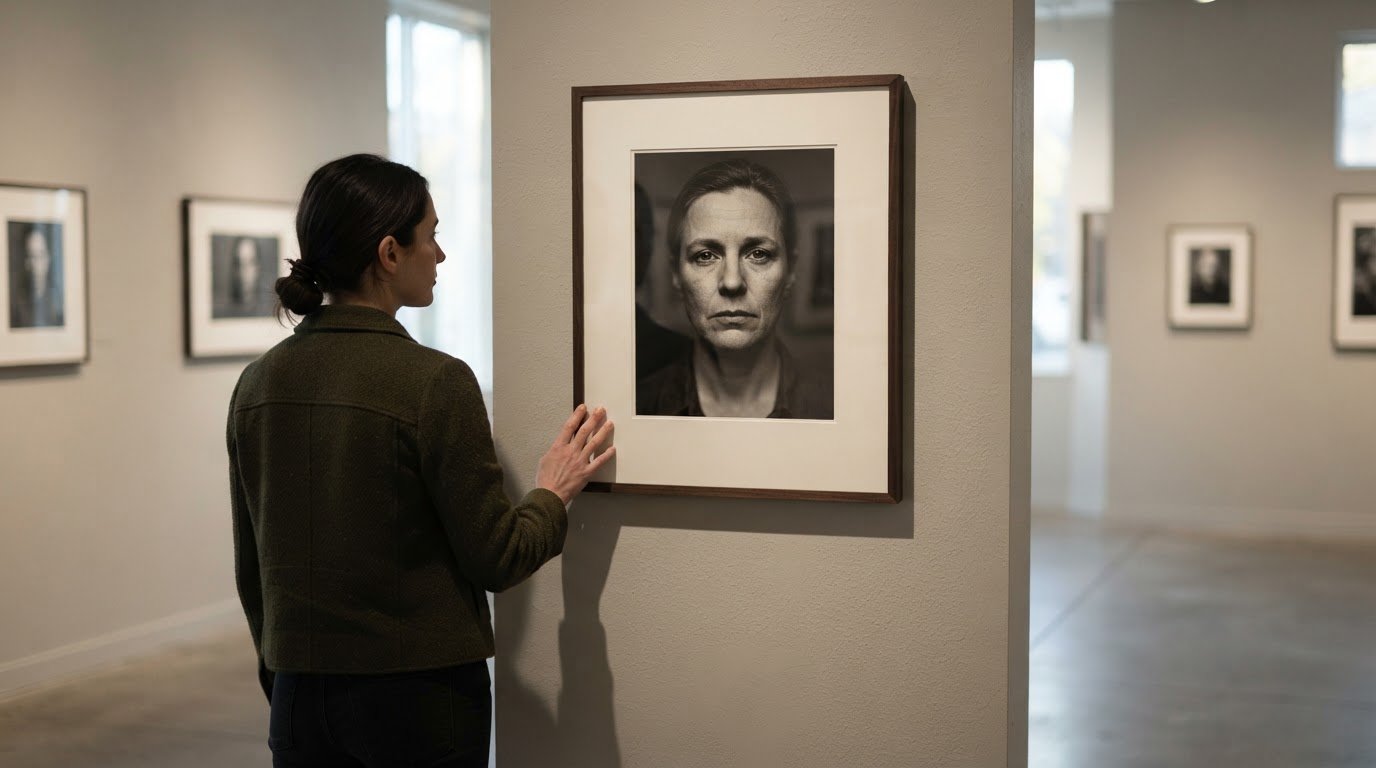
Color isn’t always what makes a portrait feel alive. Powerful black and white portraits draw the eye to expression, using light, shadow, and tonal contrast to give a glance, a crease, or a moment of stillness emotional weight. When color distracts from or changes an image’s character, monochrome can bring its message into sharper focus.
The absence of color doesn’t diminish a portrait’s feeling; it asks us to notice what remains. A subtle shift in light can soften a face or deepen its mystery, while shadow and texture give the sitter presence. Expression, composition, and carefully shaped contrast combine to create portraits that feel intimate and enduring, explaining why this restrained visual language continues to resonate.
Key Takeaways
- Look for expression, gesture, and composition to understand how a portrait communicates when color is absent.
- Notice how contrast, light, shadow, and texture give a monochrome portrait its mood and depth.
- Explore how influential photographers use distinct approaches to make black-and-white images memorable.
- Discover photographic art at Galerie Prints, including Terry O’Neill Photography, when you want to bring an expressive image into your space.
Emotion as the focus of black and white portraiture
Color can establish a setting or draw attention to clothing, but it can also compete with a face. In monochrome, expression, gesture, and tonal relationships take center stage. A raised eyebrow, a tightly held jaw, or a downward glance can become the image’s defining moment. The strongest choice is not simply to remove color; it is to choose black and white when color would change the portrait’s character or message.
Consider a portrait made in a room with vivid patterned wallpaper. The setting may pull attention from the sitter’s thoughtful expression. A photographer can simplify the frame, direct light toward the face, and render the scene in monochrome. The result is a clearer emotional focus: the viewer notices the sitter before the pattern. This sequence of situation, action, and result also helps assess a finished portrait. Ask what drew your attention first, what directed it, and whether the image conveys the intended feeling.
Expression is more than a smile or a frown. In a close portrait, the space between a person’s eyes, tension in their hands, and the angle of their shoulders can suggest confidence, weariness, or reserve. A sitter looking just beyond the camera, for example, may seem reflective rather than confrontational. A photographer can preserve that quiet quality by waiting for an unforced moment instead of directing a broad smile. In monochrome, subtle facial changes remain legible without color adding another signal.
Darlene Hildebrandt’s college photography program offers an example of deliberate study: its first year focused on black-and-white photography. Working without color encourages closer attention to how gesture and tonal separation shape meaning. Hildebrandt has also photographed on film and processed it in a darkroom, where the final tonal image emerges through a considered process. Her experience illustrates why monochrome rewards observation at every stage, from noticing a fleeting expression to deciding how the finished image should read.
For a practical portrait exercise, begin by naming one feeling the image should convey, such as calm or uncertainty. Arrange the sitter’s posture and gaze to support that intention, then remove distracting objects from the frame. Review the image for a single point of emotional emphasis. If a bright background or accessory competes with the eyes, adjust the composition or lighting. Each step gives the portrait a clearer visual hierarchy without forcing the sitter into an artificial expression.
A compelling monochrome portrait should retain its emotional force without color. Compare a color rendering with a black-and-white version and consider whether the sitter’s expression, gesture, and surroundings tell the same story. If a dominant color changes the message, monochrome may bring the intended character forward. If color carries essential meaning, removing it may weaken the image. This simple comparison helps distinguish a purposeful artistic choice from a merely decorative effect.
Light, shadow, and depth
In monochrome portraiture, contrast guides the eye through the frame. A bright cheek against a darker background can make a face feel immediate, while evenly lit features may seem gentler. Begin by identifying the portrait’s intended mood, then position the sitter where the light supports it. A narrow beam across the face can suggest tension; broad, soft window light can create a quieter impression.
Consider a sitter standing beside a window on an overcast day. The light is soft, but the face may blend into a pale wall. Turn the sitter slightly toward the window and choose a darker background. This separates the facial tones from the surroundings, giving the portrait clearer structure without dramatic shadows. The result is a more legible expression and a stronger sense of the subject within the frame.
Shadows can describe form rather than conceal it. When a face turns toward a single lamp, the light may define one cheek while the far side falls into shadow. Retain detail in that darker area if the portrait should feel open and contemplative. Let the shadow deepen if the intended mood is more secretive. In either case, watch how the nose, brow, and jaw cast shadows: those shapes guide the eye across the sitter’s features.
Texture also changes a portrait’s character. A weathered coat, knitted scarf, or fine lines around the eyes can become more pronounced under angled light. For example, place a sitter wearing a textured jacket near a side-lit window. The light reveals the fabric’s ridges while the opposite side retains softer detail. The result feels tactile, with tonal variation adding dimension rather than turning the clothing into a flat, dark area.
For a practical study, photograph the same pose beside a window and then farther into the room. Keep the framing consistent and compare how each position changes the face, background, and shadow edges. Try a pale wall behind the sitter, then a darker one. These comparisons reveal how light direction and background tone work together, helping you choose the arrangement that best supports the portrait’s mood.
Using a camera’s black-and-white preview during practice can also help. With color removed from the display, attention shifts to brightness, shadow, and tonal contrast as you compose. Check whether the eyes remain distinct, the hair separates from the background, and bright clothing stays from pulling focus. Adjust the sitter’s position or the light source, then review the frame again. This repeated process builds a clearer sense of how tonal relationships create depth, a discipline evident in the work of professional visual studios like Ajay Golani Photography.
Which black-and-white portrait photographers are considered influential?
Influence in monochrome portraiture comes from more than a recognizable style. Photographers shape how later artists observe people, compose a frame, and preserve a particular moment. Henri Cartier-Bresson, Mary Ellen Mark, and Sebastião Salgado offer distinct points of reference. Their work also shows how influence crosses genres: documentary, street, and portrait photography all draw meaning from human presence.
Henri Cartier-Bresson discovered photography in 1929 and bought his first Leica in 1931. His practice is often associated with alert observation and carefully timed moments. For a portrait photographer, that example suggests watching for a gesture that feels unposed: a turned head, an interrupted conversation, or a fleeting change in expression. The action is patient observation; the result can be a portrait that feels discovered rather than arranged.
Mary Ellen Mark, born in Philadelphia in 1940, is a significant reference for photographers interested in people and documentary portraiture. Her example invites a different question: what does a portrait reveal about the person’s surroundings as well as their face? A photographer might include a familiar room or meaningful object, then frame the sitter so those details add context without overwhelming their presence. The result can connect individual expression with a wider human story.
Sebastião Salgado’s work offers another perspective on human presence in photography. During a nearly five-decade career, he traveled to more than 120 countries. His Amazonia project took six years to make and involved close work with twelve Indigenous groups. The situation was an extended photographic project; the action was sustained engagement with communities; the result was a body of work shaped by place and people. Portrait makers can take from this the value of attentive, contextual observation.
Daido Moriyama is known for black-and-white portrayals of Japan captured during the 1960s and 70s. His example points toward a less polished visual language, where atmosphere and setting can shape how a person is seen. A photographer studying his approach can consider how grain, contrast, and an unsettled composition affect a sitter’s presence. The result may feel immediate, especially when the surroundings become part of the portrait’s emotional character.
Elliott Erwitt, born in Paris in 1928, spent seven decades creating photographs and joined Magnum in 1953. His long photographic career offers a reminder to look for human character in ordinary encounters. In a portrait session, a small exchange or spontaneous gesture can say more than a formal pose. The photographer’s action is to stay observant; the result is an image with personality rather than mere presentation.
To study these photographers, compare how each frames people, uses surroundings, and handles a decisive moment. Then explore photographic works by influential artists to see how a distinct vision can shape a lasting image.
Galerie Prints
Galerie Prints offers a way to bring photographic art into a considered interior, with works spanning distinctive subjects and visual histories. Explore Terry O’Neill Photography for portraits shaped by the presence and character of their subjects, alongside The Slim Aarons Collection, Cinema Lobby Cards, and Star Wars Limited Edition Prints. These offerings let you consider how an image’s mood, composition, and cultural associations might speak to your space and personal taste. If you’re drawn to the expressive power of portraiture and want to explore photographic works for your home, contact Galerie Prints.
Choose an Image That Resonates Beyond the Frame
A portrait can become part of a room’s atmosphere, inviting a fresh look each time you pass it. When considering powerful black and white portraits, notice which image continues to hold your attention and what its expression or visual character brings to mind. The right choice is personal: it may reflect a mood you want to live with, a fascination with a particular era, or an appreciation for the photographer’s way of seeing.
Galerie Prints offers photographic and cinematic art, including The Slim Aarons Collection, Terry O’Neill Photography, and Cinema Lobby Cards. Each offers a distinct visual language to consider as you shape a collection around your taste and space. Choose an image you want to return to, rather than following a passing trend.
Ready to explore portrait photography for your space? Contact Galerie Prints about portraits, and take the next step toward finding an image that feels distinctly your own.
Frequently Asked Questions
How Do Black and White Portraits Convey Human Expression Without Color?
Monochrome portraits direct attention to facial cues, posture, and the relationship between subject and setting. A patterned outfit might dominate a color image, while its shape and texture become quieter tonal details in black and white. The sitter’s expression can then carry more of the image’s meaning. If a particular color signals identity or mood, however, removing it may change the portrait’s intent.
What Makes a Portrait Truly Artistic?
An artistic portrait brings its choices into agreement: framing, timing, setting, and the sitter’s presence all support a clear visual idea. For instance, a portrait made in a familiar workspace can use tools or personal objects as meaningful context rather than incidental decoration. Pay attention to the frame’s edges, too. A cropped hand or distracting object can change the image’s meaning as much as the sitter’s pose.
What makes a black-and-white portrait powerful or compelling?
A compelling portrait gives viewers something specific to notice while leaving room for interpretation. In a portrait of two people, their distance, shared gaze, or contrasting gestures might suggest intimacy or unease without spelling out a story. The image becomes more affecting when those details feel connected rather than arranged solely for dramatic effect. Consider whether the composition invites a second look after its first impression.
How do lighting and contrast affect black-and-white portrait photography?
Lighting determines which tones separate clearly and which details recede. Strong contrast can make a portrait feel graphic, but overly deep shadows may hide important features. Softer contrast can preserve subtle transitions across skin and clothing, though too little tonal variation may flatten the image. When reviewing a portrait, inspect highlights on the forehead and cheeks alongside darker areas around hair and clothing; both extremes shape the tonal balance.
Where can I find powerful black-and-white portrait examples and inspiration?
Start with the photographers discussed in this article, then compare how each frames a sitter and uses the surrounding space. For a curated photographic reference, explore Terry O’Neill Photography at Galerie Prints; study each image’s composition and how its subject holds your attention. Note the visual qualities you respond to, such as a close crop or an unguarded expression, and use those observations to guide your own taste.