Tag: Iconic Portraits

Famous Portraits of Women: 12 Images and the Stories Behind Them

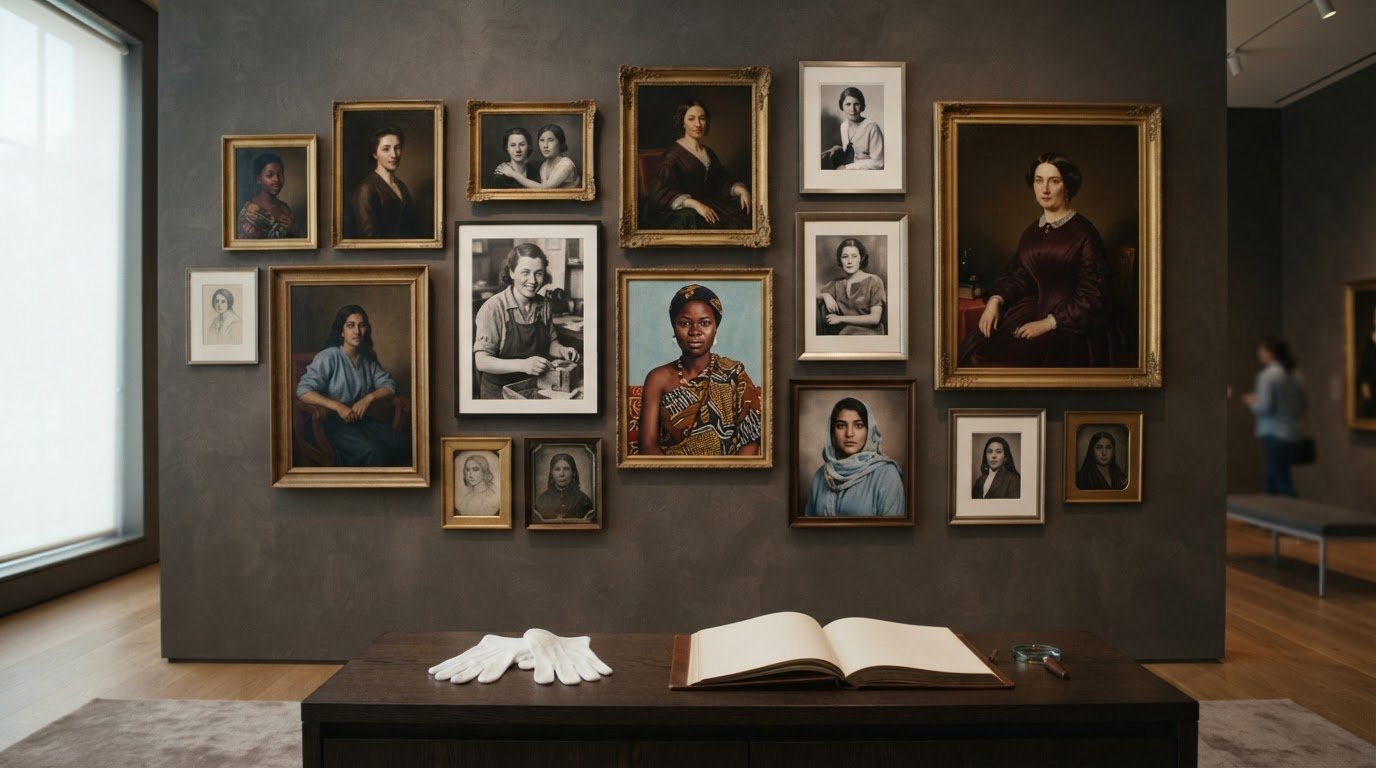
What makes a portrait famous: the face it shows, the hand that shaped it, or the story that gathers around it? The most memorable famous portraits of women hold all three in tension. A sitter’s likeness may be instantly recognisable, yet an image’s lasting power often lies in the artist’s choices and the cultural moment that shaped how we see her.

It’s easy to know a celebrated face without knowing the history behind it. This guide looks beyond recognition to explore how pose, light, setting and medium influence a portrait’s meaning, and where the artist’s interpretation diverges from the sitter’s public image.

Across 12 portraits in painting and photography, you’ll find the stories behind each image and the visual details that help it endure. You’ll also find a practical way to consider photographic portraits at home, where a print can bring historical and artistic depth to an interior. From intimate studies to images that helped create public icons, these works reward a slower look.

Key Takeaways

  • Discover how artistic innovation, cultural history and a sitter’s public image can each contribute to a portrait’s enduring fame.
  • Explore famous portraits of women across painting and photography, with context that goes beyond familiar faces.
  • Use pose, gaze, setting and point of view to compare how artists and photographers shape a portrait’s meaning.
  • Look for photographer attribution and archival context to appreciate photographic portraits as historical works as well as compelling images.
  • Consider how print size, paper and bespoke framing can help a photographic portrait find a thoughtful place in your home.

Why Famous Portraits of Women Stay in the Public Imagination

An iconic portrait remains recognisable, influential and open to interpretation long after it was made. Its fame may begin with artistic invention, a compelling likeness or the sitter’s public standing, but endurance depends on more than a familiar face. Viewers return because the image continues to offer something to notice, question or reconsider.

There’s no single measure of importance. Artistic merit describes qualities such as composition, technique and originality; popularity reflects how widely an image is known and circulated. The two can overlap, but neither automatically proves the other. A portrait may be celebrated for formal innovation, while another becomes a cultural touchstone because it captures a person or period that generations recognise.

What makes a portrait of a woman iconic?

Recognition is only the beginning. A portrait’s influence can be traced through the images it inspires, the expectations of representation it changes, or the conversations it prompts about identity, power and beauty. Its reach may grow through museum exhibitions and printed reproductions, then travel further through film, fashion or popular culture. As an image moves between settings, its meaning can shift. A work first encountered as art may become a symbol, while familiarity can make viewers curious about its history.

The Mona Lisa offers a familiar example. Leonardo da Vinci’s portrait is among the best-known works in the history of painting, yet its enduring appeal rests on more than recognition: its composition and enigmatic expression invite repeated looking. A broader reference to paintings by Leonardo da Vinci places it within the artist’s wider body of work, rather than treating it as an image without context.

The subject is the person shown; the story is what viewers, artists and history come to associate with her. That distinction matters, especially when a sitter’s public image threatens to overshadow the choices made in creating the portrait. Ask who shaped the image, for whom and under what circumstances to look more attentively.

From painted likeness to photographic image

For centuries, painted portraits were often commissioned likenesses, shaped by the expectations of sitters and patrons as well as the artist’s vision. Photography introduced another way to make and circulate portraits. A camera could record a particular encounter, but framing, lighting, timing and selection still guided what the viewer saw. Neither medium is a neutral window onto its subject.

Look closely at both. A composed pose may suggest authority or intimacy; clothing and setting can signal status, character or a particular historical moment. A direct gaze can feel candid in a photograph and carefully staged in a painting, while an averted one may invite speculation in either. The medium changes how an image is made, not the importance of its visual decisions.

This article brings together famous portraits of women across painting and photography as a considered selection, not an objective ranking. Rather than deciding which sitter matters most, it asks how each image works: what the maker reveals, what remains outside the frame, and how its audience has shaped its afterlife. This approach makes the portraits’ differences, as well as their lasting power, easier to see.

Famous Painted Portraits of Women: Five Images and Their Stories

These five paintings show how a portrait can communicate far more than likeness. Across centuries, artists have used a turn of the head, a carefully chosen garment or a spare setting to shape how a woman is seen. The works aren’t a ranking; each offers a distinct relationship between artist, sitter and viewer.

The Mona Lisa and Girl with a Pearl Earring: portraits that invite interpretation

Leonardo da Vinci’s Mona Lisa, painted around 1503-1519, is traditionally identified as Lisa Gherardini, the Florentine wife of merchant Francesco del Giocondo. The poised, three-quarter presentation gives her presence without explaining it. Her composed expression and the softly receding landscape keep the viewer moving between her face and the space behind her. The result feels intimate, yet never entirely familiar.

Johannes Vermeer’s Girl with a Pearl Earring, usually dated around 1665, offers a different kind of encounter. The sitter is unidentified, and the work is often understood as a tronie, a study of a character or expression rather than a commissioned portrait of a named person. Her turned head, parted lips and glance over the shoulder create a fleeting impression of contact. The pearl and dark background draw attention to her face, but don’t settle who she is.

A portrait’s pose can make a sitter seem composed, approachable or elusive before a viewer knows a single fact about her. In both paintings, restraint creates interpretive possibility; it isn’t a blankness to be filled with certainty.

Madame X, Whistler’s Mother, and Frida Kahlo’s self-portraits

John Singer Sargent’s Madame X (1883-1884) depicts Virginie Amélie Avegno Gautreau, a prominent Parisian socialite, in a black evening gown against a dark ground. The elongated silhouette and sharply defined profile present her as a striking social presence, rather than a conventional, softened likeness. First shown in Paris in 1884, the portrait provoked controversy over its daring presentation. Sargent later repainted the gown’s slipping strap, showing how a small compositional detail could alter the work’s reception.

James McNeill Whistler’s Arrangement in Grey and Black No. 1 (1871), commonly called Whistler’s Mother, portrays Anna McNeill Whistler seated in profile. The plain interior and restrained palette direct attention to the measured arrangement of forms. Its domestic setting matters, but Whistler’s formal title also asks us to see a carefully composed painting, not only a familiar image of motherhood.

Frida Kahlo’s Self-Portrait with Cropped Hair (1940) turns the artist herself into both maker and subject. Kahlo sits in an oversized suit, scissors in hand, amid locks of cut hair. The clothing and direct pose unsettle conventional expectations of feminine appearance, while the song lyric painted above her adds another layer. Rather than reducing the portrait to a single biographical clue, look at how Kahlo controls her own presentation.

Together, these works make clear that a painted likeness is never simply a record of appearance. For a different medium and a new set of image-making choices, explore curated photographic archives at Galerie Prints.

Famous Photographic Portraits of Women and the Stories They Preserve

A photograph can preserve a particular instant, but it also helps determine how that instant is remembered. The photographer chooses where to stand, what to include and when to release the shutter; later, editors, publishers and audiences give the image new meanings. The famous portraits of women below span celebrity, documentary and fashion photography. These forms may overlap, but they don’t ask us to look in quite the same way.

Celebrity portraiture: Audrey Hepburn through Terry O’Neill’s lens

Terry O’Neill photographed Audrey Hepburn in Paris during the 1960s, including on the set of How to Steal a Million in 1966. In these images, the camera meets a performer at work, where a composed presence can sit alongside the movement and surroundings of a film production. O’Neill’s framing matters: a close view may draw attention to Hepburn’s expression, while a wider frame places her within cinema’s crafted world. The photograph records a public figure, but its particular angle can suggest a character beyond the familiar screen persona.

To look closely, notice the relationship between Hepburn and the frame. Does the image feel like a formal sitting, a moment between takes or a fashion-led composition? The categories aren’t always distinct. Celebrity photographs can be carefully arranged while retaining the impression of spontaneity, and their enduring appeal often rests on that balance. O’Neill’s archive invites viewers to consider how an individual photographer’s eye shaped the visual memory of a star.

Documentary and editorial portraits: context changes what we see

Dorothea Lange made Migrant Mother in 1936 while documenting conditions for the United States Resettlement Administration, later part of the Farm Security Administration. The sitter was Florence Owens Thompson, photographed with her children at a pea-pickers’ camp near Nipomo, California. Thompson’s steady, distant gaze and the children turned toward her make the frame feel intimate, but the photograph also belongs to a government documentary project about poverty and displacement during the Great Depression. Its public circulation helped make one encounter stand for a wider crisis, even as Thompson remained a person with her own story.

A different kind of image-making appears in Richard Avedon’s fashion photograph Dovima with Elephants, made at the Cirque d’Hiver in Paris in 1955. Model Dovima, wearing an evening gown by Christian Dior, is posed among circus elephants. The contrast between the gown’s refinement, the animals’ scale and Dovima’s controlled gesture turns fashion into visual theatre. The image isn’t a documentary record of ordinary life; its artifice is central to its effect.

Gordon Parks’s American Gothic, Washington, D.C. (1942) offers another deliberate portrait. Made for the Farm Security Administration, it depicts Ella Watson, a government charwoman, standing with a broom and mop before an American flag. The arrangement draws attention to work, race and national symbolism without making Watson merely a symbol.

A famous photograph preserves a moment, then frames the terms on which audiences remember its subject. Identifying the photographer, circumstances and intended purpose helps separate what the image shows from the meanings later attached to it. Those layers are part of what makes photographic portraits enduring works of visual and historical interest.

How to Read a Famous Portrait: Compare Pose, Setting, and Point of View

A close reading begins with what’s visible, then asks what the image’s circumstances add. Compare a painted likeness with a photograph, or two photographs made for different purposes. The same direct gaze might feel inviting in one image and challenging in another; its meaning depends on the sitter, maker, audience and moment. This simple framework helps you look beyond recognition in famous portraits of women.

What pose, gaze, and setting reveal

Start with the body and eyes. Is the sitter turned toward the viewer, shown in profile, caught mid-gesture or held in a carefully arranged pose? A direct gaze can establish contact, but it doesn’t always signal confidence or defiance. Consider the rest of the image before deciding what it suggests. An averted gaze may convey reflection, follow a period convention or simply direct attention elsewhere.

Setting offers another clue. A controlled studio or dark, neutral background can isolate a face, while a domestic room, outdoor landscape or workplace ties the sitter to a particular environment. Clothing and props can point to profession, status, fashion or the circumstances of the portrait, but avoid treating them as a fixed code. Ask what the image actually shows and what you’re bringing to it.

Portrait Medium and pose Gaze and setting Likely audience or purpose
Mona Lisa Painting; seated, turned toward the viewer Calm gaze; landscape backdrop Made within the tradition of elite portraiture
Madame X Painting; standing in profile Eyes turned aside; dark, spare background Exhibited publicly as a portrait of a Parisian socialite
Migrant Mother Documentary photograph; close grouping with children Gaze directed away; pea-pickers’ camp Made for a government documentary project
Dovima with Elephants Fashion photograph; deliberate, extended pose Controlled gesture; circus setting Fashion imagery for a magazine audience

The table shows why a visual feature can’t be interpreted in isolation. A formal pose may be expected in a painted social portrait, while an apparently unguarded photographic moment may still be carefully composed. An outdoor or workaday setting can serve documentary aims, while a constructed setting can make fashion imagery more theatrical. Medium shapes the encounter, but doesn’t explain it entirely.

How context and authorship shape the viewer’s reading

Next, ask three questions: who made the image, for whom and under what circumstances? A painter may interpret a sitter through composition and brushwork; a photographer makes choices about framing, timing and selection. The woman pictured has her own identity, which may not be fully captured by the artist’s or audience’s interpretation. Knowing a portrait’s original purpose can help distinguish a commissioned likeness from an editorial or documentary image.

A portrait’s meaning lives in the meeting between what the image shows and the context that teaches us how to see it. Revisit the frame after learning its authorship and circumstances; details that first seemed incidental may take on new significance. To continue looking closely, explore fine art photography prints and consider how attribution and archival context deepen appreciation.

Explore Famous Women’s Portraits as Photographic Art

After considering how a portrait was made and what it has come to mean, bring that attention to photographic art. A print offers more than a familiar face: it preserves a photographer’s decisions and connects a moment to its wider historical setting. Knowing who made the image, when it was created and where it first appeared can deepen your appreciation before you decide how it might live in your home.

Attribution is a useful starting point. A photographer’s name gives you a way into their wider body of work, while archive information can clarify a photograph’s date, subject and original context. These details help distinguish a carefully staged celebrity portrait from an editorial image made for publication, or a candid moment preserved in a documentary record. The picture may feel immediate, but its history gives that first impression depth.

Choosing a photographic portrait for a considered interior

Begin with the image itself. Consider the subject and mood, then notice how they relate to the room’s existing character. A lively, glamorous portrait may bring energy to a quiet space; a more contemplative image can create a pause among bolder colours and forms. Think about viewing distance, too. The print should feel at ease with the wall and furnishings around it, rather than competing with them.

Print size, paper type and framing all influence how a photograph is experienced. A larger format gives expression and detail greater presence, while a smaller print may reward a closer look. Paper affects the image’s surface and overall impression; bespoke framing can help connect it to the room’s materials and proportions. For an atmosphere of leisure and aspiration, Slim Aarons’ photography offers another way to consider how people, setting and style come together in an image.

Explore curated photographic archives

An archive encourages discovery beyond a single celebrated frame. It lets you follow a photographer’s eye across subjects and moments, compare images made in different circumstances, and place individual portraits within a broader visual record. Galerie Prints brings together curated photographic archives including Terry O’Neill Photography. Explore these portraits as works shaped by artistic choices and historical associations, not simply as decoration.

As you explore famous portraits of women, take time to read the photographer credit and any context accompanying a print. Ask what drew your attention first, then notice how authorship and history refine that response. A considered choice may be an image you already know, or one that becomes compelling through a small detail, a distinctive point of view or the story around it. Explore Galerie Prints’ photographic archives to discover portraits that reward close looking and deserve a lasting place in your interior.

Let a Portrait Find Its Place

The next time an image holds your attention, pause before settling on what it means. Notice what the frame reveals, what it leaves unsaid, and how your response changes as you learn more about its maker and moment. That habit of looking can turn a familiar face into a fresh encounter, and make choosing art feel more personal than simply selecting a well-known image.

The lasting appeal of famous portraits of women lies partly in this openness: each image carries a history, yet invites you to bring your own perspective to it. A photographic print can keep that conversation present in a room, offering a detail to return to and a story that unfolds with time.

Explore a curated selection of photographic art and choose an image that speaks to your eye and your space. Explore fine art photography prints at Galerie Prints, and discover a portrait you’ll be glad to live with.

Frequently Asked Questions

What is the most famous portrait of a woman?

Leonardo da Vinci’s Mona Lisa is often considered the most famous portrait of a woman, though there’s no formal measure of fame. Its exceptional visibility comes partly from its place in the Louvre and its repeated appearance in books, exhibitions and popular culture. If you’re comparing candidates, consider not only how widely recognised an image is, but also whether its artistic history and cultural influence make it meaningful to you.

Who painted the most famous portraits of women?

No single painter owns that distinction. Leonardo da Vinci, Johannes Vermeer, John Singer Sargent, James McNeill Whistler and Frida Kahlo each made celebrated portraits of women, using markedly different approaches. To explore beyond the most familiar names, look at museum catalogues for artists such as Élisabeth Vigée Le Brun or Artemisia Gentileschi. Their works offer another perspective on who was represented, who did the representing and how women shaped art history.

Is the Mona Lisa considered a portrait of a woman?

Yes. The Mona Lisa depicts a woman traditionally identified as Lisa Gherardini, a Florentine associated with the painting’s commission. Art historians generally describe it as a portrait, although questions about its precise commission history and intended purpose remain part of its scholarly discussion. For a useful first comparison, notice how Leonardo presents her in a three-quarter view rather than in strict profile, a choice that gives the sitter a strong sense of presence.

What makes a woman’s portrait iconic?

A woman’s portrait becomes iconic when its visual qualities and cultural life keep attracting attention. Recognition helps, but an image may also endure because it influenced later artists, became associated with a historical event or continues to prompt debate. Try asking what people remember first: the sitter’s name, the composition or a story linked to the image. The answer can reveal whether its fame rests chiefly on artistic innovation, cultural history or public recognition.

Can a photograph be considered a fine art portrait?

Yes. A photograph can be a fine art portrait when the image reflects deliberate artistic choices, such as composition, lighting, timing and the relationship between subject and photographer. Documentary or commissioned origins don’t automatically prevent a photograph from being valued as art. To judge a print, consider the photographer’s intention, the quality of the image and its place within a body of work, rather than assuming a photograph is only a record.

How do I identify the photographer behind a famous portrait?

Start with the image caption or publication where you encountered it, then compare the credit with a museum, archive or photographer’s catalogue. Check the exact title, date and version: similar portraits may have been made during the same sitting, and reproductions can circulate without complete captions. If the credit is unclear, search the institution that holds or publishes the photograph. A reliable attribution should connect the photographer to the specific image, not just its subject.

What is the difference between a portrait and a self-portrait?

A portrait depicts a person; a self-portrait depicts the artist who makes it. In painting, the artist might work from a mirror or other reference, while a photographer may use a remote shutter, timer or reflected image. The distinction concerns the artist’s identity as both maker and subject, not whether the image feels candid or formal. A self-portrait can be carefully staged, and a portrait made by someone else can feel deeply personal.
Famous Celebrity Photographers: The Visionaries Who Defined Icons

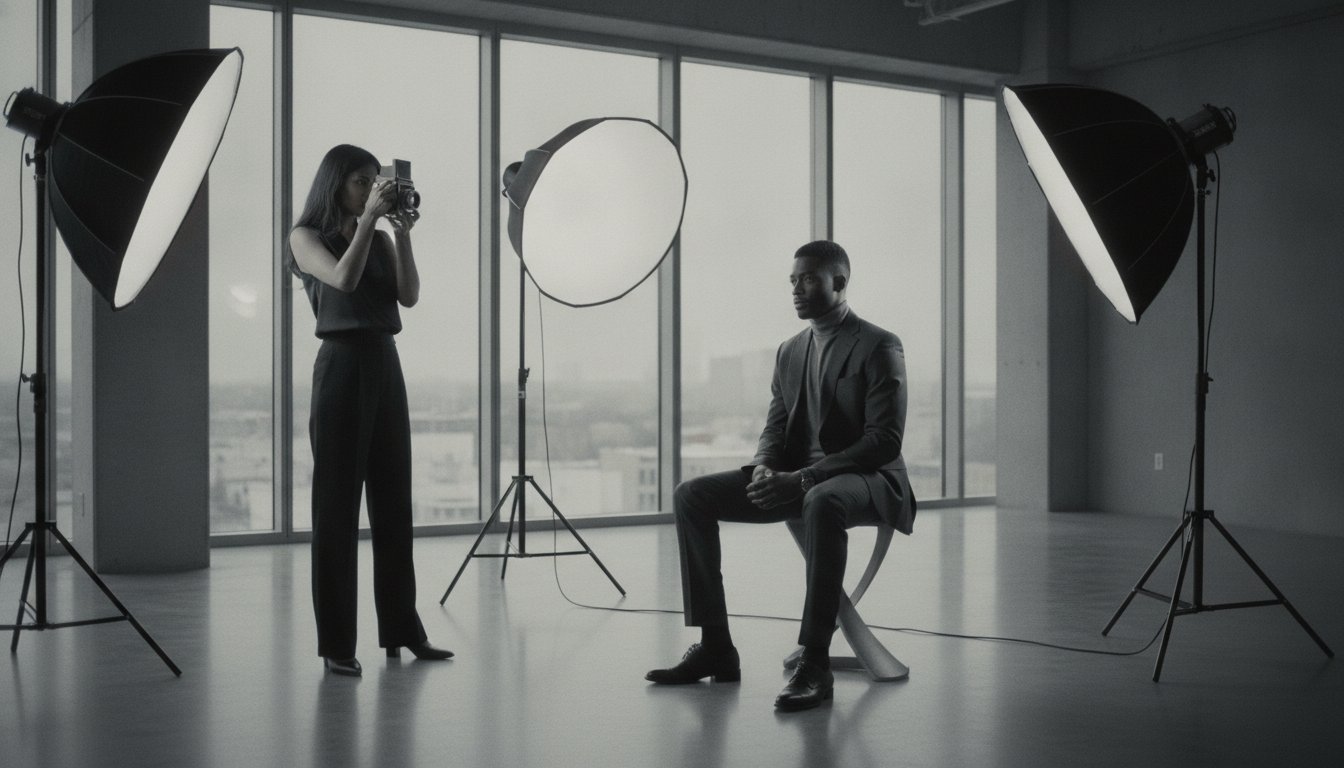
A true portrait doesn’t just capture a face; it traps the very essence of an era within a silver halide frame. While the world is saturated with fleeting digital snapshots, the works of famous celebrity photographers remain the gold standard for those seeking to bring a sense of permanent, curated elegance into their homes. It’s common to feel overwhelmed by generic posters that lack the depth and tactile authority of a true museum-quality print. Distinguishing between a mere commercial image and a piece of investment-grade fine art is a challenge many new collectors face as they search for works with long-term artistic value.

You’re about to discover the legendary visionaries who transformed candid moments into timeless masterpieces. We’ll guide you through the careers of masters like Terry O’Neill and Slim Aarons, helping you understand the nuances that make a portrait truly iconic. By the end of this exploration, you’ll possess the curatorial insight needed to begin building a photography collection that serves as both a personal sanctuary and a bridge to a bygone era of glamour.

Key Takeaways

  • Discover how famous celebrity photographers bridged the gap between publicity and fine art, creating evocative images that define our shared cultural history.
  • Explore the candid intimacy of Terry O’Neill and the sun-drenched, aspirational elegance found within the Slim Aarons Collection.
  • Contrast the psychological depth of Richard Avedon’s minimalist portraits with the high-concept, theatrical storytelling of Annie Leibovitz.
  • Learn to distinguish between transient commercial snapshots and museum-quality archival prints that offer lasting value for your personal collection.
  • Understand why professional framing and archival materials are essential for preserving the tactile beauty and historical authenticity of your artwork.

The Allure of the Icon: Why Celebrity Photography Endures

The celebrity image is a profound cultural artifact; it’s a bridge between the public imagination and the private reality of those who define our times. While many view these portraits as simple records of fame, Celebrity photography actually represents a sophisticated intersection where cultural history meets the meticulous standards of the gallery world. For the discerning collector, the works of famous celebrity photographers are not merely decorations. They are windows into a bygone era of elegance and raw human emotion. These images endure because they offer more than a likeness; they provide a narrative depth that transforms a silent room into a space of historical resonance and prestige.

From Publicity to Fine Art

The evolution of the genre saw a dramatic shift from the rigid, controlled publicity stills of the early Hollywood studio system to the expressive, high-concept works that now grace the walls of major institutions. In the mid-20th century, photographers were often bound by strict contracts, tasked only with maintaining a star’s carefully polished facade. However, as the industry matured, a new wave of artists emerged who prioritized psychological depth over simple promotion. This shift allowed the photographer-subject relationship to flourish, moving away from the artificial and toward the authentic. When an artist captures the real person behind the persona, the resulting image transcends its original purpose and becomes true fine art photography. These portraits remain relevant for generations because they speak to universal human truths rather than just the trends of a specific decade.

The Power of Visual Storytelling

Terry O’Neill: Capturing the Soul of the Sixties

Terry O’Neill wasn’t just a witness to the 1960s; he was the primary architect of its visual identity. Among famous celebrity photographers, O’Neill possessed a rare, chameleon-like quality that allowed him to vanish into the background of a dressing room or a private villa. This “fly-on-the-wall” approach defined the “Cool Britannia” era, capturing the transition of figures like The Beatles and David Bowie from mere pop stars to cultural deities. While others sought the rigid perfection of the studio, O’Neill looked for the quiet, unscripted moments that humanized the legends. His lens documented the raw energy of London’s youth culture, creating a body of work that remains the definitive record of a decade in flux.

The Candid Master

O’Neill’s technique revolutionized the genre by prioritizing intimacy over artifice. He didn’t just photograph icons; he lived alongside them. Perhaps his most enduring work is the Faye Dunaway poolside series, taken at the Beverly Hills Hotel the morning after her 1977 Oscar win. It captures a weary, contemplative glamour that a staged publicity shot could never replicate. The market’s reverence for this specific vision is clear. In early 2026, a print of “Faye Dunaway, Hollywood, 1977” achieved a record auction price of $63,237. His ability to distill the raw energy of the 70s into a single frame remains unparalleled. This legacy is currently being celebrated in the exhibition “The Human Gaze,” running from June 6 to August 29, 2026, which highlights O’Neill’s mastery of the intimate portrait compared to the more theatrical, high-concept approach of contemporaries like Annie Leibovitz. By eschewing the heavy equipment of the era, he maintained a mobility that allowed him to capture Brigitte Bardot with a cigarette dangling from her lips or The Beatles in a quiet moment of reflection.

Collecting Terry O’Neill

For the serious collector, O’Neill’s work offers both aesthetic pleasure and historical weight. His prints serve as cornerstones of the Getty Images Gallery and various prestigious archives, bridging the gap between historical documentation and high art. The striking contrast found in his black and white pictures provides a timeless anchor for modern interiors, lending an air of sophisticated nostalgia to any room. With an average price of approximately $6,356 over the past year, his work is an accessible entry point into the world of high-caliber art investment. Owning an O’Neill print is more than a design choice; it’s an act of preservation. Each museum-quality print carries the prestige of the O’Neill archive, ensuring your collection holds its value for generations. You might consider viewing our curated selection of Terry O’Neill photography to find a piece that resonates with your own sense of history.

Avedon vs. Leibovitz: Two Perspectives on Fame

Richard Avedon and Annie Leibovitz represent the two distinct poles of the photographic spectrum. One found truth in the void of a white studio; the other constructed elaborate, cinematic worlds to reveal the character of her subjects. As two of the most famous celebrity photographers in history, they didn’t just document fame. They invented the visual language of the modern icon, transforming the pages of Vogue and Vanity Fair into galleries of high art. Their work challenges us to decide what is more revealing: the subject stripped of all context or the subject placed within a carefully staged masterpiece.

Richard Avedon’s Minimalist Genius

Avedon’s “stripped-back” approach was a radical departure from the cluttered sets of early fashion photography. By isolating his subjects against a stark white background, he removed all distractions, forcing the viewer to confront the subject’s raw psychological state. This minimalist genius is evident in his 1957 portrait of Marilyn Monroe, where the actress appears not as a screen siren, but as a woman lost in thought. The market’s recognition of this depth is clear. A print of this work was estimated at £400,000 to £600,000 for a Sotheby’s auction in June 2026. This prestige is further anchored by his record auction price of $1,815,000 for “Dovima with Elephants,” a testament to his status in the fine art world. Avedon’s ability to capture vulnerability in the world’s most powerful people remains a cornerstone of contemporary portraiture. He proved that the absence of props can make a subject infinitely more powerful, a technique that continues to influence photographers who prioritize psychological depth over decorative flair.

Annie Leibovitz’s Cinematic Vision

In contrast, Annie Leibovitz embraces the theatrical. Her work is often described as painterly, utilizing high-concept tableaus that feel more like scenes from a film than static portraits. Her evolution from the gritty, candid energy of her early Rolling Stone years to the polished fantasy of her later career shows a mastery of visual storytelling. Whether it’s her final image of John Lennon and Yoko Ono or her elaborate Disney-inspired series, Leibovitz uses the environment as a character. For the modern collector, her work offers a window into a world of curated luxury. With an average price of $5,586 over the last 12 months, her archival prints provide an accessible way to bring a sense of cinematic prestige into a private residence. Her work doesn’t just capture a face; it builds an entire world around the subject, ensuring the image serves as a lasting piece of history and a focal point for sophisticated interior aesthetics.

Comparing Avedon’s psychological interrogation with Leibovitz’s staged masterpieces highlights the diversity within the genre. While Avedon sought the “real” person by removing the world around them, Leibovitz reveals their essence by placing them in a meticulously crafted narrative. Both approaches have redefined how we perceive the icon, moving celebrity photography away from simple documentation and into the elite world of fine art. These visionaries ensure that a portrait is never just a snapshot, but a deliberate exploration of identity and fame.

Slim Aarons: Photography as an Aspirational Lifestyle

While Terry O’Neill captured the candid grit of London and Richard Avedon chased psychological truth, Slim Aarons pursued a different kind of perfection: the sun-drenched, unblemished world of the global elite. Among the most famous celebrity photographers of the 20th century, Aarons stands alone as the definitive chronicler of high society. His work is characterized by a vibrant, optimistic palette and a complete absence of studio artifice. He famously refused the use of stylists or artificial lights, opting instead to document his subjects in their natural habitats of Palm Springs, Capri, and the French Riviera. This dedication to “attractive people doing attractive things in attractive places” created a visual legacy that remains the ultimate benchmark for aspirational glamour.

The Master of Aspirational Glamour

Aarons’ career began in the starkest possible contrast to the luxury he would later document. As a combat photographer during World War II, he witnessed the depths of human conflict, an experience that fueled his later refusal to photograph anything that wasn’t beautiful. This transition from the battlefield to the poolside allowed him to define the “Golden Era” of travel and leisure. His Mediterranean and Palm Springs collections don’t just show celebrities; they show a way of life that feels perpetually out of reach yet deeply inviting. The enduring value of his vision is reflected in the art market today. For example, his seminal work “Poolside Glamour, 1970” achieved a record auction price of $63,000 in 2024. For those looking to invest, estate-stamped prints from the Slim Aarons collection often utilize a tiered pricing structure, with limited editions starting from £1,890 and increasing in value as the edition sells out.

Decorating with the Elite

Integrating Slim Aarons art into a residence does more than fill a wall; it creates an architectural sense of light and space. The psychological effect of his work is one of immediate elevation. His images bring a sun-drenched quality into a room, making them a favored choice for luxury interior designers. These prints pair exceptionally well with mid-century modern furniture, where the clean lines of the decor mirror the modernist architecture often featured in his backgrounds. Because his work focuses on “mood” and storytelling, it resonates deeply with a new generation of collectors who value the emotional narrative of a piece over simple decoration. To bring this sense of permanent summer into your own home, you can view the full Slim Aarons Collection here and discover a piece of photographic heritage that transcends time.

The permanence of an Aarons print serves as a bridge to a bygone era of elegance. By preserving the original source materials through high-quality archival production, these works ensure that the tactile beauty of the jet-set era remains accessible to the modern connoisseur. His photography is not just a record of fame; it is a masterclass in the art of living well, captured by a man who understood that sometimes, the most profound truth is found in the pursuit of beauty.

Transitioning from an admirer of photographic history to a serious collector requires a shift in perspective. While a commercial poster is a mere shadow of an image, a museum-quality fine art print is a tactile piece of heritage. For those looking to invest in the works of famous celebrity photographers, the distinction lies in the material execution. A digital snapshot lacks the depth and permanence found in traditional production methods. Today’s market reflects this growing desire for authenticity; Sotheby’s reported a 600% increase in participation from collectors under 40 in their photography sales, signaling a profound shift toward art that offers emotional honesty and long-term value. Acquiring a print isn’t just a design choice; it’s a commitment to preserving a moment that defined a generation.

Archival Quality and Heritage

The longevity of your collection depends entirely on the technical superiority of the print process. Sourcing from official archives, such as the Getty Images Gallery, ensures that you’re receiving a work produced from the original source material. Whether you choose the rich, tonal depth of a silver gelatin print or the vibrant precision of a Giclée process, archival standards are non-negotiable. These methods utilize acid-free materials and pigment-based inks to prevent the fading and yellowing that plague lesser reproductions. To truly safeguard your investment, utilizing bespoke framing services is essential. Professional mounting with UV-protective glass acts as a shield against environmental degradation, ensuring the image maintains its clarity and prestige for decades. This meticulous attention to detail is what separates a transient decoration from a lasting piece of history.

Curating Your Space

Building a cohesive gallery wall requires a curatorial eye that balances narrative depth with interior aesthetics. When featuring multiple famous celebrity photographers, look for a common thread—perhaps a specific era or a shared emotional tone. You might pair the stark, psychological intensity of an Avedon portrait with the candid, “Cool Britannia” energy of Terry O’Neill. To create visual rhythm, balance these monochrome masterpieces with the sun-drenched, aspirational lifestyle shots of Slim Aarons. This contrast adds layers to your home, inviting guests to linger on the page of history you’ve assembled. Final considerations should include:

  • Architecture: Ensure the scale of the print complements the height and light of your room.
  • Lighting: Use dedicated art lighting to highlight the tactile quality of the paper without introducing heat.
  • Placement: Position iconic works at eye level to maximize their psychological impact.

From the initial selection of an image to the final professional installation, the journey of collecting is a rewarding pursuit of beauty. By prioritizing archival excellence and historical authenticity, you ensure your gallery serves as a bridge to a bygone era of elegance that will inspire wonder for years to come.

Preserving the Legacy of the Lens

The journey through the history of famous celebrity photographers reveals that an iconic image is more than a reflection of fame; it’s a bridge to a bygone era of elegance. From the candid intimacy of Terry O’Neill to the cinematic tableaus of Annie Leibovitz, these visionaries transformed fleeting moments into permanent cultural artifacts. As we’ve explored, the true value of these works lies in their material execution and historical authenticity. A museum-quality print doesn’t just decorate a room. It anchors a space in the stability of history and the beauty of artisanal craftsmanship.

Galerie Prints operates as a guardian of this photographic heritage. As an official partner of the Slim Aarons Archive and a specialist in 20th-century music archives, we ensure every piece meets the highest curatorial standards. Our master craftsmen provide bespoke framing for a ready-to-hang finish, while our worldwide shipping brings these legendary works to your door with precision and care. Explore our curated collection of iconic celebrity photography at Galerie Prints and select a piece that resonates with your personal narrative. We invite you to step into this world of timeless beauty and begin building a collection that will inspire wonder for generations to come.

Frequently Asked Questions

Who is the most famous celebrity photographer of all time?

Annie Leibovitz and Richard Avedon are widely regarded as the definitive masters of the genre. While Leibovitz is celebrated for her theatrical, high-concept tableaus, Avedon is revered for the minimalist psychological depth he achieved against his signature stark white backdrops. Their work continues to command record auction prices and remains the primary benchmark for artistic excellence in modern portraiture.

What makes a celebrity portrait considered ‘fine art’?

A celebrity portrait becomes fine art when it transcends its original commercial or publicity purpose to offer a profound psychological or cultural narrative. Unlike transient snapshots, fine art photography utilizes technical mastery in lighting and composition to create a lasting emotional resonance. It’s the difference between a fleeting record of fame and a permanent, archival exploration of the human condition.

Why are Slim Aarons prints so popular in interior design?

Slim Aarons prints are favored by interior designers for their vibrant, sun-drenched palette and the sense of architectural light they introduce to a room. His imagery of “attractive people in attractive places” pairs seamlessly with mid-century modern and contemporary furniture. These works evoke a specific mood of permanent summer and sophisticated elegance that elevates the atmosphere of any luxury residence.

Is it worth investing in physical prints in a digital age?

Investing in physical prints is highly worthwhile as they offer a tactile beauty and historical authenticity that digital images simply can’t replicate. The market for high-caliber photography is thriving; Sotheby’s recently reported a 600% increase in participation from collectors under 40 in their photography sales. A physical, museum-quality print serves as both a tangible asset and a permanent piece of photographic heritage.

How do I know if a celebrity photography print is authentic?

Authenticity is confirmed by sourcing prints from official archives, such as the Getty Images Gallery, and checking for estate stamps or artist signatures. Reputable galleries provide clear provenance that traces the print back to the original source materials. For famous celebrity photographers, this official documentation is the only way to ensure the work’s long-term artistic and investment value.

Which photographers captured the iconic ‘Golden Age’ of Hollywood?

The “Golden Age” was defined by masters like George Hurrell and Clarence Sinclair Bull, who utilized dramatic chiaroscuro lighting to create the “glamour” aesthetic of the 1930s and 40s. Their work focused on the polished, idealized facades of stars under strict studio contracts. This era laid the technical foundation for the more candid and expressive styles later popularized by photographers like Terry O’Neill.

What is the best way to frame a large-scale photography print?

The best way to frame a large-scale print is through bespoke framing that utilizes acid-free materials and UV-protective glass. Professional mounting is essential to prevent the paper from warping over time, while a deep-set frame can add a sense of museum-quality prestige. This meticulous approach ensures the print is protected from environmental degradation while enhancing its visual impact in your home.

Can I buy limited edition celebrity photography online?

You can acquire limited edition works from famous celebrity photographers through specialized online galleries that offer museum-quality archival prints. It’s important to choose a provider that offers bespoke framing and worldwide shipping to ensure the artwork arrives ready for installation. Online platforms have made high-caliber visual art more accessible, allowing collectors to browse world-renowned archives from their own residences.

Marilyn Monroe Pictures: A Curatorial Guide to the World’s Most Iconic Portraits

Fewer than 5% of the Monroe images circulating today meet the archival standards required for a true fine art investment. You likely understand that her presence is more than just a 1950s film credit; she is a cultural anchor whose image defines an entire era of cinematic elegance. It’s often difficult to distinguish between a grainy, mass-produced reprint and the exquisite depth found in authentic marilyn monroe pictures that have been hand-printed from original negatives.

This curatorial guide will teach you how to identify museum-quality provenance and discover the intimate stories behind the lenses of masters like Bert Stern and Milton Greene. We’ll provide the knowledge you need to select a timeless black and white portrait that serves as a lasting piece of history. From the technical nuances of silver gelatin prints to the bespoke craftsmanship of our London darkroom, we invite you to explore the world’s finest photography and find a piece that truly transcends the screen.

Key Takeaways

  • Understand the evolution from Norma Jeane to the iconic Marilyn to better appreciate the layered narrative and historical depth within each portrait.
  • Discover the master photographers behind the lens and learn why established provenance is the essential cornerstone of a serious photographic collection.
  • Learn how to navigate the emotional distinction between monochrome and color when selecting marilyn monroe pictures to suit your specific interior atmosphere.
  • Acquire a professional framework for choosing the correct scale and placement to ensure your fine art prints harmonise with high-end interior design.
  • Explore the meticulous hand-printing craftsmanship of our London darkroom that elevates archival photography into a tangible, lifelong investment.

The Evolution of an Icon: From Norma Jeane to Marilyn Monroe

The metamorphosis from Norma Jeane Mortenson to the singular entity of Marilyn Monroe represents the most successful aesthetic evolution in 20th-century art. While Norma Jeane possessed a natural, sun-drenched radiance, the Marilyn persona was a deliberate, curated construction, a masterpiece of artifice that continues to captivate collectors. People seek out marilyn monroe pictures not merely for their aesthetic appeal, but for the fascinating narrative of this metamorphosis. By 1953, she’d moved away from the flat, commercial lighting of early pin-up work toward the sophisticated, high-contrast glamour of the 1950s studio system. This transition turned a model into a goddess, yet the rarity of candid, unposed moments in her later years, specifically between 1960 and 1962, makes those few glimpses of the woman behind the mask the most sought-after assets in any fine art collection.

The Early Pin-up Years: 1946–1949

In 1946, a nineteen-year-old Norma Jeane began working with photographers like André de Dienes and Joseph Jasgur. These sessions, often shot on California beaches or in simple studios, captured a girl with chestnut hair and an unstudied smile. These early marilyn monroe pictures are prized for their youthful innocence, recorded before the Hollywood machine dictated her every move. The archival negatives from these years provide a foundational record of Marilyn Monroe’s life and career. They represent a rare moment of authenticity before the platinum blonde transformation of 1948, offering a provenance that is both historically significant and deeply personal.

The Hollywood Ascent and Method Acting

Her 1955 enrollment at the Actors Studio in New York fundamentally changed her presence in front of the lens. She stopped merely posing and began “inhabiting” the frame, a shift that gave her portraits a soulful, often vulnerable depth that remains unmatched in photographic history. She became a meticulous technician of her own image, controlling lighting angles and camera heights with professional precision. The 1954 subway grate session for The Seven Year Itch stands as the definitive turning point. It wasn’t just a movie promotion; it was a cultural explosion that proved her mastery over the medium. Through these works, she transitioned from a starlet into a permanent fixture of the fine art world.

  • 1946: The first professional sessions with Blue Book Model Agency.
  • 1953: The height of the Technicolor glamour era.
  • 1954: The iconic subway grate shoot by Sam Shaw.
  • 1962: The “Last Sitting” with Bert Stern, featuring rare, unposed vulnerability.

Behind the Lens: The Master Photographers Who Captured Marilyn

To understand the enduring power of the Master Photographers Who Captured Marilyn, one must view each image as a sophisticated, collaborative performance. It isn’t merely a snapshot of a celebrity; it’s a deliberate dialogue between the world’s most photographed woman and the artists who understood her light. We source our collection from the prestigious Getty Images Gallery and the private Terry O’Neill archives to ensure every piece carries an impeccable provenance. For the serious collector, the photographer’s name is the primary indicator of value. It transforms a simple image into a documented piece of art history.

Capturing the specific marilyn monroe pictures that define her legacy required immense technical mastery. She possessed a rare, translucent skin tone that seemed to absorb and then radiate light. This luminescence presented a unique challenge for mid-century artists. They spent countless hours in the darkroom, utilizing bespoke silver gelatin processes to preserve her ethereal glow. The result is a body of work where the technical execution is as breathtaking as the subject herself.

Terry O’Neill and the Candid Moments

Terry O’Neill had a singular gift for finding the human vulnerability behind the global icon. His work reveals a Marilyn who is soft, pensive, and occasionally off-guard, away from the rigid requirements of studio contracts. You can explore these intimate, rare frames in our Terry O’Neill collection. O’Neill’s style served as the definitive bridge between gritty reportage and high-fashion glamour. His ability to blend into the background allowed him to capture 1950s and 60s royalty in their most authentic states.

Milton Greene and the “Black Sitting”

The “Black Sitting” of 1954 remains a pinnacle of fine art composition. Milton Greene moved away from the flat, bright lighting typical of Hollywood publicity stills, opting instead for deep shadows and sculptural poses. These 1954 marilyn monroe pictures are prized by serious art collectors because they treat the subject as a form rather than just a celebrity. The contrast of black silk and tulle against her pale skin creates a graphic, timeless aesthetic. It’s a series that feels remarkably modern, making it a favorite for those looking to invest in the world’s finest photography for contemporary interiors.

By focusing on the artist’s intent and the technical precision of the print, collectors can acquire a piece of the Monroe legend that transcends mere nostalgia. Each frame represents a moment where technical skill and iconic beauty aligned perfectly.

The Aesthetic of Marilyn: Black and White vs. Color

The visual legacy of Marilyn Monroe is defined by a striking duality between the stark intimacy of monochrome and the saturated fantasy of Technicolor. Choosing between these mediums isn’t merely a matter of palette; it’s a decision that alters the emotional temperature of a space. While her black and white portraits offer a window into the soul of the woman behind the mask, her color work celebrates the constructed perfection of the Hollywood icon. At Galerie Prints, we curate both styles to ensure collectors find the exact narrative they wish to project within their homes.

The Timelessness of Monochrome Portraits

Black and white photography remains the gold standard for luxury home decor because it distills the subject to its purest form. In our London darkroom, we observe how silver gelatin prints preserve the exquisite detail of her features, from the fine texture of her skin to the precise arch of her brow. High-contrast lighting was a hallmark of 1950s studio work, using deep shadows to create a sculptural, three-dimensional quality. This technique, often seen in marilyn monroe pictures from her early career, strips away the “celebrity” distractions. It allows the viewer to connect with the human subject. For those looking to understand why this medium holds such power, our guide on the timeless allure of black and white pictures provides deeper insight into its enduring prestige.

Technicolor Glamour and the 1950s Palette

The introduction of vibrant color in the 1950s signaled a shift toward a more commercial and modern aesthetic. The 1953 “Gold Dress” session and the “Red Brocade” portraits are prime examples of how color was used to manufacture a sense of untouchable glamour. These prints act as bold focal points in contemporary rooms, providing a pop of historical vibrance that monochrome cannot replicate. By the time of her final sittings in 1962, color photography had abandoned the rigid studio lights for a more naturalistic, modernist feel. This transition is a key theme in the upcoming National Portrait Gallery exhibition, which highlights her role as a pioneer of the photographic image. Preserving these marilyn monroe pictures requires immense technical skill, as vintage color negatives from the 1954 era are notoriously fragile. Our archival printing processes ensure that these iconic hues remain as vivid today as they were seventy years ago.

  • Silver Gelatin: Provides unmatched tonal depth and archival longevity.
  • High-Contrast Lighting: Defines the 1950s studio aesthetic.
  • Technicolor Suration: Ideal for creating a dramatic focal point in modern interiors.
  • Modernist Shift: The 1960s move toward candid, naturalistic color.

Collecting and Decorating with Marilyn Monroe Fine Art Prints

Acquiring marilyn monroe pictures represents a commitment to the preservation of 20th-century glamour. The right portrait transforms a room’s energy instantly, acting as a structural anchor for the entire interior design scheme. Curating these images requires a discerning eye for both the subject’s mood and the technical specifications of the print itself. A large-scale portrait in a grand entryway creates a sense of arrival, while smaller, more intimate frames suit private quarters where the viewer can appreciate the fine grain and subtle tonality of the work.

Choosing the Right Subject for Your Interior

The atmosphere of a space dictates the choice of imagery. Candid shots, such as those captured during moments of repose between film takes, offer a sense of quietude and vulnerability perfect for bedrooms or dressing rooms. These frames invite a personal connection that feels earned rather than performed. In contrast, the high-contrast “Film Star” aesthetic, characterized by dramatic studio lighting and sharp focus, suits formal living areas. Collectors often choose between the playful, pin-up heritage of her 1953 debut and the sophisticated, high-fashion allure of her later career. Balancing these works with other fine art photography creates a layered narrative. You might pair a monochrome Marilyn with the sun-drenched leisure of a Slim Aarons piece to create a dialogue between different expressions of luxury.

Similarly, pairing historical photography with vibrant contemporary paintings can create a powerful dialogue between past and present. For those exploring modern works, the collections from Art by Kouratoras offer a striking example of contemporary Māori art that brings a unique cultural narrative to a high-end space.

Archival Quality and Framing Considerations

Investing in museum-quality archival paper ensures your print remains vibrant for over 100 years. We utilize 310gsm acid-free cotton rag or traditional silver gelatin processes to prevent the yellowing and degradation associated with mass-produced posters. A bespoke frame does more than hold the paper; it elevates the piece into a family heirloom. Professional framing provides a controlled environment that protects the delicate emulsion of the photograph. Utilizing UV-protective glass is a non-negotiable requirement for high-value marilyn monroe pictures, as it filters out 99% of harmful rays that cause irreversible fading over time. This technical rigor ensures that the prestige of the image is matched by the permanence of its physical form.

Whether you are starting a new collection or looking for a singular statement piece, the provenance and production quality of the print are what define its lasting value in your home.

The Galerie Prints Collection: Exquisite Marilyn Monroe Photography

Galerie Prints serves as a dedicated guardian of photographic heritage, offering a bridge to the golden age of Hollywood through an exclusive partnership with the Getty Images Archive and other private estates. Our collection represents a meticulous curation of the world’s finest photography, ensuring that each piece transcends the status of a mere image to become a lasting piece of history. When you acquire marilyn monroe pictures from our archive, you’re investing in an authentic connection to the 1950s and 60s, preserved through rigorous archival standards. We invite you to experience these works through our bespoke online portal or in person at our gallery space to appreciate the depth of the original negatives.

Hand-Printed in Our London Darkroom

The soul of our gallery resides in our London darkroom, where craftsmen with over 25 years of individual experience transform original negatives into tangible art. We utilize traditional silver gelatin and C-type processes to create prints that possess a depth and tonal range unattainable by mass-market digital methods. Each print undergoes a hand-finishing stage, receiving a specific “seal of quality” that guarantees its provenance and gallery-standard finish. This artisanal approach ensures the tactile richness of the paper and the precision of the grain meet the expectations of serious collectors. It’s a commitment to quality that defines our reputation as a premier destination for fine art.

Bespoke Framing for a Timeless Investment

A photograph of this caliber requires a presentation that protects its longevity while enhancing its visual impact. Our bespoke framing service uses acid-free mounting materials and museum-grade glass to safeguard your investment against UV degradation and environmental shifts. We offer a selection of handcrafted frames designed to complement the specific aesthetic of marilyn monroe pictures, whether you prefer a classic black gallery profile or a more ornate finish. Every frame is custom-built to the millimetre to ensure a perfect fit. We invite you to browse the full Marilyn Monroe collection to find a piece that resonates with your personal space and aesthetic vision.

Bringing the Golden Age of Glamour Into Your Home

The journey from the 1946 discovery of Norma Jeane to the global stardom of the 1950s remains one of the most compelling narratives in art history. By understanding the technical nuances behind these marilyn monroe pictures, collectors can appreciate the true depth of Milton Greene’s artistry and the vulnerability captured in every frame. These portraits aren’t merely decorative; they’re historical documents that define an era of unmatched elegance. Selecting the right piece involves recognizing the value of silver gelatin prints and the enduring power of a curated archive.

We invite you to experience the world’s finest photography through our meticulous production process. Every selection is hand-printed in our London darkroom to ensure the highest fidelity to the original negative. We utilize a bespoke framing service with museum-quality materials to provide a finish that meets the standards of the world’s most prestigious galleries. It’s an investment in a legacy that will continue to inspire for decades. Explore our curated collection of Marilyn Monroe Fine Art Prints and find a timeless masterpiece that speaks to your personal aesthetic.

Frequently Asked Questions

What are the most famous Marilyn Monroe pictures ever taken?

The most famous Marilyn Monroe pictures include Sam Shaw’s 1954 “Flying Skirt” image from The Seven Year Itch and Bert Stern’s 1962 “The Last Sitting” for Vogue. These portraits define her cultural legacy through their blend of vulnerability and cinematic glamour. We offer these as part of our curated collection, ensuring each print captures the luminous quality of the original film. Whether it’s the 1953 Niagara promotional shots or the 1955 Ambassador Hotel series, these works remain the world’s finest photography.

How can I tell if a Marilyn Monroe print is of archival quality?

You’ll identify archival quality by verifying the paper’s weight, which should be 300 GSM or higher, and ensuring it’s 100 percent cotton rag or acid-free alpha-cellulose. True fine art prints utilize pigment-based inks or traditional silver gelatin processes rather than standard dye-based methods. At Galerie Prints, we provide detailed technical specifications for every piece. This ensures your investment remains vibrant for 100 years or more under proper gallery conditions, preserving the exquisite detail of the original negative.

Who were the most prominent photographers to work with Marilyn Monroe?

Milton Greene, Bert Stern, and Eve Arnold stand as the three most influential photographers to capture Marilyn Monroe’s essence. Greene produced over 5,000 images during their 1953 to 1957 partnership; Stern captured 2,571 frames during their final 1962 session just weeks before her passing. Other masters like Douglas Kirkland and Baron also contributed to this legendary archive. Our London darkroom experts work directly with these historic estates to produce museum-grade reproductions for discerning collectors who value authenticity.

Is it better to buy black and white or color Marilyn Monroe pictures for home decor?

Choosing between black and white or color marilyn monroe pictures depends on your interior’s desired emotional temperature and existing palette. Black and white prints, like those from the 1956 “Black Sitting,” offer a timeless, sophisticated aesthetic that suits minimalist or classical decors. Conversely, the saturated Technicolor hues of the 1950s bring a vibrant, nostalgic energy to modern spaces. Both options serve as a bridge to the golden age of glamour when curated with professional intention.

What is the difference between a silver gelatin print and a standard digital print?

A silver gelatin print is a handcrafted piece of history created through a chemical reaction in a darkroom, whereas a digital print uses inkjet technology. Our silver gelatin works are hand-printed in our London darkroom on fiber-based paper, a traditional method used since 1871. This process creates a depth of tone and a physical silver layer that digital alternatives can’t replicate. It’s the gold standard for those seeking the world’s finest photography and a tactile connection to the past.

Can I buy framed Marilyn Monroe pictures online with international shipping?

You can purchase bespoke framed marilyn monroe pictures through our online gallery with secure international shipping to over 50 countries. We utilize specialist art couriers like DHL or FedEx to ensure your piece arrives in pristine condition. Each frame is handcrafted using museum-grade acrylic and sustainably sourced wood. We provide real-time tracking and comprehensive insurance for every shipment, making the acquisition of high-end art a seamless, professional experience for collectors worldwide.

What should I look for in terms of provenance when buying celebrity photography?

Provenance requires a clear chain of ownership and verification from the photographer’s estate or a recognized gallery. When purchasing celebrity photography, look for a signed Certificate of Authenticity or an official estate stamp on the reverse of the print. These documents confirm the work’s origin and its status within a limited edition. We provide these essential credentials with every purchase to guarantee the historical significance and long-term value of your investment in photographic heritage.

How do I care for a fine art photography print to prevent fading?

To prevent fading, display your fine art print behind UV-protective glass and away from direct sunlight. Maintain a stable environment with 40 to 50 percent humidity and temperatures below 21 degrees Celsius. Avoid hanging artwork in bathrooms or kitchens where moisture levels fluctuate. By following these professional conservation standards, you’ll preserve the exquisite detail and tonal range of your print for future generations to admire. Proper framing is the first step in protecting your artistic legacy.