
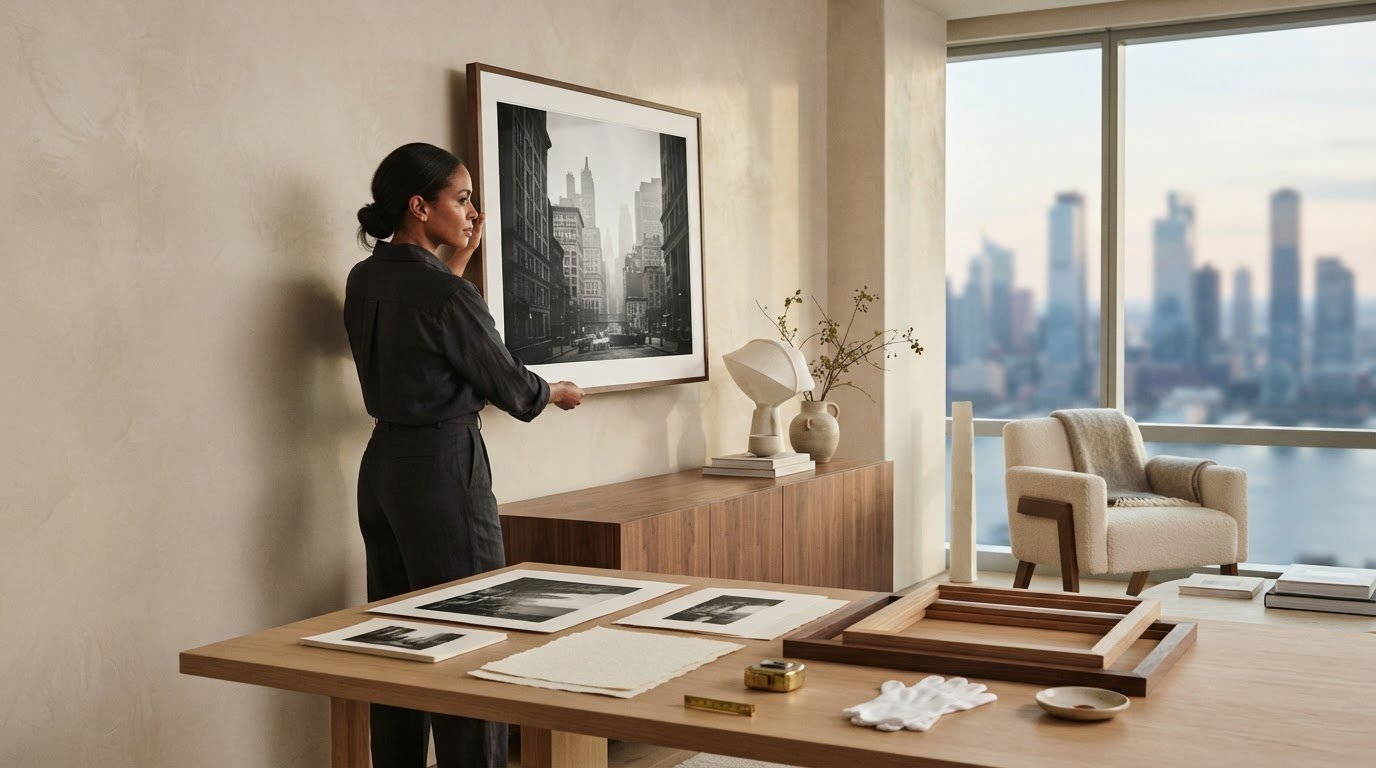
A photograph can be more than an image you’re licensed to use. It can become a physical artwork chosen for the memory, mood or moment it holds. If you’re considering buying art from getty images gallery, start with an important distinction: a stock-image licence grants defined usage rights, while a gallery print is an artwork to display and live with.
It’s natural to wonder how to make that choice with confidence, especially when a photograph must also work in a particular room. Getty Images Gallery is a trade-only platform, so individual collectors purchase its photographic prints through authorized partners. Galerie Prints offers physical prints from the Getty Images Gallery archive, with choices including print dimensions, paper types and professional bespoke framing.
This guide will help you look beyond the image on screen and assess the details that shape the finished piece. You’ll learn how to choose a photograph with lasting appeal, compare print size and paper with your space, and consider how framing can bring the composition into focus. With those decisions in view, you can approach your purchase as a considered addition to your home, not a licence to use an image.
Key Takeaways
- Understand how a physical photographic print differs from an image licence, and what you’re choosing when buying art from getty images gallery.
- Use a considered selection process to find a photograph that continues to appeal beyond your first impression.
- Compare print dimensions, paper types and bespoke framing with the room and display you have in mind.
- Review the artwork’s product details and separate creative choices from practical ordering information.
- Bring your decisions together to choose a Getty Images Gallery print that feels at home in your space.
Buying Art from Getty Images Gallery: What Are You Actually Purchasing?
A physical photographic print is an artwork to display; an image licence concerns the permitted use of a digital image. That distinction is central to buying art from getty images gallery. This guide focuses on physical prints from the Getty Images Gallery archive, not stock-image subscriptions or digital downloads. Through Galerie Prints, you can choose a photograph as a print and consider how its dimensions, paper and framing will shape its presence at home.
Getty Images Gallery operates within the wider photographic archive and image business of Getty Images, whose history includes major photographic archives. That context can help explain the breadth of imagery available, but it doesn’t establish that a particular print is rare, uniquely sourced or likely to increase in value. Assess each photograph using the details presented for that specific print.
How a gallery print differs from a stock image licence
A licence concerns using an image in a particular way; a physical print is a tangible object selected for display. Ordering a print means choosing an artwork, not receiving a file to download or a subscription to a stock library. Getty Images Gallery is a trade-only platform, and individual collectors buy its prints through partner retailers and galleries. Galerie Prints offers physical prints from the archive, with product details to guide your selection. If you’re considering image use beyond displaying the artwork, don’t assume the print’s product information grants those permissions.
Why collectors are drawn to photographic archives
An archive can open a view into different people, places and periods, bringing together images that might otherwise be difficult to discover. A portrait could lend a room intimacy; a scene of a faraway city might evoke travel; a candid moment could add movement to a composed interior. The archive offers a starting point for discovery, while the individual photograph creates the personal connection.
Give that connection time. An image may catch your eye for its colour or subject, yet feel less compelling after the first glance. Look again at its composition, atmosphere and details. Then imagine it on the wall: does it invite you to pause, and does its story feel at home in the room? Let both the image’s character and the specific print information guide your choice. Next, compare the available formats and presentation choices with the space you have in mind.
Choosing a Getty Images Gallery Photo to Live With
A photograph may first catch your attention through its subject, but the right one earns a place in your home by continuing to hold it. As you consider buying art from getty images gallery, look beyond the immediate appeal. Notice how the image’s atmosphere, tonal range and composition might shape a room.
Photography can invite the same close attention as other art forms. Tate’s overview of fine art photography offers a perspective on the medium’s artistic possibilities. For a wider look at how photographs can inform a collection and an interior, explore Fine Art Photography: A Curator’s Guide to Collecting and Decorating.
A considered process for choosing
- 1. Notice your first response. Ask what draws you in: a person, a place, a particular period, the light or the mood. A clear personal response is a stronger starting point than choosing only to match a current trend.
- 2. Revisit your shortlist. Save several possibilities, then return to them later at a comfortable viewing scale. Look for images that still hold your attention after the first impression has passed.
- 3. Consider the room and composition. Think about whether the photograph’s subject, orientation and visual weight suit the intended wall. A focused image can anchor a room; a more restrained composition may sit comfortably among other works.
- 4. Review the product details. Once an image feels right, compare its listed print dimensions with the available wall area and surrounding furnishings.
Match subject, scale and setting
Imagine the photograph in its intended position, not just on a screen. A wide composition above a long sofa may echo the furniture’s horizontal line, while a portrait-oriented image can draw the eye upward on a narrower wall. These are starting points, not strict rules. Measure the wall area and account for nearby furniture before settling on a print dimension.
Colour and tonal range matter, too. A photograph with deep shadows may bring visual weight to a light interior, while softer tones can create a quieter transition among existing artwork and furnishings. Decide whether you want the image to become a focal point or contribute to a larger arrangement. The aim isn’t simply to coordinate, but to bring the photograph’s character into the room.
When your shortlist is ready, browse Getty Images Gallery prints and use each image’s product details to guide your next decision.
Print Size, Paper, and Framing: Compare the Choices Before You Buy
Once you’ve settled on a photograph, its format shapes how you’ll experience it. Galerie Prints offers choices of print dimensions, paper types and professional bespoke framing. Compare the options shown for the specific artwork rather than assuming every image has identical formats. The guide to collecting photographs from AIPAD offers a broader collecting perspective. For this decision, start with how each available choice will serve the image and the room.
| Choice | What to consider | A practical way to decide |
|---|---|---|
| Print size | Wall area, viewing distance, the image’s orientation and its visual weight. | Measure the intended space and mark out candidate dimensions before ordering. |
| Paper | The paper description and how its presentation complements the photograph’s tonal range and character. | Compare the paper choices listed for that artwork, considering the image as well as the room. |
| Framing | How a frame defines the print and relates to nearby furnishings and other works. | Consider the complete framed piece in its planned position, not only the print by itself. |
Choose a print size that suits the wall
Scale changes the way a photograph reads. A smaller print may invite closer viewing, while a larger one can command attention across a room. Viewing distance matters, too: consider whether the image will be seen up close in a hallway or from across a living space. Before buying art from getty images gallery, use a tape measure or removable paper to mark the dimensions on the wall. Check the selected artwork’s product details. Listed dimensions may refer to the paper, including a handling border, while the image area can vary to preserve the photograph’s proportions.
Consider paper and bespoke framing together
Paper is part of the print’s visual and tactile presentation, so read the specific product description rather than choosing based on a general assumption about paper types. Then consider framing alongside it. A frame can give the photograph a defined boundary and help it sit harmoniously with the room, whether it stands alone or joins a collection. Galerie Prints’ bespoke framing options let you plan the presentation as part of the artwork’s place in your home. For more guidance, read How to Choose the Perfect Frame for Your Art.
With the wall measured and the product details in view, compare the formats for your chosen photograph. Explore Getty Images Gallery prints to consider the available dimensions, paper choices and framing together.
Before Ordering a Getty Images Gallery Print: A Practical Buyer Checklist
A final review helps ensure the photograph you’ve chosen becomes the artwork you intended, in a format suited to its place in your home. When buying art from getty images gallery, separate two questions: does this image and print format feel right, and have you reviewed the practical order details? A physical print and permission to reproduce or otherwise use an image are distinct considerations. Read the product information for the artwork rather than assuming a print purchase covers other uses.
Artwork and format
- Confirm the image. Check the product image and title against the photograph you shortlisted. Revisit it at a comfortable viewing size and look again at the details and composition that caught your attention.
- Check the dimensions. Make sure the selected size is the one you intend to order. Compare the dimensions shown for that artwork with your measurements for the wall, and note whether they refer to the paper or image area.
- Review the paper choice. Read the options presented for the item and consider which description best suits the image’s tonal character and the presentation you want.
- Settle the framing decision. If you’re choosing professional bespoke framing, review the options shown for the print and picture the complete piece in its planned position. Consider the frame alongside nearby furniture and other artwork.
- Read the displayed product information. Check the item-specific details before ordering, particularly those that shape your choice of print and presentation. Don’t assume information about one photograph applies to another.
Practical order and display
- Review delivery details during checkout. Read the delivery and order information presented in the purchase journey, including details relevant to your destination and chosen format.
- Plan where the finished work will go. Consider the wall, viewing distance and surrounding furnishings, then decide whether the photograph should stand alone or join an existing arrangement.
Keeping these checks distinct makes the decision clearer: first confirm the artwork and its format, then review the practical information for completing the order. For further inspiration on presenting a photograph in your home, explore The Art of Framing and Displaying Photography.
Ready to put your choices into practice? Browse physical Getty Images Gallery prints and review the details for the photograph you have in mind.
Make the Getty Images Gallery Print Part of Your Home
A photograph’s place in a home is shaped by more than the image alone. Its dimensions, paper and framing affect how it meets the wall, while light, surrounding colours and furniture influence how its tones and details are perceived. Picture the finished work in its intended setting before settling on a format.
Create a considered place for the photograph
Think about how the room is used and where attention naturally falls. A photograph hung above a sideboard may become a focal point, while one placed among other works can contribute to a layered arrangement. Allow enough visual space around a prominent print for its subject and composition to register. In a quieter corner, a smaller-scale piece may invite a closer look.
Light and colour can subtly alter the image’s presence. A photograph with strong contrast may stand out against a softly toned wall; a more muted image might sit gently alongside patterned furnishings or other art. There’s no single formula. Let the subject and scale guide the placement, and consider how the image reads at different times of day.
Turn a considered choice into a lasting artwork
The decision comes together through four connected choices: an image you feel drawn to, dimensions suited to its intended place, paper that complements its presentation, and framing that relates to the room. Galerie Prints offers physical photographic prints from its curated Getty Images Gallery offering, with print dimensions, paper types and professional bespoke framing to consider. Choosing framing lets you plan the finished presentation while leaving the pleasure of deciding where the piece belongs.
Buying art from getty images gallery is ultimately about choosing a photograph whose character continues to resonate, then giving it a setting where it can be appreciated. A personal connection to the image and a thoughtful visual fit are more dependable guides than assumptions about future value. Review the product details for your chosen print, and let the room inform its presentation.
Browse Getty Images Gallery prints at Galerie Prints to discover a photograph that speaks to you, then consider the available dimensions, paper and bespoke framing options as you imagine it in your home.
Choose a Photograph You’ll Be Glad to Live With
A thoughtful purchase begins with an image that continues to speak to you, then takes shape through choices that suit both the photograph and its place at home. The key steps in buying art from getty images gallery are to select a photograph for its lasting personal appeal, compare the dimensions and paper choices shown for that artwork, and consider how framing and placement will affect its presence.
Galerie Prints offers physical photographic prints from the Getty Images Gallery archive, with print dimensions, paper types and professional bespoke framing to help you plan the finished presentation. Reviewing the specific product details before ordering makes each choice clearer, from the proportions of the print to how it may sit within your room.
Explore the archive at your own pace and discover an image that feels right for your space. Explore Getty Images Gallery prints at Galerie Prints and consider the available print and framing choices. A photograph chosen with care can bring a memorable point of view into your home.
Frequently Asked Questions
Can I buy a physical print from Getty Images Gallery?
Yes, individual collectors can buy Getty Images Gallery photographs as physical prints through authorized partners, including Galerie Prints. Galerie Prints offers prints from the Getty Images Gallery archive, with choices of print dimensions, paper types and professional bespoke framing. Browse the specific artwork’s product details to see the format and presentation options for that image, then consider how the finished piece will suit your intended display.
Is buying art from Getty Images Gallery the same as licensing a Getty Images photo?
No. Buying art from Getty Images Gallery through a partner such as Galerie Prints means purchasing a physical photographic print to display. An image licence relates to permitted uses of an image, such as using it in a particular publication or project. These are separate considerations. Review the print’s product information for details about the artwork, and don’t assume a print purchase is a licence for other image uses.
How do I choose the right size for a Getty Images Gallery print?
Choose a size that suits both the photograph and the space where you plan to display it. Measure the available wall area, consider the viewing distance, and mark candidate dimensions on the wall with removable tape or paper. Then compare those measurements with the options shown for your chosen artwork. Check whether the listed dimensions refer to the paper, as the image area may differ to preserve the photograph’s proportions.
Can I have a Getty Images Gallery print framed?
Yes. Galerie Prints offers professional bespoke framing for its photographic prints, including prints from Getty Images Gallery. Framing can help define the image and bring it into visual conversation with the room. Review the framing choices presented for your selected artwork and think about the frame alongside the wall colour, nearby furnishings and other pieces on display. Consider the complete framed work when planning its dimensions and placement.
What should I check before buying a Getty Images Gallery print?
Check that the product image and title match the photograph you want, then review the selected print dimensions, paper choices and framing options. Compare the stated dimensions with your measurements and revisit the image at a comfortable viewing scale. Keep artwork decisions separate from practical ordering details: review the delivery and order information shown during checkout. A physical print is also distinct from a licence to use an image elsewhere.
Are Getty Images Gallery prints digital downloads?
No. A Getty Images Gallery print purchased through Galerie Prints is a physical photographic artwork, not a digital download. You can review the options for print dimensions, paper and professional bespoke framing presented for the selected image. If you’re seeking permission to use an image in a publication, campaign or other project, that’s different from purchasing a print for display, so don’t treat the two as interchangeable.
How can I make a photographic print work in my interior?
Start with the place you have in mind, then consider how the photograph’s subject, colours and composition will read against the room. Measure the wall and account for viewing distance, furniture and the print’s orientation. A striking image may benefit from clear space around it, while a quieter work can sit within a larger arrangement. Choose paper and framing with the image and its surroundings in mind, so the presentation feels considered.
