
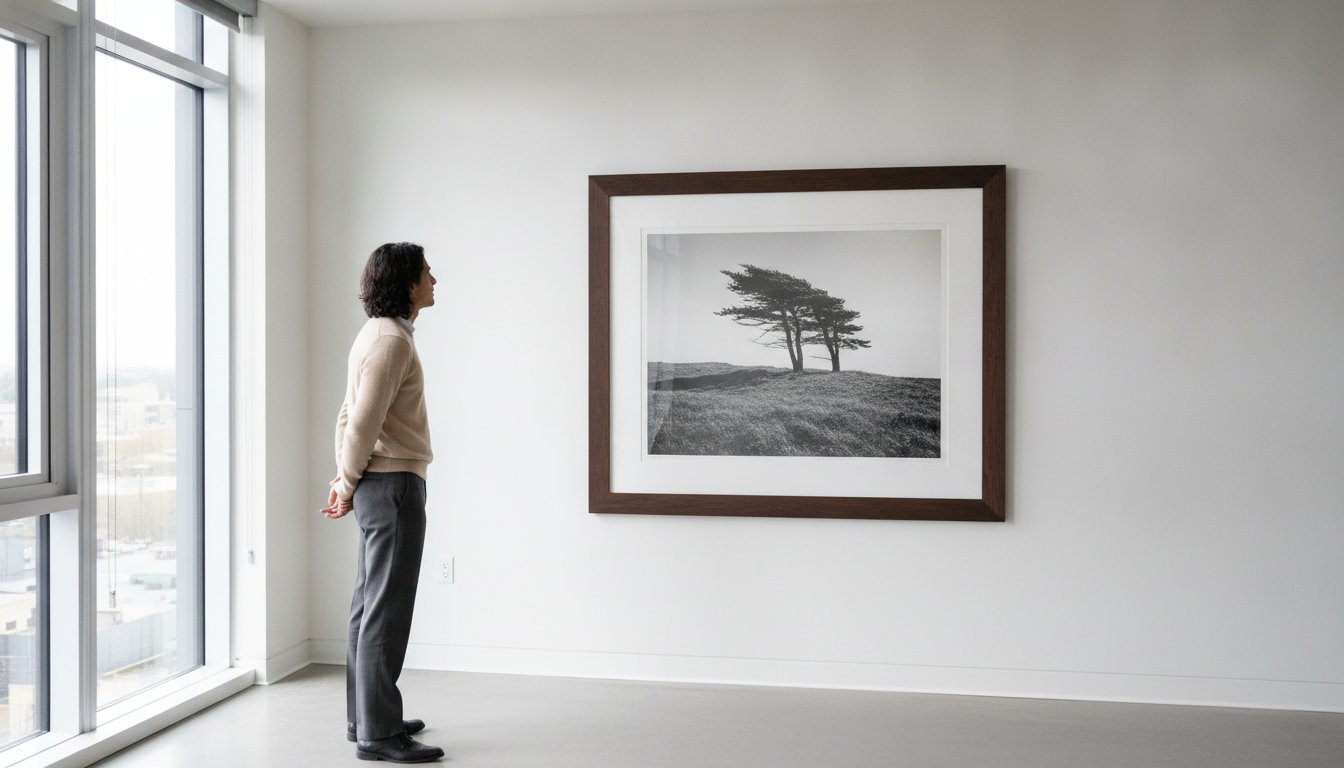
A frame is never merely a border; it is the final, decisive act of curation that transforms a solitary print into a lasting legacy. When you are deciding how to choose a picture frame, you are not just looking for a decorative edge. You are seeking a vessel that protects the historical significance of a Terry O’Neill or Slim Aarons original. It is natural to worry that a poor choice might look “cheap” or, worse, damage a high-caliber investment through improper mounting. You’ve likely spent hours selecting the perfect image, and the thought of it losing its luster to “mat burn” or fading is a valid concern for any serious collector.
You deserve the confidence that comes with professional-grade archival protection and a sophisticated aesthetic. This guide will teach you to master the art of selection, ensuring your piece meets gallery standards while complementing your home’s unique atmosphere. We will demystify technical terms like UV-glazing and acid-free matting, providing a clear path to a “ready-to-hang” masterpiece. From the prestige of artisanal craftsmanship to the necessity of reversible mounting, you’ll learn how to honor your art for generations to come.
Key Takeaways
- Learn how to choose a picture frame that serves as a sophisticated bridge between the historical soul of your art and your home’s modern aesthetic.
- Identify the specific material qualities of natural wood and hand-finished lacquers to ensure your frame’s texture aligns with your interior design.
- Gain clarity on archival essentials like UV-protective glazing and window mounts to preserve your prints for future generations.
- Master the stylistic nuances of matching frames to iconic archives, from mid-century modern profiles to the definitive black and white standard.
- Understand why a professional, bespoke mounting service is the most reliable way to achieve a gallery-standard, ready-to-hang finish.
The Curatorial Eye: Why Framing is the Final Act of Creation
To truly understand how to choose a picture frame, one must look beyond the mere aesthetics of a room. A frame acts as a sophisticated bridge, connecting the historical narrative of a piece, such as a mid-century Slim Aarons or a candid Terry O’Neill, with the contemporary pulse of your living space. It is the final act of creation that dictates how the work is perceived. While a print captures a moment in time, the frame translates that moment for the modern eye. It ensures the art doesn’t just sit on a wall but belongs there.
Professional galleries adhere to what we call the “Gallery Standard.” This philosophy favors restraint over ornamentation. Over-ornate or distracting frames often fight for the viewer’s attention, pulling the eye away from the artist’s intent. The history of picture frames shows a shift from the heavy, gilded borders of the Baroque era toward the clean, purposeful lines of the modern gallery. Today’s curators prefer profiles that offer “visual breathing room.” This space allows the viewer’s mind to settle, focusing entirely on the composition and color of the photograph rather than the frame’s architecture.
Curatorial framing is the precise balance of aesthetic enhancement and archival security, ensuring a print remains as striking in fifty years as it is today.
The Investment Perspective: Protecting Your Art’s Value
Choosing a frame is a defensive strategy as much as a stylistic one. Improper materials are the primary cause of “foxing,” those distinctive brown spots caused by fungal growth and acidic reactions. While decorative framing focuses on the immediate visual impact, archival preservation prioritizes the long-term health of the paper. A high-quality print is a tangible asset; it requires professional-grade housing to maintain its collectible status and prevent irreversible fading or mounting damage. For collectors looking to build a cohesive portfolio, professional Original Art Sales and Art Advisory from Asher Grey Gallery can provide the expert guidance needed to ensure every piece is both a sound investment and a preserved masterpiece.
Your choice between a minimalist profile and a “statement” frame defines the atmosphere of your collection. Consistent framing is a powerful tool for unification, allowing a diverse selection of fine art photography to feel like a single, cohesive narrative. When you learn how to choose a picture frame with intention, you aren’t just decorating a wall. You’re building a private museum. Whether you opt for the warmth of natural wood or the sharp edge of a dark lacquer, the frame should always feel like a natural extension of the art itself.
Selecting Materials: The Distinction Between Wood, Metal, and Hand-Finished Profiles
The choice of material is where the tactile nature of art meets the structural requirements of preservation. When considering how to choose a picture frame, you must evaluate how the grain of the wood or the sheen of a lacquer interacts with the light in your gallery space. For high-end photographic archives, a slim profile with a 20mm or 30mm face is the established industry standard. This width provides sufficient structural integrity to support professional glazing while remaining narrow enough to keep the viewer’s focus on the composition. True bespoke quality is revealed in the precision of the corner joins. In a hand-finished piece, these seams should be virtually invisible, showing a level of craftsmanship that mass-produced alternatives simply cannot replicate.
Consistency in the finish is equally vital. Whether you select a natural grain or a deep pigment, the surface should be smooth and deliberate, free from the pooling or ripples often found in lower-tier production. Our bespoke framing service prioritizes these artisanal markers, ensuring that the housing is as much a masterpiece as the print it protects.
The Case for Solid Wood Frames
Solid wood remains the definitive choice for those seeking warmth and organic texture. Unlike veneers, which are merely thin layers of wood glued to a cheaper core, solid ash, oak, or maple offers superior longevity and a satisfying weight. These materials possess a natural resilience that prevents warping over time. The organic grain of a light oak frame is particularly evocative when paired with the sun-drenched poolside scenes found in the Slim Aarons collection. It mirrors the era’s penchant for natural materials while providing a soft, neutral boundary that allows the vibrant blues and yellows of the photography to radiate.
Contemporary Metal and Lacquer Options
For a more rigorous, architectural aesthetic, metal and hand-finished lacquers offer a sharp, modern edge. A matte black aluminium frame creates a “stark” gallery look that defines the borders of an image with clinical precision. This is often the preferred choice for high-contrast black and white photography. Conversely, white lacquer frames are designed to disappear, blending seamlessly into minimalist walls to create an “unframed” illusion. If you are looking for added narrative depth, consider a “shadow box” profile. By creating a significant gap between the art and the glazing, this style adds a three-dimensional quality to the presentation. Achieving stylistic harmony in framing requires balancing these material choices against the era and mood of the artwork, ensuring the final result feels both intentional and timeless.
Technical Perfection: Glazing, Matting, and Archival Protection
Technical perfection in framing is where the artistry of the image meets the rigor of science. When you’re determining how to choose a picture frame, the components hidden behind the moulding are just as critical as the wood itself. A window mount is essential; it creates a necessary gap between the artwork and the glazing, preventing the print from adhering to the glass. This separation is vital for long-term preservation. Only PH-neutral, acid-free boards should touch your art. These materials prevent the “mat burn” that plagues inferior framing, ensuring the paper remains pristine for decades. UV-protective glazing is the “sunscreen” of the art world, preventing irreversible light damage that can drain the life from a photograph.
The Anatomy of a Professional Mount
Mounting is an exercise in proportions. While equal borders offer a modern symmetry, many collectors prefer “bottom weighting,” where the lower margin is slightly wider to compensate for the optical illusion that art is “falling” in its frame. The color of the mount board subtly shifts the viewer’s experience. A Bright White mount can make contemporary highlights pop, while an Off-White or Cream board offers a softer transition for vintage archives. For pieces with deckled or irregular edges, the “Float Mount” technique is the premier choice. It suspends the art above the backing board, celebrating the tactile quality of the paper. These expert tips on choosing the perfect frame highlight why technical mounting is a non-negotiable step for serious collectors.
Glazing: Clarity vs. Protection
The choice of glazing defines how you interact with the work. Standard glass is heavy and prone to shattering, which is why high-grade UV-protective acrylic has become the gold standard for large-scale photography shipping. It’s lightweight, shatter-resistant, and offers exceptional clarity. In sun-drenched rooms, anti-reflective coatings are transformative. They eliminate the distracting glare of windows and lamps, allowing the depth of the blacks and the richness of the colors to shine through. Museum-grade glazing requires delicate care; always use a microfiber cloth and specialized cleaners to avoid fine scratches. When you understand how to choose a picture frame with the right glazing, you aren’t just displaying art. You’re guarding its future.
Stylistic Harmony: Matching Frames to Iconic Photography and Interior Aesthetics
Achieving stylistic harmony is a delicate negotiation between the artwork’s heritage and your home’s architecture. While generic design advice often suggests matching a frame to your upholstery, a curatorial approach prioritizes the historical era of the print. When you’re deciding how to choose a picture frame for a Terry O’Neill original, you’re looking for profiles that mirror the sleek, mid-century modern elegance of the 1960s. This creates a bridge between the vintage soul of the image and a contemporary interior, ensuring the piece feels integrated rather than merely placed.
For monochromatic works, the industry adheres to the definitive black and white standard. A slender black frame paired with a generous white mount is the most effective way to present black and white pictures. This combination provides a neutral stage that emphasizes the contrast and silver tones of the print. Similarly, when handling large-format movie posters, the frame must provide cinematic scale. A bold, architectural border can transform a vintage poster into a high-impact focal point for a lounge or home theater.
Framing for Specific Genres
Specific photographic genres demand tailored material choices. The sun-drenched, aspirational palette of a Slim Aarons poolside scene is best served by natural wood frames, which enhance the organic warmth of the setting. In contrast, music archives documenting the grit of rock and roll often benefit from dark, industrial frames that reflect the raw energy of the subject. For smaller treasures like Cinema Lobby Cards, a curated gallery wall using uniform, slim frames allows these detailed collectables to tell a collective story without overwhelming the space.
Scaling for the Room
Scale is a powerful curatorial tool. An “oversized” mount can make a relatively small print feel monumental, drawing the eye in and commanding attention on a large wall. To calculate the final footprint of your art, remember the formula: Frame width + Mount width + Print size. When constructing a gallery wall, you can mix frame styles by maintaining a common thread, such as consistent mount colors or similar profile depths. This prevents visual chaos while allowing each piece to retain its individual character. For a truly seamless result, our bespoke framing service offers hand-picked styles designed to complement our world-class archives perfectly.
The Galerie Prints Standard: Our Bespoke Framing and Mounting Service
Understanding how to choose a picture frame is the first step toward building a significant collection, but the final execution requires a level of precision that only a master craftsman can provide. At Galerie Prints, we don’t view framing as a secondary service; it’s the final, essential stage in the preservation of photographic heritage. Our bespoke framing service is an artisanal process conducted within our dedicated London workshop. Here, each frame is handcrafted to museum standards, ensuring that your investment in a Slim Aarons or Terry O’Neill print is honored with the highest level of technical superiority and material quality.
We’ve removed the complexity and risk of the assembly process through our “Ready-to-Hang” promise. By handling the meticulous technical details, from the PH-neutral mounting to the precision-fit glazing, we ensure your artwork arrives in a state of gallery-ready perfection. This isn’t the standard e-commerce model of shipping disparate components. It’s a complete curatorial solution designed for the discerning collector who values both their time and the long-term stability of their visual art. When you learn how to choose a picture frame from our curated selection, you’re choosing a piece of history that’s been prepared for immediate display.
Expertly Curated Pairings
Our team meticulously selects the perfect frame depth to complement our premium paper types, ensuring the structural integrity of every large-format piece. We use professional, archival-grade mounting materials that provide the peace of mind every collector deserves. Your art travels from our gallery to your wall in specialized, fully protected packaging, arriving exactly as the artist intended. This seamless transition from our workshop to your interior is a luxury service that treats every Music Archive print or Star Wars Limited Edition with the reverence it earned.
Consult with a Curator
For those managing large-scale installations or developing corporate collections, we offer personalized advice to ensure every piece aligns with your architectural vision. We provide specialist framing for rare cinema lobby cards and vintage movie posters, where the preservation of original source materials is paramount. If you have unique requirements that extend beyond our standard bespoke finishes, we invite you to contact our team for specialized requests. We’re here to act as your trusted guide, ensuring your collection reflects a sophisticated, worldly aesthetic. Explore our archives today and select the bespoke finish that transforms your chosen print into a lasting masterpiece.
Elevating Your Art into a Lasting Legacy
Mastering the nuances of material selection and technical protection transforms a simple purchase into a deliberate act of curation. You now understand that a frame is more than a decorative border; it is a structural guardian. By prioritizing museum-quality archival materials and acid-free mounting, you ensure your photographic investment remains a pristine window into history. Deciding how to choose a picture frame is ultimately a decision about how you wish to experience your art every day, balancing the weight of the past with the aesthetics of the present.
Whether you select the organic warmth of solid oak or the sharp precision of a hand-finished lacquer, the result should be a seamless marriage of heritage and home. Our bespoke frames are hand-finished by London artisans and designed for ready-to-hang delivery worldwide, ensuring your collection arrives in gallery-standard condition. Explore our Bespoke Framing Service and Curated Print Collections to begin your journey of curation. Your walls deserve nothing less than a masterpiece that is preserved for generations.
Frequently Asked Questions
How do I know what size frame to buy for my print?
The ideal frame size is determined by the sum of your print’s dimensions and the desired width of your mount. If you have a 16×20 inch photograph and wish to add a 2 inch mount on all sides, you will require a frame with internal dimensions of 20×24 inches. Always measure the actual image area rather than the paper size to ensure the mount window sits perfectly. This precision is a vital part of learning how to choose a picture frame for a professional finish.
Is it better to use glass or acrylic for framing photography?
For the serious collector, high-grade UV-protective acrylic is often the superior choice for large-scale photographic works. While traditional glass is a classic material, it’s heavy and prone to shattering during transit. Modern acrylic offers exceptional clarity and is significantly lighter, making it safer for the artwork. It also provides a more stable environment for the print, though it requires a soft microfiber cloth for cleaning to avoid fine surface scratches.
What is an acid-free mount and why is it important?
An acid-free mount is a PH-neutral board crafted from alpha-cellulose or cotton rag, designed to remain chemically stable over time. Inexpensive, non-archival boards contain lignin, which eventually breaks down and releases acidic gases. This leads to “mat burn,” a permanent yellowing or browning of the paper edges. Utilizing acid-free materials is a non-negotiable standard for preserving the integrity and future value of any high-caliber photographic print in your collection.
Should I choose a frame that matches my furniture or the art?
Your primary objective should always be to honor the artwork’s inherent character and historical era rather than matching specific furniture. A frame that complements the art will remain timeless even if you decide to redecorate your room. When you’re considering how to choose a picture frame, look for a style that acts as a bridge between the piece and the wall. A well-chosen frame creates a sense of permanence that transcends fleeting interior design trends.
How much space should be between the art and the frame (mount width)?
A standard mount width typically ranges between 50mm and 100mm, depending on the scale of the photograph. Larger prints generally benefit from wider mounts, which provide the necessary visual breathing room to prevent the image from feeling cramped. For a sophisticated gallery look, many curators prefer “bottom weighting,” where the bottom border is slightly deeper than the top and sides. This subtle adjustment compensates for the optical illusion that art is sagging within its frame.
Can I frame a print myself or should I use a professional service?
While self-framing is possible for casual pieces, investing in a professional service is the only way to guarantee museum-grade archival protection. Professional workshops operate in dust-free environments and utilize specialized tools for precision joins and reversible mounting. A bespoke service ensures that every component, from the PH-neutral backing to the UV-glazing, is handled with expert care. This provides the “ready-to-hang” convenience and security that a high-end photographic archive deserves.
What is UV-protective glazing and do I really need it?
UV-protective glazing is a specialized coating that filters out up to 99% of harmful ultraviolet rays, acting as a safeguard against irreversible fading. Light damage is cumulative and permanent; it can drain the vibrancy from a color print or yellow the highlights of a black and white photograph. If your art will be displayed in a room with any natural light, this protection is essential for maintaining the work’s historical and aesthetic significance for generations.
How do I hang a large framed photography print safely?
To hang a large-scale framed print safely, you must utilize heavy-duty wall anchors and D-rings rather than a single central nail or adhesive strips. Ensure the hardware is rated for the specific weight of the frame and the material of your wall, whether it’s plaster, brick, or drywall. For the most secure installation, we recommend using two hanging points to distribute the weight evenly. This prevents the frame from tilting and ensures it remains a stable, permanent fixture.