
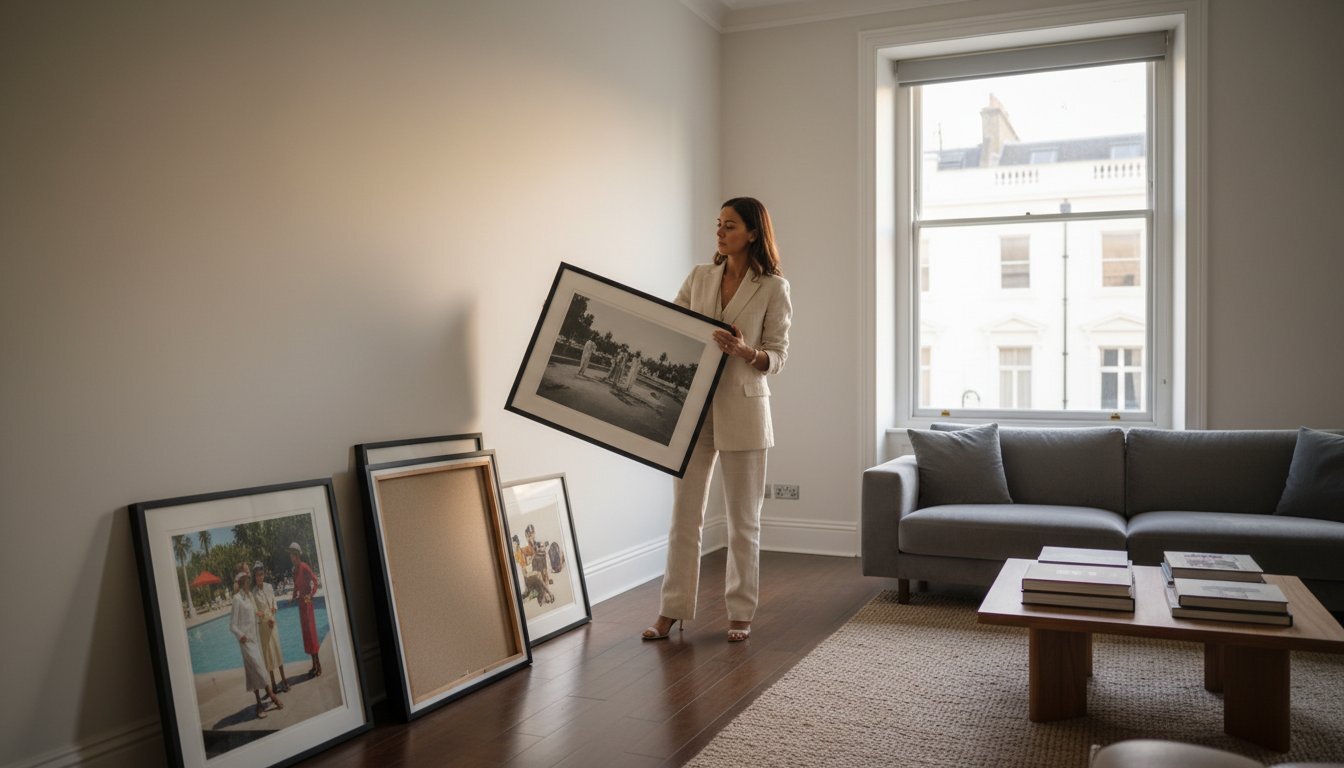
What if the most profound architectural detail in your home isn’t the crown molding or the hearth, but a single, exquisitely captured moment of 1950s Riviera glamour? Many collectors find that while they appreciate the allure of fine art, the actual process of decorating with photography prints often brings a sense of hesitation regarding frame styles or the delicate balance between monochrome and color. It’s a common concern that a space might feel cluttered rather than curated, especially when dealing with the prestigious weight of iconic imagery.
This curatorial guide will teach you how to transform your living environment into a sophisticated private gallery using professional curation techniques and bespoke framing. You’ll learn to navigate the archives of the world’s finest photography to find pieces that offer both aesthetic beauty and historical provenance. We’ll examine the technical superiority of prints hand-printed in our London darkroom and provide practical steps for creating layouts that reflect a life well-lived. From the aspirational Slim Aarons lifestyle to the stark power of black and white portraiture, you’re about to discover how to invest in timeless art that anchors your interior with quiet authority.
Key Takeaways
- Understand the transformative power of fine art photography and how a deliberate creative vision can redefine the psychological atmosphere and mood of your home.
- Master the art of decorating with photography prints by selecting themes that harmonize with your interior architecture, from the jet-set glamour of Slim Aarons to iconic cinematic archives.
- Learn to navigate the technical nuances of sizing and bespoke framing to ensure your artwork commands the presence it deserves while avoiding common scale mistakes.
- Discover room-by-room curation strategies for placing evocative imagery that serves as both a sophisticated focal point and a timeless conversation starter.
- Gain insight into the value of archival excellence and the prestige of hand-printed works produced within a traditional London darkroom.
What is Fine Art Photography and Why Does it Transform a Room?
Fine art photography isn’t a mere record of a moment; it’s a curated vision that commands attention. Unlike the billions of digital images captured daily, a fine art print is a deliberate act of creation. To understand What is Fine Art Photography?, one must look at the photographer’s intent. It’s the difference between a casual observation and a profound statement. When you begin decorating with photography prints, you aren’t just adding color to a wall. You’re inviting a specific atmosphere into your home, whether that’s the high-society glamour of the 1960s or the quiet stillness of a remote landscape.
The medium’s versatility makes it a cornerstone of sophisticated interior design. Photography bridges the gap between the historical and the contemporary. A vintage silver gelatin print feels at home in a traditional wood-paneled library, while a large-scale C-type print can anchor a minimalist penthouse. This adaptability stems from photography’s unique ability to feel both grounded in reality and elevated by artistic perspective.
The Narrative Power of the Lens
A single image can define the personality of a room. It acts as a silent storyteller, setting a tone that influences how guests feel the moment they enter. If you choose an iconic Slim Aarons piece, you’re injecting a sense of aspirational luxury and mid-century sunshine into your living space. The photographer’s intent dictates the room’s aesthetic direction. A high-fashion shot from a 1950s London studio brings a sense of poise and structure, while a candid street scene might evoke nostalgia and curiosity. The lens captures more than a subject; it captures an era’s soul.
Archival Quality vs. Standard Prints
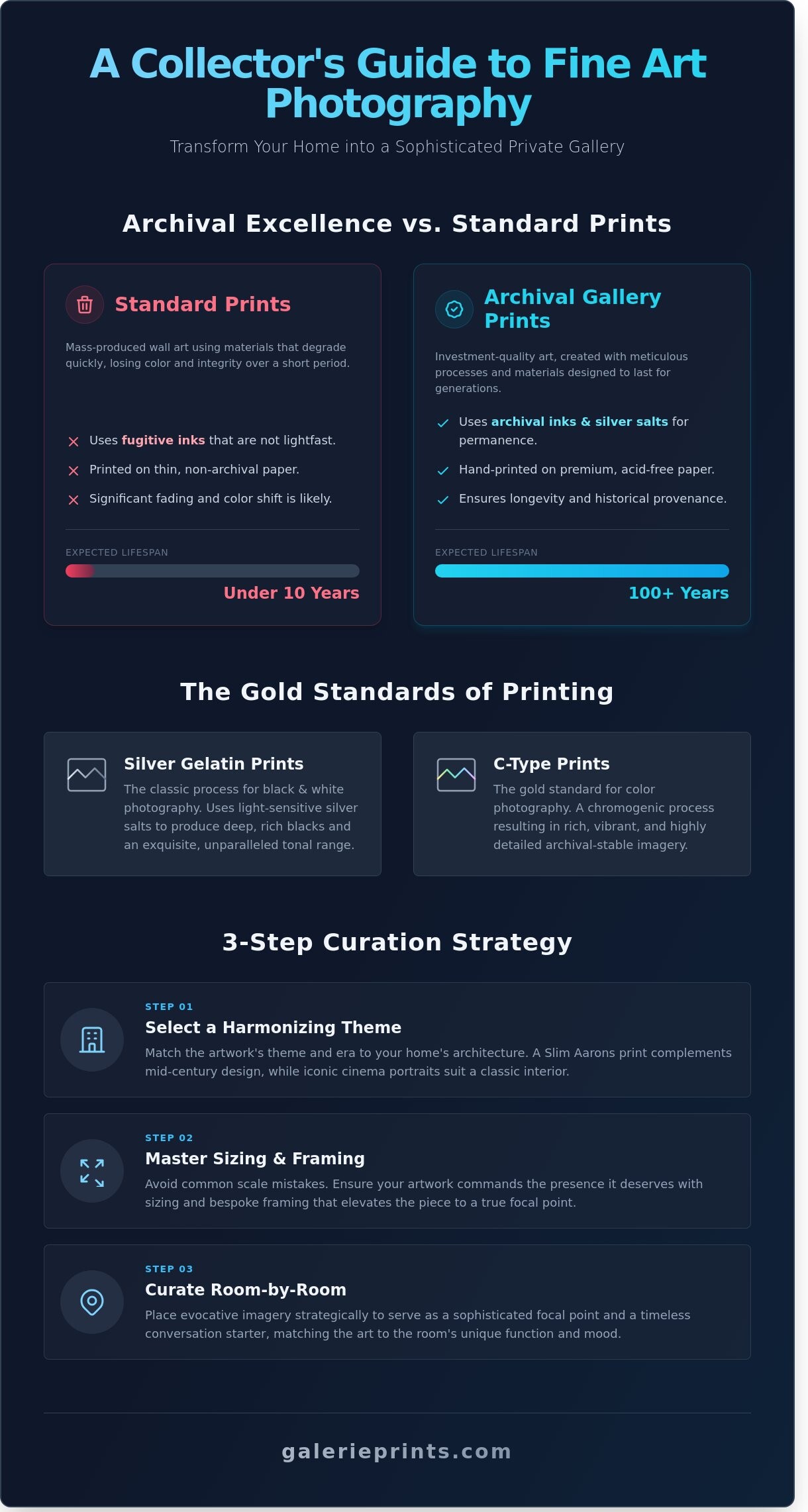
There’s a vast chasm between mass-produced wall art and true archival gallery prints. Standard commercial prints often use thin paper and fugitive inks that fade within a decade. In contrast, fine art prints are built for longevity, intended to be passed down as family heirlooms. At Galerie Prints, we emphasize the tactile and chemical excellence of traditional methods. Many of our works are hand-printed in our London darkroom, ensuring each piece meets the highest standards of provenance and quality.
- Silver Gelatin Prints: A classic black and white process using light-sensitive silver salts, producing deep blacks and exquisite tonal ranges.
- C-type Prints: The gold standard for color photography, using a chemical development process that results in rich, archival-stable imagery.
- Longevity: Archival prints are designed to last 100 years or more without significant degradation when stored or displayed correctly.
Investing in these materials ensures your home remains a gallery of history rather than a collection of temporary decor. For those ready to deepen their understanding of the medium, exploring a comprehensive guide to fine art photography provides the collector’s insight needed to make an informed acquisition.
Selecting a Theme: From Slim Aarons to Iconic Cinema
Selecting a theme is the foundational step in decorating with photography prints; it’s the thread that binds your interior architecture to the art on your walls. A successful curation considers the era of the building. For instance, a brutalist apartment finds its soul in the stark, industrial lines of abstract architecture photography, while a Georgian townhouse provides a stately backdrop for the cultural weight of iconic cinema. Adding Terry O’Neill’s portraits or vintage lobby cards brings a layer of intellectual prestige to a room, transforming a simple wall into a narrative about 20th-century history. Whether you choose abstract subjects to complement the geometric legs of a mid-century sideboard or figurative works to add a human element to a cold space, the choice must feel intentional.
It’s about more than just filling a void. The subject matter should echo the room’s purpose. A study might benefit from the quiet authority of a black and white jazz session, while a dining room could be elevated by a large-scale, vibrant scene of 1960s socialites. By matching the photograph’s era to your home’s structural DNA, you create a sense of permanence. This approach ensures your decor doesn’t feel like a temporary trend but rather a curated collection with deep provenance.
The Allure of the Golden Age
For those seeking a sense of escapism, Slim Aarons remains the gold standard for luxury decor. His work captures an era of “attractive people doing attractive things in attractive places.” Incorporating these “Poolside” and “Palm Springs” aesthetics into a modern living room injects a vibrant, jet-set energy. These prints work best when their sun-drenched palettes contrast against neutral, minimalist furniture. The goal is to let the photograph act as a window into a world of leisure and high-society glamour. The lush blues of a Mediterranean villa or the sharp pinks of a desert social club provide a focal point that anchors the entire room’s color story, offering a daily dose of aspirational beauty.
Black and White: The Timeless Choice
Monochrome imagery is often the preferred route for a sophisticated, minimalist look. It strips away the distraction of color, focusing instead on form, texture, and light. When you explore our guide to black and white pictures, you’ll see how silver gelatin prints add depth to dimly lit spaces or small studies. These archival works, often hand-printed in our London darkroom, offer a tactile quality that digital prints lack. Proper Sizing and Bespoke Framing ensures these pieces command the room without overwhelming it. A well-placed black and white print acts as an anchor, providing a timeless stability that color trends can’t touch. To begin your collection, consider how a single, powerful image can redefine your space by visiting our curated archives today.
The Technicals of Display: Sizing and Bespoke Framing
Selecting the right piece is only the first step. The true alchemy of decorating with photography prints lies in the precision of their physical presence. A common error involves the “floating” print, where a masterpiece appears lost on a vast expanse of plaster. You should measure your wall space with the same care a curator applies to a museum wing to avoid the “too small” art mistake. A print that lacks scale fails to command the room’s attention; instead, it looks like an afterthought. When you get the proportions right, the art doesn’t just sit on the wall, it defines the entire atmosphere of the room.
Sizing Guide for Standard Rooms
Interior designers often rely on the 60/40 rule for wall coverage. This guideline suggests that your art should occupy approximately 60% to 75% of the available wall space that isn’t already obscured by furniture or architectural features. For a grand living room, an oversized statement print creates an immediate focal point, drawing the eye toward the world’s finest photography with effortless authority. Conversely, smaller spaces benefit from intimate works. Using cinema lobby cards is an excellent strategy for decorating nooks or library shelves. These 11×14 inch vintage treasures offer a window into Hollywood’s photographic heritage while fitting perfectly into more compact, personal environments.
Bespoke Framing: The Gallery Secret
Professional framing serves as a bridge between the artwork and your existing decor. While the print itself captures a moment in time, the frame grounds it in your home. Bespoke framing is essential for archival protection, especially for prints hand-printed in our London darkroom. Choosing the right finish is a matter of architectural dialogue:
Fortunately, accessing professional-grade materials is simpler than ever, with a variety of sources for custom picture frames online that can cater to specific archival needs.
- Classic Black: Provides a crisp, modern boundary that emphasizes the contrast in monochrome silver gelatin prints.
- Natural Wood: Offers a warm, organic feel that complements mid-century modern aesthetics or coastal interiors.
- Ornate Gold: Creates a sophisticated juxtaposition when paired with gritty, candid street photography or fashion archives.
The technical details matter just as much as the aesthetic ones. Opt for anti-reflective UV protection glass to ensure your investment remains shielded from sunlight while maintaining 100% visual clarity. This specialized glazing eliminates the distracting glare that often plagues standard glass. Finally, never overlook the “breathing room” provided by a high-quality mount. A generous border within the frame prevents the print from touching the glass, ensuring the decorating with photography prints process results in a display that is both beautiful and permanent.
Room-by-Room Curation: Where to Hang Your Prints
The placement of a photograph determines its narrative impact within a home. In the living room, a large-format print serves as a commanding focal point, especially when positioned with precision above a mantle or a velvet sofa. For those seeking an aspirational aesthetic, a Slim Aarons piece depicting the mid-century leisure of the 1960s can transform a communal space into a portal to a more glamorous era. Decorating with photography prints in these high-traffic areas requires a sophisticated balance of scale and subject matter that invites guests to linger.
Dining rooms benefit from imagery that functions as a silent dinner guest, sparking dialogue and curiosity. Consider iconic silver gelatin portraits of film legends or candid music photography from the 1970s to provide a rich historical backdrop to evening gatherings. Conversely, the bedroom demands a retreat into serenity. Opt for low-contrast landscapes or soft, ethereal abstracts that evoke a sense of calm. The goal is to select work that resonates with the room’s intimate function, ensuring the art complements your rest rather than competing for your attention.
Hallways and staircases offer a unique opportunity to curate a chronological or thematic journey. These transitional spaces are ideal for the intricate art of the gallery wall. Here, a collection of smaller, hand-printed works can be appreciated at eye level as one moves through the home, creating a sense of permanence and architectural depth.
Mastering the Gallery Wall
Creating a cohesive arrangement requires a disciplined, curatorial approach. To achieve a professional result, follow these three steps:
- Step 1: Select a central anchor print. This should be your largest or most visually striking piece, placed at the heart of the arrangement to ground the composition.
- Step 2: Mix sizes and orientations while maintaining a common thread. Combine landscape and portrait frames, but ensure they share a unifying element like consistent black-and-white tones or matching bespoke frames.
- Step 3: Use paper templates to test the layout. Cut craft paper to the exact dimensions of each frame and tape them to the wall, allowing you to refine the spacing before any drilling occurs.
Lighting Your Photography
Preserving the archival quality of your collection is paramount for any serious collector. It’s essential to avoid hanging prints in direct sunlight, as UV rays can cause even the most resilient silver gelatin prints to fade over several decades. For illumination, dedicated picture lights offer a focused, museum-quality glow that highlights the depth of the image. Ambient ceiling spots can also work effectively, provided they’re angled to minimize glare. The finish of the paper plays a significant role; high-gloss prints require careful positioning to avoid distracting reflections, whereas matt finishes absorb light, revealing the exquisite texture and London-based craftsmanship found in every piece from our darkroom.
The Galerie Prints Difference: Archival Excellence
Our London-based craftsmanship sets us apart from mass-market retailers. We handle production in-house, hand-printing in our own London darkroom to maintain total control over quality. This artisanal approach allows us to produce silver gelatin prints and archival pigment pieces that meet the rigorous standards of professional galleries. By preserving traditional techniques, we offer a level of depth and texture that digital shortcuts cannot replicate.
This dedication to technical mastery is also found in the professional sphere; for instance, TPG Events (The Technical Production Group) provides the creative and technical solutions required for large-scale exhibitions and high-profile events.
Provenance matters when you’re investing in art. Our exclusive partnerships with renowned photographic estates, such as that of Terry O’Neill, and direct access to major historical archives, allow us to offer prints with impeccable pedigree. These aren’t mere reproductions; they’re official releases sourced directly from original negatives. Whether you’re interested in an iconic 1960s fashion shoot or a candid moment from the golden age of cinema, these pieces carry the weight of history. You’re not just decorating with photography prints; you’re building a collection that lasts for generations.
Bespoke Service for Discerning Collectors
Stuart Möller and our curatorial team bring decades of expertise to every project. We understand that decorating with photography prints requires a tailored approach to fit the unique proportions of your home. We offer custom sizing and bespoke framing options designed to complement your specific aesthetic. Your investment is protected by our professional international shipping, ensuring your piece arrives ready to hang and in pristine condition. To stay informed on delivery timelines, resources from Linemark offer clarity on postal schedules, helping you prepare for your print’s arrival. For those looking to apply this same level of print precision to business outreach, you can learn more about Micro Printing and their specialized marketing solutions. We provide the guidance needed to turn a single wall into a curated gallery experience.
Starting Your Collection Today
Photography represents an an accessible entry point into high-end art collecting. It offers a tangible connection to the “lifestyle” and glamour of eras past. When selecting your first piece, follow your instinct rather than passing trends. Look for an image that evokes a sense of nostalgia or reflects your personal aspirations. It’s about finding a visual narrative that resonates with your daily life. Explore our curated collections to find your statement piece and begin a journey of sophisticated home transformation.
Curation for the Modern Collector
Elevating a residence through fine art requires a discerning eye for both historical narrative and artisanal craftsmanship. We’ve explored how selecting iconic subjects from the Slim Aarons archive or cinematic history creates a focal point that transcends mere decor. It’s the technical precision, from bespoke museum-quality framing to archival silver gelatin processes, that ensures these investments endure for generations. When you begin decorating with photography prints, you aren’t just filling wall space; you’re preserving a specific moment of cultural heritage within your own home.
Every piece at Galerie Prints is hand-printed in our London darkroom, maintaining a standard of excellence that has defined our collection for years. By focusing on provenance and the tactile quality of the print, you transform a room into a curated gallery. We invite you to explore our heritage collections and bring the allure of the 20th century into your contemporary interior. Discover the world’s finest photography prints at Galerie Prints and find the piece that speaks to your unique aesthetic. Your journey into the golden age of glamour starts with a single, exquisite frame.
Frequently Asked Questions
How do I choose the right size photography print for my wall?
You should select a print that occupies two thirds to three quarters of the available wall space above a furniture piece. For a standard 215cm sofa, an artwork width of 140cm to 160cm creates the most balanced visual impact. This prevents the art from appearing lost or overwhelming the room. Decorating with photography prints requires this precise attention to scale to maintain the curated atmosphere of a professional gallery.
Should I choose black and white or colour photography for my decor?
Choose black and white for a timeless, archival aesthetic or colour to evoke specific moods like the sun-drenched glamour of a Slim Aarons poolside scene. Silver gelatin prints offer a rich tonal range that anchors minimalist rooms. Conversely, vibrant C-type prints can define a room’s palette. Since 1950, interior designers have used monochrome to provide a sense of permanence and history within the world’s finest photography collections.
How do I create a gallery wall with photography prints?
Start by placing your largest, most iconic piece at eye level, which is exactly 145cm from the floor to the centre of the image. Arrange smaller works around this anchor, maintaining a consistent 5cm gap between each frame for a cohesive look. This structured approach ensures your collection feels intentional. It transforms a blank wall into a narrative of photographic heritage that reflects the high-end nature of a curated gallery.
What is the best way to frame fine art photography?
Use bespoke wooden frames paired with acid-free, archival mounts to ensure your investment remains pristine for decades. Fine art photography demands UV-protective glass to prevent environmental damage. Our London darkroom experts recommend a 50mm border for the mount to give the image breathing room. Professional framing creates a physical bridge between the raw negative and your home’s interior aesthetic, providing the protection your collection deserves.
How can I protect my photography prints from fading?
Protect your prints by hanging them away from direct sunlight and using museum-grade acrylic that filters 99% of ultraviolet rays. Traditional silver gelatin processes are remarkably stable, yet prolonged exposure to high humidity levels above 60% can still degrade the paper. Ensure your room maintains a consistent temperature. These archival standards preserve the exquisite detail of the original negatives for future generations to admire in your private collection.
Can I mix different photography styles in the same room?
You can successfully mix disparate styles by using a unified framing choice or a consistent tonal palette across the collection. Pairing a 1960s fashion study with a mid-century architectural shot creates a sophisticated dialogue between different eras. Decorating with photography prints is about curation, not just matching. A blend of styles reflects a worldly, cultured perspective that values the breadth of history found in the world’s finest photography.
Is it better to have one large print or several small ones?
One large statement piece exceeding 100cm in width commands immediate attention and defines the character of a room. In contrast, a series of three 30cm by 40cm prints offers a more intimate, detailed experience for the viewer. Large-scale works capture the expansive luxury of the Slim Aarons lifestyle perfectly. Smaller prints allow for a more nuanced exploration of technical excellence and the delicate textures produced in our London darkroom.